
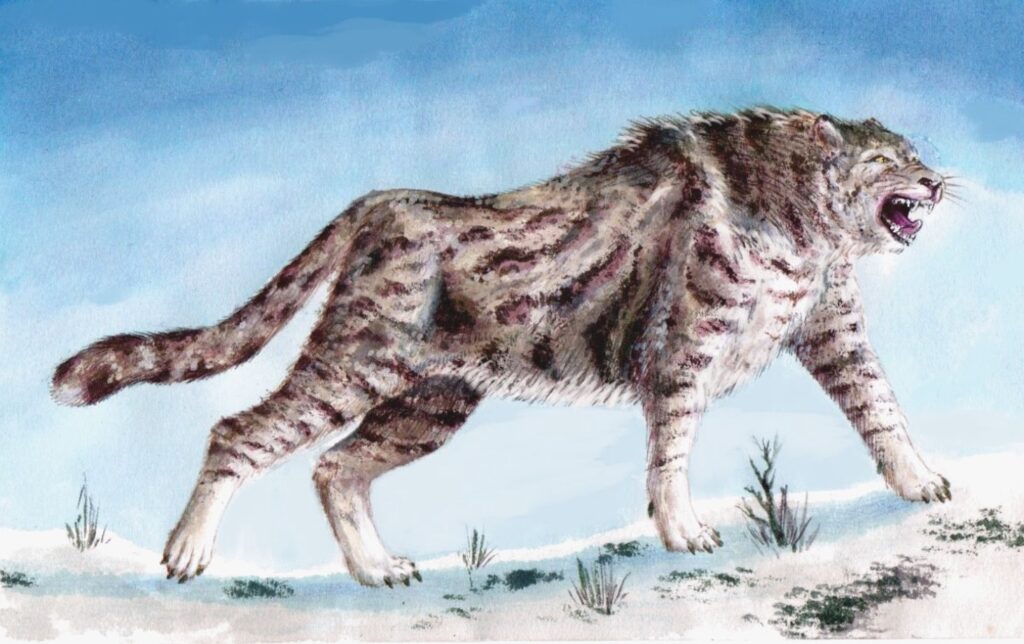
Most people assume extinction works like a courtroom case: a species disappears, scientists study the bones, verdict delivered, case closed. That assumption is almost always wrong.
For the animals on this list, decades – sometimes centuries – of research have failed to produce agreement on what actually killed them. Climate? Disease? Human hunters? Something nobody has fully considered yet? Paleontologists and biologists are still arguing, and some of these fights are getting louder, not quieter, as new DNA and isotope evidence rolls in. Here’s where the science actually stands – and where it still can’t land a final answer.
#13 – Glyptodon: The Armored Tank Nobody Can Fully Explain
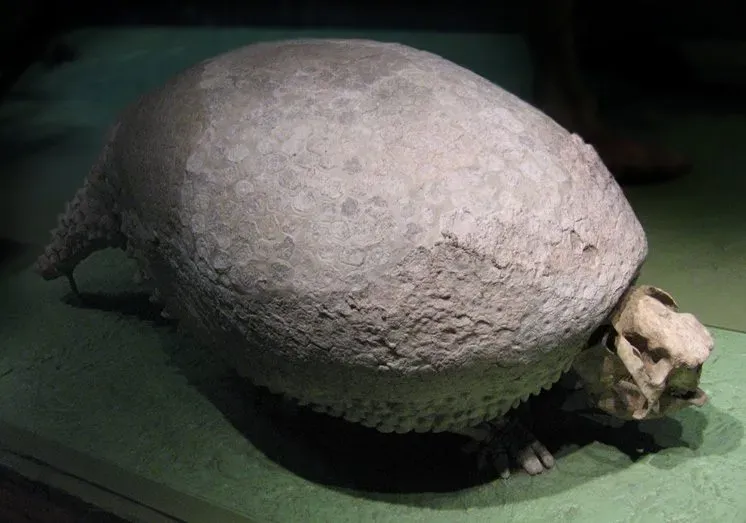
A creature the size of a small car, wrapped in bone armor thick enough to double as an Ice Age shelter, simply vanished – and nobody agrees on why.
Glyptodon roamed South America until roughly 10,000 years ago, built like an armadillo crossed with a military vehicle. Some researchers point to human hunters, since early South Americans are known to have used empty glyptodon shells as makeshift huts. That detail alone proves humans were interacting with these animals right up until they disappeared. But critics of the “overkill” theory argue the armor was nearly impenetrable, making mass hunting far less efficient than the theory assumes.
Fast Facts
- Some Glyptodon species weighed close to 2 tons, roughly as heavy as a small car
- Their domed shell alone could stretch over 5 feet long
- They’re close relatives of modern armadillos, just scaled up dramatically
- Fossils place their disappearance at roughly 10,000 years ago, right at the end of the last Ice Age
The competing camp blames the end of the last Ice Age, when rapid warming reshaped the grasslands glyptodons depended on. Isotope studies of glyptodon teeth have produced conflicting results depending on the region studied, and neither side has landed a knockout blow. Some scientists now suspect a one-two punch of shrinking habitat and opportunistic hunting – but that compromise hasn’t ended the argument, it’s just added a third side to it.
#12 – The Short-Faced Bear: Too Big to Fail, Yet It Failed Anyway
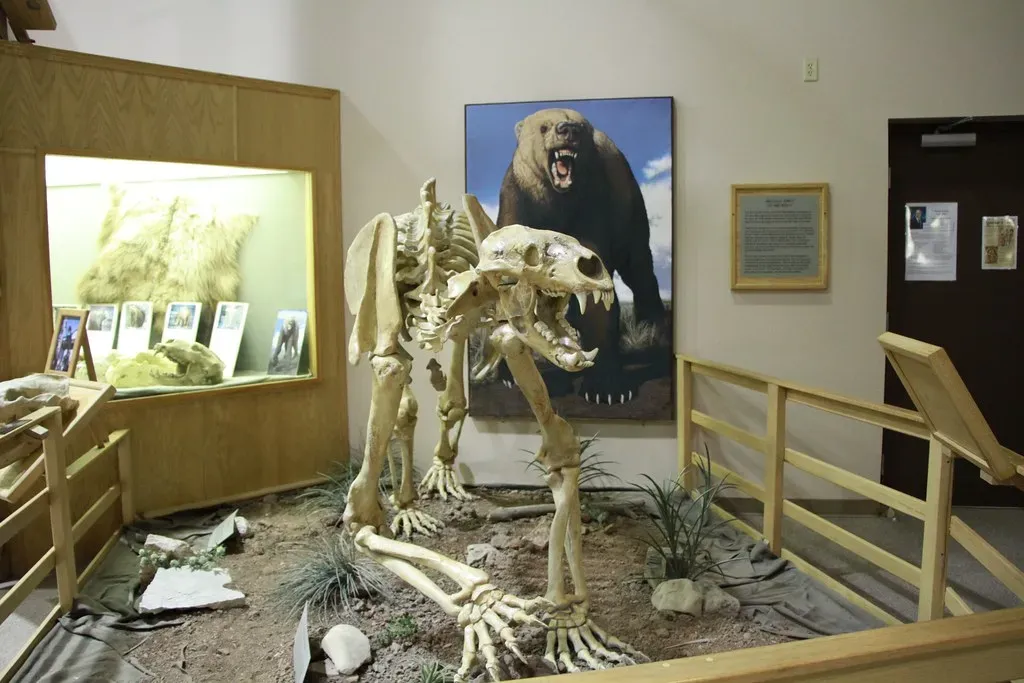
Standing over 11 feet tall on its hind legs, the short-faced bear was arguably the most dominant land predator in Ice Age North America. Its extinction genuinely stumps researchers.
Unlike many megafauna, it wasn’t a slow-breeding specialist stuck eating one type of plant. It was a fast, powerful omnivore capable of running down prey or scavenging kills from other predators. That flexibility is exactly why scientists are confused – generalists are usually the ones that survive mass extinctions, not the ones that vanish first.
Some researchers argue competition with humans for carcasses and prime hunting grounds pushed the bear out. Others suggest that as large herbivores disappeared under climate pressure, the bear simply ran out of food faster than its massive body could handle. A third camp even wonders whether disease, quietly carried by human-associated animals, played an undocumented role. Every theory has holes, and none of them has become consensus.
#11 – The American Cheetah: A Predator That Outran Extinction Theories
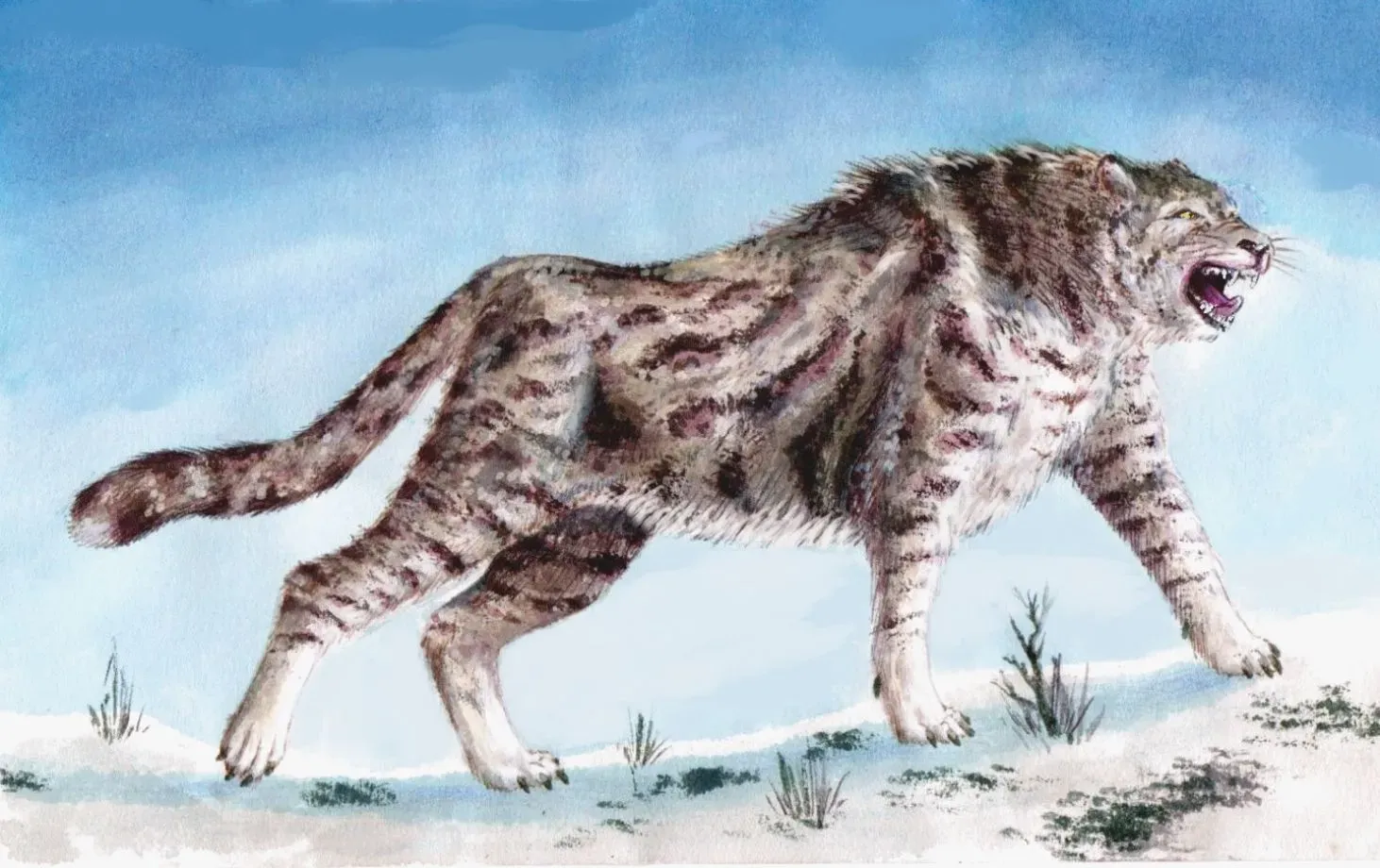
Here’s something most people don’t realize: pronghorn antelope in North America still run faster than any predator on the continent actually requires them to – because they evolved to outrun a cheetah that’s been gone for 12,000 years.
The American cheetah is a textbook “ghost of predators past,” where prey animals keep adaptations built for threats that no longer exist. Scientists know this predator shaped modern pronghorn evolution, but they remain divided on why it died out while its prey survived. The fact that the pronghorn outlived its own predator is one of evolutionary biology’s strangest footnotes.
The leading theory blames a collapse in prey populations tied to abrupt climate warming, which would have hit a specialized sprinting hunter harder than opportunistic ones. But some paleontologists argue direct competition with human hunters targeting the same fast herds sealed its fate. Fossil evidence is frustratingly sparse – the American cheetah’s remains are rare compared to other Ice Age predators – which makes this one of the hardest extinctions to pin down with any confidence.
#10 – The Cave Bear: A Population Crash Scientists Can’t Fully Reconstruct
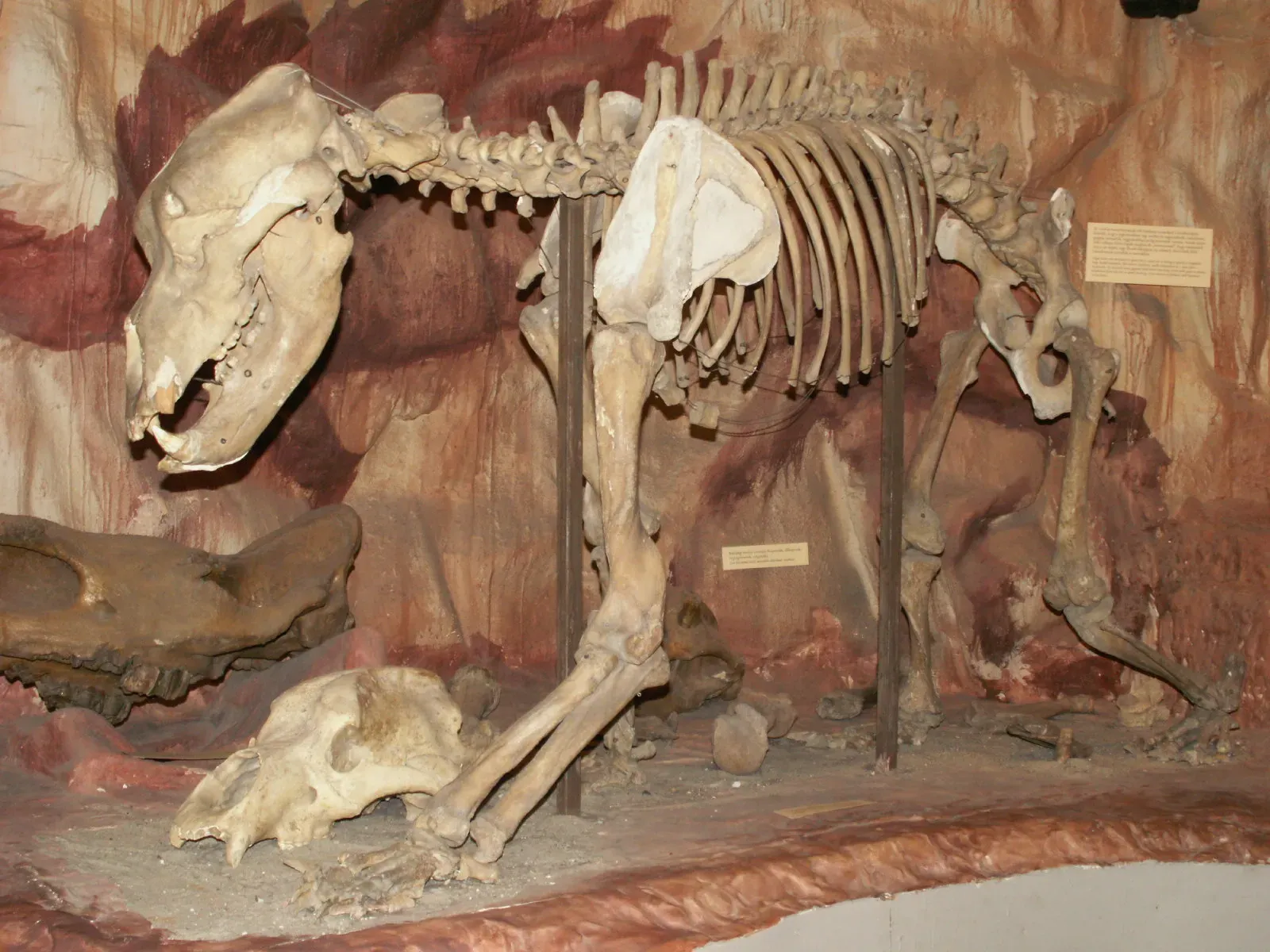
Cave bear bones are so abundant in parts of Europe that entire caves are named after them, yet researchers still argue fiercely about why a species this common suddenly wasn’t.
Genetic studies show cave bear populations were already declining for thousands of years before their final extinction around 24,000 years ago – well before humans became a major presence in many regions. That timeline surprised scientists, because it suggests the collapse started long before the “usual suspects” theory would predict.
Some experts blame a slow, climate-driven shrinking of hibernation habitat that put unbearable pressure on the species over centuries. Others insist growing competition with humans for cave shelters – a genuinely underrated resource in the Ice Age – accelerated an already fragile population toward collapse. A smaller but vocal group argues dietary specialization made cave bears unusually vulnerable to vegetation shifts, since isotope evidence suggests they ate far less meat than other bears of the era.
#9 – The Giant Ground Sloth: Bigger Than a Rhino, Yet Somehow Erased
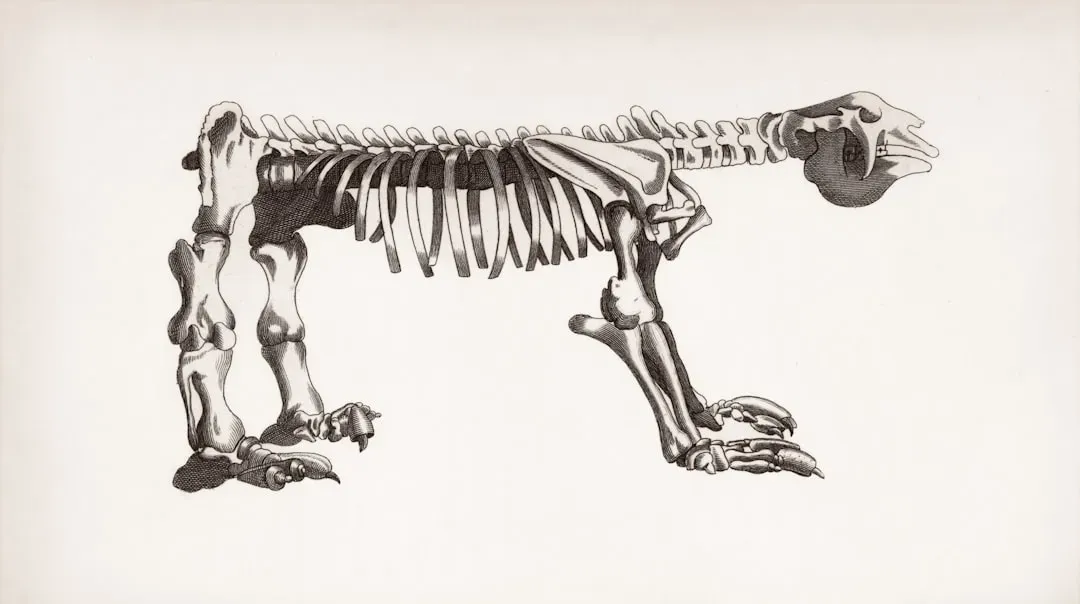
Picture an animal the size of an elephant, built like a sloth, capable of rearing onto two legs to strip leaves from tall trees. Now imagine scientists still arguing about how something that massive simply disappeared.
Giant ground sloths survived in isolated Caribbean populations for thousands of years after their mainland relatives vanished, which wrecks any simple extinction narrative. This staggered timeline is one of the biggest clues that no single event wiped them out everywhere at once – mainland and island populations likely faced completely different pressures.
At a Glance
- The largest species, Megatherium, could rear up onto two legs to reach tree canopies
- Some mainland giants weighed several tons, rivaling modern elephants
- Smaller Caribbean sloth species held on for thousands of years after mainland populations vanished
- Cut marks on some fossil bones are the strongest direct evidence linking human hunters to their decline
Overhunting remains the dominant theory for mainland extinctions, backed by cut marks found on sloth bones at archaeological sites. But the island populations that held on longer suggest isolation offered real protection – until it didn’t. Researchers still debate whether the eventual disappearance of these holdouts came down to late-arriving human settlers, disease, or simple genetic decline in small, isolated groups. No single paper has closed the case.
#8 – Haast’s Eagle: The Giant Raptor That Lost Its Only Food Source
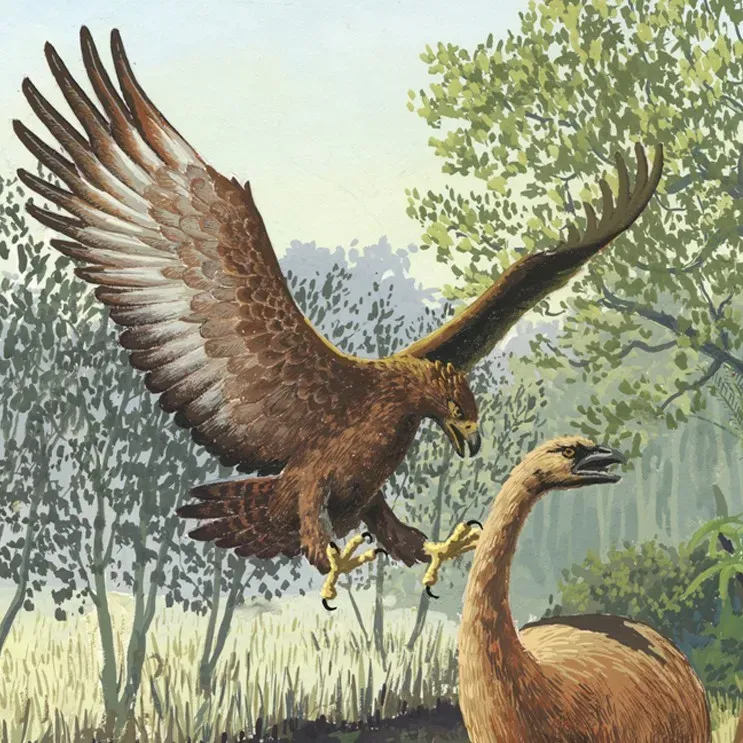
New Zealand’s Haast’s eagle was large enough to kill prey ten times its own body weight, and its extinction is tangled up in one of the most debated ecological collapses in modern science.
This eagle specialized almost entirely in hunting moa, the giant flightless birds that once dominated New Zealand. When moa populations crashed under rapid human hunting after Polynesian settlers arrived, Haast’s eagle lost its primary – and possibly only reliable – food source almost overnight. That kind of ecological domino effect is rare to document this clearly in the fossil record.
The debate isn’t really about whether the moa’s extinction triggered the eagle’s downfall – most scientists agree it did. The disagreement is over timing and mechanism. Some argue the eagle could have survived by shifting to smaller prey, and question why it didn’t adapt fast enough. Others insist its extreme size made it too specialized to pivot, since hunting smaller, faster animals requires a completely different body plan. Whether this collapse took decades or centuries is still contested.
#7 – The Moa: Hunted Fast, But the Full Timeline Is Still Argued
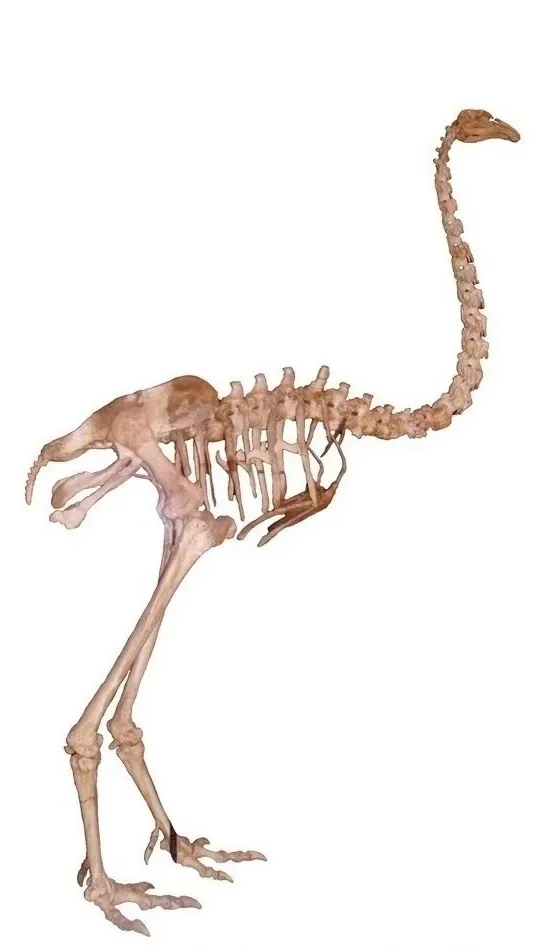
Nine species of giant flightless moa once roamed New Zealand, and while most scientists agree humans played the central role in their extinction, the exact speed and sequence of events is still a genuine scientific fight.
Some research suggests the moa vanished within roughly a century of human arrival – an astonishing collapse for birds that had no natural predators for millions of years. That speed is what makes this extinction so unsettling: it suggests a keystone species can disappear almost within a single human lifetime. Other studies argue the decline was more gradual, with habitat burning by early settlers weakening populations before hunting delivered the final blow.
The controversy intensifies around how many moa species went extinct simultaneously versus sequentially, since different regions of New Zealand show different fossil timelines. Some researchers argue this proves multiple independent extinction events rather than one unified collapse. That distinction matters more than it sounds – it changes how scientists model human impact on isolated ecosystems everywhere.
#6 – Smilodon: The Saber-Toothed Cat’s Extinction Still Splits Paleontologists
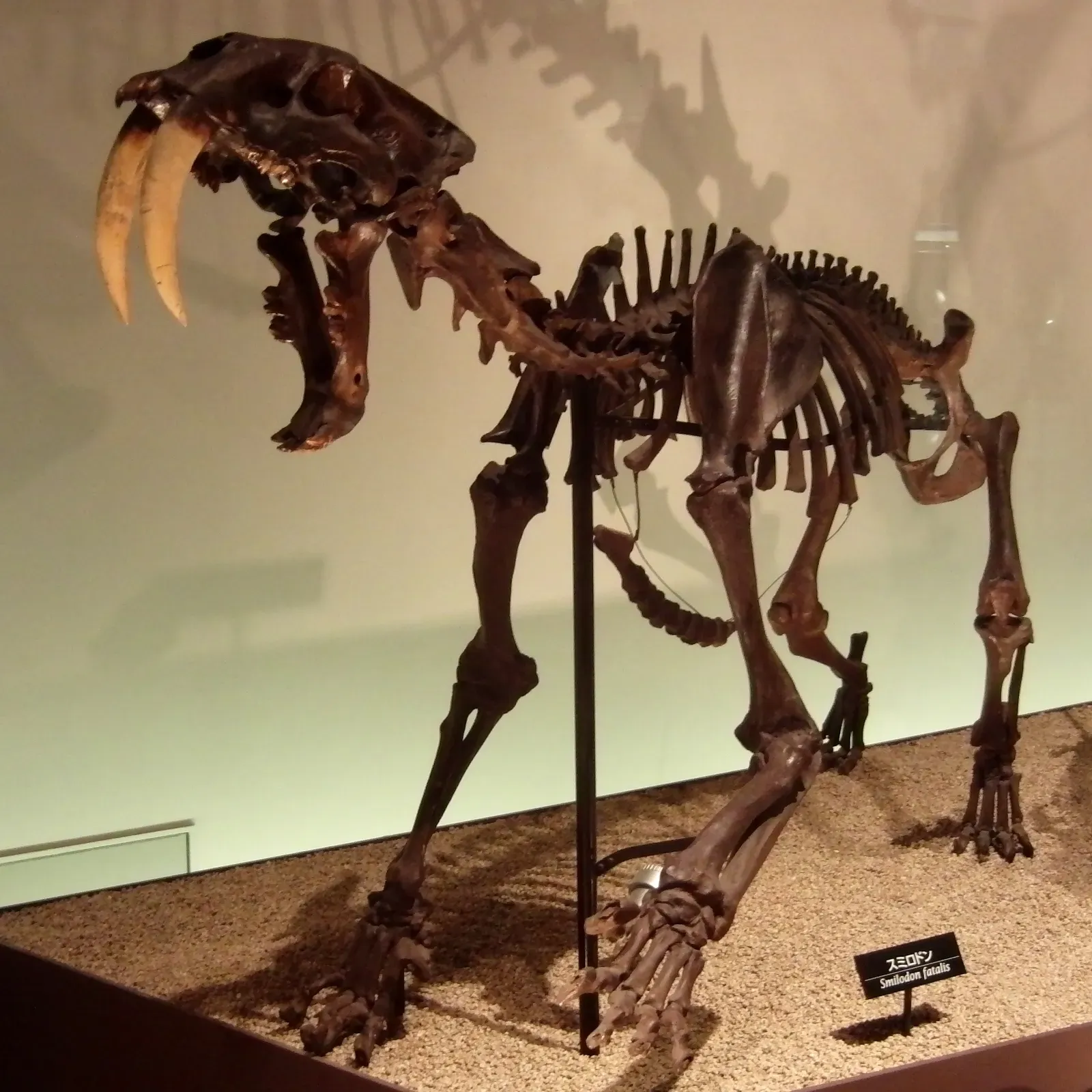
Smilodon’s dagger-like teeth are iconic, but the reason this apex predator disappeared roughly 10,000 years ago remains one of paleontology’s most contested debates.
The traditional theory blames the disappearance of large herbivores, since Smilodon specialized in hunting massive prey like bison and young mammoths. As those prey species declined under climate shifts, the theory goes, the cat starved into extinction. But newer isotope research complicates this story by suggesting Smilodon’s diet was more flexible than assumed, undermining the “picky eater” explanation entirely.
A competing camp argues direct competition with early human hunters for the same large prey pushed Smilodon out of viable territory. Others point to a colder, drier climate that disrupted the dense cover its ambush-hunting strategy depended on. Fossil evidence of injury patterns even suggests some populations were already malnourished before the final extinction event, though scientists disagree on how widespread that weakness really was.
#5 – Steller’s Sea Cow: Hunted to Death, But the Ecosystem Story Is Messier
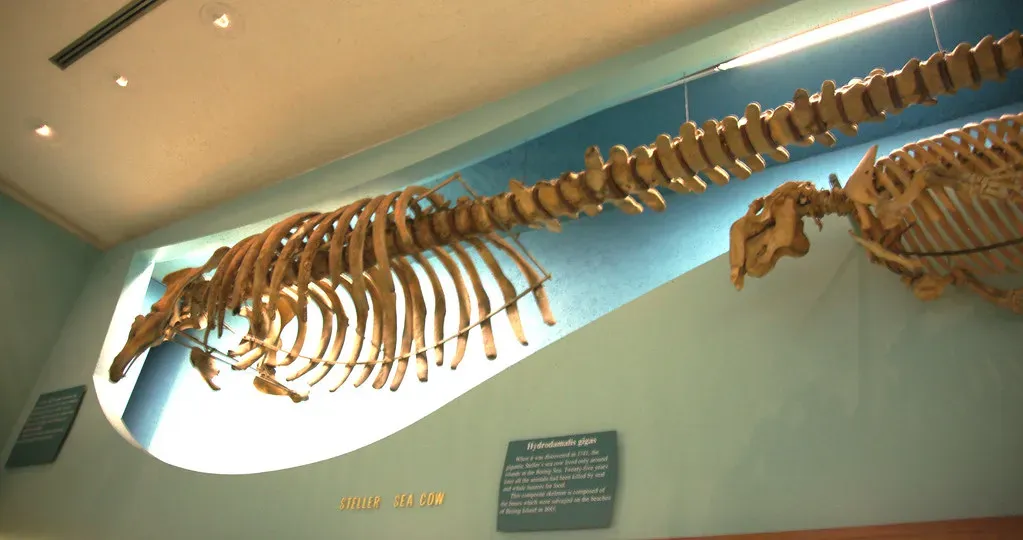
Most people assume Steller’s sea cow extinction is an open-and-shut case of human overhunting – and it mostly is. But scientists are still arguing about a hidden ecological trigger that may have sped the whole collapse up.
The species was discovered by Europeans in 1741, and within just 27 years, hunters had wiped out the entire remaining population for meat and fat. These animals were slow to reproduce, so the collapse hit fast and hit hard. That speed is exactly why some scientists argue hunting pressure alone can’t fully explain it.
A widely discussed theory suggests hunters also wiped out local sea otter populations, and without otters keeping them in check, sea urchins multiplied unchecked, devouring the kelp forests that once fringed the island. That would have left the sea cows starving even as hunting continued. Later research pushed back on how large a role this kelp collapse actually played, concluding the ecological effect may have been real but minimal compared to direct hunting between 1741 and 1768. Which factor mattered more – killing or ecosystem collapse – is still unresolved.
#4 – The Xerces Blue Butterfly: Solved on Paper, Still Mysterious in Practice
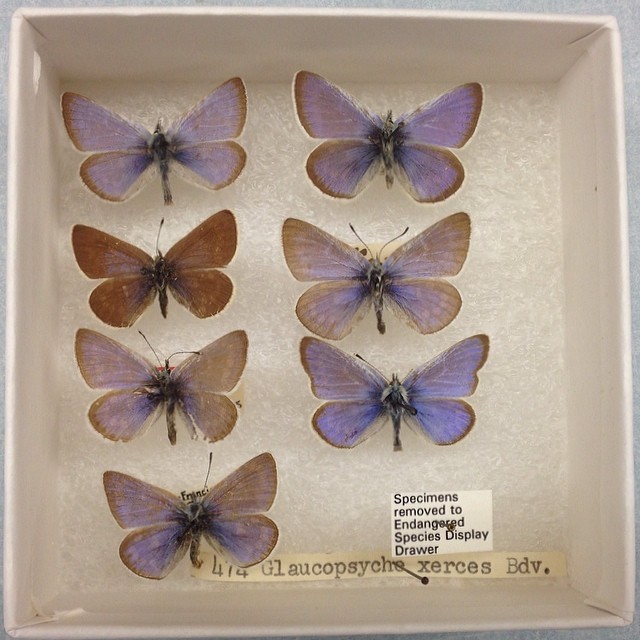
For nearly a century, scientists couldn’t even agree the Xerces blue butterfly was a real species, rather than a local variant of a more common one. Now that it’s officially confirmed, the bigger questions are only getting stranger.
Genetic sequencing of a 93-year-old museum specimen finally proved the butterfly was genetically distinct, making it the first insect in North America known to have been driven extinct by humans. But the deeper mystery is why this specific population was so fragile in the first place: researchers found declining population sizes and rising inbreeding beginning 75,000 years ago, long before San Francisco’s urban development ever existed.
That means humans delivered the final blow, but something else was quietly weakening this butterfly for tens of thousands of years beforehand – probably ancient climate shifts that never touched the Silvery Blue, its closest surviving relative. Why one species suffered this slow-motion decline while a nearly identical one thrived is still an open question. It’s exactly the kind of finding that reshapes how scientists judge which species are secretly vulnerable today.
#3 – Woolly Mammoths: The Last Survivors Died in a Way Scientists Still Debate
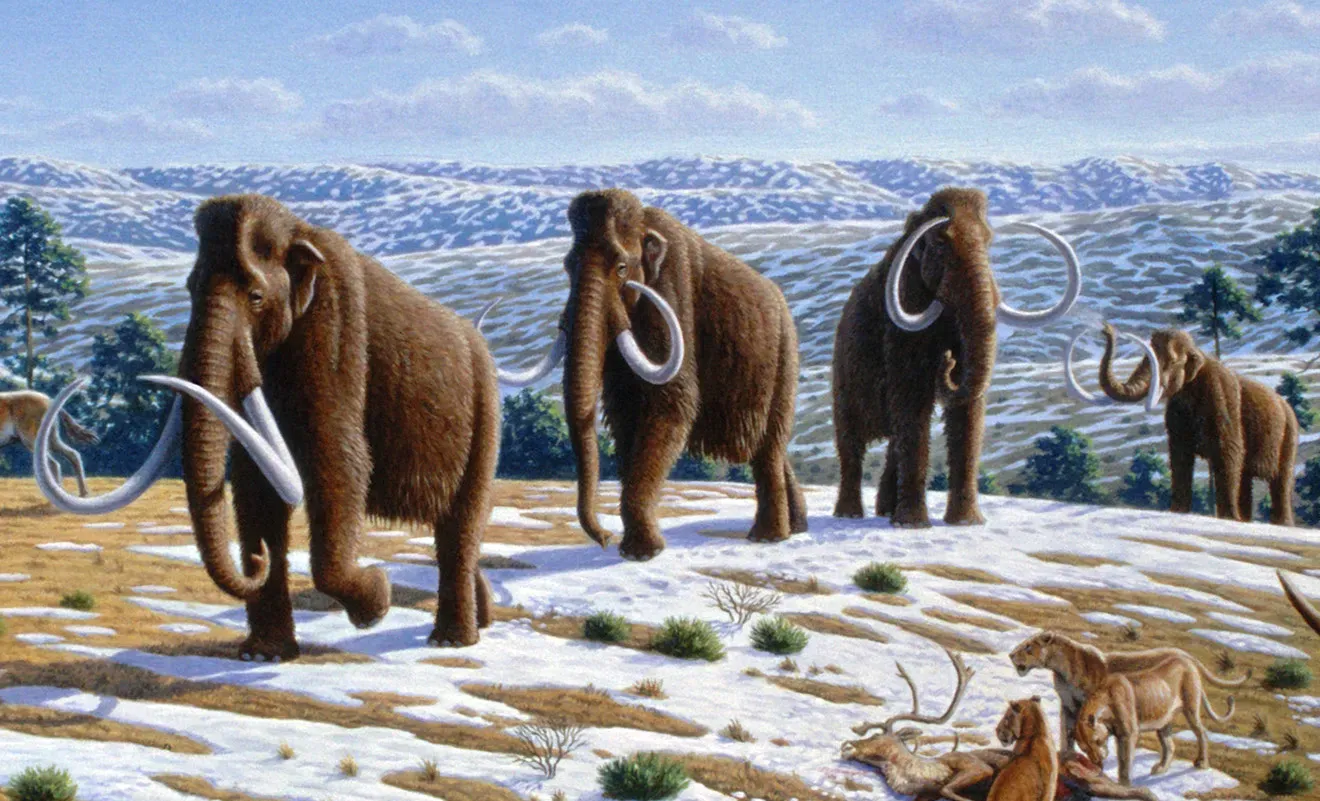
Everyone knows the basic mammoth story – Ice Age ends, mammoths disappear. The truth is far stranger, because isolated mammoth populations survived thousands of years after mainland herds vanished, and their final collapse is still argued over.
Mainland woolly mammoths disappeared roughly 10,000 years ago as the climate warmed and human hunting intensified across Eurasia and North America. But small, isolated populations survived far longer than anyone expected – some for thousands of additional years – which wrecks any simple “climate killed them” narrative. If climate alone explained the extinction, these holdouts shouldn’t have lasted nearly that long.
Worth Knowing
- A dwarf mammoth population on Russia’s Wrangel Island survived until roughly 4,000 years ago
- That’s thousands of years after mainland mammoths had already vanished
- Genome studies of these late survivors show signs of harmful inbreeding
- Adult woolly mammoths could stand over 9 feet tall and weigh several tons
Scientists remain split on why these final populations eventually collapsed. Some argue genetic problems from extreme inbreeding in small, isolated groups made survival unsustainable long-term. Others believe a final climate shift, combined with fresh human contact as populations expanded into new territory, delivered the last blow. No single mammoth extinction theory explains every population equally well – and that inconsistency is exactly why the debate refuses to die.
#2 – The Irish Elk: Its Antlers Sparked a 200-Year Scientific War
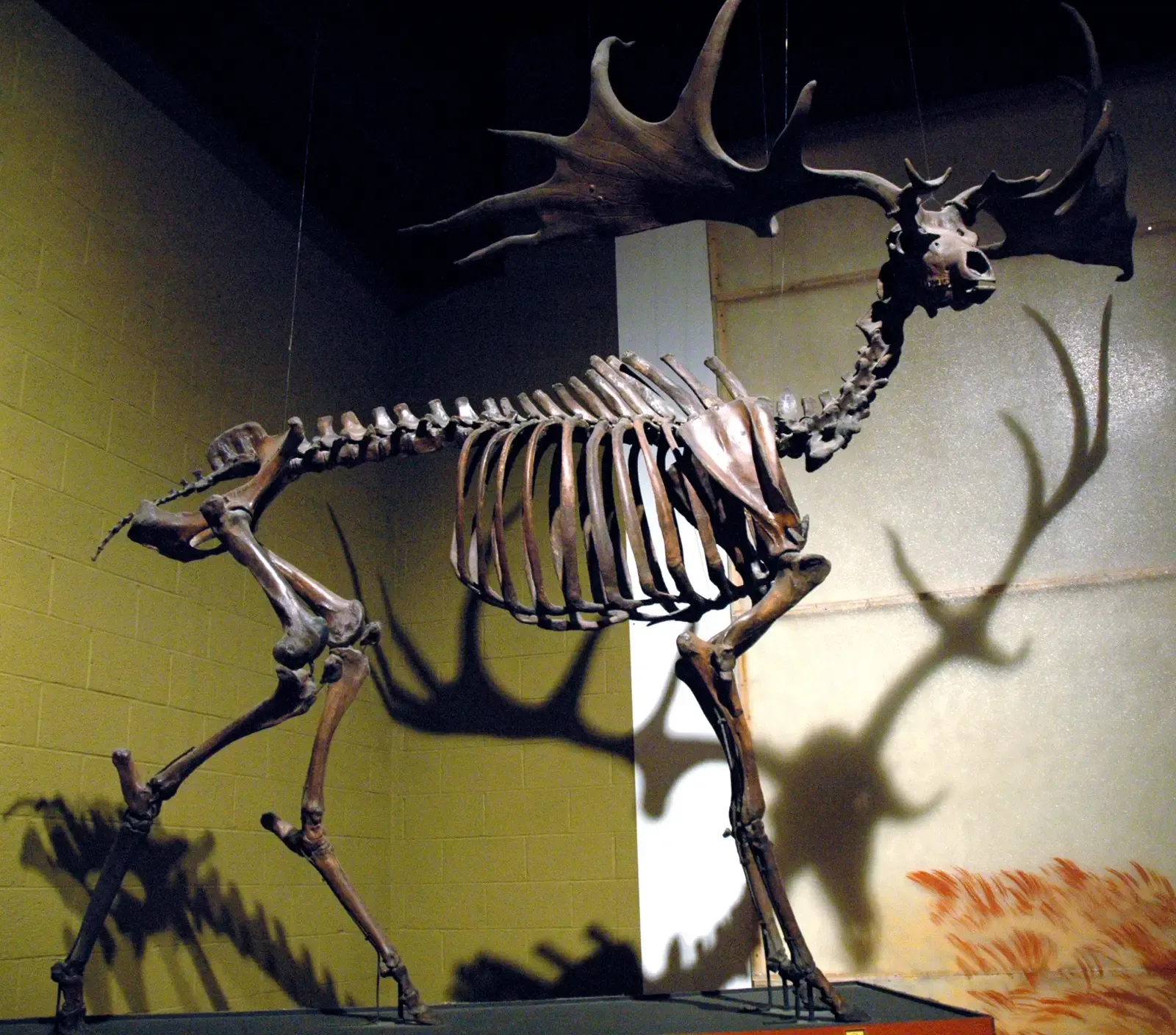
The Irish elk carried antlers that could stretch nearly 12 feet from tip to tip, and for two centuries, scientists have fought bitterly over whether those very antlers caused its own extinction.
The species vanished thousands of years ago, and early naturalists were convinced the antlers grew so massive the animals couldn’t hold up their heads, or got tangled in the forest canopy. That dramatic “killed by its own beauty” story became one of the most famous extinction myths in science – and it’s largely wrong.
Later analysis, including famous work by paleontologist Stephen Jay Gould, argued the antlers were proportionally normal for the animal’s massive body size, shifting the blame elsewhere. More recent research points to climate change as an obvious suspect, given the timing and the elk’s preference for large open country. But human impact is also in the frame, from direct hunting to subtler pressure on landscapes and prey communities. Researchers still can’t agree on the precise mix, and the “giant antlers doomed them” myth still refuses to die in the public imagination.
#1 – The Golden Toad: The Extinction That Broke Scientific Consensus
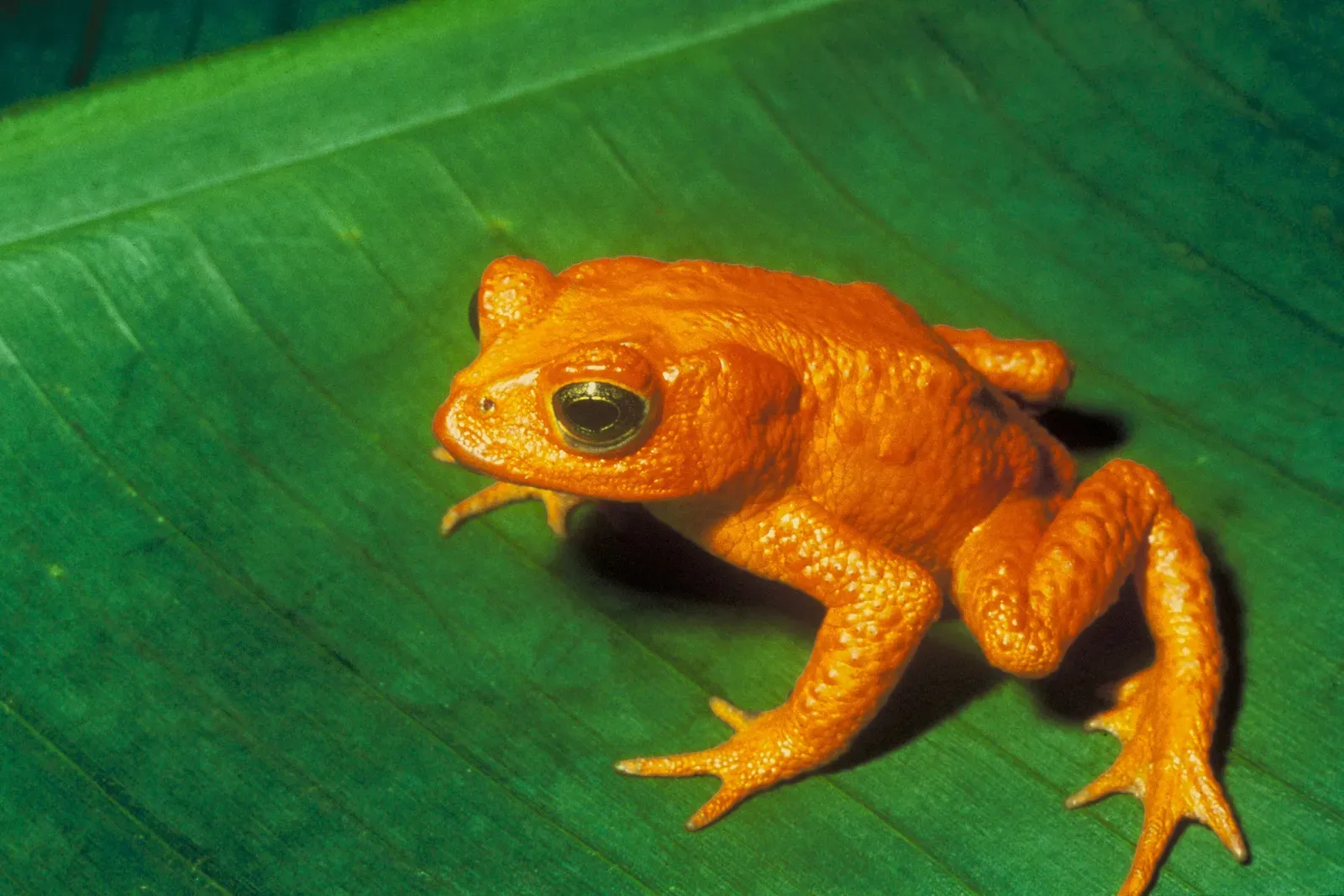
If you want proof that even modern extinctions with detailed records can spark genuine scientific warfare, look no further than the golden toad – an extinction that literally changed how climate change gets discussed in extinction science.
Confined to just a few square kilometers of Costa Rican cloud forest, the golden toad vanished suddenly in the late 1980s, and its disappearance became the first extinction widely blamed on human-made global warming. That claim made global headlines – and then scientists spent the next two decades tearing it apart.
A landmark 2010 study using tree-ring climate data argued global warming did not kill the Monteverde golden toad, pointing instead to a pathogen outbreak tied to a natural El Nino event rather than long-term warming. Other researchers pushed back hard, insisting climate change still played a role even if disease delivered the final blow.
Disease is the bullet killing frogs, but climate change is pulling the trigger.
J. Alan Pounds, ecologist, Monteverde Cloud Forest Preserve
Both camps have peer-reviewed evidence, and neither has backed down. That unresolved fight over one small, golden amphibian might be the clearest proof yet that extinction science is nowhere near as settled as most people assume.
The Bottom Line
What ties these 13 extinctions together isn’t ignorance – it’s complexity. Real extinctions rarely have one clean cause, and the deeper scientists dig – into mammoth genomes, butterfly DNA, or 300-year-old toad populations – the messier the story gets.
Climate, hunting, disease, and ecological collapse almost always overlap, and pretending otherwise is where most popular science gets it wrong. If there’s one controversial takeaway here, it’s this: humans probably played a bigger, quieter role in far more of these extinctions than we’re comfortable admitting. The armor, the antlers, the size, the speed – none of it was enough to save them. Which one of these surprised you the most? Drop your pick in the comments.