
Most people assume fossils get slotted neatly into the tree of life the moment they’re pulled from the ground. They don’t. Throughout the history of paleontology, some of the most important specimens ever unearthed were laughed out of conference halls, buried in desk drawers for years, or openly accused of being hoaxes by the very experts who should have championed them.
Turns out, the fossils that eventually rewrote the textbooks were almost always the ones scientists fought hardest to reject first. Twenty of them are lined up below, from a schoolboy’s discovery that broke a fundamental rule of geology to a “missing link” torn apart on live television. Here’s what actually happened once the dust settled.
#20 – Charnia masoni: The “Fossil” That Broke a Fundamental Rule of Geology
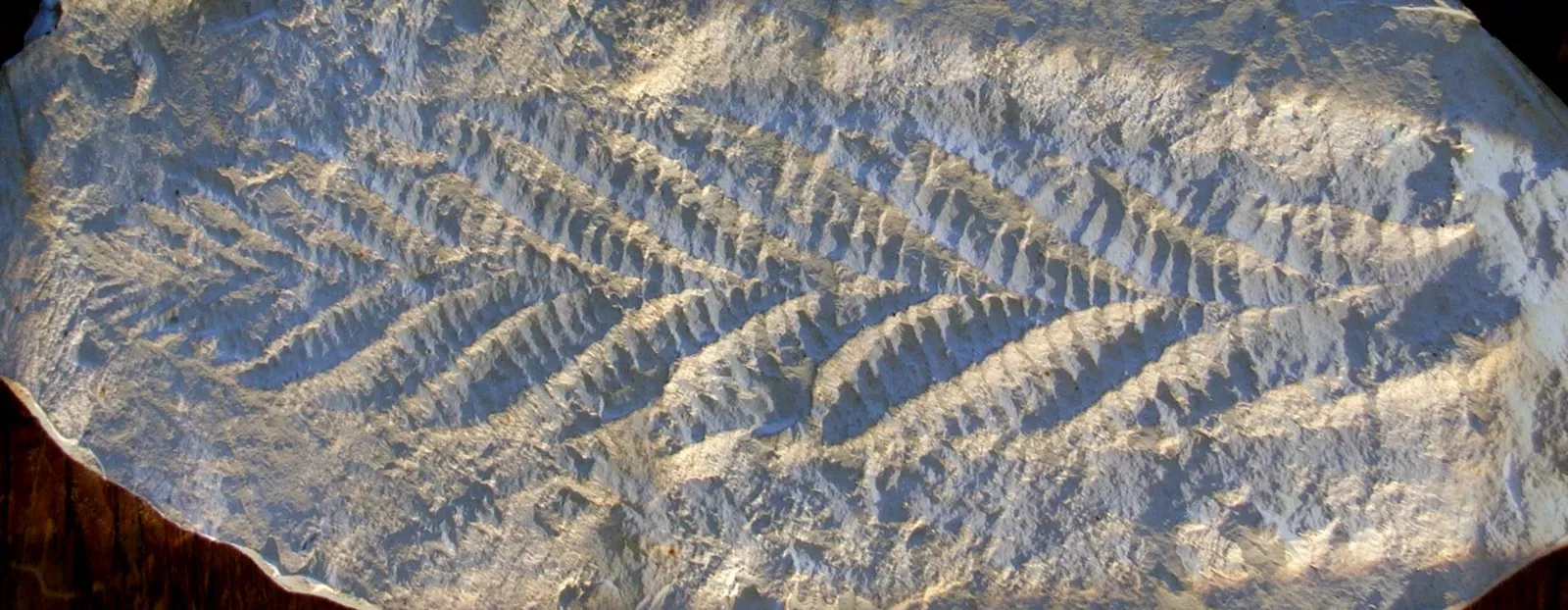
A schoolboy found a frond-shaped impression in England that geologists insisted couldn’t exist.
For most of the 20th century, the scientific consensus was airtight: complex life didn’t exist before the Cambrian period, roughly 541 million years ago. So when a leaf-like fossil impression turned up in rocks dated well before that boundary, the immediate assumption wasn’t excitement – it was dismissal. Geologists figured it had to be an inorganic mineral formation, a “pseudofossil,” because actual organisms simply weren’t supposed to be there.
The specimen, eventually named Charnia masoni, sat in that gray zone of scientific doubt for years. It took additional Ediacaran discoveries around the world to force a reluctant admission: complex, soft-bodied life existed tens of millions of years earlier than anyone had been willing to accept. Some paleontologists still argue about exactly where Charnia sits on the tree of life. Compared to what’s coming next, that dispute looks tame.
#19 – Longisquama: The Reptile With “Feathers” Nobody Could Agree On
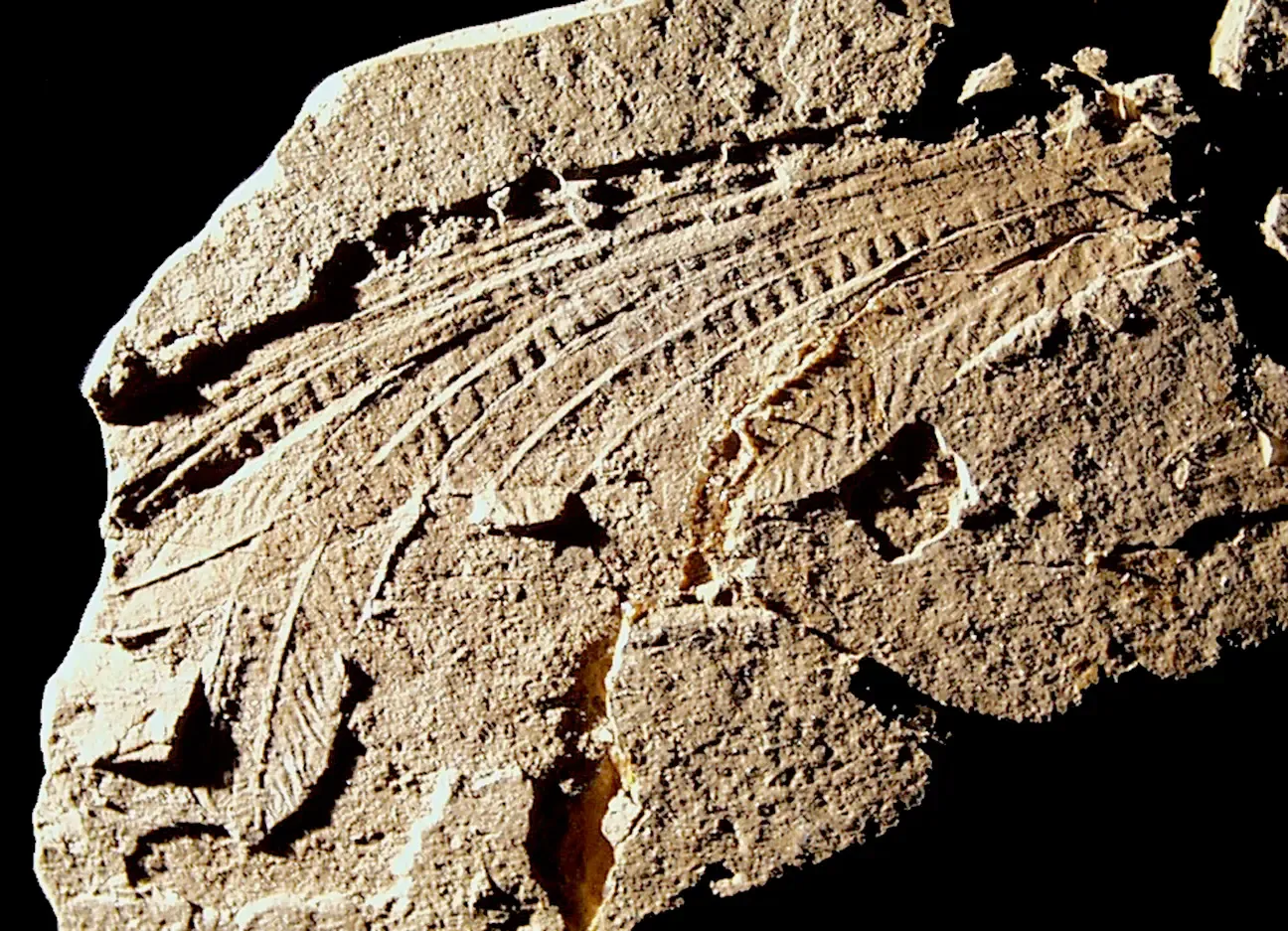
This Triassic reptile came with strange paddle-like structures on its back that ignited one of paleontology’s longest-running shouting matches.
Longisquama insignis was described from fragmentary remains showing a row of long, feather-like appendages running down its spine. Some researchers looked at the structures and saw genuine proto-feathers – evidence that feather-like coverings evolved earlier and in stranger lineages than anyone expected. Other scientists took one look and called the entire interpretation flawed, arguing the structures were nothing more than elongated scales.
The disagreement has never been fully resolved, and that’s precisely what makes this fossil so unusual. Unlike most controversial finds that eventually get settled with new specimens or better imaging technology, Longisquama remains stuck in scientific limbo. Many paleontologists now treat it as a cautionary tale about over-interpreting incomplete fossils rather than a genuine feather precursor. At least Longisquama’s mystery makes a kind of sense – #18’s identity crisis is stranger.
#18 – Nectocaris: The Cephalopod That Kept Changing Species
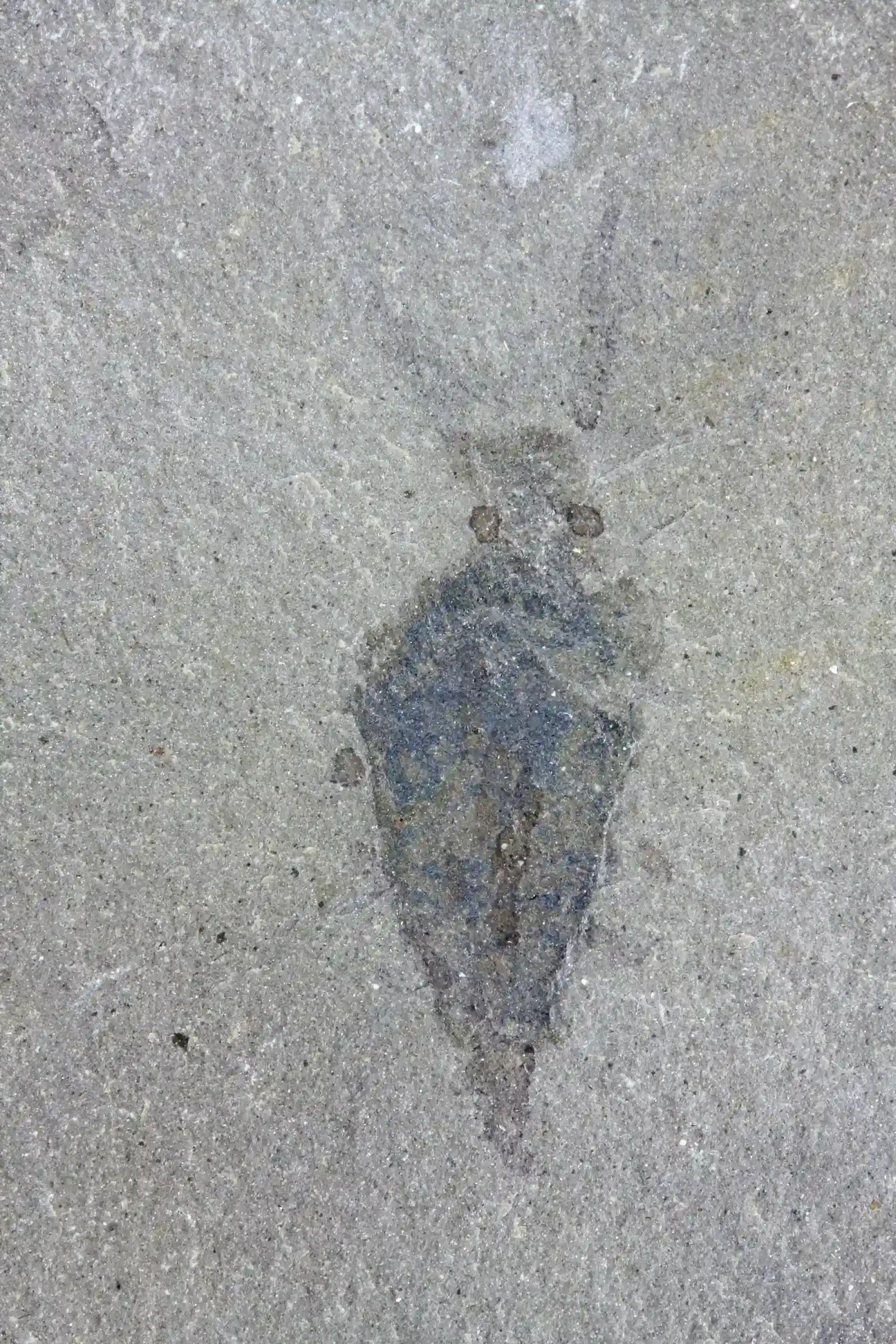
Few fossils have been reclassified as many times as this Cambrian oddball.
Nectocaris pteryx was originally described in the 1970s as a strange arthropod-like swimmer with a single pair of tentacles and a body shaped almost like a torpedo. For decades it sat quietly in museum drawers as an unresolved curiosity. Then newer specimens surfaced showing features that looked distinctly cephalopod-like – suggesting it might actually represent one of the earliest ancestors of squid and octopuses.
That reclassification sparked immediate pushback. Many experts argued the “cephalopod” interpretation was premature, pointing out that Nectocaris lacked a shell entirely, unlike every other early cephalopod known at the time. The debate forced scientists to reconsider what actually defines the earliest members of that lineage. Some researchers still consider its classification unsettled today – but that’s tame next to a fossil so weird an entire U.S. state had to defend its own mascot.
#17 – Tully Monster: A Fossil Even Its Own State Couldn’t Classify
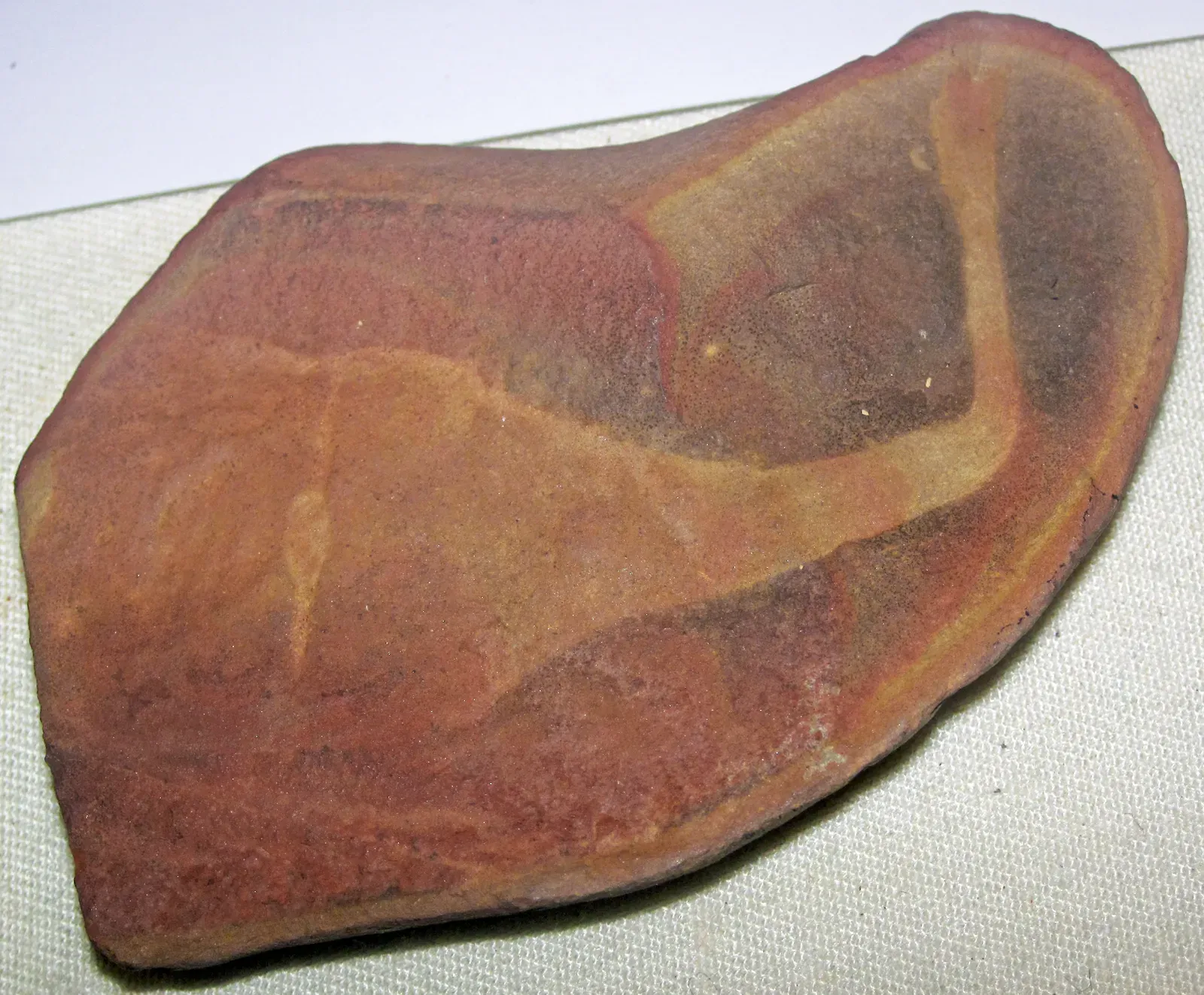
Illinois made this thing its official state fossil before anyone agreed on what animal it actually was.
The Tully Monster, discovered in coal-mining pits near Chicago, is one of the strangest body plans ever preserved: a soft-bodied creature with eyes on a rigid bar and a long snout tipped with a claw-like mouth. For over 50 years after its 1958 discovery, paleontologists simply couldn’t agree on which branch of the animal kingdom it belonged to.
Fast Facts
- Found by amateur collector Francis Tully in the Mazon Creek fossil beds of northern Illinois.
- Preserved almost exclusively in ironstone concretions found nowhere else on Earth.
- Lived roughly 300 million years ago during the Pennsylvanian period.
- Named the official Illinois state fossil in 1989, decades after its discovery.
In 2016, a team proposed it was actually a vertebrate – a relative of lampreys – based on subtle features preserved in the fossils. That claim triggered immediate backlash from other paleontologists who reanalyzed the same specimens and argued the “vertebrate” features didn’t hold up under scrutiny. The fight over the Tully Monster’s identity isn’t fully settled, making it one of the only state fossils on Earth whose basic biology remains disputed. Nothing about that compares to the fifty-year wait scientists endured for #16.
#16 – Deinocheirus: Fifty Years of Nightmare Arms and Nothing Else
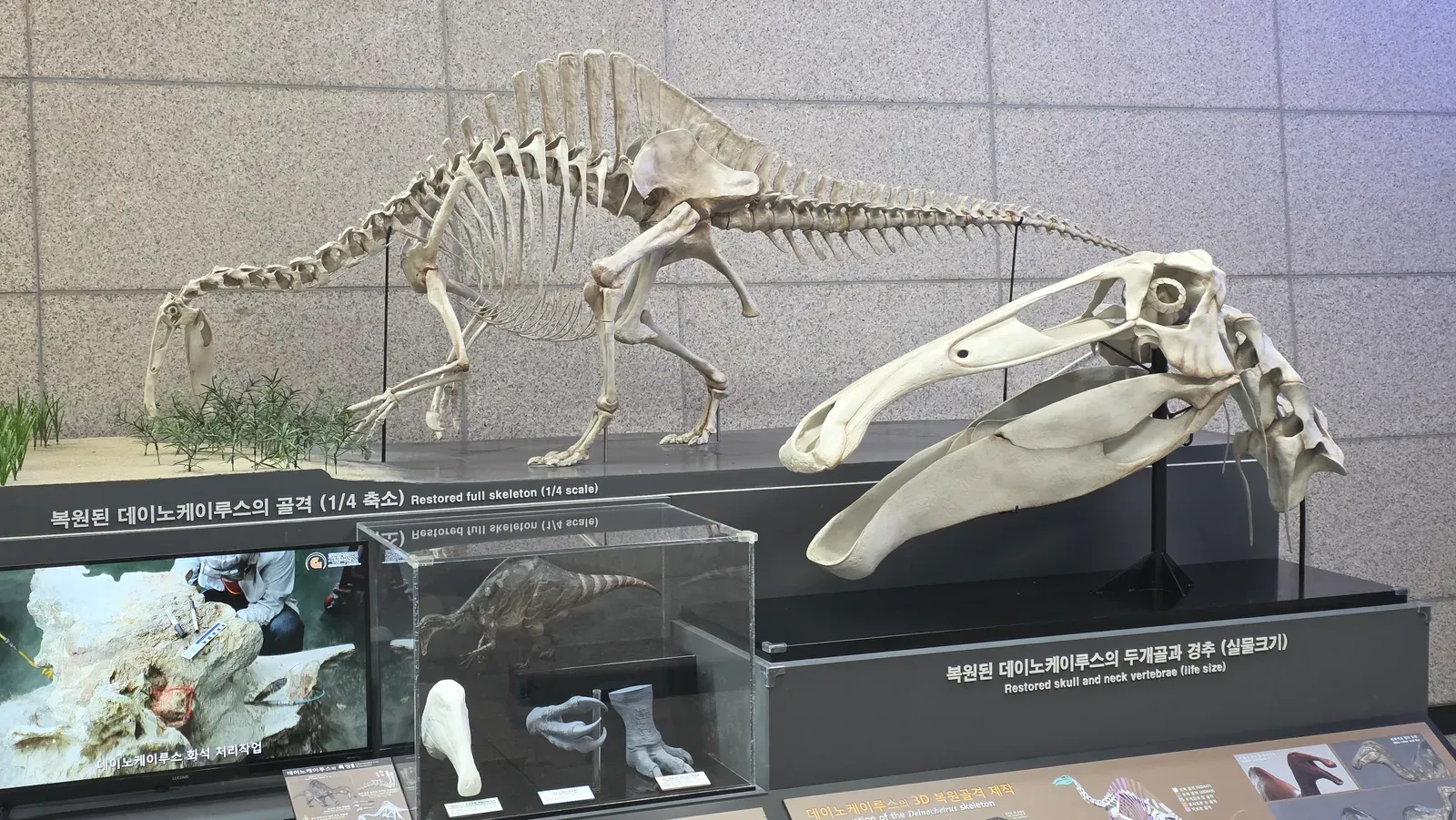
For half a century, all scientists had were two enormous, terrifying arms and absolutely no idea what was attached to them.
In 1965, a Polish-Mongolian expedition unearthed a pair of dinosaur arms stretching over eight feet long, tipped with massive claws. Named Deinocheirus mirificus – literally “unusual terrible hand” – the fossil became paleontology’s most famous cliffhanger. Without a skull, spine, or legs, scientists could only speculate, and early reconstructions imagined a fearsome predator built like a scaled-up raptor.
When more complete skeletons finally surfaced decades later, the reveal stunned everyone. Deinocheirus wasn’t a predator at all – it was a hump-backed, duck-billed plant-and-fish eater with a body shape unlike almost anything else in the dinosaur record. The gap between the terrifying assumption and the bizarre reality is exactly why this fossil belongs on this list. As wild as that reveal was, #15 broke an even stranger rule.
#15 – Yi qi: The Dinosaur With Bat Wings That Broke the Rules
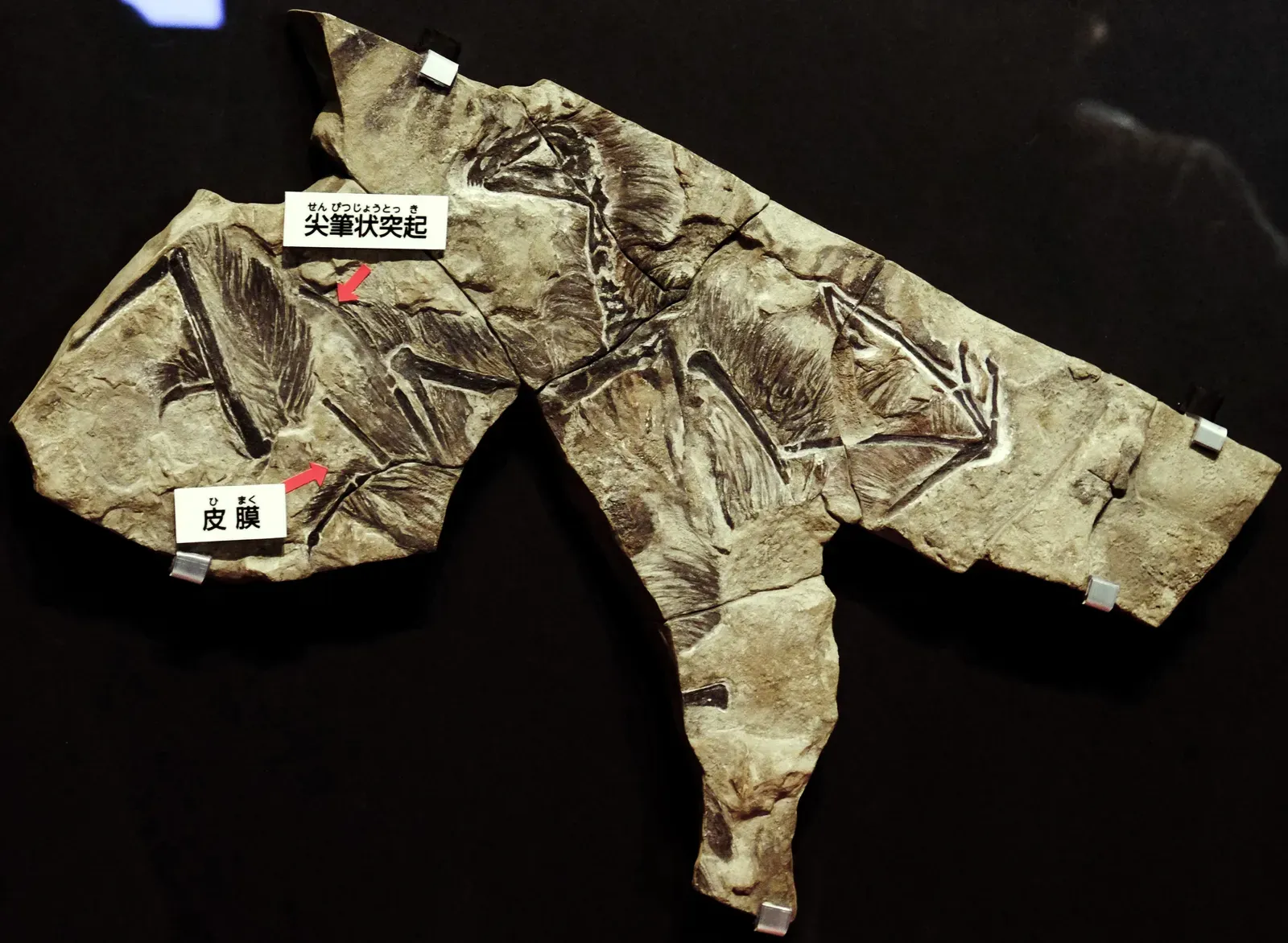
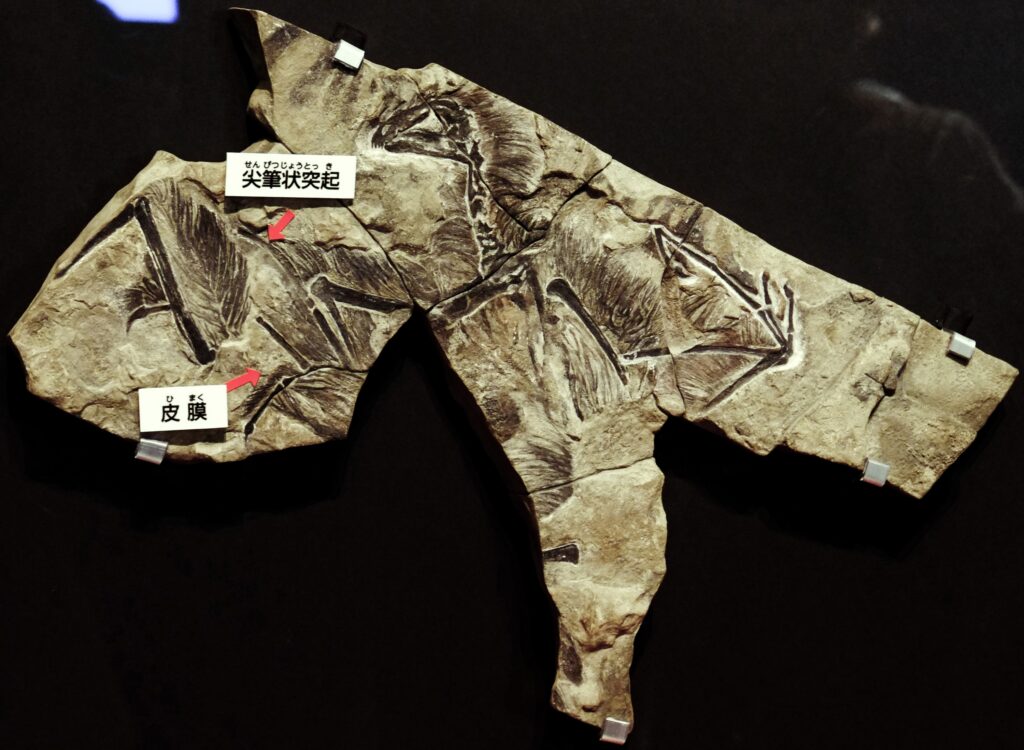
Every dinosaur with wings was supposed to have feathers – until this one showed up with a membrane instead.
Yi qi, a small feathered dinosaur from China, initially looked like dozens of other small theropods being pulled from the same fossil beds. Then researchers noticed something along its wrist: a rod-like bone unlike anything seen in any other dinosaur, paired with skin impressions suggesting a bat-like or flying-squirrel-like membrane rather than a feathered wing.
Many paleontologists were openly skeptical that a dinosaur so closely related to feathered relatives would evolve a completely different flight membrane. Some argued the preservation was misleading and that the “membrane” was an artifact of decay or crushing during fossilization. The debate highlighted just how experimental early dinosaur flight really was, with multiple lineages seemingly trying wildly different solutions at once. That argument was tense. The one at #14 had scientists laughing out loud in a conference hall.
#14 – Opabinia: The Five-Eyed Weirdo That Made a Room Full of Scientists Laugh
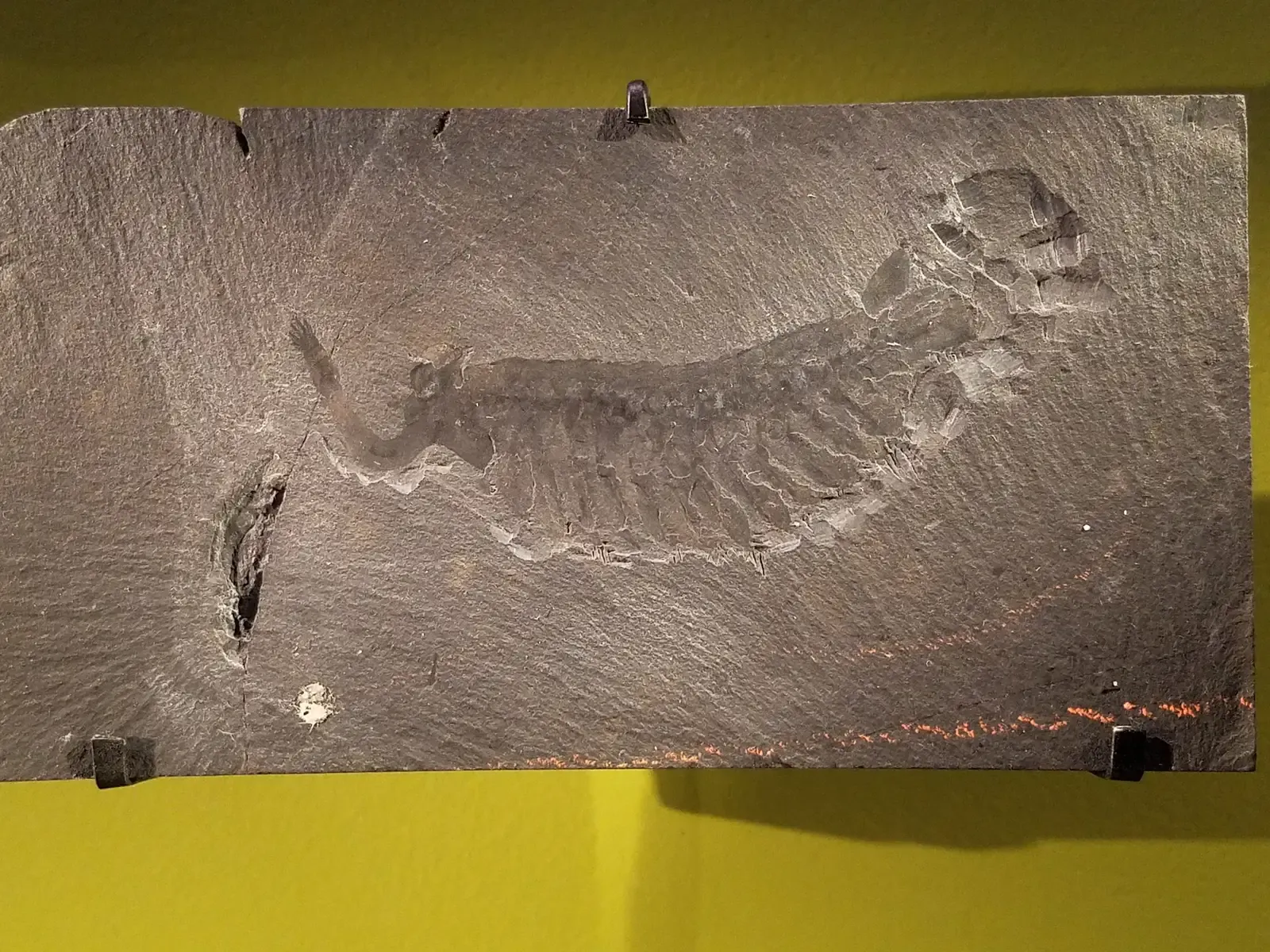
When this fossil was first presented at a major paleontology conference, the audience reportedly burst into laughter.
Opabinia regalis, unearthed from the Cambrian-aged Burgess Shale, has five mushroom-shaped eyes, a segmented body, and a long flexible nozzle ending in a pair of grasping spines. When paleontologist Harry Whittington reconstructed and presented the animal in the 1970s, the sheer strangeness of the anatomy struck many in the audience as too outlandish to be real.
The skepticism wasn’t unreasonable – Opabinia genuinely doesn’t fit neatly into any modern animal group. It’s often cited as a textbook example of the explosive experimentation that defined the Cambrian period, when evolution seemed to be testing body plans that would never survive long-term. Some researchers still debate exactly where it belongs relative to arthropods. Strange as Opabinia was, at least it ended up right-side up. #13 wasn’t so lucky.
#13 – Hallucigenia: The Fossil Scientists Reconstructed Completely Upside Down
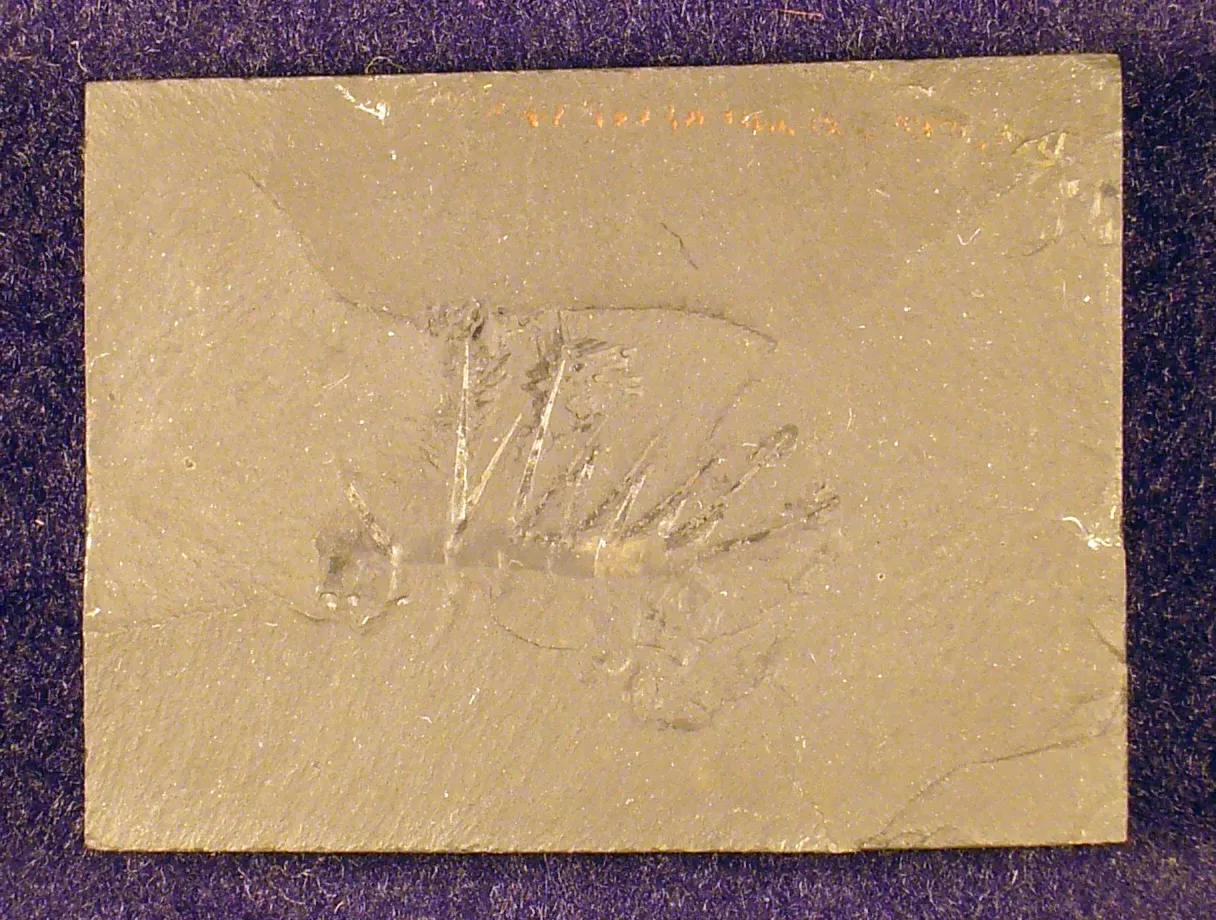
For years, museum displays and textbooks around the world had this animal backward, upside down, and facing the wrong direction – and nobody caught it.
Hallucigenia sparsa, another Burgess Shale resident, earned its name honestly: its body plan looked so alien that its original describer assumed it walked on rigid spines with soft tentacles waving above its back. Later analysis flipped that interpretation entirely, revealing that the “legs” were actually defensive spines and the “tentacles” were legs.
Scientists had also mistaken which end was the head for years, further scrambling reconstructions. It took new fossil finds with better-preserved detail – including actual eyes and a mouth ringed with teeth – to finally sort out which end was which. Few fossils demonstrate how badly early interpretations can go wrong, and how much humility paleontology demands. Getting an animal backward is embarrassing. #12 couldn’t even agree it was an animal.
#12 – Dickinsonia: Animal, Fungus, or Neither? Scientists Argued for Decades
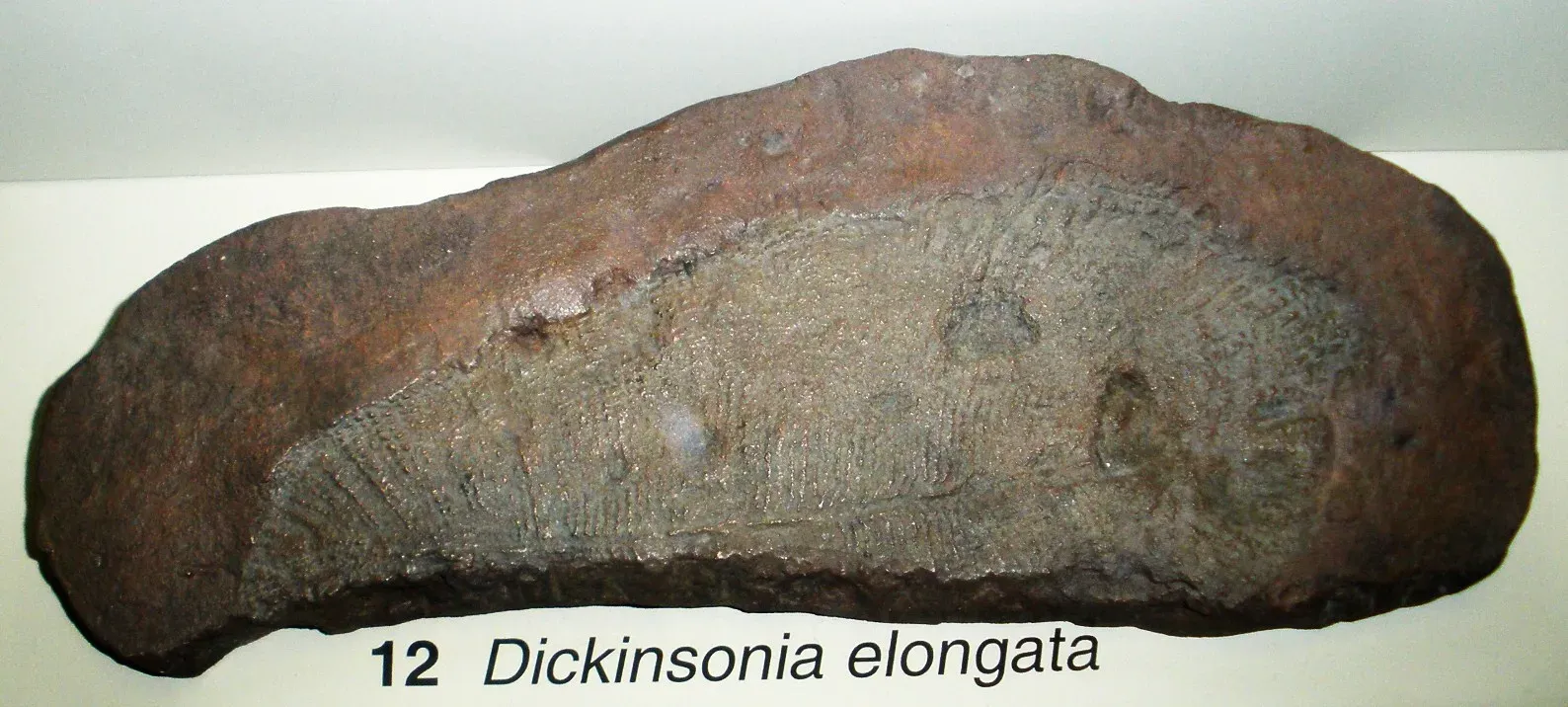
This flattened, ribbed oval fossil sparked one of the longest-running identity crises in paleontology.
Dickinsonia costata is one of the most common Ediacaran fossils, found in rocks that predate the Cambrian explosion. Its strange, ribbed, symmetrical body didn’t clearly resemble any known animal group, leading generations of scientists to argue it might actually be a giant single-celled organism, a lichen, a fungus, or something else entirely outside the animal kingdom.
The debate wasn’t resolved through anatomy – it was resolved through chemistry. Researchers eventually found cholesterol molecules preserved in Dickinsonia fossils, a biomarker unique to animals, finally confirming it belonged in the animal kingdom after decades of doubt. Many experts now argue this discovery quietly rewrote the timeline for when true animals first appeared on Earth. Chemistry solved that one. Anatomy alone couldn’t untangle the mess waiting at #11.
#11 – Anomalocaris: Assembled From Three “Different” Animals Before Anyone Realized It Was One
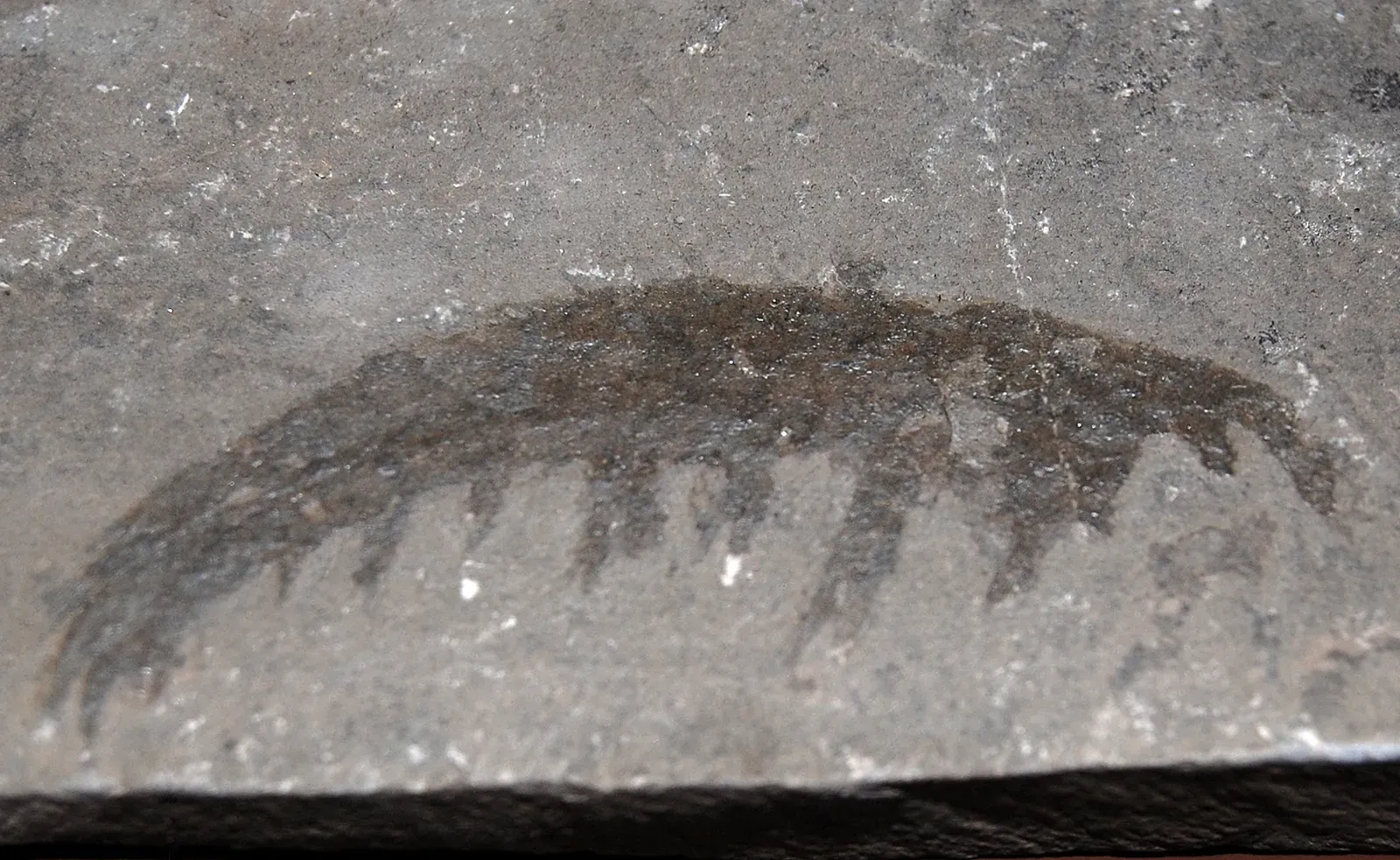
Paleontologists spent decades studying three completely separate body parts as three completely separate species.
Anomalocaris, the apex predator of the Cambrian seas, was originally described in 1892 from an isolated fossilized appendage that scientists assumed belonged to a shrimp-like crustacean. Meanwhile, a circular mouth structure found nearby was classified as a type of jellyfish, and a separate body fossil was cataloged as an entirely different creature altogether.
It took nearly a century for researchers to realize all three “species” were actually pieces of the same animal. When the pieces finally clicked together, Anomalocaris turned out to be the largest predator of its era, a meter-long swimmer with grasping appendages and a circular, tooth-lined mouth. Few fossil mix-ups better illustrate how fragmentary evidence can send science down the wrong path for generations. Three fossils mistaken for three animals is one kind of confusion. What happened at #10 is a bigger reversal.
#10 – The Coelacanth: The “Extinct” Fish That Scientists Nearly Threw Away
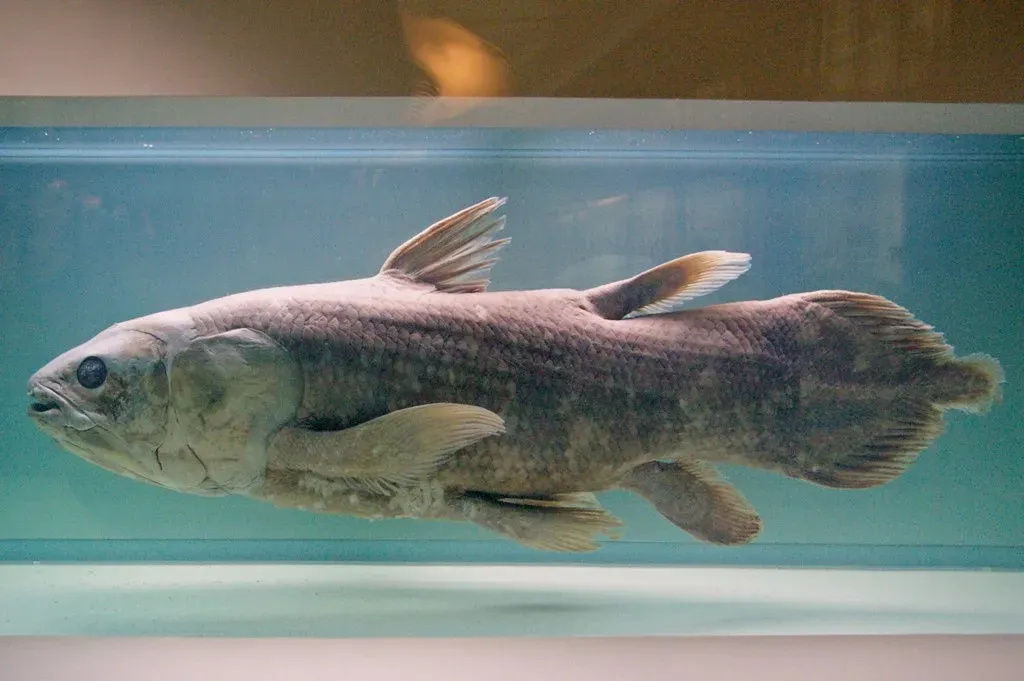
A South African museum curator almost dismissed the most important fish discovery of the 20th century as ordinary bycatch.
Scientists were confident coelacanths had gone extinct alongside the dinosaurs roughly 66 million years ago – that consensus was based on a fossil record that simply stopped appearing after that point. So when a strange, blue-finned fish turned up in a fishing trawler’s haul off the coast of South Africa in 1938, there was no reason to expect anything remarkable.
At a Glance
- Caught off South Africa in 1938, decades after the lineage was assumed extinct.
- Identified by museum curator Marjorie Courtenay-Latimer, who rushed to preserve the decaying specimen.
- A second living species, Latimeria menadoensis, wasn’t identified until 1997 in Indonesian waters.
- Today’s coelacanths live deep, generally between 500 and 800 feet down, and remain critically endangered.
The fish sat unidentified for days before a museum curator recognized its significance and rushed to preserve what she could of the rapidly decaying specimen. The discovery proved that an entire lineage thought extinct for tens of millions of years had been quietly swimming in deep ocean waters the whole time. It remains one of the most dramatic reversals of scientific certainty in modern history. A fish everyone assumed was extinct is remarkable. A fossil sold to the world on false pretenses is worse.
#9 – Darwinius masillae (“Ida”): The Missing Link That Wasn’t
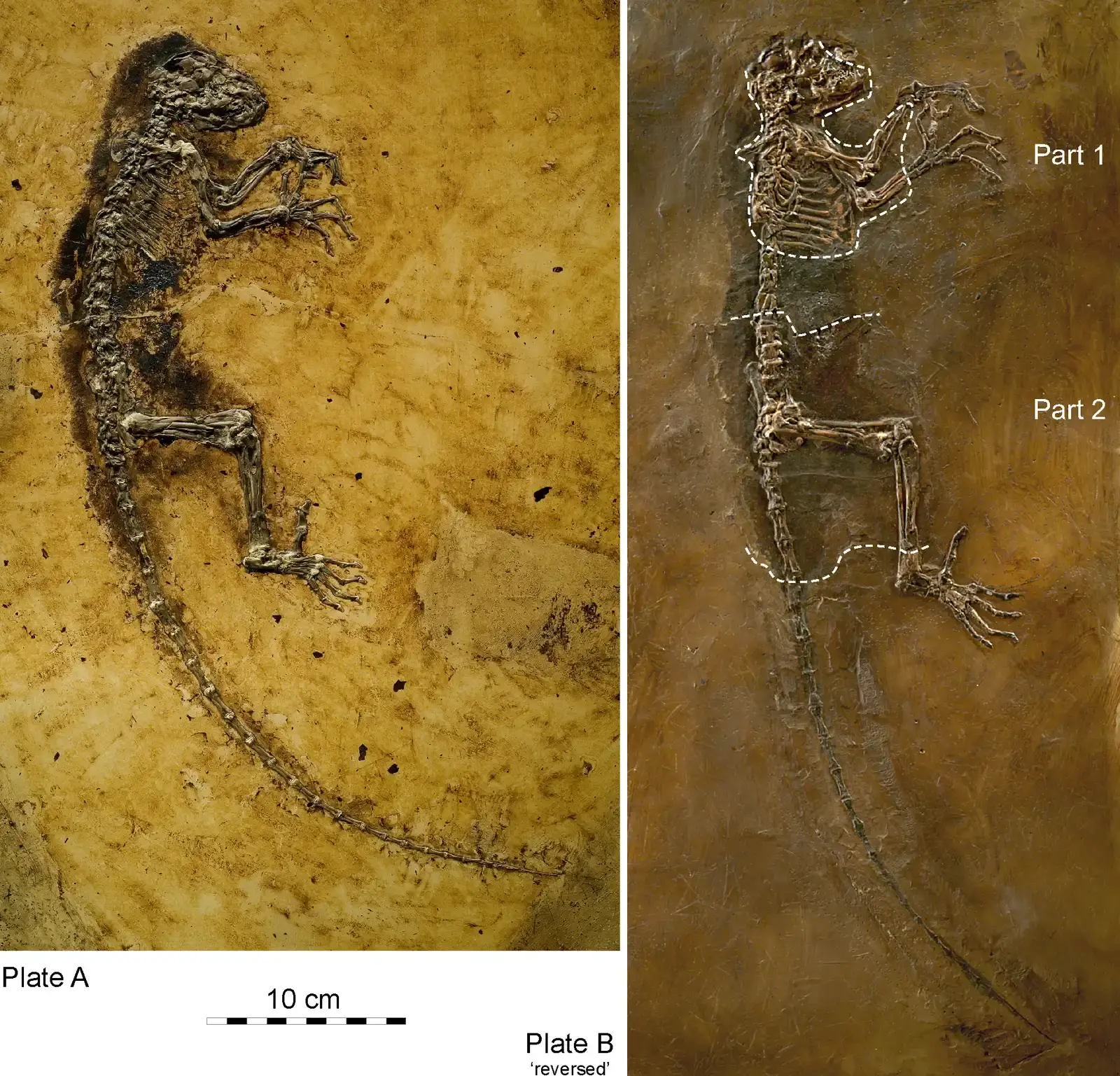
This fossil was unveiled with a documentary, a book deal, and a press conference – then scientists spent years tearing the claims apart.
Darwinius masillae, nicknamed “Ida,” was presented in 2009 as an exceptionally complete 47-million-year-old primate fossil, marketed aggressively as a critical missing link in human evolution. The launch came with unprecedented media coordination, including a Google Doodle and primetime television specials, all built around the idea that Ida connected directly to the human lineage.
The scientific backlash was swift and unusually blunt for academic circles. Independent researchers who reviewed the anatomy argued Ida actually belonged to a lineage more closely related to lemurs than to humans and apes, meaning the “missing link” framing was fundamentally misleading. Many paleontologists now cite Ida as a cautionary example of science communication racing ahead of scientific consensus. That media disaster stung. #8 stung an entire generation of dinosaur illustrators.
#8 – Sinosauropteryx: The Fossil That Forced Paleontologists to Rethink Every Dinosaur Drawing
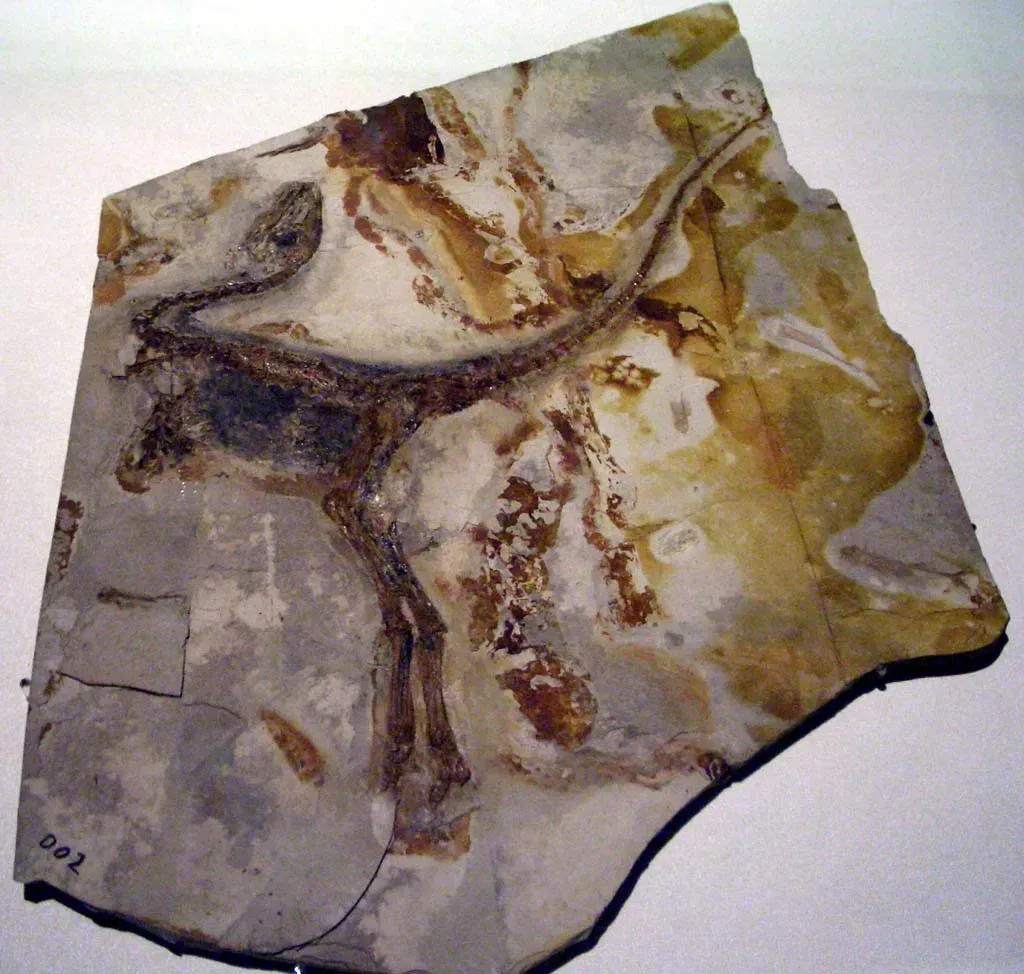
When Chinese farmers found a small theropod covered in fuzzy filaments, the paleontology world split into two camps almost overnight.
Sinosauropteryx, described in 1996, was the first non-avian dinosaur ever found with clear evidence of a feather-like covering. For a field that had spent over a century drawing dinosaurs as scaly, reptilian monsters, the implications were enormous – and deeply unwelcome to researchers who had built careers on the scaly-dinosaur model.
Several prominent paleontologists initially argued the filaments were nothing more than degraded collagen fibers, not proto-feathers at all, and pushed back hard against the feathered-dinosaur interpretation. It took years of additional Chinese fossil discoveries, alongside chemical analysis of the filament structures, to settle the debate decisively in favor of feathers. The find permanently changed how dinosaurs are illustrated in every textbook published since. Feathers rewrote the drawings at #8. At #7, an entire body plan got rebuilt from scratch.
#7 – Spinosaurus: The Dinosaur Reconstructed as a Terrifying Swimmer
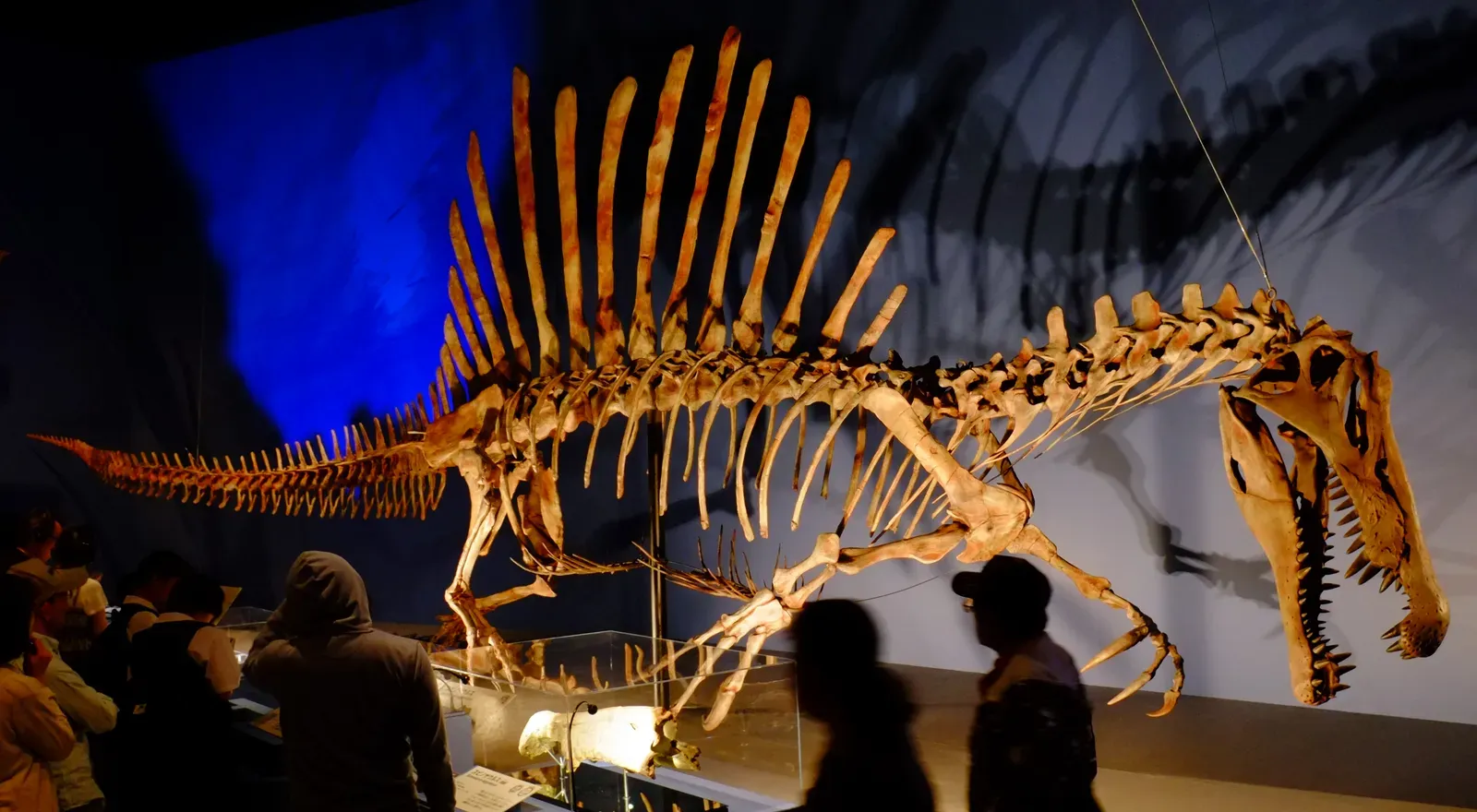
For a century, Spinosaurus was drawn as a taller, sail-backed version of T. rex – until new fossils suggested it barely resembled a typical land predator at all.
The original Spinosaurus fossils were destroyed in World War II bombing raids, leaving paleontologists working from old notes and sketches for decades. When a 2014 study proposed a radical new reconstruction – short hind legs, paddle-like feet, and a body built for swimming rather than sprinting – it upended nearly everything the field thought it knew about the animal.
Quick Compare
- Old view (pre-2014): Upright, bipedal land hunter built along the same lines as T. rex, just taller and sail-backed.
- New view (2014 onward): Short hind limbs, paddle-like feet, and a body plan suited to hunting in the water.
- Old evidence base: Fragmentary notes and sketches after the original fossils were destroyed in WWII.
- New evidence base: Fresh partial skeletons plus bone-density studies pointing to a semi-aquatic lifestyle.
The reaction from other dinosaur specialists ranged from cautious skepticism to outright rejection, with critics arguing the reconstruction relied too heavily on fragmentary and mismatched specimens. Follow-up studies, including one examining bone density consistent with a semi-aquatic lifestyle, have added support to the swimming hypothesis, though the debate over exactly how aquatic Spinosaurus really was continues today. Even that reconstruction fight looks mild next to a skeleton that broke the entire human family tree.
#6 – Australopithecus sediba: The Fossil That Didn’t Fit the Family Tree
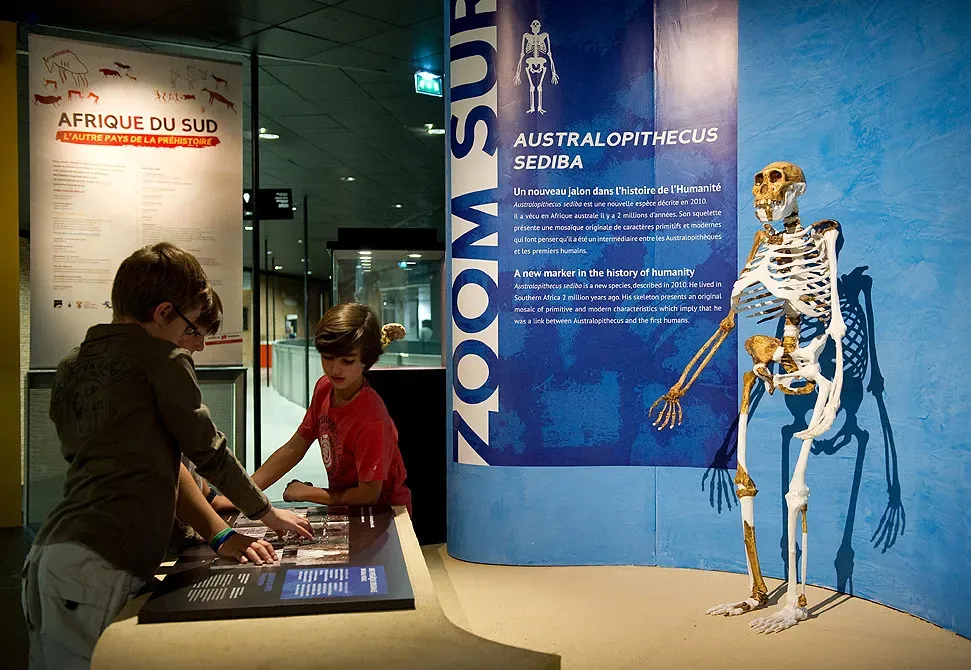
This nearly two-million-year-old skeleton combined features that, according to the established timeline, shouldn’t have appeared together at all.
Discovered in a South African cave system in 2008, Australopithecus sediba displayed a bizarre mosaic of traits: a small, ape-like brain paired with surprisingly human-like hands, pelvis, and ankle features. That combination didn’t match the expected, orderly progression from ape-like ancestors to more human-like descendants that many researchers had assumed governed our evolutionary history.
Some paleoanthropologists argued the mixed anatomy meant the specimens actually belonged to two different individuals or species accidentally mixed together, rather than representing a single coherent species. Others pushed back, insisting the mosaic anatomy was genuine and simply proved human evolution was messier and less linear than textbooks suggested. The dispute over where sediba fits remains one of the more heated arguments in modern paleoanthropology. That argument still isn’t settled. Neither is the one that took fifteen years to even reach a printing press.
#5 – Ardipithecus ramidus (“Ardi”): Held Back From Publication for 15 Years
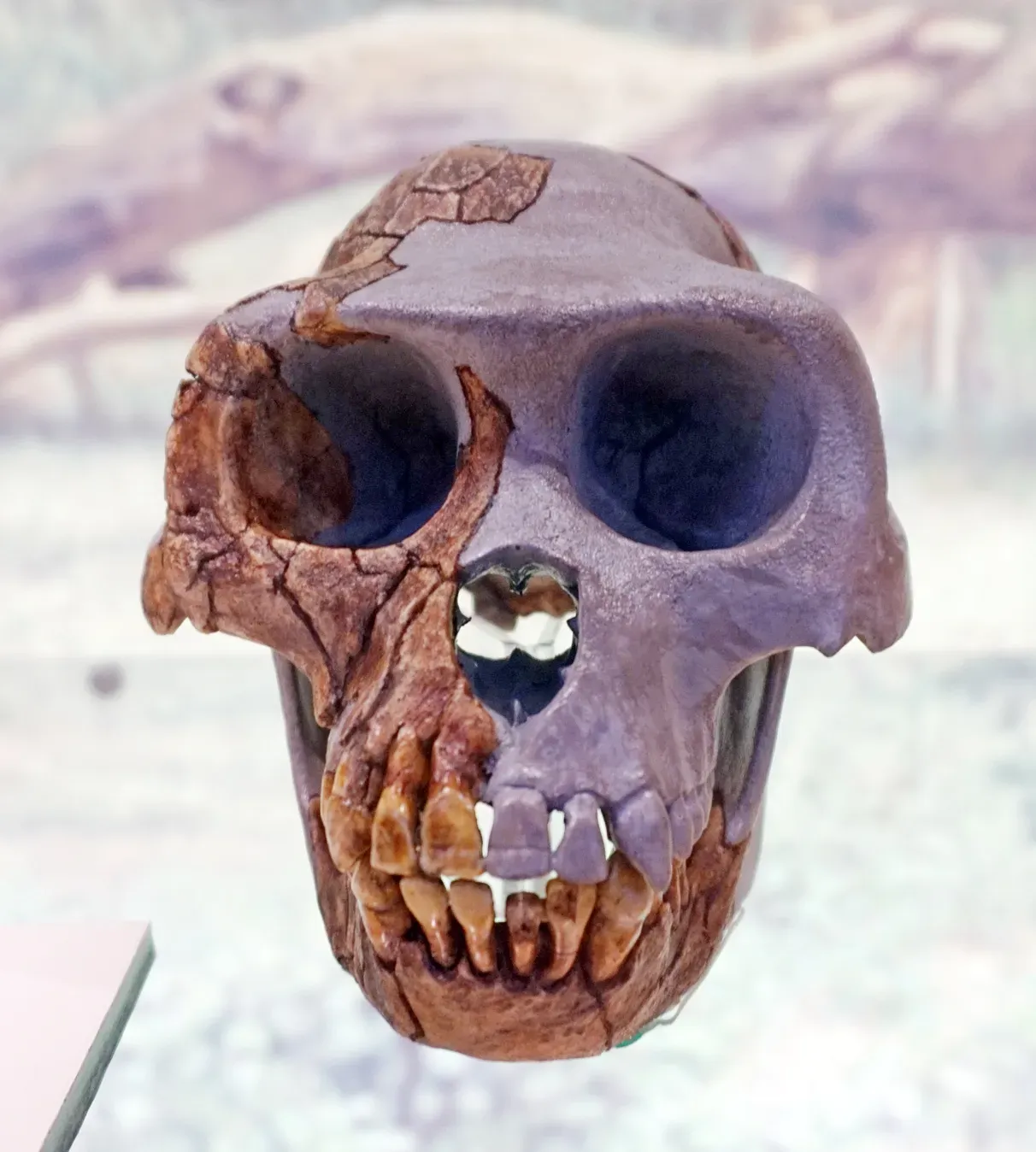
Researchers sat on this fossil for a decade and a half because they knew how badly it would upset existing theories.
Ardipithecus ramidus, a 4.4-million-year-old hominin skeleton discovered in Ethiopia, presented such an unusual mix of primitive and derived traits that the research team spent 15 years analyzing it before publishing their conclusions in 2009. The skeleton suggested our ancestors didn’t evolve from anything resembling a modern chimpanzee, directly challenging assumptions that had shaped human evolution research for generations.
When the findings finally went public, several prominent researchers pushed back hard, arguing the fragile, crushed fossil didn’t support such a confident reconstruction of posture and locomotion. Critics specifically questioned whether Ardi’s foot and pelvis anatomy genuinely indicated the bipedal capabilities the discovery team claimed. Even now, some anthropologists consider Ardi’s exact place in the human family tree unresolved. Fifteen years of silence is a long wait. Try nearly a decade of outright, public rejection.
#4 – Taung Child: Rejected by the Scientific Establishment for Nearly a Decade
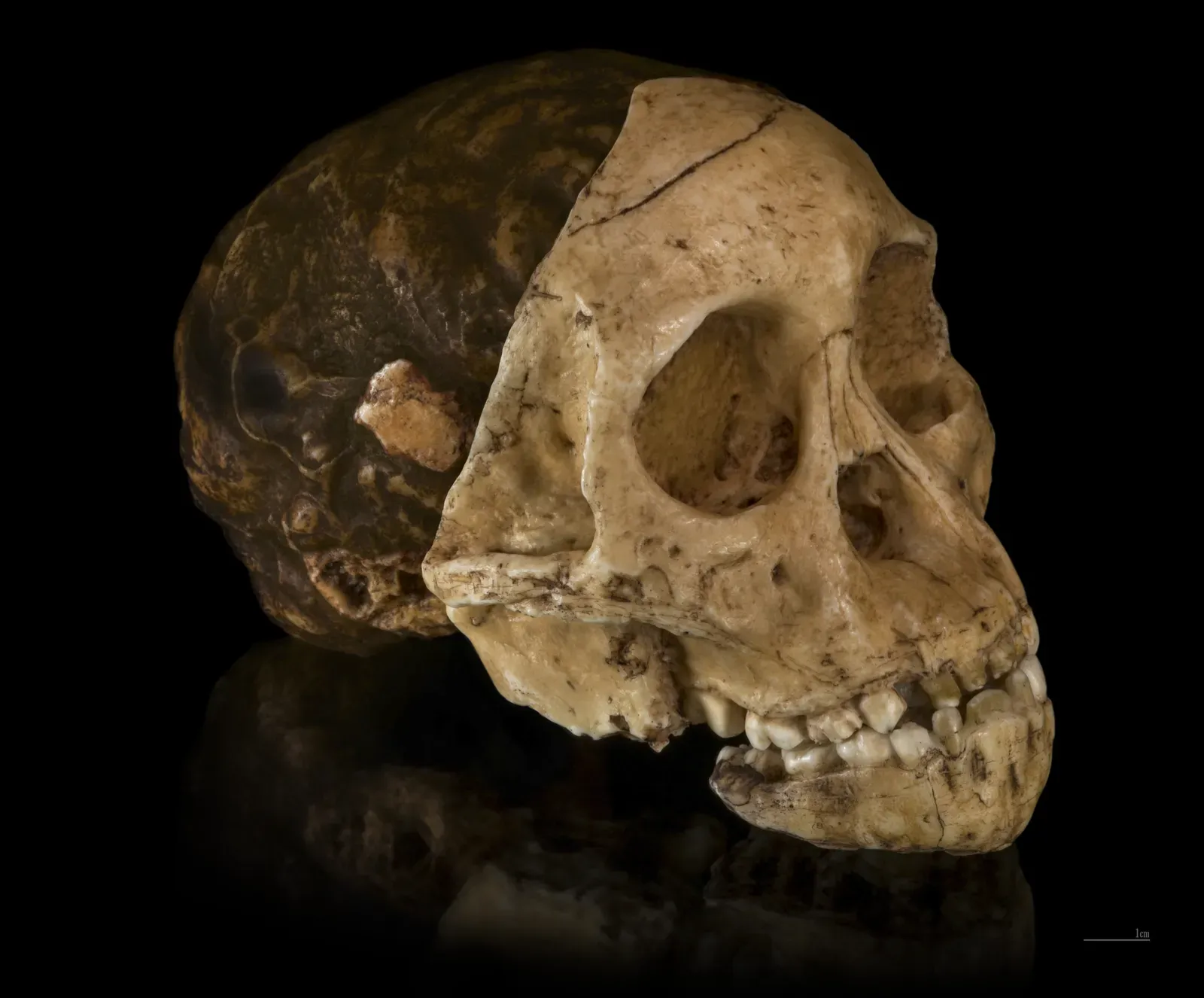
The scientist who found this fossil was told, to his face, that his conclusions were absurd.
In 1925, Raymond Dart published a report announcing the discovery of a new species of early human relative he named Australopithecus africanus, a claim that was immediately attacked by many leading experts of the day. British scientists dismissed the Taung Child from the human family entirely, declaring it a young chimpanzee or some other, more distant relative.
Preposterous.
Arthur Keith, anatomist
Part of the resistance was pure prejudice: the idea that human origins were rooted in Africa rather than Asia or Europe was considered unthinkable at the time. A disheartened Dart stashed a rejected 250-page manuscript on the fossil in a desk drawer and moved on with his career. It took additional Australopithecus discoveries over the following decades to finally vindicate him, cementing Africa’s place as the true cradle of humankind. Dart got called wrong to his face. The scientists behind #3 are still being challenged today.
#3 – Homo naledi: The Burial Claim Scientists Still Can’t Agree On
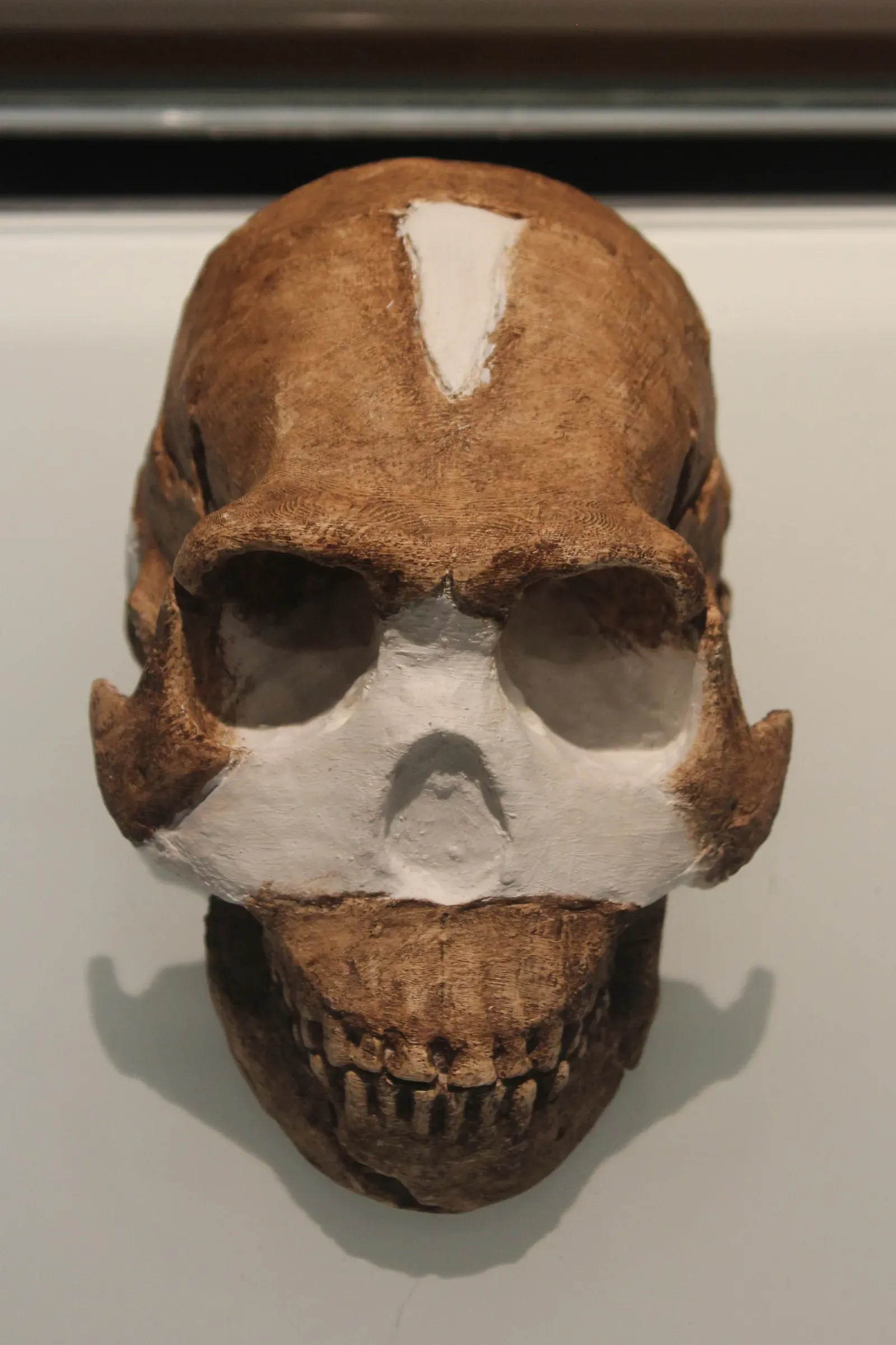
A small-brained hominin supposedly did something previously thought unique to modern humans – and the fight over whether that’s true is still raging.
Inside a South African cave system, researchers uncovered more than 1,500 bones representing at least 15 individuals of a previously unknown hominin species, and in 2015 the discovery team suggested Homo naledi intentionally placed their dead in the cave, a proposal that drew both interest and skepticism. The idea seemed absurd to many, since intentional burial is often viewed as an indicator of modern human activity, reflecting the capacity for symbolic thinking and social bonding – behavior no one expected from a hominin with a brain roughly a third the size of ours.
The skepticism hasn’t gone away, even years later. Many experts have argued that the way the fossils were found might be explained by natural events, such as flooding or shifting sediment, rather than deliberate burial. One peer reviewer directly challenged the behavioral claims, noting that of the original reviewers who re-reviewed the revised paper, only one supported the burial hypothesis, and called the team’s public claims of unanimous support misleading. This remains one of the most contested debates in modern paleoanthropology. That fight is still raging. So was the next one, for over a decade.
#2 – Homo floresiensis: Dismissed as a “Diseased Human” For Years
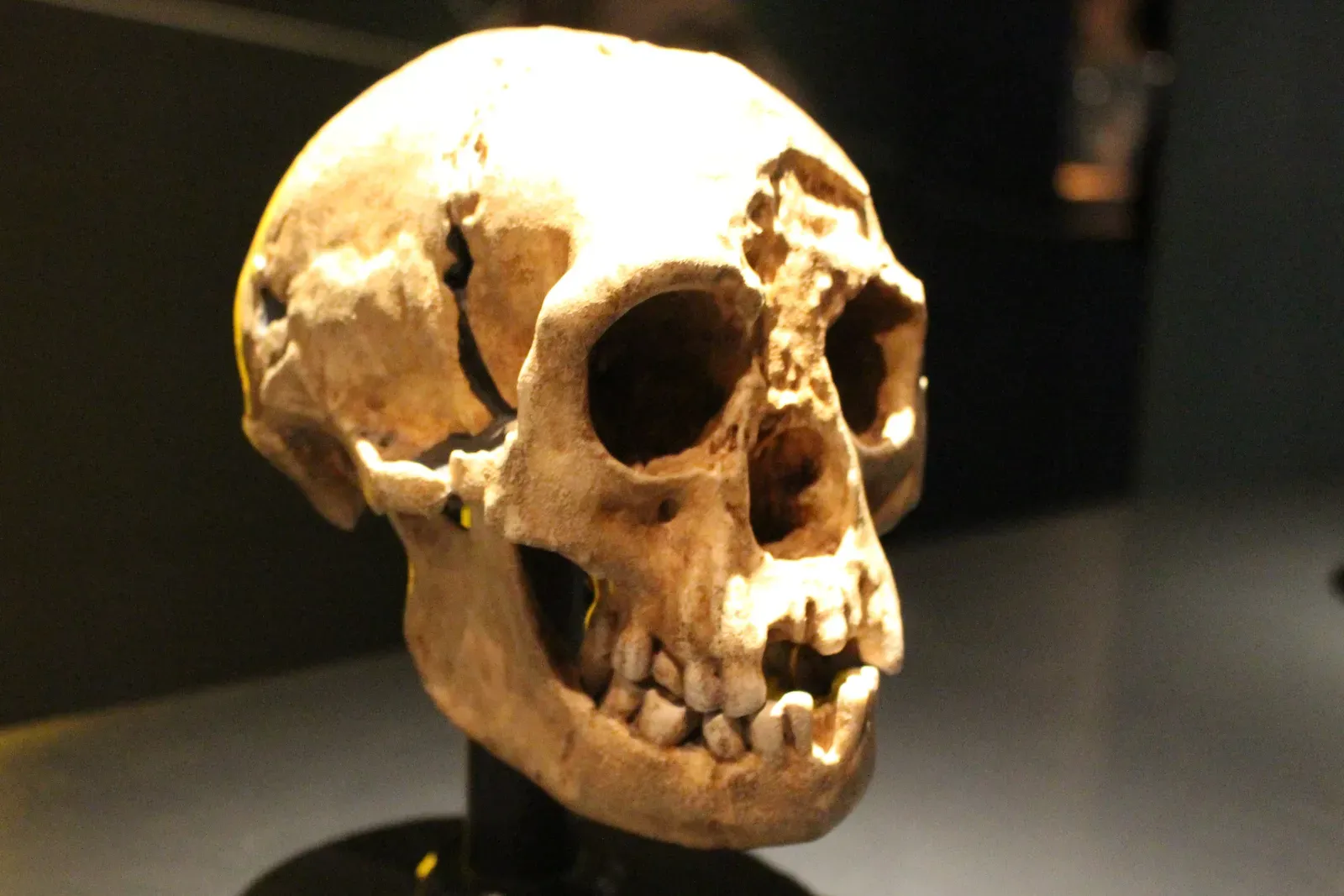
Critics spent over a decade insisting this fossil wasn’t a new species at all – just a sick person with a small skull.
Discovered in a cave in Indonesia in 2003, Homo floresiensis stood barely three feet tall, and some scientists suggested it wasn’t a distinct species but rather a population of Homo sapiens with a condition such as microcephaly. Several detractors reasoned the Hobbit was unmistakably a diseased human and not a new species at all. The claim ignited one of the most contentious debates in anthropology for over a decade.
The disease hypothesis eventually collapsed under its own weight. Researchers found there is no systemic human pathology that reduces a modern human to the size and shape of a hobbit while simultaneously reversing evolutionary changes, and attempts to dismiss the hobbits as pathological people failed repeatedly because known dwarfing syndromes and microcephaly bear no resemblance to Homo floresiensis’s unique anatomy. Revised dating pushed the fossils back tens of thousands of years earlier than originally thought, which one paleoanthropologist called “the final nail in the coffin” of the disease theory. Even that controversy has nothing on the most famous fossil fraud accusation in scientific history.
#1 – Archaeopteryx: Accused of Being an Elaborate Hoax
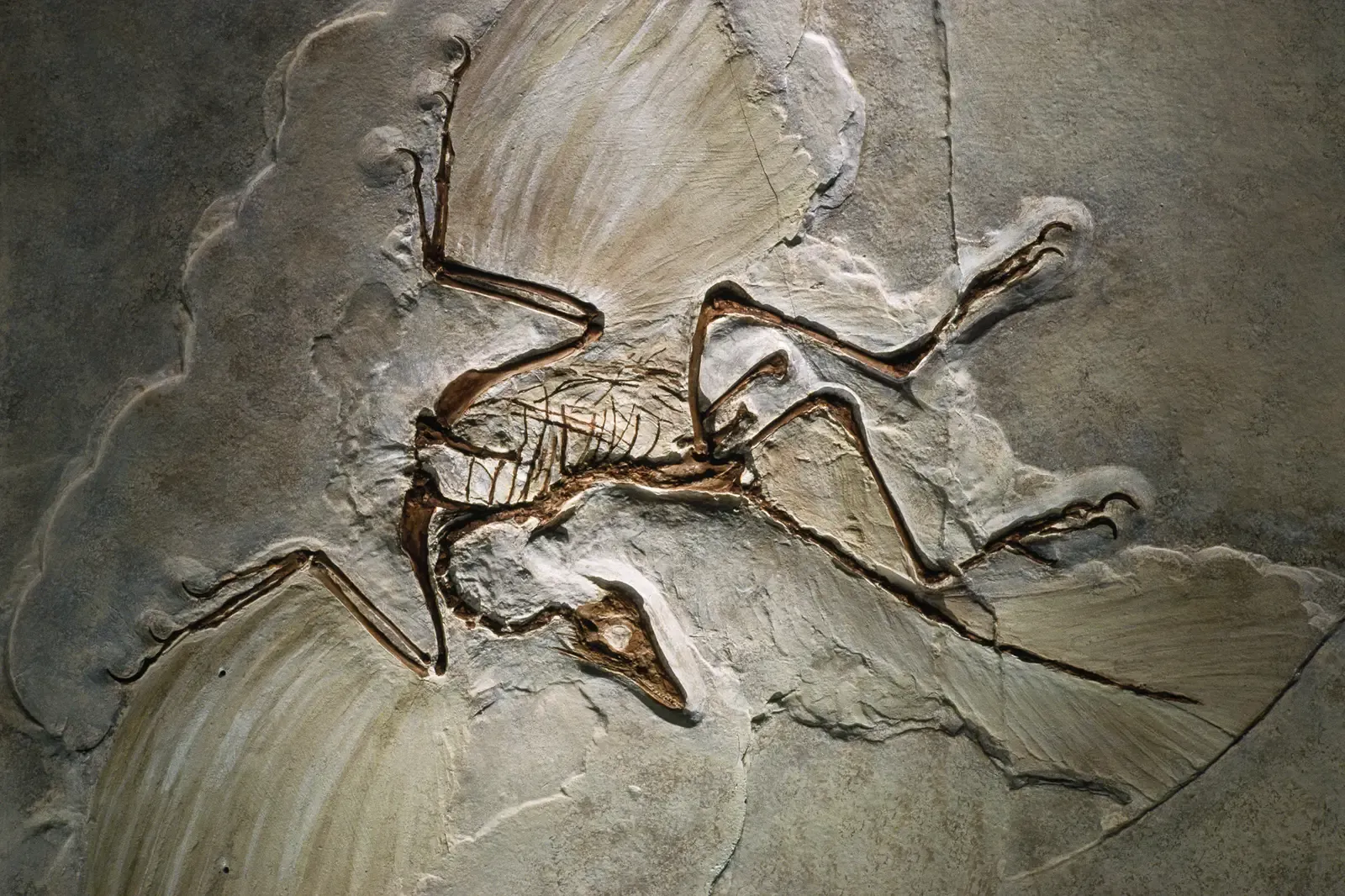
The most famous transitional fossil on Earth spent years fending off accusations that it was a fake designed to trick the scientific world.
Decades after its discovery, British astronomer Sir Frederick Hoyle and colleagues proposed that Archaeopteryx was a clever forgery, arguing that feather impressions had been artificially pressed into a genuine dinosaur skeleton to manufacture evidence for evolution. The claim gained enough traction that it provoked a real debate between physicists and paleontologists, and museum scientists – already reeling from the reputational damage of the Piltdown Man hoax – could not simply ignore the charge.
Why It Stands Out
- First specimen unearthed in 1861 in Germany’s Solnhofen limestone, just two years after Darwin published On the Origin of Species.
- Dates to the Late Jurassic, roughly 150 million years ago.
- Only a small number of skeletal specimens have ever been found, making each one a major event.
- Combines reptilian teeth and a long bony tail with unmistakably birdlike feathers and wings.
Scientists eventually dismantled the fraud claim piece by piece. Researchers pointed out that Archaeopteryx’s bones have tiny bumps where feathers were attached by ligaments – an unexpected detail impossible to attribute to a forgery, proving the feathers weren’t simply imprints added to a dinosaur skeleton. Today Archaeopteryx stands as one of the most studied fossils in existence, and remains a classic example of a transitional species, with a compelling blend of avian and dinosaur features that serves as a smoking gun for the evolution of birds from theropod dinosaurs. No fossil on this list better proves that the most groundbreaking discoveries are often the ones scientists fight hardest to disbelieve first.
The Bottom Line
Here’s the uncomfortable truth this list reveals: scientific consensus isn’t a straight line – it’s a battlefield. From a fossil laughed at during a conference presentation to a hominin whose discoverer got told his ideas were “preposterous,” the pattern repeats over and over. The specimens that challenged existing theories the hardest were almost always the ones that got rejected first, not because the evidence was weak, but because the implications were too uncomfortable to accept immediately.
If there’s one opinion worth defending here, it’s this: skepticism is healthy, but the paleontological record shows it can just as easily protect outdated ideas as it protects good science. Every fossil on this list eventually won because researchers kept pushing, not because the establishment welcomed them with open arms.
Which of these controversies do you think deserves more attention? Drop your pick in the comments.