

Prehistoric insects, preserved in amber, fossilized in rock, or trapped in ancient ice, serve as time capsules that unlock secrets about Earth’s past environments. These tiny creatures, some dating back hundreds of millions of years, provide scientists with remarkable insights into ancient climate conditions that shaped our planet long before human civilization emerged. Unlike larger vertebrate fossils, insects are particularly valuable as climate indicators because they’re extremely sensitive to environmental changes and have specific temperature and habitat requirements. Through careful analysis of these ancient arthropods, researchers can reconstruct prehistoric climates with surprising precision, painting a vivid picture of Earth’s dramatic environmental transformations over geological time.
The Remarkable Preservation of Ancient Insects
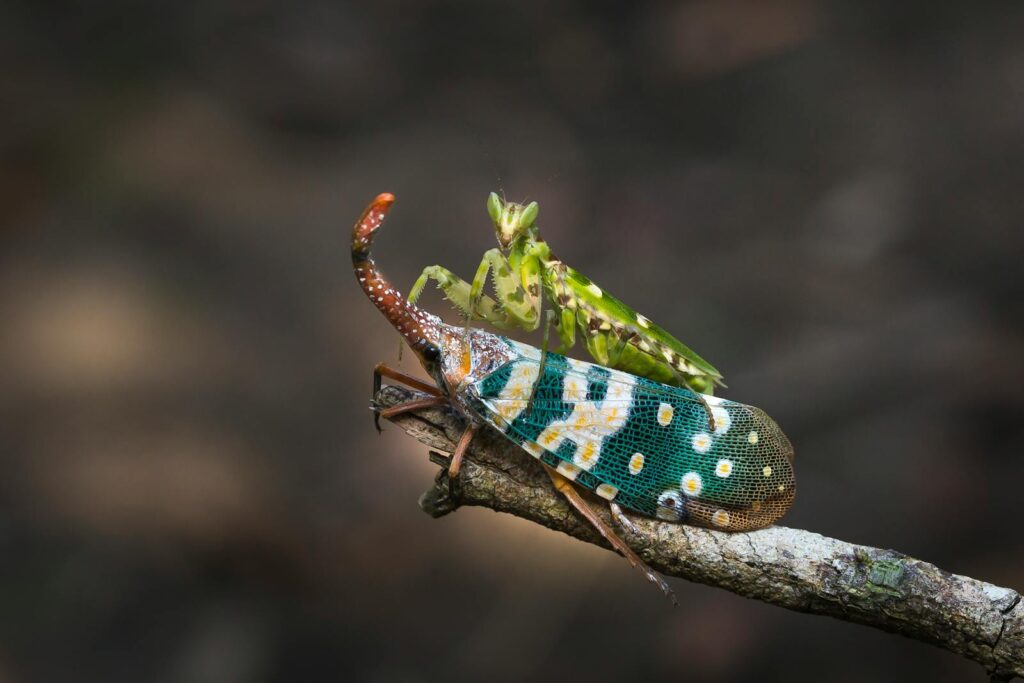
Insects from prehistoric times have been preserved through several remarkable processes that allow scientists to study them millions of years later. The most famous preservation method is amber—fossilized tree resin that trapped insects and preserved them in extraordinary detail, sometimes including soft tissues, colors, and even cellular structures. Compression fossils form when insects are flattened between layers of sedimentary rock, leaving behind detailed impressions. In exceptional cases, insects have been preserved in ice, particularly in glaciers and permafrost, where freezing temperatures prevent decomposition. Some insects have even been found preserved in ancient lake sediments, where anoxic (oxygen-free) conditions prevented decay. These various preservation methods provide researchers with a diverse array of specimens spanning different periods and geographic regions, creating a comprehensive picture of insect life throughout Earth’s history.
Insects as Climate Indicators

Insects serve as exceptional climate indicators due to their extreme sensitivity to temperature and environmental conditions. Most insect species can only survive within narrow temperature ranges, making their presence in the fossil record a reliable thermometer for past climates. Their short life cycles and rapid reproduction rates allow insect populations to respond quickly to environmental shifts, providing a high-resolution record of climate change. Additionally, many insects have highly specific habitat requirements related to vegetation, humidity, and seasonal patterns, which means their fossil distribution can reveal detailed information about past ecosystems. Scientists studying contemporary insects have documented precise climate requirements for thousands of species, creating reference databases that can be applied to fossil insects. By identifying ancient insect species and comparing them to their modern relatives, researchers can make remarkably accurate inferences about the temperature, precipitation, and seasonal patterns of prehistoric environments.
The Carboniferous Giants
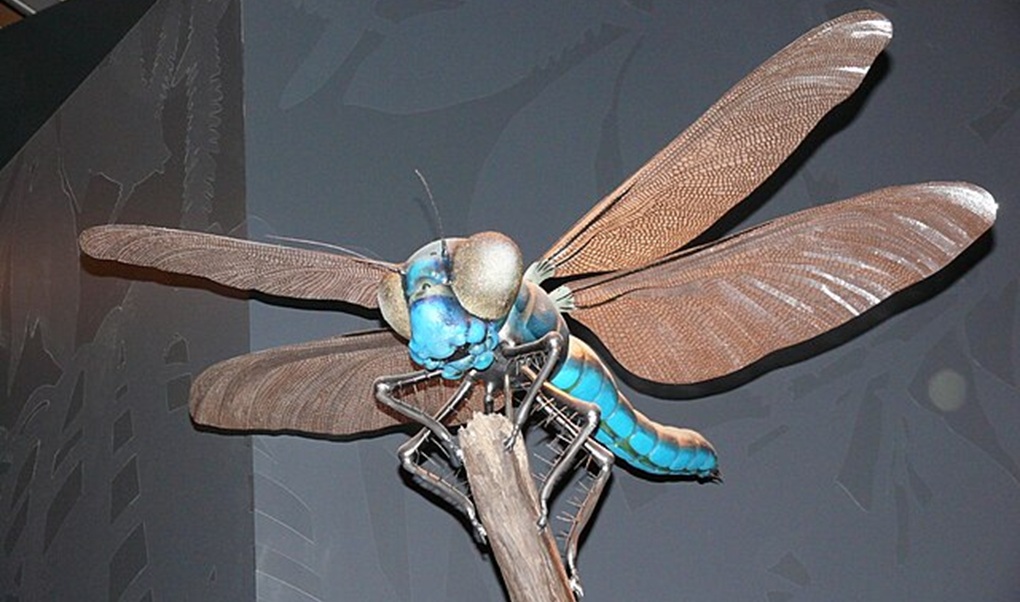
The Carboniferous period (359-299 million years ago) was marked by extraordinary atmospheric conditions that produced some of the largest insects ever to exist. Oxygen levels during this time reached an unprecedented 35% of the atmosphere, compared to today’s 21%, enabling the evolution of giant insects like Meganeura, a dragonfly relative with a wingspan stretching over two feet. These insect giants thrived in the warm, humid conditions that dominated the vast coal-forming swamp forests of the Carboniferous. The presence of these enormous arthropods in the fossil record provides clear evidence of the peculiar atmospheric composition of that era, as insect size is directly limited by respiratory efficiency. Their subsequent disappearance correlates with declining atmospheric oxygen levels in later periods, demonstrating how insect morphology responds to global atmospheric changes. The Carboniferous giants represent a fascinating case study in how insect fossils can reveal not just temperature patterns but also atmospheric composition and global climate systems of ancient Earth.
Beetles Through Time
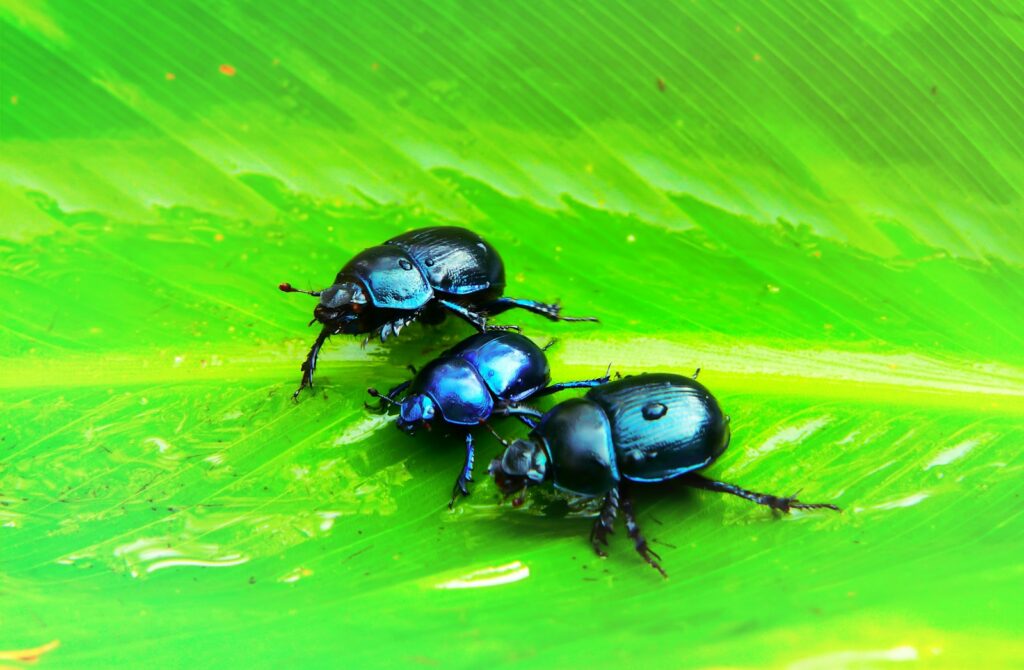
Beetles represent one of the most valuable insect groups for paleoclimate research due to their remarkable evolutionary success and extraordinary diversity. With over 400,000 known species today, beetles have adapted to virtually every terrestrial environment, and their tough exoskeletons preserve exceptionally well in the fossil record. Paleontologists studying beetle assemblages from different periods can identify specific species with known climate preferences, creating detailed temperature reconstructions. Particularly valuable are fossil dung beetles, which indicate the presence of large mammals and can reveal information about grassland ecosystems and seasonal rainfall patterns. Bark beetles preserved in ancient tree remains provide evidence of forest composition and health, including stress events related to drought or climate change. Water beetles found in ancient lake and river sediments offer insights into aquatic conditions, water temperature, and seasonal ice cover. This diverse group of insects has effectively served as climate recorders throughout much of Earth’s history, with their fossil record extending back over 300 million years.
Ants as Environmental Storytellers

Ant fossils tell particularly rich stories about ancient ecosystems because these social insects build complex colonies that interact extensively with their environments. Different ant species specialize in specific ecological niches, with some preferring hot, arid conditions while others thrive in humid forests or cooler temperate regions. The distribution of ant species in fossil deposits can therefore map out ancient climate zones with remarkable precision. Particularly informative are the structures of preserved ant nests, which often reflect adaptations to specific environmental conditions—deeper nests typically indicate protection from temperature extremes in more variable climates. Ant fossils preserved in amber frequently capture behavioral moments, including food collection, which provides evidence about ancient vegetation and resource availability. Though ants evolved more recently than many other insect groups (first appearing in the Cretaceous period about 100 million years ago), they have since become ecological dominants whose fossil record offers detailed environmental information about the more recent chapters of Earth’s history.
Secrets Locked in Dragonfly Wings

Dragonflies and their relatives represent one of the oldest flying insect groups, with a fossil record extending back over 300 million years, making them valuable witnesses to Earth’s ancient climate transitions. The detailed vein structures in fossilized dragonfly wings can be analyzed to determine the environmental conditions in which these insects lived. Research has shown that dragonflies developing in warmer waters tend to have different wing venation patterns than those from cooler environments, providing a biological thermometer for ancient aquatic habitats. The size and proportions of dragonfly wings also correlate with flying conditions, which are affected by air density and temperature—larger wings generally indicating lower air density or cooler temperatures that require more lift. Furthermore, because dragonflies spend their larval stage in water, their presence in fossil beds indicates the existence of ancient freshwater environments, while the diversity of dragonfly species can reveal information about the stability and seasonal patterns of these water bodies. These beautiful insects essentially function as flying climate records, their delicate fossilized wings encoding detailed environmental data spanning hundreds of millions of years.
Bees and the Evolution of Flowering Plants

The fossil record of bees provides a fascinating window into the co-evolution of pollinators and flowering plants, offering critical insights into past climate conditions that supported these interdependent organisms. Bee fossils, primarily preserved in amber, first appear in the mid-Cretaceous period, approximately 100 million years ago, coinciding with the dramatic diversification of flowering plants. The presence and diversity of fossil bees in different geological strata indicate climates capable of supporting year-round flowering plants, typically suggesting warm temperate to tropical conditions with adequate seasonal rainfall. Specialized structures on fossil bees, such as pollen baskets and body hairs, reveal the sophisticated pollination relationships that had developed and provide indirect evidence of the types of plants that must have existed in those ancient environments. Changes in bee morphology over time, including body size and tongue length, track adaptations to different flower types and climate regimes. By mapping the appearance and diversification of bees across time and geography, researchers can reconstruct the spread of flowering plant ecosystems and the climate conditions that enabled their success across the globe.
Ancient Mosquitoes and Disease Ecology
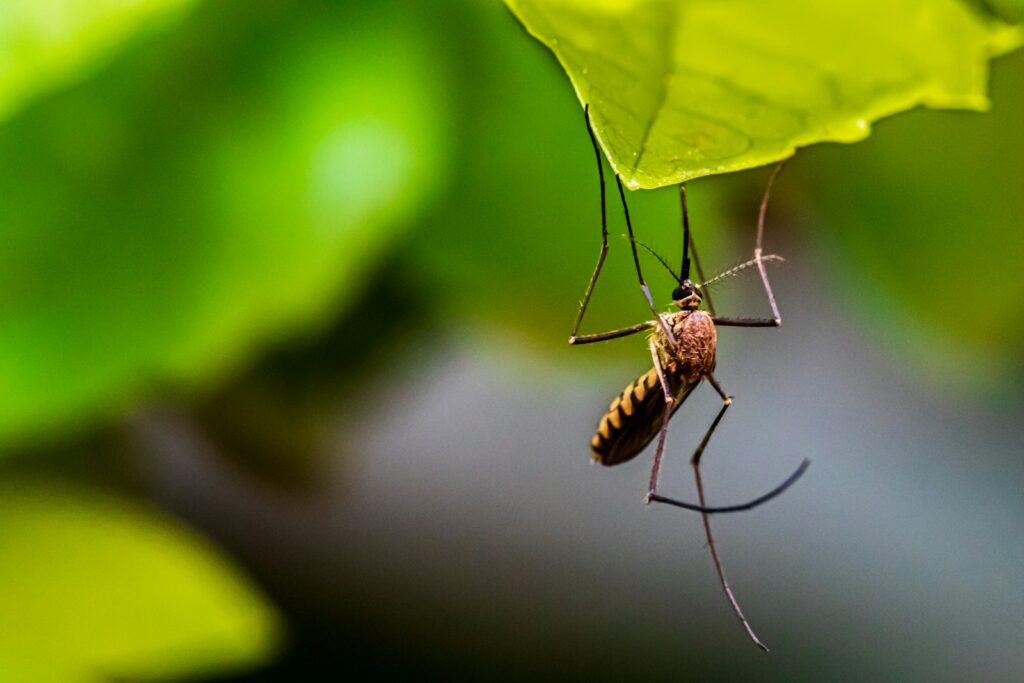
Mosquito fossils provide remarkable insights into past climates while also illuminating the ancient history of disease ecology. These insects require standing water to complete their life cycle, so their presence in the fossil record indicates specific humidity conditions and the existence of freshwater habitats in prehistoric environments. Exquisitely preserved mosquitoes found in amber sometimes contain blood meals in their abdomens, offering direct evidence of the vertebrate hosts they fed upon and potentially the diseases they carried. Analysis of a 46-million-year-old blood-engorged mosquito fossil discovered in Montana revealed hemoglobin fragments, suggesting that mosquito-vertebrate interactions—and possibly mosquito-borne diseases—have ancient origins. The distribution of different mosquito species in fossil deposits can indicate temperature ranges, as various mosquito groups have specific thermal requirements. Some prehistoric mosquito species closely resemble modern disease vectors, suggesting that certain mosquito-borne illnesses may have affected dinosaurs and early mammals, potentially influencing their evolution and distribution. These small insects thus provide a unique perspective on ancient ecosystems, connecting climate conditions to disease patterns and animal communities.
Midges as Ancient Thermometers
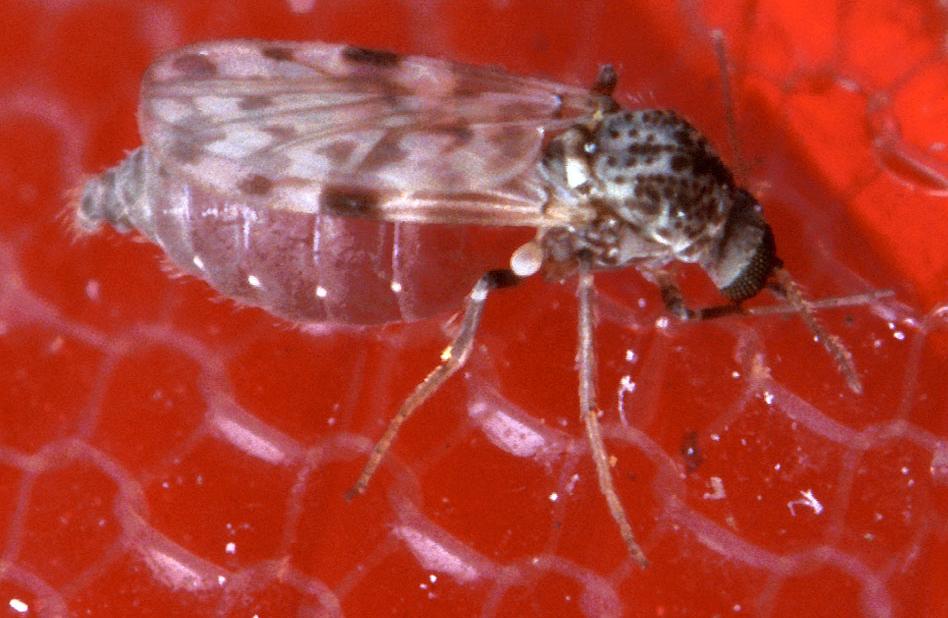
Chironomid midges, tiny non-biting flies whose larvae develop in freshwater, are among the most valuable insects for precise paleoclimate reconstruction. The chitinous head capsules of midge larvae preserve exceptionally well in lake sediments, often accumulating in distinct layers that correspond to different periods. Each midge species has a specific temperature range in which it can successfully develop, making the composition of midge species in sediment layers a remarkably accurate indicator of past water temperatures. Scientists have developed transfer functions based on modern midge distributions that can reconstruct past temperatures with precision sometimes reaching ±1°C. Midge assemblages respond rapidly to climate changes, often showing shifts in species composition within decades, providing high-resolution climate data for recent geological history. In some cases, researchers have used midge fossils to track temperature changes over thousands of years, revealing patterns of warming and cooling that correspond to known climate events such as the Medieval Warm Period and the Little Ice Age. These tiny insects have become one of paleoclimatology’s most precise tools, particularly for reconstructing climate conditions of the past 15,000 years.
Fossil Insects and Extinction Events
Insect fossils provide crucial evidence about the climatic conditions surrounding major extinction events throughout Earth’s history. During the end-Permian extinction, approximately 252 million years ago—the most severe mass extinction known—insect fossils show a dramatic decline in diversity, with certain groups disappearing entirely from the fossil record for millions of years. Analysis of these extinction patterns reveals that insects adapted to cooler, more temperate conditions suffered the greatest losses, supporting theories that extreme global warming played a key role in this “Great Dying.” Similarly, insect fossils spanning the Cretaceous-Paleogene boundary 66 million years ago, when dinosaurs went extinct, show selective patterns of survival and extinction that correspond to dramatic climate shifts following the asteroid impact. Certain cold-hardy insect groups show better survival rates, suggesting that the impact winter-favored species have adapted to cooler conditions. The fossil record also reveals “dead clade walking” phenomena, where some insect groups survived the immediate extinction event but failed to recover and disappeared in the altered climate of the post-extinction world. These insect extinction patterns provide detailed insights into the specific climate mechanisms driving major biological crises throughout Earth’s history.
Insects in Glacial Ice Cores

Ice cores extracted from glaciers and ice sheets contain preserved insects that offer direct evidence of atmospheric conditions and biodiversity from thousands of years ago. As glaciers form, they trap airborne insects on their surfaces, which become encased in ice as snow accumulates and compresses over time. These frozen specimens, when extracted from different depths of ice cores, can be radiocarbon dated to determine their age, creating a chronological record of insect presence. The species composition of insects found at different levels in ice cores can indicate temperature conditions, as only certain insects would have been capable of surviving at specific elevations and latitudes during different climate periods. Particularly valuable are alpine glacier insects, which can reveal the shifting of elevation zones due to temperature changes—insects typically found at lower elevations appearing in higher altitude ice during warm periods. Pollen and plant fragments often found alongside the insects provide complementary data about vegetation patterns, creating a comprehensive picture of ecosystem responses to climate change. While less common than other types of insect fossils, these ice-preserved specimens offer exceptionally well-preserved DNA that allows for genetic analysis of ancient insect populations.
How Modern Climate Change Compares to Ancient Patterns

Fossil insect records provide critical context for understanding how current climate change compares to historical patterns. By establishing baseline rates of natural climate shifts through insect assemblages across geological time, scientists can determine that current warming is occurring at an unprecedented pace. Historical insect distributions show that previous natural climate transitions typically occurred over thousands to tens of thousands of years, allowing insect populations time to adapt or migrate. In contrast, modern insect collections compared to fossil records from just centuries ago already show significant range shifts occurring within decades. Particularly concerning are patterns observed in the fossil record during hyperthermal events—rapid warming periods such as the Paleocene-Eocene Thermal Maximum 56 million years ago, where tropical insect species expanded their ranges toward the poles while temperate species faced habitat compression. Similar patterns are being observed today, but at significantly faster rates. Perhaps most alarmingly, insect fossils from past warming events show that recovery of insect diversity following climate disruptions often required hundreds of thousands to millions of years, suggesting that biodiversity impacts from current climate change may have very long-lasting effects.
The Future of Paleoentomology in Climate Science

The field of paleoentomology—the study of fossil insects—continues to advance rapidly, offering increasingly sophisticated methods for climate reconstruction. New imaging technologies like synchrotron X-ray tomography now allow researchers to examine internal structures of fossilized insects without damaging specimens, revealing previously inaccessible anatomical details that provide more precise environmental indicators. Chemical analysis of the chitin in preserved insect exoskeletons can determine isotope ratios that directly reflect ancient atmospheric conditions, including carbon dioxide levels and temperature patterns. DNA extraction from insects preserved in amber and permafrost, though challenging, has begun yielding genetic information that can be compared with modern relatives to understand evolutionary responses to climate change. Artificial intelligence and machine learning approaches are being developed to analyze thousands of fossil specimens rapidly, identifying subtle patterns in insect morphology that correlate with specific environmental conditions. As these techniques continue to advance, researchers anticipate developing even more precise climate reconstructions based on fossil insects, potentially filling gaps in our understanding of Earth’s climate history and improving models that predict future climate scenarios. These tiny time travelers, preserved through millions of years, still have many secrets to reveal about our planet’s dynamic climate history.
Conclusion

The study of prehistoric insects offers an extraordinary window into Earth’s ancient climates, providing evidence that is both detailed and extensive. From the oxygen-rich atmosphere that produced giant dragonflies to the precise temperature records stored in midge larvae fossils, these small creatures document environmental conditions spanning hundreds of millions of years. As we face unprecedented climate change today, the lessons from these ancient insects take on new significance. They reveal how ecosystems responded to past climate shifts, document recovery times after environmental disruptions, and provide essential context for understanding natural climate variability. By continuing to decipher the messages encoded in fossil insects, scientists gain not just knowledge about Earth’s past but critical insights that may help navigate our climate future.