
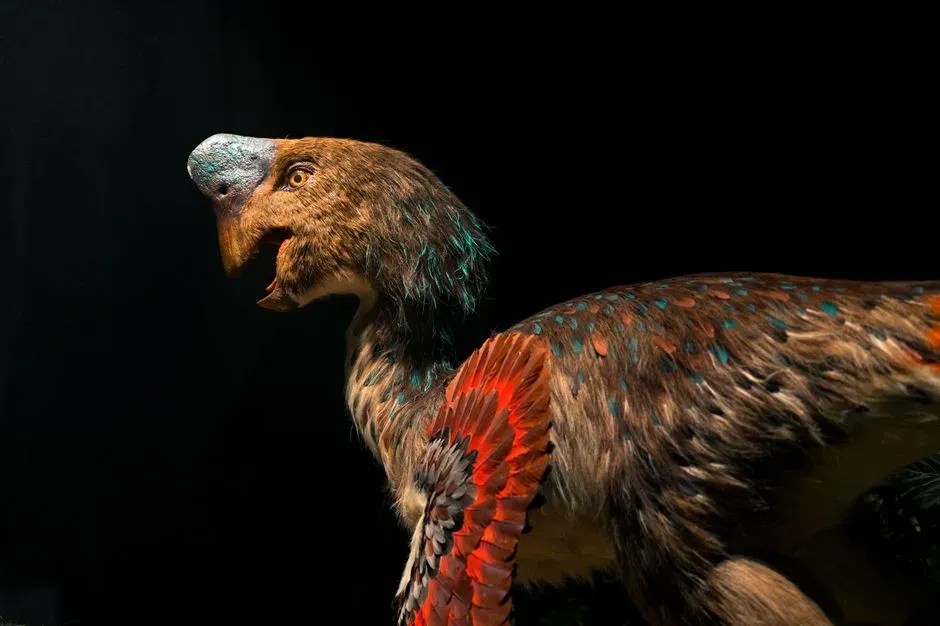
Most of us grew up picturing dinosaurs as lumbering gray or muddy green beasts, like living boulders stomping through a washed‑out prehistoric world. But over the last couple of decades, fossil discoveries and clever lab techniques have started to flip that mental image on its head. Instead of a world of drab giants, paleontology is quietly revealing something much more dazzling: stripes, iridescence, and maybe even flashes of fiery reds and blacks.
That does not mean every dinosaur looked like a tropical parrot on legs, and scientists are actually very cautious about what they claim. Still, evidence is stacking up that at least some species carried patterns and hues that would not look out of place in a modern bird-of-paradise. Once you see how we know this – from microscopic pigment structures to comparisons with living animals – the old movie-monster palette starts to feel almost boring.
From Muddy Monsters to Living Rainbows: How Our Dinosaur Imagination Got It Wrong
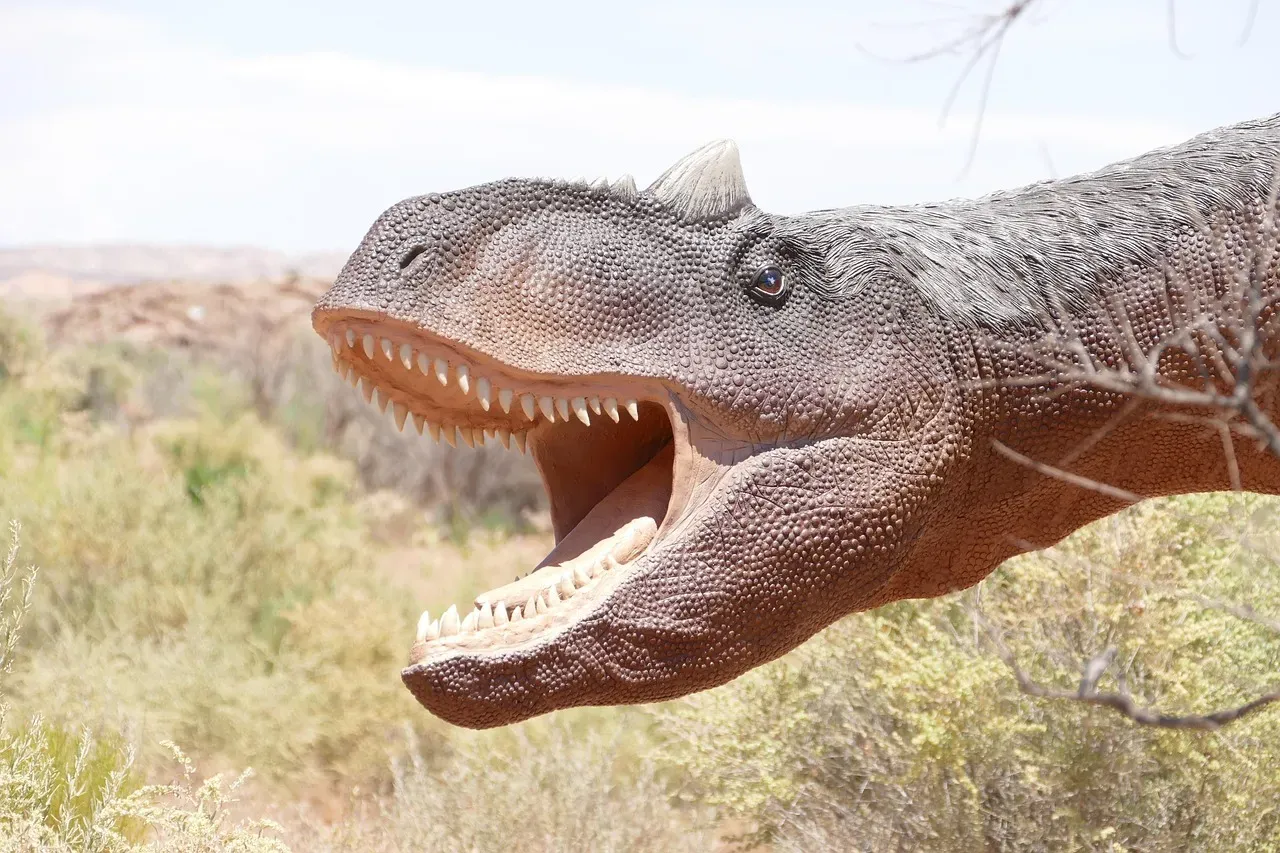
If you flip through dinosaur books from the 1970s or 1980s, almost every creature looks like it was dipped in the same bucket of grayish-green paint. That look was never based on real evidence; it was more a cautious default, the kind of compromise artists make when there is no data and they do not want to be caught being too bold. It also unconsciously mirrored large modern reptiles like crocodiles, which tend to be earthy, muted tones.
That safe, dull palette shaped how generations imagined the prehistoric world, almost like someone turned the saturation down on an entire era of life. Once scientists began to realize that birds are direct dinosaur descendants, the drab assumption started to crack. If tiny, modern dinosaurs (birds) can be blazing crimson, deep blue, or metallic green, why would their ancestors all be stuck with one sleepy shade of swamp green?
The Bird Connection: Why Feathered Dinosaurs Changed Everything
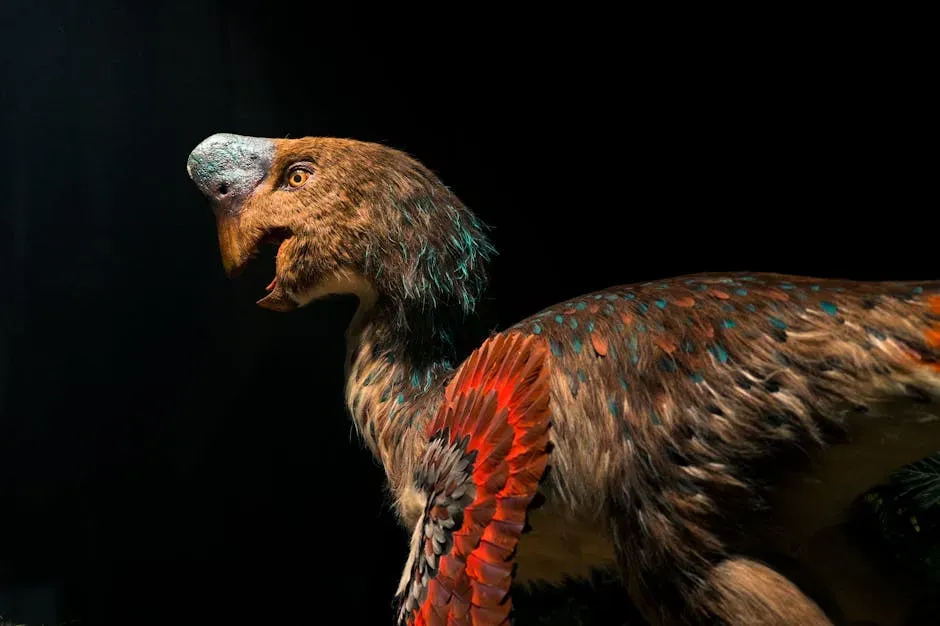
The real plot twist came when paleontologists began finding undeniable feather impressions on dinosaur fossils, especially from deposits in China. These were not vague smudges; they were detailed imprints showing complex feather structures on creatures clearly not classified as modern birds. Suddenly, dinosaurs were not just scaly; many of them were literally feathered, blurring the line between what we call dinosaur and what we call bird.
Once feathers entered the picture, color became unavoidable, because feathers in modern animals are a major canvas for bright displays. Think of peacocks, macaws, or hummingbirds – their wild colors are almost a flex of evolutionary showmanship. So when scientists saw that some non-bird dinosaurs had similar feather types, it raised a natural question: were they using those feathers as visual signals too, and if so, did they carry bold patterns or colors we can still detect?
Melanosomes: The Tiny Fossil Clues That Reveal Dinosaur Colors
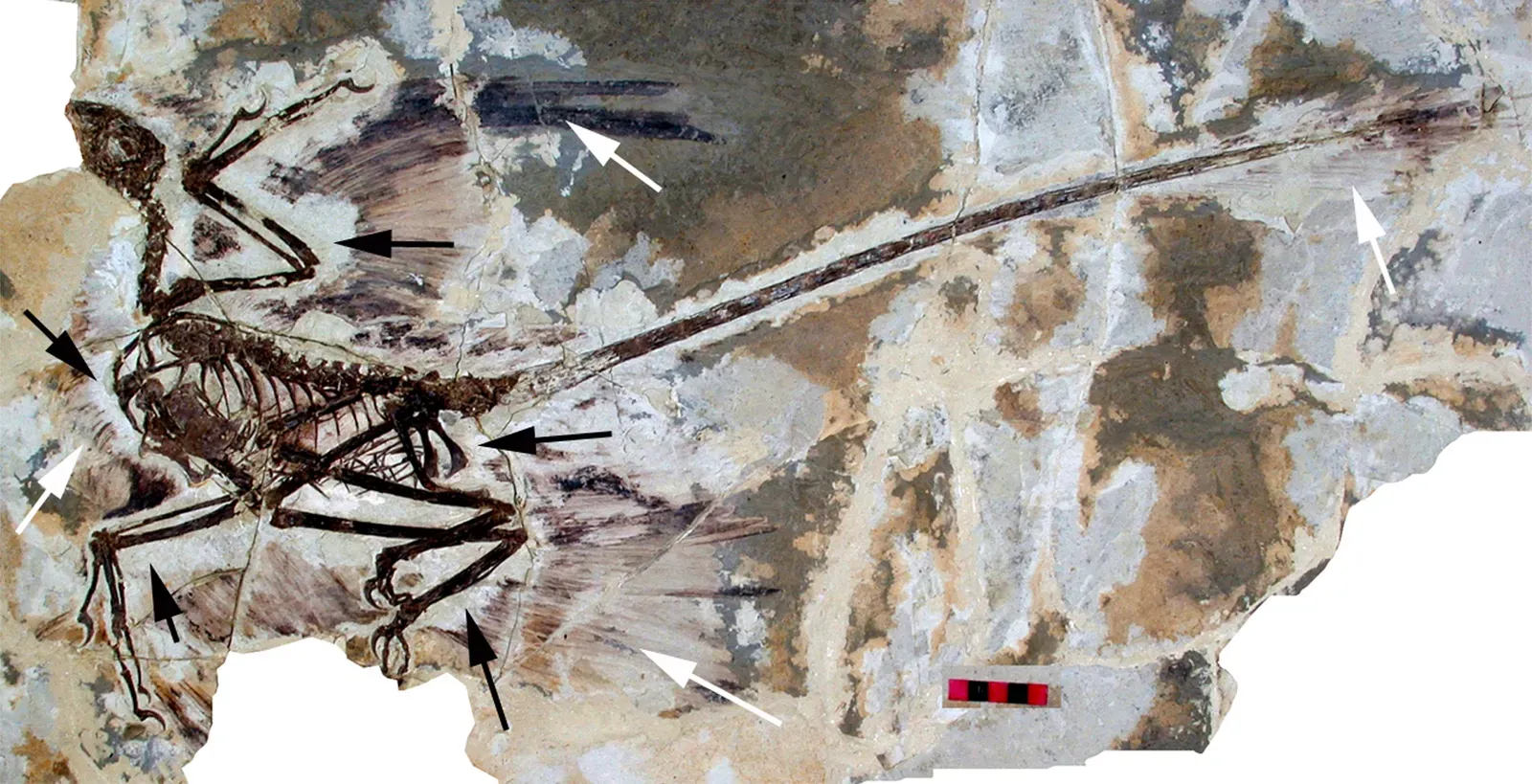
The real magic trick in this story comes from structures called melanosomes – tiny, pigment‑carrying packages inside cells. In modern birds and other animals, different shapes and arrangements of melanosomes are linked to different colors: elongated ones are often associated with blacks and grays, while rounder or differently stacked ones can show up as reddish or brownish tones. By looking at how those shapes map to color today, researchers can make educated guesses when they see similar structures in fossils.
In some exceptionally preserved dinosaur feathers, scientists have found fossilized melanosomes still arranged within the feather impressions. When they compare the shapes and patterns to modern bird feathers, they can reconstruct likely color patterns like dark stripes, rusty reds, or black crests. It is not a perfect palette, and nobody is claiming to know every shade precisely, but it is a massive leap from shrugging and defaulting to gray.
Striped Tails, Black Crowns, and Rusty Bodies: What We Can Say with Confidence
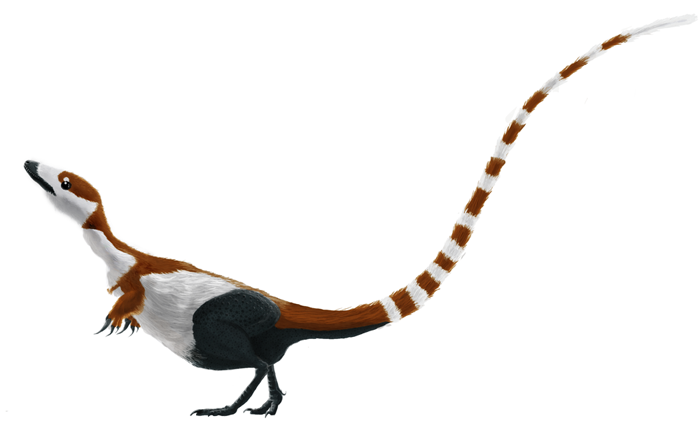
In a few feathered dinosaur species, color reconstructions are now more than just artistic guesses; they are grounded in those fossil melanosome studies. Some small, bird‑like dinosaurs show evidence of dark, banded tails – basically ringed or striped like a modern raccoon, only with feathers. Others seem to have had darker head crests, suggesting a kind of built‑in headpiece that might have been used for display or recognition.
Analyses of certain fossils suggest a body that was mostly rusty or reddish‑brown, with contrasts of black or darker tones on specific body parts like the tail or face. These are not neon rainbows, but they are a far cry from a flat blanket of green or gray. When I first saw these reconstructions, it reminded me of seeing color photos of a time period I had only known in black and white – the whole scene suddenly feels more alive, more relatable, and strangely more real.
Beyond Pigment: Iridescence and Structural Color in Dinosaur Feathers
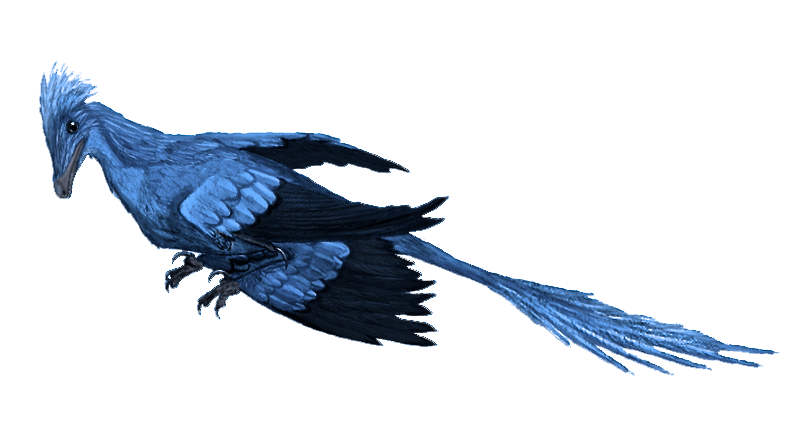
Color is not just about pigment; sometimes it is about how light bounces off microscopic structures, creating shimmering or metallic effects. This is called structural color, and you see it in modern birds like starlings, grackles, and hummingbirds, where feathers can flash blues and greens as the angle of light changes. In some feathered dinosaur fossils, evidence suggests feather structures similar to those that generate iridescence today.
That means at least a few dinosaurs might not just have been colored – they could have sparkled or shifted hue as they moved, like someone wearing holographic fabric. The idea of a small, agile predator with a glossy, dark, almost crow‑like sheen is not science fiction anymore; it is one plausible, evidence‑based interpretation. It is wild to think that what we once painted as a matte, swampy creature might actually have caught the sun like a living piece of oil‑slick art.
Why Evolution Would Bother Making Dinosaurs So Colorful
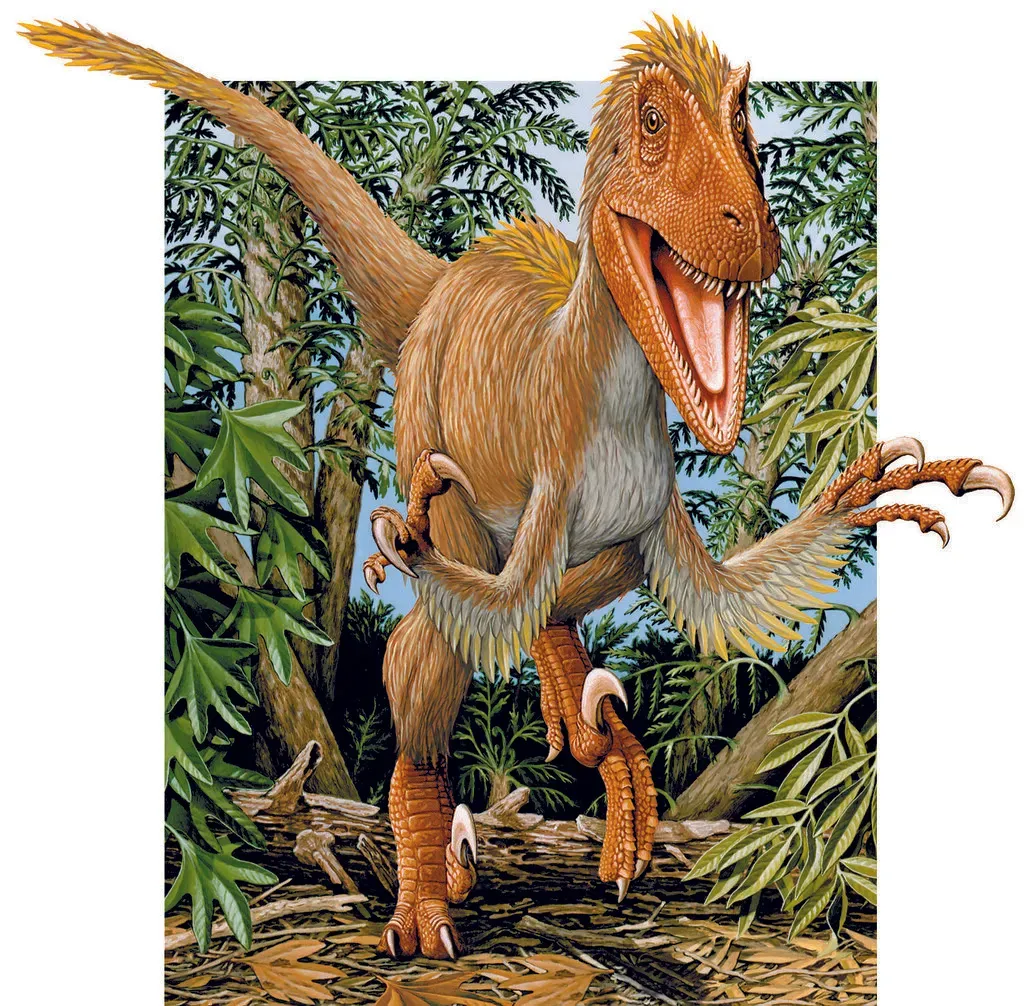
Nature does not invest energy in fancy colors for no reason. In modern animals, vivid patterns usually serve a purpose: attracting mates, intimidating rivals, blending into complex habitats, or warning predators not to mess with them. If some dinosaurs did have patterned feathers, crests, or iridescent sheens, those likely played similar roles in communication or survival. Color is part of how animals negotiate their social and ecological lives.
Picture a densely forested environment, full of dappled light and shifting shadows. In that world, muted greens and browns can be great camouflage, but bold splashes of color on a crest or tail can also act as a flag that only matters at close range, like a secret signal. I suspect some dinosaurs lived in visual worlds every bit as busy and dramatic as those of modern birds, where color was a language layered on top of calls, displays, and movement.
The Limits of the Evidence: Where the Science Stays Humble
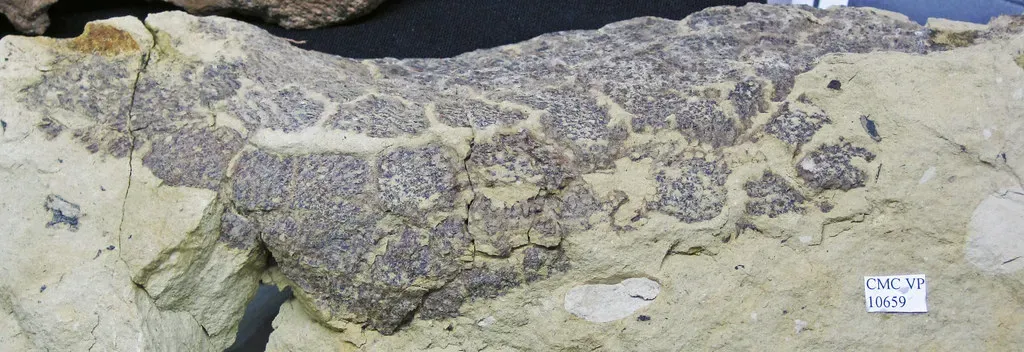
For all the excitement around colorful dinosaurs, there is still a big, important caveat: only a tiny fraction of species preserve the right kind of soft tissue or feather detail for melanosome studies. Most dinosaur fossils are just bones, with skin and feathers long gone, especially for the huge, classic giants people love. That means we simply cannot say much about the exact color of most of the famous long‑necked sauropods or massive horned dinosaurs, beyond educated speculation.
Even for the species where melanosomes are preserved, the reconstructions are partial and approximate. They can point strongly to darker vs. lighter areas, or to the presence of rufous tones versus pure black, but they are not color photographs from the past. Personally, I think the honest position is the most exciting one: we know enough to say the old, uniformly drab picture is wrong, but not enough to fully replace it with a perfectly detailed, museum‑ready mural of every species.
Pop Culture vs. Paleontology: Why Movie Dinosaurs Lag Behind the Science
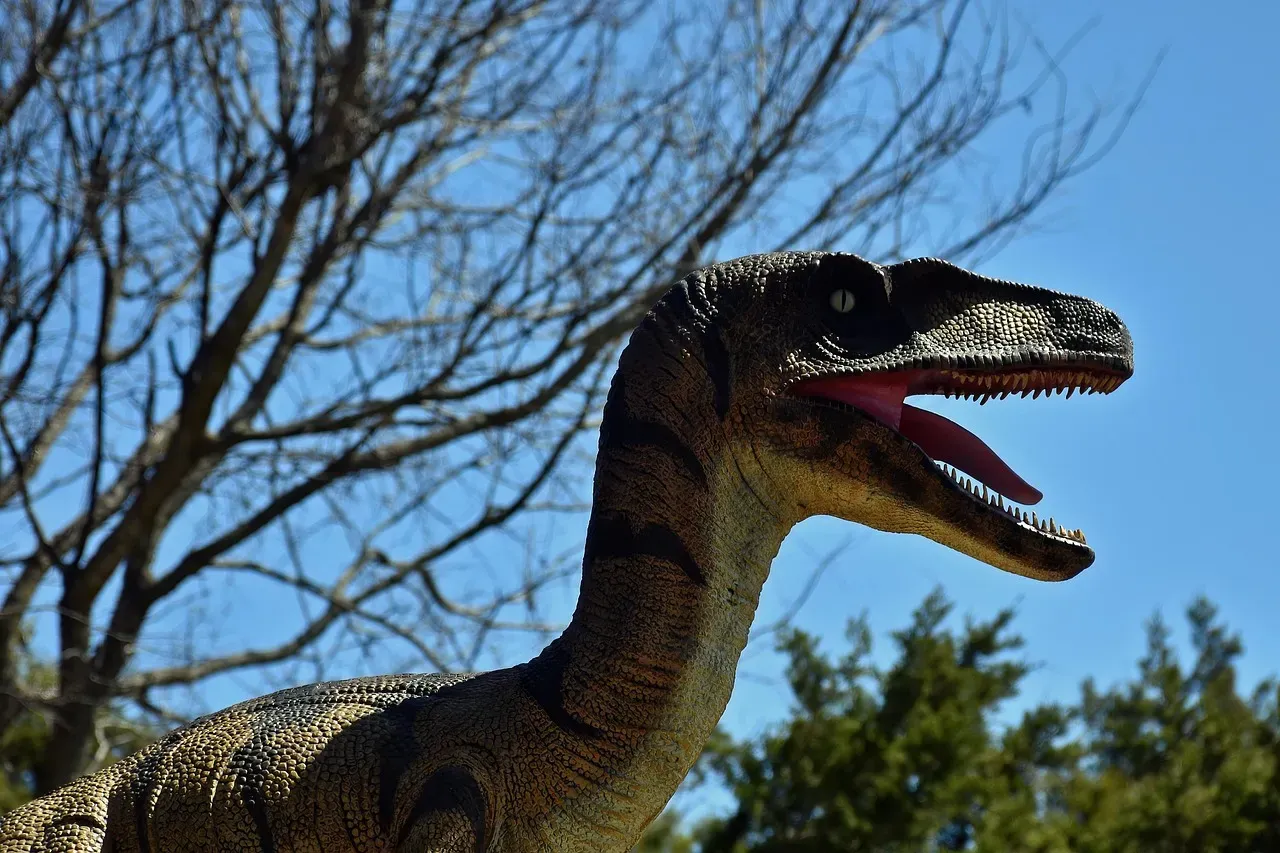
Despite all this, most blockbuster dinosaurs on screen still look like they were designed in the 1990s and never updated. There are practical reasons: filmmakers worry that feathered or brightly patterned predators will feel less threatening or less familiar to audiences who grew up with scaly, earth‑toned monsters. There is also a branding issue: iconic franchises have built entire visual identities around a certain look, and changing that can feel risky.
From a science point of view, though, this gap between research and pop culture feels more and more jarring every year. When I see a sleek, black‑and‑green movie raptor, it is hard not to think how much scarier and more uncanny it might be if it looked more like a giant, intelligent, crow‑wolf hybrid with layered feathers and a glossy sheen. As public understanding catches up, I hope future depictions will have the courage to lean into what the evidence actually suggests, even if it messes with nostalgia.
What This Means for the Gray and Green Giants We Grew Up Imagining
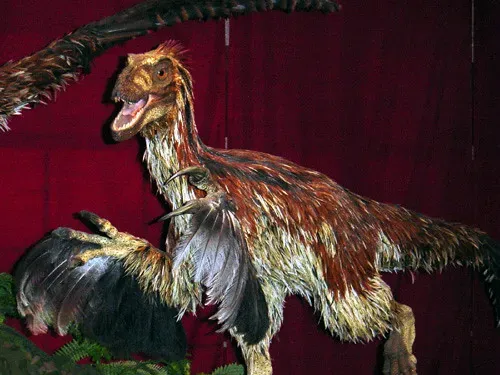
The headline question is pretty direct: does all this mean the huge, classic dinosaurs – the long‑necked towers and hulking tank‑bodied beasts – were just as colorful as the feathered little ones? The honest answer is that we do not know yet, and we might never get the same level of detail for most of them. Those giants had different skin types, environments, and lifestyles, and many may well have worn more subdued, camouflage‑friendly tones.
Still, I no longer buy the idea that they were universally dull. Even large modern animals, like giraffes, zebras, and big birds, show bold patterns or contrasts, not just blank slates of color. I would bet that some big dinosaurs had striking patterns, color shifts between juveniles and adults, or seasonal changes we simply cannot see in the fossil record. To me, the safest assumption now is not that dinosaurs were drab, but that they were at least as visually varied and surprising as today’s wildlife – and probably more so in some lineages.
Conclusion: Why a More Colorful Dinosaur World Actually Makes Prehistory Feel More Real
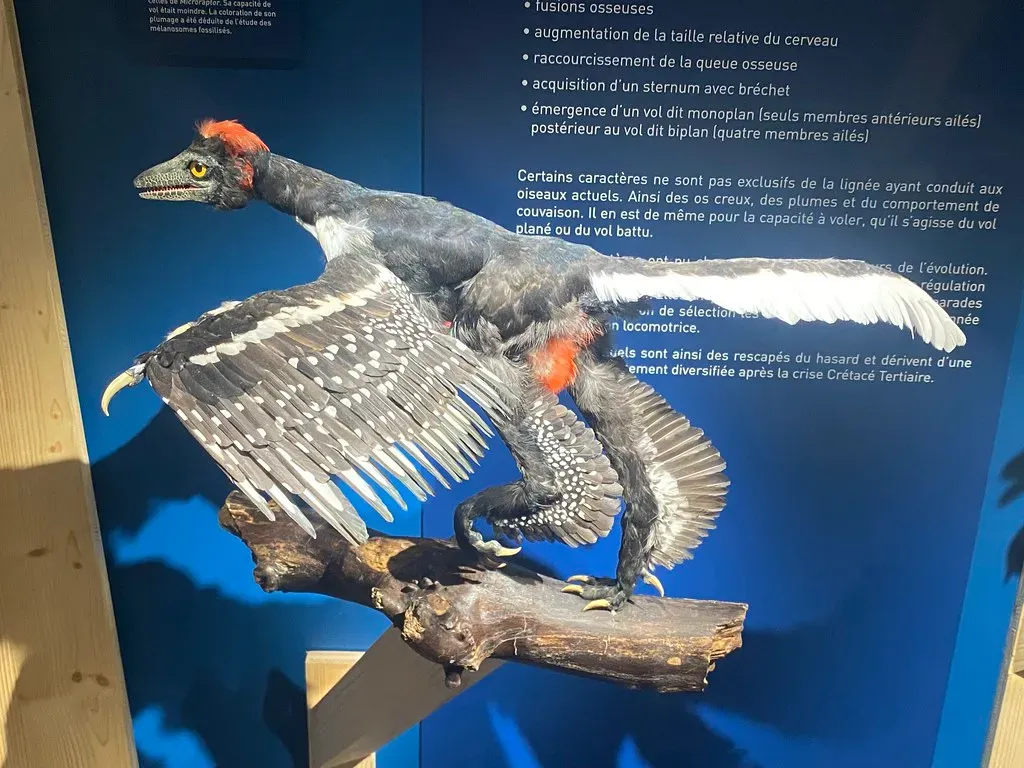
For me, the most thrilling part of this color revolution in paleontology is not just the visual upgrade, it is the emotional one. When you picture a feathered dinosaur with a rusty tail, black crown, and maybe a subtle iridescent sheen, it stops feeling like an alien monster and starts feeling like an animal – one that displayed, courted, hid, and showed off, just like creatures do today. That shift pulls the prehistoric world closer, turning it from a grainy myth into something textured, noisy, and alive.
My opinion, based on the evidence so far, is that clinging to the old gray‑and‑green stereotype is more comforting than accurate. The science is pushing us toward a stranger, more vivid, and much less predictable vision of dinosaurs, and I think we should embrace that even if it means reconsidering childhood favorites. If anything, realizing that some dinosaurs might have shimmered like crows, flashed like pheasants, or blended like forest owls makes their story richer, not weaker. When you close your eyes now and picture a dinosaur, are you still seeing a gray statue, or something brighter trying to break through?