
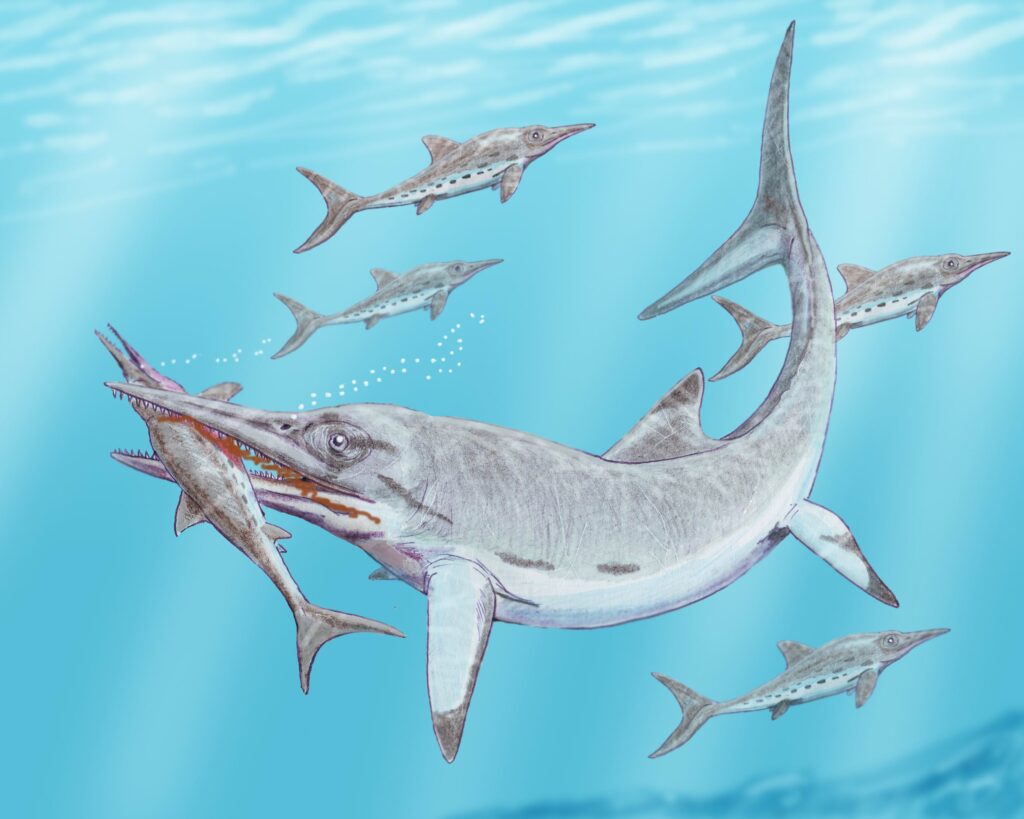
When most people picture terrifying marine reptiles, they jump straight to mosasaurs bursting out of the waves like something from a big-budget movie. But long before mosasaurs muscled their way into the Cretaceous spotlight, other sea monsters were already rewriting the rules of life in the oceans. Some looked like crossovers between crocodiles and dolphins, others were armor‑plated tanks with jaws that could turn a shark into confetti.
I still remember the first time I saw a life‑size model of an ichthyosaur in a museum; it felt like staring at a predator from another planet that just happened to live in our oceans. The wild part is that creatures like that were not the exception, they were the norm for millions of years. Let’s dive into seven ancient ocean predators that dominated the seas long before mosasaurs ever showed up and see how brutally creative evolution could be when it had time to experiment.
Liopleurodon – The Short-Lived Giant With a Seriously Overhyped Reputation
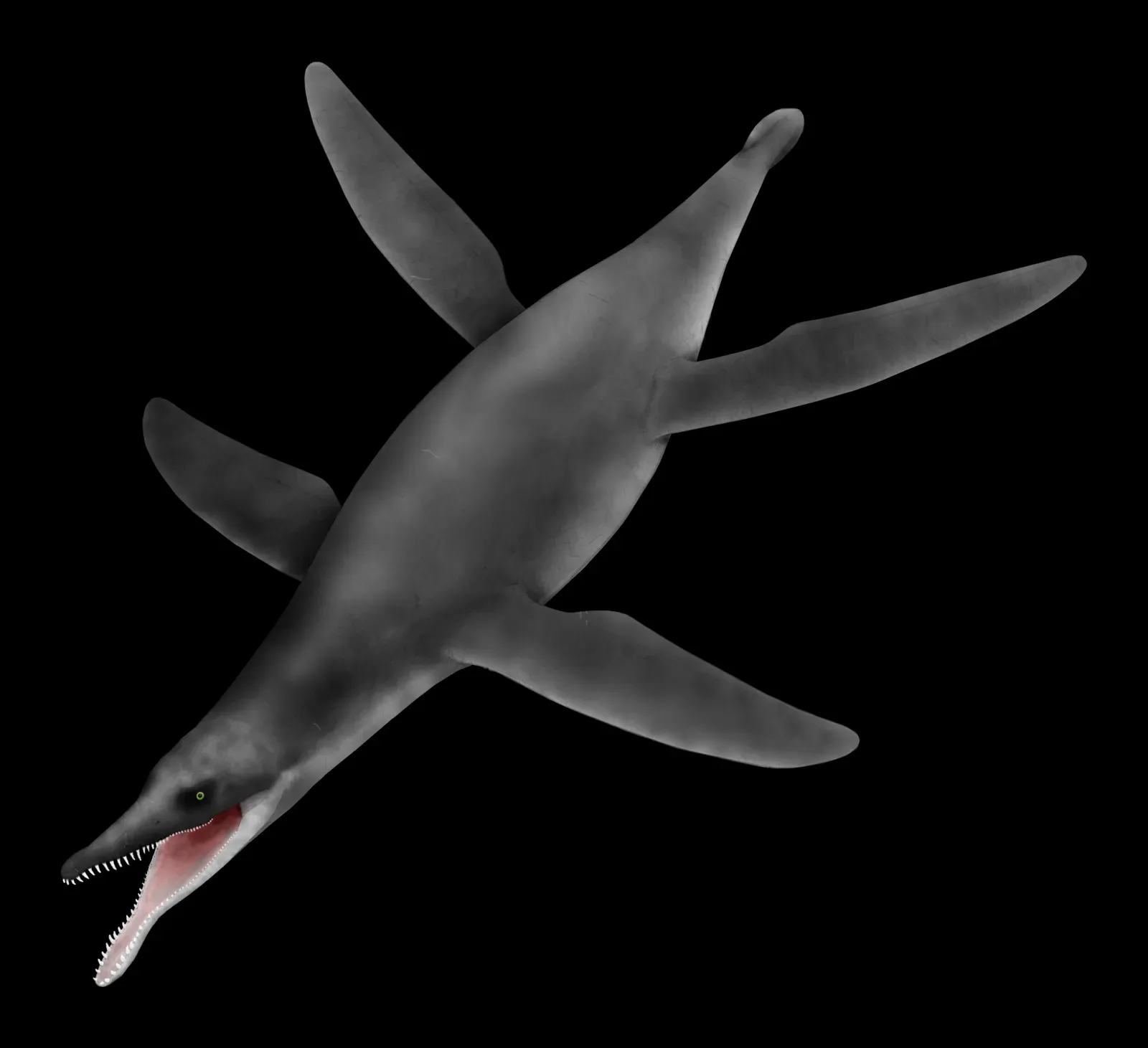
Liopleurodon is the classic “internet monster” of the Jurassic seas: massive skull, crocodile-like jaws, and a bite that could have turned most prey into a smear of bone fragments. It was a pliosaur, a type of short‑necked plesiosaur, built like a torpedo with four powerful flippers for underwater sprinting. Even though some old documentaries pushed it to impossible lengths, more careful fossil work suggests it was large, but not the skyscraper-sized beast people once claimed.
What makes Liopleurodon fascinating is not just its size, but how it probably hunted. Its streamlined body and huge, interlocking teeth point to a top predator that could lunge at high speed, grab large prey like other marine reptiles or big fish, and not let go. Imagine something with the agility of an orca and the head of a nightmare; this was a creature that likely patrolled middle to high levels of the food chain long before mosasaurs appeared on the scene. Even if the legend outgrew the animal, the real Liopleurodon was still more than scary enough.
Kronosaurus – The Tank-Like Pliosaur That Turned Seas Into Ambush Zones
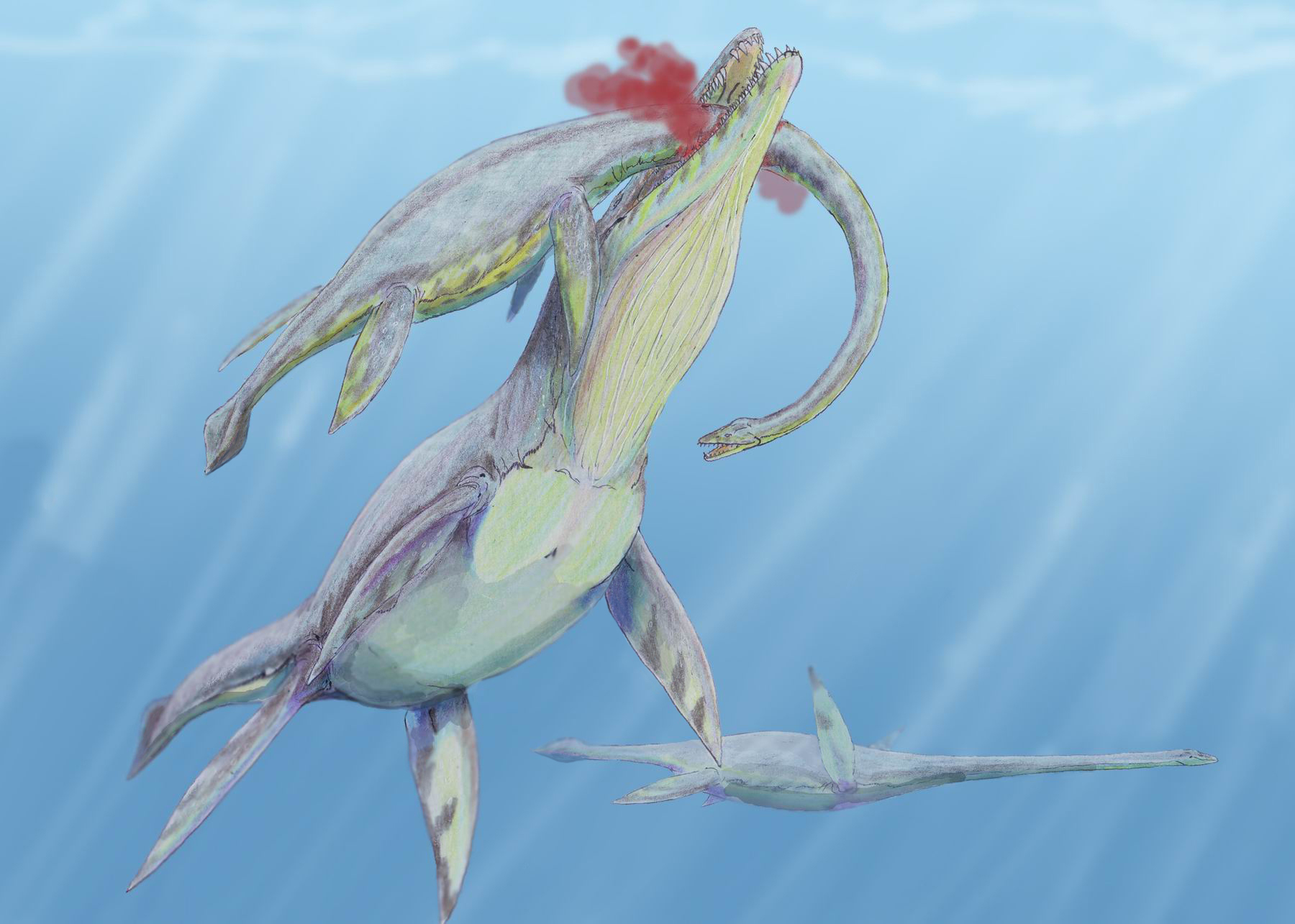
Kronosaurus, named after a mythological child‑eating titan, absolutely lived up to the mood of its name. It was another pliosaur, but from the Early Cretaceous, with a head so big it could rival a small car and a body armed with thick, conical teeth made for crushing and tearing. Its short neck and deep, muscular torso suggest it was designed for bursts of power rather than graceful cruising, more like a marine pit bull than a sleek dolphin.
One of the most striking things about Kronosaurus is how its skull anatomy hints at a brutal feeding style. The jaws could open wide and clamp down with tremendous force, making it perfect for grabbing large, struggling prey in a single violent strike. It probably went after turtles, fish, and other marine reptiles, including early relatives of the very mosasaurs that would later dominate. In a way, Kronosaurus feels like the last stand of the pliosaurs before the ocean’s power balance tilted toward a new set of predators.
Temnodontosaurus – The Deep-Diving Ichthyosaur With Dinner-Plate Eyes
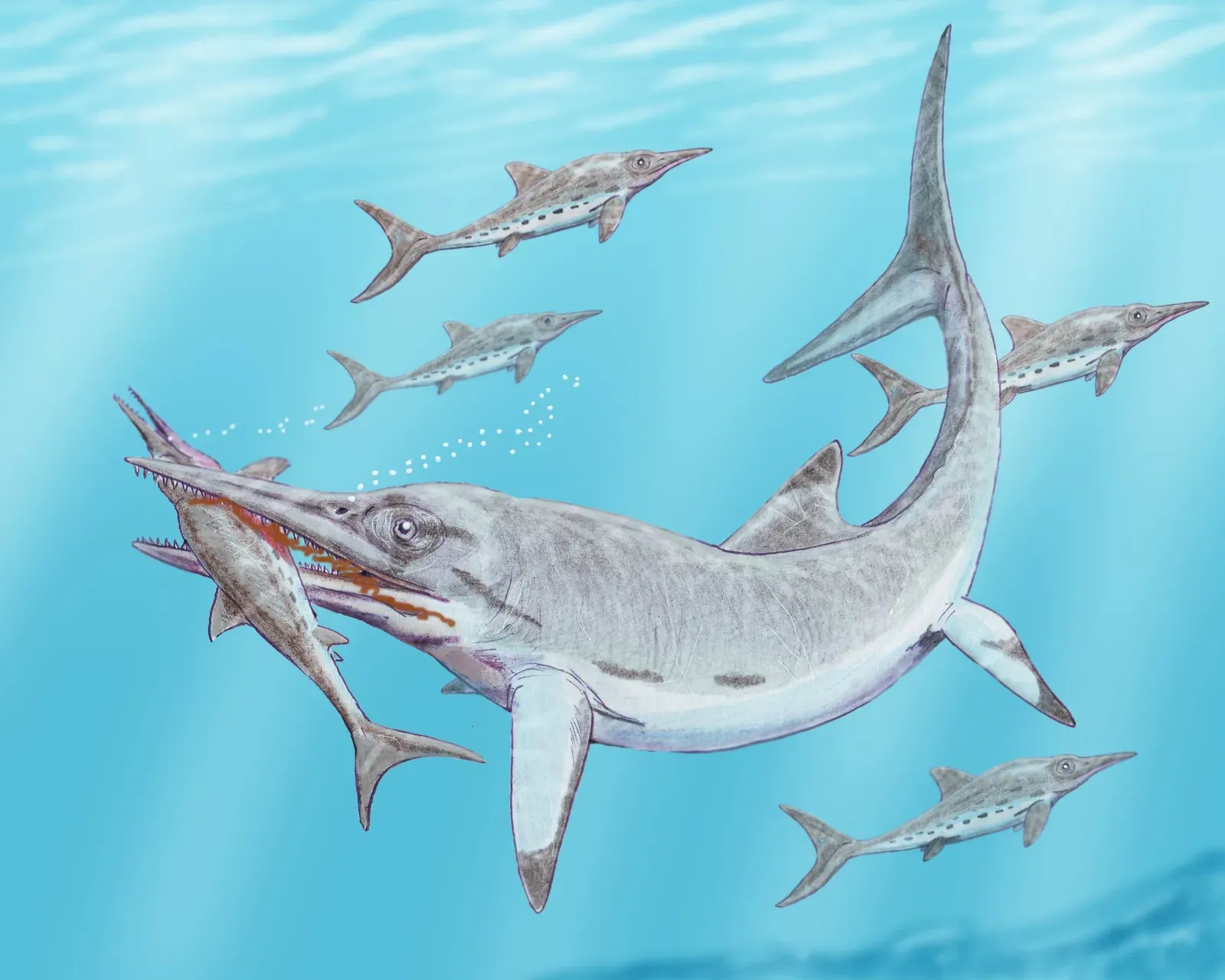
Long before mosasaurs, ichthyosaurs took over the seas with bodies that looked uncannily like modern dolphins or tuna despite being reptiles. Temnodontosaurus was one of the earlier heavyweights of this group, with a long, streamlined body and a skull armed with sharp, slender teeth. What really turns heads, though, are its enormous eyes – some of the largest eye sockets known in any vertebrate, protected by ring-like bones that helped reinforce them under pressure.
Those gigantic eyes strongly suggest that Temnodontosaurus was a deep‑diving or at least low‑light specialist, hunting in dim waters where vision gave it a major edge. Picture it slipping beneath the surface, using those massive eyes to track squid and fish in murky depths where light barely filters through. It might not look as instantly terrifying as a big‑jawed pliosaur, but in its ecological niche it was just as deadly. This was a predator that dominated not through brute force alone, but by turning the darkness of the ocean into its personal hunting ground.
Shonisaurus – The Gentle-Looking Giant That Ruled by Sheer Size
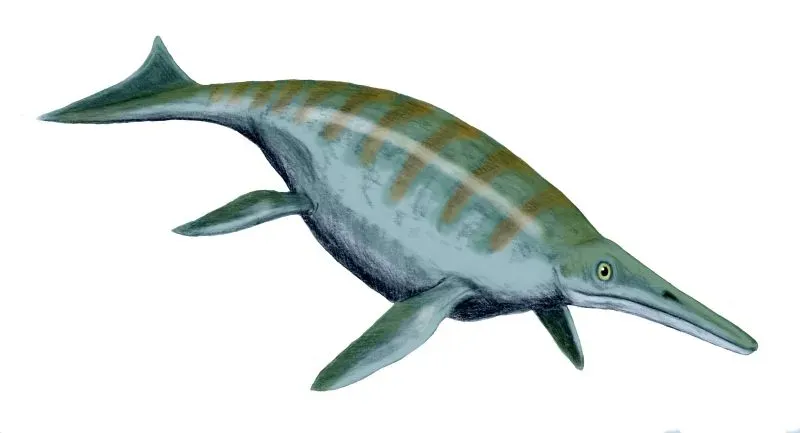
Shonisaurus is the curveball on this list, because it probably was not a bone‑crunching attacker in the same way as some others. This Triassic ichthyosaur grew to enormous sizes, with a slender, elongated body and a relatively small head for its length. Instead of relying on a terrifying bite, it may have used size, speed, and possibly mass filter‑feeding or suction‑feeding to thrive in open waters. Think less “ocean serial killer,” more “prehistoric blue whale with a reptile twist,” even if the details of its diet are still being debated.
Yet, dominance in the ocean is not always about shredding everything around you; sometimes it is about being too big to mess with. A giant like Shonisaurus could have been a major force in shaping ecosystems simply by how much it ate and how much space it occupied. Its presence reminds us that ancient seas were not only patrolled by toothy monsters, but also by giants that ruled simply by existing at a scale most predators could not challenge. In an odd way, Shonisaurus shows that power can be quiet, sprawling, and subtle – until you realize everything else is swimming around it.
Metriorhynchus – The “Sea Croc” That Turned Into a Fully Marine Predator
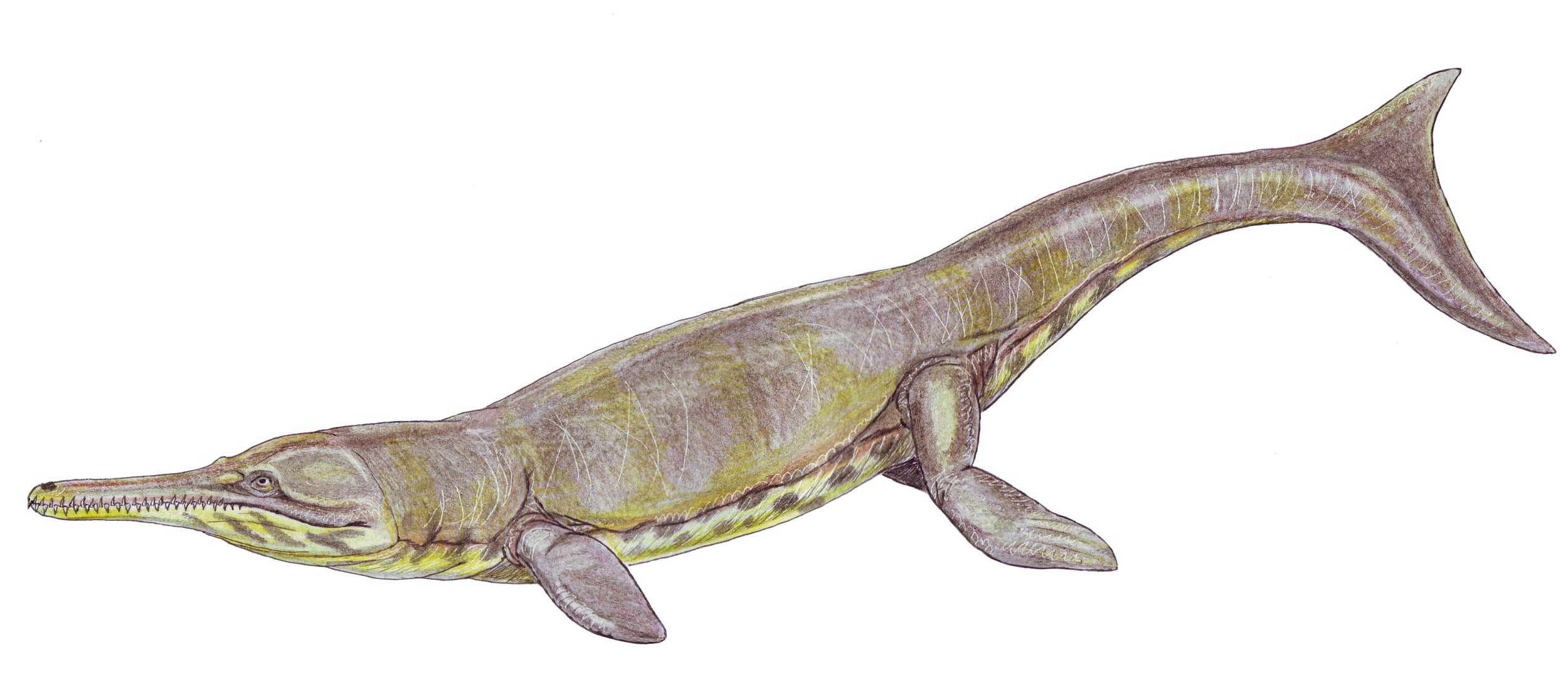
Before mosasaurs perfected the marine‑reptile apex predator role in the Late Cretaceous, crocodile relatives were already giving it a serious shot. Metriorhynchus was part of a group of crocodyliforms that went fully oceanic: it had paddle‑like limbs, a tail with a fin, and a body better suited to open water than lounging on riverbanks. Unlike today’s crocodiles that split their time between land and water, this animal was committed to the sea in a way that feels surprisingly modern.
Its teeth and skull suggest a diet rich in fish and smaller marine reptiles, and some species had serrated teeth hinting at the ability to tackle larger, fleshier prey. I always picture Metriorhynchus as a kind of reptilian hybrid between a shark and a croc, patrolling coastal and open waters, grabbing what it could catch. It shows how many different reptile lineages experimented with the idea of becoming full‑time marine hunters. In a timeline where mosasaurs never evolved, I could easily imagine sea crocs like this dominating much longer.
Nothosaurus – The Semi-Aquatic Ambusher That Foreshadowed Plesiosaurs
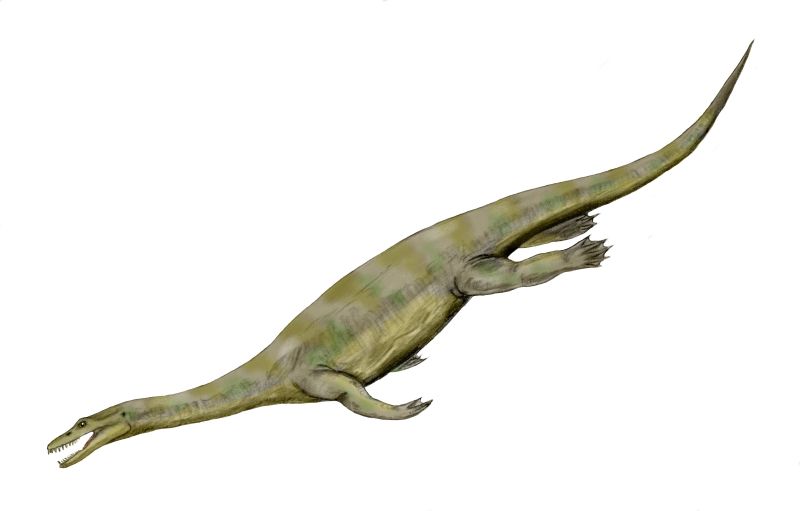
Nothosaurus dates back to the Triassic, a time when marine ecosystems were still recovering and reinventing themselves after a mass extinction. It was not yet a fully ocean‑committed reptile; it likely split time between land and sea, with a long body, flexible spine, and limbs that worked in water but could still function on shore. Its skull was narrow and lined with needle‑like teeth that interlocked when the jaws closed, basically forming a living fish trap.
What makes Nothosaurus so important is not just what it was, but what it represents. Many scientists see it as an early step toward the more specialized plesiosaurs and pliosaurs that would show up later, including giants like Liopleurodon and Kronosaurus. It probably hunted by lurking in shallow waters and snapping at fish or smaller reptiles, something like a reptilian mash‑up of a seal and a gar. Before mosasaurs, creatures like Nothosaurus were already carving out the basic predator roles that later marine reptiles would refine and scale up dramatically.
Dunkleosteus – The Armored Fish With a Guillotine for a Jaw
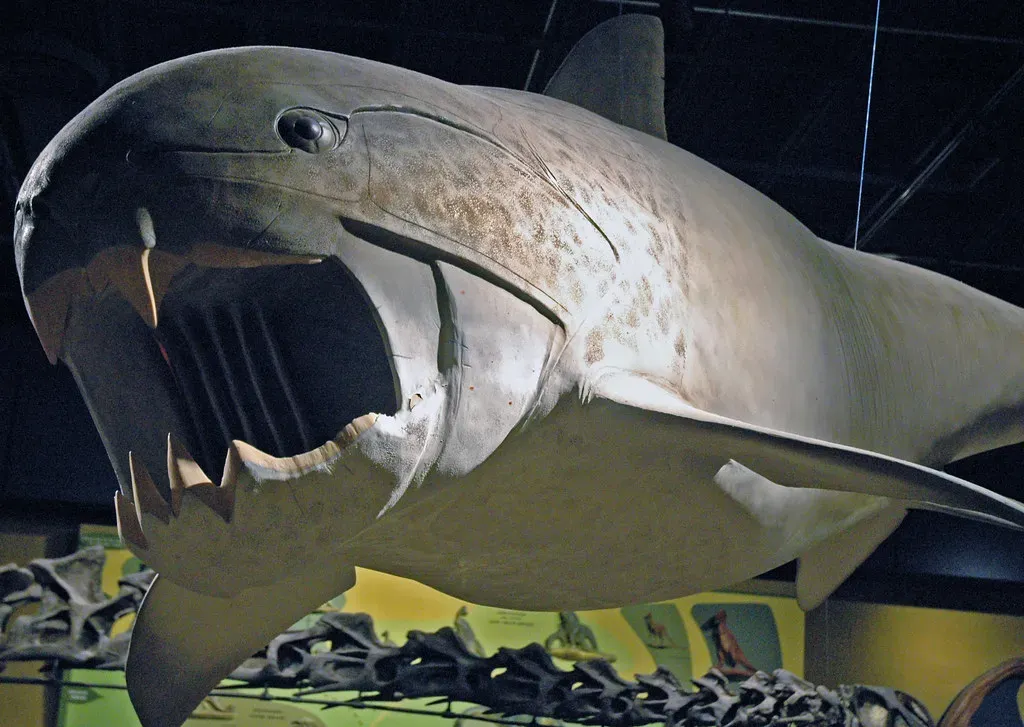
Long before marine reptiles even entered the story, armored fish held the top predator crown, and Dunkleosteus was their undisputed champion. This Devonian giant belonged to a group called placoderms and had a head encased in bony armor plates instead of simple scales. Instead of teeth, it had sharp, beak‑like bony blades in its jaws that could shear through flesh and bone with disturbing efficiency, like a built‑in metal cutter.
Estimates of its bite force put it in the same conversation as modern apex predators such as great white sharks and large crocodiles. It likely fed on anything it wanted, from other armored fish to soft‑bodied animals that stood no chance once those jaws clamped down. In a way, Dunkleosteus feels like the original boss level of the ocean food chain, a reminder that oceans have been dangerous for a very long time. By the time mosasaurs evolved, they were just the latest in a long, brutal lineage of sea rulers, not the beginning of the story.
Conclusion: Mosasaurs Were Late to a Very Old Party
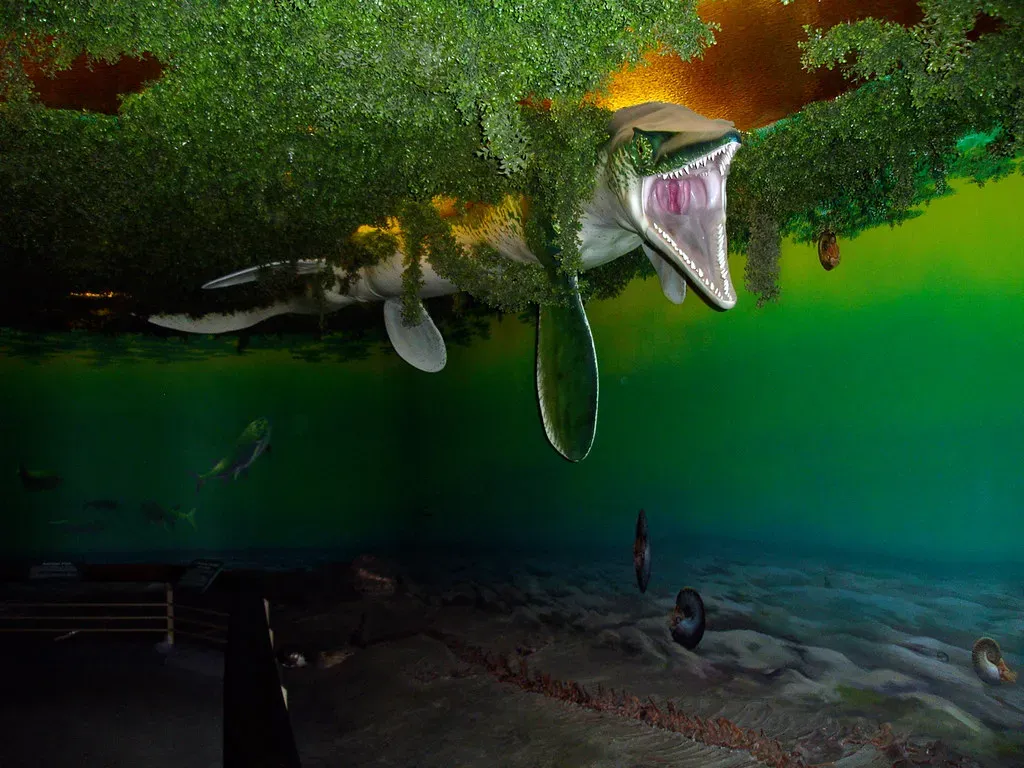
When you zoom out and look at Liopleurodon, Kronosaurus, Temnodontosaurus, Shonisaurus, Metriorhynchus, Nothosaurus, and Dunkleosteus side by side, a pattern jumps out: the oceans have never belonged to one group for long. Each of these predators ruled its era with a different strategy, from brute force to stealth, from speed to sheer size. Mosasaurs, for all the love they get, were more like the flashy final act of a festival that had been running for hundreds of millions of years.
My honest take is that we overrate mosasaurs mainly because they arrived late in time and early in pop culture, not because they were uniquely terrifying. The real story is how relentlessly evolution kept trying new ways to build a top predator, and how often those experiments ended in extinction and replacement. Next time you see a dramatic mosasaur scene, it is worth asking yourself which forgotten monster it was indirectly copying. If you had to pick, which of these seven ancient sea rulers would you least want to meet on a prehistoric swim?