

Fossils don’t lie, but they rarely tell the whole story either. Every skull, tooth, and stone tool pulled from the dirt raises three new questions for every one it answers. After more than a century of digging, paleoanthropologists still can’t explain some of the most basic facts about how early humans lived, moved, spoke, or vanished entirely.
Museums love a tidy timeline, but the real evidence is stuffed with gaps, contradictions, and knock-down arguments between the top researchers in the field. Some of these mysteries involve entire human species we only know from ghostly traces buried in modern DNA – never a face, never a bone, just a signal. Here’s what the fossils, the genomes, and the scientists still fighting over them actually admit they don’t know.
#20 – How the “Hobbits” of Flores Crossed Open Ocean Without Boats
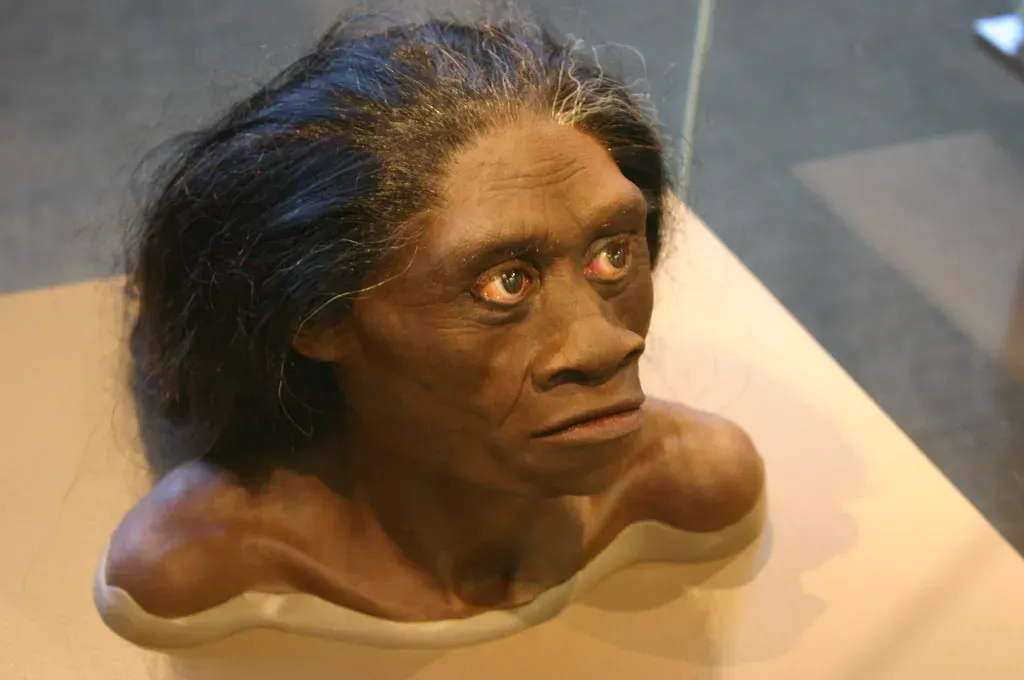
Homo floresiensis, the three-foot-tall hominin nicknamed “the Hobbit,” lived on the Indonesian island of Flores until surprisingly recently in evolutionary terms. The problem is nobody can explain how a small-brained, pre-modern hominin got there in the first place, since Flores has been separated from the mainland by deep water for millions of years.
There’s no evidence of boats, rafts, or any deliberate seafaring technology from this population. That leaves researchers stuck between two uncomfortable options: either the Hobbits accidentally rafted across on storm debris, or they possessed navigational abilities nobody has ever credited to a small-brained archaic hominin. Neither answer sits comfortably with the existing evidence.
Fast Facts
- Stood about 3.5 feet tall and weighed roughly 55 pounds, with a brain around a third the size of a modern human’s
- Discovered in September 2003 inside Liang Bua Cave, the only site where the species has ever turned up
- Occupied the cave from roughly 190,000 to 50,000 years ago, based on associated stone tools
- The nearest landmass sits across a stretch of open, fast-moving water that has never dried into a land bridge
#19 – The Million-Year Fossil Gap Nobody Can Fill
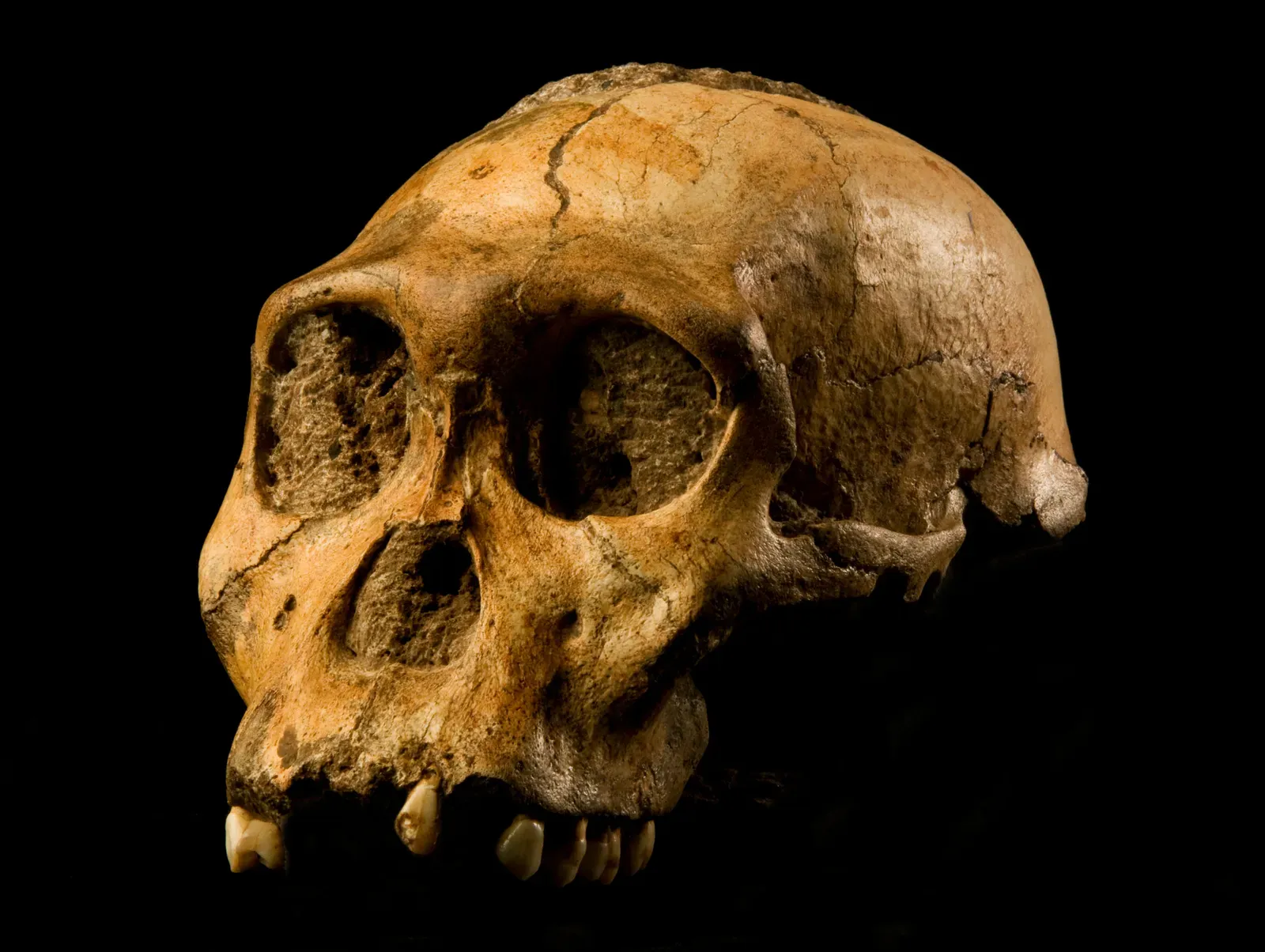
Between the last known Australopithecus fossils and the first confirmed Homo specimens, there’s a stretch of roughly a million years with almost nothing to show for it. This is exactly the window when bipedal apes supposedly became tool-using, bigger-brained humans – and the fossil record simply goes quiet.
Some researchers have proposed transitional candidates, but none have won consensus. The mystery matters because it means the actual mechanics of how “Homo” emerged – what pushed brain size up, what changed in diet or environment – is still essentially a guess dressed up as a theory. Textbooks draw a confident arrow through this gap; the fossils don’t back it up.
#18 – Sahelanthropus and the Single Skull That Redefined Walking
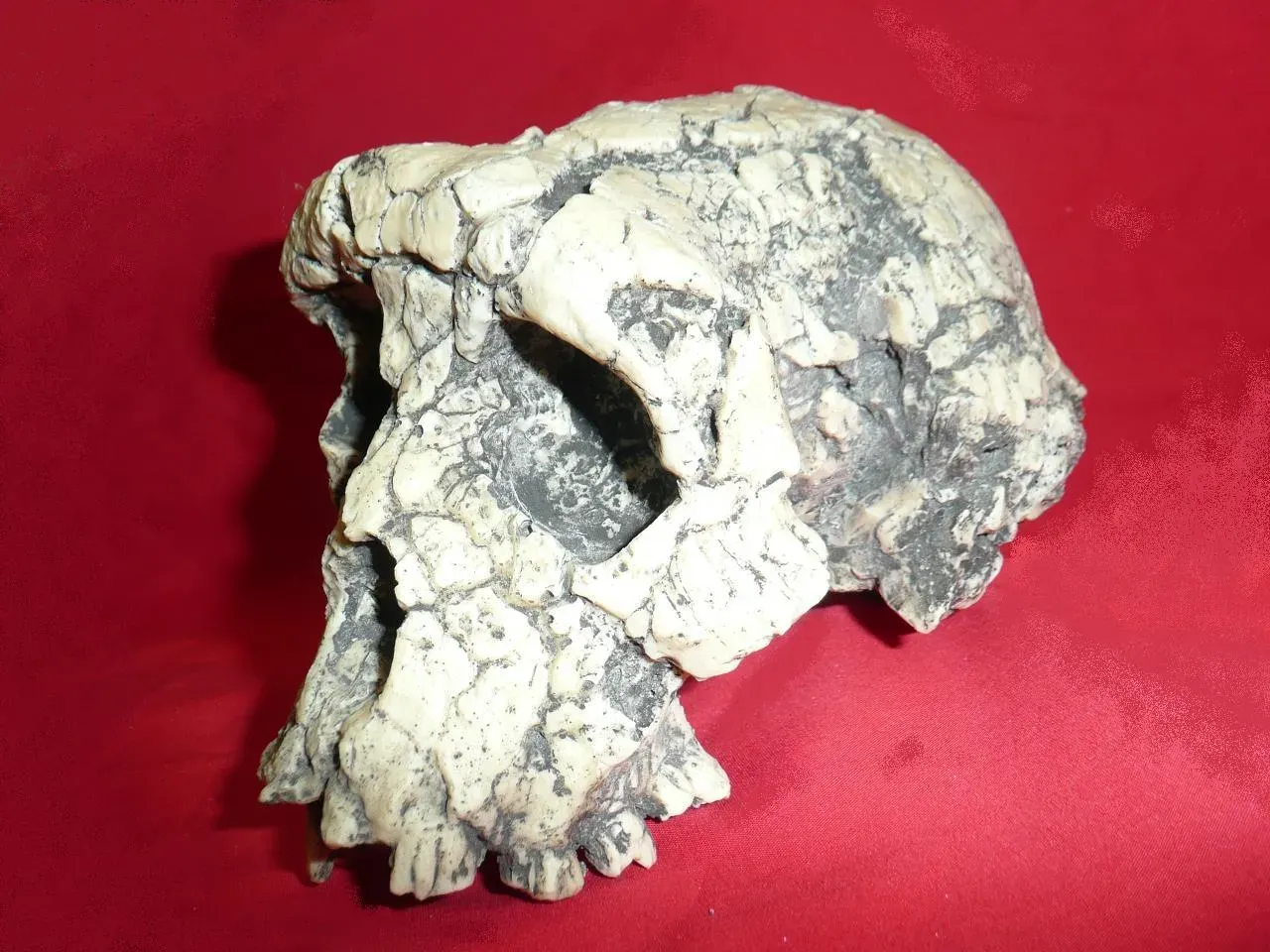
Sahelanthropus tchadensis, dated to nearly seven million years old, is often called one of the earliest possible human ancestors. Its claim to fame rests almost entirely on a single skull and hints in the leg bones that it may have walked upright – one of the earliest such claims in the entire fossil record.
That’s an enormous conclusion to hang on fragmentary evidence. Some paleoanthropologists argue the specimen is closer to an ancient ape than a human ancestor at all. Without more complete limb bones, the debate over whether our lineage’s “first steps” happened here or somewhere else entirely remains unresolved.
#17 – Homo naledi’s Disputed Graves Deep in Rising Star Cave
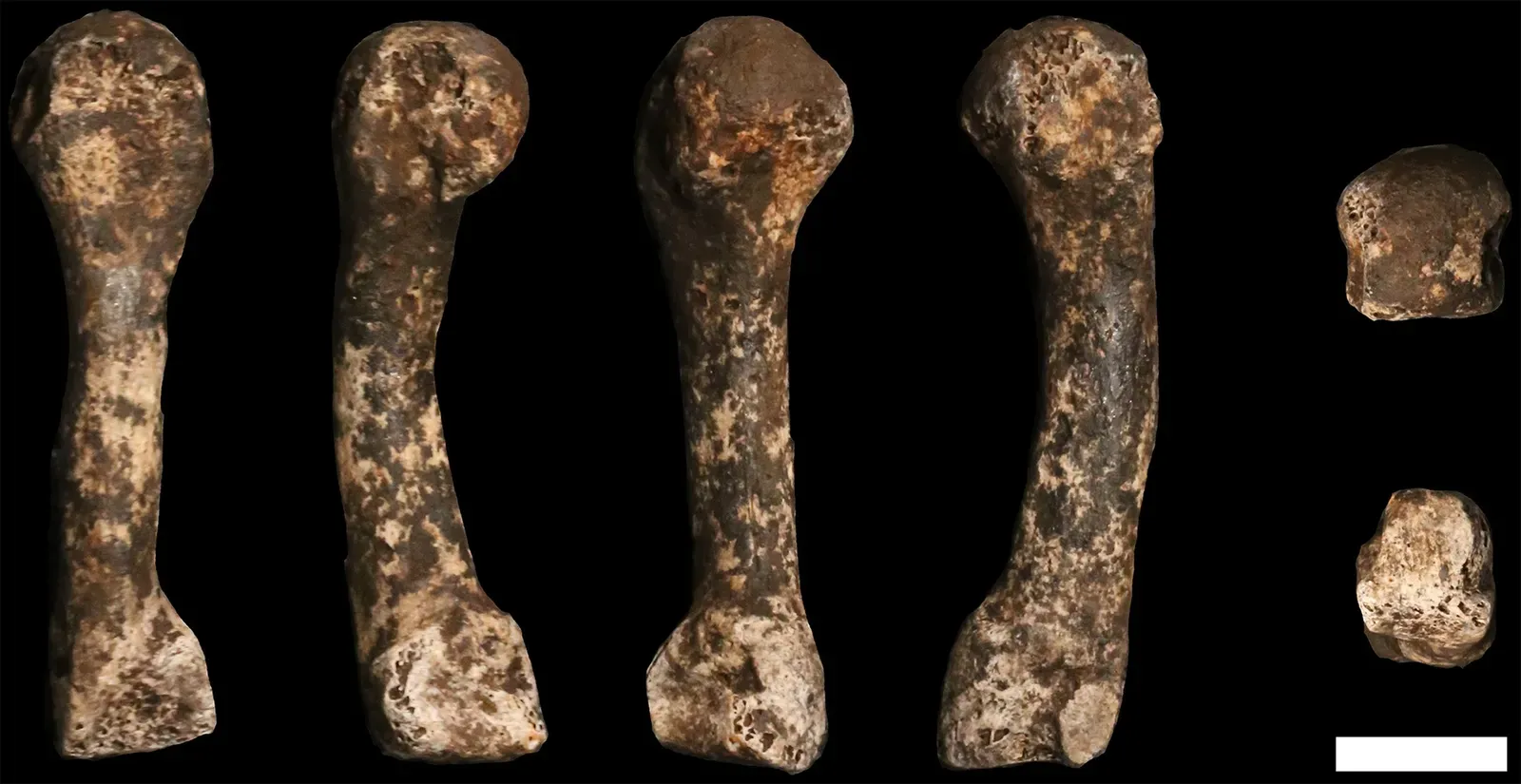
In 2023, researchers announced that Homo naledi – a small-brained hominin with a brain roughly a third the size of ours – may have deliberately buried its dead and carved symbols into cave walls deep inside South Africa’s Rising Star system. The claims suggested the earliest evidence of deliberate burial by any hominin species, with Homo naledi lighting up dark passageways with fire and intentionally carrying bodies far underground.
But the scientific community pushed back hard. Other researchers pointed to geological and taphonomic evidence suggesting natural explanations instead – a death trap, water transport, or carnivore activity dragging bodies into the passage. A follow-up study concluded there’s no convincing evidence Homo naledi buried their dead or produced rock art based on what’s been presented so far. The bones are real. What they mean is still an open fight.
#16 – Little Foot’s Age Is Still a Scientific Fistfight
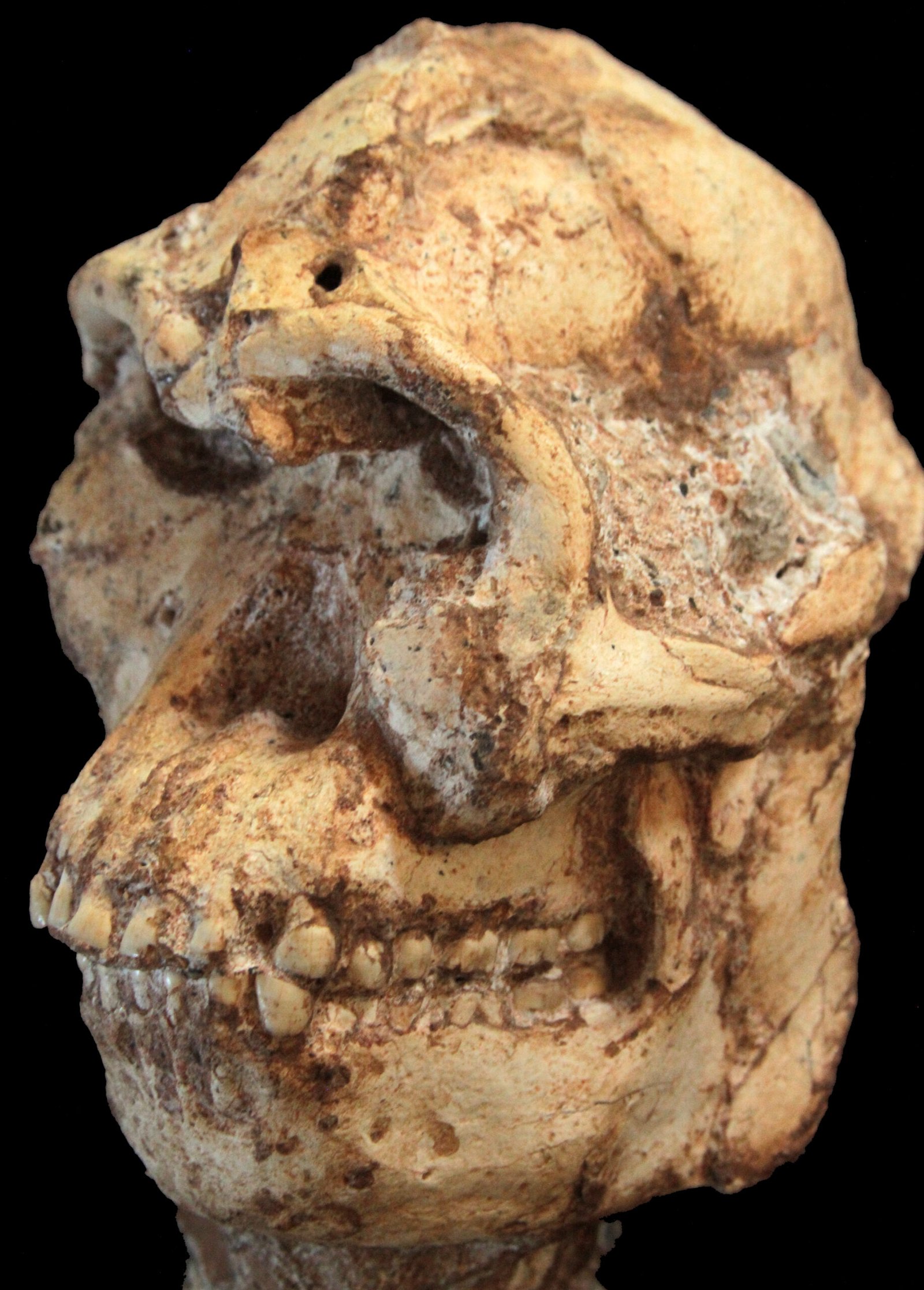
“Little Foot” is the most complete Australopithecus skeleton ever found, discovered in South Africa’s Sterkfontein cave system. You’d think a nearly full skeleton would settle basic questions like its exact age, but dating estimates for the specimen have swung by hundreds of thousands of years depending on the method used.
Different dating techniques applied to the surrounding rock have produced conflicting results, and researchers still argue over which method should be trusted. That’s a startling admission for one of the best-preserved early human ancestors ever unearthed. If scientists can’t agree on the age of the most complete skeleton in the collection, confidence in dating the fragmentary bones scattered everywhere else should probably be lower too.
#15 – The Ghost Population Hiding in African DNA

Genetic studies of modern African populations have turned up traces of DNA that don’t match any known hominin species – not Neanderthal, not Denisovan, not anything catalogued. Geneticists call these “ghost populations,” archaic humans that interbred with our ancestors but left behind no matching fossils at all.
This means there’s likely an entire branch, or several branches, of the human family tree that vanished so completely that not one bone has ever been identified. We only know they existed because their genetic fingerprints survived inside living people today. The species itself remains a complete unknown, present only as a signal in a lab, never as a face or a skeleton.
#14 – Even the Denisovans Had a Mystery Ancestor

Denisovans themselves were long considered one of the biggest mysteries in human evolution, but new genome analysis has revealed something stranger: some Denisovan individuals carried DNA from yet another unknown archaic group. A 2025 genome from a Denisovan man revealed that not only had his ancestors interbred with early Neanderthals, but the individual also carried ancestry from a population entirely unaccounted for.
That means the “mystery species” scientists spent fifteen years trying to understand had its own unsolved mystery buried inside its genes. Every layer peeled back seems to reveal another hidden branch of humanity that left no bones behind, only whispers in ancient DNA that no fossil currently on record can explain.
#13 – Fifteen Years Without a Denisovan Face
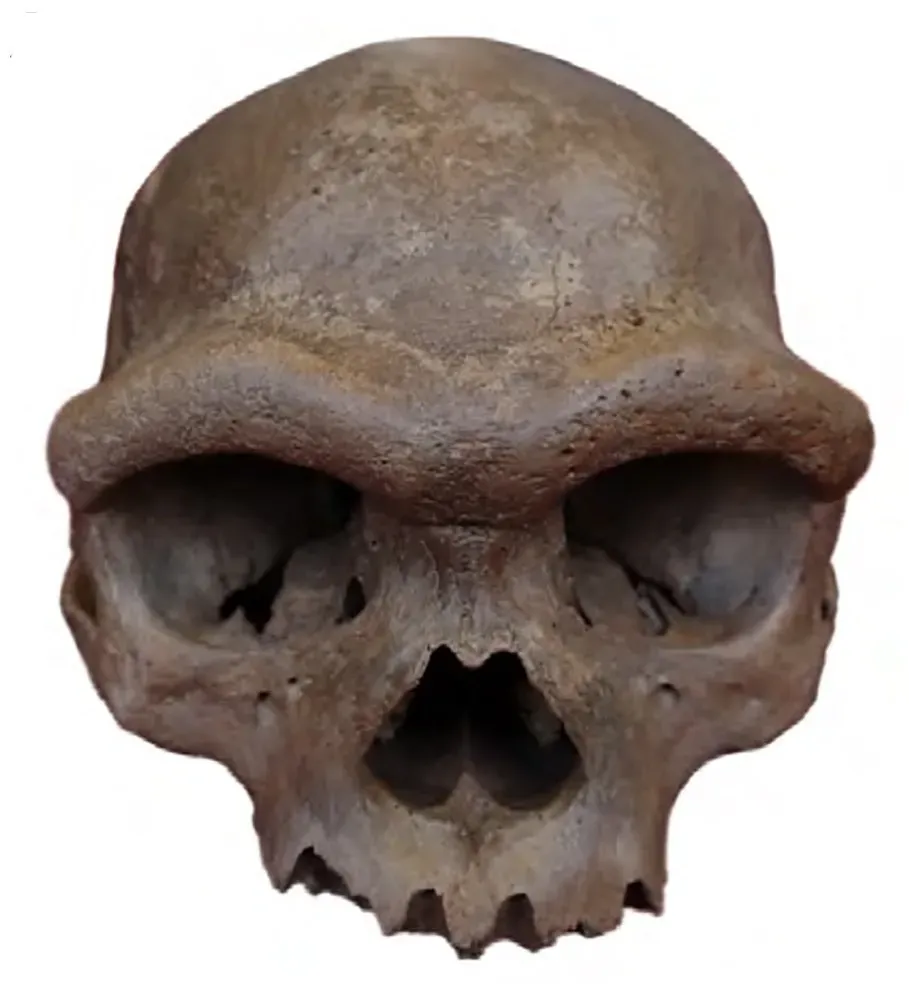
For over a decade, Denisovans existed only as a genetic signal with no known appearance. Human evolution’s biggest mystery emerged 15 years ago from a single 60,000-year-old pinkie finger bone, and for years scientists knew nothing about what Denisovans looked like, where they lived, or why they disappeared. A whole population that mixed with our ancestors and still shapes human health today was, essentially, faceless.
Even now that a partial identification has emerged, the picture is far from complete. Only a skull and a handful of teeth and bone fragments have been definitively linked to these mysterious humans, making it nearly impossible to know what the rest of their bodies looked like. Most people alive today carry Denisovan DNA without knowing what their ancient relatives even looked like walking around.
#12 – The Missing Denisovan Bones of Southeast Asia
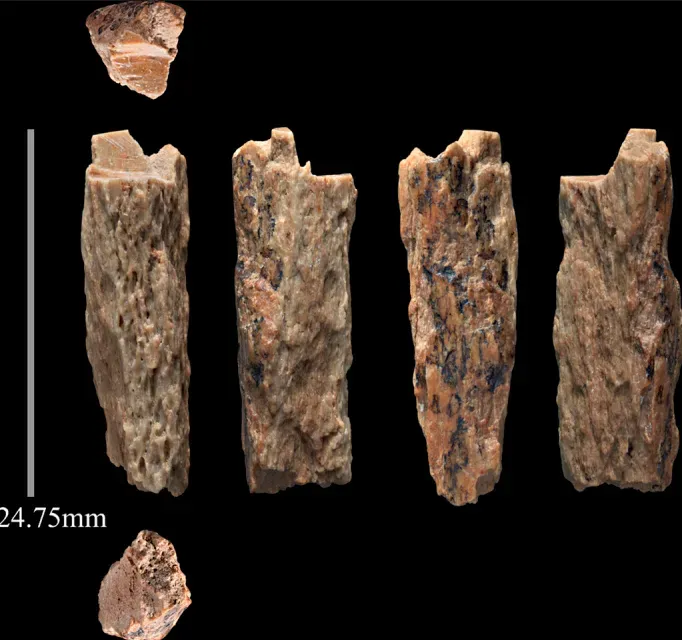
Genetic evidence proves Denisovans interbred extensively with modern humans as they moved through Island Southeast Asia on their way to Australia, yet not a single confirmed Denisovan fossil has ever turned up in that region. Researchers examining hundreds of modern human genomes confirmed the interbreeding signal loud and clear, but the physical remains simply aren’t there.
The mystery remains: why haven’t we found their fossils alongside the other ancient humans known to have lived in the region? This is one of the strangest contradictions in the entire field – DNA says Denisovans were present in massive numbers across an entire archipelago, but the fossil record in that exact location stays completely silent.
#11 – Red Deer Cave People Fit No Known Category
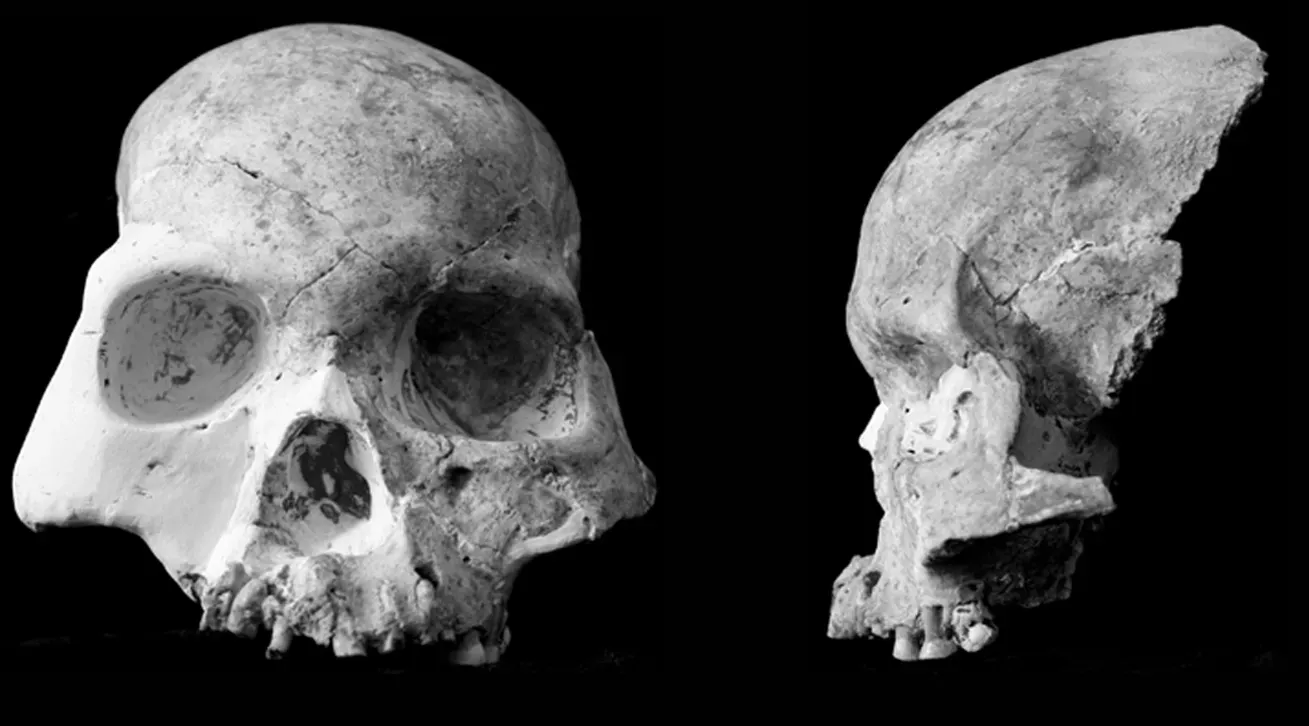
Skeletal remains found in China’s Red Deer Cave, dated to around 14,000 years ago, show a bizarre mix of archaic and modern features that don’t cleanly match Homo sapiens or any recognized archaic species. Some researchers have suggested they represent a previously unknown, late-surviving archaic population; others argue they’re simply unusual modern humans.
No consensus classification has ever stuck. The fact that a population living this recently – well within the timeframe of fully modern humans elsewhere on the planet – still can’t be confidently labeled says a lot about how messy the supposedly “settled” end of the human story actually is.
At a Glance
- Site: Maludong, or “Red Deer Cave,” in Yunnan Province, China
- Age: roughly 14,000 years old, squarely within the era of anatomically modern humans elsewhere
- Features: thick skull bones, flat faces, and prominent brow ridges alongside more modern limb proportions
- Classification: still unresolved, with no species label ever reaching wide scientific agreement
#10 – Homo erectus’s Impossibly Late Last Stand in Java
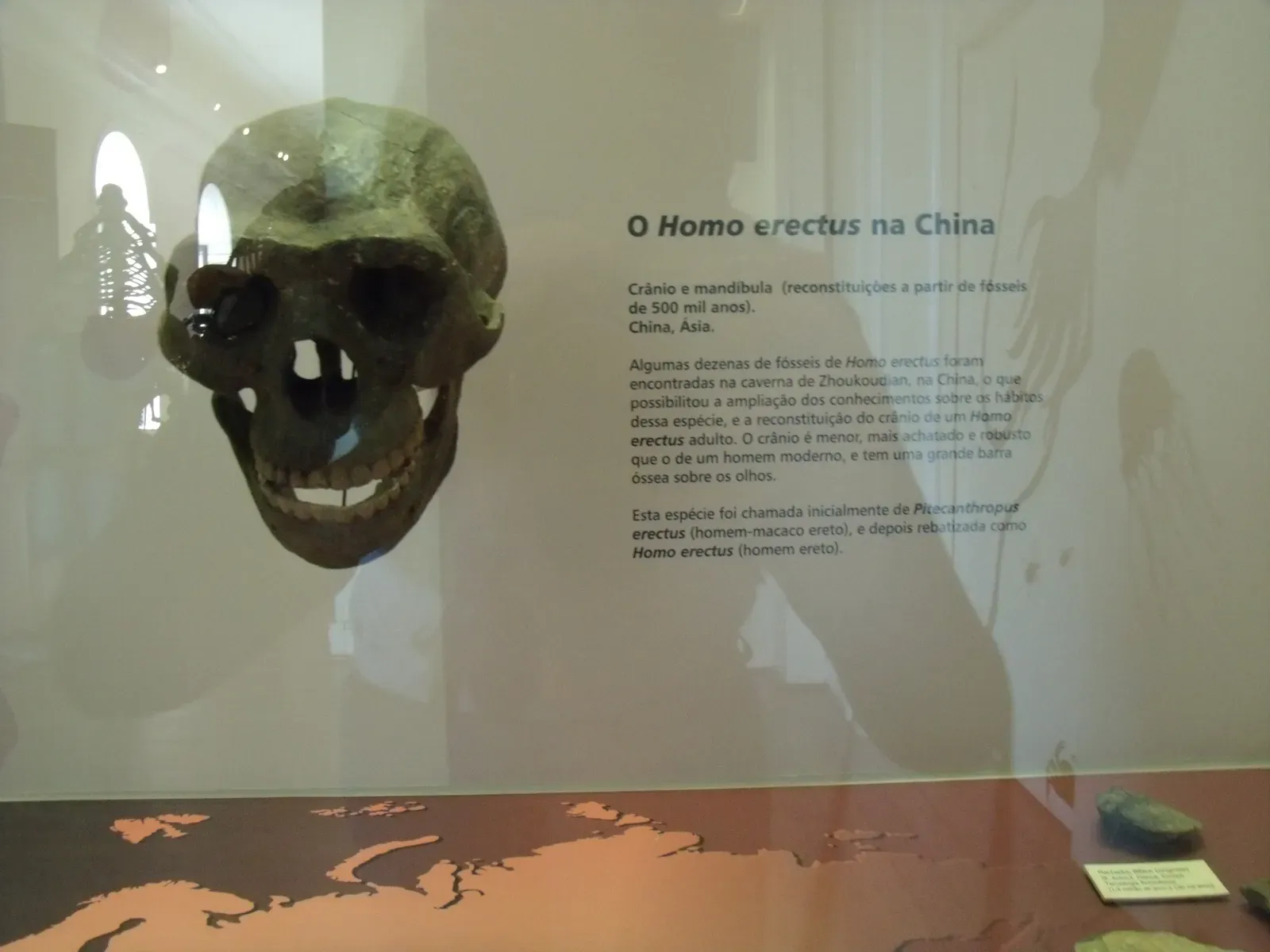
Homo erectus was supposed to have gone extinct long before modern humans spread across the globe, but fossil evidence from Java suggests populations may have survived shockingly late – potentially overlapping in time with early Homo sapiens migrations through the region. That timeline unsettles a huge amount of textbook material about how the human family tree tidily replaced itself.
If two very different human species were sharing the same landscape for an extended stretch, researchers have almost no evidence of what happened when they crossed paths. Did they compete, ignore each other, or interact in ways lost entirely to time? Nobody can say, and that silence is unsettling on its own.
#9 – The Sudden Leap to Symbolic Thought at Blombos Cave

Engraved ochre pieces from South Africa’s Blombos Cave, dated to roughly 70,000 years ago, show deliberate geometric patterns that look like early symbolic art. The problem is these engravings appear suddenly in the archaeological record, without an obvious gradual buildup of simpler symbolic behavior beforehand.
That abruptness is hard to explain. Either symbolic thinking evolved gradually and the earlier evidence simply hasn’t survived or hasn’t been found, or something changed relatively fast in how early Homo sapiens processed abstract ideas. Neither explanation has solid physical proof, leaving one of the biggest questions in cognitive evolution essentially unanswered.
#8 – Naked Apes: No Fossil Marks the Day We Lost Our Fur
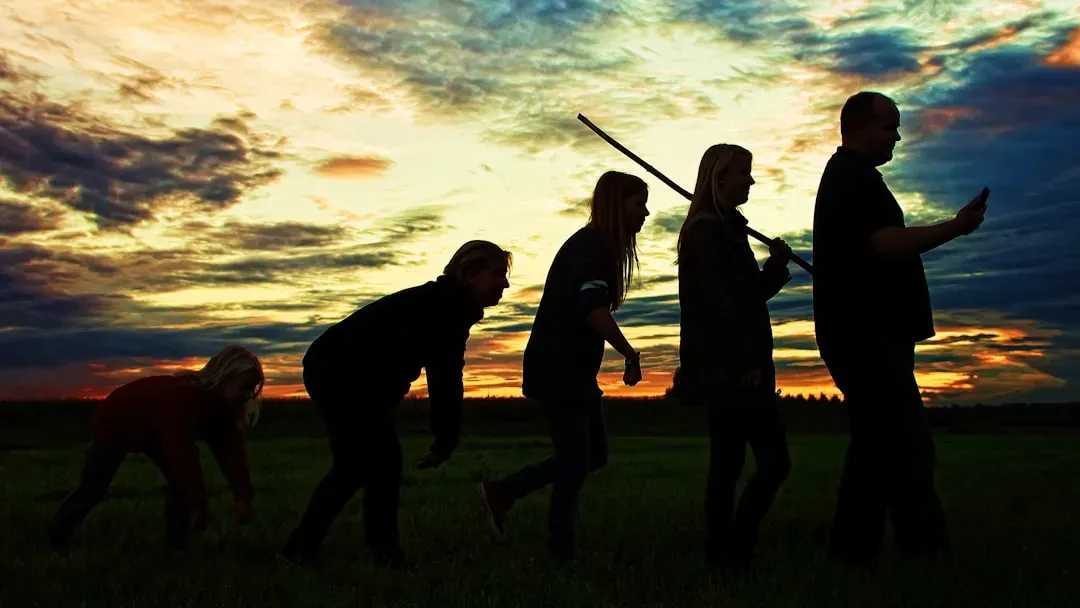
Humans are famously one of the few mammals without a thick coat of body hair, yet there is no fossil evidence that can pinpoint when or why this happened. Skin and hair simply don’t preserve well, so researchers have had to rely on indirect genetic clues instead – things like the evolution of skin pigmentation genes and the age of human body lice – to estimate a rough timeframe.
Those estimates place the hair loss anywhere from over a million years ago to several hundred thousand years ago, a window far too wide to be scientifically satisfying. One of the most visually obvious traits separating humans from other primates has essentially no direct physical evidence behind its origin story at all.
#7 – Controlled Fire’s Start Date Is Still a Battlefield
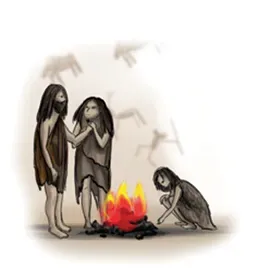
Fire seems like the most basic human technology imaginable, but researchers still fiercely disagree on when hominins first controlled it. Some sites suggest fire use goes back over a million years, while other researchers argue the strongest, least ambiguous evidence only appears far more recently, within the last few hundred thousand years.
The disagreement comes down to how you interpret burned bones and sediment. Could these be nothing more than the remains of wildfires that just happened to occur near hominin campsites? Distinguishing accidental fire exposure from deliberate use is notoriously difficult, and until better evidence surfaces, one of the most foundational human technologies has an origin date nobody agrees on.
#6 – Acheulean Handaxes Didn’t Change for 1.5 Million Years
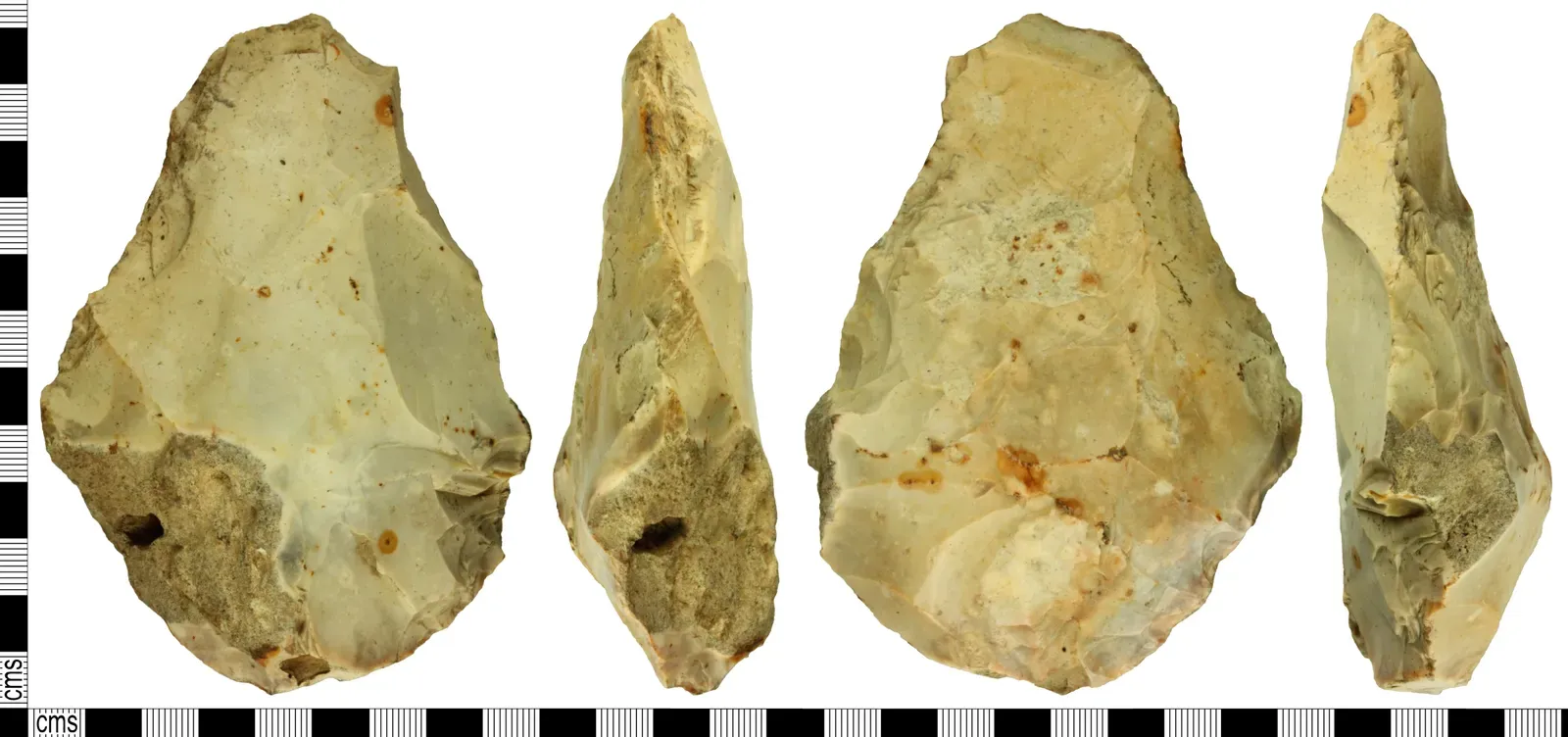
The Acheulean hand axe is one of the most successful tool designs in human history, used across Africa, Europe, and Asia for an almost unbelievable span of roughly 1.5 million years with barely any modification. For context, that’s longer than modern Homo sapiens has existed by a factor of ten.
Why did such an effective toolkit stay frozen for so long while hominin brains were supposedly growing and cognitive abilities improving? Some researchers argue it reflects a lack of imaginative capacity; others insist the design was simply optimal and didn’t need changing. Neither camp has definitively won, and the stagnation remains one of archaeology’s strangest open questions.
Quick Compare
- Acheulean handaxe design in continuous use: roughly 1.5 million years
- Homo sapiens as a species so far: roughly 300,000 years
- Recorded human writing systems: roughly 5,000 years
- Modern smartphones: fewer than 20 years
#5 – Footprints That Are Rewriting the First Americans’ Timeline
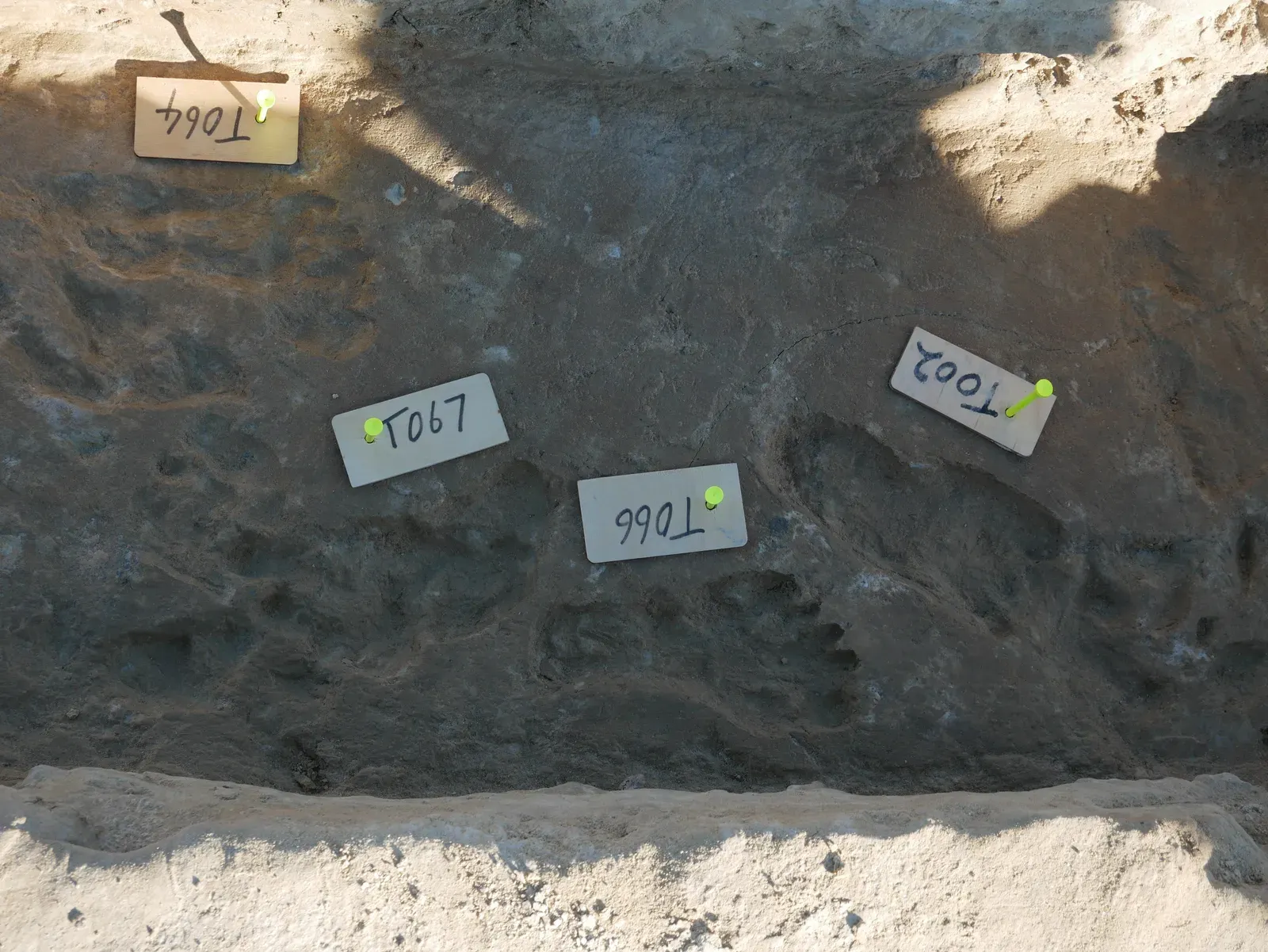
Fossilized footprints found at White Sands, New Mexico, have been dated to around 21,000 to 23,000 years ago – thousands of years earlier than the traditional timeline for when humans first arrived in the Americas. If accurate, this upends decades of established migration theory built around later ice-age land bridge crossings.
Not everyone accepts the dating methods used on these prints, and the debate has grown heated within the archaeological community. What’s undeniable is that the “settled” story of how and when the first Americans arrived is anything but settled, and the physical evidence keeps forcing textbook revisions that experts haven’t fully agreed on.
#4 – Nobody Knows When Humans Actually Started Talking
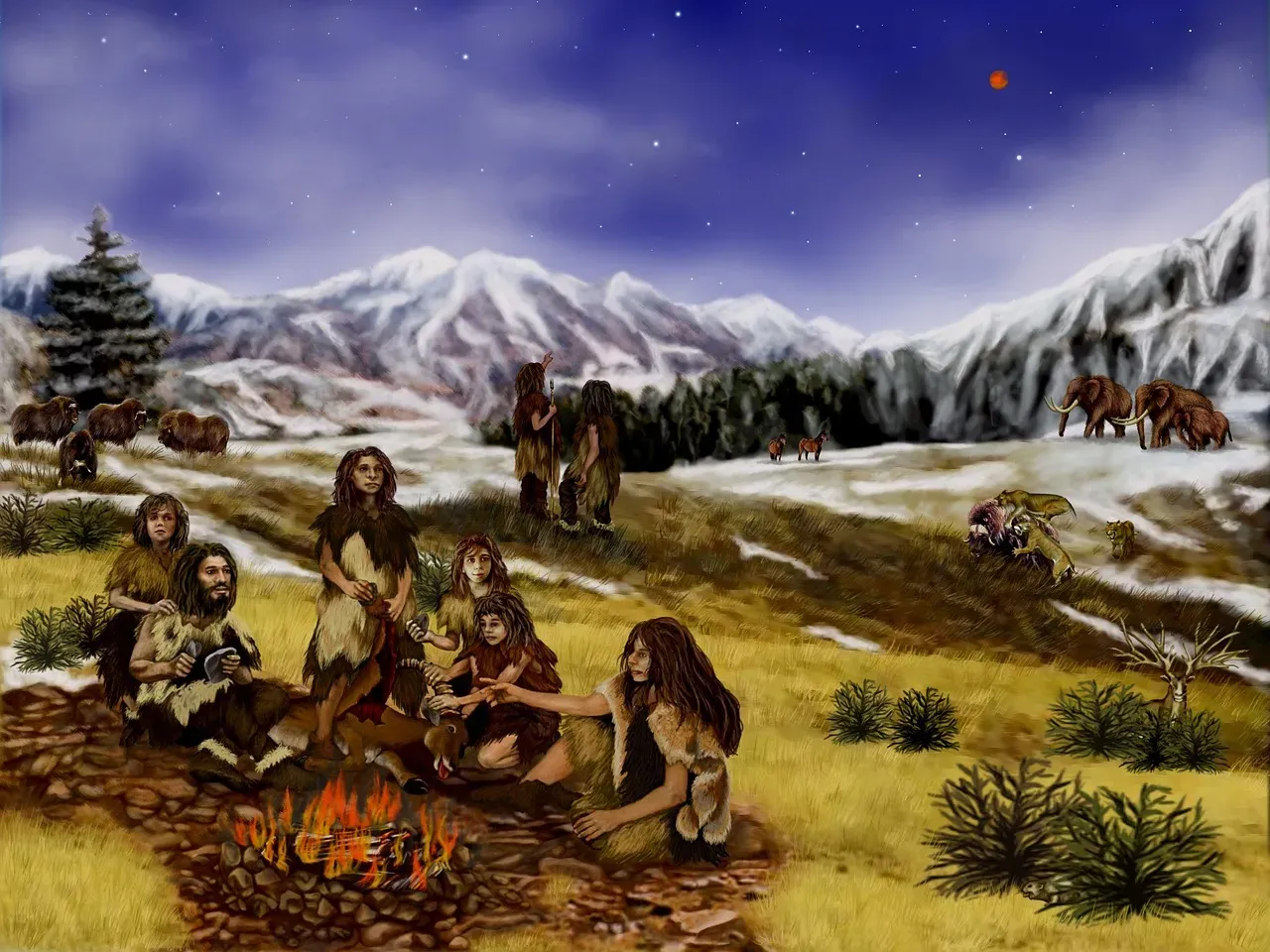
Language leaves no fossils. Researchers have tried to estimate when complex speech emerged using indirect clues instead – the shape of the hyoid bone, the FOXP2 gene associated with speech processing, and the complexity of tool-making traditions that imply teaching and communication.
These estimates range wildly, from several hundred thousand years ago to under 100,000 years ago, depending on which clue you prioritize. That’s an enormous gap for something so fundamental to what makes us human. Every theory about how early humans coordinated hunts, passed down knowledge, or formed complex societies ultimately rests on an assumption about language that can’t be directly tested against physical evidence.
#3 – Cut Marks on Bones That Might – or Might Not – Be Cannibalism
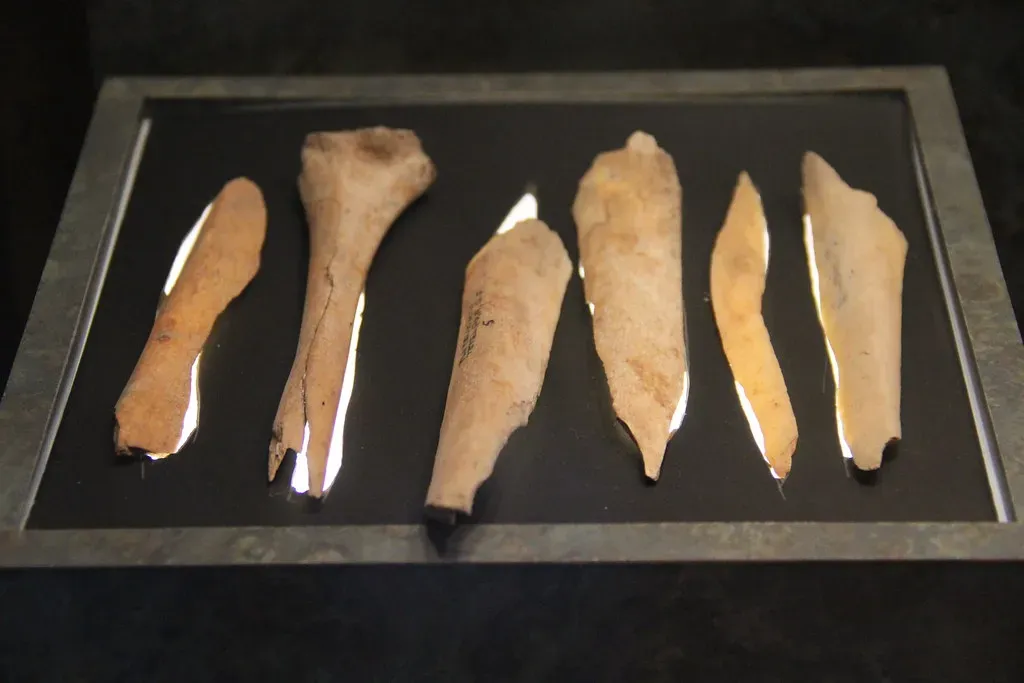
Several early Homo sites have produced bones bearing cut marks consistent with defleshing, the kind of damage typically associated with butchery. The uncomfortable question is whether these marks indicate cannibalism, ritual treatment of the dead, or simply scavenging of already-deceased individuals by other members of the group.
Distinguishing between these scenarios from marks on bone alone is extraordinarily difficult, and researchers remain split. Some interpret the evidence as proof of nutritional cannibalism during hard times; others argue it could reflect funerary practices we don’t yet understand. Either way, it’s a deeply unsettling gap in the story of how early humans treated their own dead.
#2 – Why the Neanderthal Extinction Remains Unsolved
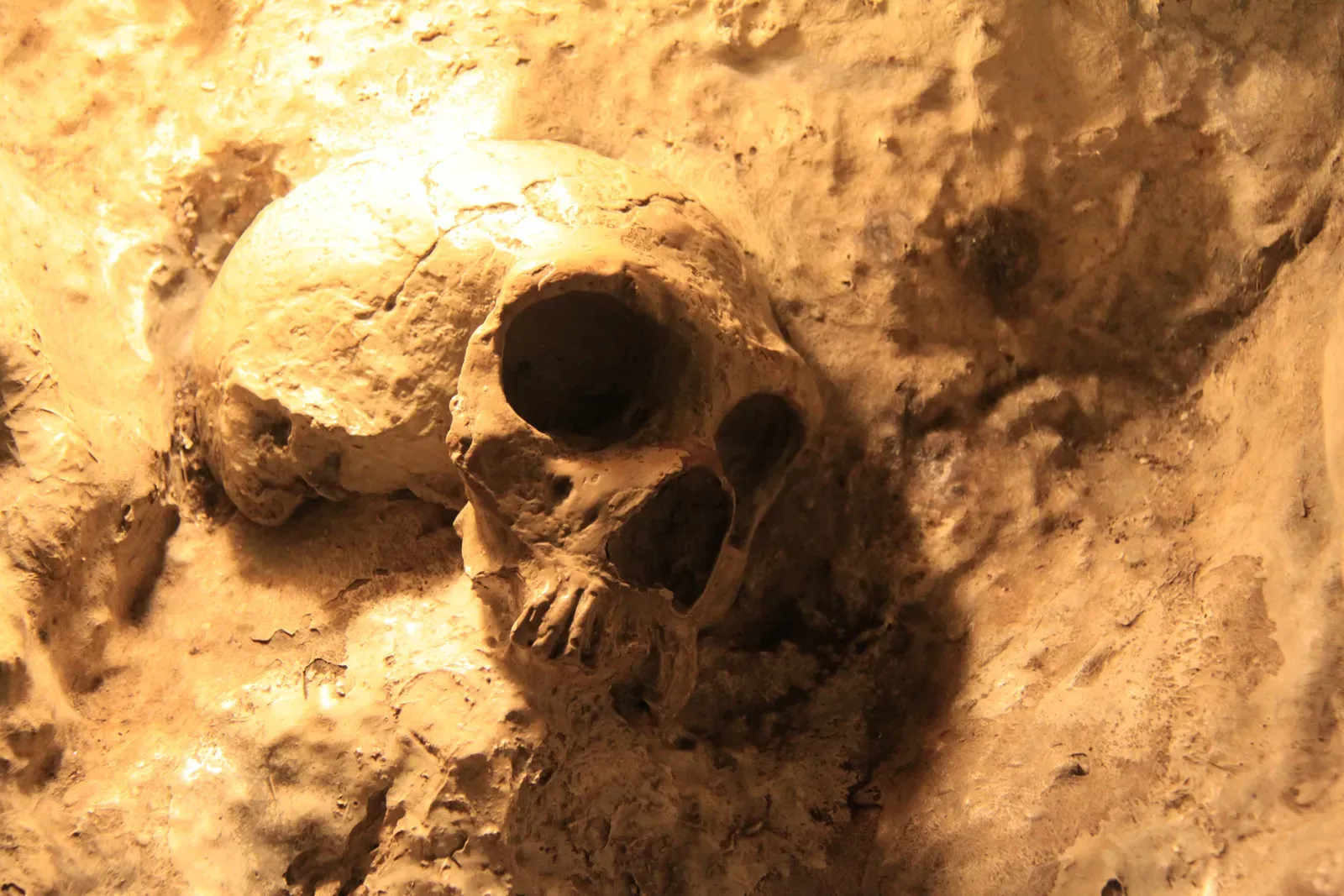
Neanderthals survived brutal ice age conditions across Europe and Asia for hundreds of thousands of years, then disappeared around 40,000 years ago, right as Homo sapiens arrived in force. Decades of research later, scientists still can’t agree on what actually caused them to vanish.
Proposed explanations range wildly. Some point to competition from early modern humans over food and shelter; others think Neanderthals simply became outnumbered because they lived in smaller, more scattered groups. A newer theory suggests something even stranger: Homo sapiens may have driven Neanderthals to extinction not through violence, but through sex – interbreeding them out of existence over generations. A 2026 modeling study found that commonly cited explanations like climate stress or direct competition alone cannot fully account for the extinction, and the real answer was likely a tangle of several factors at once. The biggest whodunit in human evolution still doesn’t have a confirmed culprit.
Quick Compare
- Climate stress theory: harsh, rapidly shifting ice age conditions gradually squeezed populations out
- Competition theory: modern humans out-hunted and out-organized smaller Neanderthal bands
- Absorption theory: repeated interbreeding diluted Neanderthals into the modern human gene pool
- 2026 combined model: no single cause fits alone – the extinction likely stemmed from several factors overlapping at once
#1 – Why We’re the Only Human Species Left Standing
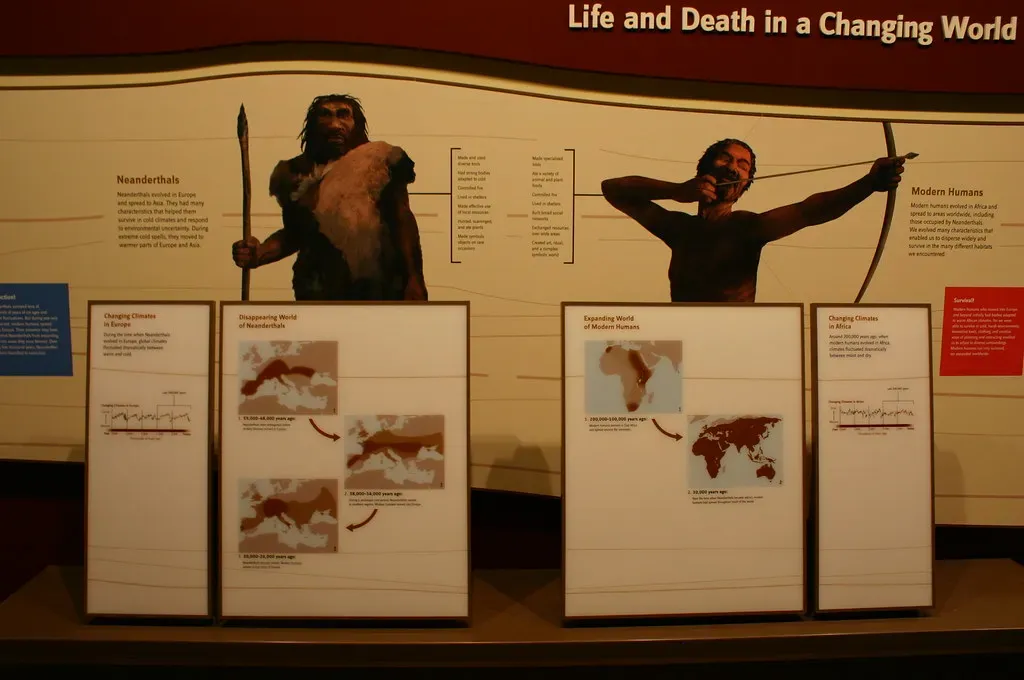
At one point, multiple human species walked the Earth simultaneously – Homo sapiens, Neanderthals, Denisovans, Homo floresiensis, Homo naledi, and possibly others whose fossils haven’t been found yet. Today, there’s exactly one. No single, universally accepted explanation covers why every other branch of the human family tree went extinct while ours alone persisted and spread across the entire planet.
Genetic evidence proves we interbred with several of these groups rather than simply outcompeting or wiping them out, which complicates any simple “survival of the fittest” narrative. The uncomfortable truth is that our species’ dominance might be closer to a series of lucky breaks than an inevitable triumph. Every other human lineage had hundreds of thousands of years of successful survival behind it before disappearing, and science still can’t fully explain why the ending was different for us.
The Bottom Line
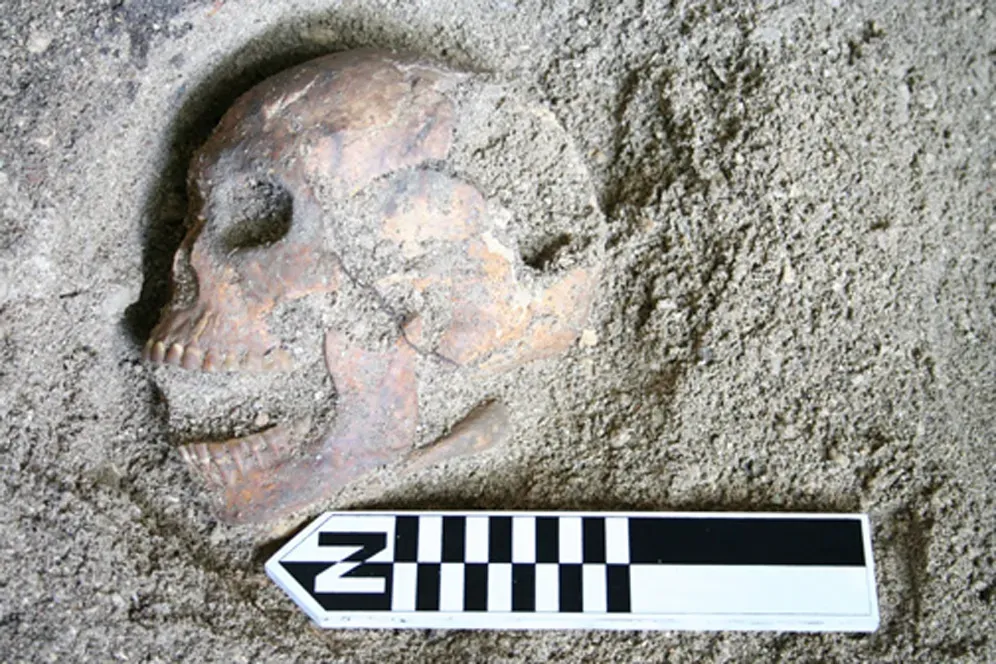
The honest state of paleoanthropology is messier than most museum placards let on. Whole species are known only from genetic ghosts, headline-making burial claims have been walked back by peer review, and even the most complete skeleton ever found can’t be reliably dated.
Fifteen years passed before anyone knew what a Denisovan looked like, and the Neanderthal extinction – arguably the biggest mystery in the entire field – still doesn’t have an agreed-upon cause. If there’s one opinion worth stating plainly, it’s this: the public deserves less false certainty in textbooks and a lot more honesty about how much of the human origin story is still educated guesswork wearing a lab coat. Which of these mysteries do you think will finally get solved first? Drop your theory in the comments.