
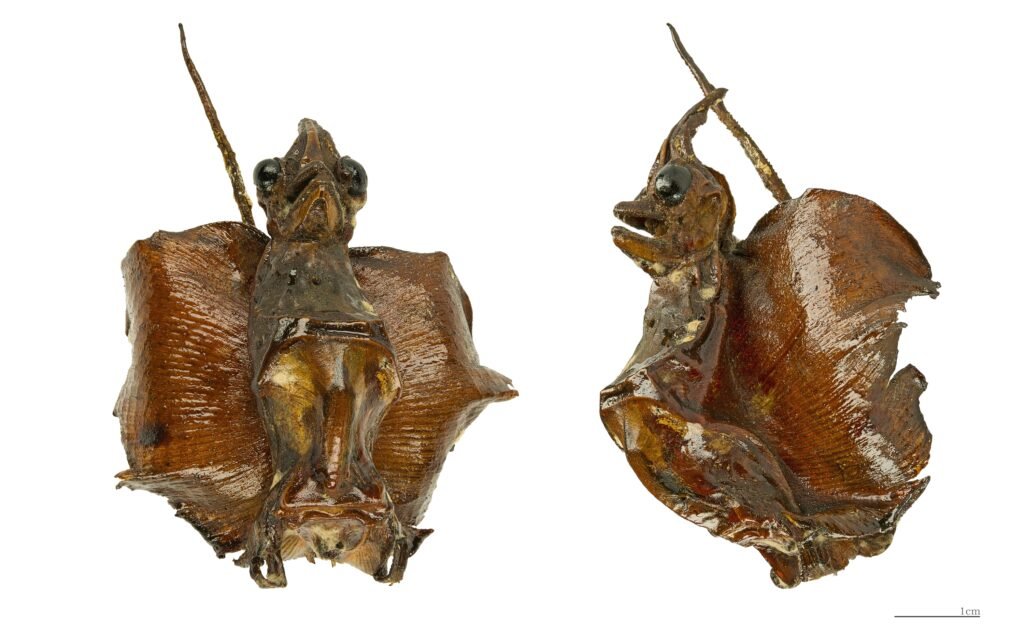
Most people assume the biggest scientific hoaxes are a modern invention – something cooked up for viral clicks or a cable TV special. They’re wrong. For centuries, professors, cabinets of curiosities, royal courts, and even the Catholic Church accepted fake creatures as documented biological fact, sometimes for a lifetime or longer.
Popes wrote about them. Museums displayed them. Naturalists drew detailed anatomical sketches of animals that never existed. Here’s what the historical record actually says about the animal hoaxes that fooled the smartest institutions on Earth – and how long it took anyone to notice.
#12 – The Rat King That Sat in a German Museum for Generations
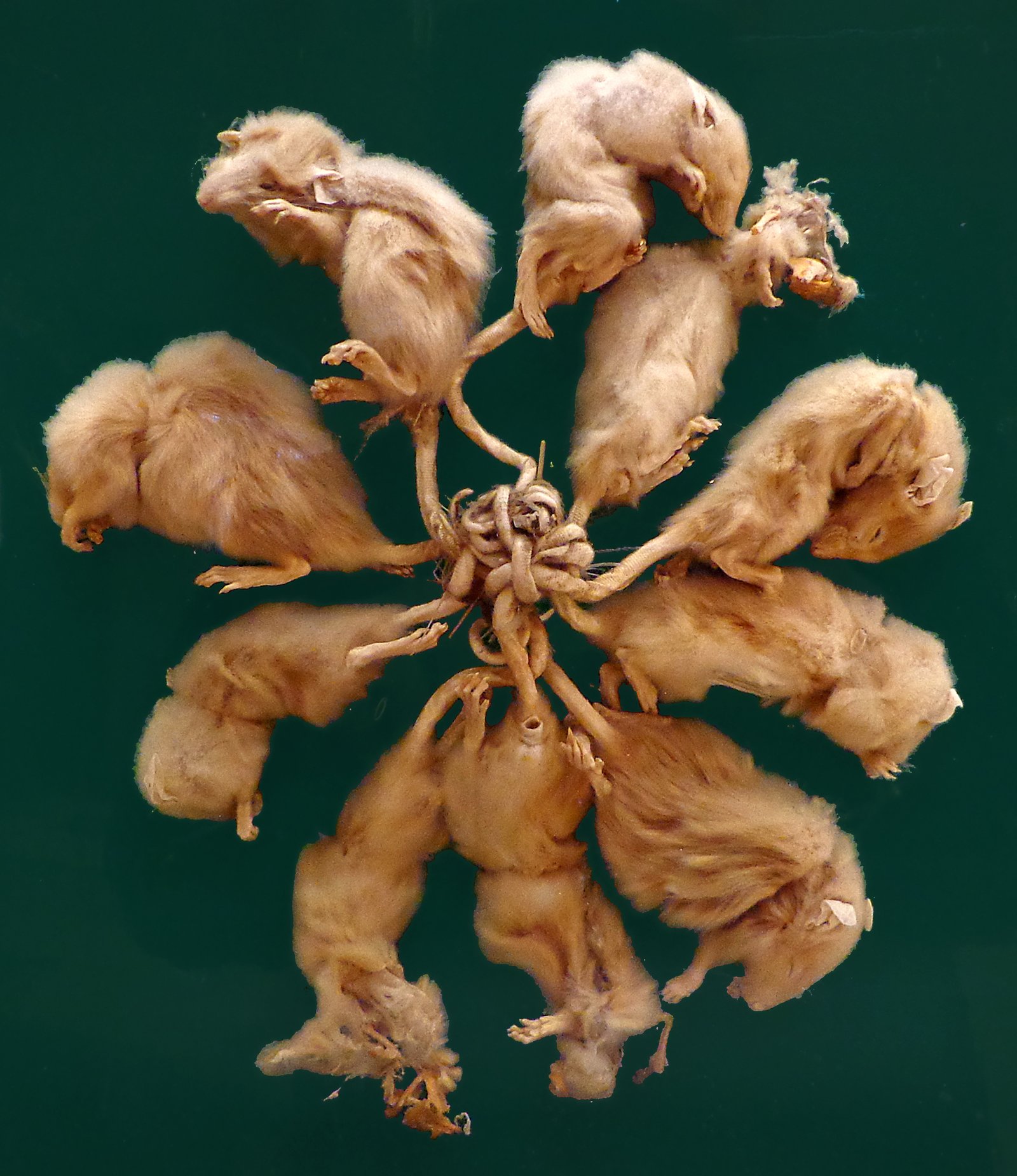
A tangle of rodents fused at the tail convinced European naturalists they’d found a new form of animal life. So-called “rat kings” – clusters of rats whose tails had become knotted together, sometimes numbering more than 30 individuals in a single specimen – began turning up in German-speaking Europe as early as the 16th century. Preserved specimens were mounted and displayed as biological curiosities, treated with the same seriousness as any taxonomic discovery, with scholars debating whether the tangle was a disease, a survival adaptation, or a distinct species entirely.
For decades nobody seriously questioned whether the phenomenon was natural. It took closer physical examination – and, in several documented cases, evidence that the tails had been deliberately tied or glued rather than organically knotted – for researchers to admit that at least some famous “kings” were staged. Museums quietly kept displaying them anyway, because audiences loved them too much to retire, and preserved specimens still sit in German natural history museums today, some now labeled honestly as artificial rather than a genuine biological anomaly.
Fast Facts
- The largest rat king on record was found in May 1828, in a chimney in the German town of Buchheim, Altenburg, and consisted of 32 individual rats.
- One scientific paper on the phenomenon documented 58 “reliable” rat kings recorded through history, six of which are on display.
- Roughly 35 to 50 preserved examples of rat kings still exist in various natural history museums today.
- The terrifying 32-rat specimen is today held at the Mauritianum Museum in Altenburg, Germany.
That’s just rodents. Next, an entire scientific society named a species after a monster nobody could prove existed.
#11 – The Sea Serpent That Got Its Own Scientific Name
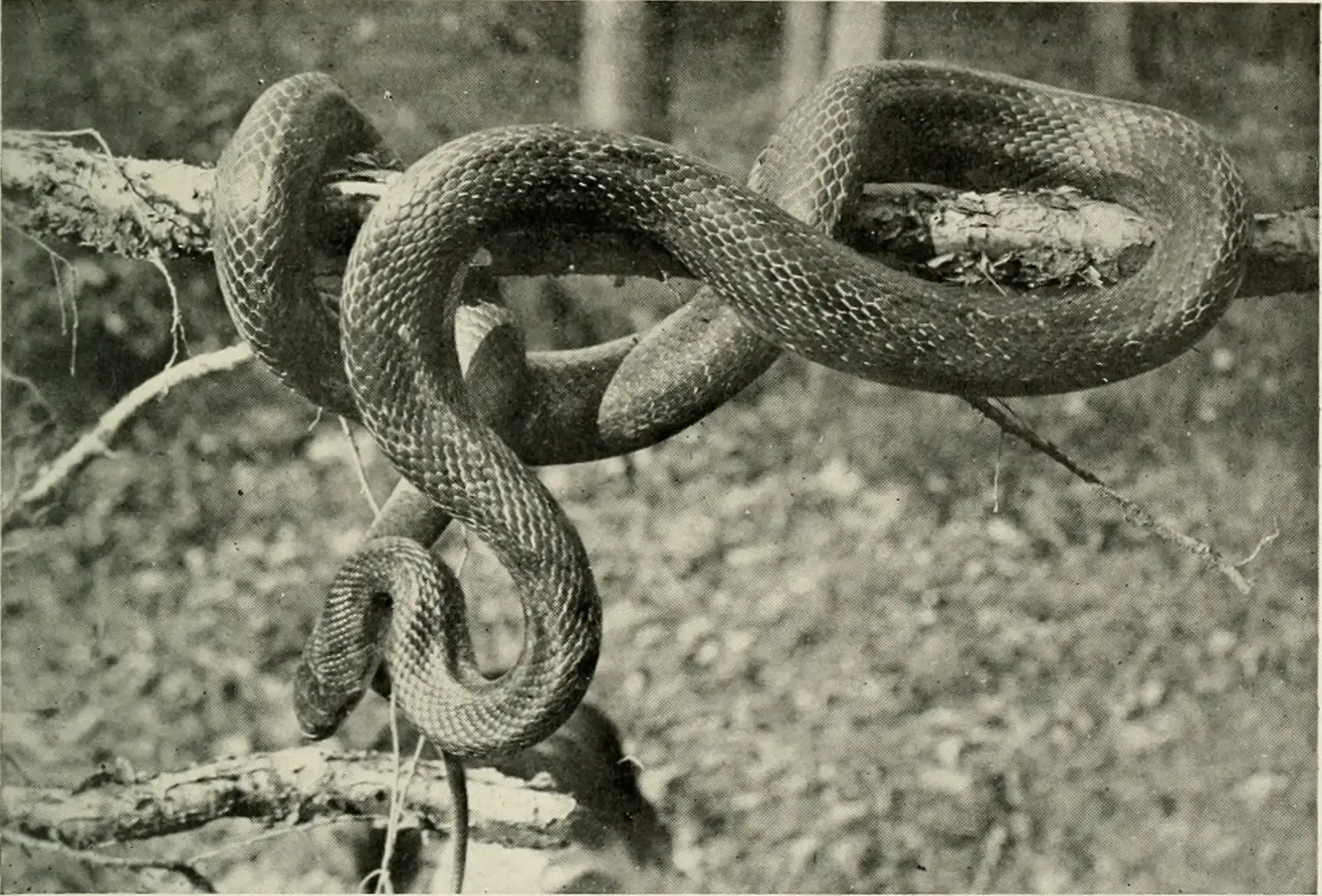
A New England scientific society didn’t just believe in a sea monster – they officially classified its baby. In August 1817, dozens of witnesses in Gloucester Harbor, Massachusetts, reported a massive serpent-like creature swimming offshore. The sightings were taken so seriously that the Linnaean Society of New England formed a committee, formally interviewed witnesses under something resembling legal deposition, and compiled a report treating the creature as a confirmed, undescribed species.
Shortly after, a small deformed snake was found nearby, and the society’s naturalists declared it a juvenile of the very same sea serpent, assigning it the formal Latin name Scoliophis atlanticus. It was presented to the public as scientific confirmation. Later examination showed the “baby sea serpent” was simply a common blacksnake with a spinal deformity, and the entire episode became a lesson in how eager scientific bodies can rush to validate a popular sighting rather than investigate it skeptically.
A named species is bold. But wait until a single skull convinces a whole museum a legendary monster might be real.
#10 – The Skull That Sparked a National Monster Panic
![#10 - The Skull That Sparked a National Monster Panic (Reproduced from The Tasmanian Journal of Natural Science [1], Public domain)](https://nvmwebsites-budwg5g9avh3epea.z03.azurefd.net/dinoworld/e5a3125ae1119e76d24d8ab860af7782.webp)
A single skull sent to a respected museum triggered a nationwide cryptid frenzy that scientists took seriously for years. In the 1840s, a peculiar skull surfaced in Australia and was submitted to the Australian Museum for formal examination, sparking public and scientific debate over whether it belonged to the legendary bunyip – a creature already deeply embedded in Aboriginal oral tradition and colonial folklore. Newspapers reported the discovery as a near-confirmation, and naturalists offered competing theories about which known animal it might represent.
The excitement wasn’t fringe speculation; it played out in respected colonial scientific circles and museum correspondence, with experts genuinely divided rather than dismissive. Eventually, comparative anatomists concluded the skull most likely belonged to a deformed or juvenile domestic animal, not a new species. The museum had unintentionally legitimized a folklore creature simply by agreeing to study it seriously. The bunyip panic cooled, but never fully disappeared from Australian popular culture.
That was just a skull. This next hoax was a whole stitched-together body – and it packed museum halls for years.
#9 – The Sewn-Together Mermaid That Fooled a Museum Audience
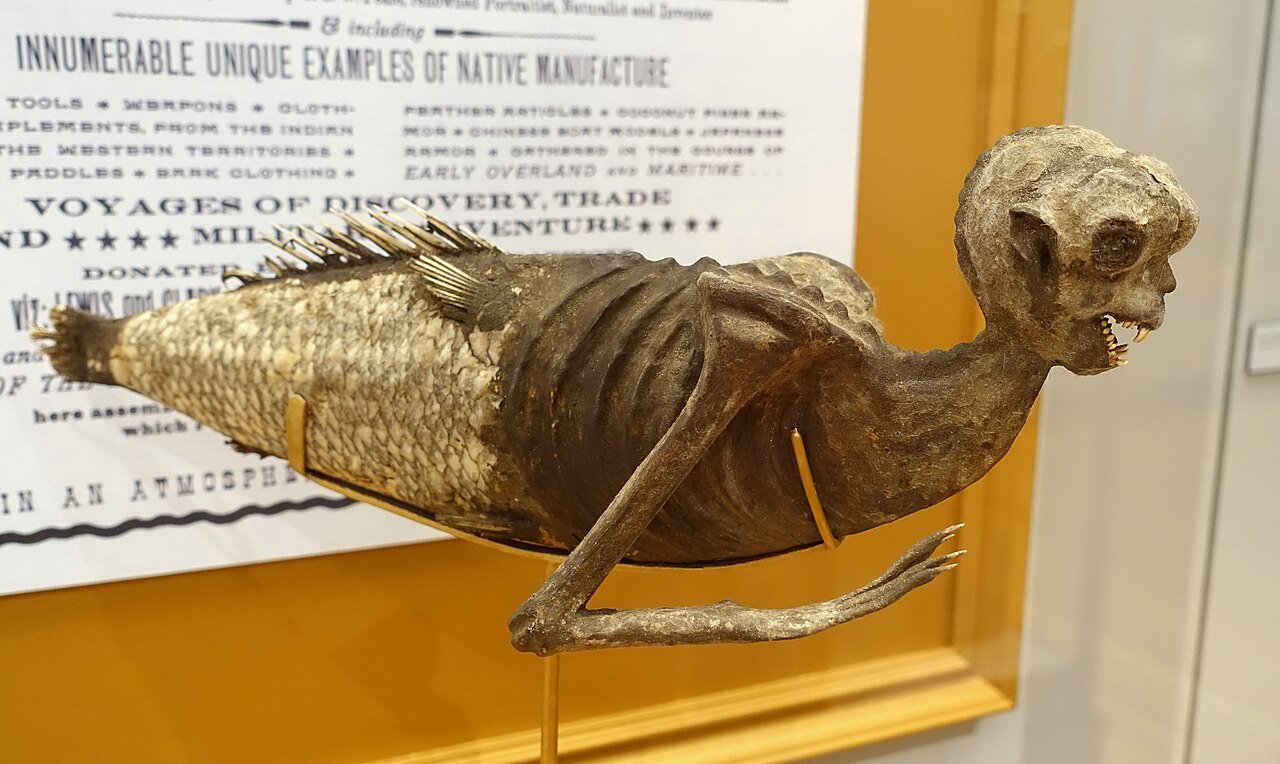
A dead monkey stitched to a fish tail became one of the most profitable “scientific specimens” in American history. The so-called Feejee Mermaid originated with sailors and traders in Asia, who had learned to combine the torso of a small primate with the tail of a fish, then dry and shape the result into something disturbingly convincing. By the time it reached American showman P.T. Barnum in the 1840s, it was already dressed up in scientific language, presented alongside a supposed naturalist’s credentials to lend it institutional weight before being displayed at Barnum’s American Museum in New York.
Crowds – and even some early observers unfamiliar with the construction technique – debated its authenticity seriously rather than dismissing it outright, in part because taxidermied composite creatures of this style had circulated in curiosity cabinets for a long time. The stitching was eventually obvious under close inspection, but only after it had drawn massive paying crowds and countless newspaper column inches treating it as a genuine open question.
A fake mermaid is one thing. This next hoax fooled one of Europe’s most brilliant minds into publishing it as fact.
#8 – The Unicorn Skeleton a Famous Scholar Published as Fact
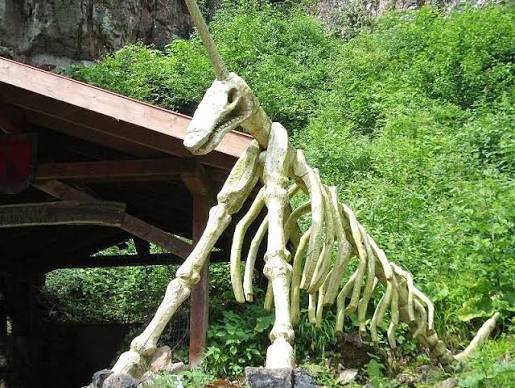
A pile of Ice Age bones got reassembled into a unicorn, and one of Europe’s most respected polymaths put it in print. In 1663, workers near Quedlinburg, Germany, unearthed a jumble of large fossilized bones. Rather than recognizing them as the remains of extinct Ice Age mammals, they were reconstructed into a two-legged, single-horned skeleton and presented as physical proof that unicorns were real. The Jesuit scholar Athanasius Kircher, one of the most respected naturalists of his era, published an illustration of the “Quedlinburg Unicorn” in his 1665 work on subterranean nature, treating it as a legitimate specimen.
The endorsement carried enormous weight. Philosopher and mathematician Gottfried Leibniz later referenced the same bones in his own writings on natural history, further cementing their credibility among educated readers. It took more than a century, and the rise of true comparative anatomy, before scholars properly identified the bones as belonging to mammoths and woolly rhinoceroses rather than any mythical creature.
Even a published unicorn couldn’t survive what happened when this next monster met the wrong scientist.
#7 – The Seven-Headed Monster Sold for a Fortune
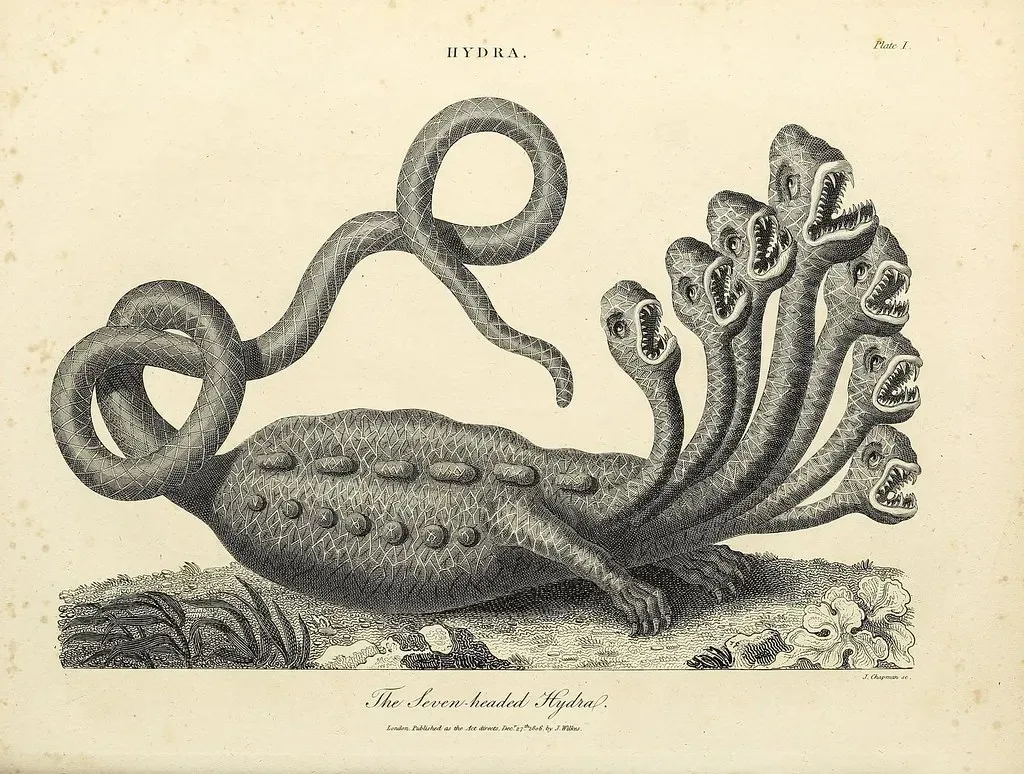
A stitched-together “hydra” nearly sold for a small fortune to European royalty before one scientist ruined everything. By the early 1700s, a taxidermied multi-headed hydra had been assembled – most likely from weasel bodies fitted with snake heads and scaled skin – and put up for display and sale across Europe as a genuine biological wonder. It changed hands for significant sums, eventually landing with an owner hoping to sell it to a wealthy royal buyer for an even larger payout.
That plan collapsed when the naturalist Carl Linnaeus examined the specimen directly during his travels and identified the individual animal parts used to construct it, effectively destroying its resale value overnight. The owner reportedly tried to have Linnaeus run out of the city for exposing the fraud. The hydra had circulated as an accepted marvel for years before one careful anatomist finally looked closely enough to end the charade.
The hydra was exposed by one man’s expertise. This next creature got written into the official zoology book of its century.
#6 – The “Sea Monk” Documented in Official Zoology Textbooks

A creature that washed ashore looking like a robed clergyman got written into the standard zoological reference of its era. In 1546, a strange sea creature reportedly washed up near the coast of Denmark, its body loosely resembling a hooded monk. Rather than being dismissed as a decomposing fish, it was formally documented, illustrated, and reported up to the Danish crown before being described in detail by respected naturalists of the period, including Conrad Gessner in his landmark Historia Animalium – effectively the standard zoological reference of the 16th century.
Because it appeared in serious scholarly texts rather than folk tales, the “sea monk” was treated by later readers and naturalists as a documented, if rare, species for a long stretch of the following century. Modern researchers now believe the animal was most likely a decomposing angel shark, giant squid, or similarly unfamiliar deep-sea species, misread by observers who had no comparative reference point for what they were looking at.
At a Glance
- Washed ashore near Denmark in 1546, its body resembling a hooded, robed monk.
- Formally reported to the Danish crown before naturalists ever examined the remains.
- Illustrated and described by Conrad Gessner in Historia Animalium, the era’s leading zoological text.
- Now believed to have been a decomposing angel shark, giant squid, or similarly unfamiliar deep-sea animal.
A textbook monster is impressive. This next hoax outlived exposure by literally centuries.
#5 – The Fake Basilisks Sold to Royal Collectors as Real Monsters
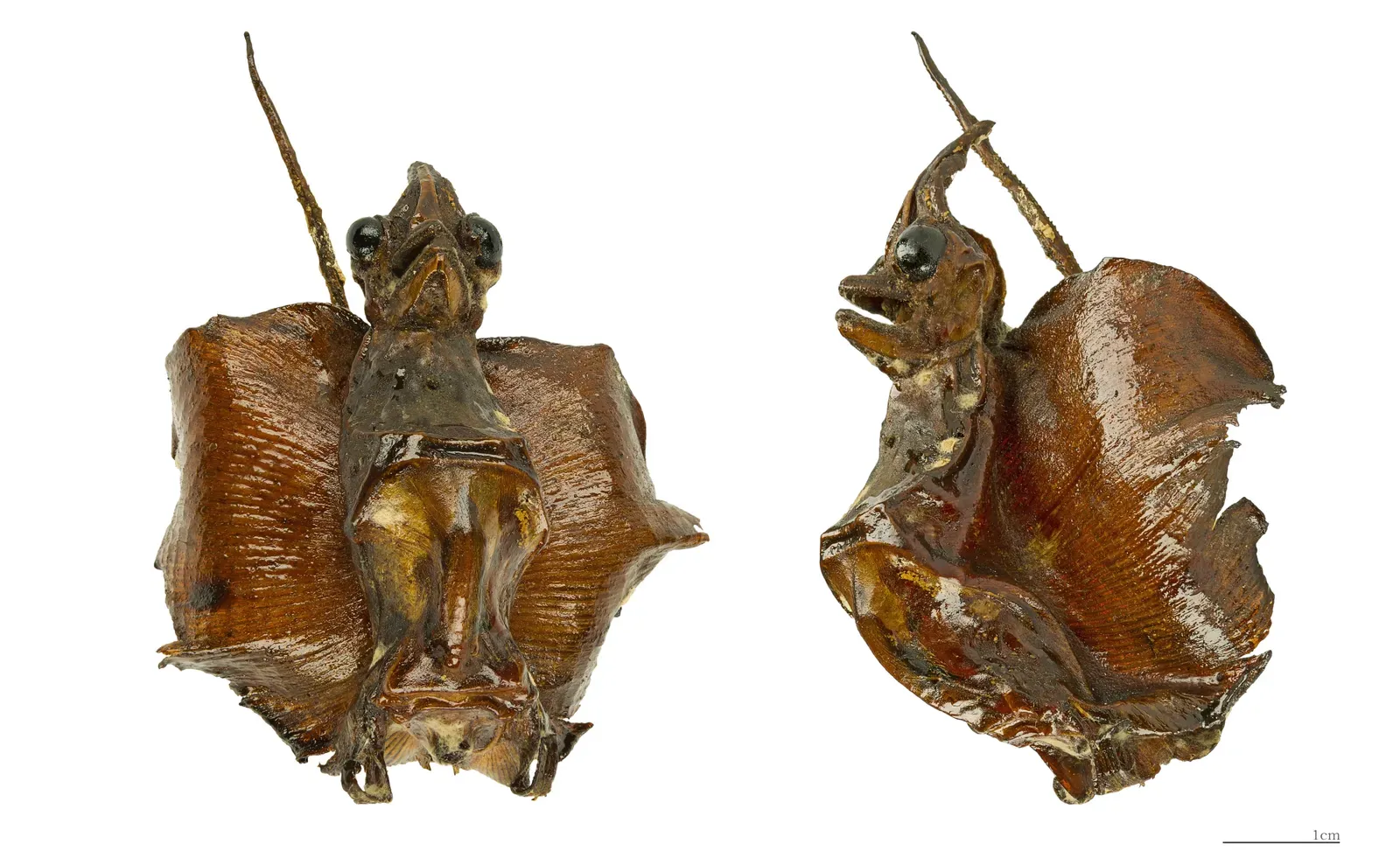
Dead fish were carved into demons and sold to some of Europe’s wealthiest collectors as authentic monster remains. Known today as Jenny Hanivers, these were carcasses of rays or skates modified by hand then dried into mummified specimens intended to resemble dragons or demons. Sailors in port cities like Antwerp began crafting them as early as the 16th century, and buyers frequently believed they were purchasing something far more sinister than an altered fish.
The most persistent claim was that these dried fakes were actual basilisks – legendary creatures so lethal that no one could claim to know what one truly looked like, since basilisks supposedly killed with merely a glance. That built-in unfalsifiability made the fakes remarkably easy to sell. Even after Conrad Gessner explicitly identified them as manipulated ray carcasses in 1558, the trade barely slowed down – Jenny Hanivers were still being sold in curiosity shops as recently as the 1970s, according to historical accounts of the practice.
Selling fake monsters is one thing. This next “creature” convinced serious scholars that sheep could grow on trees.
#4 – The Sheep That “Grew” From a Plant

Respected herbals and encyclopedias described a creature that was somehow both an animal and a vegetable, and nobody could agree which. The Vegetable Lamb of Tartary was described across medieval and Renaissance natural history texts as a zoophyte – a plant that produced a living lamb as its fruit. Believers held that the sheep were connected to the plant by an umbilical cord and grazed the land around it until all accessible foliage was gone, at which point both the plant and the sheep died.
This wasn’t a fringe folk belief – it was seriously debated in respected texts, and from the mid-16th to mid-17th century, scholars engaged with the Tartary lamb as a case study to explore nature, with some concluding it might genuinely exist. It took a 19th-century naturalist tracing the legend back to the humble cotton plant to finally put the myth to rest, showing that early travelers had simply misread cotton bolls as woolly, umbilical-corded lambs.
A sheep-plant hybrid sounds absurd – until you see the forgery that fooled professional scientists for 40 years straight.
#3 – The Ape Jaw That Rewrote Human Evolution for 40 Years
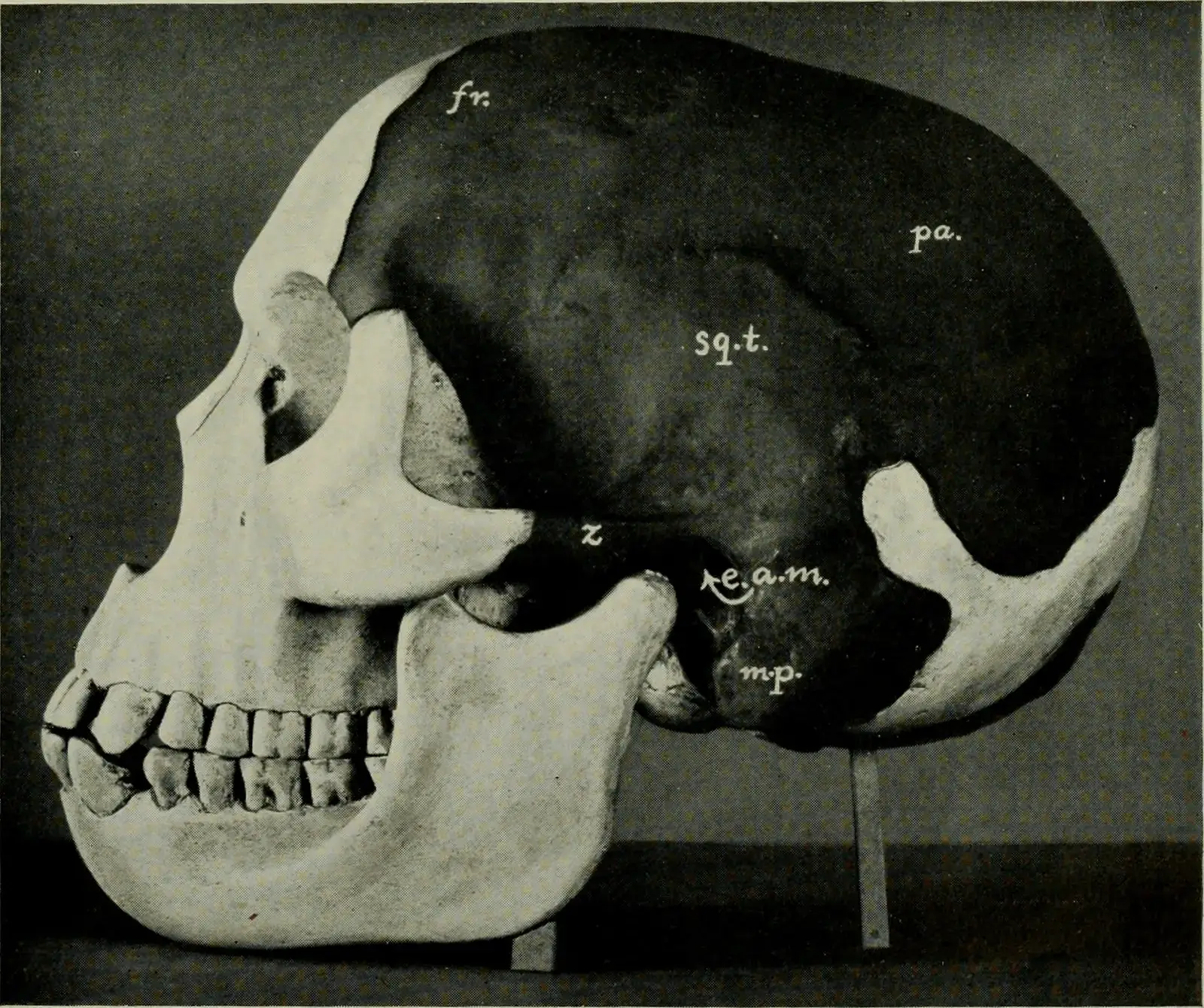
A single forged fossil convinced the entire scientific establishment that Britain was the birthplace of humanity. In 1912, amateur archaeologist Charles Dawson unveiled what he claimed was a revolutionary fossil discovery near Piltdown, England. In reality, the specimen had been created by cleverly pairing a human skull with an orangutan’s jaw, stained to match and give the appearance of age, in order to dupe the scientific world.
It worked. Newspaper articles, scientific publications, and museum exhibitions all presented Piltdown Man as a legitimate scientific discovery supporting a particular vision of human evolution. The find fooled the scientific community for roughly 40 years, from its discovery in 1912 until it was definitively exposed in 1953. Exposure only came when fluorine dating revealed the jawbone was just decades old, not hundreds of thousands of years old.
“[Piltdown Man was] arguably the greatest scientific crime ever committed in Britain.”
Isabelle De Groote, paleoanthropologist
Piltdown fooled the world for decades. This next hoax sat inside a university museum even longer.
#2 – The Basilisk Museums Displayed as a Genuine Specimen
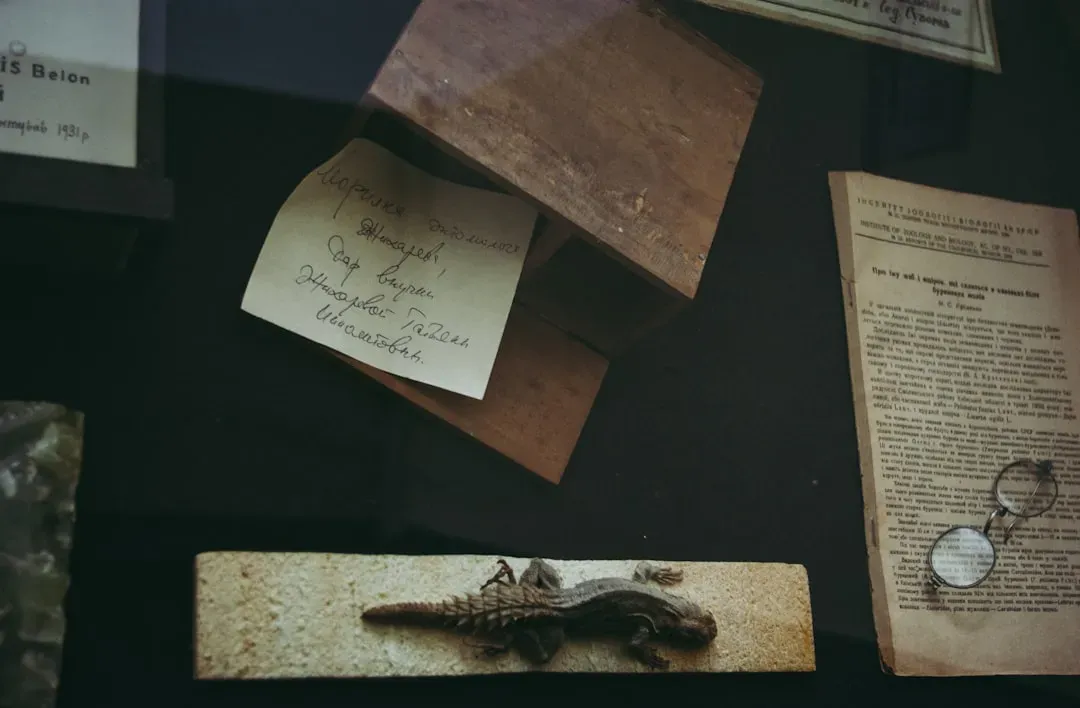
A single fabricated “baby dragon” ended up preserved in a university’s official natural history collection. In the 1570s, a peasant near Bologna reportedly encountered and killed a small dragon-like creature. It was acquired by naturalist Ulisse Aldrovandi, who built one of Europe’s most respected natural history collections and treated the specimen as legitimate evidence, later describing and illustrating it in his scholarly writings on serpents and dragons.
Because it came from Aldrovandi’s own credentialed collection – one that would eventually form part of the University of Bologna’s museum holdings – the specimen carried institutional weight that a random roadside curiosity never could. It remained catalogued and displayed among genuine zoological specimens for generations before later historians concluded it was almost certainly an altered snake or fish carcass, crafted in the same tradition as the fake basilisks sold across Renaissance Europe. Few visitors at the time had any reason to question a dragon housed inside a university museum.
A fake dragon in a museum is strange. But nothing beats the hoax so official the Pope himself had to intervene.
#1 – The Bird the Catholic Church Certified as a Fish
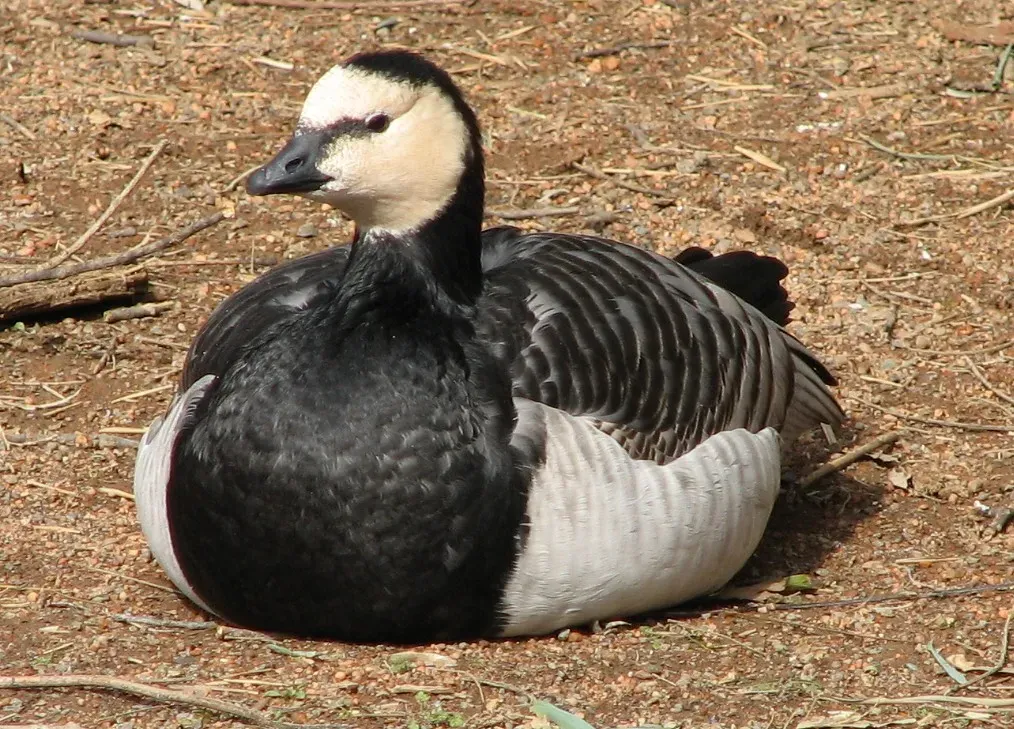
An entire species was officially reclassified by religious authority so people could eat it during Lent. The barnacle goose was never observed nesting anywhere in medieval Europe, because it actually breeds in the remote Arctic. Lacking any evidence of eggs or nests, the fact that the goose was never seen to breed gave rise to the myth that it spontaneously generated from barnacles found along the shoreline. This wasn’t a fringe rumor – it was documented by respected clergy including Gerald of Wales and endorsed by naturalists for generations.
The consequences went far beyond zoology. Because the bird was believed to originate from the sea rather than from flesh, the Church’s strict rules against eating meat during Lent didn’t apply, since barnacle geese were classified as fish, not birds – giving people a loophole to eat roast goose during fasting season. The belief became such an established workaround that Pope Innocent III felt compelled to formally prohibit eating geese during Lent at the Fourth Council of the Lateran in 1215. Even after a 13th-century scholar bred barnacle geese himself and proved they hatched from eggs like any other bird, the myth survived for five more centuries, persisting in respected natural history texts until modern ornithology finally mapped Arctic bird migration.
Worth Knowing
- Clergyman Gerald of Wales documented the barnacle goose myth as accepted natural history.
- Pope Innocent III formally banned eating barnacle geese during Lent at the Fourth Council of the Lateran in 1215.
- A 13th-century scholar proved the birds hatched from eggs like any other bird – yet the myth persisted for five more centuries.
- The mystery was only fully resolved once modern ornithology mapped the species’ real Arctic breeding grounds.
The Bottom Line
What actually connects these twelve cases isn’t stupidity – it’s institutional trust doing exactly what it’s designed to do, and getting exploited for it. A museum label, a scholar’s signature, or a papal ruling didn’t make any of these creatures real, but it made questioning them socially expensive.
Every one of these hoaxes survived precisely because someone credible vouched for it first, not because the evidence was ever strong enough to stand on its own. The pattern hasn’t disappeared – it’s just wearing modern packaging now, dressed up in press releases and peer review instead of papal decrees and museum labels. Prestige was never proof. It just bought a hoax more time before someone finally bothered to look closely enough to end it.