
Most people assume that when a museum unveils a life-sized dinosaur skeleton or a “scientifically accurate” cave-man diorama, they’re looking at pure, unbiased science. They’re not. For nearly 200 years, some of the most famous prehistoric reconstructions in the world were built primarily to wow paying crowds, win funding battles, or beat a rival to the headlines – accuracy came second. Museums needed ticket sales. Scientists needed prestige. Sculptors needed drama.
The result? Some of the most iconic images of extinct life ever produced were shaped more by showmanship than by the fossil record. Here’s what paleontologists and historians of science actually say happened behind the scenes – and a few of these will make you look at old textbook illustrations completely differently.
#20 – The Woolly Rhinoceros That Became a Cartoon Brute
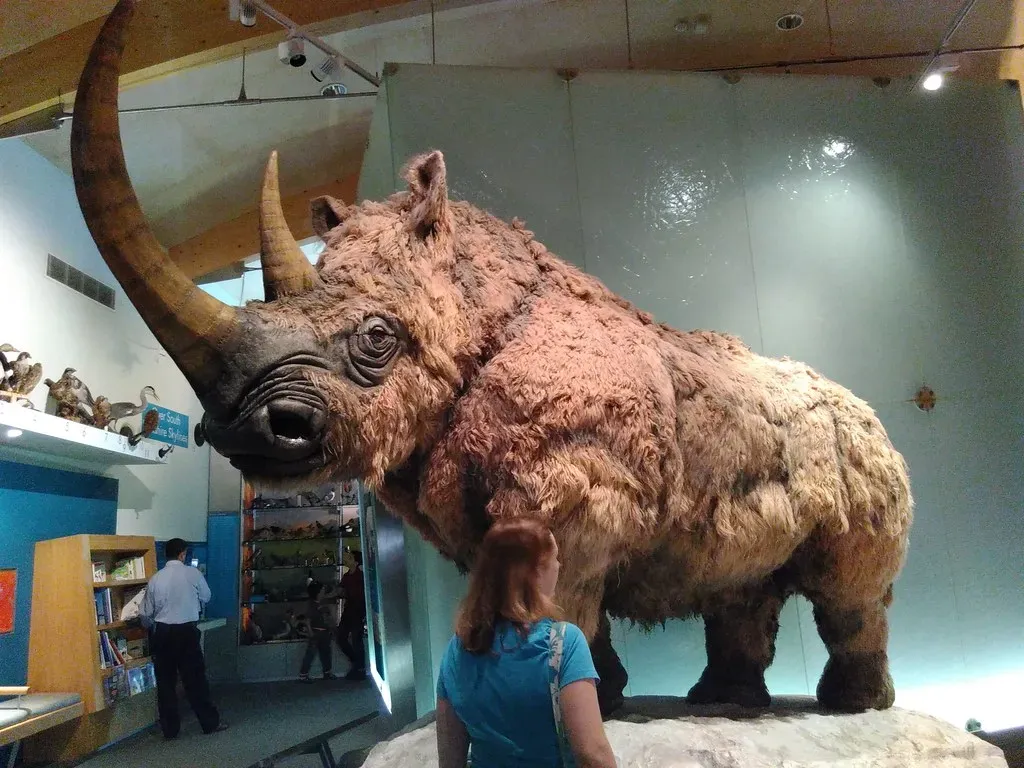
Early 20th-century museum dioramas loved to pose the woolly rhinoceros as a snarling, charging monster locked in combat with sabre-cats or early humans. It made for a dramatic tableau, and dramatic tableaux sold memberships.
In reality, the woolly rhinoceros was a grazing herbivore built for cold steppe survival, not gladiatorial combat. Its posture in most fossil-informed art was exaggerated to look aggressive and muscular, with an oversized hump and thickened neck that later research showed was overstated for visual impact. The “combat pose” became a museum staple precisely because a peaceful grazer standing still doesn’t sell tickets. Later reconstructions, informed by frozen mummified specimens found in permafrost, corrected the proportions but couldn’t fully undo decades of monster-movie framing. But that’s nothing compared to what we found about #19…
#19 – The Woolly Mammoth’s Exaggerated Menace
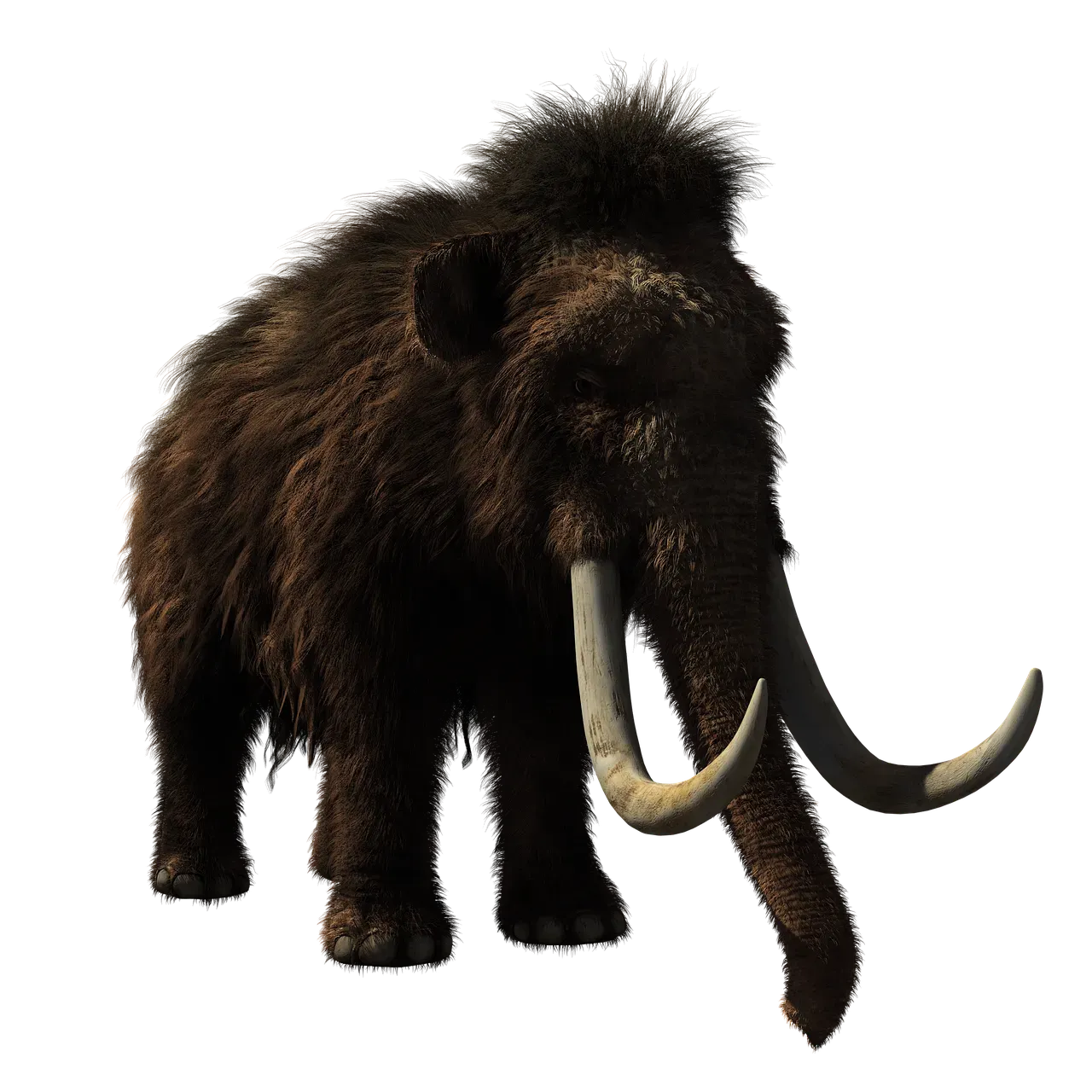
For over a century, museum mammoths were sculpted with curling, oversized tusks and a hulking, almost ape-like posture designed to tower menacingly over visitors. The pose was chosen for maximum visual drama in cavernous exhibition halls, not because fossils demanded it.
Frozen mammoth carcasses recovered from Siberian permafrost eventually gave scientists a much calmer picture: a heavily furred elephant relative with a sloped back, smaller ears, and a temperament closer to a modern elephant than a rampaging beast. Many classic murals also showed mammoths hunted in dramatic cliffside stampedes, a scene invented for narrative excitement rather than pulled from any preserved trackway evidence. Museum committees in the early 1900s openly favored the fiercer version because it photographed better for newspapers and postcards, cementing an inflated image of the species that still circulates in pop culture today. But that’s nothing compared to what we found about #18…
Fast Facts
- Frozen mammoth carcasses have been pulled from Siberian and Alaskan permafrost for centuries, preserving skin, hair, and even stomach contents.
- Shoulder height estimates for adult mammoths run around 9 to 11 feet, roughly comparable to a modern African elephant.
- Genetic studies place mammoths closest to today’s Asian elephants, suggesting a similar herd-based, social lifestyle.
- A dwarf mammoth population survived on Siberia’s Wrangel Island until about 4,000 years ago, well after the pyramids were built.
#18 – Basilosaurus, the “Sea Serpent” That Was Never a Reptile
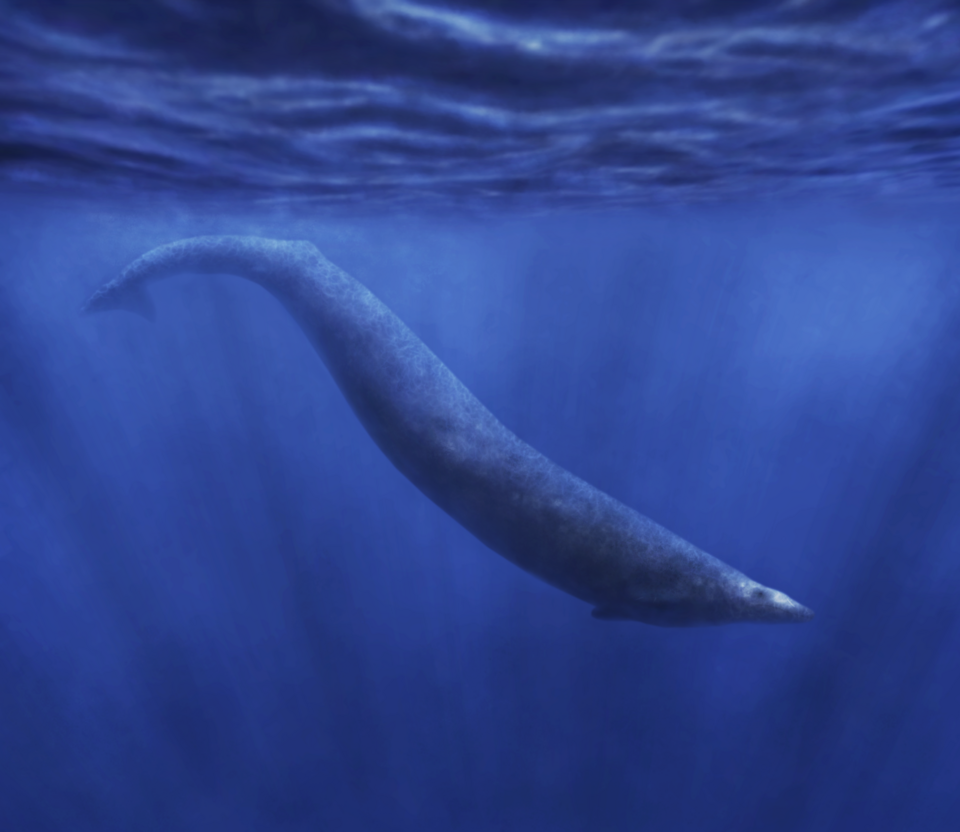
When enormous elongated vertebrae were first pulled from Alabama in the 1830s, they were assembled into a colossal writhing sea-serpent, complete with a snake-like sinuous body meant to evoke sailors’ monster tales. The name itself, meaning “king lizard,” was a public-relations triumph before it was a scientific label.
The showman who displayed the mounted skeleton in eastern U.S. cities in the 1840s toured it as a spectacle, and audiences paid to gawk at what they believed was proof of ancient dragons. The truth, confirmed once anatomists examined the skull and inner-ear bones, was far less mythical: Basilosaurus was an early whale, not a reptile at all. The name stuck anyway, because “king lizard” was simply a better sell than “primitive whale,” and rebranding an already famous specimen was commercially unthinkable. But that’s nothing compared to what we found about #17…
#17 – Archaeopteryx, Forced Into a Full-Flight Pose Too Early
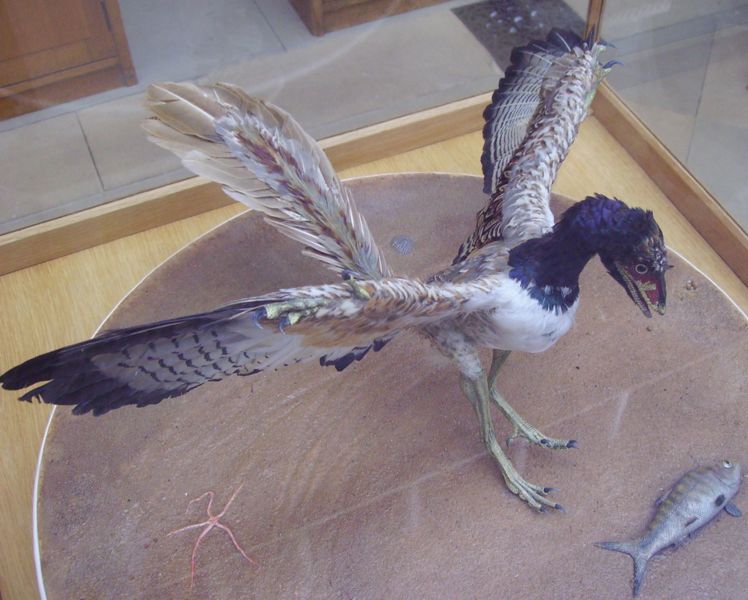
Archaeopteryx fossils showed clear feather impressions, and 19th-century illustrators leapt straight to depicting it as a graceful flying bird swooping through Jurassic skies. The leap from “has feathers” to “flies like a modern bird” was a marketing shortcut, not a settled scientific conclusion.
For decades, debate raged over whether Archaeopteryx could truly fly, glide, or barely flutter along the ground, yet public-facing art almost always chose the most impressive option: full, confident flight. Illustrators consistently smoothed over the animal’s toothy jaw and clawed wings, either downplaying or exaggerating them depending on whether the goal was “majestic bird” or “terrifying missing link.” Museums leaned into whichever version generated more foot traffic, turning a genuinely ambiguous transitional fossil into a clean, dramatic mascot for evolution exhibits long before the biomechanics were actually resolved. But that’s nothing compared to what we found about #16…
#16 – Hylaeosaurus, Built From Almost Nothing But Guesswork
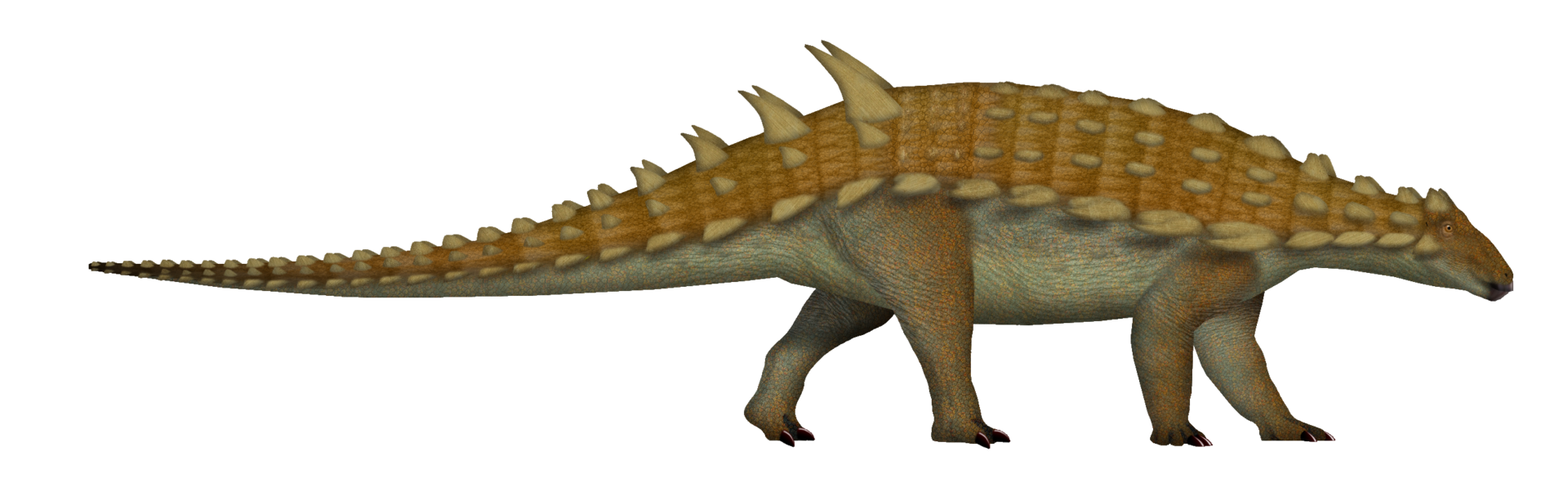
At Crystal Palace Park in the 1850s, sculptor Benjamin Waterhouse Hawkins had shockingly little material to work with. Owen and Hawkins imagined it as an iguana-like reptile with a “lofty serrated or jagged crest” running down its back, even though they openly admitted much of the reconstruction was “at present conjectural.”
Rather than admit the gaps, the sculptors got clever with staging. Historians at Crystal Palace note the statue may have been angled away from visitors specifically because there was no skull to sculpt accurately. A creature built almost entirely from speculation was staged with its best angle toward the crowd and its blank spots turned discreetly away, a curatorial trick as much as a scientific reconstruction. It worked: visitors marveled at a spiky armored beast that was, structurally, more imagination than fossil. But that’s nothing compared to what we found about #15…
#15 – Megalosaurus, the Lizard-Bear Nobody Recognizes Today
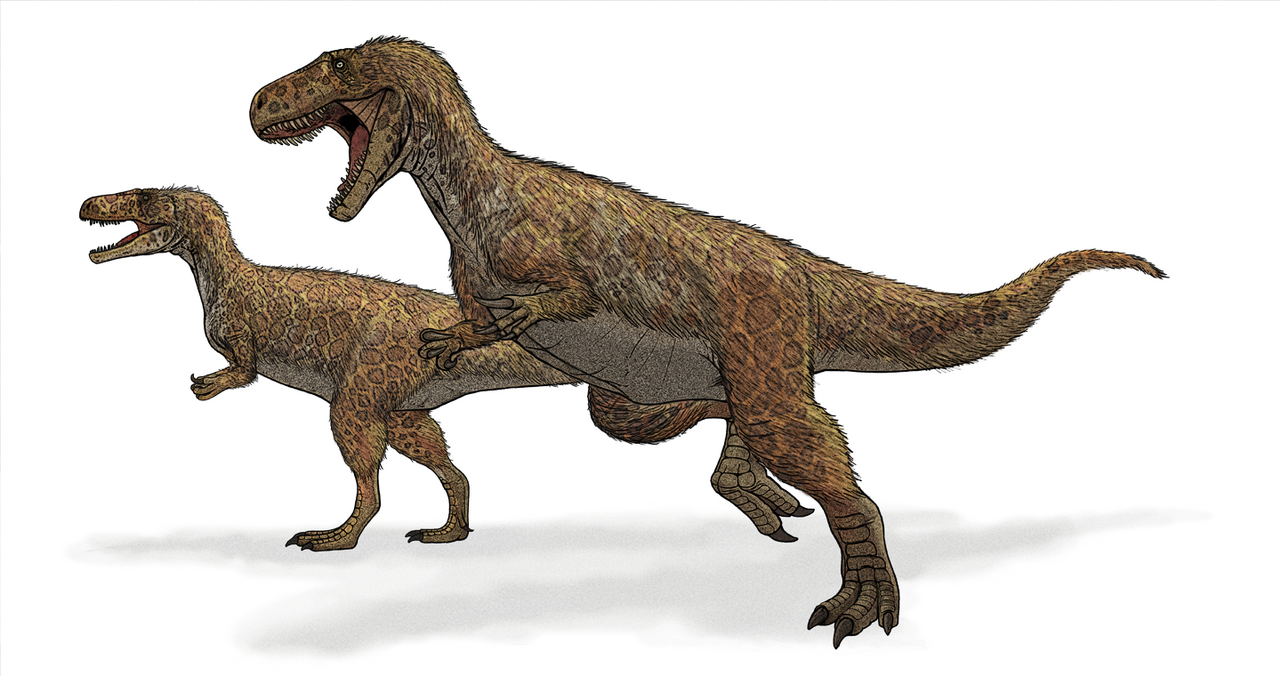
Megalosaurus was the first dinosaur ever formally named, and by the time Crystal Palace built its statue in the 1850s, artists had turned it into a hulking, bear-like quadruped with a humped back – an image built for maximum imposing presence in a public park.
Such derision is entirely unfair as it ignores how much of dinosaur anatomy the models accurately recorded, how cutting edge they were in the 1850s, and how progressive Benjamin Waterhouse Hawkins was in his approach, though the result was far removed from how we imagine dinosaurs today. The hump on its back and its lumbering gait were largely artistic invention meant to make a fragmentary jaw and a handful of limb bones feel like a complete, awe-inspiring monster. Visitors in 1854 had no reason to doubt it, since it was, quite literally, the only Megalosaurus anyone had ever seen rendered in three dimensions. The showpiece effect outlasted the science by decades. But that’s nothing compared to what we found about #14…
#14 – Dimetrodon, the “Dinosaur” That Was Never a Dinosaur
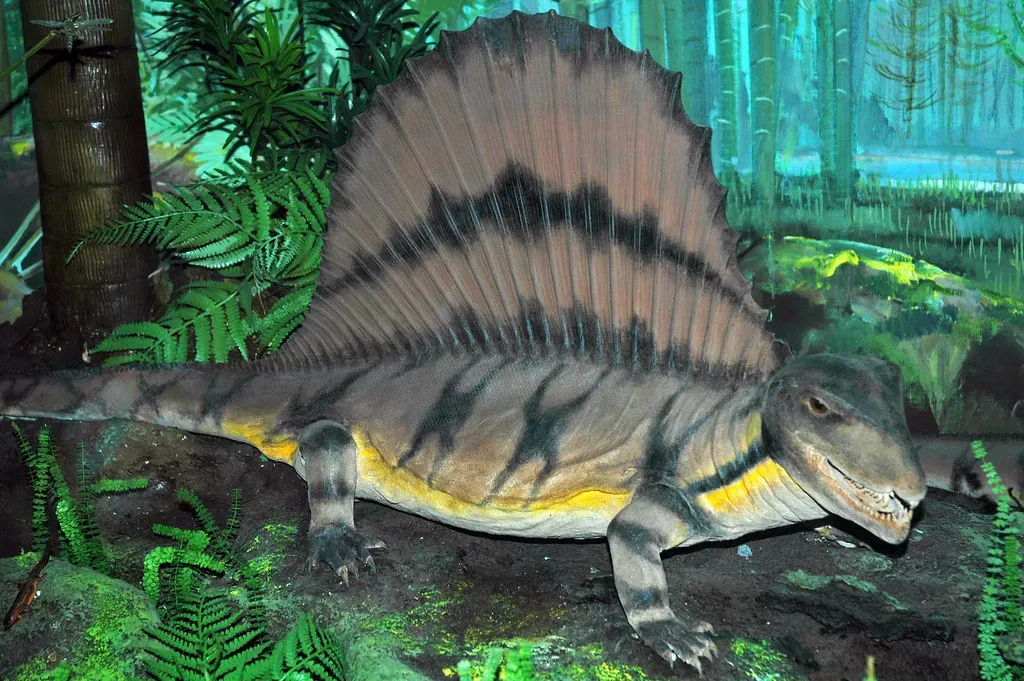
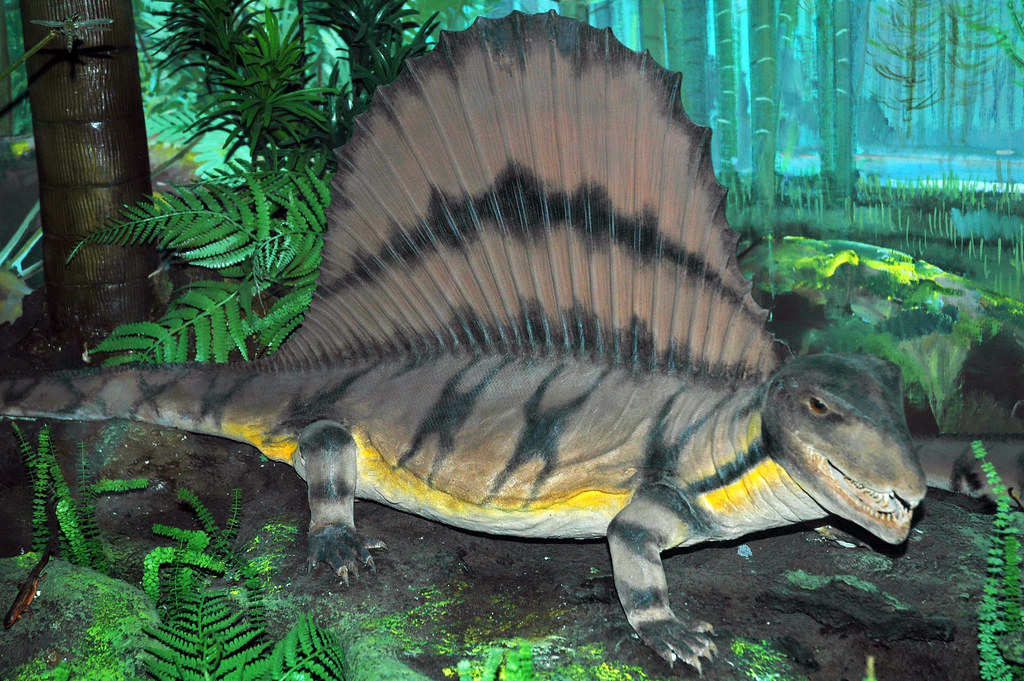
Toy aisles and museum gift shops have spent a century marketing Dimetrodon alongside Tyrannosaurus and Triceratops, complete with a scaly, reptilian, dinosaur-style body plan slapped onto its sailback frame – because grouping it with dinosaurs sold more merchandise.
Dimetrodon actually predates the dinosaurs by tens of millions of years and belongs to a completely separate lineage more closely related to mammals than to any dinosaur. The dramatic sail on its back is usually rendered as a simple thermoregulation fin, when its actual biological purpose is still debated among researchers and may have involved display or courtship rather than pure heat control. The confusion was so profitably convenient – a scaly sail-back fits neatly into any “dinosaur” toy line – that publishers rarely bothered correcting it, letting an entire genus of ancient life be permanently mislabeled for commercial ease. But that’s nothing compared to what we found about #13…
Quick Compare
- Pop culture image: A reptile-like dinosaur cousin marketed alongside T. rex and Triceratops in toy aisles.
- Scientific reality: A synapsid that lived roughly 40 to 50 million years before the first true dinosaurs appeared.
- Pop culture image: Sail assumed to be a simple solar panel for warming up.
- Scientific reality: Sail’s function remains debated, with display, courtship, or species recognition proposed alongside thermoregulation.
#13 – Stegosaurus and the Myth of the “Second Brain”
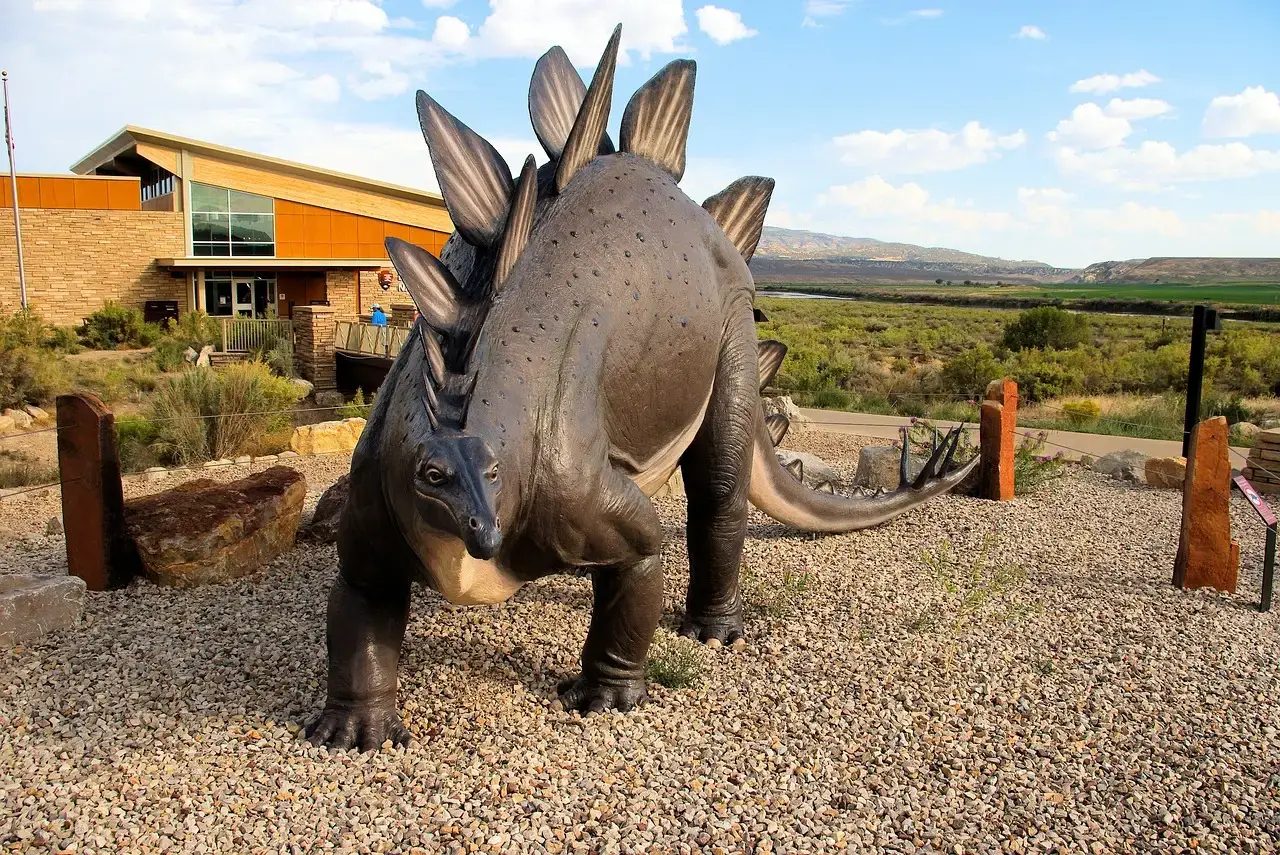
For generations, popular science books insisted Stegosaurus had a second brain near its hips to control its back half, a claim repeated so often it became accepted trivia – because “dinosaur with two brains” is an irresistible headline.
The real structure was an enlarged canal in the hip region that likely housed a glycogen body, a feature seen in modern birds and totally unrelated to cognition. The plates along its back, often illustrated in a single straight row for visual symmetry, were more likely staggered in two alternating rows based on how the fossilized plates were actually found positioned in the ground. The single-row version simply looked cleaner in illustrations and toy molds, so it persisted in public imagination long after paleontologists shifted toward the double-row interpretation supported by articulated skeletons. But that’s nothing compared to what we found about #12…
#12 – Pterosaurs, Turned Into Scaly Bat-Winged Gargoyles
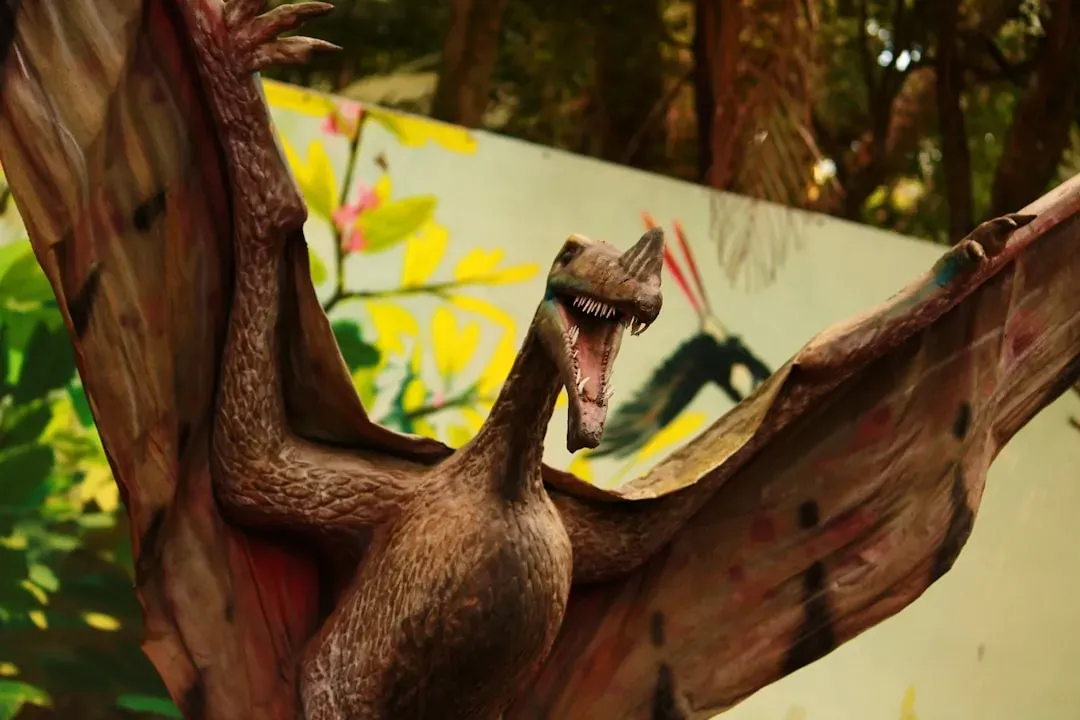
For most of the 20th century, pterosaurs were illustrated as cold, reptilian, leathery-winged gargoyles clawing across rocky cliffs – a gothic, monster-movie aesthetic that made for striking book covers and film creatures.
Fossil evidence of hair-like fuzz called pycnofibers, found in multiple well-preserved specimens, points to pterosaurs being warm, actively metabolizing fliers far closer in lifestyle to birds or bats than to lizards. Giant species like Quetzalcoatlus were regularly depicted snatching prey mid-air like oversized eagles, a dramatic hunting scene that current biomechanical modeling suggests their build likely couldn’t support. The scaly-monster version persisted in film and museum art because a furry, birdlike pterosaur reads as far less menacing on a movie poster than a leathery flying reptile does. But that’s nothing compared to what we found about #11…
#11 – The Giant Ground Sloth Posed Like a Circus Bear
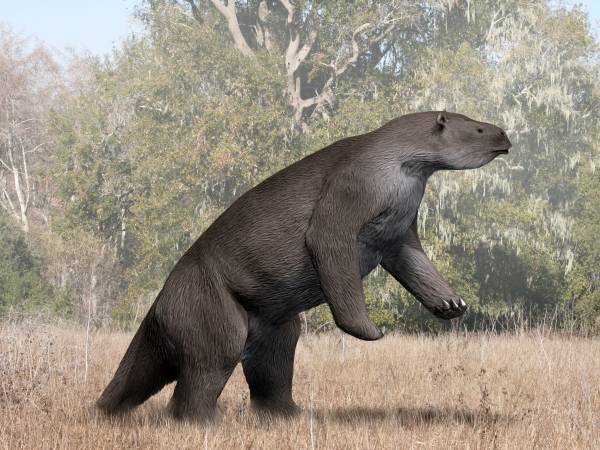
When Georges Cuvier and early American naturalists first mounted Megatherium skeletons in the early 1800s, they frequently posed the animal rearing up on its hind legs with claws extended, evoking a grizzly bear about to strike – a pose chosen for spectacle in crowded exhibition halls.
Megatherium was almost certainly a slow-moving, plant-eating giant that used its claws primarily for stripping vegetation and digging, not for the aggressive slashing displayed in early mounts. Some 19th-century illustrations even showed the sloth toppling trees with brute force in scenes with little direct fossil support, designed purely to convey scale and power to ticket-buying audiences. The rearing “attack pose” became such a durable visual cliché that later, more accurate quadrupedal reconstructions initially struck viewers as underwhelming by comparison, proving how thoroughly the dramatic version had colonized public expectation. But that’s nothing compared to what we found about #10…
#10 – Diplodocus, Dragged Into an Impossible Tripod Stance
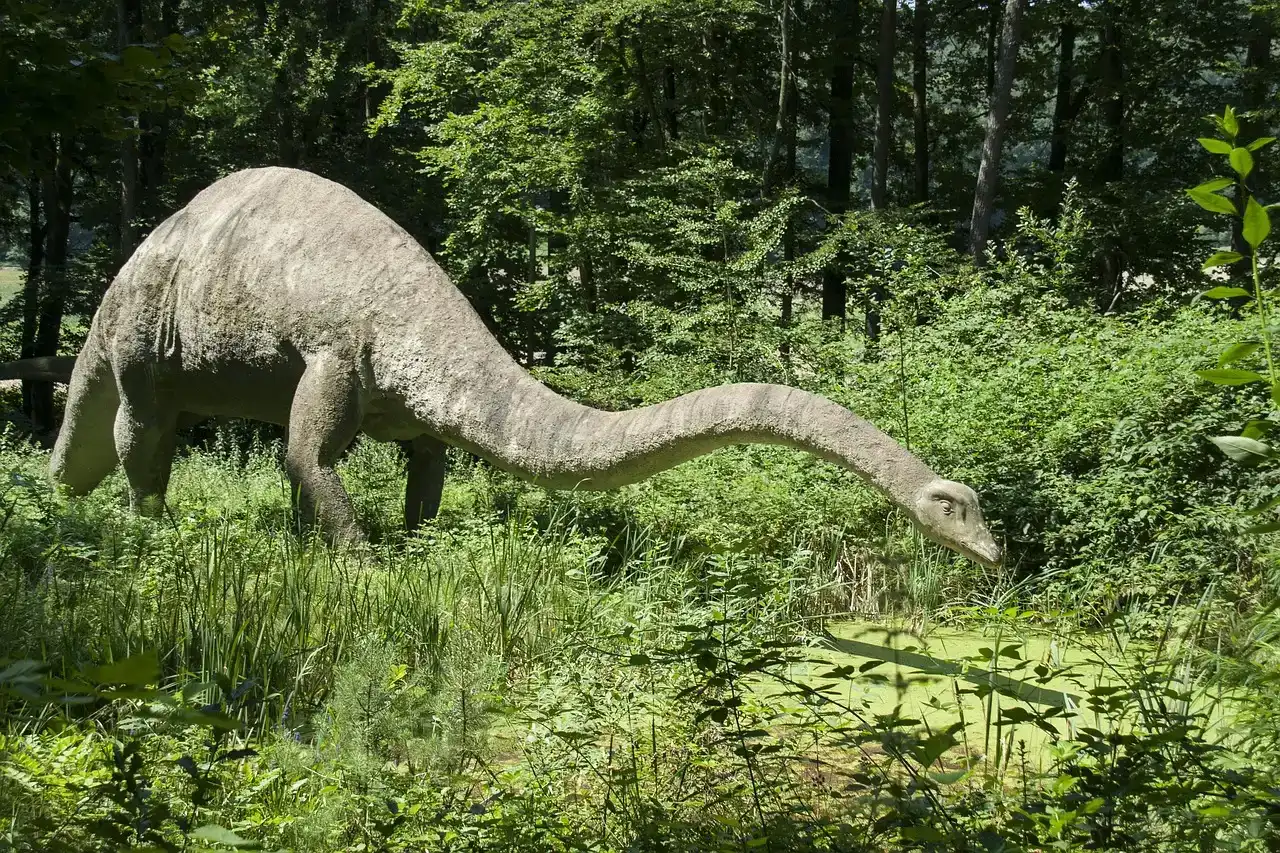
Early 20th-century museum mounts, including the famous casts distributed worldwide by Andrew Carnegie’s museum, frequently posed Diplodocus rearing up on its hind legs and tail like a tripod, reaching toward treetops in a pose meant to awe crowds gathered beneath it.
Later biomechanical analysis of the tail vertebrae and hip structure made clear this rearing tripod position would have placed enormous, likely impossible strain on the skeleton, and most researchers now favor a horizontal posture with the tail held aloft off the ground. Older reconstructions also routinely showed the tail dragging along the ground like a giant lizard’s, an image later contradicted by trackway fossils that show no tail-drag marks alongside footprints. The tripod pose endured for decades in public displays simply because a rearing giant made for a far more dramatic photograph than a horizontal one grazing quietly at ground level. But that’s nothing compared to what we found about #9…
Worth Knowing
- Andrew Carnegie funded the excavation and casting of Diplodocus skeletons, then donated replicas to museums across Europe and South America.
- Fossilized trackways show no continuous drag mark alongside footprints, a key clue that the tail was carried aloft rather than dragged.
- Biomechanical studies suggest the tail may have acted as a counterbalance, or even a defensive whip against attackers.
- Researchers now consider the rearing tripod pose implausible given the forces it would have placed on the tail vertebrae.
#9 – Deinocheirus, the “Monster Arms” That Hid a Gentle Giant
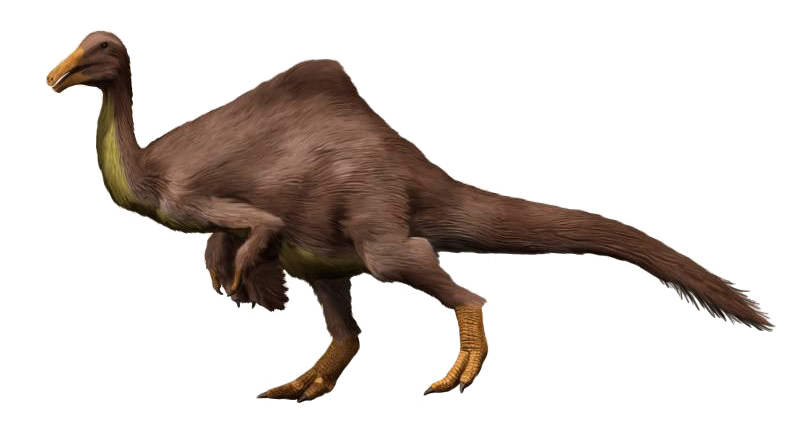
For nearly fifty years, all scientists had of Deinocheirus was a pair of enormous, terrifying arms tipped with curved claws, discovered in the 1960s. Illustrators filled the gap with exactly what those arms implied: a fearsome, raptor-like predator.
Popular depictions ran wild with slashing-claw attack scenes despite having no skull, no legs, and no torso to actually confirm any of it – the entire monstrous image was built on a single limb pair. When a more complete skeleton finally surfaced decades later, it revealed something almost comically different: a humpbacked, duck-billed, pot-bellied omnivore that likely waded through shallow water eating plants and fish rather than hunting like the terror its arms had implied. The gap between the fifty-year monster myth and the reality remains one of the starkest reversals in modern paleontology, purely because public imagination filled in blanks that evidence hadn’t yet reached. But that’s nothing compared to what we found about #8…
#8 – Smilodon, Turned Into a Roaring Lion With Butcher Knives
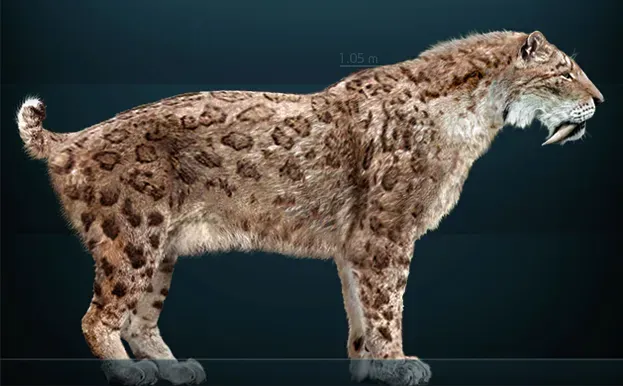
Smilodon, the saber-toothed cat, is almost always illustrated mid-roar, fangs bared, in a pose borrowed directly from modern lions – even though modern lion-style roaring requires vocal anatomy Smilodon likely didn’t share in the same form.
Its famous canine teeth, while genuinely oversized, were also comparatively fragile and prone to snapping under lateral stress, which means the dramatic slashing bites shown in countless illustrations would have risked breaking the very weapon they’re depicted using. Most current researchers favor a controlled, precision bite to the throat or belly of already-subdued prey rather than the frenzied slashing attack that dominates popular art. The roaring, blood-soaked hunter image simply generates more excitement in a documentary or museum mural than the more accurate picture of a powerful ambush predator delivering one careful, fatal bite. But that’s nothing compared to what we found about #7…
#7 – Elasmosaurus, Assembled Backwards for the Sake of Speed
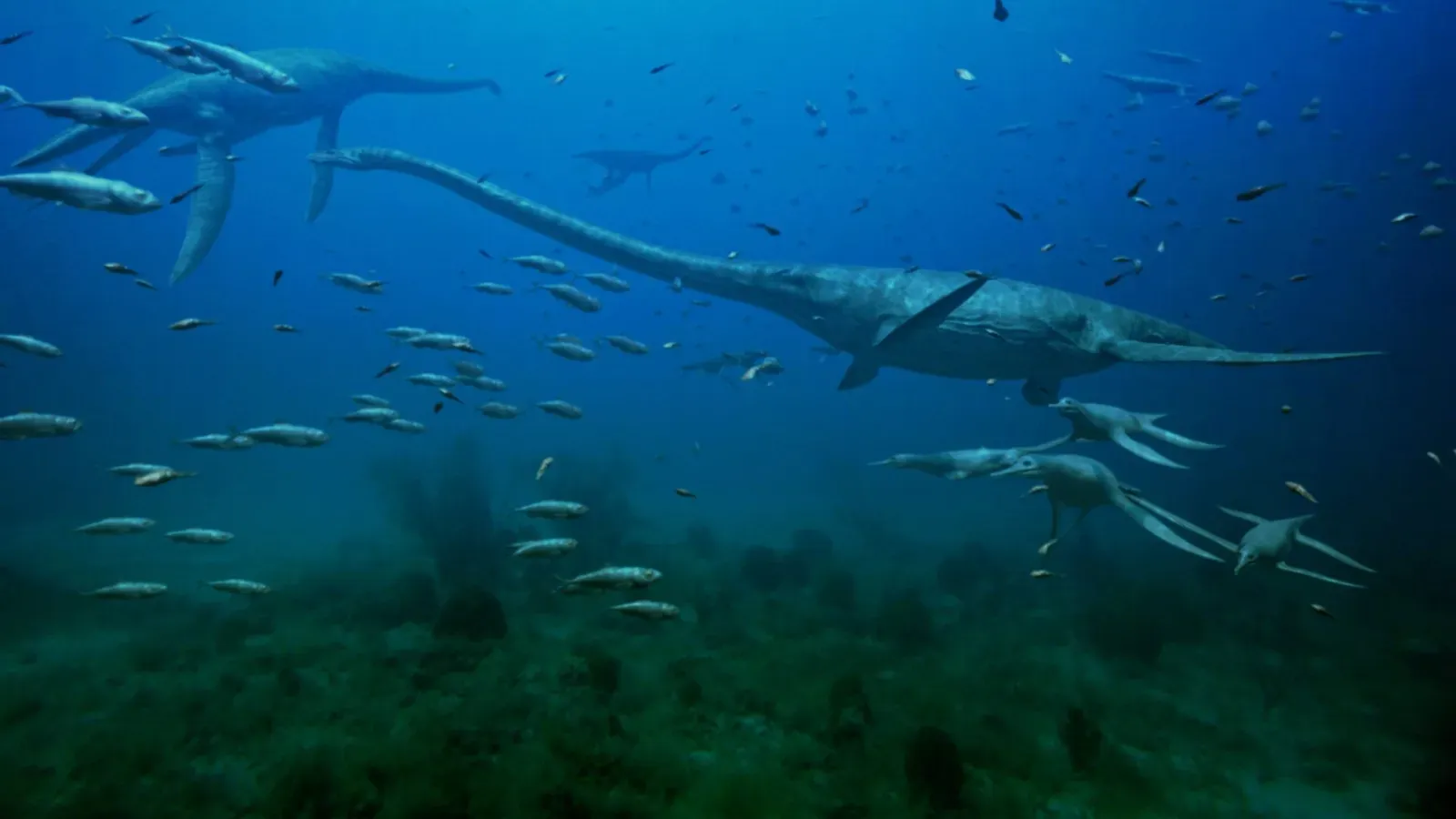
In the rush of America’s 19th-century “Bone Wars,” paleontologist Edward Drinker Cope hurried to publish a description of a newly discovered long-necked marine reptile before his rival could beat him to it. Cope had reconstructed the elasmosaurus for the Academy of Natural Sciences in Philadelphia, and when the work was examined, Cope had placed the skull on the wrong end of the skeleton, confusing the tail with the neck.
The error wasn’t subtle. Cope had given the animal a short neck and a long, tapering tail – until the eminent naturalist Joseph Leidy pointed out that the “tail” was actually an exceedingly long neck. Cope was so humiliated that he reportedly tried to buy up every copy of the journal that had published his mistake, though the backwards illustration had already circulated widely before the correction caught up. But that’s nothing compared to what we found about #6…
#6 – Iguanodon’s Horn That Was Actually a Thumb
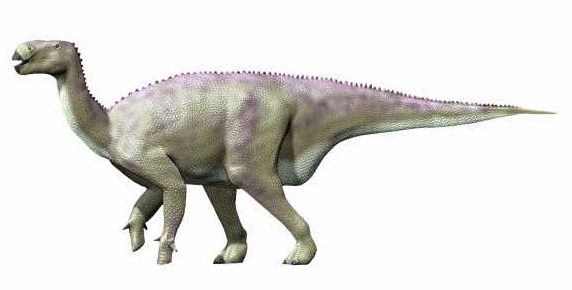
The two Iguanodon statues unveiled at Crystal Palace in 1854 were the world’s first full-scale dinosaur sculptures, and they gave the animal a prominent horn perched on its nose like a rhinoceros – a striking, unmistakable feature for a paying public seeing a dinosaur in the flesh for the first time.
That horn was wrong from the start. Twenty years after the Crystal Palace statues went up, new skeletons revealed the bone mounted on the nose was actually a thumb spike, likely used for defense, not a rhino-style horn. A defensive thumb spike had been stuck on the animal’s face for two decades, while the whole body was sculpted squat and rhino-like instead of upright and bipedal. Belgian discoveries in 1878 finally revealed the real Iguanodon: powerful hind limbs, slender arms tipped with those thumb spikes, a beaked head, and a long tail – almost nothing like the Crystal Palace version. But that’s nothing compared to what we found about #5…
At a Glance
- 1825: Iguanodon becomes only the second dinosaur ever formally named, based on fragmentary teeth and bones.
- 1854: Crystal Palace statues debut with a nose-horn, cementing a rhino-like image in the public mind.
- 1878: Dozens of complete skeletons found in a Belgian coal mine reveal the “horn” was really a thumb spike.
- Today: Iguanodon is reconstructed as a bipedal, beaked herbivore capable of dropping to all fours to graze.
#5 – The “Old Man” Neanderthal Who Was Secretly Just Arthritic
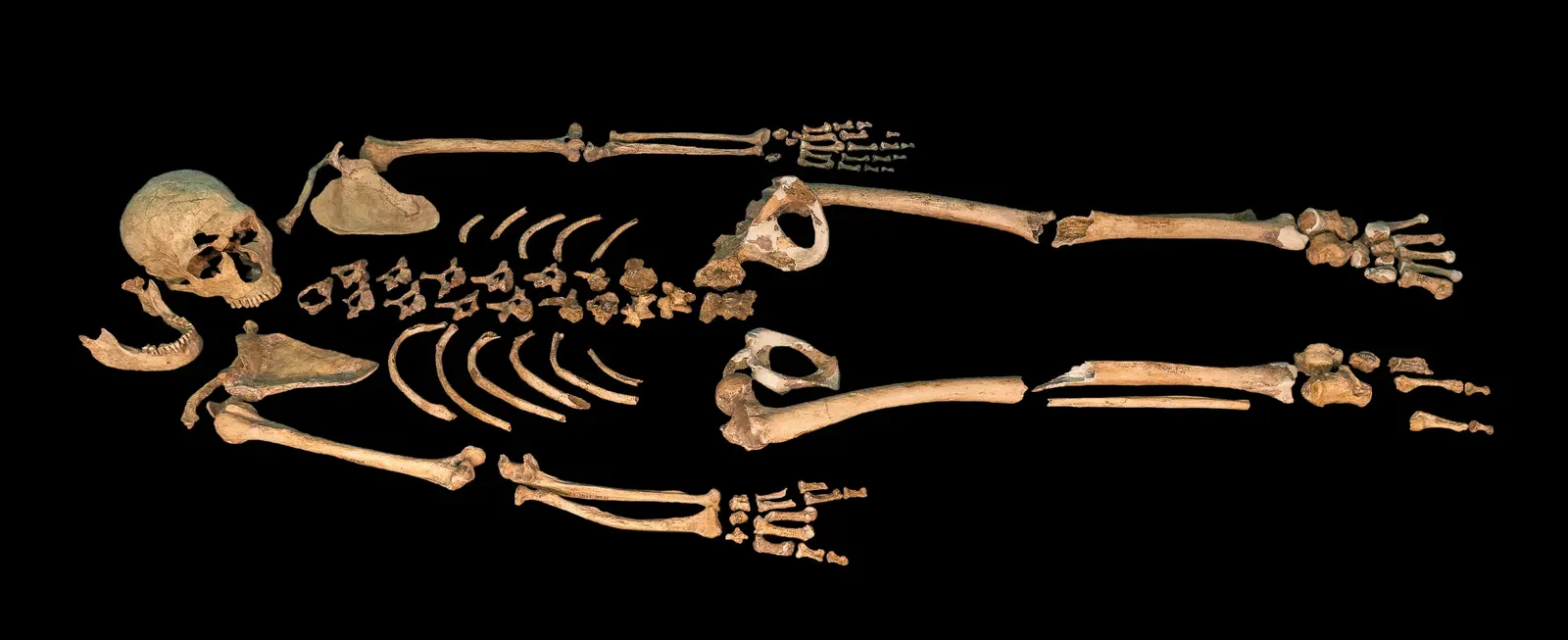
In 1911, French paleontologist Marcellin Boule examined a nearly complete Neanderthal skeleton and produced a reconstruction that defined the species in the public mind for the next sixty years. Boule reconstructed the skeleton with a severely curved spine indicative of a stooped, slouching stance with bent knees, forward flexed hips, and the head jutted forward.
That image wasn’t neutral science – it reflected an assumption Boule brought to the bones, and it’s why pop culture stereotyped Neanderthals as dim-witted brutes for decades. The truth came out later: that individual skeleton suffered from severe arthritis that distorted his spine, and it took researchers decades to separate one man’s disease from an entire species’ anatomy. One sick, elderly Neanderthal, dramatized for museum dioramas and magazine illustrations, ended up shaping how the world pictured his whole species for generations. But that’s nothing compared to what we found about #4…
#4 – Tyrannosaurus Rex, Standing Upright Like Godzilla for Fifty Years
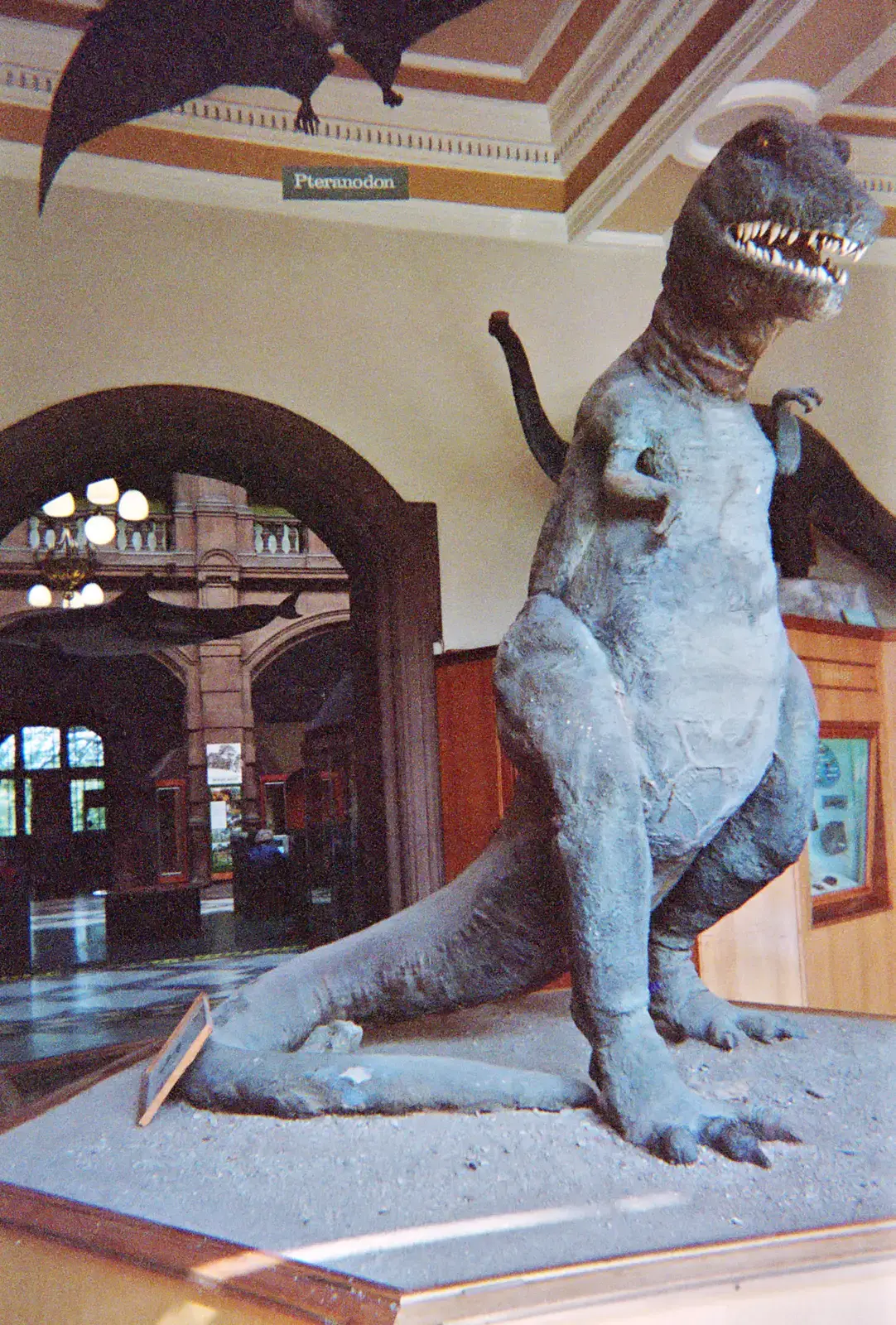
For most of the 20th century, T. rex was mounted and illustrated in an upright, tail-dragging “kangaroo” posture, towering vertically with its tail scraping the ground behind it – an imposing, statuesque silhouette that dominated museum halls and movie posters alike.
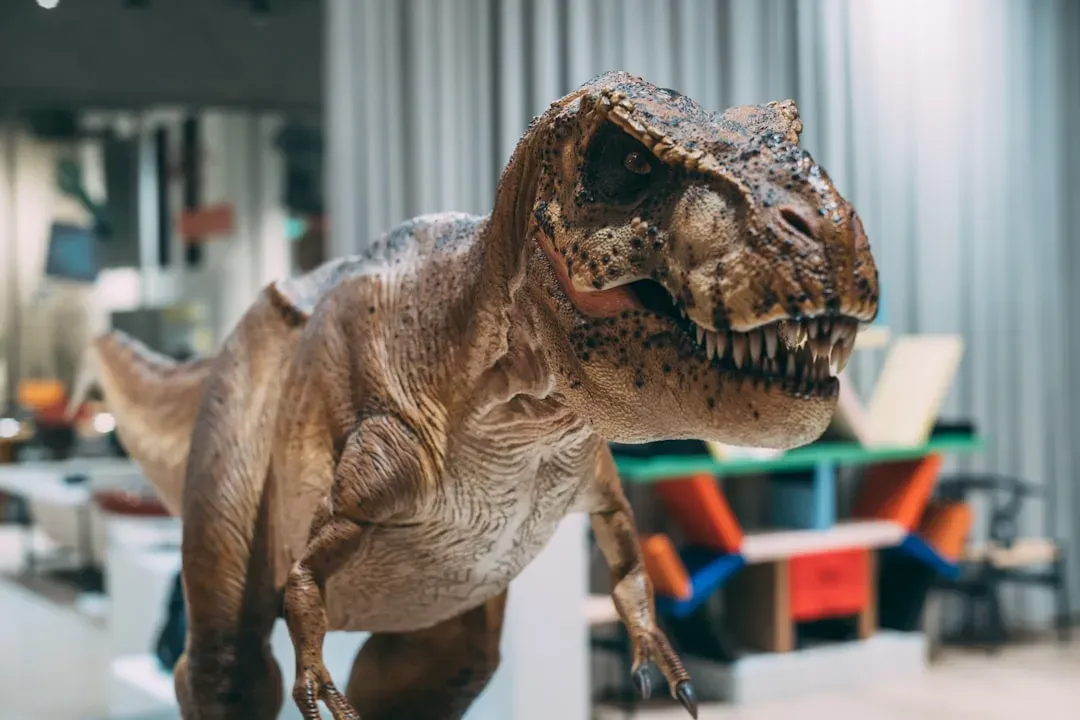
That pose made for a great photograph but terrible biomechanics. Modern analysis of its spine and hip joints shows the tail was held rigid and horizontal, balancing the head and torso like a seesaw, with no ground-dragging involved at all – a posture confirmed once trackway evidence and skeletal reassessments in the late 20th century forced a wholesale redesign of museum mounts worldwide. Nearly every classic T. rex illustration produced before the 1990s shows an anatomically impossible standing posture that would have dislocated a real animal’s hips. The upright “monster” version endured in toys, films, and logos for decades after scientists had already abandoned it, because a towering vertical predator simply looked more dramatic in advertising than a horizontal, bird-like hunter. But that’s nothing compared to what we found about #3…
#3 – Brontosaurus, Built From the Wrong Head Entirely
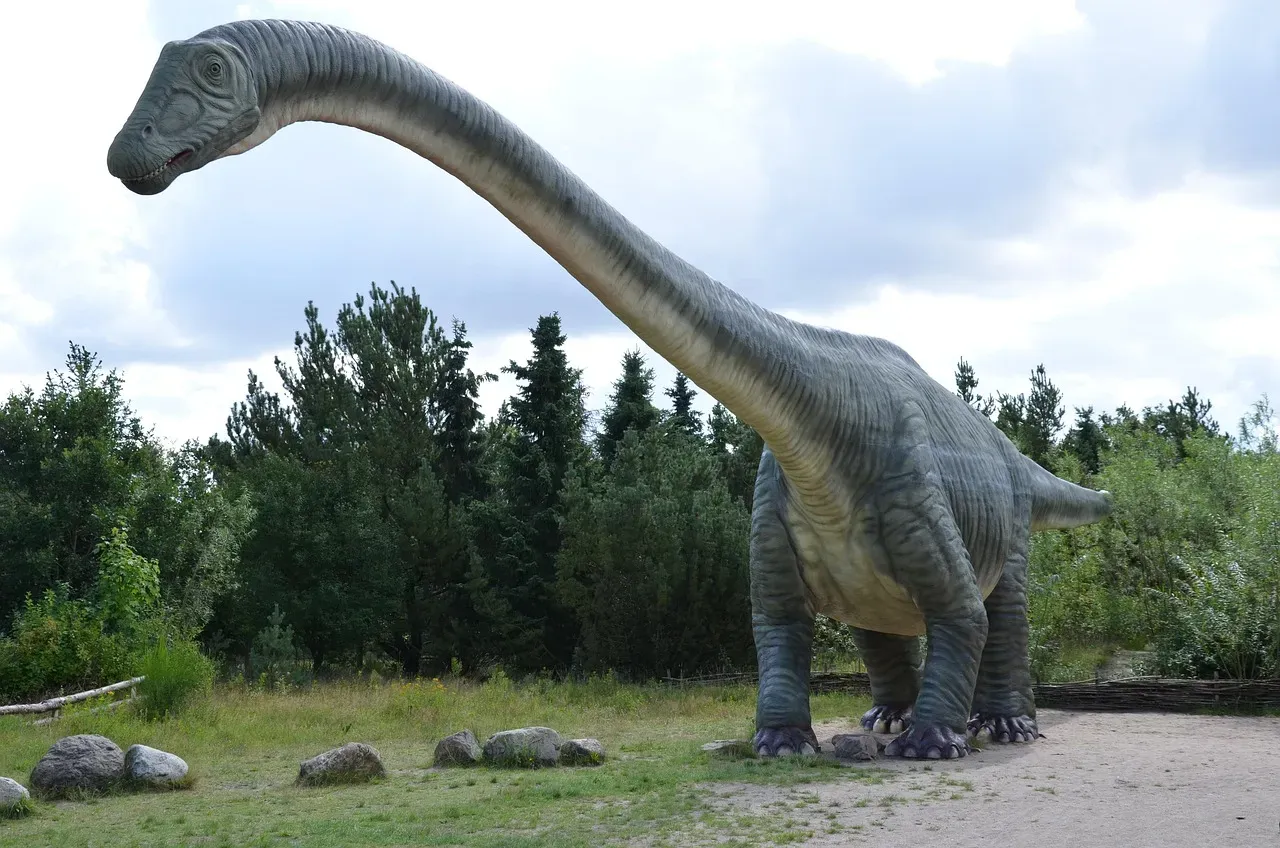
Few extinct-animal mix-ups are as famous as Brontosaurus, whose entire skull was borrowed from a completely different species for over a century. Marsh put the wrong head on the skeleton of an Apatosaurus, having found no skull associated with either Apatosaurus or Brontosaurus and mounting the head of another sauropod genus.
The mistake wasn’t quietly fixed – it stood for almost a century. Marsh’s 1877 Apatosaurus skeleton didn’t get the right skull until 1979, meaning a head that actually belonged to Camarasaurus sat atop one of the most photographed dinosaur skeletons on Earth for a hundred years. The Peabody Museum finally acknowledged the error in 1981, and museums worldwide had to quietly redo their most famous exhibits. But that’s nothing compared to what we found about #2…
#2 – Velociraptor, Supersized for the Silver Screen
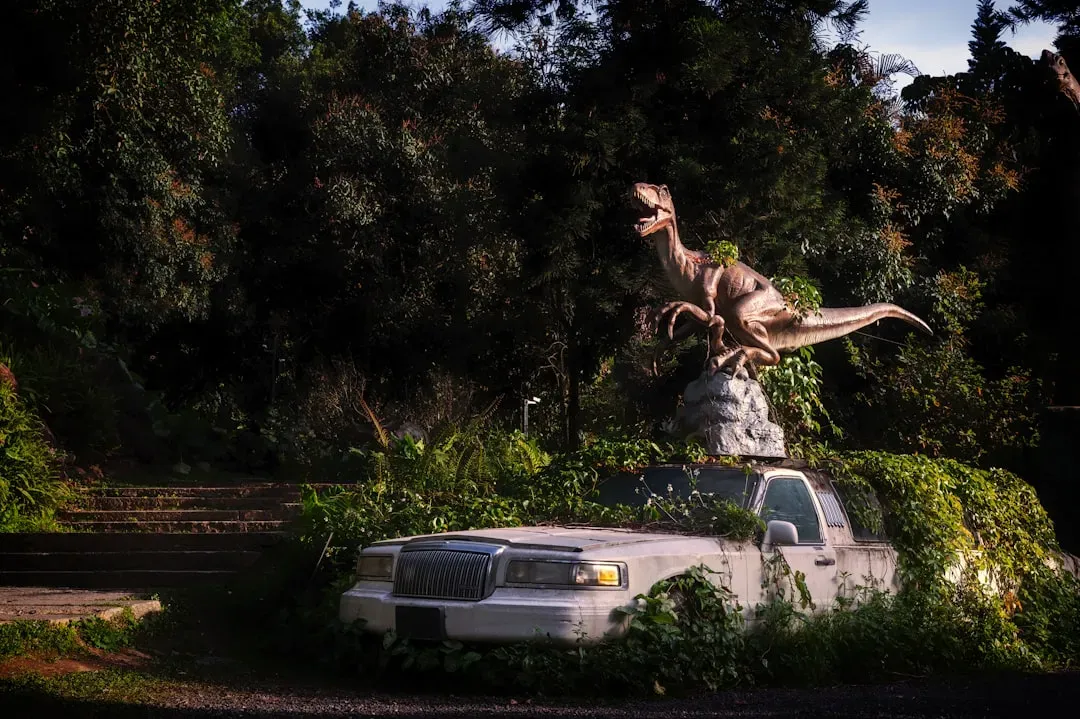
Real Velociraptor was roughly the size of a turkey, covered in feathers, and built with wrists that folded inward like a bird’s – nothing like the scaly, door-sized predators that terrorized movie audiences in the 1990s. Paleontologists call this a supinated wrist, the opposite of the twisted, pronated Jurassic Park version that let the movie raptors grip and slash like clawed hands.
The filmmakers weren’t working blind – they made a calculated choice to trade a poodle-sized, feathered animal for a six-foot, scaly nightmare with door-opening intelligence. An animal roughly the size of a large dog was scaled up into a raptor pack capable of opening doors and outsmarting armed adults, and that inflated image proved so culturally sticky that decades later, most people still picture the movie version instead of the real, feathered hunter barely bigger than a house cat. But that’s nothing compared to what we found about #1…
Why It Stands Out
- Real Velociraptor stood roughly 1.6 feet tall at the hip, about the size of a large turkey.
- Quill knobs found on fossilized forearms confirm it carried true feathers, not scales.
- Its wrist joint folded inward like a bird’s wing, physically incapable of the door-opening grip shown on screen.
- Much of the movie raptor’s size and pack-hunting reputation was reportedly borrowed from a larger relative, Deinonychus, during the film’s design process.
#1 – Spinosaurus, Rebuilt Into a Monster-Movie Villain
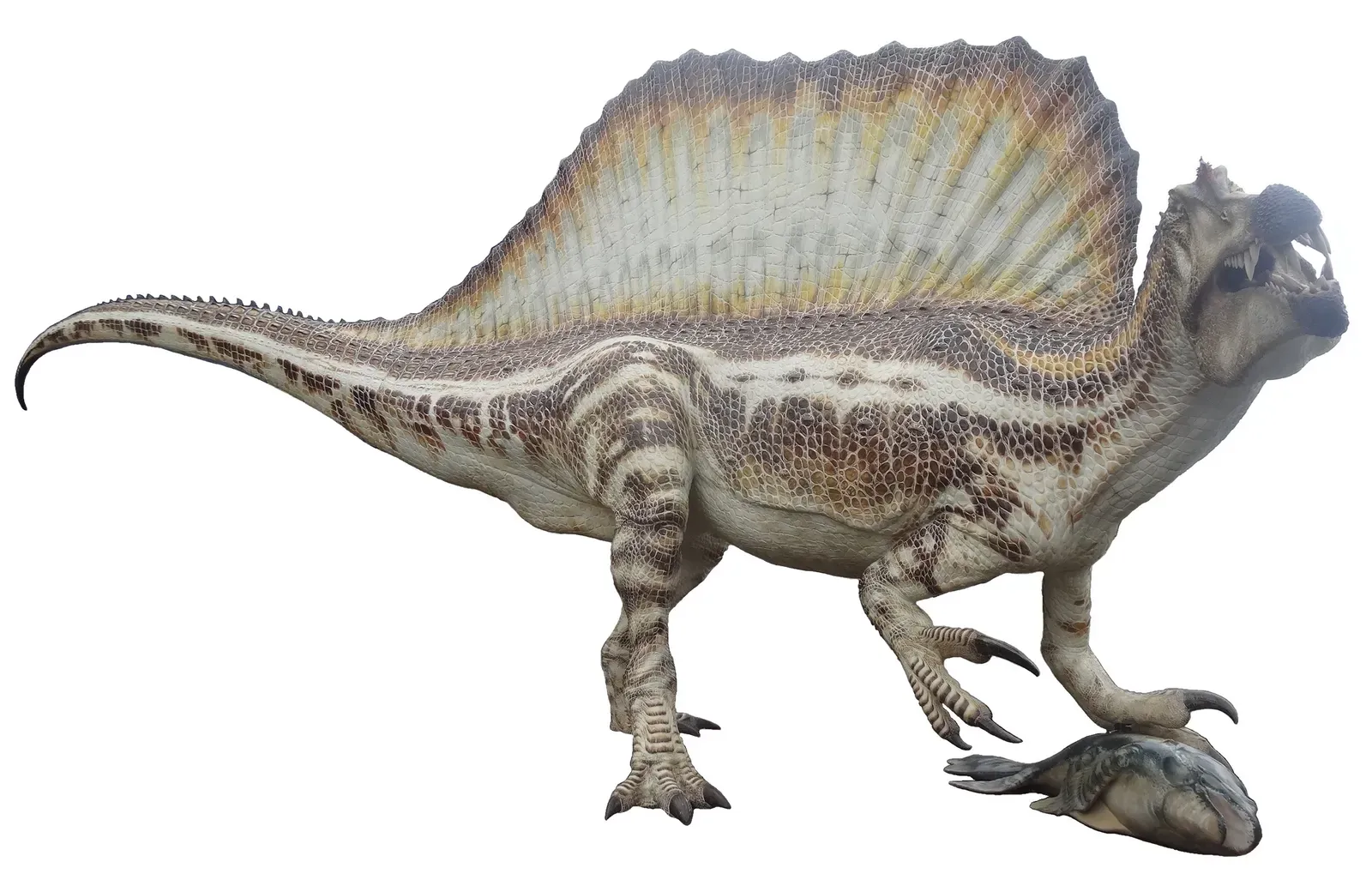
No extinct animal has been more dramatically distorted for spectacle than Spinosaurus. Popular reconstructions have given it an exaggerated semi-circular sail, oversized jaws, overly muscular arms, and a menacing land-predator posture built explicitly to outdo Tyrannosaurus on screen. Reconstructions have been criticized as wanting to make the dinosaur a movie monster like Godzilla, with makers wanting to make dinosaurs monsters rather than real animals.
The real animal was something far stranger, and frankly, far less cinematic than the movies wanted. Spinosaurus was a short-legged, semi-aquatic fish-eater with a paddle-like tail built for swimming – a humble river fisherman, not a Jurassic Park III-style land monster. It was repeatedly redrawn as an upright, land-stalking apex predator purely because “aquatic fisherman” doesn’t sell movie tickets the way “biggest terrestrial killer ever” does. Fossil evidence from its dense bones, paddle tail, and short hind limbs points overwhelmingly toward a wading, swimming lifestyle, yet decades of illustrations chose spectacle over what the bones actually preserved. It might be the single clearest case in this whole list of a reconstruction engineered for box office impact rather than scientific evidence.
The Bottom Line
Extinct-animal reconstructions have never been purely scientific – they’ve always been shaped by funding pressure, rival egos, and the simple need to put on a good show for paying visitors. From Cope’s backwards Elasmosaurus to the fifty-year myth of an upright, tail-dragging T. rex, the pattern repeats: whenever ambiguity existed, artists and scientists alike leaned toward the version that looked most impressive, not the one the fossils most strongly supported.
Honestly, the biggest offender isn’t any single skeleton – it’s the entertainment industry’s habit of freezing outdated science into pop culture decades after museums have already moved on. Toys, movies, and textbook illustrations don’t get revised the way peer-reviewed journals do, so the monster version usually wins by default, not by evidence. The real story of prehistoric life was never boring; it just needed better publicists than the ones who kept reaching for teeth, claws, and a good roar instead of the truth.