
Most people assume “extinct” means gone forever – case closed, no appeals. Biologists have quietly reopened dozens of extinction files in the last few decades, and some of the reversals read stranger than fiction: a bee lost for 38 years, a woodpecker the U.S. government still won’t officially bury, a predator whose extinction date keeps getting pushed forward by statisticians long after the “final” verdict was already filed.
Turns out declaring a species extinct is one of the hardest calls in all of science, because proving a negative – that nothing is out there – is nearly impossible. Twelve of these reversals stand out from the rest, and a few of them will make you wonder how confident anyone should ever be about writing “extinct” next to a name. Here’s what the data actually say.
#12 – The Seabird That Hid From Humanity for 330 Years

The Bermuda petrel didn’t just dodge an extinction label for a few decades – it dodged it for three centuries. Presumed wiped out since the 1620s, the bird known locally as the cahow was thought to be a casualty of early European settlers and the rats and hogs they brought with them. Nobody seriously reopened the case for over 300 years.
Then in 1951, researchers found 18 nesting pairs clinging to survival on a handful of remote islets. The gap between “extinct” and “rediscovered” here is one of the longest ever recorded for any vertebrate.
The lesson conservationists took from the cahow wasn’t just relief – it was embarrassment. An entire species had persisted on a scatter of rocky islets while the scientific consensus moved on entirely. Today the cahow is one of the most intensively guarded seabirds on Earth, with wardens monitoring nesting burrows because nobody wants to be the generation that lets a 330-year survivor slip away for real.
Fast Facts
- Presumed extinct: since the 1620s
- Rediscovered: 1951
- Survivors found: just 18 nesting pairs
- Gap between “extinct” and rediscovery: roughly 330 years
#11 – The Lizard That Vanished for 130 Years on Two Tiny Islands
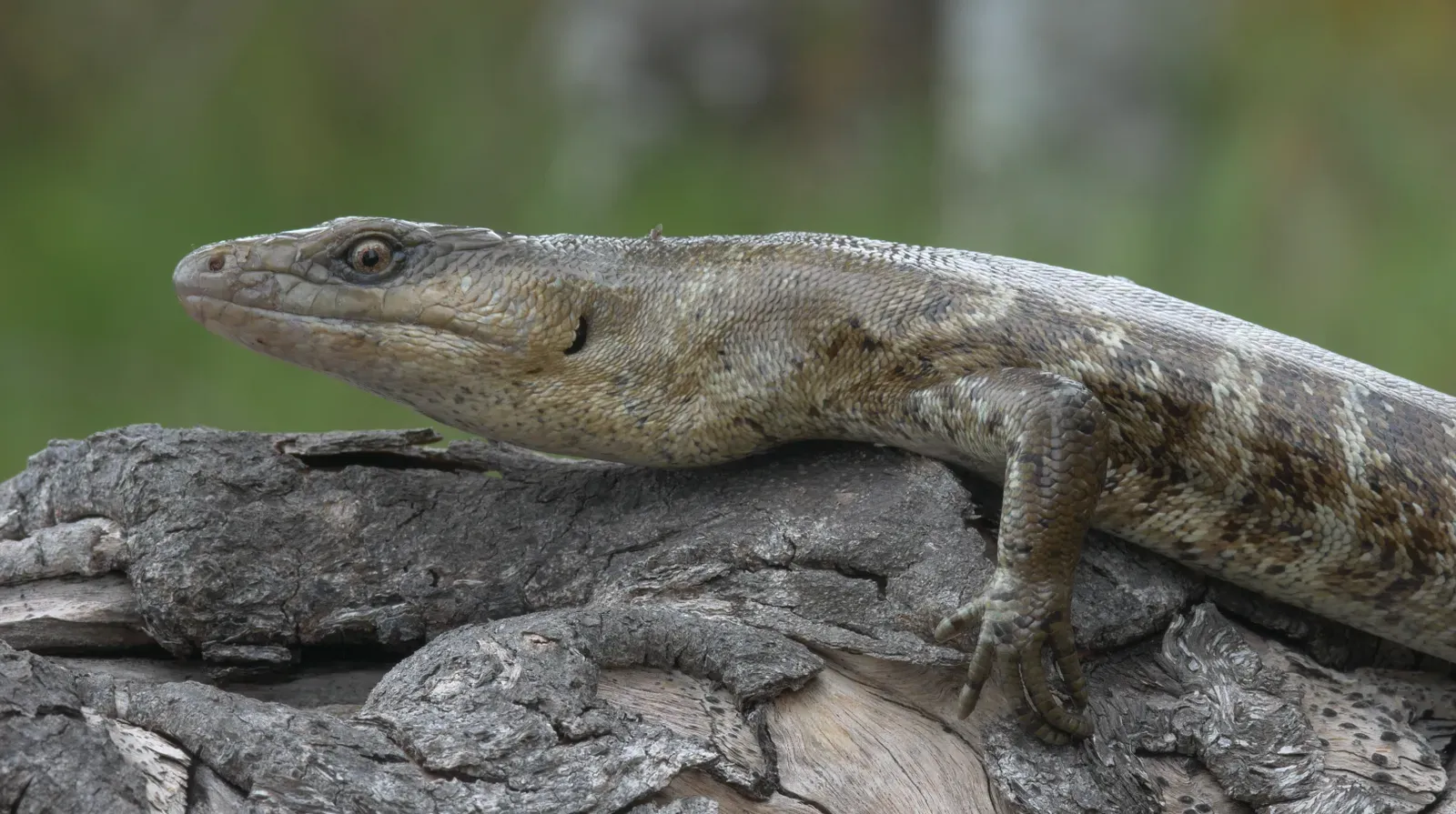
New Caledonia’s terror skink earned its name honestly, and its disappearance was even more dramatic than its comeback. First captured around 1870 and formally described in 1876, the lizard vanished so completely that scientists eventually stopped looking. For over a century, all they had were a handful of preserved specimens and a name that promised something fearsome nobody could actually locate.
It resurfaced in 2000, and researchers finally understood why it had stayed hidden so long. Its entire known range is two tiny islets with a combined surface area of just 0.35 square miles. That’s an entire species surviving on less land than most golf courses.
This is the part that should genuinely unsettle you: if a large, distinctively named reptile can vanish from science for 130 years on a landmass that small, how many unnamed species are hiding on islands nobody has ever properly surveyed? The terror skink case is now a textbook argument for why “extinct” should really mean “not found yet.”
#10 – The Monkey Science Only Knew From Pelts
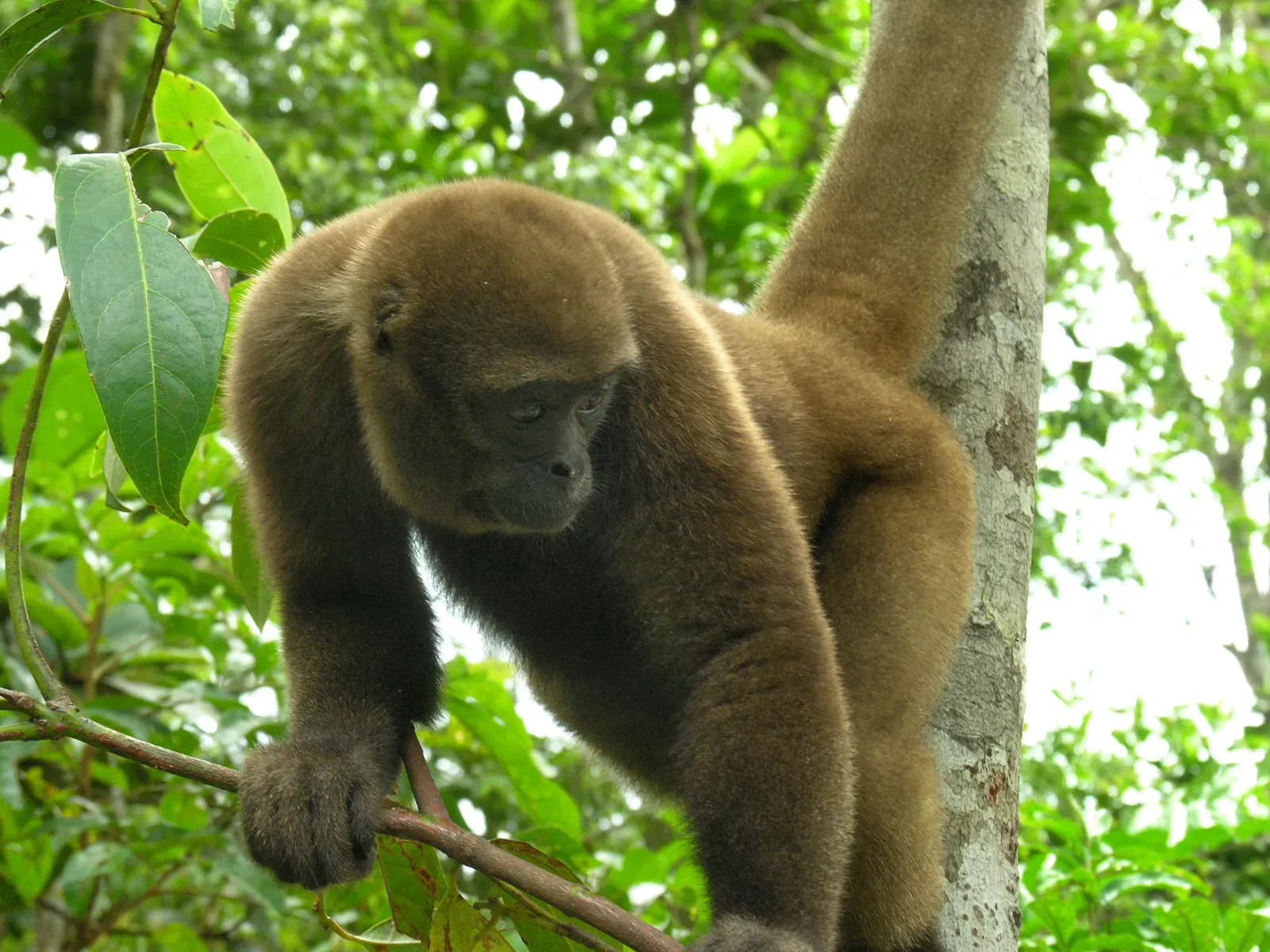
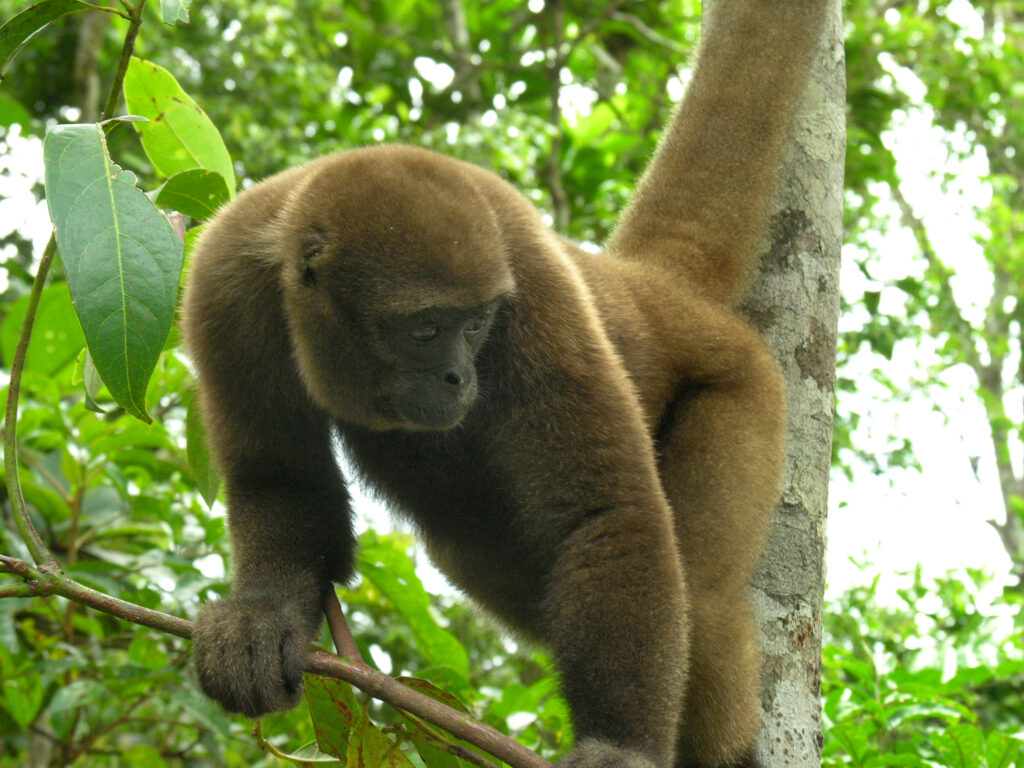
The Peruvian yellow-tailed woolly monkey has one of the strangest origin stories in zoology, because for 150 years, science barely knew it was real. Naturalist Alexander von Humboldt first described the species in 1812 without ever seeing a living animal – he worked entirely from pelts that local hunters in the Andes had already skinned and sold.
Nobody in the formal scientific community saw a living one for generations afterward, and the monkey quietly slipped into presumed-extinct status without ever really being confirmed alive in the first place. The eventual rediscovery flipped the entire narrative.
Instead of a “lost” species being found, scientists realized they’d never actually possessed solid proof it existed as a living population at all. It’s a controversial point among primatologists to this day – some argue the “extinction” label was never scientifically earned to begin with, since it was built on pelts and secondhand reports rather than field data.
#9 – The Grasshopper That Beat an 80-Year Silence
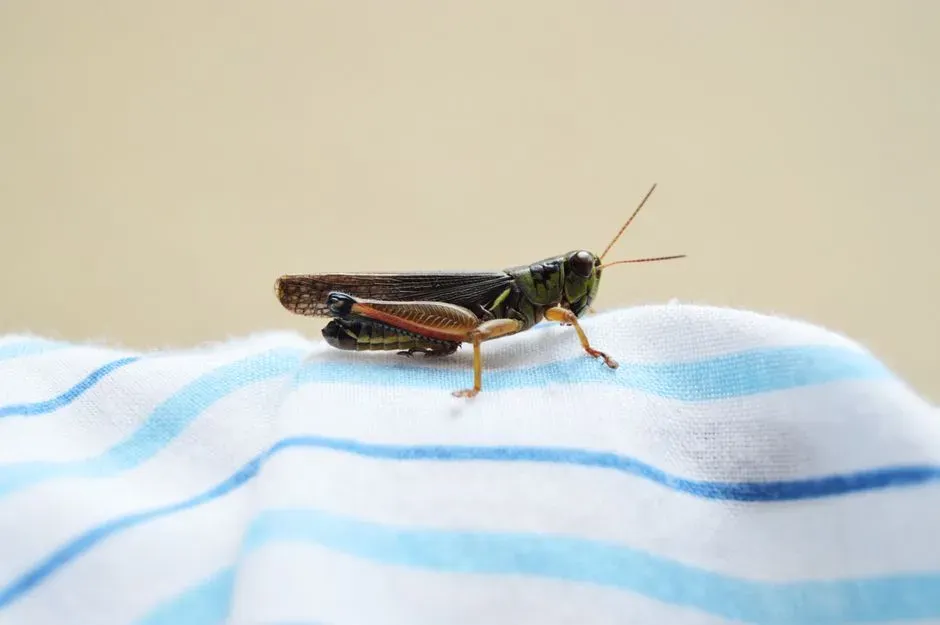
Insects rarely make extinction headlines, but the Appalachian grasshopper’s disappearing act is a masterclass in how quietly a species can slip away – and sneak back. This was never a common insect. It’s a flightless species only ever recorded in Virginia, West Virginia, and Pennsylvania, and even within those states it turned up in just five of Virginia’s 95 counties.
After 1946, sightings went from rare to nonexistent. Decades passed without a single confirmed observation, and the scientific community quietly concluded the species had likely gone extinct.
Then the internet did what funded expeditions couldn’t. Public science forums surfaced unverified sightings, biologists started paying attention, and in 2024 – almost eight decades after it vanished – the grasshopper was confirmed alive again. Citizen science forums, not university expeditions, are what cracked this case open, and that should tell you something about how extinction files actually get reopened these days.
At a Glance
- Known range: only Virginia, West Virginia, and Pennsylvania
- Found in just 5 of Virginia’s 95 counties
- Last confirmed sighting before the silence: 1946
- Confirmed alive again: 2024, via citizen science forums
#8 – The Rodent From a Family Presumed Dead for 11 Million Years
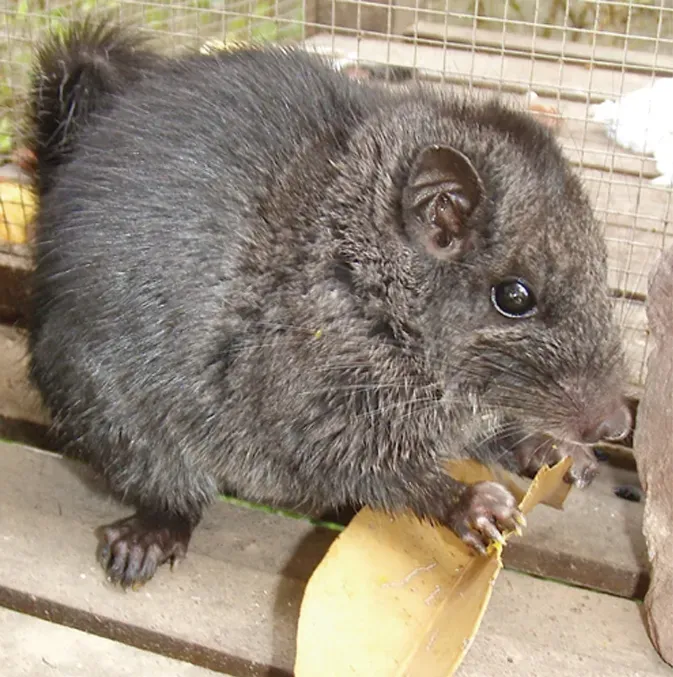
If you want to understand how badly science can misjudge extinction, the Laotian rock rat is the case study to remember. It was first discovered in 1996 sitting in a food market in Laos, being sold as dinner. Scientists who examined it were stunned to find it didn’t belong to any known rodent family.
It came from a family believed to have gone extinct 11 million years ago. This wasn’t a species quietly rediscovered – this was an entire taxonomic family, thought to have vanished before early humans existed, casually sitting in a food stall.
This “living fossil” has since been found in the wild, and its rediscovery has baffled scientists and thrilled conservationists alike. An 11-million-year gap is almost impossible to comprehend on a human timescale – for context, that’s roughly the same span separating us from the earliest ancestors of modern elephants. It forces an uncomfortable question: if an entire family of mammals can persist undetected for that long, how confident should anyone really be about declaring anything permanently gone?
#7 – The Fruit Bat Whose Habitat Got Mined Before the Bat Did
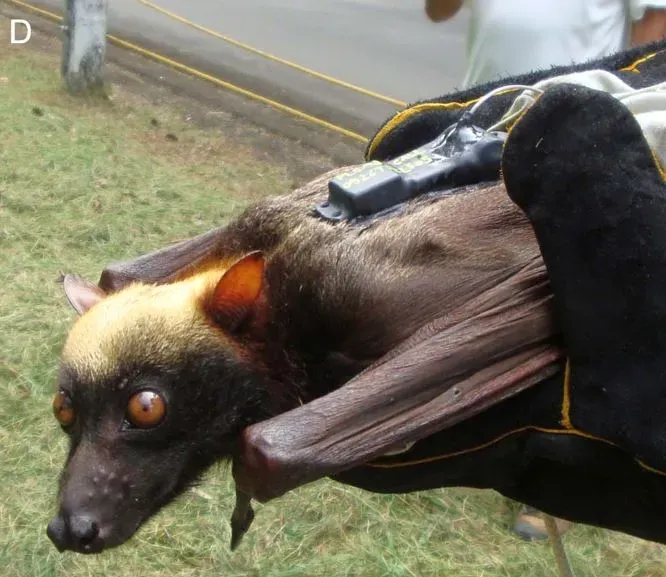
The golden-capped fruit bat’s story is a rare case where scientists can point to the exact economic reason a species vanished – and the exact reason it came back. This large bat was once so abundant that its huge piles of guano were mined and sold as fertilizer. But sightings dried up completely after 1964, and the species was formally declared extinct in 1996.
Hunting for meat played a role, but the real killer was industrial agriculture – sugar cane plantations replaced the forests where the bats foraged for fruit. Industrial agriculture, not a natural disaster, is what nearly wiped this bat out.
The bat was rediscovered in 2001, but here’s the frustrating part: some of its habitat on Cebu and Negros islands remains unprotected, so the population is still threatened. Reopening the file didn’t actually solve the underlying problem. The forests that nearly killed off the species are still being cleared today, which means this bat’s second act could easily be its last if nothing changes.
#6 – Two Marsupials Known Only From Fossils for 7,000 Years
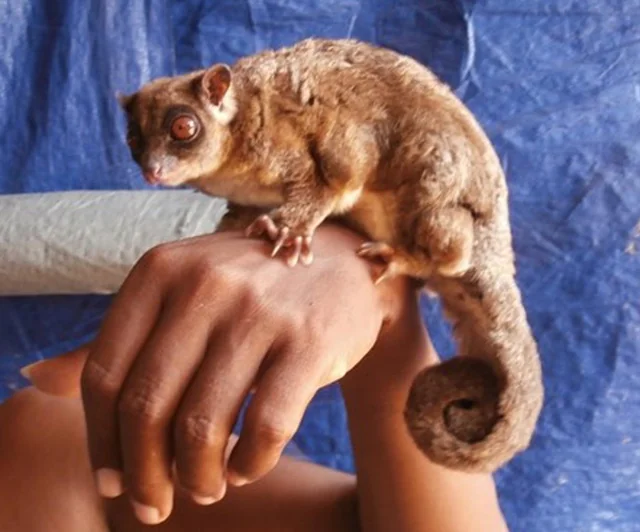
This is the newest and arguably wildest entry on this list, because these animals weren’t just “presumed extinct” – they were formally described from bones before anyone had ever seen one alive. Dr. Ken Aplin first identified the pygmy long-fingered possum and the ring-tailed glider as fossils in the 1990s, after their teeth were excavated during an archaeological dig in western New Guinea.
Both species were rediscovered alive, marking the first confirmation of live specimens in over 7,000 years. A researcher later saw a photograph of the gliding possum in the wild and immediately recognized it as one of Aplin’s “extinct” species. Imagine naming a species from teeth fragments, then finding it alive seven millennia later.
Indigenous communities in the Tambrauw and Maybrat areas of West Papua aided the identification work through their deep knowledge of the marsupial’s lifestyle. This case is a direct rebuke to armchair extinction declarations – it took local ecological knowledge, not just lab science, to close the loop. Experts now openly argue that western researchers ignored indigenous knowledge for decades on cases exactly like this one.
Worth Knowing
- Both species were first identified from fossil teeth, not living animals
- Original identification came from a 1990s archaeological dig in western New Guinea
- Gap since last confirmed live sighting: over 7,000 years
- Local Indigenous knowledge from the Tambrauw and Maybrat regions helped confirm the rediscovery
#5 – The Bird That Went Missing for Over a Century
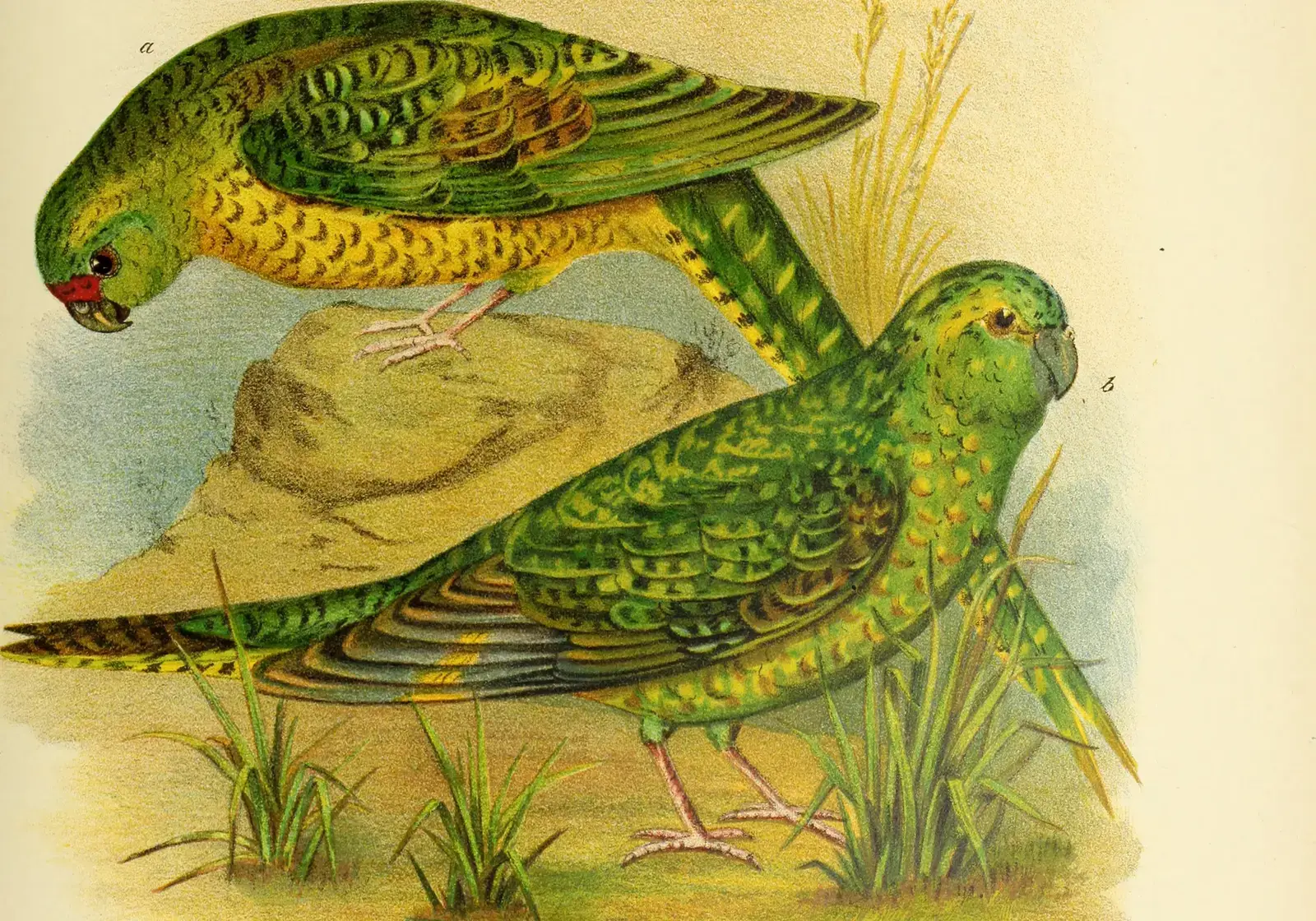
Australia’s night parrot spent so long presumed extinct that entire generations of ornithologists built careers on the assumption it was gone. Sightings had dried up so completely that the bird became something of a running joke in Australian birding circles – the ultimate “unicorn” species nobody expected to actually reappear.
But the night parrot’s file has been reopened, closed, and reopened again more than once in modern memory. Just last year, scientists confirmed the species alongside another supposedly extinct animal, the Behningia baei mayfly.
What makes the night parrot case unusual is how many separate “rediscoveries” it’s had. Unlike most Lazarus species, which get confirmed once and stay confirmed, this bird has drifted in and out of confirmed status for over a decade because sightings are so rare and so hard to verify. Some ornithologists now argue it should never have been fully re-added to “presumed extinct” lists in the first place, given how much circumstantial evidence kept surfacing in the gap years.
#4 – The Bee So Big It Was Rediscovered Twice
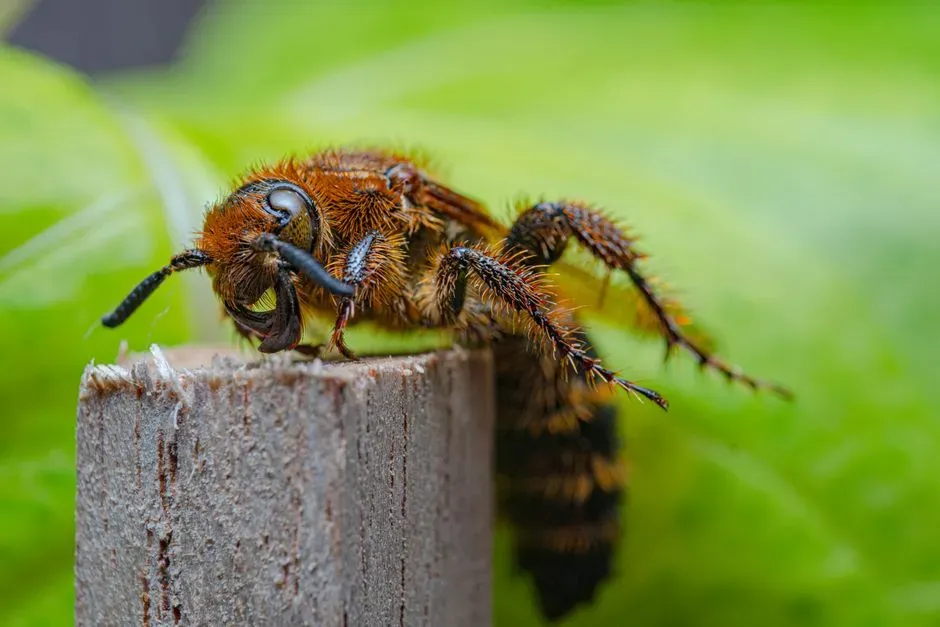
Wallace’s giant bee might be the single strangest “extinction reversal” on this list, because it happened not once, but twice – decades apart. Alfred Russel Wallace, the famous British naturalist, first discovered the species in 1859 on the Indonesian island of Bacan. It then vanished from the scientific record until 1981, when biologist Adam Messer found six nests in the same area.
The bee itself is almost cartoonishly imposing: it measures up to 3.8 cm long with a wingspan of 6.4 cm, roughly four times the size of a European honeybee, and it wields a pair of huge mandibles like a stag beetle.
It vanished again after 1981 and wasn’t seen for another 38 years, until an international research team spotted it in January 2019 in Indonesia’s North Moluccas islands. That’s a gap of 38 years between the second and third confirmed human sightings of the world’s largest bee. One researcher on the expedition called the find “absolutely breathtaking,” admitting the team genuinely wasn’t sure the species still existed. This one deserves controversy points too – it’s now sold on insect auction sites, meaning collectors may be doing more damage to the population than habitat loss ever did.
#3 – The “Living Fossil” That Redefined an Entire Era
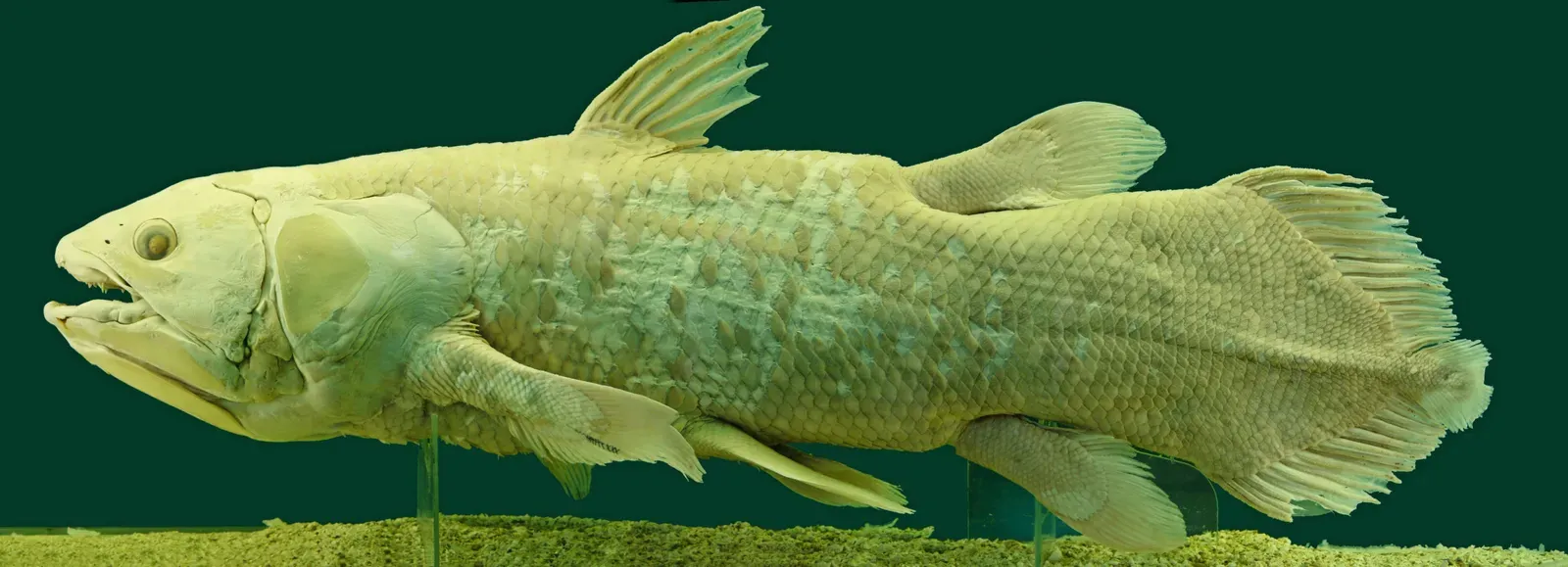
No creature on this list did more to humiliate the scientific consensus than the coelacanth, a fish that supposedly died out alongside the dinosaurs. Up until 1938, the only evidence of coelacanths anyone had ever seen was locked in fossil records – a fish presumed dead for roughly 66 million years.
Then a fishing trawler off the coast of South Africa hauled one up alive. It turned out coelacanths had survived all along; human scientists just hadn’t found one.
A species presumed dead for roughly 66 million years turned up on a fishing boat. That single specimen forced paleontologists to rewrite assumptions about entire evolutionary lineages, since a fish believed to be a distant, extinct relative of land vertebrates was suddenly swimming in the modern ocean. It remains the gold standard by which every other “rediscovered” species is measured, and honestly, no other case on this list even comes close to matching that scale of scientific whiplash.
#2 – The Predator Whose Extinction Date Keeps Getting Pushed Forward
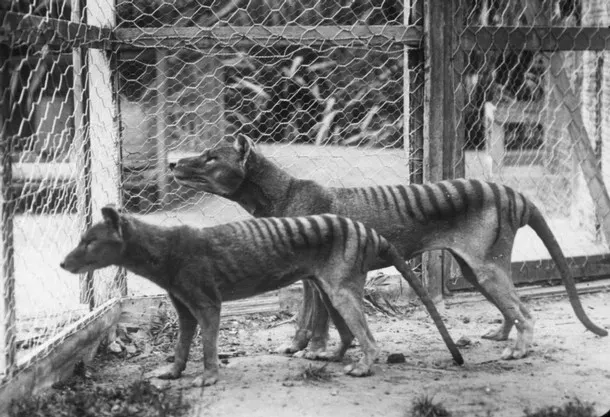
The thylacine, or Tasmanian tiger, is the rare case where the extinction file wasn’t reopened by a sighting – it was reopened by statisticians running the numbers all over again. The last known captive animal died in 1936, and the IUCN, the world authority on rare and threatened species, officially declared the thylacine extinct in 1982. That should have been the final word. It wasn’t.
New research points to a much later extinction date – somewhere in the late 1990s or early 2000s – and suggests the animal could still persist in the most remote parts of Tasmania. Researchers reached that conclusion after analyzing more than 1,200 records of sightings and physical evidence collected between 1910 and 2019.
That’s a 60-year gap between the “official” extinction date and what the actual sighting data supports. This is genuinely controversial among conservation scientists – some argue treating hundreds of amateur sightings as statistically meaningful data is reckless, while others insist ignoring citizen reports is exactly the kind of institutional arrogance that let real Lazarus species go unnoticed for decades.
Quick Compare
- Official IUCN extinction date: 1982
- Revised estimate based on sighting data: late 1990s to early 2000s
- Records analyzed: over 1,200 sightings and pieces of physical evidence (1910-2019)
- Gap between official and revised dates: roughly 60 years
#1 – The Woodpecker the U.S. Government Still Won’t Officially Bury
![#1 - The Woodpecker the U.S. Government Still Won't Officially Bury (By Original photo by Arthur A. Allen, 1935 [1], watercolored by Jerry A. Payne, USDA-ARS, CC BY 3.0 us)](https://nvmwebsites-budwg5g9avh3epea.z03.azurefd.net/dinoworld/974a3d1908f792279b2cb4fcf04a64f6.webp)
If any species proves that “extinct” is more of a bureaucratic decision than a biological fact, it’s the ivory-billed woodpecker – and this file has been reopened more times than any other on this list. Ivorybills were declared federally endangered back in 1967, and more than fifty years later, in 2021, the U.S. Fish and Wildlife Service proposed formally declaring them extinct.
Then came the twist nobody expected. Federal wildlife officials delayed the long-awaited decision after grainy photos and videos surfaced that purported to show the bird flying through a Louisiana forest.
A peer-reviewed 2023 study used over 70,000 hours of audio recordings and thousands of drone flights to argue the bird might still be alive, and even skeptical ornithologists admitted the case wasn’t settled. One prominent ornithologist told CNN he applauded the postponement, saying the scientific community was “by no means certain about the status of this iconic woodpecker.” Nicknamed the “Lord God Bird” for how awe-inspiring it was to witness, this species now sits in bureaucratic limbo – neither confirmed extinct nor confirmed alive – which might be the most honest status any “extinct” species has ever been given.
Why It Stands Out
- Declared federally endangered: 1967
- Extinction proposal filed: 2021
- 2023 study evidence: over 70,000 hours of audio and thousands of drone flights
- Current status: officially undecided – neither extinct nor confirmed alive
The Bottom Line
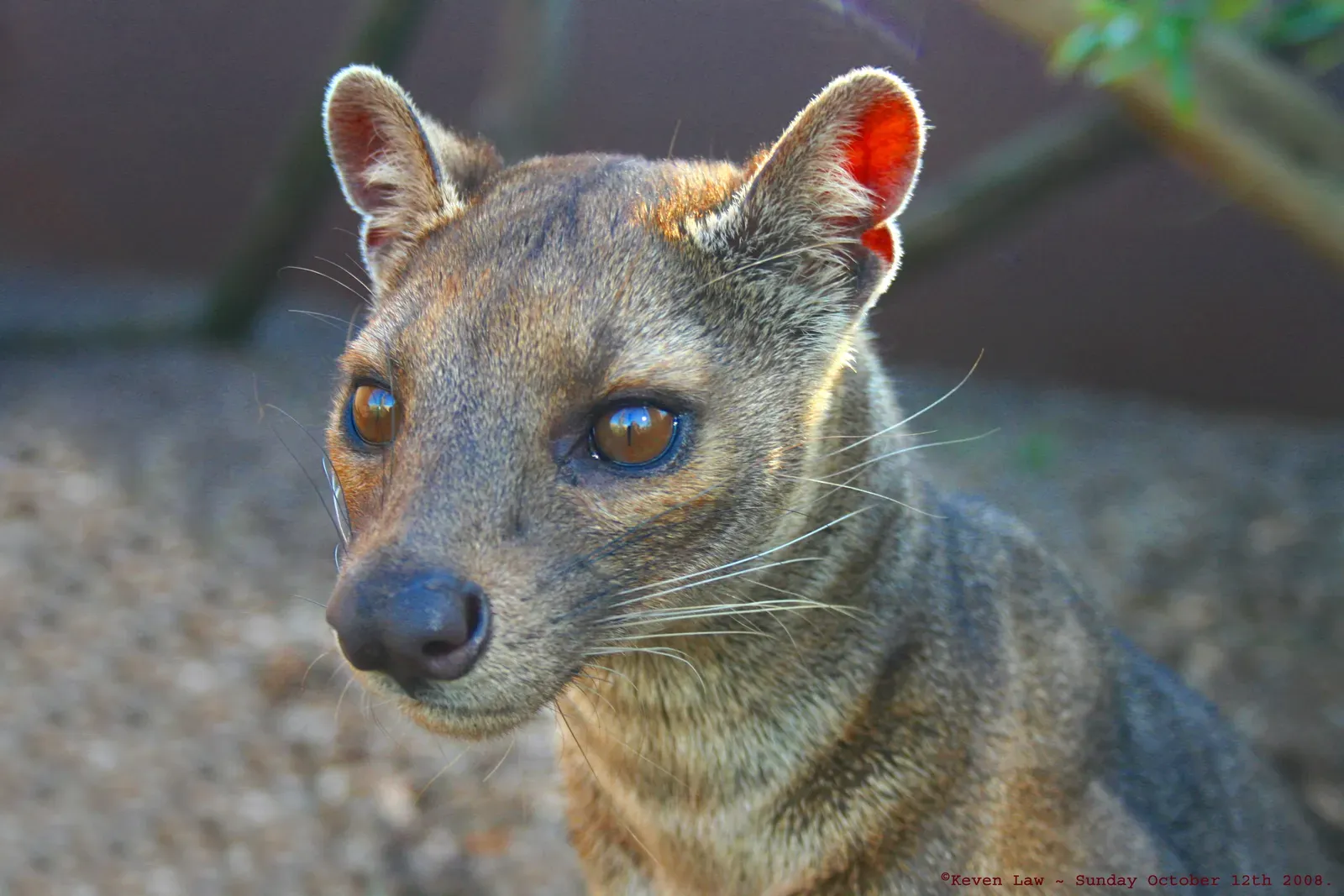
Here’s the uncomfortable truth: “extinct” has never been a scientific fact – it’s a probability statement dressed up as a verdict. From a fish that fooled paleontologists for 66 million years to a woodpecker the U.S. government can’t legally close the book on, this list proves that confident extinction declarations get walked back far more often than most people assume.
The pattern is consistent: remote habitats, tiny populations, and stubborn amateur sightings keep forcing scientists to reopen files they thought were closed for good. If there’s an opinion worth defending here, it’s this – agencies should stop rushing to declare species extinct just to save budget and paperwork, because the cost of being wrong is a species left with zero protection while it’s still fighting to survive.
Did we miss a Lazarus species that deserves a spot on this list? Drop it in the comments.