
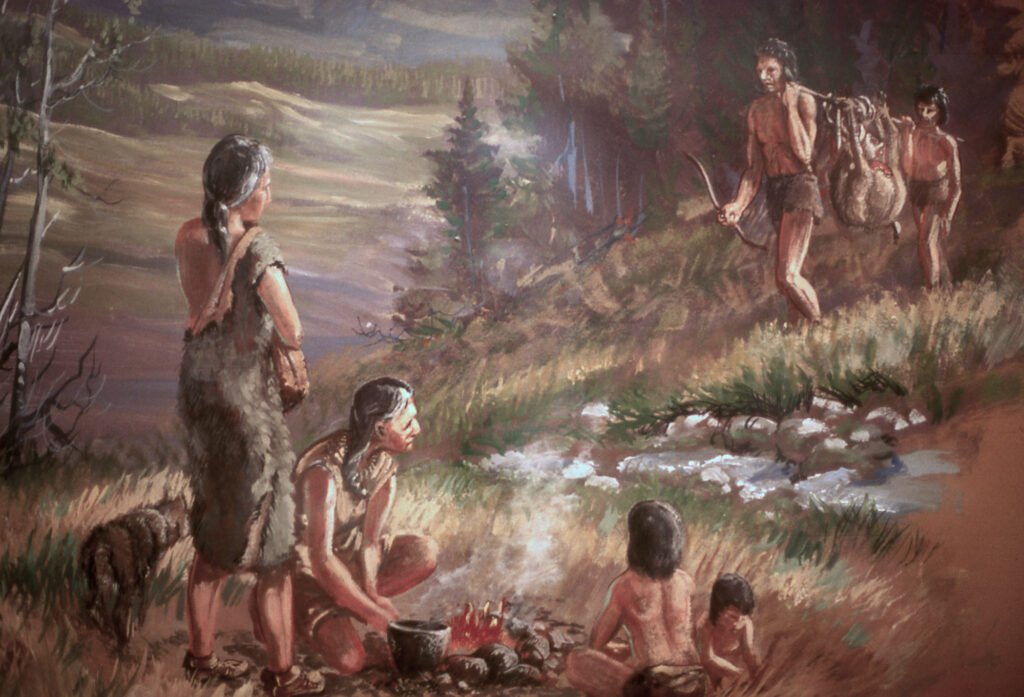
Most people assume the biggest mysteries about our ancestors were solved decades ago in some dusty museum basement. They weren’t. After more than a hundred years of digging, dating, and debating, researchers are still stuck on dozens of ancient human behaviors that simply don’t add up.
Why did a hominin with a brain the size of an orange bury its dead? Why did people drag red pigment across three continents for 100,000 years? Why did Stone Age patients survive skull surgery with stone tools and no anesthesia? These aren’t fringe theories – they’re published, peer-reviewed head-scratchers that still make archaeologists argue at conferences. Here’s what the evidence actually says, and why nobody can fully explain it.
#23 – Stone Age Skull Surgery That Actually Worked
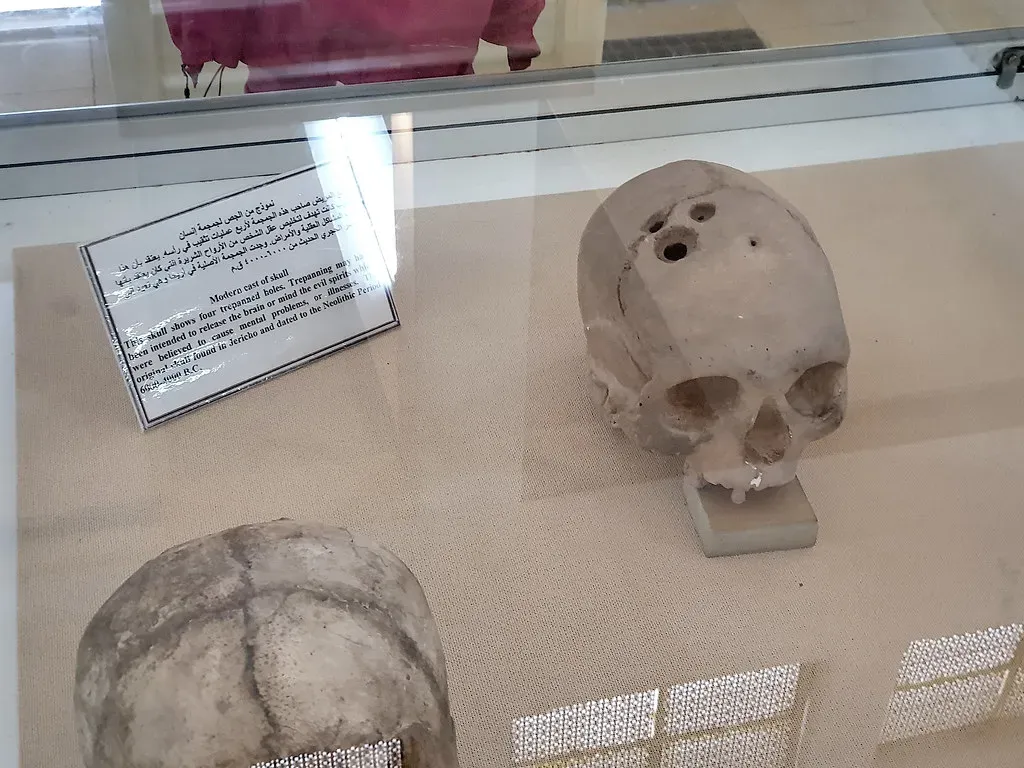
Long before germ theory or anesthesia, prehistoric humans were cutting holes into each other’s skulls – and many patients lived to tell about it.
Archaeologists have found thousands of skulls across Europe, Africa, and South America showing signs of trepanation, a surgical procedure where a section of bone is scraped or drilled away. The truly baffling part is the survival rate: bone regrowth around the edges of many holes proves patients healed for months or years afterward, sometimes undergoing the procedure multiple times.
Theories range from treating head trauma and seizures to releasing “evil spirits” believed to cause illness. What really stumps researchers is the apparent success rate compared to 19th-century battlefield surgery, which had far higher mortality.
Fast Facts
- Trepanned skulls have turned up on nearly every inhabited continent, from Peru to France to ancient China.
- Some research on Peruvian skulls suggests survival rates climbed dramatically over time, from around 50 percent to over 80 percent in later periods.
- Surgeons typically used sharpened stone or obsidian blades, not metal.
- Several skulls show two or three separate healed trepanation sites on the same person.
Somehow, Stone Age practitioners figured out sterile-enough technique, tool control, and aftercare without writing a single word down. Compare that success rate to what came next – a habit humans couldn’t quit for 100,000 years, at #22.
#22 – The Red Pigment Obsession Nobody Can Fully Justify

Humans have been mining, grinding, and hauling red ochre pigment for well over 100,000 years, and scientists still can’t agree on a single reason why.
Ochre shows up at ancient sites far from any obvious practical use – no food residue, no clear tool-making role, just piles of red powder. Proposed explanations include sunscreen, insect repellent, hide preservation, tattooing, and ritual body paint. The honest truth is several of these were probably happening at once.
What makes it stranger is the consistency. Different groups, different continents, same red mineral, generation after generation – that kind of cultural persistence usually signals meaning, not just utility, but nobody can prove which meaning it was. That same devotion to something we can’t fully read shows up again at #21, just underground.
#21 – Cave Art Hidden Where No One Could Ever See It
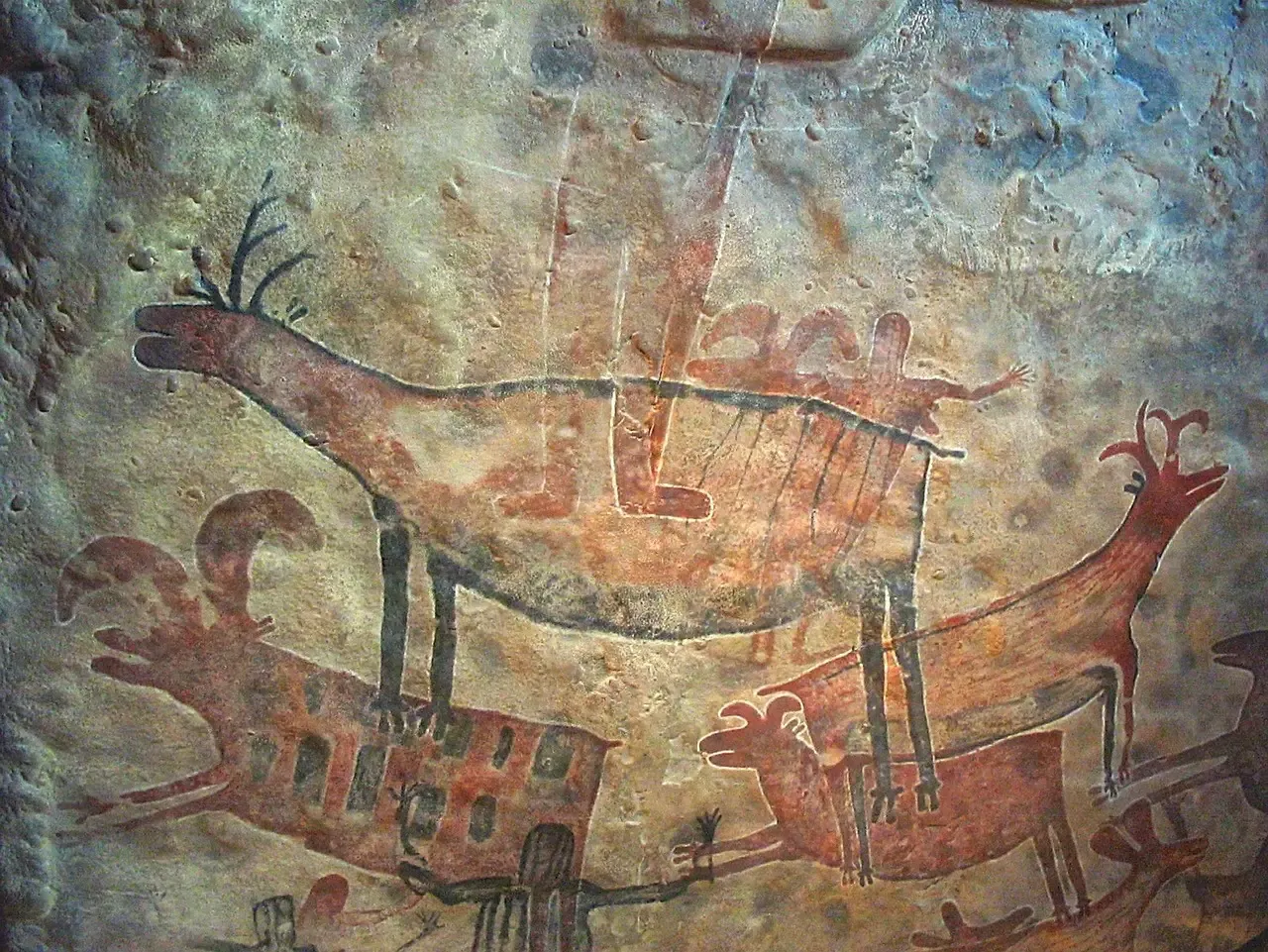
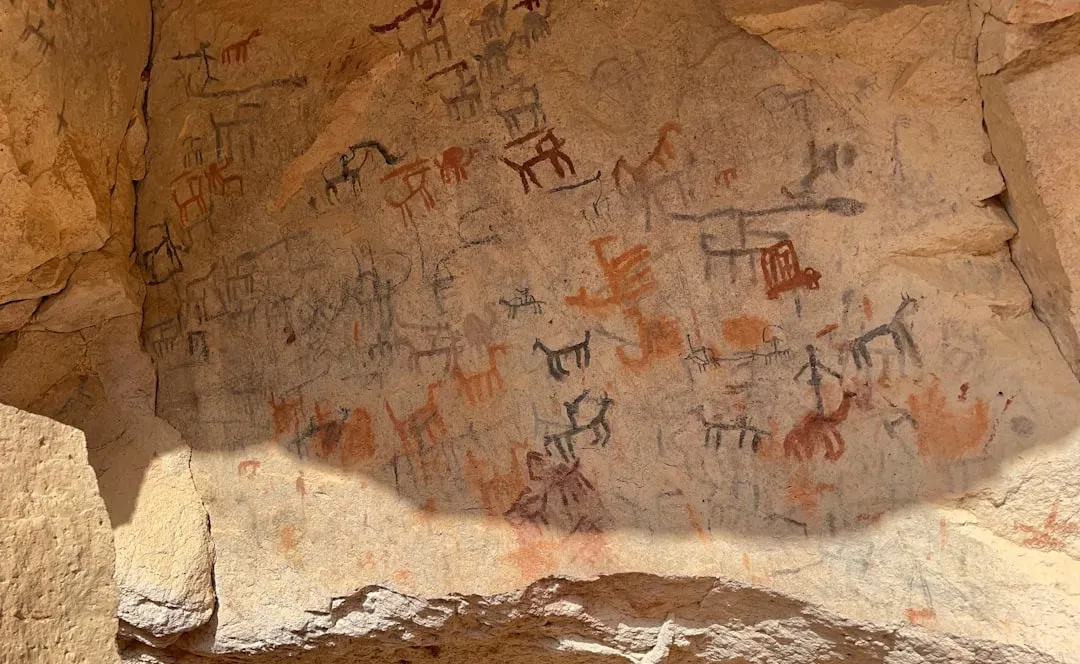
Some of the most stunning Ice Age paintings weren’t placed near entrances or living spaces – they were pushed deep into total darkness, sometimes over half a mile underground.
Sites like Lascaux and Chauvet in France required artists to crawl through narrow passages, carrying flickering torches, just to paint animals no one would casually stumble upon. Most people assume cave art was decoration, but the locations suggest something closer to ritual secrecy.
Researchers have proposed initiation ceremonies, shamanic trance rituals, or acoustic properties that made certain chambers “sing” when chanted in. None of it is proven, but the effort required to reach these chambers wasn’t accidental – someone valued the difficulty itself. As strange as painting in the dark sounds, the next mystery is a purely practical one nobody expected this early, at #20.
#20 – Multi-Step Glue Recipes That Predate “Modern” Humans
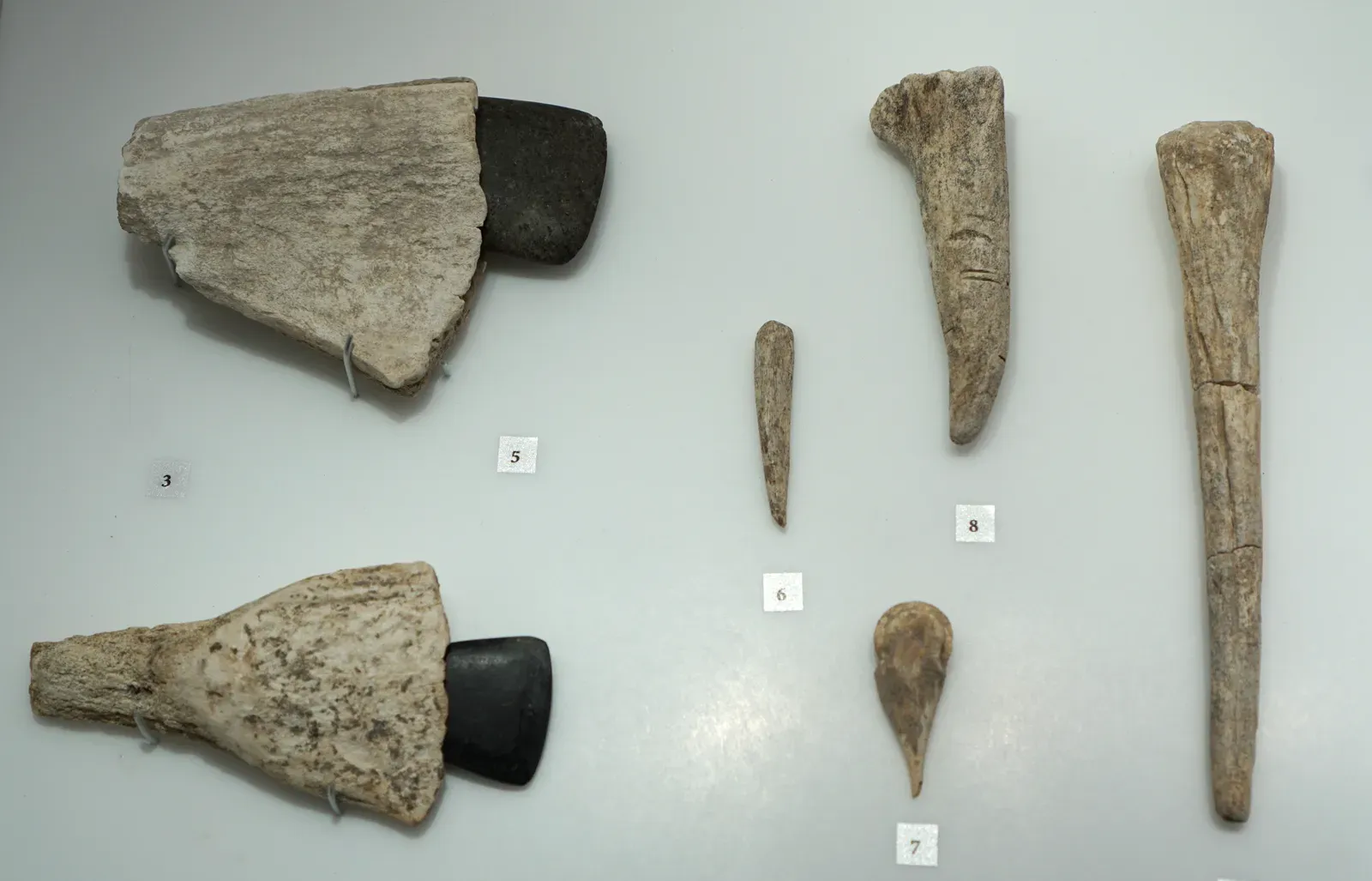
Long before pottery or writing, early humans were engineering adhesive compounds that required precise temperature control and multiple ingredients.
Traces found on stone tools show combinations of tree resin, ochre, and even beeswax mixed to bind blades onto wooden handles. This wasn’t trial and error – it required planning several steps ahead, gathering separate materials, and understanding how heat changed their properties.
The mystery is how widespread this knowledge became without any written instructions. Different groups, isolated by huge distances, independently landed on similar recipes, and whether that points to shared ancestry, parallel invention, or something else entirely is still unresolved. That kind of forward planning raises a bigger question: why did human development itself get so drawn out? That’s #19.
#19 – Why Human Childhood Takes So Painfully Long

Compared to almost every other primate, human children stay dependent, helpless, and expensive to raise for an unusually long stretch of time.
This slow development doesn’t make obvious survival sense – a longer childhood means more years of vulnerability to predators, disease, and starvation. The leading theory ties it to brain growth, since human brains keep developing well into the teenage years. The grandmother hypothesis, one of the more debated explanations, argues that older women who stopped reproducing helped raise grandchildren, freeing mothers to have more kids sooner.
Critics point out this doesn’t fully explain the timing or scale of the extension. Other primates have helpers too, yet none stretched childhood nearly this far. Speaking of traits evolution never quite explained, there’s the matter of which hand you’re using to scroll right now – #18.
#18 – The Right-Hand Dominance Nobody Can Explain

Roughly nine out of ten humans favor their right hand, a ratio that has held remarkably steady across cultures, continents, and thousands of years of archaeological evidence.
Wear patterns on ancient stone tools, cave art handprints, and even skeletal asymmetry all point to the same lopsided pattern stretching back hundreds of thousands of years. Most animals show no strong species-wide hand or paw preference, which makes humans the outlier. Some researchers link it to brain lateralization tied to language development.
That theory doesn’t explain why the ratio settled specifically around 90 percent instead of an even split, or why left-handedness never disappeared if it offered no advantage. If it were purely random noise, evolution should have smoothed it out by now. It hasn’t. That kind of stubborn biological consistency has a social twin, and it shows up at #17.
#17 – Trade Routes That Stretched Hundreds of Miles on Foot
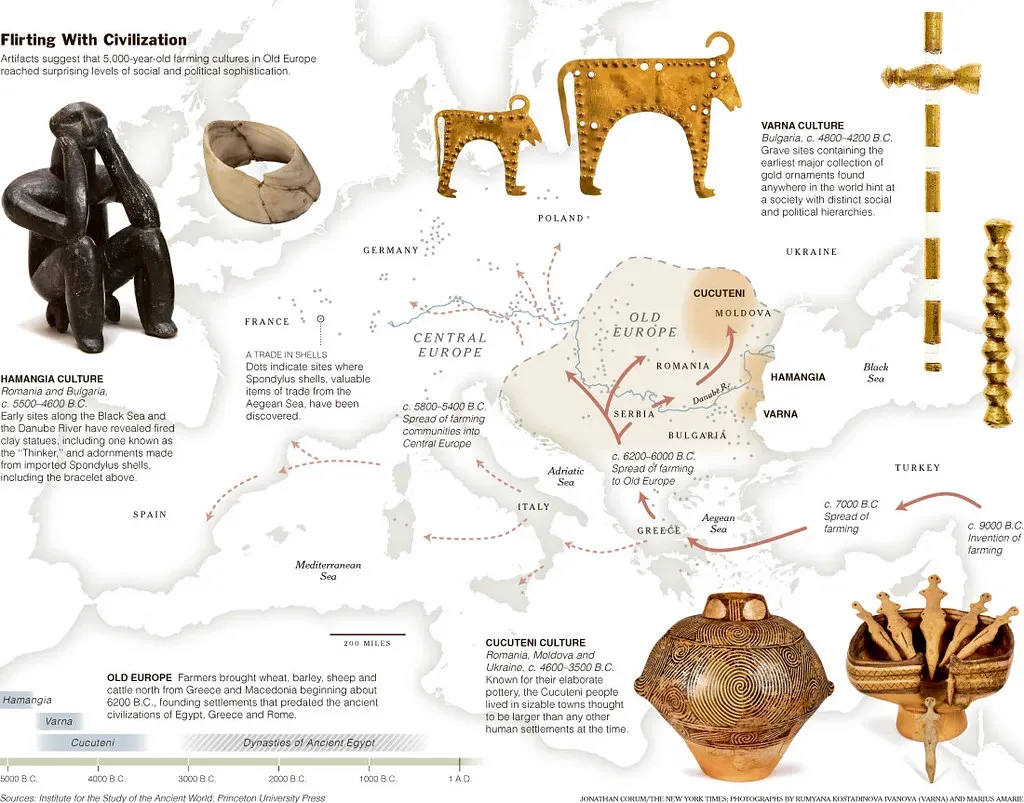
Long before wheels, horses, or roads, ancient humans were moving raw materials across distances that seem almost unbelievable for people traveling entirely on foot.
Obsidian tools and shell ornaments have been discovered hundreds of miles from their geological source, meaning either individuals walked extraordinary distances or complex trade networks passed items hand to hand across many separate groups. The scale implies social relationships between distant, unrelated bands long before agriculture or permanent settlements existed.
Nobody has cracked exactly how these networks functioned – organized trading events, gift exchange, or something closer to diplomacy. What’s clear is that isolated hunter-gatherer bands weren’t nearly as isolated as textbooks once claimed. If walking hundreds of miles sounds impressive, wait until you hear how early humans crossed open ocean, at #16.
#16 – Island Crossings That Shouldn’t Have Been Possible

Getting to islands like Flores in Indonesia or reaching Australia required crossing open water, yet evidence shows early hominins managed it long before anyone thought boats existed.
Stone tools found on Flores date back roughly a million years, tied to a period when the island was already separated from the mainland by deep water unsuitable for accidental drifting alone. This means either Homo erectus built some form of watercraft, or they crossed by pure chance in numbers large enough to establish a population – both scenarios that challenge assumptions about early hominin capability.
Reaching Australia by modern humans required an even more deliberate multi-island crossing, since land bridges never fully connected it to Southeast Asia even during ice ages. Whatever the method, it demanded planning, timing, and probably repeated attempts. Water wasn’t the only barrier our ancestors quietly beat. Illness was another, and Neanderthals may have fought back at #15.
#15 – Neanderthals Who Practiced Their Own Medicine
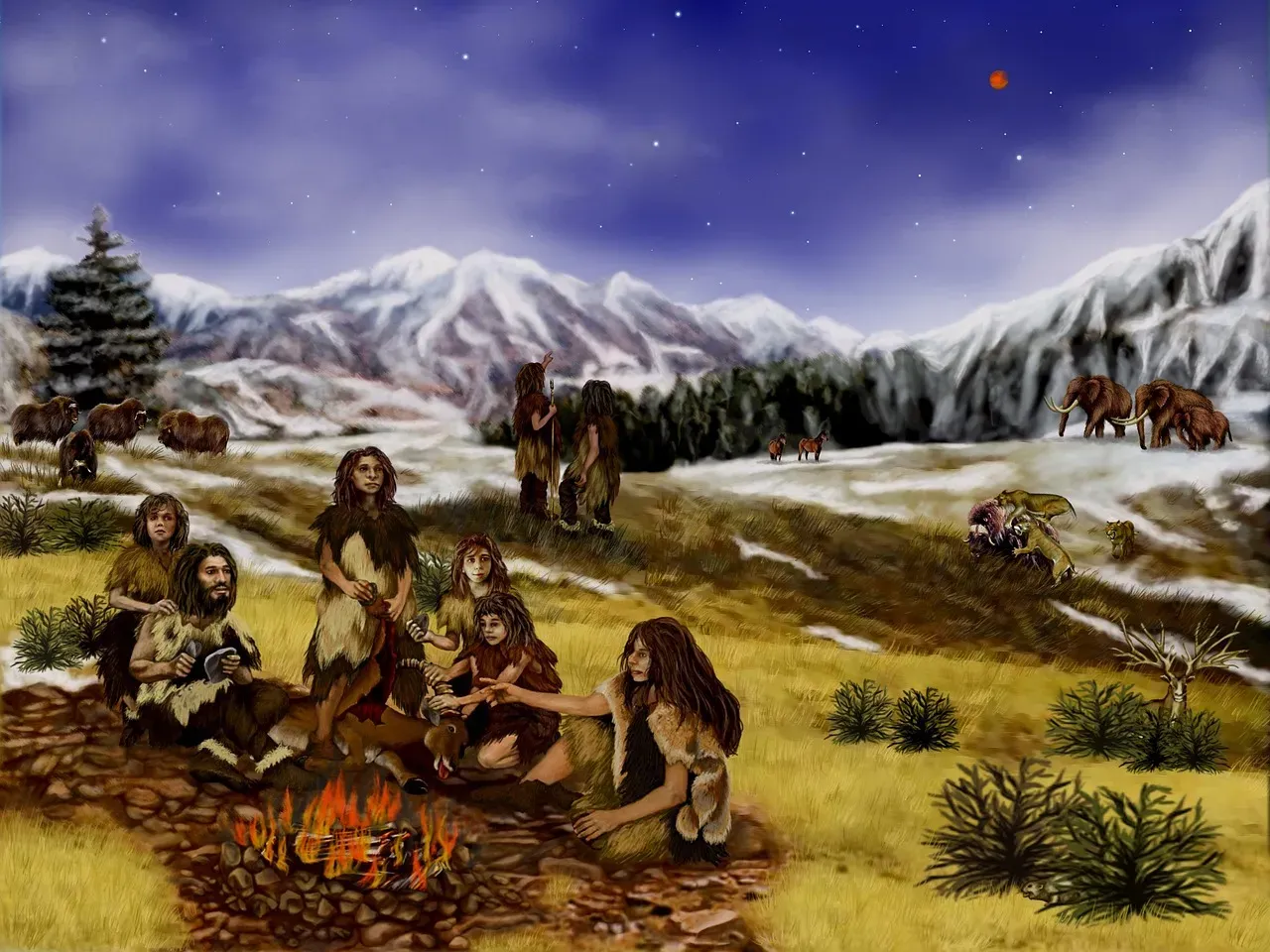
Chemical analysis of ancient dental plaque revealed something startling: Neanderthals at Spain’s El Sidrón cave were eating bitter, medicinally active plants that offered no nutritional benefit.
Researchers found traces of poplar bark, which contains a natural pain-relieving compound, alongside evidence of a fungus with antibiotic properties, in the calcified plaque of an individual with a dental abscess and an intestinal parasite. That combination strongly suggests intentional self-treatment rather than accidental consumption, since these plants taste unpleasant and offer zero caloric value.
This complicates the old image of Neanderthals as purely instinct-driven survivors. Recognizing symptoms, remembering which plants helped, and choosing to eat something bitter and non-nutritious requires medical reasoning that’s hard to explain through trial and error alone. If Neanderthals could treat pain, could they also make music? That debate is far from settled at #14.
#14 – A Possible Musical Instrument Older Than Modern Humans
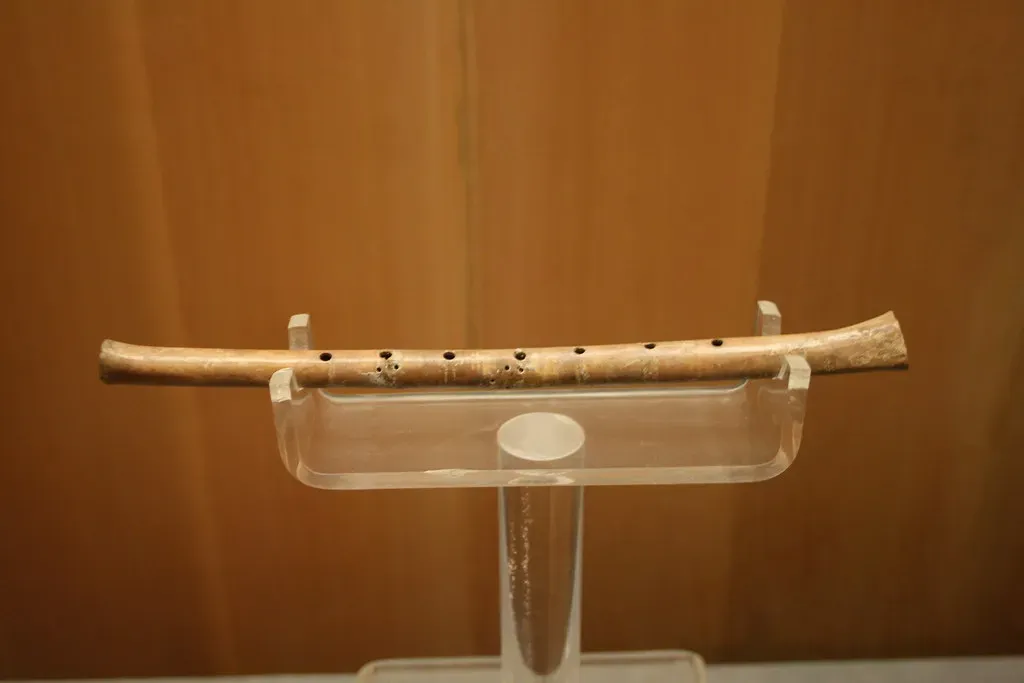
A perforated bear bone discovered in Slovenia’s Divje Babe cave has divided experts for decades over whether it’s a genuine Neanderthal flute or simply a bone gnawed by a hyena.
The holes are spaced with a regularity that some researchers argue matches musical scale intervals rather than random puncture marks from teeth. If it really is an instrument, it would suggest Neanderthals engaged in music-making tens of thousands of years earlier than most models allow. Critics counter that carnivore bite patterns can produce similarly spaced holes purely by chance.
Neither side has definitively won the argument, and the bone remains one of archaeology’s most contested single objects. Sound isn’t the only ancient mystery carved into bone – numbers might be hiding in one too, at #13.
#13 – Notched Bones That Might Be the First Math

The Ishango bone, discovered near a lake in the Democratic Republic of Congo and dated to roughly 20,000 years old, is covered in deliberately carved notches arranged in distinct groupings.
Some researchers argue the pattern tracks lunar phases, essentially functioning as an early calendar. Others insist the groupings resemble basic arithmetic sequences, possibly an early tally system for counting or trading goods. Nobody has proven either theory conclusively, which means one of humanity’s oldest possible mathematical objects still has no confirmed purpose.
Worth Knowing
- The Ishango bone was unearthed in the 1950s near Lake Edward in what is now the Democratic Republic of Congo.
- It’s carved from the fibula of a baboon, not a larger animal typically used for tools.
- Some of the notch groupings have been read as prime number sequences, fueling the math theory.
- The bone is now kept at Belgium’s Royal Belgian Institute of Natural Sciences.
The disagreement matters because it shapes how far back we push the origin of abstract numerical thinking. But the oldest deliberate mark ever found doesn’t belong to us at all, at #12.
#12 – A Deliberate Carving Half a Million Years Old
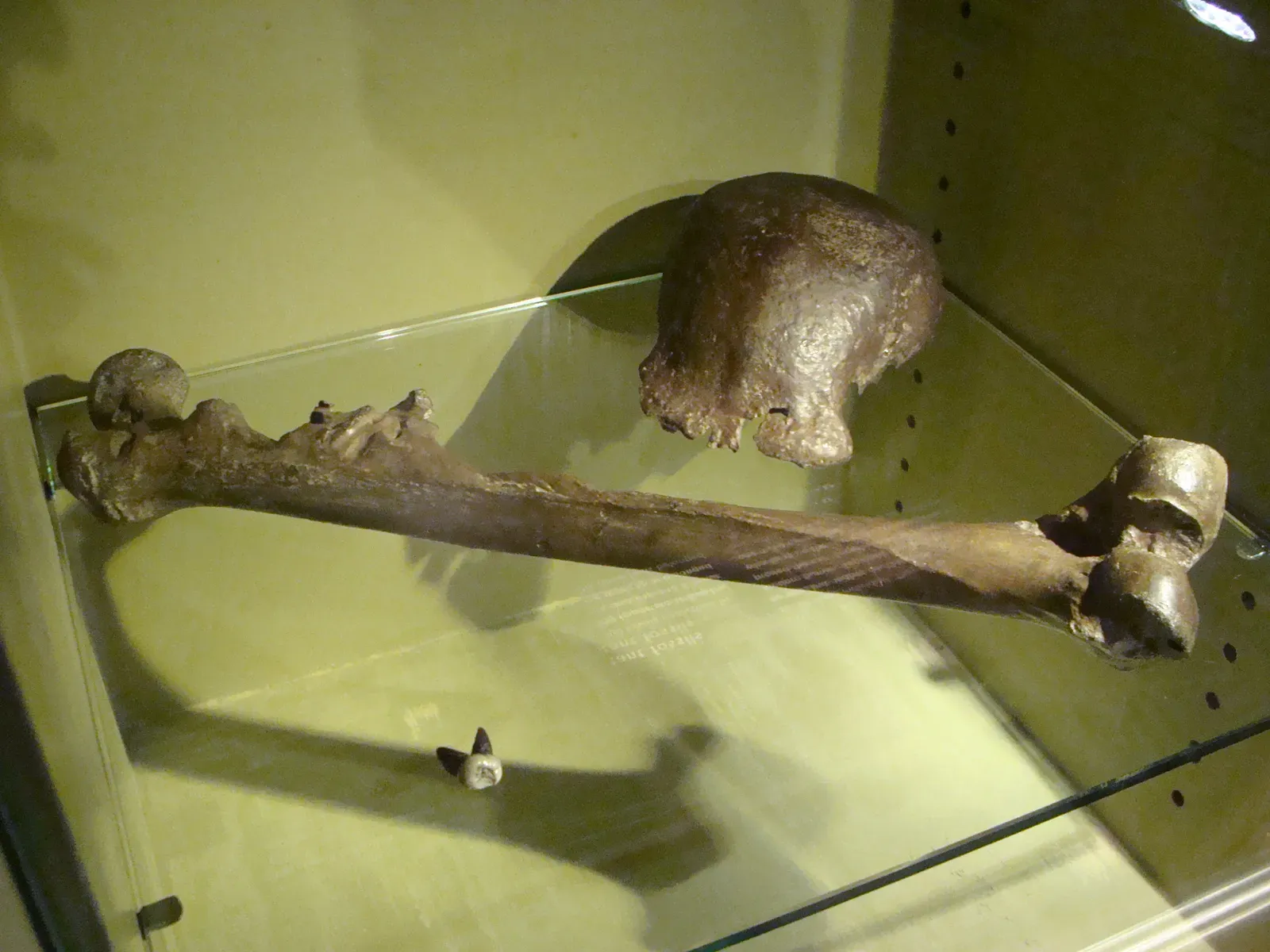
On the Indonesian island of Java, researchers uncovered a freshwater mussel shell from Trinil bearing a deliberate zigzag pattern, etched roughly half a million years ago. It’s the oldest known engraving on Earth, and whoever made it wasn’t a modern human at all.
This predates modern humans entirely – it was carved by Homo erectus, a species with a brain nowhere near our size. The shell shows no sign of being a tool, so the engraving served no obvious practical function.
Nobody can say what the zigzag meant, if it meant anything at all. It might have been decorative, a marker of ownership, or pure idle mark-making with a sharp point. Not every ancient behavior is this easy to admire, though – #11 gets considerably darker.
#11 – The Cannibalism That Doesn’t Fit One Simple Story
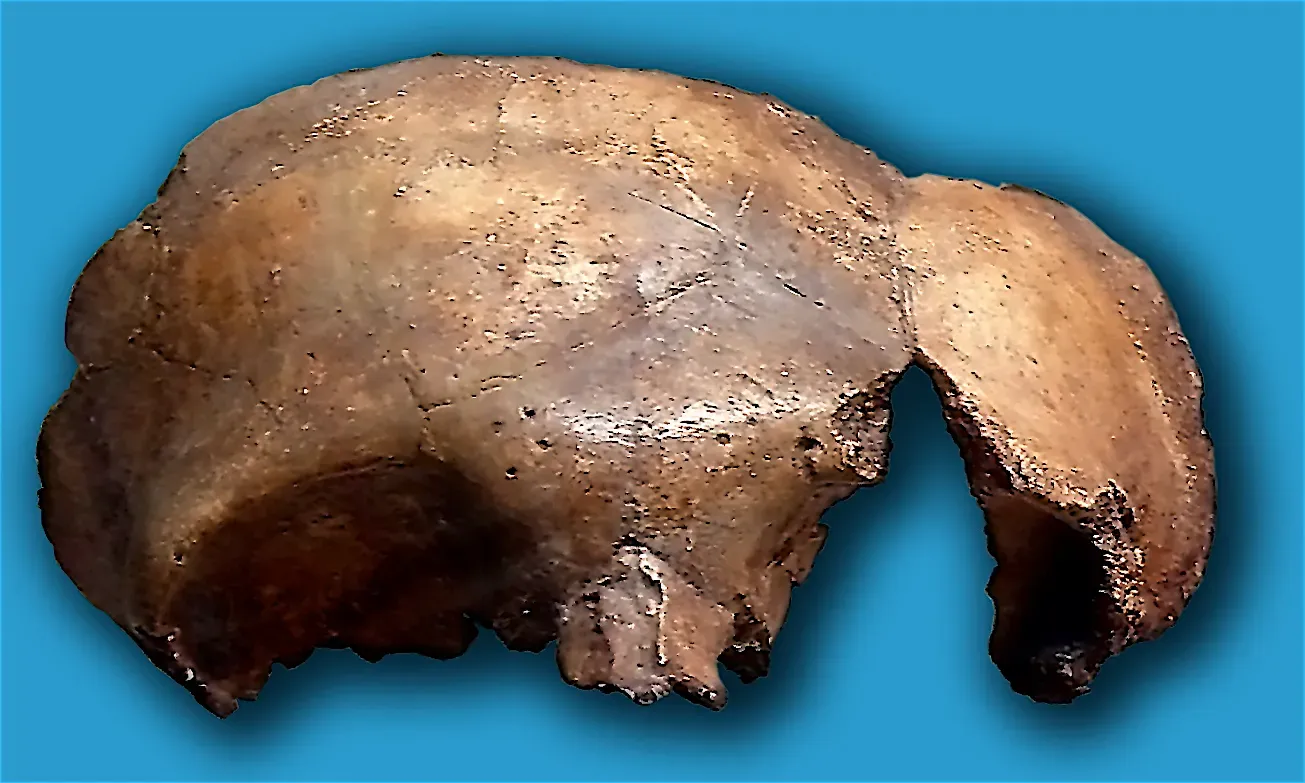
Cut marks and deliberately broken bones at multiple Neanderthal sites across Europe show clear evidence of cannibalism, but researchers still can’t agree on why it happened.
Some sites show butchery patterns nearly identical to how animal carcasses were processed for meat, pointing toward survival cannibalism during famine or resource scarcity. Other sites show more careful, ritualized treatment of remains that doesn’t match desperate emergency eating. Different Neanderthal groups, separated by both time and geography, appear to have treated their dead in completely inconsistent ways.
If cannibalism were purely about survival, patterns should look more uniform across similar crisis conditions. Instead, the variation suggests cultural or symbolic motivations layered on top of practical ones. From the darkest evidence to the most delicate, #10 shows a side of extinct humans nobody expected.
#10 – Jewelry That Denisovans Weren’t Supposed to Be Capable Of

A bracelet fragment discovered in Siberia’s Denisova Cave, crafted from polished dark green stone with a drilled hole for a cord or strap, dates back tens of thousands of years and shows technical skill that surprised researchers.
The drilling technique required rotational tools and consistent pressure control, a level of craftsmanship previously associated mainly with modern humans rather than Denisovans, a lesser-known extinct human relative. This challenges the assumption that only Homo sapiens were capable of producing deliberate personal ornamentation this refined.
At a Glance
- Location: Denisova Cave, Siberia – the same site that gave Denisovans their name.
- Estimated age: tens of thousands of years old, with some estimates reaching past 40,000 years.
- Material: polished chlorite, a stone not naturally found near the cave.
- Denisovans themselves are known almost entirely from DNA and a handful of bone fragments, not full skeletons.
Researchers still debate exactly what personal ornaments like this meant socially – status markers, group identity, or simple aesthetic preference. What’s harder to dismiss is the skill level itself. Craftsmanship wasn’t the only surprisingly modern trait floating around back then – so was falling in love, sort of, at #9.
#9 – Why Humans Bond in Pairs When Most Primates Don’t

Unlike many of our closest primate relatives, humans commonly form long-term pair bonds between mates, and evolutionary biologists still argue over exactly why this pattern emerged.
Chimpanzees and bonobos, our nearest living relatives, rely on more flexible or multi-partner mating systems. Human pair bonding likely connects to the demands of raising slow-developing children, since two committed caregivers improve survival odds. But this doesn’t fully explain the timing, the variation across cultures, or why the pattern isn’t universal even among modern humans today.
Some researchers tie the shift to increased male provisioning of food in exchange for paternal certainty. Others argue it’s tied to reduced male-to-male competition once resources became more predictable. Relationships weren’t the only complex social system ancient humans pulled off. Teamwork on a massive scale shows up at #8.
#8 – Coordinated Hunts That Required Serious Planning
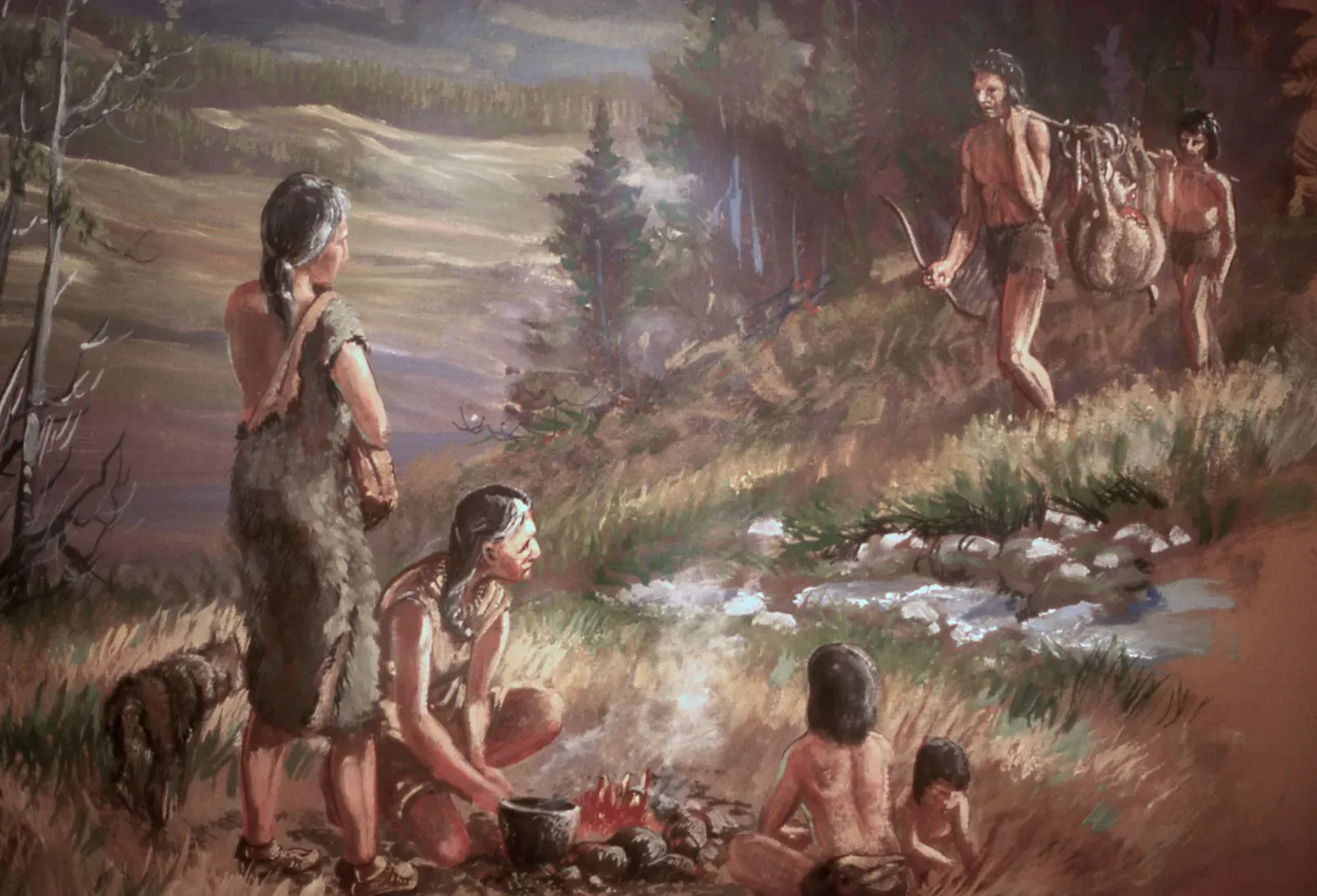
Mass kill sites containing dozens of large animal remains, deliberately driven into natural traps like ravines or bogs, show early humans organizing hunts with a level of coordination that’s hard to fully reconstruct.
These sites require multiple people acting in sync, likely using fire, noise, or strategic positioning to funnel terrified animals toward a lethal drop or trap. Pulling this off means communicating a plan in advance, assigning different roles, and executing timing precisely enough that panicked, dangerous animals didn’t simply scatter.
Some researchers argue simple gestures and shared experience were enough; others insist this level of coordination implies proto-language sophistication earlier than commonly accepted. The kill sites are undeniable. The conversation that made them possible is the part science can’t reconstruct. All that coordination probably happened around a fire – but even that has a surprising asterisk at #7.
#7 – Nobody Agrees When Fire Became a Daily Habit
Evidence of fire use stretches back hundreds of thousands of years, but pinpointing exactly when humans shifted from opportunistic fire use to habitual, controlled daily use remains fiercely debated.
Some sites show ash layers and burned bone consistent with regular hearths maintained over long periods. Other supposedly early fire sites turn out to be natural wildfires or lightning strikes with no clear human involvement at all. The frustrating reality is that ash and charcoal alone often can’t distinguish “humans controlled this fire” from “a fire happened nearby and humans took advantage of it.”
This matters enormously because habitual fire use is tied to cooking, which some researchers argue fueled the brain growth that made humans human in the first place. Fire wasn’t the only thing scientists assumed came “naturally.” So did abandoning the weak – and #6 proves that wrong.
#6 – Evidence of Care for People Who Couldn’t Contribute
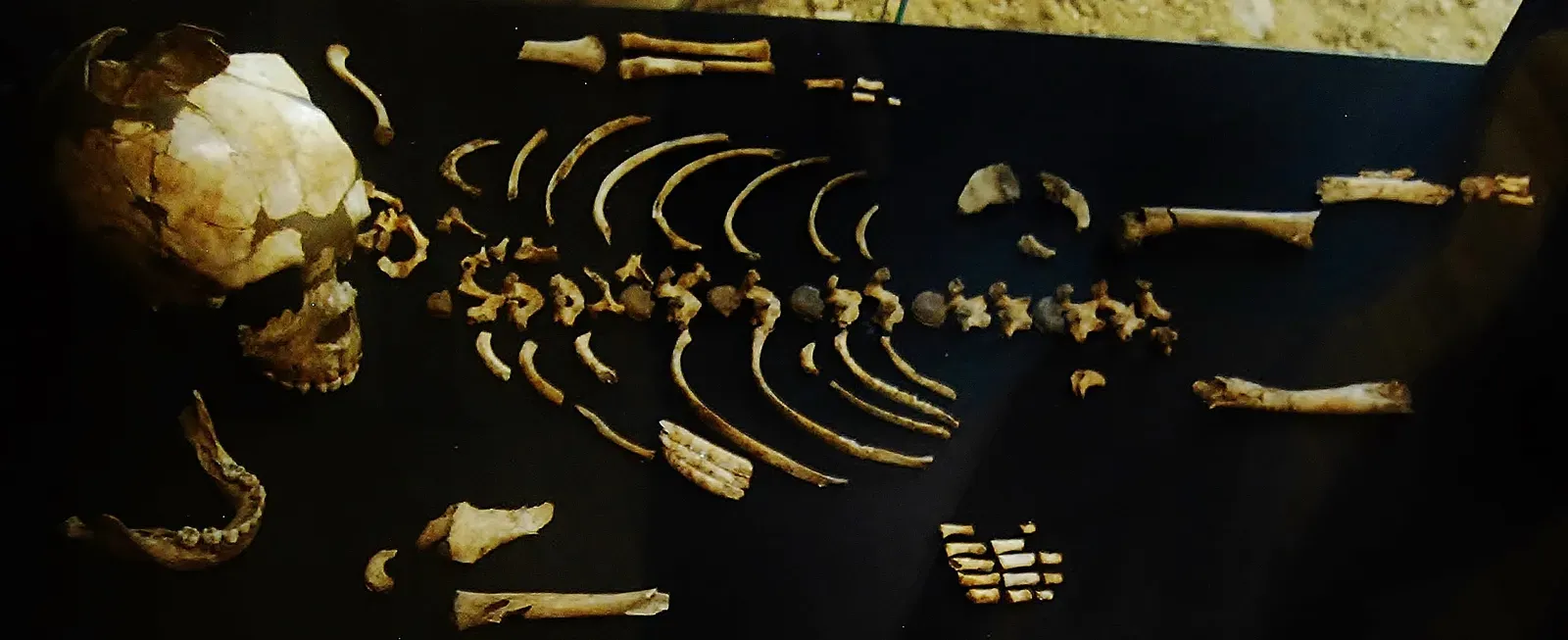
Several ancient burial sites contain skeletons of individuals with severe disabilities, healed traumatic injuries, or degenerative conditions that would have made them dependent on others for survival, sometimes for years.
One well-known Neanderthal skeleton shows evidence of a withered arm, deafness, and significant mobility limitations, yet the individual lived to a relatively advanced age for the time. Someone was feeding, protecting, and caring for a person who could offer little in return, which contradicts old assumptions that early human groups were purely survival-of-the-fittest.
Whether this reflects genuine compassion, group obligation, or something more transactional is impossible to know from bones alone. That same instinct for care gets tested against a species with a brain the size of an orange at #5.
#5 – A Small-Brained Species That May Have Buried Its Dead
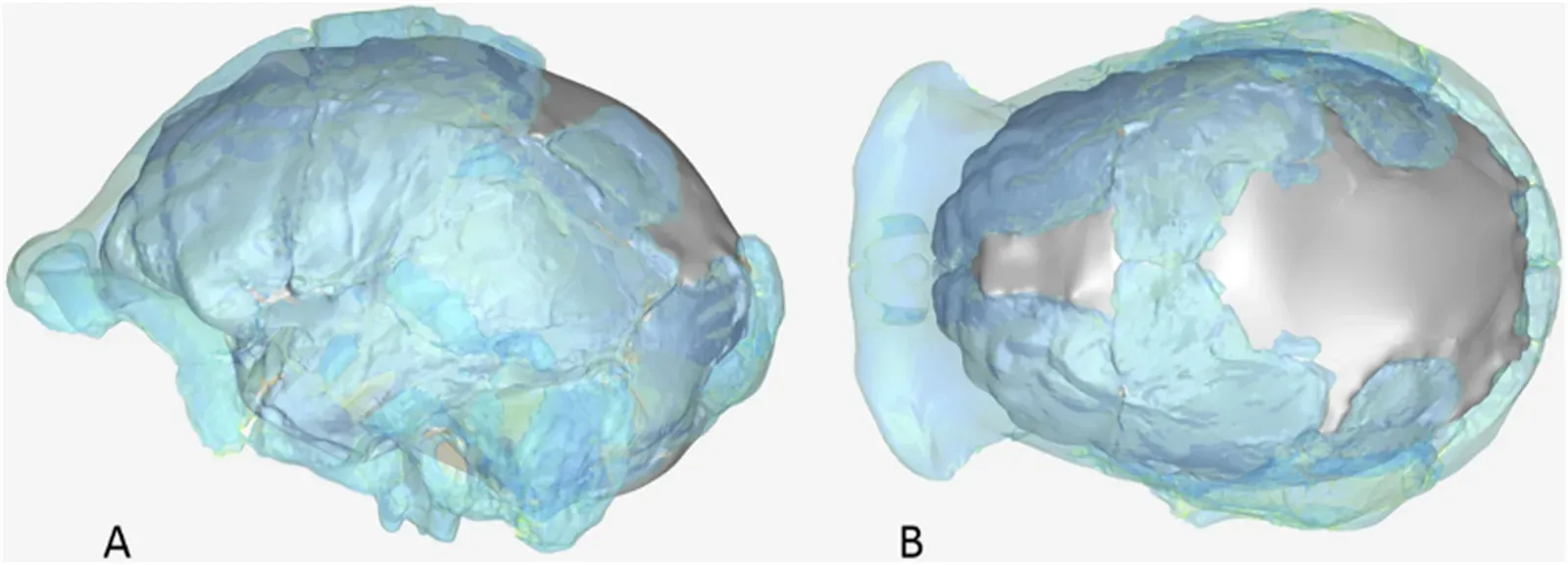
Homo naledi had a brain roughly one-third the size of a modern human’s, yet researchers excavating South Africa’s Rising Star cave system believe this species deliberately buried its dead deep underground – and may have even carved symbols into the cave walls.
The claims describe burial features found in nearly impassable, pitch-black passages, with bodies apparently carried in and covered with sediment. If confirmed, this would push burial practices back roughly 100,000 years earlier than the earliest widely accepted human burials – a staggering claim for a hominin many scientists assumed was too primitive for anything like ritual.
But the claim hasn’t survived unchallenged. A peer-reviewed critique argued the original excavation didn’t use the full range of scientific methods needed to prove intentional burial rather than natural cave processes, and the debate is still raging with revised versions of the research under review. If a small-brained hominin could ritualize death, could it also make art? That question gets even messier at #4.
#4 – A 73,000-Year-Old Drawing That Might Just Be Doodling
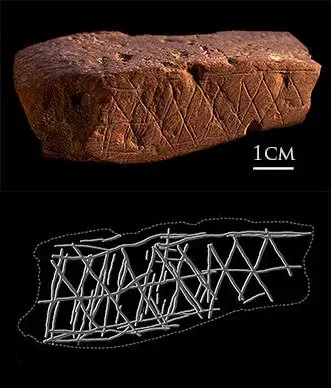
A crosshatched pattern scratched onto a stone flake with an ochre crayon at South Africa’s Blombos Cave has been called the oldest known drawing by modern humans – and it’s roughly 73,000 years old.
That single detail matters more than it sounds. It would push symbolic thinking back tens of thousands of years earlier than the roughly 40,000-year mark long assumed for the dawn of “modern” human culture. The pattern closely resembles other engraved ochre pieces found in the same cave layers, suggesting it wasn’t a one-off accident.
Quick Compare
- Old assumption: symbolic thinking began around 40,000 years ago.
- Blombos evidence: a deliberate crosshatch marking dated to roughly 73,000 years ago.
- Skeptical view: the pattern could be idle doodling rather than symbolic communication.
- Stakes: whichever interpretation wins reshapes the entire timeline of “modern” human thought.
But a later cognitive science study complicated the story, arguing the markings look more like decoration or doodling made for enjoyment than anything carrying deliberate symbolic meaning. So is it humanity’s first recorded symbol, or just ancient boredom with a sharp rock? Doodles aside, one of archaeology’s most famous “proofs” of ancient compassion just got quietly undone at #3.
#3 – The “Flower Burial” That Turned Out to Be a Bee Mystery
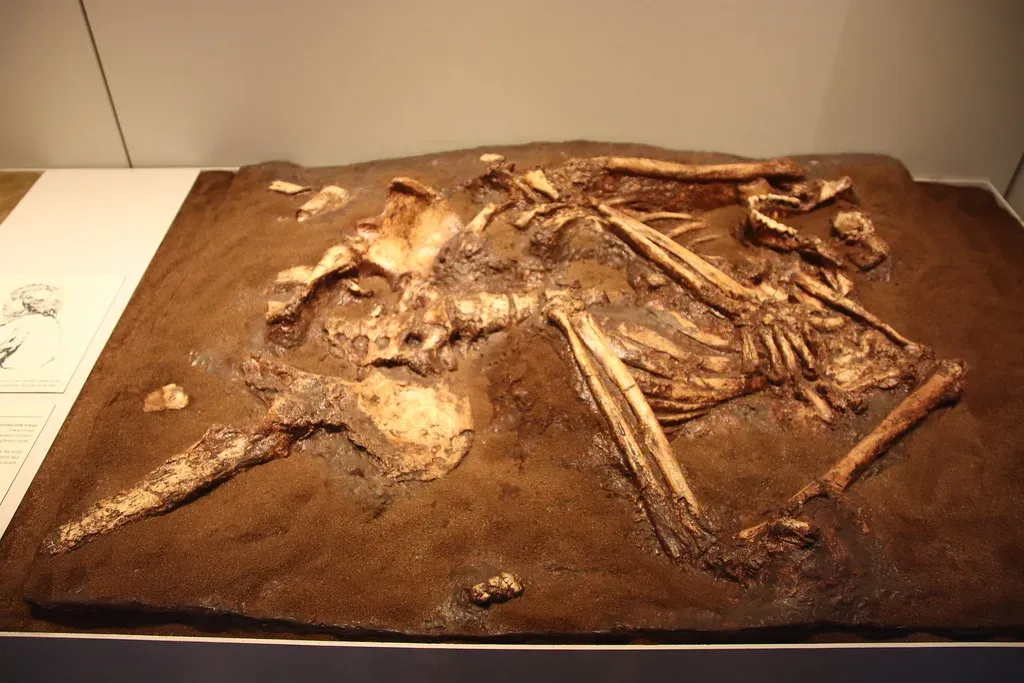
For over sixty years, one Neanderthal skeleton was held up as proof of prehistoric compassion – until new pollen research quietly pulled the rug out from under the entire theory.
Samples taken just below Shanidar 4 contained clumps of pollen, originally interpreted as evidence he’d been buried on a bed of wildflowers. This single skeleton reshaped how the entire scientific world viewed Neanderthal emotional capacity for decades, challenging the old portrayal of Neanderthals as brutish and lacking in empathy.
Then researchers reexamined the evidence and found burrowing bees were a far better explanation for the pollen than any funeral ritual, since bee burrows are common in the less-trampled areas of Shanidar Cave. Yet the story isn’t fully closed – Shanidar 4 is still part of a tight cluster of remarkably complete, deliberately placed Neanderthal remains. The flowers may be gone, but the mystery of why these bodies ended up clustered together at all still hasn’t been solved. If a single grave can rewrite Neanderthal history, imagine what an entire buried temple can do at #2.
#2 – A Massive Temple Built by People Who Weren’t Supposed to Build Anything
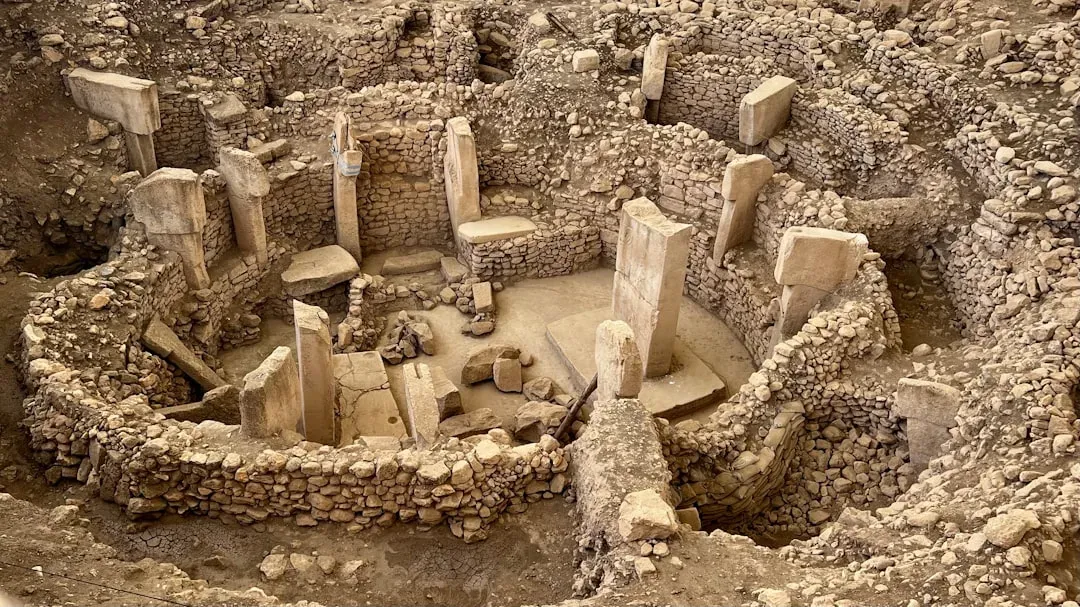
More than 11,000 years ago, in what is now southeastern Turkey, groups of hunter-gatherers raised multi-ton stone pillars into elaborate circular enclosures – decades before agriculture existed anywhere on Earth.
No domesticated plants or animals have ever been recovered at the site, confirming the builders were still full-time hunter-gatherers. That directly contradicts the old assumption that farming had to come first, giving people the surplus food and stability needed to build monuments. Göbekli Tepe flips that order entirely.
Its existence raises a genuinely uncomfortable question: how did people without agriculture, metal tools, or wheels organize a construction project this vast, and why did they bother? Some researchers argue that ritual gatherings themselves may have driven groups toward settling down and eventually farming, rather than the reverse. Nobody has proven it. And all of that finally collides in the single biggest unanswered question in human evolution, saved for #1.
#1 – The Sudden Explosion Nobody Can Fully Explain

Somewhere between roughly 40,000 and 70,000 years ago, something changed everywhere at once – art, ornamentation, ritual burial, and symbolic thought all seemed to surge across human populations in a relatively short window, and no single accepted theory explains why.
Some researchers argue a genetic mutation rewired the brain for advanced language and abstract thought almost overnight. Others insist the change was gradual, pointing to earlier evidence – like the Blombos engravings or the Trinil shell – as proof symbolic behavior was simmering for hundreds of thousands of years before finally becoming visible in the archaeological record. The honest, uncomfortable truth is that both camps have real evidence, and neither can fully account for the other’s data.
This isn’t a minor academic squabble. It determines whether human consciousness as we understand it switched on like a light, or crept forward so slowly across so many scattered populations that we’re only now piecing together the trail. After a century of digging, dating, and arguing, science still can’t say for certain which story is true – and that gap is exactly why this remains the biggest open question in human origins research.
The Bottom Line
A century of excavation has given us bones, tools, pigments, and monuments – but not agreement.
Neanderthals may have practiced medicine and empathy, or the flowers were just bees. Homo naledi may have buried its dead with ritual, or the bodies simply fell into a cave. Göbekli Tepe may prove religion built civilization, or it’s still an unsolved riddle in stone.
The honest takeaway isn’t that science failed – it’s that ancient human behavior was messier, more inconsistent, and more surprising than any single tidy theory can capture. My money’s on the slow-burn theory for #1 and real ritual for #5, but I’ll admit both are guesses dressed up as confidence. Which mystery on this list do you think gets solved first? Drop your theory in the comments.