
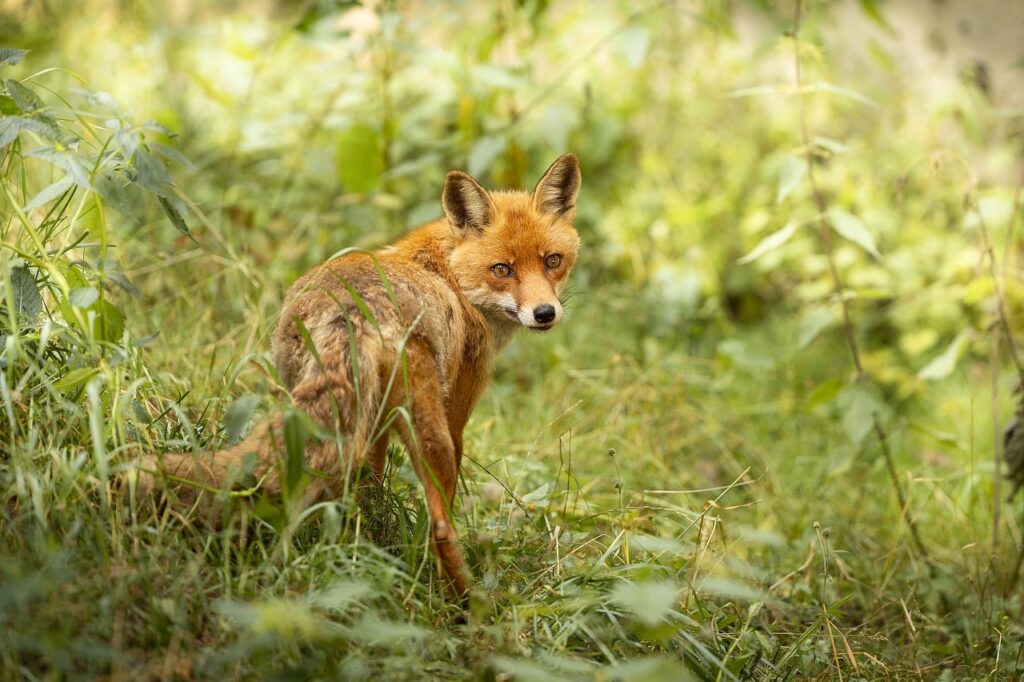
Imagine the first creature that ever felt pain not just as a reflex, but as an experience. Not just a body twitching away from danger, but a tiny inner spark of “ouch.” Somewhere deep in evolutionary time, that moment happened, and from it eventually came the rich inner lives of birds, elephants, octopuses, and us. The wild part is this: we still do not know when that spark first lit up or exactly how it spread through the tree of life.
Scientists can map genes, reconstruct ancient climates, and even model the early universe, yet the question of when experience itself emerged in animals remains maddeningly open. Consciousness sits right at the collision point between biology, philosophy, and personal intuition. We all know what it feels like from the inside, but tracing its origin through fossils and neurons is like trying to reconstruct a dream from footprints in the sand.
The Strange Problem of Knowing What It Feels Like to Be Another Animal
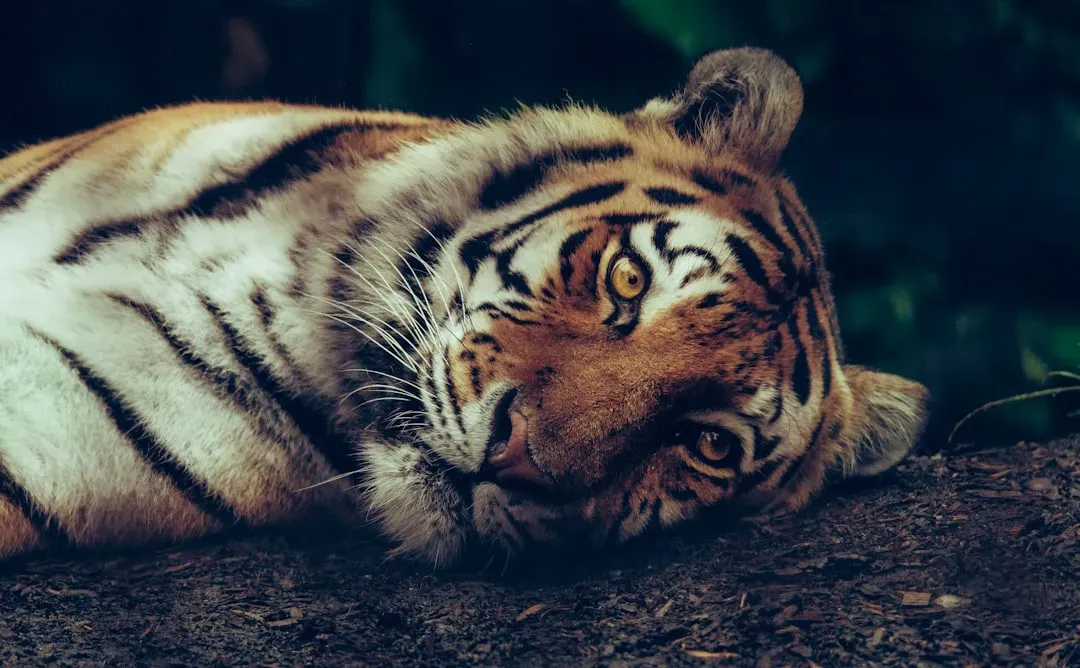
Here’s the first headache: we can never climb inside another creature’s mind, not even another human’s, let alone a jellyfish or a beetle. When we say an animal is conscious, we’re talking about whether it has subjective experience – a felt inner world of sights, sounds, emotions, and perhaps even thoughts. But experience leaves no direct fossil record and no obvious “this is consciousness” label in the brain; instead, we infer it from behavior, anatomy, and evolutionary continuity.
This means the science of animal consciousness is built on clues and probabilities, not absolute proof. A dog whining when hurt, a crow solving a puzzle, a fish avoiding previously painful situations – all of this suggests there’s more than just blind reflexes at work. At the same time, we have to be careful not to simply project human feelings onto every twitch and movement. The line between “conscious” and “unconscious” behavior turns out to be messier than most of us were taught in school.
What Scientists Actually Mean by “Consciousness” in Animals
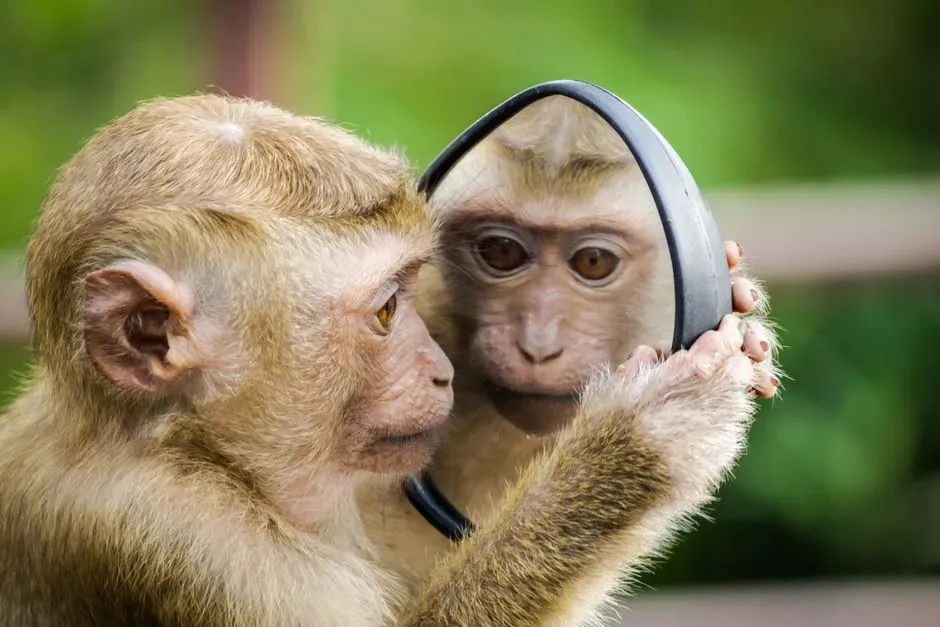
In everyday talk, consciousness can mean anything from being awake to being self-aware enough to reflect on your own thoughts. Scientists usually slice it into layers. At the most basic level is phenomenal consciousness: the raw “what it feels like” of seeing red, feeling cold, being afraid. Then there are more complex layers like attention, working memory, planning, and self-recognition. Not every animal needs all layers to count as conscious in a meaningful sense.
When researchers ask whether animals are conscious, they’re mostly focused on that first layer – whether there is an inner movie playing at all. A fish might not write poetry, but if it feels pain as more than just a reflex, then something it-is-like-ness is present. I tend to think of it as a spectrum rather than an on–off switch: some animals likely have a dim, fragmented glow of awareness, others a bright, multi-channel experience somewhat comparable to ours, and some forms of life might lack subjective experience altogether.
Nervous Systems: The Hardware That Made Feeling Possible
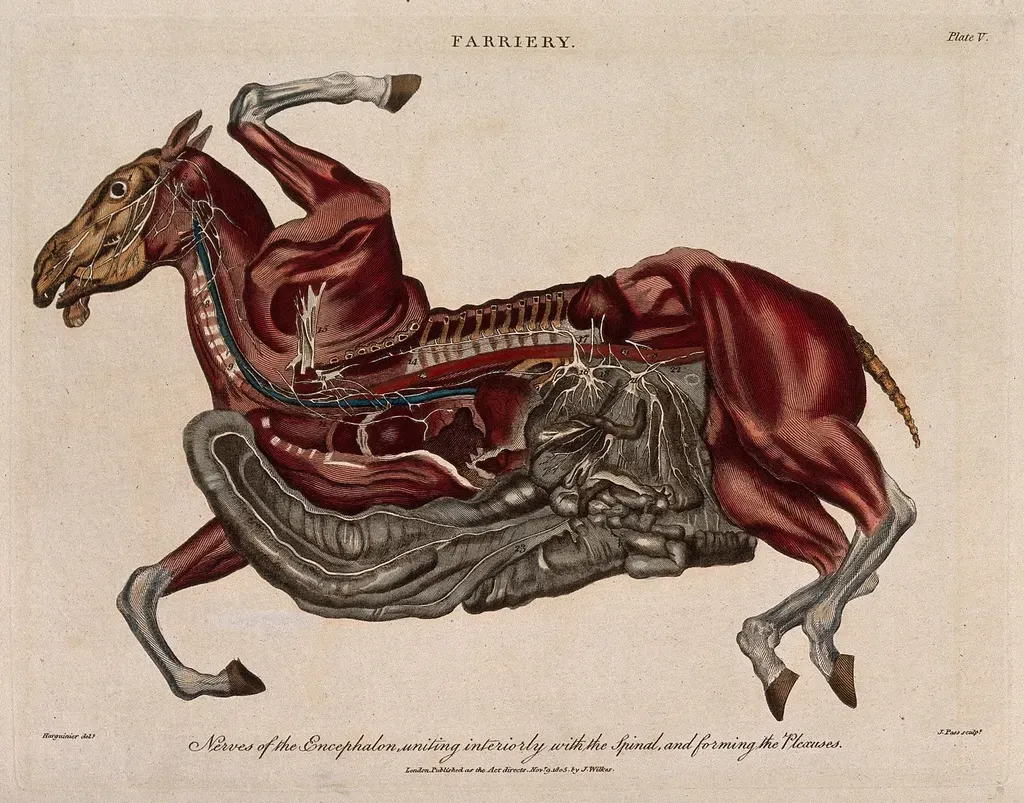
To even be a candidate for having experiences, a creature needs some kind of information-processing hardware that integrates signals and controls behavior flexibly. Early life on Earth was made of single cells that reacted chemically to their environment but probably had nothing we would call experience. Over hundreds of millions of years, evolution produced simple nerve nets, then centralized nervous systems, and eventually complex brains with specialized regions and feedback loops.
Many neuroscientists argue that consciousness requires at least a certain level of centralization and integration: sensory inputs have to be brought together and evaluated, not just routed along fixed paths like a basic circuit. This is why animals with diffuse nerve nets or extremely simple structures – such as some cnidarians – are often considered unlikely candidates for rich consciousness. By contrast, vertebrates, cephalopods like octopuses, and some arthropods have nervous systems capable of flexible learning, memory, and decision-making, all of which are tightly linked with the idea of an inner experience.
How Far Back Could Conscious Experience Go in Evolutionary Time?
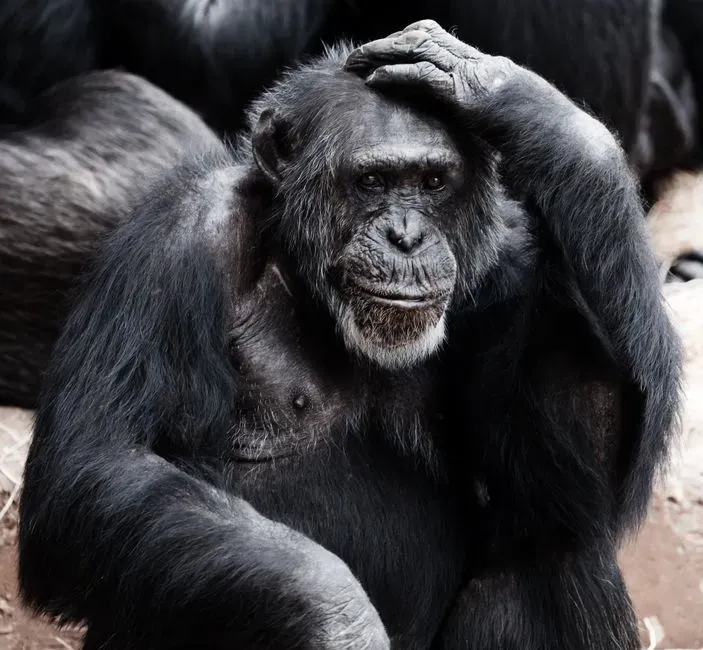
Here’s where things get seriously speculative, but in an interesting, grounded way. Most researchers who think animals can be conscious agree that at least many vertebrates – mammals, birds, probably reptiles, maybe fish – have some form of felt experience. That takes us back to a common ancestor of vertebrates over five hundred million years ago in the early Cambrian seas. If that ancestor had even a very simple form of consciousness, then huge branches of today’s animals would share that inheritance.
Others argue that consciousness might have arisen multiple times independently in different lineages with complex brains, such as mammals, birds, and cephalopods. In that view, the timeline is more fragmented: instead of one ancient moment when experience switched on, there were several transitions as nervous systems reached new levels of complexity. Personally, I lean toward the idea of an early, simple conscious ancestor whose capacities were then dramatically elaborated, lost, or reshaped across lineages – a blurry emergence rather than a single magic spark, but ancient nonetheless.
Mammals and Birds: The Most Convincing Non‑Human Conscious Minds
If you had to bet on which animals are experiencing the world in a way recognizably similar to us, mammals and birds would be the safe money. Mammals share the same basic brain plan: a layered cortex, deep emotional circuits, and chemical systems tied to reward, fear, and social bonding. They show flexible learning, complex play, social hierarchies, tool use in some species, and what looks very much like grief, joy, curiosity, and anxiety. It would be bizarre to assume that the lights are on in humans but totally off in other mammals with such similar hardware and behavior.
Birds complicate the old story that a big, layered cortex is required for awareness. Despite very different brain architecture, corvids (like crows and ravens) and parrots show impressive problem‑solving, future planning, and possible numerical understanding. They lack a neocortex, but their pallium seems to carry out analogous functions, suggesting evolution found a different neural path to similar cognitive outcomes. If a crow can remember future needs, recognize individuals, and adapt to new problems, it’s hard not to see it as some kind of conscious agent navigating its world.
Fish, Insects, and Octopuses: The Gray Zone That Keeps Surprising Us
For a long time, fish were casually dismissed as simple, cold, unfeeling organisms, almost like moving decorations in water. That view is crumbling. Many studies now suggest that fish can learn from experience, remember individuals, use social information, and avoid places or cues associated with pain. Their brains contain regions that are likely functional analogs of mammalian areas involved in emotions and fear responses, which raises the real possibility that they feel something when hooked or injured, not just reflexively wriggle.
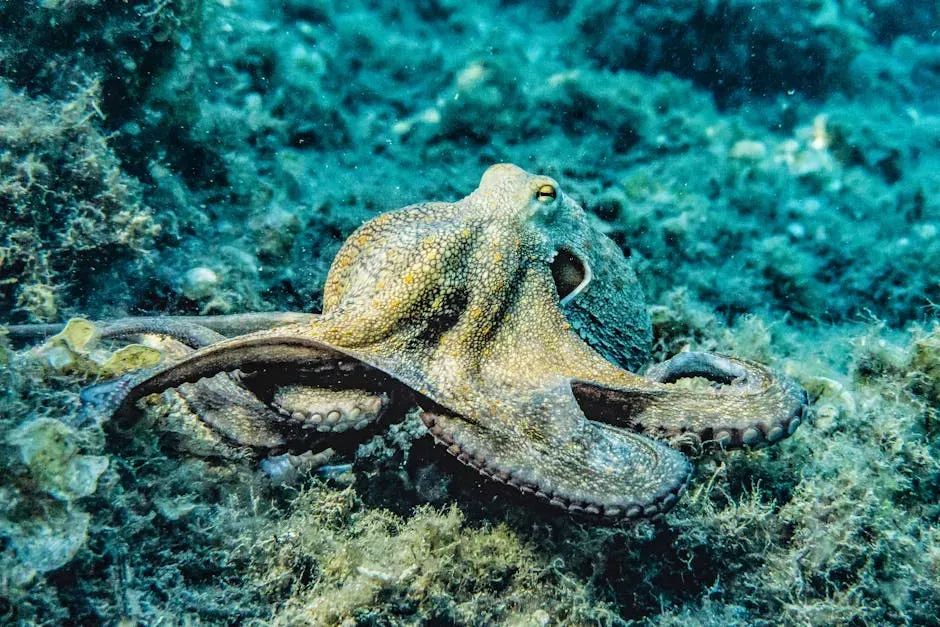
Then there are octopuses and other cephalopods, which are almost like aliens sharing our planet. With distributed nervous systems, high neuron counts, and remarkable problem‑solving skills, they display curiosity, exploration, and even what looks like play. Insects add another twist: despite having tiny brains, some show surprisingly rich behaviors – navigating complex environments, learning, and communicating. I think it’s a mistake to assume that small automatically means mindless; instead, these creatures push us toward a more nuanced question: how much awareness fits inside a given neural budget, and what might it feel like from the inside?
Pain, Emotions, and the Ethics of Assuming Animals Feel
One of the most emotionally charged pieces of this puzzle is pain. Does a crab feel agony in a trap, or is it only generating mechanical escape responses? Does a farmed fish experience fear in a crowded net, or is that just hormone levels and reflexive thrashing? Many scientists now argue that if an animal has the right neural circuits, shows flexible avoidance of harmful stimuli, learns from painful events, and changes its behavior long‑term, we should seriously consider that genuine suffering might be involved, not just automated reactions.
The same goes for emotions. When a dog greets you with an excited body wiggle and persistent attention, or when a chimpanzee remains by the body of a dead group member, our intuitions scream that something is really being felt. While we have to guard against naive anthropomorphism, I think there is a bigger moral danger in the opposite direction: a kind of convenient denial that downgrades obviously rich behavior into soulless mechanics. As evidence accumulates, it becomes harder to justify practices that treat sentient animals as if their inner experiences do not matter.
Can Consciousness Be Measured, or Only Guessed At?
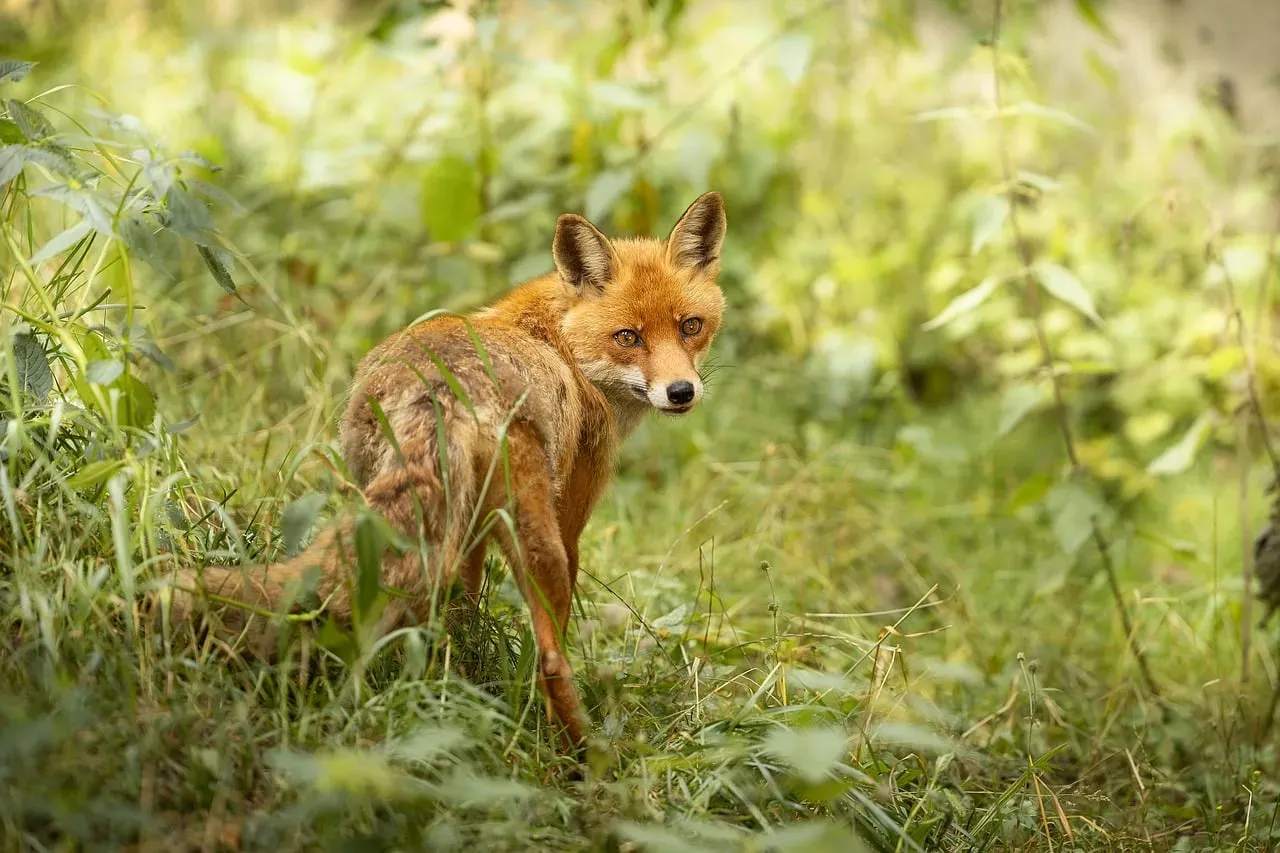
Because we cannot directly read experience from the outside, scientists rely on indirect markers: brain activity patterns, anatomical similarities, behavioral flexibility, and responses to anesthetics or brain damage. For humans, certain brain signatures correlate strongly with conscious states as opposed to dreamless sleep or deep anesthesia. Researchers are actively exploring whether similar signatures appear in other species with comparable brain structures, which would strengthen the case for shared mechanisms of awareness across animals.
Still, these tools are far from perfect. They are often tuned to human brains and might miss very different architectures that produce experience in other ways, such as in birds or octopuses. I think we should treat current measures of consciousness more like rough thermometers than definitive yes–no tests. They help us form better‑grounded guesses, but they do not solve the problem. Until we crack a much deeper theory linking physical processes to subjective experience, uncertainty about other minds will remain a built‑in feature of the universe we live in.
Why the Origins of Consciousness Matter Far Beyond Curiosity
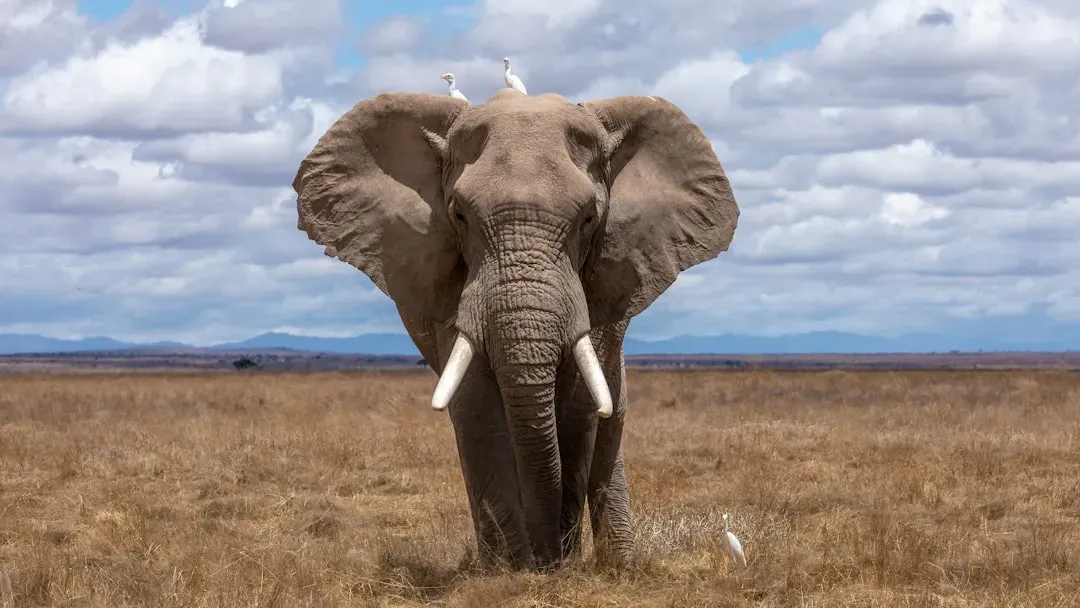
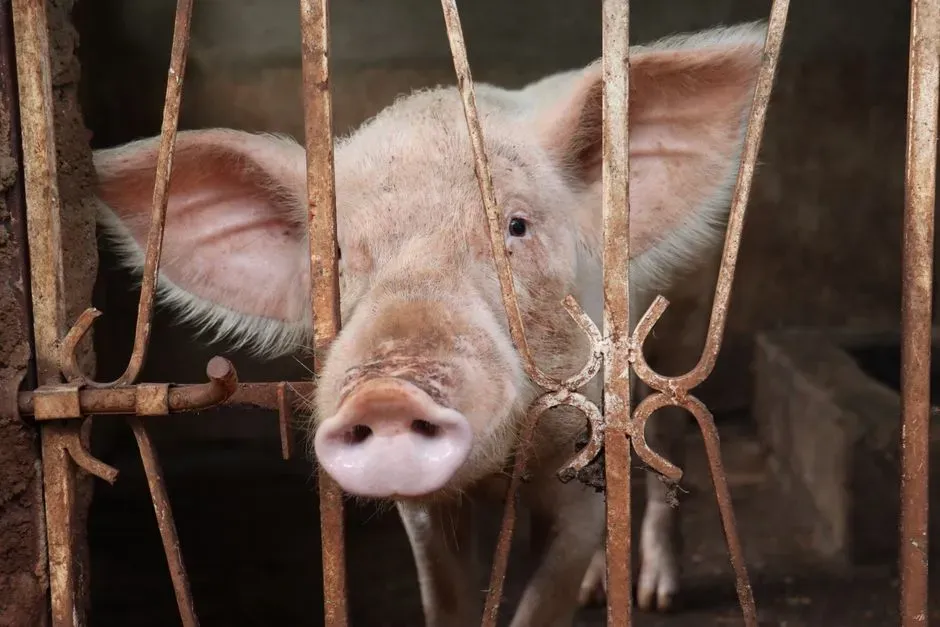
At first glance, arguing about when animals became conscious can sound like late‑night dorm room philosophy. But it cuts into very practical issues: which animals deserve legal protections, how we should treat farmed and wild creatures, and how we design experiments in the lab. If pigs, chickens, and fish have inner lives, even if simpler than ours, that forces serious questions about intensive farming practices that expose them to long‑term stress and injury. Our picture of the evolutionary spread of consciousness becomes a map of moral concern.
It also changes how we see ourselves. If consciousness is a rare, fragile fluke that emerged only recently in a narrow branch of mammals, human minds look like a weird exception in an otherwise dark universe. If instead experience is a much older and more widespread feature of complex nervous systems, then we are part of a vast continuum of feeling beings stretching back hundreds of millions of years. Personally, I find the second view more convincing and far more humbling: our inner world is not a private gift dropped into us alone, but the latest chapter in a story that began long before humans appeared.
Conclusion: A Continuum of Minds, and Our Responsibility in It
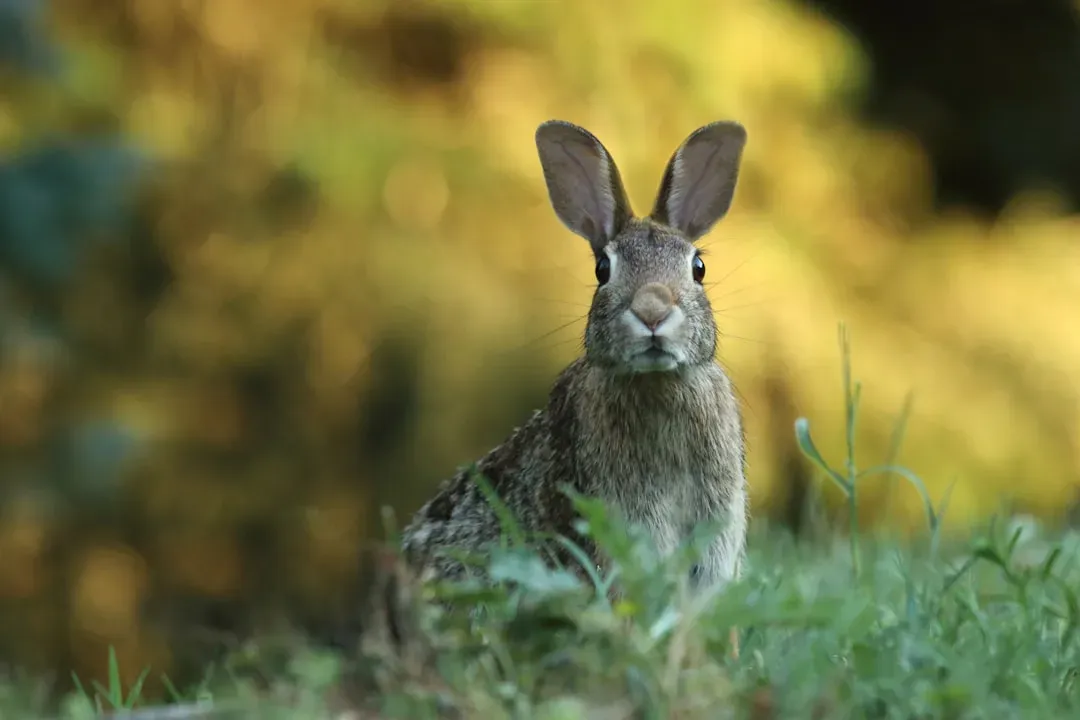
For now, the honest answer to “When did animals start experiencing the world?” is that we do not know the exact moment, and we probably never will. But the weight of evidence points toward consciousness being older, more gradual, and more widely distributed than many used to think. Somewhere deep in early animal evolution, simple nervous systems began to generate the first glimmers of feeling, and those glimmers were sculpted, expanded, and diversified into the intense palettes of experience we see in mammals, birds, cephalopods, and likely beyond. Consciousness looks less like a sudden switch and more like a slowly brightening dawn that never had a single sunrise.
My own opinion is that we should err on the side of generosity when drawing the line of moral concern. If a being might feel, we should treat it as if it does, especially when the costs to us are relatively low and the stakes for them could be the difference between comfort and suffering. Science may never give us perfect certainty about which species experience the world, but it has already given us enough clues to challenge the old story of animals as unfeeling automatons. The deeper question now is not just how far back consciousness goes, but how far forward our empathy is willing to reach – and that, in the end, is up to us.