
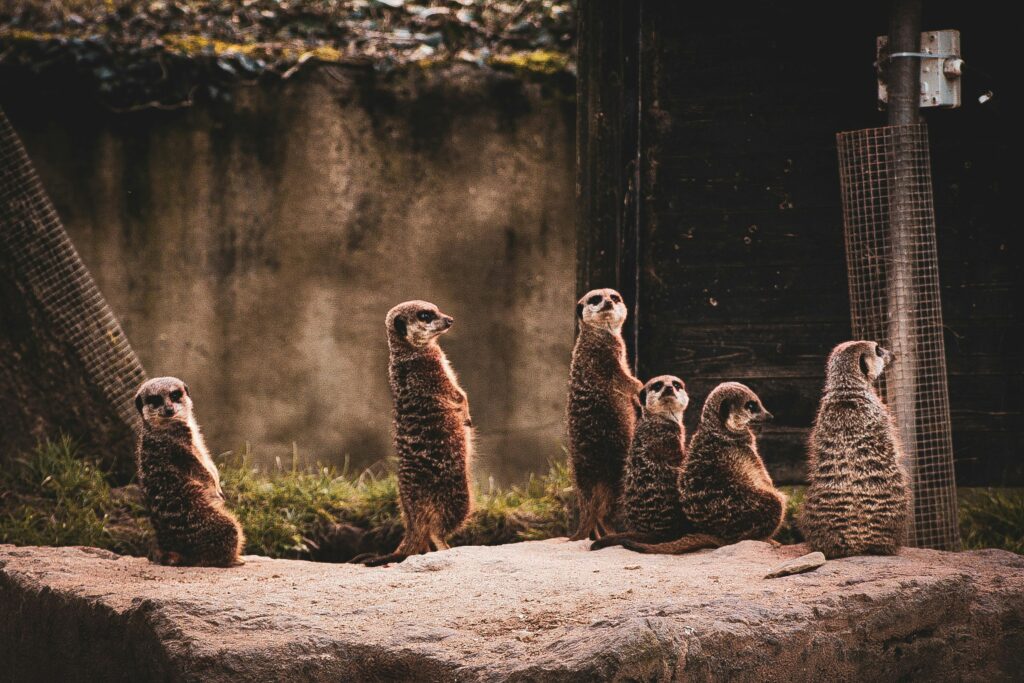
Close your eyes for a second and imagine trying to survive with nothing but a faint sense of light and dark. No colors, no depth, no sharp edges, no sound as we know it – just vague hints that something is out there. For most of Earth’s history, that was reality. The rich, high-definition world we take for granted today is the end result of billions of years of evolutionary tinkering with senses, each step slightly changing how animals understood the world around them.
What makes this story so wild is how perception did not simply get sharper; it fundamentally shifted. Every time evolution “invented” a new sensory trick – like color vision, or hearing in air, or the ability to sense magnetic fields – it rewrote the rules of what it meant to be an animal. Below are seven of those big turning points, each one a game‑changer that made the world look, sound, and feel completely different to the creatures living in it.
1. From Chemistry to Light: The First Eyespots
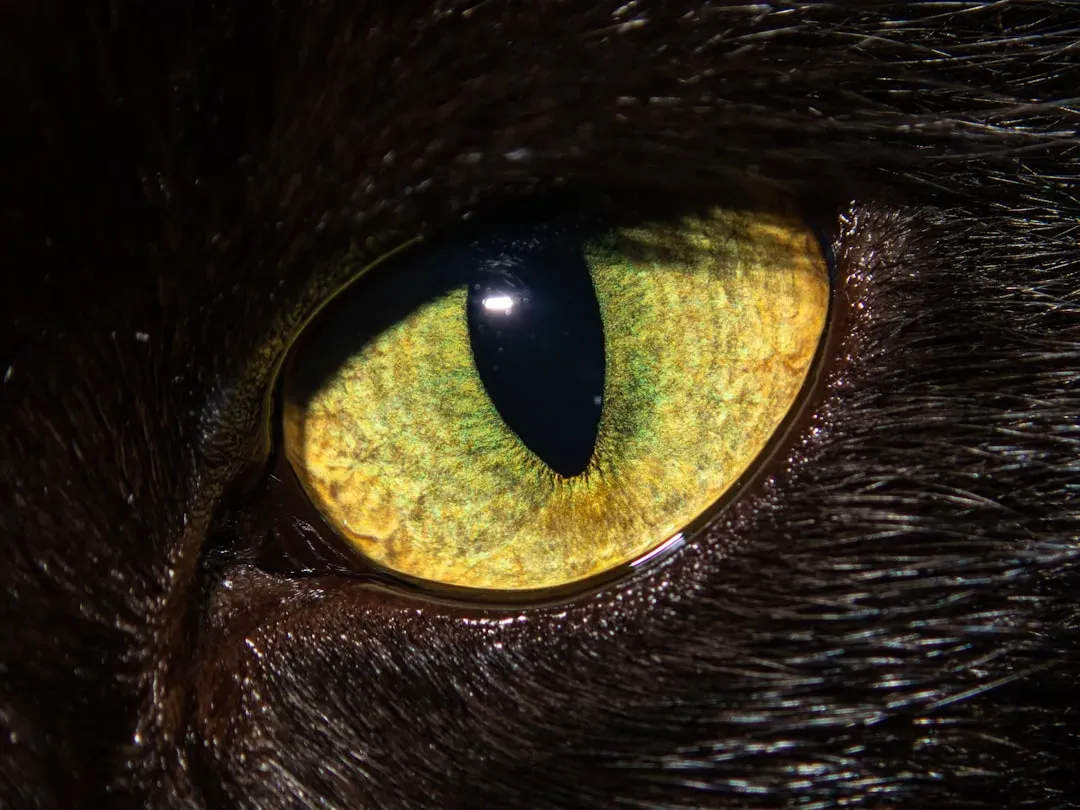
One of the earliest revolutions in perception was surprisingly humble: tiny patches of light-sensitive cells known as eyespots. Long before animals had eyes with lenses, some simple organisms could only tell whether it was light or dark, nothing more. That might sound basic, but to a small creature drifting in the ocean, just knowing where the light is can mean the difference between floating toward food-rich surface waters or sinking into darker, barren depths.
These primitive eyespots probably evolved from cells that were already sensitive to harmful ultraviolet light or that used light to regulate internal rhythms. Over time, a simple “on/off” signal about brightness morphed into something evolution could refine. Once light detection existed, natural selection had a new playground: cells could cluster, curve slightly, and later deepen into pits, slowly sharpening sensitivity to the direction light was coming from. That tiny step – from no light information to even the barest yes-or-no signal – was like going from being lost in a pitch-black room to at least spotting a crack of light under the door.
2. The Camera Eye: Seeing a Focused, Detailed World
At some point, eyes stopped being just light detectors and started becoming image makers. As simple pits deepened and narrowed, they could detect not just where light was coming from but also form crude pictures of the outside world. Add a basic lens – often just a thickened layer of transparent tissue – and suddenly an animal could see sharper edges, shapes, and movement. This camera-style eye evolved in several lineages, including vertebrates like us, cephalopods such as octopus, and some other invertebrates, which tells you just how powerful a trick this is.
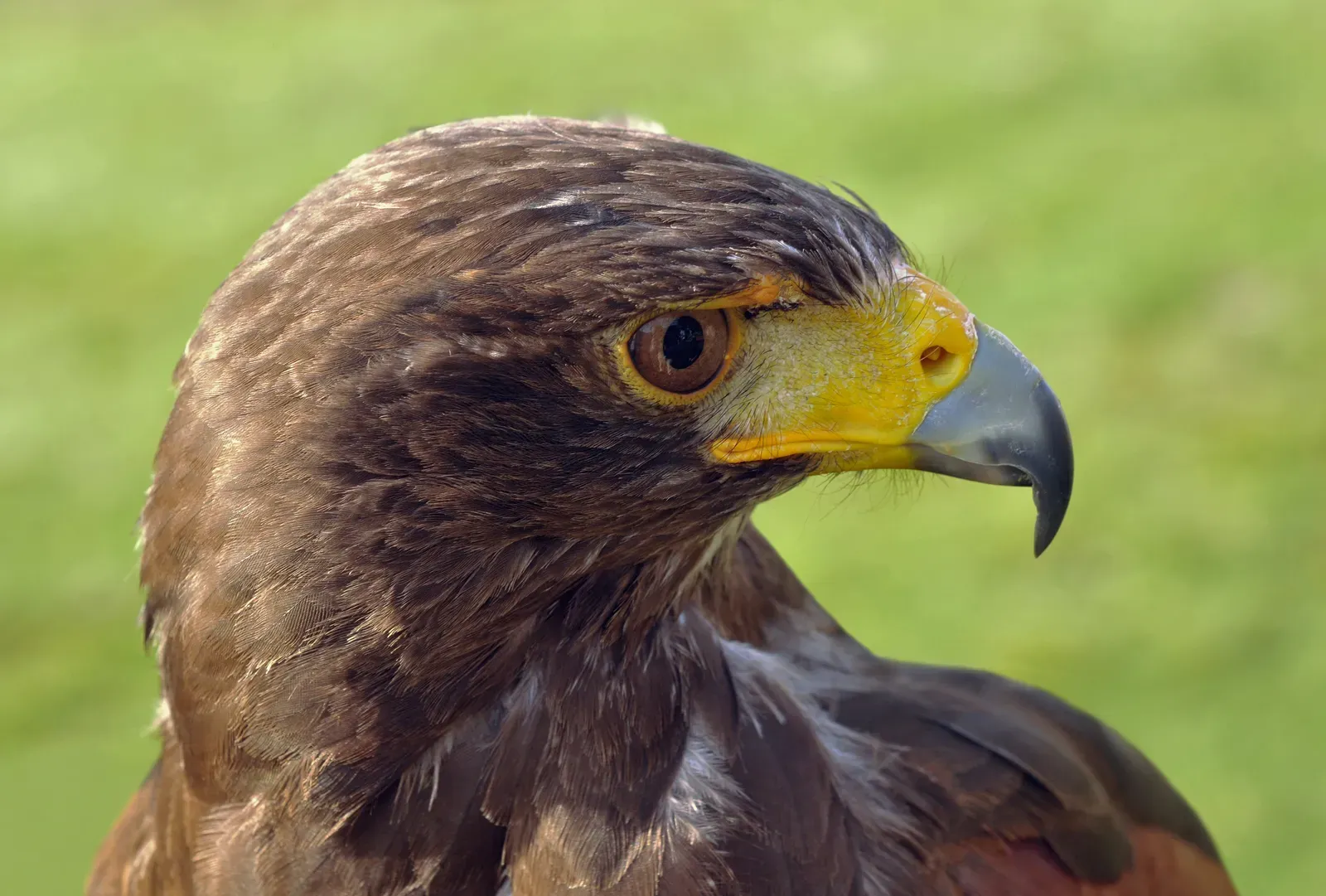
Once animals could form focused images, the game of survival changed dramatically. Predators could track moving prey across a background, and prey could spot approaching danger early enough to escape. You can almost imagine that first creature who could see a slightly clearer outline of a predator compared with its neighbors – it was the one more likely to live and pass on its genes. Over countless generations, that pressure sharpened vision further, giving rise to the intricate eyes we see in birds of prey and big cats today, where the world is no longer a blur but a detailed, navigable landscape.
3. Color Vision: Turning a Gray World into a Painted One
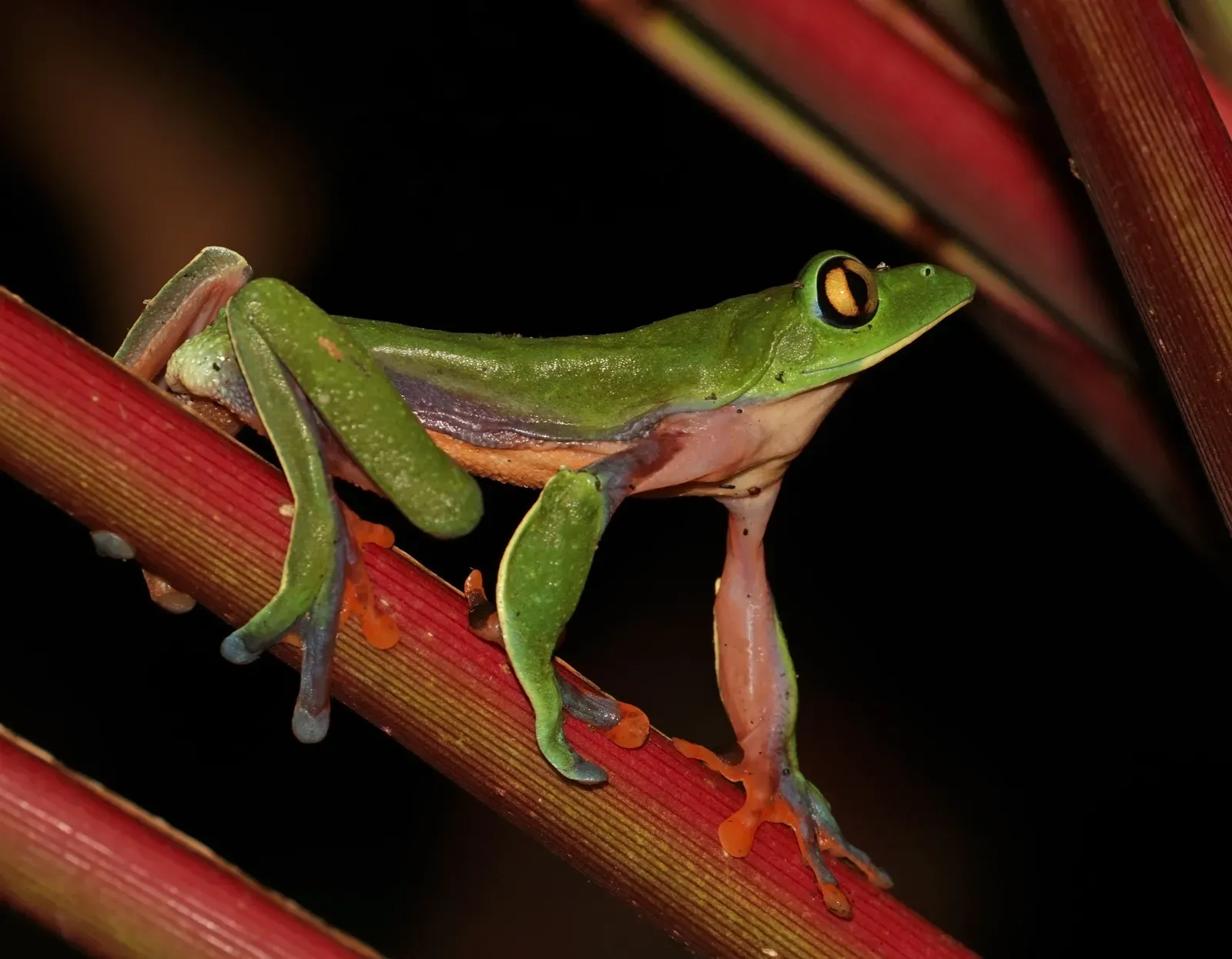
Adding color vision was like flipping from black-and-white TV to ultra-saturated streaming. For many early animals, seeing was mostly about brightness and contrast, good enough to tell shapes and movement but not subtle differences in hue. The evolutionary trick behind color vision is using multiple types of light-sensitive pigments, each tuned to different wavelengths. With at least two types, an animal can compare signals and tell colors apart; with three or more, the color range and nuance explode.
Color changed the rules for everything from finding food to choosing a mate. Many birds and insects see colors far beyond what humans can detect, including ultraviolet patterns on flowers and feathers that act like secret signals. In primates, the evolution of trichromatic color vision improved the ability to pick out ripe fruits and young leaves against a background of foliage. That means what looks like a simple green forest to some animals becomes a richly coded landscape to others, where red, yellow, and purple stand out like neon signs shouting “eat me” or “choose me.” Once that richer palette appeared, animals started evolving to exploit it, displaying brighter colors and more complex visual cues, driving an evolutionary feedback loop between how things look and how they are seen.
4. Hearing in Air: Bringing Invisible Vibrations to Life
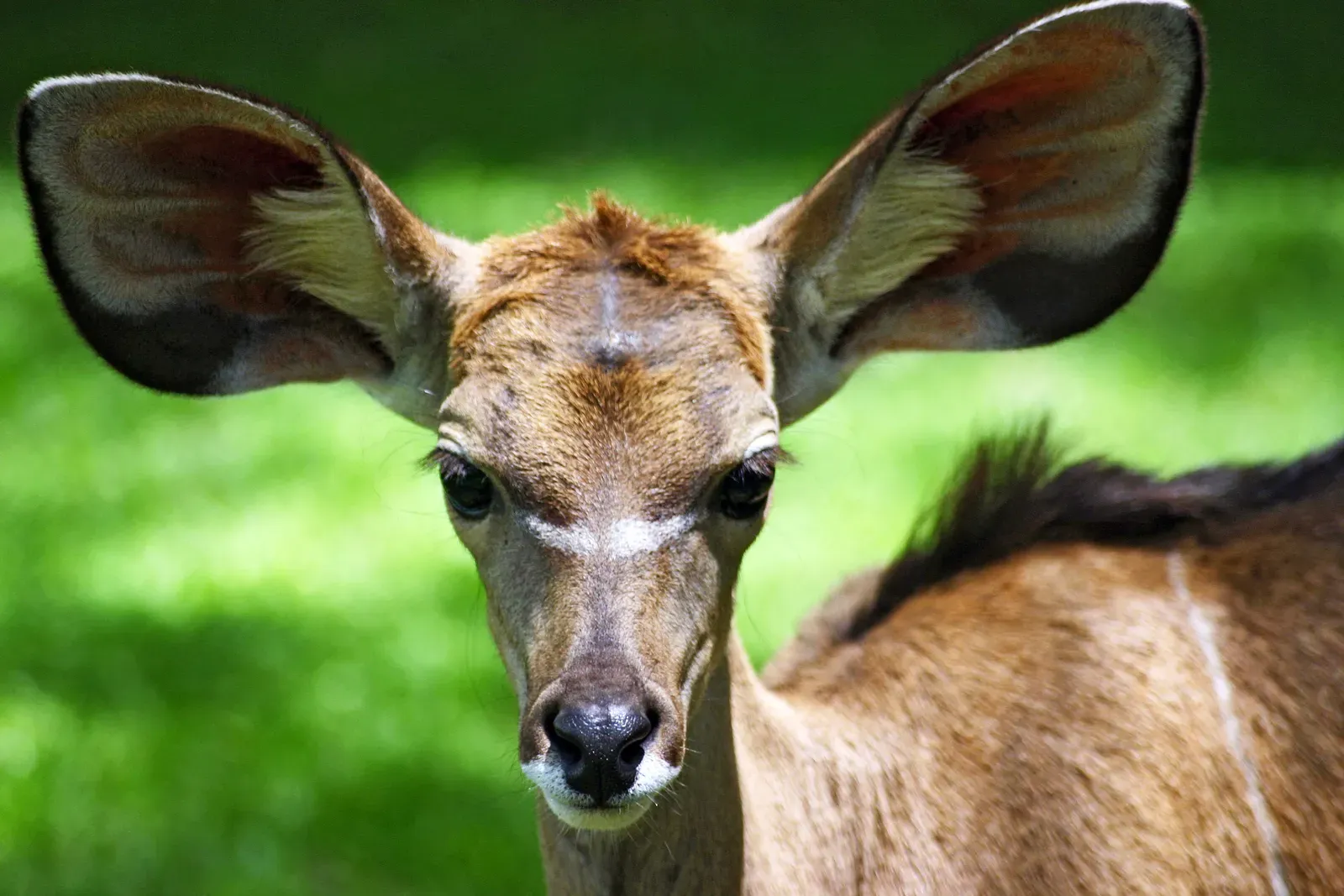
Before animals crawled onto land, hearing was mainly about sensing vibrations through water or body tissues. Water carries sound efficiently, but air is thinner and trickier. The shift onto land forced a radical reengineering of how vibrations were captured and amplified. Structures that once served other functions – like certain bones in early vertebrate jaws – were gradually co-opted to transmit airborne vibrations toward sensitive inner-ear cells, turning faint pressure changes into meaningful sound.
Once animals could truly hear in air, a whole new dimension of perception opened up. Sounds could carry around obstacles, through darkness, and across distances far beyond what eyes alone could manage. Early land animals that could detect the snap of a twig behind them, or the call of a mate across a forest, suddenly had a big advantage. Over time, evolution pushed hearing into ever finer resolution: detecting pitch, direction, and tiny differences in timing between ears. The world, which had been mostly silent above water, became filled with information-rich soundscapes that shaped behavior, communication, and even social life.
5. Smell and Taste: Building an Invisible Map of Chemicals
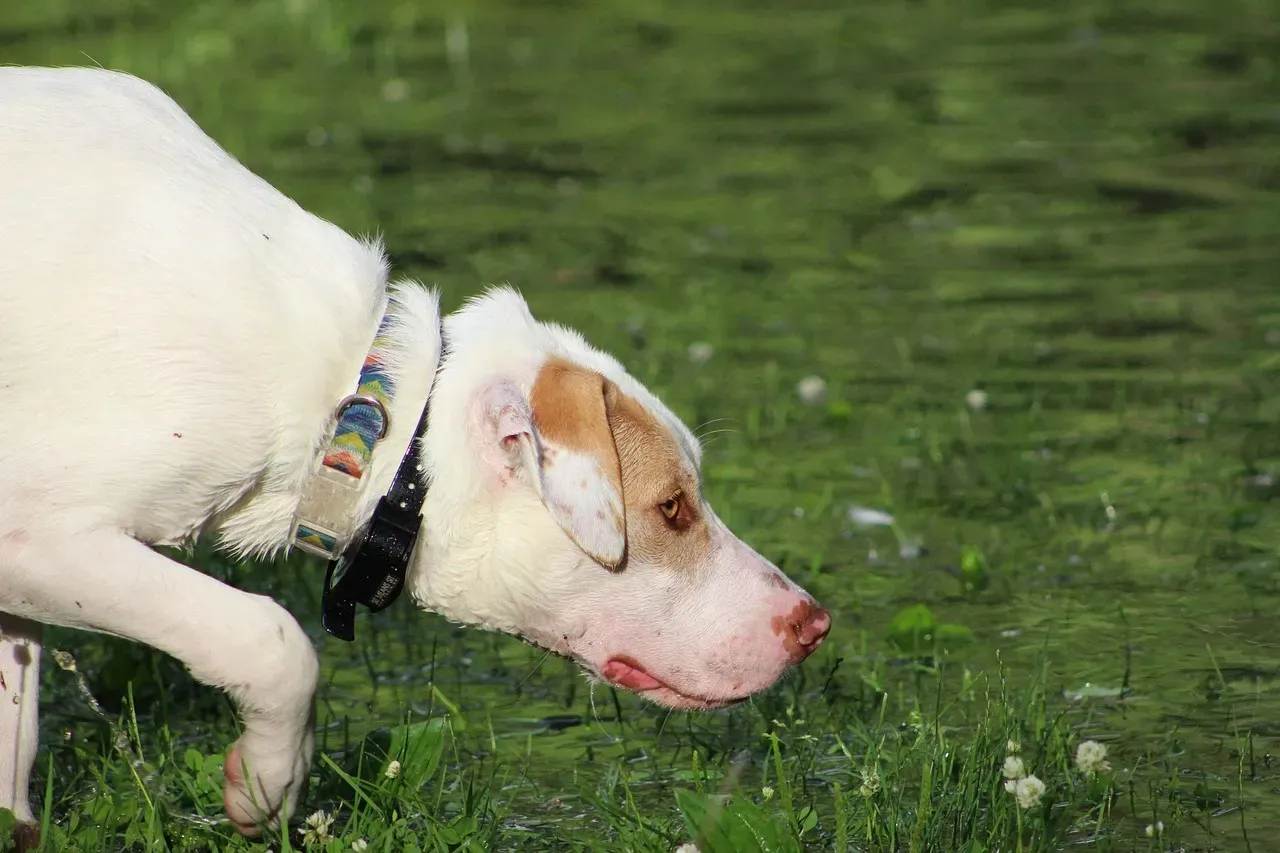
Long before eyes and ears got fancy, chemical senses were already giving animals a powerful way to read their surroundings. Smell and taste are essentially about decoding molecules: Is this edible, dangerous, a potential mate, a predator, or a member of my group? Early animals likely relied heavily on simple chemical gradients, following higher concentrations of certain molecules the way we might follow the smell of baking bread from the kitchen. Over evolutionary time, specialized receptors emerged that could detect and distinguish an enormous variety of chemical signatures.
What changed the game was not just detecting chemicals, but building an internal “map” from them. Many animals can follow scent trails like a living GPS system, reconstructing where another animal has been, how long ago, and sometimes even its reproductive state or health. To a dog, for instance, a walk in the park is less a visual stroll and more like flipping through an invisible social network of scents layered over time. Chemical perception turned the world into a constantly updated database, letting animals sense things that neither eyes nor ears could ever reveal.
6. Echolocation and Electric Senses: Inventing New Ways to “See”
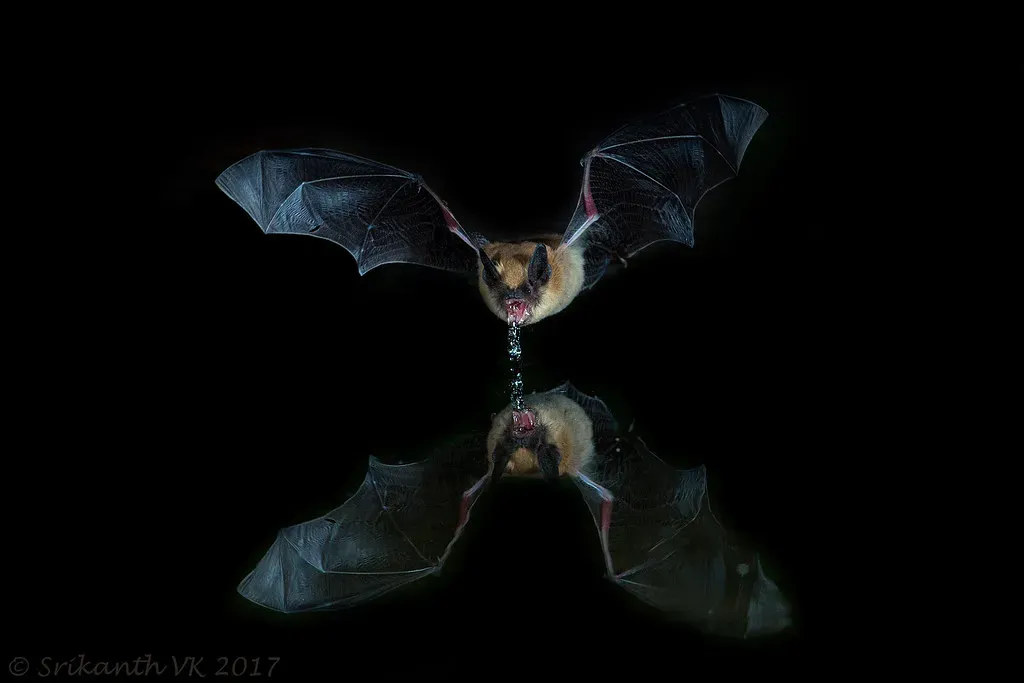
Some of the boldest leaps in sensory evolution came when animals started using completely different kinds of signals to “see” their environment. Bats and toothed whales, for example, evolved echolocation: they emit high-frequency sounds and interpret the echoes that bounce back from objects. This transforms sound into a sort of 3D radar, allowing them to hunt and navigate in total darkness or murky water where ordinary vision fails. What looks pitch-black to us becomes, for them, a vivid topographical map of moving prey and obstacles.
Electric senses offer another astonishing twist. Certain fish generate weak electric fields and sense how those fields get distorted by objects around them, while others can detect natural electric fields produced by muscle activity in other animals. To these species, electric distortions sketch outlines of nearby bodies, even when visibility is poor. These sensory systems might sound exotic, but they reveal a deeper truth: evolution is not limited to refining the senses we know. It can tap into entirely new physical channels, turning what we would consider background noise into a primary way of understanding the world.
7. Conscious Perception and Social Minds: From Raw Data to Experience
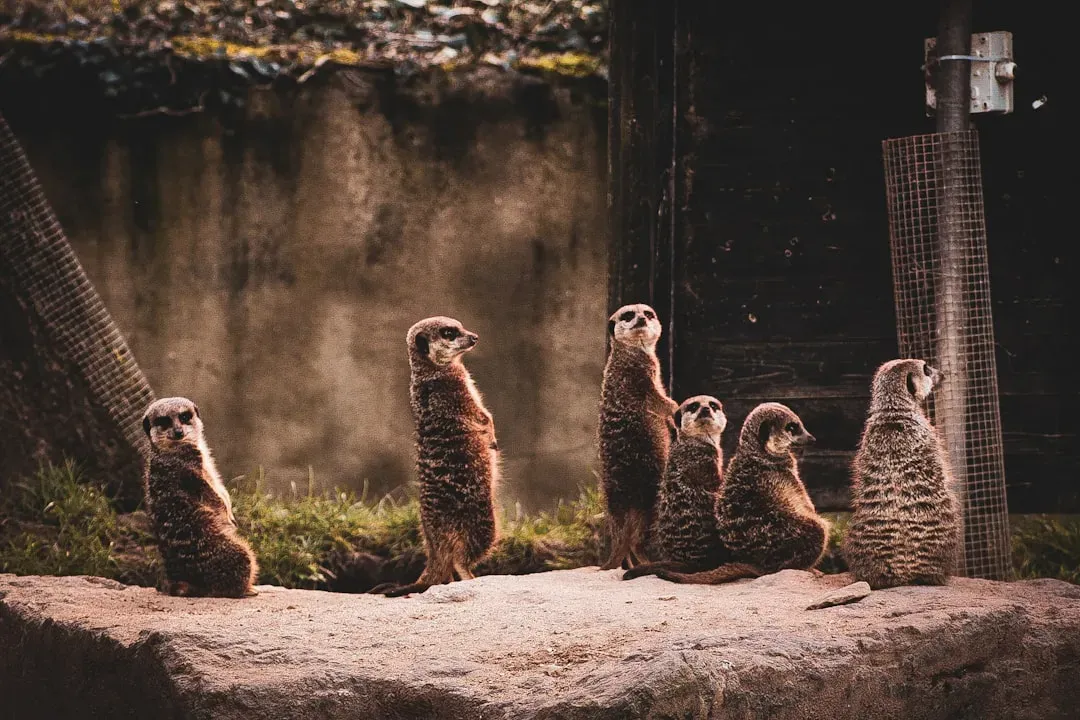
There is one milestone that is harder to pin to a specific bone or organ but is arguably the most profound: the rise of complex brains that do not just detect stimuli but weave them into inner experiences. As nervous systems grew larger and more layered, animals gained the ability to integrate multiple senses, remember past events, predict future outcomes, and perhaps feel something like what we call awareness. A flocking bird is not just seeing other birds; it is coordinating, anticipating, and adjusting in a split second to a moving pattern of bodies and threats.
In highly social animals – like some birds, cetaceans, primates, and of course humans – perception extends beyond the physical environment into the emotional and social worlds of others. Facial expressions, posture, vocal tones, and even subtle eye movements become signals loaded with meaning. The “world around them” now includes invisible things like intentions, alliances, status, and trust. This shift may be the most radical of all: a transition from simply sensing the external world to constructing an inner world that can understand and respond to minds, not just bodies.
Conclusion: Evolution as a Series of New Realities
When you zoom out, these seven milestones are not just technical upgrades to animal hardware; they are gateways into entirely new realities. Each step – from primitive eyespots to color vision, from basic vibration sensing to airborne hearing and beyond – made the same planet feel like a different place to the creatures living on it. A jellyfish drifting in the dim ocean, a bat painting space with echoes, and a human reading emotions in someone’s eyes all inhabit overlapping but deeply different versions of “the world.” It is hard not to feel that our everyday experience is only one slice of what reality can look like to a living brain.
My own opinion is that we often overrate our human senses as the pinnacle, when in truth we are just one more experiment in a long series of perceptual designs. If anything, studying these evolutionary milestones should humble us and spark curiosity: there are layers of the world we barely touch, and other animals may be navigating them with ease. So next time you watch a bird follow a scent, or a dog prick its ears at a sound you cannot hear, maybe ask yourself: if evolution rewrote perception so many times already, how many other ways of experiencing this same planet are still possible – and which ones would surprise you the most?