
Extinction is supposed to be the one absolute in biology. No do-overs, no sequels, no surprise cameos. Except that’s not actually true. Somewhere between a fisherman’s net, a ranger’s flashlight, and a dog named Shep dropping a dead animal on a porch, at least a dozen species that science had already buried quietly walked, flew, or swam right back into the record books.
Scientists have a name for this: Lazarus species. And the deeper you go into these stories, the stranger they get – a fanged deer, a fish older than the dinosaurs, a bird that went extinct and then evolved back into existence in the same spot. Stick around, because the last one on this list might be the strangest comeback of all.
#13 – The Coelacanth: The Fossil Fish That Refused to Die
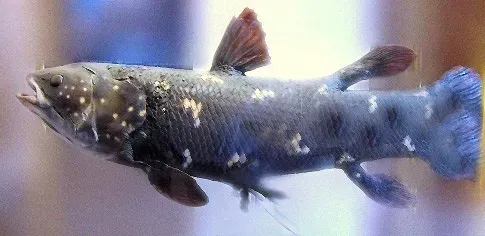
For decades, every biology textbook confidently declared the coelacanth extinct for roughly 65 million years, gone alongside the dinosaurs. Then in 1938, a South African trawler hauled up a very confused, very alive coelacanth, and paleontology had to eat its words in front of the whole class.
This deep-sea fish had only ever been known from fossils. Its strange, lobed fins look almost like primitive legs, which made it a poster child for the moment life crawled out of the ocean. Turns out it never left.
It had simply been hiding in underwater caves off Africa and, later, Indonesia, quietly surviving the extinction events that wiped out flashier, “more advanced” creatures. Biologists now think it dodged human notice for so long because it lives deep, breeds slowly, and sticks to rocky terrain where fishing gear rarely reaches.
It’s not that the coelacanth came back from anywhere. We’re the ones who finally caught up to its hiding spot.
Fast Facts
- Order Coelacanthiformes was thought to have died out about 66 million years ago, until a coelacanth was caught in 1938.
- These fish are slow-growing and can live up to 100 years, reaching sexual maturity between 40 and 69 years of age.
- They are live-bearers, with females carrying their young for about five years before giving birth.
- Two living species, the African coelacanth and the Sulawesi coelacanth, are known.
#12 – The Lord Howe Island Stick Insect: The Tree Lobster That Lived on One Bush
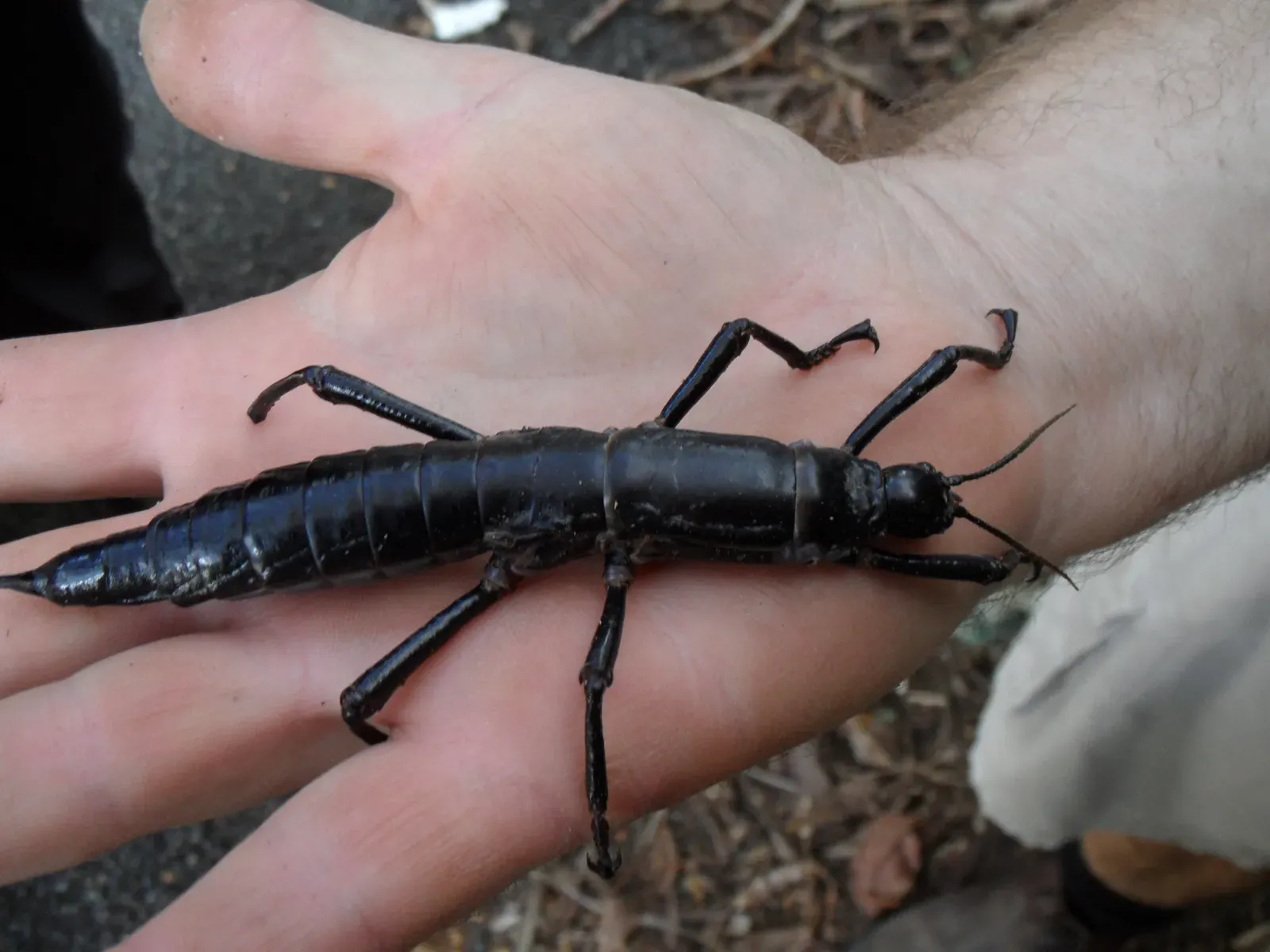
On paper, this large flightless insect – nicknamed the “tree lobster” – was finished by the 1920s. A shipwreck introduced rats to Lord Howe Island, and within a few years the species vanished. By the 1960s it was formally declared extinct, and entomologists moved on.
Except it wasn’t gone. In 2001, climbers scaling Ball’s Pyramid, a jagged volcanic spike jutting out of the Pacific, spotted fresh droppings under a single lone shrub. Night surveys revealed something almost too improbable to believe: fewer than 30 glossy black stick insects, some the size of a human hand, clinging to that one bush on a bare cliff face.
An entire species had survived for decades on what amounted to a botanical lifeboat. No backup plan, no second location – just one shrub between existence and extinction.
Today, zoos and labs run a global breeding program from those last survivors, working toward reintroducing them to a rat-free Lord Howe Island. Some conservationists call the effort excessive for a bug. Others call it the clearest proof we have that extinction can be reversed – if we’re willing to notice a single shrub on a cliff nobody visits.
#11 – The Kashmir Musk Deer: The Fanged Ghost of the Himalayas
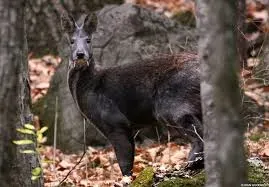
Forget the gentle, antlered deer you’re picturing. Male Kashmir musk deer grow saber-like fangs instead of antlers, and their musk gland is valuable enough to have fueled centuries of relentless hunting. Combine that with habitat loss, and by the 1990s this high-altitude browser hadn’t been reliably seen in years across much of its range.
Then motion-activated cameras finally caught up. In the 2010s, camera traps tucked into the steep, rocky slopes of Afghanistan and northern India captured grainy but unmistakable footage: Kashmir musk deer, alive, moving in a strange, hopping gait that’s more rabbit than deer.
That odd movement is probably exactly why it survived – it let the animal vanish into broken, punishing terrain where humans rarely bother to look. What had been written off as “gone” turned out to be “barely hanging on in places nobody was checking.”
Scientists now list it as critically endangered rather than extinct, which sounds worse but is actually a lifeline – it unlocks funding, protection, and political leverage that “extinct” never does. It also raises an uncomfortable question: how many other mountain species are we quietly declaring gone, simply because conflict zones and altitude make surveying them too dangerous to try?
#10 – The Bermuda Petrel: The Seabird That Hid for 300 Years
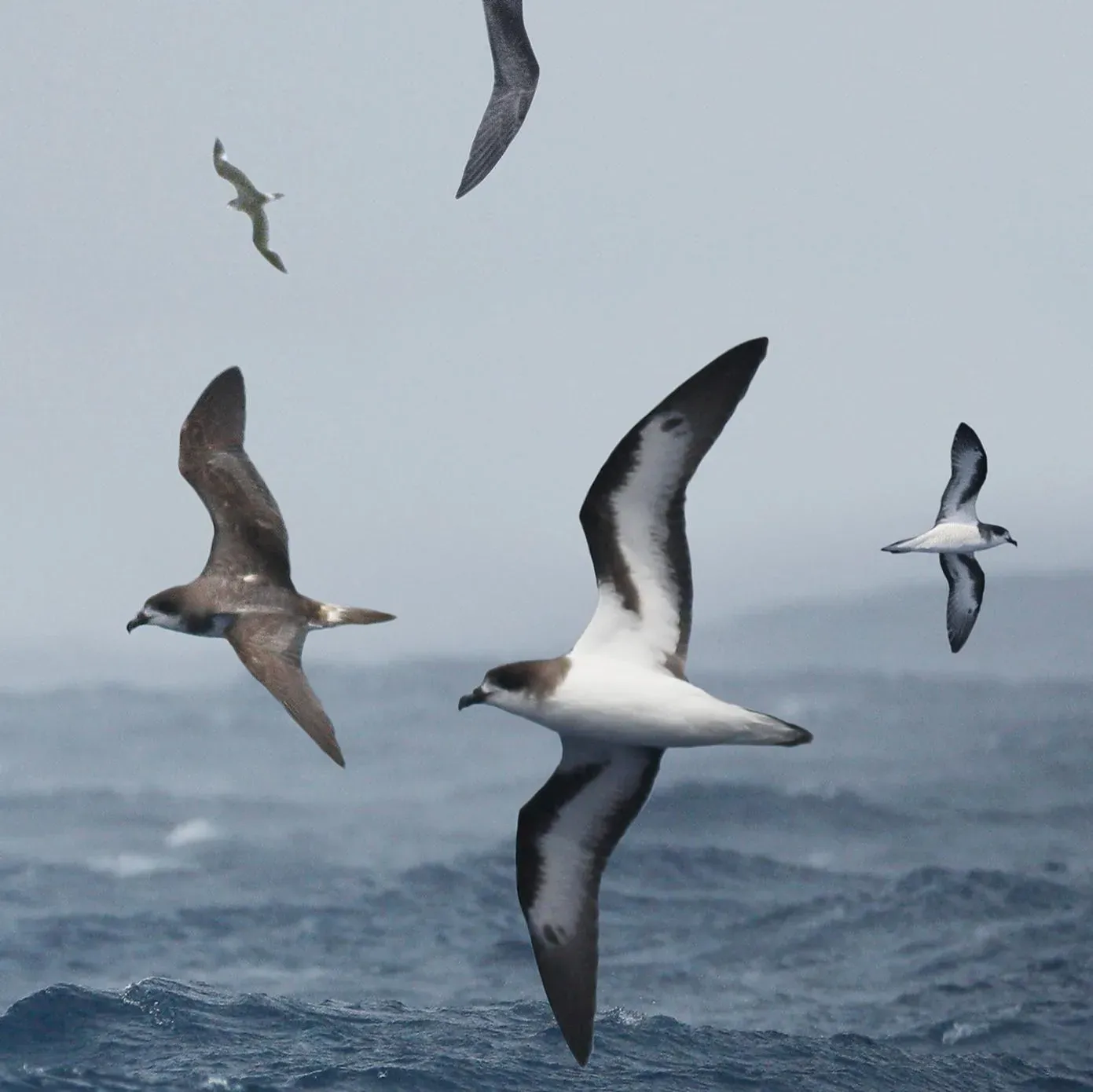
Seabirds are usually the first casualties when humans arrive on an island, and the Bermuda petrel – known locally as the cahow – was assumed dead by the 1600s. Introduced pigs, rats, cats, and hungry sailors raiding nesting burrows did the job so thoroughly that for roughly 300 years, the cahow existed only as a cautionary tale in conservation textbooks.
Then in 1951, ornithologist David Wingate and his colleagues chased down scattered reports of strange calls echoing at night. What they found stunned people who had genuinely stopped believing: a handful of cahows still nesting on a few tiny, forgotten islets. The entire world population came down to just 18 breeding pairs – a number so small that many experts privately assumed recovery was impossible.
What happened next is one of conservation’s most underrated slow miracles. Biologists fenced off nesting sites, used decoy birds and recorded calls to lure petrels to safer ground, and literally hand-dug new burrows for them to use.
The population today still sits in the low hundreds – every single chick counts, and probably always will. But the cahow went from a colonial-era ghost story to living proof that Bermuda’s battered ecosystem isn’t beyond saving, even if some locals grumble that a seabird gets more attention than the island’s housing crisis.
#9 – The Black-Footed Ferret: The Species a Dog Rescued From Extinction
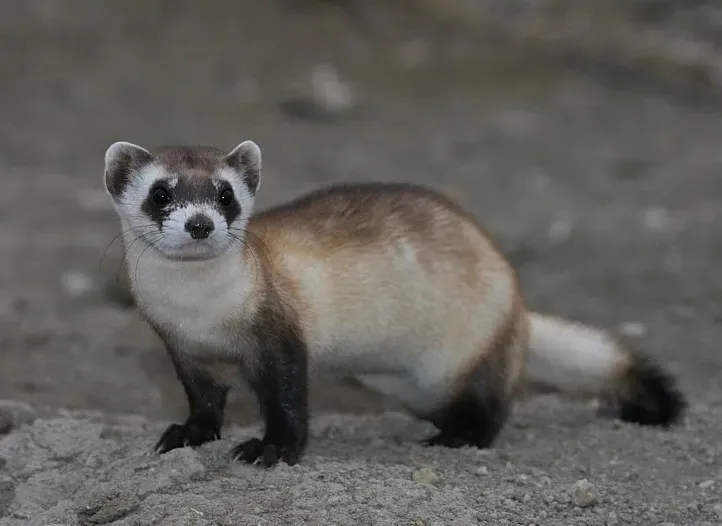
By the late 1970s, the black-footed ferret was officially gone from the wild. This small, nocturnal predator depends almost entirely on prairie dogs, and once we poisoned and plowed under most prairie dog towns across the Great Plains, the ferret population collapsed right along with them. In 1979, it was declared extinct in the wild.
Then in 1981, a ranch dog named Shep dropped a dead ferret on a Wyoming porch. That grim little delivery led biologists straight to a tiny surviving colony. Disease tore through it almost immediately, leaving just 18 ferrets alive – the entire genetic future of the species compressed into a number smaller than a classroom.
Every black-footed ferret alive today, in a zoo or a reintroduction site, descends from those 18 survivors. The species remains one of the most intensively managed carnivores on the planet: bred in captivity, vaccinated against plague, fitted with radio collars, and released into carefully chosen prairie dog towns across the U.S., Mexico, and Canada.
In 2020, scientists cloned a black-footed ferret using cells frozen since the 1980s, making it the first endangered U.S. species with an officially recognized clone. A predator that a dog literally stumbled onto is now a live test case for how far de-extinction science can actually go.
At a Glance
- Elizabeth Ann is the first cloned black-footed ferret and first-ever cloned U.S. endangered species.
- She was created using cells from “Willa,” a wild black-footed ferret who died and had her cells cryopreserved in 1988.
- Two more clones, Noreen and Antonia, followed from the same genetic material – one born in Colorado, the other at the Smithsonian’s National Zoo.
- Antonia gave birth to a litter of three kits in June 2024, two of which survived.
#8 – The Takahe: New Zealand’s Flightless Bird That Wasn’t Supposed to Exist
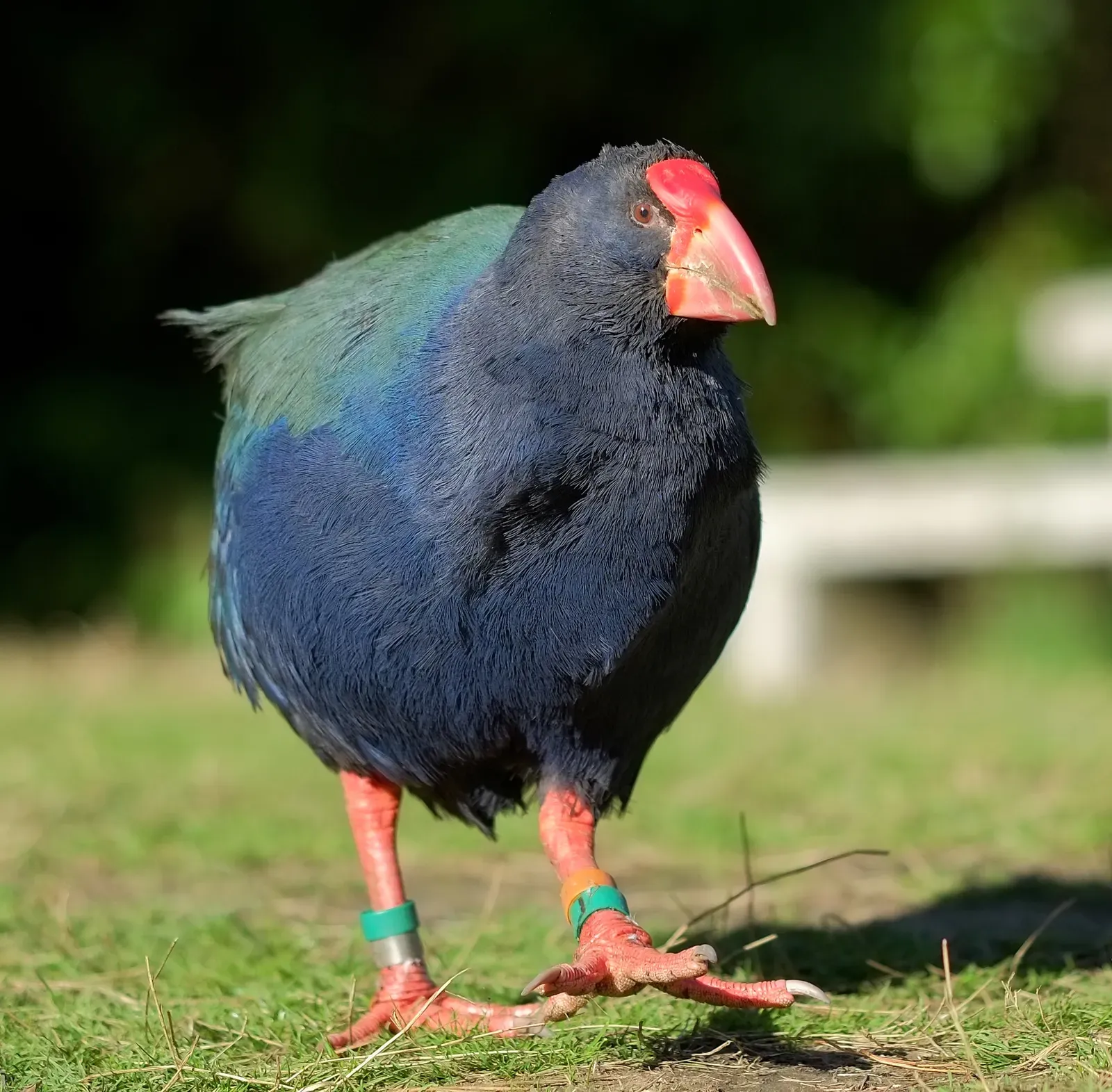
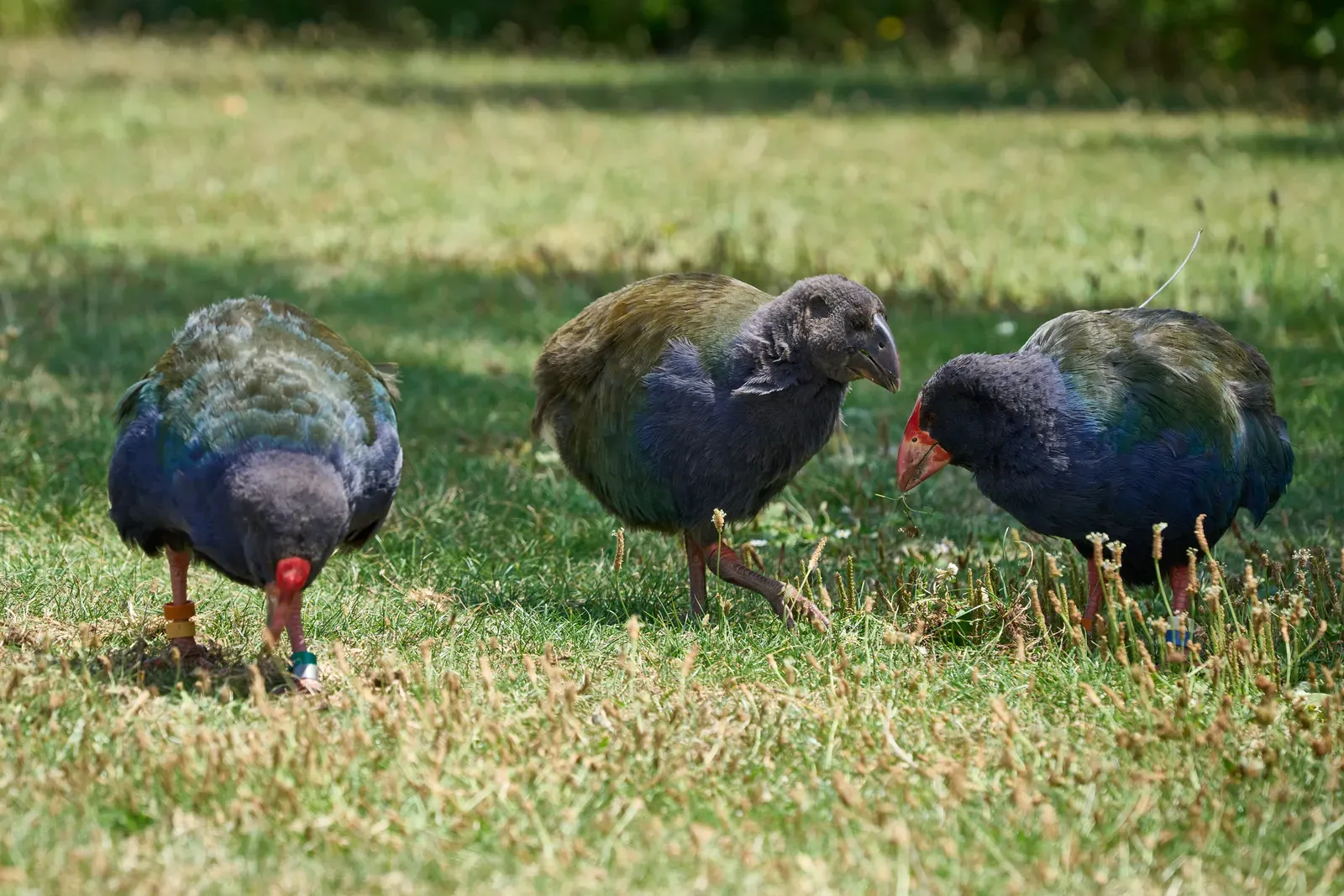
New Zealand has a brutal track record with flightless birds and humans, and the takahe – a chunky, blue-green swamp hen – was declared extinct in 1898 after habitat loss, hunting, and introduced predators finished it off. For half a century it existed only as dusty museum skins and a few old paintings.
Then in 1948, a team led by Dr. Geoffrey Orbell trekked deep into remote Fiordland and found something that, by every official record, could not be there: a living takahe, bright red bill and all, staring back at them from a hidden alpine valley that had never made it into the extinction story.
New Zealand went all-in. Takahe were relocated to predator-free offshore islands, bred in captivity, tracked, and fussed over relentlessly. The species is still critically endangered, but its numbers have climbed steadily into the hundreds.
Not everyone is thrilled – some farmers argue that protecting a bird most citizens will never see in the wild isn’t worth the cost. Conservationists counter that the predator-control tools built for the takahe now protect entire forests and other bird species too, which makes one rediscovered bird responsible for a lot more than its own survival.
#7 – The Night Parrot: Australia’s Bird of Rumors and Legends
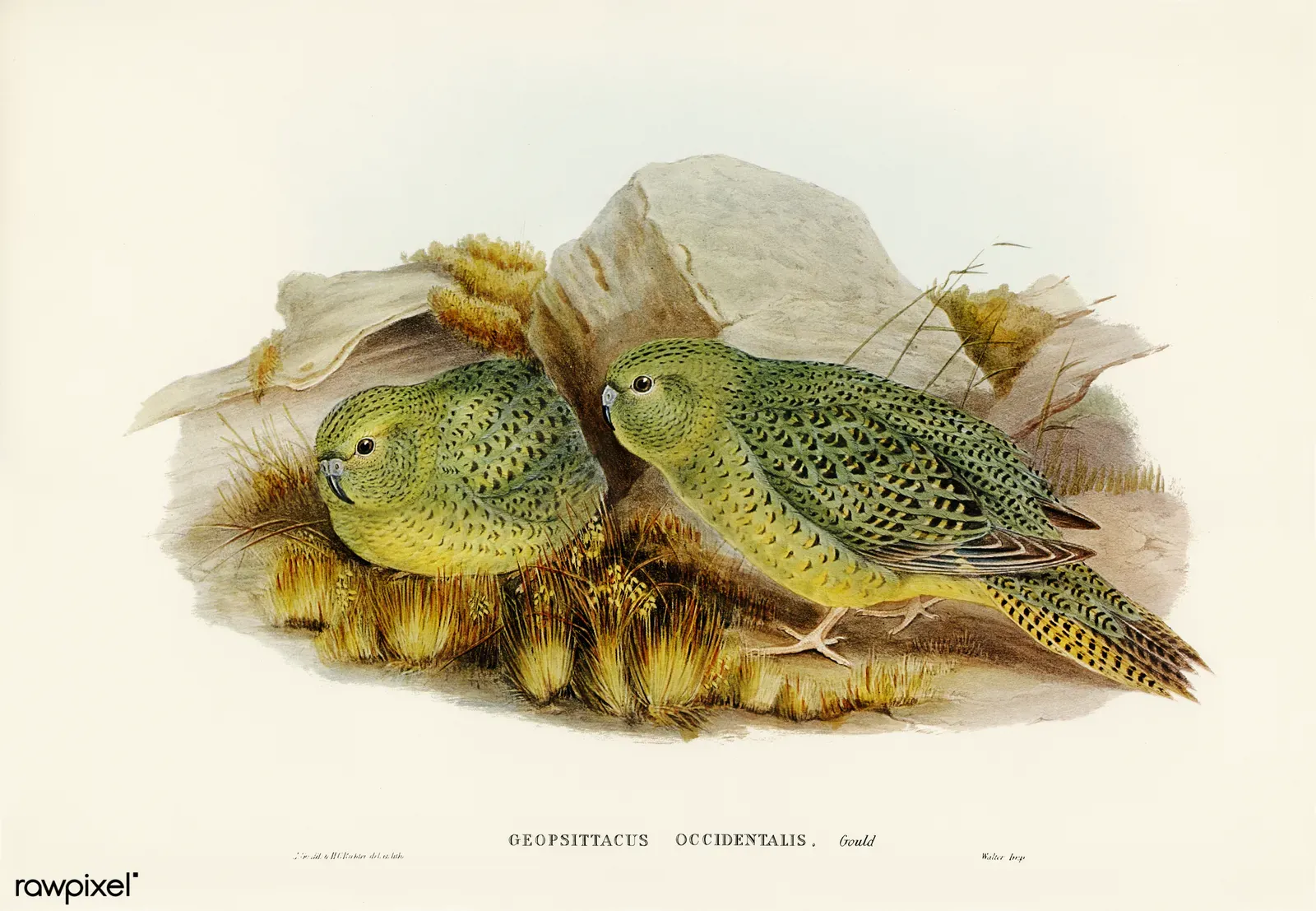
Ask any Australian birder about their holy grail, and you’ll hear the same two words: night parrot. This squat, green, ground-dwelling bird lives in remote spinifex grasslands and was last confirmed alive in the early 20th century. By the 1990s, most scientists had quietly filed it under extinct, its existence reduced to blurry stories and unverifiable sightings from the outback.
Then in 2013, naturalist John Young produced photos and video appearing to show a living night parrot in western Queensland. The skepticism was intense – this was a bird that had spent decades turning up more often in legend than in field guides.
But follow-up surveys, call recordings, and additional sightings confirmed it: the night parrot had survived in tiny, brutal pockets of desert. A species that had been a rumor for a hundred years abruptly became one of the most closely guarded animals on Earth, its locations now deliberately kept vague to protect it from disturbance.
The discovery forced an uncomfortable question that still hasn’t been answered: how many other “extinct” species are we writing off simply because nobody wants to fund a serious search in terrain this unforgiving?
#6 – The Cuban Solenodon: The Venomous Mammal Nobody Bothers to Save
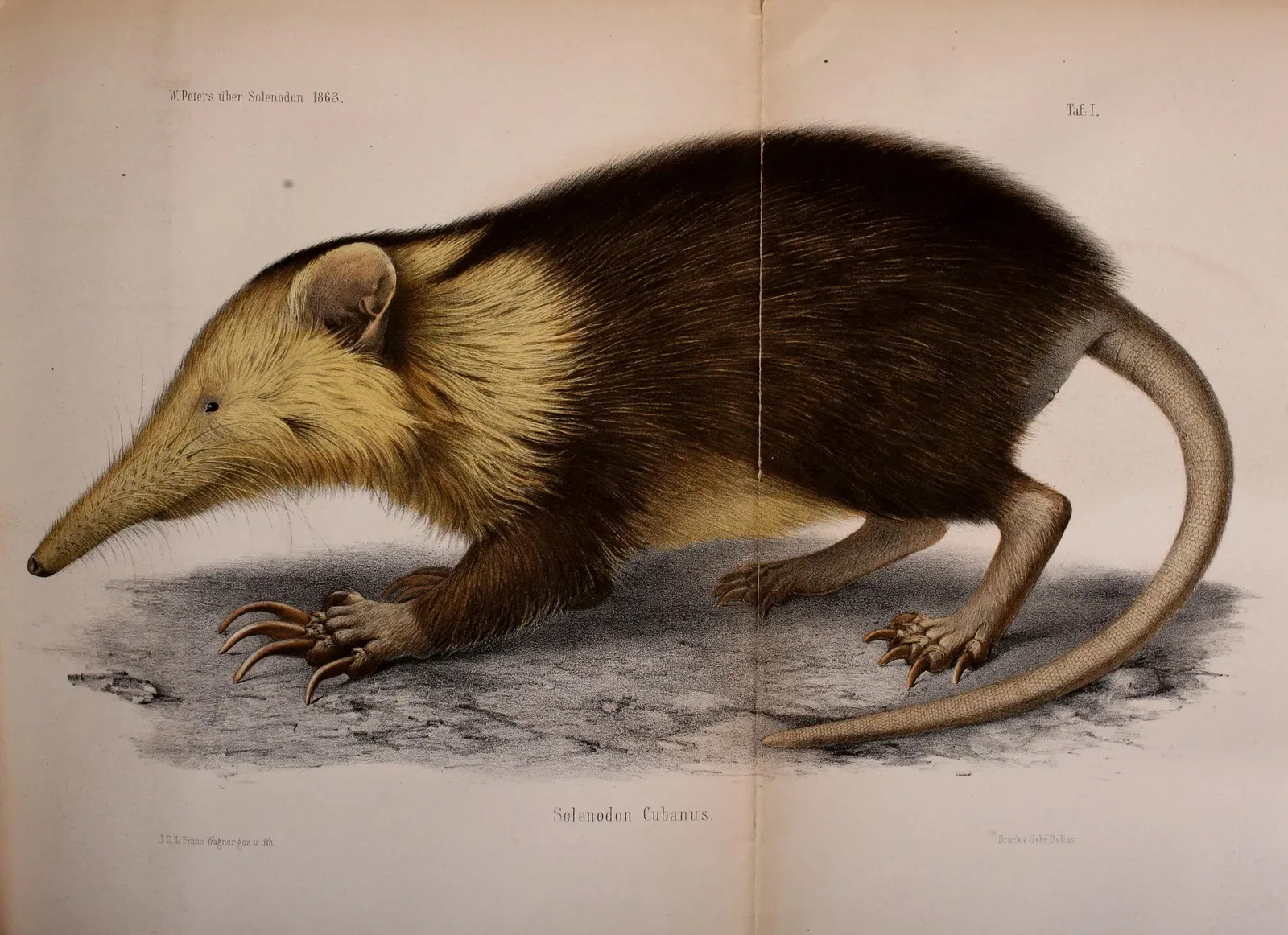
Most people have never heard of solenodons, which is almost a crime given what they are – shrew-like, nocturnal insectivores with flexible snouts and grooved teeth that inject venom, making them one of the only venomous mammals left on the planet. The Cuban solenodon was assumed extinct for most of the 20th century, a casualty of habitat loss, invasive predators, and political instability that made fieldwork nearly impossible.
Scattered captures and sightings in the late 20th and early 21st centuries proved a small number had survived in the remote forests of eastern Cuba. Each sighting is treated like a minor event; entire research teams have spent weeks in the field just to spot one animal.
These creatures split off from their closest relatives tens of millions of years ago, so losing them wouldn’t just erase a species – it would erase an entire branch of the mammal family tree. Its comeback isn’t about booming numbers. It’s about the quiet reclassification from “probably extinct” to “critically endangered but present,” which in conservation politics is the difference between zero funding and a fighting chance.
In the end we will conserve only what we love, we will love only what we understand, and we will understand only what we are taught.
Baba Dioum
The Cuban solenodon puts that quote to an uncomfortable test. It’s ugly to some, venomous, nocturnal, and nearly invisible – and it forces the question of whether we only “resurrect” the species the public finds cute enough to root for.
#5 – The Large-Blue Butterfly: An Extinction Engineered by Ants
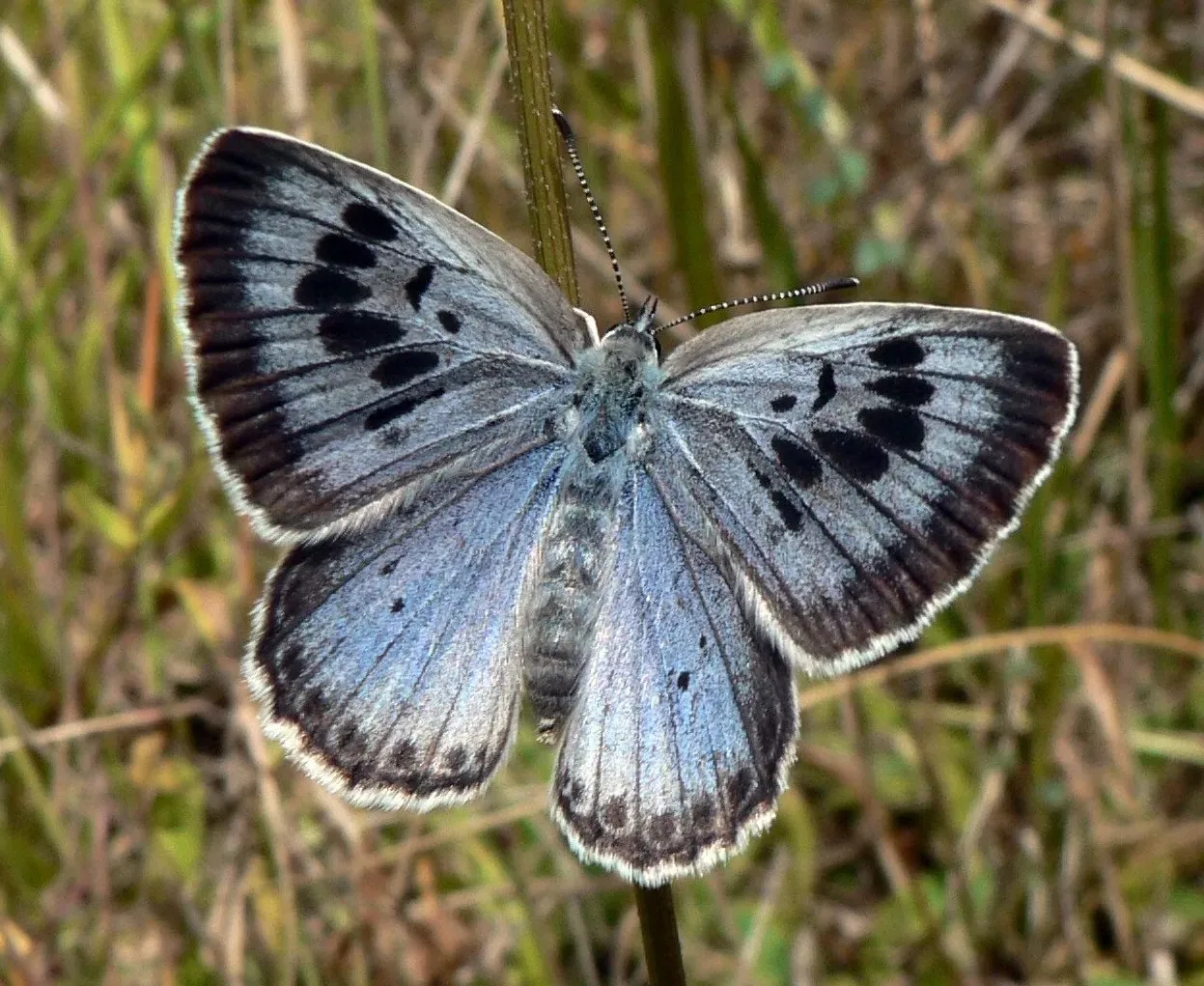
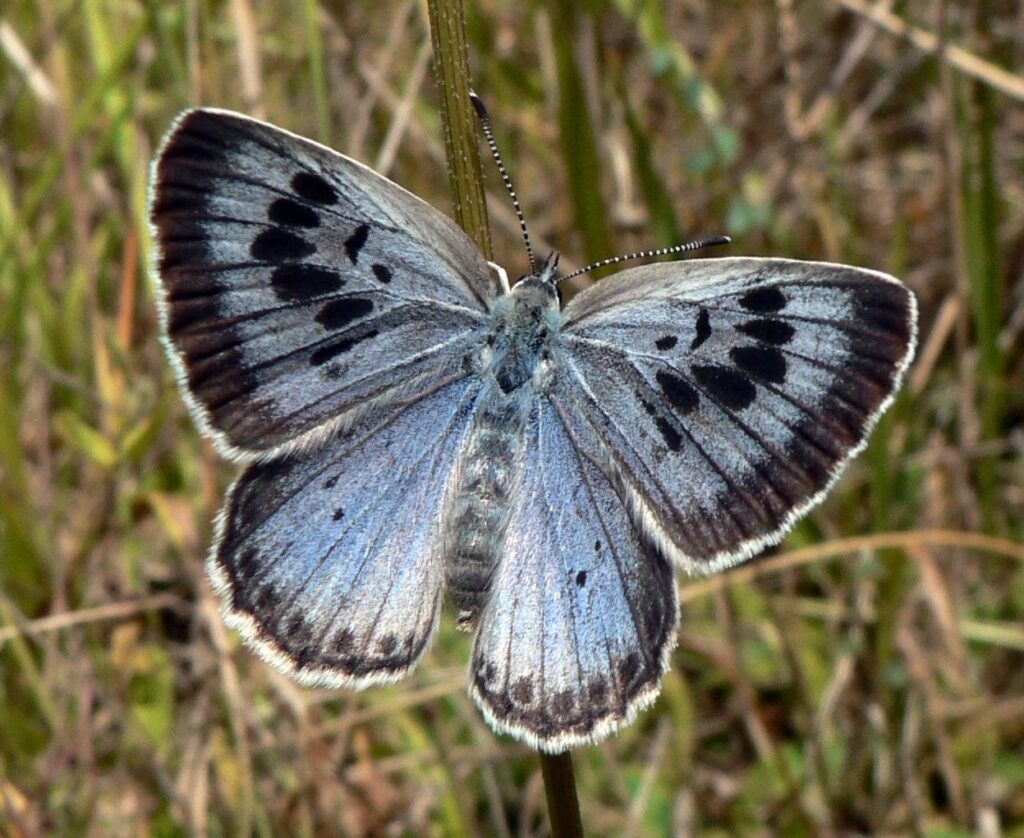
If you assume insects are basically unkillable, the large-blue butterfly will change your mind. Once common across parts of Europe, it vanished from the UK entirely in 1979, officially declared extinct after years of decline that most people blamed vaguely on pesticides and habitat loss.
The real cause was far stranger and far more precise. The large-blue’s caterpillars depend on tricking a very specific species of red ant into carrying them underground, where the larvae then feast on the ants’ own brood. Shift the grazing patterns even slightly, cool the soil, and the wrong ant species moves in – and the entire elaborate relationship collapses overnight.
That’s exactly what happened. We didn’t just lose a butterfly; we accidentally broke a three-way relationship between plant, ant, and insect that nobody fully understood until it was already gone.
British ecologists went forensic. They studied surviving Scandinavian populations, mapped ant distributions with obsessive precision, and rebuilt UK grasslands to match the exact grazing and temperature conditions the right ants needed. Reintroductions followed, and today the large-blue is expanding across multiple UK sites – one of the first insects ever formally brought back from national extinction, and a sharp reminder that most extinctions are quiet ecosystem failures, not just “too many tractors.”
#4 – The Przewalski’s Horse: From Zoo Enclosures Back to Open Steppe
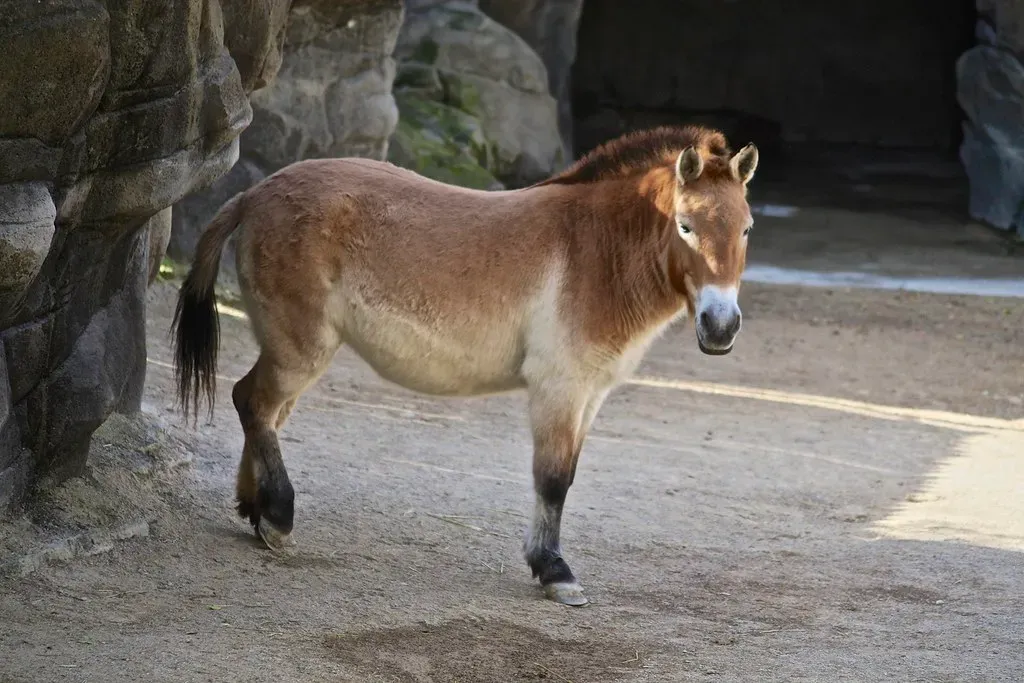
For most of the 20th century, every Przewalski’s horse on Earth lived behind a fence. This small, stocky wild horse of the Eurasian steppe disappeared from Mongolia’s deserts in the 1960s, squeezed out by hunting, competing livestock, and brutal winters. By the 1970s, it survived only as a few dozen captive animals scattered across European and American zoos, inbreeding creeping in with every generation.
What followed was one of the most ambitious breeding and reintroduction programs conservation has ever attempted. Centers meticulously paired horses to protect genetic diversity, swapped individuals across international borders, and quarantined animals before shipping them thousands of miles back toward Central Asia.
Since the 1990s, Przewalski’s horses have been released into reserves in Mongolia and China – and, strangely enough, into the Chernobyl Exclusion Zone, where they now roam semi-wild among abandoned villages and overgrown fields nobody else will touch. They are the only true wild horses left on Earth; mustangs and other so-called wild horses are simply feral descendants of domestic stock.
Not every scientist agrees on how to frame the comeback – some genetic studies complicate the line between “wild” and “feral,” sparking heated arguments online about what even counts as a real wild horse. But the fact remains: a species once reduced to a handful of zoo paddocks now gallops across open landscapes again, proof that “extinct in the wild” doesn’t always stick if you’re willing to move heaven, earth, and several dozen shipping crates.
#3 – The Hula Painted Frog: The Amphibian That Crawled Back From a Drained Swamp
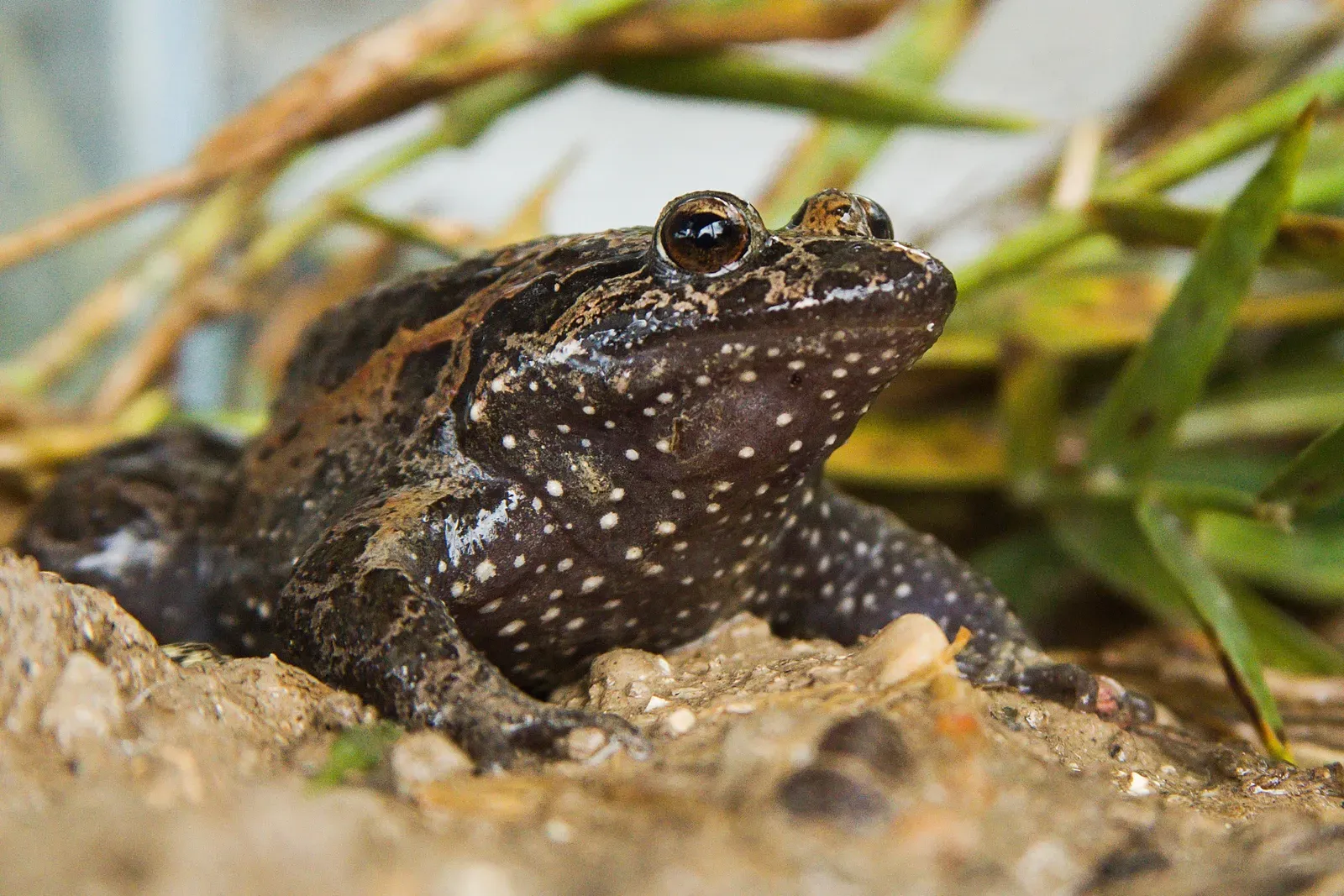
Amphibians are collapsing worldwide, and the Hula painted frog was supposed to be an early, forgettable casualty of that trend. Endemic to the Hula marshes of northern Israel, it vanished after the wetlands were drained in the 1950s to fight malaria and clear land for farming. By the 1990s it was declared extinct and quietly filed away as one more frog lost to short-sighted land management.
Then in 2011, a park ranger in the Hula Nature Reserve spotted a frog that didn’t match any known local species. Genetic testing confirmed the impossible: it was the Hula painted frog, alive, nearly 60 years after being written off for good.
Subsequent surveys found a small but stable population living in re-flooded sections of the marsh. Refill a wetland, apparently, and sometimes the original tenants crawl right back out of the mud to reclaim it.
Even more striking, later genetic work suggested the Hula painted frog isn’t just a rare local species – it may be the last living member of an entire ancient frog genus once presumed gone from the planet. Its reappearance makes an uncomfortable point: we don’t just kill species sometimes. We kill entire evolutionary lineages, and every so often, if we’re lucky and humble enough to look, one of them crawls back to tell us we were wrong.
#2 – The Aldabra Rail: The Bird That Went Extinct and Then Evolved Back
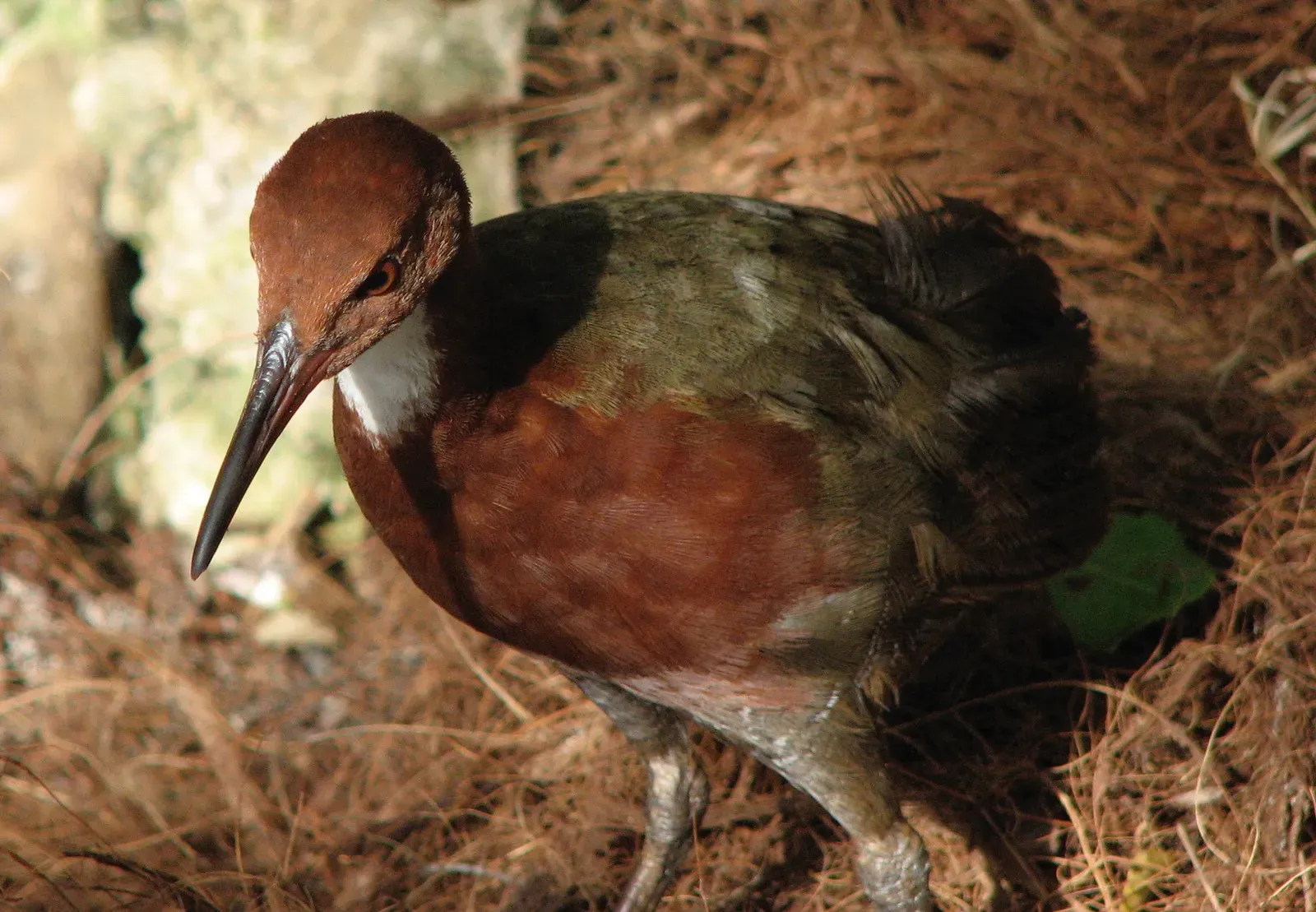
Most comeback stories involve rediscovery or careful breeding programs. The Aldabra rail is weirder than either. This small flightless bird on Aldabra Atoll in the Indian Ocean actually went extinct – fully, completely – when a prehistoric flood likely drowned the atoll and wiped out the original flightless rail population entirely. That should have been the end of the story.
Except nearby islands still had flying white-throated rails. Over thousands of years, those flying birds recolonized Aldabra again and again. Each time, natural selection quietly favored the individuals that flew less and walked more, exploiting a predator-free island where wings were simply wasted energy.
The result: a new population of flightless rails evolved back into existence, startlingly similar to the original extinct form. Paleontologists call this iterative evolution – the same body plan re-emerging in the same place after being erased, like nature rerunning an old experiment out of habit.
It’s tempting to romanticize this as proof that “nature always bounces back,” but that’s a dangerous read. It took immense timescales and the sheer luck of a nearby source population for this to happen once. Human-driven extinctions move far faster, and far more completely, than evolution can undo.
Worth Knowing
- The flightless Aldabra rail went extinct 136,000 years ago when its atoll home sank beneath the waves.
- Some 20,000 years later Aldabra reemerged and a new wave of White-throated Rails arrived from Madagascar, evolving flightlessness once again.
- Losing its ability to fly a second time meant the Aldabra rail essentially evolved twice, rising from the dead through “iterative evolution.”
- Today it stands as the last surviving flightless bird in the western Indian Ocean.
#1 – The New Guinea Singing Dog: The Wild Melody That Never Actually Went Silent
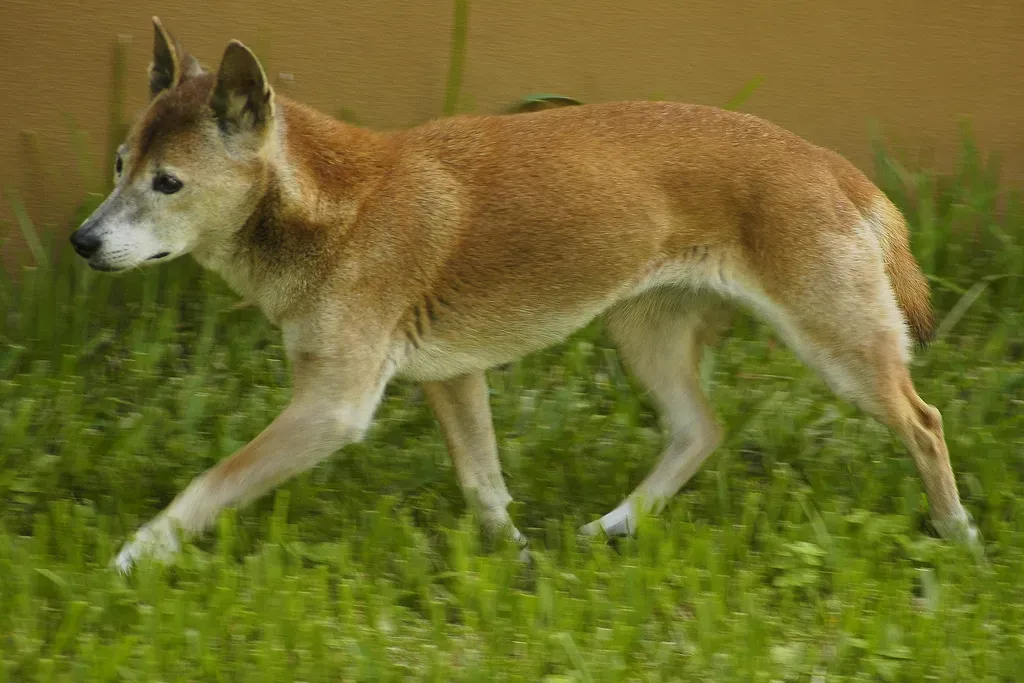
Dog people argue about breeds constantly, but the New Guinea singing dog belongs in its own category entirely. This small wild canid from New Guinea’s highlands is famous for an eerie, harmonic howl that sounds closer to a yodel or whale song than anything you’d expect from a dog. By the late 20th century, it was widely considered extinct in the wild, surviving only as a few dozen captive animals descended from dogs caught and traded among zoos decades earlier.
Then came the twist nobody saw coming. In the 2010s, researchers surveying an extremely remote stretch of Papua’s highlands photographed free-roaming dogs with pointed ears, curled tails, and a lithe build that looked strikingly like the historical singing dog. Later expeditions collected genetic samples for confirmation.
The results showed a very high genetic overlap between these “highland wild dogs” and captive New Guinea singing dogs, strongly suggesting the wild population everyone had quietly written off was still out there, isolated in mountain valleys almost nobody visits.
The discovery reopened deep questions about what “wild” and “domestic” even mean, since the singing dog sits close to the dingo and ancient Asian dog lineages, potentially offering a living window into early dog evolution. Its comeback isn’t a clean fairy tale – habitat threats, hybridization with village dogs, and political obstacles all still complicate protection. But the core fact remains staggering: a dog with one of the strangest voices on Earth was never actually gone. It was just singing to itself somewhere we weren’t listening.
Fast Facts
- Captive singing dogs trace back to just eight individuals brought to the United States from the New Guinea highlands and bred with each other.
- None had been seen in their natural habitat for half a century until 2016, when an expedition located and studied 15 wild dogs in the remote highlands.
- A 2020 genetic study found the highland wild dogs and captive singing dogs have nearly identical genetic profiles.
- The wild population turned out to be far more genetically diverse than the captive dogs, which descended from just eight individuals and are severely inbred.
The Bottom Line
Zoom out, and these 13 comeback stories stop looking like feel-good trivia and start looking like an indictment. Species we confidently declared “gone” were hiding in war zones, desert scrub, re-flooded marshes, or right under the wrong name in a museum drawer.
Extinction, it turns out, is sometimes a measurement failure wearing the costume of fate. That doesn’t mean the extinction crisis is overstated – if anything, it means we’ve probably missed disappearances we’ll never even know to look for.
The pattern is uncomfortable but consistent: we write obituaries faster than we fund surveys, declare habitats empty before we’ve actually searched them, and then act shocked when something crawls, hops, or sings its way back into the story. At the same time, every one of these rediscoveries proves that targeted, patient, science-driven conservation actually works – when we treat it like infrastructure instead of charity.
My honest take: these Lazarus species shouldn’t make us feel relieved. They should make us restless. If a fanged deer, a venomous mammal, and a bird that evolved back from nothing can all slip past our certainty, the real number of species quietly hanging on out there is almost certainly higher than we’re comfortable admitting. The question worth sitting with isn’t whether nature can surprise us – it clearly can. It’s whether we’ll bother looking before we write the next obituary.