
If you grew up thinking Tyrannosaurus rex was the undisputed heavyweight champ of the dinosaur world, you’re not alone. But here’s the twist: some of the most terrifying killers to ever walk the planet weren’t gigantic tank–like predators, but agile, blade-footed raptors built like living weapons. They were smaller than a T. rex, sure, but in speed, coordination, and slashing power, a few of them could have made even a tyrant lizard think twice.
Now, could any raptor actually beat T. rex one‑on‑one? Almost certainly not. But “deadliest” doesn’t just mean “biggest.” It means how efficiently they could hunt, how much damage they could inflict, and how frightening they’d be if you somehow dropped them into the same arena as a T. rex. Let’s walk through five raptor dinosaurs that were so specialized, so viciously equipped, and so terrifyingly adapted that a hypothetical showdown with the king of the tyrants suddenly doesn’t feel completely ridiculous.
Utahraptor: The Bulldozer Raptor From Hell
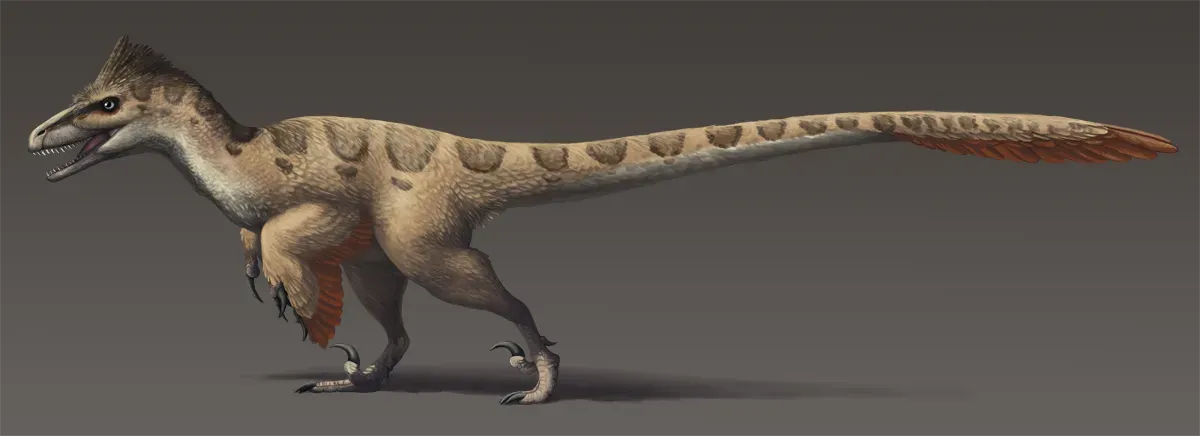
Utahraptor is the closest thing we have to the real‑life version of the movie raptors turned up to maximum. It was enormous for a dromaeosaur, stretching roughly the length of a car and weighing as much as a big motorcycle, with a skull packed with serrated teeth designed to tear flesh rather than just nip at it. Its most famous weapon, though, was that massive sickle-shaped claw on each foot, a curved blade longer than most people’s hands that could have sliced deep into muscle and arteries.
What makes Utahraptor so scary in a face‑off fantasy with T. rex is not just the hardware, but the likely hunting style. Instead of lumbering in like a tank, Utahraptor was more like a battering ram wearing knives: powerful, stocky hindlimbs for explosive lunges, forearms with big claws for holding on, and a tail stiffened for balance as it twisted and slashed. In a straight‑up size battle, a T. rex would win, but Utahraptor could potentially rush in, hook into soft tissue like the belly or legs, and cause catastrophic damage in seconds – more like a wrestling move crossed with a knife fight than a classic bite‑and‑run.
Dakotaraptor: The Plains Sprinter With Murderous Reach
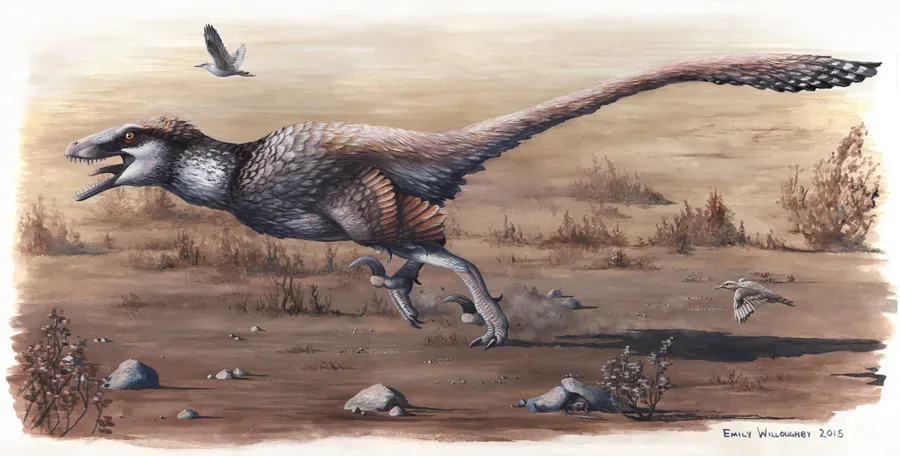
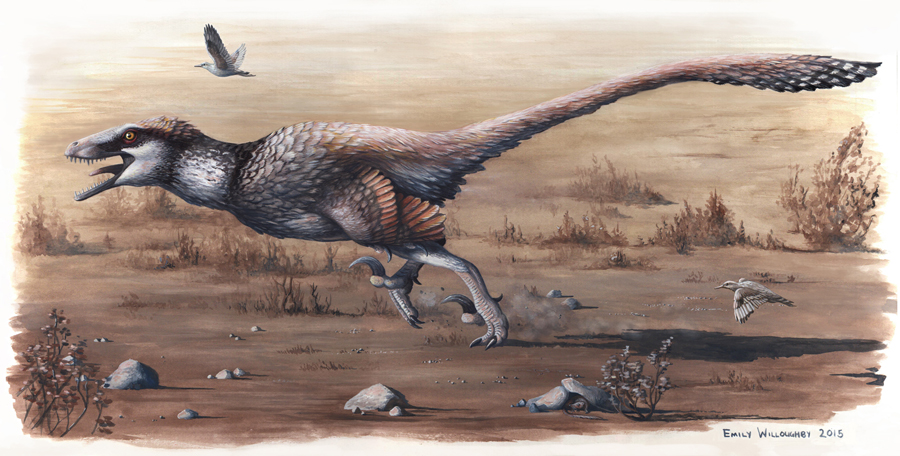
Dakotaraptor is the nightmare that haunts open country: long‑legged, lean, and built to move. Discovered in the Late Cretaceous rocks of North America, it lived in the same general world as T. rex, which instantly makes the “what if they met?” question addictive. Dakotaraptor had long, powerful legs that suggest it was a fast runner, arguably one of the speed specialists among the big raptors. Think of it as the velociraptor you ordered online but it shows up in XL.
Its arms were also proportionally large, with robust claws that could have helped it latch onto prey while that classic enlarged toe claw did the heavy cutting. In a confrontation scenario, T. rex holds the power advantage, but Dakotaraptor holds the agility card in a big way. It may have been able to dart in from the flanks, targeting tendons or softer areas, get in a few devastating slashes, and retreat before the giant jaws could close. One swipe from those jaws and it was over, but in terms of battlefield style, Dakotaraptor would fight like a hit‑and‑run special forces unit rather than a tank, making it the kind of opponent you never want anywhere near your blind spot.
Achillobator: The Heavyweight Eastern Raptor
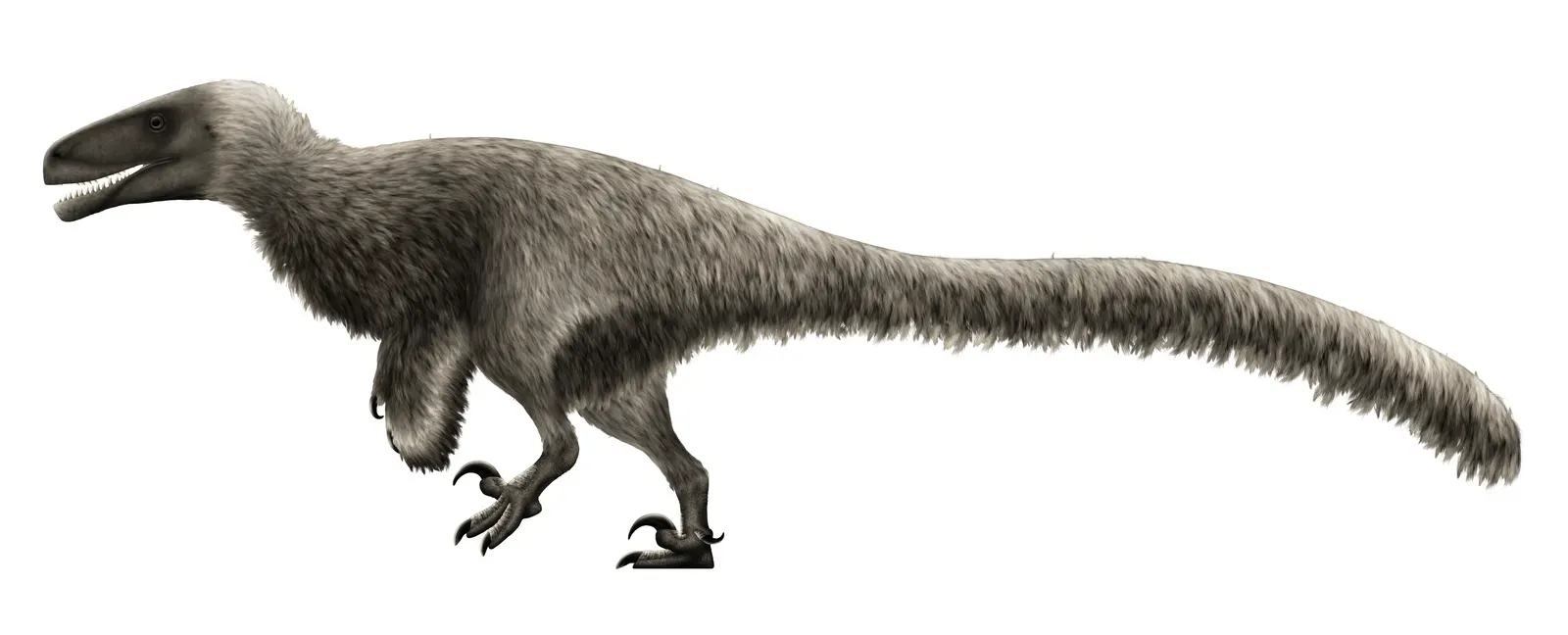
Achillobator is the raptor that looks like it skipped leg day exactly never. This Mongolian dromaeosaur was big, heavily built, and its very name hints at its brutal potential, combining a reference to Achilles and “warrior.” Unlike the sleek, almost greyhound‑like image some people have of raptors, Achillobator seems to have been more of a bruiser, with hips and legs that suggest strong, forceful movements and serious kicking power.
That same iconic killer claw is present here, scaled up to match its hefty frame, giving Achillobator a terrifying combination: mass plus slicing power. Against a T. rex, Achillobator would be outrageously outgunned in terms of bite force and raw size, but it could potentially aim lower – literally. One brutal, well‑placed slash to a leg, damaging muscles or tendons, could turn a tyrant into a limping hulk. Achillobator feels like the kind of fighter that doesn’t try to take you out in one move, but instead aims to cripple you so that you cannot fight back, and that strategic cruelty earns it a place on any “deadliest” list.
Austroraptor: The Cretaceous Crocodile‑Snouted Stalker
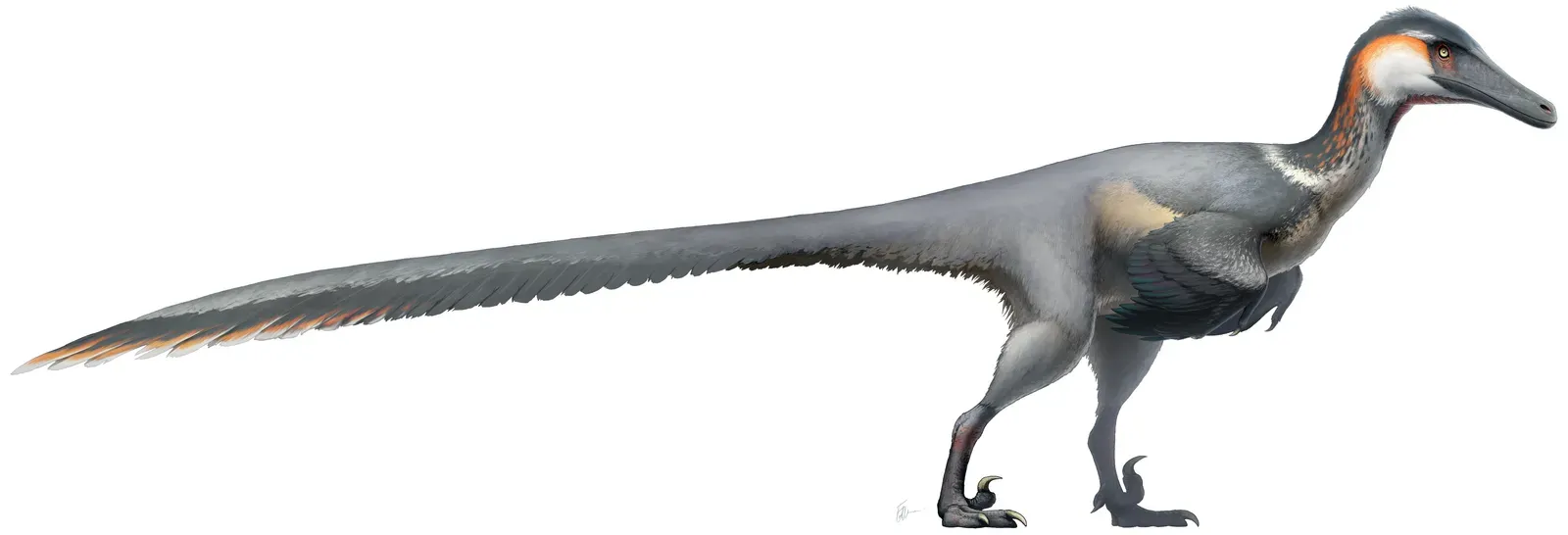
Austroraptor is a raptor that almost looks like it wanted to be something else entirely. With its long, low skull and slender, conical teeth, it has a crocodile‑like vibe, hinting at a diet that might have included fish and softer prey, not just big, struggling dinosaurs. But that doesn’t make it less dangerous – if anything, it shows how flexible and opportunistic these animals could be. Add in the fact that it was one of the larger raptors from South America and you get a predator that could dominate its environment through versatility as much as violence.
Although its arms were shorter than those of some of its raptor cousins, Austroraptor had the classic dromaeosaur sickle claw and a streamlined body built for movement. In a hypothetical showdown with T. rex, this is the raptor that might not come straight at the giant at all. Instead, picture it hunting the same general ecosystem, picking off juveniles or sick individuals and avoiding full‑grown tyrants unless it had no choice. That kind of strategic survival instinct – knowing when to strike and when to vanish – might actually make it more successful long‑term than something that tries to win every fight, and that stealthy ruthlessness is its own kind of deadly.
Deinonychus: The Original “Terrible Claw” That Changed Everything
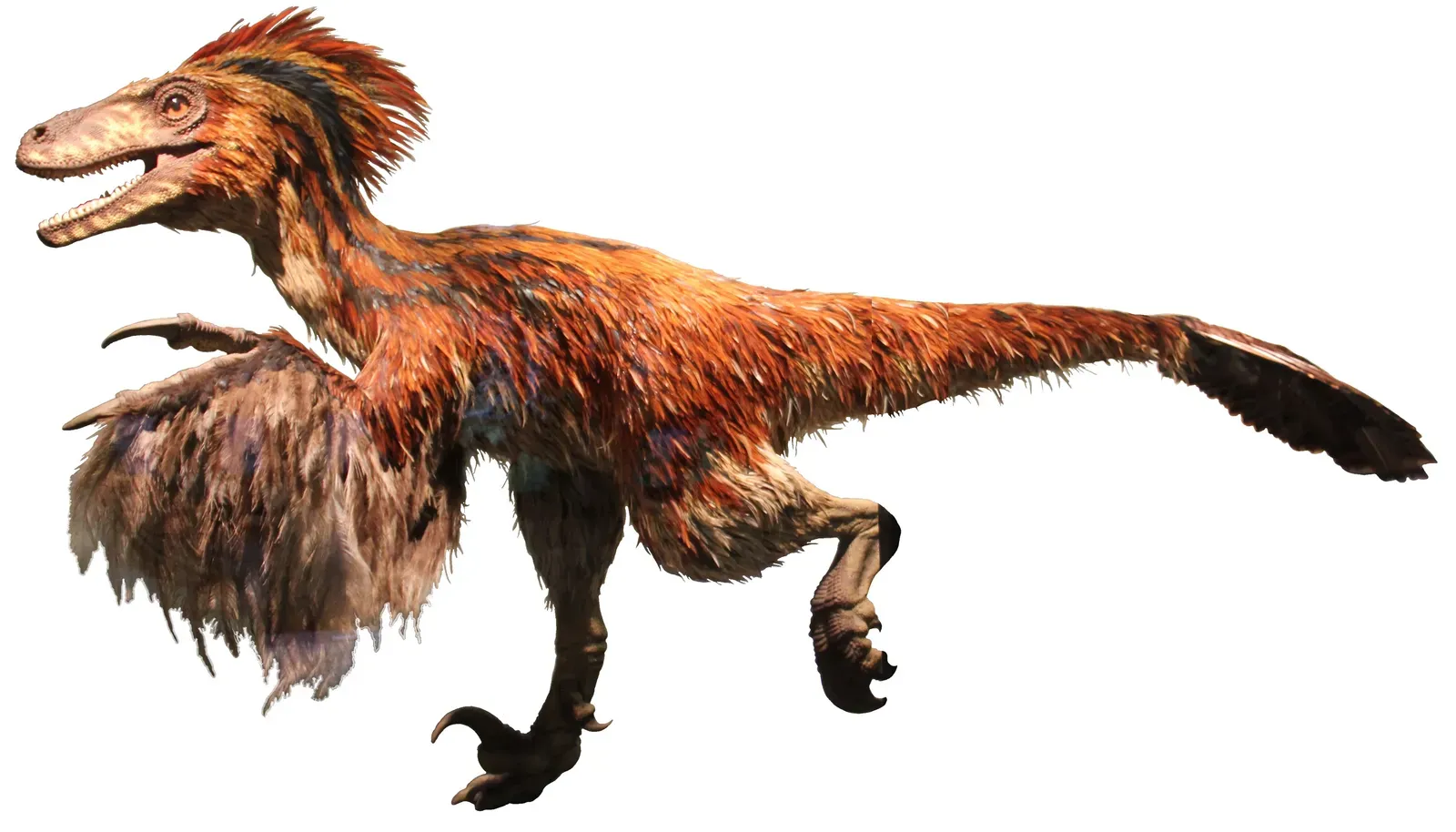
Deinonychus is not the biggest raptor on this list, but in some ways it is the most important. It is the animal that forced paleontologists to rewrite the story of dinosaurs from slow, dragging lizards into fast, agile, intelligent predators. Roughly the size of a large dog but much more athletic, Deinonychus had that famous retractable toe claw, a long, balancing tail, and a lightly built frame designed for quick, precise movement. If Utahraptor is the sledgehammer, Deinonychus is the scalpel.
In a fantasy match‑up with T. rex, Deinonychus is severely outclassed in size, but that is not really the point. The reason it belongs among the “deadliest” raptors is what it represents: coordinated pack hunting, agility, and a fighting style where speed and strategy beat brute force whenever the matchup is closer. A group of Deinonychus could potentially harass and wear down much larger prey, darting in from all sides, striking where it hurts, then retreating just out of reach. Translate that behavior to a world with tyrannosaurs and you get a chilling thought: T. rex might be the ultimate single combat monster, but if you ever see multiple Deinonychus eyes watching you from the brush, your odds might actually be worse.
Conclusion: Power vs. Precision in a World of Monsters
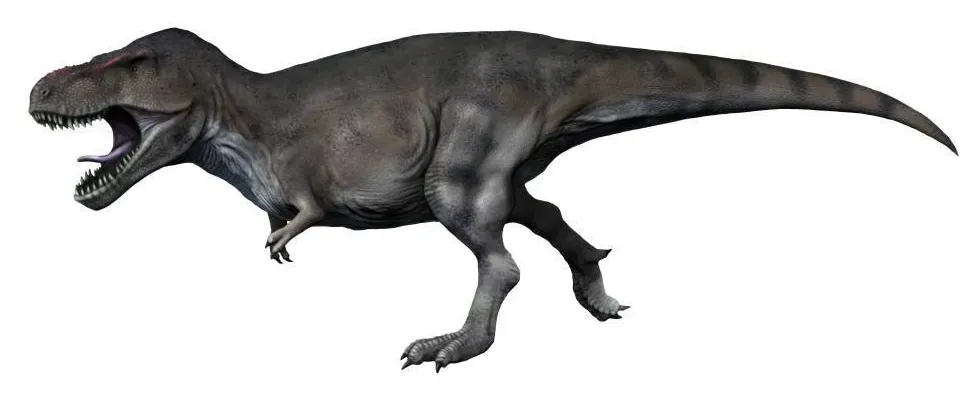
When you line these raptors up next to a T. rex, the mismatch in size is almost comical, like comparing a grizzly bear to a pack of knife‑wielding wolves. In a straightforward arena fight, T. rex wins nearly every time – one bite, one crush, game over. But raw dominance is only one kind of deadly, and these raptors show another: speed you can barely track, claws designed to carve, and hunting strategies that turn coordination and precision into lethal weapons. In their own ecological lanes, these were apex problem‑solvers, not just brutes.
If I had to pick the raptor that comes closest to being able to truly trouble a T. rex in a one‑on‑one, I’d go with Utahraptor, simply because its combination of size and slashing ability is brutally hard to ignore. But in terms of sheer evolutionary success and terror per kilogram, something like Deinonychus or Dakotaraptor might be even more impressive. In the end, the question of who would “win” is less interesting than what it reveals about how many different ways nature can build a killer. Between a tyrant with crushing jaws and raptors with precision blades, which kind of monster honestly scares you more?