
Most people assume time travel’s biggest danger would be a paradox, a rogue historical figure, or accidentally stepping on a butterfly. They’re wrong. The real killer waiting in Earth’s deep past isn’t some dramatic villain – it’s the planet itself. For most of Earth’s 4.5-billion-year history, the air, water, and wildlife were actively hostile to a soft, hairless mammal with modern lungs and zero natural defenses.
Paleontologists and atmospheric scientists have spent decades reconstructing exactly how deadly these ancient worlds really were, and the picture that emerges is far stranger than any movie monster. Some of these threats you could see coming from a mile away. Others would kill you before you even understood what was happening. Here’s what the fossil record and geochemical data actually say.
#1 – The Unbreathable Air of Earth’s First Billion Years
If you landed on Earth 3.5 billion years ago, you wouldn’t need a monster to kill you. The air itself would do the job in minutes. The Hadean and early Archean atmospheres contained almost no free oxygen at all – instead, they were dominated by carbon dioxide, nitrogen, water vapor, methane, and ammonia, laced with volcanic sulfur compounds.
Geologists studying ancient rock layers have confirmed that atmospheric oxygen didn’t begin accumulating in any meaningful way until the Great Oxidation Event roughly 2.4 billion years ago. Before that, breathing this air wouldn’t just be uncomfortable – it would be physiologically impossible for a human respiratory system built around oxygen exchange.
Most people picture time travel disasters involving teeth and claws. The truth is far less dramatic and far more immediate: you’d lose consciousness from oxygen deprivation before you even had time to look around. There would be no warning, no gradual suffocation feeling – just a rapid, silent shutdown.
And the sky waiting outside that unbreathable air was hiding a second, equally invisible killer.
#2 – Deadly UV Radiation With No Ozone Shield to Stop It
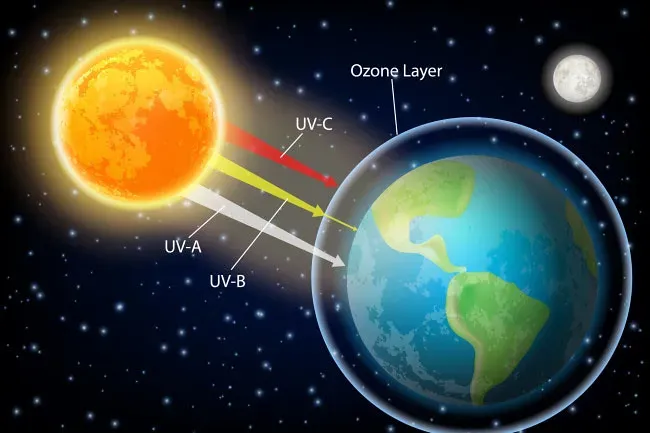
Here’s something most people don’t realize: the ozone layer that protects us from the sun’s most dangerous radiation didn’t always exist. It’s a byproduct of atmospheric oxygen, which means for billions of years, Earth’s surface was bathed in unfiltered ultraviolet radiation strong enough to shred DNA on contact.
Before oxygen levels rose enough to generate a stable ozone layer, scientists believe surface UV radiation was intense enough that most early life was confined to water or shielded locations, avoiding direct sunlight almost entirely. Unlike deep-sea vents or shaded microbial mats, an exposed human standing outside in daylight would have no such luxury.
Fast Facts
- Today’s ozone layer blocks the vast majority of harmful UV rays before they ever reach the ground
- Free atmospheric oxygen barely existed until the Great Oxidation Event, roughly 2.4 billion years ago
- A stable ozone shield likely didn’t fully form until hundreds of millions of years after that
- Without it, unfiltered UV exposure can trigger severe DNA damage within minutes, not years
Sunburn wouldn’t be the concern. At those radiation levels, we’re talking about rapid cellular damage, catastrophic skin destruction, and DNA mutation rates high enough to cause organ failure within hours, not years. It’s one of the quietest, least talked-about dangers of the deep past – and arguably one of the most efficient killers on this entire list.
Turns out the danger doesn’t end with the sky. What was hiding in the ocean was even worse.
#3 – The Great Dying’s Poison Gas Oceans
Around 252 million years ago, Earth experienced the most severe extinction event in its entire history – nicknamed “the Great Dying.” Roughly 96% of marine species vanished, and one of the leading scientific explanations involves something genuinely terrifying: toxic, oxygen-starved oceans releasing deadly hydrogen sulfide gas into the atmosphere.
Researchers studying Permian-Triassic boundary sediments have found strong evidence of widespread ocean anoxia – meaning the seas became so oxygen-depleted that sulfur-loving bacteria thrived instead, releasing hydrogen sulfide as a byproduct. This gas is lethal to humans even in relatively small concentrations, capable of causing respiratory paralysis almost instantly.
If you arrived near a coastline during this period, you wouldn’t necessarily see the danger coming. Unlike wildfire or lava, toxic gas has no visual warning. Many experts now argue this event – quiet, invisible, and chemical – was likely more catastrophic to individual survival odds than any predator that ever lived.
Speaking of predators, one of history’s strangest was waiting just offshore.
#4 – Giant Sea Scorpions Lurking in Paleozoic Waters
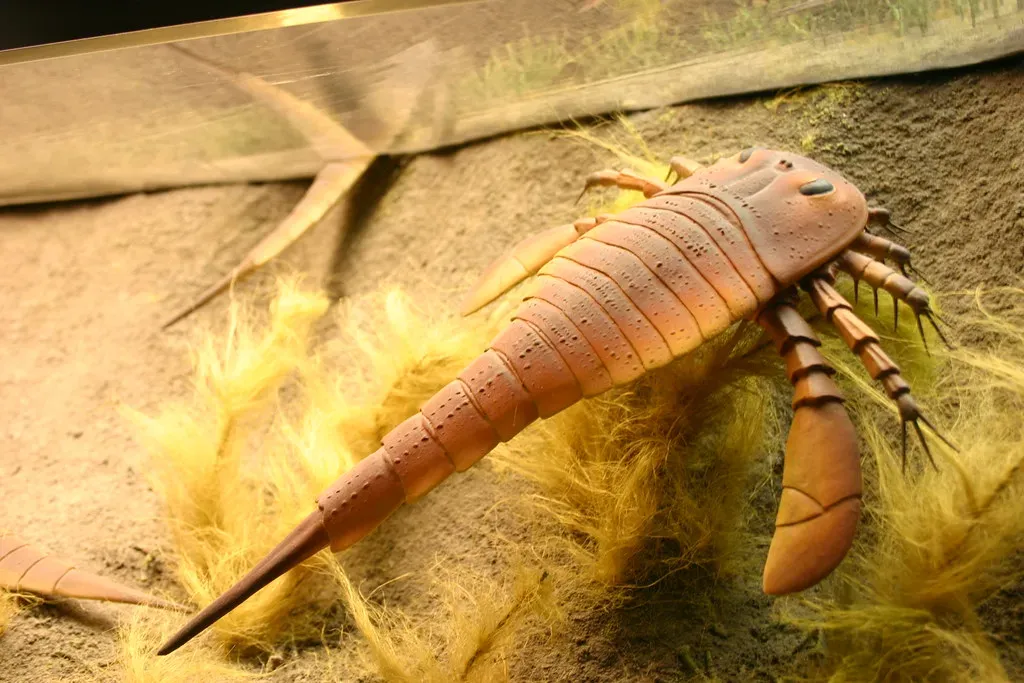
Long before sharks ruled the oceans, a different apex predator patrolled Paleozoic waters: the eurypterid, commonly known as the sea scorpion. These weren’t cute beach creatures – some species grew larger than an adult human, with the largest known specimens estimated at roughly eight feet long.
Fossil evidence shows these creatures had powerful pincers and, in many species, paddle-like limbs built for fast pursuit through shallow seas and brackish coastal waters. They were among the largest arthropods to ever exist, and their size alone made them formidable ambush predators in environments where few other animals could compete.
While eurypterids weren’t necessarily hunting anything resembling a human, an unprepared swimmer wading into Paleozoic shallows would be entering the territory of an animal built specifically to overpower anything it encountered. Combine that with the era’s low visibility waters and unfamiliar terrain, and the odds tilt heavily against survival for anyone unfamiliar with what’s swimming beside them.
Turns out the land wasn’t much safer than the water during this period either.
#5 – The Carboniferous’s Oxygen-Fueled Firestorms
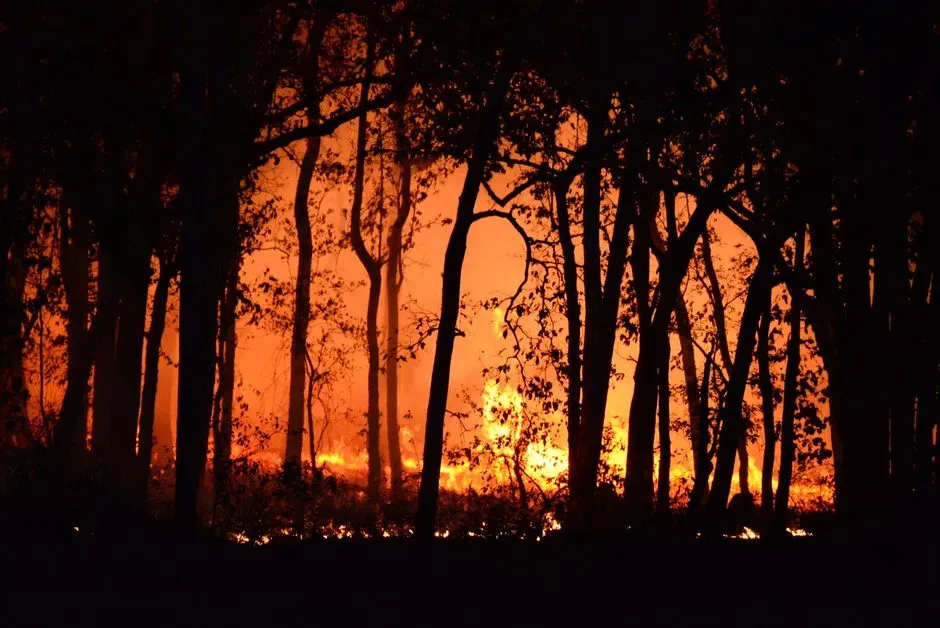
The Carboniferous period, roughly 359 to 299 million years ago, is famous for its massive swamp forests – but it hid a dangerous secret. Atmospheric oxygen levels during this era spiked to roughly 35%, dramatically higher than today’s 21%. That extra oxygen didn’t just fuel giant insects; it turned wildfires into unstoppable infernos.
Charcoal deposits from this period, found abundantly in the geological record, confirm that fires burned far more intensely and frequently than they do in the modern world. Higher oxygen concentrations mean fire spreads faster, burns hotter, and consumes fuel more completely – a terrifying combination in a world covered in dense vegetation.
If you landed in the middle of a Carboniferous forest, you’d essentially be standing inside a natural tinderbox. A single lightning strike could ignite a fire capable of outrunning a human on foot, especially through unfamiliar swampy terrain with limited escape routes.
But the fires were the least of your worries once the local wildlife noticed you.
#6 – Arthropleura and the Continent-Sized Bugs Beneath Your Feet
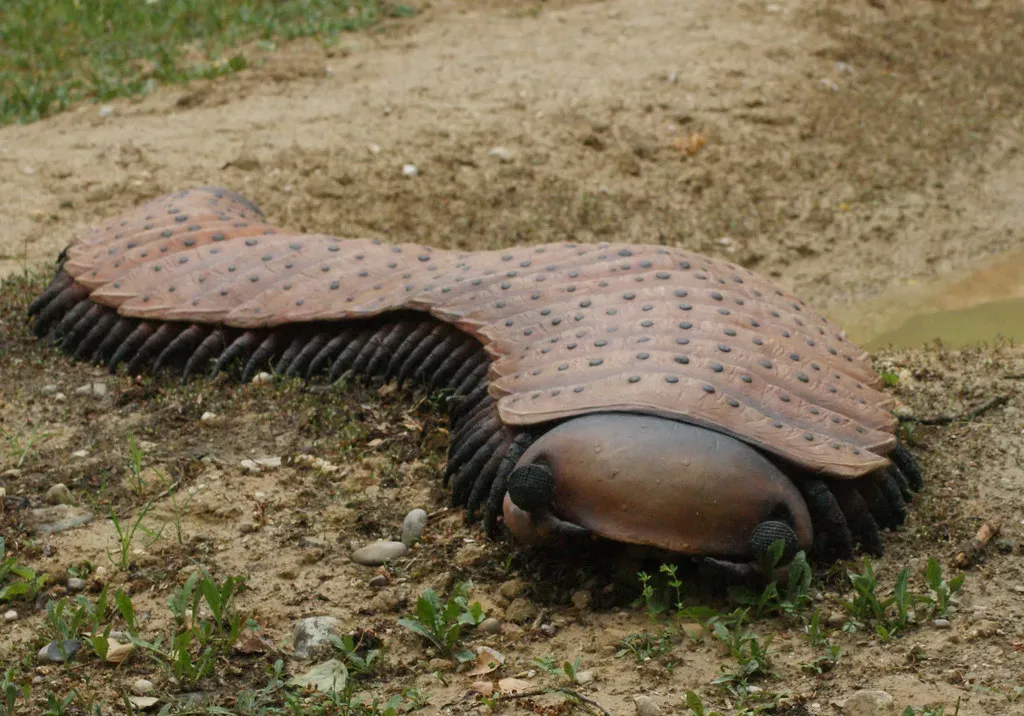
That same oxygen-rich Carboniferous air didn’t just fuel fires – it fueled gigantism. Insects and arthropods grew to sizes that seem almost fictional by modern standards. The most famous example, Arthropleura, was a massive millipede-like creature that fossil evidence suggests grew over eight feet long, making it one of the largest land invertebrates to ever exist.
While researchers generally believe Arthropleura was a detritivore rather than an active predator, its sheer size alone would be enough to trigger a life-threatening panic response in anyone unprepared to encounter an arthropod longer than a canoe. Add in giant dragonfly relatives like Meganeura, with wingspans reportedly reaching over two feet, and you have an environment where “bugs” behave more like wildlife than pests.
Quick Compare
- Arthropleura: over 8 feet long – roughly the length of a full-size door
- Meganeura: wingspan over 2 feet – larger than many hawks in flight
- Modern millipede: rarely grows past 1 foot
- Modern dragonfly: wingspan of about 4 inches
The real danger wasn’t necessarily predation – it was the disorientation, the unfamiliar scale of everything, and the risk of provoking creatures whose defense mechanisms hadn’t been calibrated for a human-sized threat wandering through their environment.
Nothing on land, though, could prepare you for what was waiting in Devonian waters next.
#7 – Dunkleosteus, the Armored Fish That Could Bite You in Half
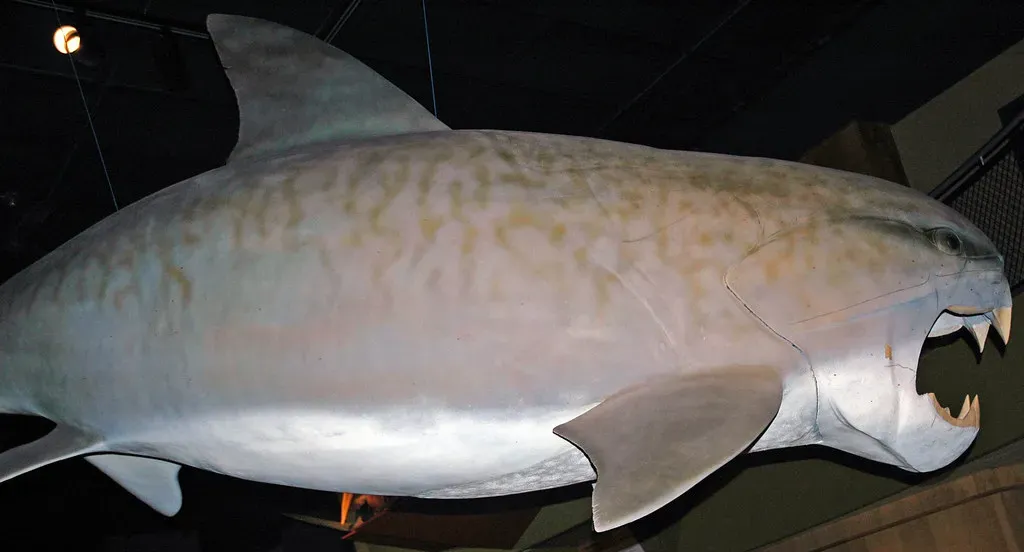
Roughly 380 million years ago, the seas belonged to an armored predator unlike anything alive today. Dunkleosteus was a massive placoderm fish, estimated by paleontologists to have reached lengths of up to 20 feet, with a heavily armored skull and self-sharpening bony plates instead of traditional teeth.
Biomechanical studies of Dunkleosteus jaw structure suggest it had one of the most powerful bite forces of any fish that has ever lived, capable of shearing through the armored hides of other large sea creatures with ease. This wasn’t an animal built to nibble – it was engineered to crush and slice.
If you found yourself in Devonian coastal waters, visibility would likely be poor, and Dunkleosteus was an ambush predator adapted to strike quickly. There would be little warning and even less chance of escape once it committed to an attack. Unlike modern sharks, which at least have some documented tendency to test-bite before committing, Dunkleosteus’s biology suggests a much more efficient, single-strike hunting strategy.
Turns out the danger didn’t stay in the water for long once life crawled ashore.
#8 – Titanoboa, the 40-Foot Snake Waiting in the Swamp
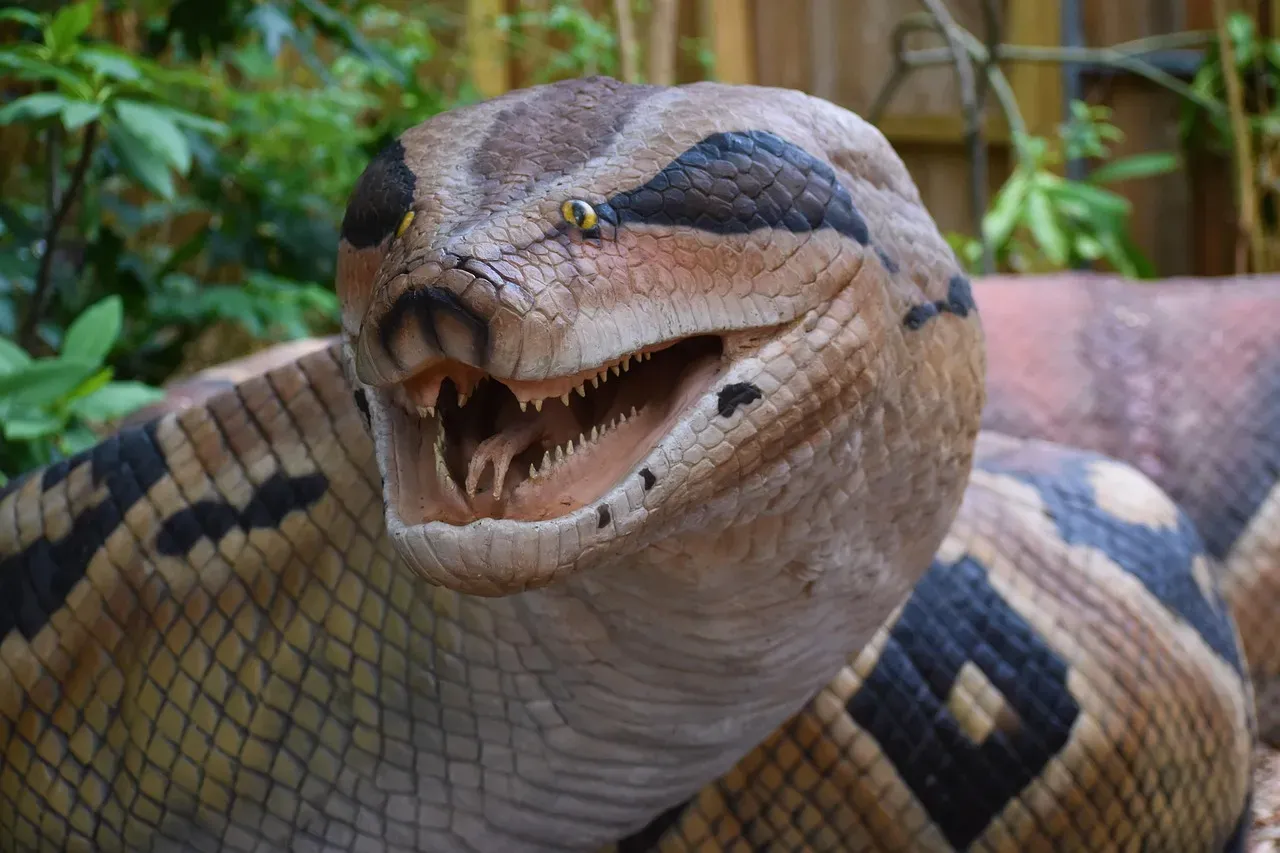
After the dinosaurs went extinct, the world didn’t become safer – it just changed predators. Around 60 million years ago, in the humid swamps of what is now Colombia, Titanoboa slithered through the underbrush as one of the largest snakes to ever exist. Fossil vertebrae studies suggest this species reached lengths of over 40 feet.
Its sheer mass alone made it a uniquely terrifying constrictor, with researchers estimating it could have weighed over a ton. Unlike venomous predators that rely on toxins, constrictors kill through sheer physical force, cutting off circulation and breathing within moments of a successful strike.
The tropical swamps Titanoboa called home were also thick with humidity, dense vegetation, and poor visibility – the exact conditions that favor ambush predators over prey. An unprepared human wandering through this landscape wouldn’t just be dealing with one dangerous species; they’d be navigating an entire ecosystem built around post-extinction predators claiming their new throne.
Millions of years later, an even bigger monster was waiting just off the coast.
#9 – Megalodon and the Monster-Filled Prehistoric Seas
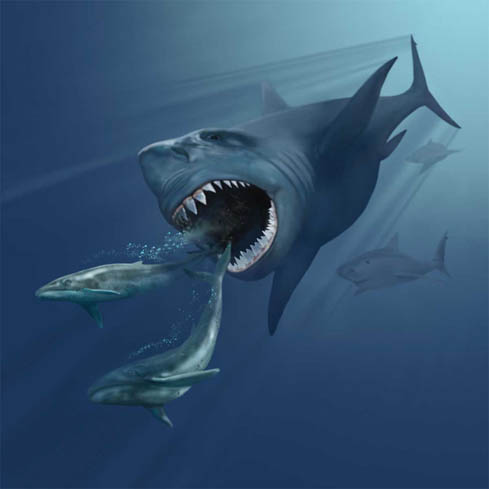
While Megalodon is often mistakenly lumped in with dinosaur-era sea monsters, it actually thrived millions of years later, during the Miocene and Pliocene epochs. Still, its reputation is well earned. Fossil tooth evidence suggests this shark reached lengths of up to 50 or 60 feet, making it one of the largest predatory fish to ever exist.
At a Glance
- Megalodon: estimated length of 50 to 60 feet
- Modern great white shark: typically 11 to 13 feet, occasionally larger
- Time period: mostly the Miocene and Pliocene epochs, long after the dinosaurs
- Bite force: among the strongest ever estimated for any animal in Earth’s history
Its bite force is estimated to be among the strongest of any animal in Earth’s history, engineered specifically to crush the bones of large marine mammals like early whales. This wasn’t an animal built for stealth – it was built for raw, overwhelming power.
Anyone unlucky enough to end up in open coastal waters during Megalodon’s reign would be entering the hunting grounds of an apex predator with no natural competition. Modern shark encounters are frightening enough; encountering something several times the size of today’s largest great white would leave essentially zero margin for survival or escape.
Back on land, meanwhile, an even more famous killer was already waiting.
#10 – Tyrannosaurus Rex and the Apex Predators of the Cretaceous
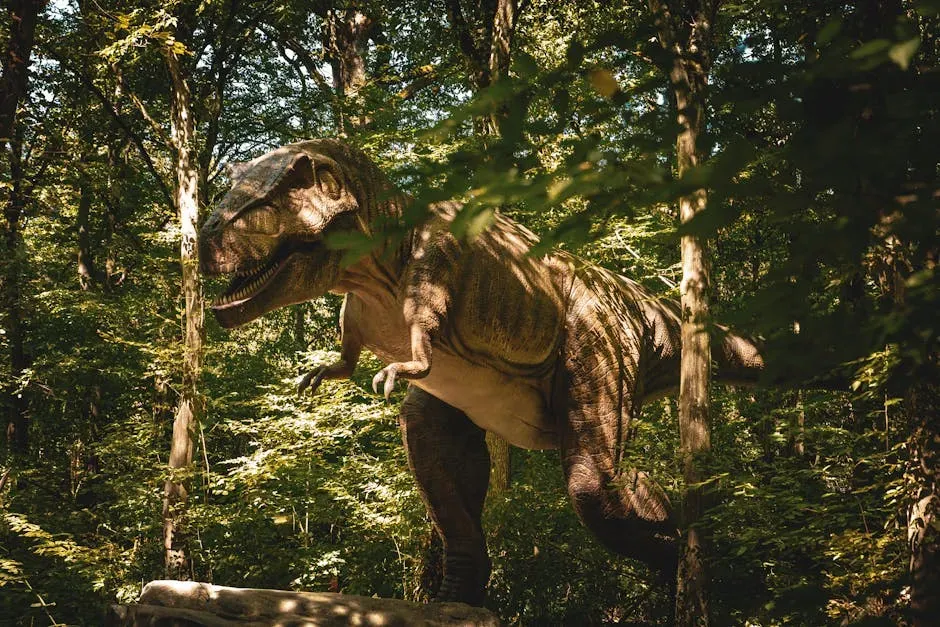
No list about deep-past dangers would be complete without addressing the most iconic predator in Earth’s history. Tyrannosaurus rex roamed what is now North America roughly 66 to 68 million years ago, and everything about its biology was built for lethal efficiency. Fossil evidence suggests bite forces strong enough to crush bone effortlessly.
Most people assume speed was T. rex’s biggest advantage, but experts increasingly point to its bite force and ambush behavior as the real threat. Studies of skull structure and jaw muscle attachment points suggest this animal was capable of generating one of the most powerful bites of any land predator ever documented.
Beyond T. rex, this era was filled with other dangerous predators like Utahraptor and various mid-sized theropods, meaning even avoiding the most famous dinosaur wouldn’t guarantee safety. The Cretaceous wasn’t a single-threat environment – it was an entire ecosystem calibrated around predation at every size class.
Turns out water wasn’t any safer during this period either.
#11 – Deinosuchus, the Crocodile Built to Eat Dinosaurs
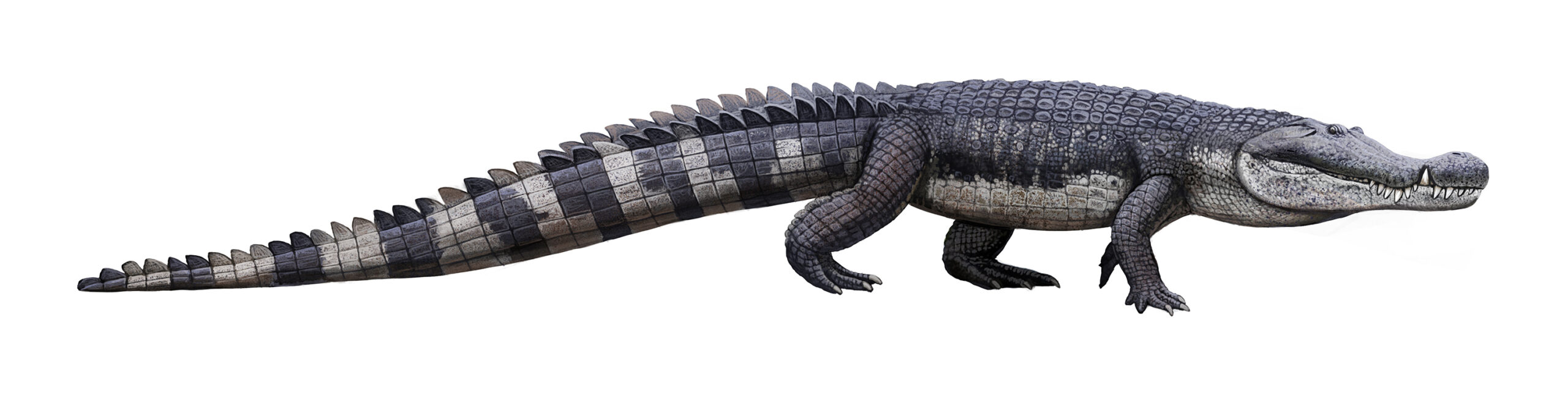
While T. rex gets most of the attention, Late Cretaceous rivers and swamps hid an equally terrifying predator: Deinosuchus. Fossil evidence suggests this ancient crocodylian relative reached lengths of over 30 feet, with some estimates pushing even higher, making it substantially larger than any crocodile alive today.
Bite mark analysis on fossilized dinosaur bones has led researchers to conclude that Deinosuchus was capable of preying on dinosaurs that ventured too close to water. This wasn’t a passive river creature – it was an active, opportunistic ambush predator with the size and power to take down land animals many times a human’s mass.
If you found yourself near freshwater during this era, the danger wouldn’t come from open confrontation. Like modern crocodiles, Deinosuchus almost certainly relied on stealth, patience, and explosive ambush attacks – meaning a seemingly calm riverbank could be one of the most dangerous places imaginable.
Skip forward tens of millions of years, and the threat gets colder, not gentler.
#12 – The Ice Age’s Sabertooth Cats and Short-Faced Bears
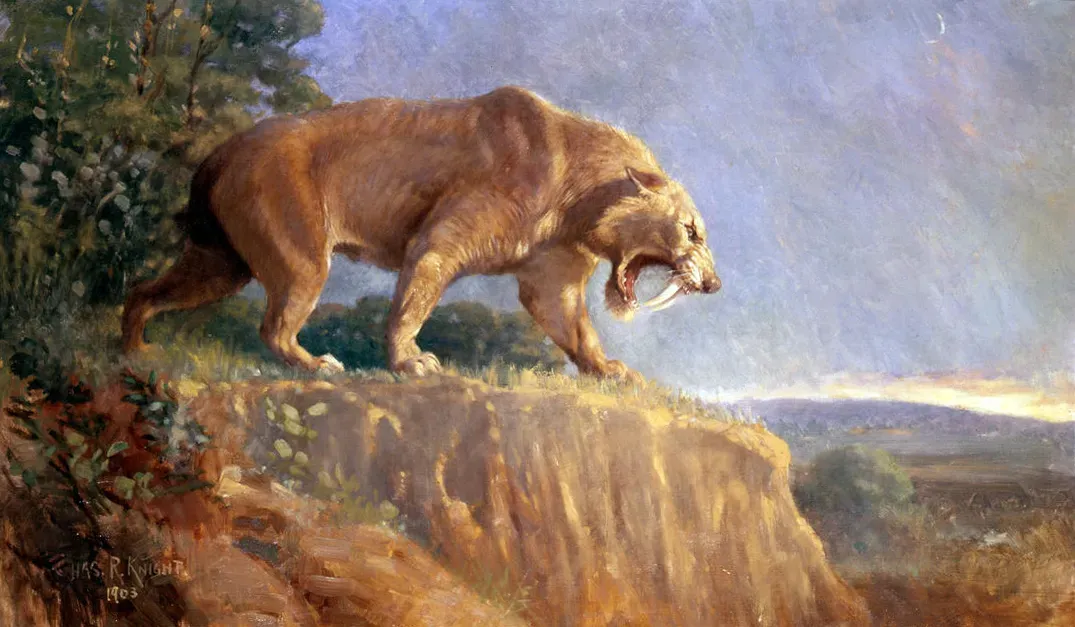
During the Pleistocene epoch, Smilodon, commonly known as the saber-toothed cat, prowled North and South America as a powerful ambush predator equipped with elongated canine teeth designed for delivering devastating, precise bites. It didn’t rely on stamina or a long chase – it relied on getting close enough for one decisive strike.
Alongside Smilodon roamed Arctodus, the giant short-faced bear, which fossil evidence suggests was among the largest terrestrial carnivorous mammals to ever exist, with some estimates placing its standing height well above that of modern bears. Its long limbs suggest it may have been built for speed, not just size, making it a far more dangerous encounter than modern bear species.
This era also introduced extreme cold as a compounding threat. Glacial conditions meant hypothermia alone could kill within hours, long before any predator got involved. Combining brutal cold with two of history’s most efficient carnivorous mammals made the Ice Age one of the most consistently dangerous eras on this entire list.
But sometimes, the deep past didn’t need predators at all to be lethal.
#13 – Sudden Snowball Earth Freezes
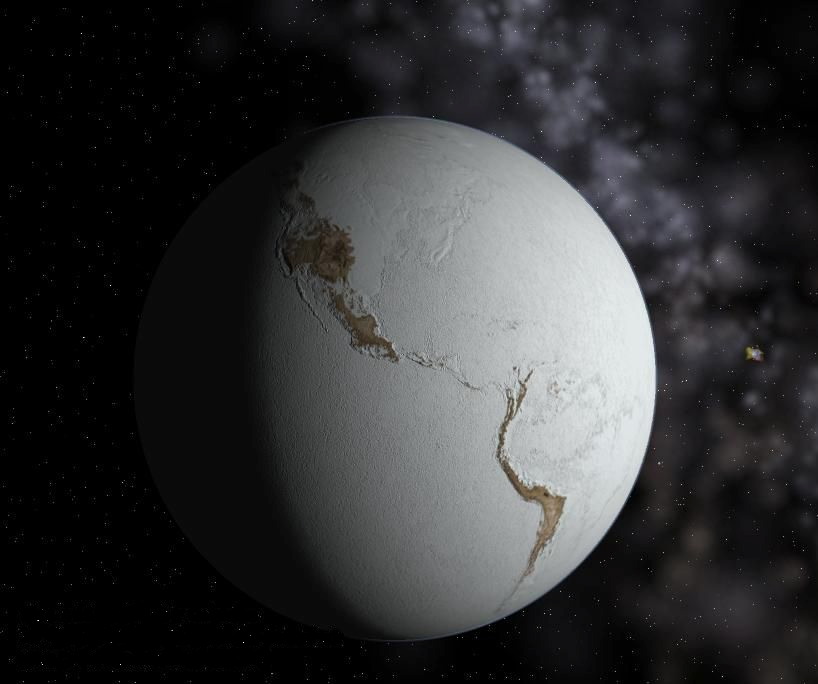
Roughly 720 to 635 million years ago, during what geologists call the Cryogenian period, Earth may have experienced one or more “Snowball Earth” events – periods where glaciation extended from the poles all the way to the equator. Evidence for this comes from glacial deposits found in regions that would have been tropical at the time.
Worth Knowing
- The Cryogenian period spans roughly 720 to 635 million years ago
- Glacial deposits have been found in rock layers that once sat near the equator
- Some models suggest ice may have reached from pole to pole with few open refuges
- Exposure in such conditions could prove fatal within hours, long before starvation set in
If this hypothesis holds true, arriving during one of these events would mean stepping into a world with almost no habitable temperature zones anywhere on the planet. Unlike modern ice ages, which still leave temperate regions intact, Snowball Earth conditions may have left virtually nowhere for a human body to survive exposure for more than a few hours.
There would be no fire-starting materials, no food sources adapted to your biology, and no shelter beyond whatever exposed rock wasn’t buried under ice. This isn’t a predator-based threat – it’s a full-planet environmental failure, arguably one of the most inescapable scenarios on this entire list.
Even that pales in comparison to the single worst possible moment to arrive in deep time.
#14 – The Asteroid That Ends It All
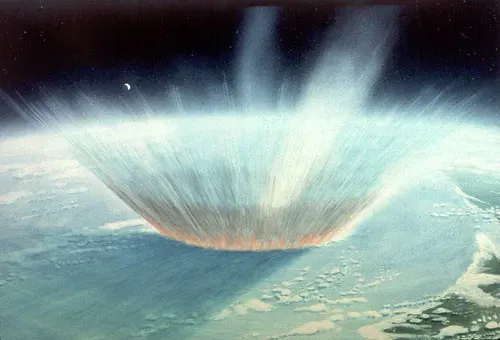
If there’s one single moment in Earth’s history you’d want to avoid landing in more than any other, it’s 66 million years ago – the day the Chicxulub asteroid struck what is now the Yucatán Peninsula. This impact is widely credited by scientists as the primary trigger of the mass extinction that wiped out roughly 75% of species on Earth, including all non-avian dinosaurs.
The immediate aftermath involved catastrophic heat pulses, shockwaves, and debris ejected into the atmosphere, followed by a prolonged period of darkened skies and dramatic global cooling. Landing anywhere near the impact zone would mean death within seconds, not hours – and even landing on the opposite side of the planet wouldn’t guarantee safety once the secondary effects began.
Wildfires ignited by superheated debris are believed to have swept across continents, while the resulting “impact winter” disrupted food chains on a planetary scale. Of everything on this list, this single event represents the fastest, most total, and least escapable form of death imaginable in Earth’s deep past.
The Bottom Line
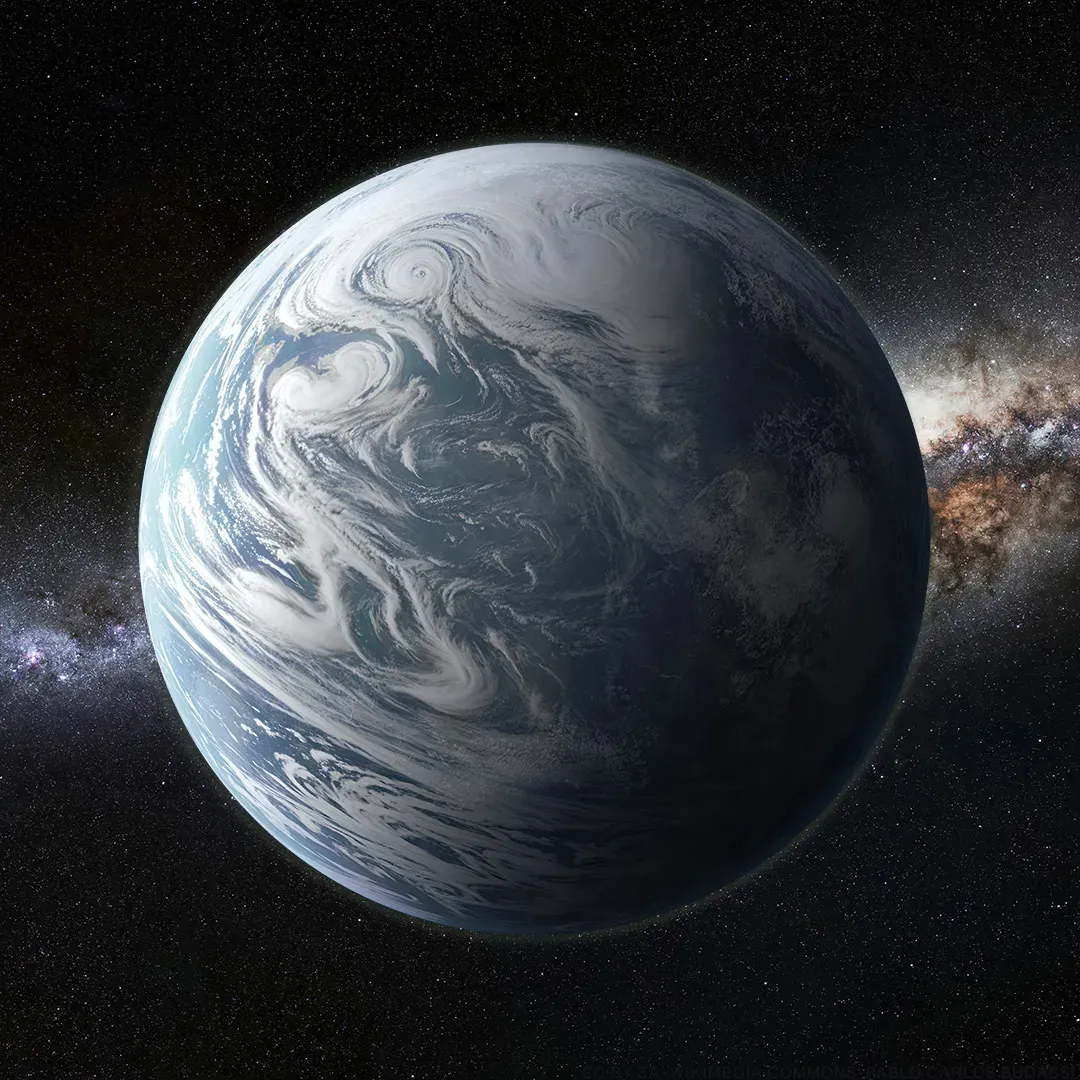
The deep past isn’t some romanticized adventure waiting to be explored – it’s a gauntlet of toxic air, invisible gas clouds, oversized predators, and planet-scale disasters that modern humans were never built to survive. From unbreathable primordial atmospheres to Megalodon-infested seas to a single asteroid capable of ending 75% of life on Earth, nearly every era carries its own unique, often invisible threat.
What’s clear is this: survival in Earth’s ancient past had nothing to do with courage or preparation. It came down to blind geological and biological luck. Personally, I’d bet the air kills you before any monster gets the chance. Which of these fourteen threats do you think would actually get you first? Drop your guess in the comments.