
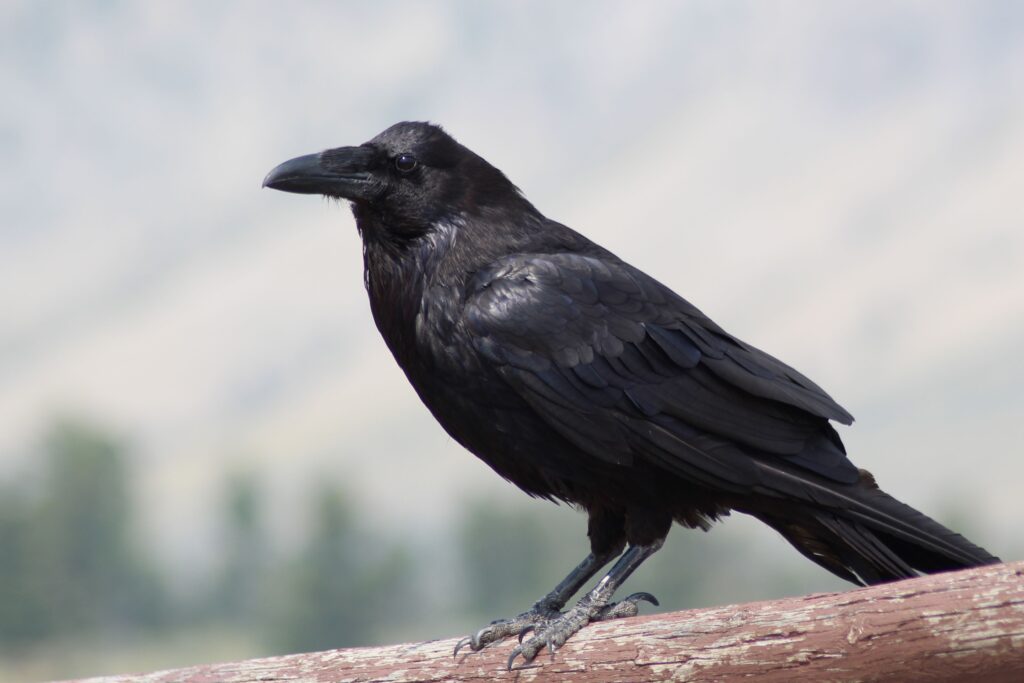
Most people hear “bird brain” and picture something dumb, twitchy, forgettable. Then a raven walks up, cracks a puzzle box that stumps a chimpanzee, and flies off looking almost bored. In the exact experiments designed to separate humans and a handful of elite mammals from everyone else, ravens keep crashing the party – out-planning, out-remembering, and out-manipulating creatures many times their size.
This isn’t a fluke or a single viral clip. It’s a pattern researchers have documented for decades, from snowy wolf kills to trash-strewn parking lots. Fourteen specific behaviors show exactly where ravens quietly leave dogs, squirrels, monkeys, and other mammals in the dust – and a few of them are strange enough to make you rethink what “bird brain” should really mean.
#14 – A Brain That Punches Way Above Its Weight
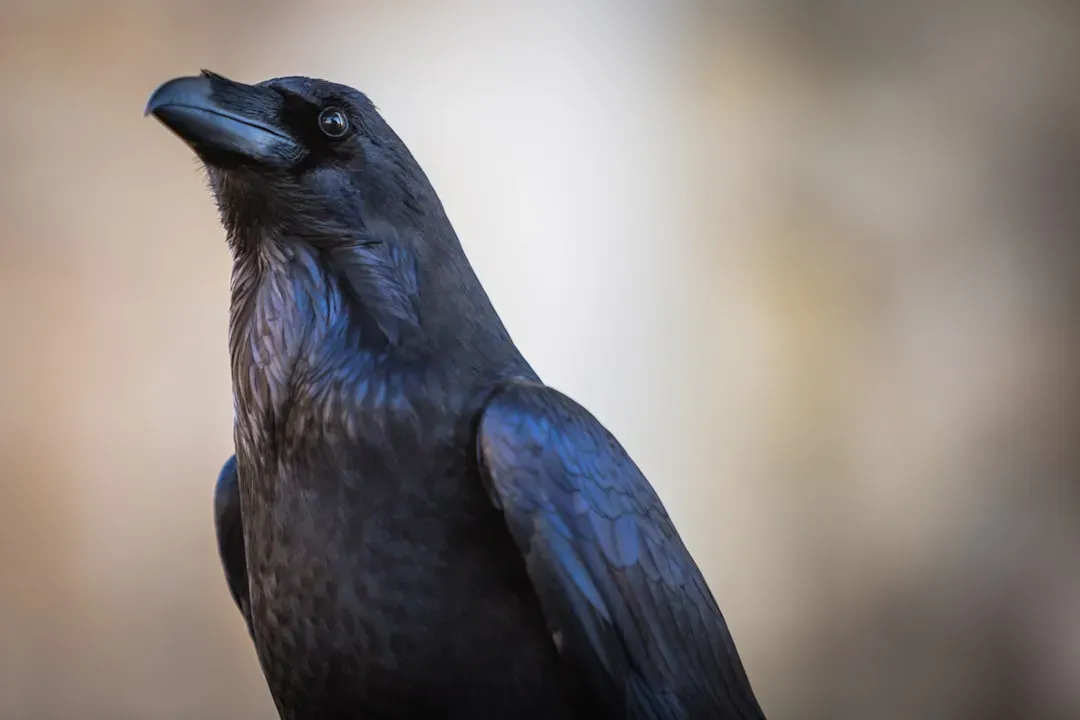
Ravens don’t just act smart – their brain architecture is built more like a primate’s than a “typical” bird’s. Neuroscientists have found that corvid brains (the family that includes ravens, crows, magpies, and jays) are so densely packed with neurons that, gram for gram, they rival monkeys.
That means a raven’s fist-sized skull still houses a cognitive engine comparable to much larger mammals. Instead of spreading neurons thin across a bigger brain, evolution crammed them tight – like swapping a bulky desktop tower for a sleek, high-powered laptop.
Even more surprising, ravens show activity in brain regions tied to abstract thinking and planning, not just reflexes and instinct. That’s exactly why they keep showing up in experiments designed to prove only primates can handle certain tasks – and then casually pass them anyway.
Fast Facts
- Corvid forebrains pack in far more neurons per gram than most mammal brains of similar size
- Ravens are frequently ranked alongside great apes and dolphins in comparative cognition studies
- Their skulls are small, but the neural “wiring” inside is unusually dense and efficient
- Brain-to-body proportion in ravens is closer to a primate’s than to a typical songbird’s
Researchers now argue that “intelligence per gram” might be a smarter way to measure brain power than raw size. By that metric, ravens leave plenty of mammals in the dust. But that’s nothing compared to what’s coming in #13…
#13 – Tool Use That Rivals Monkeys (And Some Humans)
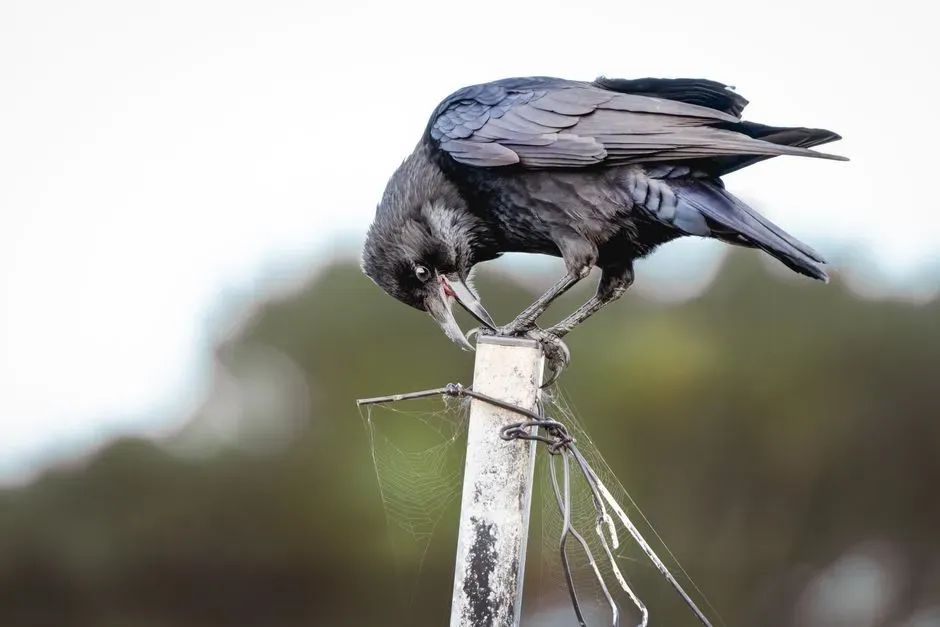
Plenty of mammals can push, pull, or carry objects. Ravens take it several steps further – they invent tools, modify them mid-task, and abandon a plan the moment it stops working.
In classic lab experiments with their crow cousins, birds bent straight wire into hooks just to pull a food bucket up out of a tube. Ravens have pulled off similarly complex, multi-step puzzles that leave many dogs stumped at step one.
One raven famously figured out how to use a short stick to retrieve a longer stick, then used that longer stick to reach a treat buried out of reach – without a single training session. That’s not trial-and-error flailing. That’s a plan.
In the wild, ravens have been seen:
- Using sticks to poke and investigate dangerous or unfamiliar objects
- Dropping stones or nuts from height to crack them open
- Re-using human trash – plastic scraps, metal bits – as makeshift tools or toys
What puts ravens ahead of most mammals isn’t just that they use tools. It’s how flexible they are about it – trying new materials, combining steps, adjusting mid-task instead of giving up the moment the “usual” trick fails. And if that’s impressive, wait until you see how they plan for tomorrow in #12…
#12 – Planning for the Future (A Trait Rare Even in Mammals)
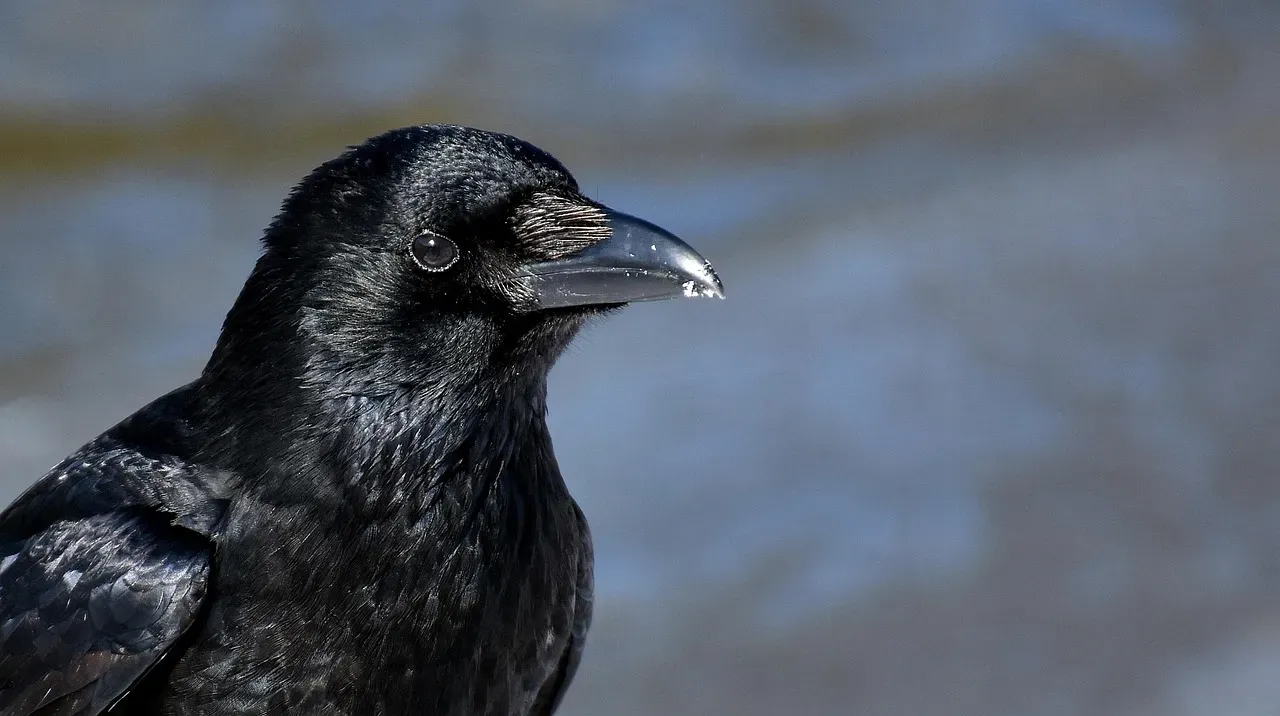
For decades, scientists believed only humans could genuinely plan ahead. Then someone finally gave ravens a shot at the same tests – and they didn’t just survive, they thrived.
In controlled studies, ravens were handed a tool that could only unlock a reward after a delay. To succeed, they had to ignore a smaller reward sitting right in front of them, hold onto the correct tool, and then use it correctly anywhere from 15 minutes to a staggering 17 hours later, once the reward finally became available.
Most mammals fail this kind of delayed-gratification test outright. Ravens didn’t just pass – they often chose the useful tool over an instant snack, proving they could mentally simulate a future scenario and act now for a payoff that hadn’t even arrived yet.
Quick Compare
- Ravens: held out for hours, picking a tool over an instant treat
- Great apes: pass similar delayed-exchange tasks in earlier landmark studies
- Most house pets: typically grab the immediate reward and skip the wait
Wild ravens show the same logic constantly. They cache food across multiple hiding spots, return long after the fact, and will even re-hide a stash if they realize they were being watched while burying it the first time. If a “bird brain” can out-plan your average house pet, what else is it hiding? You’ll see when we get to their memory games in #11…
#11 – Memory Skills That Make Squirrels Look Sloppy
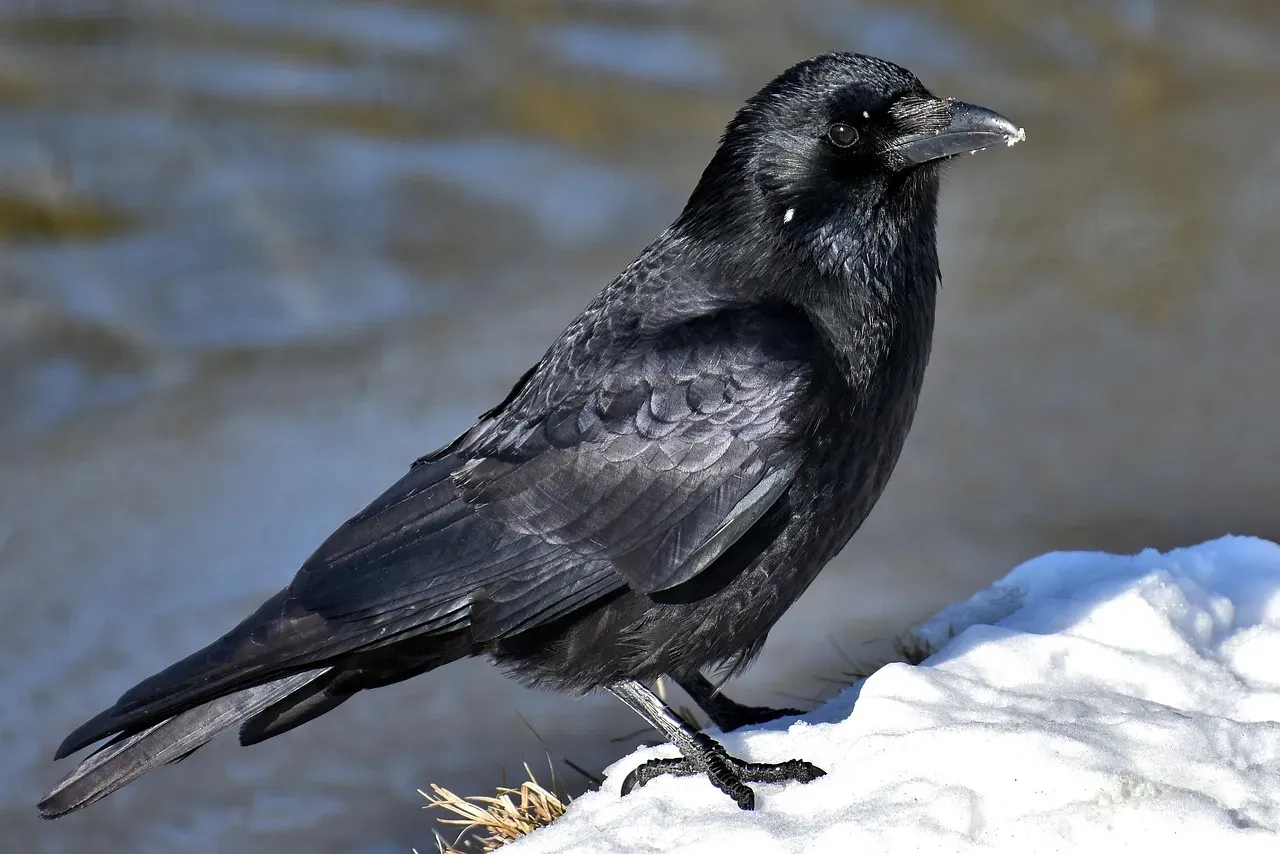
We love praising squirrels for remembering where they buried their nuts. Ravens quietly do something far tougher, with a lot more strategy layered underneath.
Ravens scatter extra food across dozens of spots – under leaves, inside bark cracks, buried in snow – and months later, they’ll revisit those hiding places and recover a shockingly high percentage of what they stashed. It isn’t just smell doing the work; much of it is genuine spatial memory, recalling exact sites across a sprawling landscape.
Here’s the unsettling part: ravens remember who was watching. In experiments, a raven that cached food while another raven observed would later sneak back and quietly relocate the stash. If nobody was watching the first time, it usually didn’t bother.
That means they’re tracking:
- The location of the cache
- The identity of the observer
- The risk that this specific individual might steal from them later
Most mammals can’t juggle that many variables simultaneously. Squirrels, by comparison, tend to scatter-hide with far less targeted recall – and no real sign they’re tracking specific eavesdroppers at all. But memory is only one piece of the raven’s social toolkit. Their social politics in #10 put plenty of mammals, including us, to shame…
#10 – Social Politics That Feel Uncomfortably Human
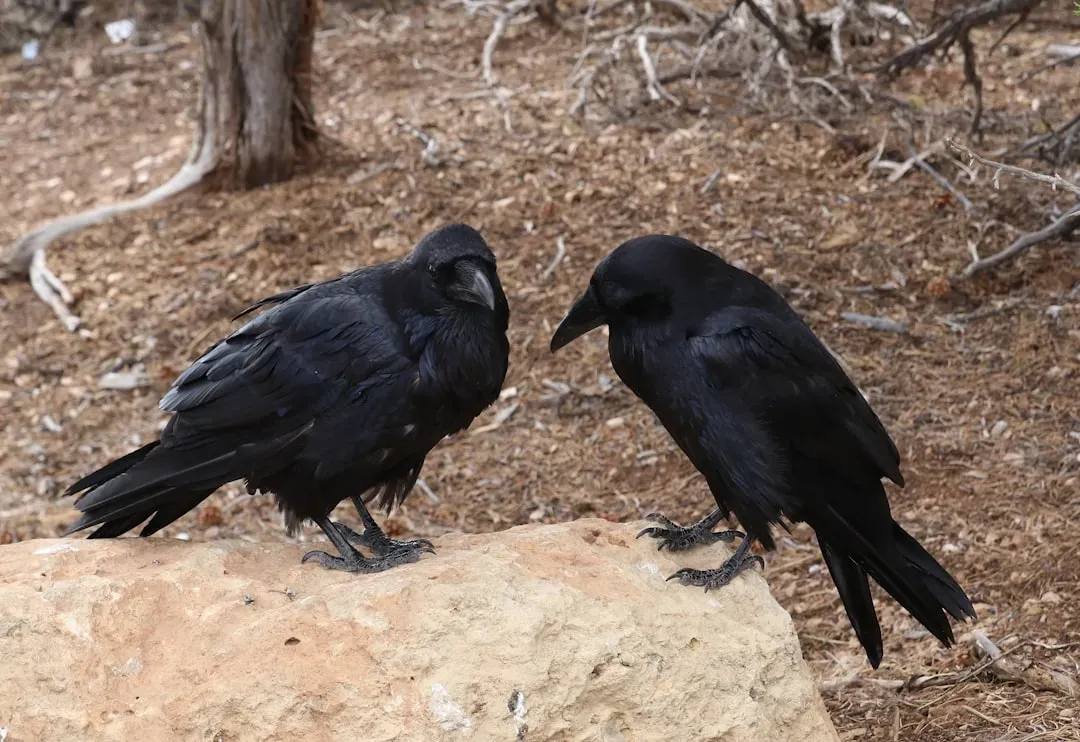
Ravens don’t just flock together. They run social networks that look eerily like high school drama fused with primate politics.
In wild groups, ravens recognize individual birds, remember specific past interactions, and adjust their behavior based on social history. They know exactly who helped them, who stole from them, and who’s currently paired up with whom.
When a long-term pair breaks up, the ripple effects spread through the whole group – fights break out, alliances reshuffle, almost like a messy human breakup playing out in real time.
Studies show ravens can:
- Distinguish between friends, rivals, and neutral birds by voice alone
- Observe the relationships of others and exploit weaknesses in alliances
- Form temporary coalitions to gang up on a dominant bird – then go back to competing later
This kind of “third-party tracking” – knowing who’s aligned with whom, and exploiting it – has mostly been documented in primates and a handful of other animals. Ravens pull it off with a brain the size of a walnut. If that sounds like a stretch, wait until you see how they wield deception and manipulation in #9…
#9 – Masters of Deception (And Counter-Deception)
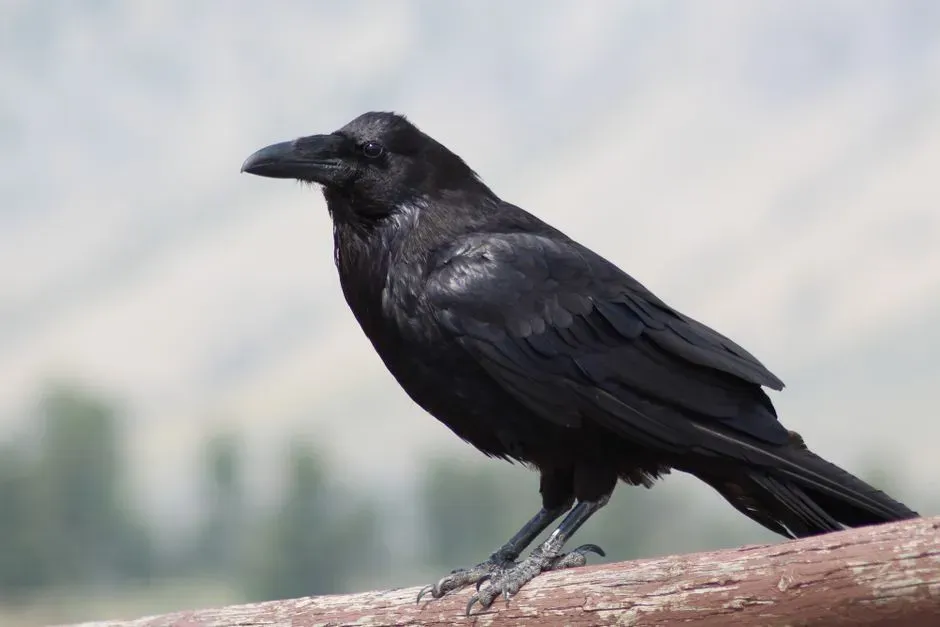
Most mammals are either honest by nature or clumsy liars when they try to cheat. Ravens specialize in something closer to psychological warfare.
Remember those food caches? Ravens will often fake-cache – pretending to hide food while actually keeping it, or secretly stashing it somewhere else entirely. Crucially, this only happens when another raven is watching. They’re not acting on autopilot; they’re staging a performance specifically to mislead a potential thief.
Researchers also found:
- Ravens change their caching strategy depending on who’s watching – known thieves vs. trusted partners
- They sometimes cache behind obstacles or conceal their actions, suggesting they understand the line of sight of another animal
- Ravens that have stolen from others in the past behave extra cautiously, as if they “project” their own thieving mindset onto everyone else
This kind of tactical deceit – adjusting behavior based on what another bird might know or see – is something scientists usually reserve for chimpanzees and a small handful of mammals. Ravens pull it off effortlessly, day after day, in the wild. Still think they’re just clever thieves? Their communication system in #8 might change your mind…
#8 – A Rich “Language” With Dialects and Names
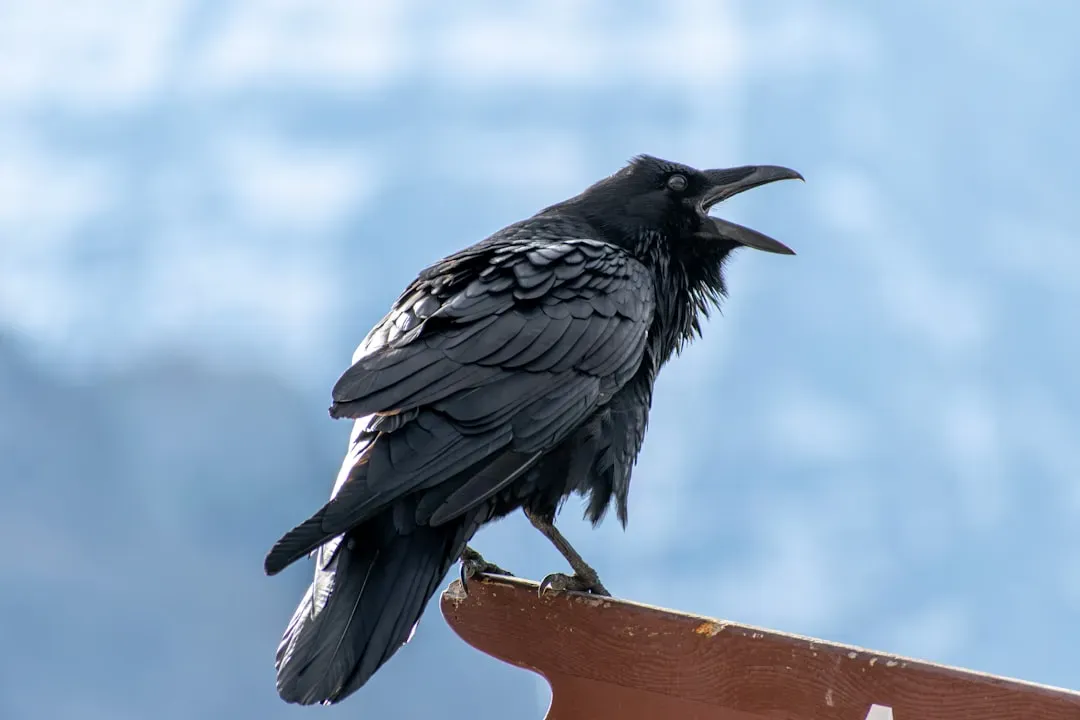
No, ravens don’t speak English. But their vocal world is far more layered and structured than most mammals’ calls ever get.
Ravens work with an impressive range of sounds – deep croaks, high trills, knocks, rattles, even strange mechanical-sounding clicks. Careful observation has revealed something remarkable underneath all that noise:
- Different populations of ravens have distinct dialects, like regional accents
- Certain calls are reserved for specific situations – food discoveries, aerial threats, ground predators, or calls to mates
- They appear to have individual-specific vocal signatures, effectively acting like names
In experiments, ravens recognized the calls of specific individuals they hadn’t seen in years, and reacted very differently to familiar voices versus strangers. Some captive ravens even mimic human speech with startling clarity – though that’s more a side effect of their vocal flexibility than the main event.
Compare that to most mammals, whose calls are often limited to a small handful of emotional signals: alarm, aggression, mating. Ravens operate with a rich, flexible acoustic toolkit that lets them coordinate, deceive, recruit, and bond in genuinely complex ways. And as vocal as they are, some of their most impressive communication isn’t sound at all – it’s gesture, which we’ll get to in #7…
#7 – Using Gestures Much Like Human Children
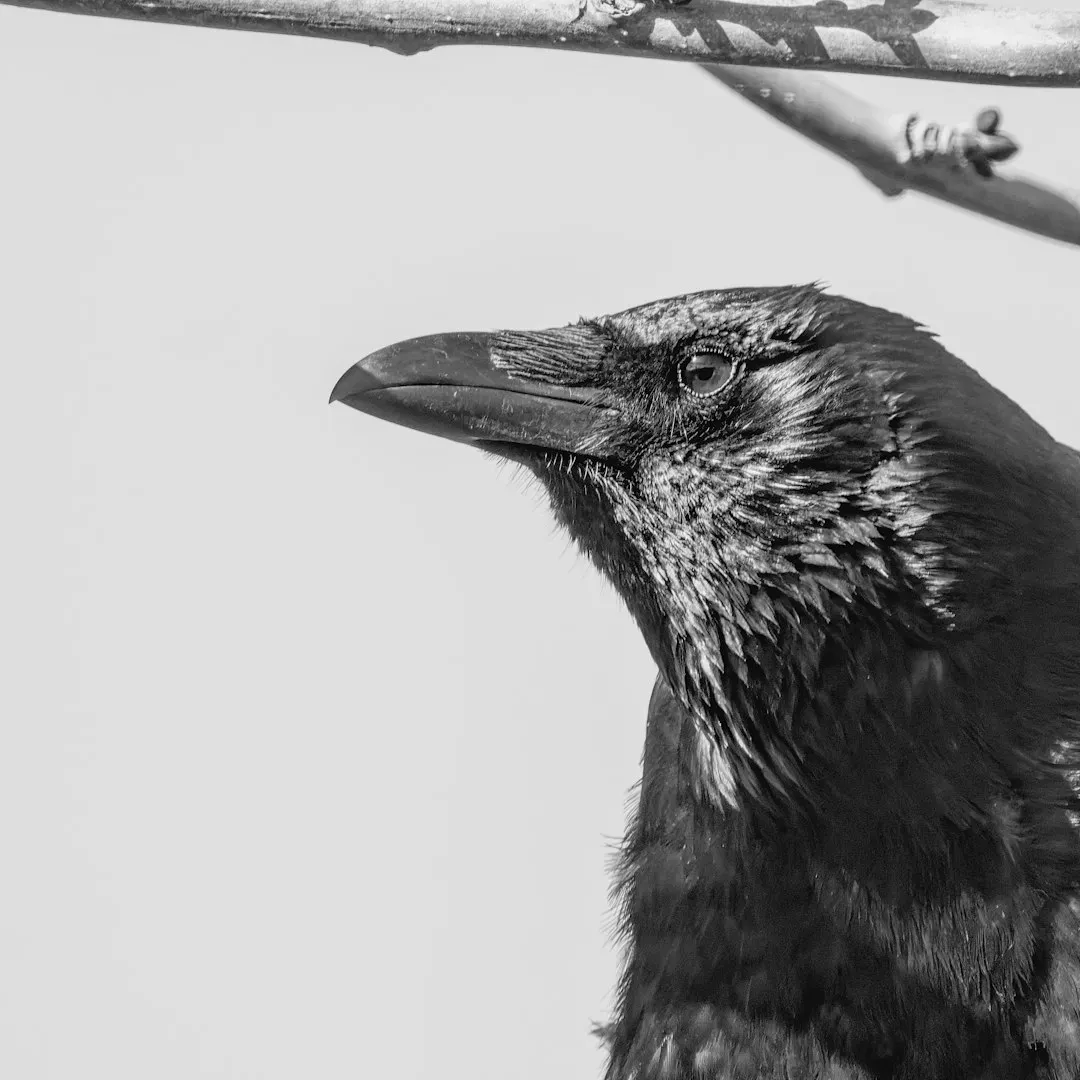
Before human toddlers can talk, they point, show, and offer objects to get attention. Ravens, almost unbelievably, do something very similar.
Field biologists have watched wild ravens pick up objects – sticks, moss, small stones – and deliberately show them to other ravens, especially potential mates. They’ll hold the object in their beak, reposition themselves until they’ve got the other bird’s attention, then seem to “present” the item before moving into mutual preening or play.
This isn’t idle play. It functions as genuine non-verbal communication and social bonding. In human development research, pointing and showing are treated as major milestones – the kind that supposedly separate us from the rest of the animal kingdom. Yet ravens seem to pull off a comparable move, with no hands at all.
Most mammals either lack the physical control or the cognitive wiring that links a gesture to shared attention. Dogs can follow a human’s pointing finger, sure, but they don’t spontaneously point for other dogs. Ravens, by contrast, initiate these gestures for their fellow ravens. If that sounds eerily human, wait until you see their play behavior in #6…
#6 – Complex Play, Just for the Joy (And the Learning)
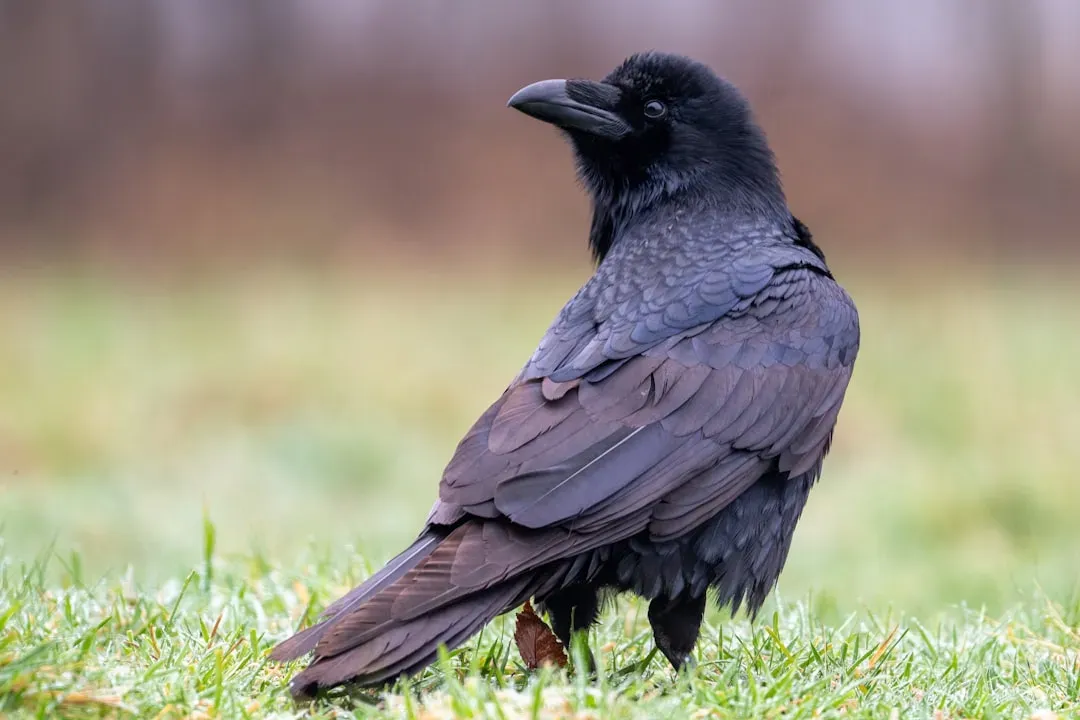
Plenty of animals play while young. Ravens take it further – and never really grow out of it.
Wild ravens have been filmed sliding repeatedly down snowy roofs and hillsides like they’re riding nature’s playground, tossing sticks and catching them mid-air in games that look suspiciously like keep-away, and teasing wolves and dogs by swooping low and darting away at the last possible second.
Play isn’t just fun for intelligent animals – it’s training. Ravens use rough-and-tumble games to practice flying, balance, and object control, along with social cues like dominance and submission. Adult ravens have even been seen inventing new games that spread socially through a group, hinting at a kind of cultural learning.
Worth Knowing
- Young ravens play-fight to rehearse the pecking-order skills they’ll rely on as adults
- Aerial rolls, flips, and dive-bombs have been filmed with no obvious survival purpose – just play
- Object games with sticks, pinecones, or snowballs double as motor-skill training
- New games invented by one bird can spread through a group, almost like a trend
Most mammals play mainly when young, and usually in simple, repetitive patterns. Ravens layer creativity on top – new twists, new rules, new play partners, sometimes even from other species. Those wolf-teasing flights might look reckless, but they’re quietly teaching valuable lessons about predator behavior and aerial maneuvering. And their interactions with other species don’t stop at pranks – they actually partner with predators in #5…
#5 – Strategic Partnerships With Wolves and Other Predators
Some mammals hunt in packs. Ravens figured out something smarter: let someone else do the dangerous work, then move in for the payoff.
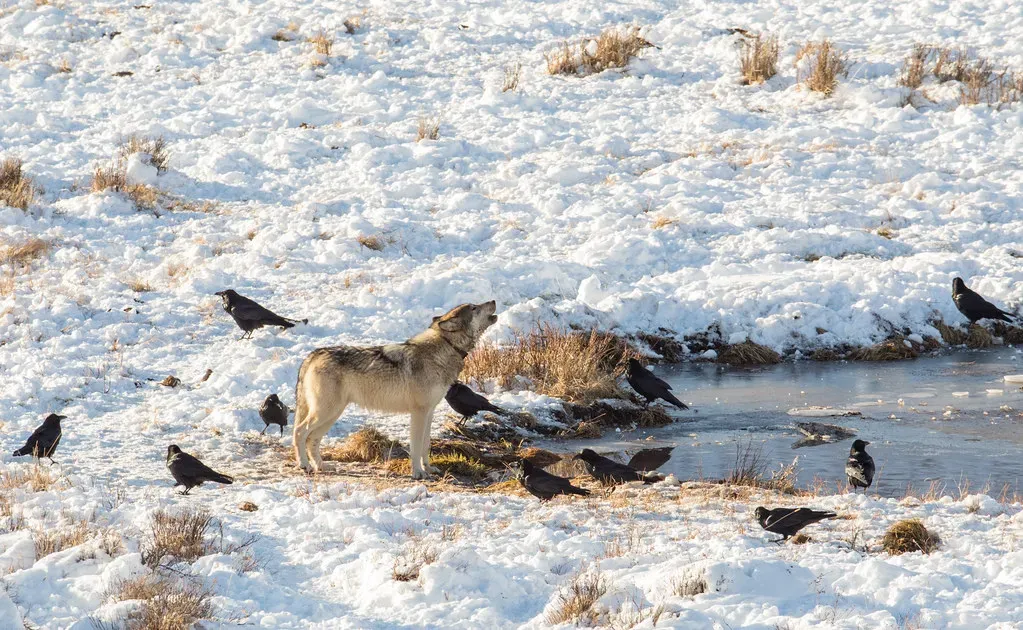
In cold regions, ravens are frequently spotted shadowing wolf packs from a distance, tracking them across huge stretches of territory. The moment wolves bring down a large animal like a deer or elk, ravens swoop in almost immediately, calling loudly enough to summon even more ravens to the scene.
They’ll boldly land near feeding wolves, darting in and out to grab chunks of meat, and there’s real evidence some ravens may even lead wolves toward weakened or vulnerable prey by vocalizing and flying ahead of the pack.
Ravens seem to consider wolves as instruments for opening carcasses.
Bernd Heinrich, biologist and author of Mind of the Raven
It’s a genuine win-win: wolves get help locating a meal, and ravens get access to a carcass their beaks alone could never open. That kind of deliberate, mutually beneficial cross-species coordination is rare in nature. And that’s just one part of their flexible lifestyle – their diet and food problem-solving in #4 put plenty of strict-diet mammals to shame…
#4 – Extreme Dietary Flexibility (And Food Problem-Solving)
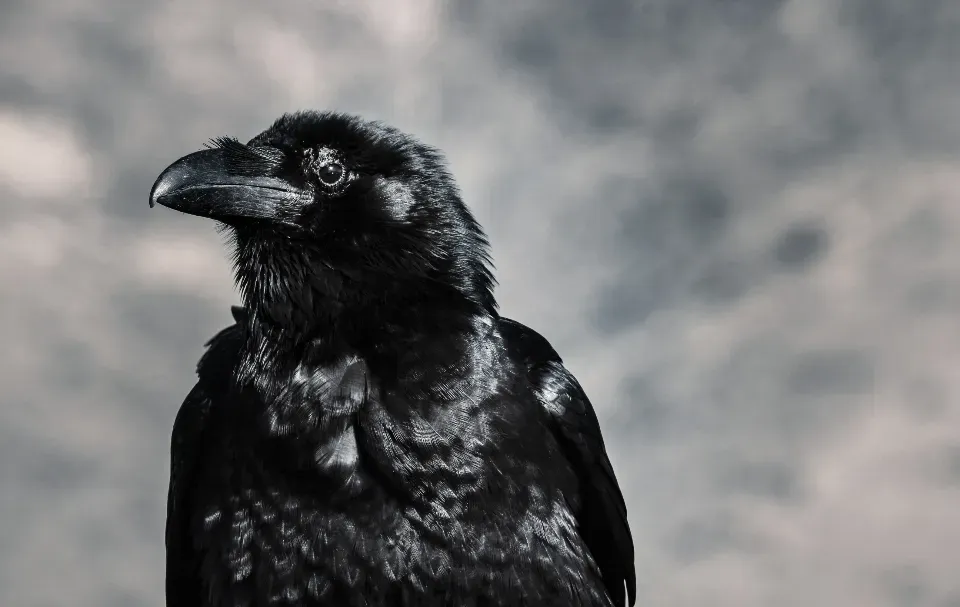
Most mammals are locked into a lane – hunter, grazer, or scavenger. Ravens happily do all three, and then some.
These birds are true opportunistic omnivores, eating carrion off roadkill and predator kills, insects, small mammals, eggs, and other birds’ chicks, plus seeds, berries, human trash, and the occasional greasy fast-food leftovers.
The advantage shows up when ecosystems shift or human activity reshapes a landscape – many specialist mammals starve or move on, while ravens simply adapt. They rapidly learn new food sources, memorize dump schedules, and figure out how to open containers, raid bins, or exploit man-made structures. In urban and rural areas, ravens have been documented:
- Undoing latches or zippers on backpacks and coolers
- Dropping shellfish from just the right height to crack them on rocks
- Timing their visits to highways when traffic is low, to safely feed on roadkill
That mix of cognitive flexibility and dietary range makes ravens resilient in ways a lot of mammals simply aren’t. Where a specialist predator disappears the moment its prey declines, ravens quietly shift to another niche and keep thriving. But their adaptability doesn’t stop at what they eat – it extends to where they live, and how they exploit human infrastructure, as you’ll see in #3…
#3 – Thriving in Human Landscapes Without Ever Being Domesticated
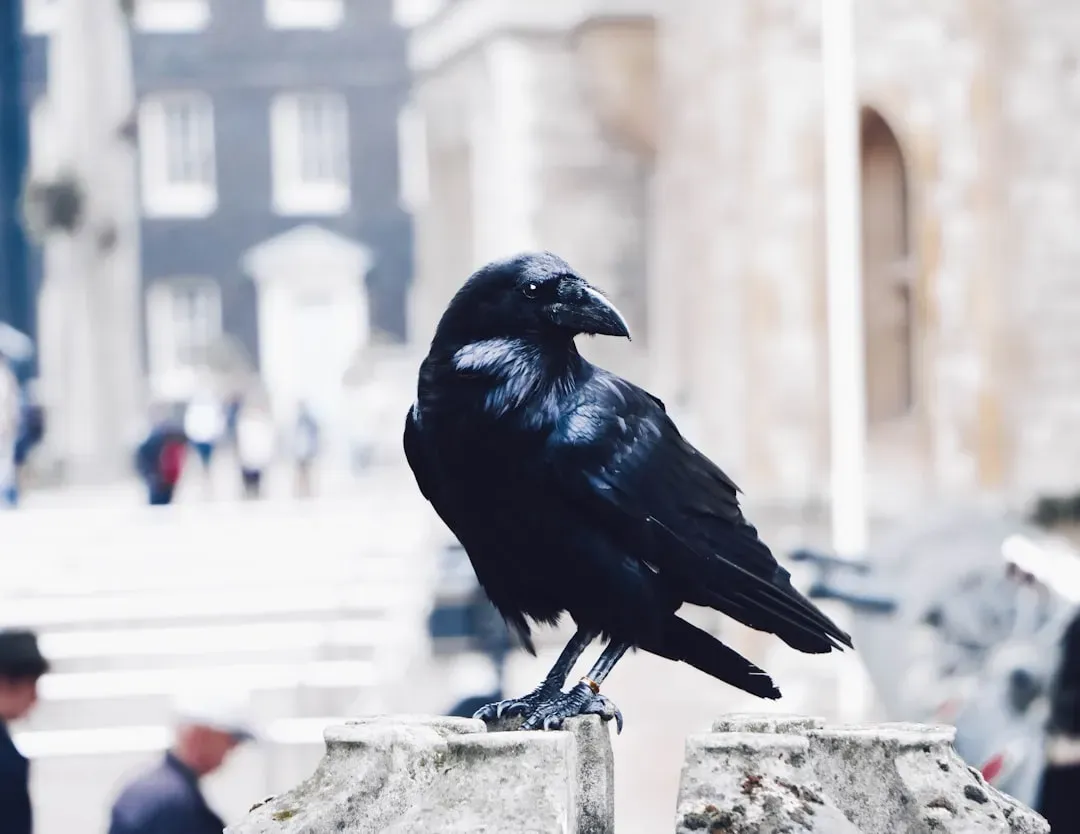
Dogs and cats needed us to selectively breed them for city life over thousands of years. Ravens just watched how we work – and hacked the system on their own terms.
Across the Northern Hemisphere, ravens have moved into landfills and garbage stations, highways, parking lots, and rest areas, plus cell towers, buildings, and bridges for nesting.
They’re not domesticated, but they’re expert urban adapters. They learn traffic patterns and human routines, and they exploit the weak points in our waste systems. In some places, ravens have even been documented waiting for traffic lights to stop cars so they can safely step into the road and feed.
Many mammals either avoid cities entirely because they’re too dangerous, or become heavily dependent on direct human feeding. Ravens walk a much sharper line – close enough to exploit us, far enough away to keep their independence and wild edge intact. This kind of independent adaptation hints at something deeper: the ability to learn socially, pass down tricks, and maybe even build cultural traditions the way some primates do – which brings us to #2…
#2 – Cultural Learning and Traditions (Not Just Instinct)
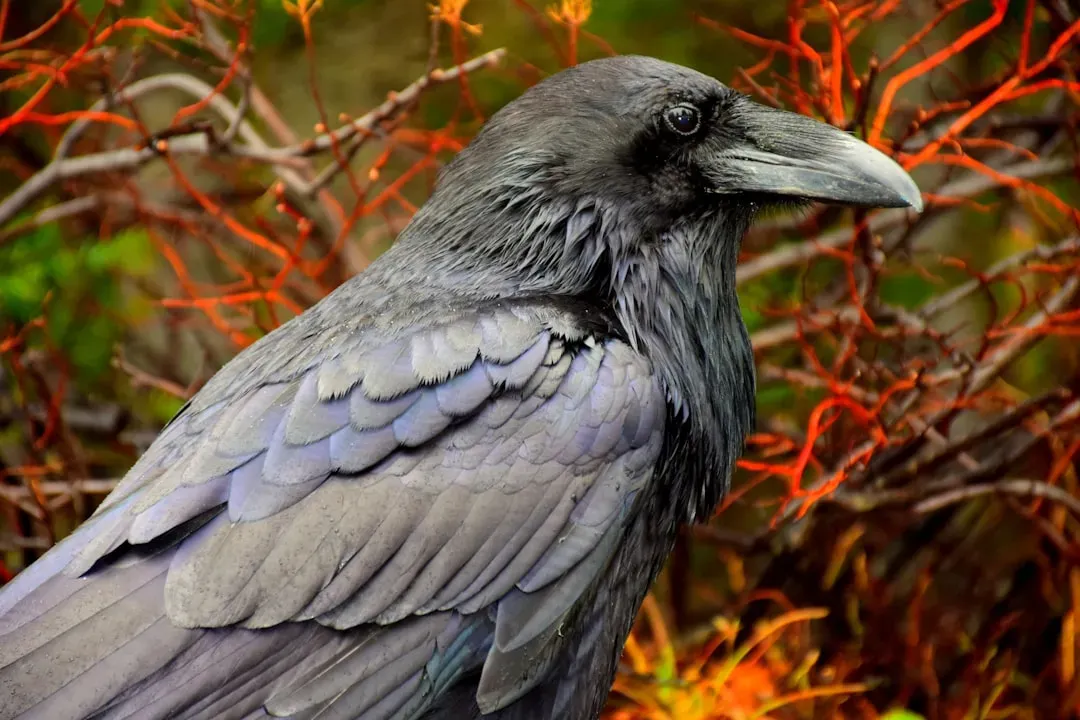
When people talk about “culture” in animals, they usually mean primates or whales. Ravens are increasingly earning a seat at that table.
Field researchers have noticed that specific raven populations develop unique behaviors that don’t show up elsewhere, even in habitats that look nearly identical. That includes particular ways of handling tough food items, local “styles” of play or interaction with predators, and distinct vocal dialects that persist across generations.
Here’s the key detail: many of these differences can’t be explained by genetics or environment alone. Young ravens watch older, more experienced birds and copy their techniques directly. When a novel food-opening method spreads through a group this way, it starts looking a lot like culture – learned, shared, and preserved over time.
Chimpanzees, dolphins, and humans have long been the poster children for animal culture. But ravens, with lifespans stretching past 20 years in the wild and rich, layered social lives, are quietly building their own case as cultural animals. And underpinning all of this is one final trait that puts them ahead of most mammals – their long lifespan paired with lifelong cognitive stamina, which we’ll hit at #1…
#1 – Long Lives, Long Memories, and Lifelong Learning
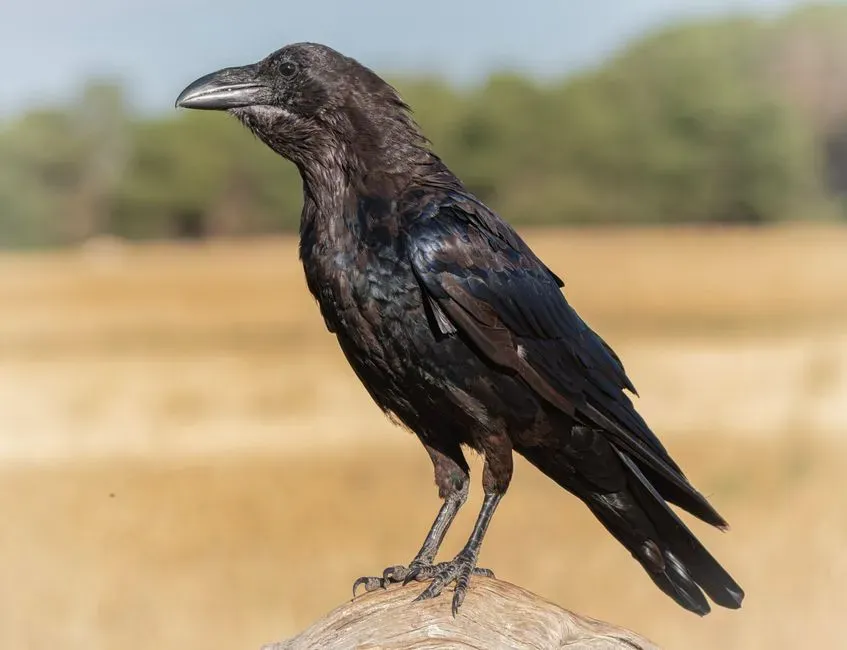
Here’s the real kicker: ravens aren’t just smart in short, flashy bursts. They’re built for the long game.
In captivity, ravens can live 30 to 40 years, and even in the wild, plenty make it past two decades – a lifespan that rivals or beats many mid-sized mammals. That kind of longevity buys them time to refine their strategies for food, alliances, and deception, accumulate a deep social memory of who’s who across many years, and adapt to environmental shifts that quietly wipe out less flexible species.
At a Glance
- Wild common ravens regularly live into their teens and 20s – well past most similarly sized mammals
- Captive ravens have been documented living into their 30s and 40s
- Long lifespans give more time to build social memory, refine tool skills, and pass on learned behaviors
- Pair bonds can last for years, reinforcing the trust and rivalries that shape raven society
Long-term studies show ravens maintain pair bonds for years, remember specific humans who treated them badly – or fed them well – and adjust fast when new threats or opportunities show up. A raven that’s survived several brutal winters carries a mental library of “what worked” that most smaller mammals never live long enough to build.
Combine that lifespan with a neuron-dense brain, social cunning, tool skills, future planning, and cross-species manipulation, and you get a creature that quietly outperforms a shocking number of mammals across cognitive, social, and survival fronts. But that’s nothing compared to the bigger picture that emerges once you step back and look at everything together…
The Bottom Line
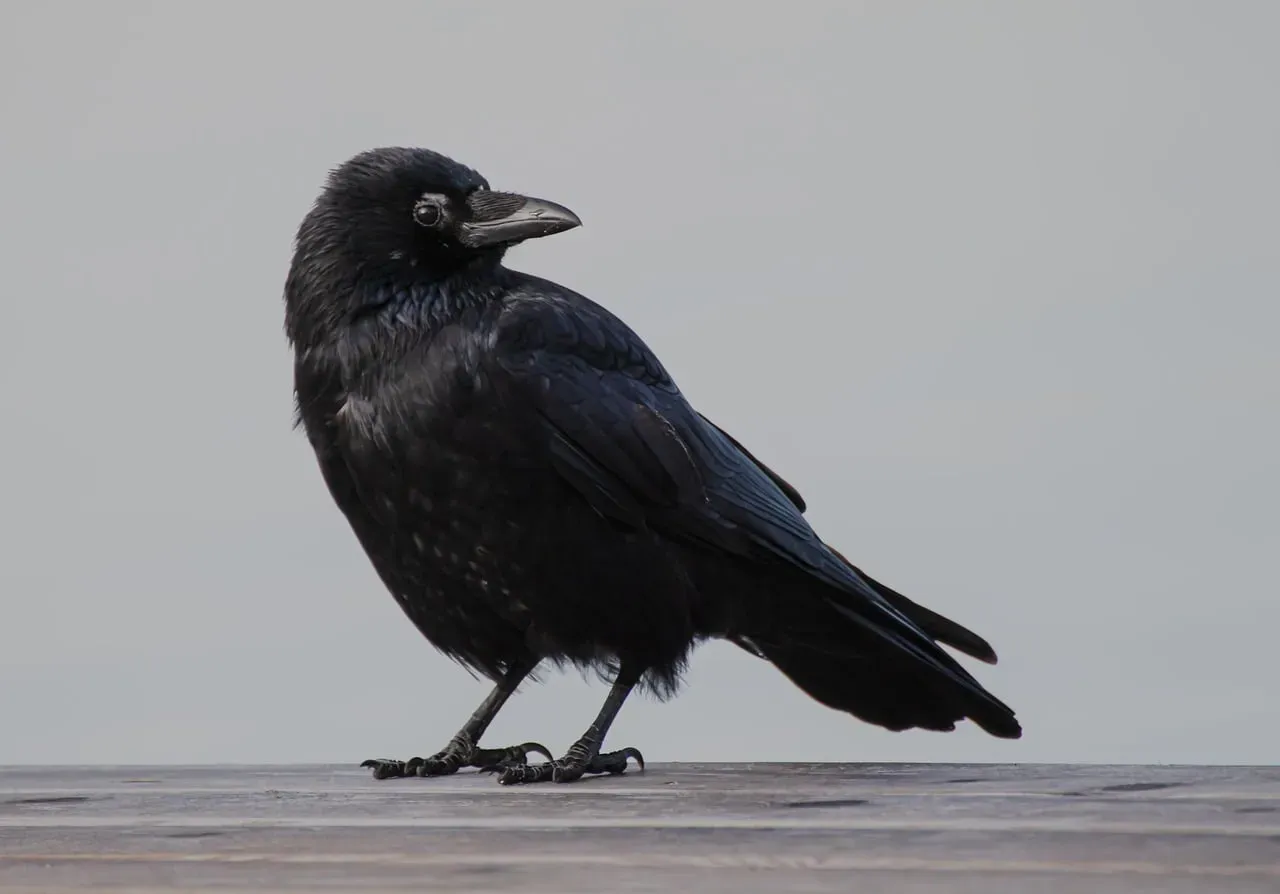
Ravens aren’t just “smart birds.” They’re running an entirely different playbook than most mammals – and quietly winning.
With neuron-dense brains that rival primates, strategic tool use, and the rare ability to plan for tomorrow, they shatter the old hierarchy that automatically put mammals on top. Add in political social lives, deliberate deception, layered vocal and gestural communication, playful creativity, and cross-species partnerships with predators, and you get an animal that behaves far more like a feathered ape than a “typical” bird.
Honestly, calling someone a “bird brain” might soon sound like a compliment – at least if you mean raven-level.
Did we overrate mammals, or underrate ravens all along? Which one of these fourteen behaviors caught you off guard the most – and be honest, do you think your dog or cat could actually out-think a raven in a fair test? Drop your answer in the comments.