
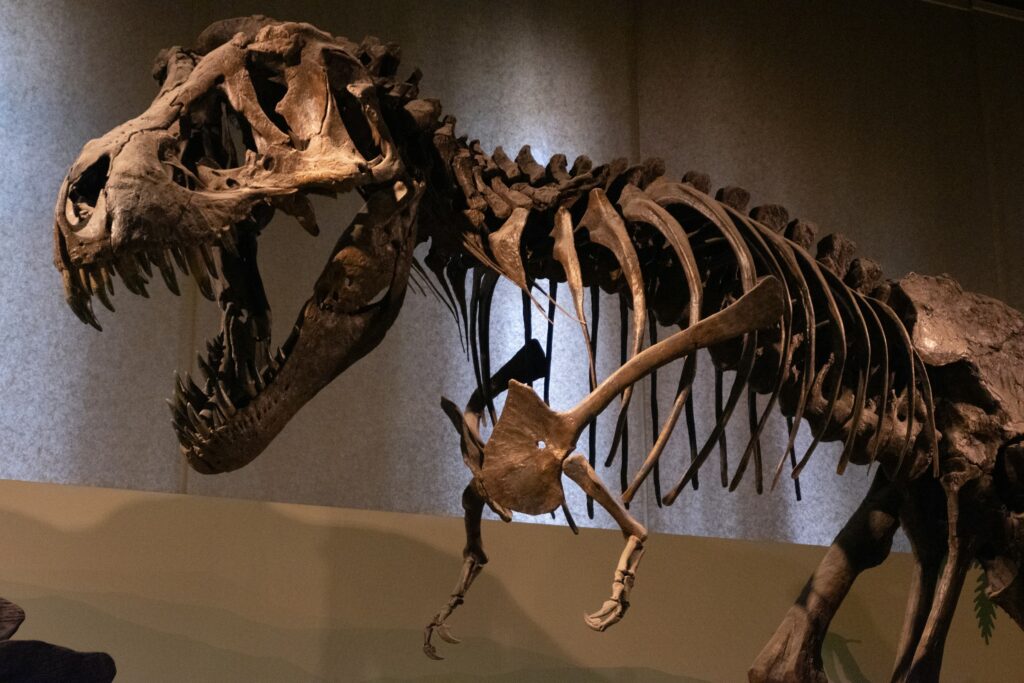
Somewhere in a natural history museum right now, there’s a plaque confidently stating a “fact” that scientists have already proven wrong. That’s not conspiracy talk – it’s the actual track record of zoology, a field where researchers have spent decades, sometimes over a century, insisting an animal was extinct, fictional, or fundamentally different from what it actually turned out to be.
These weren’t obscure lab errors nobody noticed. These were mainstream, textbook-certified “facts,” taught with total confidence to generations of students before the evidence quietly demolished them. Some of the reversals are almost funny. A few are genuinely humbling. All thirteen prove that being spectacularly wrong for decades is more common in science than most people want to admit.
#1 – The Coelacanth: The “Extinct” Fish That Was Alive the Entire Time
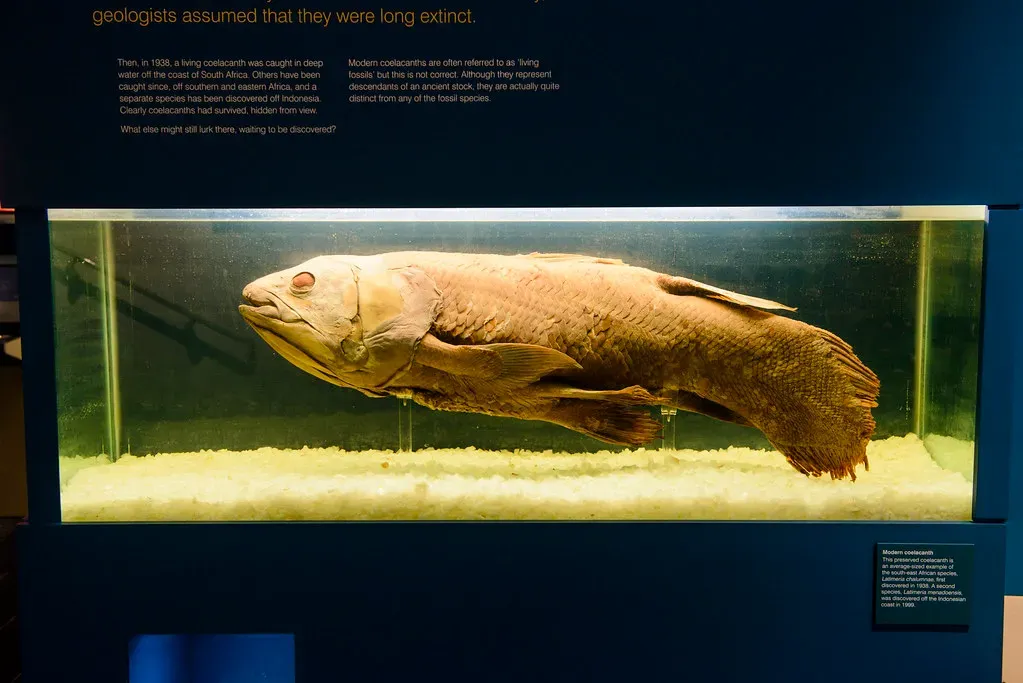
Scientists were so confident this fish was gone that they used it as a textbook example of extinction itself. For generations, paleontologists taught that the coelacanth had vanished from Earth during the same mass extinction event that wiped out the dinosaurs, roughly 65 million years ago. Museum exhibits, encyclopedias, and university lectures all repeated it as settled fact, with fossils as the only proof it had ever existed.
Then in December 1938, a live coelacanth turned up in a fishing trawl off South Africa, and the story fell apart overnight. The fish had apparently been swimming in deep ocean waters the entire time humans assumed it was extinct, simply avoiding the shallow zones researchers happened to be studying. It remains one of the most humbling reversals in the history of biology – proof that “extinct” sometimes just means “we haven’t looked hard enough.”
#2 – The Platypus: Scientists Thought It Was an Elaborate Hoax
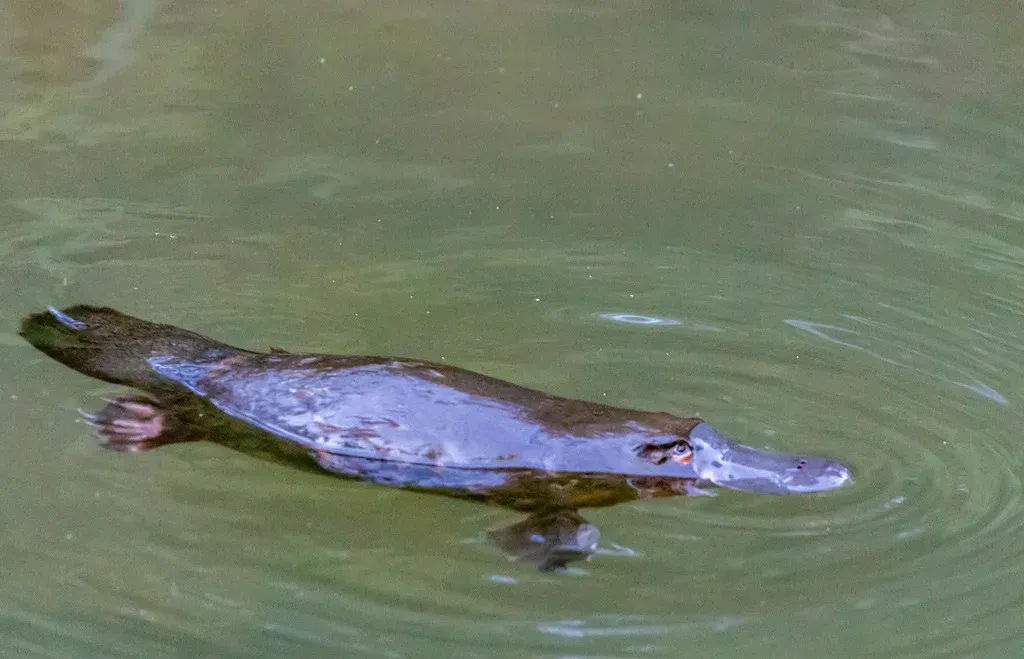
When the first platypus specimen arrived in Europe, experts didn’t debate its biology – they debated whether it was even real. The animal seemed to defy every rule of classification 18th-century naturalists relied on. It had a duck-like bill, a beaver-like tail, webbed feet, and fur, and it laid eggs while also nursing its young with milk.
Scientists were so skeptical that many assumed a taxidermist had stitched together parts from different animals as a prank, and they reportedly searched the pelt for stitch marks. It took years for the scientific community to accept the platypus as a single, real species rather than a fabricated curiosity. The bigger shock came later, when researchers confirmed it was a genuine egg-laying mammal, a category so rare that only a handful of species on Earth share the trait. The platypus forced an entire rewrite of how mammals were classified.
Fast Facts
- Only five egg-laying mammal species exist on Earth today: the platypus and four echidna species
- Male platypuses have venomous spurs on their hind legs, strong enough to seriously injure a dog
- They hunt using electroreception, detecting the tiny electrical signals of prey through their bills
- The species is found only in eastern Australia and Tasmania
#3 – The Okapi: The “Mythical Unicorn” That Was Real All Along
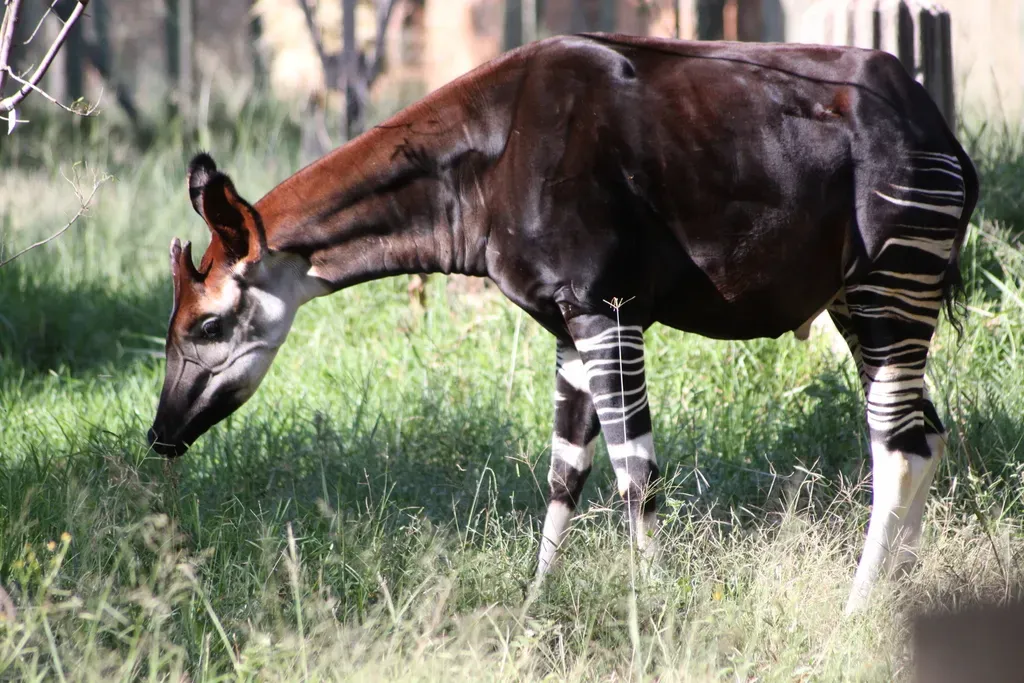
For decades, European explorers dismissed native reports of a striped forest creature in the Congo as folklore, not zoology. Local hunters and villagers had long described an elusive animal they sometimes called a forest donkey or a unicorn-like beast, but Western scientists treated the accounts as legend layered on top of half-truths about known animals like zebras or antelope.
Then, in the early 1900s, researchers finally obtained physical evidence – and the animal was real, though it wasn’t a unicorn or a donkey at all. It turned out to be a close relative of the giraffe, despite its zebra-striped legs and deer-like body shape. The scientific community had to quietly admit that “primitive” oral history had been more accurate than their own assumptions for years.
#4 – Brontosaurus: The Dinosaur That Officially Didn’t Exist for a Century
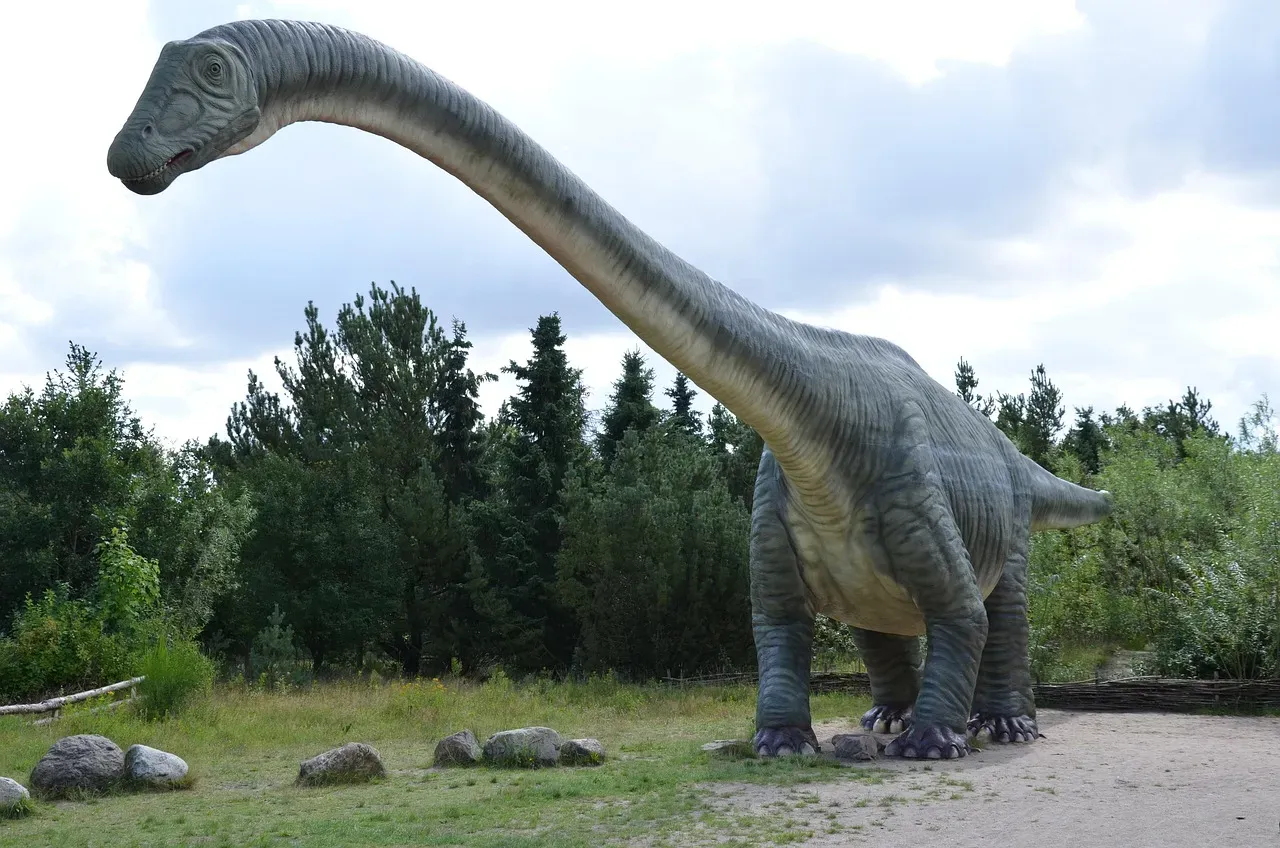
Millions of children grew up loving a dinosaur that paleontologists insisted was a scientific mistake. Since 1903, the scientific consensus held that Brontosaurus wasn’t its own genus at all – it was just a misclassified Apatosaurus. Textbooks quietly dropped the name, museums relabeled their skeletons, and students were taught that “Brontosaurus” was a beginner’s error made by 19th-century bone hunters who mismatched skulls and bodies.
Then, in 2015, a massive research project flipped that century-old consensus. Paleontologists conducted a comprehensive anatomical survey of 81 specimens, comparing 477 physical characteristics across dozens of skeletons, and concluded the two dinosaurs were different enough to deserve separate names after all. Brontosaurus, banished from science for over 100 years, was suddenly real again.
#5 – Triceratops: Scientists Didn’t Realize They Were Studying the Same Animal Twice
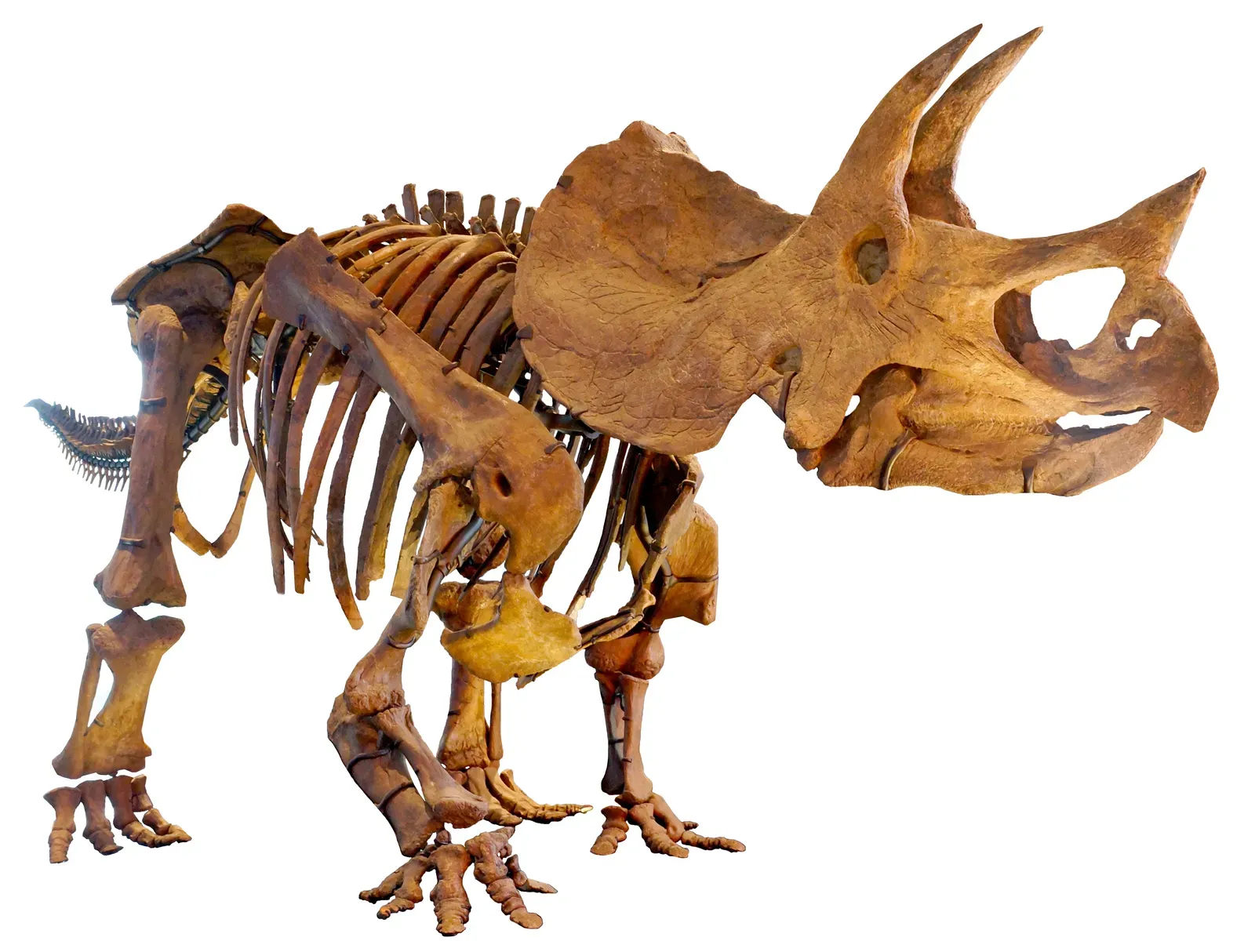
For more than a century, museums proudly displayed two “different” horned dinosaurs that may have never actually existed as separate species. Scientists had believed since the late 1800s that Triceratops and Torosaurus were distinct types, and the confusion made sense on the surface – Torosaurus skulls featured a longer, thinner frill with large holes, while Triceratops skulls were shorter and solid.
But dinosaur skulls change radically with age, and researchers eventually proved it. Juvenile dinosaurs weren’t just miniature adults; their skulls transformed dramatically as they matured. Every single “Torosaurus” specimen ever found turned out to be a fully mature adult, while every immature specimen had been mislabeled as Triceratops. The debate is still contested among some paleontologists, but it exposed how easily growth stages get mistaken for entirely different species.
#6 – Velociraptor: The “Giant Reptilian Monster” That Was Actually a Feathered Turkey-Sized Hunter
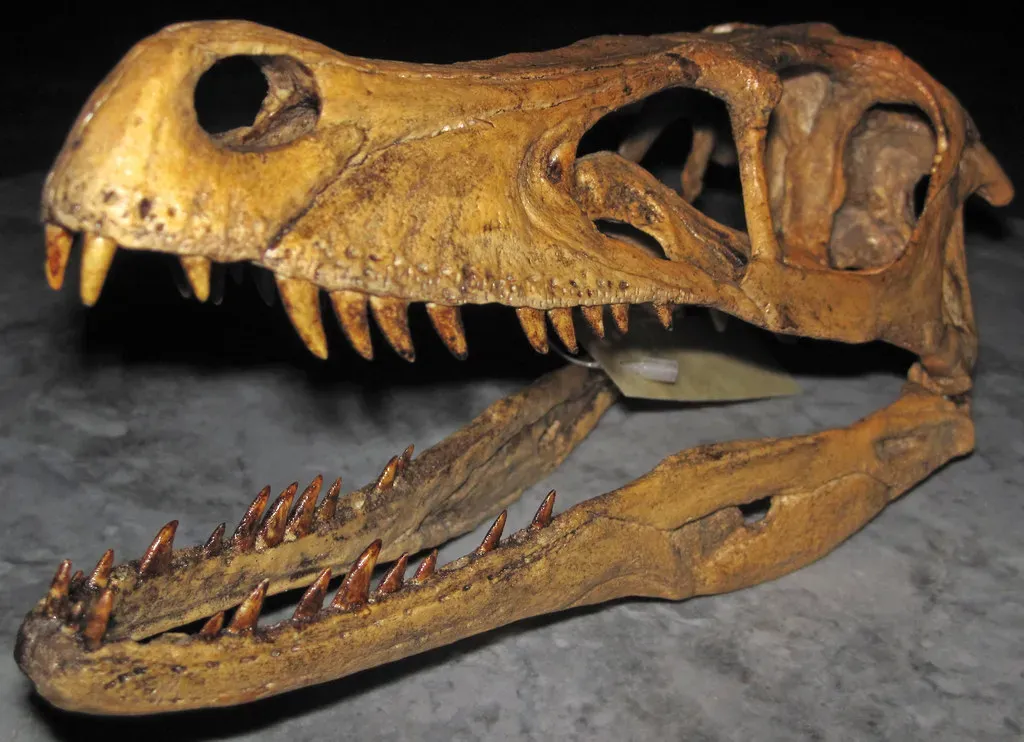
Pop culture sold the world a Velociraptor that never existed in real life. Hollywood depicted it as a scaly, human-sized predator with cold, reptilian eyes, and for years even parts of the scientific community leaned into a similar reptile-first image. The real animal stood roughly two feet tall at the hip – closer in size to a large turkey than a human-sized killer.
Fossil evidence eventually revealed something even stranger: quill knob impressions on the arm bones, the same structures seen in modern birds that anchor feathers. Velociraptor almost certainly had feathers covering large portions of its body, making it far closer to a fast, clawed bird than a Jurassic Park monster. Scientists had spent decades reconstructing an animal that looked nothing like the fossils actually suggested.
Quick Compare: Movie vs. Reality
- Movie Velociraptor: roughly six feet tall, scaly skin, no feathers
- Real Velociraptor: about two feet tall at the hip, likely feathered
- Movie setting: North America, hunting in coordinated packs
- Real fossils: found in Mongolia’s Gobi Desert, in Central Asia
#7 – Stegosaurus: The Myth of the Dinosaur With Two Brains
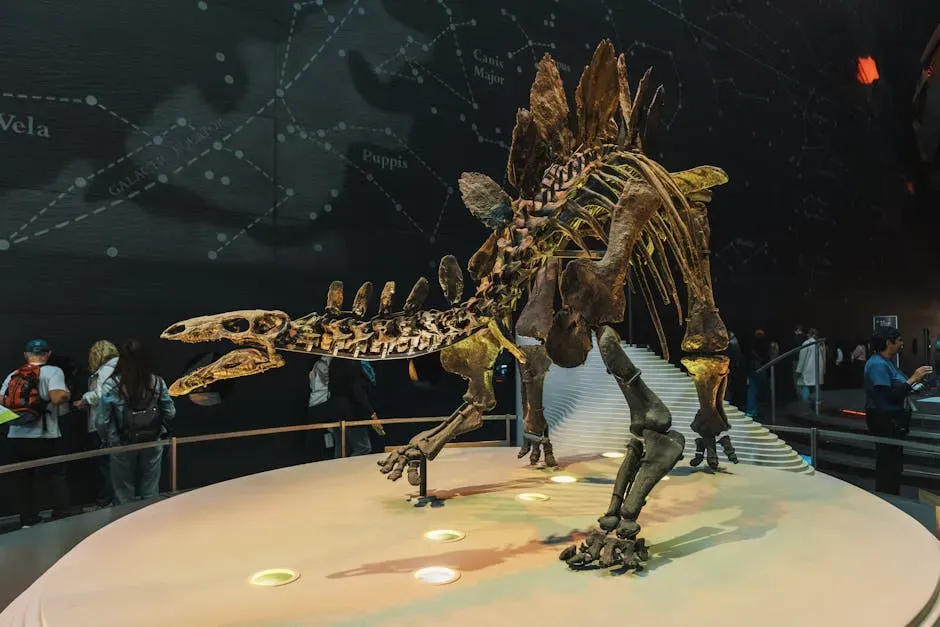
For years, textbooks casually repeated one of the strangest “facts” in dinosaur science: that Stegosaurus had a second brain in its hip to control its back legs and tail. The theory emerged because Stegosaurus had an unusually large cavity in its hip region, and early paleontologists assumed something had to fill that space to help coordinate the animal’s rear half, since its actual brain was famously tiny for its body size.
Modern research has walked this claim back hard. Scientists now believe that cavity likely housed a glycogen body, a structure also found in birds that may have helped store energy or support nerve function – not a literal second brain. Stegosaurus never had two brains – it had one very small one and a persistent scientific myth that outlived the evidence by generations.
#8 – Tyrannosaurus Rex: The Posture Scientists Got Wrong for Nearly a Century
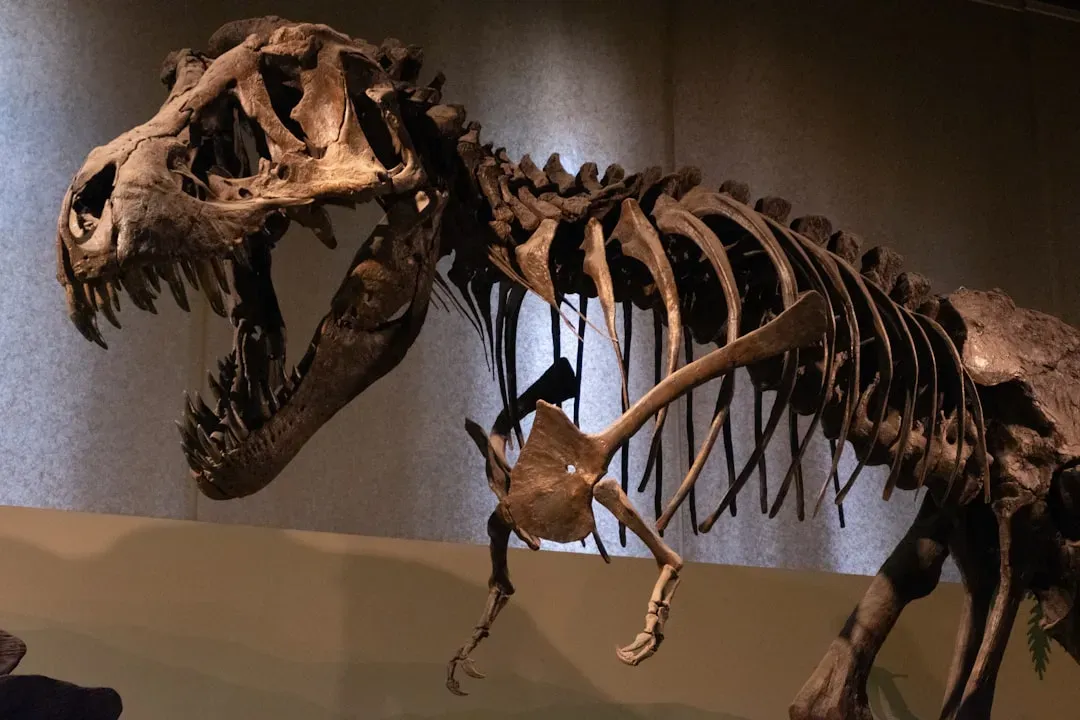
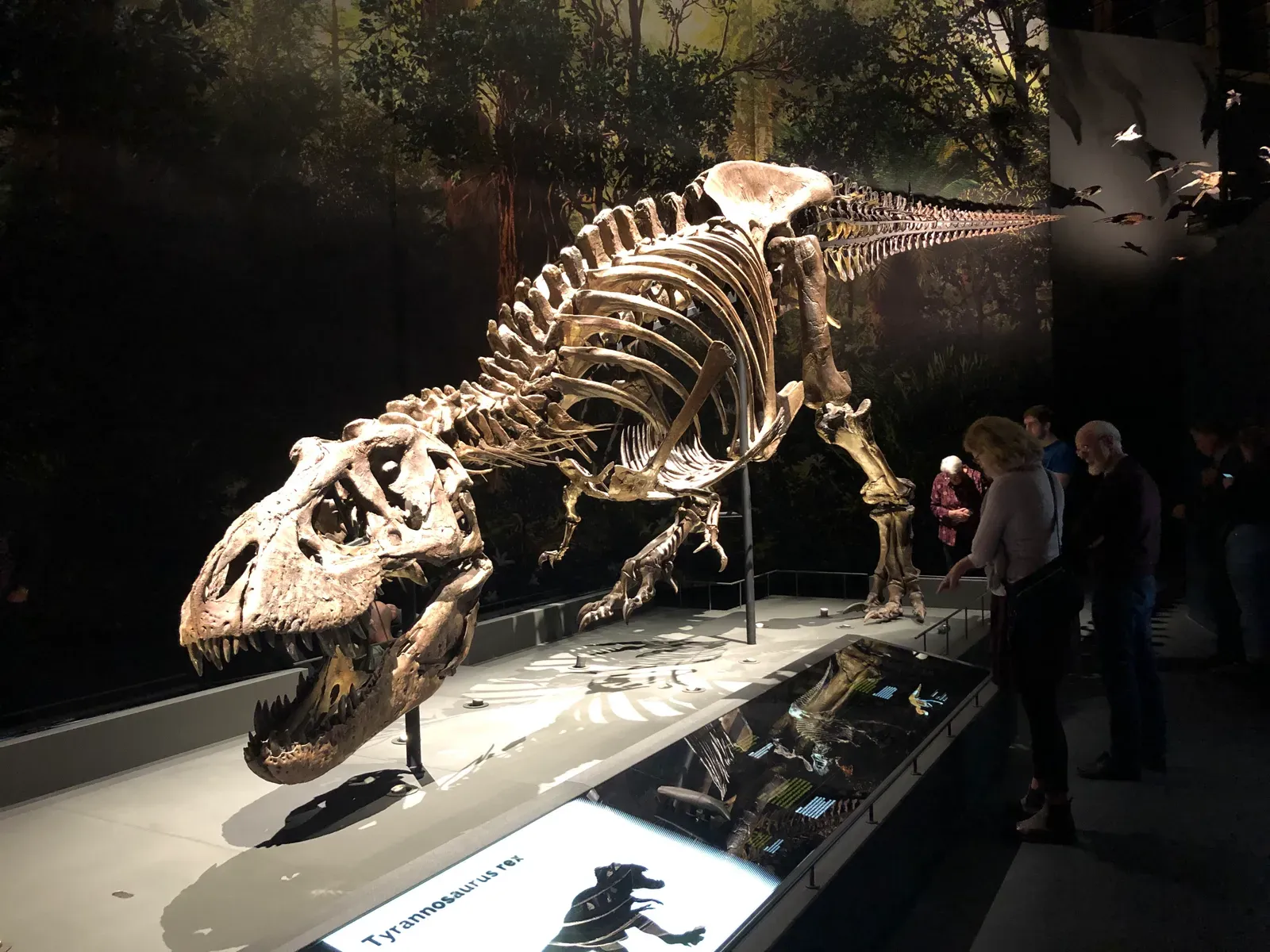
The most famous predator in history was reconstructed standing in a way its own skeleton never actually supported. Early 20th-century museum mounts posed T. rex upright like a kangaroo, tail dragging along the ground, spine curved almost vertically. That tripod-style posture became the default image in movies, textbooks, and toys for decades.
Later biomechanical analysis proved this stance would have been physically implausible for an animal of that size and weight distribution. T. rex actually held its body horizontally, with its tail extended out behind it to balance its massive head, much like a seesaw rather than a kangaroo. Museums worldwide had to physically re-pose their skeletons once the science caught up, discarding an image that had defined the species for generations.
Quick Compare: Old Belief vs. Current Science
- Old belief: upright, kangaroo-style posture with tail dragging on the ground
- Current science: horizontal spine with tail raised for balance
- Old image: cemented by early 1900s museum skeleton mounts
- Correction: driven largely by biomechanical research starting in the 1970s
#9 – Komodo Dragons: The “Deadly Bacteria” Myth That Fooled Scientists for 30 Years
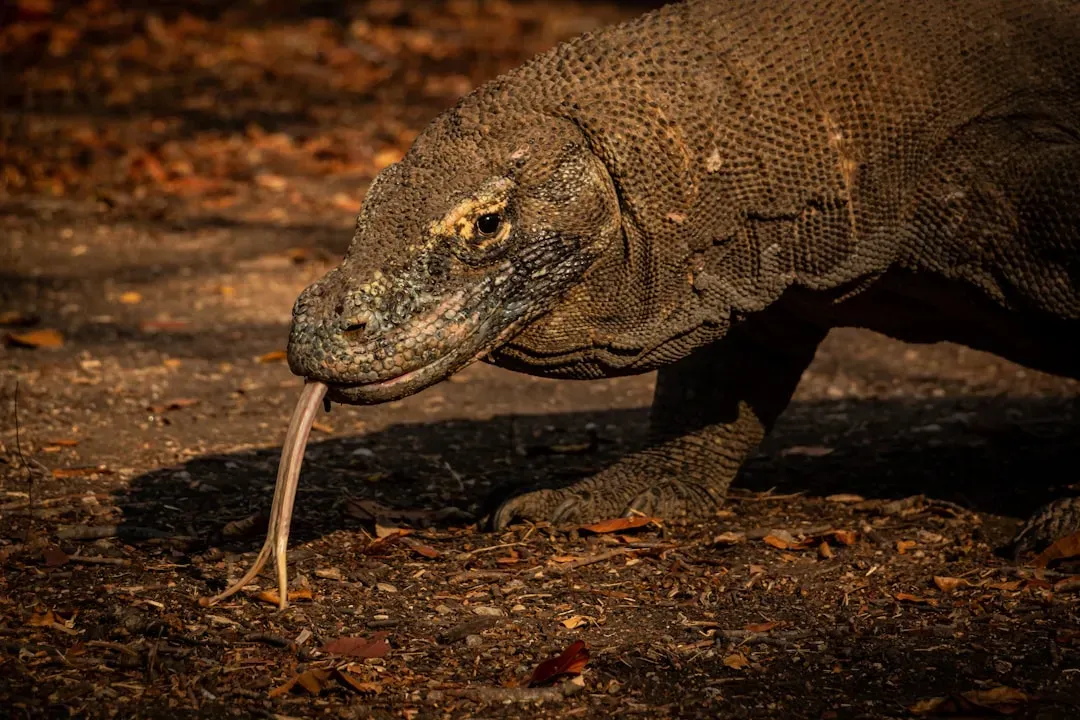
Researchers were convinced they understood exactly how Komodo dragons killed their prey – and they were wrong for decades. The accepted theory held that septic bacteria in the dragons’ saliva caused bloodstream infections so severe that bitten animals would die within days, an idea repeated in textbooks, nature documentaries, and zoo signage. It seemed to fit, since bitten prey often did die of infection, and lab tests found plenty of bacteria in the dragons’ mouths.
In 2009, that entire explanation collapsed. New research showed the lizards ooze venom, not toxic bacteria, into their bites to help weaken and kill prey. Researchers used a medical scanner to discover dedicated venom glands loaded with toxins that cause bleeding, block clotting, and trigger shock. An idea repeated in classrooms for thirty years turned out to be built on assumption, not proof.
#10 – Neanderthals: The “Dumb Brute” Myth That Anthropologists Are Still Undoing
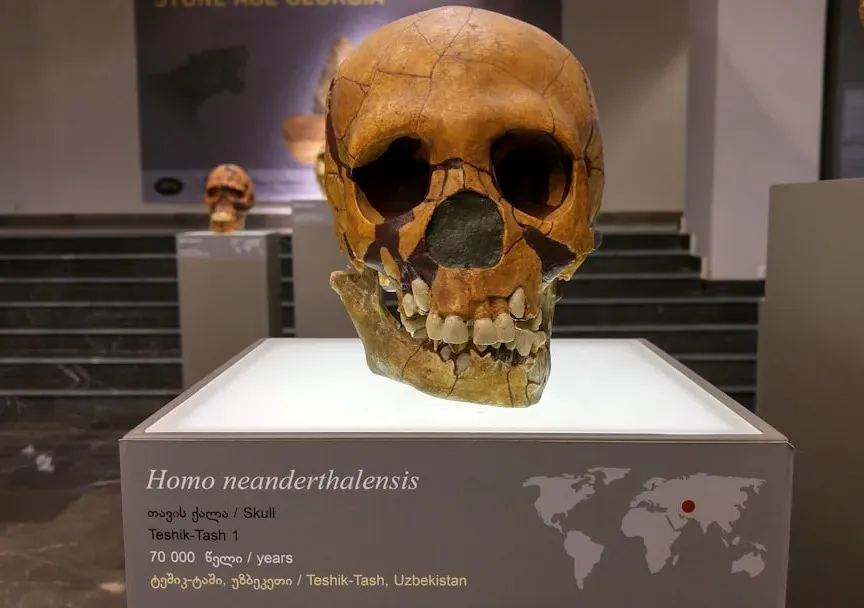
For over a century, Neanderthals were treated as science’s go-to example of a failed, unintelligent branch of humanity. Early 20th-century reconstructions portrayed them as hunched, grunting cavemen, barely capable of tool use. Part of that image came from a poorly preserved, arthritis-riddled skeleton that researchers mistakenly treated as “typical,” exaggerating a stooped posture that wasn’t actually representative of the species.
Modern archaeology has dismantled nearly every part of that stereotype. Evidence now shows Neanderthals created jewelry, used pigments possibly for symbolic decoration, buried their dead with apparent ritual, and interbred with early modern humans. Most people alive today with European or Asian ancestry carry measurable Neanderthal DNA, meaning the “primitive failure” narrative was less about their biology and more about outdated assumptions.
#11 – Whales: Scientists Once Insisted They Never Had Land-Dwelling Ancestors
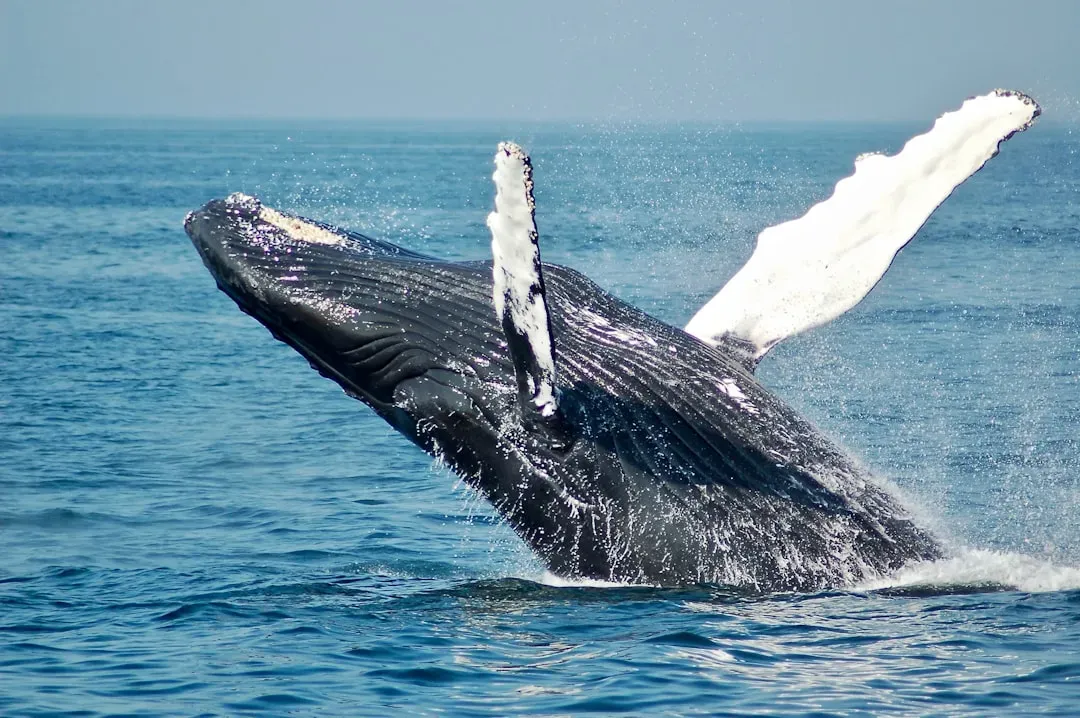
For years, the idea that whales evolved from land-walking mammals sounded more like science fiction than science. Early evolutionary theory struggled to explain how a fully aquatic mammal with no visible hind legs could have descended from a four-legged land creature, and skeptics used this gap as a major argument against evolution generally. Without transitional fossils, the theory remained plausible but largely unproven for much of the 19th and 20th centuries.
That changed with the discovery of fossils like Pakicetus and Ambulocetus – ancient creatures with whale-like skulls but functional legs built for walking on land and wading in shallow water. Whales are now understood to have evolved from small, hoofed land mammals over roughly 10 million years, one of the most complete transitional fossil sequences in evolutionary biology. What was once dismissed as a “missing link” is now one of paleontology’s strongest documented cases.
#12 – Giant Squid: The “Sea Monster Myth” That Scientists Refused to Believe
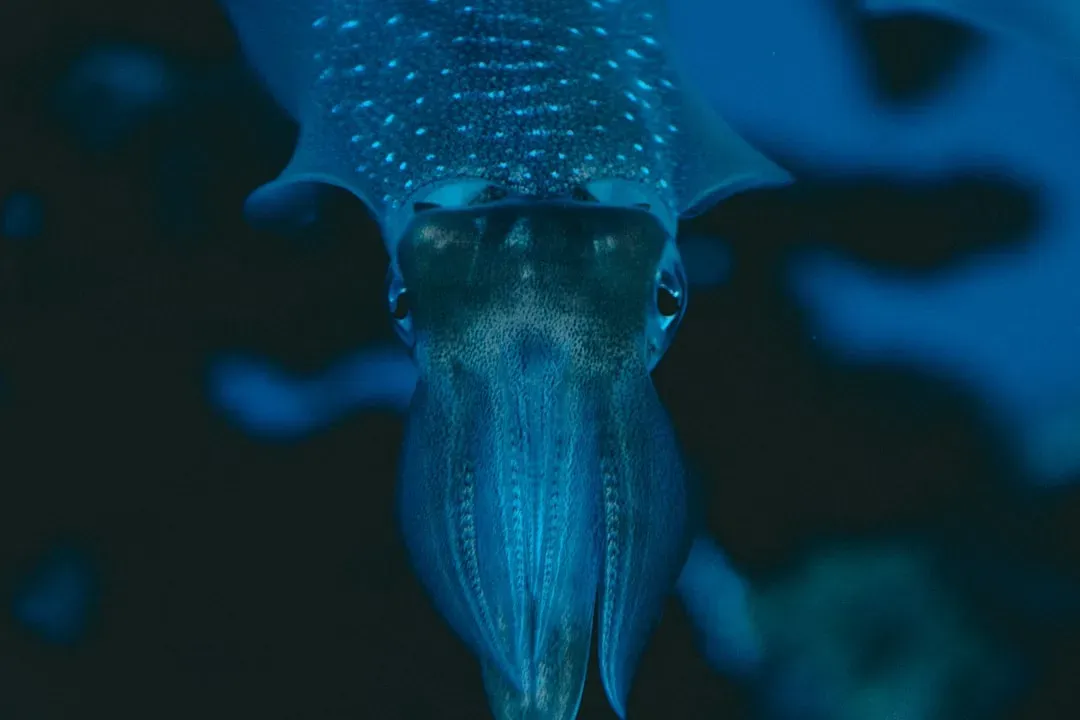
For centuries, sailors’ accounts of enormous tentacled creatures attacking ships were treated as superstition, not zoology. Scientists dismissed kraken legends as exaggerated folklore, assuming frightened sailors had misidentified whales, waves, or ordinary squid during storms. Even when washed-up carcasses occasionally appeared on European shores, many naturalists were reluctant to classify them as a distinct, massive species.
Eventually, physical specimens and, much later, video footage confirmed that giant squid are real, reaching lengths that genuinely rival small ships in sailors’ retellings. Scientists didn’t capture footage of a live giant squid in its natural deep-sea habitat until the 21st century, meaning humanity confirmed the “myth” was real before we ever actually filmed the animal alive. The kraken wasn’t fiction – it was just extremely good at avoiding cameras.
At a Glance
- Giant squid can grow to nearly 43 feet long, tentacles included
- They have the largest eyes of any animal alive, close to 10 inches across
- First photographed alive in the deep sea in 2004, off Japan’s Ogasawara Islands
- Not filmed alive on video until 2012 – roughly 140 years after the first physical specimen was documented
#13 – The Dodo: The “Fat, Clumsy Bird” Myth That Science Got Backwards
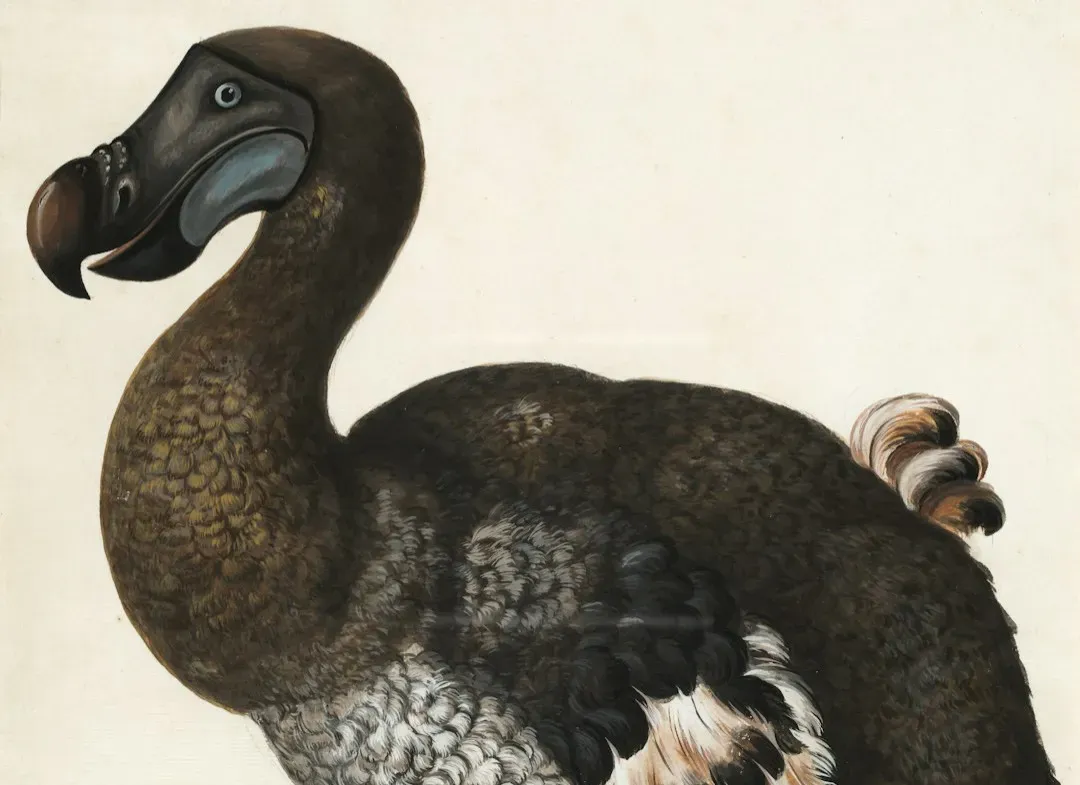
The dodo isn’t just extinct – it may be one of the most misrepresented animals in scientific history. For generations, it was depicted as an overweight, waddling bird too slow and stupid to survive contact with humans, an image built on inaccurate early illustrations based on poorly preserved or stuffed specimens rather than living birds. The portrayal became so ingrained that “dodo” itself turned into a cultural synonym for foolishness and failure.
Later analysis of skeletal remains and closer study of the bird’s actual anatomy painted a very different picture. Researchers now believe the dodo was likely a lean, agile bird capable of moving quickly through dense forest terrain, not the sluggish caricature popular culture created. Its extinction had far more to do with introduced predators and habitat destruction than any inherent clumsiness – science spent centuries mocking an animal it had never actually studied properly while it was alive.
The Bottom Line
Here’s the uncomfortable truth: science doesn’t just “discover” facts and move on – it spends decades defending wrong ones with total confidence. A fish presumed extinct for 65 million years was swimming the whole time. A “hoax” mammal turned out to be one of evolution’s strangest survivors. A dinosaur banished from textbooks for a century came roaring back.
None of these were fringe theories. They were mainstream science, taught as settled fact in classrooms, museums, and documentaries for generations. And honestly, that should make you a little suspicious of whatever “settled” fact you learned about animals last week. Certainty in science is usually just confidence that hasn’t been tested yet – and the next “impossible” animal claim is probably already waiting for someone to prove it true. Which of these thirteen surprised you the most? Drop it in the comments.