
Most people assume scientists have basically figured out how life began on Earth – that it’s just a matter of filling in minor details. They haven’t. Researchers can’t agree on when life started, where it started, whether it started once or twice, or what the very first “living” molecule even looked like.
Some of the oldest fossils ever claimed as proof of ancient life are still being argued over by geologists decades after their discovery. Even the famous “LUCA,” the ancestor of every living thing, keeps getting reassigned a new birthday every few years. Here’s what the actual research says about the biggest unanswered questions in the story of life’s beginning – and why nobody has closed the book on any of them.
#1 – Where Did Life’s Raw Ingredients Actually Come From?
Scientists still can’t settle whether life’s building blocks were cooked up right here on Earth or delivered from space. One of the central open questions in origin-of-life research is whether the first ingredients arrived via meteorite impact and constant cosmic dust deposition, or whether they were synthesized locally in Earth’s own chemistry.
Amino acids have turned up inside meteorites, and labs have separately managed to synthesize them from scratch using conditions meant to mimic early Earth’s atmosphere. Both origin stories are technically possible – which is exactly the problem. Neither camp can rule the other out.
Most researchers now suspect the truth is messier than either side wants to admit. It’s likely Earth ran both playbooks at once, stitching together homegrown chemistry with a steady rain of space-borne organic material. That’s a frustratingly unsatisfying answer for anyone hoping for a clean, singular explanation – but it’s the one the evidence currently supports.
#2 – When Did Life Actually Begin?
Ask ten origin-of-life researchers when life started, and you’ll probably get ten different answers. The dates floating around scientific literature span an enormous range, and none of them are fully settled.
Current estimates place life’s origin somewhere between 3.5 and 4.1 billion years ago, while the last universal common ancestor is thought to have lived between 3.5 and 2.5 billion years ago. That’s not a rounding error – it’s a gap of hundreds of millions of years, an almost incomprehensible stretch of time when you’re talking about single-celled organisms slowly rewriting their own chemistry.
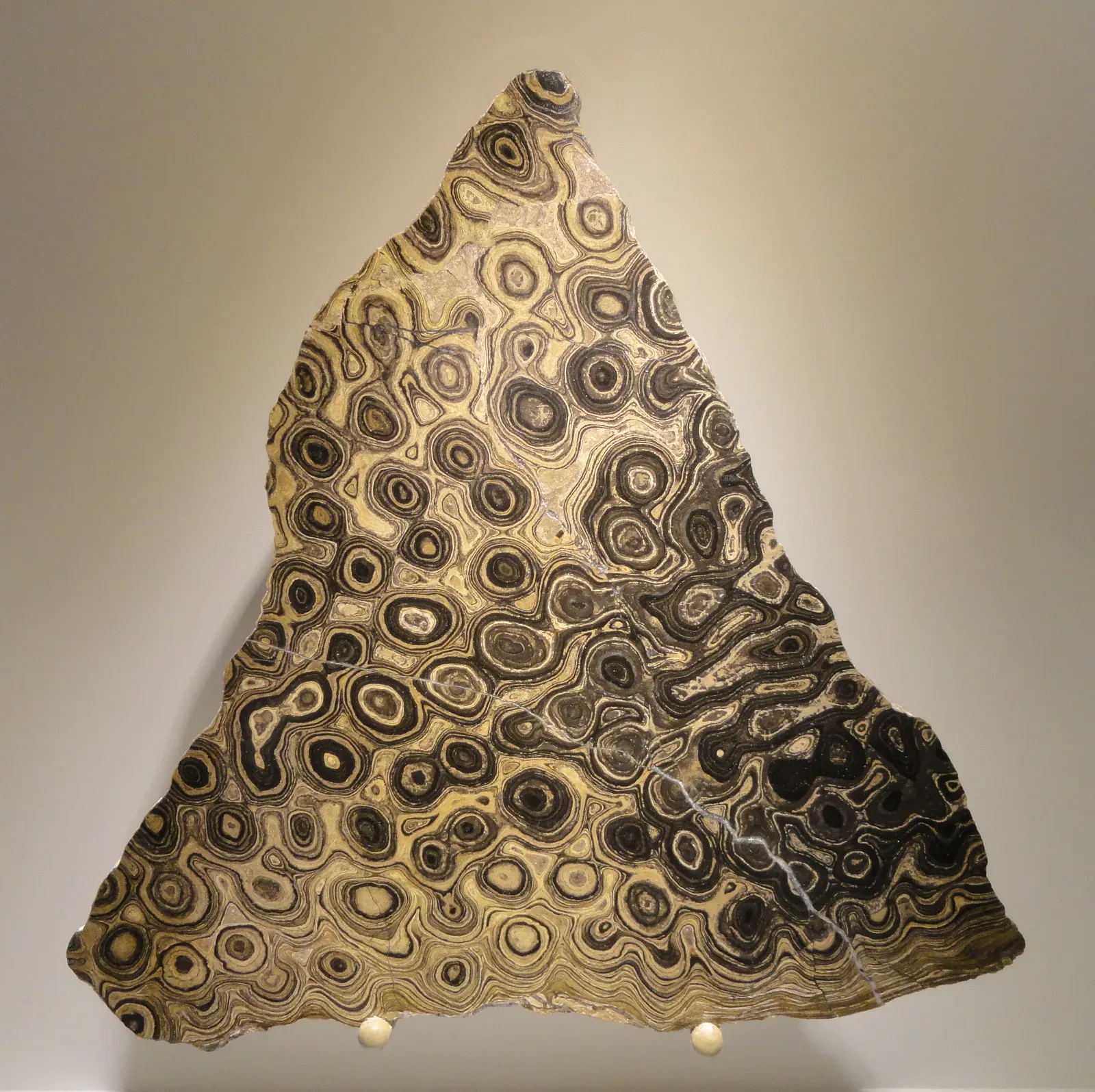
The uncomfortable truth is that we may never get an exact date. Unlike bones and shells, the earliest stages of biological evolution left almost nothing durable behind. Plate tectonics has spent four billion years recycling nearly all the rock that could have preserved direct evidence, which means the earliest chapters of life’s story may be permanently unreadable – erased not by accident, but by the planet’s own machinery.
#3 – Are the “Oldest Fossils on Earth” Even Real?
This is one of the most contentious fights in all of paleontology, and it’s been raging since 1993. That year, paleobiologist J. William Schopf described what he believed were microfossils preserved in ancient rock – the oldest known fossils ever discovered. Not everyone bought it.
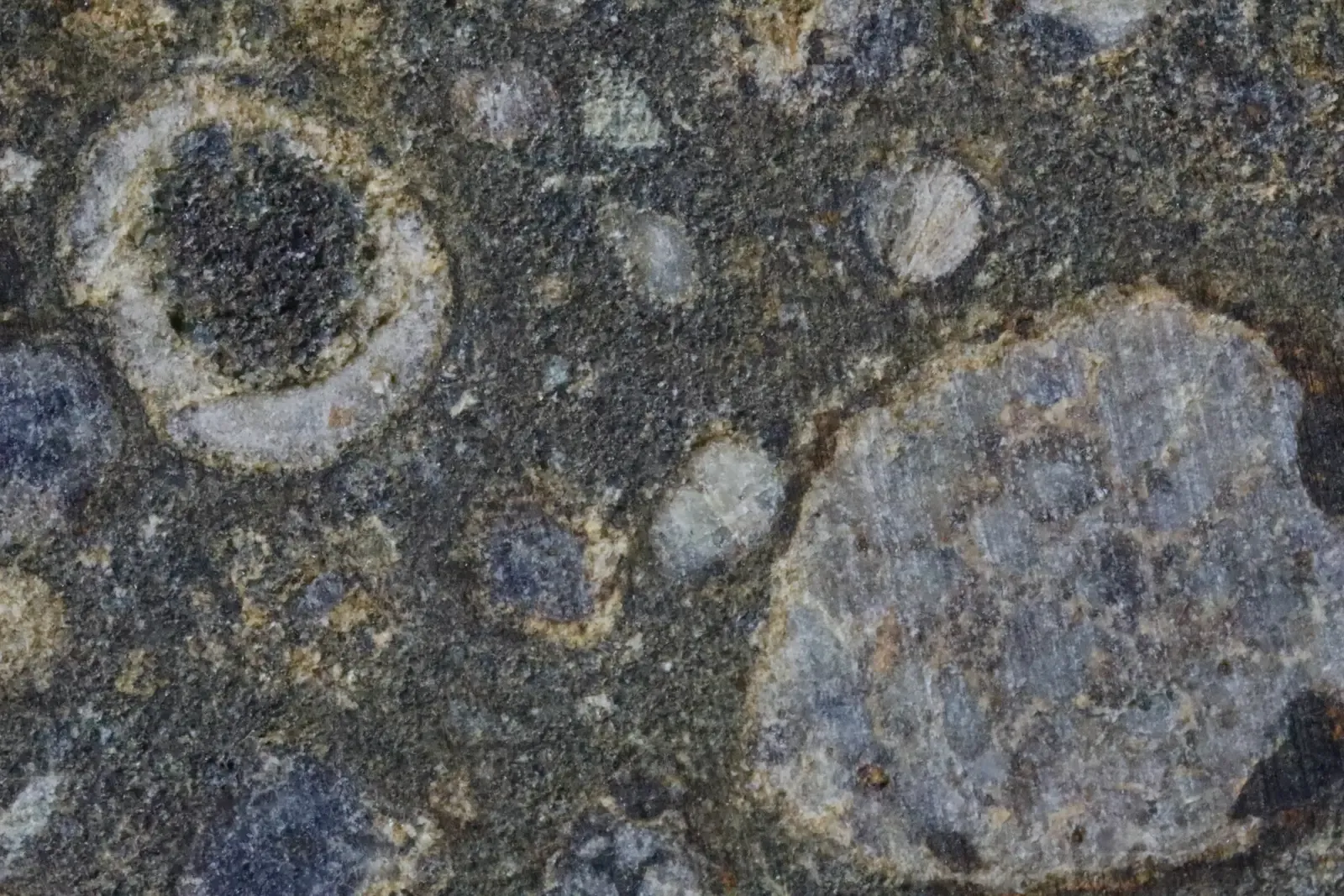
More analysis followed in 2002, and it still wasn’t enough to satisfy critics who argue the “microbes” are just mineral artifacts shaped by chance. Even a supposedly definitive 2017 re-analysis didn’t end the argument; rival scientists immediately pushed back on the methodology. Dominic Papineau of University College London has acknowledged the team did good work, but disputes the claim that these are the oldest fossils on record – he believes he’s found 3.95-billion-year-old fossils in Labrador instead.
Quick Compare: Rival “Oldest Fossil” Claims
- Apex Chert, Australia (~3.46 billion years): Described in 1993, re-examined in 2002 and 2017, still disputed as possible mineral artifacts rather than microbes.
- Isua rocks, Greenland (~3.7 billion years): Triangular structures up to 1.6 inches tall, announced in 2016; critics argue they could be non-biological formations.
- Labrador formations (~3.95 billion years): Proposed by Dominic Papineau as an even older alternative to the Apex Chert claim.
Meanwhile, a separate site in Greenland added its own controversy: tiny triangular structures, standing up to 1.6 inches tall, found in 3.7-billion-year-old rock on the southwest coast. In 2016, these unassuming stone shapes rocked the paleobiology world when they were declared the earliest fossilized life yet found. Critics later argued they could be non-biological mineral formations too. Nobody has definitively won this fight, and it’s entirely possible nobody ever will.
#4 – Could Life Have Started Even Earlier, in Rocks We Can Barely Study?
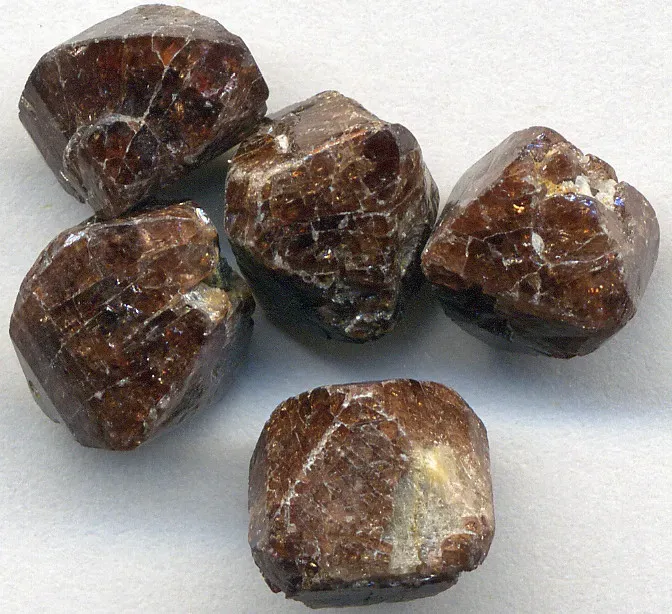
Beyond the Apex Chert and Greenland fights, there’s an even older, even shakier claim lurking in the data. Some scientists argue biological fingerprints exist in material dating back over 4 billion years, though almost nobody considers this settled science.
Biogenic carbon preserved inside zircon crystals from 4.1 billion years ago could push back the origin of life by another 600 million years – if it holds up. But the discovery is a bit of a reach, since what was actually trapped in the zircon were building blocks of life, not a fossilized organism itself. That’s a crucial distinction that gets lost in the headlines.
Most experts treat zircon evidence as suggestive, not conclusive. It hints life could be far older than the accepted fossil record shows, but hints aren’t proof. Until better techniques come along, this remains one of the field’s most tantalizing dead ends – a clue nobody can quite close the case on.
#5 – Was Early Earth Even Habitable This Early?
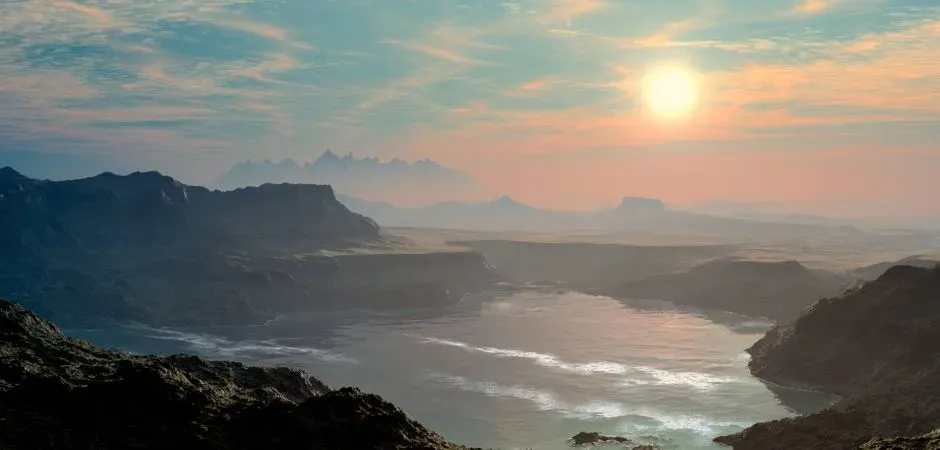
For decades, the standard assumption was that early Earth was simply too hot, too violent, and too bombarded by asteroids for life to have any real chance. That assumption has been quietly falling apart.
Studies now show liquid water oceans existed on Earth as early as 4.3 billion years ago – more than 800 million years before the fossils in a landmark 2017 study would have been alive, and just 250 million years after the planet itself formed. That’s a startling finding: stable oceans appearing almost immediately in geological terms after a violent, molten birth.
We have no direct evidence that life existed 4.3 billion years ago but there is no reason why it couldn’t have. This is something we all would like to find out.
John Valley, geochronologist
That’s about as honest an admission of uncertainty as you’ll get from a scientist, and it should reshape how confidently anyone talks about “early Earth was uninhabitable.” The window for life may have opened far sooner than textbooks suggest.
#6 – Did Life Begin in Deep-Sea Vents or Shallow Pools?
![#6 - Did Life Begin in Deep-Sea Vents or Shallow Pools? ([1], CC BY 4.0)](https://nvmwebsites-budwg5g9avh3epea.z03.azurefd.net/dinoworld/365df585fc059052cbef5d0cfa7d5f48.webp)
This is where the science gets genuinely divided into two competing camps, and the disagreement isn’t minor. One side argues for scalding, mineral-rich hydrothermal vents on the ocean floor. The other insists life needed sunlight, wet-dry cycles, and shallow land-based pools to get its chemistry started.
A study of 3.77-billion-year-old rocks found tubelike hematite fossils resembling structures at modern hydrothermal vents, which today host thriving biological communities in total darkness. If biological, these structures would predate even the Apex Chert fossils by hundreds of millions of years, tipping the scales toward the deep-ocean theory.
At a Glance: Two Rival Birthplaces for Life
- Deep-sea vents: Backed by 3.77-billion-year-old tubelike hematite fossils resembling structures at modern hydrothermal vent sites.
- Shallow surface pools: Favored by researchers who argue RNA chemistry needs wet-dry cycles and sunlight, not constant water.
- Common ground: Both camps agree the earliest chemistry had to become self-sustaining almost immediately.
But plenty of experts remain unconvinced this settles anything. Kurt Konhauser, a geomicrobiologist at the University of Alberta, has said the authors offer a convincing set of observations that could signify life, but that scientists may never definitively prove ancient life existed 3.8 billion years ago. Meanwhile, a competing camp argues the chemistry needed to build RNA simply doesn’t work underwater, pushing votes toward geothermal pools on land instead. This debate has genuinely split the field into two rival schools of thought, and neither side is backing down.
#7 – Did Metabolism or Replication Come First?
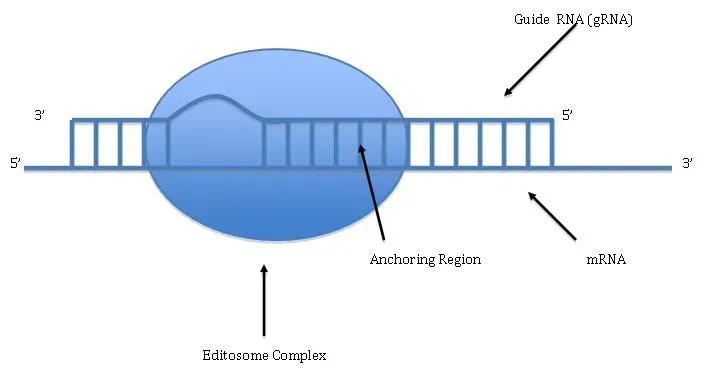
Here’s a question that sounds simple but has stumped biochemists for generations: did life start with a self-sustaining chemical reaction network, or with a molecule that could copy itself? It’s essentially the chicken-and-egg problem, except with cells instead of birds.
The RNA World hypothesis proposes that life began with small, stringy RNA molecules that ruled early Earth and established the dynamics of Darwinian evolution before proteins or DNA ever existed. Recent lab work has strengthened this camp’s case considerably. A 2024 Salk Institute study unveiled an RNA enzyme capable of making accurate copies of other functional RNA strands, while still allowing new variants of the molecule to emerge over time – essentially evolution in a test tube.
But metabolism-first advocates haven’t gone anywhere. They argue that without an energy-generating chemical cycle running first, no fragile RNA molecule could have survived long enough to matter. Neither camp has landed a knockout blow, and the debate remains one of the most fundamental unresolved splits in origin-of-life science.
#8 – Why Is Nearly All of Life’s Chemistry “Left-Handed”?
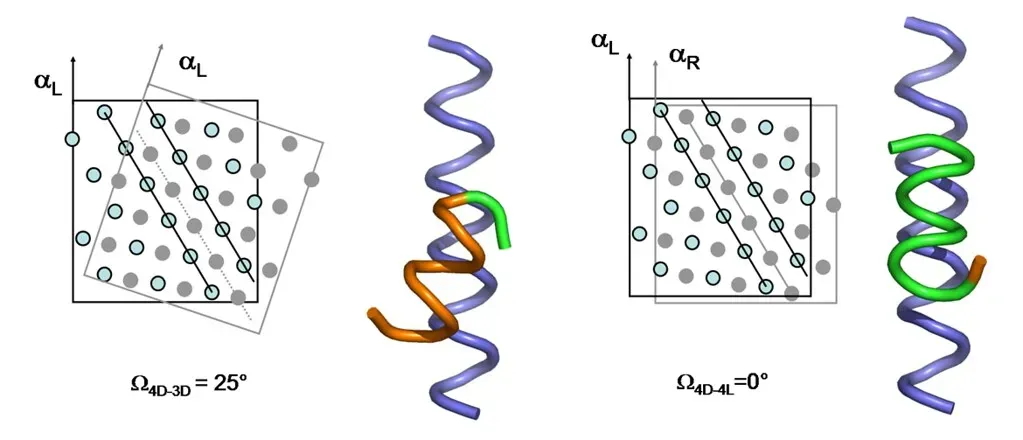
This is one of those facts that sounds like a minor technicality until you realize how strange it actually is. Nearly every amino acid in every living organism on Earth is built in the same “left-handed” molecular orientation, even though basic chemistry produces both left- and right-handed versions in roughly equal amounts.
Nobody has a fully satisfying answer for why life picked one version and stuck with it exclusively. Some researchers point to subtle physical asymmetries in the early universe; others suspect it was simply a random accident that got locked in early and then propagated through billions of generations, because switching would have been catastrophic once cells depended on it. The honest answer is that this remains a genuine mystery, one that sits right at the intersection of chemistry, physics, and blind luck.
Whatever the explanation turns out to be, it had to happen extraordinarily early – before life had any complexity to speak of – which makes it one of the very first “decisions” biology ever made, and one it never reconsidered.
#9 – How Did the Genetic Code Become Universal?
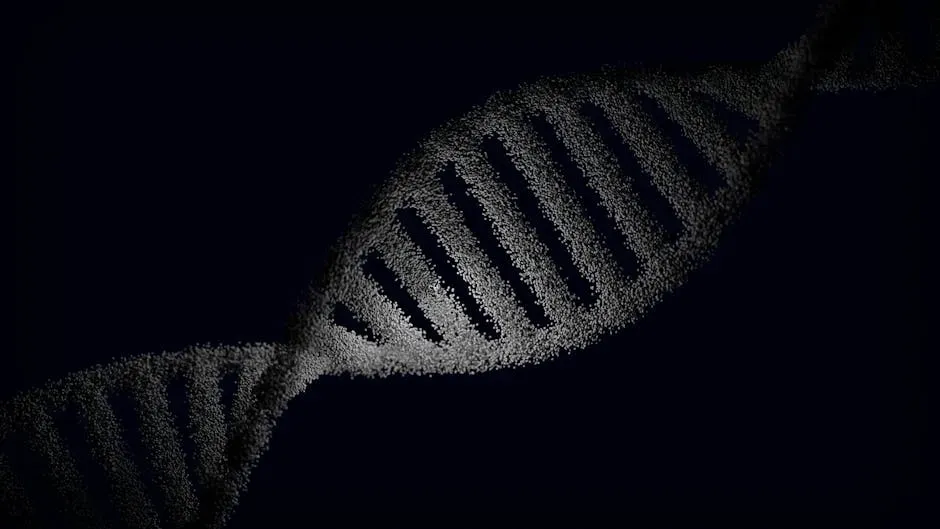
Every living thing on the planet, from bacteria to blue whales, uses essentially the same genetic code – the same three-letter combinations of DNA bases translating into the same amino acids. That’s remarkable given how many other coding systems could theoretically have worked just as well.
Scientists studying tRNA evolution have proposed intricate models for how this code might have crystallized into place, but there’s no consensus on why this particular code won out over countless chemical alternatives. Some researchers argue it was optimized by evolution to minimize the damage from copying errors. Others suspect it was simply the first system that worked well enough, and once life depended on it, there was no going back.
This “frozen accident” theory is unsettling precisely because it means the code we all run on might not be the best possible one – just the one that got there first. Untangling exactly how and why remains an active, unresolved area of research.
#10 – Did Life on Earth Actually Start Twice?
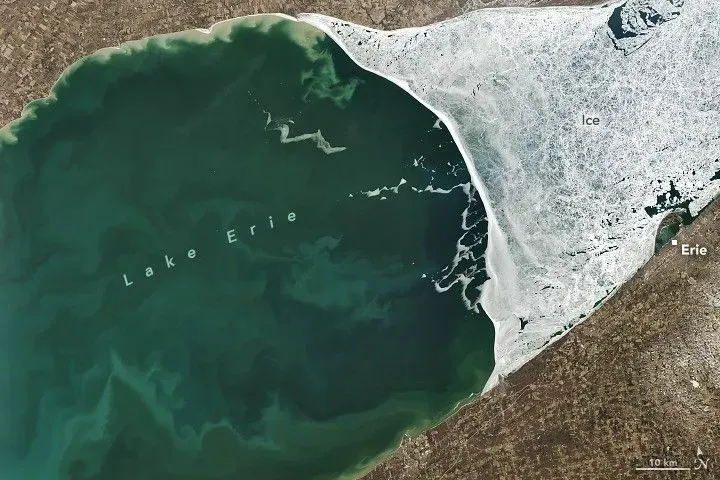
For over a century, the assumption has been that every living thing traces back to a single origin event. New research is quietly challenging that assumption in a way that could rewrite textbooks.
New genetic evidence suggests that while life may share one ancient genetic code, free-living cells may have emerged independently on two separate occasions. An international team led by biologists at the Institute of Molecular Evolution at Heinrich Heine University Düsseldorf reported findings shedding light on the chemical reaction network used by the earliest cells, findings that don’t fit neatly into a single-origin story.
Worth Knowing
- The dual-origin research comes from an international team at the Institute of Molecular Evolution at Heinrich Heine University Düsseldorf.
- A shared genetic code across all life doesn’t necessarily mean a single starting cell.
- If confirmed, the “tree of life” might need two separate roots at its base instead of one.
If confirmed, this would mean the shared genetic code didn’t come from one lucky cell but from a chemical environment so favorable that life independently stumbled into the same solution twice. That’s a genuinely radical idea, and it directly complicates the neat, single-tree-of-life story most people learned in school. Expect pushback from researchers invested in the traditional single-origin model as this theory gets tested further.
#11 – What Did LUCA Actually Look Like, and When Did It Live?
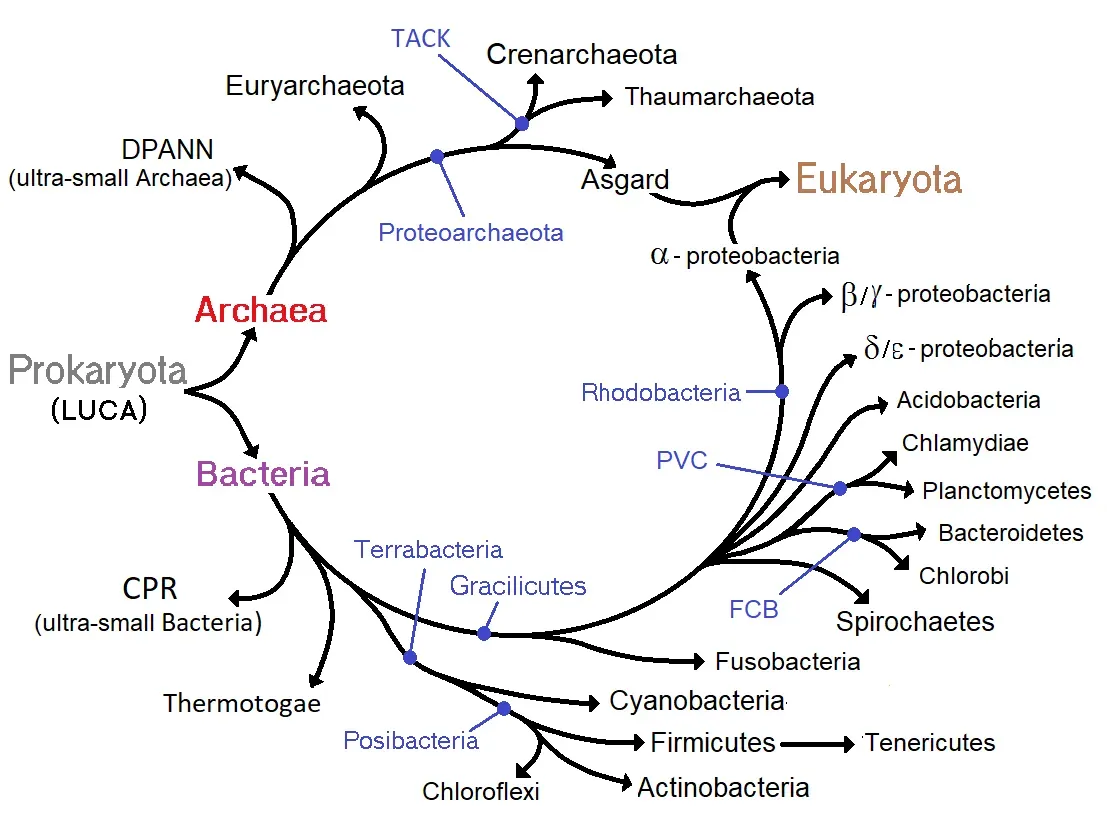
LUCA – the Last Universal Common Ancestor – is often described with more confidence than the evidence actually supports. Its exact age keeps shifting with every new study, sometimes by hundreds of millions of years at a time.
Integration of phylogenetics, comparative genomics, and paleobiological data now suggests LUCA lived about 4.2 billion years ago and was already a complex, prokaryote-grade anaerobic organism embedded in a functioning ecosystem – a far more sophisticated picture than the “primitive replicating blob” scientists imagined decades ago. In the 1970s, researchers assumed the last common ancestor of all life was a barebones replicator that hadn’t even mastered translating genes into proteins.
Even the researchers behind the newest estimates admit there’s a lot left hanging. How evolution proceeded from life’s origin to early ecological communities at the time of LUCA remains genuinely open, and the inferred age of LUCA compared with the age of the Earth and Moon suggests this transformation happened in a surprisingly short window of geologic time. “Surprisingly short” is scientist-speak for “we don’t fully understand how this happened so fast.”
#12 – Could Life Have Arrived From Somewhere Else Entirely?
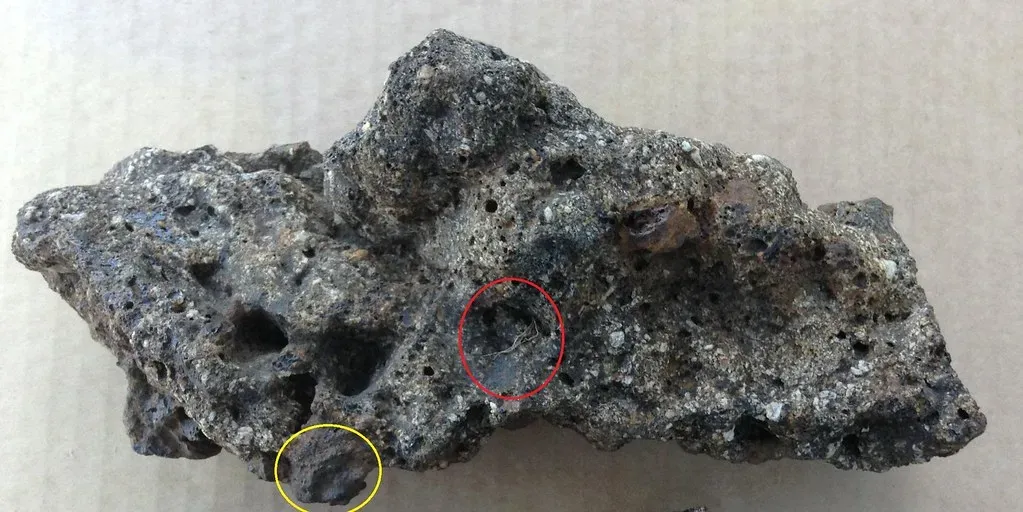
Panspermia – the idea that life’s ingredients, or even life itself, hitched a ride on comets or asteroids – still gets serious scientific attention, even if most researchers think Earth-based chemistry did the heavy lifting. The debate isn’t dead; it’s just been narrowed down considerably.
Interstellar chemistry has already been shown to produce genuinely complex organic molecules, the kind that could theoretically seed a planet with raw material for life before that planet even finished cooling. Meteorite samples have confirmed amino acids can survive the trip through space and a fiery atmospheric entry intact. That doesn’t prove alien delivery kickstarted Earth’s biology, but it keeps the door open.
Most experts now treat panspermia as a supplementary theory rather than a competing one – the ingredients might have arrived from space, even if the actual assembly into living cells happened locally. Untangling how much each source contributed remains an open and genuinely difficult question to test.
#13 – When Did Complex Cells Actually Evolve, and Why Is the Timeline So Messy?
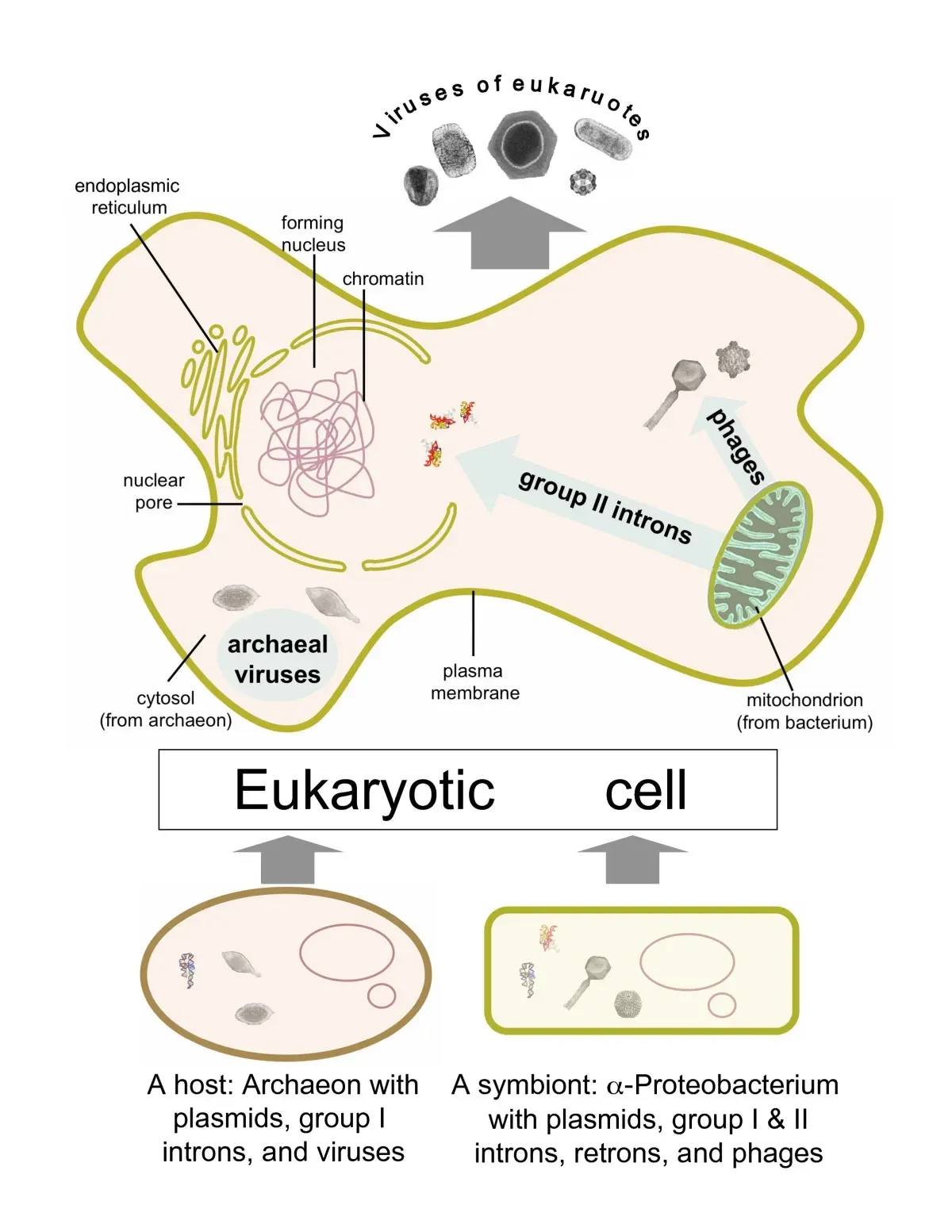
If you think the debates above are messy, the fight over when eukaryotic cells – the complex, nucleus-containing cells that make up everything from mushrooms to humans – first appeared is arguably worse. Estimates vary by over a billion years depending on which method you trust.
The fossil and biomarker records are sparse, and molecular clocks have thus far failed to reach a consensus, with dates spanning 2.1 to 0.91 billion years ago for critical branching points. Molecular time estimates for the last common ancestor of eukaryotes are typically hundreds of millions of years younger than the Great Oxidation Event, and that mismatch has fueled real controversy – if the youngest molecular clock estimates are correct, oxygen would have flooded the atmosphere a full billion years before complex cells ever showed up.
Fast Facts
- Molecular clock estimates for early eukaryotes range from 2.1 to 0.91 billion years ago.
- A newer, narrower window pins the key transition between 2.0 and 1.8 billion years ago.
- That range overlaps closely with the Great Oxidation Event – but not perfectly, and the gap still sparks debate.
Some newer analyses argue the two events actually line up much better than assumed, proposing a conservative window of 2.2 to 1.5 billion years ago, with a narrower core interval of 2.0 to 1.8 billion years ago, closely aligned with the rise in atmospheric oxygen. But “closely aligned” in geologic terms can still mean a gap of hundreds of millions of years, and not everyone in the field is convinced the coupling is as tight as the newest papers claim. This remains one of evolutionary biology’s most contested timelines.
The Bottom Line
The deepest truth about early life on Earth isn’t a neat discovery – it’s how much genuine disagreement still exists among the people studying it. Fossils that were “confirmed” in 2017 are still being challenged today. LUCA’s birthday has shifted by hundreds of millions of years in less than a decade. Whether life started once or twice, in vents or in ponds, from RNA or from metabolism, remains genuinely unresolved.
Frankly, anyone who claims total certainty about how life began is probably overselling the evidence. The honest position is discomfort with not knowing – and that discomfort is exactly what keeps this field alive, funded, and endlessly fascinating. Which of these mysteries do you think science will actually crack first? Drop your theory in the comments.