
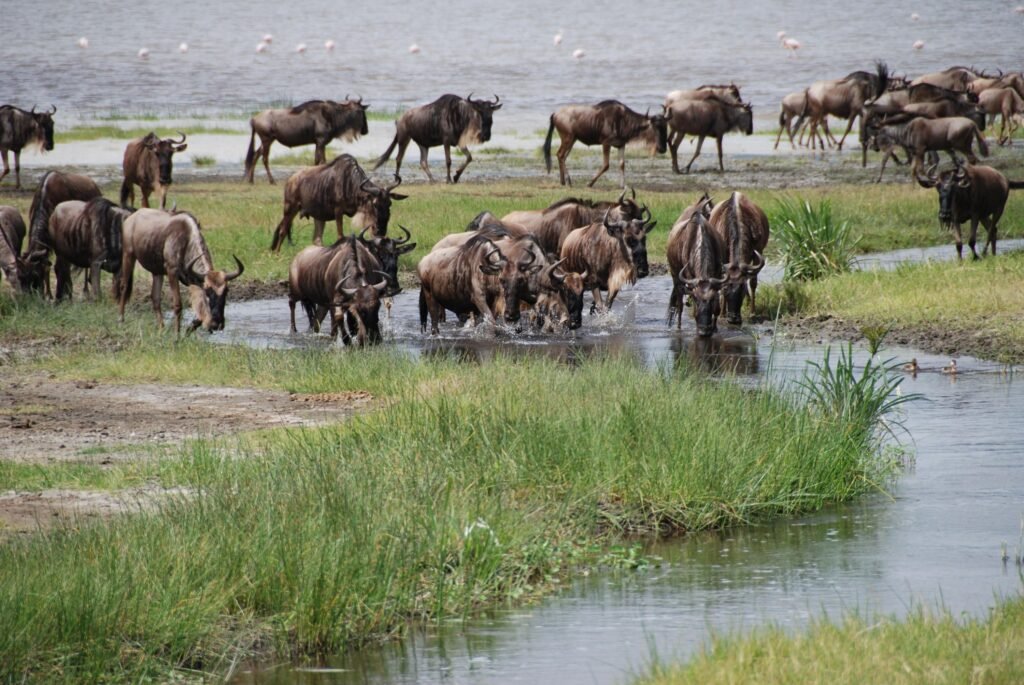
Every autumn, billions of animals disappear on journeys so precise, so mathematically impossible, that scientists studying them for over a century still can’t fully explain how they work. We’re told migration is “instinct,” as if that word actually means something. It doesn’t. Instinct is just a label scientists slap on behavior they can’t yet decode.
From butterflies with brains smaller than a grain of rice to fish that vanish into open ocean and are never seen reproducing, migration keeps breaking the rules of what we think we know about biology. Here’s what researchers actually say when you ask them how it really works.
#1 – The Magnetic Sense Nobody Can Actually Find
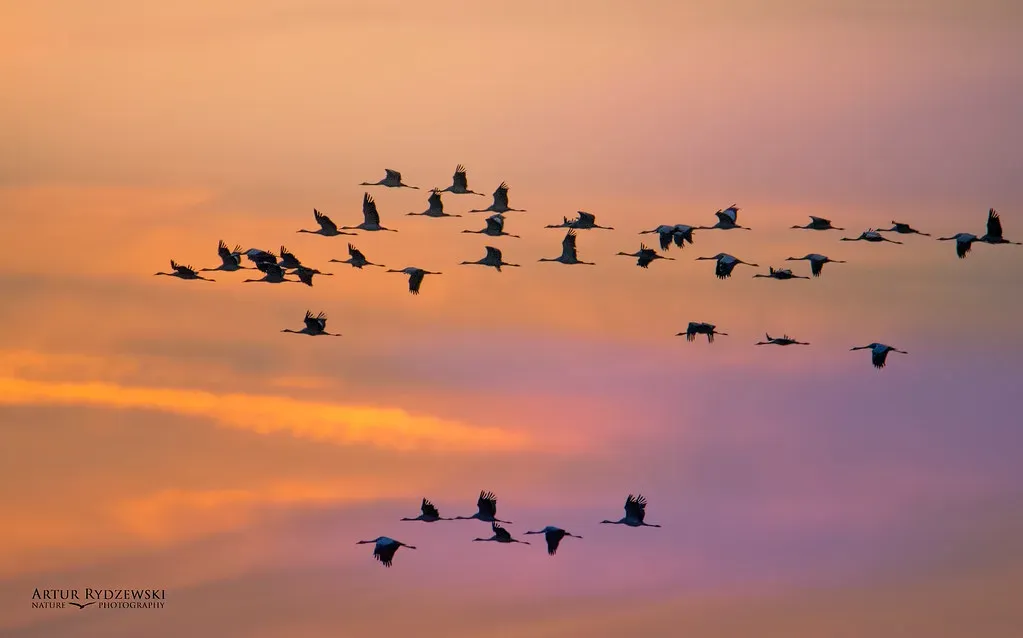
Birds cross entire continents using a magnetic compass, but nobody has ever found the organ that makes it possible.
Scientists proved birds could detect magnetic fields back in the 1960s. Friedrich Merkel and Wolfgang Wiltschko were able to conclusively show magnetic field-dependent behavior in a migratory bird, the European robin. That was over sixty years ago. And yet the actual receptor – the physical structure doing the sensing – is still missing.
Fast Facts
- Magnetic sense in birds was first proven in the 1960s by Merkel and Wiltschko
- Leading suspect: a light-sensitive protein called cryptochrome (ErCRY4), found in the retina
- Radio frequencies between roughly 100 kHz and 120 MHz can scramble a bird’s internal compass
- The actual magnetic “sensor” organ has never been physically located
Researchers now believe a protein called cryptochrome, found in bird eyes, might be the answer. How animals sense Earth’s magnetic field is an enduring mystery, though the protein cryptochrome ErCRY4, found in the eyes of migratory European robins, has the right physical properties to be the elusive magnetosensor.
Here’s the twist that keeps this mystery alive: researchers can disrupt a bird’s entire sense of direction using nothing but radio waves. Disruption of magnetic compass orientation in migratory birds by radio frequencies in the range of roughly 100 kHz to 120 MHz suggests the radical pairs involved form in a molecular environment shaped by numerous local hyperfine interactions. That’s quantum physics happening inside a bird’s eyeball, and researchers still can’t fully explain the mechanism. It’s considered one of biology’s last great unsolved puzzles. But that’s nothing compared to what we found about #2…
#2 – Monarch Butterflies Navigate a Path They’ve Never Seen
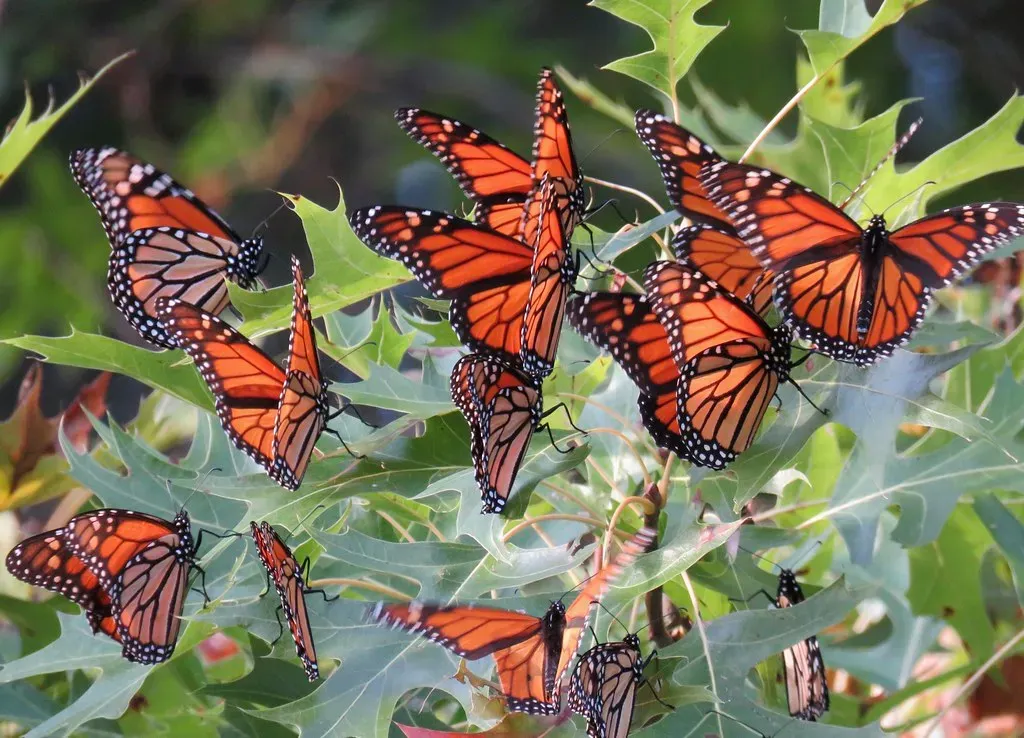
A monarch butterfly weighing less than a paperclip can navigate thousands of miles to a forest it has never once visited in its life.
Monarch butterflies travel up to 3,000 miles from Canada to Mexico each autumn, and what baffles scientists is how these delicate insects navigate with such precision to specific overwintering sites they’ve never visited before. That alone sounds strange. But the real head-scratcher is generational. It takes several generations to complete the round trip – no single butterfly makes the entire journey.
Think about what that actually means. The butterfly that arrives in Mexico has never met the butterfly that started the trip in Canada. There’s no parent teaching a child the route.
The map has to be baked directly into the insect’s DNA, passed down like a genetic GPS file nobody programmed. Recent research suggests a combination of celestial cues and internal magnetic compasses, but how these tiny brains process such complex geographical information remains one of nature’s greatest mysteries. But that’s nothing compared to what we found about #3…
#3 – Young Birds Fly Routes They Were Never Taught
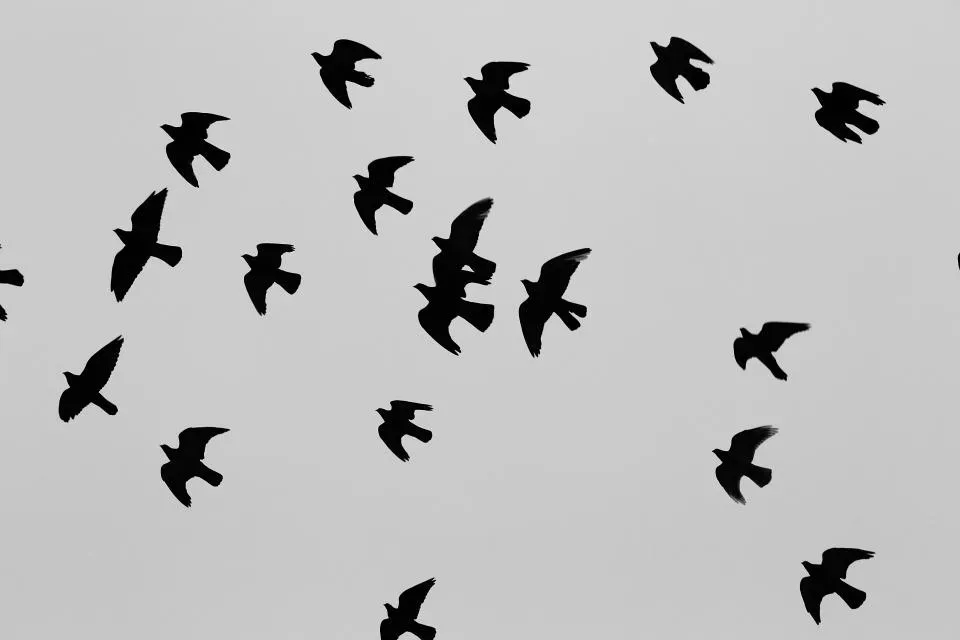
Some baby birds leave the nest, fly thousands of miles alone, and land in the exact right spot – without a single lesson from a parent.
Young birds complete migration routes they’ve never flown before, and scientists genuinely have no idea how they do it. Cuckoos are the classic example: adults leave for Africa first, and the chicks – hatched in another bird’s nest, with no biological parents around to guide them – follow the exact same route weeks later, alone.
This is where things get genuinely controversial in scientific circles. One fringe theory, championed by biologist Rupert Sheldrake, claims migrating birds tap into a kind of collective memory field.
Migrating animals are connected to their native beaches, feeding grounds, or winter homes by morphic fields that have an inherent memory transmitted by resonance, causing an organism to resonate with previous migrating members of its species.
Rupert Sheldrake
Thus, when a young cuckoo sets off from England towards Africa, it supposedly draws upon a collective memory of its ancestors. Most mainstream biologists reject this outright as unfalsifiable. The far more accepted explanation is that the route is hardwired genetically, the same way it is in monarchs – but even that “accepted” answer doesn’t explain the mechanism. But that’s nothing compared to what we found about #4…
#4 – Terns Teach Migration, But Only If the Family Stays Together
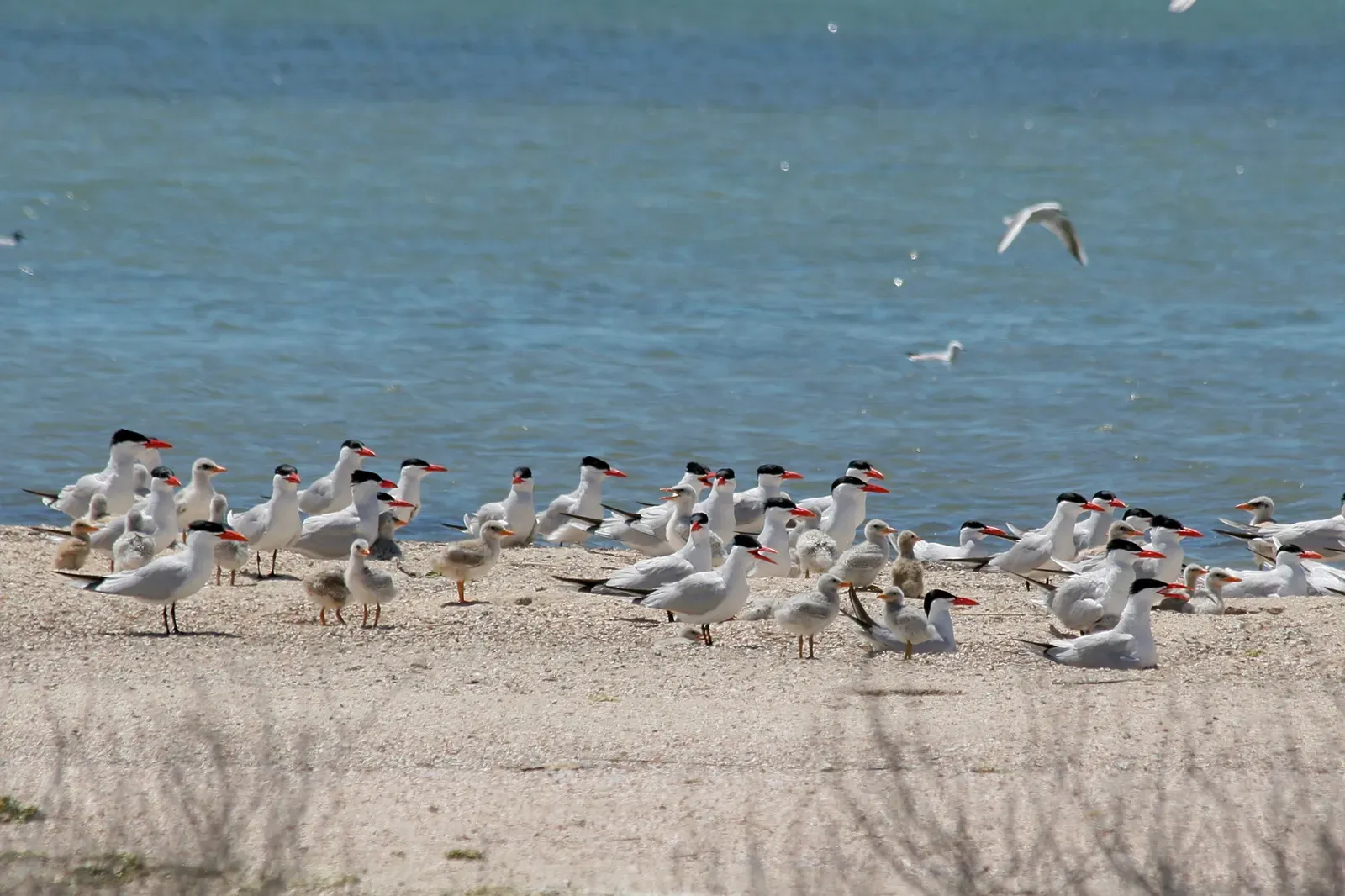
Here’s a species that seems to break the “pure instinct” rule entirely – and the consequences of losing your parent mid-flight are lethal.
While biologging has revealed spectacular animal migrations, it remains poorly understood how young animals learn to migrate, and even in social species it’s unclear how migratory skills transfer between generations. Researchers tracking Caspian terns found something remarkable: genetic and foster male parents carry the main responsibility for migrating with young, and during migration, young birds stay close to an adult at all times, with the bond dissipating on the wintering grounds.
This isn’t a gentle detail – it’s survival-or-death information. Four young that lost contact with their parent at an early stage of migration all died. And the lesson sticks for life: during their first solo migration, subadult terns remained faithful to routes they took with their parents as young.
So which is it – genetics or mentorship? Turns out migration might be both at once, and scientists are only just beginning to untangle the split. But that’s nothing compared to what we found about #5…
#5 – Salmon Can Smell Home From Thousands of Miles Away – Somehow
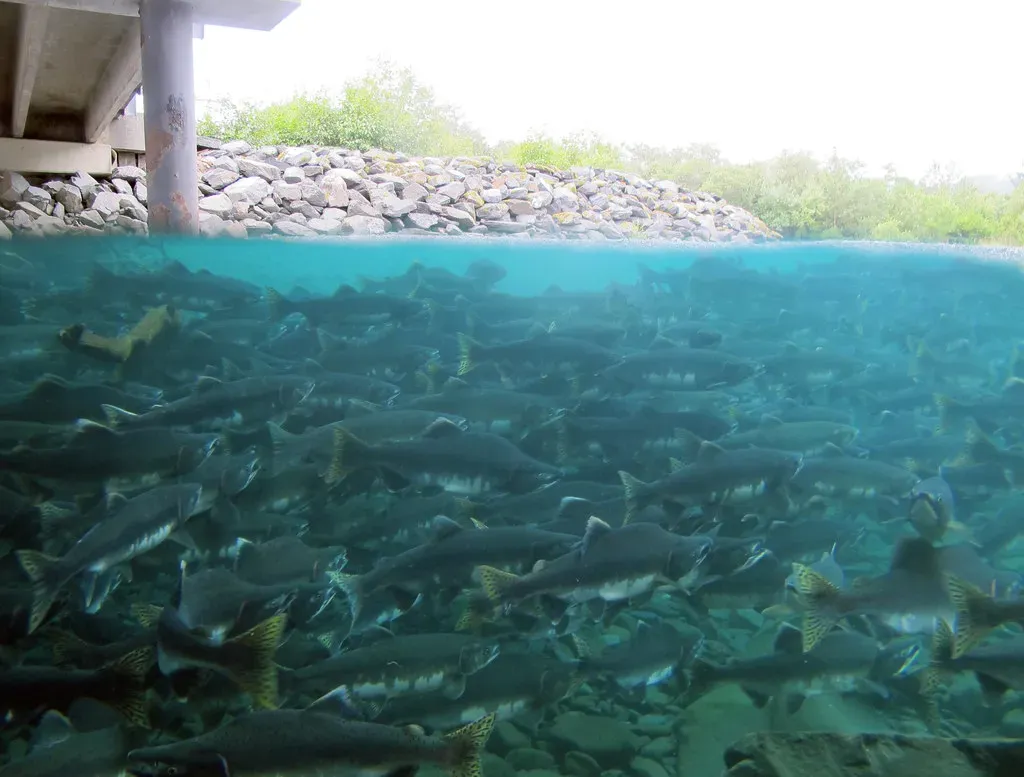
Salmon return to the exact stream where they hatched years earlier, using a sense of smell so precise it borders on unbelievable – and researchers still argue about how it actually works.
Salmon migrate thousands of kilometers from their ocean feeding habitat back to their natal stream to reproduce, but many mysteries are still unsolved in the mechanisms of imprinting behind it. The leading theory involves specific dissolved chemicals. Dissolved free amino acids in the natal stream water are likely the natal stream odors that salmon lock onto as juveniles.
Quick Compare
- Smell theory: Salmon imprint on dissolved amino acids in their home stream as juveniles
- The problem: That scent gets diluted across an entire ocean migration, sometimes thousands of kilometers
- Alternative theories: Magnetic imprinting, social cues from other returning salmon, or a mechanism not yet identified
- Current consensus: Smell likely works only at short range – something else guides the long haul
Here’s the part that doesn’t add up cleanly, though. Salmon aren’t just detecting a strong nearby scent – they’re supposedly tracking a signature diluted across an entire ocean journey. It is highly implausible that adults from populations with long freshwater migration distances detect dilute olfactory signatures from small natal streams.
So the “smell hypothesis,” while widely taught, may only be part of the real story. Something else – magnetic, social, or a mechanism nobody has proposed yet – is likely filling in the gaps. But that’s nothing compared to what we found about #6…
#6 – Sea Turtles Return to a Beach They Left as Babies
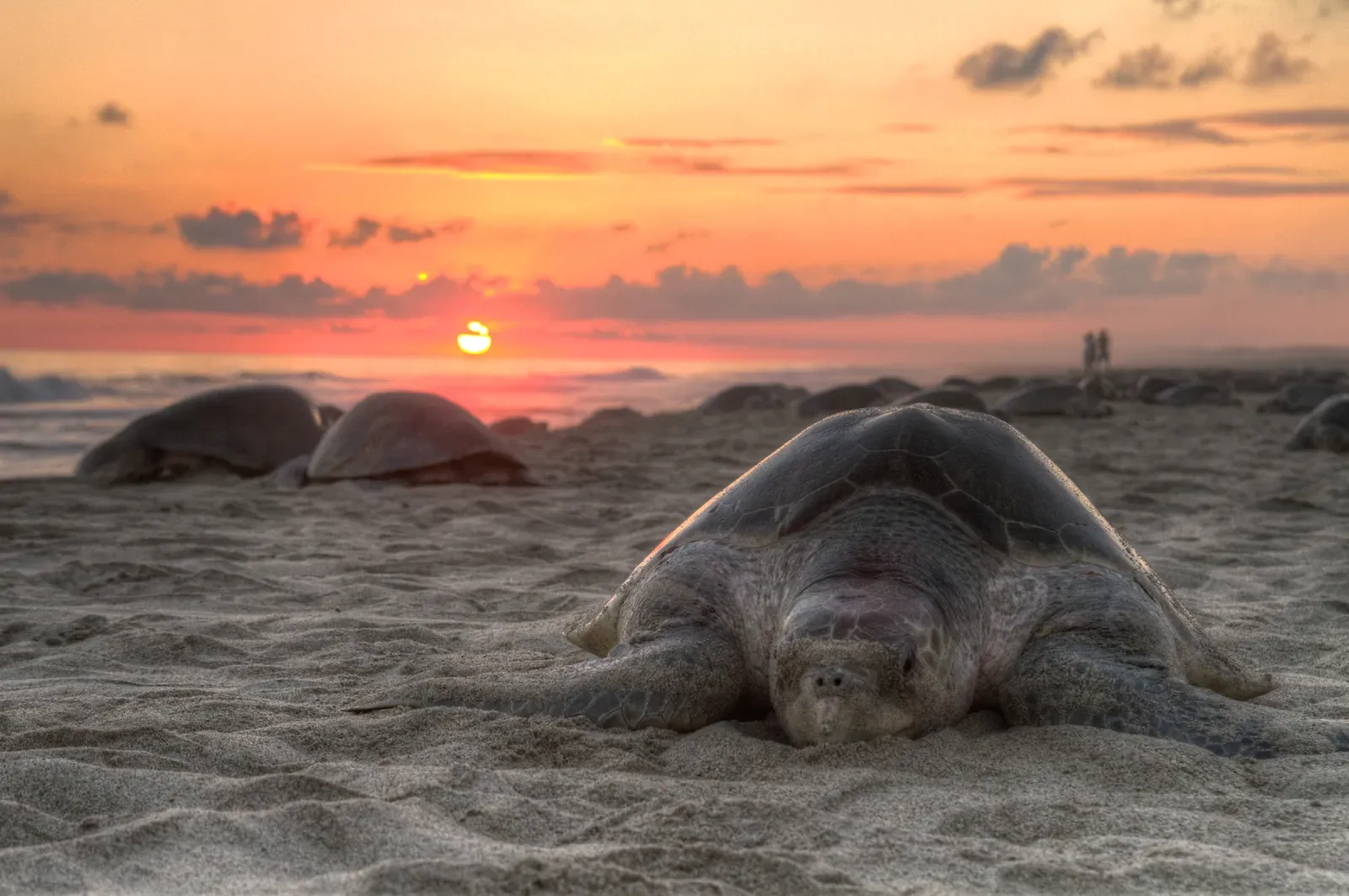
A sea turtle can spend thirty years crossing entire oceans and still find the exact stretch of sand where it hatched.
Sea turtles often return to the same beach where they were born decades earlier, despite not having stepped foot on it since they were hatchlings and having since traveled the world’s oceans. That’s not a rough approximation, either – it’s frequently the same few hundred meters of coastline. Scientists suspect turtles imprint on Earth’s magnetic field while still hatchlings, essentially memorizing a magnetic “address” the moment they crawl into the surf.
But here’s where the theory runs into trouble. Earth’s magnetic field isn’t static – it drifts and shifts over decades, which should scramble any stored coordinates. Even assuming the magnetic imprinting theory is true, the precision of their navigation is still difficult to explain.
Most researchers now suspect turtles combine magnetic memory with additional, unidentified cues – but nobody has pinned down exactly what those cues are. But that’s nothing compared to what we found about #7…
#7 – Nobody Has Ever Seen a Wild European Eel Spawn
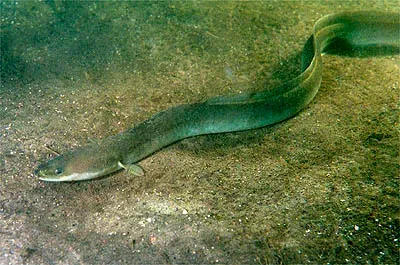
This is arguably the strangest entry on this entire list: an animal that migrates thousands of miles to breed, and no human being has ever witnessed it happen.
European eels hatch in the Sargasso Sea, then migrate over 5,000 kilometers to the rivers of Europe, where they live for 10 to 20 years in freshwater. That alone is an extraordinary life cycle. But then, decades later, something even stranger happens. When they’re ready to reproduce, they leave the rivers and return, somehow, to the exact region in the Sargasso Sea to spawn.
The mystery isn’t just how they navigate back – it’s that the spawning event itself has never been directly observed in the wild. Scientists have theories involving magnetic navigation and ocean currents, but the actual reproductive behavior of adult eels in open ocean remains almost entirely undocumented.
For a species this heavily studied in freshwater labs across Europe, that’s a startling scientific blind spot. But that’s nothing compared to what we found about #8…
#8 – Whales Cross Oceans With Pinpoint Accuracy and “Update” Each Other
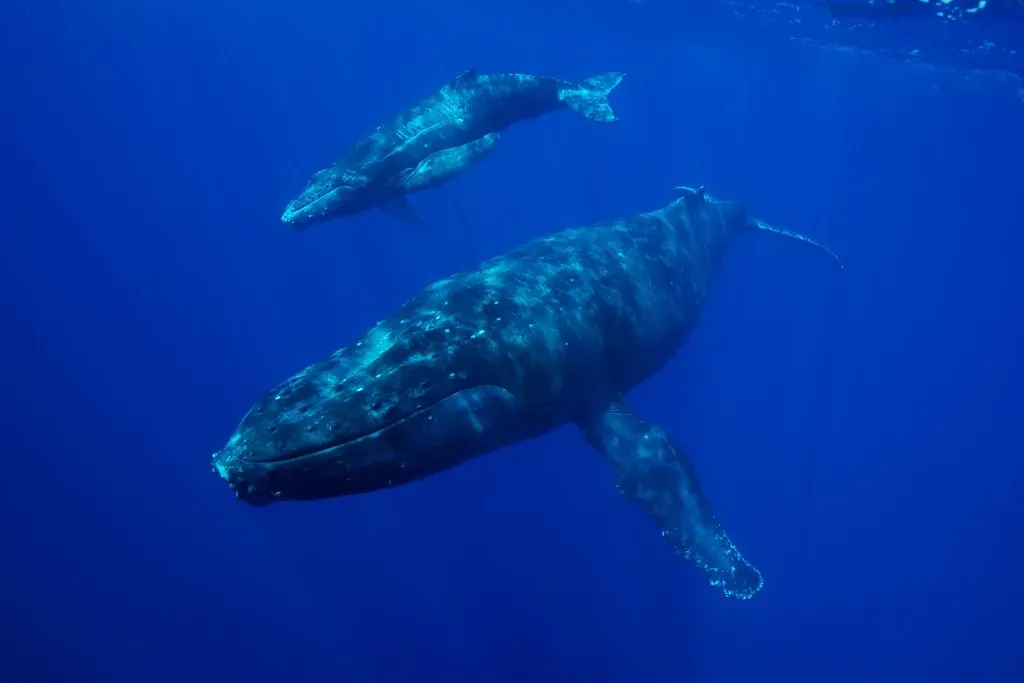
Humpback whales travel farther in a year than almost any other mammal on Earth, and they appear to be communicating navigational updates across vast distances while doing it.
Humpback whales migrate up to 16,000 kilometers annually between polar feeding grounds and tropical breeding grounds, relying on sound, temperature, magnetic fields, and even the stars – yet researchers are still unsure how they maintain such accuracy. That distance alone would be remarkable. What makes it stranger is the acoustic behavior layered on top of it.
Whale songs often change throughout migration, and whales from distant regions somehow sync up their vocalizations, as if they’re updating each other across the ocean.
No one has proven whether this is deliberate communication or a shared environmental response – but the synchronization itself is measurable and repeatable. Combine that with a navigation system nobody fully understands, and you get one of the ocean’s most stubborn scientific puzzles. But that’s nothing compared to what we found about #9…
#9 – The Biggest Migration on Earth Happens Every Single Night
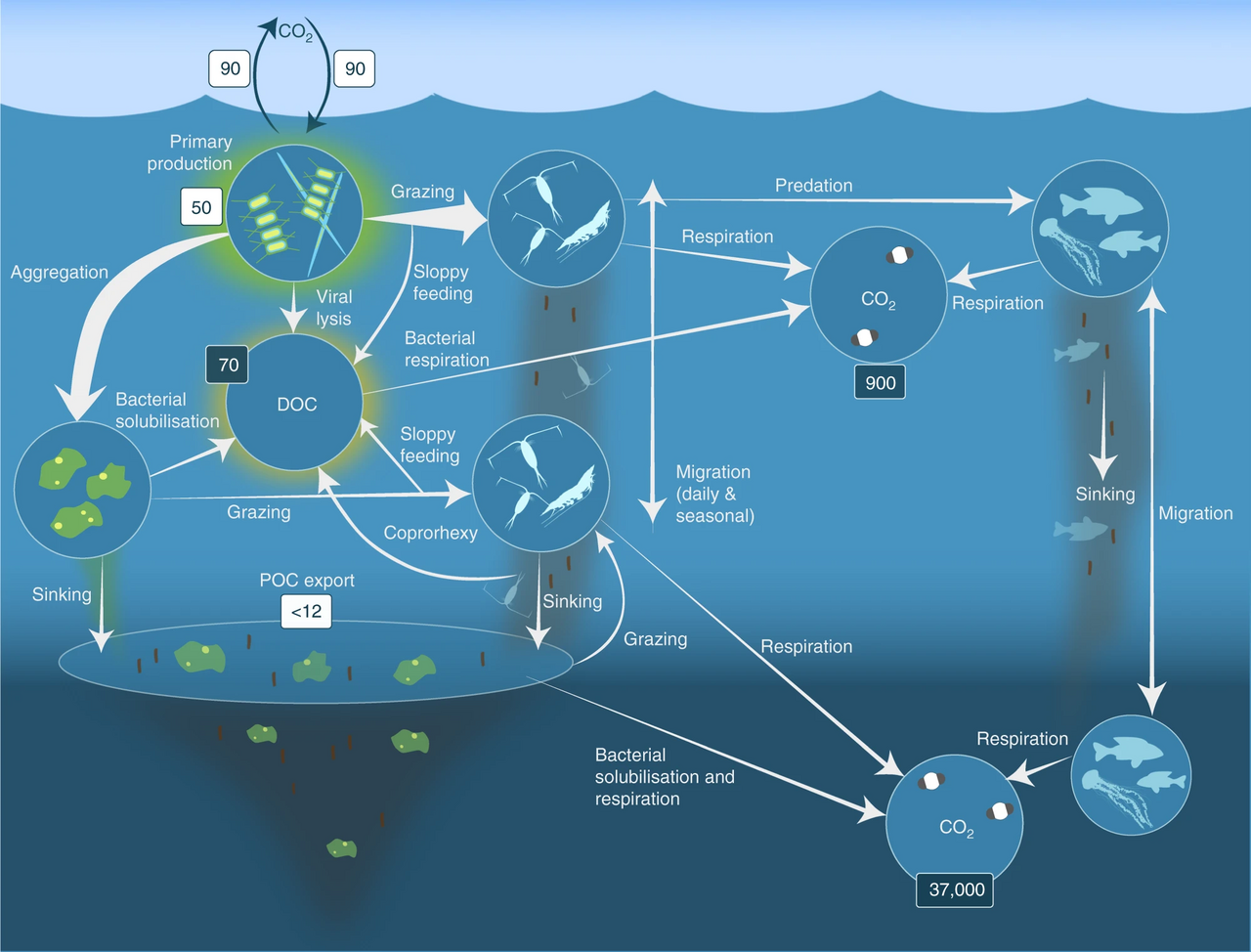
Forget wildebeest herds and monarch swarms – the largest migration on the planet happens in total darkness, in the ocean, and most people have never even heard of it.
Diel vertical migration is believed to be the largest movement of animal mass on Earth, involving trillions of tiny organisms rising toward the surface every night and sinking back down at dawn. It’s so massive that it was accidentally discovered by the military.
At a Glance
- Considered the single largest migration of biomass on Earth, happening nightly
- Involves trillions of organisms rising and sinking roughly 400 to 600 feet daily
- First detected by accident – WWII sonar operators mistook it for the ocean floor
- Primary triggers: sunlight and food, though full synchronization mechanics remain unmapped
When scientists first experimented with underwater sonar to detect German U-boats during World War II, naval echosounders kept showing a solid layer roughly 400 to 600 feet below the surface, and at first the scientists reasoned the sonar had detected the ocean’s bottom.
It hadn’t. It had detected billions of living creatures moving in unison. The basic driver seems simple – sunlight and food – but the fine details of how so many species synchronize this movement across entire oceans still aren’t fully mapped. Given the scale involved, that’s one of biology’s most underrated blind spots. But that’s nothing compared to what we found about #10…
#10 – Lemmings Migrate Into Disaster and Scientists Still Don’t Know Why
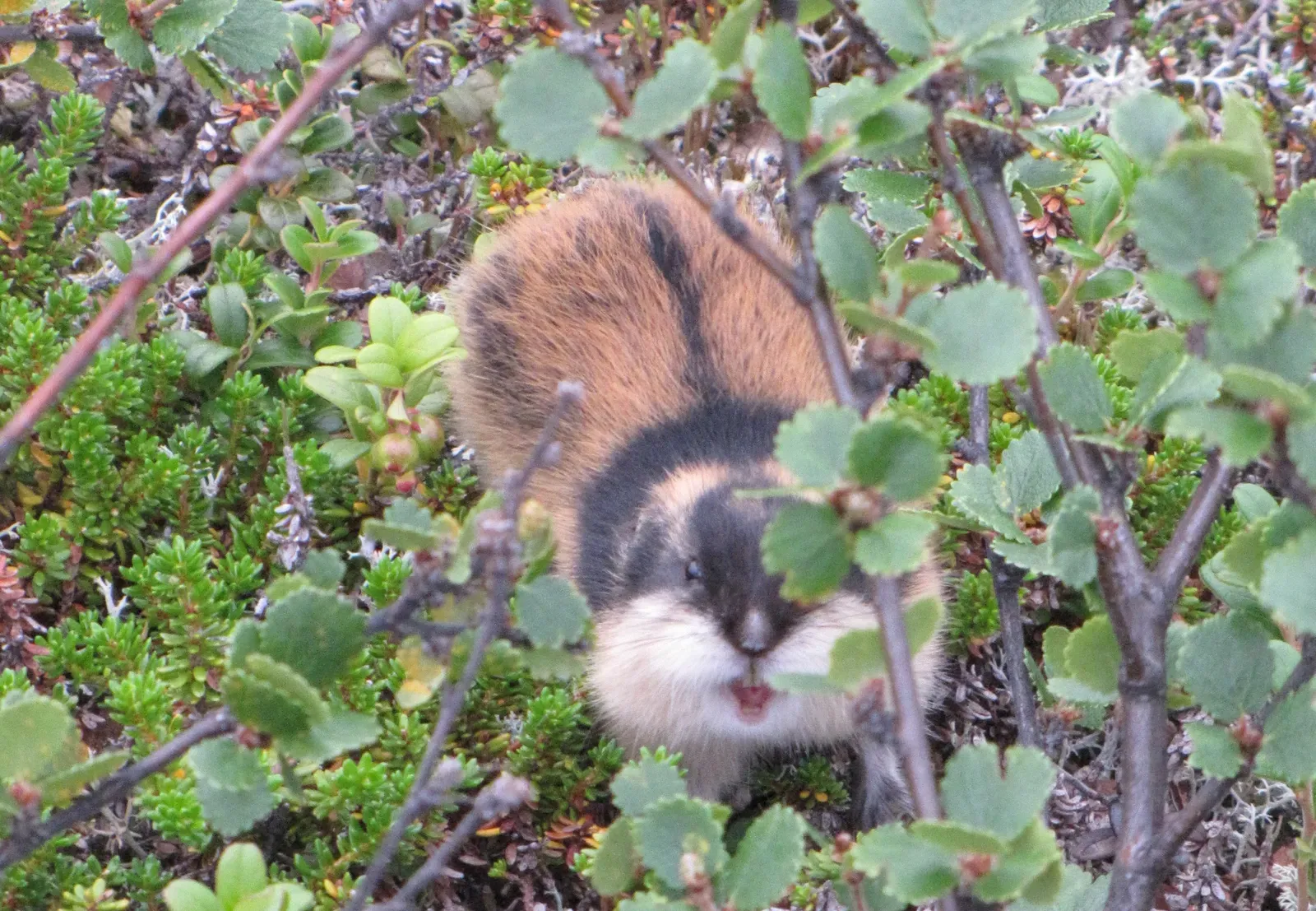
Every few years, lemming populations explode, and the animals start moving in ways that look less like migration and more like mass panic – including drowning themselves in bodies of water they didn’t need to cross.
During high-density population periods, lemmings undertake dangerous mass migrations, with many drowning while attempting to cross bodies of water. Unlike almost every other migratory species on this list, there’s no clean destination involved. These movements don’t follow consistent routes or destinations.
This is a genuinely controversial area of biology, because the popular explanation – that lemmings deliberately mass-suicide to control population – has been debunked for decades, yet the real trigger is still murky. Researchers remain puzzled by what triggers these population cycles and the seemingly reckless dispersal behavior that follows, with some theories pointing to predator-prey relationships or food supply fluctuations, though the complete picture continues to elude scientists.
It’s one of the few migrations on Earth that looks more like chaos than navigation. But that’s nothing compared to what we found about #11…
#11 – Sharks Cross Entire Oceans for Reasons Nobody Can Confirm
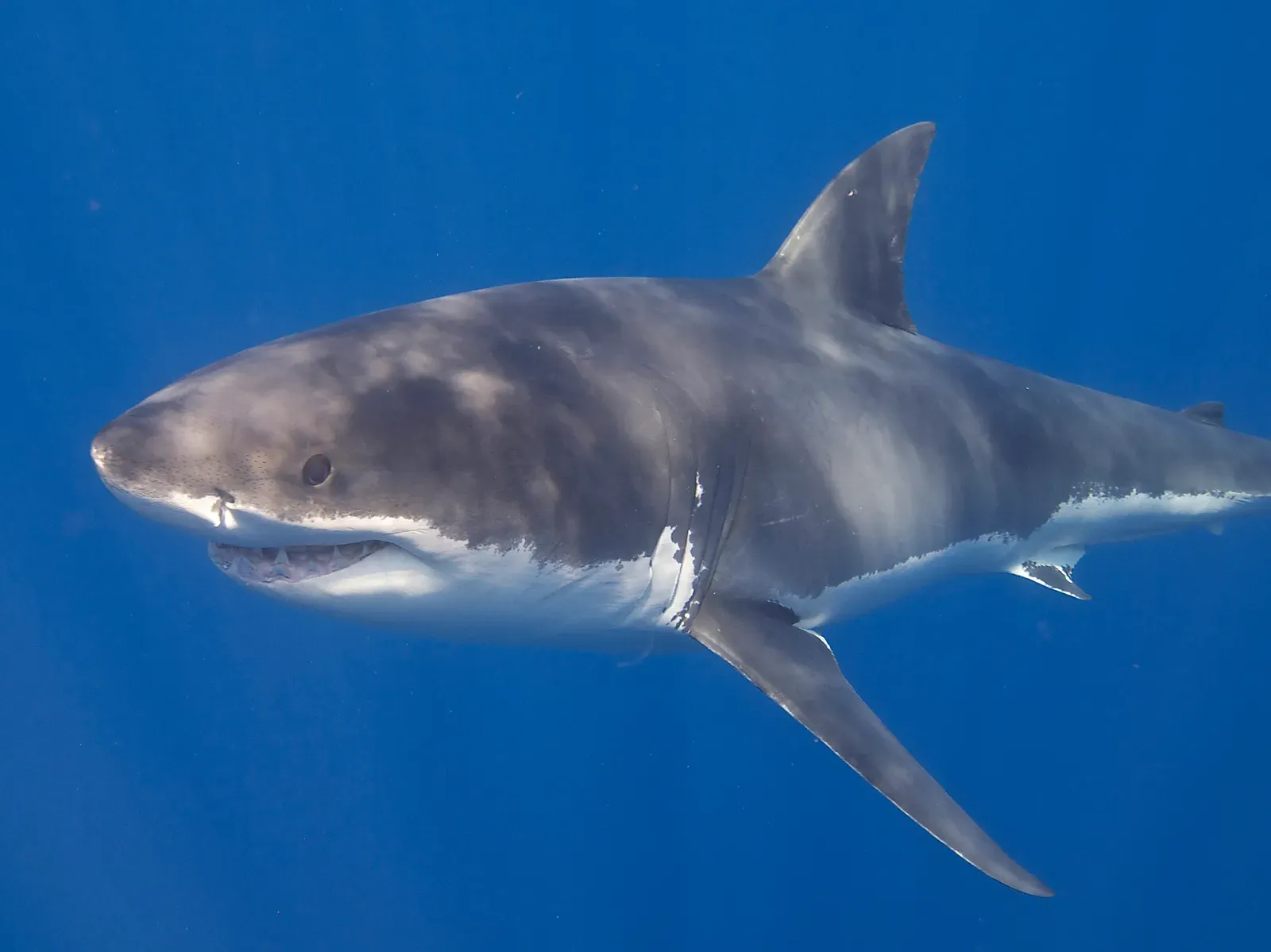
Great white sharks and tiger sharks routinely abandon coastal waters for the open ocean, and marine biologists still can’t say with confidence why they do it.
A recent study on tiger shark movements is a reminder that many migrants still remain a mystery, despite decades of tracking technology. Great whites are just as puzzling. Scientists aren’t sure why the sharks migrate, but suspect the big fish are either searching for different prey or congregating to breed. “Suspect” is doing a lot of heavy lifting in that sentence.
What makes this stand out is how rare true open-ocean migration is among sharks at all. Only two other sharks – salmon and great white – are known to migrate from coastal regions to the middle of the ocean.
That’s a strange, exclusive club of species willing to leave safe coastal feeding grounds for thousands of miles of open water, and researchers still can’t fully explain the payoff. But that’s nothing compared to what we found about #12…
#12 – Geese Fly Over the Himalayas Where Humans Can Barely Breathe
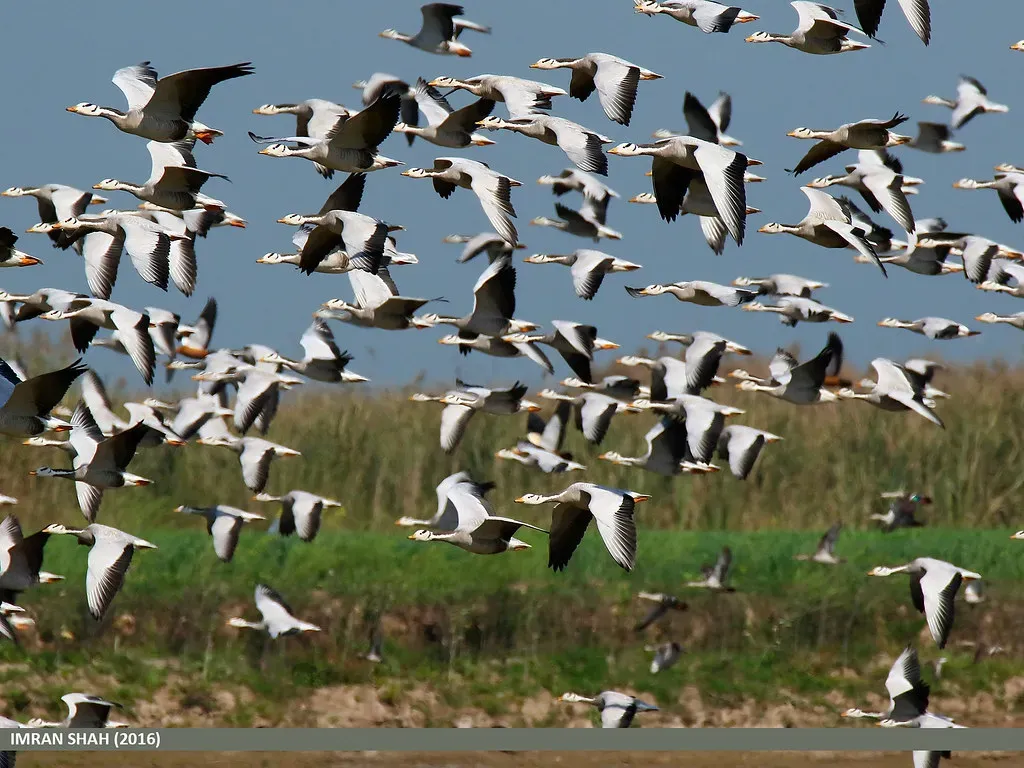
Bar-headed geese fly directly over the Himalayas – the tallest mountain range on Earth – at altitudes where human climbers need supplemental oxygen just to survive.
Bar-headed geese migrate over the Himalayas between breeding grounds on the Mongolian steppes from May to September and wintering areas in coastal India from October to March. Their timing is oddly precise, and it isn’t accidental. They miss the worst of the weather by timing their movements between the two monsoons.
Worth Knowing
- Bar-headed geese cross the Himalayas, the tallest mountain range on Earth
- They migrate between Mongolian breeding grounds (May-September) and Indian wintering grounds (October-March)
- Their flight window threads a narrow gap between two opposing monsoon systems
- They fly at altitudes where human climbers require supplemental oxygen to survive
The atmospheric mechanics behind that timing window are brutal. From June to August, warm air rises over the Himalayas, dragging moisture from the Indian Ocean and creating rain, snow, and storms – then from December to February, this reverses strongly.
These geese are essentially threading a narrow seasonal gap between two violent weather systems, at oxygen levels that would leave most animals unconscious. How their bodies adapt to fly at that altitude while other species can’t even function there remains an active, unresolved area of physiological research. But that’s nothing compared to what we found about #13…
#13 – Some of the Oldest Migrations on Earth Are Quietly Disappearing
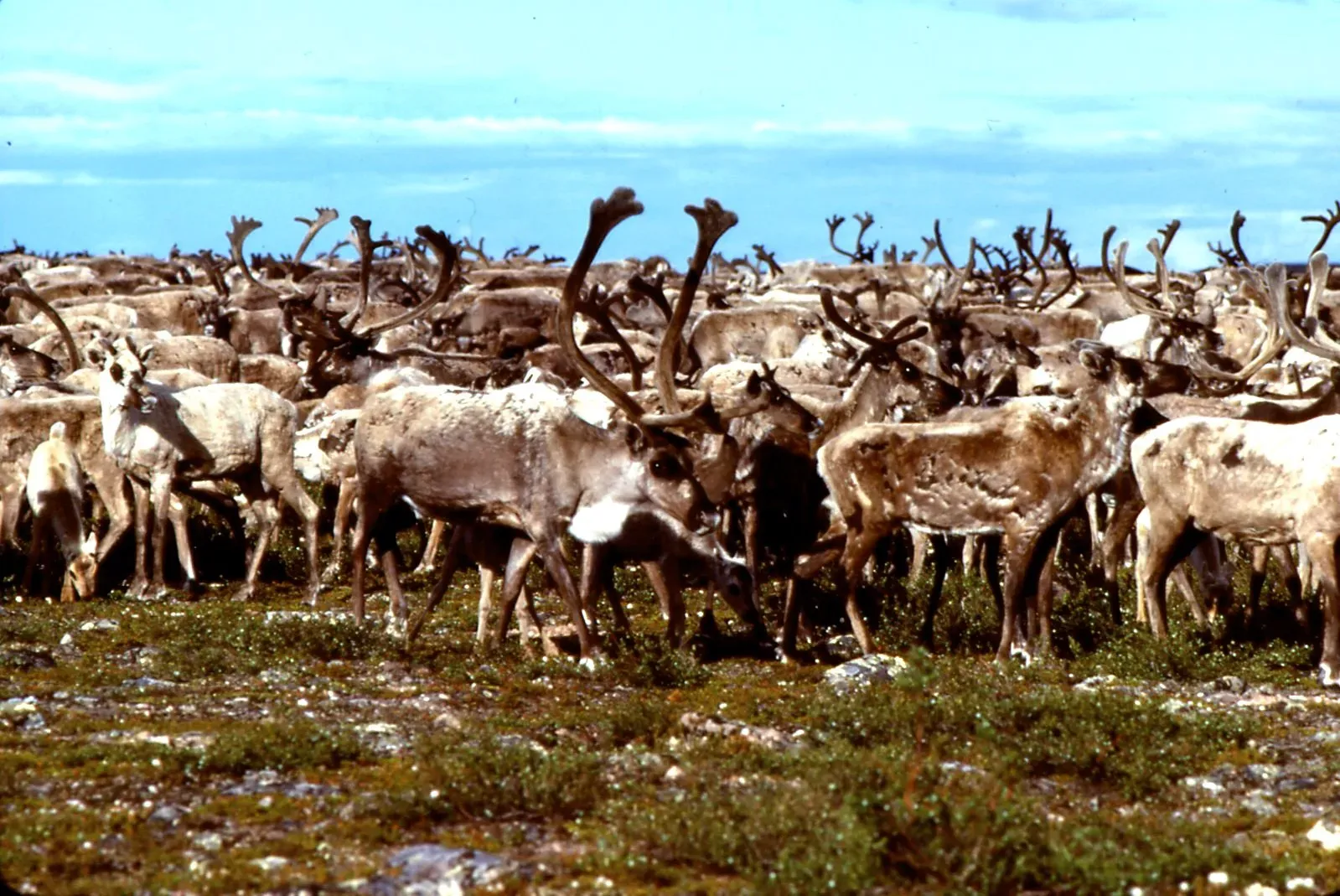
This last one isn’t a mystery of biology – it’s a mystery of what we’re willing to lose without fully understanding it first.
Caribou have migrated across northern landscapes for thousands of years, but new tracking data shows those ancient routes are collapsing in real time. A decades-long analysis tracking endangered caribou populations revealed that migration patterns are eroding, with researchers attributing the decline largely to human-caused habitat disturbances rather than shifts in climate. That distinction matters enormously – this isn’t a natural climate shift, it’s roads, mines, and industrial development physically rewriting behavior encoded over millennia.
The scale of the collapse is staggering. During the observation period, researchers noted the near collapse of elevational migration for five southern caribou subpopulations. Caribou “really dislike being around or near mine infrastructure,” researchers note, and the places caribou once visited frequently, they now visit far less because of fragmentation and avoidance.
We are watching a migration pattern older than most human civilizations disappear within a single human lifetime, and unlike every other entry on this list, this one doesn’t need more research to explain it – it needs less interference.
The Bottom Line
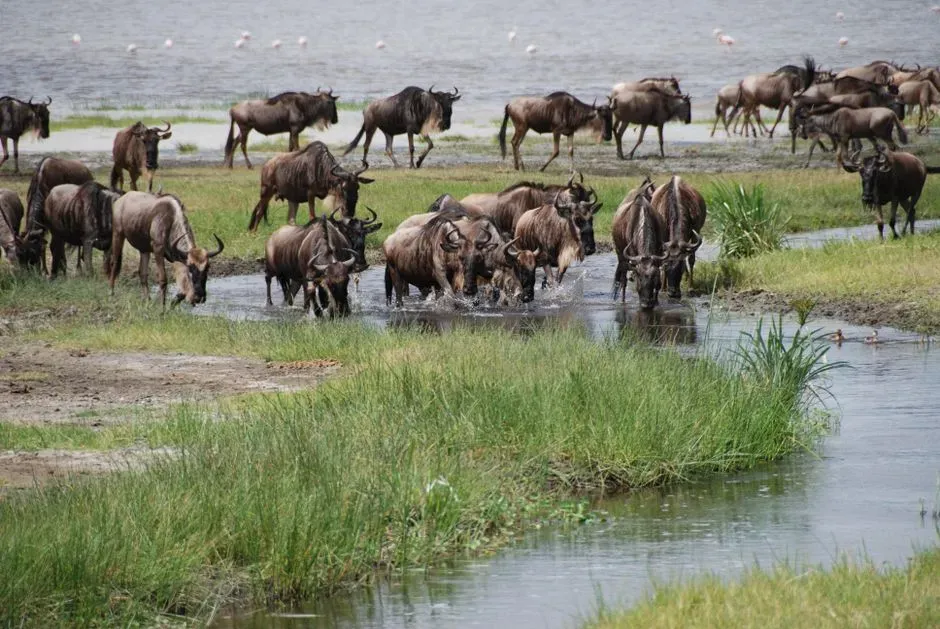
Migration isn’t one mystery – it’s a stack of them. Birds sense magnetic fields through a mechanism nobody has confirmed. Butterflies pass down maps genetically across generations that never meet. Eels vanish into the Sargasso Sea and reproduce where no human has ever watched.
Even the “solved” cases, like salmon smelling their way home, fall apart under scrutiny. Meanwhile, ancient migrations like the caribou’s are collapsing not from mystery, but from bulldozers and mine roads – arguably the most preventable tragedy on this list.
Science has cracked plenty of nature’s codes. Migration keeps proving it isn’t done humbling us yet. Which one of these surprised you the most? Drop it in the comments.