
Most people assume migration science is settled – birds fly south because it gets cold, monarch butterflies just float wherever the wind takes them, and our ancestors marched out of Africa in one tidy exodus. None of that survives contact with the actual research.
Scientists have spent the last two centuries quietly demolishing assumption after assumption about why animals – and humans – move the way they do. Some of the “discoveries” that replaced the old myths are stranger than the myths themselves: moon voyages, underwater hibernation, birds that supposedly turned into other birds overnight. Here’s what the data actually reveal, starting with the one assumption almost everyone still gets wrong.
#1 – Migration Isn’t About Escaping the Cold

Ask anyone why geese fly south and they’ll say “because it gets cold.” That’s backwards. Cold alone doesn’t push most birds out the door; the real trigger is a biological clock keyed to shrinking daylight, not falling temperatures.
For decades, the leading theories argued that food supply, temperature, or barometric pressure were the cues birds used to calibrate the seasonal shifts in their biology, migration included. It seemed obvious. It was also wrong.
A researcher named William Rowan tested it directly. Using wild-caught migratory Slate-colored Juncos kept in aviaries through winter, he swept away the flawed thinking by manipulating artificial light, bringing his experimental birds into full breeding condition in the middle of the Canadian winter. Temperature had nothing to do with it – daylight did.
This matters more than it sounds. It means climate change doesn’t just make winters milder; it can desynchronize birds from the food sources they’ve timed their journeys around for millennia, since the calendar in their brains hasn’t gotten the memo. But that’s nothing compared to what scientists once believed about #2.
#2 – Scientists Once Insisted Vanishing Birds Flew to the Moon
This sounds like satire. It isn’t.
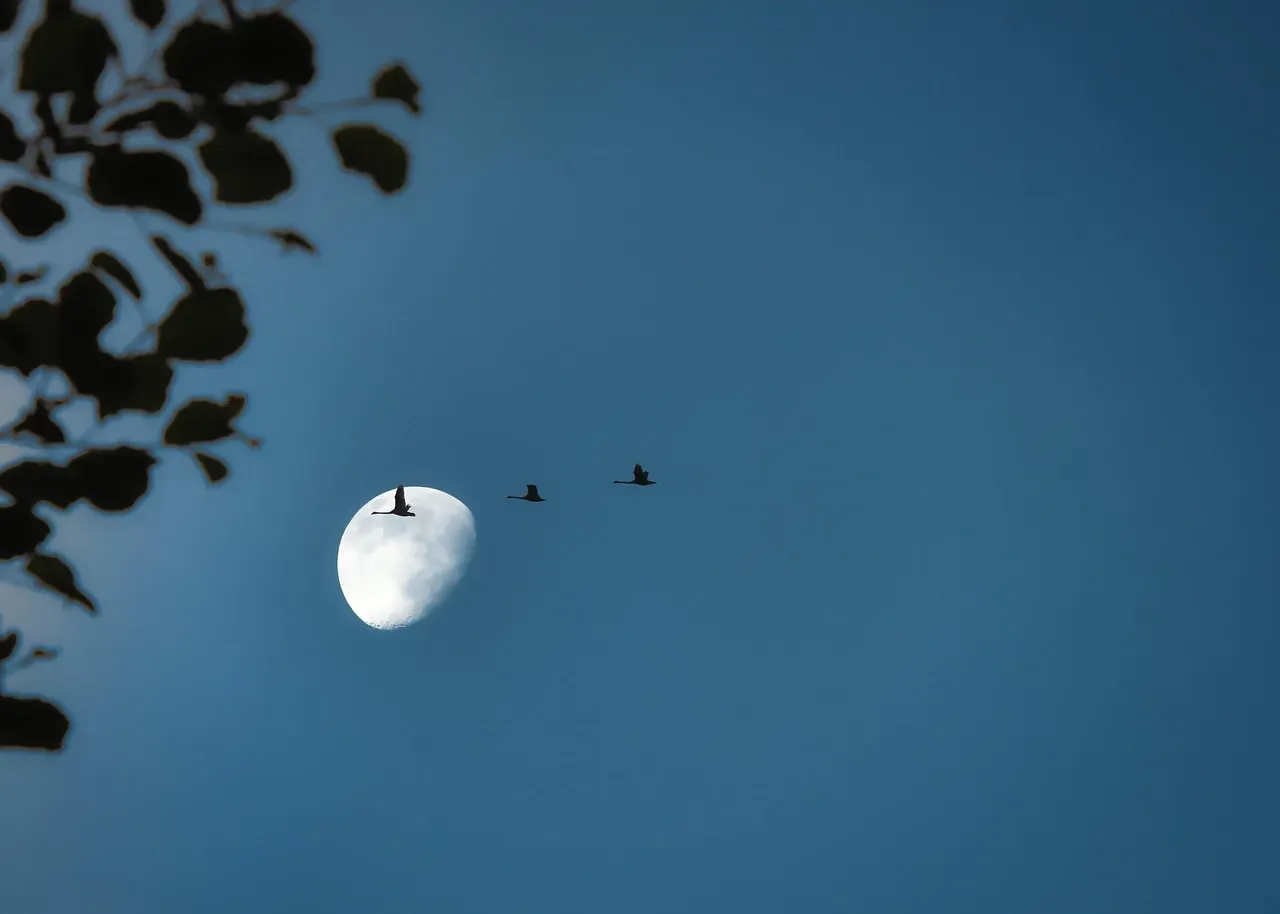
In the 17th century, minister and scientist Charles Morton decided the most logical destination for disappearing birds was the moon. He wasn’t a crank on the fringe – he was a respected thinker responding to a genuine scientific mystery: birds vanished every autumn, and nobody could explain where they went.
The theory held up surprisingly well for its era. Unable to pinpoint where migrating birds went, Morton proposed they left Earth entirely, journeying to the moon and back each season. He even calculated flight speeds and distances to make the math plausible.
Not everyone bought it. Naturalist Francis Willughby, more skeptically, guessed that many European birds simply wintered in Africa – and he was far closer to the truth than a respected minister proposing interplanetary bird travel. Next up: what people believed happened to redstarts every winter.
Worth Knowing
- In the 1660s, Charles Morton proposed that vanishing birds flew all the way to the moon each winter.
- He worked out flight speeds and distances to make the theory sound scientifically credible.
- Naturalist Francis Willughby disagreed, guessing correctly that many European birds simply wintered in Africa.
- It took centuries of banding studies afterward to finally settle the debate for good.
#3 – Redstarts Were Believed to Physically Transform Into Robins
Aristotle didn’t just guess wrong about migration – he built an entire theory of shape-shifting birds around it.
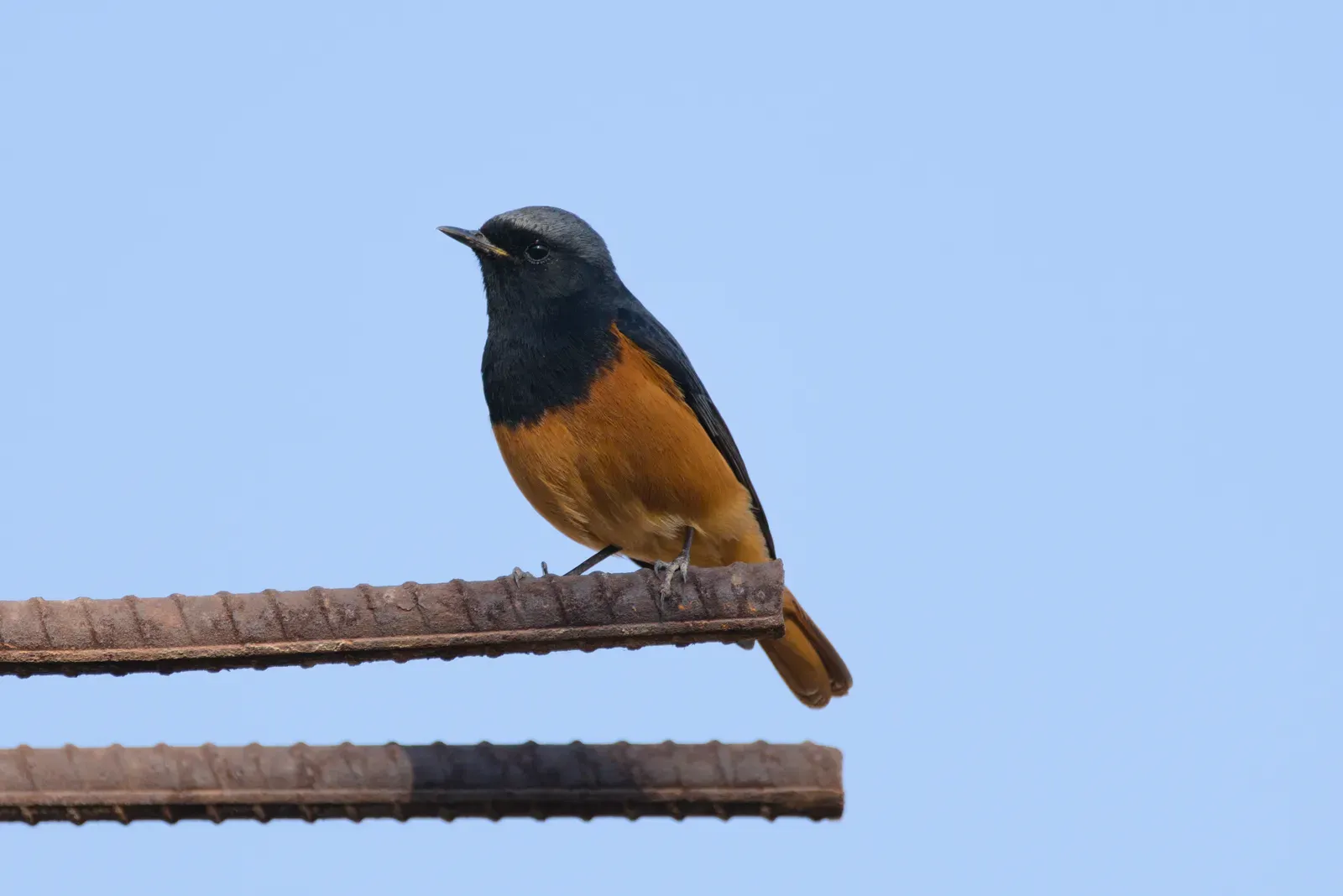
He noticed something real: redstarts and robins never seemed to appear at the same time of year. Rather than consider migration, he concluded the birds underwent a “transmutation,” turning into robins for winter and back into redstarts each summer. The observation was accurate. The conclusion was pure fantasy.
The same logic got stretched even further. One popular theory held that summer garden warblers physically transformed into blackcaps every winter – when in reality these are simply two separate species that happen to never overlap in visibility.
This belief survived for roughly 2,000 years because nobody had any way to track individual birds across seasons. It took banding technology – small metal rings clipped to a bird’s leg – to finally prove these were separate, consistently returning species rather than shape-shifters. What came next is even stranger.
#4 – Swallows Were Thought to Hibernate Underwater All Winter
People didn’t just misunderstand where birds went. Some insisted certain species never left at all.
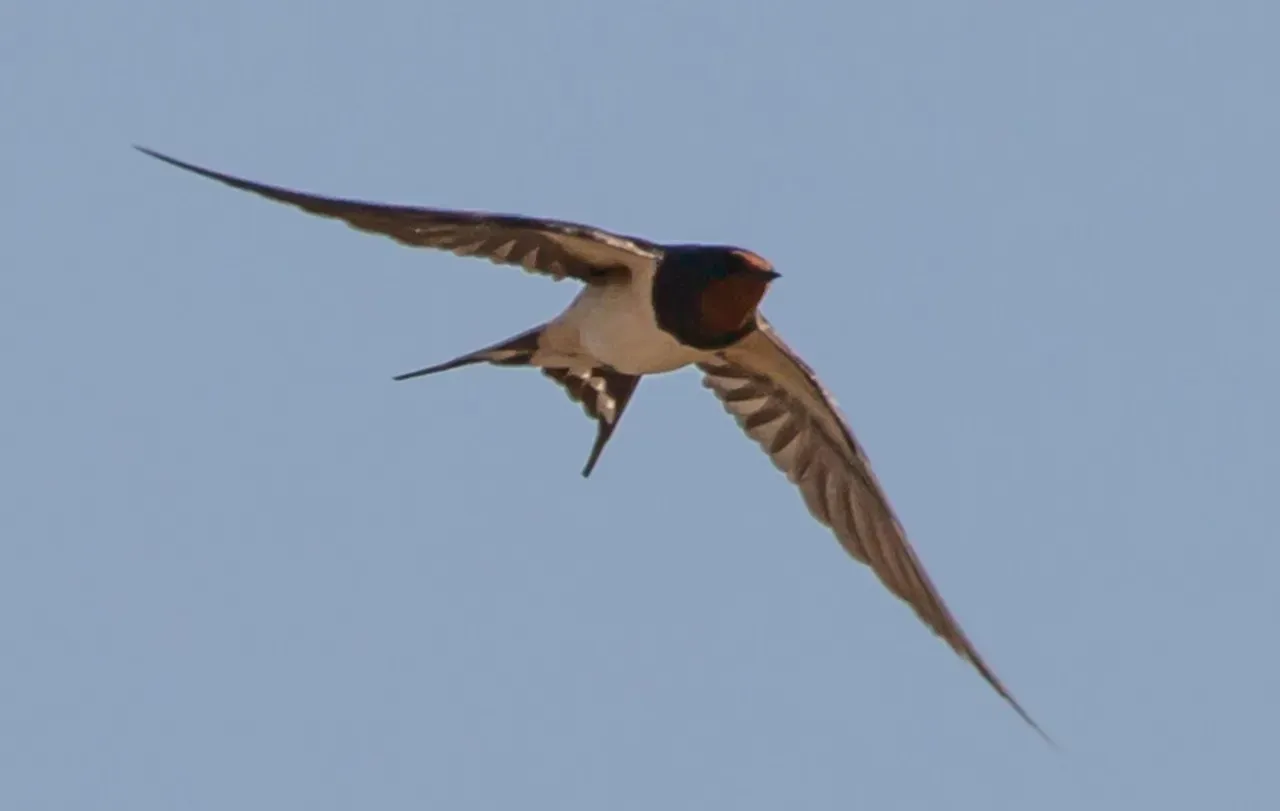
The prevailing theory held that many species hibernated in caves, crevices, and tree hollows – and swallows, specifically, were rumored to sink into ponds and mudbanks, hibernating beneath the water until spring warmed things up. Fishermen reportedly claimed to pull torpid swallows up in their nets.
The myth persisted for centuries until banding finally killed it for good. Researchers noticed that the tiny metal tags fitted to swallows never rusted or corroded – something that would have been unavoidable if the birds truly spent months submerged in pond mud. That detail alone convinced skeptics that swallows migrate long distances instead of hibernating underwater.
A simple metal tag succeeded where centuries of speculation failed. No underwater hibernation. No mud burial. Just an exhausting, several-thousand-mile flight to Africa and back, twice a year, every year.
#5 – Barnacle Geese Were Believed to Hatch From Shellfish and Driftwood
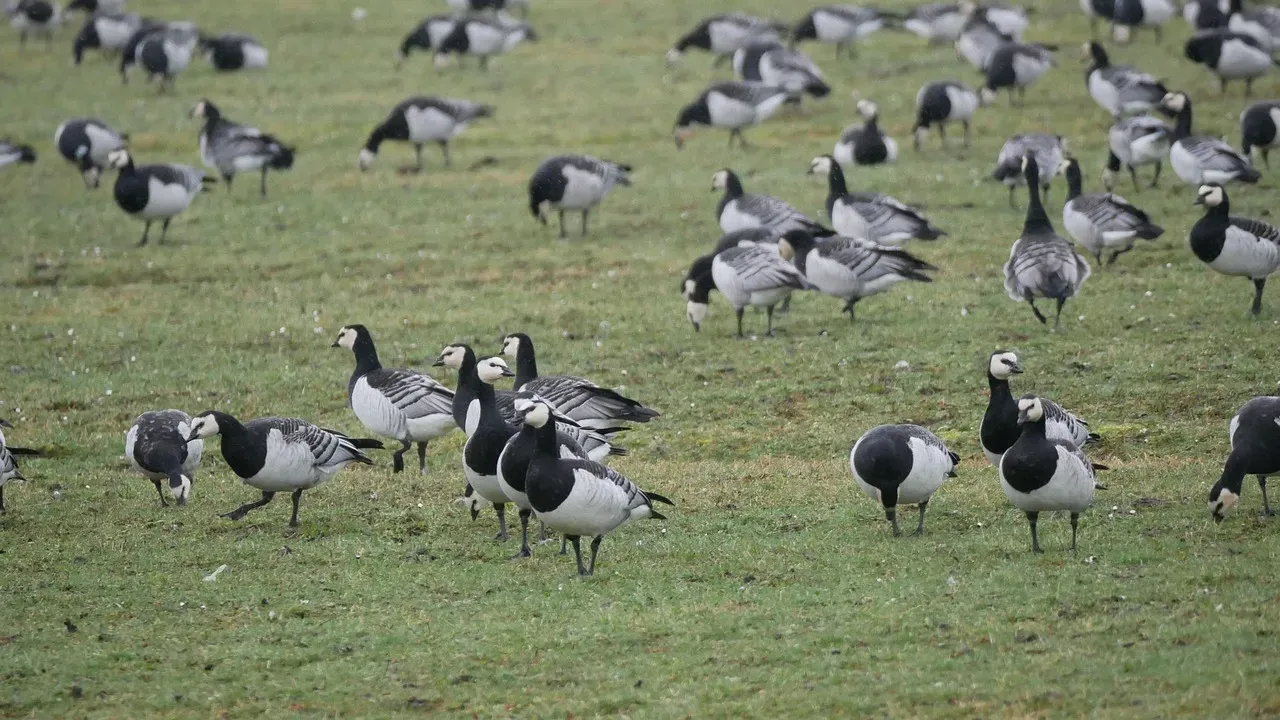
This is arguably the strangest entry on this list, and medieval naturalists repeated it as established fact for generations.
Swedish writer Olaus Magnus claimed that certain ducks hatched from trees whose fruit, once ripe, dropped into the sea and split open to release fully formed ducklings. The barnacle goose got tied to actual barnacles clinging to driftwood – which is exactly where the bird’s name comes from today.
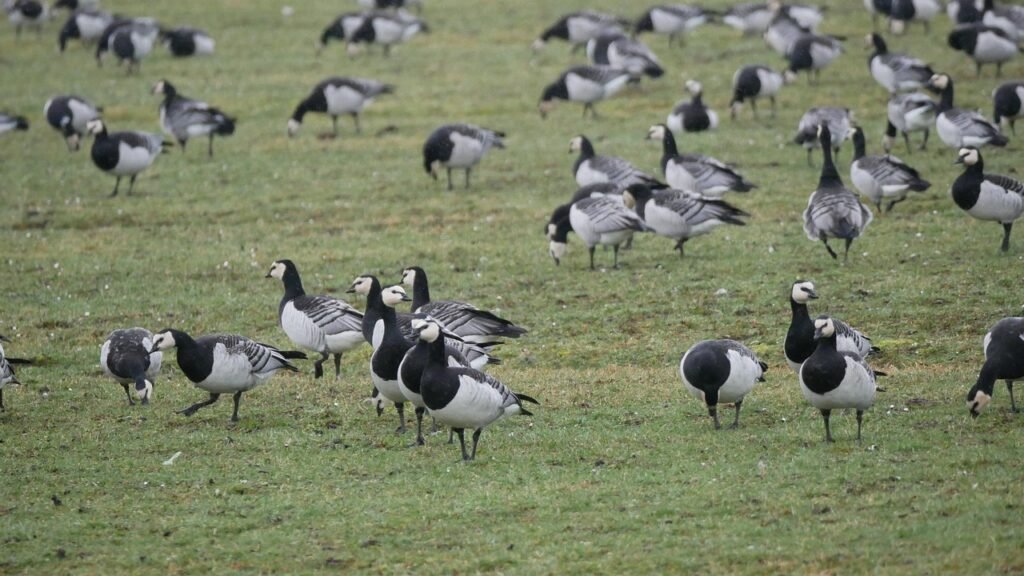
Why would anyone believe this? Nobody in Europe had ever seen a barnacle goose nest, lay an egg, or raise a chick, because barnacle geese spend their summers breeding in Greenland and Svalbard – thousands of miles from where medieval Europeans were watching the shoreline.
The theory survived because the alternative – a multi-thousand-mile migration to the Arctic – seemed even more far-fetched than spontaneous generation from a tree. Modern satellite tracking has since mapped these journeys with total precision. But the story that finally cracked the whole migration mystery open involves one very unlucky stork.
#6 – A Spear-Impaled Stork Shattered Centuries of Guesswork
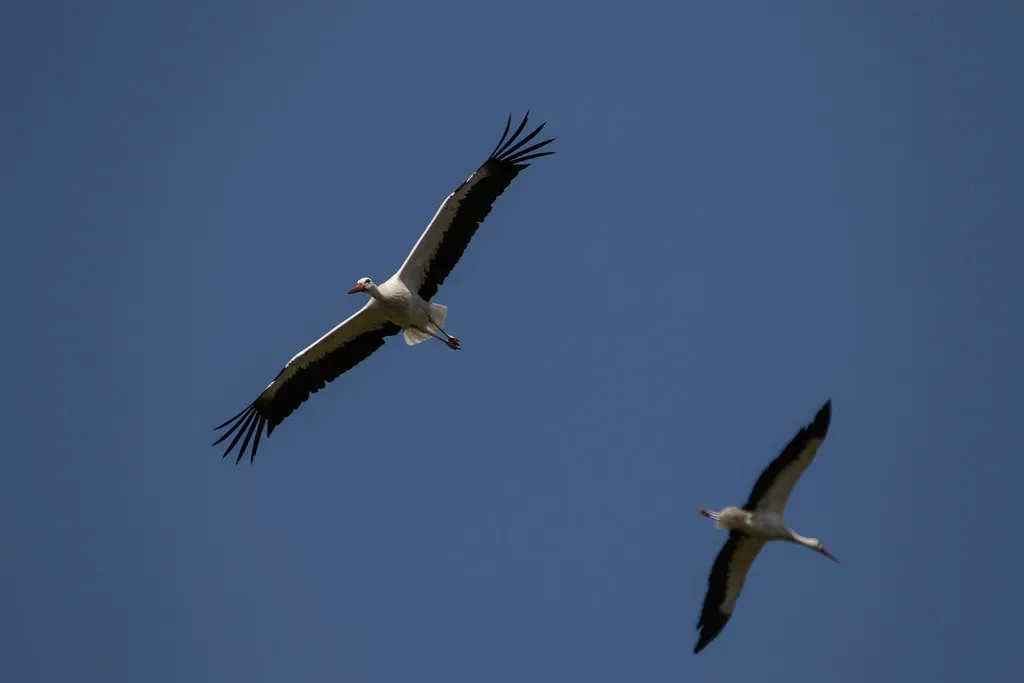
Sometimes science doesn’t advance through careful experimentation. Sometimes it advances because a hunter shoots the right bird at exactly the right moment.
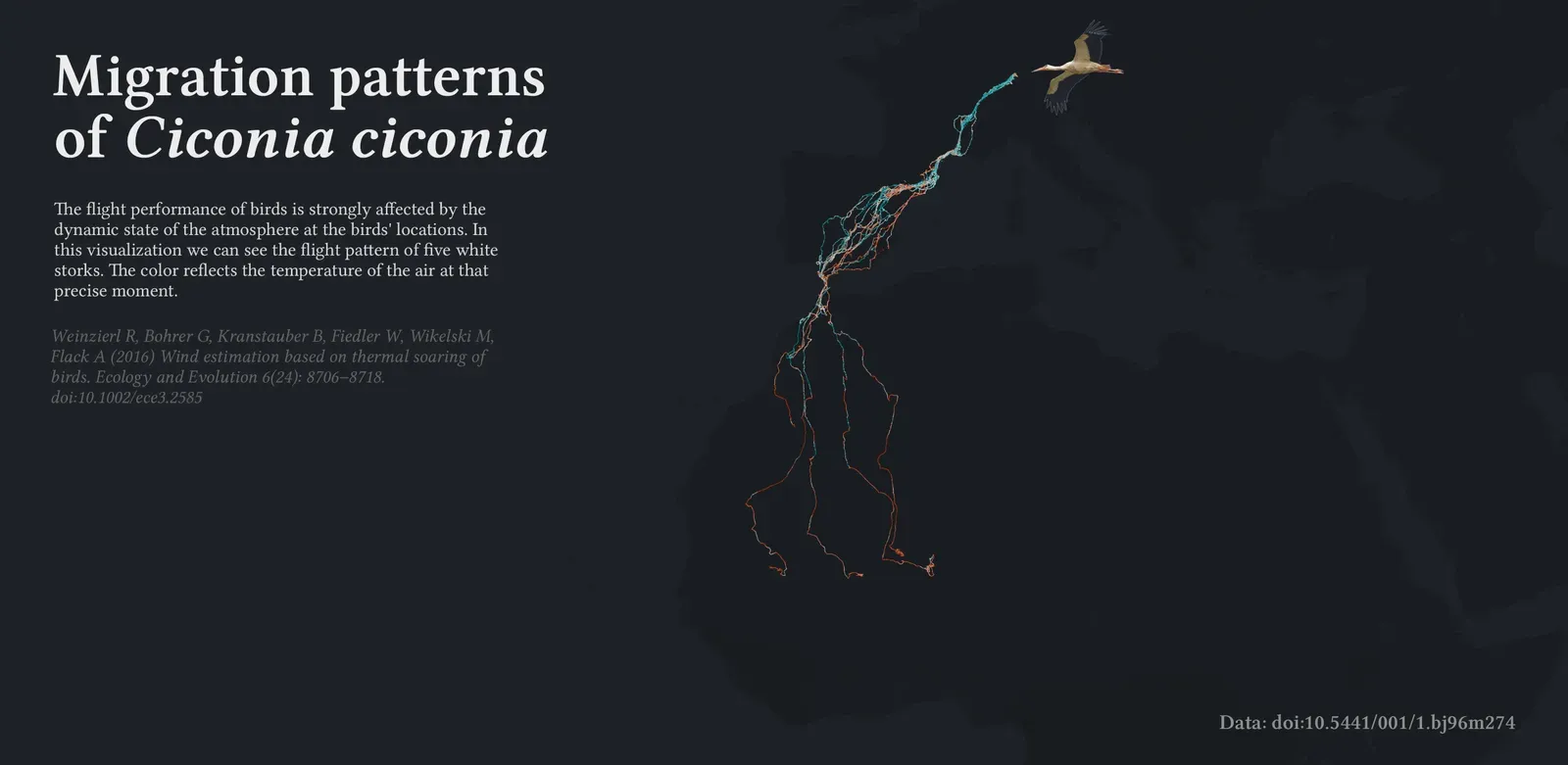
In 1822, Count Christian Ludwig von Bothmer shot down a white stork near his estate in northern Germany – and the bird was already impaled by a yard-long wooden spear, a weapon that had struck it in Africa before it somehow survived a flight of over 2,500 kilometers. A local professor examined the craftsmanship of the spear and identified it as unmistakably African.
This single bird, later mounted and preserved, did more to solve the migration mystery than centuries of philosophy combined. The stork became known as a “Pfeilstorch” – literally, “arrow stork” – and it turned into physical, undeniable proof of transcontinental migration.
One wounded bird proved more than a thousand years of speculation ever could. It showed, beyond doubt, that European storks weren’t hibernating, transforming, or vanishing to the moon. They were flying to another continent and back, every single year, carrying evidence of the journey in their own flesh.
#7 – Lemmings Don’t Actually Commit Mass Suicide – Disney Faked It
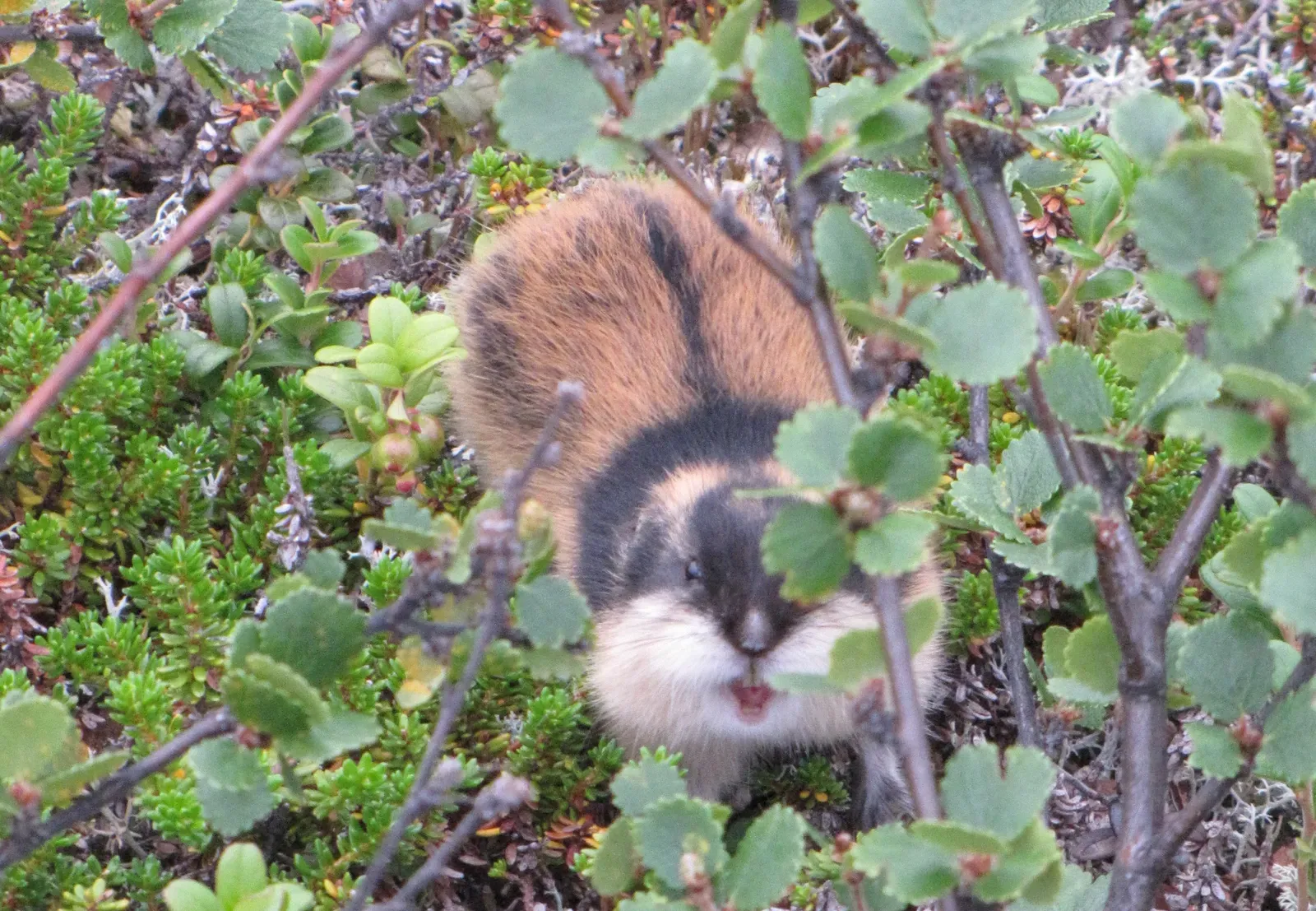
This might be the most successful piece of wildlife misinformation ever produced, and it came from a source millions of people trusted completely.
Lemmings do not commit mass suicide. It’s a myth – but a remarkably durable one. The blame falls squarely on one film. Wildlife biologists have pointed out that this urban legend blew wildly out of proportion after a Disney nature documentary in the 1950s brought it to mainstream audiences.
What actually happened on set is worse than the myth itself. A 1983 investigation revealed the lemming scenes were staged: the animals supposedly hurling themselves into the ocean in a suicidal frenzy had actually been physically thrown off a cliff by the filmmakers. The crew didn’t document nature. They manufactured a crime scene and called it a documentary.
The real biology is far less dramatic. Local lemming populations do fluctuate wildly, and when population density gets too high, some species disperse in large groups driven by pure survival instinct – not despair. Dispersal, not suicide.
#8 – Hummingbirds Were Assumed Too Weak to Migrate Alone
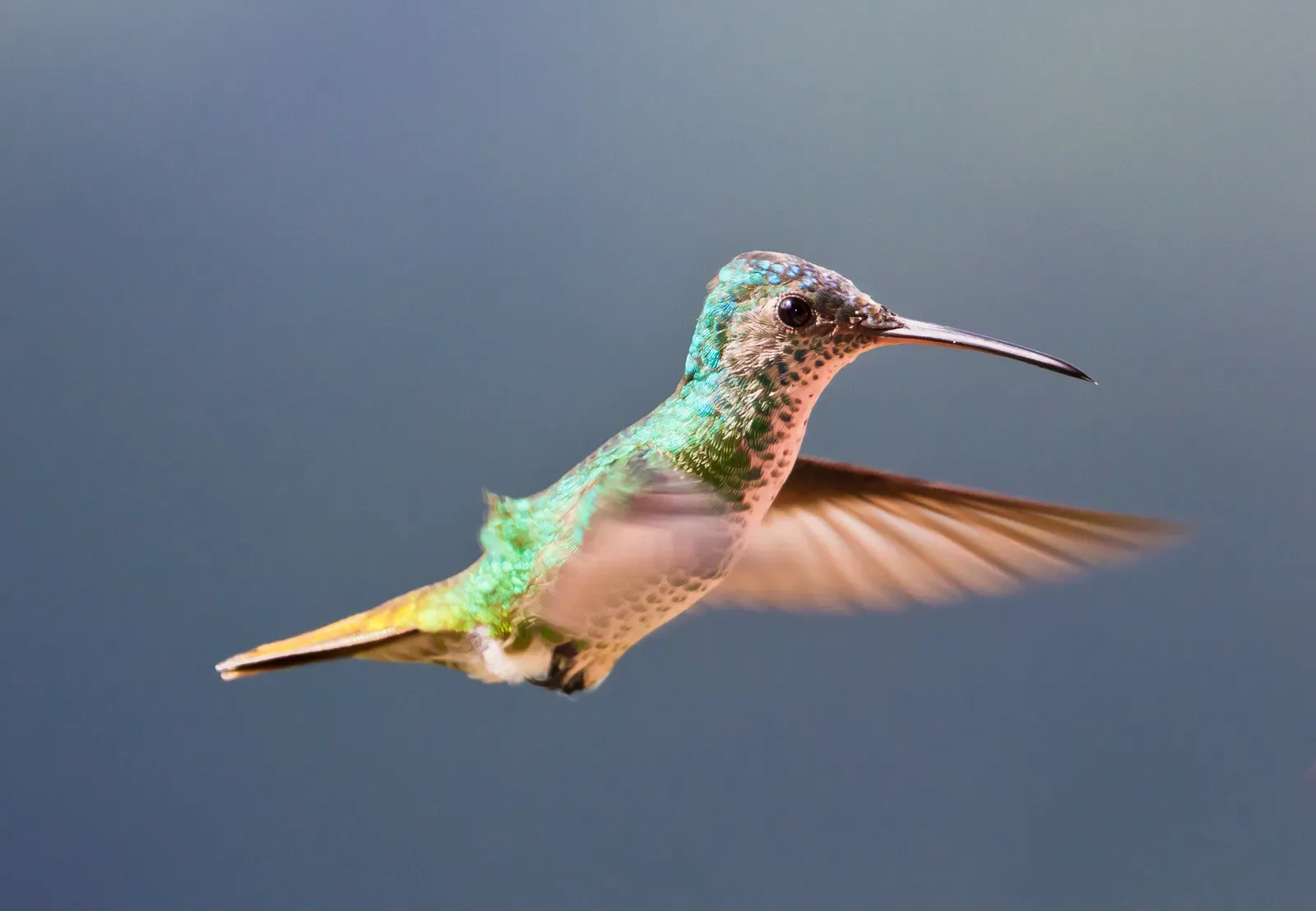
If you’ve ever seen a hummingbird up close, the old doubt makes a strange kind of sense – these birds weigh about as much as a penny.
The prevailing folk theory held that they simply couldn’t manage a long migration under their own power, so people assumed hummingbirds hitched rides by “piggybacking” on the backs of larger birds, like geese. The image is charming: a tiny hummingbird tucked into goose feathers, catching a free ride south.
It’s also completely false. Hummingbirds are perfectly capable of migrating entirely on their own, with some species covering distances of up to 4,300 kilometers (roughly 2,700 miles) during migration.
A bird small enough to fit in your palm regularly crosses the Gulf of Mexico in a single nonstop flight, burning through fat reserves that can nearly double its body weight before departure. No goose required. No piggyback. Just raw endurance packed into a body the size of a thumb.
Quick Compare
- Old belief: Hummingbirds hitch a ride south by piggybacking on larger birds like geese.
- Reality: They fly the entire migration solo, with some species covering up to 4,300 kilometers (about 2,700 miles).
- Body size: Roughly the weight of a penny, yet capable of crossing the Gulf of Mexico nonstop.
- Fuel source: Fat reserves built up before departure that can nearly double the bird’s body weight.
#9 – Eels Were Thought to Spring Spontaneously From Mud
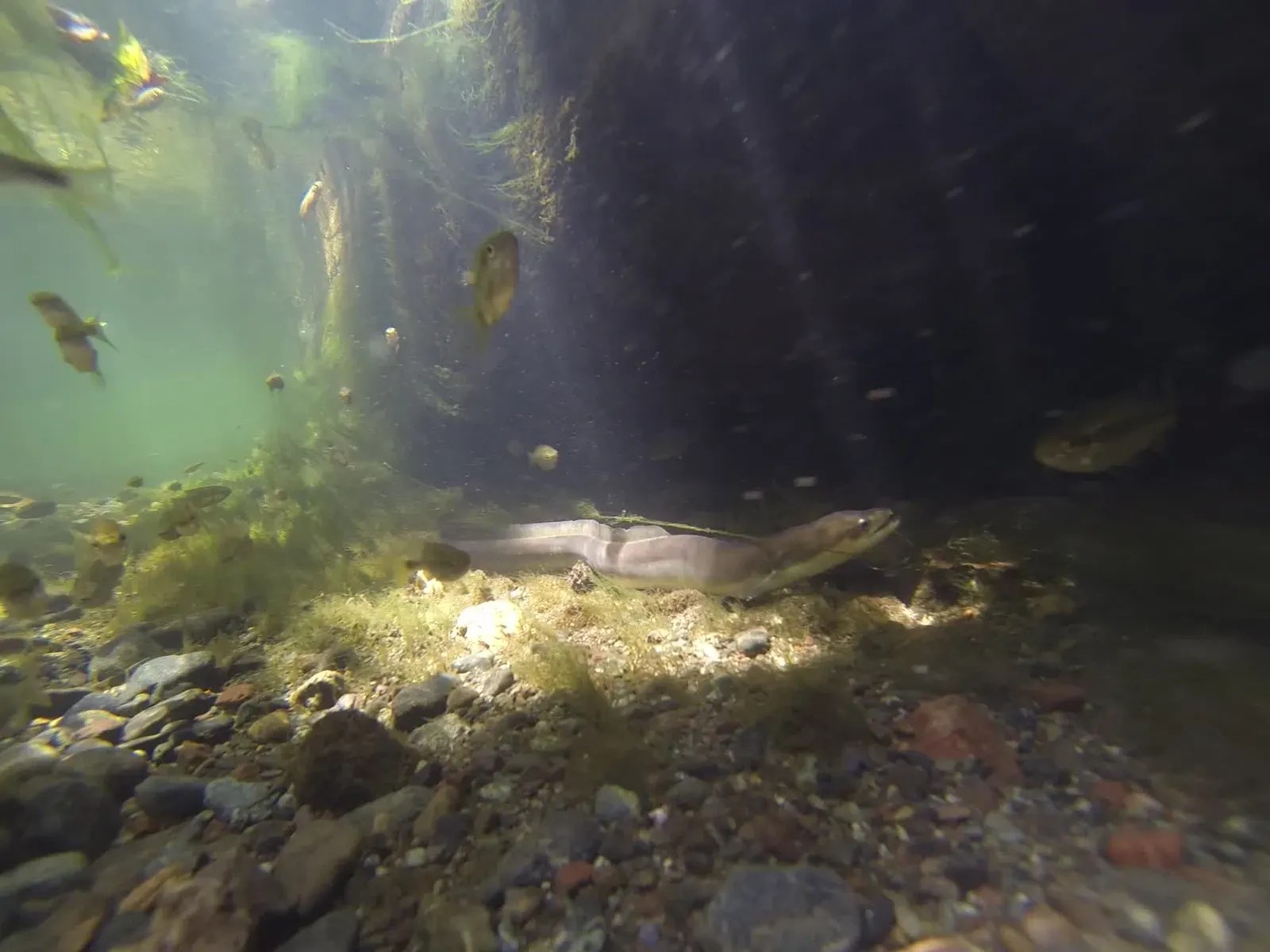
Long before anyone understood fish migration, ancient naturalists faced a genuine puzzle: nobody could find eel eggs, eel larvae, or baby eels anywhere near where adult eels actually lived.
The explanation many settled on was spontaneous generation – the idea that eels simply materialized out of mud, decaying plant matter, or even loose horsehair dropped in water. This wasn’t a fringe belief. It was taught as established natural philosophy for centuries, because the real answer seemed genuinely impossible to observe.
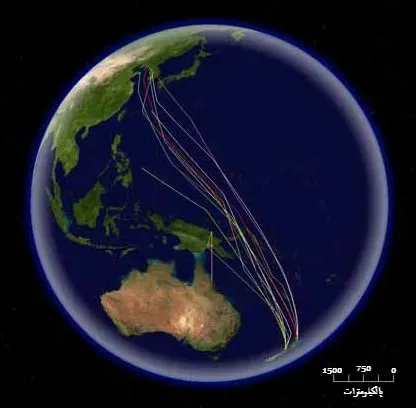
The real explanation turned out to be almost as strange as the myth. Adult eels migrate thousands of miles from freshwater rivers, across entire oceans, to spawn in specific deep-sea locations – then die, leaving their larvae to drift back toward the continents over months or even years before settling into rivers as juveniles.
The life cycle was so indirect and so hidden from view that spontaneous generation actually felt like the more reasonable explanation. It took modern tracking and larval surveys to finally trace the full loop – and the mystery of where baby eels came from stayed unsolved longer than almost any other migration puzzle on this list.
#10 – No Single Monarch Butterfly Ever Finishes the Journey It Started

Most people picture one heroic monarch butterfly flying the entire round trip from Canada to Mexico and back. That butterfly doesn’t exist.
The southbound migration is completed by a single generation, but the northbound return happens across several subsequent generations – born, bred, and dead along the way – meaning no individual butterfly ever completes the full loop it began. Each new generation somehow “knows” where to go despite never having flown the route before, which remains one of the most fiercely debated puzzles in insect biology.
Even locating where these butterflies spent the winter took far longer than expected. Lepidopterists had been observing masses of monarchs since the 1850s, but it wasn’t until 1930 that scientists could confidently say the butterflies were wintering in the south and migrating north each spring. The exact overwintering site remained hidden for decades longer.
A butterfly weighing less than a paperclip pulled off a multigenerational relay race that took scientists over a century to fully map. The precise overwintering grounds weren’t discovered until January 1975, tucked into the mountains of central Mexico – a secret hiding in plain sight the entire time.
Fast Facts
- Lepidopterists had tracked mass monarch sightings since the 1850s.
- Scientists didn’t confirm the south-to-north migration pattern until 1930.
- The precise overwintering site in central Mexico wasn’t pinpointed until January 1975.
- No single monarch completes the full round-trip journey – it takes multiple generations to finish the loop.
#11 – Bird Migration Routes Aren’t Learned – They’re Written Into DNA
The intuitive assumption is that young birds learn migration routes by following experienced adults, the same way a kid learns a hiking trail from a parent. For many species, that’s flatly wrong.
Researcher Peter Berthold ran a test that should have settled this debate decades ago. He captured wintering birds in southern Britain and bred them in captivity in aviaries in Germany, proving that genetics alone determined their migratory instincts – direction, distance traveled, and duration of restlessness behavior. These captive-bred birds had never seen a wild migration route, never followed an adult, and never received any external guidance whatsoever.
They still knew exactly which direction to fly, how far to go, and when to stop. The instructions were sitting in their genes the entire time, inherited like eye color rather than taught like a skill.
This explains something unsettling too: when the instinct malfunctions – which happens almost exclusively in inexperienced young birds – the result is often fatal, since the bird sets off in a completely wrong direction and never reaches its intended destination. It isn’t tradition. It’s hardwiring, and it’s fragile enough that a single genetic misfire can be catastrophic.
#12 – Humans Didn’t Leave Africa in One Neat Wave

For years, the textbook version of human migration was simple: our species left Africa once, around 50,000 years ago, and spread across the globe from there in a single sweep.
That widely accepted story suggested early members of our species left Africa in one migration event and interbred with Neanderthals in Europe and Asia shortly after. It was clean. It was linear. It was easy to teach. It was also incomplete.
Genetic evidence has since rewritten the timeline entirely. Researchers now find that our species migrated out of the continent on multiple separate occasions, not just the single wave taught for decades – and interbreeding with Neanderthals wasn’t a one-time event either. One study even found evidence of admixture as early as 250,000 years ago.
Modern humans apparently walked out of Africa, came back, mixed with archaic relatives, and repeated the entire process multiple times before the migration finally “stuck.” Fossil evidence backs this up: migrations weren’t singular events but occurred in multiple waves, both before and after 60,000 years ago. Our origin story is far messier – and far more interesting – than the single-exodus version most of us learned in school.
At a Glance
- Old model: One migration out of Africa, around 50,000 years ago.
- New model: Multiple separate migrations, both before and after 60,000 years ago.
- Neanderthal interbreeding: Not a single event – evidence points to repeated admixture.
- Earliest known admixture: Possibly as far back as 250,000 years ago.
#13 – Monarchs Don’t Drift on the Wind – They Read the Sky Like a Compass
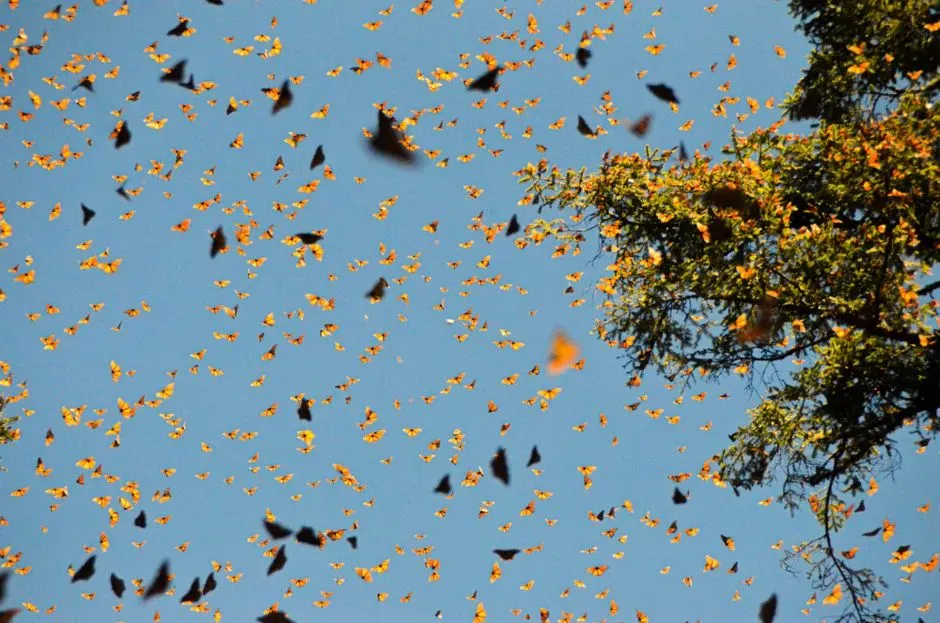
It’s tempting to assume a creature this small just gets blown wherever the air currents happen to take it. Monarch butterflies actually run something closer to onboard navigation software.
Recent studies have illuminated the mechanisms behind their southward navigation: a time-compensated sun compass, with skylight cues processed through both eyes and likely integrated in the brain’s central complex, while time compensation is provided by circadian clocks that reside in the antennae. The clock that tells a monarch which direction is south lives in its antennae, not its brain.
Magnetic sensing backs up the solar system whenever skies cloud over. Migrating monarchs can also rely on a light-dependent inclination magnetic compass for orientation under overcast conditions – and researchers confirmed this isn’t optional decoration. When they artificially disrupted it, the effect was immediate and total: “Ten seconds of exposure to the strong magnetic field was enough to totally disorient the butterflies. They could not maintain a course.”
This is a genuinely opinionated take, but it’s hard to argue with: an insect running dual sun-and-magnetic navigation systems is a more sophisticated setup than most consumer GPS units had twenty years ago.
#14 – The Fastest Route Isn’t Always the Right One

Common sense says migrating animals should take the shortest possible path – every extra mile burns energy they can’t spare. Tracking data on the Eurasian woodcock says otherwise.
Researchers expected birds taking longer, more roundabout routes to arrive in worse physical condition than those flying a direct line. A 2018 study found the opposite: birds taking the longer routes actually maintained better body condition than their counterparts following the “efficient” direct path, suggesting some unknown benefit to these seemingly wasteful detours.
The detour birds were healthier, not weaker. Nobody has fully explained why yet – maybe better feeding stops along the winding path, maybe safer cover from predators, maybe wind patterns that make the “longer” route actually cheaper in energy terms.
Similar oddities show up elsewhere too. Some Kirtland’s warblers fly directly across the western Atlantic, far from any landmark, and mysteriously, individual birds have been documented hovering in place over specific oceanic coordinates for several hours before continuing their journey. The more precisely researchers track migration, the less “obvious” it becomes – efficiency, as humans define it, doesn’t seem to be the only currency these animals are optimizing for.
The Bottom Line
Migration research keeps embarrassing our assumptions, and honestly, it should. Birds weren’t hibernating underwater or flying to the moon – they were crossing oceans while we simply lacked the tools to watch them do it. Lemmings never chose mass suicide; a film crew staged the whole thing for ratings. Monarchs run dual navigation systems more advanced than most people realize, relayed across generations that never meet each other.
Even human origins turned out to be a series of messy, repeated migrations rather than one clean exodus out of Africa. The pattern across every myth on this list is identical: whenever humans couldn’t directly observe a journey, we filled the gap with a story that flattered our intuition instead of the evidence. Spontaneous generation, shape-shifting, moon flights – every single one of them said more about human impatience than about animal behavior.
My honest take? We haven’t stopped doing this. We’ve just swapped ancient guesswork for modern overconfidence, assuming GPS tags and satellite data have given us the complete picture. The woodcock detours and the hovering warblers say otherwise – there’s clearly more happening out there than our instruments have caught up to yet. Tracking technology has spent the last fifty years quietly proving old stories wrong, one tag at a time, and it’s not finished.
Which of these surprised you the most – or did you grow up believing a migration myth that didn’t make this list? Drop it in the comments.