
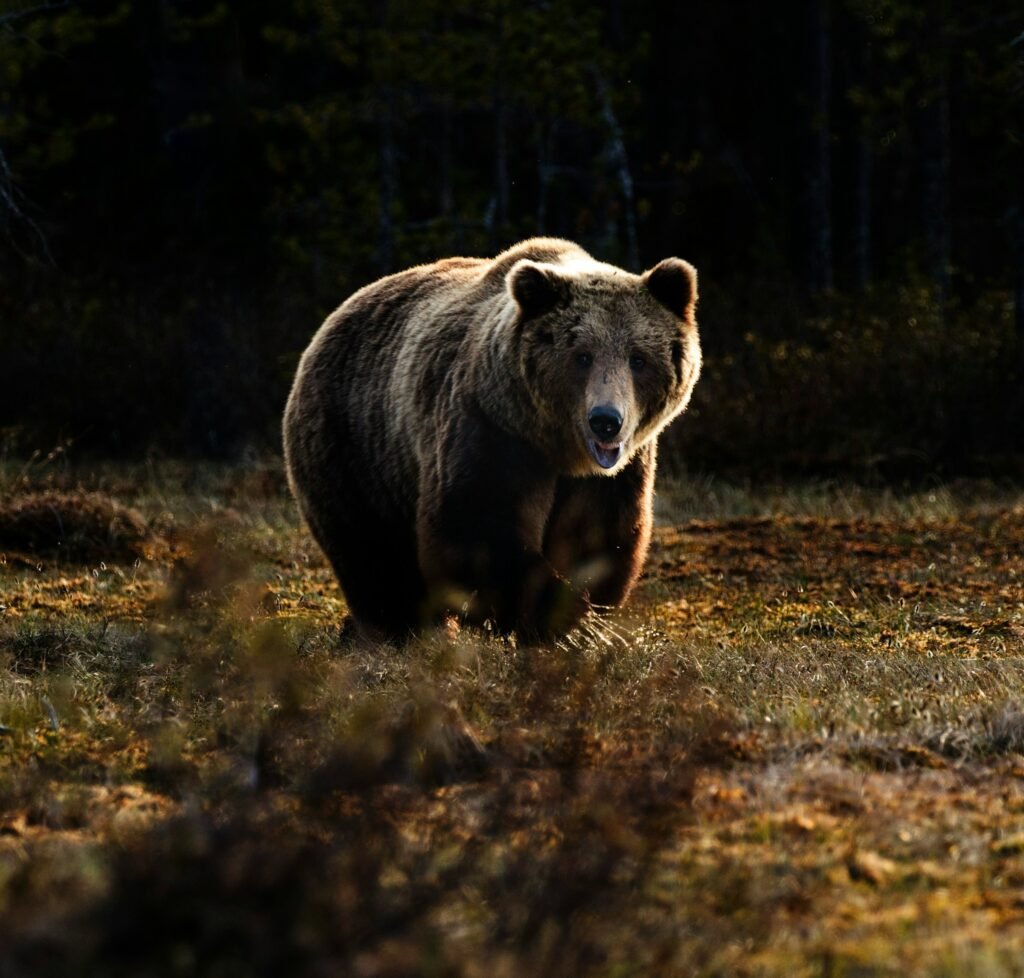
Picture the grizzly bear you grew up with: a roaring, blood-soaked monster that hunts humans for sport, sleeps through winter like it’s basically dead, and can’t function without a river full of salmon. That bear has been living in your head for decades.
He doesn’t actually exist. The real grizzly – the one biologists track with GPS collars and motion-triggered cameras – is stranger, smarter, and far more calculated than the campfire version. Some of what “everyone knows” about this animal isn’t just oversimplified. It’s flat-out backwards. Here are the 12 grizzly “facts” science has quietly had to rewrite, counting down to the one mistake that changes how we should think about the whole species.
#12 – “Grizzlies Are Natural-Born Man-Killers”
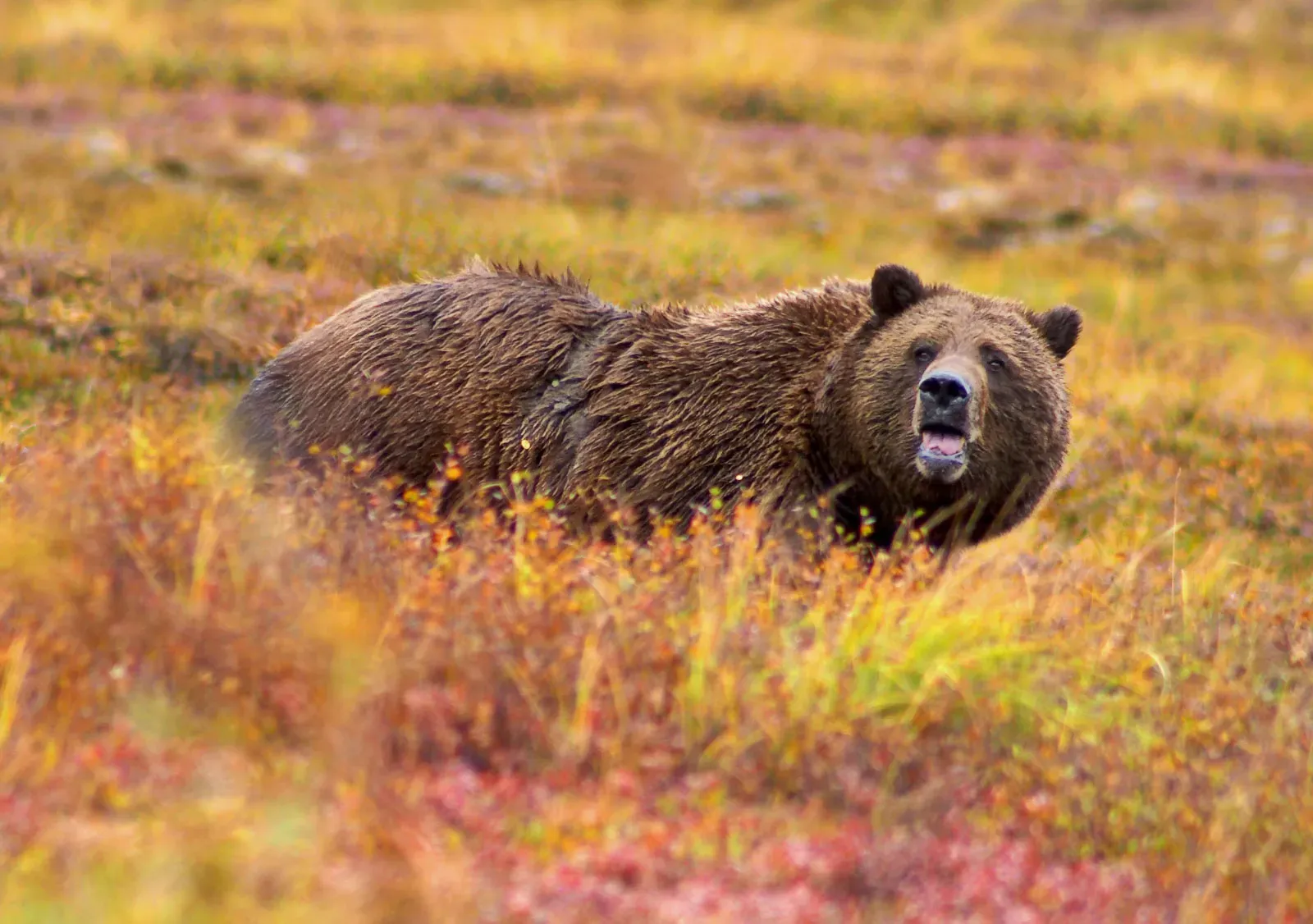
The most repeated line about grizzlies is simple: they hunt humans. It’s a great scary story. It’s also almost entirely wrong.
Across North America, fatal grizzly attacks are extremely rare compared to the sheer number of people who hike, camp, hunt, and work in bear country every single year. When attacks do happen, investigators almost always find a trigger – a startled bear on a blind trail corner, a mother defending cubs, or a wounded animal finishing what it sees as a fight, not a predator stalking prey.
Biologists who study bear aggression sort it into a handful of predictable patterns: surprise encounters at close range, defensive reactions around a food cache or carcass, and – far less often – genuine predatory behavior. In many documented cases, the bear actually bluff-charges, huffs, stomps, and veers off once a person stands their ground instead of running.
Ironically, most dangerous encounters trace back to human error: sloppy food storage, getting too close for a photo, or failing to back away slowly from a stressed animal. Remove those mistakes, and the “man-killer” reputation collapses almost instantly. But that’s nothing compared to what we found about #11.
#11 – “They’re Just Slow, Clumsy Brutes”
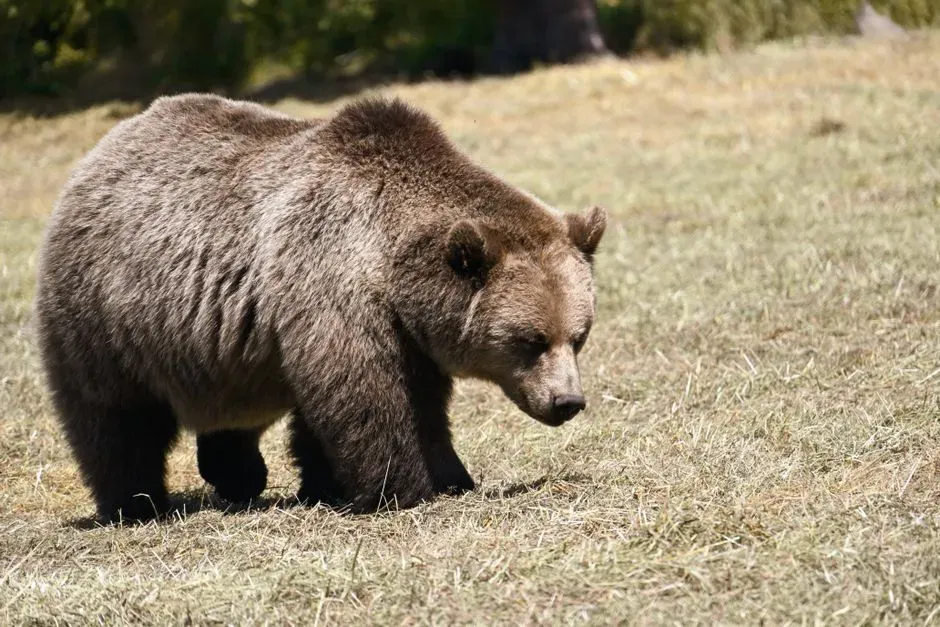
If your mental picture is a lumbering brown rug on legs, science says you’re way behind. Grizzlies are fast – genuinely, terrifyingly fast.
Field measurements and pursuit observations document grizzlies reaching speeds around 30 to 35 mph over short distances, which blows past any human sprint. The illusion of clumsiness comes from the massive shoulder hump and shaggy coat, not from the actual mechanics underneath. Strip away the fur and you’ve got a power-athlete’s body: dense muscle, long limbs, and tendons built for explosive bursts.
Fast Facts
Their agility is just as under-reported. Researchers have watched grizzlies pivot and change direction mid-charge with startling sharpness, and sprint up steep slopes that would leave a fit human gasping for air within seconds. Biologists tracking bears through thick timber describe them weaving at full tilt, barely brushing branches a human would be crashing into.
That sense of “slowness” is mostly what people see when a bear is relaxed – grazing on sedges, flipping rocks for grubs. The dangerous myth is thinking you can outrun or dodge one when it’s not relaxed. You can’t. The only time a grizzly looks clumsy is when it isn’t trying. But that’s nothing compared to what we found about #10.
#10 – “Grizzlies Eat Mostly Meat and Blood”
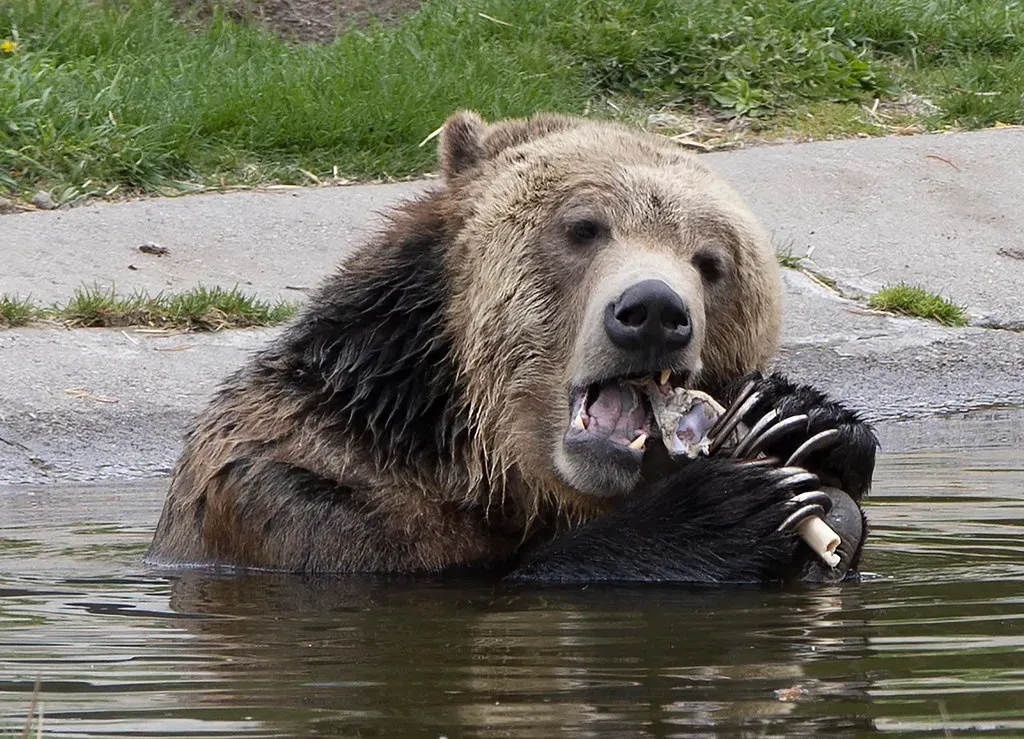
Pop culture has recorded grizzlies as nonstop carnivores – land sharks with fur. The real diet looks a lot more like a giant, opportunistic salad bar than a slaughterhouse.
Across seasons, many grizzly populations get well over half their calories from plants: grasses, roots, berries, nuts, and bulbs. In late summer, some bears spend hours grazing berry patches, moving through shrubs like hairy harvesters. Stable-isotope analysis of hair and tissue has repeatedly shown strong plant signatures, especially in regions without heavy salmon runs.
That doesn’t make them gentle. They’re classic omnivores and scavengers, flipping logs for ants and beetle larvae, digging up ground squirrels and pocket gophers, and taking opportunistic kills of ungulates – especially calves or weakened animals. In coastal zones with salmon, carcass studies show huge seasonal protein spikes as bears gorge for a few weeks, then slide right back into their mixed, mostly plant-based diet as the runs fade.
The stereotype of an animal constantly tearing into fresh meat erases how much of a grizzly’s day is actually spent quietly foraging roots and berries. Understanding that diet mix matters, because it rewrites what these animals are really doing with most of their waking hours. But that’s nothing compared to what we found about #9.
#9 – “They Hibernate Like a Rock, Basically ‘Dead’ All Winter”
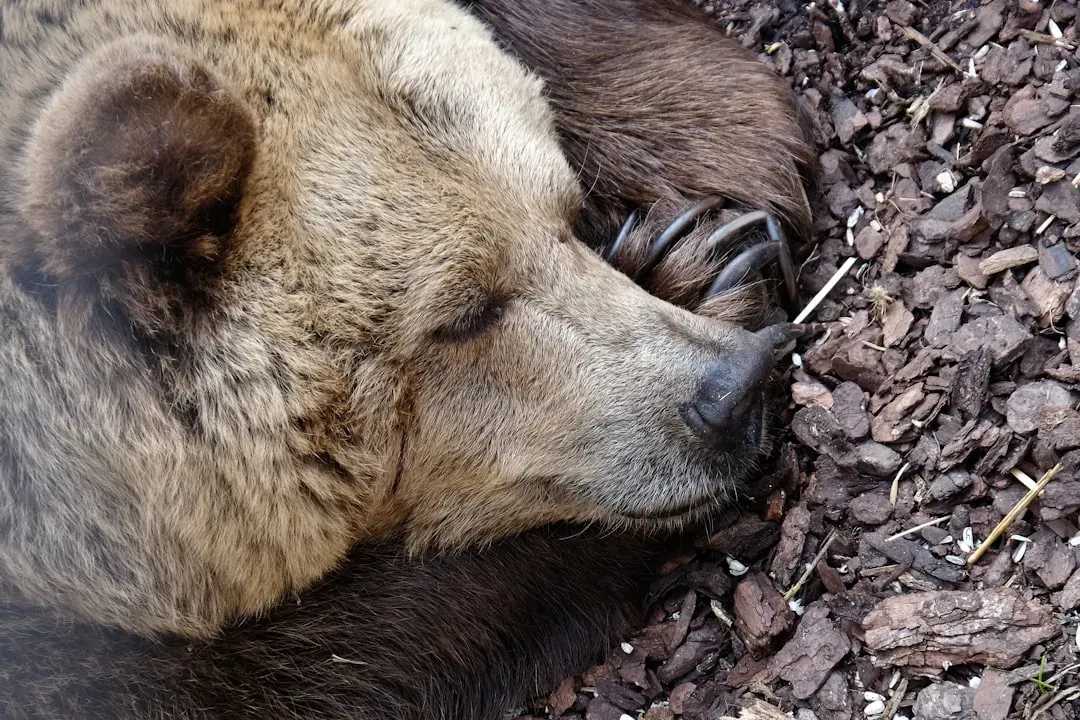
You’ve probably heard it: grizzlies crawl into a den, drop their body temperature like a freezer setting, and go completely still for months. Pieces of that are true. A lot of the details are not.
Grizzlies do hibernate, but their body temperature only drops a few degrees, nowhere close to the near-ambient crash a hibernating ground squirrel experiences. Their heart rate slows dramatically and they don’t eat, drink, urinate, or defecate for months – yet they stay surprisingly reactive. Den cameras and telemetry show bears shifting position, grooming, and even waking enough to respond to disturbance, especially late in winter.
Even stranger is what happens to their bodies. A human confined to bed for months would lose a dangerous amount of muscle and bone density. Grizzlies emerge in spring with minimal muscle atrophy and remarkably preserved bone strength, because their bodies recycle nitrogen from urea to keep protein loss low. NASA and medical researchers genuinely study hibernating bears to figure out how to prevent muscle wasting in astronauts and long-term hospital patients.
Females even give birth inside the den. Cubs about the size of a soda can latch on and nurse while the mother is still deep in this hibernation state, managing her energy budget with almost surgical precision. The bear in winter isn’t “dead.” It’s running one of the most sophisticated metabolic systems in the mammal world. But that’s nothing compared to what we found about #8.
#8 – “They’re Solitary, Anti-Social Loners”
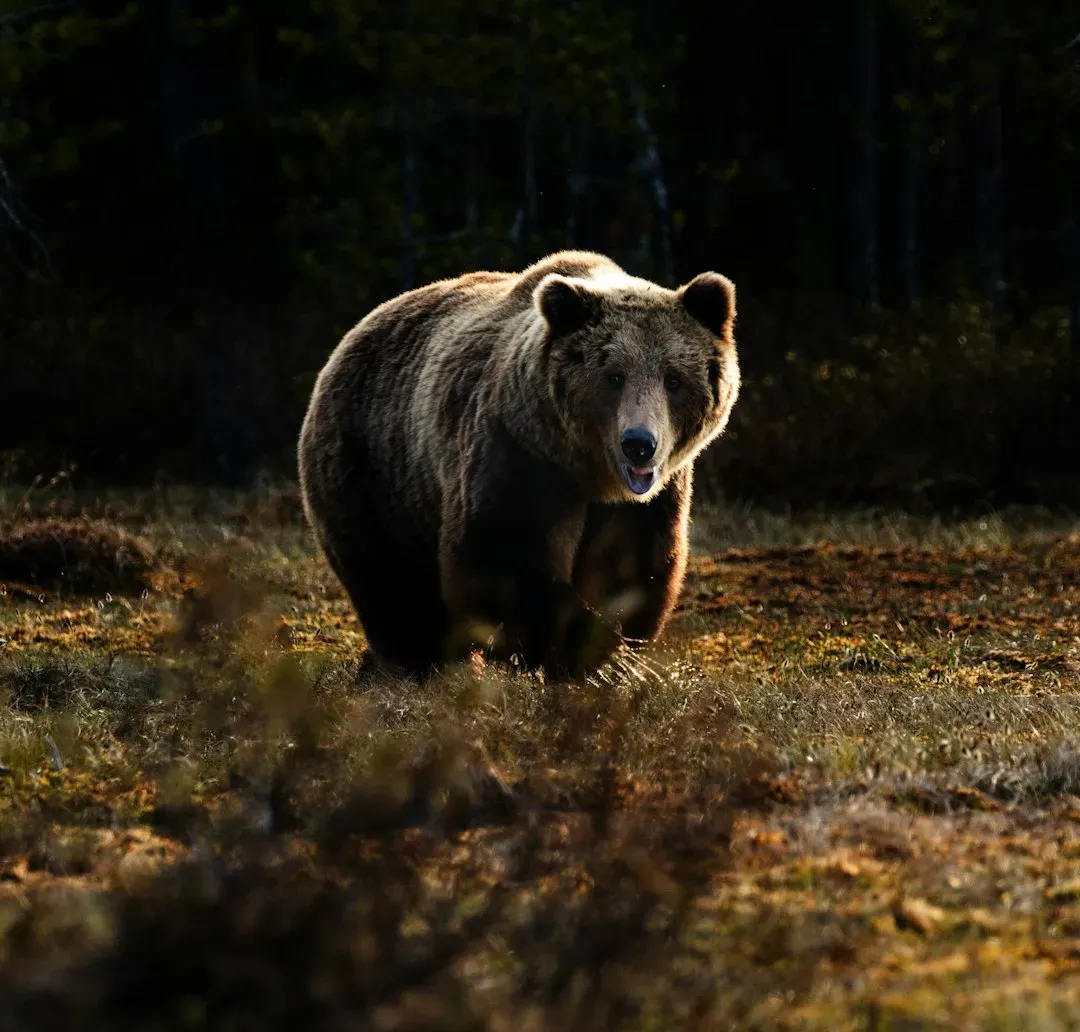
Textbooks and documentaries have long labeled grizzlies as pure solitary animals, coming together only to mate or fight. As tracking technology improved, that picture quietly fell apart.
Grizzlies don’t form wolf-style packs, but they do tolerate predictable neighbors at rich food sources like salmon streams and alpine meadows, and they establish dominance hierarchies where certain individuals “own” the best real estate. Repeated observations show particular bears feeding within sight of each other, timing their approaches specifically to avoid conflict rather than pure chance.
Mother-daughter associations can last for years after independence, and some males appear to tolerate subadults they seem to recognize at shared feeding areas. In several populations, camera traps have filmed the same sets of bears interacting repeatedly over years – the kind of pattern that suggests actual social relationships, not random overlap.
There’s also growing evidence of behavior being socially learned: specific techniques for raiding a food source, or the exact timing of a seasonal move, passed down from mother to cubs. Some biologists now cautiously use words like “clans” or “neighborhoods” to describe overlapping grizzly ranges. They’re not chatty, and competition is real – but the idea of a species bumping into each other purely by accident doesn’t survive contact with GPS data. But that’s nothing compared to what we found about #7.
#7 – “They’re Basically Big, Dumb Muscle”
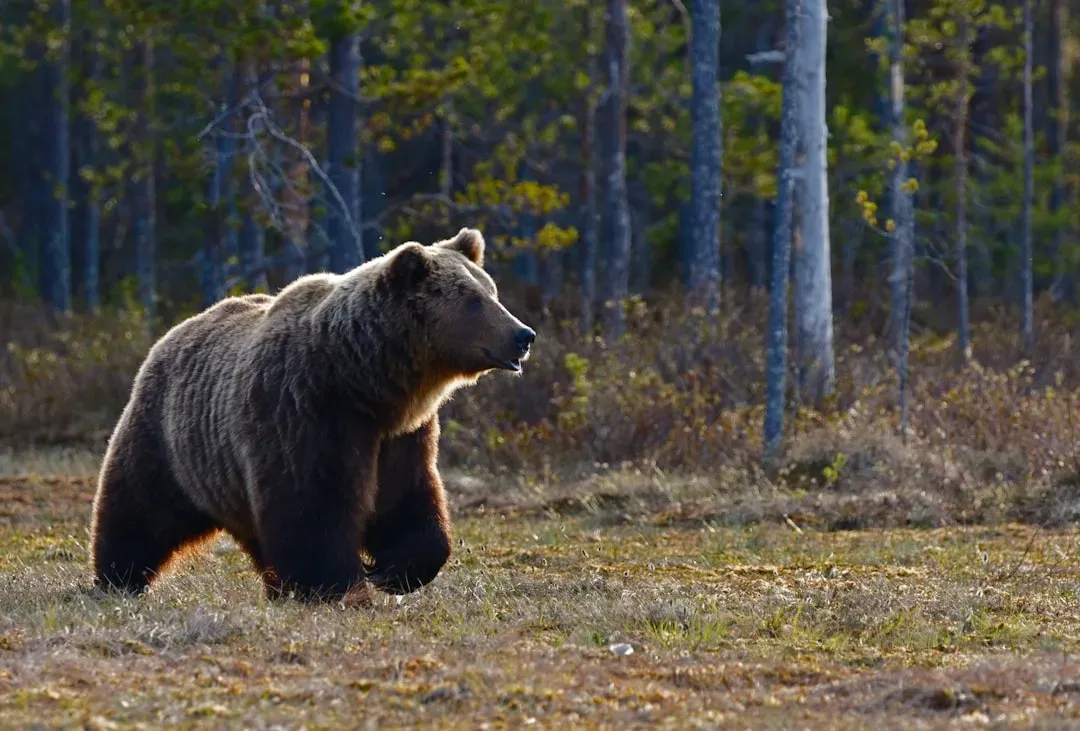
Humans have ranked predator intelligence with a fair amount of arrogance. Wolves and dolphins get credit for being clever. Bears get downgraded to “instinct machines.” The field evidence says otherwise.
Grizzlies show problem-solving, memory, and behavioral flexibility that belong in the same conversation as primates and big cats. In the wild and in controlled studies, bears have worked out how to open complex latches, doors, and containers after only brief exposure, and have altered their travel timing and routes specifically to dodge peak human activity – a strategy that requires something like a mental map, not just instinct.
Why It Stands Out
- Cracks complex latches and containers after only a handful of tries
- Returns to the same berry patches or carcass sites within days of the same week, year after year
- Shifts travel routes and timing specifically to avoid peak human activity
- Drops or swaps an entire foraging routine almost overnight when a food source dries up
Radio-collar data show some bears revisiting specific berry patches, meadows, or carcass sites down to the week, year after year, often arriving right as the resource peaks. That kind of precision implies memory of seasonal cycles tied to exact locations, not blind wandering. There are also documented cases of bears switching techniques almost overnight when a food source changes – abandoning a deep-run fishing spot for a riffle, or dropping a garbage-raiding routine the moment a community locks down its cans.
They don’t just repeat behavior. They adapt it. Field biologists increasingly warn that underestimating a grizzly’s cognitive ability is one of the fastest ways for a person to get outsmarted in the backcountry. But that’s nothing compared to what we found about #6.
#6 – “They Only Live in Remote, Pristine Wilderness”
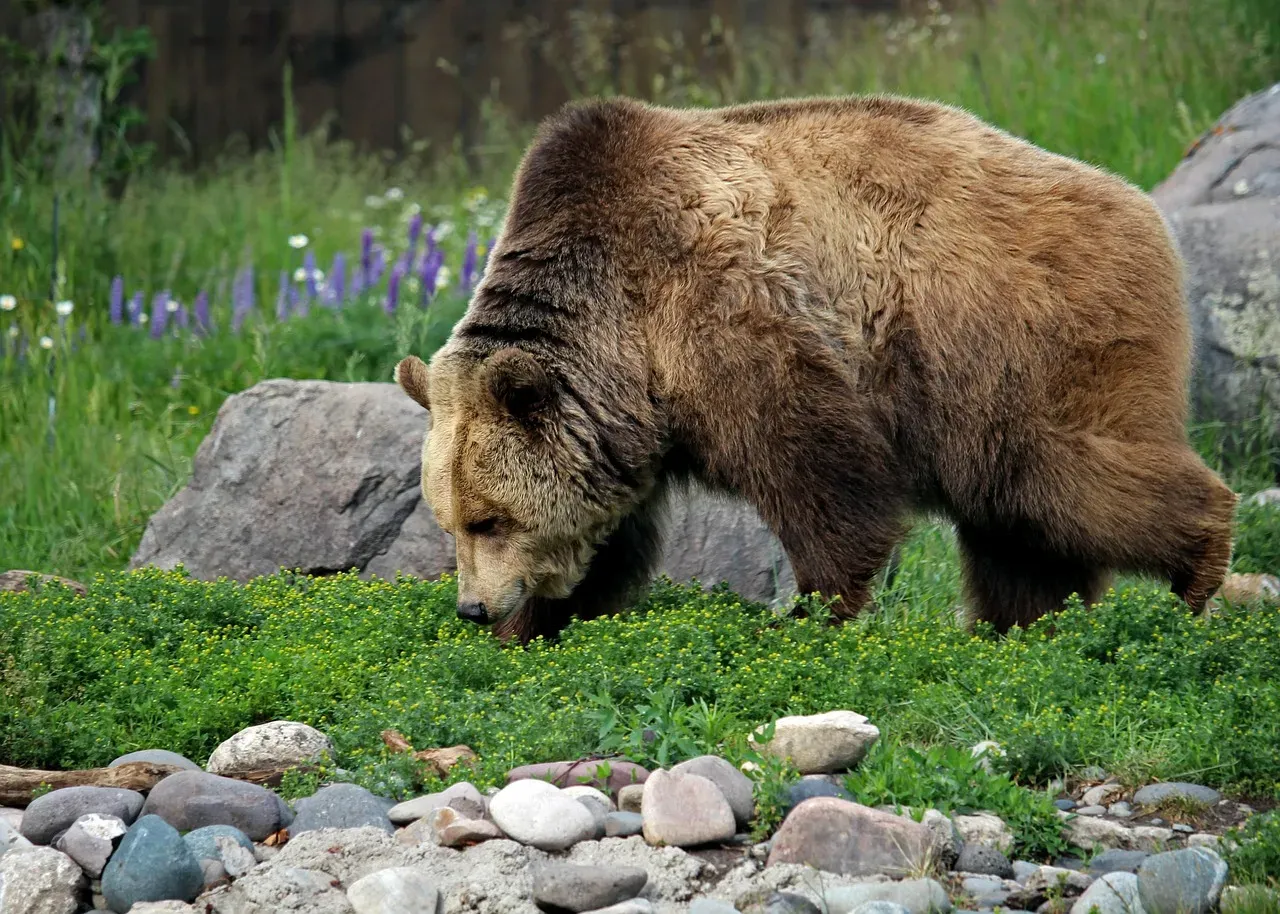
Old maps colored grizzly range as one big green patch labeled “the wilderness.” That framing hides how adaptable the species actually is, and it quietly distorts how we talk about conservation today.
Historically, grizzlies ranged far south of where most people imagine, into prairies, shrublands, and river valleys – even areas close to Indigenous villages. They weren’t mountain ghosts by nature. Their decline pushed them into the most rugged, remote fragments left, and over time that retreat got rewritten as “that’s simply where they belong.”
Modern tracking is correcting the record. Grizzlies are showing up on agricultural edges, using crop fields, hedgerows, and irrigation canals to move and feed, and near human infrastructure, crossing highways through purpose-built wildlife overpasses and underpasses. Some re-colonizing bears are learning to live near, but not inside, human noise, using narrow forest strips and river corridors as stealth highways between patches of habitat.
That adaptability is impressive, but it also creates conflict when people cling to the “deep wilderness only” myth and are genuinely shocked to see a bear in a mixed landscape. The species can thrive on remote peaks, but it’s evolutionarily wired for a much wider range of terrain. Our refusal to share space with them, not their inflexibility, is the real constraint. But that’s nothing compared to what we found about #5.
#5 – “They’re Constantly Roaring and Growling”
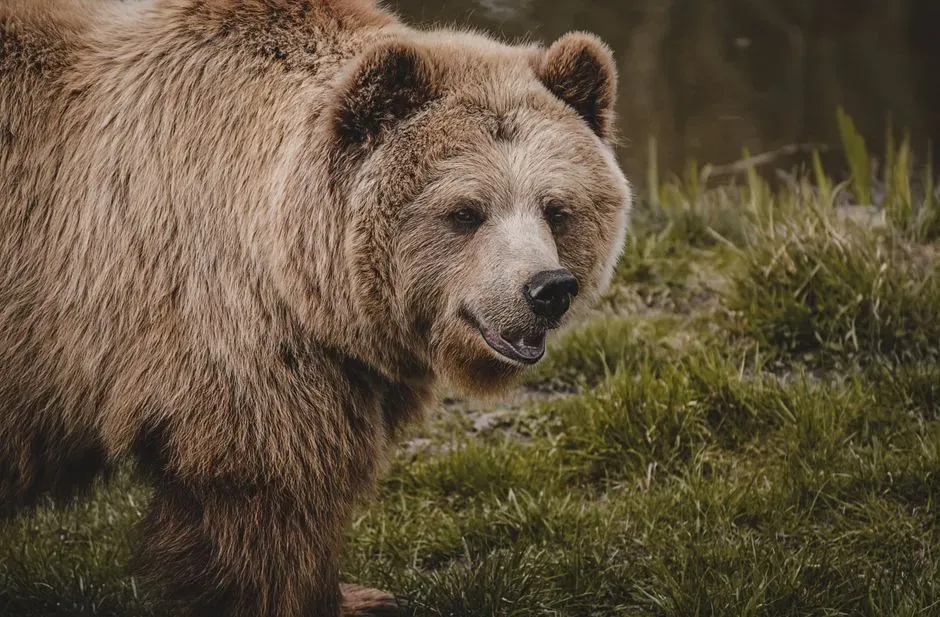
Hollywood has done to bear vocalizations what it did to dinosaur sounds: made them louder, simpler, and mostly wrong. Actual field recordings show grizzlies are much quieter and far more nuanced than most people assume.
Roaring is rare, usually reserved for high-intensity conflict. The everyday soundscape is subtler – huffing and woofing when alarmed, low grumbles, jaw-popping and teeth-clacking during close confrontations, and soft moans or pulsing “coo-like” sounds passed between mothers and cubs. Cubs babble, whine, and squeak with contact calls when separated, and mothers respond with specific tones that seem to soothe or summon them back.
Nobody has decoded a full “language,” but acoustic analyses do show distinct sound patterns tied to context: feeding, danger, reunion. That matters more than it sounds, because the myth of the constantly roaring bear convinces hikers they’ll always “hear it coming.” In reality, many encounters happen in near silence, with only brush noise giving the animal away.
People sometimes misread a warning huff as aggression, when it’s usually a stressed bear begging for space, not preparing to attack. If we actually listened to the full range of grizzly sounds instead of movie soundboards, we’d read their intentions far more accurately, and far earlier. But that’s nothing compared to what we found about #4.
#4 – “Cub-Killing Is Just Random Savagery”
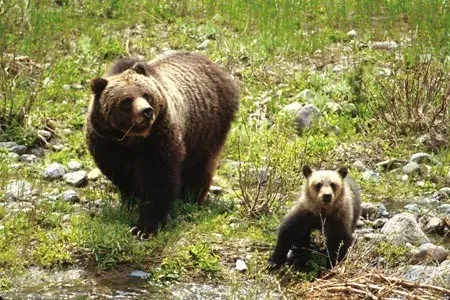
One of the hardest grizzly behaviors to watch, and the easiest to sensationalize, is infanticide – adult males killing cubs. It’s often portrayed as pointless brutality, proof the species is wired for chaos. The reality is colder, and far more calculated.
In many mammal species, including bears, infanticide carries a clear reproductive logic. When a male kills unrelated cubs, the mother often returns to estrus sooner, giving him a shot at siring her next litter. Genetic studies in some bear populations back this up directly: males implicated in cub deaths sometimes turn out to be the father of that same female’s future offspring.
Infanticide by male bears is not aberrant behavior – it fits a broader pattern seen across many mammals where killing unrelated young can increase a male’s own reproductive success.
Common finding in bear population genetics research
That doesn’t make it less brutal to watch. It does make it far less random. Females have counter-strategies of their own – avoiding areas frequented by certain dominant males, and using dense cover or steep, complex terrain as a kind of safety buffer for young cubs. Some researchers document females staying close to other adult bears, sometimes even the dominant male they mated with, potentially as a shield against unfamiliar rivals.
The result is a tense chessboard of movement and avoidance, not pure chaos. What’s been recorded badly here isn’t that cub-killing happens – it does – it’s the idea that it’s mindless. It’s actually embedded in a rough, but coherent, reproductive strategy. But that’s nothing compared to what we found about #3.
#3 – “Their Sense of Smell Is Just ‘Good’ – Like a Dog’s”
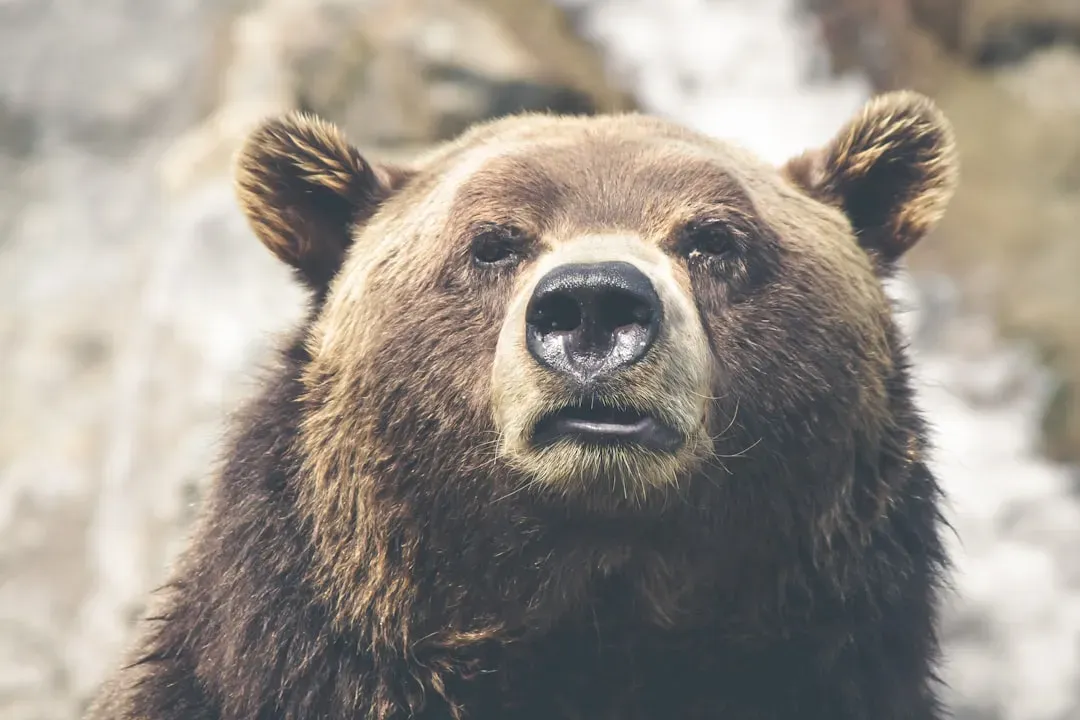
Every article mentions that grizzlies have a “good sense of smell” and then moves on. That’s like calling a jet engine “pretty loud.” It dramatically undersells what’s probably their single most supercharged sense.
Anatomical studies show enormous nasal cavities and heavily developed olfactory bulbs in bears, and field observations back it up in shocking ways. Grizzlies have been documented homing in on carcasses from several kilometers away even with shifting wind, and locating food caches buried deep under snow, sand, or soil. Hunters and biologists tell the same story over and over: meat hung high, sealed, and packed away is still discovered within hours.
Quick Compare
- Human nose: baseline scent detection, mostly limited to close-range cues
- Bloodhound: long prized as the gold standard tracking dog for trailing missing people
- Grizzly: estimated at roughly seven times sharper than even a bloodhound’s nose
Some estimates, based on brain anatomy and behavioral testing, put grizzly olfactory ability many times stronger than a typical domestic dog’s – and dogs are already considered elite smellers. This isn’t trivia. It completely reshapes how we should think about “safe” food storage and campsite habits.
What seems sealed and odorless to a human is effectively broadcasting scent signals in a grizzly’s sensory world. That’s exactly why modern backcountry protocols obsess over scent elimination, not just height and distance. The idea that a bear “might catch a whiff” badly underplays how much smell drives nearly every decision it makes. But that’s nothing compared to what we found about #2.
#2 – “They Fear Humans and Will Naturally Avoid Us”
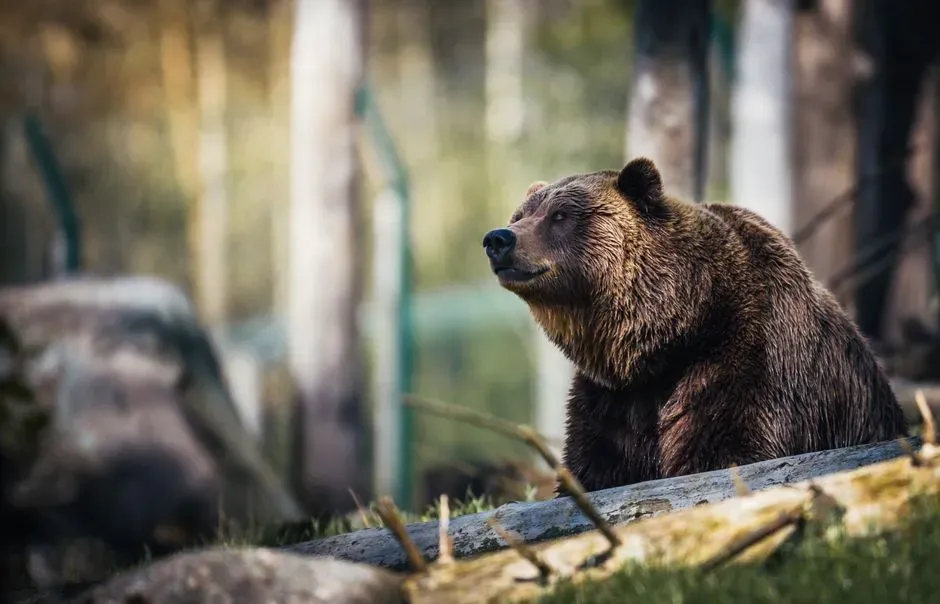
For years, management plans assumed grizzlies broadly “fear humans.” The data tell a more uncomfortable story: what many bears actually avoid is unpredictable risk, not the mere presence of people. And in some places, they don’t avoid us at all. They lean into us.
In heavily used parks, some grizzlies learn to treat humans as a kind of shield. They feed near trails and roads where other predators and hunting pressure are lower, and they time their activity to overlap with daylight tourist hours specifically to exploit that relative safety. GPS collar studies show certain bears actively shifting their movement to stay closer to high-traffic corridors during hunting season, then spreading out again once the pressure drops.
They’re not “afraid of humans.” They’re running a constant, quiet risk-versus-reward calculation. On the flip side, in areas with chronic harassment or persecution, bears become far more nocturnal and elusive – not because of some innate terror, but because direct experience has taught them people equal danger.
The misconception that grizzlies will naturally keep their distance encourages sloppy human behavior in bear country. In reality, our actions are training them, one encounter at a time, to either approach, ignore, or avoid us. But that’s nothing compared to what we found about #1.
#1 – “They’re Just a Dangerous Symbol, Not Key to the Ecosystem”
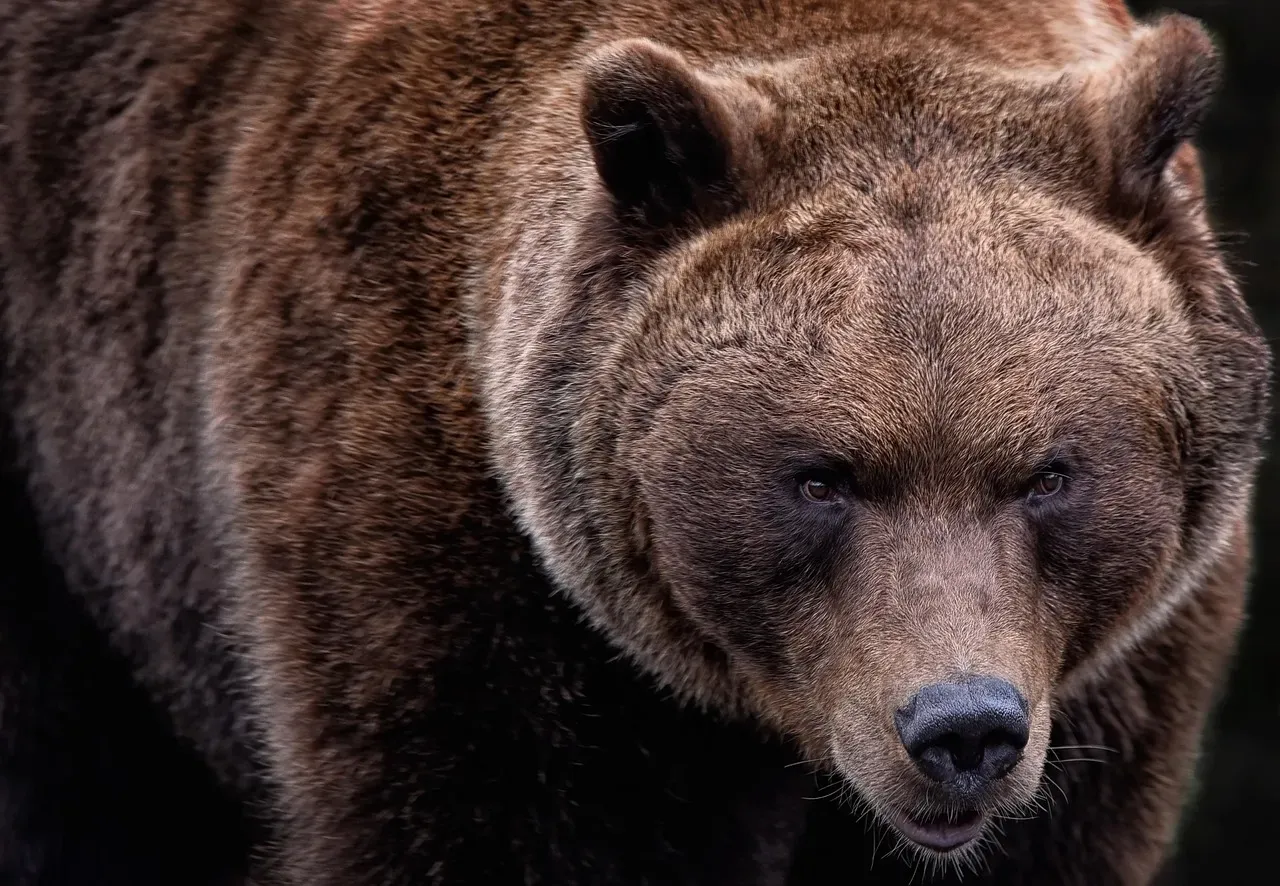
The biggest mistake we’ve made about grizzlies isn’t about diet, or speed, or intelligence. It’s about importance. We’ve recorded them in culture as symbols of wilderness, danger, and toughness, without admitting how ecologically central they actually are.
As large omnivores and scavengers, grizzlies act like nutrient pumps for entire landscapes. When they drag salmon carcasses into the forest, leftover bones and scraps fertilize trees and understory plants. Their digging for roots, bulbs, and rodents aerates soil, redistributes seeds, and creates microhabitats used by everything from insects to wildflowers. Even a partially eaten ungulate carcass ends up feeding ravens, foxes, and countless invertebrates.
At a Glance
- Salmon carcasses dragged inland fertilize forest soil and trees
- Digging for roots and rodents aerates soil and redistributes seeds
- Leftover kills feed ravens, foxes, and countless smaller scavengers
- Their presence is tied to stream productivity and plant diversity in some ecosystems
Where grizzlies disappear, you don’t just lose a big charismatic animal. You quietly flatten an entire chain of ecological processes. In some systems, vegetation patterns, insect communities, and even stream productivity are tied, in part, to exactly where and how bears feed.
There’s also a human dimension we’ve conveniently edited out. For many Indigenous cultures, grizzlies are teachers and relatives, not monsters, and traditional knowledge often recorded bear behavior with more nuance and respect than early European naturalists ever did – acknowledging both the danger and the reciprocity. Treating grizzlies as optional, or as pure threat, ignores centuries of coexistence that already wrote them permanently into the landscape. The record that casts them only as something to fear is, frankly, the least accurate one we have.
The Bottom Line
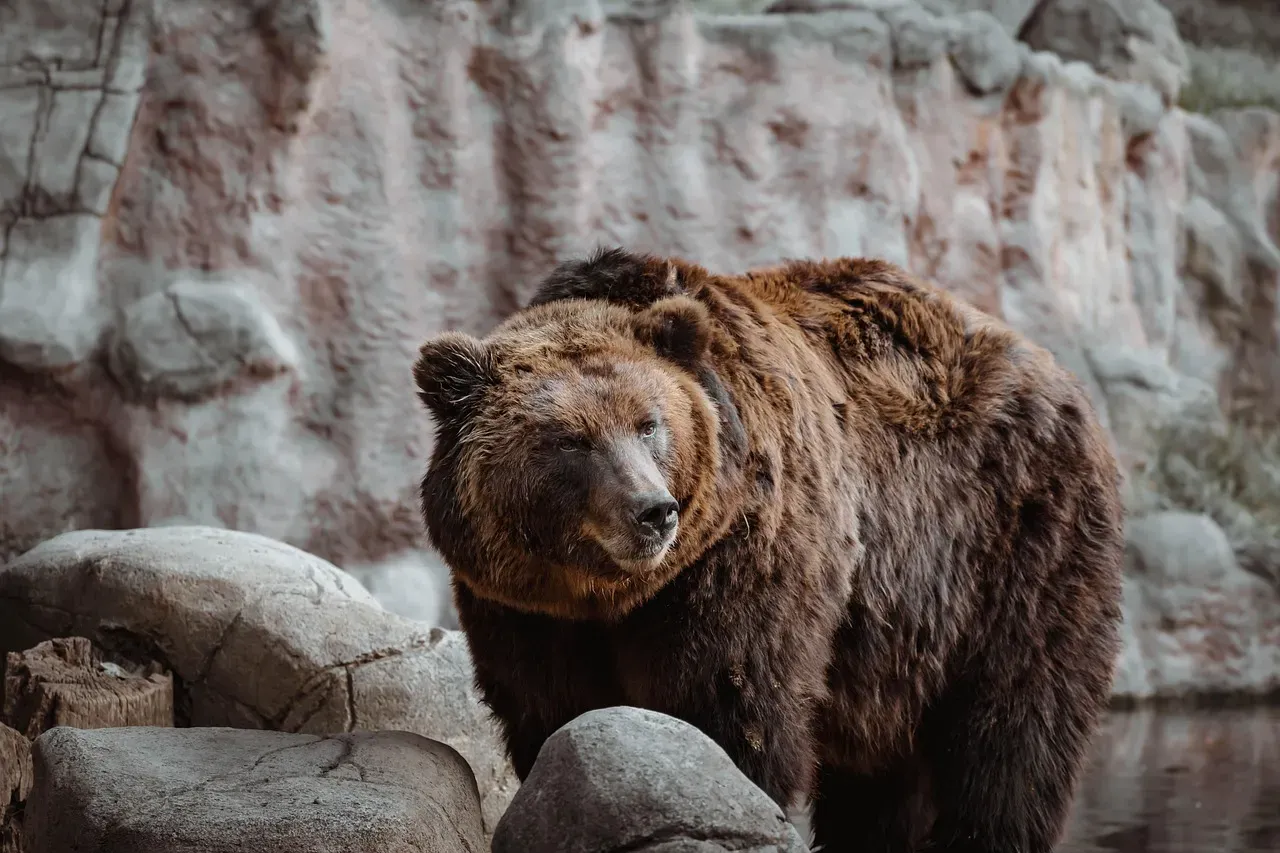
Strip away the campfire stories, the movie soundtracks, and the outdated biology textbooks, and the grizzly bear looks far less like a mindless killer and far more like a complex neighbor running on its own logic. Fast but deliberate. Powerful but energy-efficient. Social on its own terms, and smarter than most of us have been willing to admit.
They’re not vegetarian saints and they’re not bloodthirsty demons. They’re just big omnivores trying to survive in landscapes we keep shrinking and reshaping around them. That’s the uncomfortable part: most of what’s been recorded “wrongly” about grizzlies has one thing in common – it centers human fear and convenience, not what the evidence actually shows.
Correcting the record isn’t about making grizzlies cuddly. It’s about finally respecting them as real animals with real roles in real ecosystems – not the flattened myth we’ve been telling around campfires for a hundred years. Did we get it right, or is there one of these you still don’t buy? Say so in the comments.