
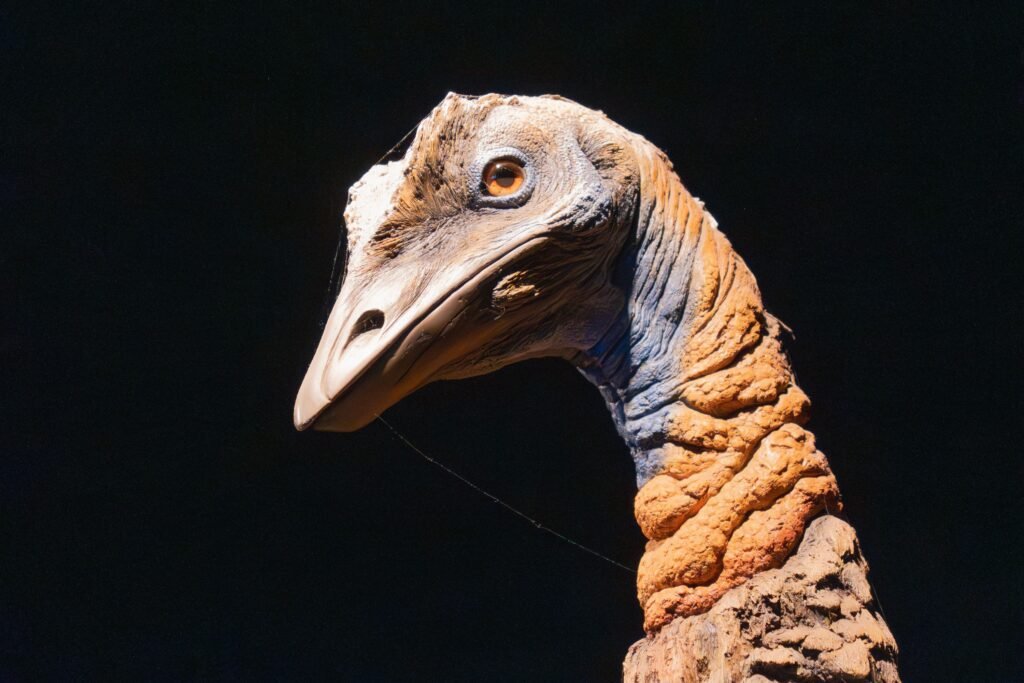
Most people picture the moa as just a “giant extinct bird” – a footnote in New Zealand’s natural history. That assumption is almost insulting to how strange this animal actually was. For over 150 years, scientists have unraveled a series of biological plot twists so bizarre that entire species had to be reclassified, predator relationships rewritten, and extinction timelines torn up and redone.
Ancient DNA, fossilized droppings, and puncture wounds preserved on 500-year-old bones have all been used to crack open secrets the moa carried to its grave. Some of what researchers found flips basic assumptions about parenting, vision, even survival itself completely upside down. Here’s what the data actually reveals – starting with a mix-up that fooled scientists for decades.
#1 – Scientists Accidentally Invented Two Fake Moa Species
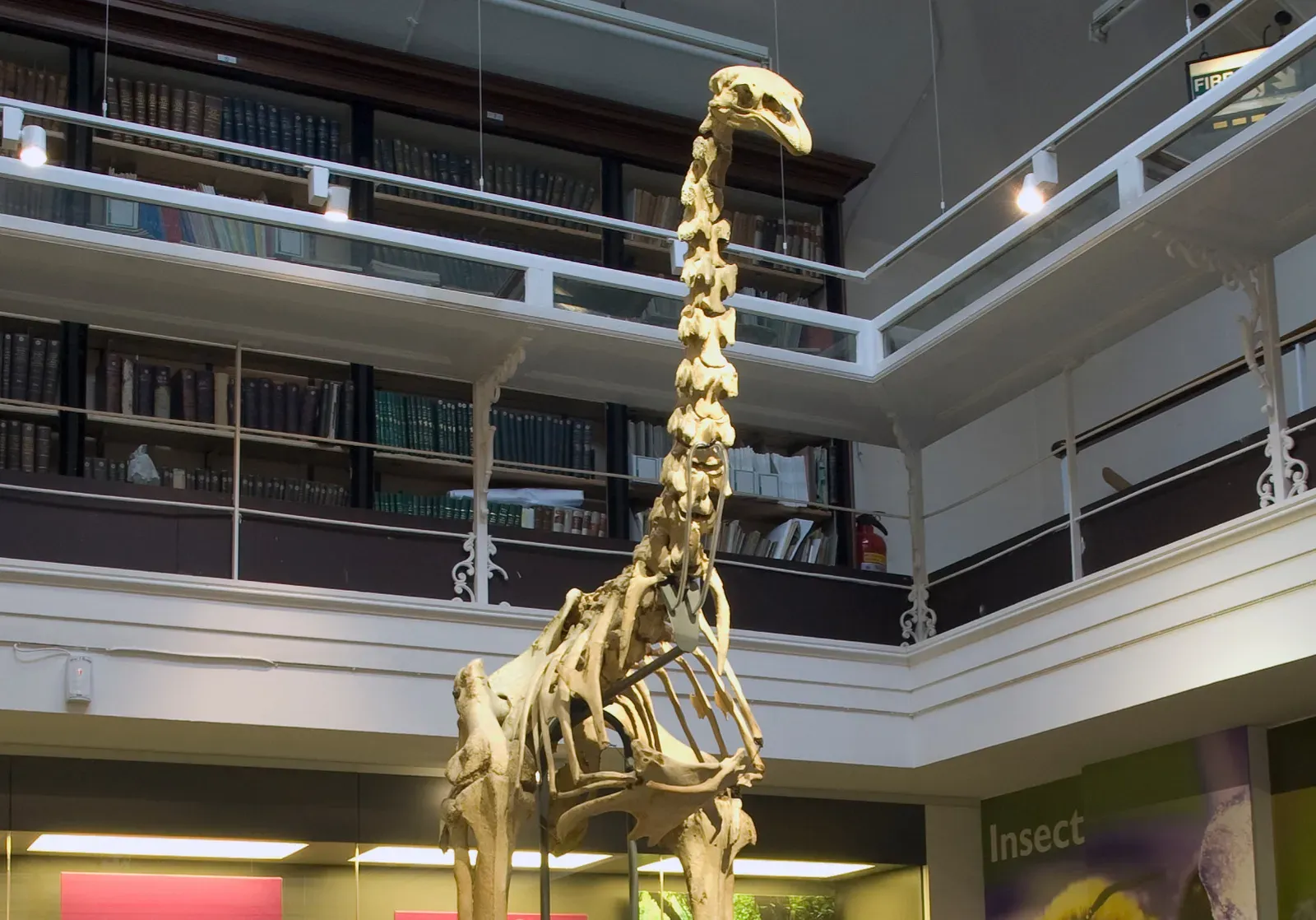
For decades, researchers were convinced they’d found three separate species of giant moa – until DNA proved they’d been fooled by biology’s strangest size trick.
The genus Dinornis was originally split into three “species” based on wildly different sizes and heights. But when researchers finally extracted ancient DNA from the bones, the results were stunning: moa were characterized by extreme reverse sexual dimorphism, and the three recognized “species” of Dinornis comprised only two monophyletic groups, with two of these “species” made up of individuals of one sex only. In plain terms, scientists had been calling males and females of the same species different species entirely.
The size gap causing all the confusion was almost unbelievable. Dinornis females were up to 150% as tall and 280% as heavy as males – so much bigger that they were formerly classified as separate species until 2003. That’s a size difference bigger than almost any other bird or mammal on Earth. But the eggs told an even weirder story.
Fast Facts
- Dinornis was originally split into three “species” based on size alone
- Females were up to 150% taller and 280% heavier than males
- DNA testing collapsed three “species” into just two real ones
- The gap ranks among the most extreme size differences between sexes ever documented in birds
#2 – Male Moa, Not Females, Sat On The Eggs
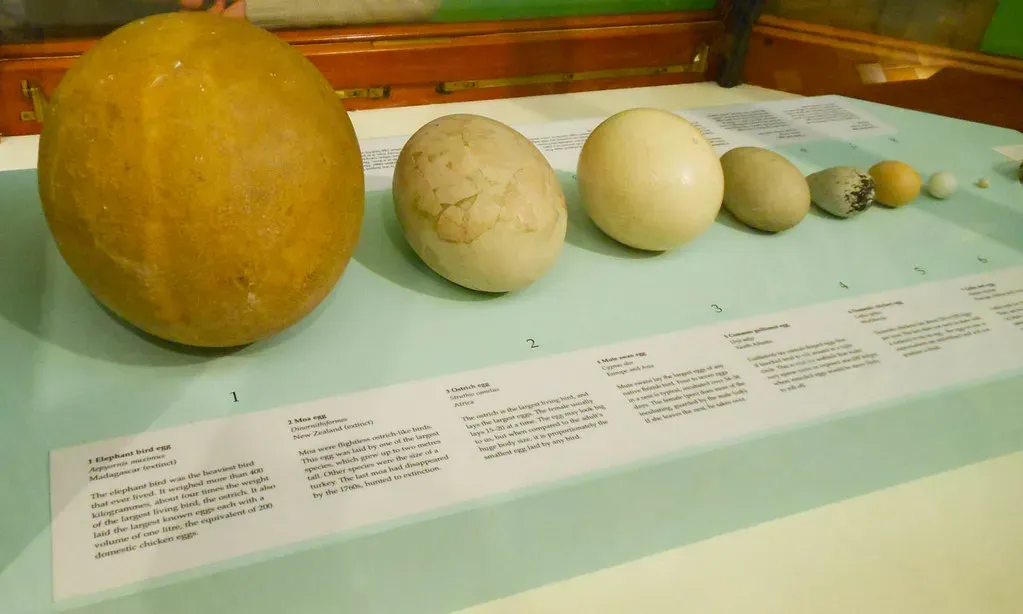
Here’s the twist nobody expected: the biggest, heaviest moa weren’t the ones incubating the eggs – the smaller males were doing all the work.
Researchers pulled DNA directly off the outer surface of fossilized eggshells to figure out who was sitting on the nest. The results flipped assumptions about moa parenting upside down. For the thickest eggshells and all those belonging to the giant moa species D. novaezealandiae and D. robustus, the outside shell surfaces yielded DNA from the males only.
That finding lines up perfectly with an earlier prediction from bone research. Sex-specific DNA recovered from the outer surfaces of eggshells belonging to species of Dinornis and Euryapteryx suggests that these very thin eggs were likely to have been incubated by the lighter males. A massive 240-kilogram female moa laying eggs, then letting her much smaller mate handle nesting duty, is almost the exact opposite of what happens in most bird species. While most nature documentaries frame big females as “in charge,” moa parenting flips the script entirely – and that alone should make you rethink what “normal” bird behavior even means. But #3 is where things get genuinely bizarre.
#3 – Moa Ate Flowers Whole, Nectar And All

Nobody expected a giant flightless herbivore to be a secret flower-eater – until fossilized droppings blew the theory of a simple “leaf and twig” diet completely out of the water.
Scientists dug through 35 ancient coprolites pulled from a remote alpine cave to reconstruct exactly what moa were eating in their final years. What they found rewrote the textbook. Using pollen, plant macrofossil, and ancient DNA analyses, researchers identified at least 67 plant taxa from the coprolites, including the first evidence that moa fed on the nectar-rich flowers of New Zealand flax and tree fuchsia.
This wasn’t a fluke find from one cave, either. Coprolite research across multiple sites in the Dart River Valley showed similarly complex diets, and the study of these fossilized droppings even helped scientists reconstruct which existing species might be able to take over the moa’s old ecological role now that it’s gone. Alan Cooper and colleagues used coprolites to reconstruct the dietary habits of four moa species, and determined how the moa’s extinction has affected New Zealand’s ecosystems. And that discovery only set up an even bigger surprise about how they shared the land.
#4 – Four Species Split The Menu To Avoid Competing
Turns out, moa weren’t just randomly grazing wherever they wanted – they’d worked out an entire ecosystem-wide system to avoid stepping on each other’s food.
At a single rock shelter in the South Island, researchers found droppings from four completely different moa species living side by side. Instead of competing for the exact same plants, each species had staked out its own turf. While the bush moa found its food in the forests, the heavy-footed moa restricted itself to plants in open herb fields, and the South Island giant moa and the upland moa ate plants from both forests and fields.
This kind of “niche partitioning” is common in modern ecosystems, but proving it happened in an extinct species took an enormous amount of forensic detective work. Radiocarbon dating and analysis of ancient DNA revealed that the coprolites belonged to at least 22 individuals of 4 different species. Four giant herbivores sharing one valley without wiping each other out is a level of ecological balance most modern farmland can’t even manage. Yet none of that compares to what their skeleton was missing entirely.
#5 – Moa Had Zero Wing Bones. Not Small Wings. None.
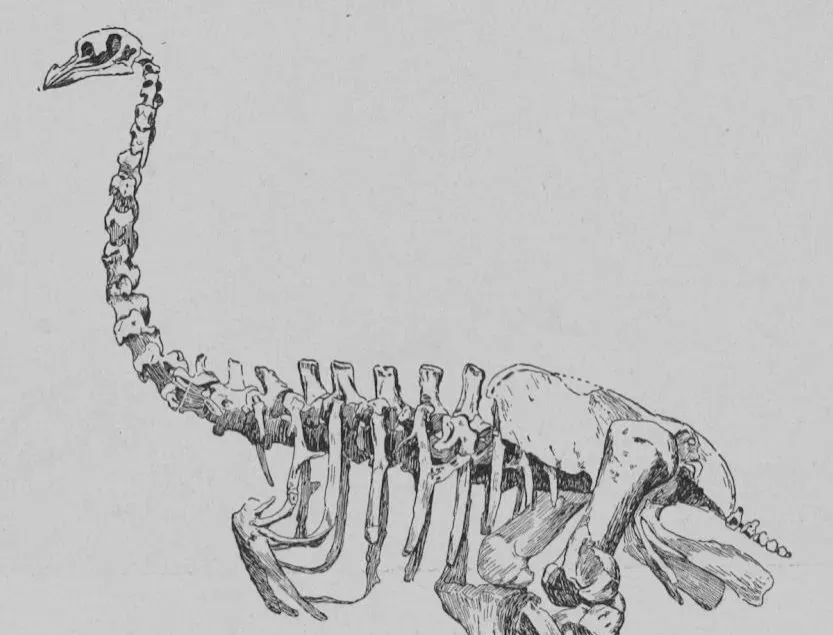
Most flightless birds still have tiny, useless wing stubs tucked under their feathers. Moa didn’t even bother with that.
When Harvard researchers finally sequenced a complete moa genome from a fossilized toe bone, they confirmed something almost unheard of in the bird world. Perhaps the most remarkable trait of these flightless birds is their complete absence of forelimb skeletal elements that typically comprise birds’ wings, the researchers wrote. Ostriches, emus, and kiwi all retain at least vestigial wing bones. Moa apparently didn’t need to.
This discovery matters because it reshapes how biologists think about evolution and flight loss. Studying the moa genome could offer new clues into how and why some birds evolved to become flightless. A bird that ditched its entire wing skeleton rather than just shrinking it is an evolutionary decision scientists are still trying to fully explain. That absence wasn’t even the biggest shock still waiting in the genome.
Quick Compare
- Ostrich – keeps small wing bones
- Emu – keeps small wing bones
- Kiwi – keeps vestigial wing bones
- Moa – no forelimb skeleton at all
#6 – Moa’s Closest Relative Is A Tiny Bird That Can Fly
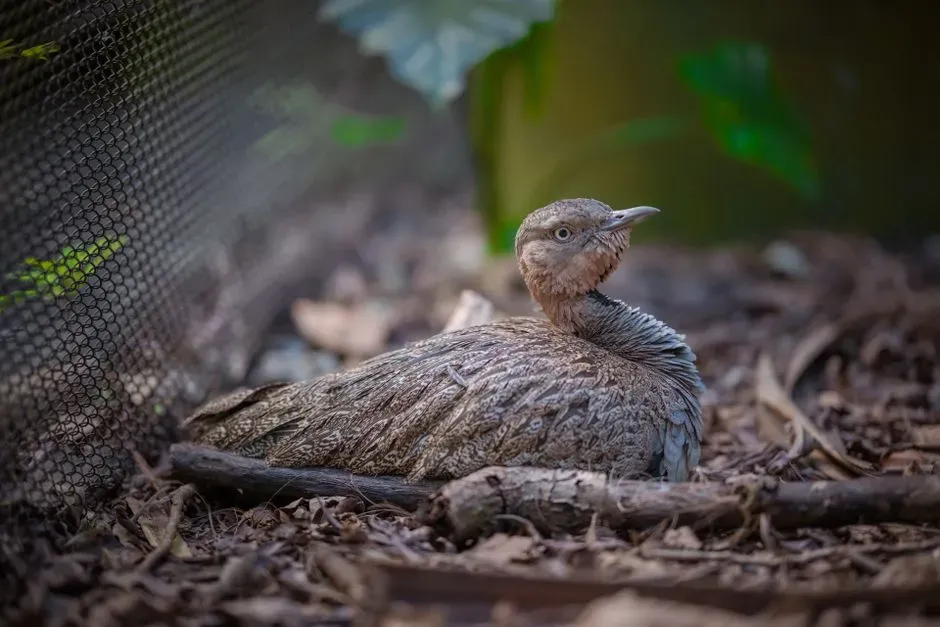
For decades, everyone assumed moa were most closely related to the kiwi – their fellow New Zealand flightless bird. Genome sequencing proved that assumption dead wrong.
The little bush moa genome, painstakingly reconstructed from a single toe bone, delivered a genuinely shocking family tree correction. Genomic analysis has revealed their closest living relatives aren’t kiwis, as was originally speculated, but rather tinamous, a Neotropical bird group from which they diverged genetically about 53 million years ago.
Tinamous are small, ground-dwelling South American birds that can actually fly, which makes the connection even stranger. It also lines up with older DNA studies of moa’s broader ratite family. Their closest relatives are South American birds known as tinamous – which can fly. A hulking, wingless New Zealand giant being more closely related to a small flying South American bird than to its own flightless island neighbor is the kind of finding that upends entire textbooks. While most people assume flightless birds are all one big family, this proves geography and appearance can be seriously misleading. The genome had one more surprise buried in the moa’s eyes.
#7 – Moa Could See Ultraviolet Light
Nobody expected an extinct forest giant to have superhero-level vision, but the genome doesn’t lie.
Researchers studying the little bush moa’s sensory genes uncovered a surprising visual advantage. Like many birds, they had four types of cone photoreceptors in their retinas, which gave them not only color but also ultraviolet vision.
This kind of vision helps modern birds spot ripe fruit, other birds’ plumage patterns, and even predators against foliage – and it strongly suggests moa were using more of their environment’s visual information than scientists ever assumed for a “simple” ground-dwelling herbivore. A giant bird casually seeing wavelengths of light invisible to humans is not what most people picture when they imagine a lumbering, ostrich-like grazer. Vision wasn’t the only sense getting a genetic upgrade.
#8 – Moa Could Taste Bitterness And Umami
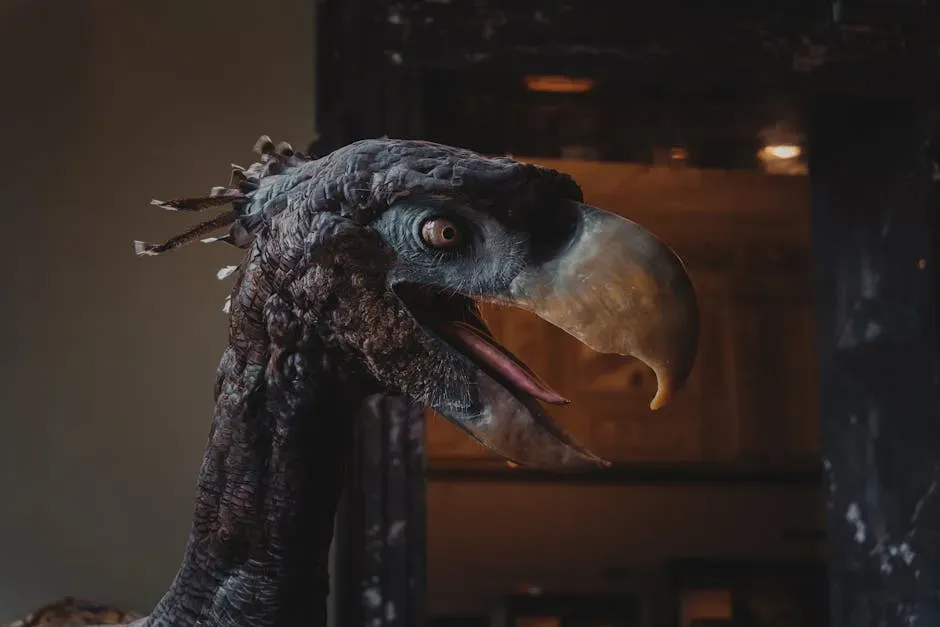
Turns out moa weren’t just mindlessly munching leaves – their genome shows they had a genuinely sophisticated palate.
The same Harvard genome project that revealed UV vision also uncovered detailed information about moa taste biology. They had a full set of taste receptors, including bitter and umami.
Bitter-taste detection is critical for avoiding toxic plants, while umami receptors typically help animals identify protein-rich or nutrient-dense food sources. Combined with the earlier discovery that moa were eating everything from forest leaves to nectar-rich flowers, this suggests moa diets were far more selective and calculated than the “giant grazing machine” stereotype implies. This wasn’t guesswork by researchers – it came directly from reconstructed genetic code millions of base pairs long. And their bodies weren’t built for silence either.
#9 – Moa Had A Trombone-Like Windpipe For Deep Calls
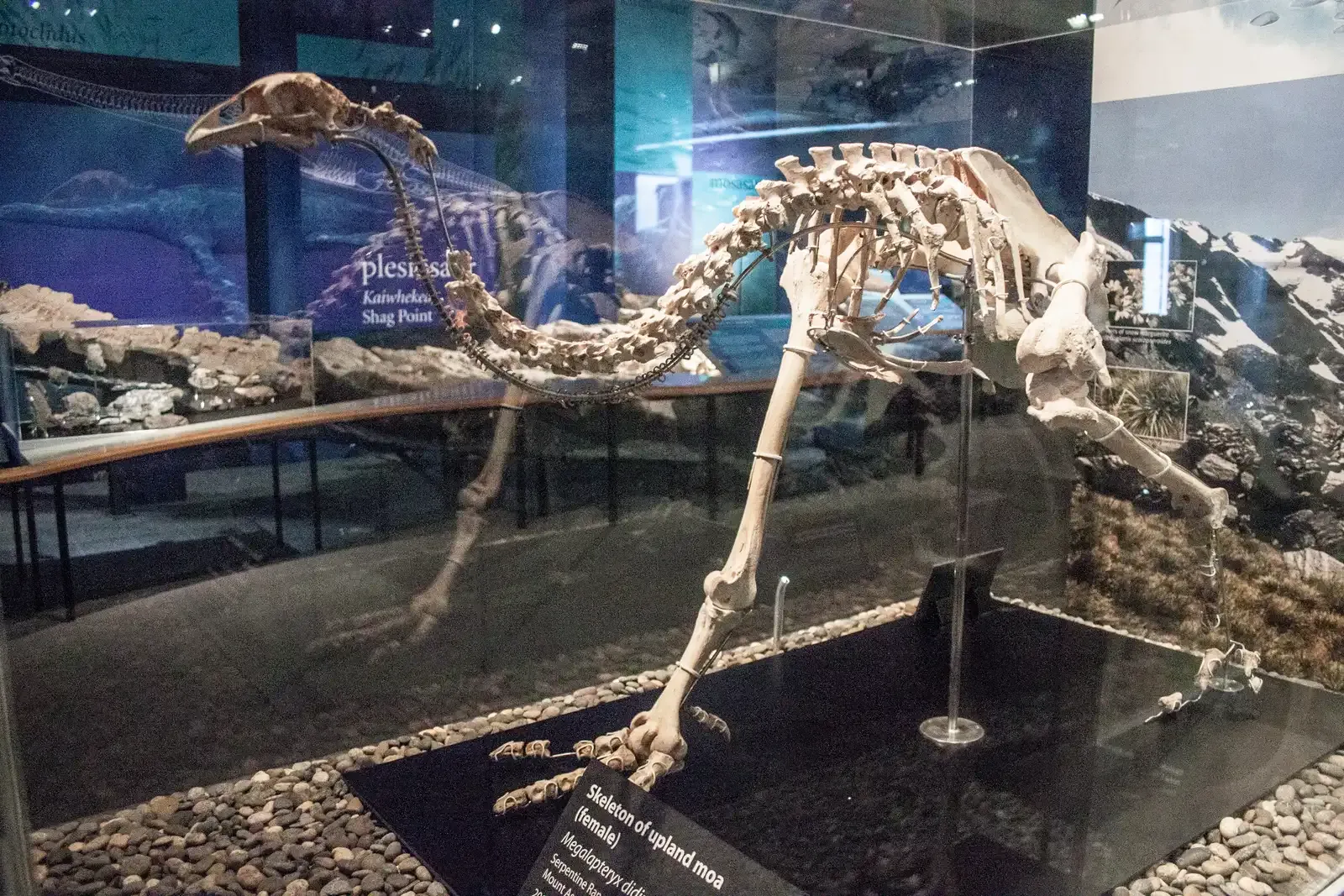
Moa are almost always pictured in total silence – but fossilized throat structures suggest these birds may have been remarkably loud.
Scientists studying preserved tracheal rings made a discovery that completely changed how moa are imagined in documentaries and museum displays. Archeological findings of intact tracheal rings enabled scientists to get an idea about the potential vocalizations of the moa, allowing for reconstruction of the windpipe, which was longer than its neck and formed a loop beneath the neck region.
This elongated, looped windpipe structure is similar to what’s found in modern birds known for producing deep, resonant, far-carrying calls – think cranes or swans. A windpipe literally longer than the neck it’s attached to is a wild anatomical adaptation for producing sound, not just an accident of evolution. Instead of silent giants shuffling through the undergrowth, moa were likely calling to each other across entire valleys. Even their feathers were hiding a survival trick.
#10 – Moa Camouflage Was Custom-Built To Dodge One Predator
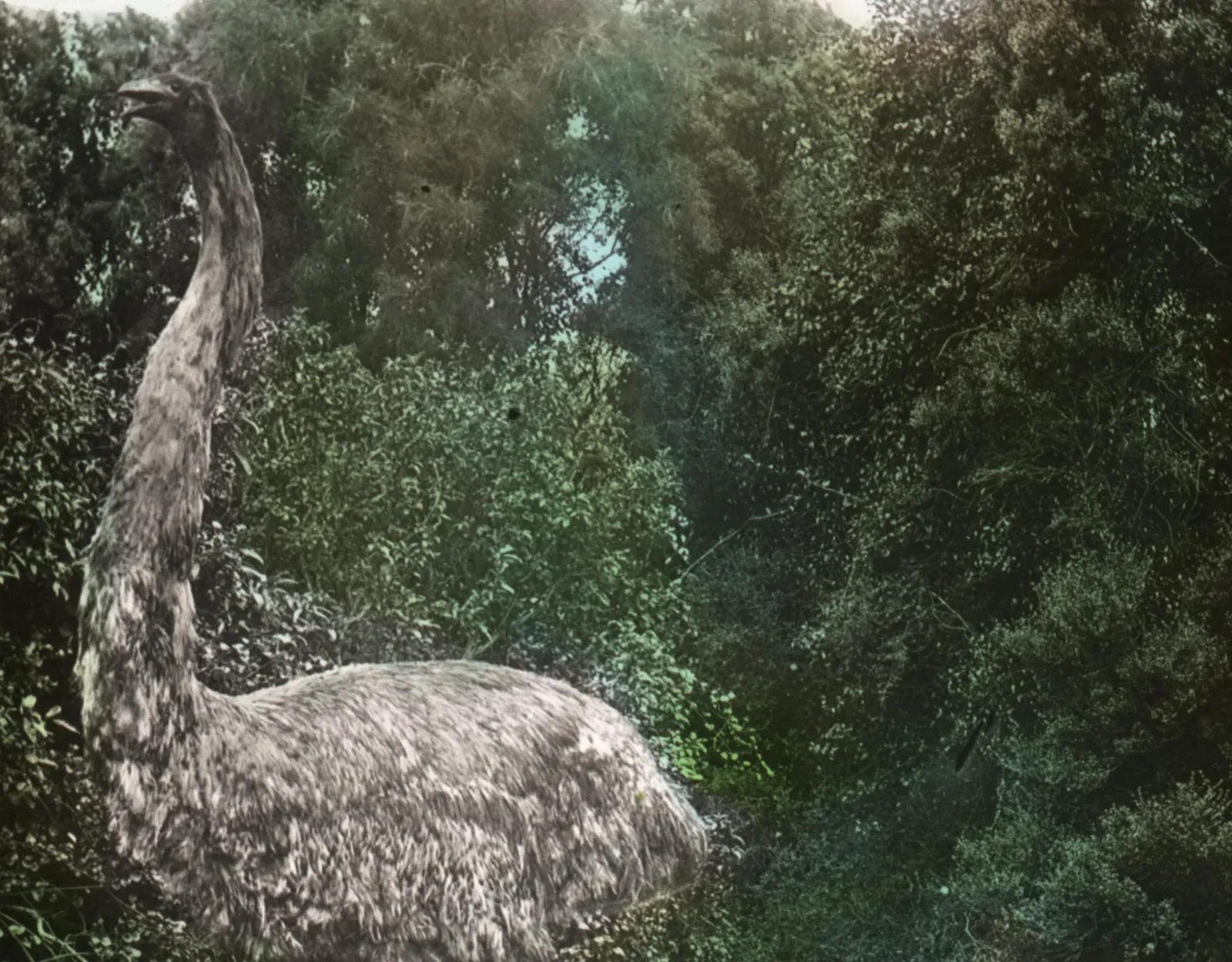
Most people assume drab, brown feathers on a giant bird are just… boring. Scientists found out they were actually a survival strategy.
Using ancient DNA pulled from feathers over 2,500 years old, researchers reconstructed the actual coloring of four moa species for the first time. “The surprising thing is that while many of the species had a similar, relatively plain brown plumage for camouflage, some had white-tipped feathers to create a speckled appearance,” the researchers noted, with drab coloring likely driven by selection to avoid predation by the extinct Haast’s eagle.
This wasn’t a random assumption – it was built directly from feather pigment analysis. Researchers identified four different moa species after retrieving ancient DNA from moa feathers, comparing them to modern parakeet feathers to confirm the colors hadn’t faded over time. The idea that a bird the size of a small horse still needed to hide from an aerial predator is a detail most people never consider. But the most unsettling discovery was still ahead.
#11 – Moa Retreated To “Death Zone” Mountain Refuges Before Vanishing

Here’s an unsettling pattern scientists only recently confirmed: moa didn’t just disappear evenly across New Zealand – they fled to the worst possible terrain first.
Using fossil records combined with detailed computer simulations, researchers mapped exactly where the last moa populations survived. This research mapped out the last habitats of six species of moa from across New Zealand, finding that the final populations lived in the high and cold mountainous areas of the islands – far from optimal habitats, but the areas least impacted by people.
What makes this genuinely alarming is that it’s not ancient history repeating itself in a vacuum. A very similar pattern seems to also have been true for the species that have persisted today, with their once expansive ranges now restricted to the same small and suboptimal areas. Living endangered New Zealand birds today are following the exact same doomed retreat pattern moa did centuries before going extinct. While plenty of conservationists frame this as a hopeful “lessons learned” story, others argue it’s proof that current protection zones are already too small to matter. And it completely upends who’s really to blame for what happened next.
At a Glance
- Last habitats mapped for six moa species across New Zealand
- Final populations survived in high, cold mountain terrain – not their ideal range
- These mountain refuges were the least human-impacted areas, not the best ones
- Modern endangered NZ birds show the same shrinking-range pattern today
#12 – Moa Were Perfectly Healthy Right Before They Vanished
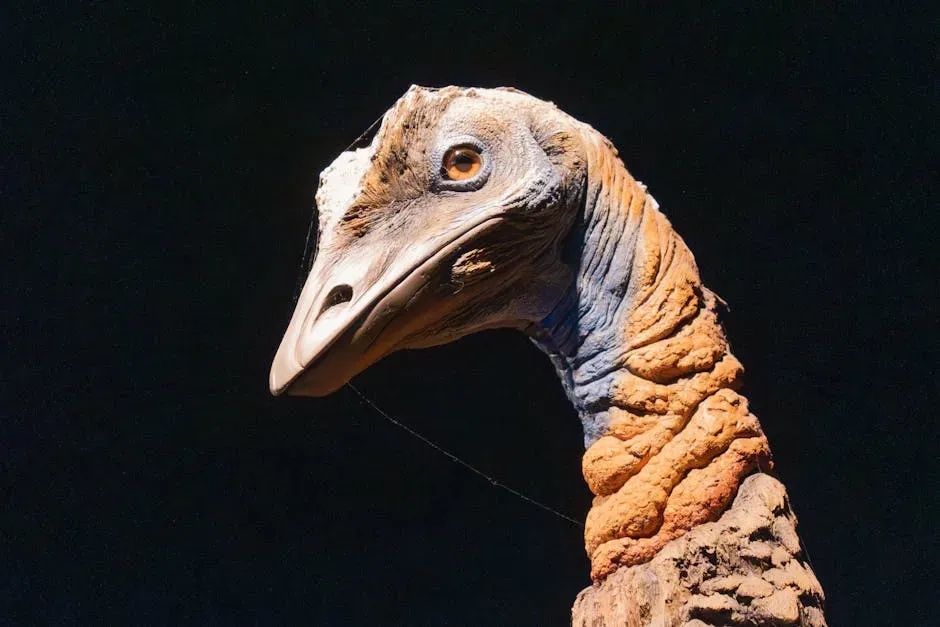
For years, scientists assumed moa were already a dying, declining species before humans ever showed up – a comfortable theory that shifted blame away from hunting. New DNA evidence destroyed that theory completely.
Researchers tested hundreds of fossilized moa bones spanning thousands of years to check for genetic signs of a species in trouble. Researchers performed DNA analysis on 281 different sets of fossilized bones from four species, finding no evidence of a species in decline, since normally a species in trouble becomes less genetically diverse as the population dwindles.
Follow-up research confirmed this wasn’t a fluke. Moa were not in serious decline before humans arrived, as had been previously suggested, but had relatively stable population sizes, with overwhelming evidence suggesting extinction occurred due to overhunting and habitat destruction, at a time of relative climatic stability. Even more strikingly, moa had already proven remarkably resilient to climate swings. Before humans arrived, moa mitigated the effects of climate change by tracking their preferred habitat as it expanded, contracted and shifted during warming and cooling events.
And the collapse, once it started, was shockingly fast – hunting and egg harvesting drove the birds to extinction within just a few centuries, with the only way moa could have survived being massive no-harvest zones covering more than half of New Zealand. A genetically thriving species wiped out in roughly 300 years isn’t a slow fade – it’s one of the fastest total extinctions of a large animal group ever documented. Which brings us to the strangest twist of all – the predator itself.
#13 – Moa Bones Reveal Their Predator Evolved 15X Its Original Size
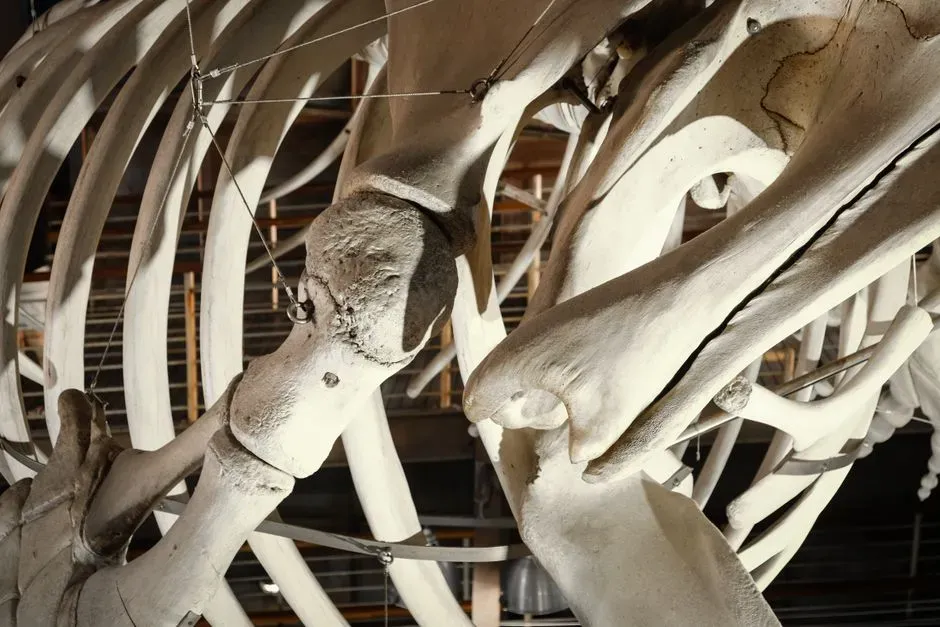
This is the discovery that finally explained the mysterious puncture wounds found on moa pelvis bones for over a century – and it turned out to be even stranger than the moa themselves.
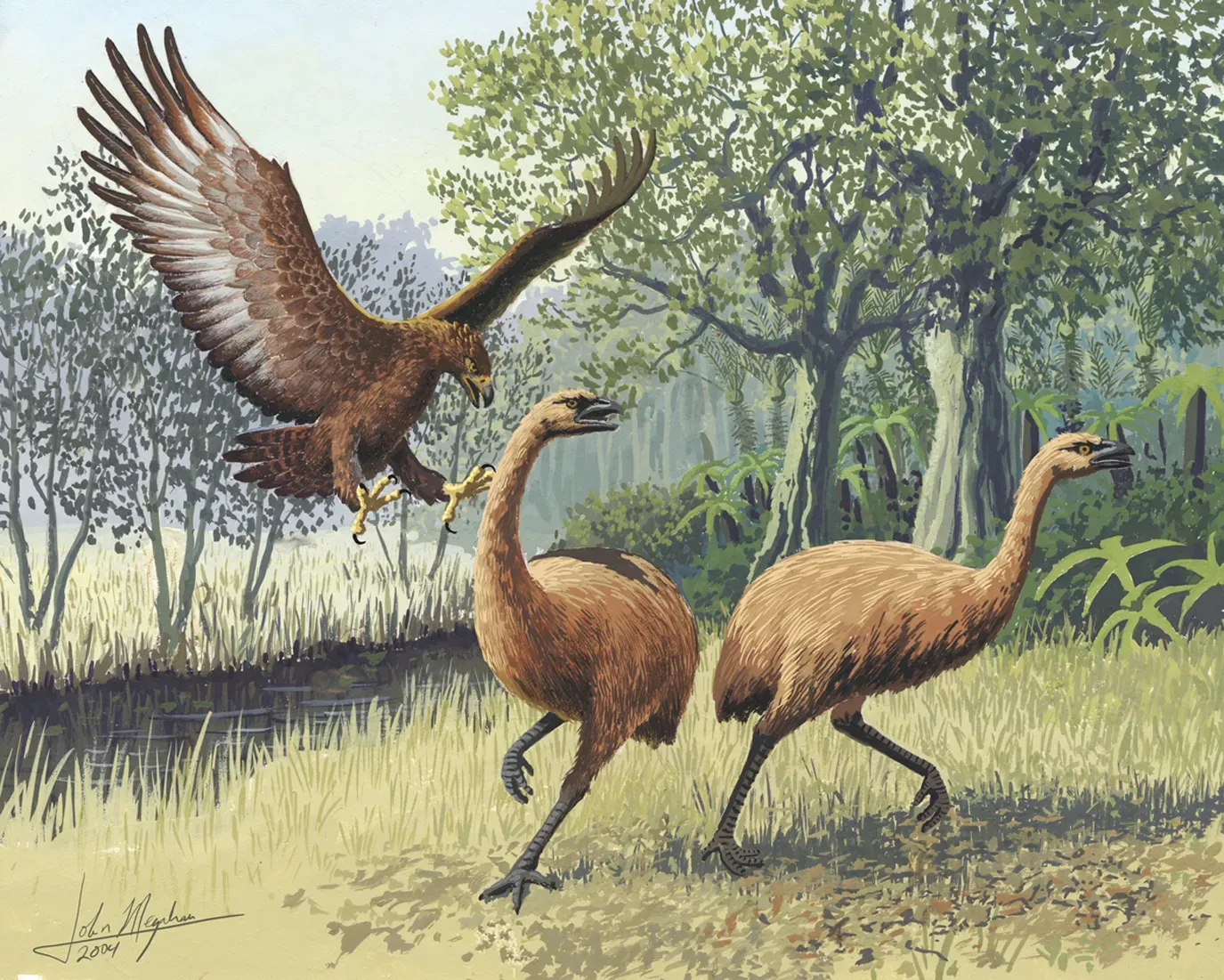
Scientists studying ancient DNA from Haast’s eagle bones compared them to 16 living eagle species and got a result nobody predicted. Haast’s eagle was 30%-40% heavier than the largest extant eagle and hunted moa up to 15 times its own weight, yet was very closely related to one of the world’s smallest extant eagles, one-tenth its mass. That means the only predator capable of taking down a giant moa had itself ballooned from something the size of a hawk into a genuine apex killer.
The physical evidence on the moa bones themselves confirmed exactly how these attacks played out. Evidence of eagle strikes are preserved on skeletons of moa weighing up to 200 kg, showing the eagle struck and gripped the moa’s pelvic area, then killed with a single strike by the other foot to the head or neck. Researchers calculated the transformation happened in the little eagle and the booted eagle, weighing only about 2.2 pounds when they crossed from Australia to New Zealand, evolving within about a million years to as much as 15 kilograms with a wingspan of almost 3 meters. A predator ballooning to 10-15 times its ancestor’s body size in under two million years is one of the fastest size transformations ever documented in a land vertebrate. The moa didn’t just shape an ecosystem – they accidentally engineered their own apex predator.
Why It Stands Out
- Haast’s eagle was 30-40% heavier than today’s largest living eagle
- It regularly hunted moa weighing up to 15 times its own body weight
- Its closest living relative is only about one-tenth its mass
- Ancestors weighed roughly 2.2 pounds before ballooning to as much as 15 kilograms in under a million years
The Bottom Line
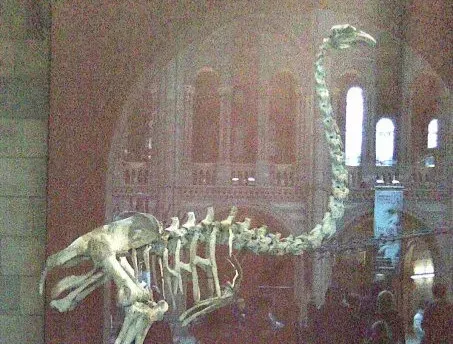
The moa story isn’t just about a big extinct bird – it’s about how badly first impressions can fool even trained scientists. Females mistaken for entirely different species. Males doing the incubating. A genome missing wing bones entirely. A “sleepy grazer” that could see ultraviolet light, taste umami, and possibly bellow across valleys. Even the moa’s own predator turned out to be a genetic anomaly, ballooning to fifteen times its ancestor’s size in a geological blink.
Honestly, the fastest, most damning finding might be #12 – proof that a thriving, genetically healthy species can be wiped out in roughly 300 years once hunting pressure hits critical mass, a warning modern conservation still hasn’t fully absorbed. Which of these findings surprised you the most? Drop your pick in the comments.