
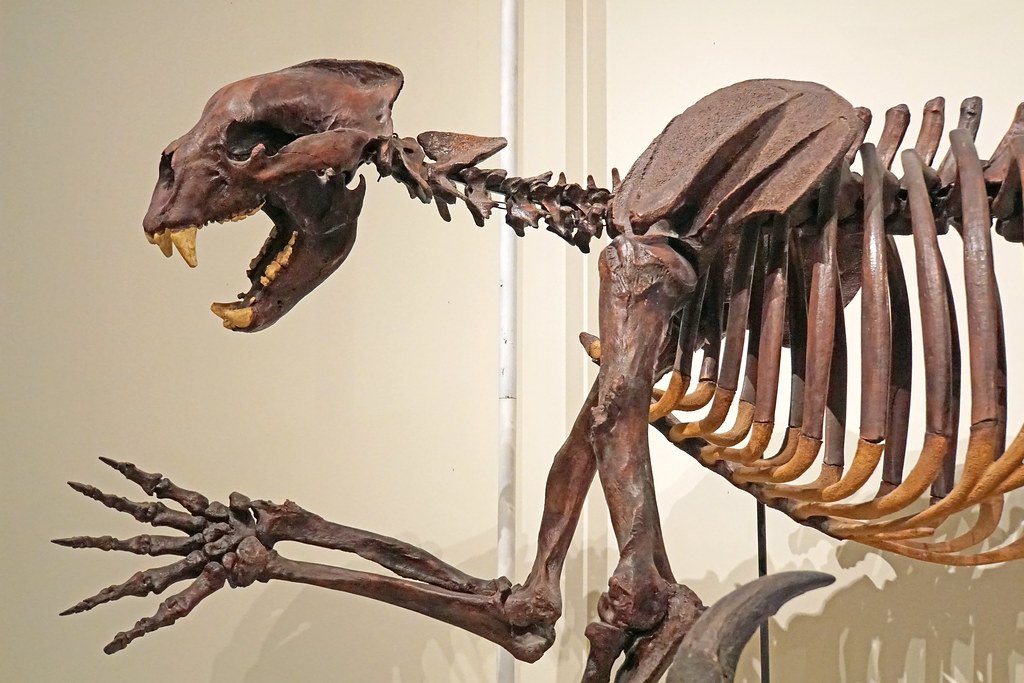
Everyone knows the giant short-faced bear was a 12-foot, mammoth-chasing sprinter that ruled Ice Age North America like a furry T-Rex. That image is everywhere – documentaries, museum murals, “biggest predator ever” countdowns. There’s just one problem: the scientists who’ve spent their careers measuring its bones, teeth, and isotopes say almost none of it holds up.
One by one, researchers have gone back through the fossil record and quietly rewritten this animal’s biography – its speed, its diet, its size, even the meaning of its own name. Some of the corrections are subtle. A few are jaw-dropping enough to make you rethink everything you learned from a museum diorama. Here are 13 things scientists have walked back about the short-faced bear, and what they believe instead.
#1 – The “Super-Predator” Label Didn’t Hold Up
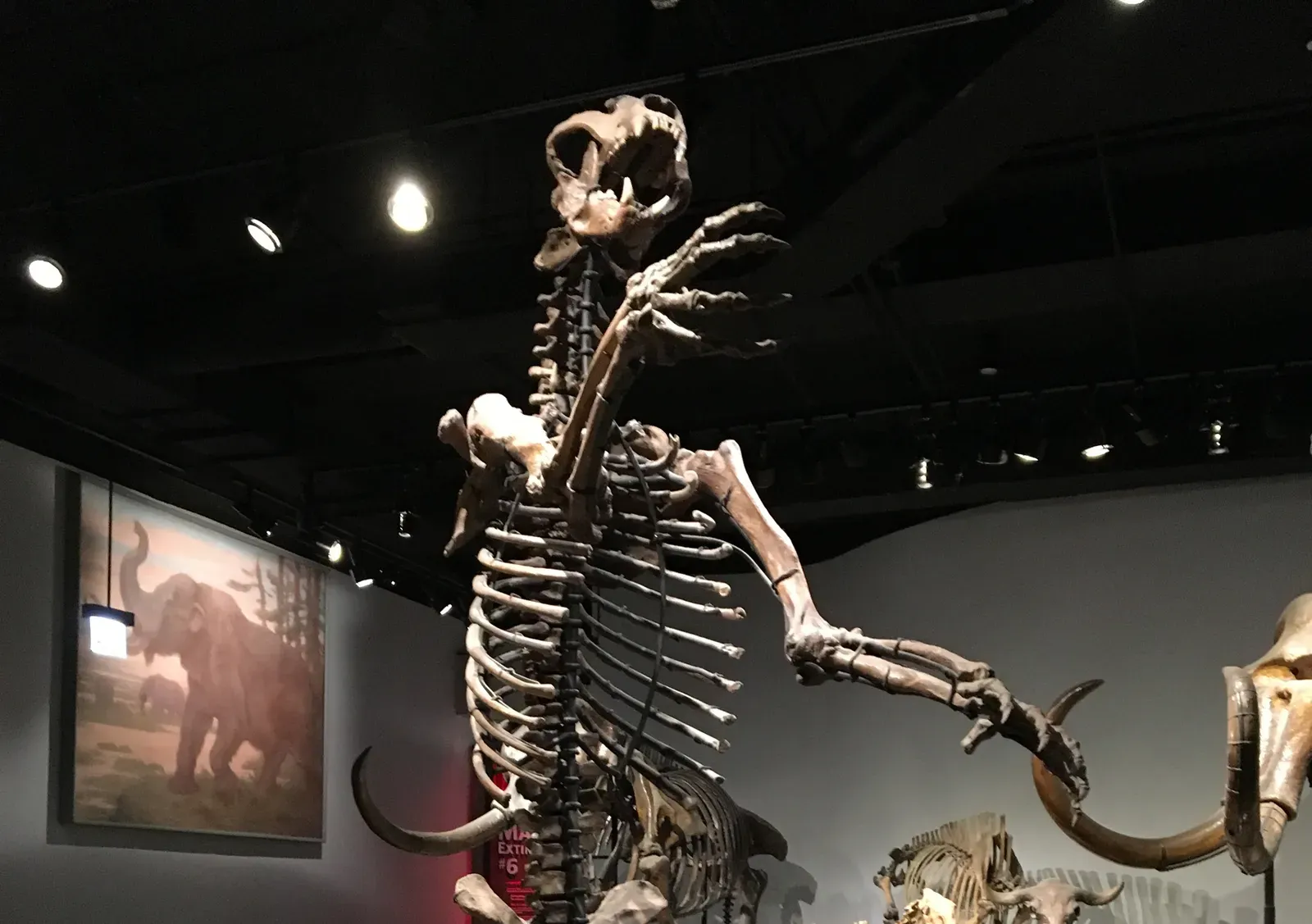
For decades, the giant short-faced bear was sold as a hypercarnivorous apex predator – a Pleistocene monster built purely to chase, kill, and dominate. It was the poster child for Ice Age terror.
Then researchers reexamined its skull, teeth, and limb proportions side by side, and the killer-sprinter image fell apart. What emerged instead was a colossal, opportunistic omnivore whose diet shifted with whatever the season offered – plants, carcasses, fresh kills, all of it. The same isotopic data once used to prove it was a hypercarnivore is now read as evidence of a flexible generalist, not unlike a modern brown bear.
Fast Facts
- Old label: hypercarnivorous “super-predator”
- New consensus: opportunistic, colossal omnivore
- Diet shifted seasonally between plants, carrion, and fresh kills
- Isotope data now points to a flexible generalist, much like today’s brown bear
#2 – That Famous “Short Face” Might Be an Optical Illusion
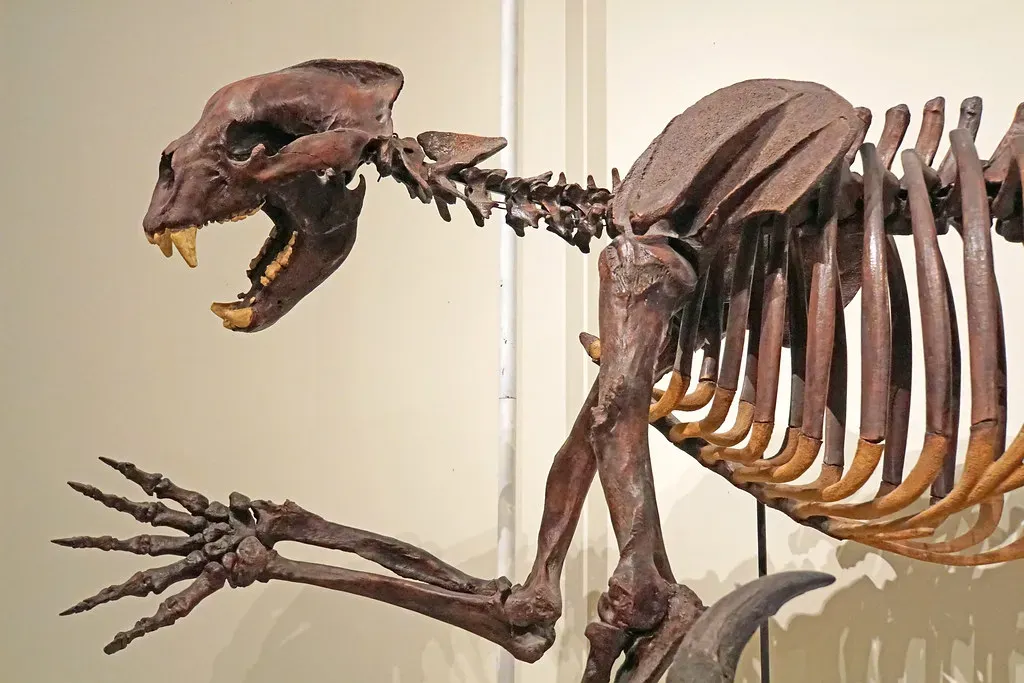
Here’s the twist: the animal’s own namesake feature may not be real in the way everyone assumes. Detailed skull comparisons found that its face wasn’t actually short for a bear its size at all.
Here’s the part that flips everything: the “short-faced” look is what scientists now call an optical illusion, created by a deep, tall rostrum with unusually short nasal bones. The eye reads “short,” but the proportions are actually normal for a bear that size. Some researchers now openly argue the species’ common name should be revised in light of the evidence – meaning the defining trait in its name might not even be scientifically accurate.
#3 – Those Legendary Long Legs Weren’t Actually Long
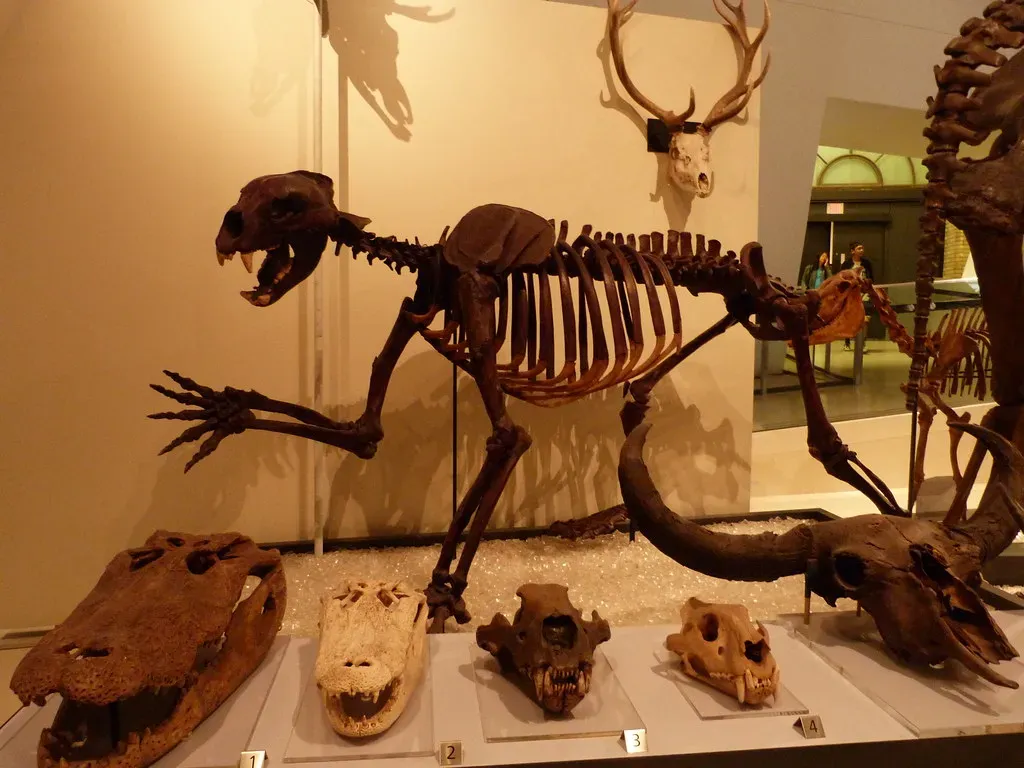
The “long-legged running bear” image has been repeated so often it feels like settled fact. It isn’t. A landmark 2010 study directly measured limb proportions and found the opposite of what everyone assumed.
Arctodus simus did not have particularly long legs for a bear of its size, and its limb proportions weren’t especially well suited to fast, sustained running. The reality check: the illusion comes from body shape, not bone length. Bears in general are long-limbed animals whose legs get visually hidden by girth and fur – and this bear’s relatively shorter back and torso made its legs look longer than they actually were.
#4 – It Couldn’t Corner Like a Predator
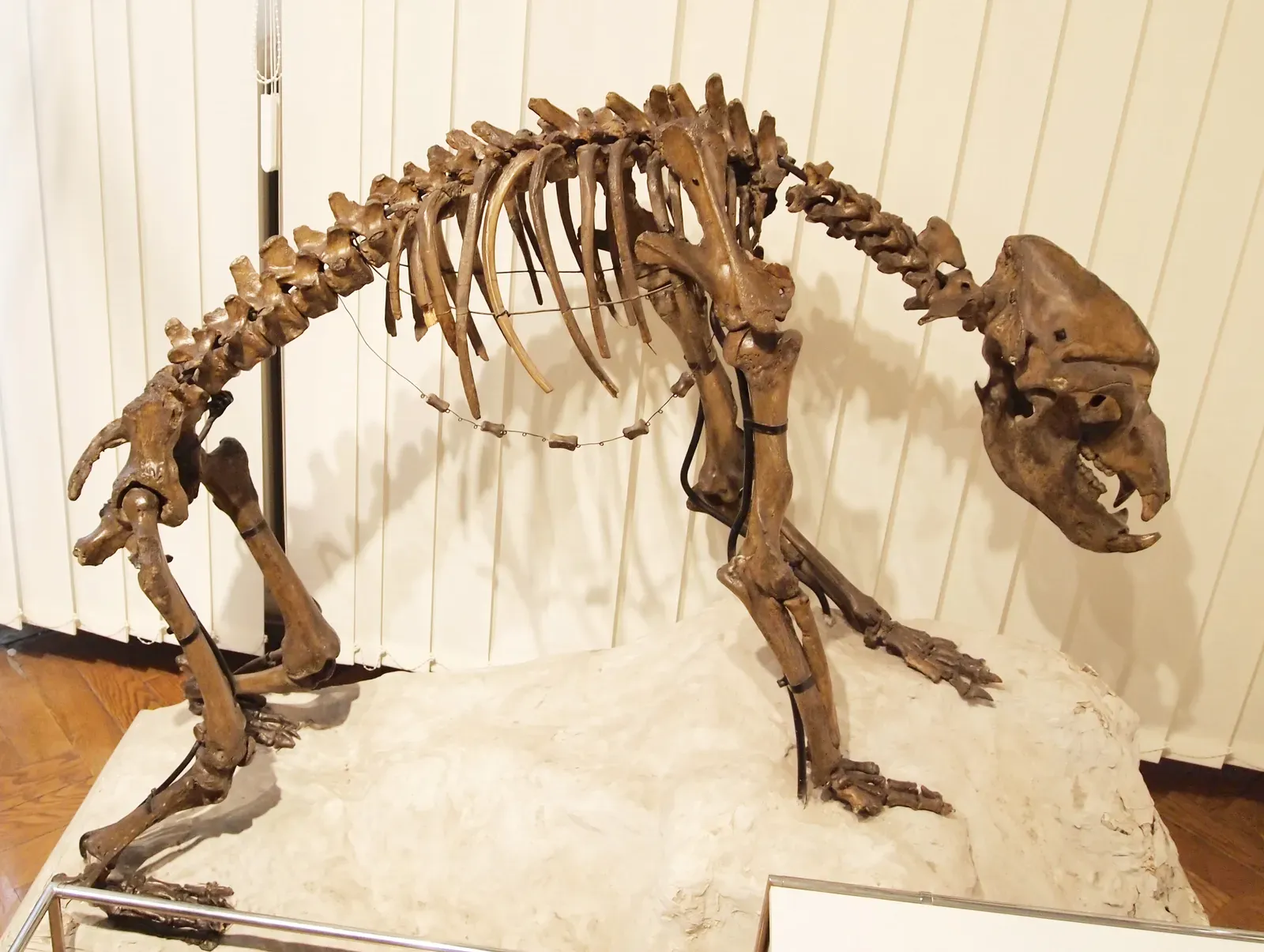
If you’re picturing this bear whipping around corners to chase down fleeing prey, researchers say you can stop right there. Skeletal articulation studies reveal a real mechanical problem with the classic “pursuit predator” theory.
Arctodus skeletons simply don’t articulate in a way that allows for quick, tight turns – an ability any true chase predator needs to survive. Even stranger: some researchers argue its limb design was almost a liability at speed. Its legs were proportionally thinner than those of true running animals, and likely too fragile to support its massive frame through a sharp turn at a full sprint. A hard cut at speed could have meant a career-ending, possibly fatal injury.
#5 – Its Top Speed Was Wildly Overstated
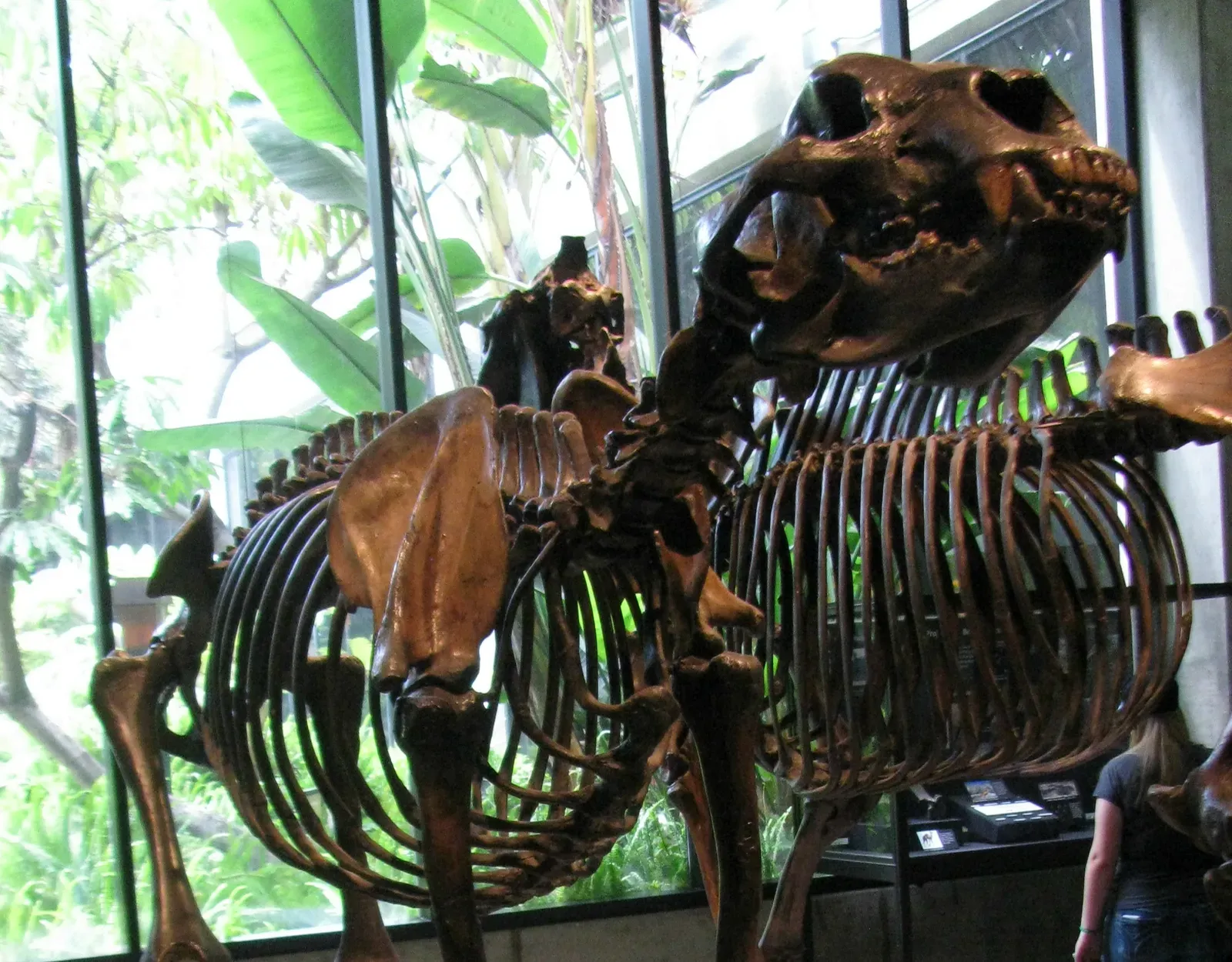
You’ve probably seen the claim that this bear could hit 40, 50, even 70 km/h in a dead sprint. Researchers now treat those numbers with heavy skepticism. Older estimates leaned on the assumption that long legs meant blistering speed, fueling its old nickname, the “running bear.”
Newer biomechanical work complicates that picture considerably. The catch nobody mentions: even sources that repeat the high-speed estimates admit endurance was the real problem. Modern brown bears can hit similar top speeds but tire fast and can’t sustain a chase – and this bear’s sheer mass and flat-footed gait would have made that limitation even worse. A short burst of speed doesn’t build an efficient predator if you can’t keep the chase going.
Quick Compare: Old Claim vs. Corrected Picture
- Old claim: Sprint speeds of 40-70 km/h, earning the “running bear” nickname
- Corrected picture: A possible short burst of speed, but no endurance to sustain a real chase
- Modern comparison: Brown bears hit similar top speeds today but tire almost immediately
- Added complication: Massive body mass and a flat-footed gait likely made stamina even worse
#6 – The Hypercarnivore Diet Data Was Skewed by Geography
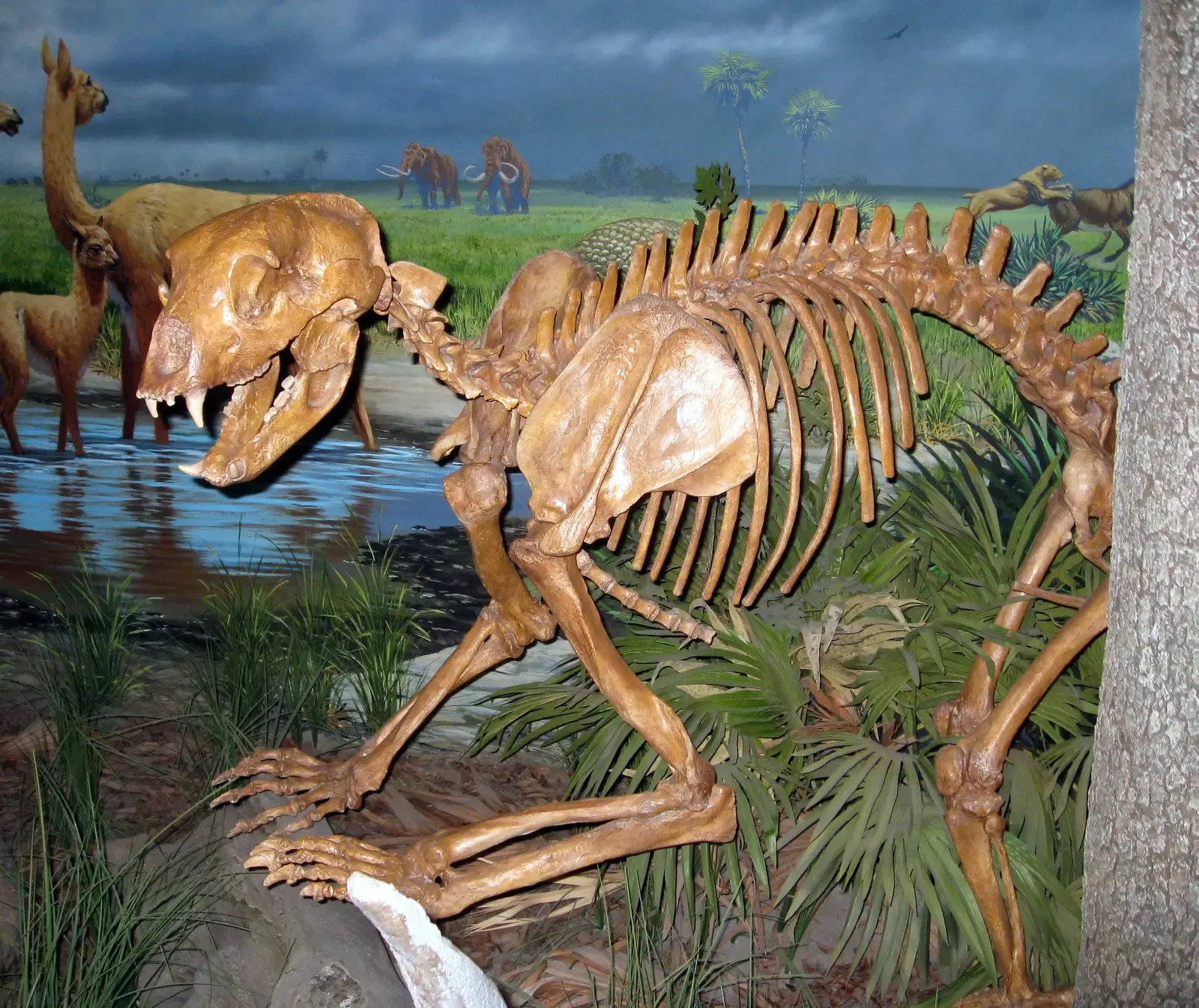
The idea that this species ate almost nothing but meat came from real chemistry – but the sample behind it turns out to be lopsided. Isotope studies from Alaska produced striking, meat-heavy results that became the backbone of the “hypercarnivore” myth for years.
Here’s what got left out: those “typical” samples weren’t typical at all. The bears used in those early studies were especially large individuals from Alaska, not a representative cross-section of the species. Once researchers accounted for that, the corrected picture emerged: a colossal omnivore whose diet probably included varying amounts of meat depending on what was actually available to eat.
#7 – It Wasn’t a Specialized Scavenger Either
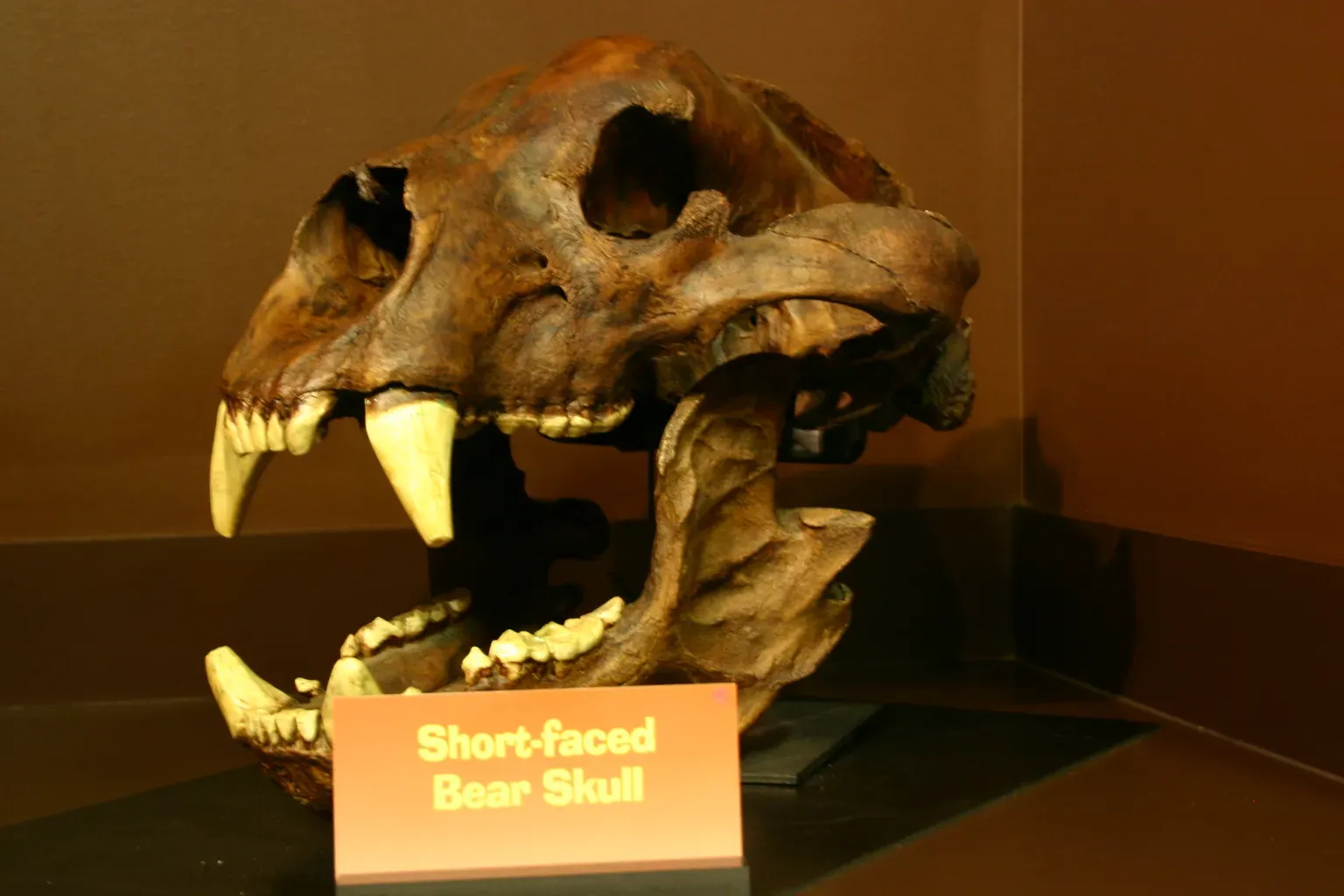
When the “super-predator” theory faltered, a new one took its place: maybe it was a dedicated bone-cracking scavenger instead, showing up to steal kills and crunch leftover carcasses. That theory has also taken hits.
Researchers tested the “hyper-scavenger” idea using dental microwear analysis – literally examining the microscopic scratches teeth pick up from different diets. The results didn’t support a specialized bone-crushing scavenger any more than they supported a running predator. What the teeth actually revealed: these bears lived in a mixed landscape of open plain and forest patches, with a browsing diet that included a substantial amount of meat and fish. Not a specialist at all – a generalist, just like most bears alive today.
#8 – Its Height and Weight Got a Serious Reality Check
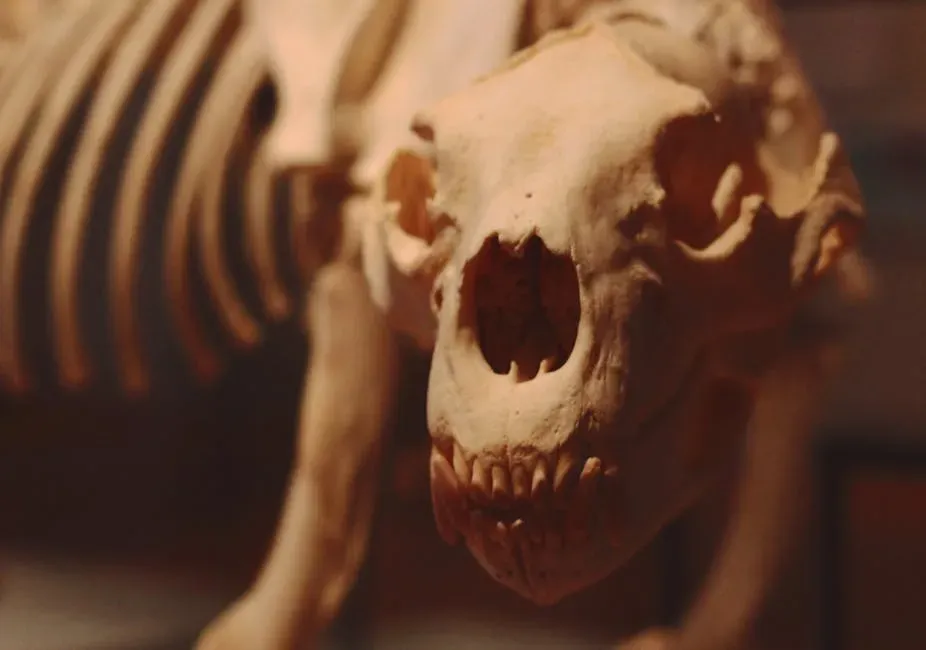
Ask five sources how big this bear was and you’ll get five different answers, because the numbers have been in flux for years. Older estimates leaned toward extremes, describing males at 5 to 6 feet at the shoulder and 1,750 to 2,200 pounds, with standing height estimates ranging from roughly 8 feet up past 12 feet depending on the specimen and reconstruction method.
The detail that rarely makes the highlight reel: females were dramatically smaller than the “giant” reputation suggests. Like all bears, the species was sexually dimorphic, with female shoulder heights estimated at just 4 to 5 feet and weights between 650 and 900 pounds – nearly half the size of the largest males. Pop culture almost never mentions that the “giant” bear had a much smaller other half.
At a Glance: Male vs. Female Size
- Males: 5-6 feet at the shoulder, 1,750-2,200 pounds
- Standing height: Roughly 8 to over 12 feet, depending on the specimen
- Females: 4-5 feet at the shoulder, 650-900 pounds
- Takeaway: Females were nearly half the size of the largest males
#9 – The Extinction Story Got a Disease-Shaped Plot Twist
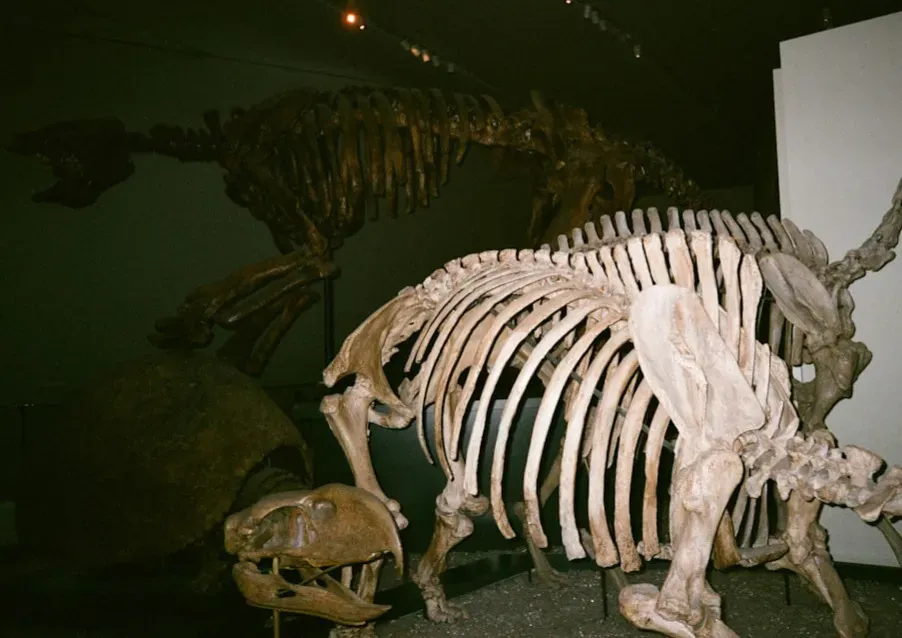
For years, the standard explanation was simple: climate change and shrinking prey wiped out the short-faced bear along with the rest of the Ice Age megafauna. Some researchers now think that story is incomplete.
A newer hypothesis suggests pathogens carried by incoming humans played a decisive role – specifically Old World diseases like rabies and tuberculosis, introduced as humans migrated from Eurasia into North America. The unsettling part: North American megafauna had no prior contact with these diseases and therefore no natural defense against them, which may have accelerated the extinction of the short-faced bear and nearly every other large animal on the continent. It’s a controversial idea, not universally accepted, but it’s quietly reshaping extinction debates.
#10 – North America Lost Its “Biggest Bear Ever” Title
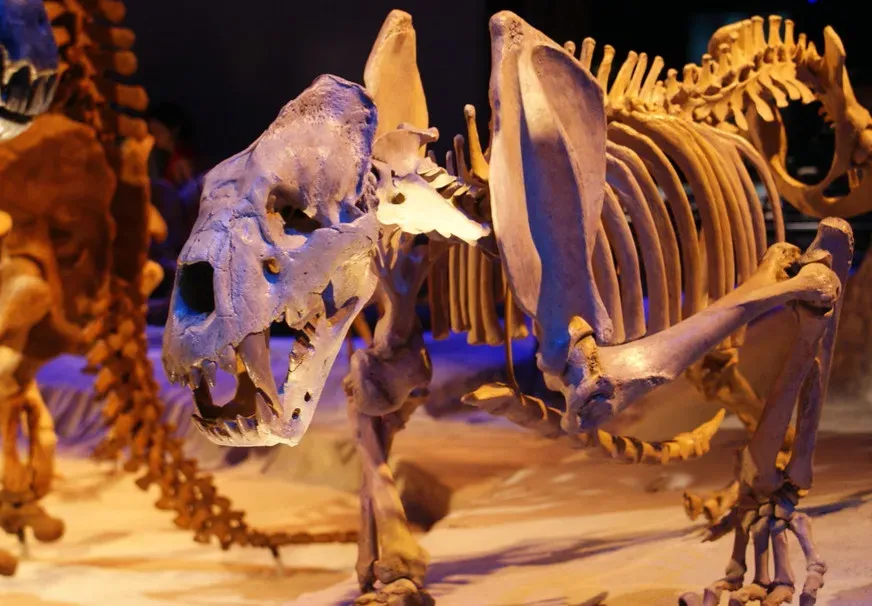
For years, Arctodus simus was crowned the largest bear species in history, full stop. That title has since been handed to a cousin most people have never heard of.
A South American relative, Arctotherium angustidens, has claimed the record based on newly analyzed limb bones. This ancient giant weighed up to 3,500 pounds and stood at least 11 feet tall on its hind legs – noticeably heavier than most North American estimates. The detail that makes it real: researchers reached that number by comparing its massive humerus to the size of an elephant’s arm bone. The “king of the Ice Age bears” crown quietly moved continents, and barely anyone noticed.
Why It Stands Out
- Weighed up to 3,500 pounds – heavier than most North American short-faced bear estimates
- Stood at least 11 feet tall on its hind legs
- Record based on comparing its humerus to an elephant’s arm bone
- Native to South America, not North America
#11 – It’s Not Related to Grizzlies the Way You Think
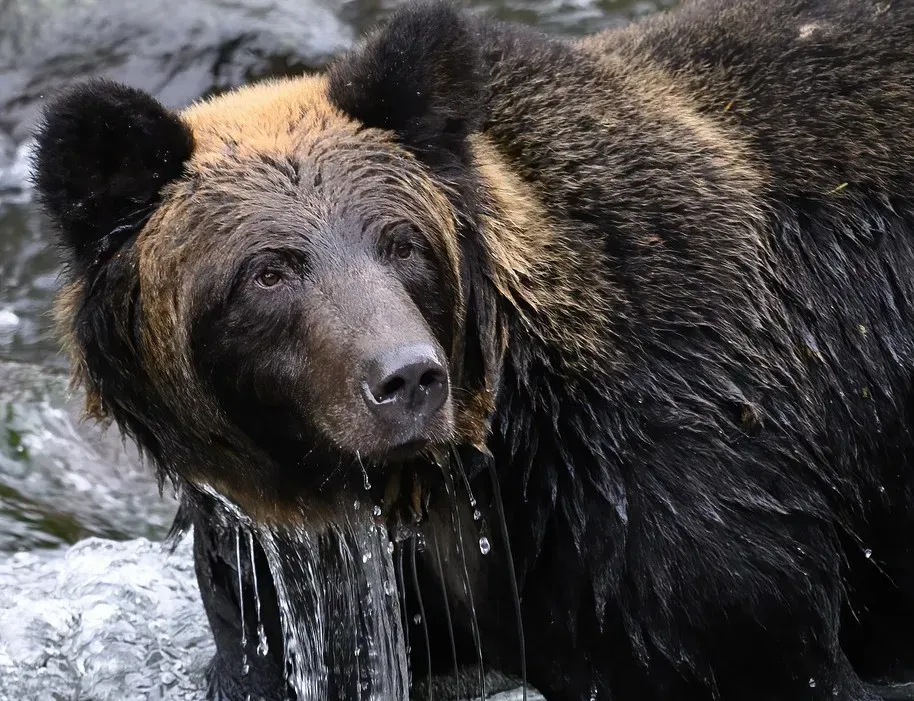
Because it’s called a “bear” and gets compared constantly to grizzlies and polar bears, most people assume it belongs to the same family branch. It doesn’t. Short-faced bears belong to the tremarctine lineage, a completely separate line from modern brown, black, and polar bears.
Its only living relative will surprise you: a much smaller, gentler animal called the spectacled bear of South America, an omnivore roughly the size of a black bear. That family connection is exactly what originally cracked open the omnivore theory – researchers reasoned by comparison to the plant-loving spectacled bear, not to grizzlies at all. The whole “related to grizzlies” assumption misses the real family tree entirely.
#12 – Its Size Wasn’t the Same Across the Continent
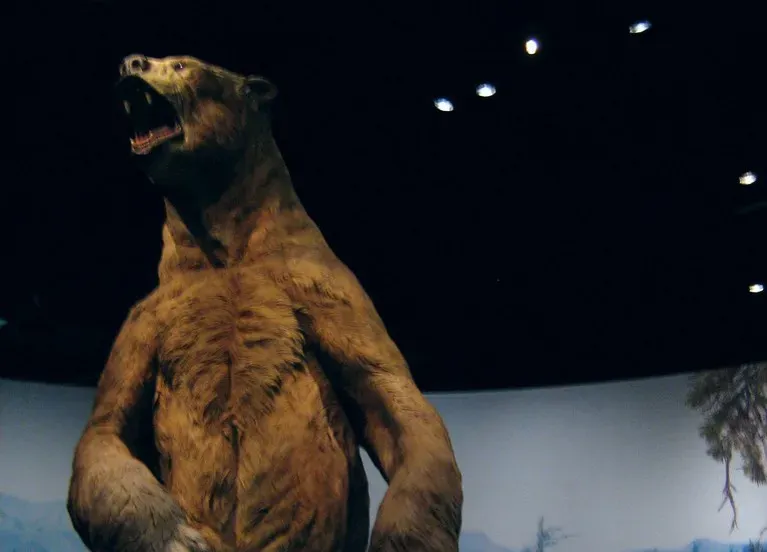
The “giant” reputation makes it easy to assume every short-faced bear was a colossal, record-breaking specimen. Regional fossil data says otherwise. Size varied by climate and food availability rather than following one fixed body plan, with specimens from the north running larger on average than those from the south.
Even scientists admit this makes blanket claims risky: adult short-faced bears are generally believed to have weighed somewhere between 900 and 1,500 kilograms, with some individuals potentially reaching 2,000 kilograms or more. That’s an enormous range for a single species – solid proof that “giant” never meant “identical.”
Worth Knowing
- Typical adult weight range: 900 to 1,500 kilograms
- Some individuals potentially reached 2,000+ kilograms
- Northern populations generally ran larger than southern ones
- Size varied with climate and food availability, not a fixed body plan
#13 – The “Running Bear” Nickname Might Be a Myth
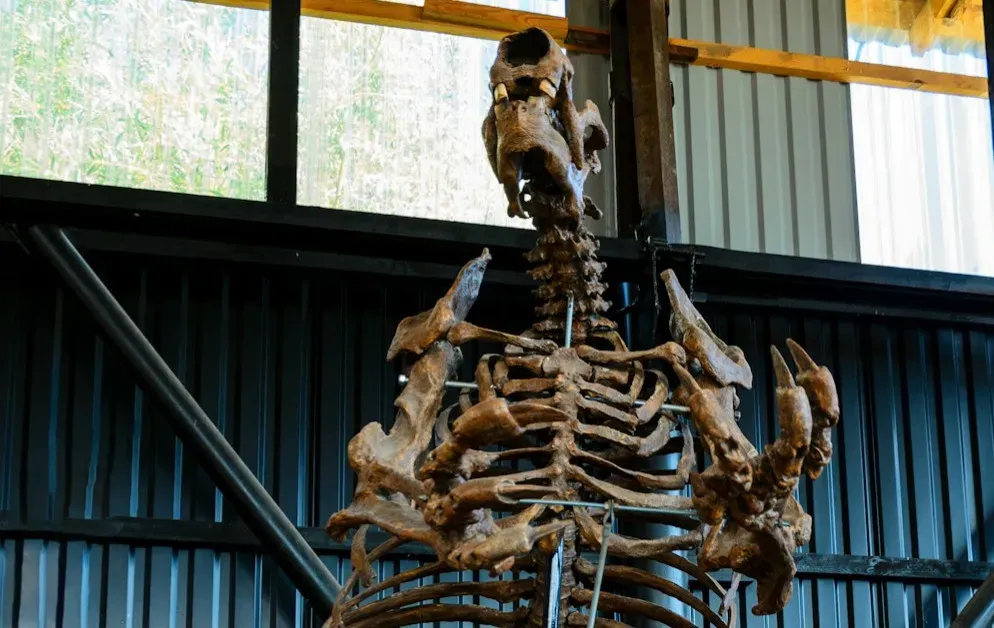
Save the biggest reversal for last: the nickname that built this animal’s entire pop-culture identity may not deserve to exist. “Running bear” implied a lifestyle built around speed and pursuit. The researchers who studied it most closely set out to dismantle exactly that idea, in a paper literally subtitled “demythologizing” the species.
Our results do not support the previous views of A. simus as a fast-running super-predator or as a specialized scavenger.
Figueirido et al., 2010
The final twist: even the scavenger-by-theft theory that tried to replace “running bear” doesn’t get full support either. Short-faced bears had longer limbs and more muscle insertion points than other bears, which increased their locomotor efficiency but actually reduced their ability to accelerate. This wasn’t a running bear at all – it was a walking bear, built for covering enormous distances efficiently, not for winning a sprint.
The Bottom Line
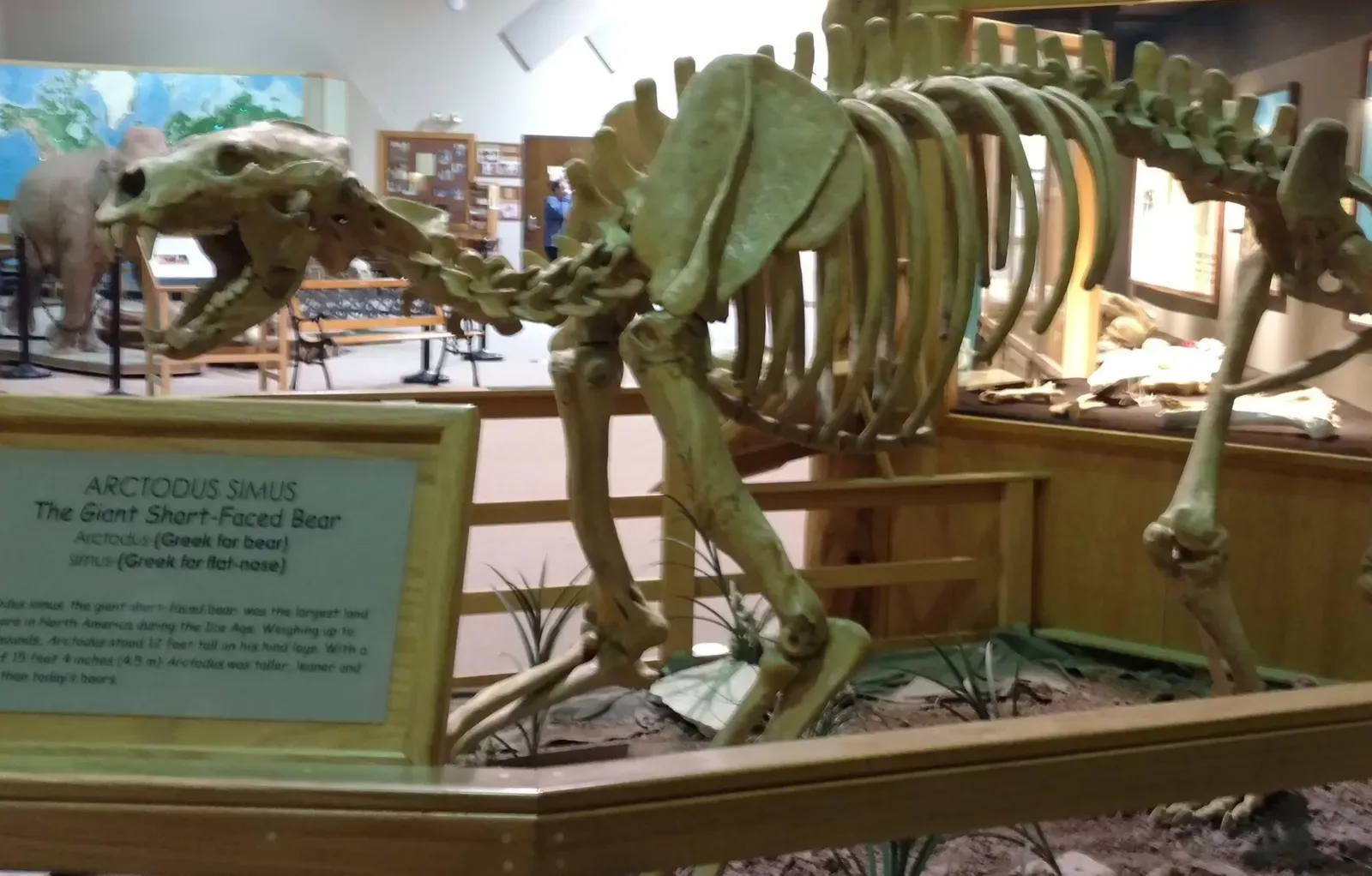
The giant short-faced bear didn’t lose its size, its strangeness, or its mystery – it lost its myths. Researchers have quietly dismantled the super-predator label, the exaggerated speed claims, the “true scavenger” theory, and even the accuracy of its own name.
What’s left standing is, frankly, a better animal than the fictional one. A massive, adaptable, opportunistic omnivore that survived by eating whatever the Ice Age handed it, not by winning footraces with mammoths. If anything, that’s the more impressive survival story – proof that even extinct megafauna aren’t safe from a reputation overhaul once real scientists start counting bones instead of repeating legends. Which of these corrections surprised you the most? Drop your take in the comments.