
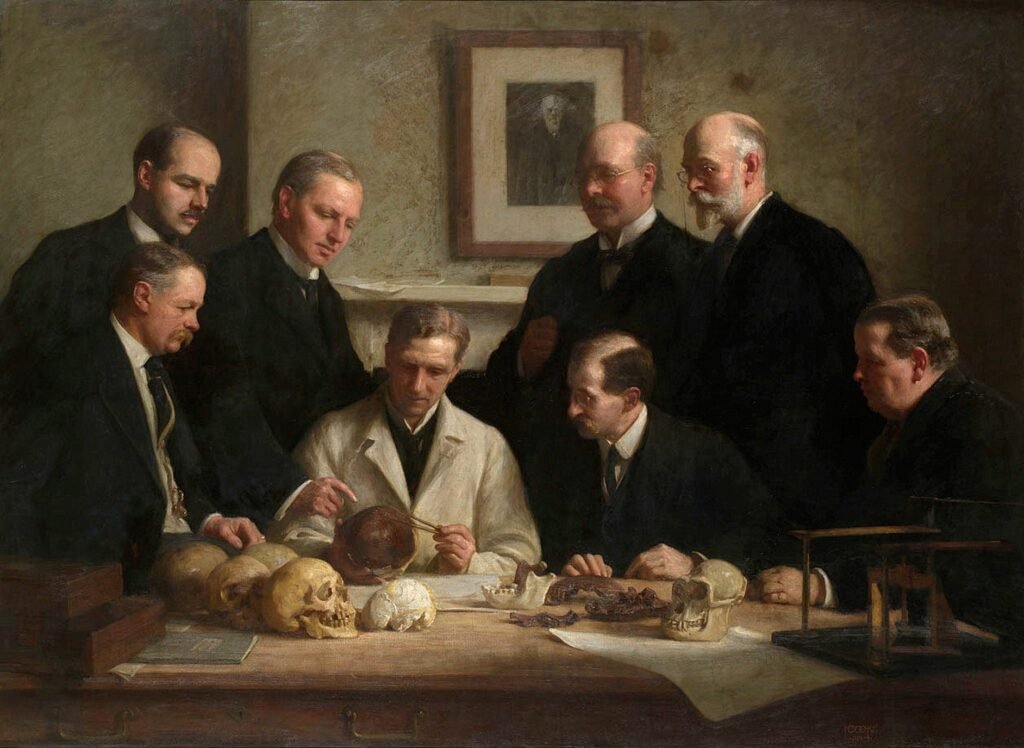
In December 1912, the world’s most respected scientists stood in a room in London and looked at a skull that would rewrite the story of human evolution. Newspapers announced it. Museums rebuilt their exhibits around it. Entire textbooks were revised to make room for it. Nobody in that room asked a simple question: had anyone actually verified where these bones came from?
What happened next didn’t just embarrass one man. It quietly contaminated everything that touched it — ancient tools, extinct animal fossils, entire national origin stories, and the careers of scientists who staked their reputations on a fossil none of them had independently tested. This is the paper trail of exactly how far a single unverified claim can travel before anyone stops to check it.
#12 – The “Missing Link” That Was Never a Link at All
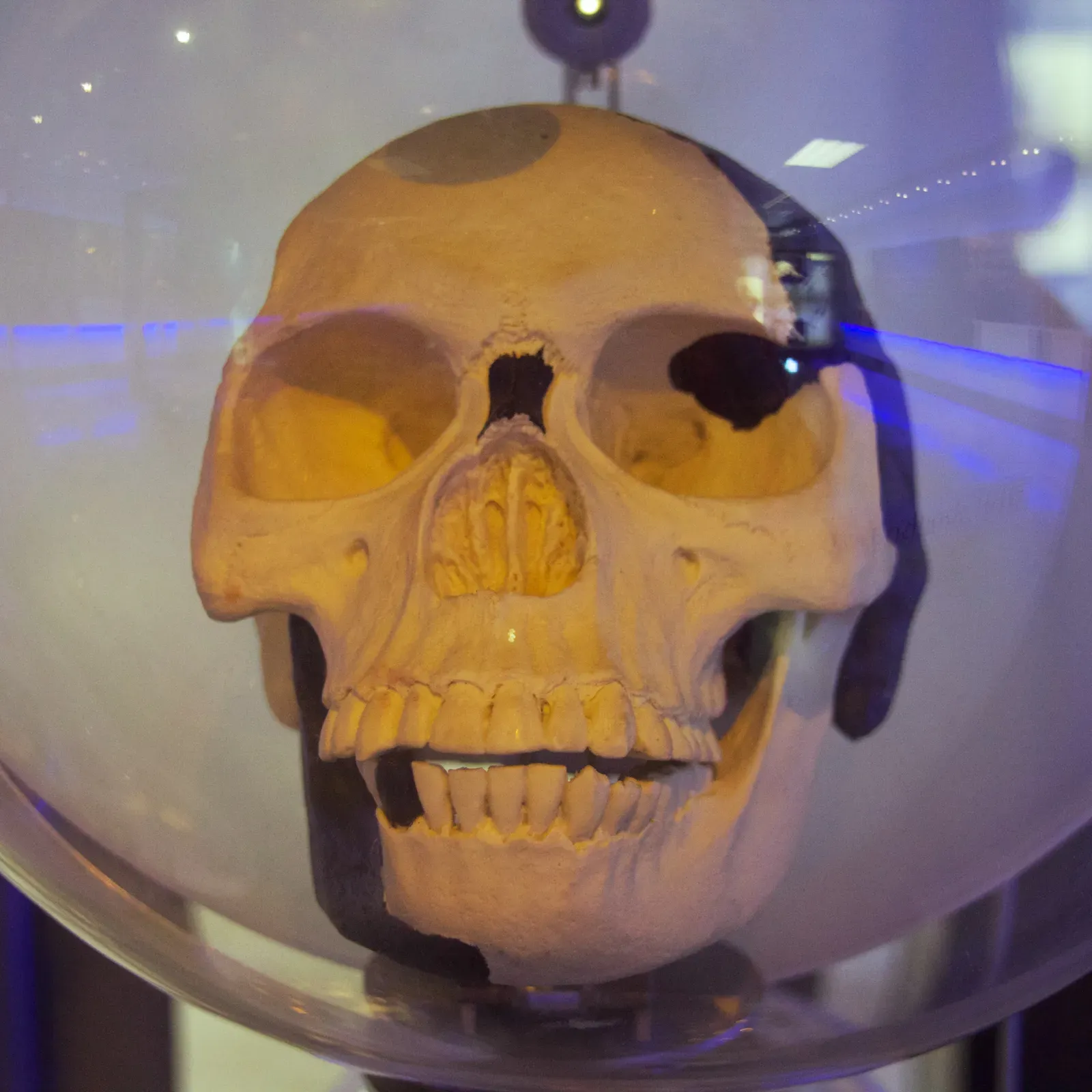
The entire scandal starts with one letter. In 1912, a British solicitor and amateur archaeologist named Charles Dawson wrote to London’s Natural History Museum claiming he’d found the evolutionary bridge between apes and humans — dug up, he said, from a gravel pit in Piltdown, Sussex.
The scientific world didn’t just accept the claim. It celebrated it. Arthur Smith Woodward, the museum’s keeper of geology, examined the fragments alongside Dawson and quickly gave the specimen its own Latin name, Eoanthropus dawsoni — “Dawson’s dawn man.” That’s not a hypothesis awaiting testing. That’s a brand-new species treated as confirmed fact within weeks.
This was the start of the Piltdown Man hoax, one of the most successful and consequential frauds in scientific history. It would take until 1953 — more than 40 years later — before it was conclusively exposed, after leading generations of researchers down the wrong evolutionary path.
Fast Facts
- Dawson first approached the Natural History Museum in February 1912 with a fragment of skull from the Piltdown gravel beds.
- Arthur Smith Woodward gave the specimen its own species name, Eoanthropus dawsoni, within months of the initial find.
- The “dawn man” was pitched as roughly 500,000 years old — a claim nobody independently tested for four decades.
- The fraud wasn’t conclusively exposed until 1953, a full 41 years after its public debut.
Nobody demanded independent verification before the “missing link” label got attached, and that single shortcut poisoned everything downstream. But that’s nothing compared to what happened next with #11.
#11 – The National Origin Story Nobody Fact-Checked
Piltdown Man wasn’t just a fossil claim. It was a patriotic story, and that mattered more than the evidence.
At the time, Germany had Neanderthal remains and Homo heidelbergensis, giving continental Europe bragging rights in the race to claim humanity’s origins. England had nothing to compete with that — until Dawson’s find arrived, conveniently dated to roughly 500,000 years old and dubbed “the first Englishman.”
The Piltdown discoverers became national heroes almost overnight, Dawson especially. The find was marketed to the public as proof of Britain’s own prehistoric pedigree, a symbol that England belonged in the same evolutionary conversation as its continental rivals.
A find with this much national pride riding on it was almost impossible to challenge without being accused of unpatriotic skepticism. That emotional investment is exactly why so few scientists wanted to poke holes in the evidence. Wait until you see what happened with #10.
#10 – A “Particular Vision” of Evolution Sold as Settled Fact
Long before social media, Piltdown Man proved that a compelling narrative could outrun the actual data for decades at a time.
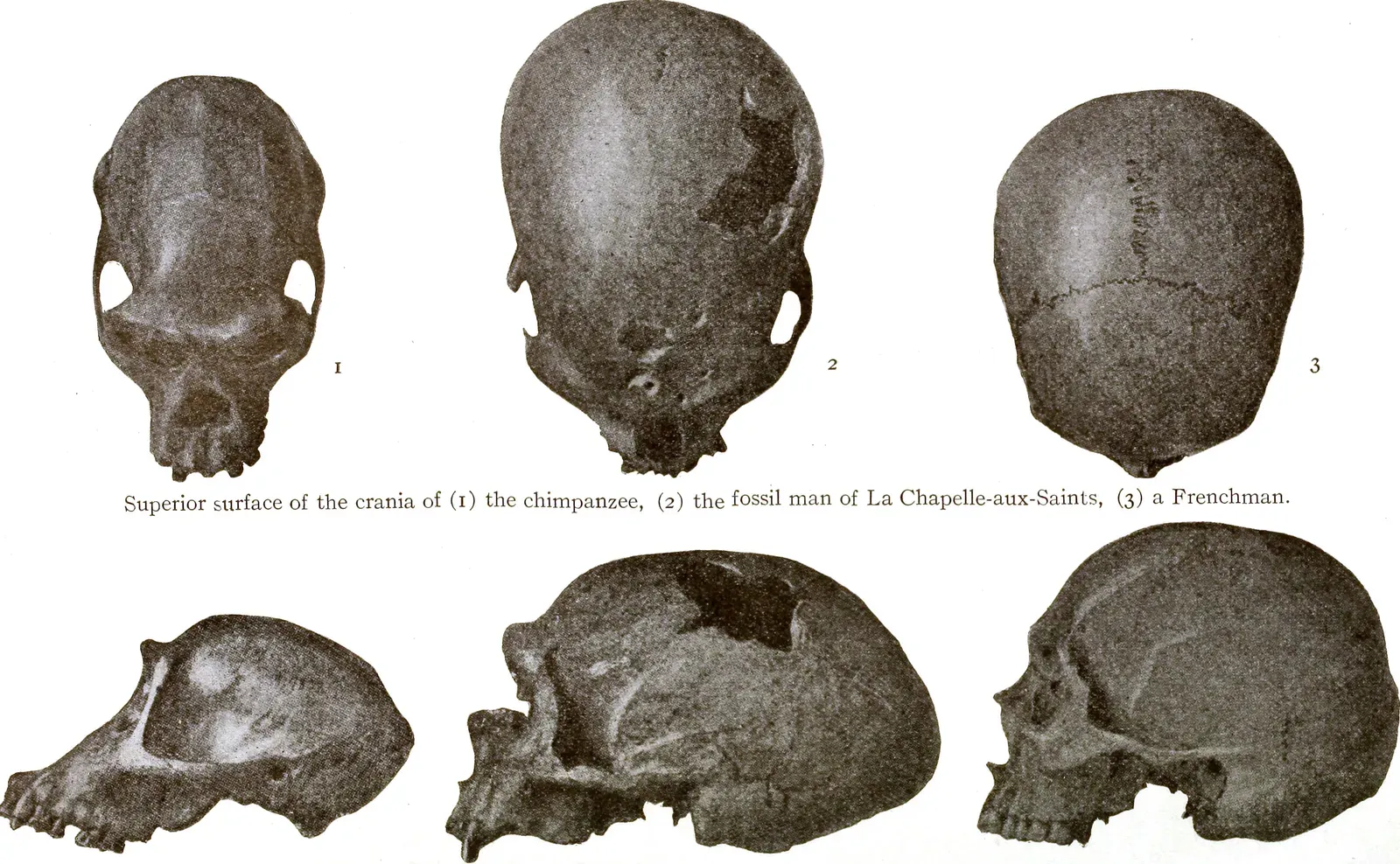
In the years between the discovery and its eventual unraveling, people across the United States and Europe learned about Piltdown Man as an established “missing link.” Newspaper articles, scientific journals, and museum exhibitions all presented it as legitimate, hard evidence supporting a very specific theory — that Europe, not Africa or Asia, was the cradle of humanity.
Even as quiet doubts started circulating among specialists, a major exhibition in San Diego that opened in 1915 still prominently featured a full Piltdown Man sculpture for the public to admire. Museums built permanent displays around a fossil nobody had properly tested.
Once an idea gets cast in plaster and put behind glass, walking it back becomes a career risk, not a scientific correction. That mindset made the cover-up in #9 almost inevitable.
#9 – The Carved “Cricket Bat” Tool That Proved Nothing
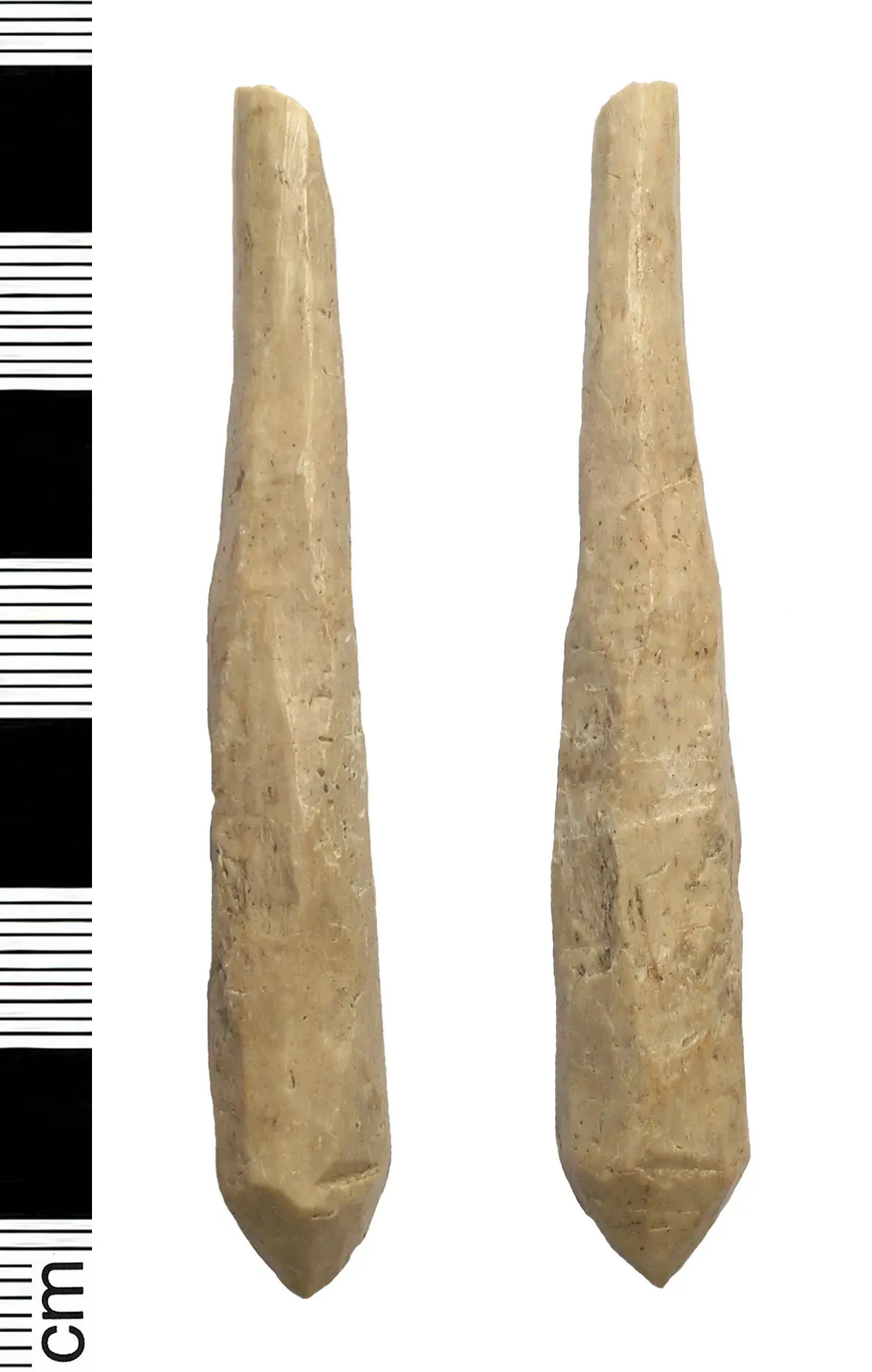
Here’s a detail most casual retellings of the Piltdown story skip entirely: the hoax didn’t stop at bones. It extended to tools, too.
Excavations continued through 1913 and 1914, turning up more “important” finds — a canine tooth, and a carved slab of bone shaped unmistakably like a cricket bat. That last item wasn’t treated as a curiosity. It was presented as evidence of sophisticated early tool-use, which meant this “missing link” species already displayed intelligent, deliberate behavior far earlier than any genuine fossil record supported.
A carved bone tool is exactly the kind of object that should trigger intense scrutiny before publication — carving marks, tool wear, and material age can all be tested. None of that rigorous cross-checking happened here.
A shaped piece of bone, presented without proper provenance testing, was allowed to imply an entire chapter of behavioral evolution that never actually existed. The pattern repeats even more brazenly in #8.
#8 – The Extinct Animal Fossils Used to “Date” the Whole Site
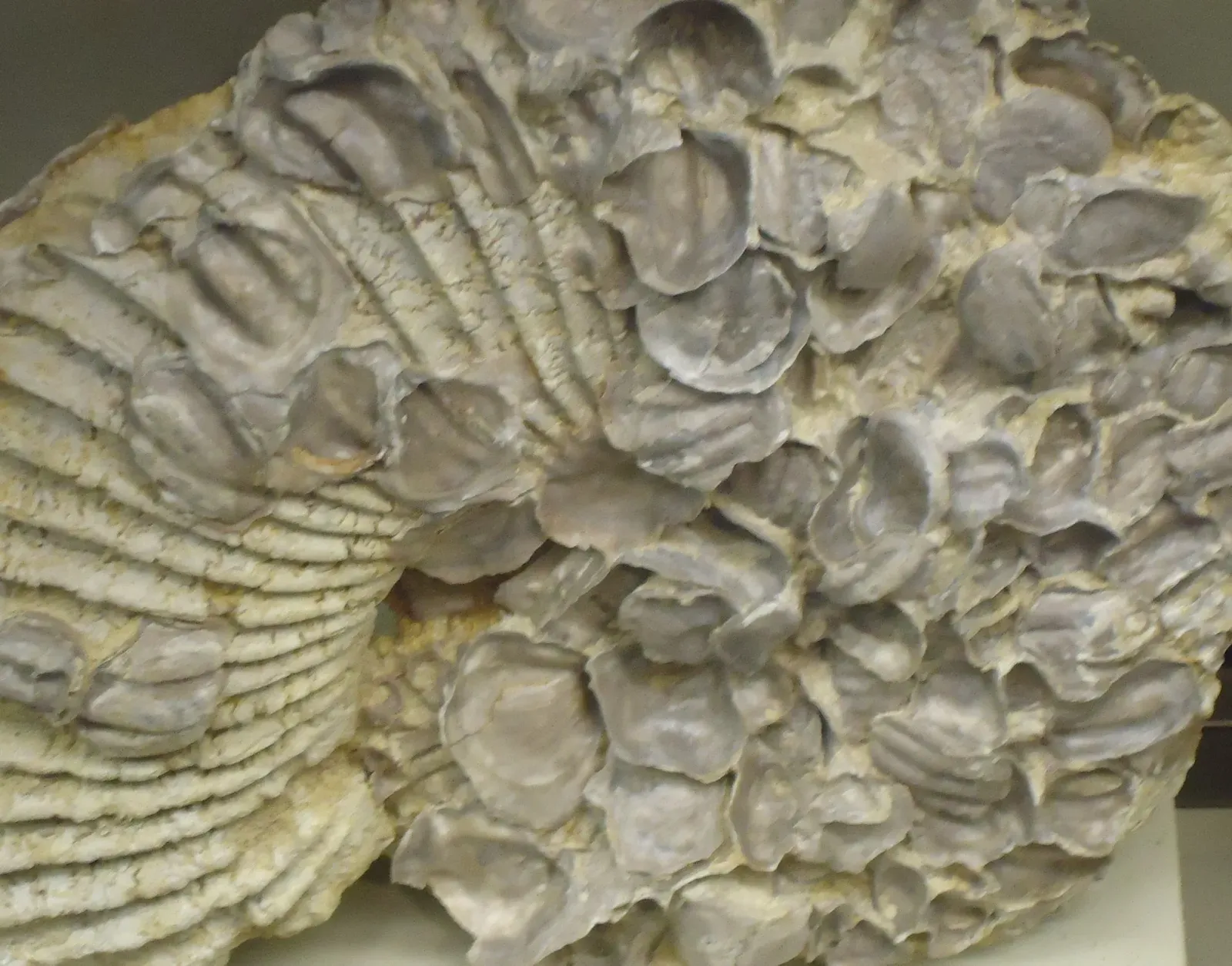
Extinct animal remains were the quiet supporting cast of the entire hoax — and they did a lot of heavy lifting.
The site, later known as Piltdown I, produced five human-like skull fragments, an ape-like jawbone with two teeth, and a whole assemblage of animal fossils and primitive stone tools mixed into the gravel. Those animal bones weren’t incidental background material. They were the evidence used to argue the entire deposit dated back roughly 500,000 years, anchoring the human-like bones to a plausible, ancient timeline.
It’s a clever, almost sleight-of-hand trick: if the animal fossils buried alongside the skull are genuinely ancient, then the skull must be ancient too. Except the fauna itself was later shown to include material that had been planted from entirely different sites and time periods.
Animal remains lent geological credibility to bones that were never independently tested, and the presence of “ancient” fauna made the whole site feel scientifically airtight when it was anything but. If a single gravel pit’s fauna could anchor a fake human ancestor in deep time, imagine what it did for the extinct species claim in #7.
#7 – Plagiaulax Dawsoni: The Extinct Mammal Dawson Faked First
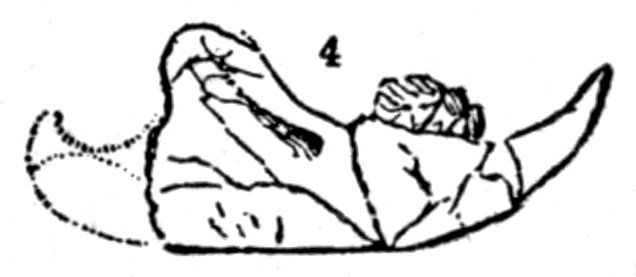
This is the detail that should have exposed Dawson two decades earlier, because he’d run this exact playbook before, on an entirely different extinct animal.
Buried in Dawson’s antiquarian collection were the teeth of a multituberculate mammal, cataloged as Plagiaulax dawsoni and “found” in 1891. Those teeth had been filed down in precisely the same way the teeth of Piltdown Man would be filed down some twenty years later.
This wasn’t a one-off mistake or a coincidence of technique. It was a signature move, tested and refined on an obscure extinct rodent-like mammal years before it reappeared on a fake human ancestor that would fool the entire scientific establishment.
A forensic review of Dawson’s full antiquarian collection eventually found that, of his recorded discoveries, at least 38 are obvious fakes. Nobody connected the dots between a suspicious 1891 mammal fossil and the “missing link” bones of 1912 until forensic scientists did it more than a century later. That failure to cross-reference is exactly what let #6’s claim slide through untouched.
#6 – The Orangutan Jaw Dressed Up as a Human Ancestor
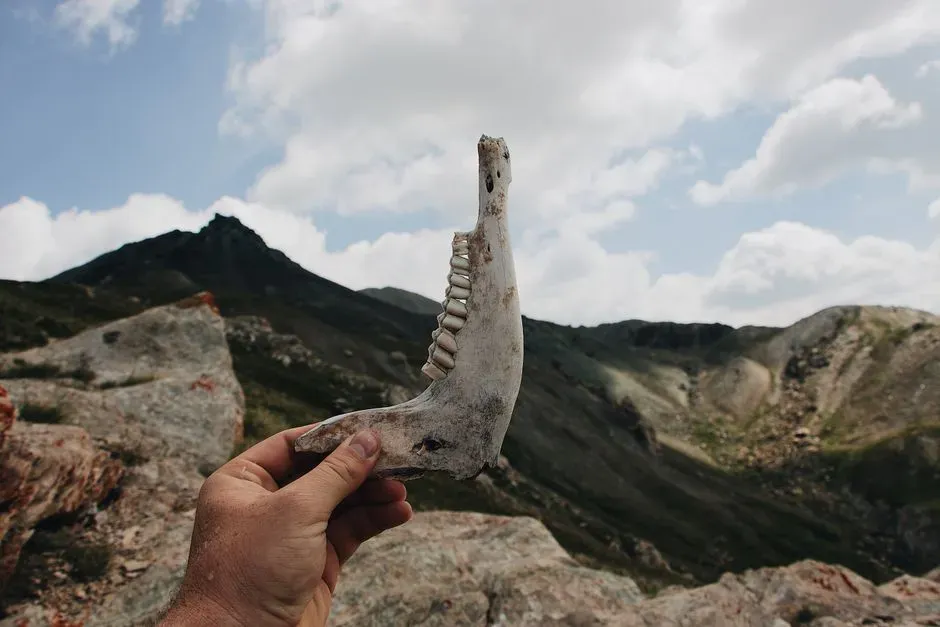
Perhaps no single piece of the hoax reveals more contempt for basic verification than the jawbone itself.
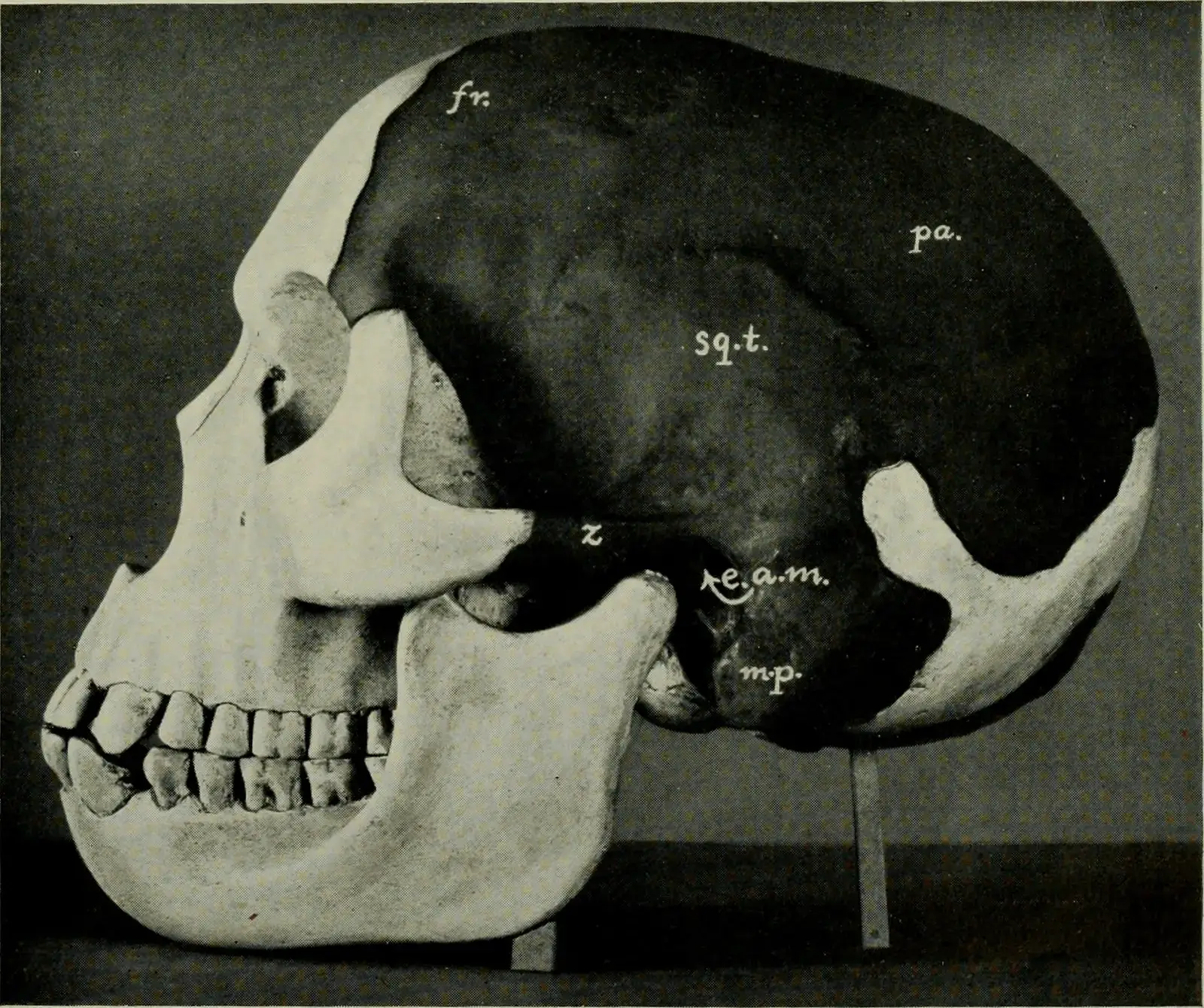
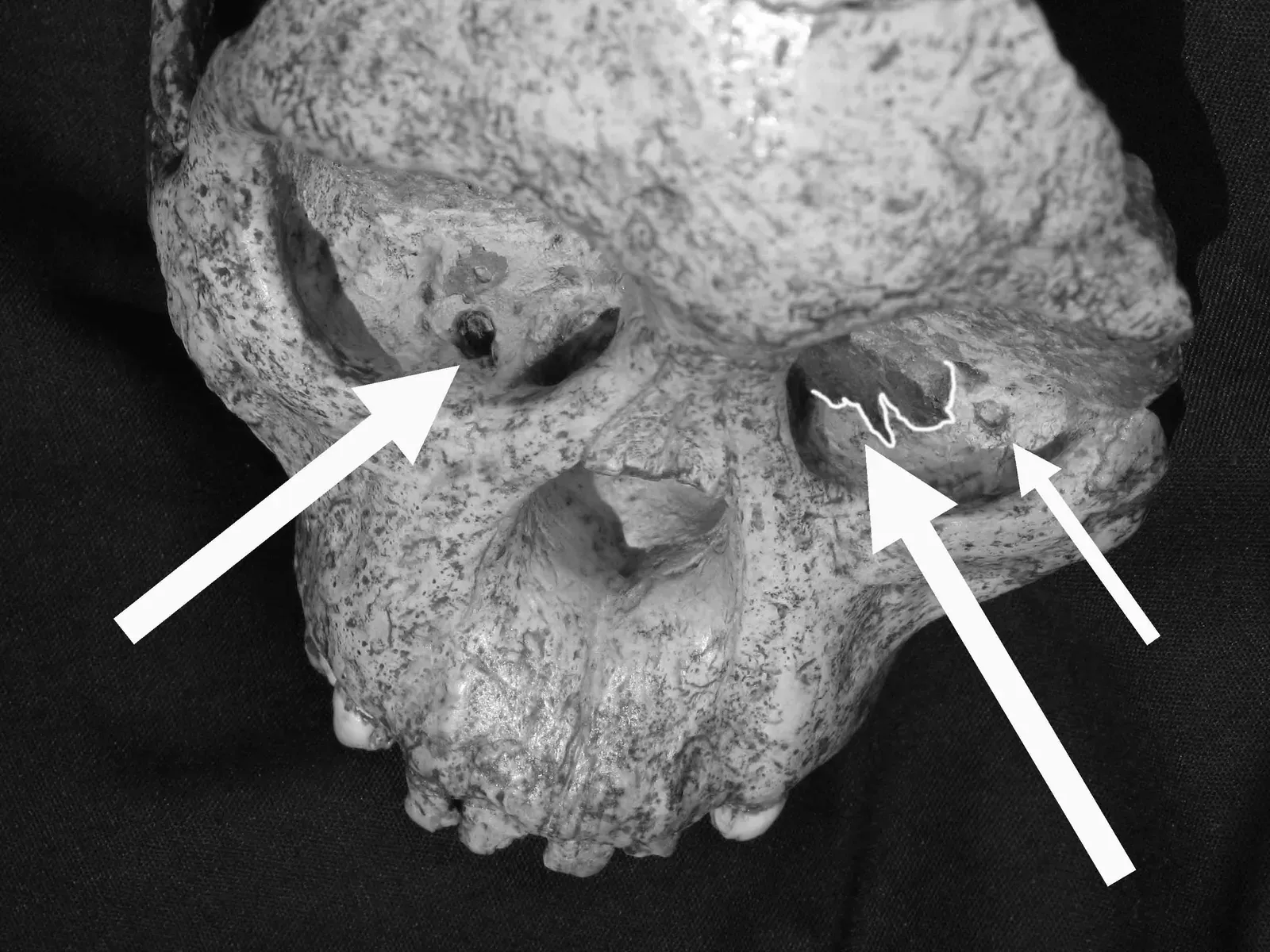
The jaw paired with the skull fragments looked, at a glance, convincingly transitional: a jaw that seemed distinctly ape-like sitting beneath a braincase shaped like a modern human’s. It was later proven, using chemical testing decades after the fact, to be the jaw of an orangutan — deliberately broken to hide the joint that would have given away its true origin, and its teeth filed flat to remove the telltale shape of an ape’s bite.
Quick Compare: Claim vs. Reality
- 1912 claim: An ape-like jaw naturally paired with a human-like braincase, forming a single transitional species.
- 1953 finding: The jaw belonged to a modern orangutan, with the joint deliberately broken off to hide the mismatch.
- 1912 claim: Worn, flattened molars showed natural evolutionary wear patterns.
- 1953 finding: The teeth had been filed down by hand, visible under a simple microscope.
That combination was the entire selling point of the whole fraud: a big-brained skull with an ape-like mouth, exactly what evolutionary theory of the era predicted a “missing link” should look like. It fit the theory so perfectly that almost nobody paused to ask whether the jaw and skull actually belonged together at all.
Confirmation bias did the verification work that laboratory testing should have done decades earlier. And #5 shows how far that bias extended.
#5 – The “Confirming” Canine Tooth Planted at a Second Site
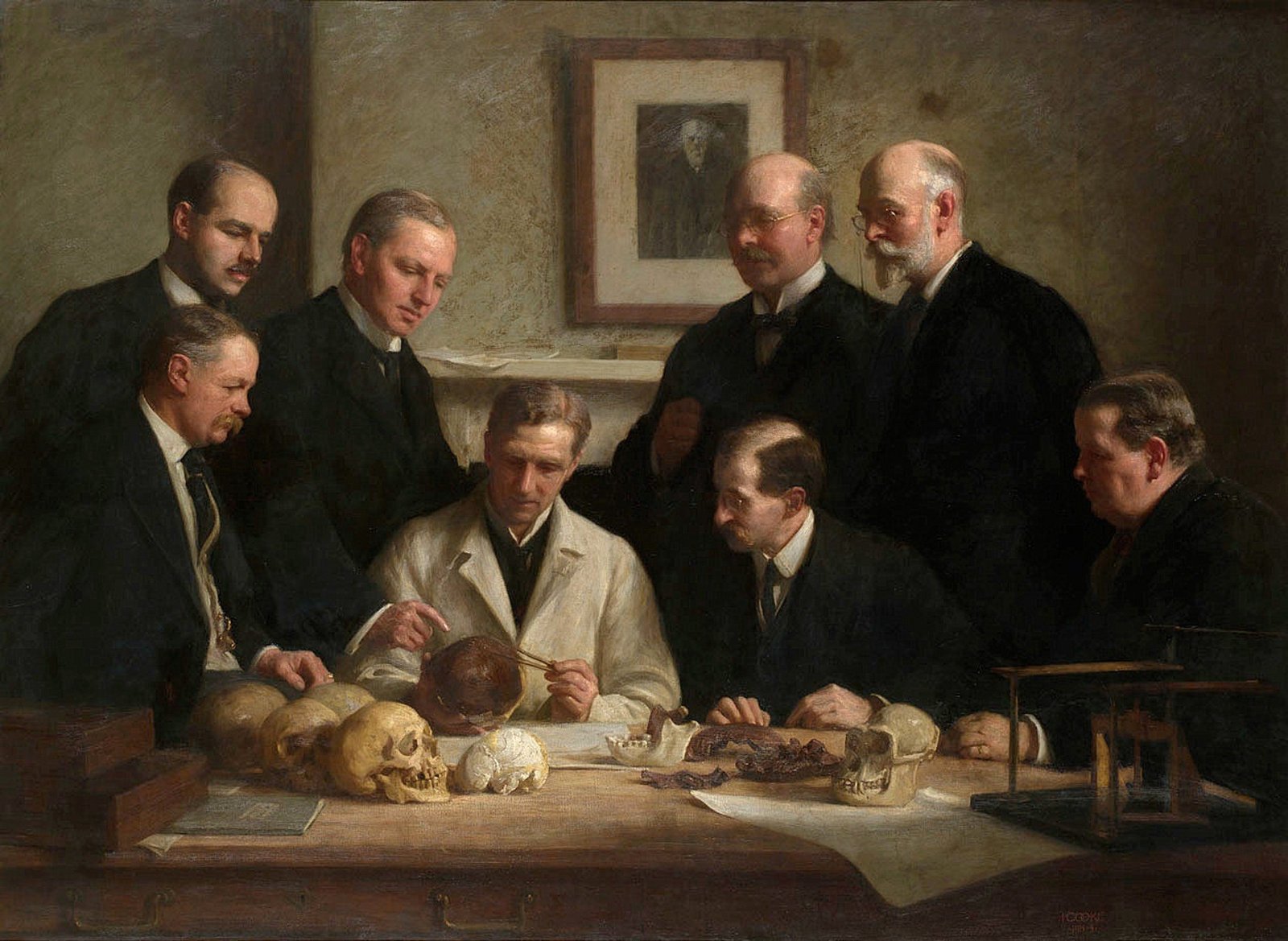
When early doubts started circulating in scientific circles, Dawson didn’t back down. He produced more “evidence” — conveniently, at a brand-new location a couple of miles away.
Dawson announced a second site, known as Piltdown II, where he unearthed another collection of skull fragments and a molar tooth. Excavations over the following two years turned up canine teeth sized somewhere between a human’s and an ape’s — exactly what a skeptic would want to see as confirmation.
This second site functioned as a built-in rebuttal machine. Any scientist questioning Piltdown I could simply be pointed toward Piltdown II as independent corroboration. Except it wasn’t independent at all — it came from the same fabricator, using the same filing and staining techniques, buried in the same kind of gravel.
A second “discovery” from the same unverified source was treated as corroboration instead of a repeat of the original problem. That trick worked because almost nobody outside a tiny circle had access to check it themselves, which brings us to #4.
#4 – The Access Restrictions That Made Independent Verification Impossible
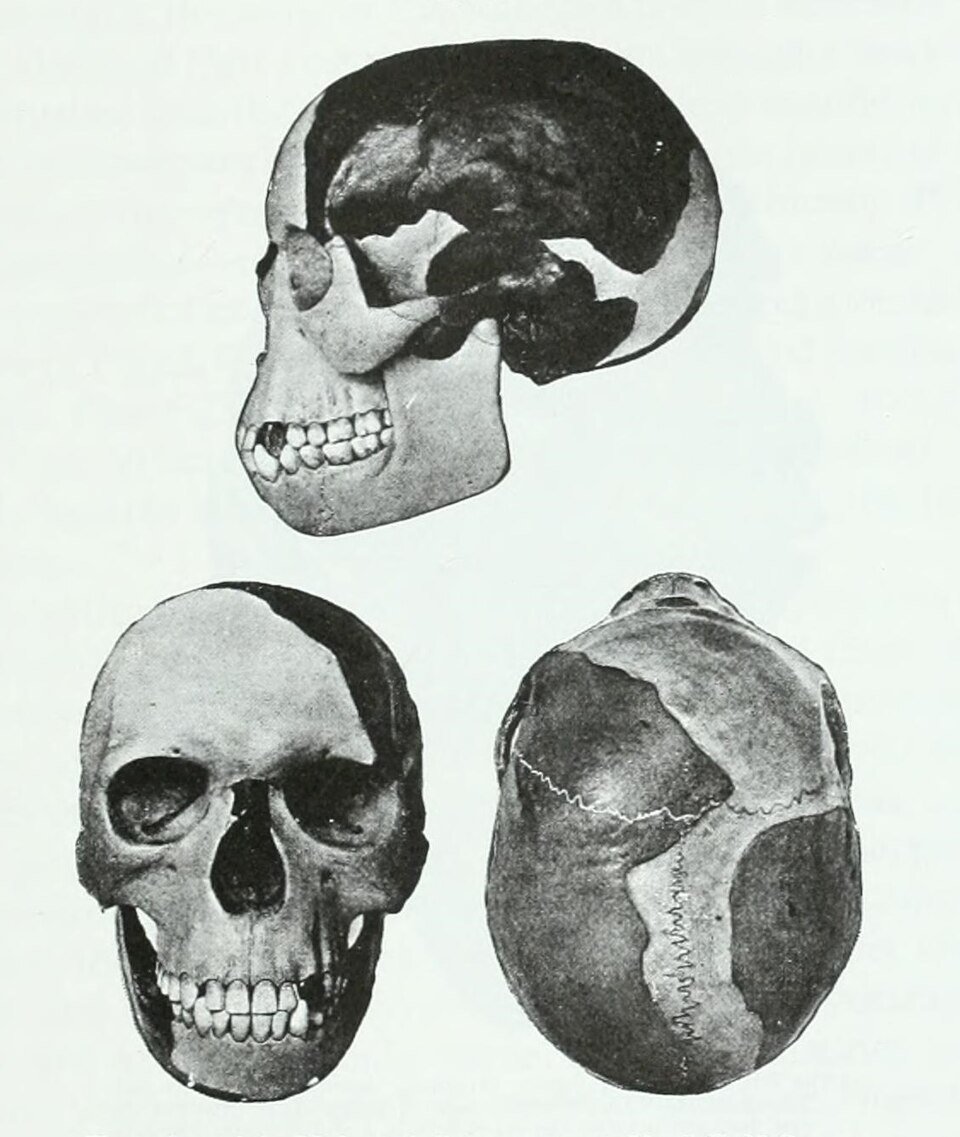
This is the mechanism that let the fraud survive scientific scrutiny for four decades: almost nobody outside a tiny circle was ever permitted to properly examine the original bones.
The issue wasn’t just Dawson’s deliberate lie. It was the deliberately incomplete flow of information about it. Soon after the discovery, access to the original materials in England was tightly restricted by a handful of gatekeepers at the museum. Researchers abroad struggled to view the actual skeletal fragments and had to rely on secondhand plaster casts for their own collections and comparative studies.
Scientists on other continents were, in effect, forced to build entire theories on copies of a fossil they were never permitted to physically test with their own instruments. That’s not a small technical detail — direct physical access is exactly what would have revealed the tool marks, the filing, and the staining almost immediately.
Worth Knowing
- The fluorine absorption test, introduced in 1949, finally gave scientists a reliable way to check the bones’ true age.
- Results showed the Piltdown remains were under 50,000 years old — nowhere close to the claimed 500,000.
- A dedicated team of Kenneth Oakley, Joseph Weiner, and Wilfrid Le Gros Clark spent much of 1953 piecing the fraud together.
- Once tested, the “ancient” staining turned out to be superficial chemical dye rather than centuries of natural mineral absorption.
Many historians now argue the scientific establishment’s obsession with controlling access — not just Dawson’s lie itself — is what let the fraud survive so long. This is arguably the most controversial part of the whole story, and #3 shows exactly how much real science got buried because of it.
#3 – The Real Discoveries That Got Buried Because They Didn’t Match
Genuine, verified extinct hominin fossils were dismissed for years simply because they contradicted the fake one sitting in London.
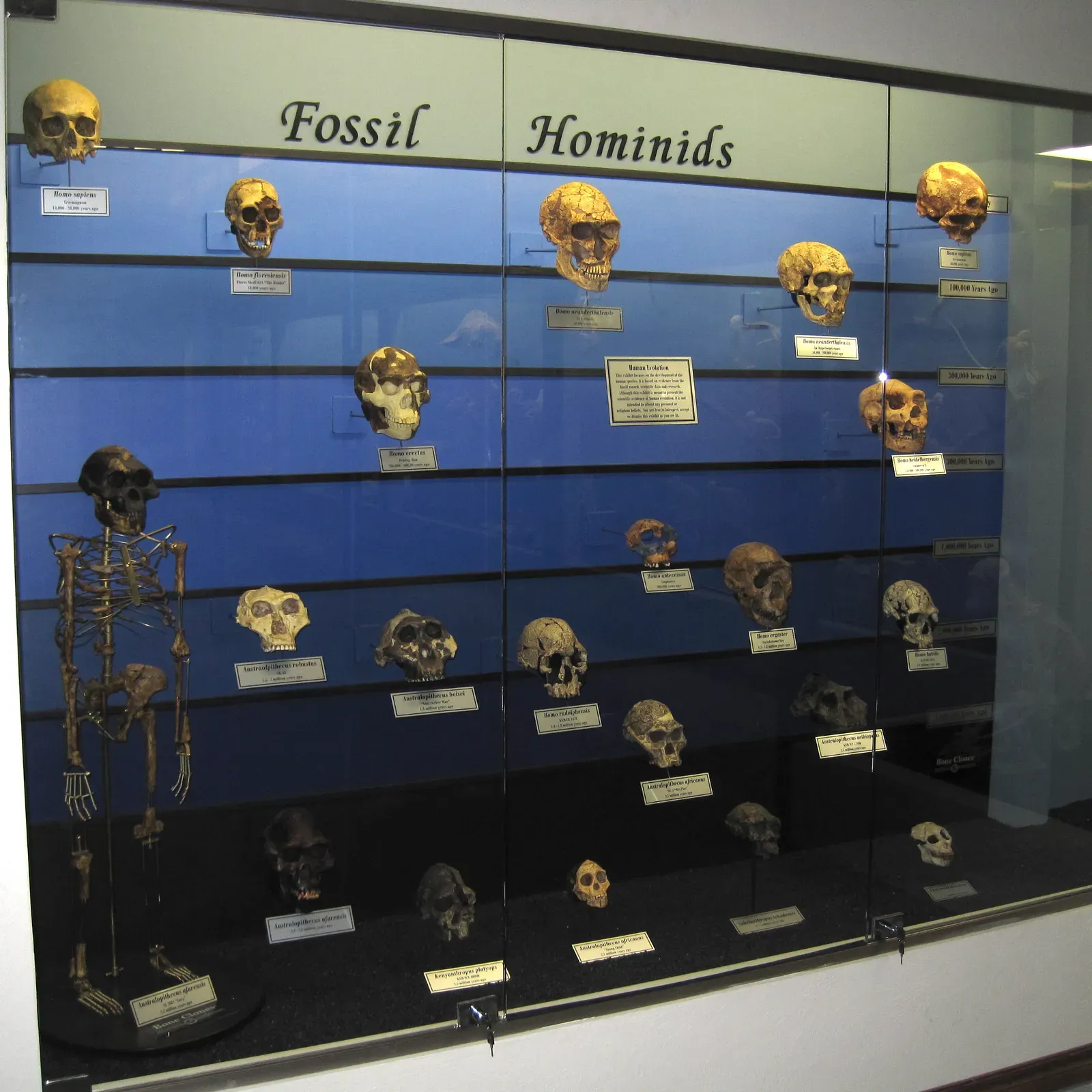
The Taung Child, a fossil discovered in South Africa in 1924, is the clearest example. It was largely ignored and outright doubted when first announced, because it didn’t fit the preconceptions of what an early human relative should look like — preconceptions built almost entirely on Piltdown Man.
Because so many scientists had already accepted Piltdown Man as the missing link, they grew skeptical of other legitimate finds that didn’t match its narrative. This bias hit discoveries from Asia and Africa especially hard, since those finds pulled the spotlight away from Europe as humanity’s supposed birthplace.
A completely legitimate fossil was treated as suspicious for years simply because it didn’t resemble a fake one. That’s not a minor footnote — it’s arguably the single biggest scientific cost of the entire hoax, and #2 shows exactly how long that cost lasted.
#2 – Fifteen Years of Silence for a Legitimate Discovery
The suppression wasn’t brief. It cost one scientist an entire working generation of recognition.
Raymond Dart’s identification of Australopithecus africanus — now recognized as one of the true landmark moments in human origins research — was effectively locked out of the academic conversation because it clashed with an unverified British specimen. For roughly the next fifteen years, A. africanus wasn’t even mentioned in paleoanthropology textbooks, and Dart struggled to get his follow-up papers accepted for publication at all.
Think about what that actually means: real evidence existed, was published, and was still actively rejected by the field for a decade and a half, purely because it didn’t match a fossil that turned out to be fake. This wasn’t a case of missing data. It was a case of the field refusing to look at the data it already had.
A genuine breakthrough got frozen out of textbooks for fifteen years because a fake fossil had already claimed the spotlight. Few episodes in modern science illustrate institutional stubbornness this clearly. But the final entry ties every one of these threads together.
#1 – The Careers Built on Defending a Lie
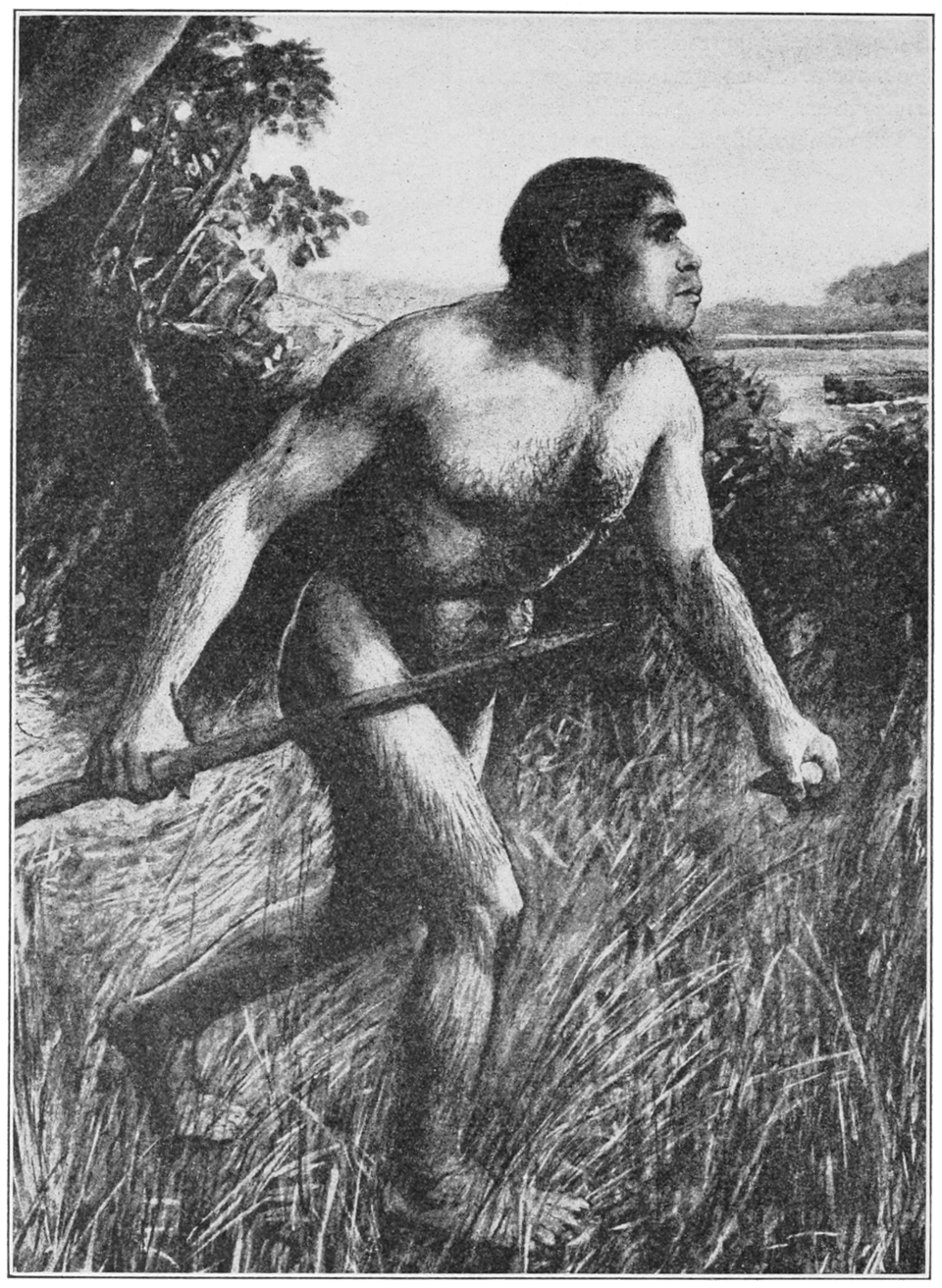
At the center of it all sits the most human element of the entire hoax: professional reputations that depended on Piltdown Man staying real.
Arthur Smith Woodward is the extreme case. Throughout the 1920s, a huge share of his research remained tethered to defending and reinterpreting a specimen he had publicly championed for over a decade. He even continued digging at Piltdown well into his retirement, searching for further “confirmation” of a fossil that never needed confirming — it needed testing.
He wasn’t alone. Influential anatomists such as Sir Arthur Keith hailed Piltdown Man as authentic almost immediately, staking scholarly credibility on a fossil he never personally excavated and never independently verified himself. Once your name and career are publicly attached to a discovery, admitting doubt starts to look like admitting failure.
“The brain case was primitive in some respects but in all its characteristics distinctly human.”
Sir Arthur Keith
The scientists most invested in Piltdown Man being real were also the ones least incentivized to question it. That’s the uncomfortable core of the entire scandal — not that a solicitor lied, but that an entire professional class had every reason to believe him and almost no reason to check.
The Bottom Line
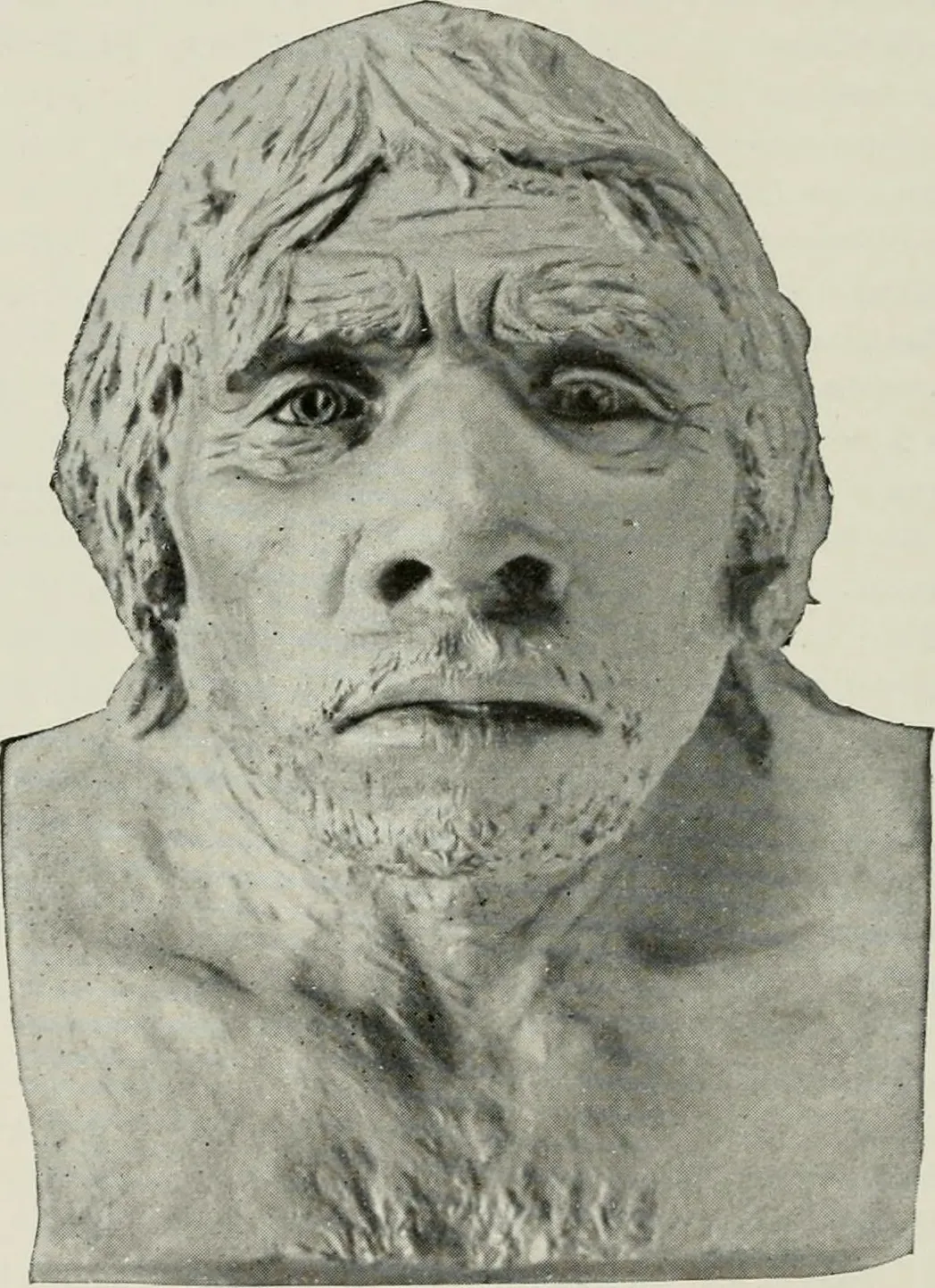
Strip away the specific bones and dates, and the Piltdown Man story is really about one unverified claim allowed to snowball into 40 years of institutional consensus. A single forger’s fake skull, fake jaw, fake tools, and even a previously faked extinct mammal all slipped past experts who had every tool needed to catch them. They simply never demanded independent proof.
My honest opinion? The most damning part of this whole saga isn’t Dawson’s fraud — frauds happen. It’s that verification was treated as optional the moment a find was convenient, patriotic, and career-boosting. The Piltdown hoax stands as a lasting warning to scientists everywhere: don’t let a find confirm what you already want to believe. Test it like it’s trying to fool you, because sometimes, it actually is.
Which “settled” scientific claim do you think deserves a second look today? Drop your answer in the comments.