
Most people assume the word “extinct” is final – a scientific full stop with no appeal. But that assumption is wrong more often than biologists like to admit. Since 1900, researchers have quietly walked back extinction declarations for dozens of species, sometimes decades or even centuries after the “last” individual was supposedly seen.
These are called Lazarus species, and the pattern repeats itself with almost eerie consistency: a hasty declaration, a remote habitat nobody bothered to search properly, and then – years later – a very much alive animal staring back at a stunned field researcher. Some of these animals hid for decades. One hid for nearly three centuries. Another was presumed gone since the age of dinosaurs. Here’s what actually happened when science admitted it gave up too soon.
#1 – The Terror Skink That Outlasted Its Own Obituary
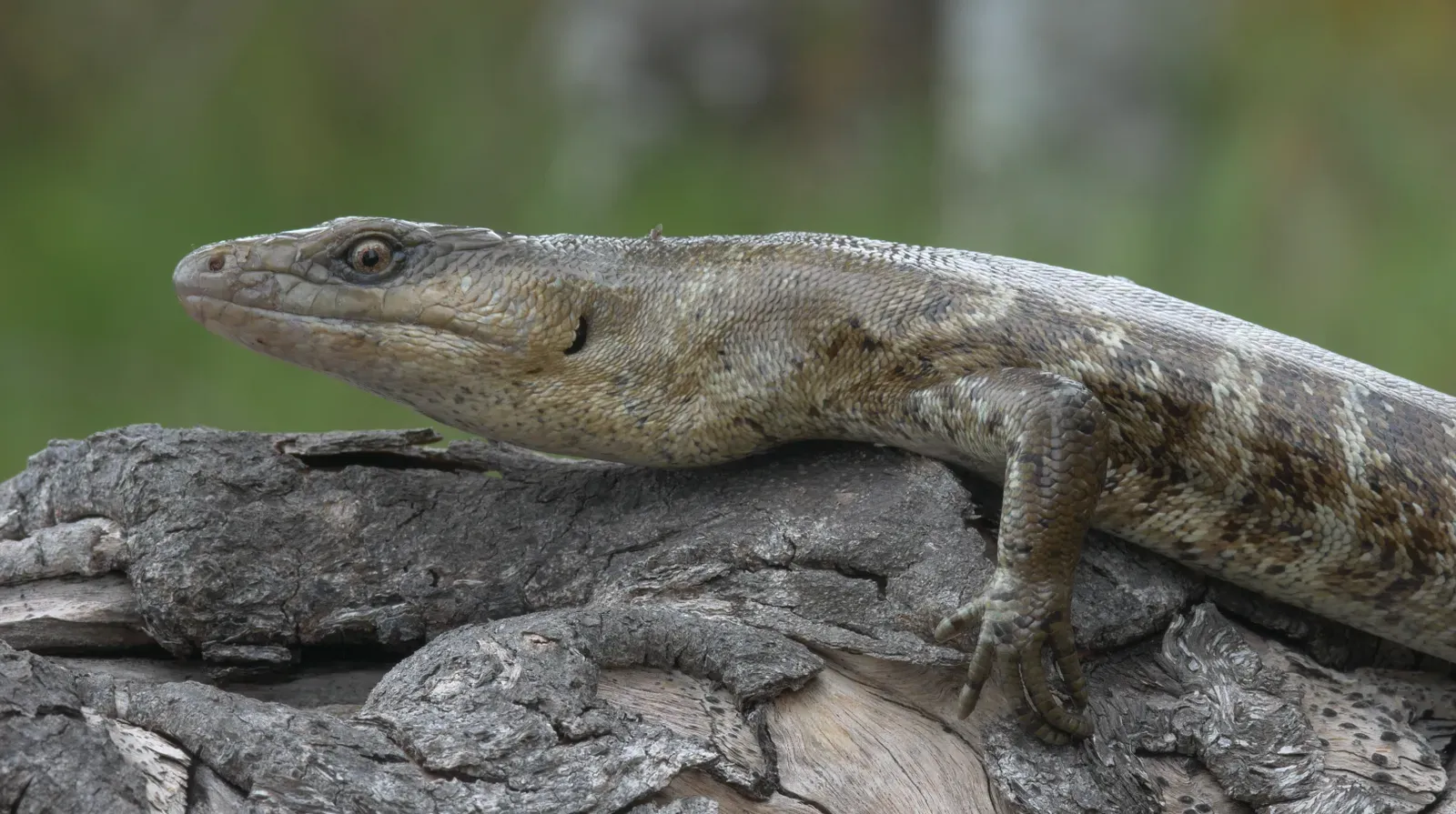
The terror skink earned its dramatic name from its oversized jaws and predatory habits, and for over a century it only existed as a single preserved specimen sitting in a museum drawer.
Collected once in the 1870s on the Isle of Pines near New Caledonia, this large, big-headed skink vanished from scientific records so thoroughly that generations of herpetologists assumed the original specimen was simply a fluke or a mislabeled oddity. No second specimen turned up for well over 100 years.
Then in 1993, a survey team stumbled onto a living population on a tiny islet just off the coast – an islet so small and rarely visited that nobody had thought to check it. The terror skink had been alive the entire time, just confined to a patch of land smaller than most parking lots.
Scientists now consider it one of the rarest reptiles on Earth, restricted to an almost absurdly narrow range. But that’s nothing compared to what we found about #2.
#2 – Chapman’s Pygmy Chameleon’s Vanishing Forest Trick
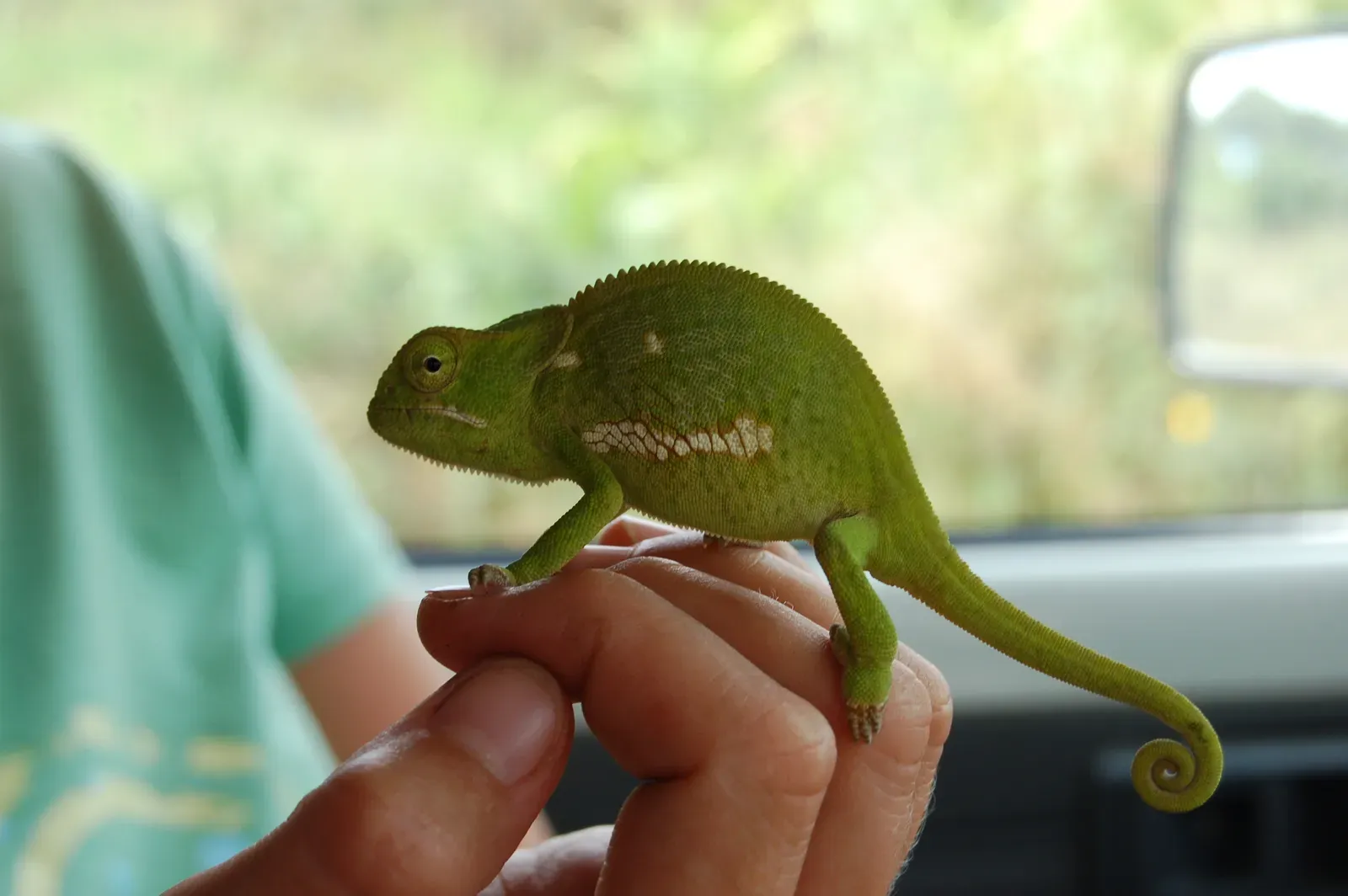
This tiny Malawian chameleon disappeared not because it moved, but because its entire forest home nearly did.
Chapman’s pygmy chameleon was known from a single tract of rainforest in Malawi, and by the early 2000s that forest had been reduced to fragmented patches by agriculture and logging. Researchers who returned to the original collection sites found nothing, and the species was widely feared extinct – a textbook case of habitat erasing a species before science could even study it properly.
In 2016, a survey team pushed into the surviving forest fragments and found a small population still clinging on. The chameleons were surviving in patches of forest so degraded that biologists hadn’t expected anything to be alive there at all.
The rediscovery didn’t erase the danger – the species remains critically endangered – but it proved that “declared extinct” and “actually extinct” are not always the same sentence. Next up, a lizard that hid in plain sight on a tourist island for decades.
#3 – The Giant Lizard Hiding Under Tourists’ Feet
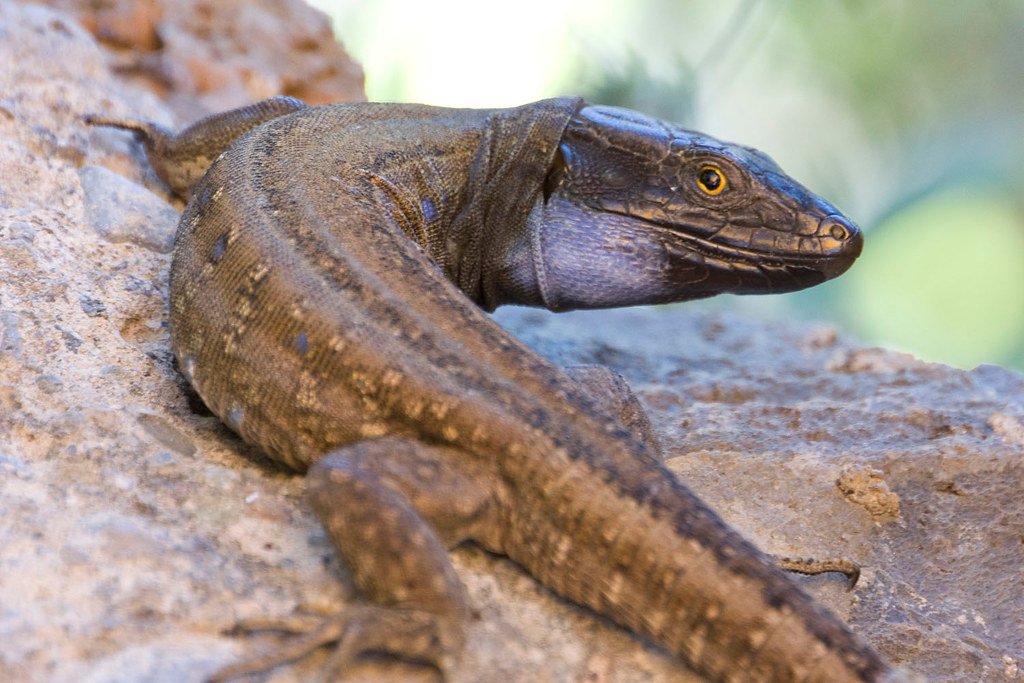
For nearly 500 years, naturalists assumed the La Palma giant lizard had been wiped out shortly after European settlers arrived in the Canary Islands.
Fossil evidence showed this skink-like lizard once grew far larger than any related species living today, likely because it evolved without natural predators on its isolated island. Cats, rats, and habitat clearing that arrived with colonization were blamed for its swift disappearance, and by the 20th century it was treated as a settled extinction case, filed away in taxonomy books alongside the dodo.
In 2007, a small surviving population was discovered clinging to a remote, nearly inaccessible cliff face on La Palma – the one part of the island human development had never reached. The lizards had been surviving less than a mile from hiking trails used by thousands of tourists every year.
Fast Facts
- Presumed extinct for roughly 500 years, dating back to early European colonization
- Rediscovered in 2007 on a nearly inaccessible cliff face
- Survivors found less than a mile from busy hiking trails
- Now classified as critically endangered, not extinct
The discovery reshuffled conservation priorities overnight, turning an “extinct” species into a critically endangered one requiring urgent habitat protection. But the next case involves a bat that vanished from an entire mountain range.
#4 – Bulmer’s Fruit Bat and the Cave That Fooled Everyone
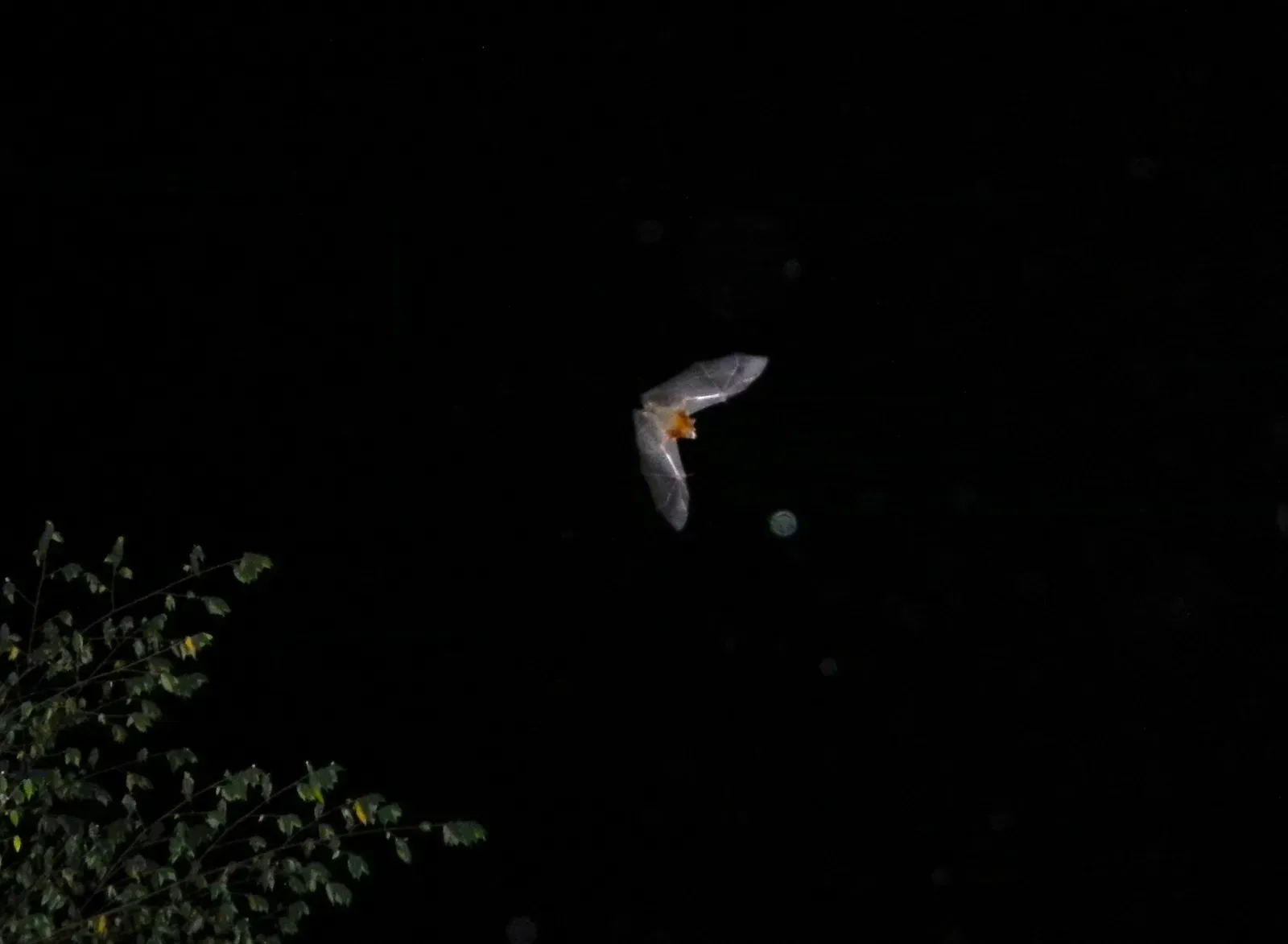
Bulmer’s fruit bat has one of the strangest extinction-and-return stories of any mammal, because it seemingly disappeared twice.
First identified from cave deposits in Papua New Guinea, the species was thought to have died out thousands of years ago until a living colony was found roosting in a single highland cave in the 1970s. Scientists celebrated the find – only to watch the colony collapse again within a decade, apparently wiped out by hunting pressure and cave disturbance, once again earning the “extinct” label.
Researchers later found a second surviving colony in a different, harder-to-reach cave system, proving the species had never actually vanished – it had simply relocated to a refuge nobody had surveyed. The bat had essentially gone into hiding from its own hiding spot.
Its populations remain fragile and cave-dependent, meaning a single disturbance could still end the story for good. That fragility is nothing compared to what almost happened to #5.
#5 – Gilbert’s Potoroo, Australia’s Rarest Mammal Comeback
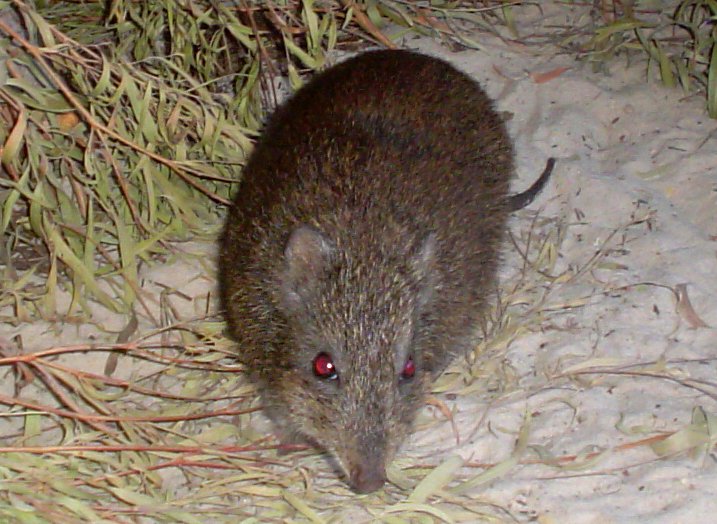
Gilbert’s potoroo spent most of the 20th century assumed dead, known only from a handful of specimens collected in the 1840s.
This small, fungus-eating marsupial was so rarely recorded that most Australian zoologists treated it as a confirmed casualty of the continent’s brutal 19th-century wave of predator introductions and land clearing. Cats and foxes had already wiped out dozens of similar small mammals, and Gilbert’s potoroo seemed destined to join that list without so much as a fight.
In 1994, a researcher trapping animals near Albany in Western Australia caught what she assumed was a different, more common species – until closer inspection revealed it was Gilbert’s potoroo, alive and breeding in a tiny coastal reserve. The entire known population was eventually estimated at under 100 individuals, making it one of the rarest mammals on the planet.
A 2015 bushfire nearly ended the species again by tearing through its only wild habitat, a reminder that rediscovery doesn’t equal safety. Up next, a wallaby that fooled scientists for almost 90 years.
#6 – The Wallaby That Waited Nearly a Century
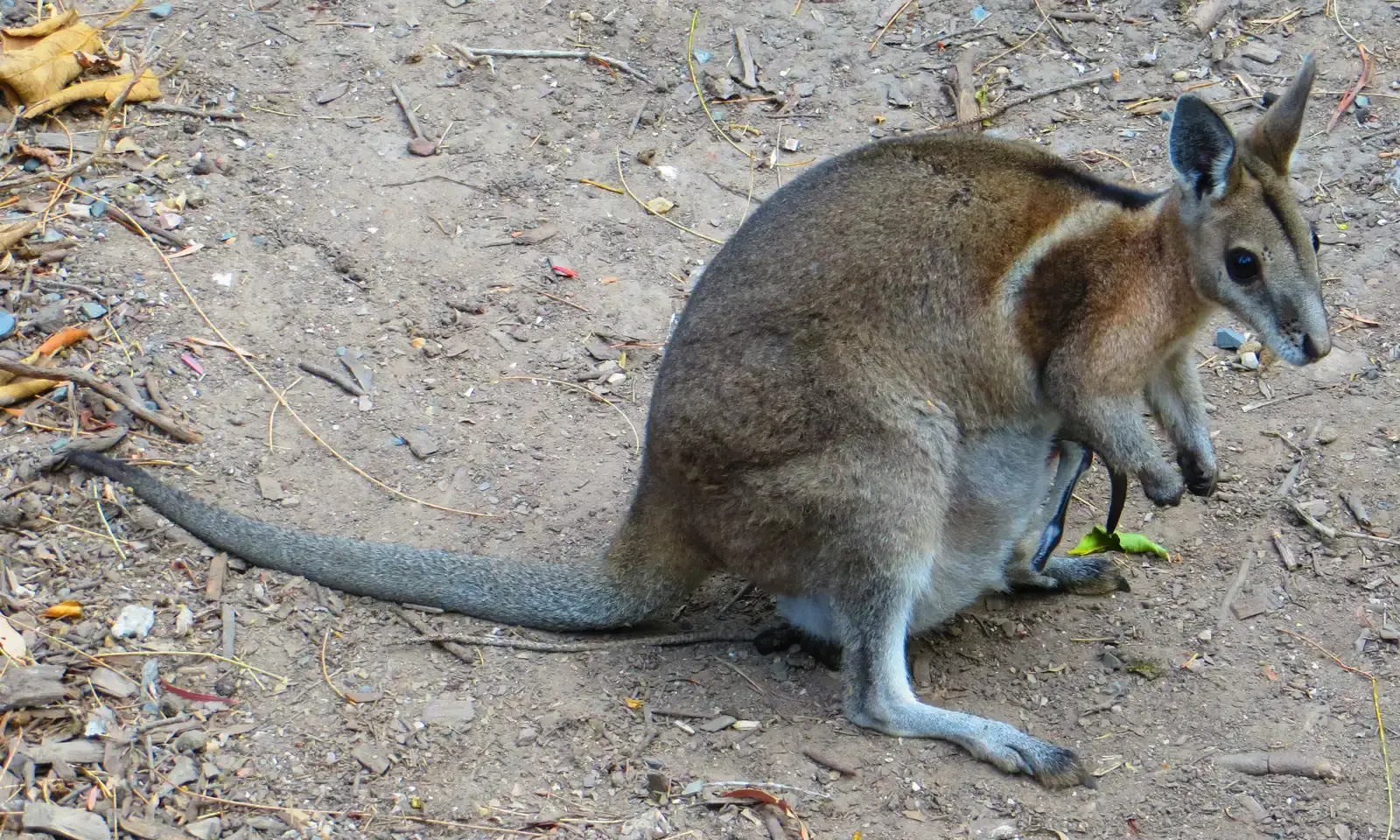
The bridled nail-tail wallaby was so thoroughly presumed extinct by the 1930s that it barely appeared in Australian wildlife surveys for the next four decades.
Overhunting, habitat clearing, and introduced predators had devastated the species across its former range in Queensland and New South Wales. By the time conservationists started paying closer attention to Australia’s vanishing marsupials, this particular wallaby had already dropped off most active watch lists entirely. It simply wasn’t mentioned anymore.
Then, in 1973, a fencing contractor near Dingo, Queensland, spotted a small population living quietly on a cattle property – the last known survivors on Earth, confined to a patch of land that happened to escape agricultural conversion. The species had survived for decades on a single working cattle station without anyone noticing.
That property was later turned into a protected reserve, and captive breeding programs have since reintroduced the wallaby to several other sites. But the next animal on this list survived by doing something even more unlikely: living underground on an island full of predators.
#7 – The Cuban Solenodon’s Century of Near-Misses
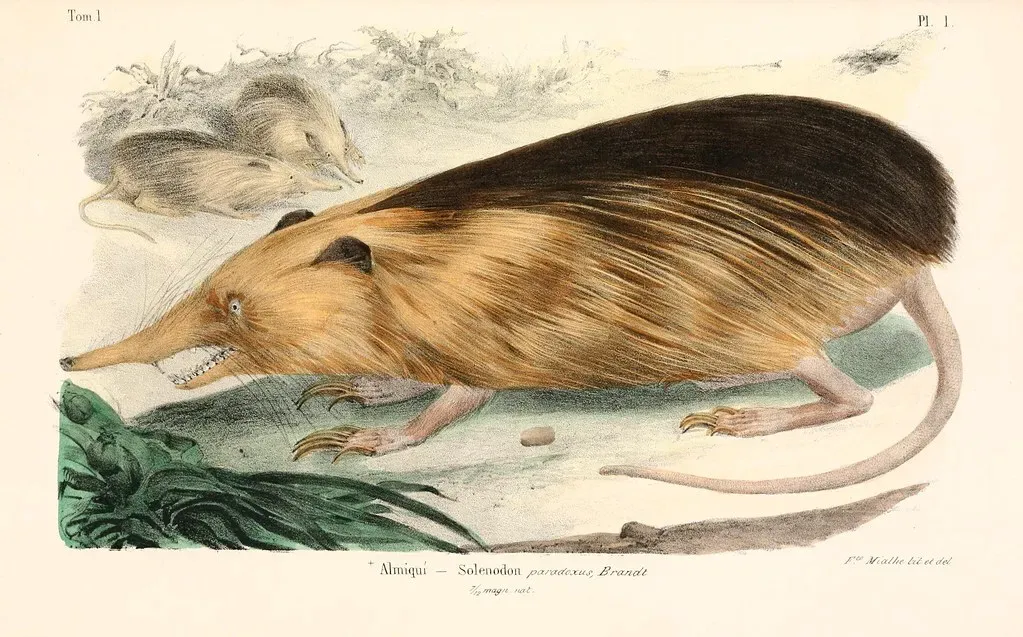
Few mammals have been declared extinct, “rediscovered,” and then feared extinct again as many times as the Cuban solenodon.
This venomous, shrew-like mammal – one of the only venomous mammals on Earth – was first described in the 1800s and then went unseen for such long stretches that scientists repeatedly wrote it off. Sightings in the early 1900s, then a long silence, then a brief 1970s confirmation, then more silence: the pattern repeated so often that researchers coined nicknames for the species reflecting its habit of vanishing.
Camera trap surveys in the 2000s and 2010s finally confirmed stable populations surviving in remote, mountainous forest in eastern Cuba. Its venomous bite delivers toxin through grooved lower incisors, a trait shared with almost no other living mammal.
Ongoing habitat loss and introduced predators mean this solenodon could still slip back into “possibly extinct” territory. The next species pulled off something similar in the mountains of Pakistan.
#8 – The Woolly Flying Squirrel’s 70-Year Disappearing Act
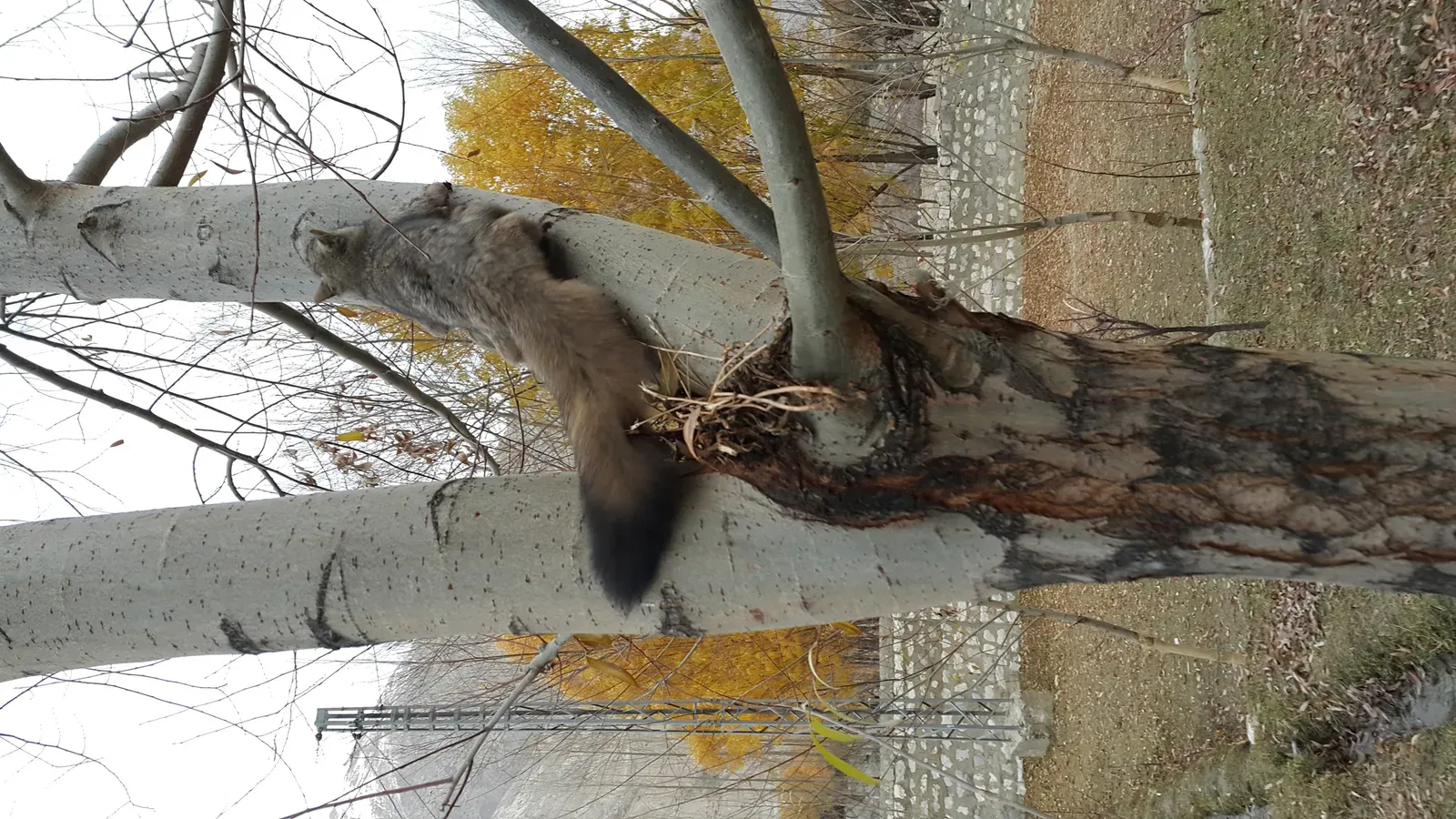
The woolly flying squirrel was known to science from a small number of specimens collected in the early 1900s, after which it vanished so completely that it was formally presumed extinct for roughly 70 years.
Native to remote mountain forests in northern Pakistan, this large, thickly furred glider was assumed to have been wiped out by hunting and deforestation across its narrow range. Its nocturnal habits and remote habitat meant that even active searches during the mid-20th century turned up nothing, reinforcing the extinction consensus among mammalogists.
In 1994, researchers rediscovered a living population in the Indus Kohistan region, proving the species had simply been overlooked rather than eliminated. It is one of the largest flying squirrel species alive, yet it evaded documented human contact for the better part of a century.
Local hunting for its fur and body parts, believed by some communities to have medicinal value, remains an ongoing threat. Meanwhile, a tiny primate in Indonesia pulled off an almost identical vanishing act.
#9 – The Pygmy Tarsier’s 80-Year Vanishing Act
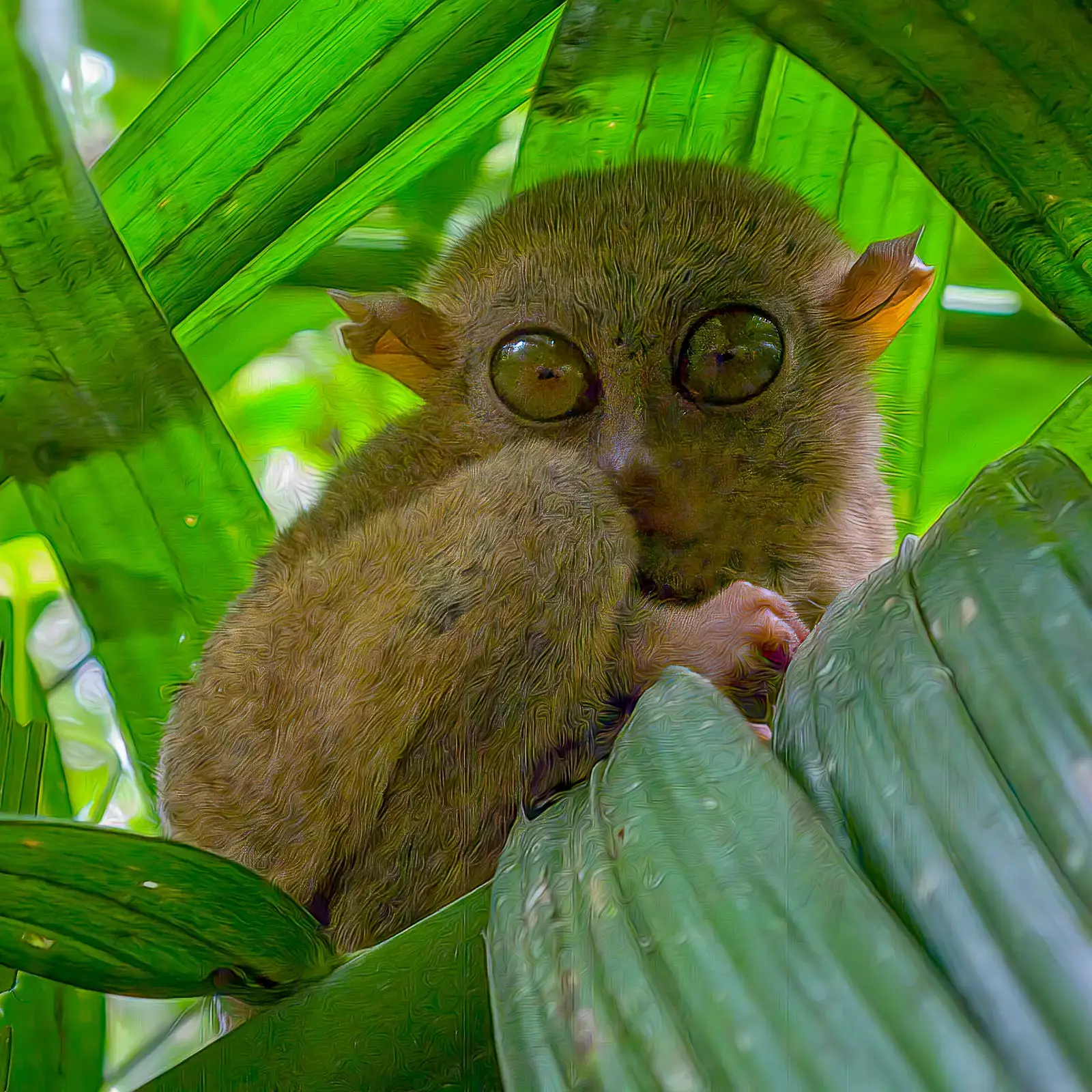
For roughly 80 years, the pygmy tarsier was considered a ghost species – described from museum specimens but never confirmed alive in the wild.
Native to the highland forests of Sulawesi, Indonesia, this tiny primate is smaller than most rodents and lives at high altitudes rarely visited by researchers. Its last confirmed sighting dated back to 1921, and by the late 20th century, most primatologists had quietly moved it into the “likely extinct” category, assuming deforestation had finished the job decades earlier.
In 2000, a research team accidentally trapped two individuals while studying rats in the highland forest, confirming the species was still alive. A follow-up expedition later that decade even managed to track and observe the primates directly in their nighttime habitat. The pygmy tarsier is small enough to fit in the palm of a human hand.
Its extreme habitat specificity means it remains one of the most vulnerable primates on Earth despite its rediscovery. The next entry involves a seabird nobody expected to hear again.
#10 – The Seabird That Sang From the Dead
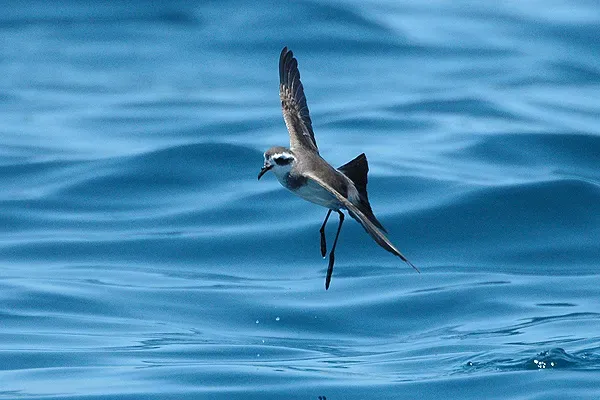
The New Zealand storm petrel was known only from a handful of 19th-century specimens and was treated as extinct for roughly 150 years – one of the longest gaps between “last seen” and “found again” on this entire list.
Ornithologists had essentially given up hope, assuming introduced predators like rats had wiped the species from New Zealand’s coastal islands long before modern conservation efforts began. It became a textbook example cited in ornithology courses of a species lost to history, useful mainly as a case study rather than a living animal.
In 2003, birdwatchers photographed small seabirds off the coast of New Zealand that didn’t match any known species. Genetic testing eventually confirmed what seemed impossible: the birds were New Zealand storm petrels, alive after being presumed gone for a century and a half.
Breeding colonies were later located on a predator-free island, giving conservationists an actual location to protect for the first time. The next rediscovery involves a running bird from India that vanished for nearly six decades.
#11 – Jerdon’s Courser and the Search That Refused to Quit
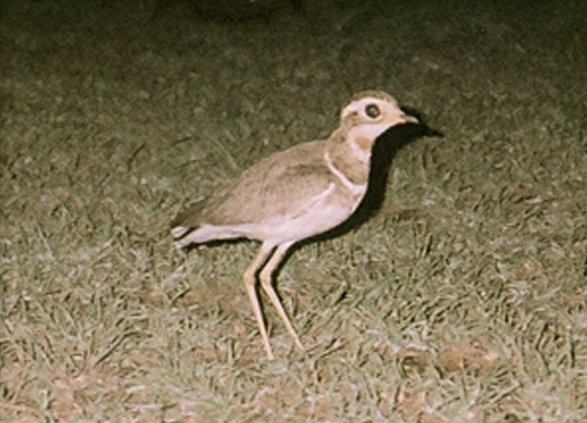
Jerdon’s Courser, a nocturnal ground bird native to India, was declared extinct after no confirmed sightings for nearly 90 years – until one determined ornithologist refused to accept the verdict.
The bird was originally described in the 1800s from specimens collected in the scrub forests of Andhra Pradesh, but subsequent searches throughout the 20th century came up empty, leading most experts to assume habitat destruction had erased it entirely. By the 1970s, the species had essentially been written into the history books as a cautionary extinction tale.
In 1986, ornithologist Bharat Bhushan led a search team that finally captured a live specimen, proving the bird had survived undetected in a small pocket of remaining scrub forest. The bird had gone unseen by science for longer than most human lifespans.
The rediscovery prompted the creation of a dedicated wildlife sanctuary specifically to protect the bird’s remaining habitat. Next, we head into the ocean for a species that wasn’t even properly identified until after it was rediscovered.
#12 – Omura’s Whale, the Giant Nobody Could Name
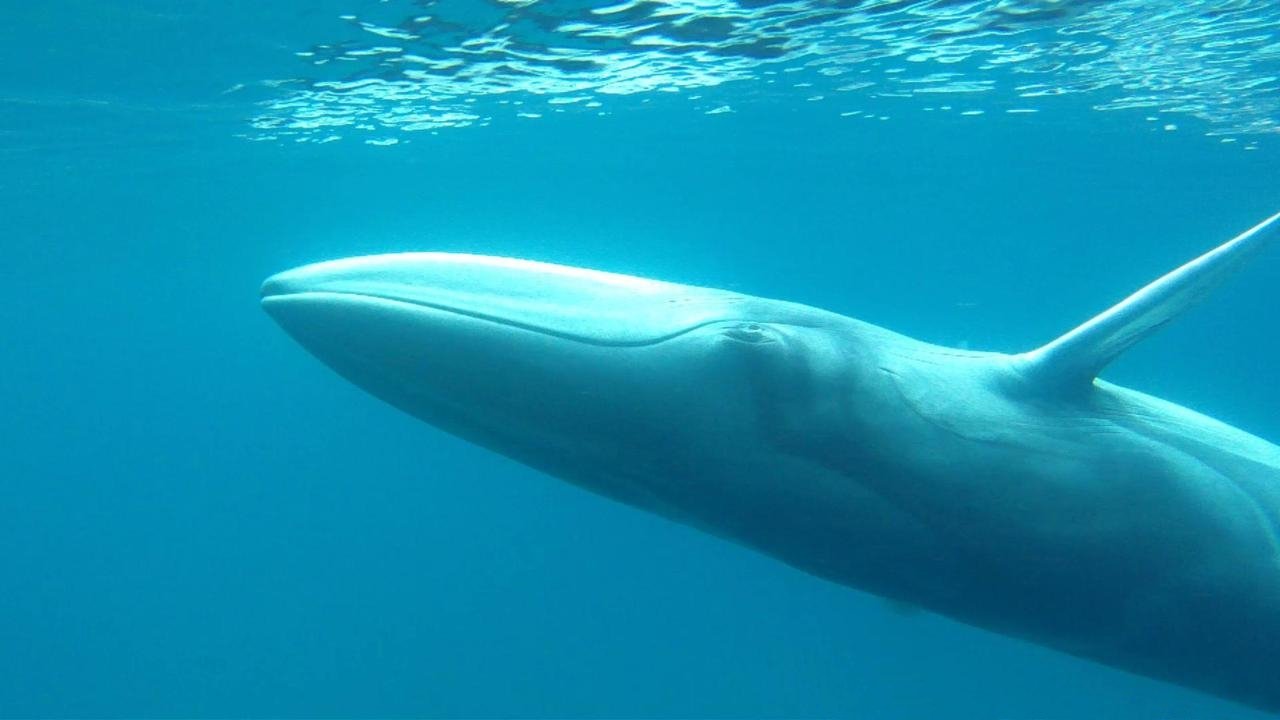
Omura’s whale might be the strangest entry on this list, because it wasn’t just rediscovered – it wasn’t even scientifically recognized as its own species until the 21st century.
For decades, sightings and strandings of this whale were misattributed to other, more common baleen whale species, meaning Omura’s whale existed in a kind of scientific limbo: neither confirmed extinct nor confirmed to exist as a distinct animal at all. Genetic analysis in 2003 finally separated it from similar-looking whales, but even then, no live sighting in the wild had ever been documented.
It wasn’t until 2015 that researchers filmed and studied living Omura’s whales in their natural habitat off the coast of Madagascar, finally confirming behavior, appearance, and population details for a species science had almost lost before ever truly finding it. An entire whale species swam undetected by modern science until well into the smartphone era.
Worth Knowing
- Confirmed as a distinct species only in 2003, via genetic analysis
- First filmed alive in the wild in 2015, off Madagascar
- Previously confused with other baleen whale species for decades
- Likely still undercounted across remote, poorly surveyed tropical waters
Its remote, poorly surveyed range likely means larger populations remain uncounted elsewhere. The next comeback story takes us to the eucalyptus forests of Victoria, Australia.
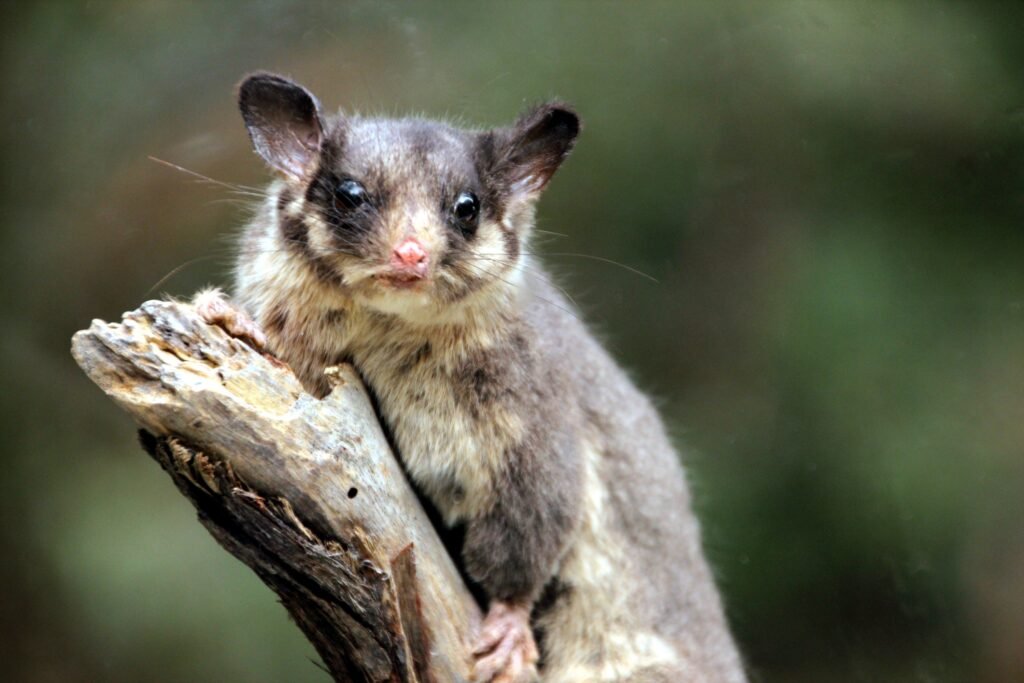
#13 – Leadbeater’s Possum Rises From Bushfire Ashes
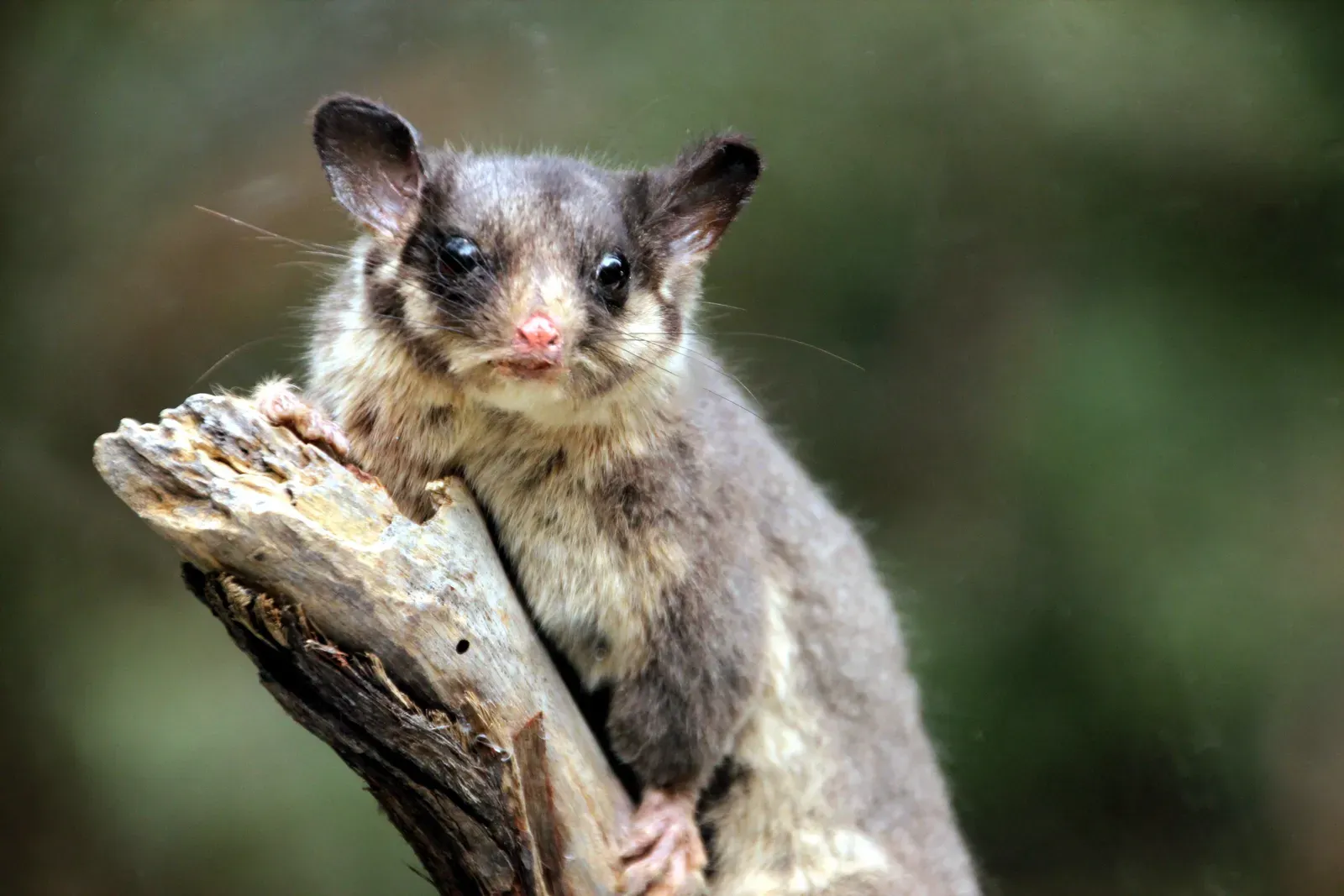
Leadbeater’s possum was declared extinct in the early 1900s after land clearing devastated its habitat across Victoria, Australia – only to reappear decades later in a location nobody had checked.
This small, nocturnal marsupial depends heavily on old-growth eucalyptus forest with specific hollow-bearing trees for nesting, a habitat type that had been aggressively logged and cleared throughout the 19th and early 20th centuries. By the time conservationists began serious extinction assessments, the possum had already been absent from records for so long that its disappearance seemed permanent and irreversible.
In 1961, a small population was rediscovered in the Central Highlands region of Victoria, proving pockets of suitable habitat had survived the clearing after all. The species later became Victoria’s official state faunal emblem, a symbolic promotion from “extinct” to “state icon” in under a century.
Repeated bushfires since its rediscovery, including devastating fires in recent years, continue to threaten what remains of its fragile old-growth habitat. The next animal on this list is arguably the most photogenic Lazarus species alive today.
#14 – The Pop-Eyed Primate Lost for 60 Years
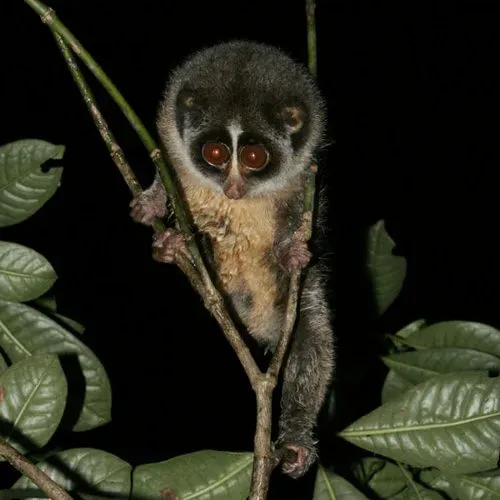
The Horton Plains slender loris vanished from scientific record for roughly 60 years, with researchers assuming Sri Lanka’s shrinking cloud forests had finally claimed the last individuals.
This small, wide-eyed nocturnal primate lives exclusively in the high-altitude cloud forests of central Sri Lanka’s Horton Plains region, a habitat so specific and limited that even minor deforestation posed an existential threat. Decades passed without a single confirmed sighting, and by the early 2000s conservation groups had all but confirmed the subspecies had quietly slipped away.
In 2009, a research team finally photographed and documented a living individual for the first time in six decades, confirming the animal’s survival in the wild. Initial population estimates after the rediscovery suggested fewer than a hundred individuals existed on the entire planet.
That makes it potentially the rarest primate alive today, clinging to survival in an ever-shrinking pocket of cloud forest. The chameleon up next hid for even longer.
#15 – Voeltzkow’s Chameleon and Madagascar’s Century-Long Silence
![#15 - Voeltzkow's Chameleon and Madagascar's Century-Long Silence (National Science Foundation [1], Public domain)](https://nvmwebsites-budwg5g9avh3epea.z03.azurefd.net/dinoworld/9ce4788095712f8f75ce0d00a657e52d.webp)
Voeltzkow’s chameleon disappeared from scientific record for over a century – one of the longest confirmed gaps on this entire list – before a two-week expedition changed everything.
First described in 1893, the species topped Global Wildlife Conservation’s list of the top 25 “most wanted” lost species. For over a century, herpetologists had almost nothing to work with beyond a handful of preserved male specimens, leaving huge gaps in basic knowledge about the animal.
In April 2018, a targeted expedition to northwestern Madagascar finally rediscovered the chameleon. For the first time ever, females of the species were observed alive, revealing colors nobody had ever documented before. The females turned out to be dramatically more colorful than the males, a detail science had simply never had the chance to observe.
Expedition leaders later admitted the search had been brutal, covering long stretches of degraded forest with only a slim hope of success before it finally paid off. Next, a rodent that scientists thought had been extinct for millions of years.
#16 – The Rock Rat That Predated Humanity
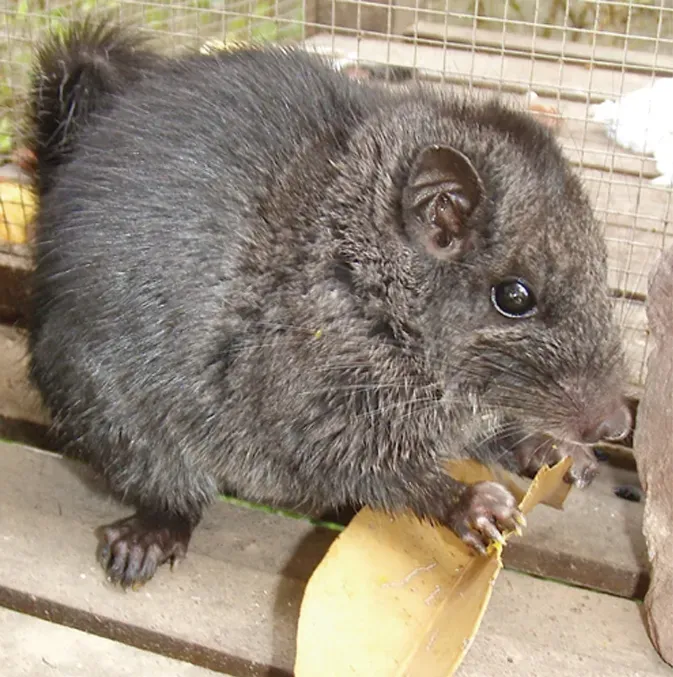
Few rediscoveries sound as absurd on paper as the Laotian rock rat, a species initially believed to have gone extinct roughly 11 million years ago, long before humans existed.
When this squirrel-sized rodent was first identified from specimens sold in a Laotian food market in the early 2000s, scientists studying its unusual anatomy initially classified it into a fossil family called Diatomyidae, a group believed to have died out in the Miocene epoch. The implication was staggering: this wasn’t just a rediscovered species, it was potentially a rediscovered lineage thought to have vanished before the first hominids walked the Earth.
Formally described in 2005, the animal – nicknamed “kha-nyou” by locals – turned out to be a living, breathing member of a family science had confidently declared extinct for millions of years. Its closest known relatives exist only as fossils, making it one of the most dramatic Lazarus taxa ever documented.
Ongoing hunting and trapping for local food markets means this ancient survivor’s second act could still end badly. Up next, an insect discovery that made international headlines for its sheer size.
#17 – Wallace’s Giant Bee Emerges From 38 Years of Silence
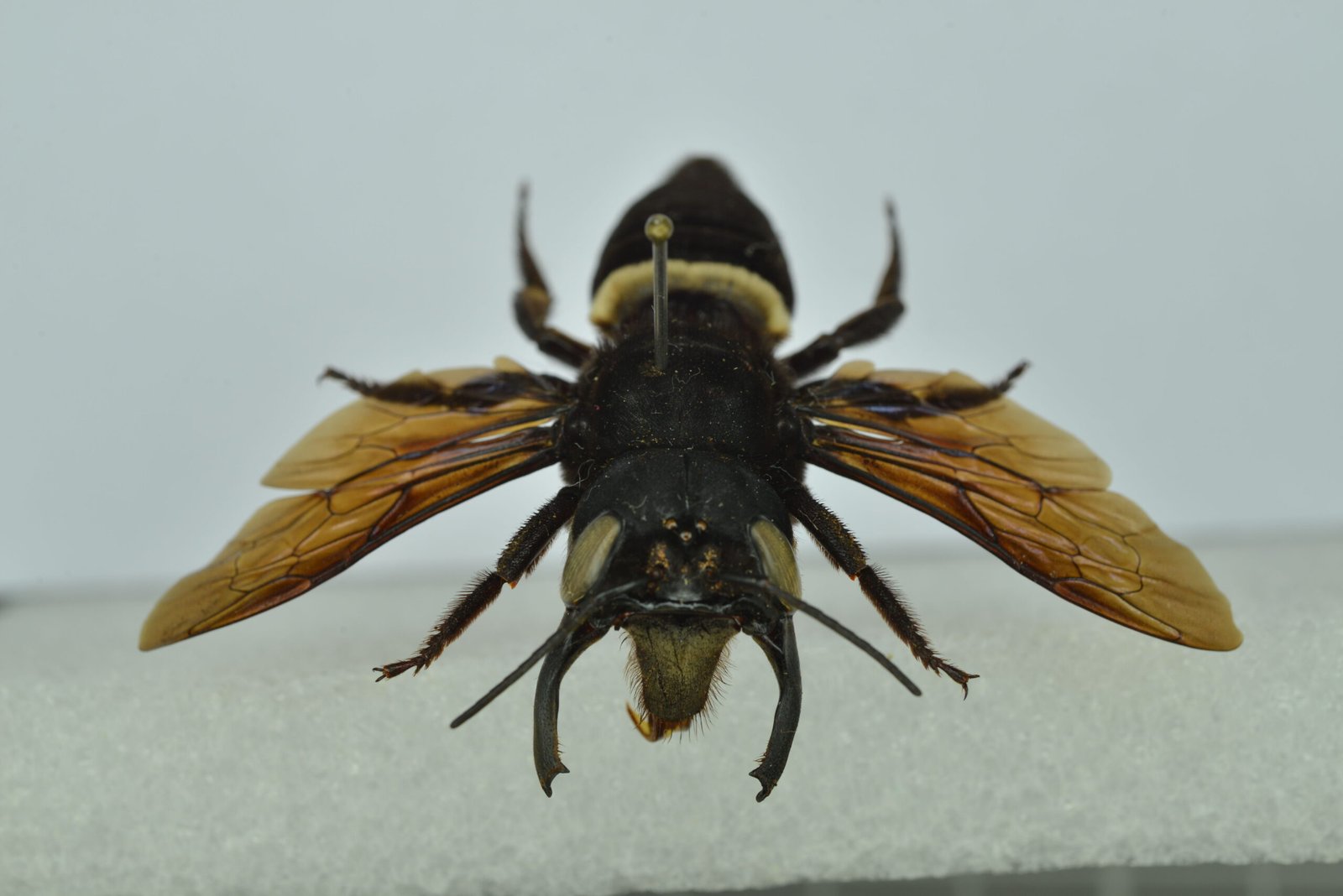
Wallace’s giant bee, the world’s largest known bee species, disappeared from scientific record for 38 years before a specialized search team tracked it down inside a termite mound.
British naturalist Alfred Russel Wallace discovered the giant bee on his last day exploring Bacan, a tropical Indonesian island, in 1858. Despite its striking size, the species went unseen for well over a century, with only scattered, unconfirmed reports keeping hope alive among entomologists.
“A large, black wasp-like insect, with immense jaws like a stag beetle.”
Alfred Russel Wallace, describing the giant bee in 1858
The bee had been lost to science since 1981 and was finally found by an independent search team in early 2019, nesting inside an active termite mound in a tree. Females can grow to 4.5 centimeters long, making the species roughly four times larger than a typical honeybee.
At a Glance
- Discovered in 1858 by Alfred Russel Wallace on Bacan Island, Indonesia
- Lost to science for 38 years, from 1981 to 2019
- Females measure up to 4.5 centimeters, four times the size of a honeybee
- Nests inside active termite mounds rather than hives
Its rediscovery immediately raised alarm bells, since collectors had already been selling specimens online for thousands of dollars, incentivizing exactly the kind of over-collection that could push it back into extinction. The next entry belongs to a tortoise nobody expected to find alive on its namesake island.
#18 – The Galápagos Tortoise Found After a Century Alone
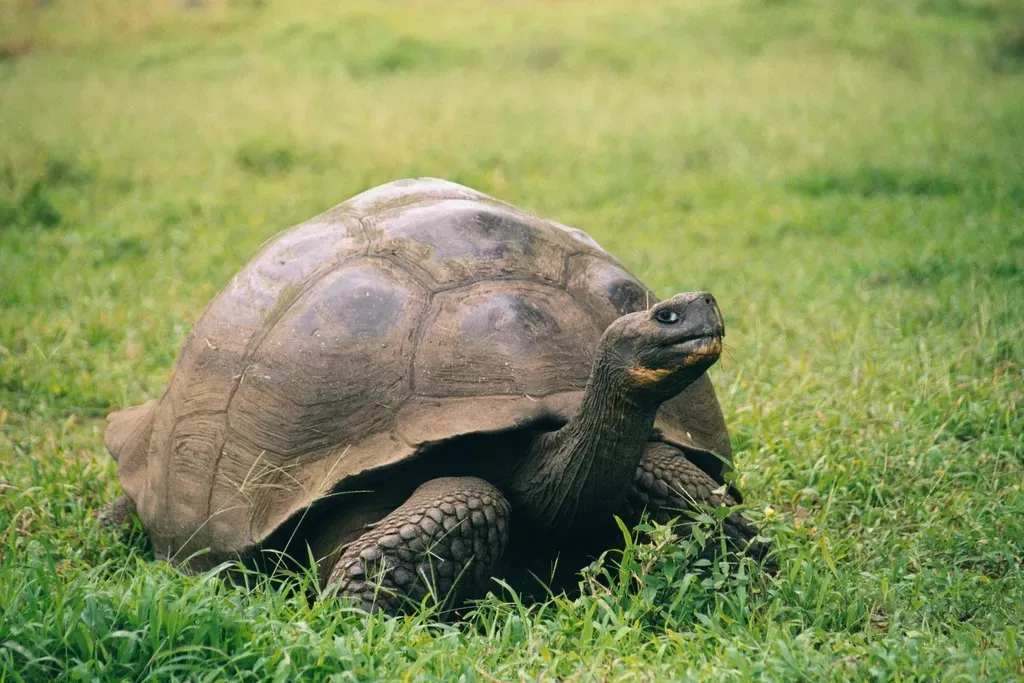
The Fernandina Galápagos tortoise was presumed extinct for over 100 years, known only from a single specimen collected in 1906, until a solitary survivor turned up in 2019.
Fernandina Island’s harsh volcanic terrain made surveys notoriously difficult, and after more than a century without a confirmed sighting, most tortoise experts assumed the species had been wiped out by volcanic activity or simply never had a viable population to begin with. The 1906 specimen sat in a museum for generations as the only physical proof the species had ever existed.
In February 2019, a joint expedition finally located a single adult female tortoise navigating the island’s rugged lava fields, confirming the species had survived against enormous odds. Genetic testing confirmed she matched the century-old specimen, proving the lineage never actually died out.
Scientists have since found tracks and droppings suggesting other individuals may still be out there, and search efforts continue. The next animal was rediscovered using nothing but patience, camera traps, and a rumor from local villagers.
#19 – The Fanged Deer Nobody Believed Existed Anymore
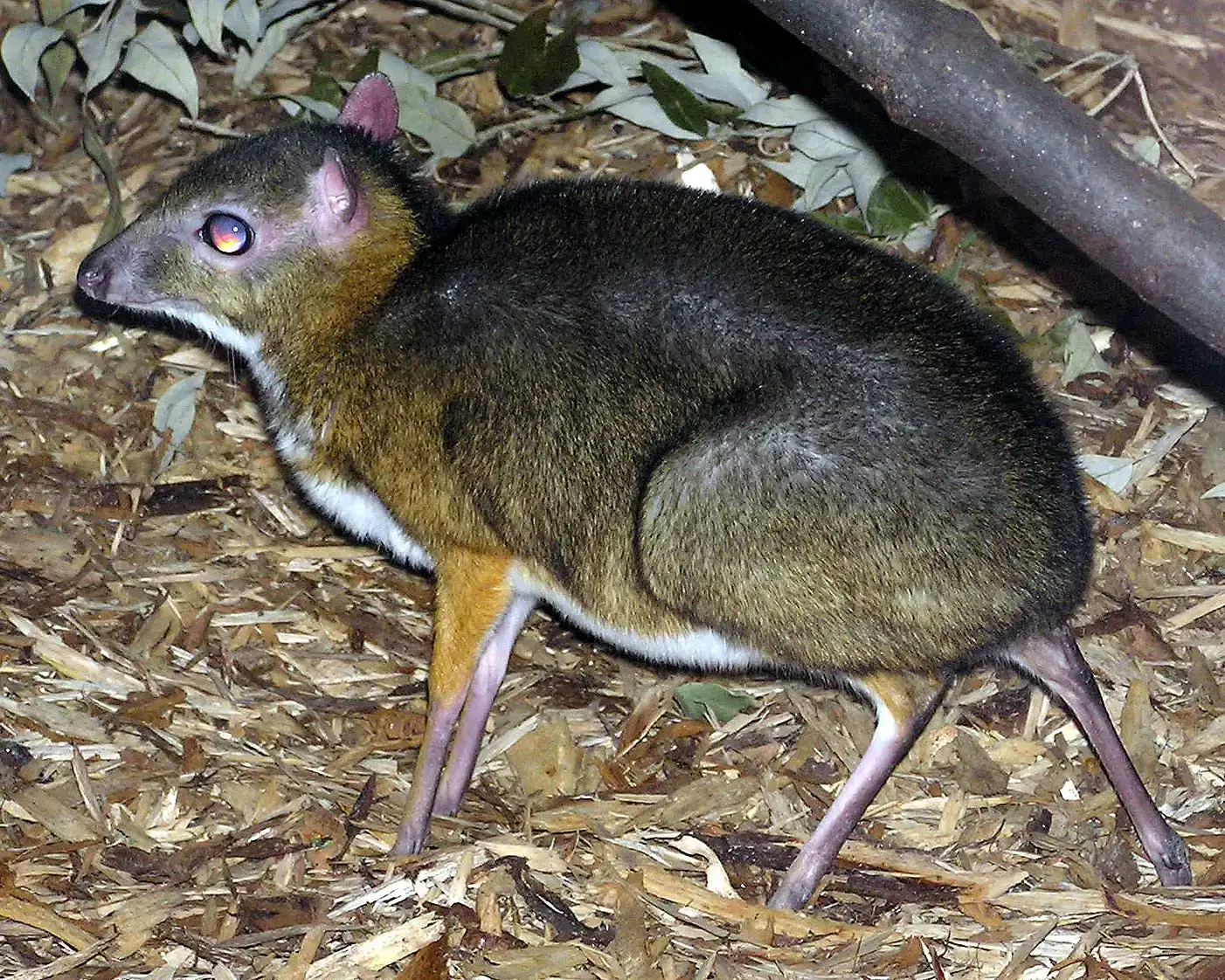
The silver-backed chevrotain, also called the Vietnamese mouse-deer, went unrecorded for roughly 30 years before camera traps proved it had never actually disappeared.
This rabbit-sized, deer-like mammal was known only from Vietnam, first described in 1910 by British zoologist Oldfield Thomas, who procured four specimens from Nha Trang. The only other confirmed record came decades later, in 1990, when a hunter killed a fifth specimen and donated it to scientists – bringing the total ever documented to just five animals across eighty years. After that: silence, and mounting fear that the species had quietly gone extinct.
Researchers finally confirmed the presence of the mouse-deer in dry, low-lying forests on Vietnam’s southern coast, with camera traps easily identifying the animal by its characteristic double-tone coloration and throat markings. Over five months, cameras captured hundreds of images once researchers expanded their network, proving a healthy population had simply been overlooked. It became the first mammal on the list of 25 most wanted lost species to be rediscovered.
Illegal wire snares remain the biggest ongoing threat to the species’ survival. Next, a shrew-like mammal with an elephant’s nose that fooled scientists for half a century.
#20 – The Elephant-Nosed Mammal Hiding in Plain Sight
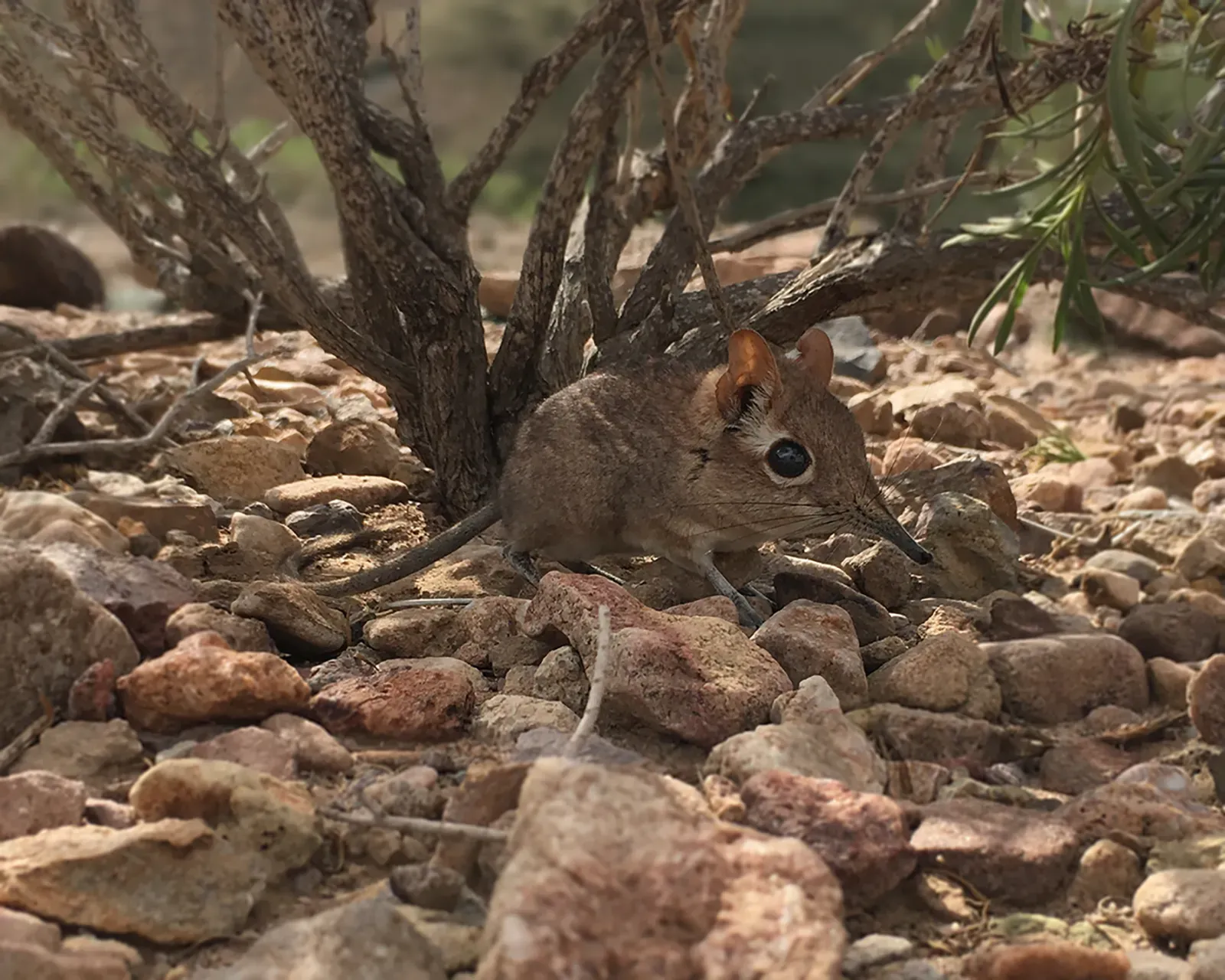
The Somali sengi vanished from scientific record for 52 years, with researchers assuming it had gone the way of so many other small East African mammals lost to habitat pressure and civil conflict.
Known primarily from about 39 museum specimens with no new vouchered occurrence records since the early 1970s, the species carried a “Data Deficient” conservation status simply because nobody had modern information to work with. Researchers had almost nothing to go on beyond old museum drawers and secondhand ecological guesses borrowed from related species.
In 2020, an expedition to Djibouti announced that a population had been found – the first documented since 1968 – identifying the animals by their distinctive tufted tails. The species turned out to be thriving, not just surviving, quietly flourishing in the arid, rocky landscape of the Horn of Africa. DNA analysis even revealed it belonged in a brand-new genus altogether, named Galegeeska.
Researchers now believe the lineage has inhabited the Horn of Africa for more than 5.4 million years, meaning it outlasted ice ages long before it ever fooled modern scientists. The next entry involves an insect nicknamed the “tree lobster.”
#21 – The “Tree Lobster” That Survived on a Sea Stack
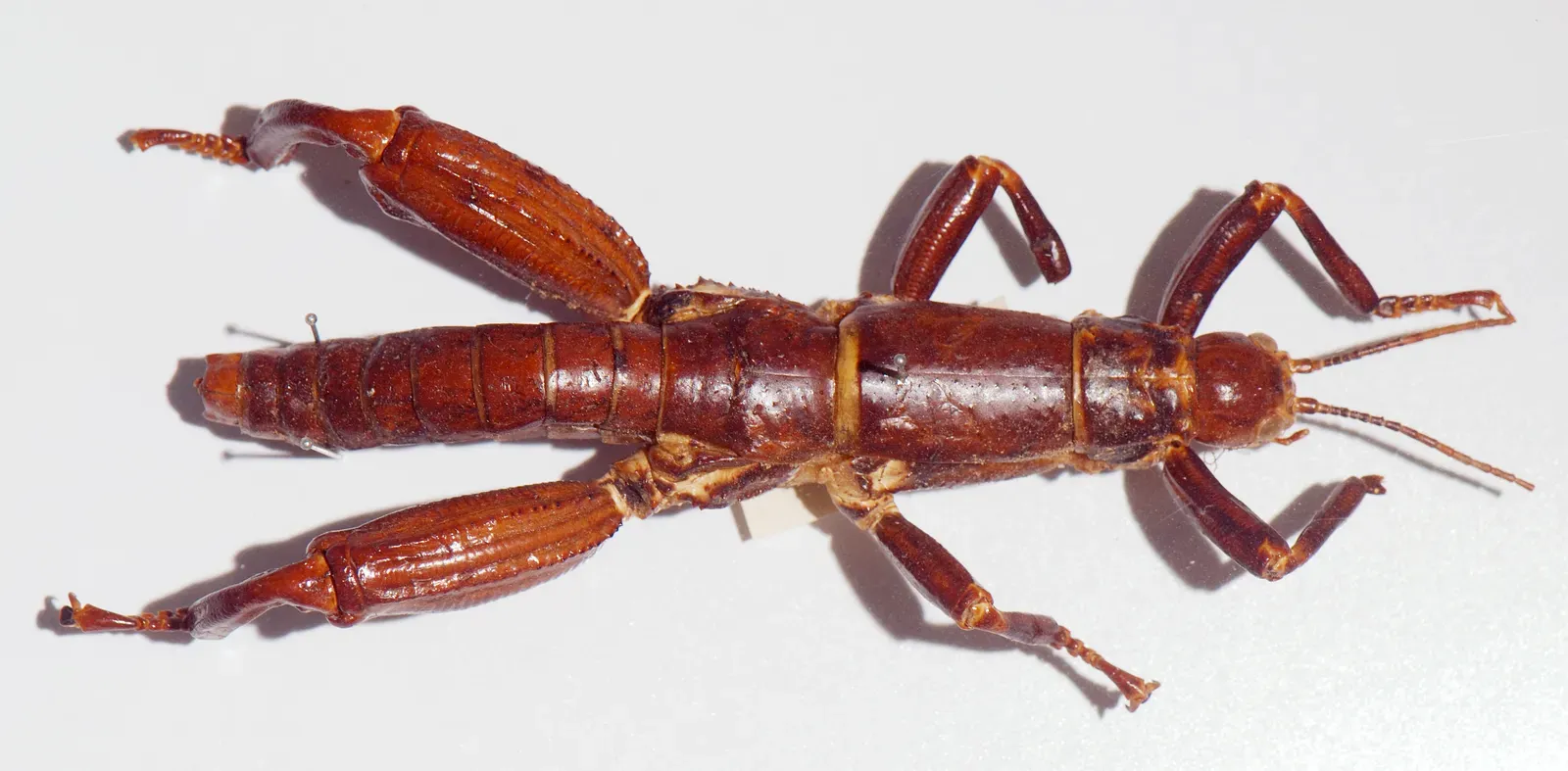
The Lord Howe Island stick insect was wiped out from its namesake island by rats within 15 years, then presumed completely extinct for decades – until climbers found it clinging to a barren volcanic spire.
Once common on the island, the species vanished after ship rats arrived in the early 20th century. It stayed presumed extinct until a tiny population of similar-looking stick insects was discovered 20 kilometers away, on the islet of Ball’s Pyramid, in 2001. This towering rock spire, formed more than 6 million years ago by volcanic activity and standing 572 meters tall as the world’s tallest volcanic sea stack, had stayed rat-free simply because it was too hostile for almost anything to colonize.
Because the survivors looked physically different from museum specimens, scientists spent years questioning their identity, until a 2017 genetic study found low mitochondrial divergence between the Ball’s Pyramid population and museum samples, confirming they were the same species. The insects can measure up to six inches long and reproduce partly through parthenogenesis.
Breeding programs at multiple zoos worldwide are now working toward reintroducing the species to its original island home, renewing hope for an insect once written off entirely. The next comeback involves a parrot so elusive it may still be one of the rarest birds on Earth.
#22 – The Ghost Parrot of the Australian Outback
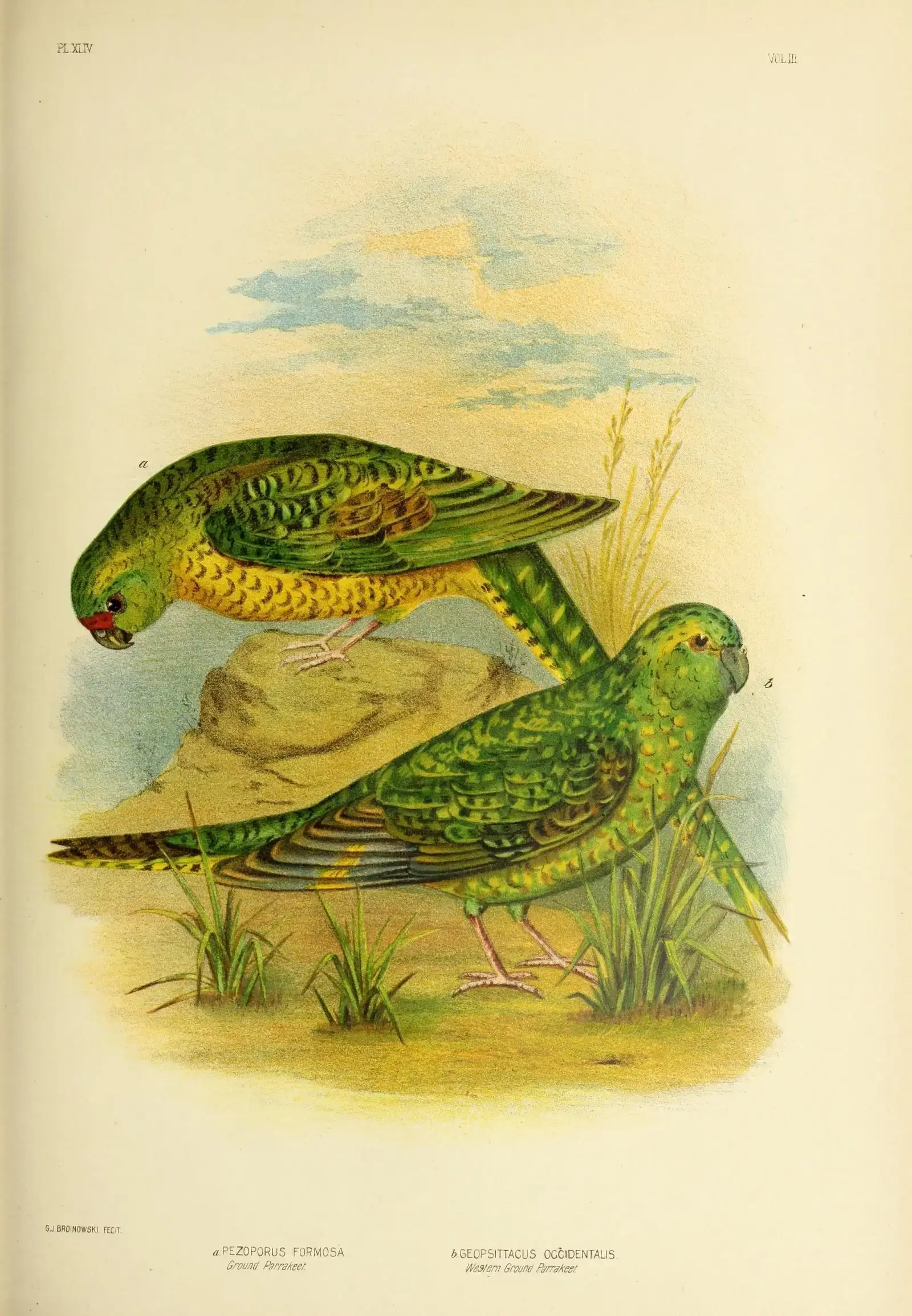
The night parrot went unconfirmed for over a century, spawning one of the most obsessive bird searches in Australian history before a single photograph finally settled the debate.
For generations, this secretive, ground-dwelling nocturnal parrot was known almost entirely from dead specimens and scattered feather remains found in the remote deserts of central Australia. Sightings were reported periodically throughout the 20th century, but none held up to scrutiny, and ornithologists largely treated confirmed live encounters as effectively impossible.
In 2013, the night parrot was rediscovered in the wild more than a century after the last confirmed sighting, when a dedicated wildlife photographer finally captured verifiable footage in remote Queensland. The location of the confirmed population remained a closely guarded secret for years afterward, specifically to protect it from illegal collectors and disturbance.
Subsequent searches have located additional small populations scattered across remote arid Australia, but the species remains critically endangered and desperately difficult to study. The next bird waited even longer – nearly 300 years – before proving the doubters wrong.
#23 – The Cahow’s 300-Year Disappearance
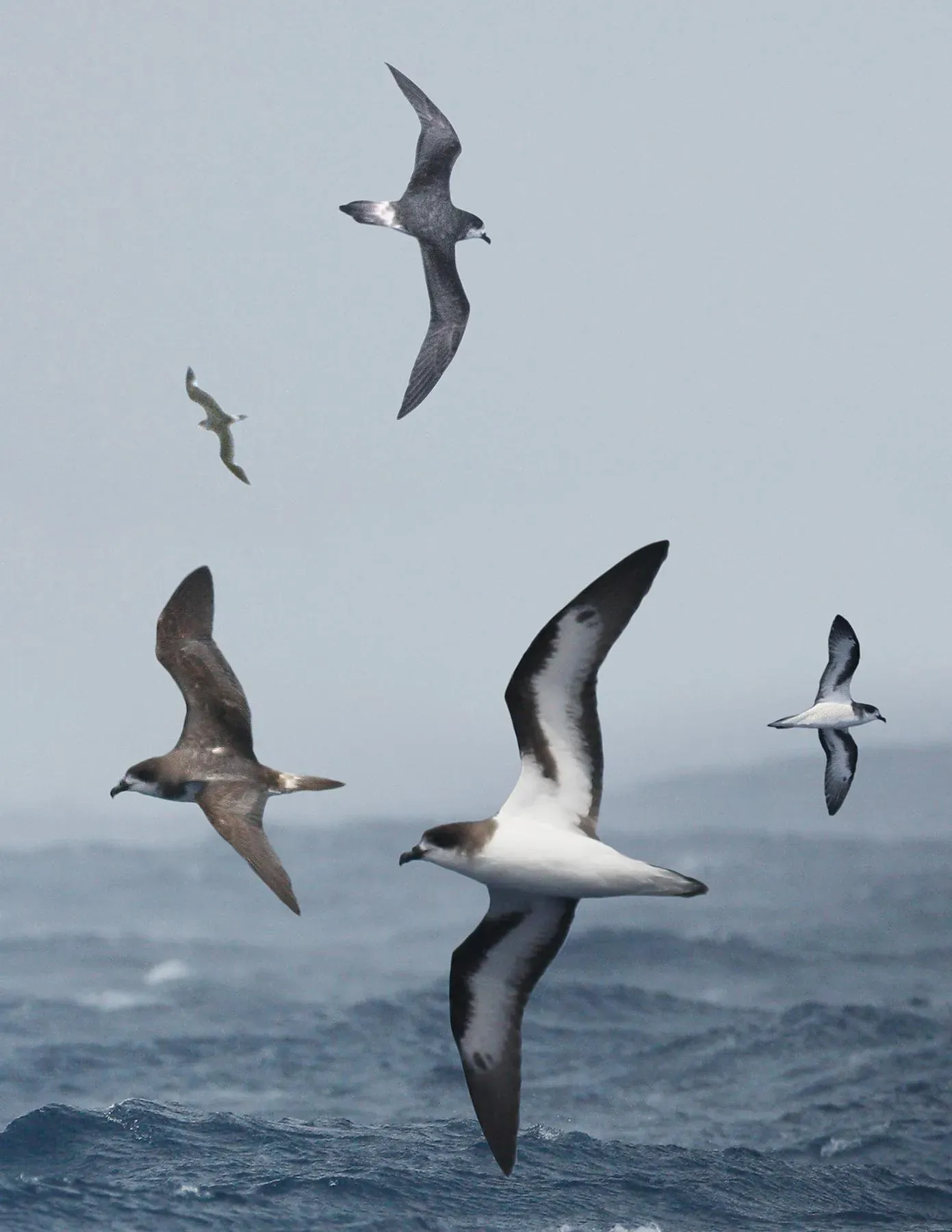
The Bermuda petrel, better known as the cahow, was so thoroughly wiped out by early European settlers that it was presumed globally extinct for roughly three centuries.
Sailors and colonists arriving in Bermuda in the 1600s hunted the ground-nesting seabird relentlessly for food, while introduced pigs and rats devastated its nesting colonies. Within just a few decades of European contact, the species vanished from every known breeding site. For generations afterward, the cahow existed only in old written accounts and colonial records, treated as a historical curiosity rather than a living animal.
In 1951, a small breeding population was discovered on a handful of tiny, rocky islets in Bermuda’s Castle Harbour, proving a remnant population had survived undetected the entire time. Fewer than twenty breeding pairs were located at the time of rediscovery, making it one of the rarest seabirds ever confirmed alive.
Quick Compare
- 1951 rediscovery: fewer than 20 breeding pairs remained
- Today: population has grown into the hundreds
- Presumed extinct for roughly 300 years before rediscovery
- Recovery driven by artificial nesting burrows and predator control
Decades of dedicated conservation work, including artificial nesting burrows and predator control, have since grown the population into the hundreds. The next entry involves a flightless bird New Zealanders had genuinely mourned as gone forever.
#24 – The Takahē’s Return From New Zealand’s Wilderness
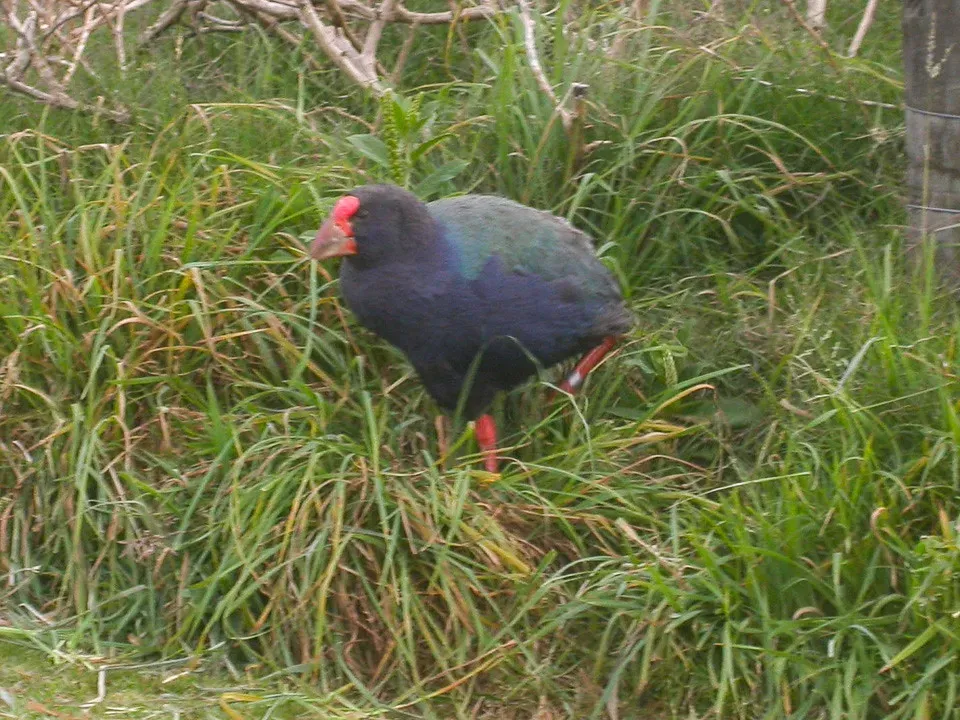
The South Island takahē, a large flightless bird native to New Zealand, was declared officially extinct in the late 1800s after introduced predators and habitat loss devastated its population – only to reappear half a century later in one of the most celebrated rediscoveries in ornithological history.
European settlement brought stoats, cats, and extensive land clearing to New Zealand’s native ecosystems, and ground-dwelling birds like the takahē had virtually no defense against predators they’d never evolved alongside. By the early 20th century, sporadic and unconfirmed reports were the only evidence anyone had that the species might still exist somewhere in the country’s remote interior.
In 1948, physician and naturalist Geoffrey Orbell led an expedition into the remote Murchison Mountains of Fiordland and discovered a small surviving population living in an isolated alpine valley nobody had thought to search. The bird had survived undetected for over 50 years in a landscape so remote that even determined search parties had repeatedly failed to reach it.
Intensive conservation programs, including predator-free island sanctuaries, have since helped the population slowly recover from the brink. But no rediscovery on this list compares to the granddaddy of them all.
#25 – The Coelacanth: A Living Fossil From the Age of Dinosaurs
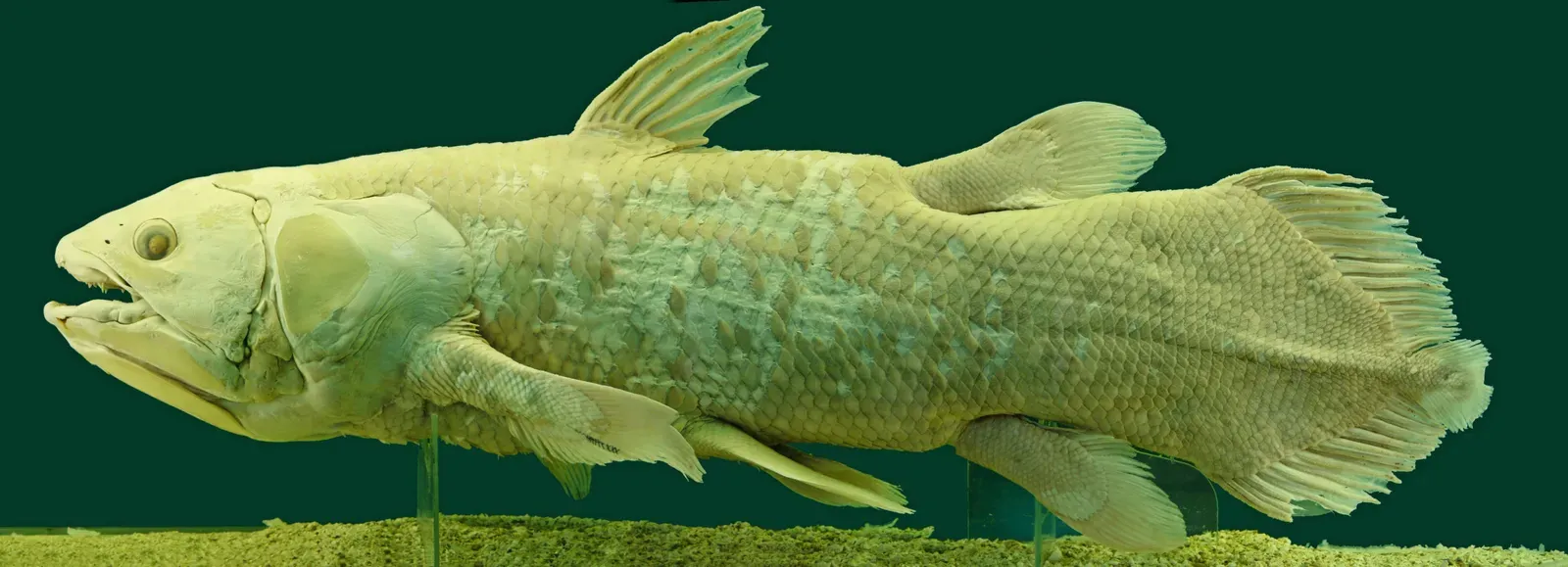
Nothing on this list compares to the coelacanth, a fish scientists confidently declared extinct roughly 66 million years ago – right around the time dinosaurs disappeared – until a living specimen was pulled from the ocean in 1938.
For decades, the coelacanth existed purely in the fossil record, cited in textbooks as a definitive example of a lineage that hadn’t survived the mass extinction event that wiped out the dinosaurs. Paleontologists studied its ancient fossilized relatives extensively, confident they were examining a creature no living eyes would ever see again.
Then, off the coast of South Africa, a museum curator named Marjorie Courtenay-Latimer spotted an unusual fish among a fishing trawler’s catch and recognized it as something extraordinary. It remains the most famous rediscovery of its kind: a fish known only from dinosaur-era fossils, alive and swimming in 1938. The fish had apparently been swimming in deep ocean waters completely undetected for tens of millions of years longer than humans have existed as a species.
A second, genetically distinct population was later found off Indonesia in the 1990s, proving the lineage had spread further than anyone imagined. It remains the single most dramatic extinction reversal in modern scientific history, and the benchmark every other Lazarus species on this list gets measured against.
The Bottom Line
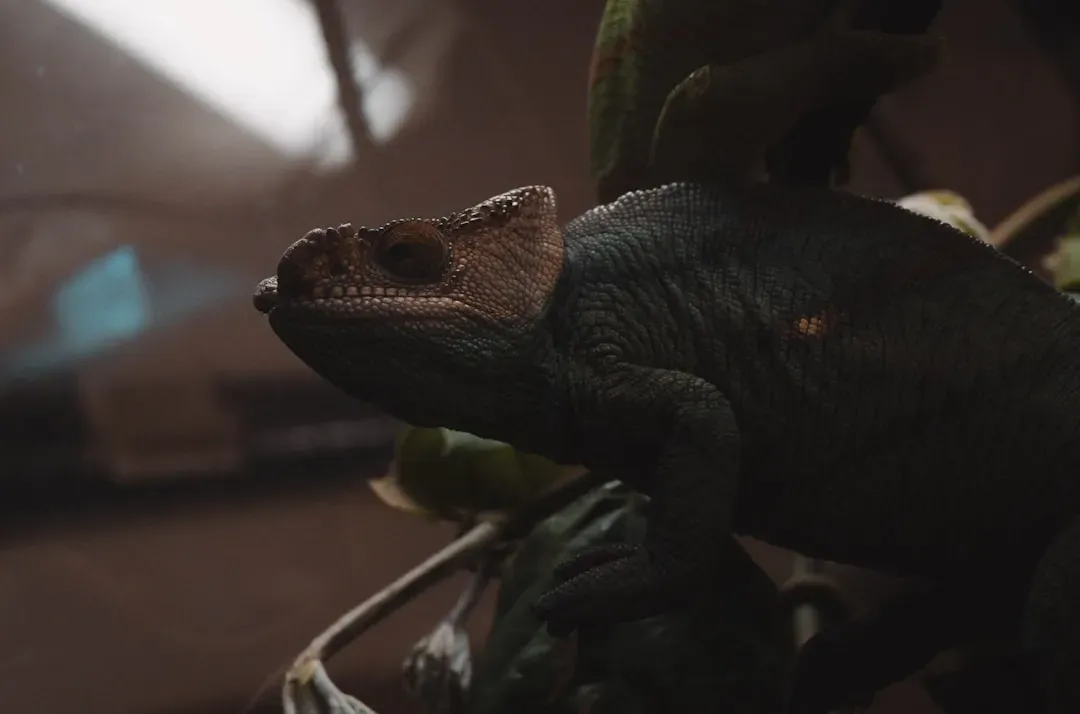
The pattern across all 25 cases is remarkably consistent: extinction declarations are usually a measure of how hard humans looked, not how long a species actually survived. Remote habitats, tiny surviving populations, and outdated survey methods caused scientists to give up decades – sometimes centuries – too early, from a fish presumed gone since the dinosaurs to a shrew-sized mammal thriving quietly in Djibouti the entire time.
Rediscovery doesn’t mean safety, though. Nearly every animal on this list remains critically endangered, one bad fire season or poaching wave away from the label becoming permanent again – this time for real. If there’s a lesson buried in all 25 of these stories, it’s this: the wild still has secrets bigger than we’re comfortable admitting, and “extinct” might just be the most overused word in biology. Which of these surprised you the most? Drop your pick in the comments.