
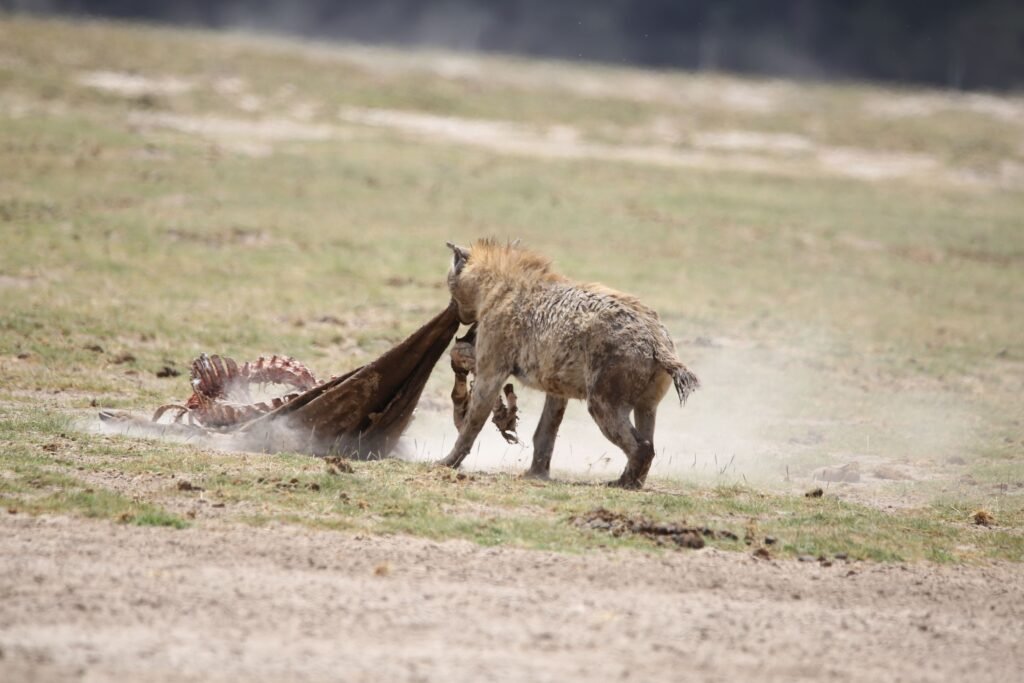
Picture this: you are standing on a savanna with no map, no GPS, no weather app, and no supermarkets. All you have are your eyes, ears, and the animals around you. For early humans, reading animal behavior was not a fun nature hobby; it was a survival skill as critical as fire or stone tools. Miss the signs, and you go hungry. Misread them, and you might not live long enough to learn from your mistake.
What makes this so fascinating is that many of those ancient cues are still visible today. Herds still shift before storms, birds still fall silent before predators arrive, and scavengers still appear where death and danger lurk. Our ancestors did not have complicated theories, but they had careful observation and brutal feedback from the environment. Let’s walk through nine powerful ways early humans likely turned animal behavior into a living guidebook for finding food, water, and spotting danger.
1. Following Large Herbivores to Hidden Water Sources
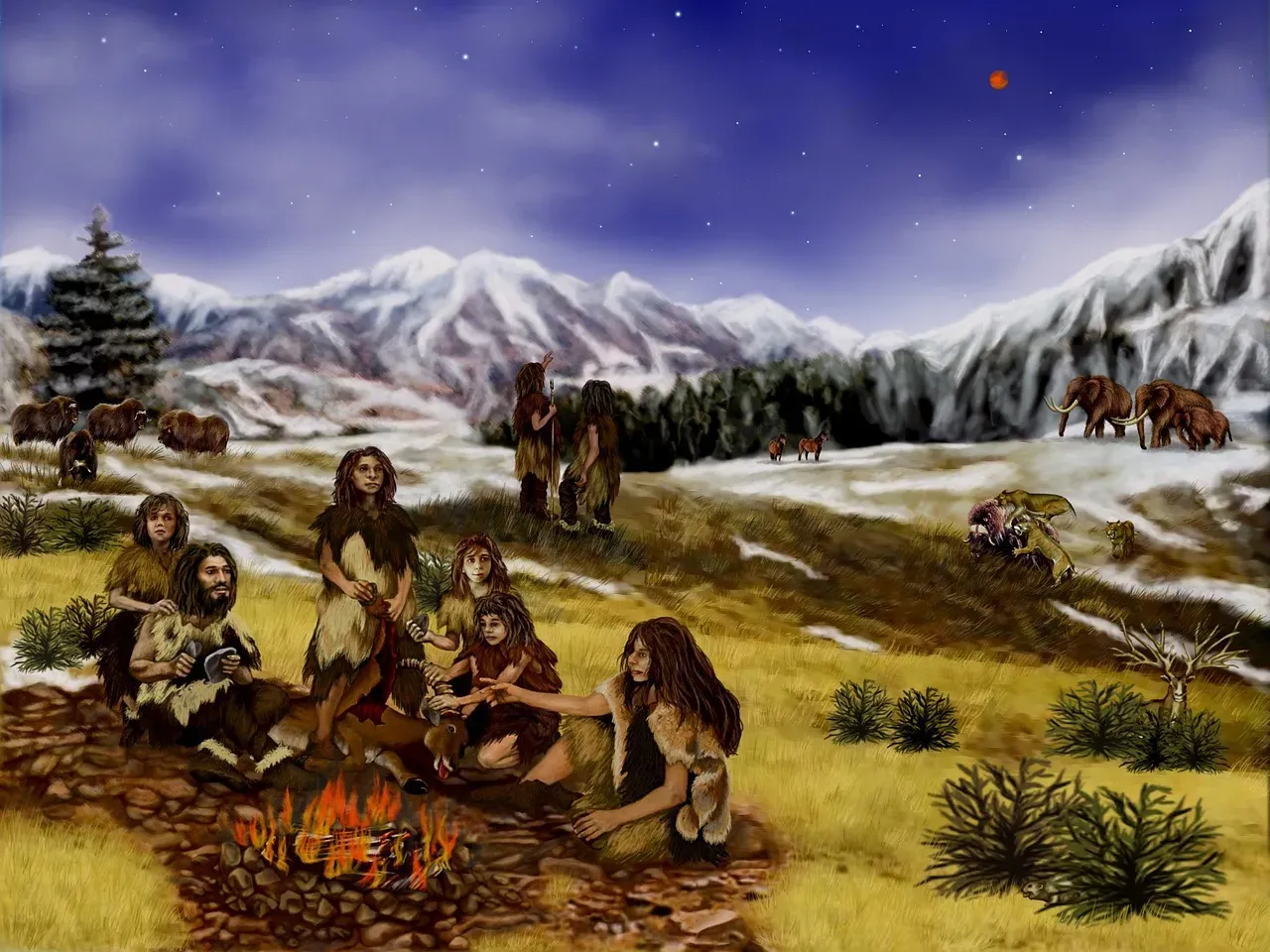
One of the most reliable tricks was simple: follow the plant-eaters. Large herbivores like antelope, buffalo, elephants, and wild cattle need to drink regularly, often every day or every few days, depending on the species and climate. Early humans who watched the direction, timing, and patterns of these animals could be led to waterholes, riverbeds, and seasonal springs that were not obvious from a distance.
Humans could notice, for example, that during the hottest hours of the afternoon, herds began to drift toward a certain low-lying area, or that at dawn and dusk animals consistently disappeared behind a line of trees or rocks. Even the trails trampled into the ground by repeated animal traffic became rough “maps” etched into the landscape. For a thirsty band of hunter-gatherers, reading the movement of herbivores was like reading arrows pointing toward life-saving water.
2. Reading Bird Movements and Calls to Locate Food and Water
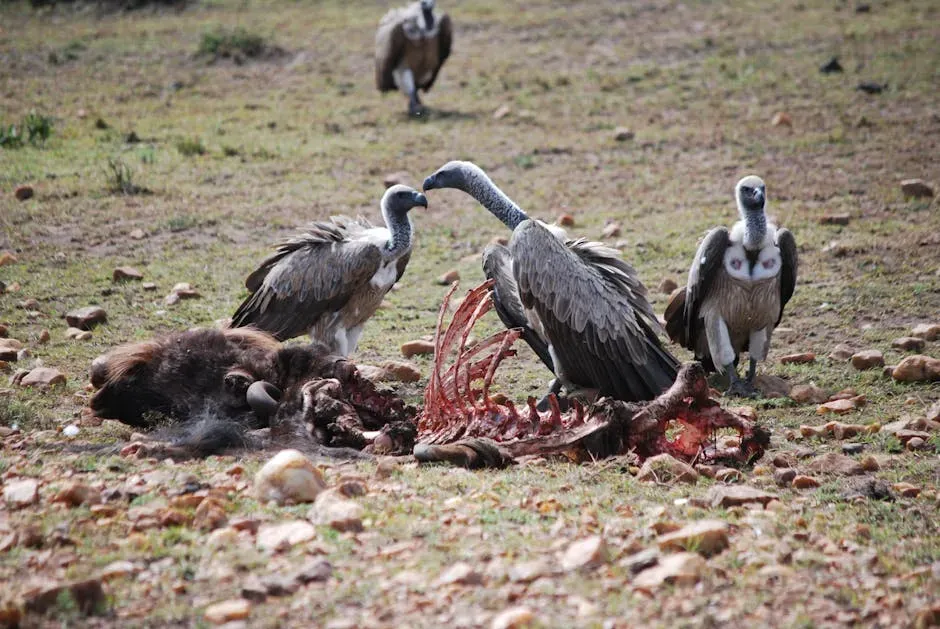
Birds are basically flying information systems. Early humans learned that some bird species circle over carcasses, others hover over fish-rich waters, and some flock toward fruiting trees. A group of scavenging birds drifting in a spiral high in the sky could signal a recent kill by a predator, meaning fresh meat was available if you arrived before other scavengers or dared to drive them away.
Water-loving birds like ducks, geese, and certain waders gave away the location of lakes, marshes, or rivers even when they were hidden behind terrain or vegetation. Smaller birds that cluster in certain shrubs can hint at berries or seeds. Over time, careful observers would learn not just “birds mean something,” but which specific birds meant meat, which meant water, and which meant plants, effectively turning the sky into a constantly updating resource map.
3. Using Predator Presence to Track Fresh Kills and Scavenge
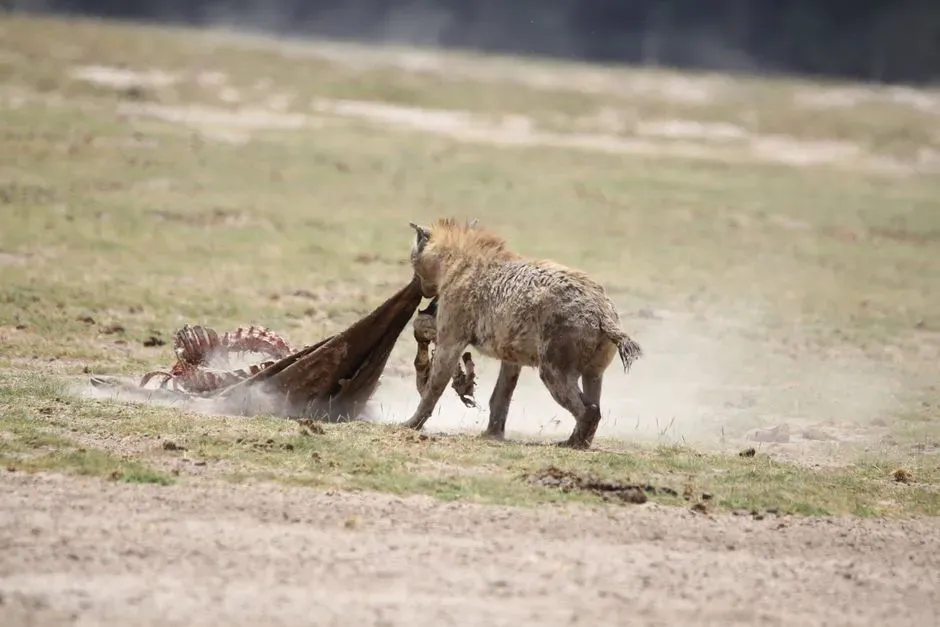
Scavenging is sometimes treated like a shameful second-choice strategy in modern imagination, but for early humans it was smart, efficient, and often safer than a risky hunt. Big predators like lions, hyenas, or wild dogs did the hardest part: chasing and bringing down large, dangerous prey. Humans could then use their intelligence, coordination, and tools to steal part of that food if they timed it carefully.
To pull this off, they had to read predator behavior very closely. The direction of a lion’s trot, the speed of a vulture’s descent, the way hyenas clustered and vocalized around a certain spot – all of that revealed where fresh meat could be found. Of course, this was a double-edged strategy: where there were predators, there was danger. Early humans had to balance hunger with caution, watching for subtle signs that a predator was distracted, satiated, or outnumbered before moving in on a kill.
4. Watching Insects to Discover Honey, Carcasses, and Water
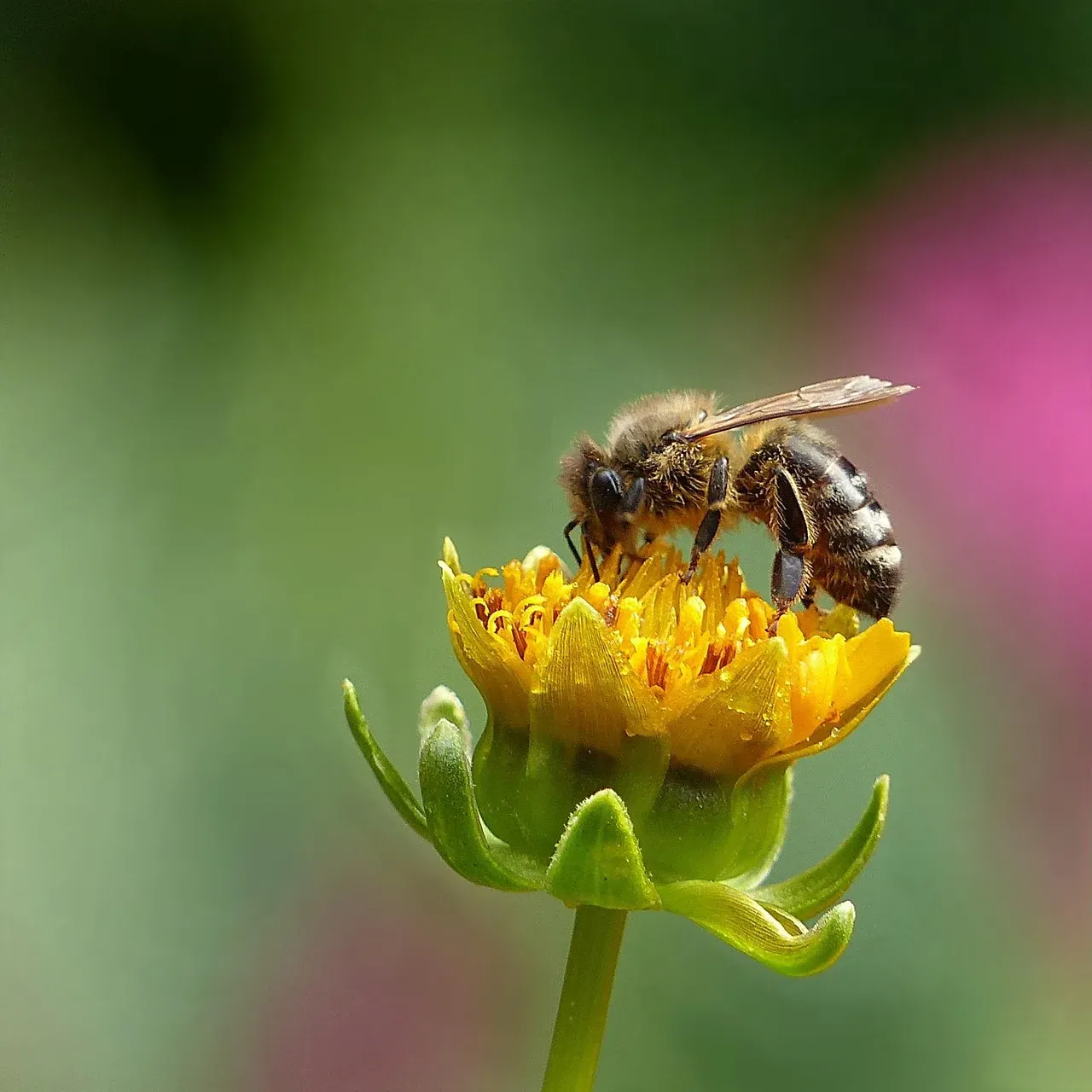
Insects might seem like background noise, but for a perceptive forager, they were gold. Bees, for instance, are some of the clearest guides in nature. People in many traditional societies still track bees back to their hives by watching the direction of their flight, and it is very likely that early humans did something similar. Honey, wax, and larvae were rich energy sources and worth the effort of careful observation and risky retrieval.
Other insects behaved like flashing warning or signal lights. Swarms of certain flies and beetles gathered around carcasses or dung, pointing to either potential meat or, at the very least, information about what larger animals had recently passed by. Even the dense presence of dragonflies or mosquitoes around certain areas hinted at standing water or swampy ground. These tiny creatures, almost invisible at a distance, became precise markers for food and water when you learned how to read their movements.
5. Using Alarm Calls and Sudden Silence as Early Warning Systems
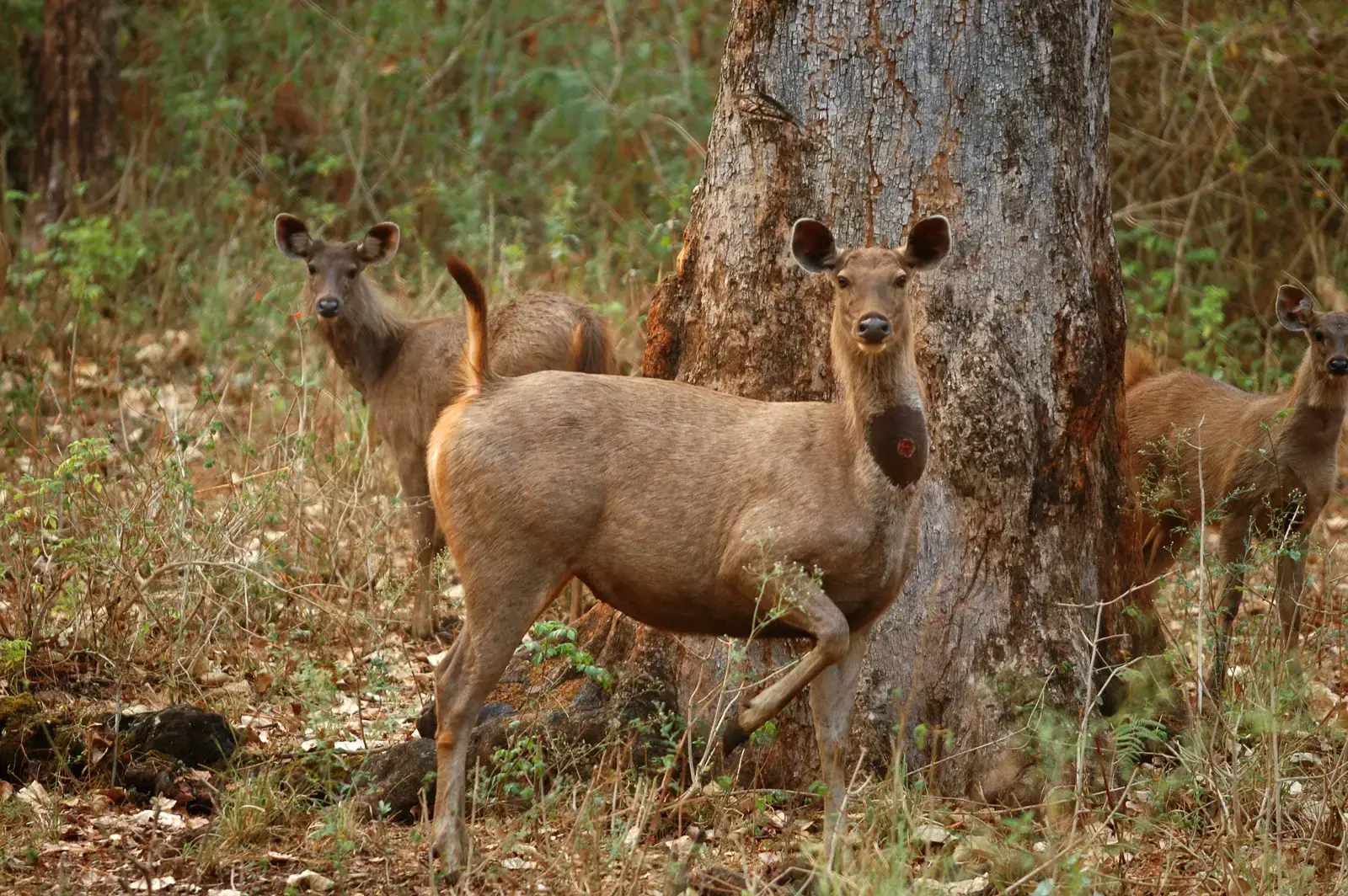
Many animals essentially function as living alarm systems, constantly monitoring their surroundings and reacting faster than humans often can. Early humans learned that certain sounds – a sharp bark from a monkey, a sudden burst of calls from ground birds, or the frantic snorts of antelope – often meant a predator or other threat was nearby. Paying attention to these alarms could mean the difference between walking into danger and quietly stepping back into cover.
Just as telling as noise was silence. A forest that goes suddenly quiet, with birds and small animals freezing or vanishing, can be a strong clue that something is wrong: a stalking big cat, a human rival, or an approaching storm. Early humans, spending their lives outdoors, would have become exquisitely sensitive to these shifts. Instead of relying on one sense alone, they combined sight, sound, and memory, effectively outsourcing some of their vigilance to the animal world around them.
6. Reading Seasonal Migrations to Time Hunts and Foraging
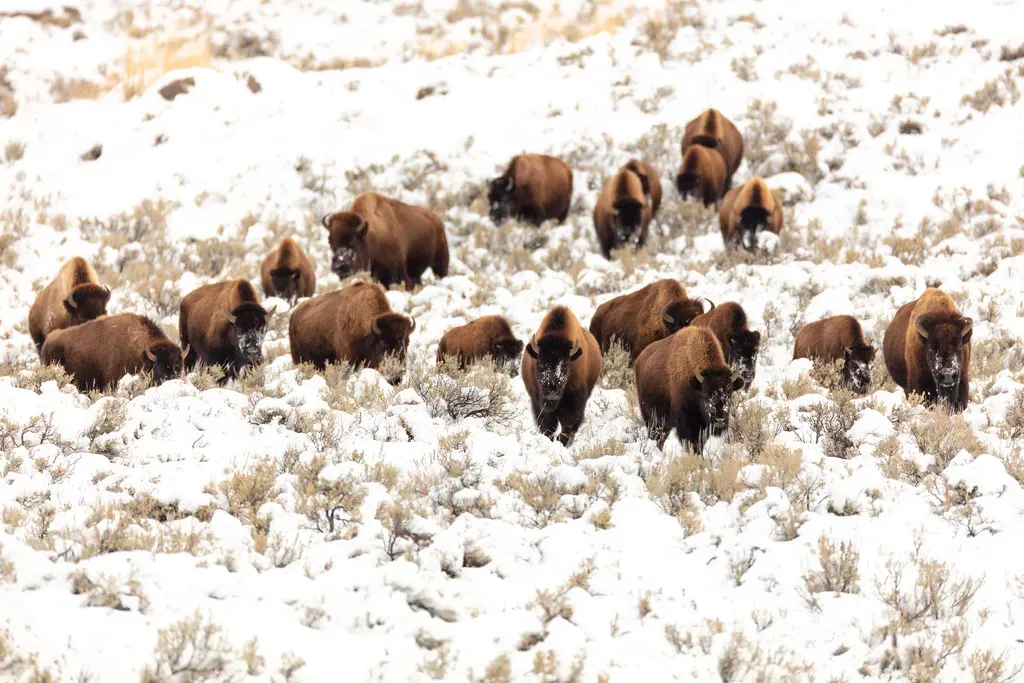
Many large animals move seasonally, following rains, new grass, or breeding cycles. Early humans did not need calendars to know when the seasons turned; they could look at the sky and the herds. When antelope or wildebeest began to move in massive numbers, it signaled not just hunting opportunities, but also upcoming changes in weather, vegetation, and water availability. Tagging along with these migrations offered regular access to meat and also a rough guide to where conditions would be more favorable.
This knowledge helped humans avoid being stranded in depleted, dry landscapes. If they knew, for instance, that certain animals always left a region after a particular flowering or after the first big storm, they could plan their own movements to match. The animals were not just prey; they were seasonal markers, as clear in their own way as the changing position of the sun or the length of the day. Groups that learned these patterns deeply could anticipate abundance or scarcity before it hit.
7. Interpreting Grazing and Browsing Patterns to Find Edible Plants
Plant knowledge was essential, and animals often provided shortcuts. Early humans could watch what herbivores ate, and more importantly, what they refused to eat. If multiple plant-eating animals consistently browsed from a particular shrub or tree, it suggested the plant was likely non-toxic or at least tolerable, which made it a candidate for human experimentation. On the other hand, plants that even desperate animals ignored could be a warning sign.
Of course, humans could not just copy animal diets blindly, because many animals can safely process substances that are harmful to people. But the general patterns still offered clues. If a wide variety of different herbivores converged on a certain patch during a particular season, it probably meant those plants were especially nutritious or abundant at that moment. Over generations, humans combined these observations with trial and error, building complex mental maps of which plants were safest, tastiest, or most useful.
8. Using Animal Tracks and Trails as Natural Road Signs
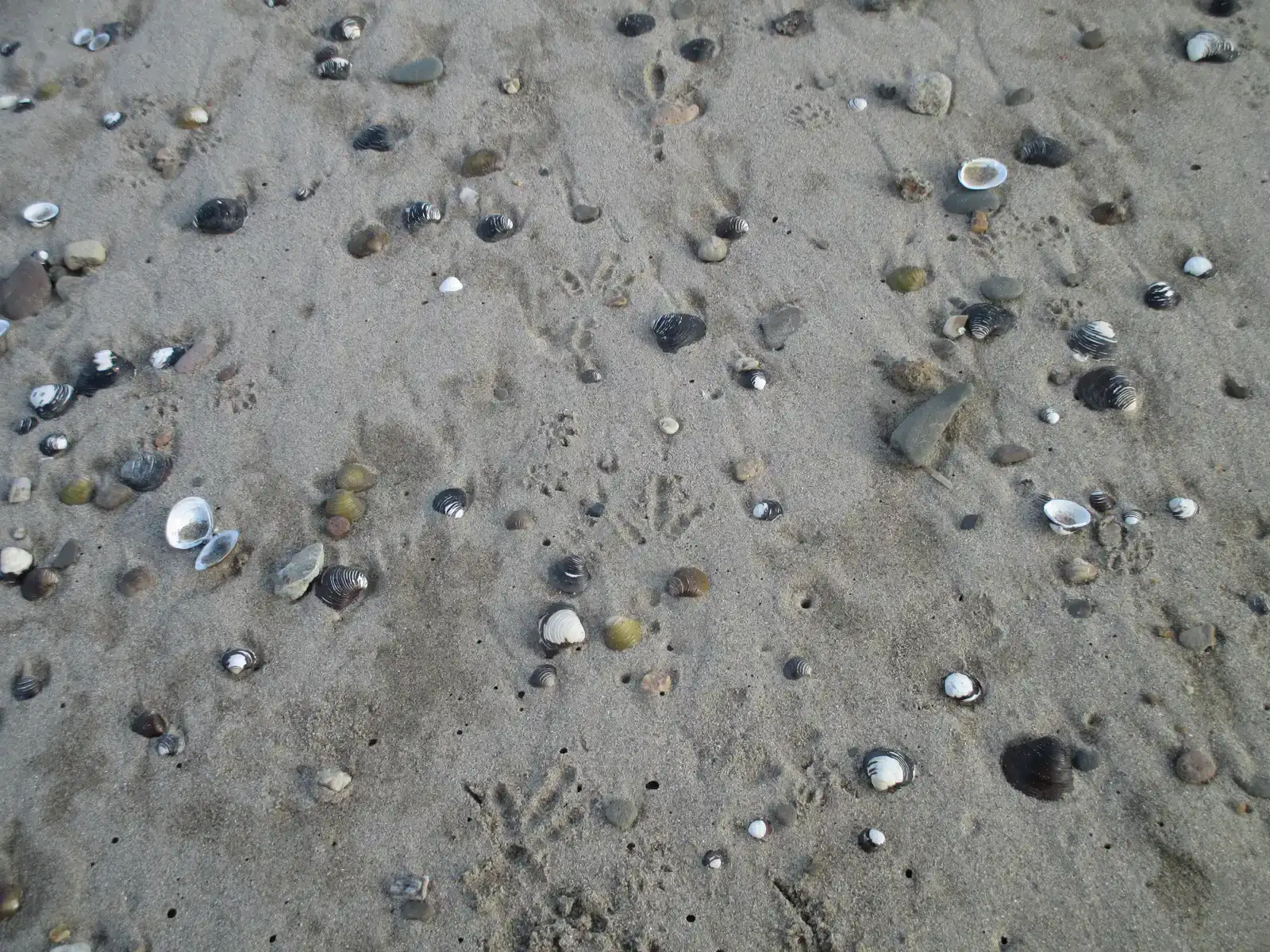
Animals leave physical signatures everywhere: tracks in the mud, trails through tall grass, worn paths around cliffs and riverbanks. For early humans, these were not random marks; they were readable text carved into the landscape. Following a set of fresh hoofprints could lead to a potential hunt, while older, broader paths indicated well-used routes between feeding grounds and water sources. Even the depth and sharpness of a track revealed how recently the animal had passed and in what condition the ground and weather were.
These trails also helped humans move more efficiently through difficult terrain. Animal paths often take advantage of the easiest crossings, the safest slopes, and the most predictable access to shade and water. By walking in the footprints of other species, humans saved energy and reduced risk. In a sense, animals did the initial scouting, and humans leveraged that work by reading the ground as carefully as we now read written language or digital maps.
9. Watching Weather-Sensitive Behavior to Predict Storms and Hazards
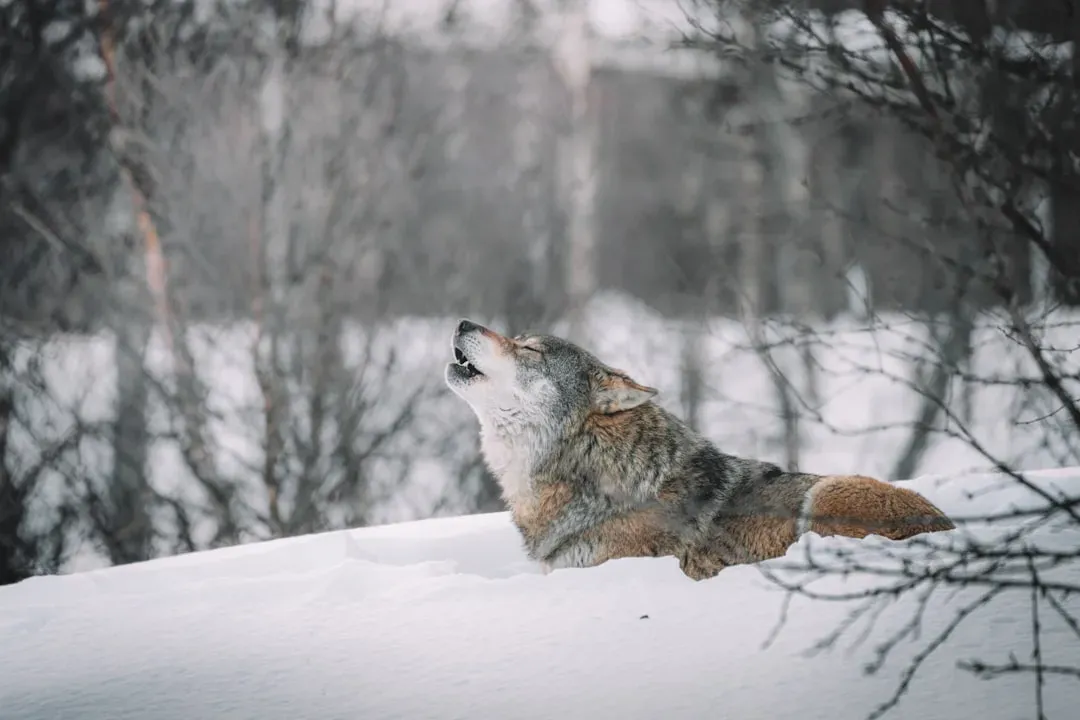
Before satellite forecasts, early humans turned to the subtle but reliable behavior of animals to sense incoming weather changes. Many animals become restless before storms: birds may fly lower, insects may swarm differently, and some mammals seek higher or more sheltered ground. Over time, people noticed that when certain patterns in animal activity showed up together, heavy rain, strong winds, or even flooding often followed soon after.
These patterns mattered because weather directly influenced food and safety. A coming storm might mean fresh water and new plant growth, but it could also mean flash floods, falling branches, or chilled nights that threatened vulnerable group members. By watching animals adjust their behavior – moving away from riverbeds, sheltering earlier than usual, or suddenly disappearing from open ground – humans gained a precious window of time to prepare, relocate, or shift their foraging plans.
Conclusion: Animal Behavior as Humanity’s First Field Guide
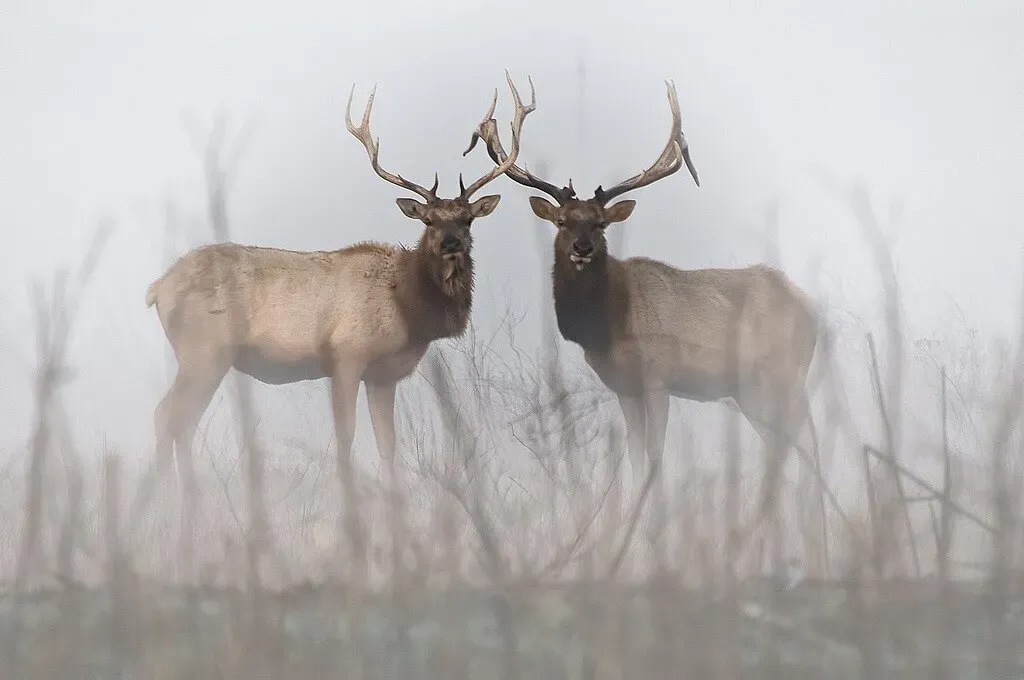
When you step back, it is hard not to be impressed by how much early humans squeezed out of simply watching animals. They turned flocks and herds into moving maps, insect swarms into location markers, and the soundtrack of calls, alarms, and silences into a live warning system. In my view, this deep attention to other species may have been one of humanity’s most powerful early tools, every bit as important as stone knives or controlled fire. Without it, our ancestors would have been wandering blind through landscapes they barely understood.
We like to think of ourselves as separate from nature now, cushioned by technology and distance from the wild, but our survival story is inseparable from the creatures we watched and learned from. If anything, revisiting how closely early humans read animal behavior might remind us that we are still part of a huge, shared information network, even if we ignore most of its signals today. The real question is: if you were dropped into the wild tomorrow, would you know how to listen to the animals the way your distant ancestors once did?