

Imagine walking through a lush forest path. Nothing dangerous actually happens, but the slightest curve of a stick on the ground makes your heart jump before your brain even catches up. That tiny jolt of panic feels irrational, yet strangely precise. It is as if some ancient part of you is whispering: watch out, that shape matters. This isn’t just a quirky human reaction; many scientists now think it’s a window into something much older, wired into our primate brains long before modern culture, movies, or myths ever existed.
Our fear of snakes has often been blamed on stories, religions, and horror films, but accumulating research suggests culture may be more like gasoline poured onto a fire that was already burning. Hidden in our visual systems, attention networks, and emotional circuits, there seems to be a readiness to notice serpent-like shapes faster and remember them longer. The big question is no longer whether culture shapes fear, but whether culture simply hijacks an ancient primate alarm system that evolution carefully tuned over tens of millions of years.
The Primate–Snake Arms Race: An Ancient Evolutionary Story
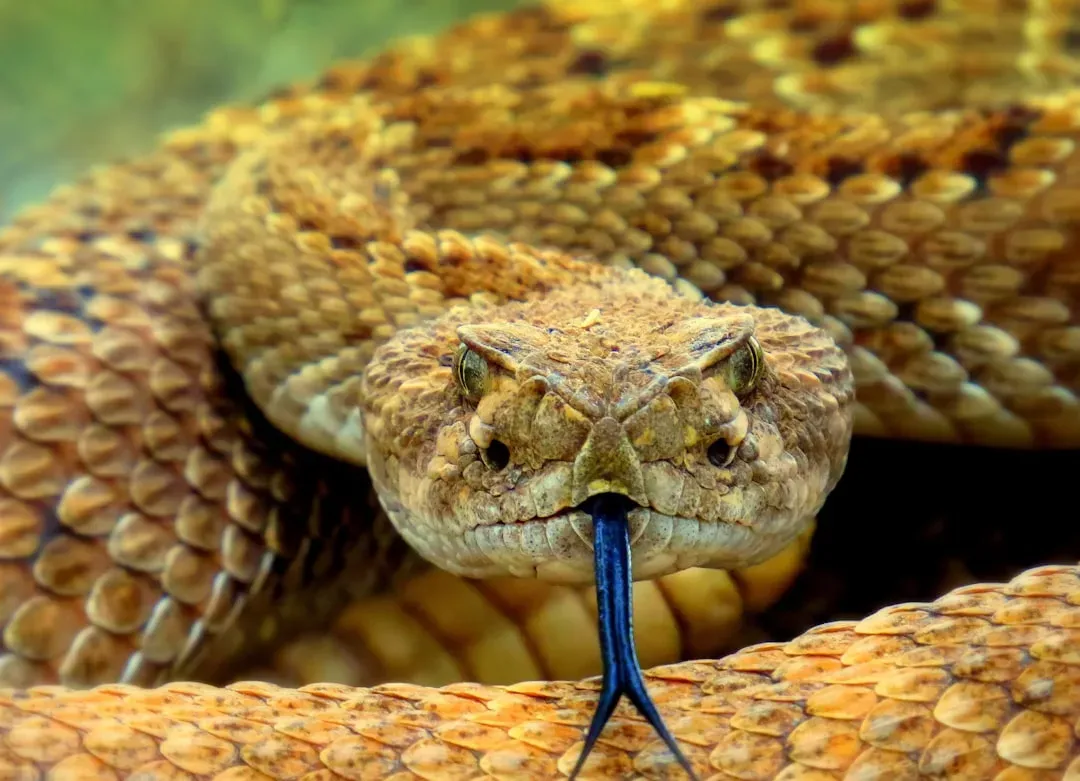
One of the most striking ideas in modern evolutionary psychology is that primates and venomous snakes may have been locked in a slow-motion arms race for an enormous span of time. Early primates lived in environments where snakes were not just background scenery but serious, stealthy killers capable of striking from the foliage or the forest floor. If you were a small tree-dwelling mammal with soft skin and little armor, a venomous bite could easily be the difference between passing on your genes or becoming a forgotten fossil. Over generations, individuals who sensed snakes a bit faster or reacted a bit more sharply likely had a survival edge, and natural selection tends to preserve such advantages.
That repeated pressure could carve specialized abilities into primate brains: better motion detection for sinuous shapes, sharper attention to certain patterns, and rapid routing of snake-like images into emotional systems. In my view, this helps explain why the fear feels so visceral and immediate, like a reflex and not a carefully considered judgment. It is not that our ancestors sat down and decided snakes were scary; snakes repeatedly removed the careless from the gene pool, and the nervous descendants of the vigilant are the ones left to tell the story.
How Our Brains Spot Snakes Shockingly Fast
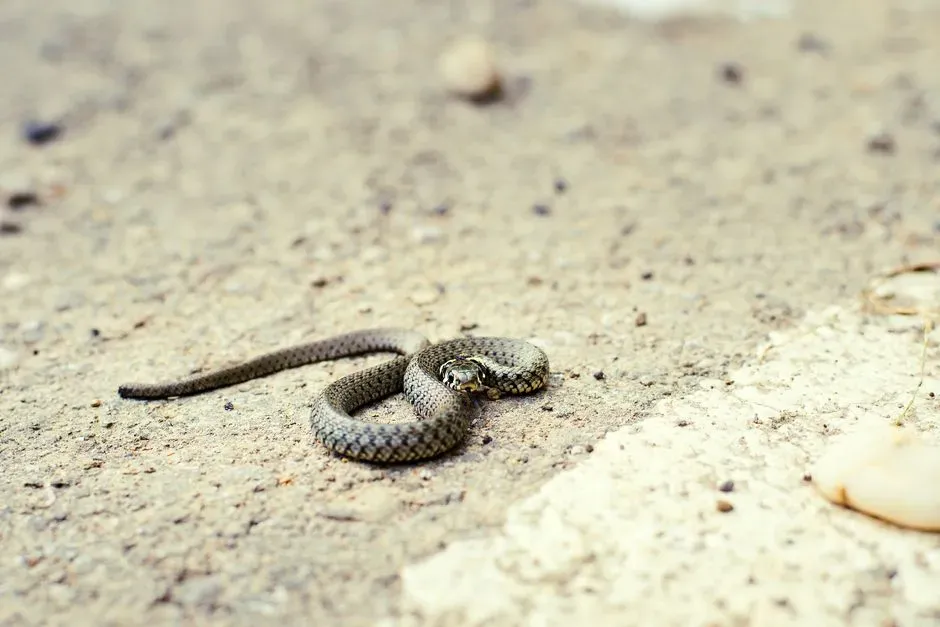
When researchers show people arrays of images – flowers, mushrooms, birds, cars, and snakes – people tend to pick out the snake image unusually quickly, even when it’s partially hidden or tiny among distractors. What’s more, children who have never seen a live snake still zero in on snake-like shapes at speeds that feel disproportionate to their real-life relevance in modern cities. That suggests we are not starting from a blank slate. Our visual system seems pre-tuned, almost biased, to give snake-like forms priority access to our attention, which is wild considering how many other threats exist in the modern world.
Brain imaging adds another layer. Regions involved in rapid threat detection, including subcortical structures, can light up in response to snake images faster and more intensely than they do for neutral animals. This reaction can happen even when people insist they are not especially afraid of snakes, hinting at a deeper, automatic level of processing. To me, it feels like the difference between tripping a smoke alarm and having a thoughtful conversation about fire safety; the alarm is running on older, faster circuitry and does not wait for your opinion.
Babies, Monkeys, and the Evidence Beyond Culture
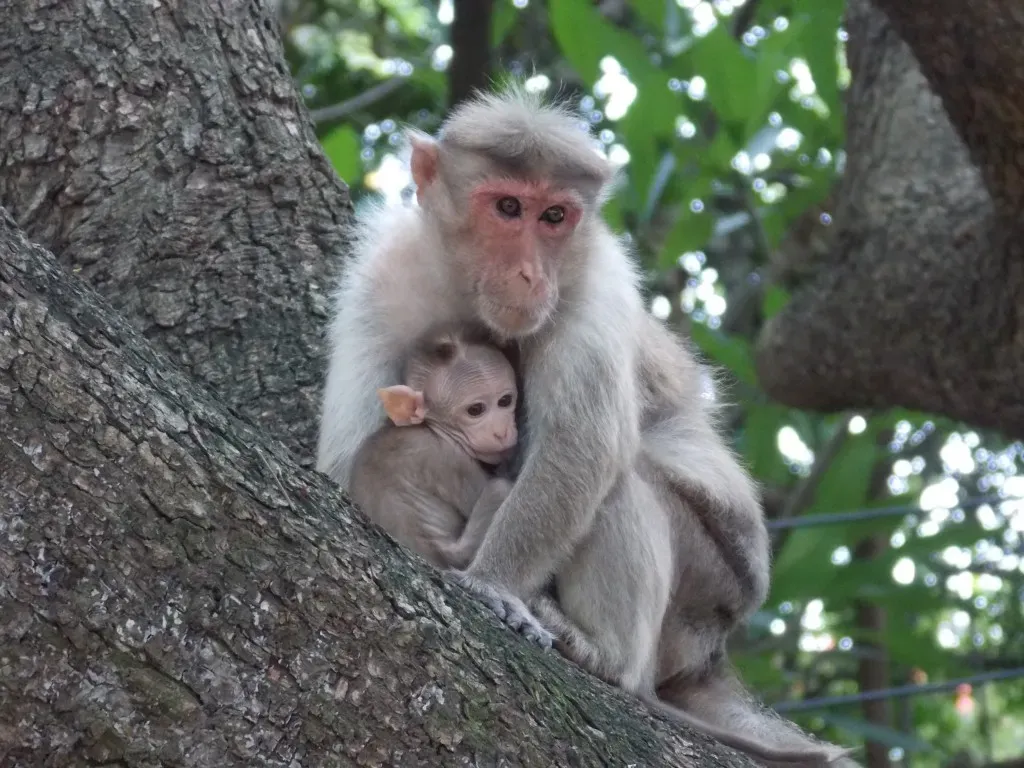
If snake fear depended mainly on culture, we would expect it to show up only after children learn stories or see frightening images. Yet experiments suggest that even very young children can detect snakes more quickly than harmless objects, and they remember where the snake image was on a screen better than purely neutral items. That doesn’t mean infants are terrified in a fully developed way, but it does suggest their attention is already biased before any school lessons or horror movies step in. Culture may teach them what to call a snake and how to talk about fear, but the underlying spotlight of attention might already be in place.
Nonhuman primates tell a similar story. Monkeys raised in controlled settings, with little exposure to predators, can still show rapid reactions to snake-like stimuli. Some studies show that after a single encounter pairing a snake image with something startling, monkeys develop strong, lasting avoidance, as if the snake category is especially ready to be marked as dangerous. That sort of biological preparedness is hard to explain with culture alone, because monkeys do not share our myths, religious symbols, or childhood cartoons. It strongly hints that the roots of snake sensitivity go deeper than human storytelling.
Why Snake Fear Is Not Universal – and Why That Matters

Despite all this, not everyone is afraid of snakes, and this variation is important. Some people keep snakes as beloved pets, handling them daily with calm confidence, while others can barely look at a photo without feeling their stomach clench. If our reactions were fully hardwired and inflexible, you would expect almost all humans to respond the same way, which clearly is not the case. Instead, what we see looks more like an inborn sensitivity that can be amplified, dampened, or reshaped by experience, family attitudes, and culture.
In communities where snakes are common but not framed as evil or monstrous, children often grow up with more neutral or practical attitudes. They may learn to respect venomous species, identify harmless ones, and see snakes mainly as parts of the landscape or even as food. This shows that evolution likely gave us a template – a readiness to treat snake-like forms as worthy of special attention – while actual fear, phobia, or even fascination depends on what life layers onto that template. I think this nuance matters, because whenever people blame evolution, they sometimes treat instincts like destiny, and the reality is far more flexible and hopeful.
From Survival Tool to Phobia: When Ancient Alarms Misfire
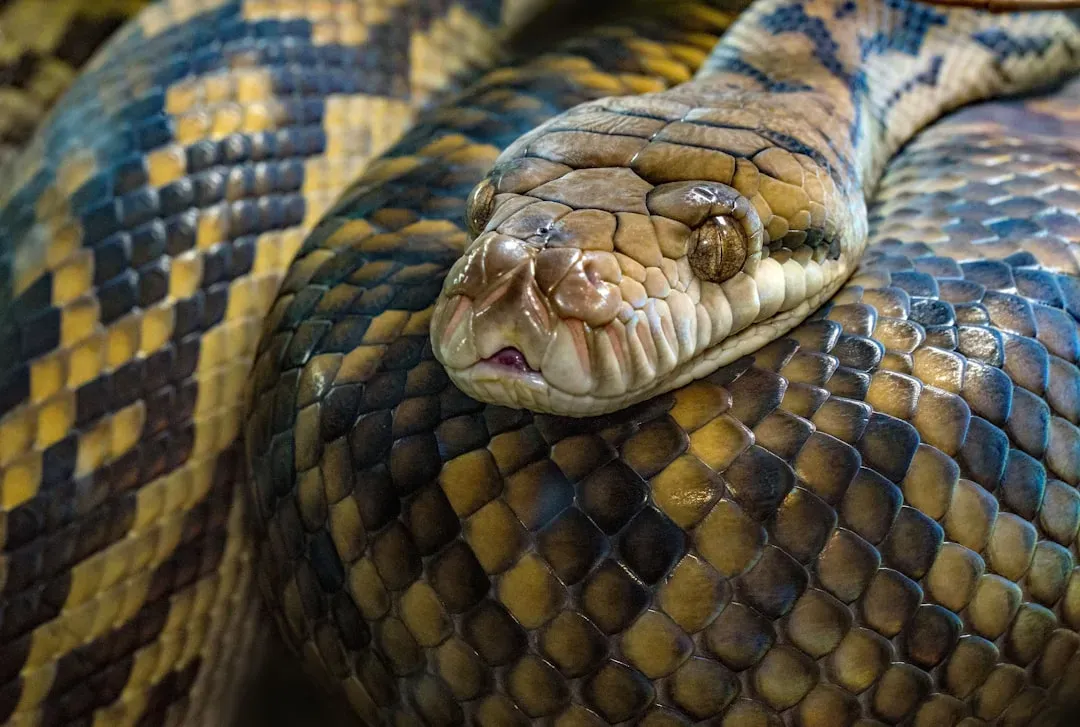
A quick jolt of caution when you see a snake on a trail can be a perfectly healthy survival tool. But for some, the alarm system is cranked up so high that even harmless garter snakes or tiny cartoon images feel unbearable. That extreme reaction, often classified as a specific phobia, can seriously disrupt daily life and limit outdoor activities or travel. It is as if an ancient warning bell, once tuned to genuine venomous danger, is now clanging wildly in contexts that do not warrant such panic. The evolutionary roots make the reaction feel especially powerful, but they do not make it pleasant.
Therapies that gradually expose people to snake images, videos, and sometimes carefully controlled real encounters can help retrain the brain, dialing down the automatic terror. Interestingly, the very preparedness that made fear so easy to acquire may also make it responsive to new learning when handled with patience and skill. I find this encouraging because it reminds us that old wiring is not unchangeable metal; it is more like clay that can be reshaped, even if it hardens over time. The same evolutionary history that loaded the dice toward caution does not have to dictate the final outcome of our relationship with these animals.
How Culture Amplifies and Rewrites an Ancient Fear

Even if the first spark of snake sensitivity is ancient, culture pours meaning onto it in dramatic ways. Many religious stories cast snakes as symbols of deception, evil, or forbidden knowledge, while movies often use them as shorthand for lurking danger or exotic terror. When a child grows up hearing these narratives, every real or imagined snake becomes more than an animal; it becomes a character in a moral drama. That emotional layering can inflate a subtle evolutionary bias into a full-blown cultural obsession, where snakes are almost always the villain.
On the flip side, some cultures and modern communities reframe snakes as protectors, healers, or simply fascinating components of biodiversity. Conservationists try to replace pure fear with informed respect, explaining the ecological roles snakes play in controlling pests and maintaining balance in ecosystems. From my perspective, this is where you can really see the tug-of-war between biology and story. The old circuitry might still twitch when a serpent shape appears, but the mind can be taught to follow up that twitch with curiosity rather than hatred, and that shift in narrative can change how entire societies treat these animals.
What Our Snake Bias Reveals About the Human Mind
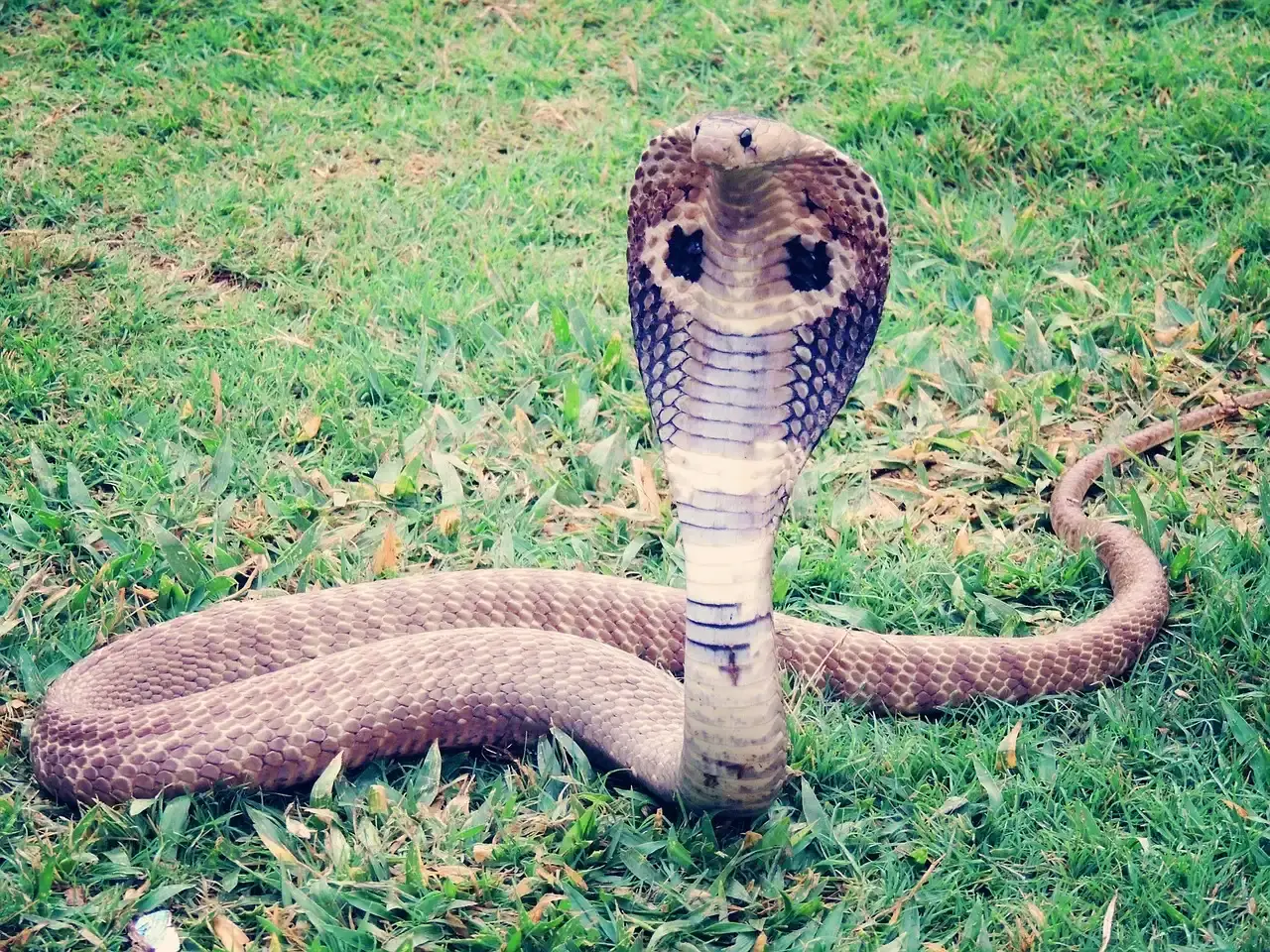
When you zoom out, the human response to snakes becomes a case study in how evolution shapes perception, not just behavior. It suggests our senses are not neutral cameras; they are more like editors, pre-selecting what deserves our focus based on ancient survival math. The fact that a coiled shape on the ground can grab attention faster than a flower or a shoe tells us that our nervous system comes preloaded with priorities. I find that oddly humbling. It means part of what feels like personal judgment is actually the echo of millions of years of trial and error.
At the same time, understanding these roots gives us a measure of freedom. When we know that an instinctive shiver might be an oversized reaction to a world that has changed, we can choose how much weight to give it. We can acknowledge the wisdom in cautious instincts while also questioning whether they still serve us in every situation. In a way, our relationship with snakes is a mirror for a lot of modern fears: some trace back to real, historic dangers, but they now unfold in contexts our ancestors could never have imagined. Recognizing that blend of old wiring and new environment is, in my opinion, one of the most powerful tools for understanding ourselves.
Conclusion: Ancestral Shadows, Modern Choices
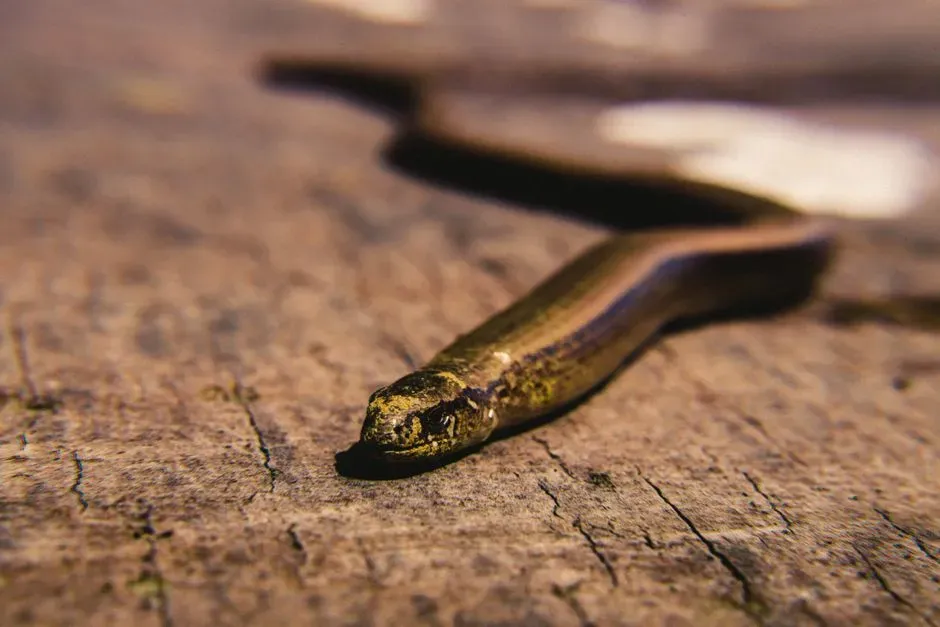
The more we learn about how primates see and react to snakes, the harder it is to pretend that our fear is purely a cultural invention. The evidence points toward a deep evolutionary root, an ancient alarm tuned by countless encounters between vulnerable primates and silent, coiled predators. But that does not mean we are prisoners of those ancestral shadows. Today, most of us meet snakes on screens, in zoos, or occasionally on hikes, not as everyday lethal threats. Treating every serpent as a monster in a world of antibiotics, antivenom, and education feels less like healthy caution and more like a leftover reflex that sometimes needs a reality check.
My own view is that we should respect where this fear comes from without letting it run the show. Understanding the evolutionary story can make that sudden jump of the heart feel less like personal weakness and more like a perfectly understandable glitch from another era. Then we get to decide what to do with that knowledge: learn, adapt, and maybe even appreciate snakes as remarkable survivors rather than pure symbols of danger. In the end, our brains may be shaped by ancient serpents, but our choices are shaped by what we know now. What will you do with that little jolt the next time a stick on the trail looks just a bit too much like a snake?