
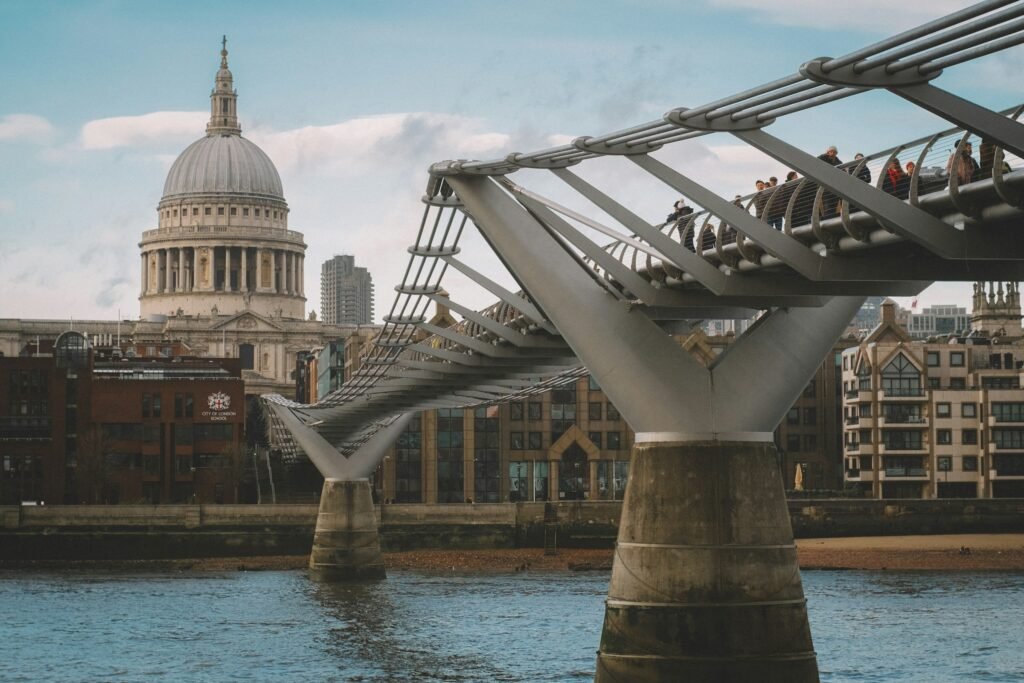
Most people think the Millennium Bridge was just a wobbly footbridge that London quietly fixed and forgot about. Actually, opening day itself was one of the strangest six hours in modern British engineering history – a live, unscripted experiment involving nearly 100,000 human test subjects who had no idea they were part of one.
What happened between the ribbon-cutting and the emergency closure wasn’t a single failure. It was a chain reaction of very specific, very documented events, each one stranger than the last. Here’s what engineers, physicists, and eyewitnesses actually say happened that Saturday – starting with the part almost nobody remembers correctly.
#1 – It Opened With a Save the Children Charity Walk, Not a Random Crowd
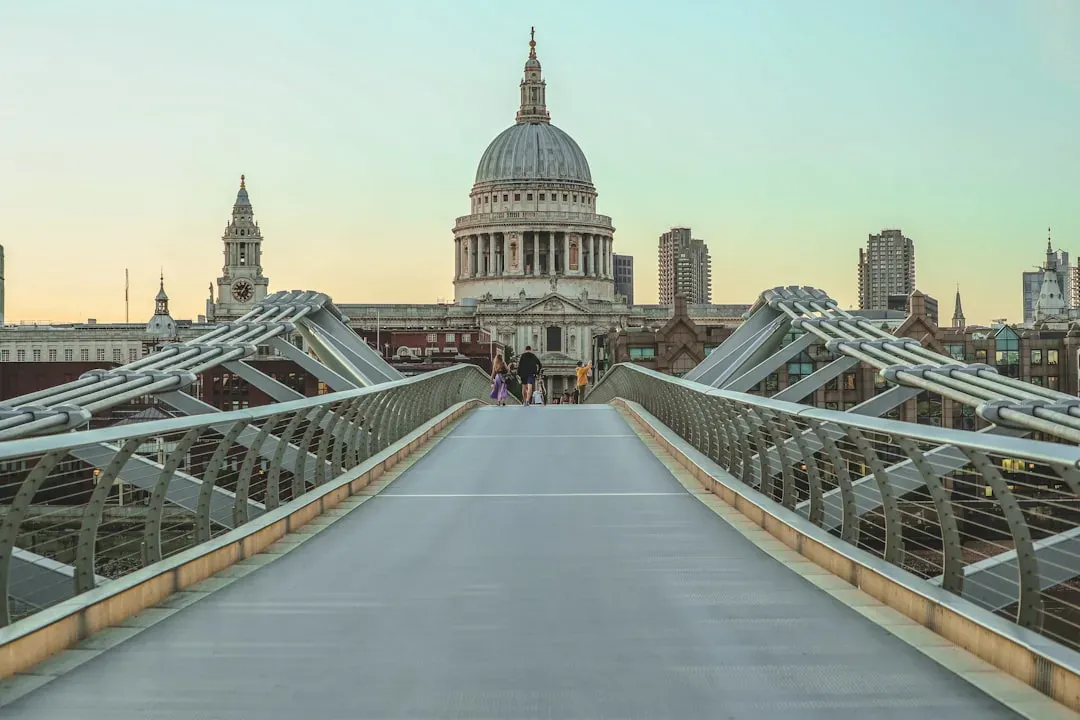
The first people to officially cross weren’t tourists or curious Londoners wandering by. The bridge began to wobble somewhat worryingly when it was used by walkers on a Save the Children charity event marking its opening. That detail rarely makes it into the popular retelling.
Most accounts skip straight to “thousands of pedestrians streamed over it,” painting a picture of spontaneous chaos. In reality, the very first wave of foot traffic was a coordinated, organized charity march – people walking with purpose, in groups, often at a matched pace to stay together with friends and colleagues.
That detail matters more than most people realize. A coordinated charity walk naturally produces more synchronized footsteps than a random crowd shuffling in every direction. It may have been the opening act that set the bridge’s now-famous swaying motion into gear before the general public even arrived.
#2 – It Became London’s First New Thames Crossing in Over 100 Years
This wasn’t just another footbridge – it was a genuine historic milestone for the entire city, and that’s exactly why the stakes were so high before a single foot touched the deck.
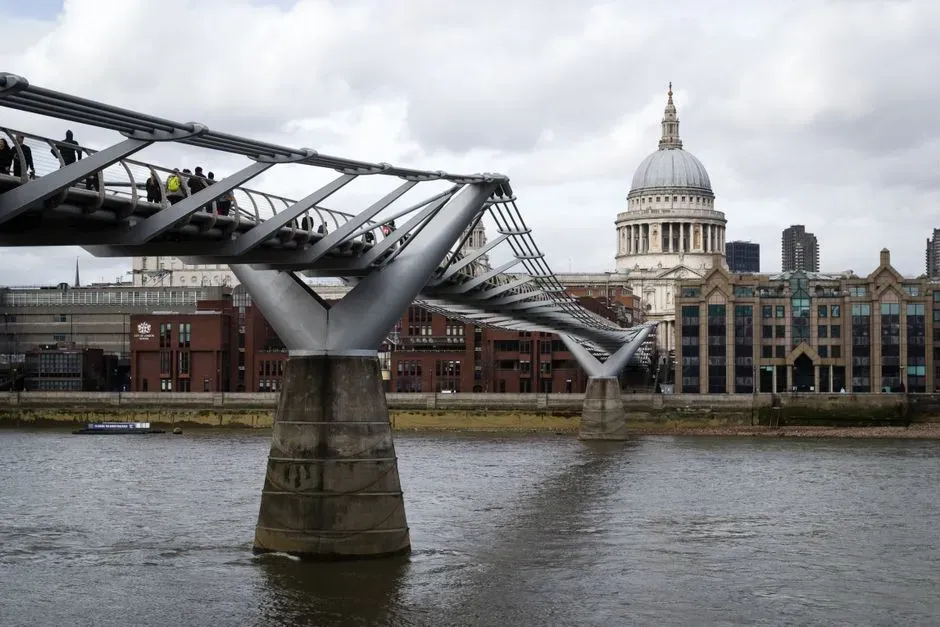
The new footbridge was the capital’s first dedicated pedestrian bridge and the first new river crossing in central London for more than 100 years, since the opening of Tower Bridge in 1894. Think about that for a second: an entire century passed, through two world wars, the Blitz, and the rebuilding of modern London, without a single new crossing over the Thames in the city center.
That’s why opening day carried so much symbolic weight. This wasn’t a routine infrastructure ribbon-cutting – it was a genuine once-in-a-century civic event, and Londoners turned out accordingly.
Fast Facts
- Deck length: 325 meters, deck width: just 4 meters
- Original construction cost: roughly £18.2 million
- Route: links St Paul’s Cathedral on the north bank with Tate Modern and Shakespeare’s Globe on the south bank
- Design team: Arup, Foster and Partners, and sculptor Sir Anthony Caro, winners of a 1996 design competition
Most people don’t realize how much pressure that historical weight put on the bridge’s very first hours. Every eye in the country’s engineering community was watching a structure that had to live up to a hundred years of anticipation – and it had exactly one day to prove itself.
#3 – It Drew a Genuinely Star-Studded Guest List
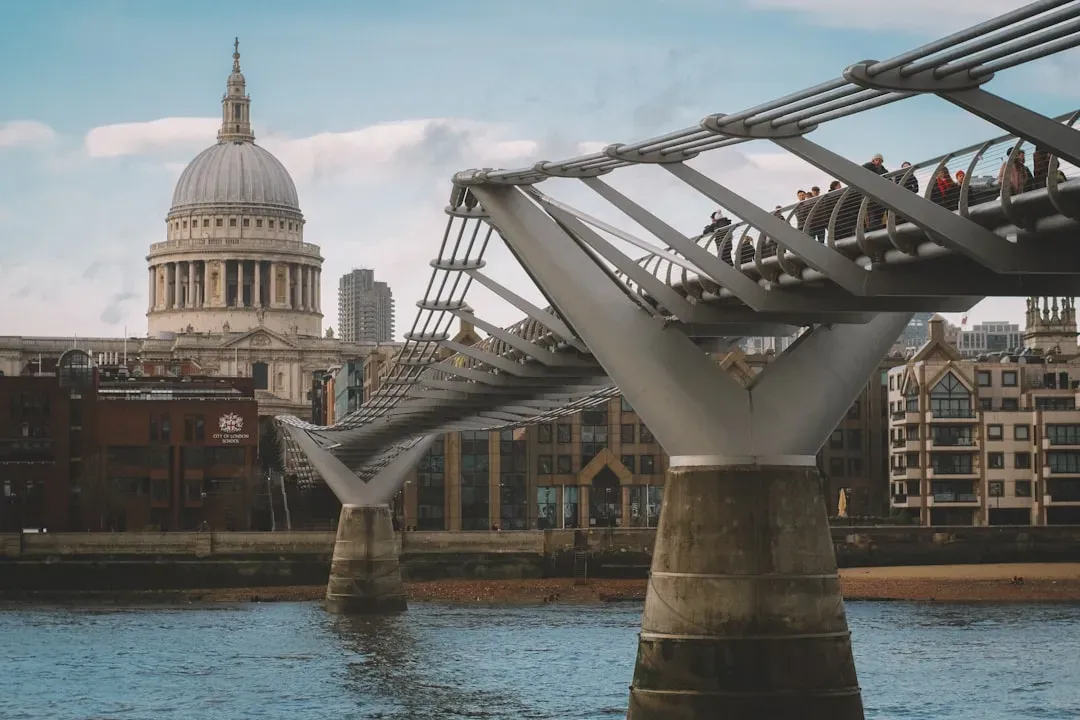
Opening day wasn’t just engineers and city officials in hard hats. Celebrities attending the public opening on Saturday, June 10 included Paul McCartney’s then-new partner Heather Mills, newsreader Julia Somerville, Coronation Street actor Chris Bisson, and ‘H’ from Steps.
That’s a genuinely odd mix of guests for what was, on paper, a municipal engineering project. A tabloid-famous new couple, a national newsreader, a soap actor, and a pop star from one of the era’s biggest boy-girl bands all showed up to walk across a strip of steel and aluminum over the Thames.
Here’s the controversial opinion: that celebrity turnout may have actually made the wobble worse. A star-studded guest list draws bigger crowds trying to catch a glimpse, and bigger crowds packed shoulder-to-shoulder are exactly the conditions that trigger crowd-synchronization sway.
The party atmosphere of a celebrity-studded launch is arguably the worst possible environment for a brand-new, untested pedestrian structure – and nobody planning the guest list was thinking about physics.
#4 – Nearly 100,000 People Crossed It in a Single Day
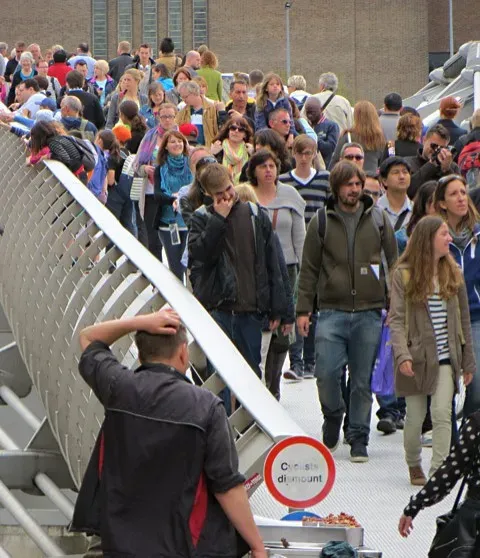
The raw numbers from opening day are still staggering more than two decades later. An estimated upwards of 100,000 people gathered to cross, with a maximum of 2,000 on the bridge at any given time.
Other contemporary counts put the figure slightly lower – around 90,000 people crossing the bridge on its opening day – but even the conservative estimate is an extraordinary number of feet for a structure only 325 meters long and four meters wide.
Inaugurated in the year 2000, things got off to a wobbly start almost immediately: on its first day, roughly 100,000 people crossed the bridge, and it quickly became apparent that it swayed alarmingly whenever it faced large numbers of pedestrians.
Most people assume a bridge is stress-tested for exactly this kind of scenario before opening day. Turns out, the design specifications simply hadn’t accounted for a modern, viral-event-style turnout – the crowd itself became a variable nobody had modeled.
#5 – It Packed Up to 2,000 People Onto the Deck at Once
The daily total tells only half the story – the real issue was density at any given moment, not the headline number.
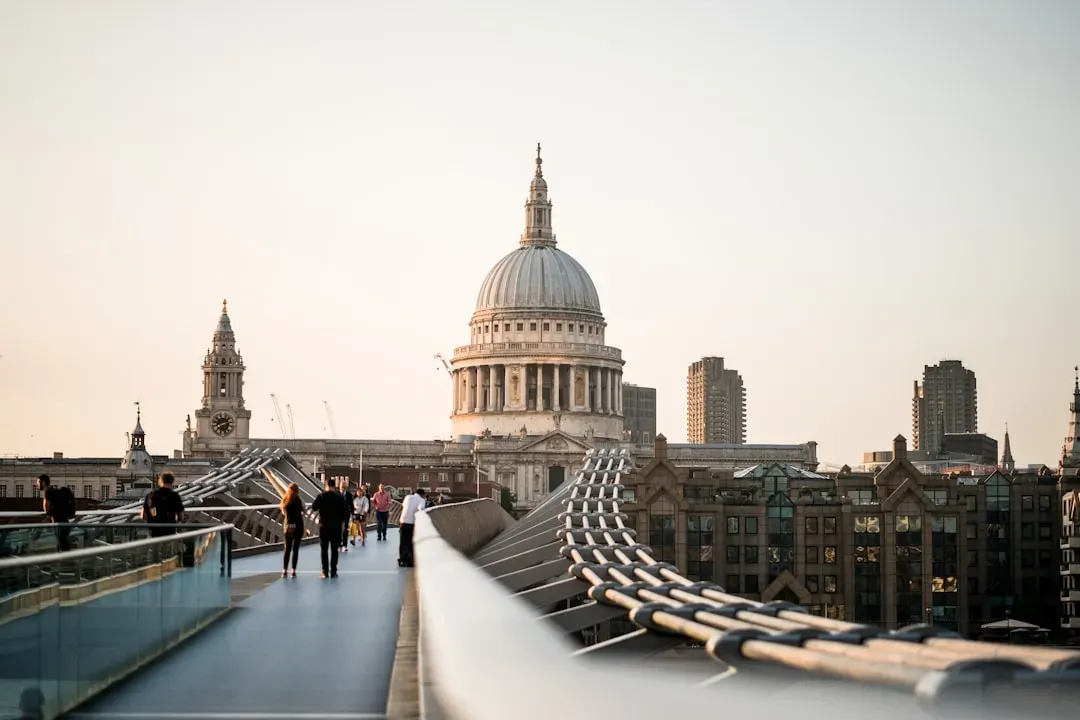
Opening day in June 2000 saw over 90,000 people crossing the bridge, with up to 2,000 people on it at any one time. Picture that: roughly 2,000 adults standing and walking on a walkway just four meters wide, all funneled between St Paul’s Cathedral on one bank and Tate Modern on the other.
Quick Compare
- High estimate: around 100,000 total crossings on opening day
- Mid estimate: roughly 90,000 crossings, per contemporary press reports
- Low estimate: about 80,000 crossings, per other accounts
- Consistent across every estimate: up to 2,000 people on the deck at any single moment
Secretly, this is the figure that actually mattered for the physics involved, and almost nobody talks about it. Total crossings make for a flashier headline, but 2,000 people crammed onto one deck at once is what determines whether a bridge sways or stays still.
#6 – It Began Swaying Almost the Moment People Started Walking
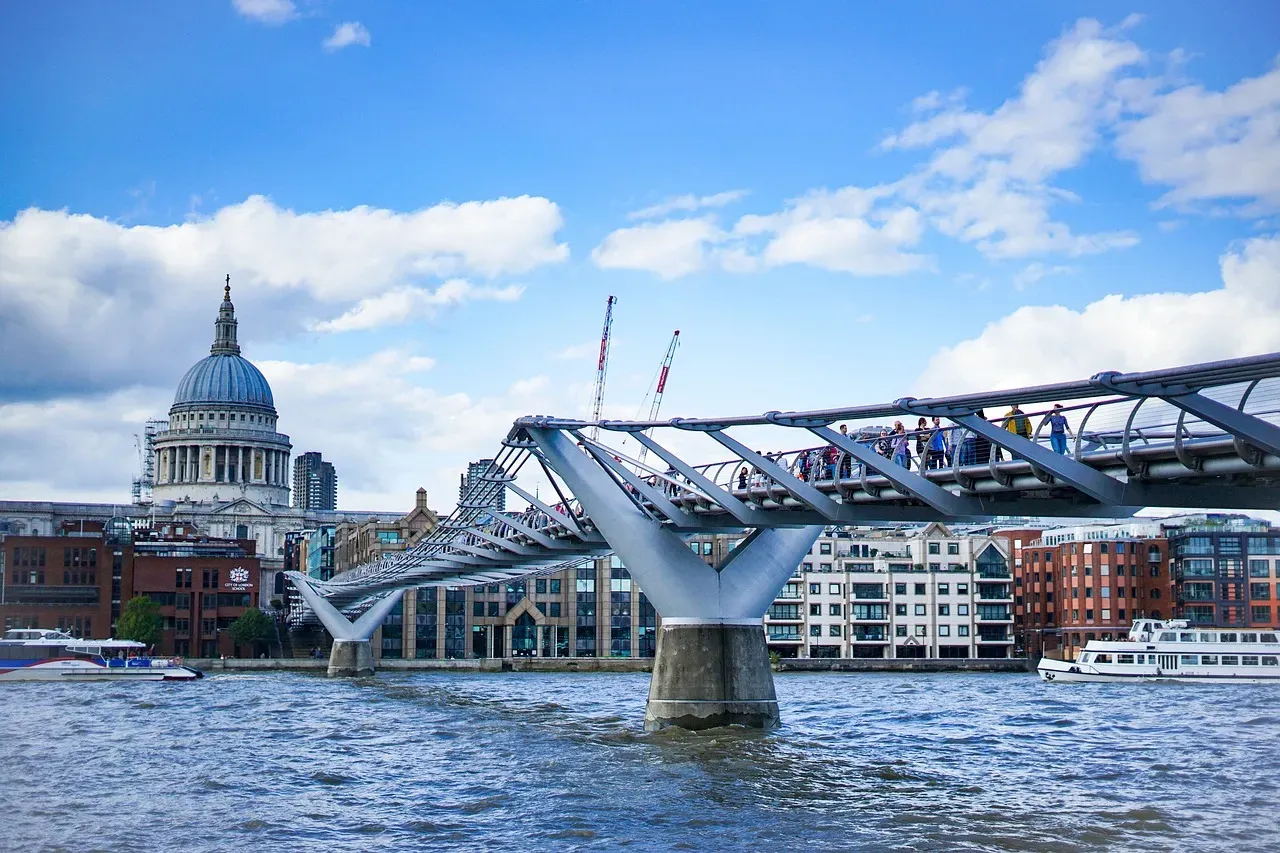
This is where opening day turned from triumphant to unnerving, and it happened fast. At first, the bridge was still. Then it began to sway, just slightly.
Then, almost from one moment to the next, the wobble intensified. There was no gradual build-up over hours – witnesses describe the shift from stable to alarming as happening in the space of minutes.
As soon as pedestrians began to walk across, there was immediate and excessive lateral movement. The movement became so large that people found it hard to maintain their balance.
Most people picture engineering failures as slow-building problems that engineers catch in advance. This one arrived in real time, in front of a live crowd, cameras, and celebrities, with zero warning window.
#7 – It Forced Pedestrians Into an Involuntary “Ice-Skater” Shuffle
Once the sway kicked in, people’s own bodies started doing something genuinely bizarre without anyone telling them to. Suddenly, people were walking like tentative ice skaters: planting their feet wide, pushing out to the side with each step.
This wasn’t panic or theater – it was an automatic human balance reflex kicking in across thousands of strangers at once. Left, right, left, right, in near-perfect unison.
Worth Knowing
- Crickets chirping in unison and fireflies blinking together are real-world examples of the same spontaneous-synchrony effect that hit the bridge
- The Millennium Bridge wasn’t London’s first wobbler: the 1873 Albert Bridge earned the nickname “Trembling Lady” for a nearly identical sway
- Troops crossing the Albert Bridge were historically ordered to break step to avoid triggering that same resonance
The synchrony was utterly unintentional. Here’s the detail that still fascinates physicists decades later: nobody coordinated this. Thousands of independent strangers, none of whom knew each other, spontaneously fell into the exact same walking pattern within moments of each other.
#8 – It Accidentally Triggered a Genuine Crowd-Physics Phenomenon
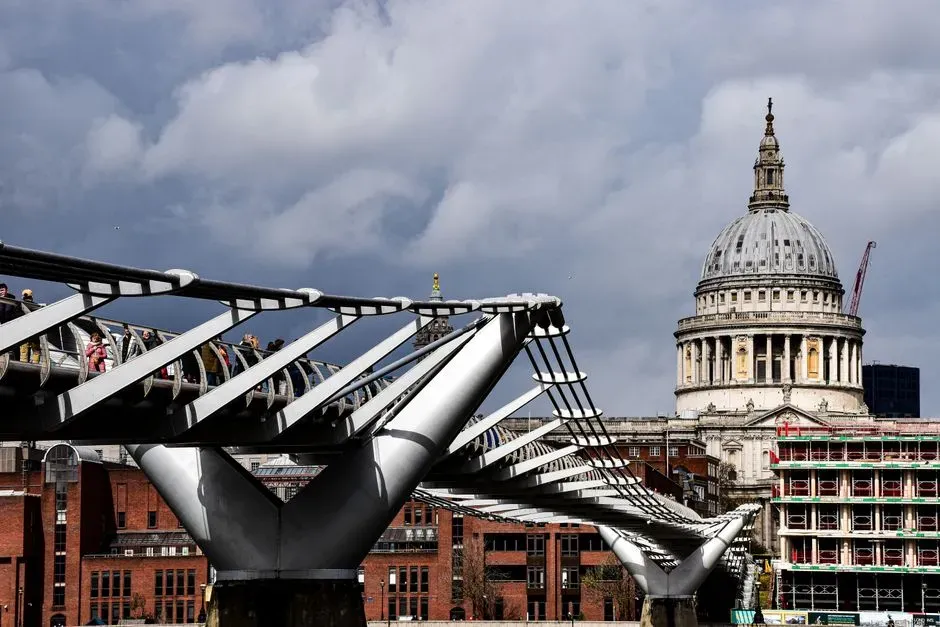
What looked like mass panic was actually a documented scientific effect now studied in physics departments worldwide. With a certain critical number of pedestrians, the wobbling becomes marked enough to force everyone into stride – which then compounds the problem.
The critical number of pedestrians, tested subsequently on the Millennium Bridge and derived independently by Strogatz and co-authors, is as low as 160.
That number should stop you cold. Not 2,000. Not even 500. A modest crowd, walking normally, can set a bridge swaying – and it takes far fewer people than you’d think.
The wobbling becomes marked enough to force everyone into stride, thus compounding the problem.
Steven Strogatz, applied mathematician
Turns out, opening day wasn’t a freak overcrowding incident – it revealed a threshold so low that almost any well-attended bridge launch could have triggered it. That’s arguably the most uncomfortable finding in the whole story: the fault wasn’t the crowd size, it was a blind spot in bridge engineering itself.
#9 – It Sent People Grabbing for the Handrails in Genuine Alarm
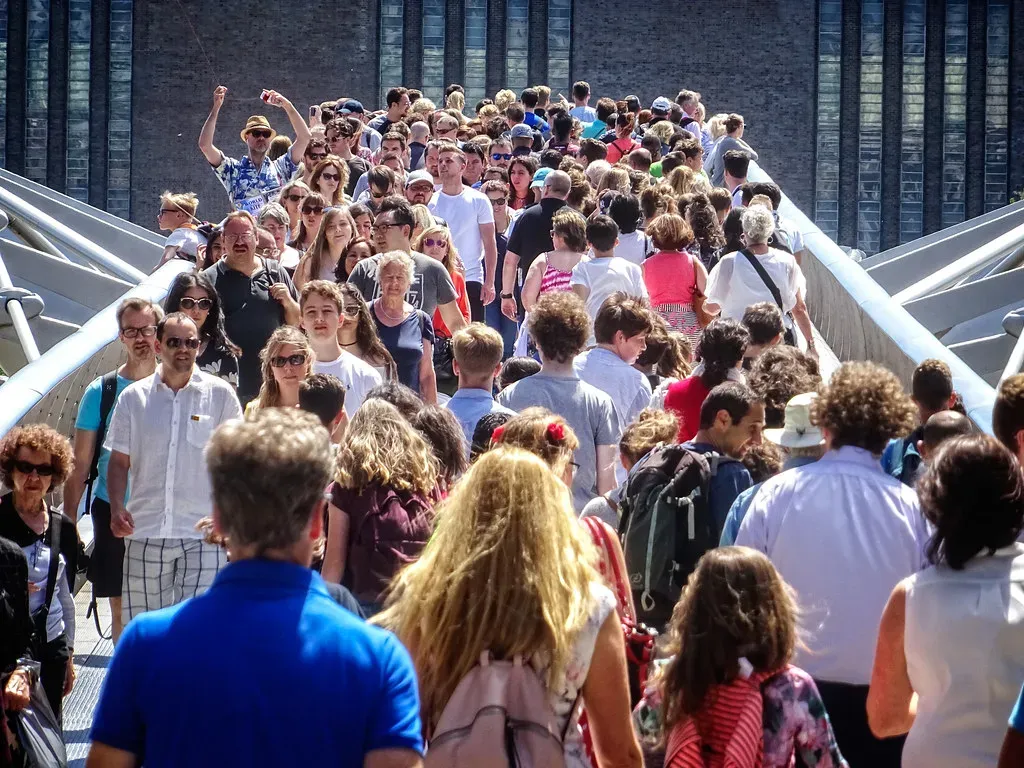
The wobble wasn’t a gentle curiosity – for people standing on the deck, it was frightening enough to change their physical behavior instantly. It swayed sideways so alarmingly that people grabbed the handrails and stopped walking entirely.
That’s a meaningful escalation from “noticeable movement” to “people physically bracing themselves against a structure they’d just been told was a modern engineering marvel.” The sway was large enough to prompt many on the bridge to hold onto the rails rather than keep moving forward.
Most people assume “wobbly bridge” means a mild, almost charming sensation – like a fairground attraction. The reality on opening day was closer to genuine unease, with crowds stopping mid-crossing to physically steady themselves.
#10 – It Left at Least One Pensioner Dizzy for an Hour Afterward

Individual eyewitness accounts from opening day add a human dimension the statistics can’t capture on their own. One pensioner told the news that it took him an hour to recover his balance after wobbling over the bridge.
An hour of lingering disorientation from a single walk across a footbridge is a genuinely striking physical reaction. Another visitor quipped that maybe you needed to take sea sickness pills first.
Here’s an opinion worth arguing about in the comments: that pensioner’s complaint should have been the moment officials pulled the plug immediately, rather than waiting days. Instead, opening day carried on with crowds still flowing across a structure that had already made at least one visitor physically ill.
#11 – It Forced Officials Into an Emergency Occupancy Limit – Which Didn’t Even Work
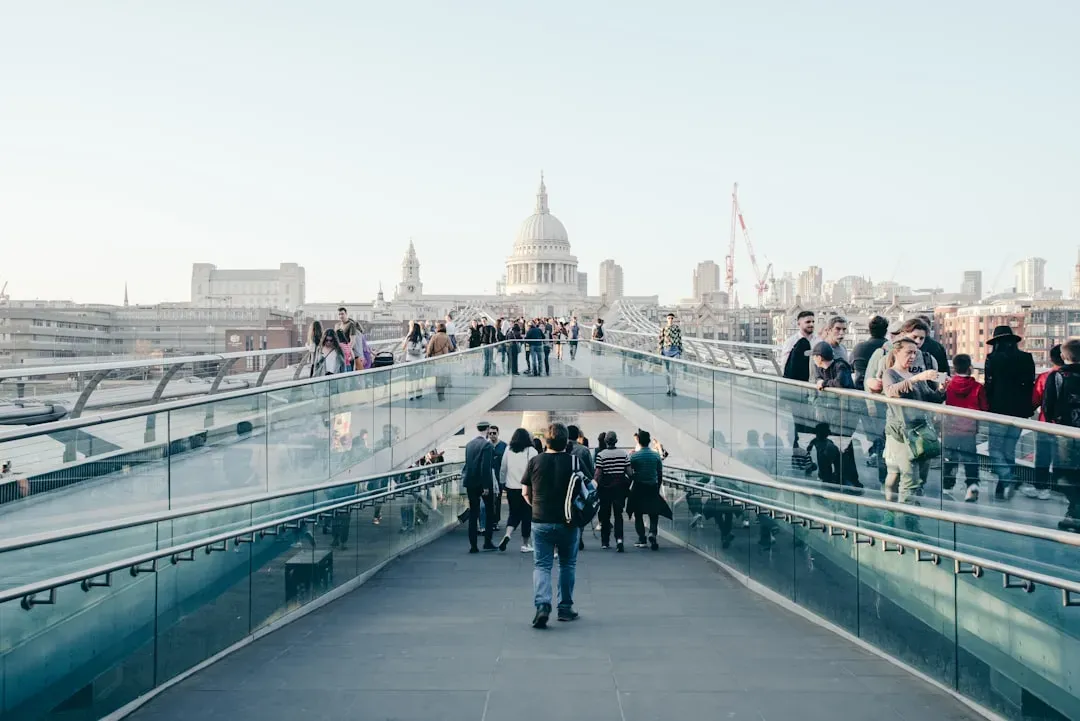
As the wobble kept returning throughout the day, officials scrambled for an on-the-spot fix rather than shutting the bridge outright. An occupancy limit was enforced in an attempt to reduce the swaying.
Attempts to limit the number of people crossing led to long queues but were ineffective at dampening the vibrations. Even with stewards hastily pulled in to control numbers on the bridge, the wobble kept returning.
At a Glance
- Full closure came just two days after opening, on June 12, 2000
- The eventual fix: 37 viscous dampers plus 52 tuned mass dampers, 91 in total
- Repair cost: about £5 million, on top of the original £18.2 million build
- The bridge reopened to the public on February 22, 2002 – almost 20 months later
Most people assume officials had no plan at all on opening day – that’s not quite fair. They did try to manage it in real time with crowd control, queuing, and headcounts. The uncomfortable truth is that even a strict occupancy limit couldn’t stop the sway, which is exactly what made the following Monday’s full closure inevitable.
#12 – It Turned “A Statement of Our Capabilities” Into an Overnight Embarrassment
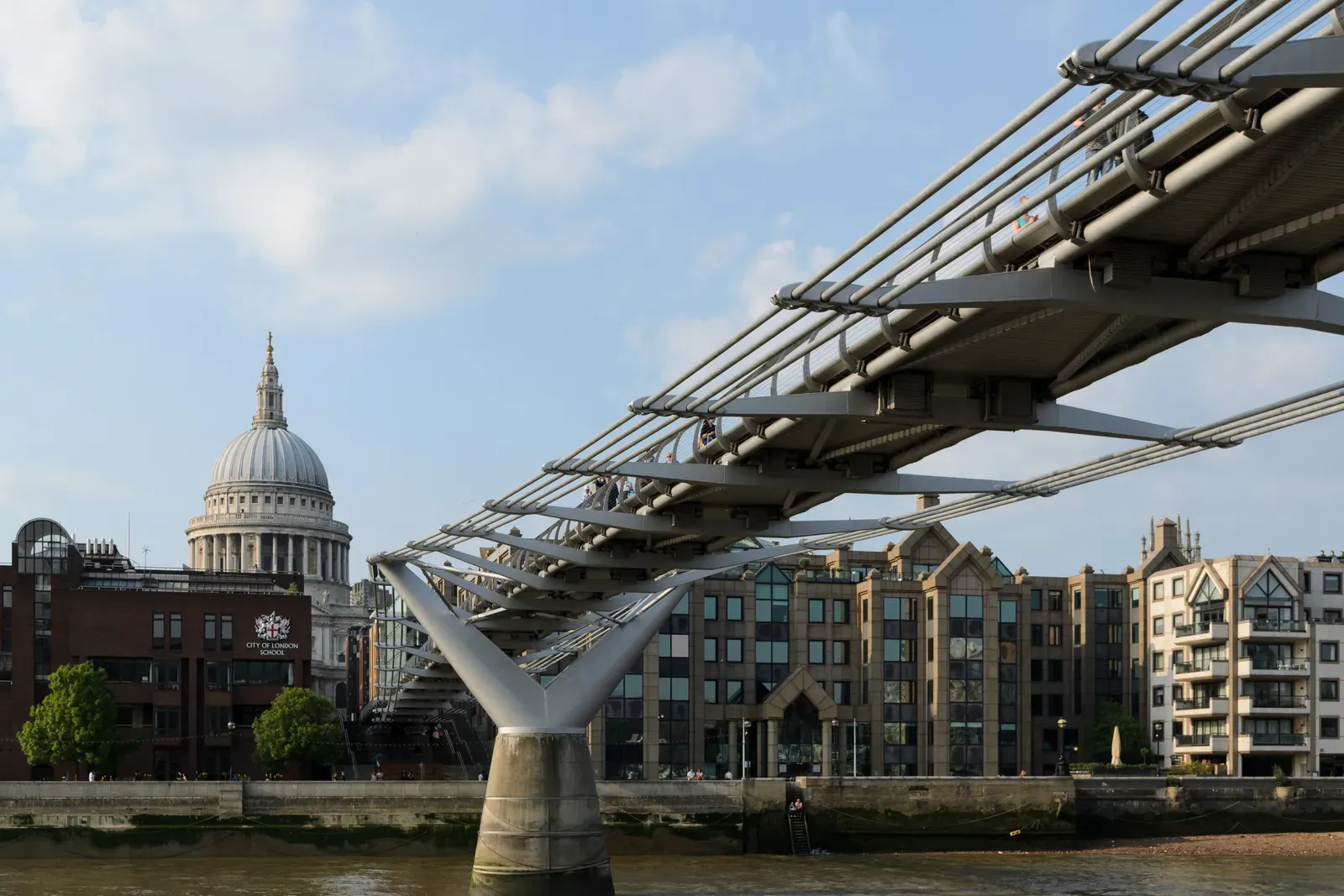
This is the detail that makes opening day such an unforgettable engineering story – the sheer gap between the pre-launch hype and what actually happened hours later.
Before the bridge opened, its designers hailed it as “a pure expression of engineering structure” and compared its sleek look to a blade of light. It was billed as an absolute statement of Britain’s engineering capabilities at the dawn of the 21st century.
Within hours of that confident language, unchoreographed footfalls turned a $32 million design triumph into a very public engineering quandary. It was an embarrassing failure for such a large and symbolic project, and the wobbling quickly gained international media attention.
Finally, here’s the detail that stings the most: within 72 hours, the same team that had called it a blade of light was publicly attributing the wobble to wind and crowd size rather than a design oversight. That single day flipped the bridge’s entire public narrative – from millennium triumph to national punchline – before the weekend was even over.
The Bottom Line
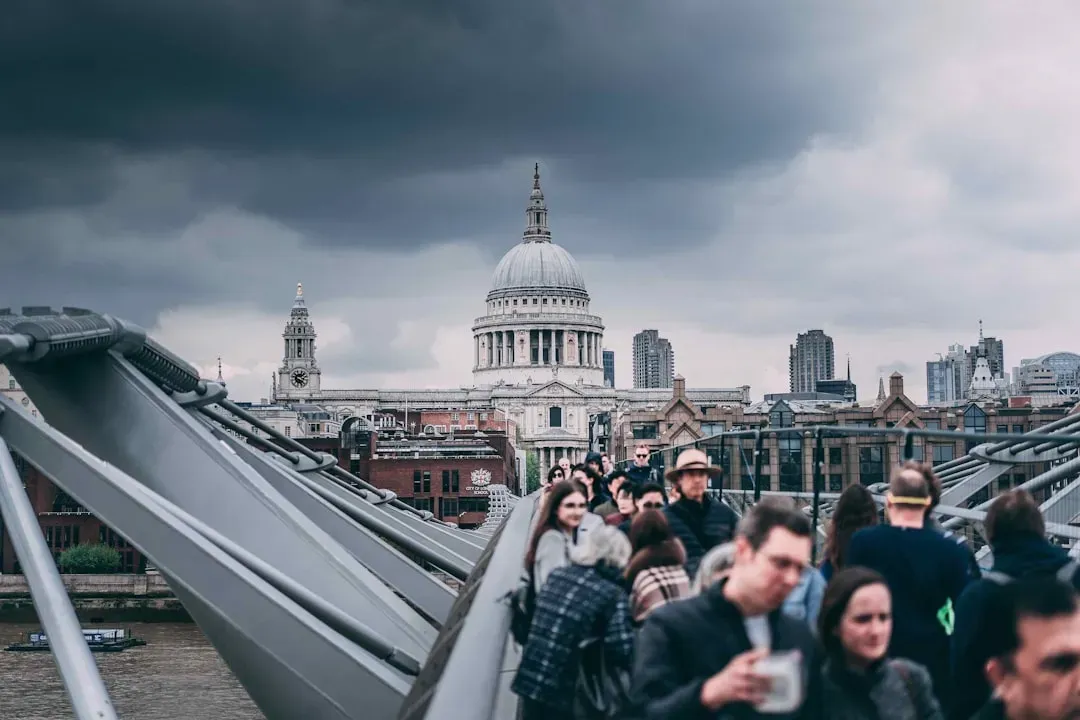
Opening day on the Millennium Bridge wasn’t one failure – it was twelve distinct, documented events stacking on top of each other in real time: a charity walk, a historic milestone, celebrity crowds, nearly 100,000 pedestrians, 2,000 people on the deck at once, an immediate sway, an involuntary synchronized shuffle, a genuine crowd-physics phenomenon triggered by as few as 160 people, panicked handrail-grabbing, a dizzy pensioner, a failed occupancy limit, and finally, a spectacular reversal of the engineers’ own confident pre-launch claims.
Our honest take: the real scandal isn’t that the bridge wobbled – it’s that nobody tested for a crowd-synchronization threshold that low before letting 100,000 people walk across it at once. Engineering oversight, or just impossible to predict? Drop your take in the comments.