
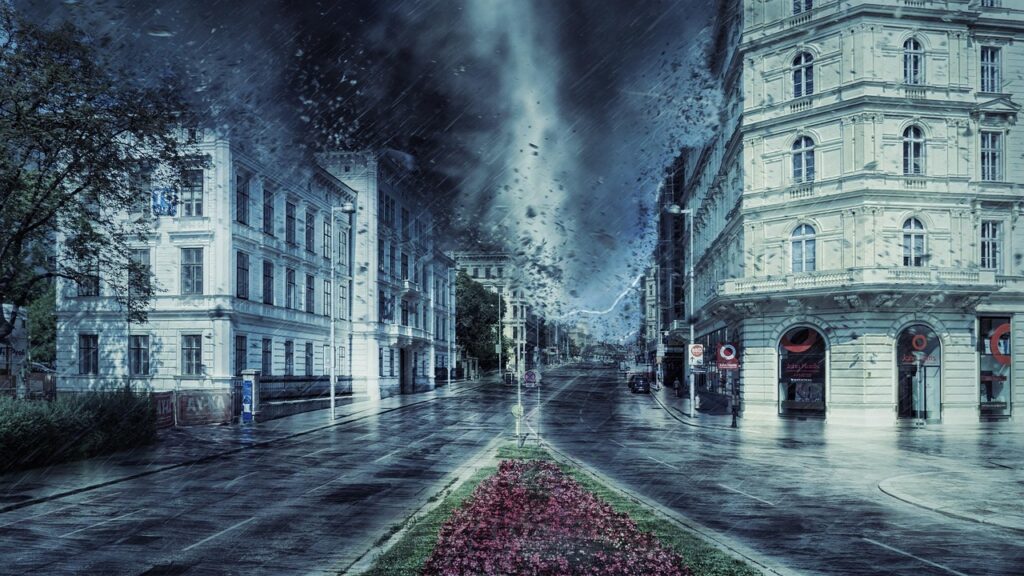
Most Brits assume the Great Storm of 1987 was just one very bad night – a bit of wind, some fallen trees, a red-faced weatherman on the evening news. Ask a Met Office engineer, a National Grid manager, or an insurance actuary, though, and you’ll get a very different answer.
That single night quietly rewired entire British institutions – forecasting, power, broadcasting, even how gardens are conserved. Thirty-plus years later, meteorologists still measure every major storm against it. Here’s what the data and the archives actually reveal about the night that reshaped modern Britain, one uncomfortable lesson at a time.
#1 – The Met Office Tore Up Its Entire Forecasting Playbook
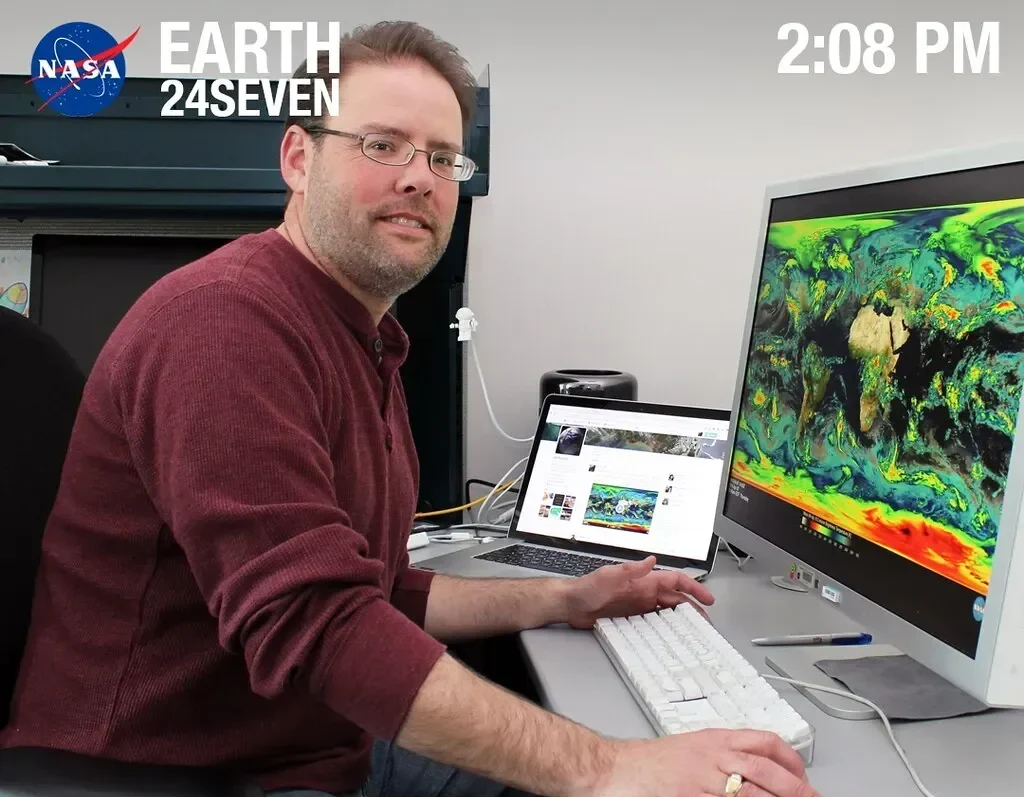
The most consequential change from 1987 wasn’t cultural – it was computational. The Met Office overhauled its forecasting systems and communication strategies from the ground up, determined never to be caught out that badly again.
The numbers explain why the old system failed so badly. The Met Office’s supercomputer can now run 14,000 trillion calculations per second, compared with just four million calculations per second in 1987. That’s not an upgrade – that’s a different universe of computing power entirely.
Resolution improved just as dramatically. The global computer model now runs at 10 km resolution compared to 150 km in 1987, and the UK model has gone from 75 km down to 1.5 km.
Quick Compare
| Forecasting Metric | 1987 | Today |
|---|---|---|
| Calculations per second | 4 million | 14,000 trillion |
| Global model resolution | 150 km | 10 km |
| UK model resolution | 75 km | 1.5 km |
| Storm warning time | Hours (or none) | Up to a week |
Here’s the detail that still stings Met Office veterans: ahead of the 30th anniversary, the Met Office reran its 1987 forecast on modern systems to see what would have happened. The supercomputer would have spotted the storm up to a week in advance. A week of warning, versus almost none – and that gap alone explains most of what follows on this list.
#2 – Michael Fish’s “Hurricane” Line Became a National Reflex
One offhand sentence turned a professional forecaster into a permanent cultural punchline. Fish was talking about a separate storm system out in the western North Atlantic, reassuring viewers it wouldn’t reach the UK. He was right about that one.
The problem was timing. He made that comment on the same broadcast, mere hours before an entirely different, unrelated storm slammed into southern England – and Britain never let him forget it.
The clip took on a life of its own, endlessly replayed as proof of forecasting failure. What sticks in most people’s minds isn’t the loss of life or the damage to homes and trees, but a supposed “lady from Wales” who rang in asking if a hurricane was coming – a clip so famous it even turned up in the Olympic opening ceremony.
Most people don’t realize there was never actually a recorded phone call from that woman. If anyone tells you they know who she was, they’re wrong – there never was a call. Fish spent decades quietly defending the record, insisting the tools of the day simply weren’t advanced enough. Britain, characteristically, decided the myth made a better story than the truth.
#3 – Scientists Discovered an Entirely New Weather Phenomenon
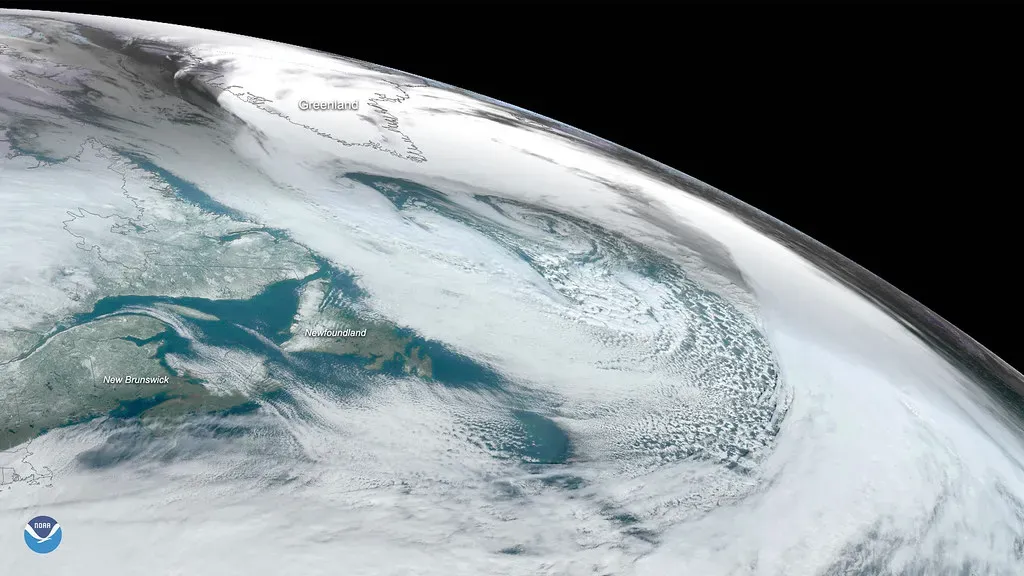
The storm was so violent that meteorologists spent over a decade trying to figure out what actually made it that destructive. Between 2001 and 2003, researchers went back and re-examined the October 1987 storm in forensic detail, hunting specifically for what had produced those freakishly strong wind gusts.
What they found didn’t even have a name yet. That research formally categorised a phenomenon now known as the “sting jet” for the first time, and identified a distinctive cloud pattern in satellite imagery that forecasters could use to spot the danger developing in real time.
The single most surprising fact here is that an entirely new meteorological feature was discovered by re-studying old data, not by chasing a new storm. The mechanics are genuinely strange: a narrow, fast-moving airstream descended from the tip of the cyclone’s hooked cloud head, exiting faster than the storm system itself and concentrating its most violent winds over southeast England.
That narrow, hooked band of wind is now formally recognized and hunted for in storms worldwide. A destructive night in 1987 quietly expanded the entire vocabulary of atmospheric science.
#4 – Britain Built an Entirely New Warning System From Scratch
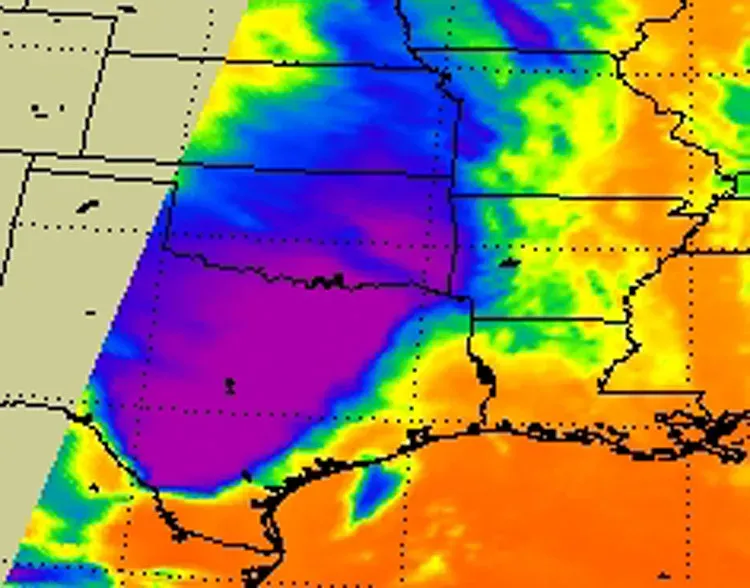
The storm exposed a communication gap, not just a forecasting one. People weren’t blindsided because scientists knew nothing – they were blindsided because nobody had a system built to translate uncertainty into urgency.
There has been a lot of discussion about the accuracy of the forecast around the 1987 storm, but the main issue was more to do with communication, rather than the forecast itself. As a result of the 1987 storm, we developed the National Severe Weather Warning Service, which has been running ever since.
Met Office civil contingencies lead
Crucially, the philosophy behind warnings changed completely. The service evolved to be based on impact rather than raw meteorology – meaning today’s warnings describe potential damage to property, disruption, or danger to life, rather than a wind-speed figure most people can’t contextualize.
That’s a genuinely controversial shift. Some meteorologists still argue plain wind-speed numbers communicate risk better than vague amber and red labels – but the impact-based system won out, and the payoff is measurable. When Storm Eunice hit in 2022 with gusts matching the 1987 peak, the public had days of notice, a red “danger to life” warning, and far fewer deaths.
#5 – The National Grid Made an Emergency Call It Hadn’t Made Since WWII
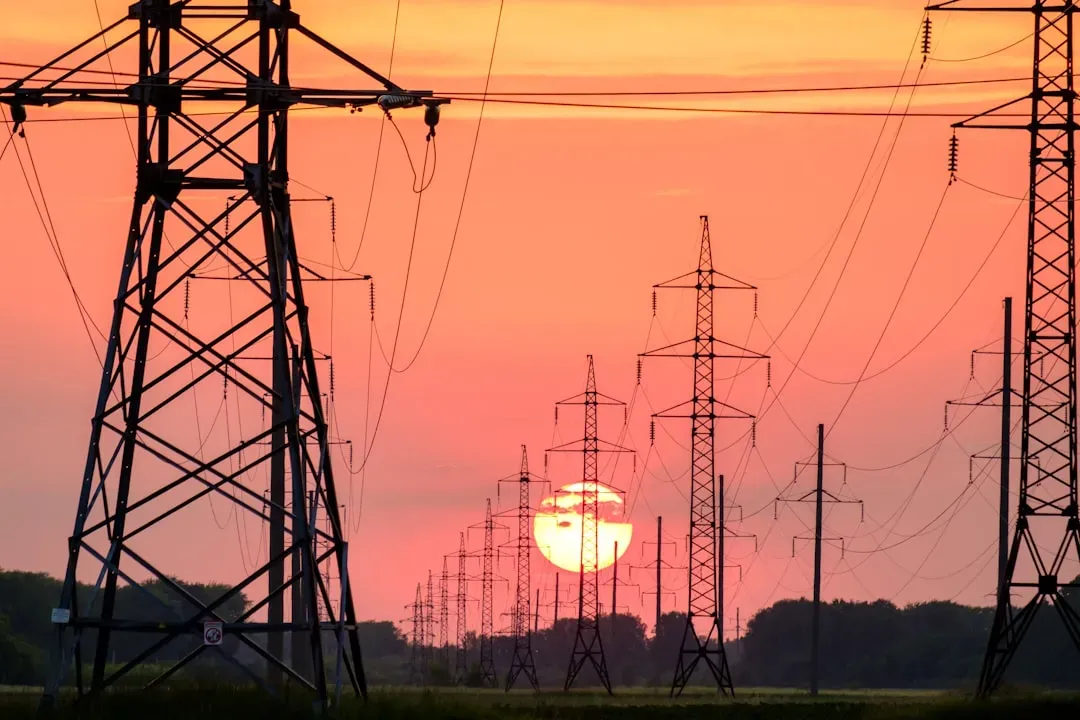
Britain’s electricity network nearly collapsed in the small hours of October 16th. Cables short-circuited as they crashed to the ground, and the rest of the system began to overheat as the load shifted violently.
Here’s the detail almost nobody remembers: grid engineers made the decision to shut down power systems across the south east of England and London to protect the rest of the network from a full “Black Start.” It was the first time since World War II the Grid had been forced into that kind of drastic action.
A Black Start scenario means restarting the entire national grid from zero, with no external power to bootstrap the system back to life – the electrical equivalent of a nationwide blackout nightmare with no obvious way back.
The scale of the outage shows just how close it came. Cutting electricity to four million people across 1.4 million homes and businesses in a single overnight event was unprecedented for peacetime Britain, and it forced the Grid to rethink emergency shutdown protocols that are still in use today.
#6 – The Storm Rewrote How Insurers Price British Weather Risk
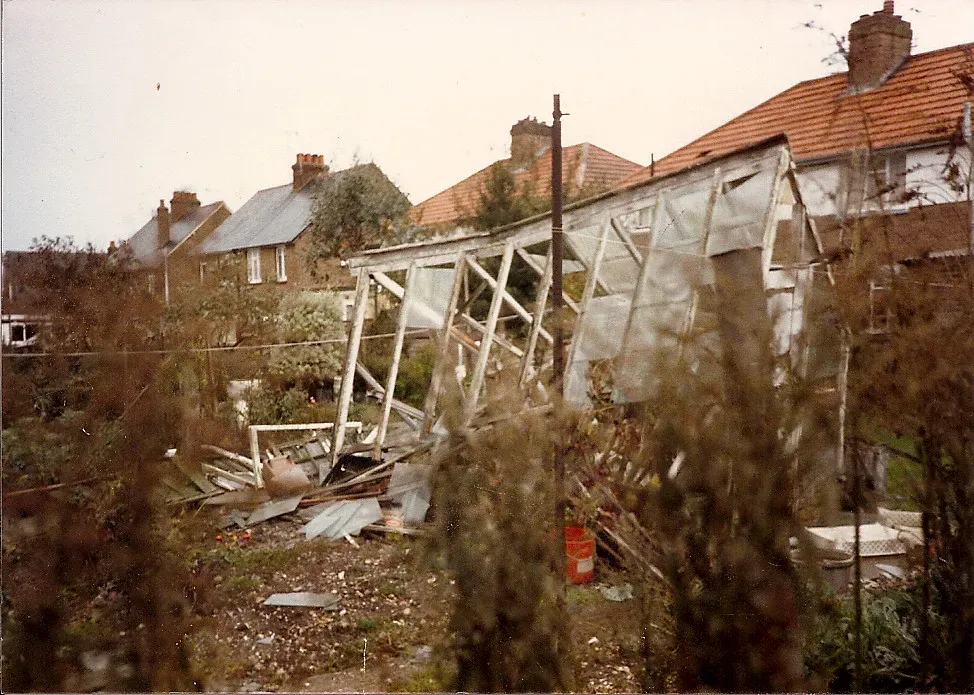
Before 1987, few UK insurers modeled storm risk with any real rigor – weather was treated as background noise, not a serious line item. The claims bill changed that overnight.
The insurance industry paid out roughly £2 billion in damages in the weeks and months that followed, making it the second most expensive UK weather event on record at the time, beaten only by the Burns’ Day Storm three years later. Three million houses were damaged, 200 chimney stacks collapsed in the City of London alone, and the roof came clean off the Palace of Westminster.
Fast Facts
- Roughly £2 billion paid out in claims industry-wide
- RMS separately estimated the cost closer to £1.4 billion
- Three million houses damaged nationwide
- 200 chimney stacks collapsed in the City of London alone
- Second most expensive UK weather event at the time
A separate report by Risk Management Solutions, a firm that specializes in evaluating weather risk, put the cost to the insurance industry closer to £1.4bn – different estimate, same brutal conclusion. Either way, the storm turned out to be the birth moment of an entire industry niche.
Catastrophe modeling firms like RMS grew directly out of the realization that freak weather events needed to be quantified in advance, not tallied in shock afterward. British insurers have priced storm risk very differently ever since.
#7 – Fifteen Million Fallen Trees Changed British Forestry Philosophy Forever
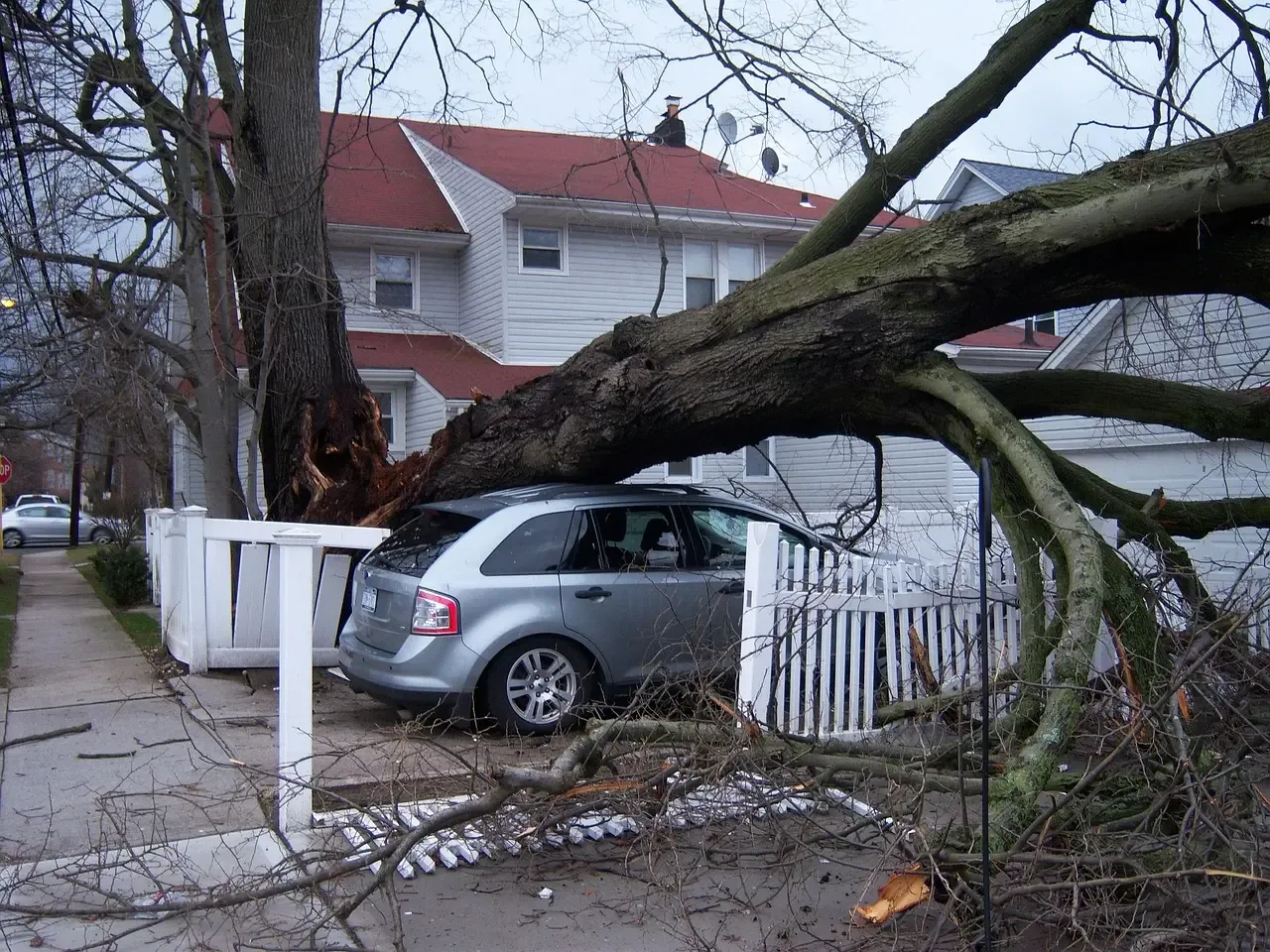
The tree loss wasn’t just cosmetic destruction – it triggered a genuine rethink of how Britain manages its woodland. The storm was the most damaging to hit southern England since the Great Storm of 1703, and it downed an estimated 15 million trees in a single night.
The response was massive and deliberate. More than 500 million trees were planted in compensation over the following years, many of them broad-leaved rather than uniform conifer stock, chosen specifically to build in greater variability than the woodland that had been lost.
That one decision – mixed broadleaf over monoculture planting – reshaped how English woodland actually looks today. But here’s the controversial bit some experts still argue about: was mass replanting even the right call?
Some ecologists see the storm as a violent but genuinely useful natural reset – the sudden loss of canopy let light flood the forest floor, encouraging natural regeneration of a far more varied range of species than any human planting scheme would have chosen. Conservationists remain split, decades later, between “plant everything back” and “let nature sort itself out.”
#8 – Britain’s Most Treasured Gardens Lost Centuries of Growth Overnight
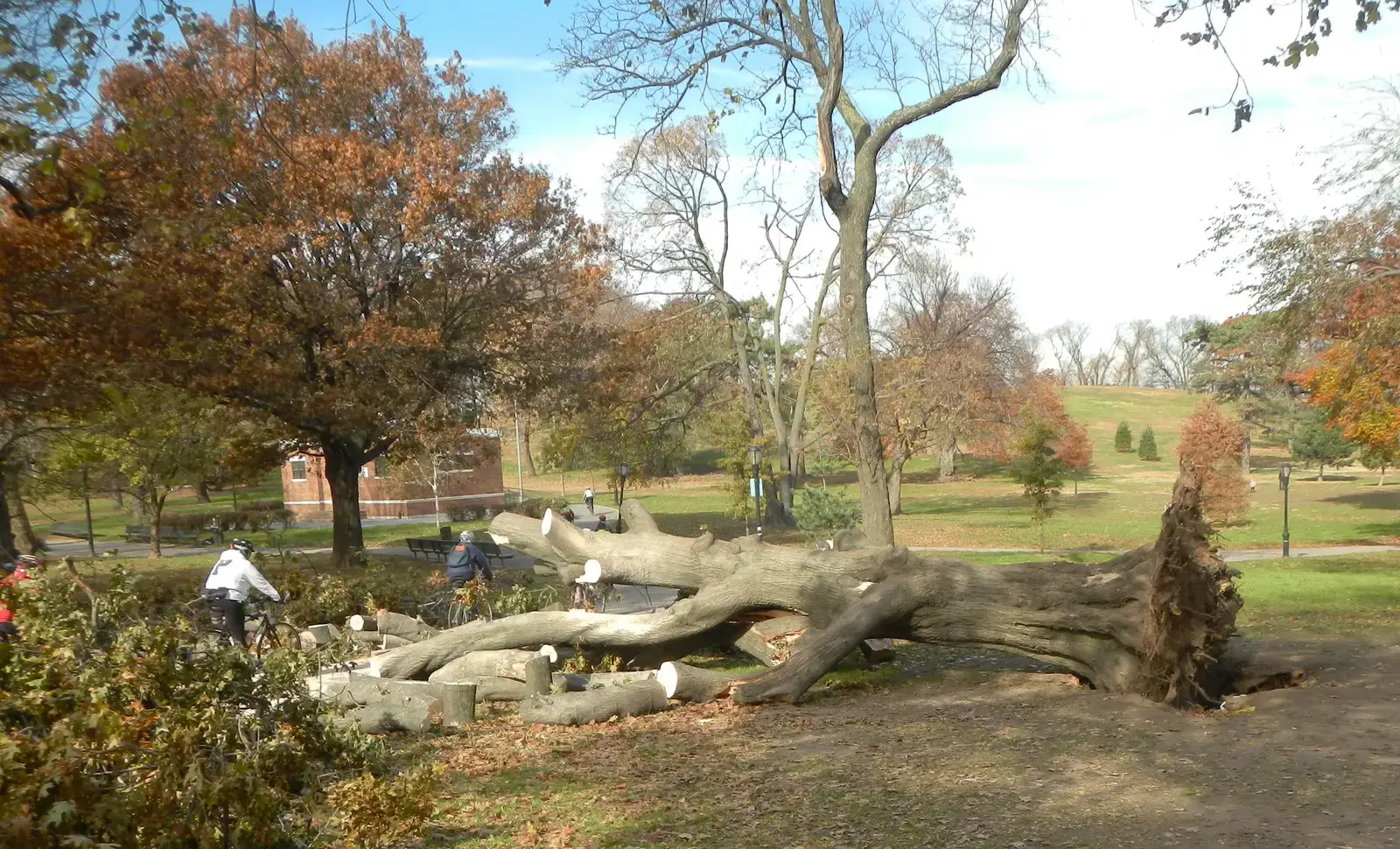
Some damage simply can’t be replanted on any human timescale. Six of the seven great oaks that gave Sevenoaks its name were toppled in a single night – a thousand-year-old place name suddenly rendered almost literal nonsense.
The losses at Britain’s premier botanical collections were catastrophic. Kew Gardens and Wakehurst Place lost hundreds of mature and rare specimens; Nymans Garden and the grounds of Scotney Castle were ravaged; the famous beech ring atop Chanctonbury on the South Downs was all but destroyed in one pass of wind.
Most people don’t realize some of those landscapes still haven’t fully recovered, nearly four decades on. The National Trust property Emmetts House and Garden at Ide Hill, Kent, had 95% of its woodland wiped out in a single overnight event.
The storm forced heritage bodies like the National Trust to fundamentally rethink century-scale conservation planning around one brutal reality: irreplaceable, centuries-old landscapes can vanish in a single night, and no amount of careful stewardship guarantees otherwise.
#9 – Emergency Services Learned They Couldn’t Talk to Each Other
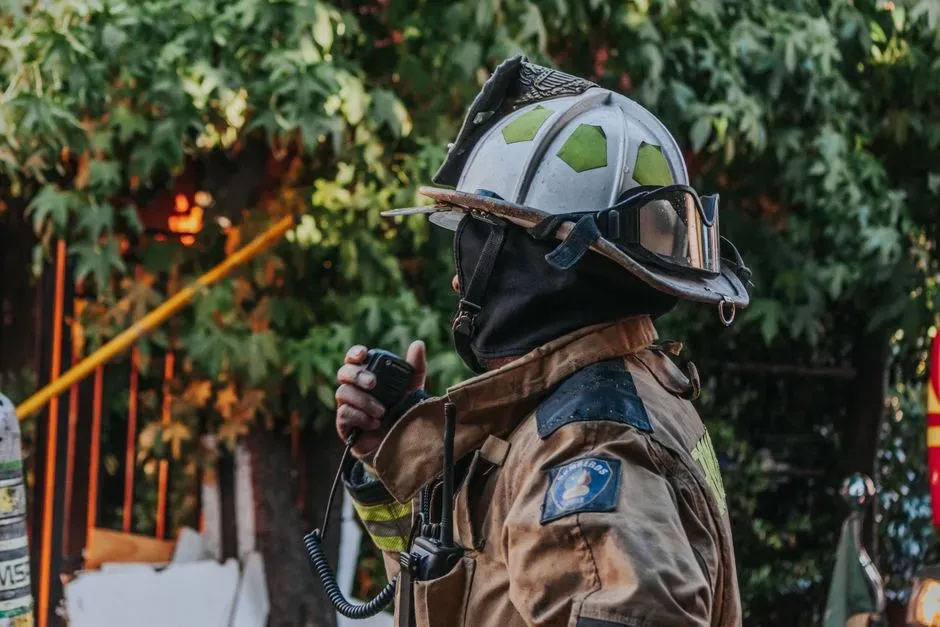
Perhaps the most quietly alarming failure of the night had nothing to do with wind speed – it was about radios. When power cuts knocked out local transmitters and a backup generator failed, police control rooms lost the ability to communicate with patrol cars already out on the roads.
Officers were driving into a disaster zone essentially blind to central coordination, at exactly the moment coordination mattered most. Meanwhile the volume of demand made everything worse – thousands of 999 calls flooded in throughout the storm and into the following day, overwhelming systems that were never built for that kind of surge. The Coastguard at Walton-on-the-Naze fielded its own wave of calls as hundreds of boats were torn loose and set adrift.
Worth Knowing
- A failed backup generator cut police radio contact with patrol cars
- Thousands of 999 calls flooded in during and after the storm
- The Coastguard at Walton-on-the-Naze was swamped as hundreds of boats drifted free
- The Met Office had already alerted the Ministry of Defence at 0135 UTC
Here’s the genuinely uncomfortable part: the warning did reach the very top of government. The Met Office alerted the Ministry of Defence at 0135 UTC that civil authorities might need military assistance. And yet frontline emergency crews were still left with backup generators that failed at the worst possible moment.
That gap between top-level warning and ground-level radio failure became the template for the emergency communications investment that followed across the UK for decades.
#10 – The BBC Discovered Its Own Studios Could Go Dark
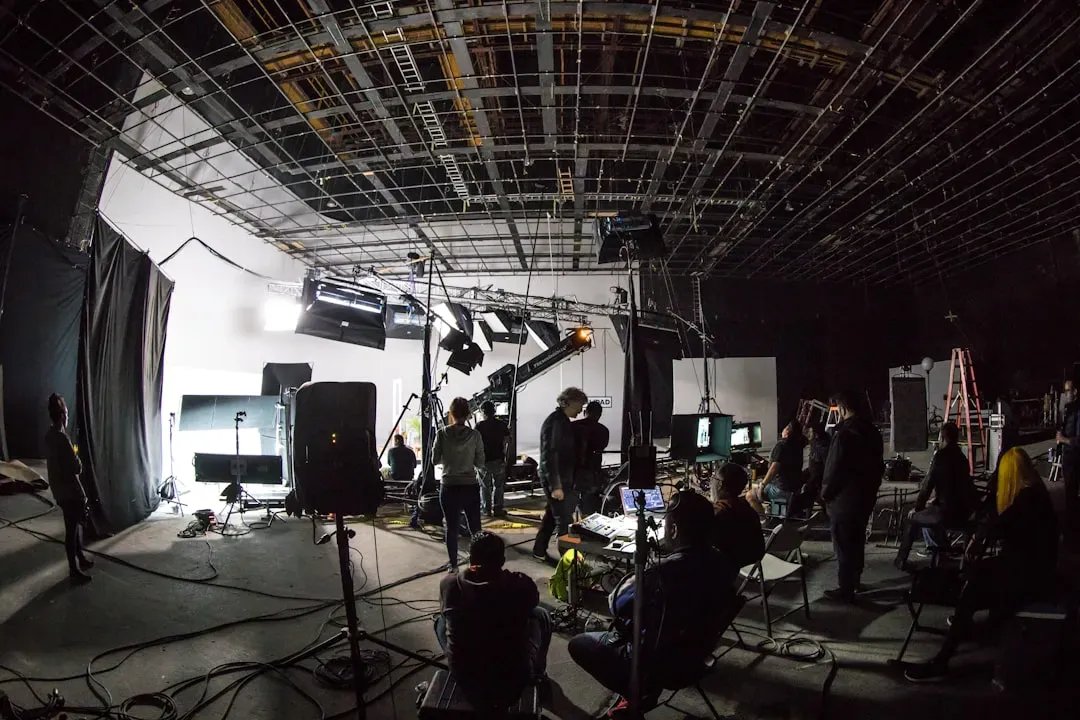
Even national broadcasting wasn’t storm-proof, and the fallout exposed just how fragile live TV infrastructure really was. The following morning, the BBC’s current affairs production centre at Lime Grove Studios in Shepherd’s Bush simply couldn’t function – no power, no broadcast.
TV-am’s Good Morning Britain and BBC1’s Breakfast Time were both forced onto emergency facilities, improvising in real time in front of a nation waking up to fallen trees outside their windows.
The improvisation sounds almost farcical in hindsight. TV-am broadcast from Thames Television’s Euston Road studios, while BBC newsreader Nicholas Witchell had to deliver serious storm coverage from the BBC1 continuity studio at Television Centre – after crews hastily tore down the leftover Children’s BBC wall decorations behind him.
Picture it: a nation’s most trusted newsreader, reporting a national disaster in front of cartoon set dressing, simply because there was nowhere else left to broadcast from. That embarrassment pushed British broadcasters toward redundant power and backup-studio arrangements that are now standard practice for any major outlet covering severe weather.
#11 – Power Companies Started Treating Trees as Infrastructure Risk
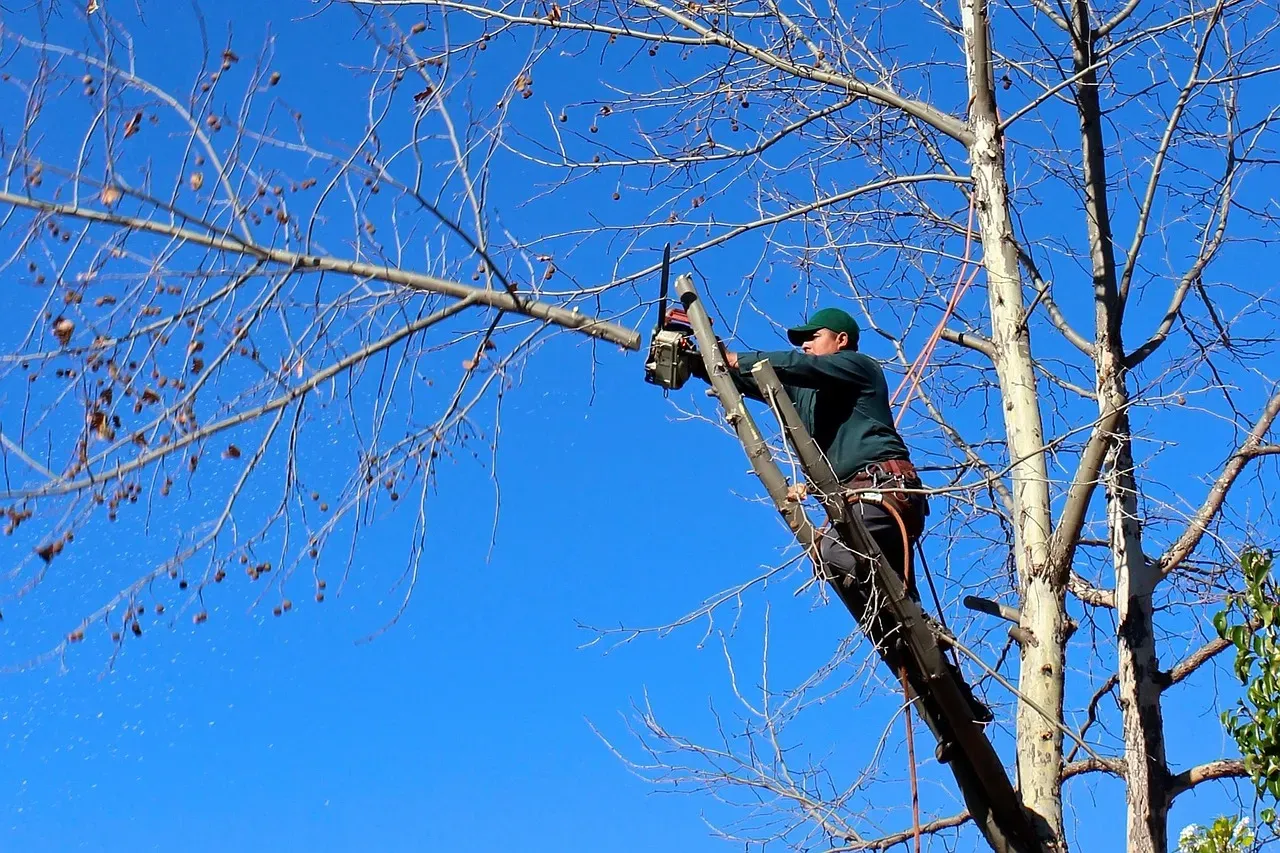
The storm proved that trees near power lines weren’t just landscaping – they were a systemic vulnerability waiting to happen. Decades later, utility companies still budget specifically around that lesson. UK Power Networks alone now invests £5.5 million a year in tree trimming across the South East, purely to keep branches away from live lines.
The response went further than just cutting branches back. The company now closely monitors weather patterns to model the potential impact of storms based on predicted wind speeds, positioning crews and equipment days before a storm even arrives.
That kind of predictive resourcing simply didn’t exist in 1987, when crews reacted blind, driving out only after the damage was already done. Here’s the detail that shows how far things have shifted: modern networks now use self-healing automation that reconnects supply to healthy parts of the network and isolates faults automatically, instead of waiting for an engineer to manually trace every downed line across an entire county.
#12 – Every Major Storm Since Is Now Measured Against That Night
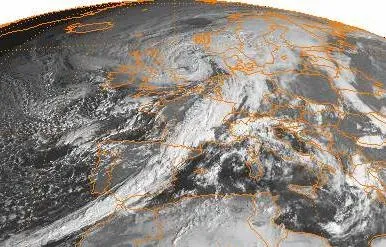
This is the change that ties every other one together: 1987 became Britain’s permanent yardstick for disaster response. Home Secretary Douglas Hurd described it at the time as the “worst, most widespread night of disaster” since the Blitz – a comparison that set the bar every subsequent storm response would be judged against.
The proof shows up every time a comparable storm arrives. Storm Eunice’s 122 mph gust at The Needles on the Isle of Wight in February 2022 is the highest ever officially recorded in England – matching the Great Storm’s own Gorleston peak almost exactly, but arriving with days of warning instead of hours.
Quick Compare: 1987 vs. Storm Eunice (2022)
- Peak gust: nearly identical intensity in both storms
- Warning time: hours (or none) in 1987 vs. days in 2022
- Public alert: no formal danger-to-life warning in 1987 vs. a red warning in 2022
- Outcome: far fewer deaths in 2022 despite comparable wind strength
Same wind speed, wildly different outcome. Everything downstream of forecasting, warnings, and infrastructure had quietly been rebuilt in the decades between the two storms.
That gap is the entire story of modern British disaster preparedness. The 1987 storm humiliated British forecasting on national television, and that humiliation turned out to be productive in almost every measurable way. A storm that once blindsided an entire nation overnight is now, quite literally, the kind of event Britain expects and plans for days in advance.
The Bottom Line
The Great Storm of 1987 wasn’t just a wild night of wind – it was a systems failure that forced Britain to rebuild forecasting, power infrastructure, emergency communication, broadcasting resilience, and even garden conservation philosophy almost from scratch.
The most uncomfortable truth in all of this is that most of these fixes only happened because 22 people died and roughly £2 billion in damage forced institutions to finally act. Whether Britain would have modernized its storm response without that specific tragedy remains genuinely debatable – and frankly, a little damning.
Which of these twelve changes surprised you most? Drop your take in the comments.