
Most people picture museum fossil halls as fortresses of hard science, walled off from fraud by peer review and careful scholarship. That image is mostly true, until it isn’t. For more than three centuries, forged bones, carved stones, and glued-together skeletons have slipped past experts and landed in glass display cases with official museum labels attached.
Some of these hoaxes fooled scientists for a single embarrassing year. Others fooled entire nations for generations. The uncomfortable truth is that the fossil record you’ve seen on display has been quietly edited by hoaxers more often than most visitors realize, and the story of how it happened is stranger than any of the fakes themselves.
#1 – Piltdown Man: The 40-Year Missing Link That Wasn’t
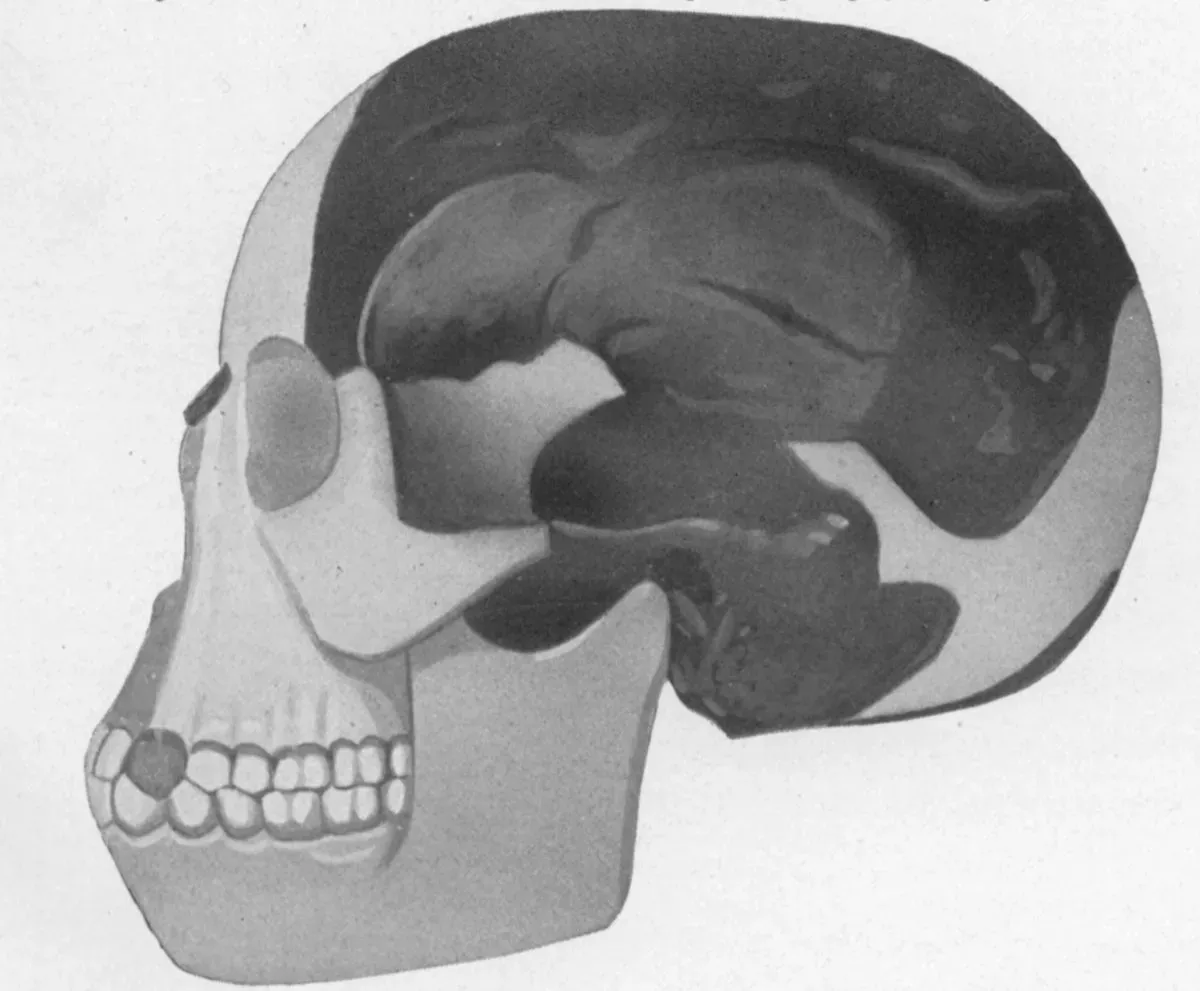
A single skull fragment convinced the scientific establishment they’d found the missing link between apes and humans, and it took four decades to prove them wrong. In 1912, amateur archaeologist Charles Dawson claimed he’d found part of a human-like skull in Pleistocene gravel beds near Piltdown village in Sussex, England. He teamed up with a respected British Museum geologist, and together they turned up a jawbone, teeth, more skull fragments, and primitive tools.
The pair hypothesized the find was a human ancestor living 500,000 years ago, and the scientific community largely accepted it. The most surprising fact: the fraud stood unchallenged inside the Natural History Museum in London for 40 years before anyone finally ran chemical tests on it. When they did, the results were embarrassing on a national scale. The Piltdown “remains” turned out to be a mix of medieval human bone, an orangutan jaw, and chimpanzee teeth filed down to look like an evolutionary intermediate. Next up, a hoax that fooled National Geographic itself.
Fast Facts
- Discovered: 1912, near Piltdown village, Sussex, England
- Exposed as fraud: 1953, roughly four decades later
- Made from: a medieval human skull, an orangutan jaw, and filed chimpanzee teeth
- Still held today by the Natural History Museum, London, now as a case study in scientific fraud
#2 – Archaeoraptor: When National Geographic Published a Chicken Dinner
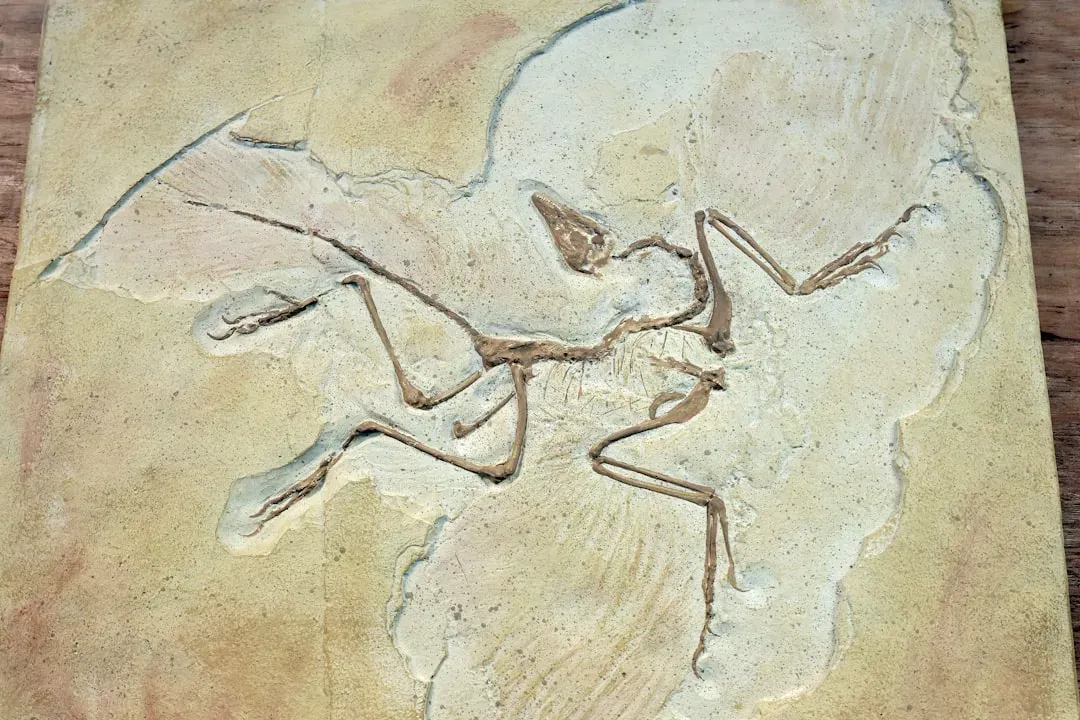
A dinosaur-bird “missing link” splashed across National Geographic’s pages in 1999 turned out to be two different fossils glued together by smugglers. The magazine ran a feature declaring that birds are theropods “just as confidently as we say that humans are mammals,” built entirely around a fossil illegally exported from Liaoning Province, China. The underlying paper had already been rejected by two major scientific journals before the story ever ran.
Paleontologist Storrs Olson was skeptical from the very beginning.
There is no such thing as a feathered dinosaur.
Storrs Olson
The most surprising fact: the “species” wasn’t even a real animal. Chinese paleontologist Xu Xing found a matching counterslab fossil and realized the tail lined up so exactly with “Archaeoraptor” that it had to be a separate piece, right down to two matching yellow oxide stains. The specimen had actually been assembled from the body and head of a birdlike creature glued to the tail of a completely different dinosaur. National Geographic eventually retracted the story, but not before it had already reshaped public understanding of dinosaur evolution. Next, a hoax carved from a five-ton block of gypsum.
#3 – The Cardiff Giant: America’s Petrified Man Made of Rock
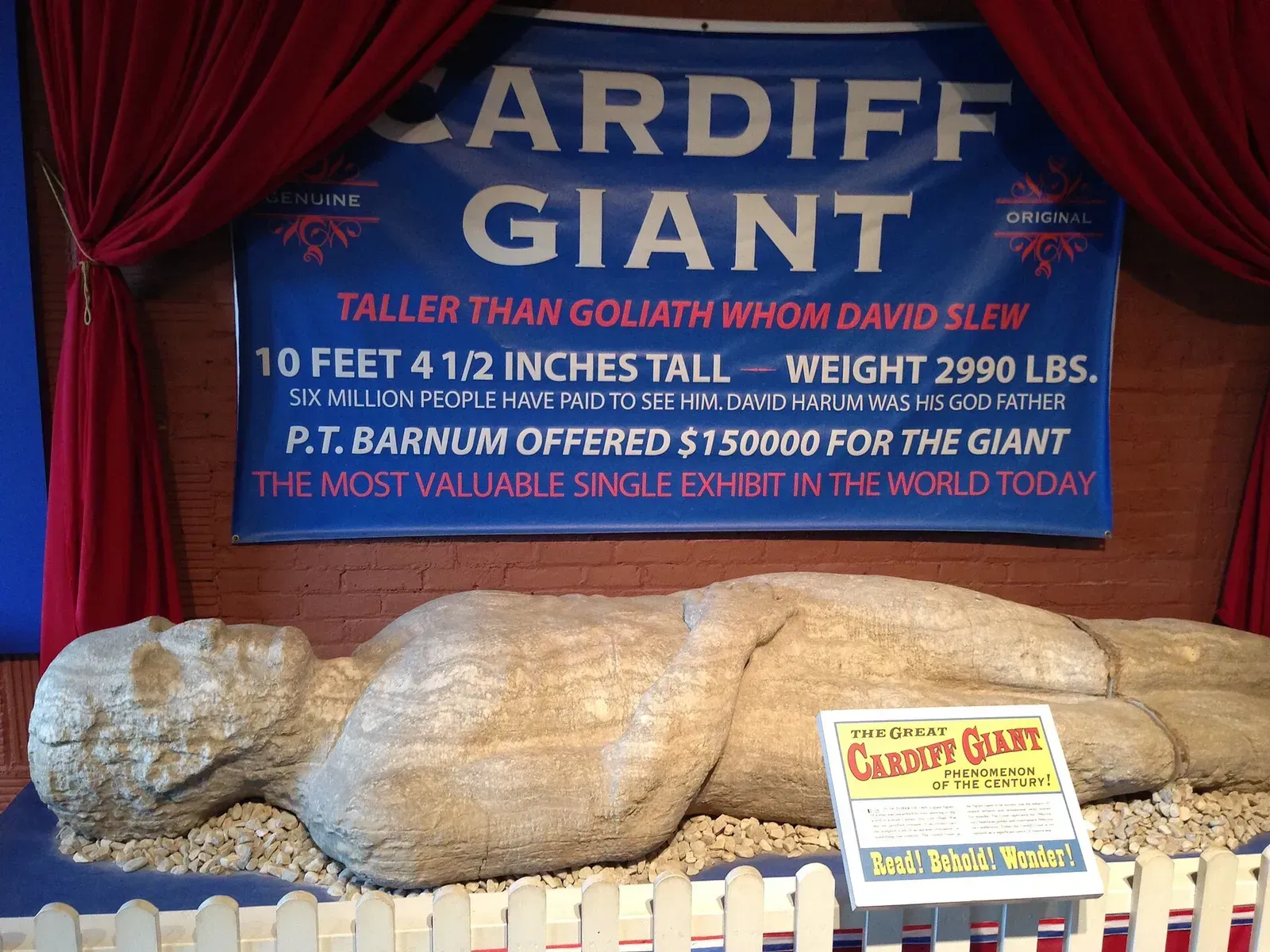
A 10-foot “petrified man” convinced thousands of Americans that biblical giants had walked the Earth, and it was really a gypsum sculpture buried on purpose. The Cardiff Giant, a 10-foot-tall, roughly 3,000-pound purported “petrified man,” was uncovered on October 16, 1869, by workers digging a well behind a barn in Cardiff, New York. Visitors flooded in almost immediately, with more than 3,000 people showing up to see it within the first two weeks.
A local pastor even declared it biblical proof, asking, “Is it not strange that any human being, after seeing this wonderfully preserved figure, can deny the evidence of his senses.” The most surprising fact: the whole thing began as an argument about religion. Tobacconist George Hull, an atheist, built the giant after arguing with a Methodist reverend over whether the Bible should be taken literally. The Giant was so convincing that when showman P.T. Barnum was refused a chance to buy it, he built his own duplicate that soon drew bigger crowds than the original, and remarkably, both fakes are still on public display today as historical curiosities. Next, a skull that pushed back human history by millions of years.
#4 – The Calaveras Skull: A Prank That Fooled a State Geologist
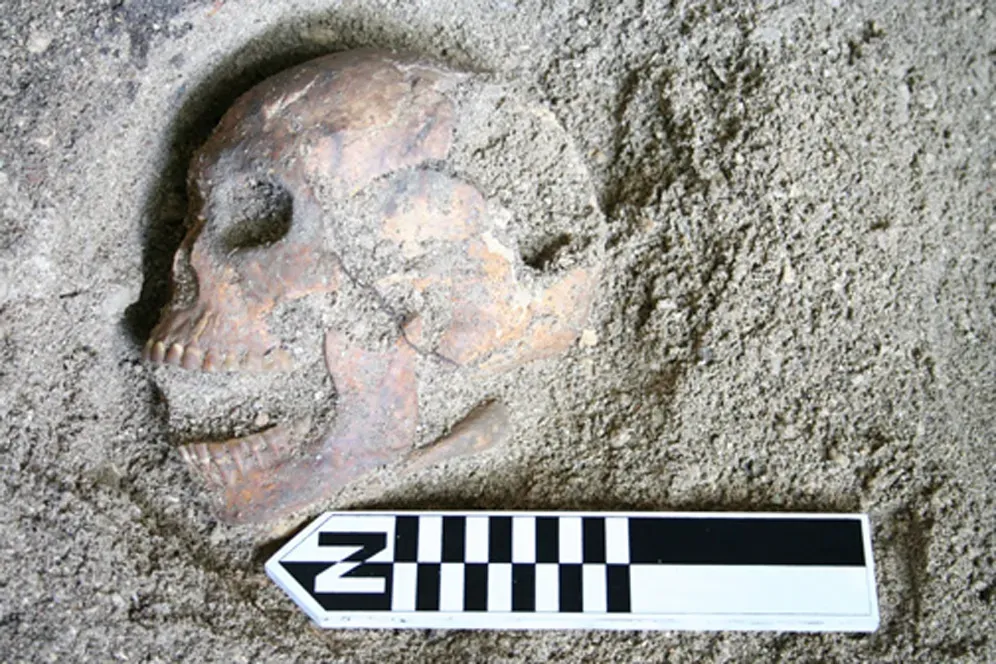
A California miner’s skull convinced a state geologist that humans had lived alongside woolly mammoths millions of years earlier than anyone believed. In 1866, California state geologist Josiah Whitney got his hands on a Pliocene-age skull that miners had reportedly unearthed in Calaveras County. He saw it as proof of his own theory and announced the discovery to the California Academy of Sciences.
Whitney convinced some of his fellow academics, but plenty of others doubted the skull’s authenticity from the very start. The most surprising fact: it took over a century of modern dating to finally kill the myth. An anonymous informant later told a local newspaper that the miners had planted the skull as a prank on Whitney, whose stiff, “very reserved demeanor” apparently annoyed them, and a 1992 radiocarbon test placed the bone at less than 1,000 years old. The skull had already been displayed and debated for well over a century before science could definitively close the case, turning it into a cautionary tale about how one man’s confirmation bias let a prank masquerade as paleontology. Next, a German professor tricked into “discovering” the sun and stars in solid rock.
#5 – Beringer’s Lying Stones: Carved Fossils of the Sun Itself
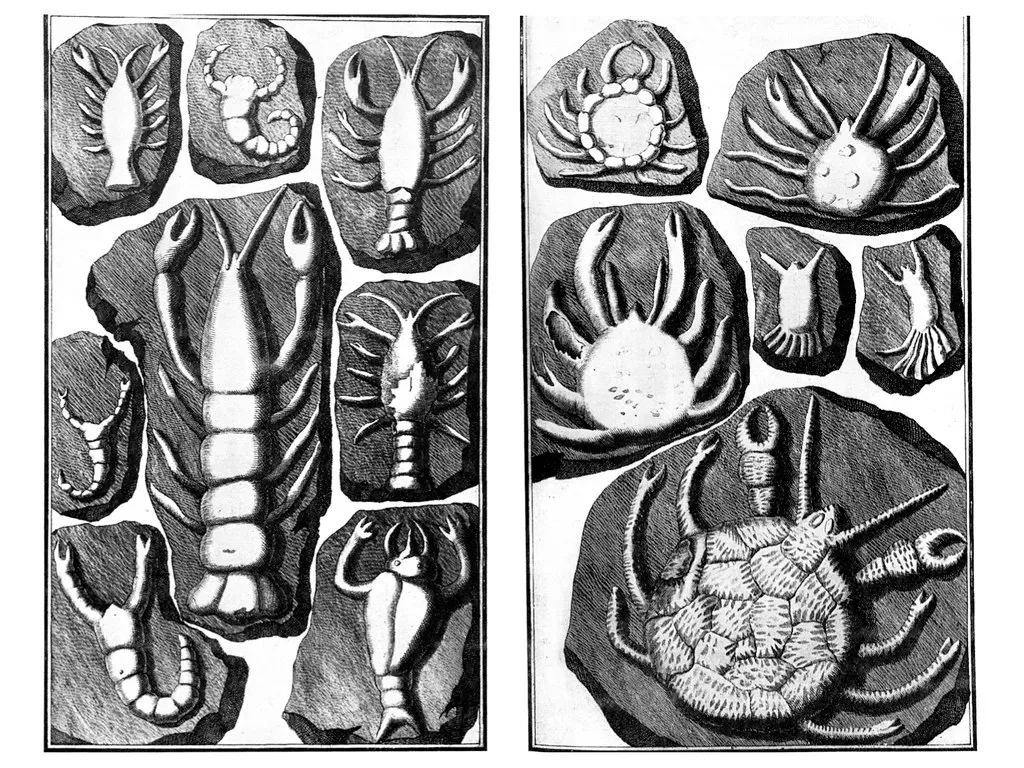
A university professor was so eager for fame that he published an entire scientific book on fossils secretly carved by his own rivals. Johann Bartholomeus Adam Beringer, a professor at the University of Würzburg, was collecting fossils in 1725 and had hired local teenagers to expand his search. Two colleagues who resented his arrogance decided to teach him a lesson he wouldn’t forget.
They conspired with a local noble to carve fish, frogs, insects, crabs, plants, and even the sun and stars into pieces of limestone, then planted them for Beringer’s boys to “discover.” Over six months, his own assistants dug up and sold him an estimated 2,000 of these carvings. The most surprising fact: Beringer never suspected a thing until after he’d committed it all to print, publishing a full book on the finds with 21 engraved plates. When the truth came out, he sued the perpetrators and won, getting them removed from their university positions, but the saga ended well for no one. The university severed ties with everyone involved, Beringer never published on fossils again, and surviving specimens still sit in European archives as physical proof of the prank. Next, a single tooth that built an entire fake species.
#6 – Nebraska Man: An Entire Species Built From One Tooth
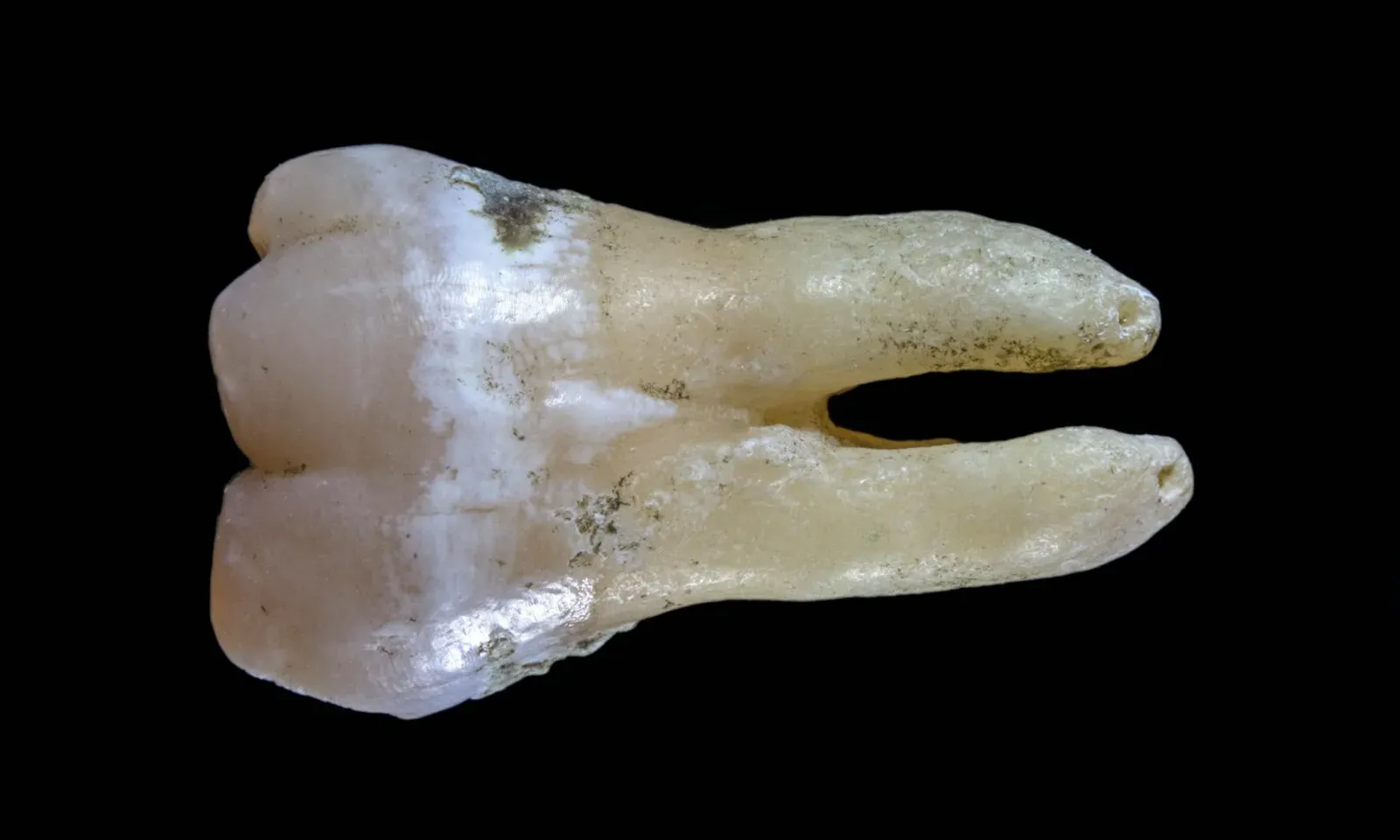
A museum president used a single fossilized tooth to declare a brand-new species of American ape-man, and got the tooth wrong entirely. Nebraska Man, formally named Hesperopithecus haroldcookii, was heralded as the first higher primate found in North America. Henry Fairfield Osborn, president of the American Museum of Natural History, described it in 1922 based on a tooth found by rancher and geologist Harold Cook in Nebraska in 1917.
Osborn publicly used the find to argue against religious fundamentalism, even building an entire book around the discovery. The most surprising fact: the tooth wasn’t even from a primate. Although Nebraska Man wasn’t a deliberate hoax, the classification was quietly retracted in 1927 after an identical tooth turned up still attached to the jawbone of a wild pig, meaning the “missing link” once illustrated in the Illustrated London News and cited in courtroom debates was really a peccary’s molar. Reconstructions of the imaginary creature kept circulating in textbooks and exhibits for years after the retraction. Next, a “human ancestor” that turned out to be a baby donkey.
At a Glance
- Species name given: Hesperopithecus haroldcookii
- Tooth found: 1917, western Nebraska
- Formally named: 1922, by Henry Fairfield Osborn
- Quietly retracted: 1927, after the tooth matched an extinct peccary, not a primate
#7 – Orce Man: Europe’s Oldest Human Ancestor Was a Donkey
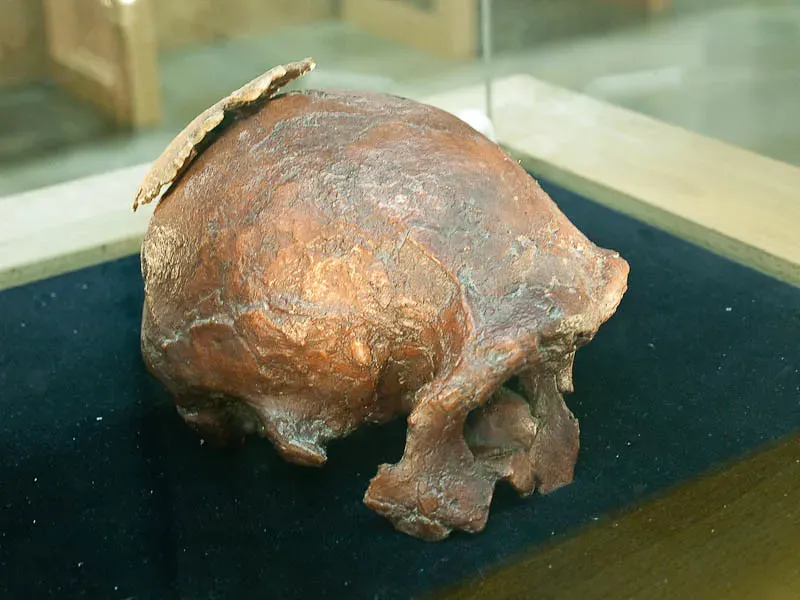
Spanish scientists announced they’d found the oldest human fossil ever discovered in Europe, then had to quietly walk it back a year later. The skull fragment was found near the southern Spanish town of Orce in 1982 and hailed as the oldest fossilized human remains ever found on the continent. Researchers reconstructed what the individual would have looked like, claiming it belonged to a 17-year-old who lived somewhere between 900,000 and 1.6 million years ago, and even produced detailed illustrations of the imagined teenager’s face.
The most surprising fact: the fossil had four legs, not two. A year later, officials admitted the skull fragment wasn’t human at all, but probably came from a four-month-old donkey. The controversy became so tangled up with local pride that discoverer Josep Gibert remained the “adoptive son” of the town and the namesake of its local museum, defending his original classification for the rest of his life. The specimen, now formally recognized in the scientific literature as the equine species Equus altidens, had already been photographed, sketched, and displayed as a human ancestor before the correction ever landed. Next, an industrial forgery operation hiding in plain sight.
#8 – Fake Moroccan Trilobites: An Entire Forgery Industry
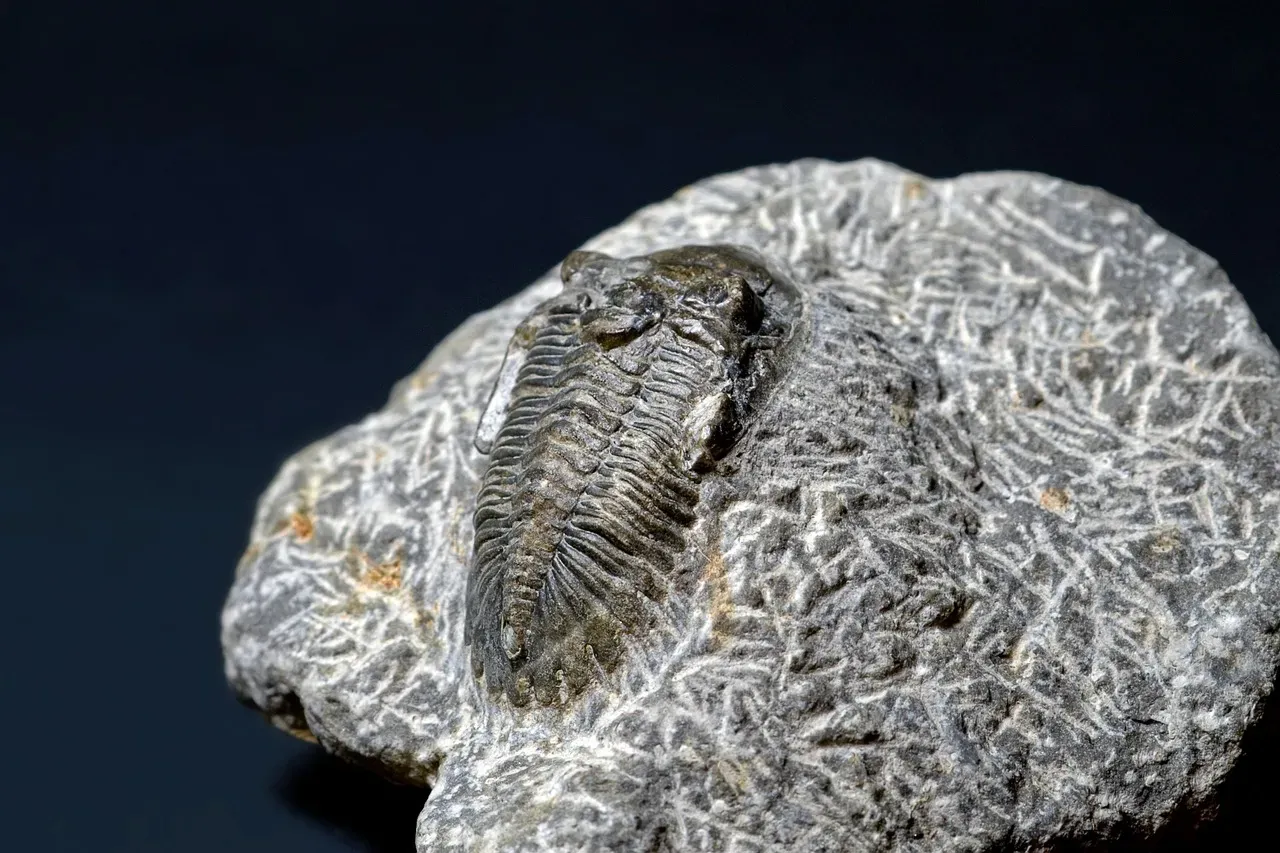
An entire cottage industry now manufactures fake trilobite fossils so convincing that specialized workshops exist purely to fool collectors and museum gift shops. The most mass-produced fakes of recent decades come out of Morocco, a country genuinely famous for real Paleozoic fossil beds packed with trilobites, ammonites, and Orthoceras. The scale of the operation is staggering, with dealers warning that fossil shows are now flooded with convincing counterfeits selling for serious money right alongside authentic specimens.
The most surprising fact: forgers have specialized like medical professionals. Entire workshops in Morocco now fabricate specific genres of fakes, with some suppliers dealing only in Cambrian forgeries, others in Ordovician forgeries, and some producing nothing but fake spines glued onto otherwise real specimens. They’ve even mastered the packaging, wrapping complete fakes of meticulously prepared spiny trilobites in the exact same plastic containers that genuine specimens ship in. Because these fakes routinely pass casual inspection, they’ve made their way not just into private collections but into small museum exhibits that lack specialist staff trained to catch the fraud. Next, a fossil smuggling scandal that became a genuine international crime wave.
Worth Knowing
- Genuine trilobites usually show natural, uneven wear consistent with their surrounding rock matrix
- Perfectly symmetrical or unusually elaborate spines are a common red flag for reconstruction
- Ask sellers for prep photos or documentation showing the fossil before cleaning
- Reputable dealers can usually provide the specific locality and rock formation of a specimen
#9 – China’s Feathered-Dinosaur Forgery Trade
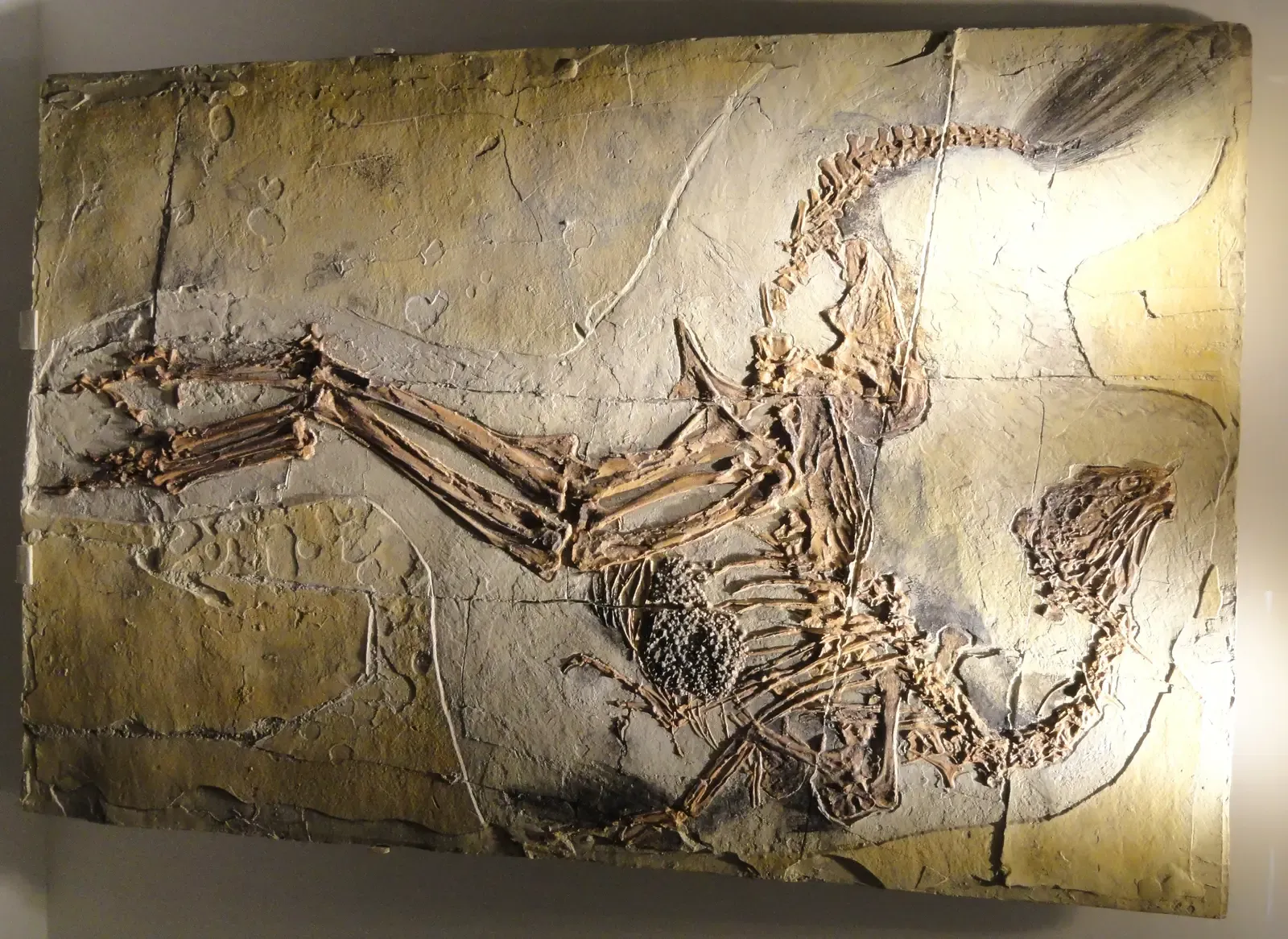
Beyond Archaeoraptor, an entire underground economy of composite fossils has flooded the market out of northeastern China, some fully prepared and sold internationally before their true origins were ever caught. Archaeoraptor liaoningensis’s unmasking as one of history’s biggest fossil hoaxes foreshadowed a much bigger, ongoing problem: fraudulent fossils produced on an industrial scale. The financial incentive is enormous, since farmers and middlemen in fossil-rich provinces learned that composite “feathered dinosaurs” fetched far higher prices than ordinary specimens, feeding a black market that international auction houses and private collectors kept unintentionally supplying.
The most surprising fact: this fraud pipeline eventually reached criminal court. A Florida fossil dealer who prepared a smuggled Tarbosaurus for sale, then auctioned it in New York, was jailed for three months in 2014 and was reportedly in possession of other illegally trafficked specimens, including duck-billed hadrosaurs and oviraptorids. Many of these fossils had already toured private and institutional displays before their illegal origins and doctored anatomy were exposed. Some experts now argue that no fossil from this region should be trusted without independent CT scanning first, a controversial but increasingly common museum policy. Next, dinosaurs supposedly riding alongside ancient humans.
#10 – The Ica Stones: Dinosaurs Riding With Ancient Humans
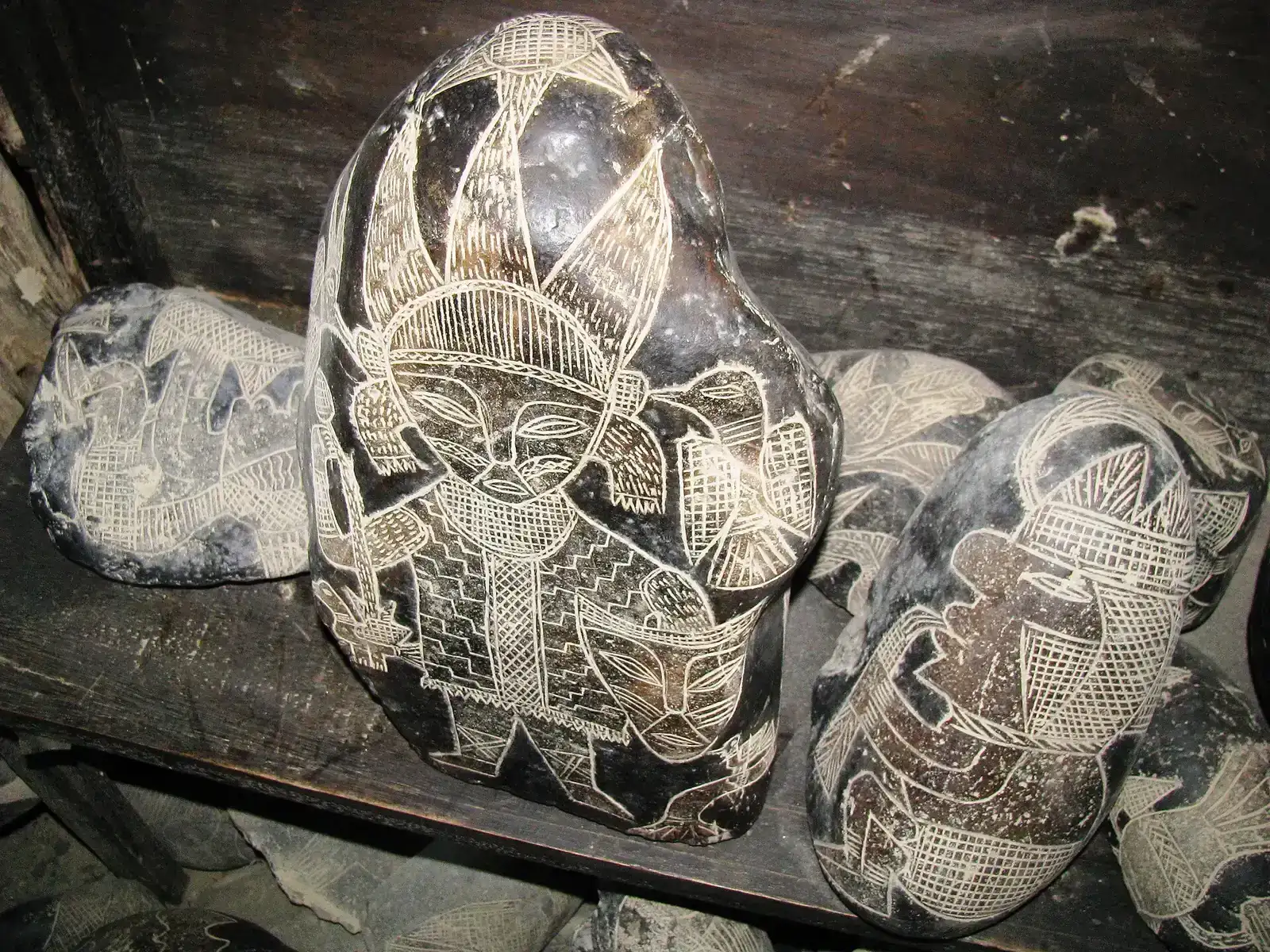
Thousands of engraved stones supposedly proved humans and dinosaurs coexisted in ancient Peru, and they eventually ended up in their very own private museum. A Peruvian physician amassed a massive personal collection of andesite stones bearing crude engravings that appeared to show humans interacting with dinosaurs, performing surgery, and using advanced technology. He opened a private museum in the city of Ica to display them, presenting the whole collection as proof of a lost, technologically advanced civilization that lived alongside creatures long extinct.
The most surprising fact: the “ancient” artists eventually admitted, under questioning, that they had carved the stones themselves using modern tools and imagery lifted straight from books and magazines. Despite the confession, the stones remain on display and still circulate in alternative-history circles, proving how a private “museum” label alone can lend an object false scientific credibility for decades, especially when it confirms what visitors already want to believe. Next, a jawbone scandal that rocked French archaeology.
#11 – The Moulin Quignon Jaw: A Purchased Prehistory
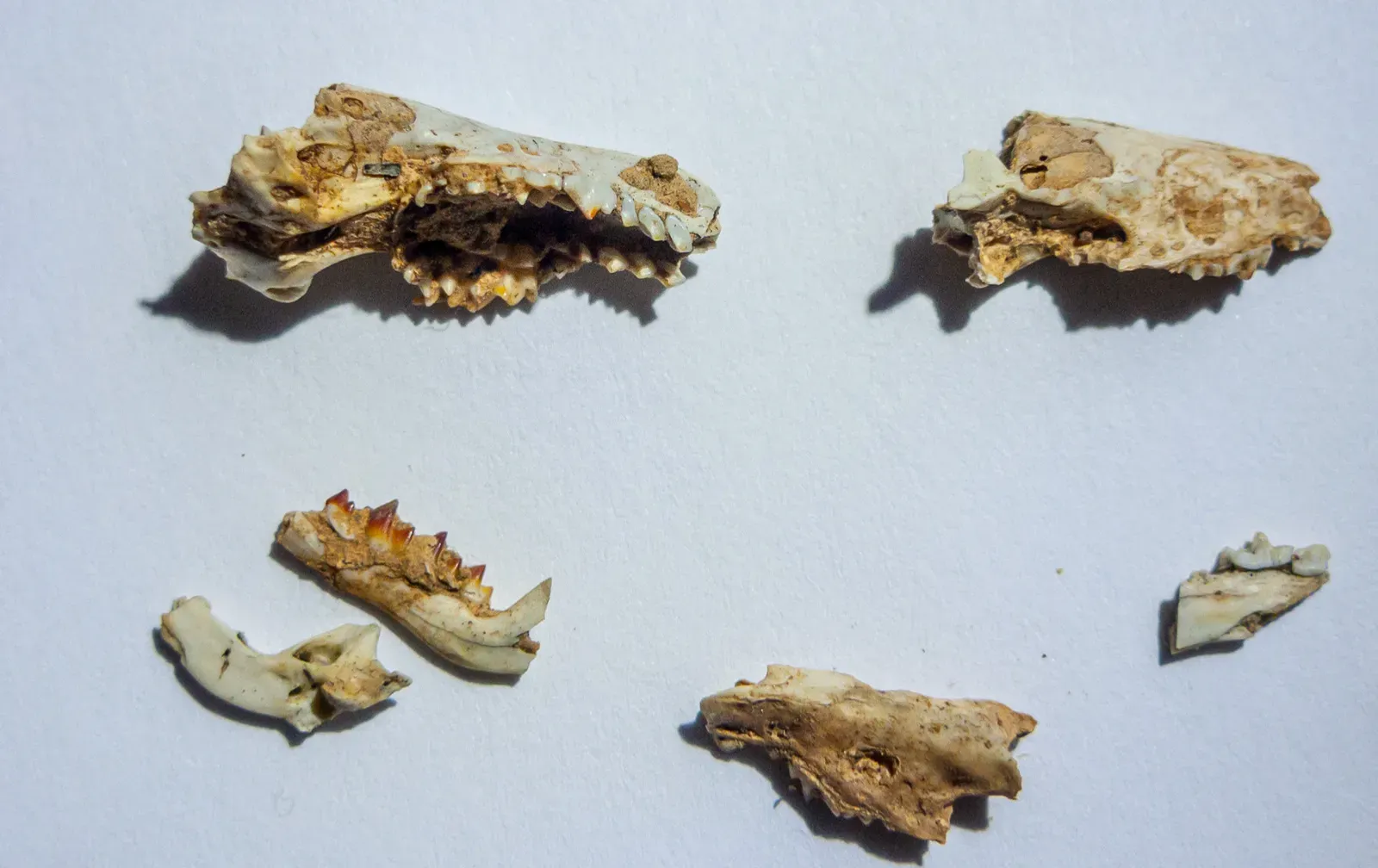
A French antiquarian was so desperate to prove ancient humans lived in France that local workmen realized they could simply sell him whatever bones he wanted to see. In 1863, pioneering archaeologist Jacques Boucher de Perthes announced the discovery of a human jawbone alongside stone tools in gravel deposits near Abbeville, France, presenting it as proof that humans had lived in Europe far earlier than anyone believed. The find was initially celebrated as a major breakthrough for the emerging science of human prehistory and displayed among leading geologists of the era.
The most surprising fact: the “ancient” jaw was staged by paid diggers chasing a bonus. Investigators later determined that local workmen, aware that Boucher de Perthes paid generously for artifacts, had planted a modern jawbone stained to look ancient right alongside the genuine stone tools at the site. The scandal became an international embarrassment for French science and a cautionary tale about paying informants for discoveries instead of supervising excavations directly, a lesson museums still cite in their acquisition policies today. Next, footprints some still insist belong to humans walking beside dinosaurs.
#12 – The Paluxy River “Man Tracks”
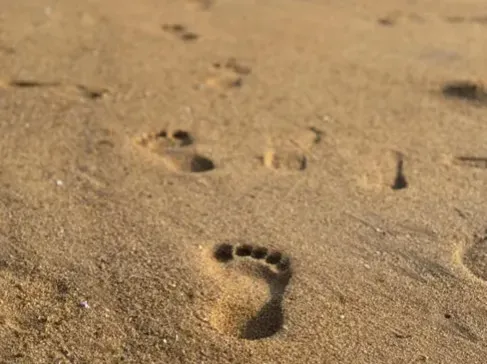
For decades, supposed human footprints found stamped directly beside dinosaur tracks in a Texas riverbed were held up as proof that people and dinosaurs coexisted. Along the Paluxy River near Glen Rose, Texas, a series of impressions in Cretaceous limestone were promoted starting in the mid-20th century as elongated human footprints walking right alongside genuine three-toed dinosaur tracks. The claim became a centerpiece of creationist literature and was reproduced in casts, replicas, and exhibits at several privately run museums as evidence against evolutionary timelines.
The most surprising fact: the “human” tracks were mostly eroded dinosaur prints, and some were carved outright. Independent geological analysis showed that many of the supposed human prints were actually eroded, elongated dinosaur tracks with the toe impressions worn smooth, while other examples were later shown to have been deliberately carved by local hoaxers chasing tourist dollars during the Great Depression. Despite the debunking being decades old and thorough, casts of the tracks remain on display in a handful of small museums that still present them as an open scientific controversy rather than a settled matter. Next, a fossil once venerated as a witness to the biblical flood.
Fast Facts
- Location: Paluxy River near Glen Rose, Texas
- Rock layer: Cretaceous-age limestone, roughly 113 million years old
- Claims popularized: mid-20th century, largely through creationist literature
- Debunked as: eroded dinosaur tracks, with some prints carved by hand during the Great Depression
#13 – Homo Diluvii Testis: The “Man” Who Witnessed the Flood
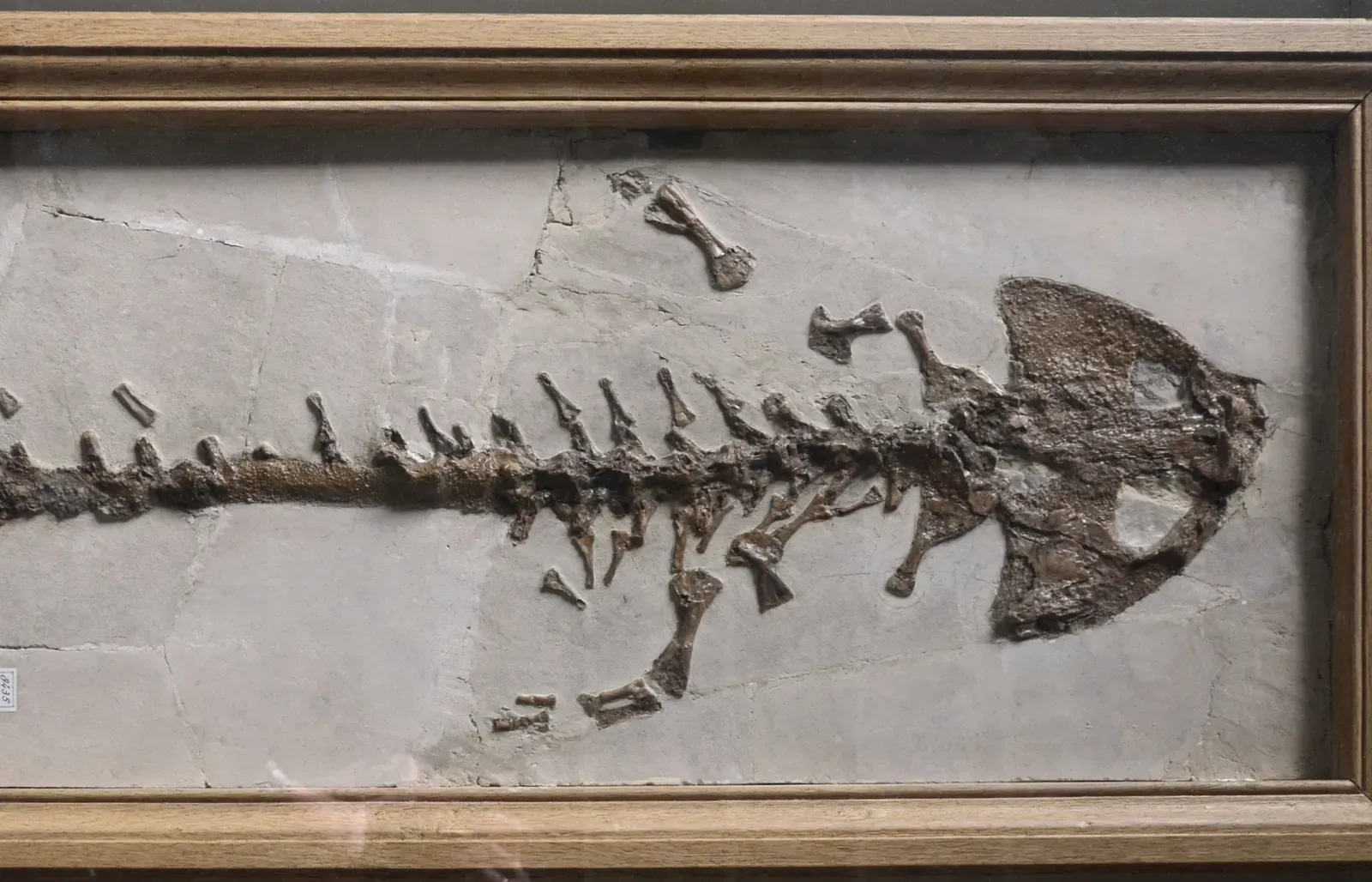
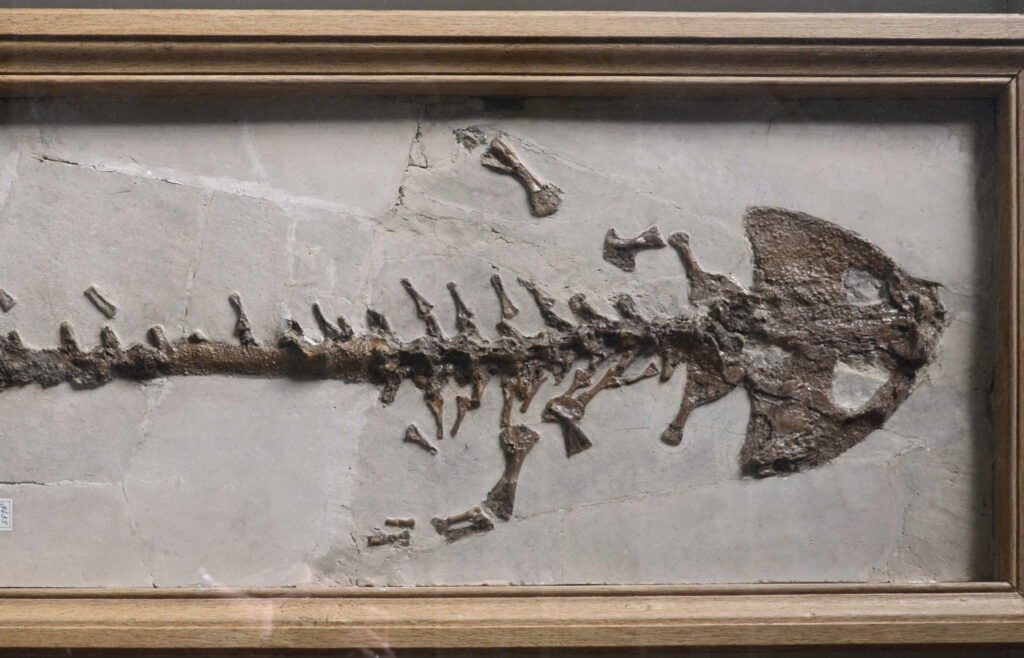
An 18th-century Swiss scientist announced he had found skeletal proof of a human being who drowned in the biblical flood, and it was actually a giant salamander. In 1726, Swiss naturalist Johann Jakob Scheuchzer described a fossil skeleton he’d acquired from a German quarry as Homo diluvii testis, Latin for “man, a witness of the flood,” presenting it as physical evidence of a person who perished in the biblical deluge. The specimen was celebrated across Europe as remarkable proof directly connecting the fossil record to scripture and displayed as one of the era’s most significant natural history finds.
The most surprising fact: the fossil sat under that flood-victim label for nearly a century before anyone corrected it. It wasn’t until French naturalist Georges Cuvier examined the specimen in the early 19th century that the “human” bones were properly identified as belonging to a giant extinct salamander, later named Andrias scheuchzeri in the fossil’s honor. The specimen still sits in a Dutch museum collection today, now correctly labeled, standing as a permanent reminder of how confirmation bias can turn an amphibian into a person. Last but not least, a skeleton built to prove unicorns were real.
#14 – The Magdeburg Unicorn: Real Fossils, Fake Animal
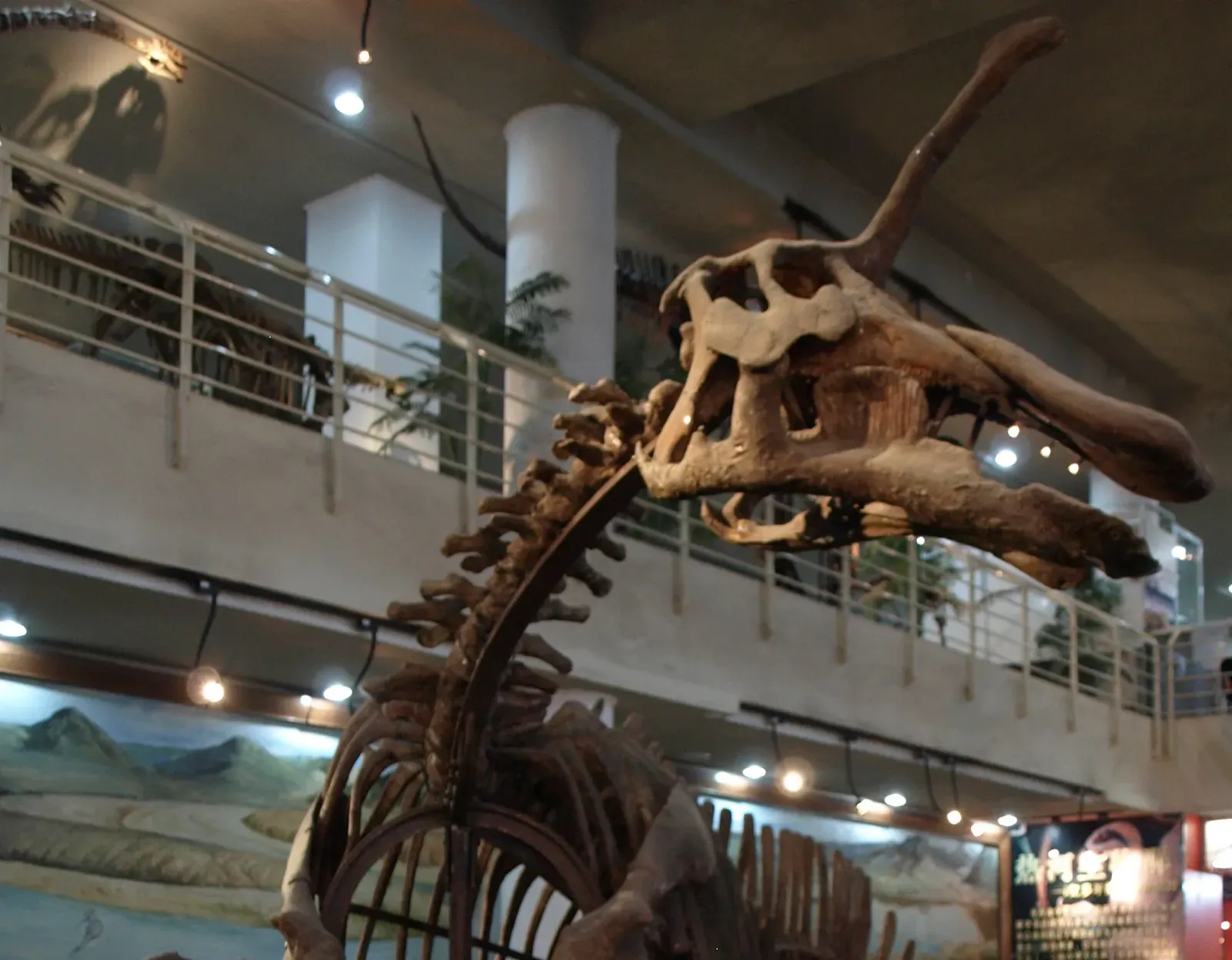
German scientists once assembled genuine Ice Age fossil bones into a completely fictional unicorn skeleton, and displayed it as legitimate zoological proof. In 1663, German scientist and mayor Otto von Guericke reconstructed a standing, upright skeleton from a jumble of real fossil bones, likely belonging to woolly mammoths and rhinoceroses, unearthed near Quedlinburg, Germany, and presented it as the remains of an actual unicorn. The skeleton featured a long, spiraled horn improbably mounted on the forehead of a bipedal creature, a shape that bore no resemblance to how any of the source animals had actually looked in life.
The most surprising fact: one of history’s greatest mathematicians personally endorsed the fake. Philosopher and mathematician Gottfried Wilhelm Leibniz was reportedly so impressed by the reconstruction that he included a sketch of it in his own writings on natural history, lending the fabricated creature real intellectual credibility. The unicorn was displayed for years as genuine zoological evidence, proof that even brilliant minds can be fooled when real fossil material is arranged to match a story people already want to be true.
Why It Stands Out
- Built entirely from real fossil bone, unlike most entries on this list
- Endorsed by Gottfried Wilhelm Leibniz, one of the era’s leading intellectuals
- Proves that authentic material can still produce a completely false conclusion
The Bottom Line
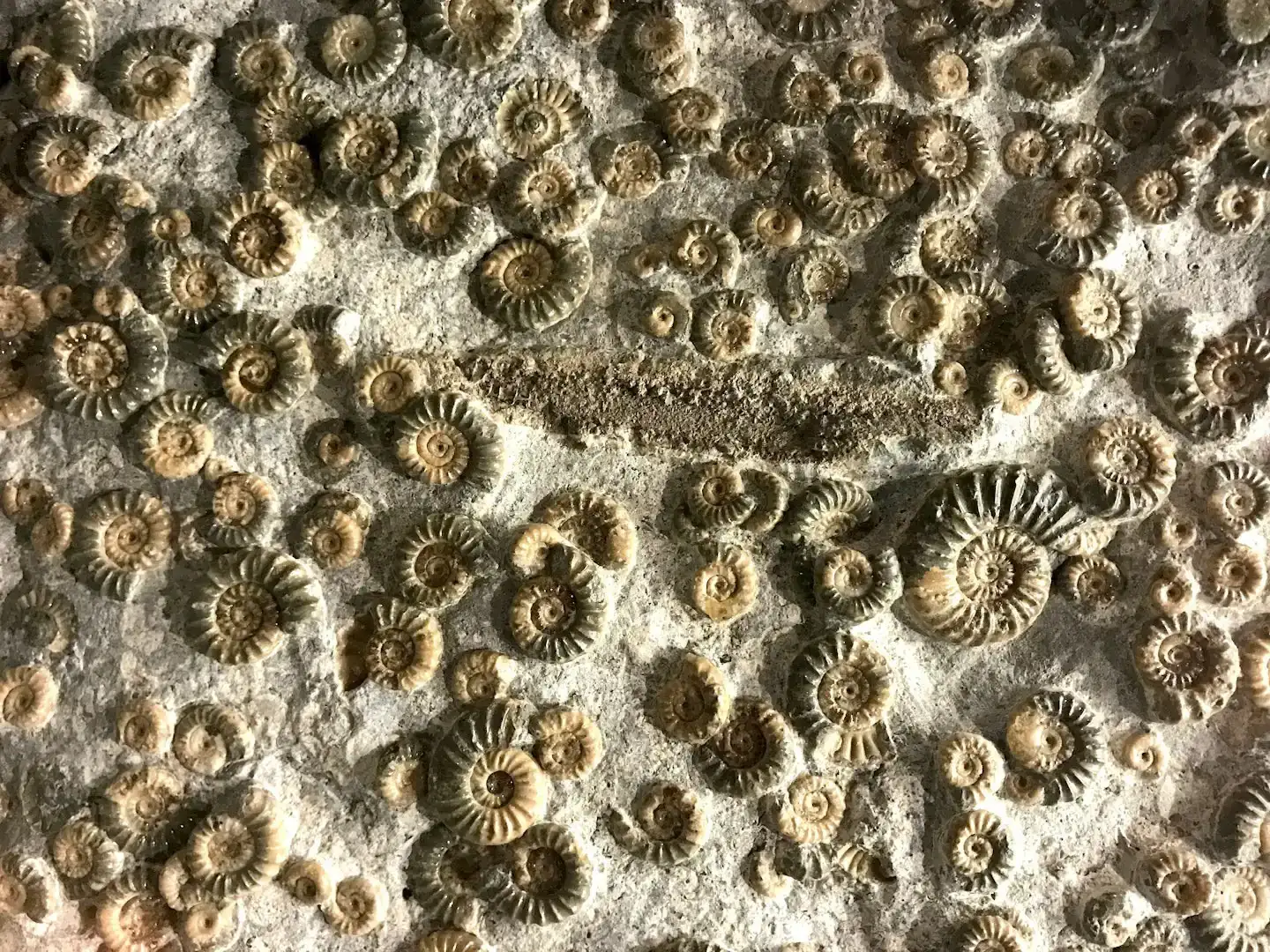
Fourteen cases. Three centuries. One repeating pattern: confirmation bias beats scrutiny almost every time. From a jawbone that fooled the British Museum for 40 years to a donkey skull hailed as Europe’s oldest human, the common thread isn’t stupidity, it’s eagerness. Scientists, editors, and curators wanted these finds to be real, so the warning signs got waved away.
Even today, industrial-scale fossil forgery out of Morocco and China proves this problem never actually ended, it just went commercial. The real scandal was never that hoaxers existed. It’s how long institutions kept defending them after the evidence had already turned against them. Which of these fooled you the most? Drop your pick in the comments.