
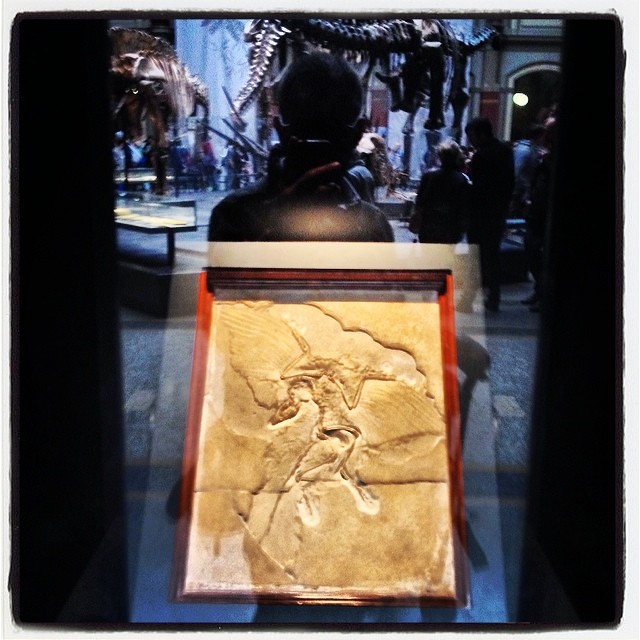
Most people assume the Berlin Archaeopteryx is just “that one fossil in the textbook photo.” It’s actually far stranger than that. A Bavarian farmer once traded away one of the most important fossils in scientific history for the price of a single cow, and for more than a century afterward, researchers fought bitterly over whether the creature pressed into that limestone slab could even lift itself off the ground.
Laser scans, synchrotron X-rays, and ultraviolet light have now closed the book on questions naked-eye observation simply couldn’t answer. Some old arguments got . Others got stranger than anyone expected. Here’s what paleontologists actually say now that the dust – and the debate – has finally cleared.
#1 – Sold for the Price of a Cow
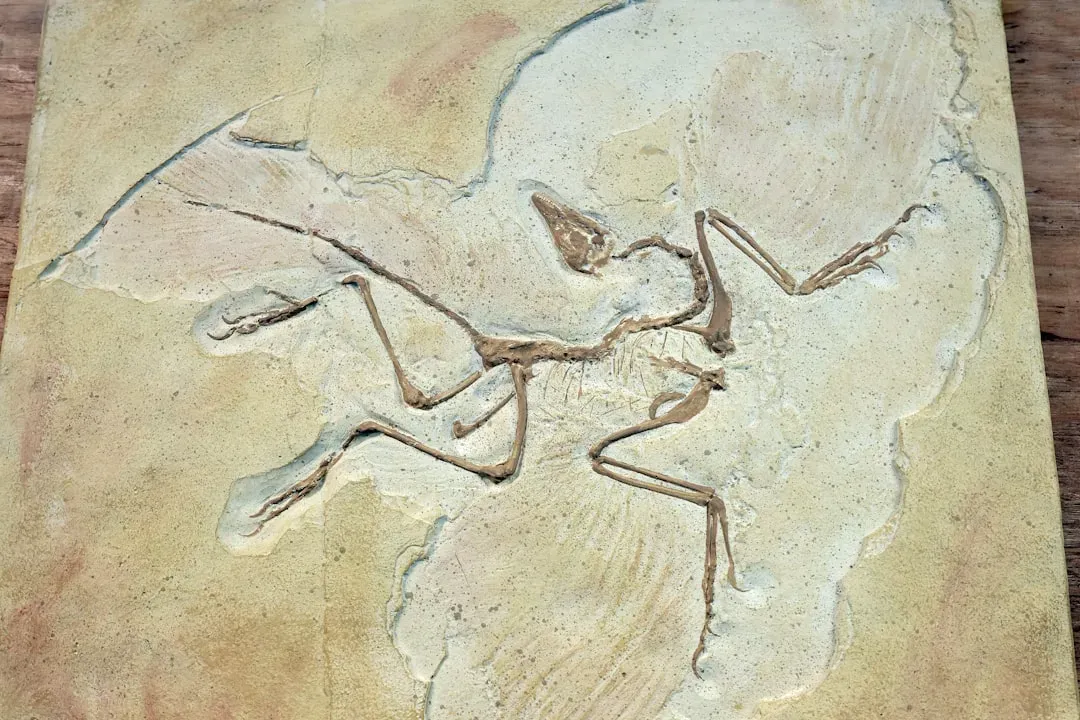
The origin story of this fossil sounds more like farmyard folklore than serious science. The “Berlin specimen” of Archaeopteryx was discovered sometime between 1874 and 1876 near Eichstätt, Germany. The finder, apparently unaware of what he was holding, sold it for the value of a cow – roughly 150 Mark.
The story didn’t stop there. The quarry owner who bought it quickly flipped it for 2,000 Mark to a collector named E.O. Häberlein, who then listed it internationally for a staggering 20,000 Goldmark. That price tag was more than several interested museums could scrape together at the time.
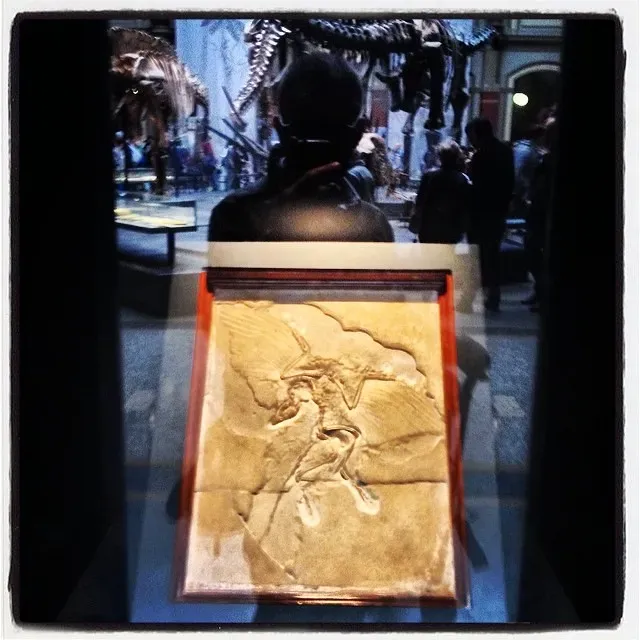
It took a genuinely famous name to pull the specimen out of private hands for good. In 1879, industrialist Werner von Siemens personally financed the purchase and placed it with the Museum für Naturkunde in Berlin. The museum repaid him within two years and has owned the fossil ever since.
Fast Facts
- Found 1874-1876 near Eichstätt, Germany
- First sold for the price of a single cow (~150 Mark)
- Flipped for 2,000 Mark, then listed at 20,000 Goldmark internationally
- Rescued in 1879 by Werner von Siemens for the Museum für Naturkunde Berlin
A cow-priced farmyard find had quietly become one of the most valuable scientific objects in Europe – and it was only getting started.
#2 – The “Mona Lisa” Title Nobody Saw Coming
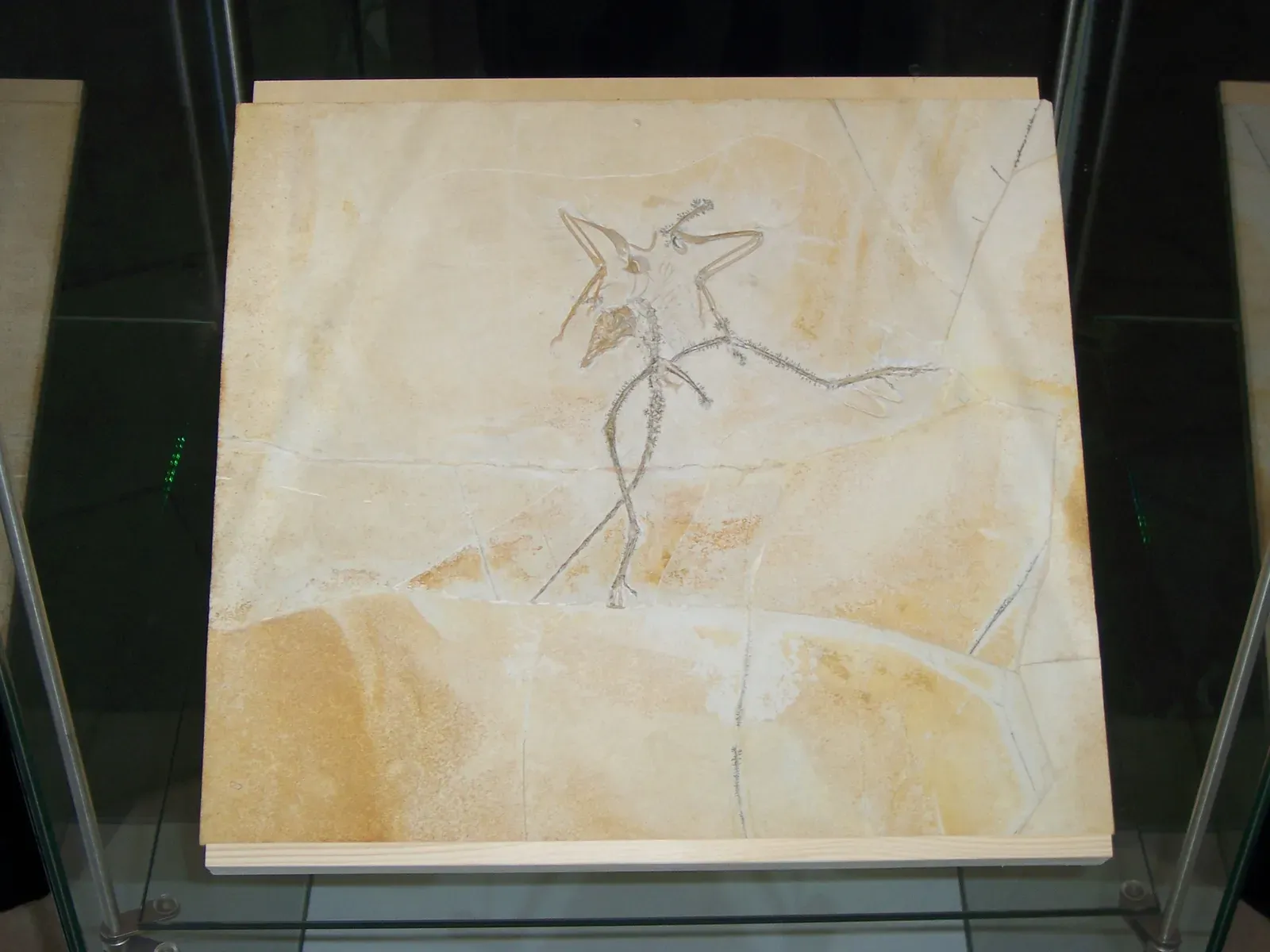
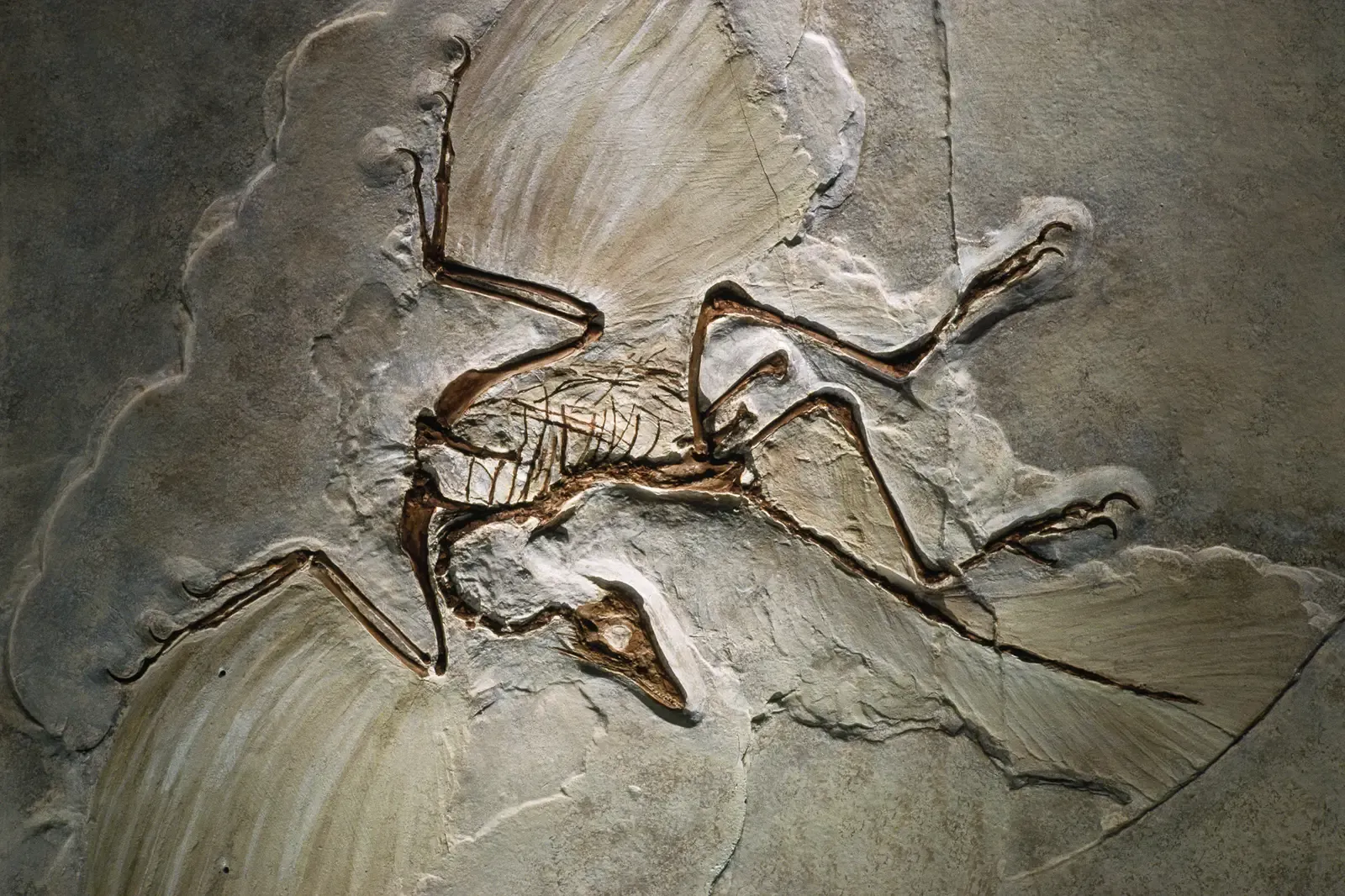
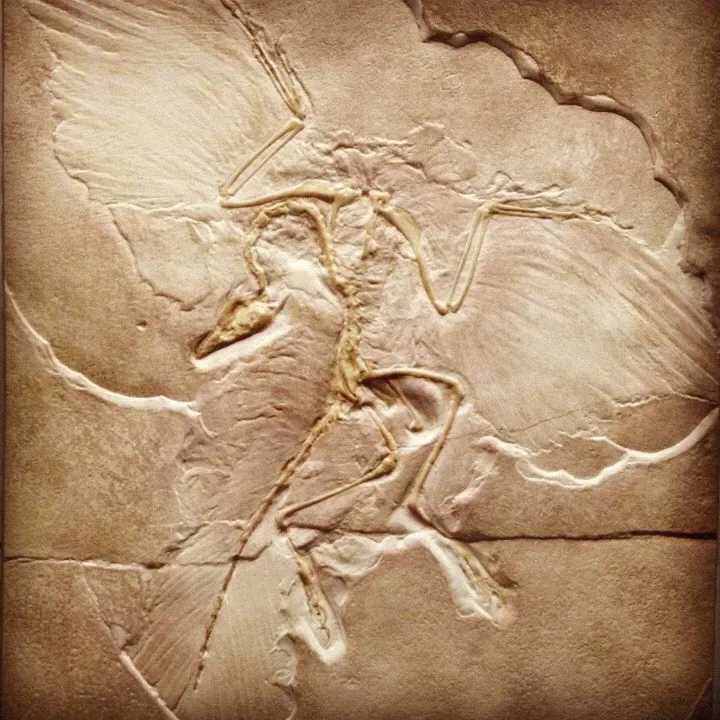
Scientists rarely hand out nicknames like this to fossils, which is exactly why this one stuck. The main slab of the Berlin specimen has been called the “Mona Lisa” of fossils – a comparison usually reserved for irreplaceable, singular works of art, not a 150-million-year-old rock.
The formal description came a few years after Siemens secured it for Berlin. Wilhelm Dames described it in 1884, and its exceptional preservation of feathers and skull earned it a reputation as the most complete and beautiful Archaeopteryx specimen ever found. Among the roughly dozen known fossils of the species, none rival it for detail.
That reputation isn’t just nostalgic sentiment from nineteenth-century scientists. The Berlin specimen remains the most complete example to date, the first one found with its head intact, and its feathers still look sharp enough that they could pass for something plucked off a bird yesterday rather than fossilized 150 million years ago.
That last detail alone explains why researchers keep returning to this single slab instead of chasing newer finds.
#3 – A Head Finally Attached to the Body
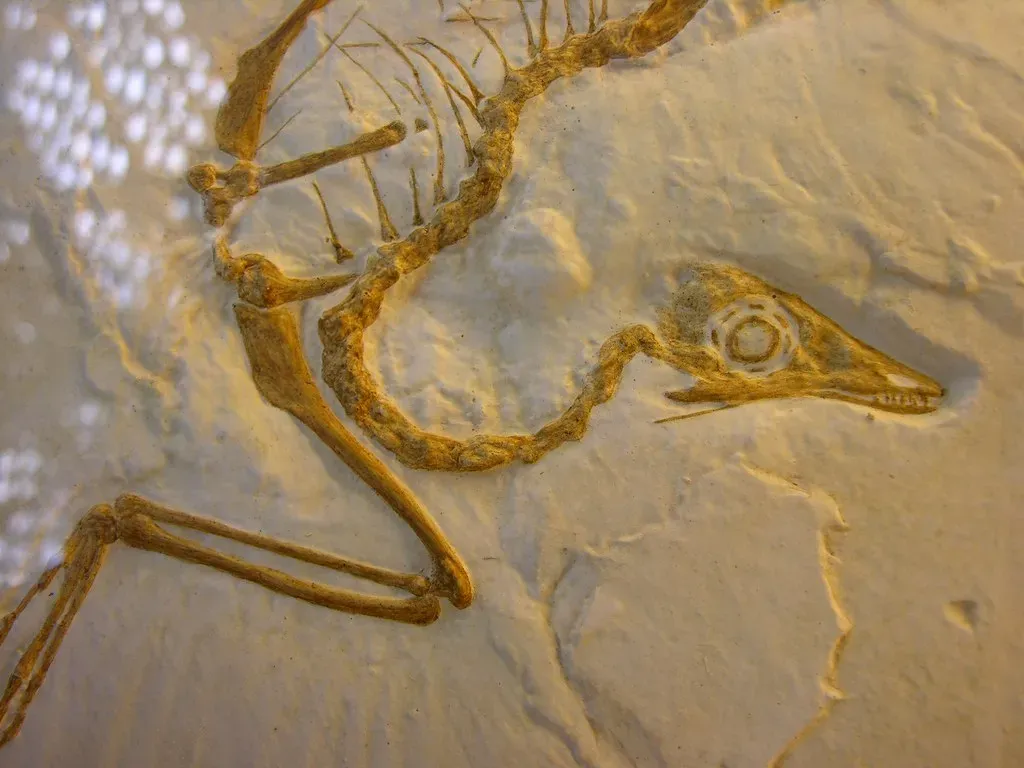
Before the Berlin specimen turned up, paleontologists were essentially building a bird out of spare parts. Earlier Archaeopteryx finds were missing skulls, teeth, or full skeletons, leaving huge anatomical gaps that forced scientists to guess at what the animal’s face even looked like.
The Berlin fossil changed that overnight. It was the first Archaeopteryx ever found with its head intact, attached to an otherwise well-preserved skeleton. That single detail transformed an abstract “missing link” concept into an animal with an actual, recognizable face.
What that face revealed surprised almost everyone outside the field. Unlike any modern bird, Archaeopteryx had a mouth full of small, sharp teeth instead of a bill. It’s a detail that still throws off casual museum visitors expecting something closer to a pigeon or a crow.
A toothy grin on an animal covered in feathers is exactly the kind of contradiction that made this fossil so central to evolutionary biology in the first place.
#4 – Feathers That Fooled Even the Experts
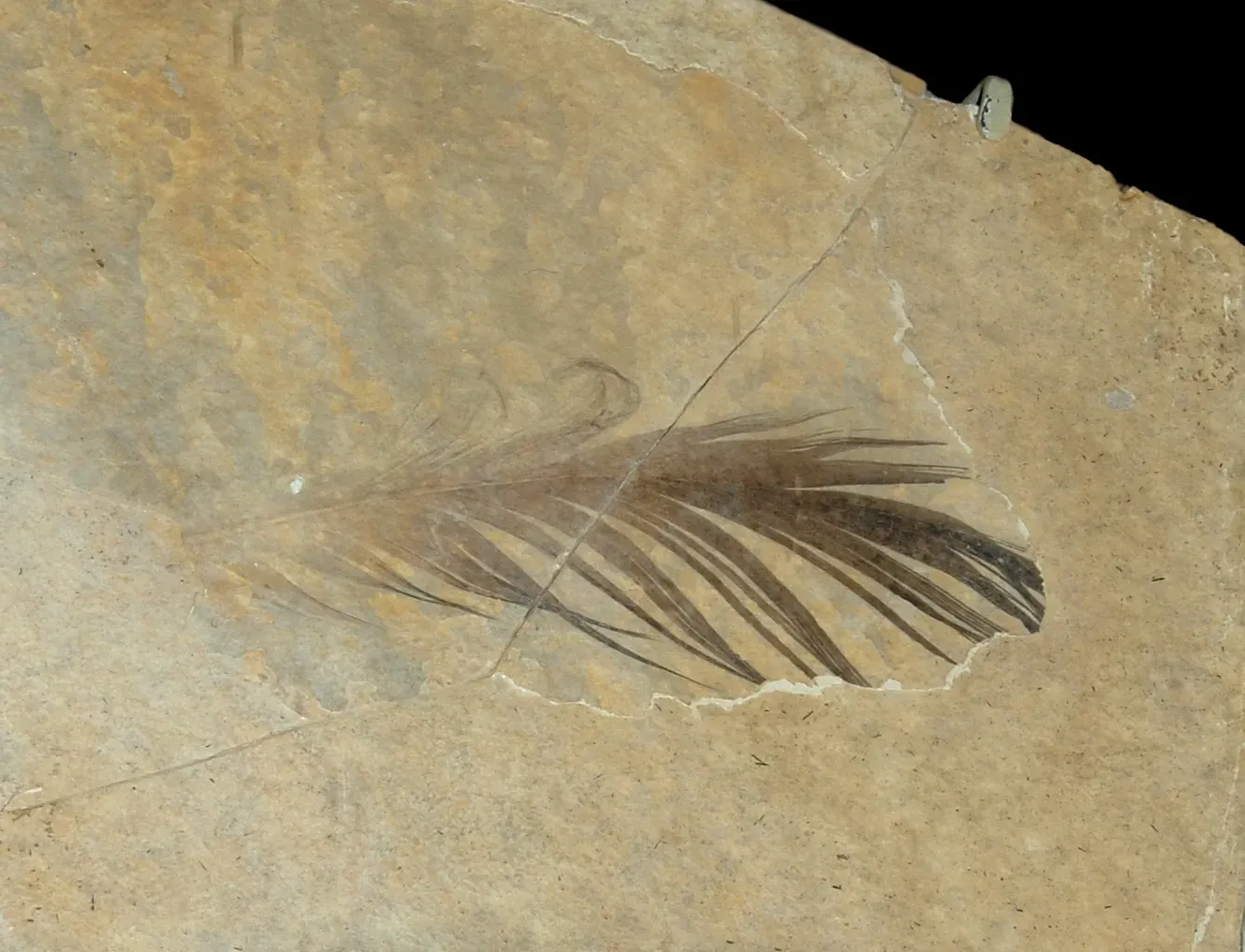
Feather preservation is where this specimen genuinely outclasses its rivals, and not by a small margin. The flight feathers on the Berlin slab are markedly asymmetrical and show the barb-barbule-barbicel arrangement seen in modern flight feathers, while the tail feathers, though less asymmetrical, still carry firm vanes just like living birds.
What really sets this fossil apart is the body plumage – the fuzzy, downy covering that almost never survives fossilization. That soft covering has only been properly documented in the Berlin specimen, including “trousers” of well-developed feathers running down the legs, some showing a basic contour-feather structure even after millions of years of decomposition.
A dedicated 2004 review dug even deeper into this soft-tissue evidence, identifying faint traces of body contour feathers along the back, around the legs, and possibly near the base of the neck. Researchers initially worried these marks were just scratches left behind during fossil preparation.
That theory didn’t hold up. The claim that body feathers were once present but later scraped away turned out to be unsubstantiated – the impressions matched genuine feather structure, not tool marks, closing out a debate that had quietly simmered for decades.
#5 – The Isolated Feather Scandal It Helped Resolve
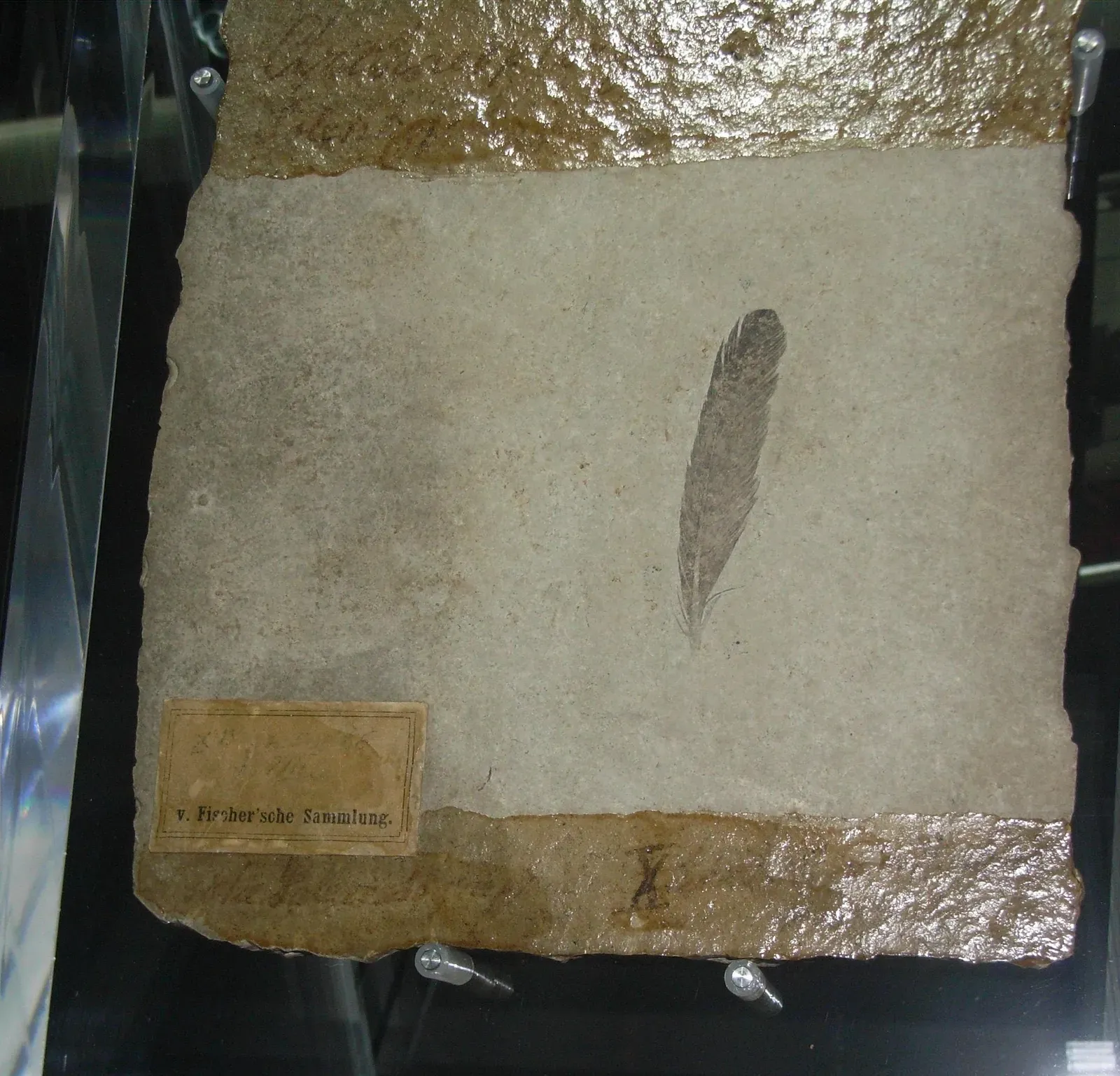
Long before the full skeleton was ever unearthed, a single loose feather triggered a controversy that lasted more than 150 years. Found in a German limestone quarry in 1861, this solitary piece of mineralized plumage was the first fossil feather ever discovered – and paleontologists argued for generations over whether it even belonged to Archaeopteryx at all.
The fight nearly swung the opposite direction in 2019, when a new paper forcefully argued the feather did not come from Archaeopteryx. It reignited a debate many assumed had been settled decades earlier.
Worth Knowing
- Discovered in 1861, the isolated feather was the first fossil feather ever found
- It fueled more than 150 years of debate over its true owner
- A 2019 paper briefly reopened the entire controversy
- Its discovery site sits less than 1.5 miles from four known Archaeopteryx fossils
It took new comparisons against the Berlin specimen’s own wing feathers to tip the scale back. Researchers found that the posterior divergence of the isolated feather closely matched the under primary coverts on both wings of the Berlin fossil – feathers whose unusual diagonal position had puzzled scientists for years.
Geography sealed the case. The isolated feather’s discovery site sits less than 1.5 miles from four of the thirteen known Archaeopteryx fossils, all of which fossilized within roughly 165,000 years of each other. One researcher summed up the moment bluntly: “boom, case closed” – a rare flash of certainty in a field built almost entirely on ambiguity.
#6 – A Skeleton That Breathed Like a Bird
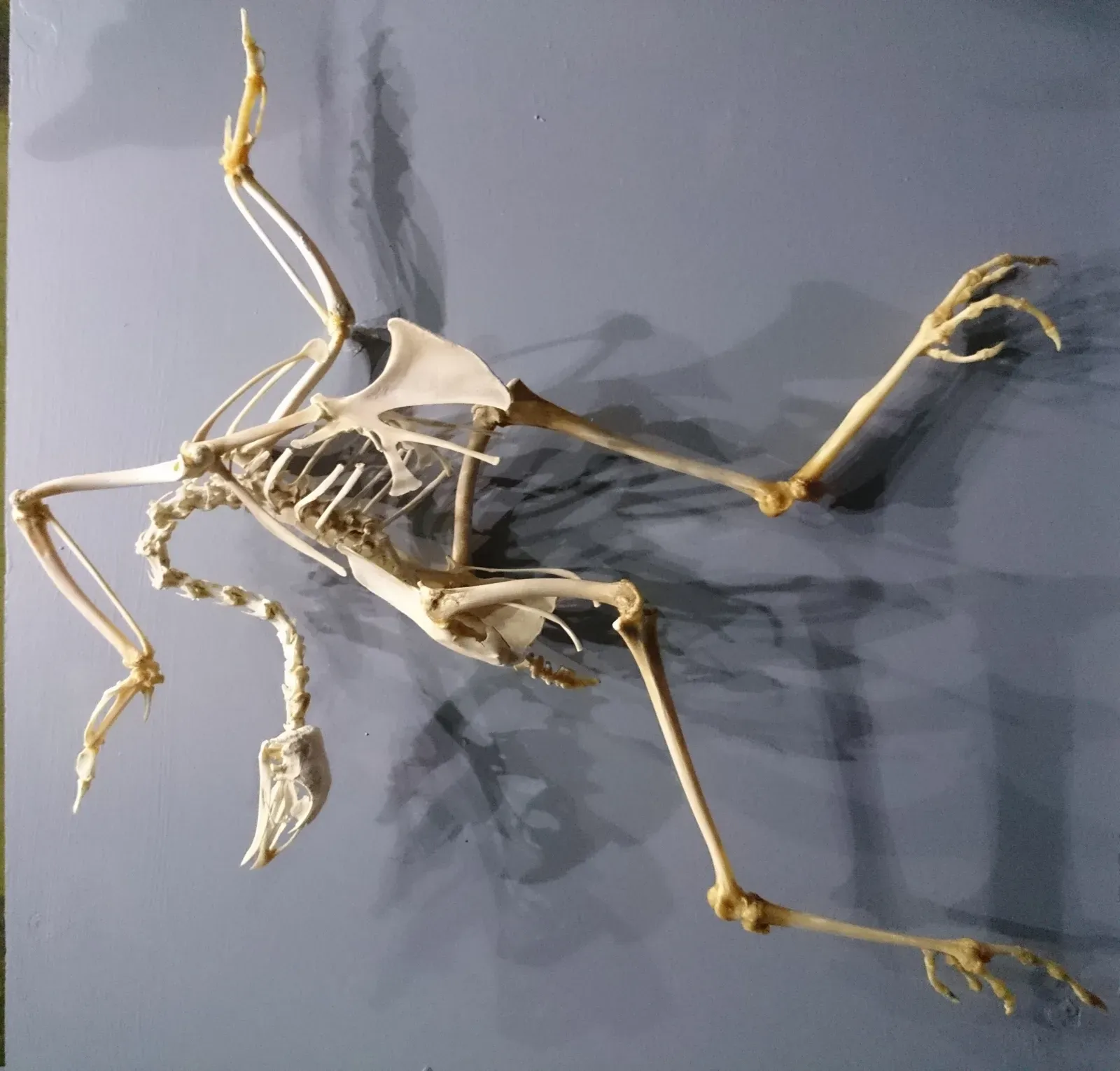
For decades, researchers argued over whether Archaeopteryx had a heavy, reptilian skeleton or a lightweight, air-filled one like modern birds. Ultraviolet light aimed directly at the Berlin slab finally gave a clear, unambiguous answer.
The results overturned earlier assumptions almost immediately. Under UV light, most of the vertebral column showed intraosseous pneumaticity – internal air pockets – giving the skeleton a minimum Pneumaticity Index of 0.39. That’s a far lighter, more bird-like build than previously reported, consistent with an air-sac-driven respiratory system capable of powering a genuinely bird-like metabolism.
At a Glance
- Minimum Pneumaticity Index measured at 0.39
- Air pockets detected through most of the vertebral column
- Interspinal ossifications bridge vertebrae 16 through 22
- Findings only became visible under targeted ultraviolet light imaging
Even the back revealed unmistakably avian engineering. The neural spines of the 16th through 22nd presacral vertebrae are bridged by interspinal ossifications, forming a rigid, notarium-like structure similar to the reinforced backs seen in modern birds.
A hollow, reinforced, oxygen-hungry skeleton isn’t something you’d expect from an animal still casually described at museum gift shops as “half-dinosaur.”
#7 – Ground-Dweller, Glider, or Flyer? Pick a Side
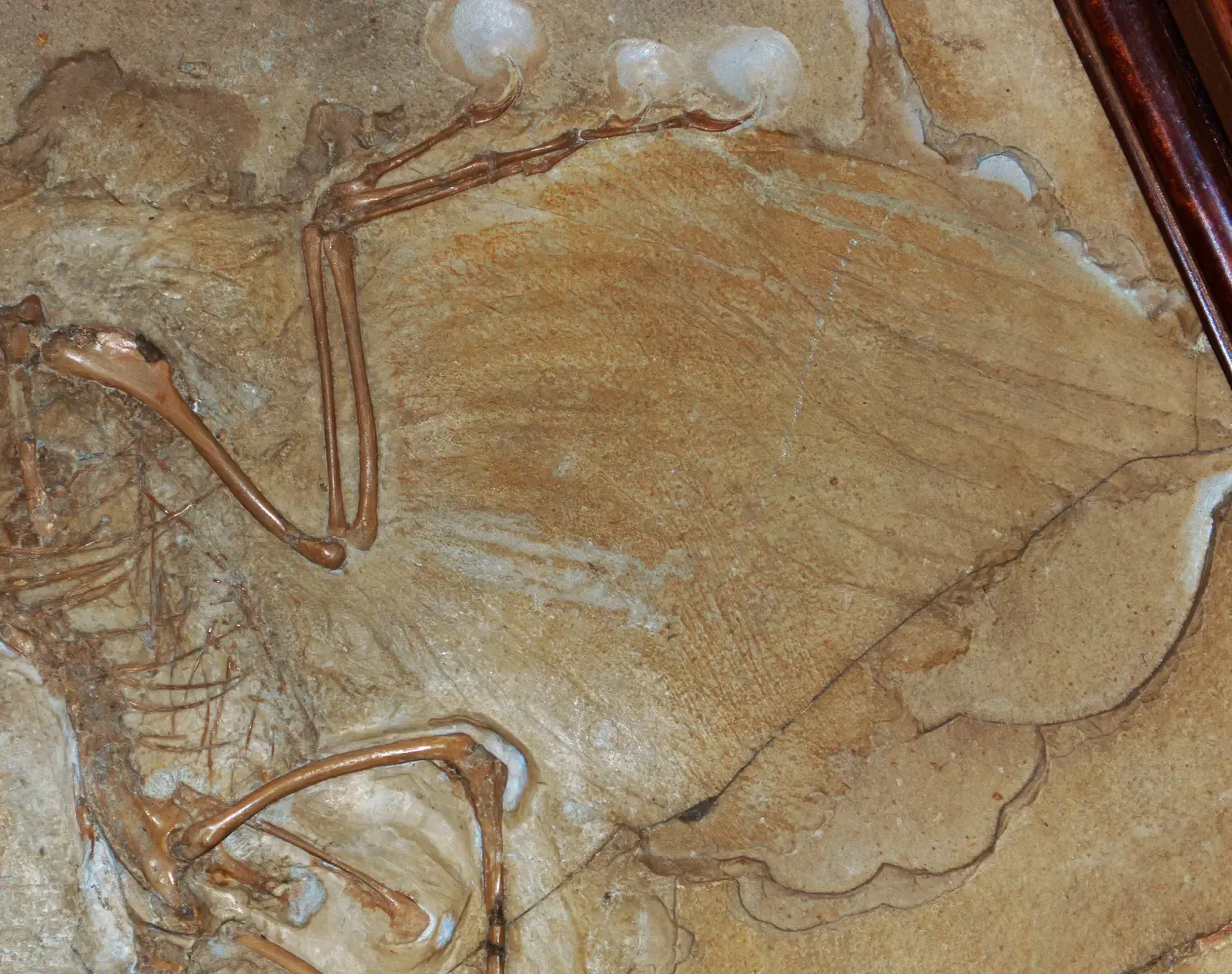
For over a century, one question split paleontology into competing camps, and the Berlin specimen sat at the center of every argument: was Archaeopteryx an elaborately feathered ground dweller, a passive glider, or an active flyer?
Feather structure alone couldn’t settle it. Since its discovery in the 1860s, the animal had fueled endless disputes over whether it lived on the ground or in the trees, and whether it could truly fly at all. Researchers openly admitted they simply couldn’t agree on whether it was capable of modern, powered flight.
Even the skeptics conceded some aerial ability while questioning how sophisticated it really was. Its asymmetrical feathers clearly pointed to some capacity for aerial locomotion, but growing evidence suggested that ability was considerably less refined than what living birds achieve today.
This wasn’t academic hair-splitting. The dispute shaped how an entire generation of textbooks illustrated the dawn of bird flight.
#8 – The Synchrotron Scan That Actually Settled It
This is the discovery that turned a century of argument into a research paper with an actual answer. Scientists at the European Synchrotron Radiation Facility used phase-contrast microtomography on three Archaeopteryx specimens, comparing their wing-bone geometry against dozens of flying and non-flying species.
The results were unambiguous in a way earlier studies never managed to be. The internal architecture of Archaeopteryx’s wing bones consistently matched patterns uniquely shared with flying birds – particularly species that rely on short bursts of flapping rather than sustained soaring.
But the study stopped short of crowning Archaeopteryx a fully modern flyer, drawing a sharper, more specific line instead. Its wing bones could only tolerate low torsional forces, making them most comparable to birds like partridges, which flap hard for short, urgent bursts, often to escape predators, rather than cruising gracefully overhead.
That’s a strikingly precise verdict – not soaring, not gliding, but quick, adrenaline-driven bursts of powered flight.
#9 – Built Different: Why Its Flight Stroke Wasn’t Like Ours
Here’s where the story gets genuinely controversial among paleontologists, and it’s worth sitting with. Many people assume “active flight” automatically means flight identical to a pigeon or a sparrow. The synchrotron data says otherwise.
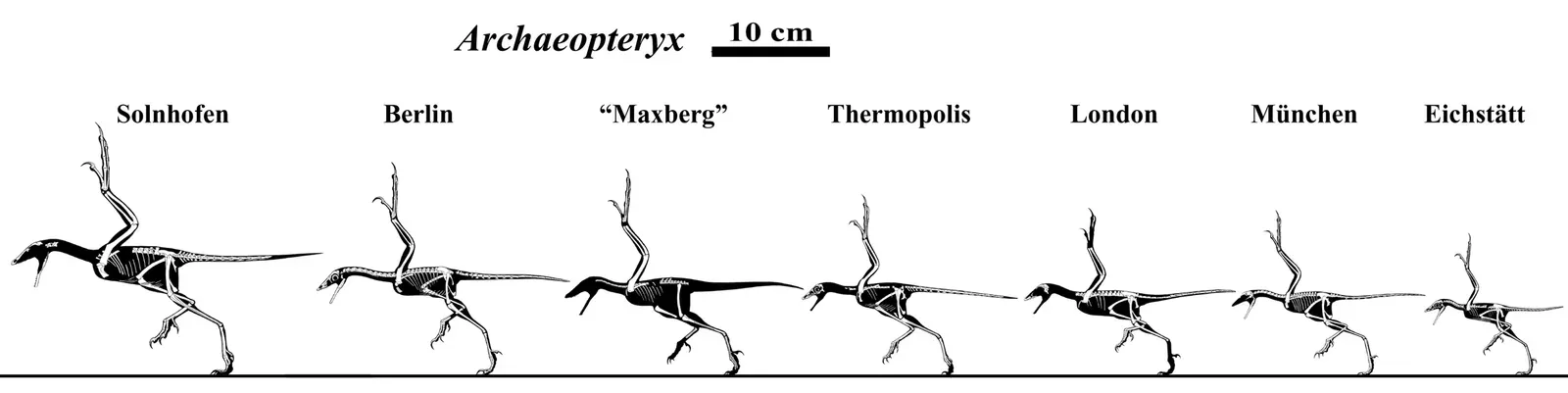
The wing bones told one story, but the shoulder told a completely different one. Scanning data unexpectedly showed that the wing bones shared important adaptations with modern flying birds, while the shoulder girdle did not. That mismatch is exactly what makes this fossil so scientifically valuable – it isn’t a clean transitional form, it’s a genuine evolutionary mosaic.
Because Archaeopteryx lacked the pectoral adaptations to fly like modern birds, the way it achieved powered flight must also have been different. We will need to return to the fossils to answer the question on exactly how this Bavarian icon of evolution used its wings.
Dennis Voeten, lead researcher
The full study backs this up directly: Archaeopteryx actively flapped its wings to become airborne, but through a flight stroke oriented differently than the one used by living birds. In plain terms, it flew – just not the way anything alive today does. Some experts now argue that makes it a far more radical evolutionary experiment than the tidy “missing link” label ever gave it credit for.
#10 – What “Settled” Actually Means Now
After more than 160 years of study, here’s the honest scorecard. The Berlin specimen has genuinely closed several long-running arguments – but not every single one, and pretending otherwise would be dishonest.
Settled: its classification as a bird, its hollow air-sac-driven skeleton, and its capacity for genuine powered flight are no longer seriously disputed. A 2018 study strengthened the case that Archaeopteryx could indeed take to the air, praised specifically for offering a non-destructive look deep inside irreplaceable fossil material. The isolated feather controversy has also tilted decisively, with researchers calling the geographic and structural match to Berlin’s own wing coverts effectively conclusive.
Quick Compare
| Still Debated | |
|---|---|
| Classification as a true bird | Exact mechanics of its non-modern flight stroke |
| Hollow, air-sac-driven skeleton | Whether all body feathers are true contour plumage |
| Capacity for genuine powered flight | How refined its aerial control really was |
| Isolated feather’s link to Archaeopteryx | Full shoulder-to-wing flight mechanics |
Still open: exactly how that awkward, un-modern flight stroke worked in practice, and whether every trace of “body feather” on the slab represents true contour plumage or something more primitive. The preservation simply doesn’t allow secure conclusions here – those body feathers could resemble modern contour feathers, or they could look more like the simpler, open-vaned feathers still seen in ratites today.
That’s not a failure of science. That’s what a 150-million-year-old mosaic animal looks like when you finally have the imaging technology to ask it the right questions.
The Bottom Line
The Berlin Archaeopteryx didn’t just confirm that birds descended from dinosaurs – it proved that transitional animals are messier, weirder, and more specific than the tidy diagrams in old textbooks ever suggested. This wasn’t a half-formed glider stumbling toward modern flight; it was a fully committed experiment in powered flight running on borrowed, mismatched hardware.
A dinosaur’s shoulder paired with a bird’s wing bones and a bird’s air-sac lungs, all stitched into one 150-million-year-old body that a farmer once handed over for the price of a single cow. Most textbooks still flatten this fossil into a single “missing link” image. The actual data says it earned a far stranger, far more interesting reputation than that – and honestly, science is better for admitting it.