
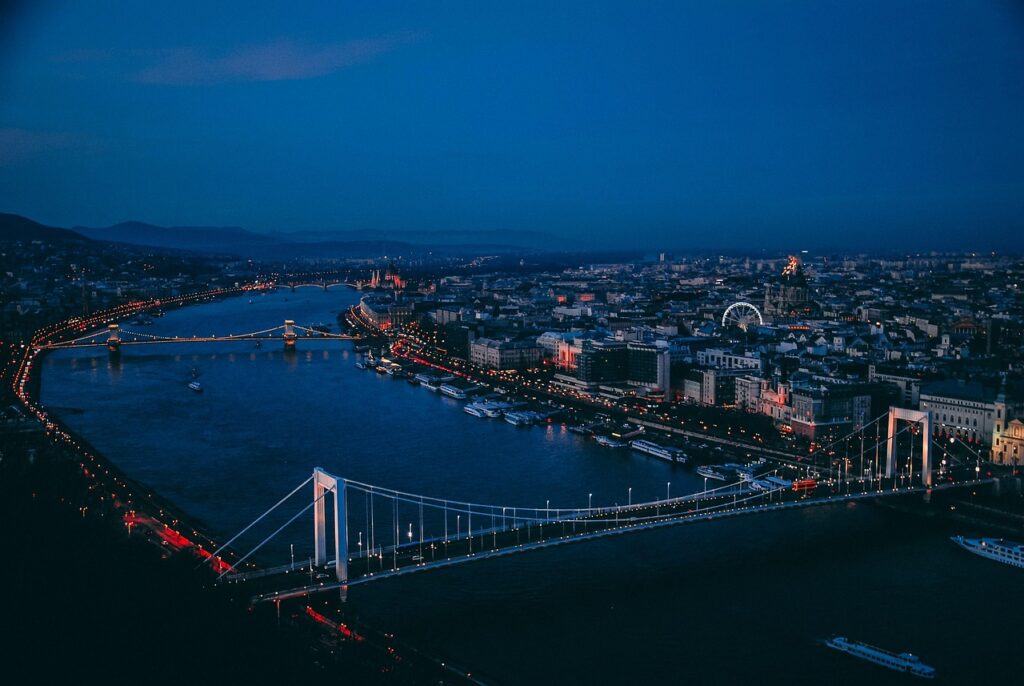
You’ve probably driven across at least one of these bridges assuming the engineers who built it planned for today’s traffic. They didn’t. Nearly every major American river, bay, and canal crossing was designed around the traffic patterns of its own era – not the sprawling metro areas, freight corridors, and vacation booms that followed decades later.
Some of these crossings are so overwhelmed that inspectors now use the phrase “functionally obsolete” in official reports, and one of the most photographed bridges in the world once nearly buckled under something no engineer ever modeled for: a birthday party. Here’s what transportation officials and engineering records actually say about the bridges Americans cross every day without realizing they’re rolling the dice.
#1 – The Brooklyn Bridge Was Never Built for a Single Car
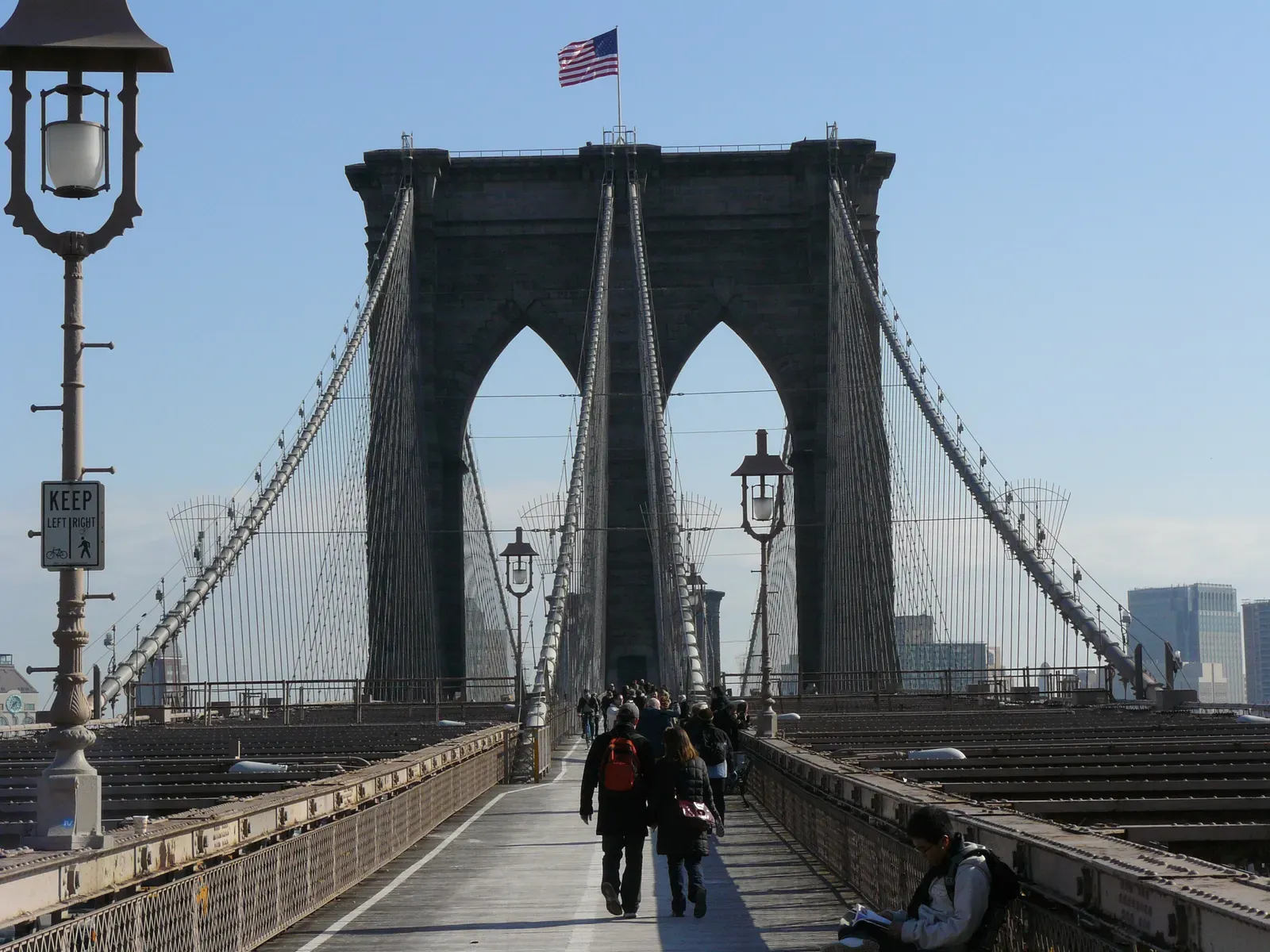
The Brooklyn Bridge opened in 1883 for horses, carriages, pedestrians, and a cable-car line. The automobile didn’t even exist commercially yet, so its designers never engineered a single lane for a gasoline engine.
Today the span carries a relentless stream of daily vehicle traffic, plus cyclists and tourists crowding the same wooden promenade meant for a fraction of that foot traffic. The masonry towers and steel cables have held up remarkably well, but engineers have spent over a century retrofitting a Victorian-era structure to survive an automotive world its builders couldn’t have imagined.
Fast Facts
- Total length: 6,016 feet, including approaches, with a 1,595.5-foot main span.
- Designed by John A. Roebling; construction ran from 1869 to 1883.
- NYC DOT counted an average of 103,051 vehicles, 28,845 pedestrians, and 5,504 cyclists crossing daily as of 2024.
- The bridge still carries five vehicle lanes – and still bans trucks entirely.
- Originally, zero motor vehicle lanes were part of the design brief.
- The pedestrian walkway now regularly reaches gridlock-level congestion during peak tourist hours.
Many preservationists argue the bridge should be closed to cars entirely – a genuinely controversial idea that still triggers heated debate in New York transportation circles every time it resurfaces.
#2 – Manhattan’s Other East River Crossings Were Twisting Under Their Own Success
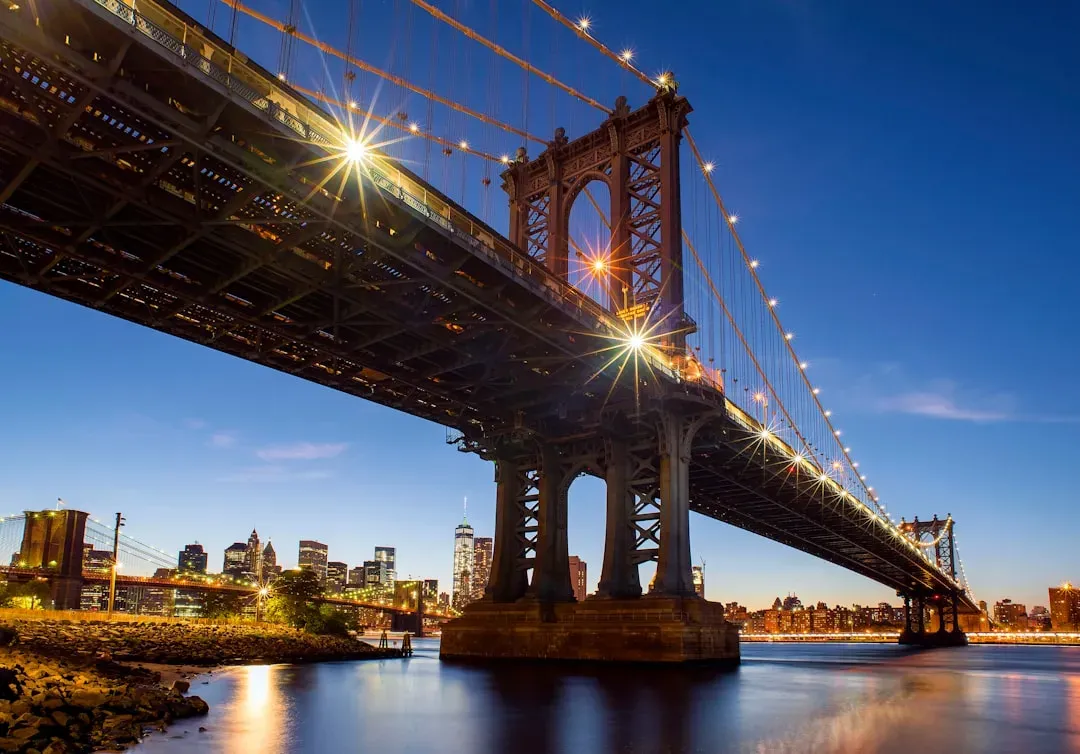
The Manhattan, Williamsburg, and Queensboro bridges were all built in the early 1900s to carry streetcars, elevated trains, and horse-drawn wagons across the East River. Decades later, engineers discovered the Manhattan Bridge was physically twisting under the weight of uneven subway loads it was never fully designed to absorb.
When multiple subway trains crossed simultaneously on different tracks, the roadway would flex and rotate in ways that alarmed inspectors, prompting a massive, multi-year retrofit campaign starting in the 1980s. The Williamsburg Bridge faced similar deterioration from a load profile – heavy rail plus surging car traffic – that its early-20th-century engineers simply never modeled.
- The Manhattan Bridge’s torsional stress became a textbook case in bridge engineering programs.
- All three bridges now carry far more daily vehicle volume than their original streetcar-era blueprints ever anticipated.
Structural engineers now openly say these century-old East River crossings are being held together more by continuous maintenance dollars than by their original design margins.
#3 – The George Washington Bridge Became the Busiest Bridge on Earth by Accident
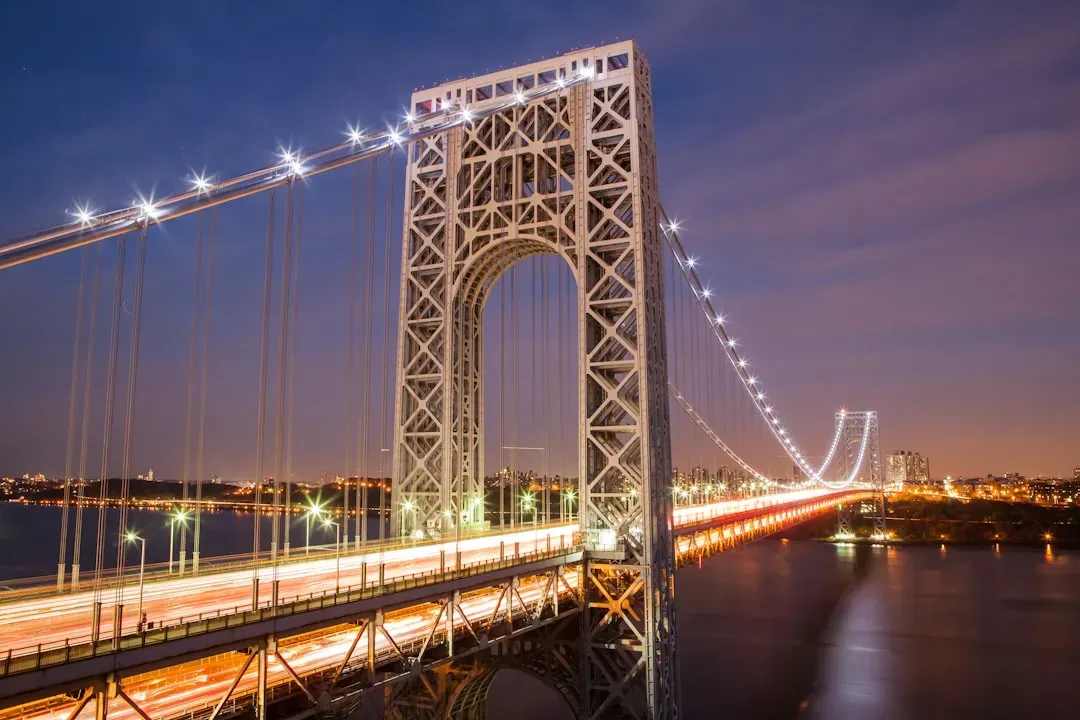
Engineer Othmar Ammann designed the original bridge structure with enough load capacity to support a second deck at some future date – a decision that proved far-sighted as traffic volumes climbed through the mid-20th century. That single choice is arguably the only reason this bridge didn’t buckle under its own popularity.
The bridge first opened to traffic on October 25, 1931. Volume required two additional lanes by 1946, and as traffic kept climbing, the Lower Level finally opened on August 29, 1962. What started as a six-lane crossing became the world’s only 14-lane suspension bridge.
Today the George Washington Bridge carries between 275,000 and 300,000 vehicles a day – accounting for more than 100 million vehicles a year, making it one of the busiest bridges on the planet.
- Ammann’s foresight bought the bridge nearly 30 extra years before the lower deck became necessary.
- Even the doubled capacity now struggles during rush hour, with backups stretching miles into New Jersey.
#4 – The Verrazzano-Narrows Bridge Sags Under Its Own Popularity
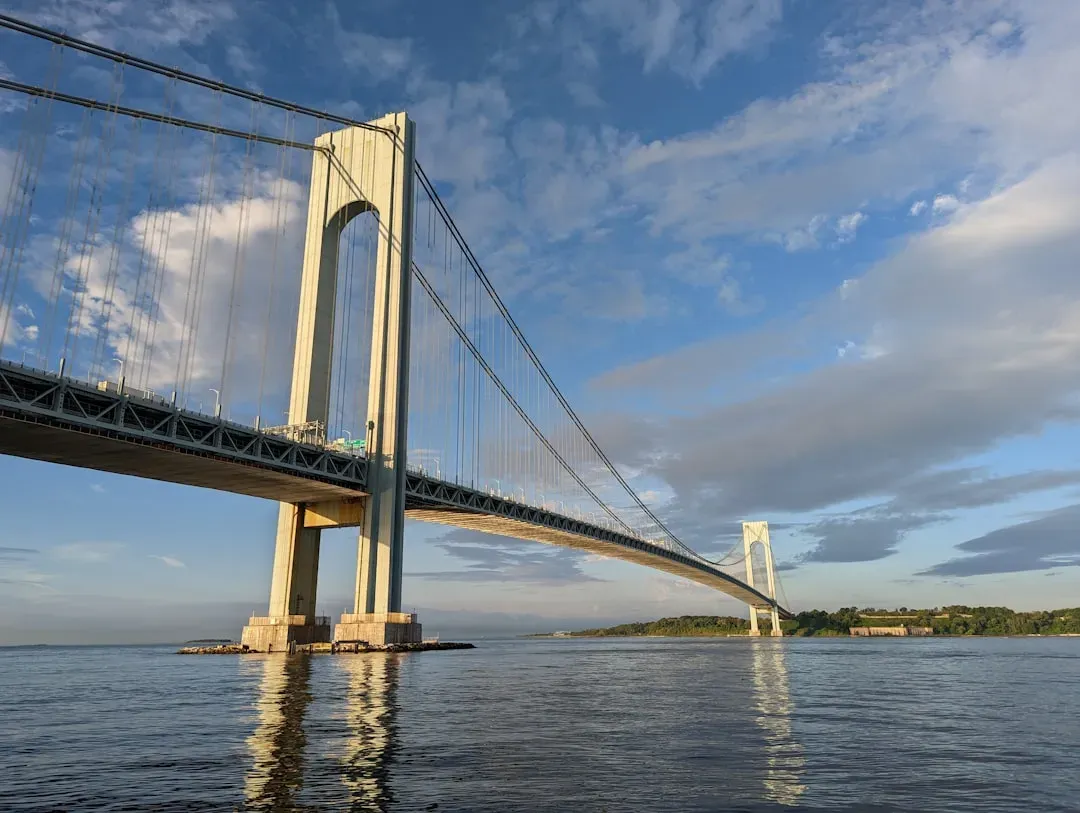
When the Verrazzano-Narrows Bridge opened in 1964, Staten Island was one of New York City’s least populated boroughs. The bridge itself triggered a population boom so dramatic that traffic engineers were caught off guard within a decade.
Suburban development exploded almost overnight once the crossing connected Staten Island directly to Brooklyn, and the modest commuter trickle planners expected turned into a six-lane daily crush. The main span is also famous for physically sagging by measurable inches at its center under full rush-hour load – simple suspension bridge physics, not damage, but a clear sign of far more vehicle weight than mid-century planners ever modeled.
- Staten Island’s population surged dramatically in the years immediately following the bridge’s opening.
- The center span visibly lowers under heavy traffic, a detail that still surprises first-time commuters.
#5 – The Golden Gate Bridge Once Nearly Buckled Under Its Own Fans
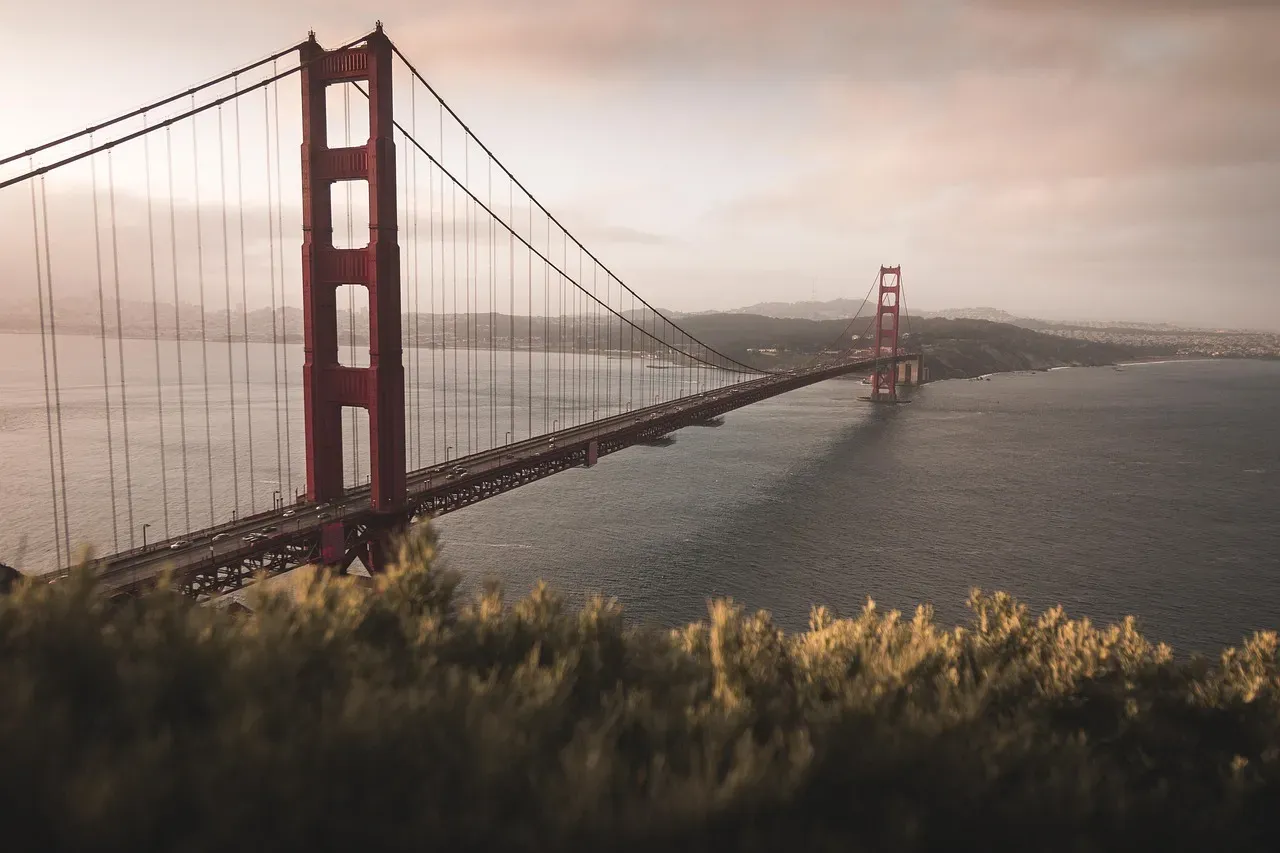
Vehicle traffic isn’t the only load type engineers underestimate – sometimes it’s people. In 1987, on the bridge’s 50th anniversary, an enormous crowd packed onto the deck at once to celebrate. The sheer concentrated weight of that many bodies caused the normally arched roadway to visibly flatten out, a moment officials have referenced ever since when setting crowd-load limits.
The bridge opened in 1937 for a comparatively modest volume of Bay Area commuters, and now handles well over 100,000 vehicles on a typical weekday. Bay Area transit advocates increasingly argue the bridge’s toll and lane structure was never realistically built for the region’s modern commuter sprawl – it was simply outpaced by the very growth it helped create.
- The 1987 anniversary crowd event permanently changed how officials manage large pedestrian gatherings on the span.
- Daily vehicle counts today dwarf anything 1930s traffic engineers projected.
#6 – America’s Other “Bay Bridges” Are Just as Overwhelmed
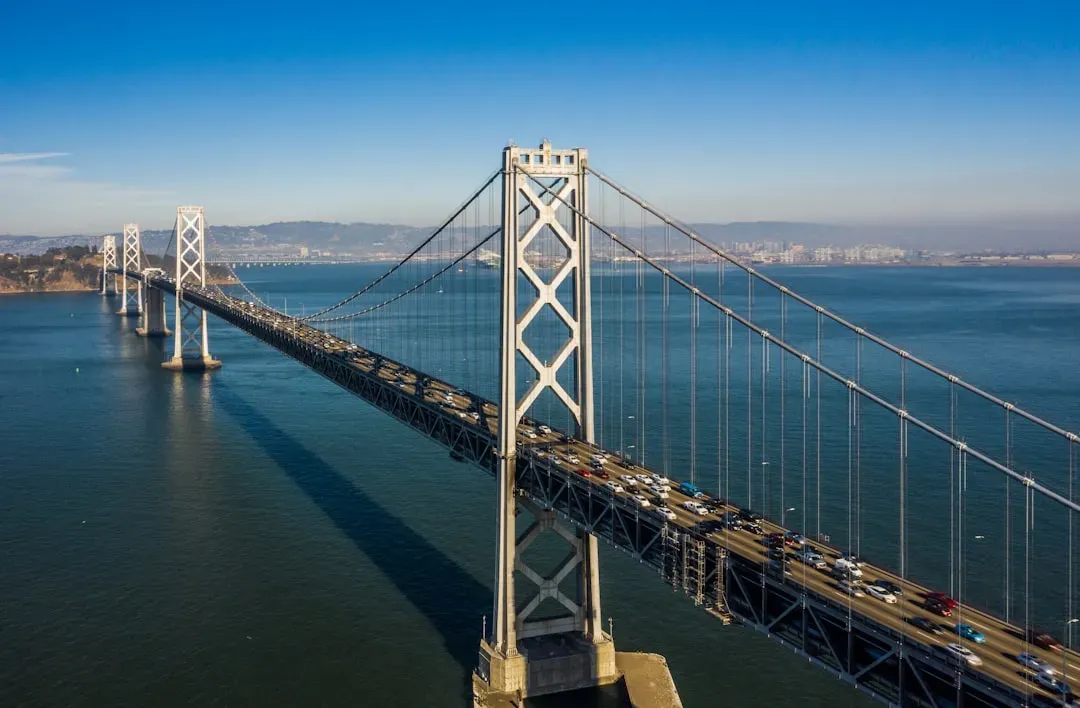
The San Francisco-Oakland Bay Bridge and the Delaware Memorial Bridge rarely get the tourist attention of their more photogenic neighbors, but both are quietly buckling under decades of unplanned growth. The San Francisco-Oakland Bay Bridge, opened in 1936, now carries some of the highest daily vehicle volumes of any crossing in the country – a load that forced a complete, multibillion-dollar replacement of its eastern span after earthquake damage exposed just how outdated the original structure had become.
Meanwhile, the Delaware Memorial Bridge – the primary I-95 freight corridor between Delaware and New Jersey – opened as a single span in 1951 and needed a second parallel span by 1968 just to keep up with East Coast freight demand that never stopped accelerating.
- Both bridges required entirely new parallel structures decades after opening just to survive their own success.
- Freight and commuter volumes on these corridors have grown far faster than mid-century engineers ever modeled.
#7 – The Brent Spence Bridge Is Carrying Double Its Design Limit Right Now
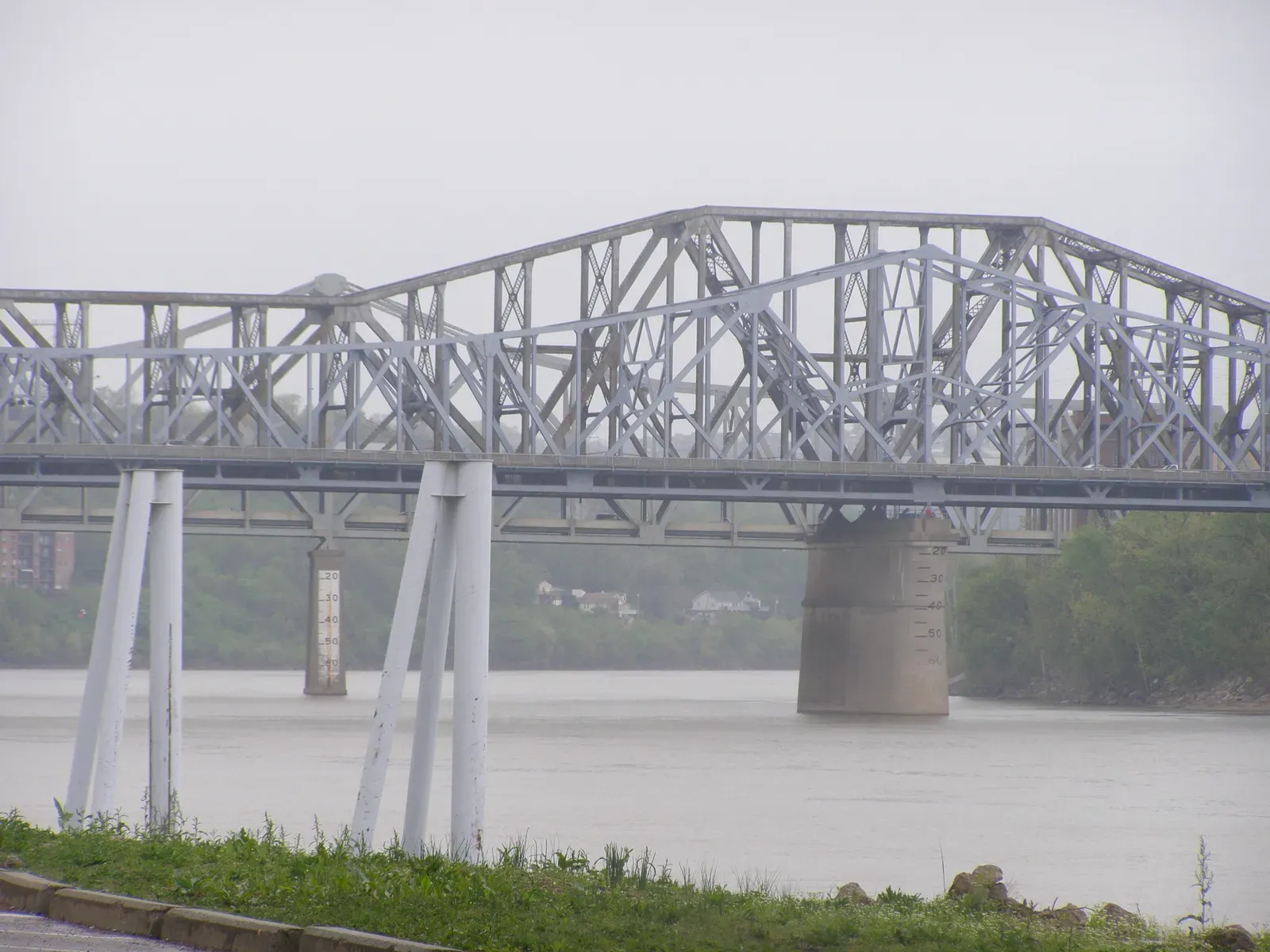
Few bridges illustrate this problem more bluntly than the Brent Spence Bridge connecting Cincinnati, Ohio, to Covington, Kentucky. Built in 1963 to carry 80,000 to 100,000 vehicles per day, it now carries roughly double that volume, every single day.
Officials call it “functionally obsolete” – a bureaucratic way of admitting it carries far more traffic than it was ever designed for. The bridge was reconfigured in 1985 to squeeze an extra travel lane onto each deck, wringing more capacity out of a structure that was never built to hold it.
The consequences go beyond congestion. The Ohio Department of Transportation estimates drivers are up to five times more likely to crash along the 7.8-mile Brent Spence corridor than on any other stretch of interstate in Ohio or Kentucky. Traffic is projected to hit approximately 233,000 vehicles a day by 2035.
Quick Compare: Original Capacity vs. Today’s Reality
- Brent Spence Bridge (Cincinnati/Covington): built for 80,000-100,000 vehicles a day, now hauling roughly 160,000.
- Woodrow Wilson Bridge (Potomac River): designed for about 75,000 vehicles a day, once carried well over 200,000.
- Tappan Zee Bridge (Hudson River): built with a roughly 50-year lifespan, was moving over 138,000 vehicles daily before replacement.
- Chesapeake Bay Bridge: opened as a two-lane crossing, saw annual traffic nearly double within its first decade.
- Built for 80,000 vehicles, it now handles roughly 160,000 daily.
- A new companion bridge and full corridor overhaul is underway to finally separate local and through traffic.
#8 – The Chesapeake Bay Bridge Was Overwhelmed Within a Decade of Opening
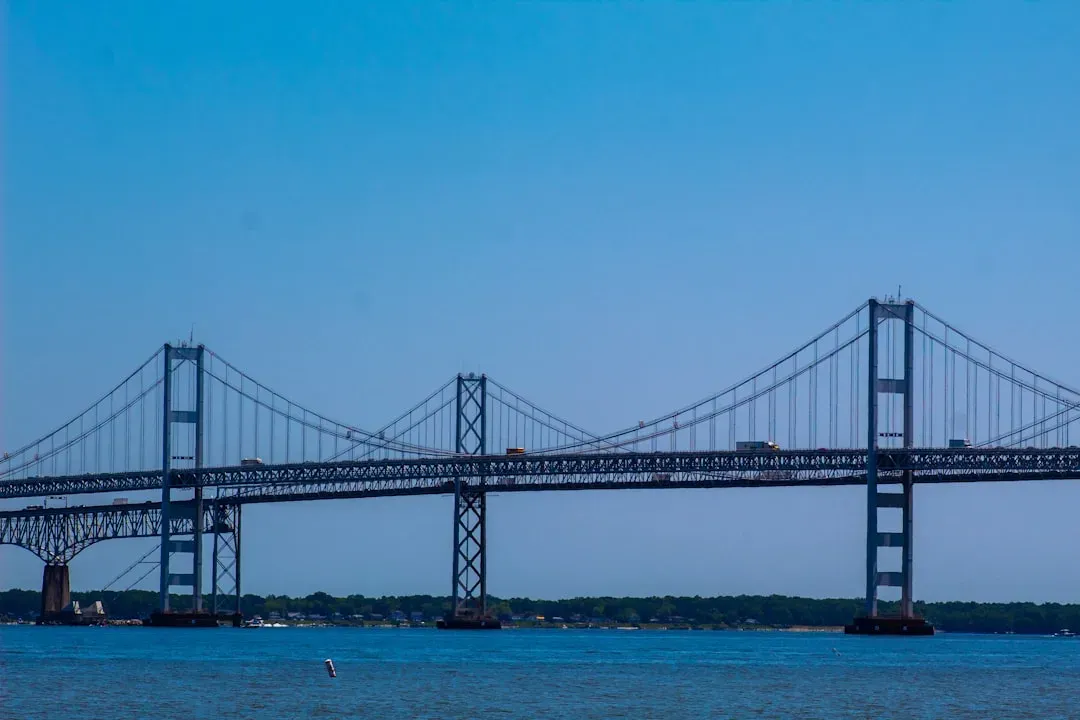
Maryland’s William Preston Lane Jr. Memorial Bridge – better known as the Chesapeake Bay Bridge – opened in 1952 as a two-lane crossing linking the state’s western and eastern shores. It didn’t take long for planners to realize their math was wrong: annual traffic volumes nearly doubled within the first decade.
That congestion forced a second, parallel three-lane span by 1973, and even that expansion hasn’t kept pace. Summer weekend traffic now routinely runs close to double the normal daily average, far exceeding the facility’s intended capacity.
By 2001, the bridge that was supposed to last 50 years was already carrying more than 27 million vehicles a year, prompting officials to fund a full study for an entirely new crossing.
- Summer beach traffic routinely doubles the bridge’s normal daily average.
- Maryland has since approved plans for brand-new four-lane replacement spans.
#9 – Cape Cod’s Twin Bridges Are the Most Overwhelmed Crossings in the Country
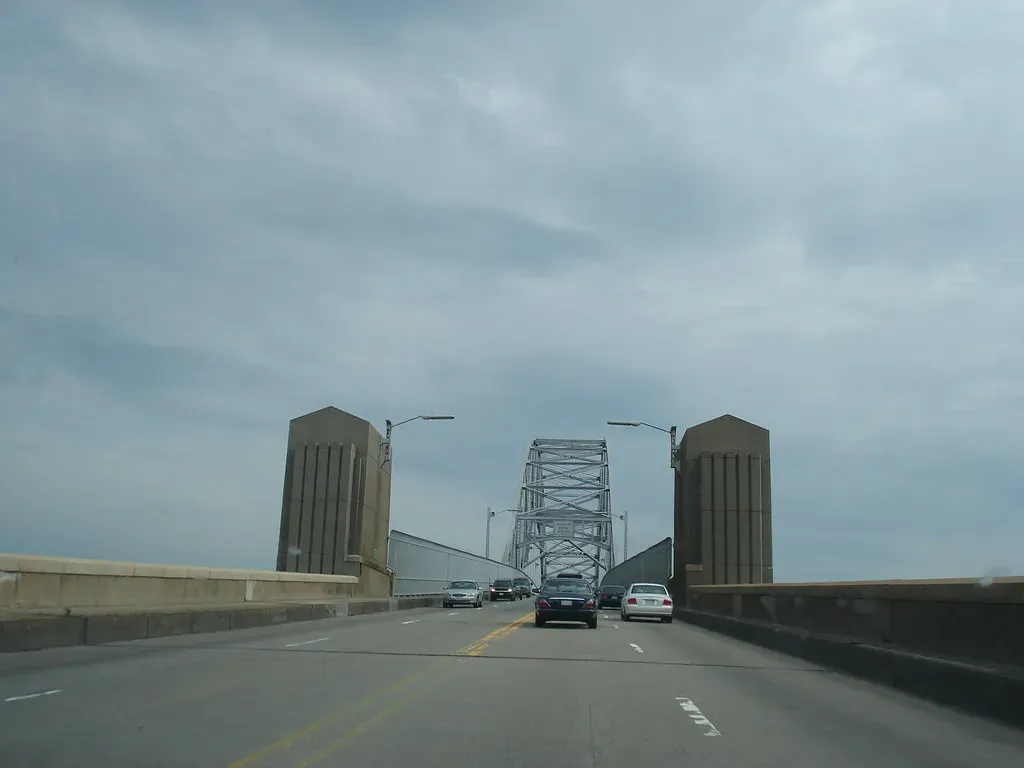
The Bourne and Sagamore bridges are the only vehicular gateways onto Cape Cod, built in 1935 for a summer tourist trade that looks almost quaint by modern standards. A 2019 study by the Army Corps of Engineers, which owns the structures, deemed them “functionally obsolete” – unable to handle the volume of traffic they currently carry.
The damage isn’t just theoretical. The Bourne is rated “structurally deficient” and the Sagamore “fair,” though officials say there are no imminent safety concerns. These two crossings remain the only way on or off the mainland for the 15 towns and roughly 215,000 residents of Cape Cod, plus millions of seasonal visitors squeezing through lanes built for 1930s traffic.
At a Glance
- Only two vehicle bridges – Bourne and Sagamore – serve the entire Cape.
- Built in 1935, both have carried decades more traffic than 1930s engineers ever modeled.
- Roughly 215,000 year-round residents share these crossings with millions of summer visitors.
- Replacement costs have climbed from about $1.5 billion toward $4 billion.
Replacing both bridges has become one of the most expensive infrastructure fights in New England, with costs ballooning from an original estimate of roughly $1.5 billion to around $4 billion due to inflation. Many Cape Cod residents now say the bridges should have been replaced a generation ago, before the region’s growth made the fix exponentially more expensive.
- Both bridges are nearly 90 years old and were never widened despite explosive seasonal traffic.
- The full replacement project’s price tag has more than doubled in just a few years.
#10 – The Woodrow Wilson Bridge Nearly Tripled Its Traffic Before Anyone Fixed It
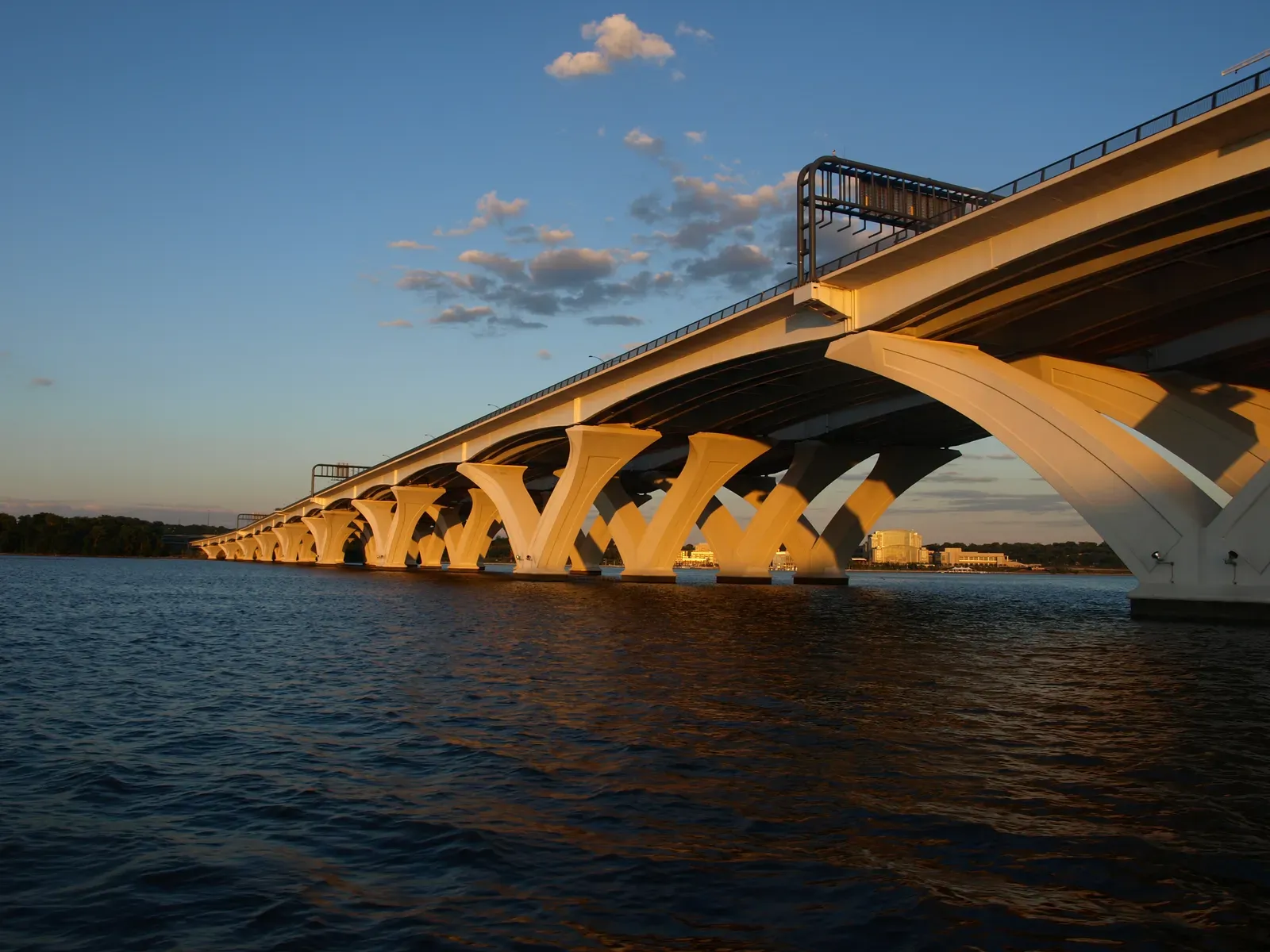
When the Woodrow Wilson Bridge opened in 1961, carrying I-95 across the Potomac River between Virginia and Maryland, it was built as a six-lane drawbridge designed for around 75,000 vehicles a day. By the 1990s, it was carrying more than double that – and eventually pushing well past 200,000 vehicles daily.
The bridge became infamous for a different kind of gridlock: it still had to physically lift open for river traffic, which meant one of the busiest points on the entire East Coast interstate system periodically stopped dead so a boat could pass underneath. Backups stretched for miles in both Maryland and Virginia on a near-daily basis.
The fix finally arrived with a brand-new 12-lane bridge, built in phases and completed by 2009 – decades after engineers first realized the old drawbridge simply couldn’t keep up with modern interstate freight and commuter volume.
- Designed for 75,000 vehicles a day, it eventually carried well over 200,000.
- The old drawbridge’s lift openings became a running joke – and a genuine economic drag – for regional commuters.
#11 – The Tappan Zee Bridge Was Built Cheap and Paid for It for 60 Years
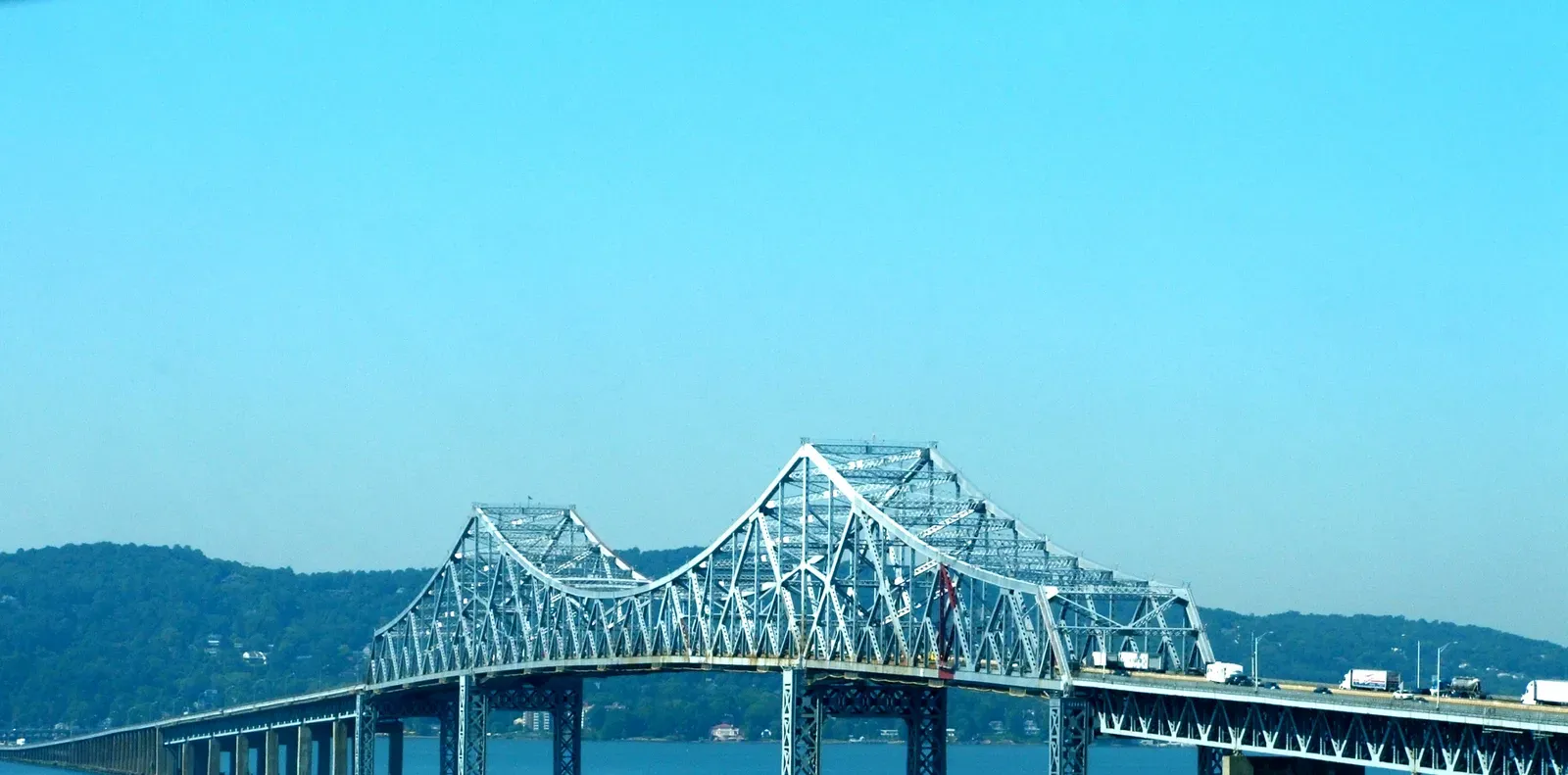
The original Tappan Zee Bridge opened in 1955 across the Hudson River between Rockland and Westchester counties, and it was cheap by design. Steel shortages and tight postwar budgets pushed engineers toward lightweight materials and a shorter-than-usual expected lifespan – roughly 50 years, by some estimates.
That math didn’t survive contact with reality. By the early 2000s, the bridge was carrying well over 138,000 vehicles a day, far beyond anything its cost-conscious 1950s design ever anticipated, and it became one of the most expensive bridges in the country to keep patched together.
New York State eventually gave up trying to maintain it and built an entirely new crossing next door – the Mario M. Cuomo Bridge, opened in stages between 2017 and 2018 – rather than continue pouring money into a structure that had outlived its own blueprint by decades.
- Built with a roughly 50-year design life, it strained under modern loads well before that clock ran out.
- Its replacement cost billions – a bill that grew heavier the longer officials delayed it.
#12 – The Huey P. Long Bridge’s Lanes Were Never Meant for Modern Cars
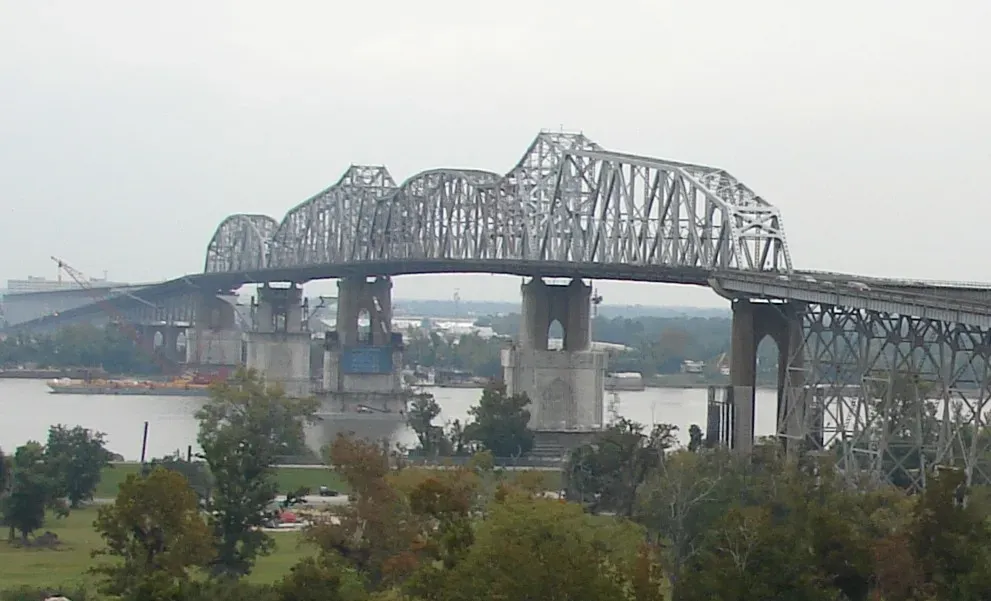
When the Huey P. Long Bridge opened near New Orleans in 1935, it was a marvel: the first bridge to cross the Mississippi River in Louisiana, carrying both a railway line and automobile traffic. The catch was the car lanes – just nine feet wide, with no shoulders, built for the narrow vehicles of the 1930s.
For decades, it remained the only vehicle crossing of the Mississippi in the greater New Orleans area, which meant more and more regional traffic got funneled onto lanes that were dangerously narrow by modern standards. Drivers routinely described crossing it as white-knuckle, especially alongside modern trucks and SUVs.
The fix took nearly 80 years: a major widening project completed in 2013 expanded the lanes to 11 feet with paved shoulders, at a cost of roughly $1.2 billion – one of the most expensive bridge widenings in American history, and a direct result of decades of traffic the original 1935 design never accounted for.
- Original lanes were just nine feet wide, with zero shoulder space.
- The 2013 widening project cost more than the original bridge could have ever anticipated needing.
#13 – The Interstate Bridge Over the Columbia River Is Stuck in 1917
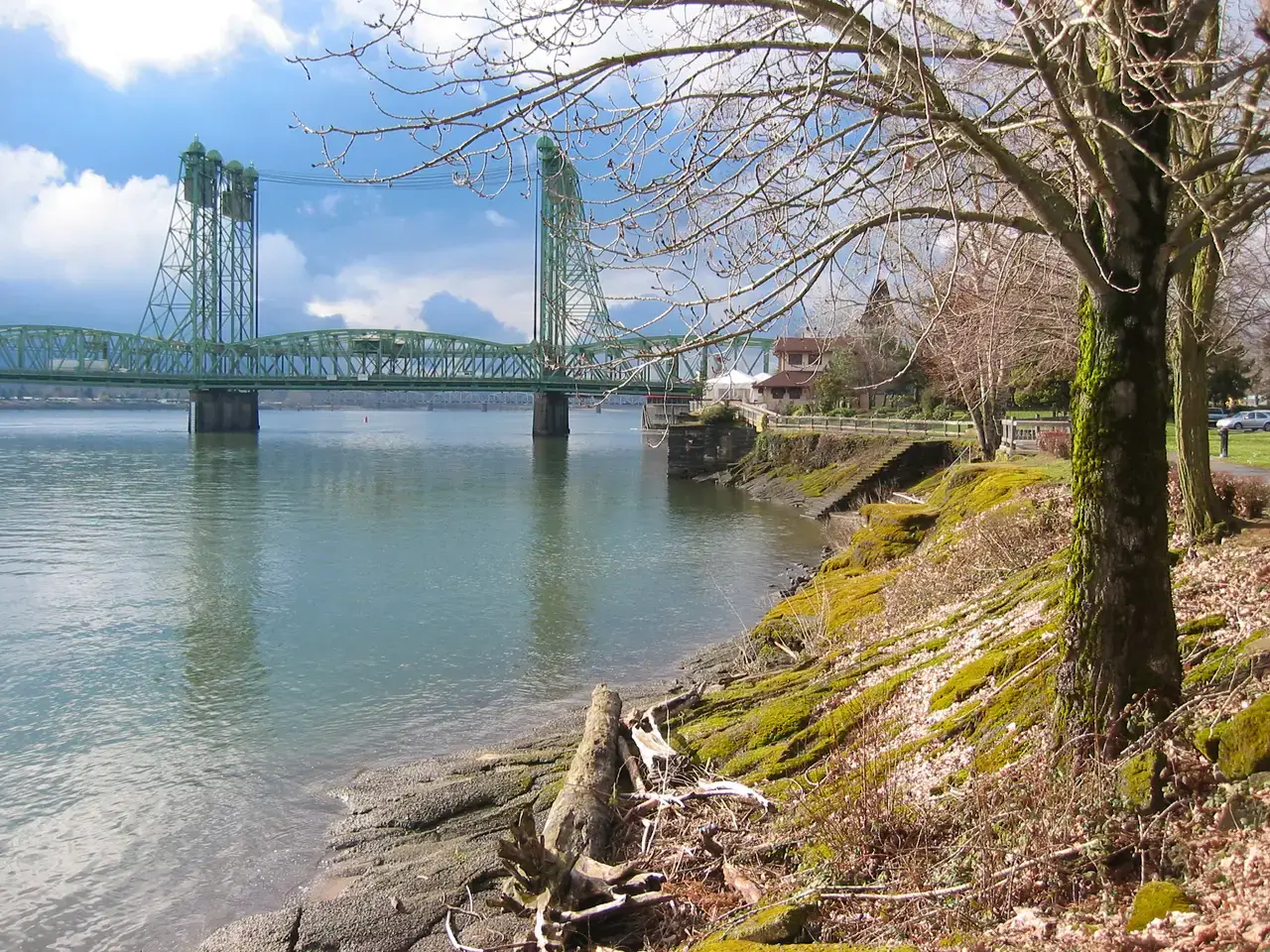
Part of the Interstate Bridge connecting Portland, Oregon, to Vancouver, Washington, is over a century old. Its northbound span opened in 1917, decades before I-5 existed as the West Coast’s primary freight and commuter artery, and the southbound span added in 1958 didn’t solve the underlying problem.
Today the crossing carries well over 140,000 vehicles a day on infrastructure never designed for modern interstate freight volume. Worse, it’s a lift bridge – it periodically has to raise for river traffic, stopping one of the busiest freight corridors on the entire West Coast cold, sometimes for extended stretches during peak commuting hours.
A full replacement, known as the Interstate Bridge Replacement Program, is now underway with a projected cost running into the billions – a bill that keeps climbing the longer a bridge built for Model T traffic keeps carrying modern interstate commerce.
Worth Knowing
- The Interstate Bridge isn’t the only crossing on this list still stopping traffic for boats – the old Woodrow Wilson drawbridge did the same for decades.
- Its northbound span, built in 1917, predates the interstate highway system by roughly four decades.
- Daily traffic has climbed past 140,000 vehicles on a structure engineered for a fraction of that load.
- The replacement program’s price tag keeps rising the longer construction is delayed.
- Part of the structure predates the interstate highway system itself by nearly 40 years.
- Lift-bridge openings still halt one of the West Coast’s busiest freight corridors mid-rush hour.
The Bottom Line
Here’s the uncomfortable truth: almost none of these bridges failed because of bad engineering. They failed because America grew faster than anyone in the mid-20th century thought possible, and politicians consistently chose patchwork fixes – extra lanes, shoulder conversions, parallel spans – over full replacements that would have cost far less decades ago than they do now.
The pattern repeats from the Brooklyn Bridge to the Columbia River crossing: engineers call it “functionally obsolete,” but that’s really bureaucratic language for decades of delayed decisions. These bridges aren’t unsafe by accident – they’re overloaded by design neglect, one deferred repair at a time.
Which one of these crossings do you drive over regularly, and did you already know it was carrying double its original load? Drop it in the comments.