
Most people assume the ground beneath a modern city is just dirt, pipes, and bedrock. They’re wrong. Beneath nearly every major metropolis on Earth lies a forgotten layer cake of shipwrecks, temples, plague pits, and entire vanished civilizations, all waiting for a construction crew with a jackhammer to stumble onto them.
Subway tunnels have hit Roman barracks. Sewer lines have hit Aztec temples. Skyscraper foundations have hit 18th-century ships still holding their cargo. What follows are twelve real cases where the ground literally opened up on history, and the deeper you go, the stranger it gets.
#1 – Rome’s Metro Line Ran Straight Into an Emperor’s Private Army
Rome has a reputation for making construction miserable, and its subway system is the proof. When crews began digging the Amba Aradam station for Metro Line C, they expected delays. They did not expect to find an entire military complex frozen in time.
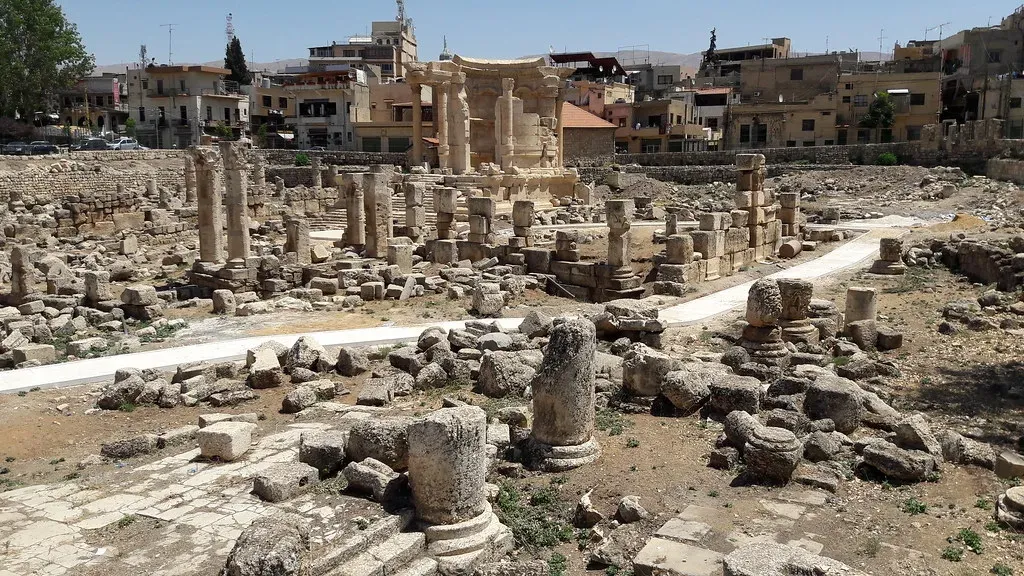
Work on Metro C running through the center of Rome ran straight into ancient ruins: the barracks of the Praetorian Guard, dating back to the reign of Emperor Hadrian in the second century A.D. Officials say the barracks cover 900 square meters and include a 100-meter hallway lined with 39 rooms. That’s not a footnote in a museum wing. That’s an entire second-century military housing complex sitting under a modern boulevard.
It got stranger the deeper they dug. The find sat about 12 meters under Viale Ipponio, and archaeologists soon realized a 300-square-meter residence was connected to the barracks’ dormitory. It was the commanding officer’s private home, complete with mosaics and frescoes still intact after two thousand years.
The site also turned gruesome. Archaeologists uncovered what appeared to be a collective grave, with 13 adult skeletons and a bronze coin found together in the same soil. Rather than bulldoze through, engineers dismantled the mosaics piece by piece and rebuilt them inside the finished station, so commuters now walk past a Roman soldier’s living room on their way to work.
Fast Facts
- Depth: roughly 12 meters below Viale Ipponio
- Barracks size: 900 square meters, with a 100-meter hallway and 39 rooms
- Era: second century A.D., built under Emperor Hadrian
- Grim find: a collective grave holding 13 adult skeletons and a bronze coin
#2 – Naples Discovered an Entire Roman Harbor Under a Subway Stop
If Rome’s metro hit a barracks, Naples’ metro hit an entire lost port city. Workers building the Municipio station for Line 1 dug into wet clay and found something that shouldn’t have existed that far from the modern coastline.
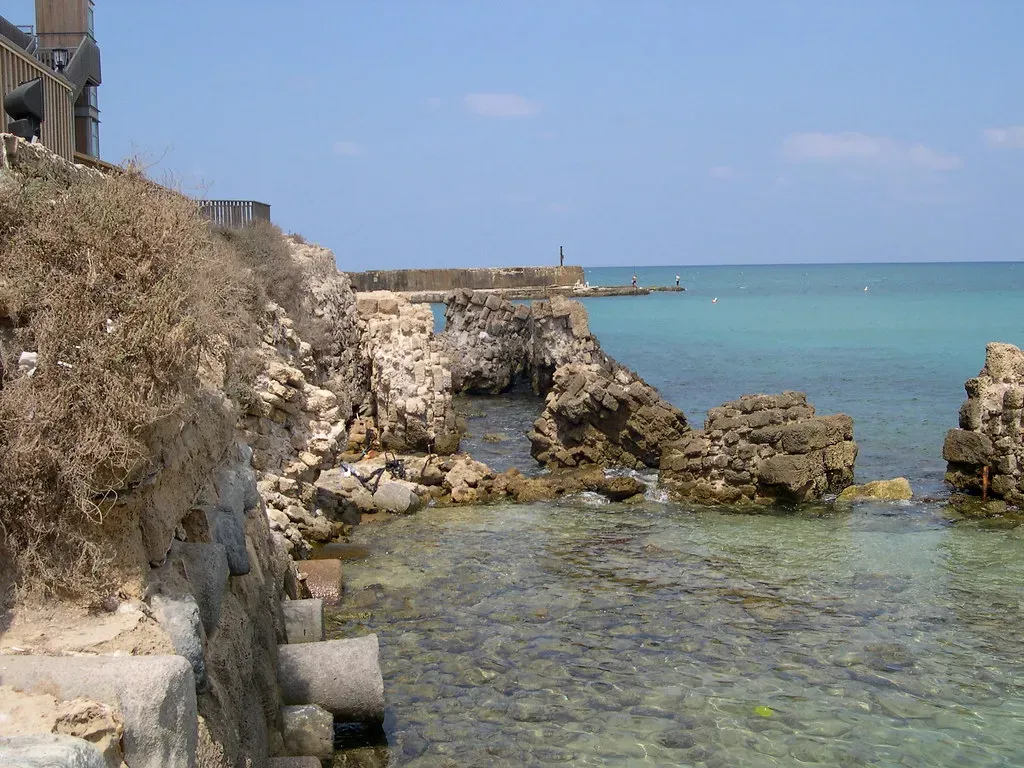
Archaeologists located the port of Roman Neapolis some 600 feet back from today’s shoreline. For over a century, historians had only theorized this port existed. Since the nineteenth century, scholars had guessed at its location, but there had never been physical proof. A subway dig confirmed a 150-year-old academic hunch.
Then came the ships. As the largest urban excavation site in Europe in the past 40 years, the dig returned roughly 3,000 artifacts, including four boats. One vessel dated back to the first century AD, meaning it had been resting in the mud since before most of the Colosseum was even built.
Excavators even found the crew’s belongings, still tucked inside the hulls. Sand and silt from a nearby hillside had slid over the port sometime around the fifth century AD, sealing it in place for over 1,500 years. The station’s opening was delayed for years, but nobody in Naples seemed to mind waiting on a Roman harbor.
#3 – Sofia’s Metro Dig Rediscovered an Entire Lost Roman Capital
Bulgaria’s capital sits directly on top of Serdica, a Roman city so important that Emperor Constantine reportedly once called it “my Rome.” Nobody expected to prove that nickname almost literally true while installing subway tracks.
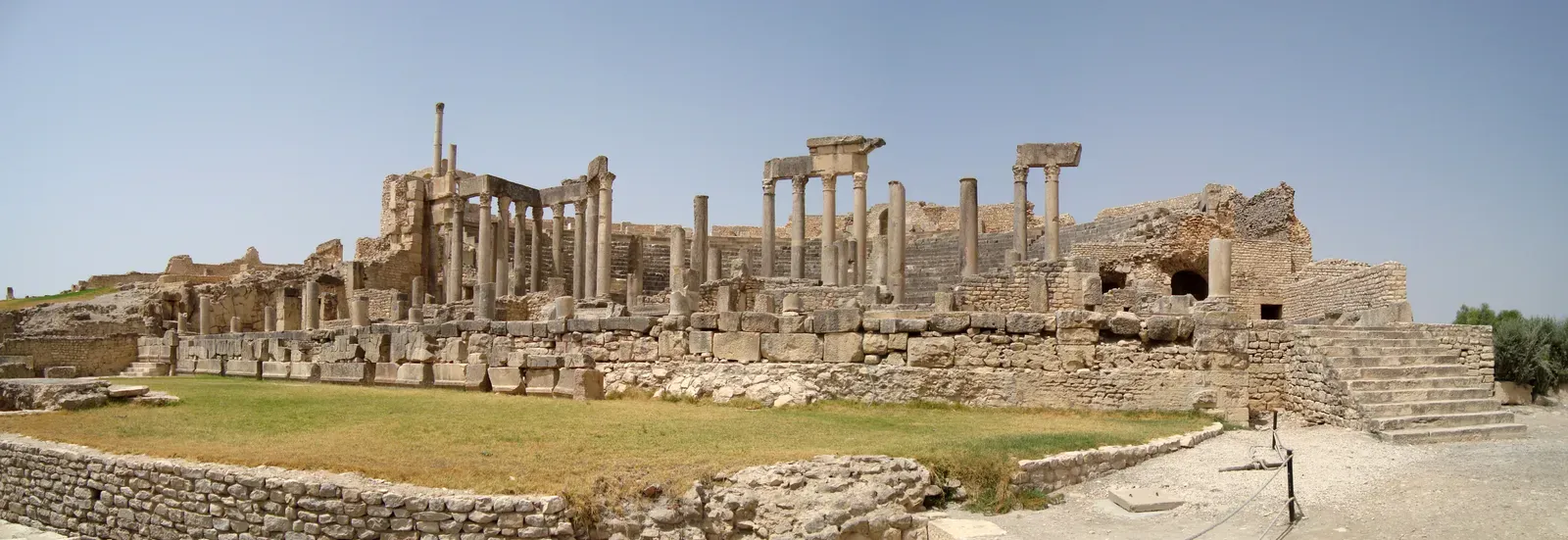
Ruins of Sofia’s Roman past surfaced between 2010 and 2012 during excavations for a new metro line, eventually forming what’s now called the Archaeological Complex Serdica. What surprised experts wasn’t that ruins existed; everyone knew Serdica was down there somewhere. It was the condition of what came up. While the presence of archaeology was expected, the remarkable preservation of the structures was not.
The scale was staggering for a modern city center. Crews uncovered fragments of eight streets, an early Christian basilica, and baths and houses dating from the 4th to 6th centuries. That’s an entire functioning Roman neighborhood grid, sitting almost perfectly preserved directly beneath tram stops and coffee shops.
Sofia’s planners made an unusual choice: instead of reburying it, they built the metro station’s platform walls out of glass, wrapping the modern commute around the ancient streets. Today the site hosts archaeological research, cultural events, and school field trips, a rare case where a city let its subway double as a time machine.
#4 – Istanbul’s Tunnel Project Found 37 Sunken Ships and 8,500 Years of History
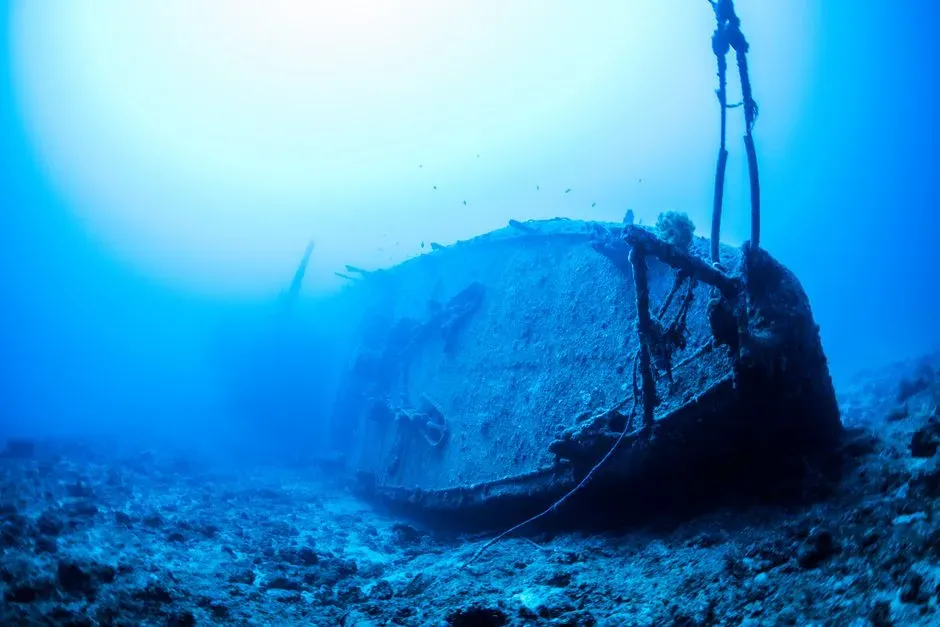
When Istanbul decided to build Marmaray, an undersea rail tunnel connecting Europe and Asia, engineers thought their biggest obstacle would be water pressure. Instead, their biggest obstacle turned out to be history itself.
The excavations unearthed traces of Istanbul’s 8,500-year past, including approximately 37 sunken ships of various sizes dating from the fifth through 11th centuries, the largest medieval sunken-ship collection ever found. That single discovery rewrote maritime archaeology textbooks almost overnight.
Nobody expected a Stone Age settlement either. One of the most striking finds was the Yenikapı Neolithic Settlement, which pushed the city’s known history back by millennia and marked a genuine turning point in how historians understand Istanbul’s origins. Suddenly a city famous for its Byzantine and Ottoman past had evidence of human life nearly 8,500 years old.
Even the food survived. Archaeologists found intact cherry pits inside a basket recovered from one of the wrecks, a small domestic detail that somehow made the scale of the discovery feel more human. Researchers still debate whether a tsunami sank part of the fleet around 557 AD.
#5 – Utility Workers in Mexico City Found the Aztec Empire’s Holiest Temple
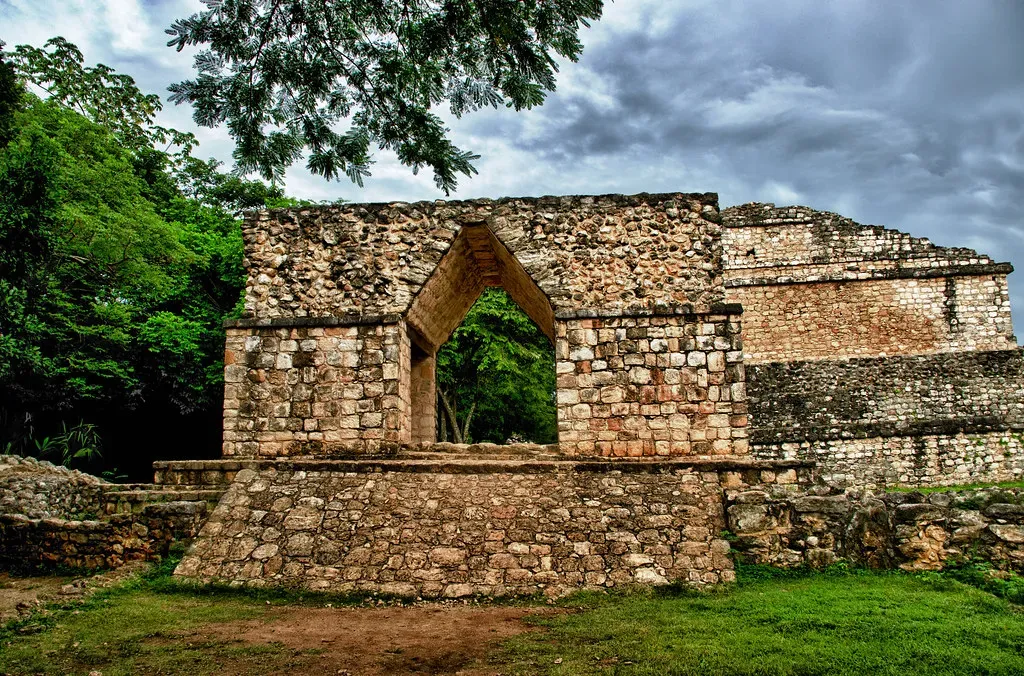
In 1978, electrical company workers in Mexico City were digging a routine trench near the cathedral when their shovels hit stone that clearly wasn’t colonial-era masonry. What they’d hit was a carved monolith depicting a dismembered goddess.
The find turned out to be the base of the Templo Mayor, the primary religious center of the entire Aztec Empire, buried directly beneath the modern city’s main square for over 450 years. Spanish conquistadors had deliberately demolished the temple and built their own cathedral and government buildings on top of the rubble, effectively sealing an empire’s spiritual capital under a colonial city grid.
What makes this discovery unusually well-documented is how fast Mexico City’s government acted. Rather than quietly reburying the site, officials demolished several colonial-era buildings that had stood for centuries in order to fully excavate the temple complex. Entire city blocks were sacrificed for the dig, an almost unheard-of decision when it means tearing down “old” buildings to reveal something far older underneath.
The excavation eventually revealed multiple layers of rebuilding, since Aztec rulers had a habit of constructing new temples directly on top of older ones every few decades. Today the Templo Mayor sits as an open-air museum wedged between the Metropolitan Cathedral and the government palace, a startling reminder that Mexico City’s historic center is essentially stacked on top of a second, older capital.
Worth Knowing
- Discovered in 1978 by electrical workers digging a routine trench
- Buried for more than 450 years beneath the city’s main square
- Spanish conquistadors built a cathedral and government buildings directly over the ruins
- Aztec rulers repeatedly rebuilt the temple on top of earlier versions, creating stacked layers of history
#6 – London’s Crossrail Dig Became the Biggest Archaeology Project in Britain
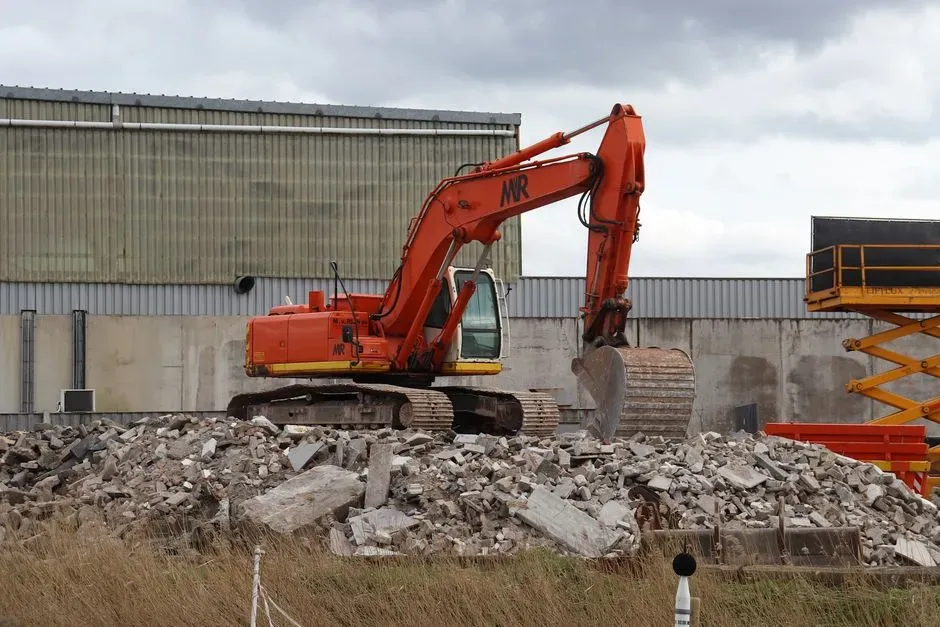
When London began building the Elizabeth Line, the massive underground rail project known as Crossrail, engineers braced for delays. What they got instead was one of the largest archaeological operations Britain had seen in decades, spanning thousands of years of the city’s history along a single tunnel route.
Construction crews unearthed mass burial pits linked to the Black Death, skeletons buried during 17th-century plague outbreaks, and the remains of the old Bedlam burial ground, one of London’s most notorious historic cemeteries, packed with bodies from centuries of poverty, disease, and institutional neglect. Archaeologists were even able to extract DNA from some of the plague-era remains, helping confirm the specific bacterial strain responsible for outbreaks that once devastated the city.
Deeper still, crews hit Roman-era artifacts and skeletons, proof that the tunnel route cut straight through layers of Roman London, medieval London, and Victorian London all stacked within a few dozen meters of each other. Some sections revealed continuous human use of the same ground for nearly 2,000 years.
The project became such a trove that London built an entire museum wing, the Museum of London Docklands’ Crossrail exhibit, just to house what came out of the tunnels. Most travelers think London’s history begins and ends with the Tower and Big Ben, but plenty of archaeologists now argue the city’s realest story is buried in anonymous mass graves nobody wanted to remember.
#7 – A Colonial-Era Ship Surfaced at the World Trade Center Site

In 2010, construction crews rebuilding the World Trade Center site in Lower Manhattan hit something wooden roughly 20 feet below street level. It wasn’t debris. It was the hull of an 18th-century sailing ship, buried in what used to be the shoreline of the Hudson River before centuries of landfill pushed the waterline further out.
The ship had been deliberately used as landfill material itself, a common 18th-century practice where old or damaged vessels were sunk and buried to help expand Manhattan’s shoreline and create new buildable land. Essentially, colonial-era New Yorkers were manufacturing real estate by sinking boats, and modern construction crews accidentally rediscovered the practice nearly 300 years later.
Dendrochronologists, scientists who date wood using tree rings, were able to trace the ship’s timber back to Philadelphia-area forests, suggesting the vessel wasn’t even built in New York. It had sailed there before being retired into landfill duty. The ship had essentially become part of Manhattan’s bedrock.
The discovery reminded New Yorkers that their entire Financial District sits on artificial land extended out into the river using centuries of trash, rubble, and, apparently, retired ships.
#8 – San Francisco’s Financial District Sits on a Buried Gold Rush Fleet
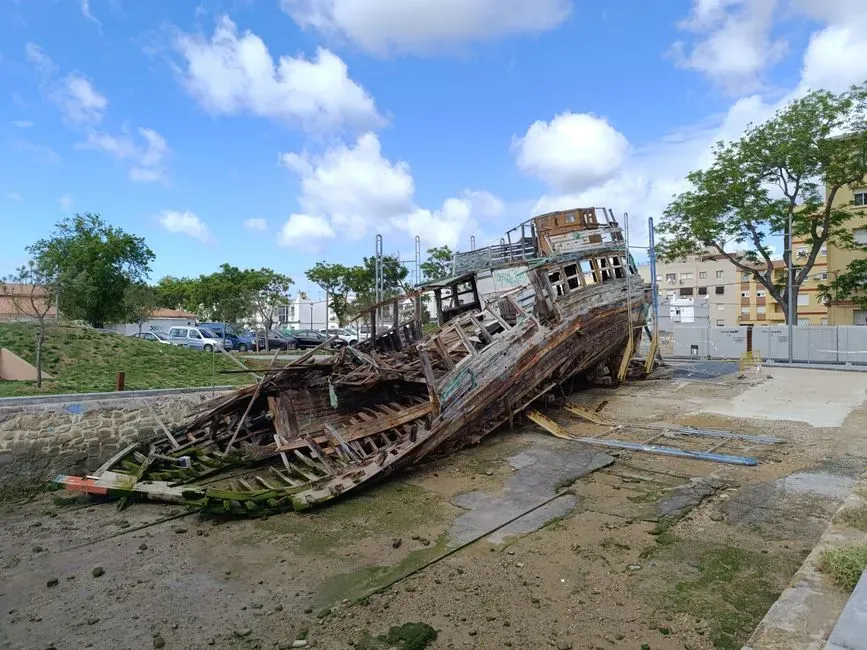
San Francisco’s Financial District looks like any other dense American downtown: glass towers, busy sidewalks, nothing unusual. But developers digging foundations there have repeatedly run into something the city mostly forgot, dozens of abandoned 19th-century ships buried directly beneath the streets.
During the 1849 Gold Rush, San Francisco’s harbor filled almost overnight with hundreds of ships whose crews abandoned them the moment they docked, rushing off to the goldfields instead of sailing home. With nobody left to sail them away, many vessels were simply left to rot in the harbor. As the city expanded, builders filled in the water around them rather than removing them, burying entire ships under brand-new city blocks.
Modern construction projects have hit these buried hulls repeatedly over the decades, sometimes forcing months of delays while archaeologists document ship timbers before foundations continue downward. Some buildings in the Financial District today have ship hulls sitting directly beneath their basements.
City historians estimate dozens of vessels remain entombed under the neighborhood, effectively turning San Francisco’s downtown into an accidental maritime graveyard. Some locals find that romantic. Others think it’s proof the city paved over its own history instead of preserving it.
At a Glance
- Gold Rush year: 1849
- Cause: crews abandoned ships harborwide to chase gold in the hills
- Result: dozens of vessels buried under later landfill and city blocks
- Today: ship hulls still sit directly beneath some Financial District basements
#9 – Boston’s Big Dig Rewrote the City’s Colonial Shoreline

Boston’s “Big Dig” became notorious for cost overruns and construction delays, but one lesser-known reason for those delays was archaeology. As crews tunneled beneath the city to reroute its central highway underground, they kept hitting remnants of Boston’s original 17th- and 18th-century waterfront.
Colonial Boston, much like Manhattan, expanded aggressively into its harbor using landfill, burying old wharves, wooden pilings, and discarded ship materials under newer street grids. Big Dig crews repeatedly unearthed these buried wharf structures, along with colonial-era pottery, tools, and personal items dropped by dockworkers centuries earlier.
Perhaps the most striking discovery was how clearly the excavations traced Boston’s original coastline, showing historians exactly how much artificial land had been added to the city over 300 years. Entire modern neighborhoods sit atop what used to be open harbor water.
The project forced planners to work closely with historians throughout construction, treating the underground highway route as an accidental archaeological survey of the city’s maritime origins.
#10 – Athens Turned Subway Construction Into an Accidental Museum Project
Ahead of the 2004 Olympics, Athens needed a modern metro system fast. What they got instead was a masterclass in how impossible it is to dig anywhere in Greece’s capital without hitting antiquity, a situation Rome would later repeat almost beat for beat with its own subway expansion.
Crews building central Athens stations repeatedly hit ancient wells, roadways, aqueducts, and burial sites dating back thousands of years, sometimes to the classical era of Socrates and Pericles. Rather than treat these finds as obstacles, Greek archaeological authorities negotiated with transit planners to preserve select finds directly inside finished stations.
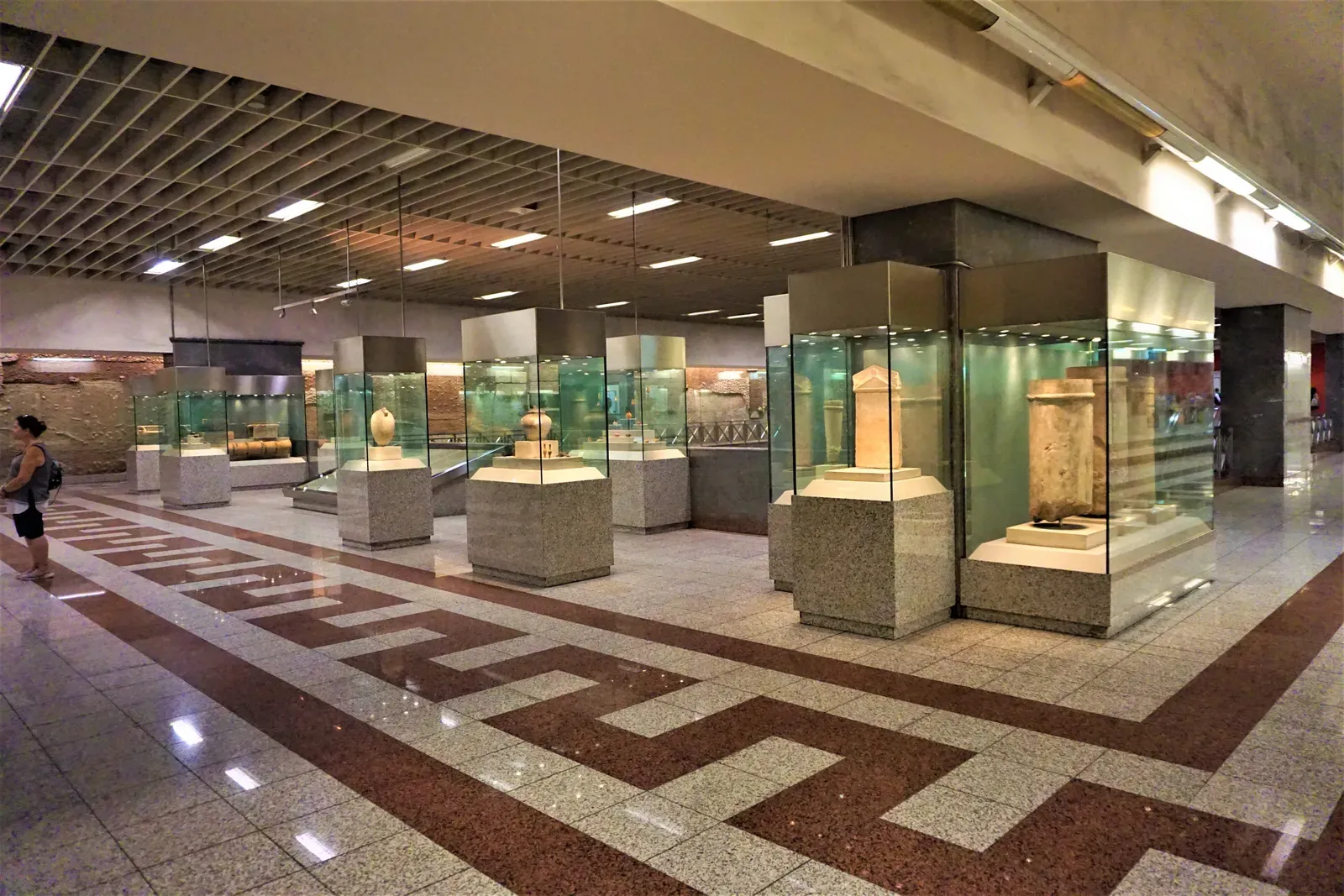
Today, Syntagma station, one of the busiest stops in the entire network, functions partly as a public museum. Commuters walk past glass display cases holding pottery, statues, and building foundations excavated from the exact spot where they’re standing, a level of transparency about buried history that few subway systems in the world can match.
The approach turned what could have been years of frustrating delays into a point of civic pride, proving that infrastructure and archaeology don’t have to be enemies.
Why It Stands Out
- Built under serious time pressure ahead of the 2004 Olympics
- Crews hit ancient wells, roadways, aqueducts, and burial sites across multiple stations
- Syntagma station now doubles as a working public museum
- Proved transit projects and archaeology can move forward together instead of colliding
#11 – Jerusalem’s Infrastructure Work Keeps Exposing Biblical-Era Water Systems
Few cities on Earth have been continuously inhabited, destroyed, and rebuilt as many times as Jerusalem. That layered history means almost any infrastructure project in the Old City risks running into something thousands of years old, particularly ancient water systems that kept the city alive during sieges.
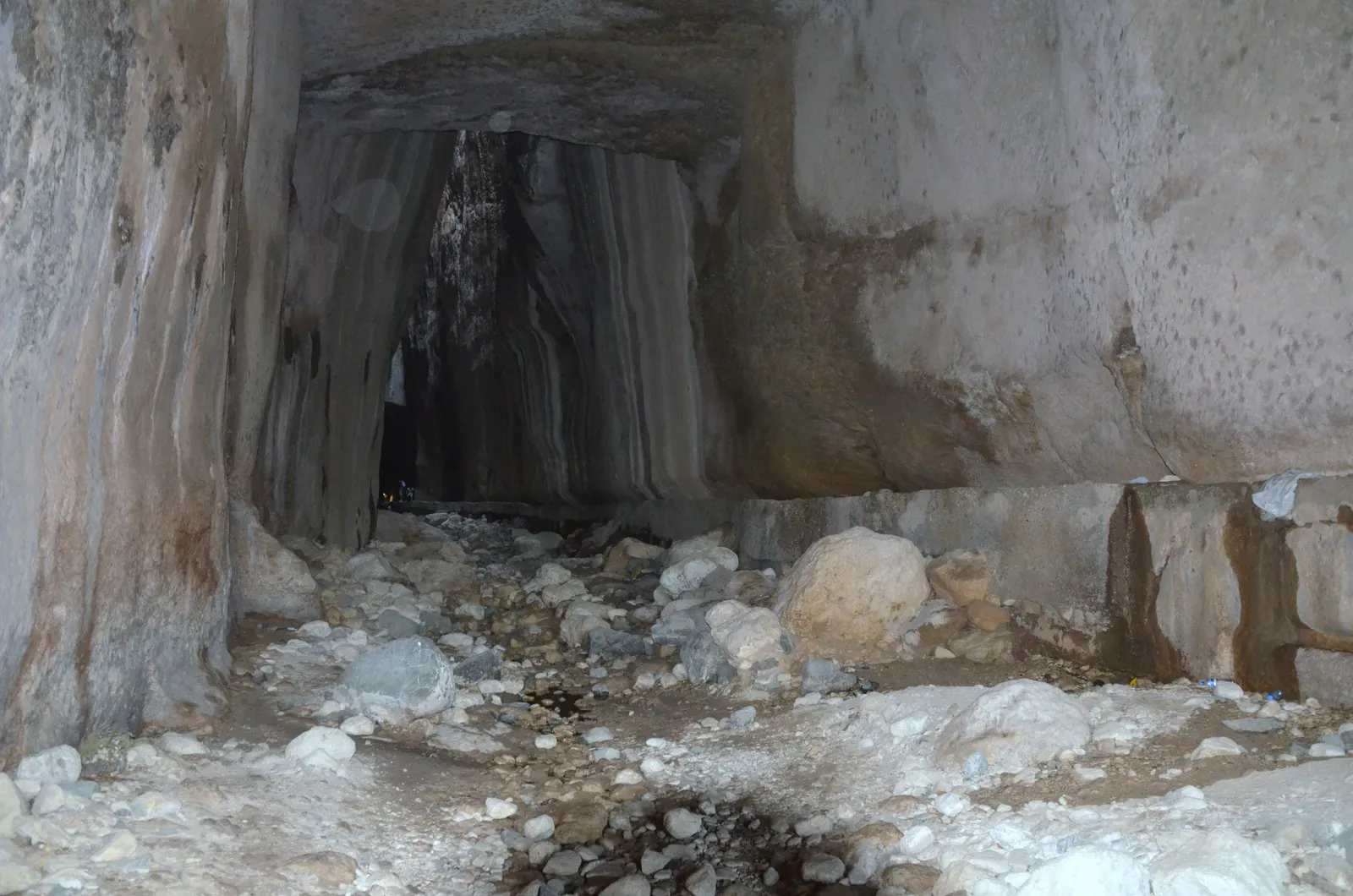
Excavations and utility work near the City of David area have repeatedly uncovered portions of ancient tunnels, cisterns, and channels engineered to secretly funnel water into the city during periods of war, some dating back roughly 3,000 years. These systems were often carved directly into bedrock, meaning modern crews sometimes discover them only after drills unexpectedly hit hollow stone instead of solid rock.
Because Jerusalem is one of the most politically and religiously sensitive archaeological sites on the planet, every new discovery tends to trigger intense debate over interpretation, ownership, and how findings should be presented to the public. Few cities turn buried infrastructure into this much international controversy.
Even so, the consistent pattern of finds beneath the city has helped historians map out how ancient Jerusalem’s residents survived droughts and sieges using remarkably sophisticated hidden engineering.
#12 – A Routine Sewer Repair in Bath Uncovered an Entire Roman Bathhouse
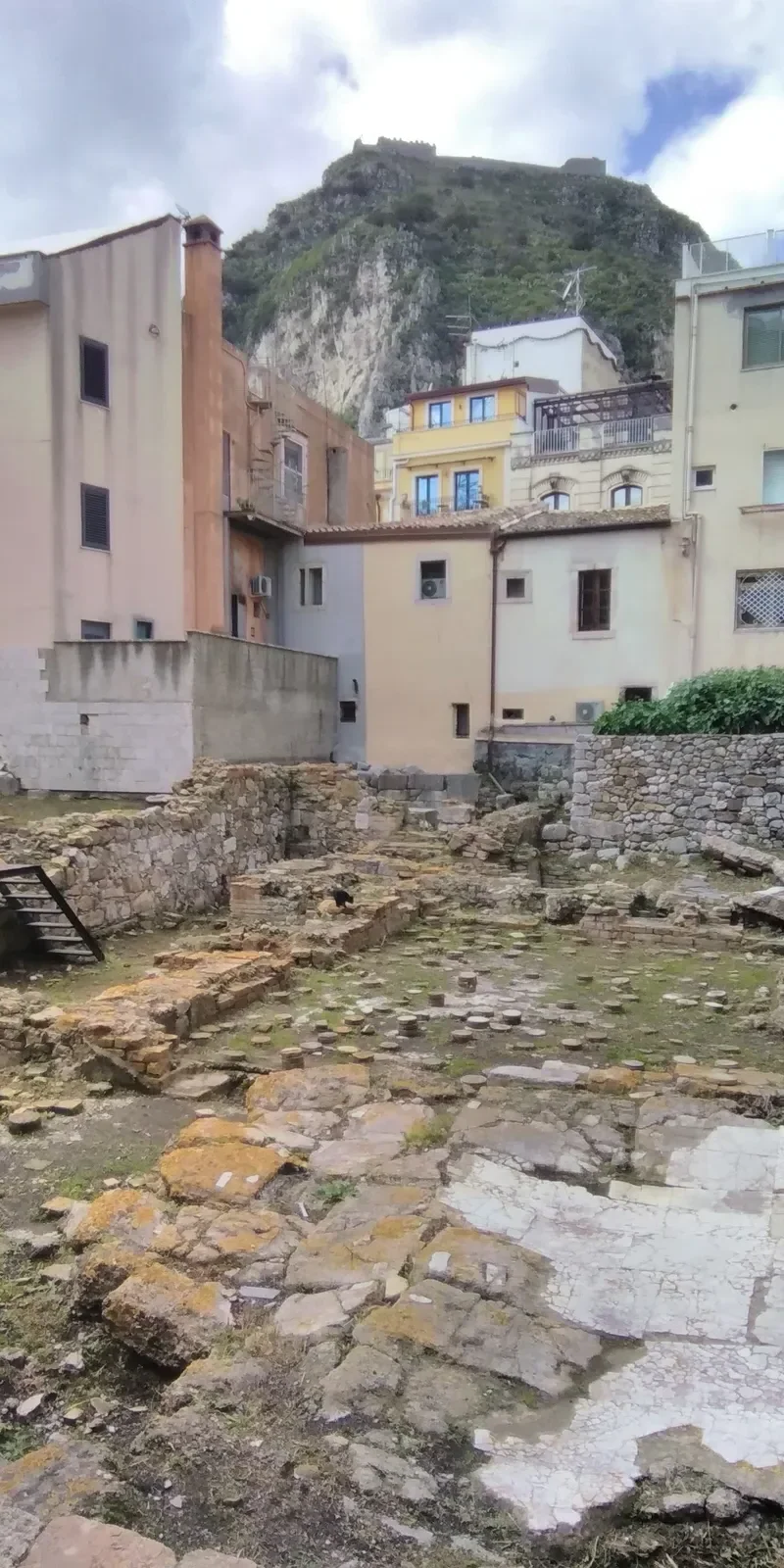
Sometimes the biggest discoveries don’t come from ambitious modern megaprojects at all. They come from something as unglamorous as fixing a leaky pipe. In the English city of Bath, Victorian-era engineers doing exactly that stumbled onto the remains of a Roman religious and bathing complex that had been buried and forgotten for over a thousand years.
The Roman baths had originally been built around a natural hot spring the Romans believed was sacred, dedicating an entire temple complex to the goddess Sulis Minerva. After Roman withdrawal from Britain, the site gradually silted over and was buried under centuries of medieval and early modern construction, essentially erasing it from public memory despite the city literally being named after it.
Once uncovered, the scale of the original complex stunned Victorian engineers: elaborate plumbing systems, a still-functioning drainage system diverting the hot spring water, and religious offerings ancient visitors had once tossed into the sacred pool hoping for divine favor. The original Roman engineering was so effective that some drainage elements still follow the same basic route today.
The waters of the sacred spring at Bath were regarded as a gift from the goddess Sulis, and the Romans built one of their most sophisticated engineering achievements in Britain around it.
English Heritage
The find transformed Bath from a fashionable spa town into one of Britain’s most significant archaeological attractions, proving that even a mundane maintenance job can reveal an empire’s forgotten religious center.
The Bottom Line
Twelve cities. Twelve construction crews who thought they were just laying tracks or fixing pipes. Instead, they found buried empires, sunken fleets, plague pits, and entire vanished civilizations sitting just meters below modern sidewalks. Rome hit a Praetorian barracks. Naples hit a Roman harbor. Istanbul hit 8,500 years of continuous human history. Mexico City tore down colonial buildings to expose an Aztec temple its own conquerors had tried to erase.
The uncomfortable truth is that almost every old city on Earth is quietly built on top of its own forgotten history, and we usually only find it by accident, when a shovel goes a few feet too deep. Some cities, like Athens and Sofia, chose to build glass floors and museum walls around what they found instead of paving over it again, and honestly, that’s the right call every time. History that gets rediscovered and reburied is history that gets erased twice.
Which makes you wonder: what’s still sitting undiscovered beneath the street you’re standing on right now? Drop your city in the comments. We might dig into it next.