
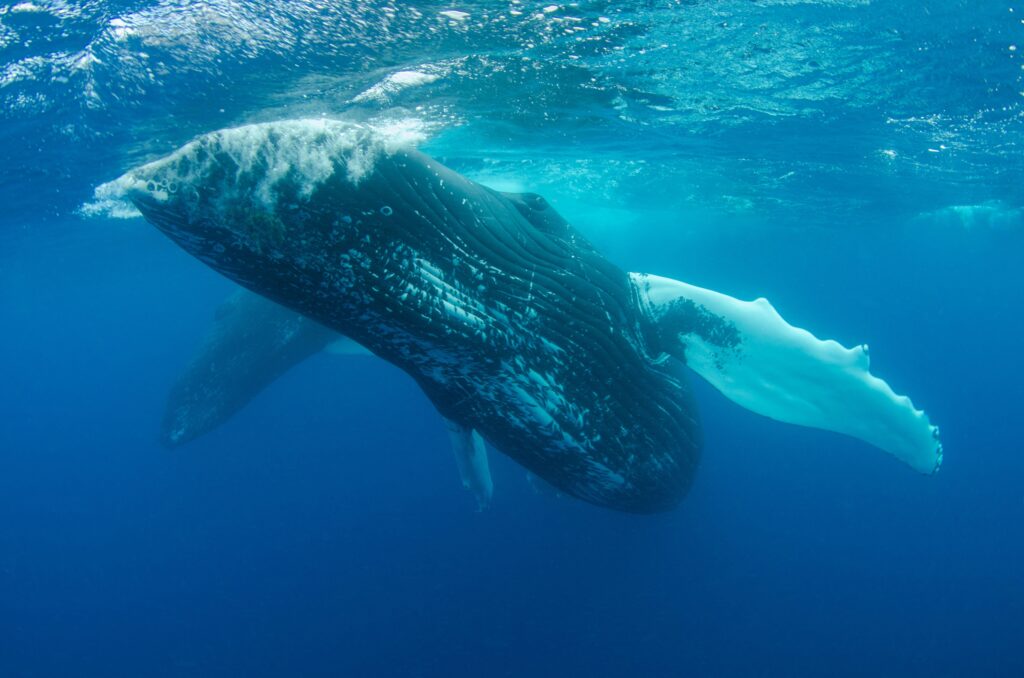
Picture a tiny whale embryo, smaller than your fingernail, quietly growing in the dark. For a short, almost secretive window of time, it sprouts what look like tiny hind legs… and then they vanish. It sounds like science fiction, but it is one of the clearest living reminders that whales are not ancient sea dragons, but remodeled land mammals carrying their evolutionary history in their bodies.
I still remember the first time I saw an image of a whale embryo with little limb buds; it felt like catching evolution in the act. These temporary legs do not stick around, they never touch the sea floor, and no adult whale will ever walk on them – yet they keep appearing in each new generation. Why would evolution keep such a strange ghost of the past hanging around? That is where things get really interesting.
From Land Walkers to Ocean Giants
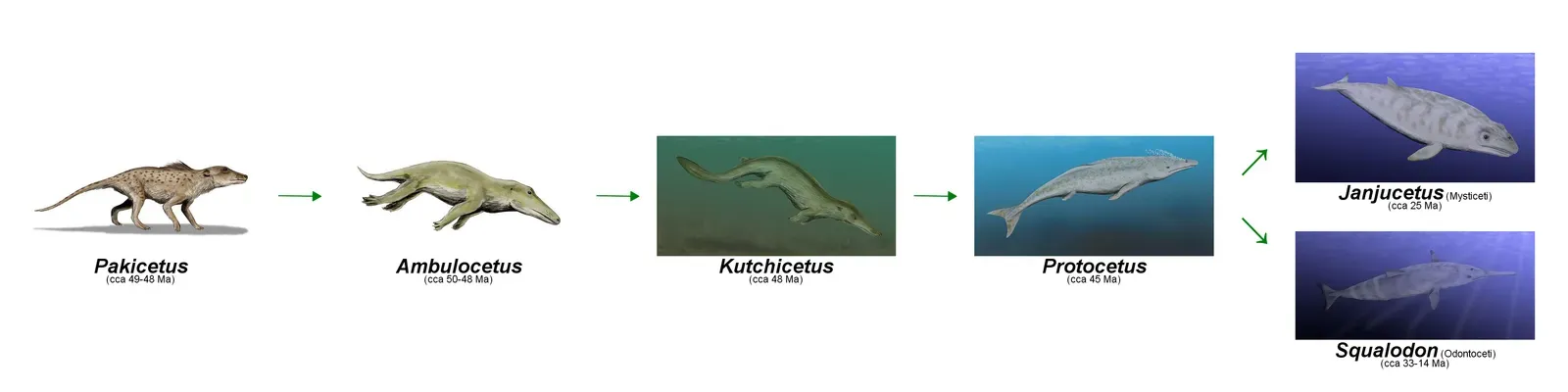
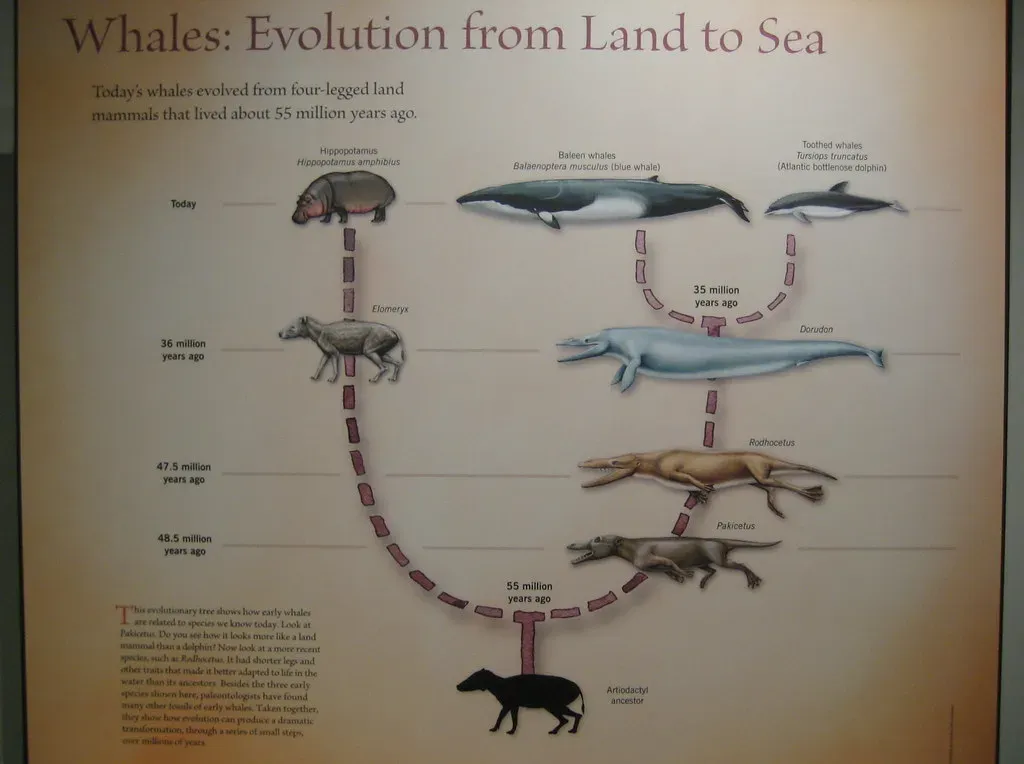
It is hard to believe that the largest animals on Earth today come from ancestors that once trotted on land like small deer or wolf-like creatures. Roughly tens of millions of years ago, early whale ancestors, often compared to dog-sized or pig-sized mammals, started spending more and more time in shallow coastal waters. Over countless generations, those land-dwellers stretched into sleek, fish-shaped bodies perfect for swimming, and their hind legs shrank away as the ocean became their permanent home.
When you realize whales began as land mammals, those fleeting embryonic hind limbs suddenly make a lot more sense. They are not random mistakes or weird curiosities; they are developmental echoes of a time when four sturdy legs were essential for survival. Evolution did not wipe the slate completely clean – it repurposed, trimmed, and rewired the old body plan into something new, but traces of that original blueprint are still there if you know where to look.
Whale Embryos Briefly Grow Hind-Limb Buds
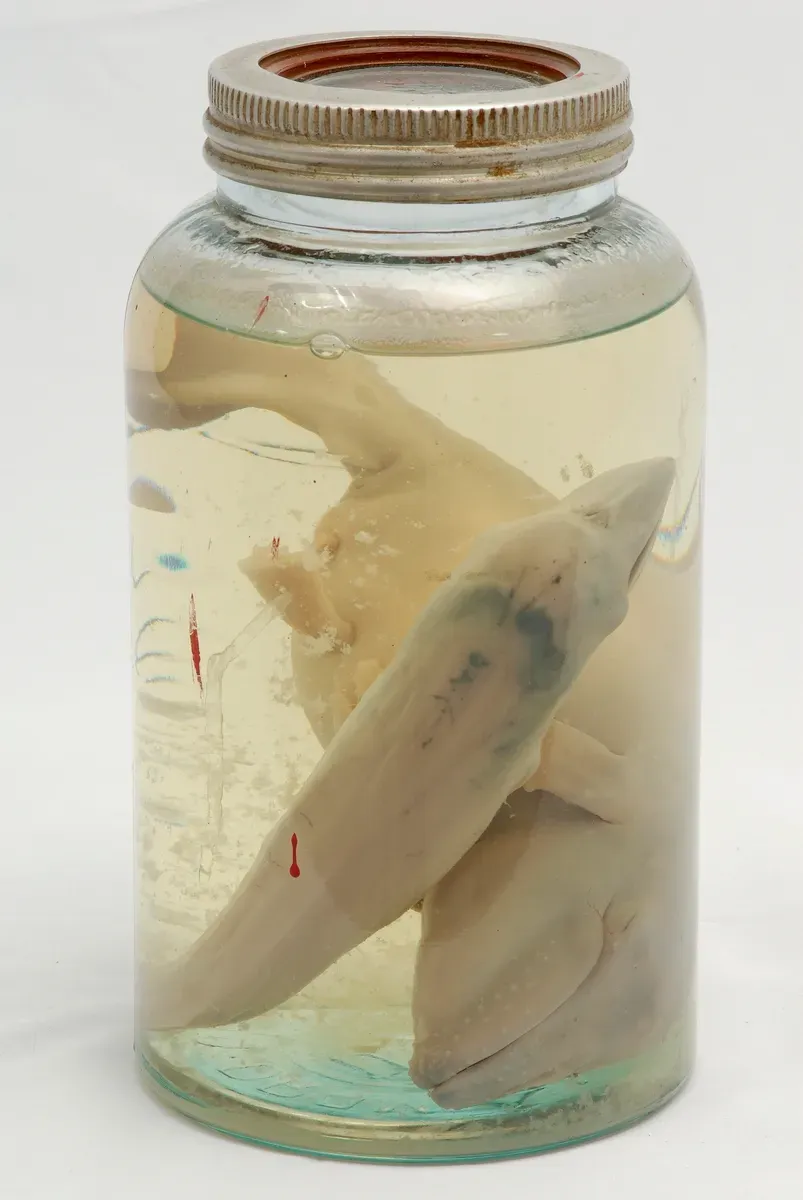
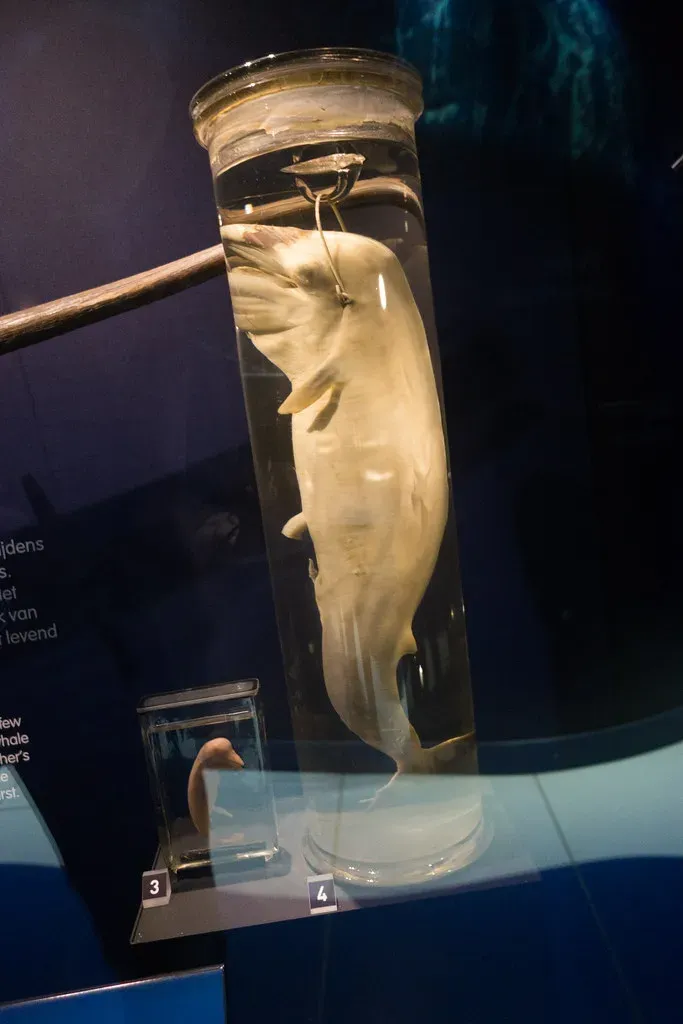
During early development, whale embryos go through a stage where they form small, paired bumps near the rear of the body that look strikingly like the beginnings of hind legs. Under a microscope, these limb buds resemble the early stages seen in embryos of land mammals, such as cows or dogs, with similar basic positioning and initial structure. For a short window, it is as if the embryo is starting down the old path of building four limbs.
But here is the twist: those hind-limb buds quickly stop growing and regress. The tissues do not fully differentiate into recognizable bones, joints, or toes, and eventually the buds either shrink or become absorbed as the rest of the body continues to develop. By the time a whale is born, you see powerful forelimb flippers and a muscular tail fluke – but no obvious trace of those early, ghost-like hind legs.
Embryos Reuse Ancient Developmental Blueprints
Whale embryos do not invent a brand-new way to build a body; they reuse ancient genetic programs that mammals have relied on for ages. In all vertebrates, body plans are laid out in a series of repeated segments, and the same broad toolkit of genes helps form the head, spine, limbs, and organs. For whales, that toolkit still includes the instructions for growing four limbs, even though the final product only displays the front pair as flippers.
Think of it like renovating an old house: the original architectural plans are still stored in the basement, even if the current owner has knocked down some walls and added new rooms. Whale development follows those original “four-limb” blueprints up to a point, then remodels midstream. The hind-limb buds start to appear because that is what the default mammalian plan says to do – but other signals later in development effectively say, “Stop here; we are not keeping these legs.”
The Gene Circuits That Turn Hind Legs On – and Off
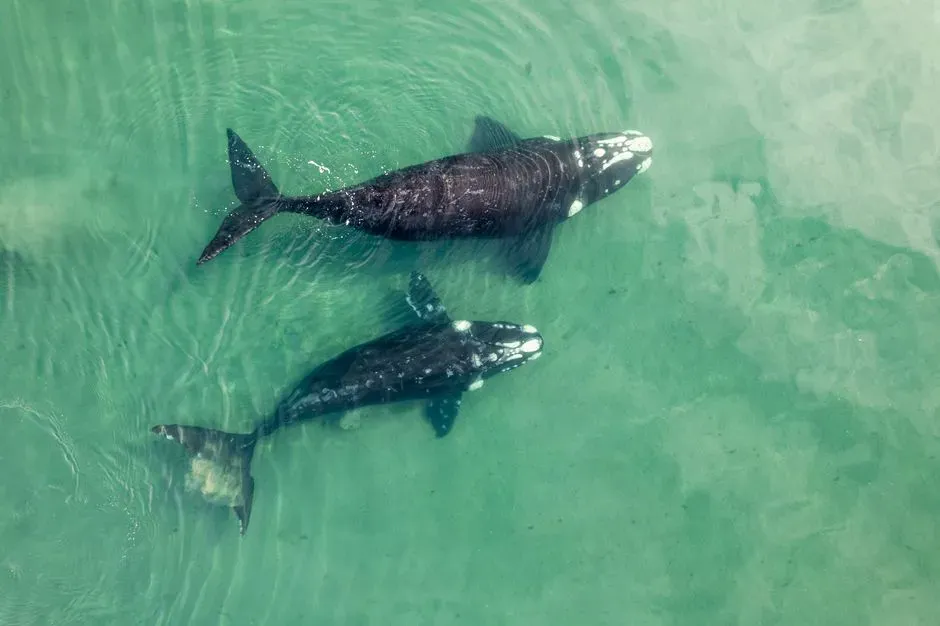
Behind these temporary leg buds sits a complex network of genes and molecular signals that control when and where limbs grow. In many mammals, certain signaling centers in the embryo send out chemical messages that tell cells in the limb bud to divide, elongate, and differentiate into bones and muscles. In whales, some of those signals still switch on long enough to start the hind-limb buds, but critical parts of the system are weakened, shortened in time, or shut down early.
Research on related species and genetic pathways suggests that subtle changes in how long key genes are active, or how strong their signals are, can drastically change limb size. It is like turning down the volume knob on a speaker; the signal is still there, but it is not loud enough or long enough to produce a full structure. In whales, evolution seems to have turned that knob way down for hind limbs, letting them flicker into existence and then fade out before they become functional legs.
Occasional Atavistic Hind Limbs in Adult Whales
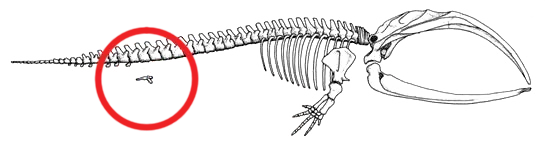
Every so often, scientists document rare whales with small, unexpected hind-limb structures – extra bony protrusions or internal limb-like elements near the pelvis that look suspiciously like throwbacks. These are called atavisms: traits from distant ancestors that reappear when dormant genetic instructions are accidentally reactivated. They are not fully formed legs capable of walking, but they are striking enough to remind us that the capacity to build hind limbs has not completely disappeared.
These rare cases are like evolution’s bloopers reel, where the usual “turn off the legs” program slips up. They hint that the underlying genetic code for hind limbs is still present, even if it is normally silenced. In my view, that makes whales even more fascinating – not as perfectly streamlined, one-directional products of evolution, but as complex compromises where older instructions occasionally peek through the cracks.
Vestigial Structures: Leftovers with a Story
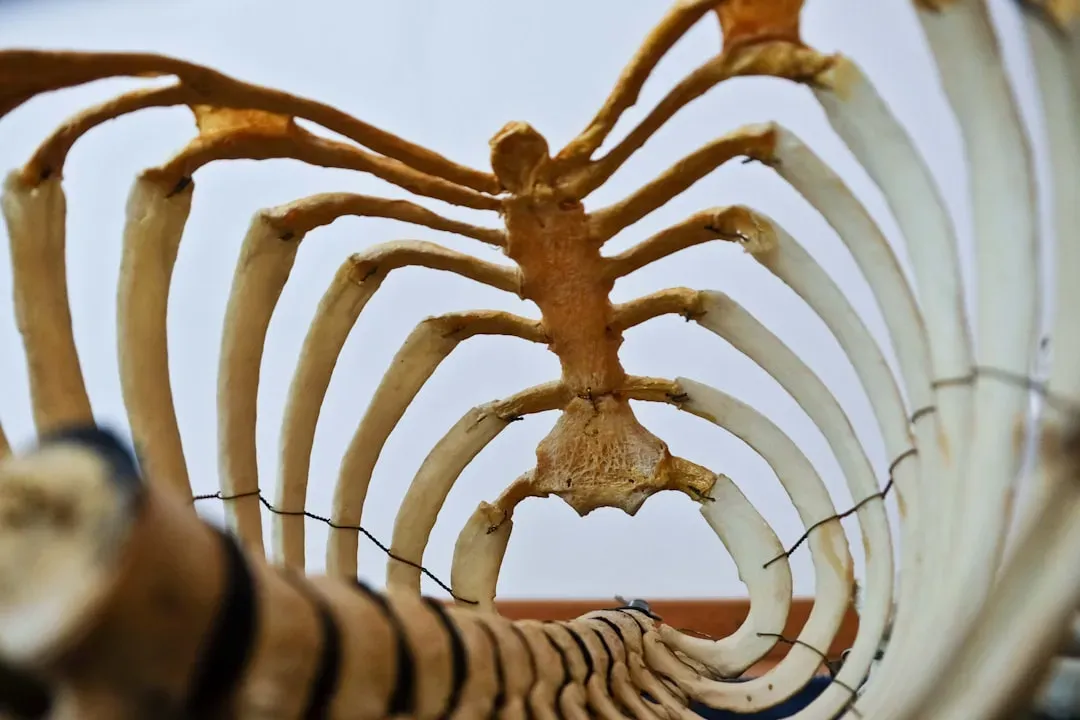
Those temporary embryonic hind-limb buds belong to a broader group of features biologists call vestigial structures – leftover pieces of anatomy that no longer serve their original function. Think of the human tailbone, tiny muscles that once moved our ears, or the reduced wings of flightless birds like ostriches. In whales, the shrunken pelvis and fleeting hind-limb buds are among the most dramatic vestiges of their land-dwelling past.
People sometimes misunderstand vestigial structures as completely useless, but that is not always true. Some leftovers get repurposed or still play minor roles, while others are simply harmless remnants that evolution never fully stripped away. The key point is not whether they do absolutely nothing, but that they no longer do what they originally did. For whales, those traces scream that their body plan did not appear from nowhere – it was edited from something very different.
Why Evolution Keeps Old Instructions Around
At first glance, you might wonder why evolution does not just delete these outdated leg-building instructions from the whale genome altogether. The answer is that evolution is a tinkerer, not an engineer starting from scratch. It tends to modify existing structures and pathways because it is usually easier and safer to adjust what already works than to rip it out and risk breaking something essential. Genes are often reused for multiple jobs across the body, so deleting them outright could cause serious harm.
Instead of tossing the whole instruction manual, natural selection often just adds sticky notes that say things like “shorten this phase” or “turn this off later.” That is essentially what seems to have happened with whale hind limbs: the base recipe is still stored in the genetic cookbook, but the timing and intensity of the signals have been tweaked. As long as those brief limb buds do not cause major problems, evolution has little incentive to completely erase them – so they persist as quiet, developmental ghosts.
What Whale Hind-Limb Buds Reveal About Evolution
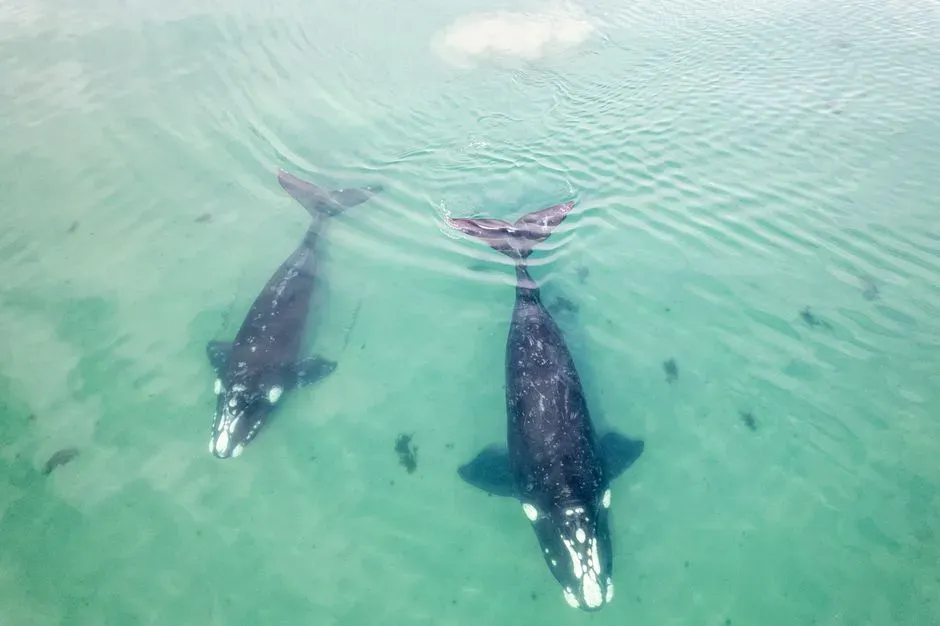
The fact that whales grow and then lose hind-limb buds as embryos is one of those details that makes evolutionary theory feel concrete, not abstract. You can literally watch, under a microscope, a modern marine mammal replay an ancestral land-animal pattern and then interrupt it. That is strong, visual evidence that today’s species are connected to past forms, not separately created from scratch. The story is written not only in fossils and DNA, but in the step-by-step choreography of development.
To me, this is where the magic really lies. You do not have to take anyone’s word for it; the embryos are doing the demonstration themselves. When a whale briefly grows the start of hind legs and then erases them, it is like evolution whispering, “Here is where we came from, and here is how far we have gone.” That quiet, temporary limb bud carries more weight than any argument – it is a living bridge between worlds.
Conclusion: Ghost Legs and the Honesty of Our Origins
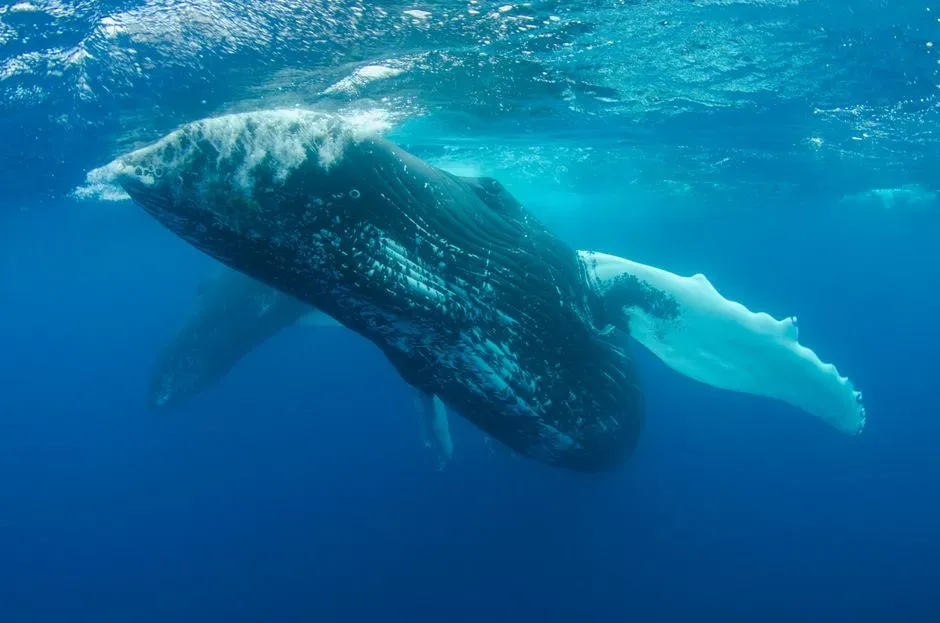
I think whale embryos growing temporary hind-limb buds and then losing them is one of the most honest stories nature tells about where we come from. It is messy, a bit eerie, and absolutely uncompromising: these animals are not perfectly designed sea creatures but reworked land mammals, and their bodies still remember that history. You can deny arguments and interpretations, but it is a lot harder to argue with a tiny leg bud that appears right on schedule in every new generation, only to be quietly shut down.
In a world where people still debate evolution as if it were an opinion, whales are busy replaying their transformation in miniature with every pregnancy, no philosophy required. Those ghost legs are not a flaw, they are a signature – proof that evolution builds the future out of the past, never fully erasing the old story. Next time you see a whale breach on a nature documentary, it is worth remembering there is a half-forgotten land animal hidden in that streamlined body. Knowing that, does the ocean suddenly feel a little more haunted to you too?