
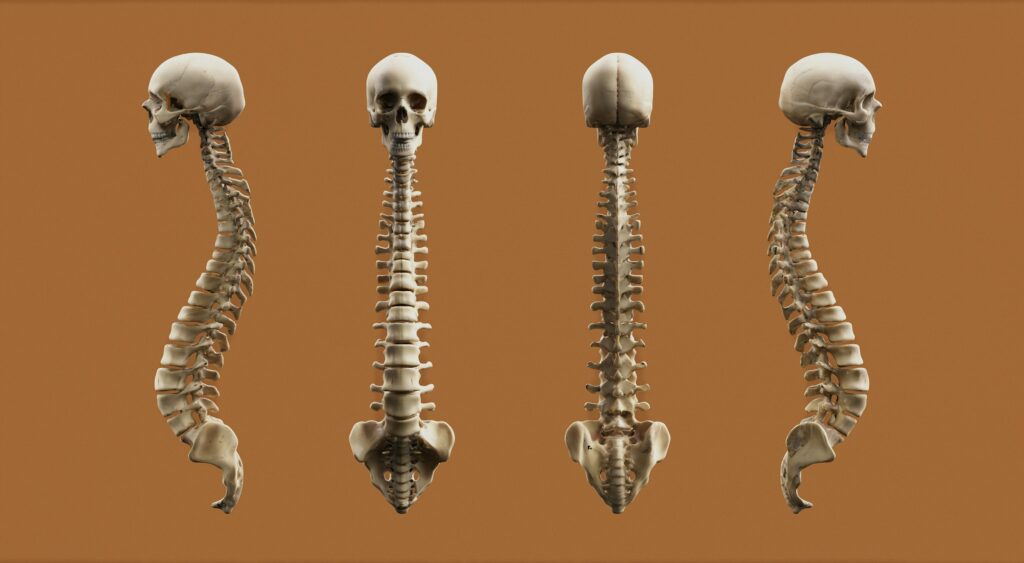
Run your fingers down your spine until you reach that small, hard bump at the very end. It does nothing glamorous, it never shows up in selfies, and most of us forget it even exists – until we fall on it. Yet that little structure, the tailbone, quietly carries one of the wildest stories in human evolution: we used to have tails, and evolution quite literally cut them short.
Once you see the tailbone as a scar left behind by millions of years of change, it is impossible to unsee it. It feels a bit like finding an old, sealed doorway in your own house and suddenly realizing there used to be a whole other room. What happened to that ancient tail, why did we lose it, and what, if anything, is that leftover bone still doing for us today?
The Tailbone: A Tiny Relic With a Huge Backstory
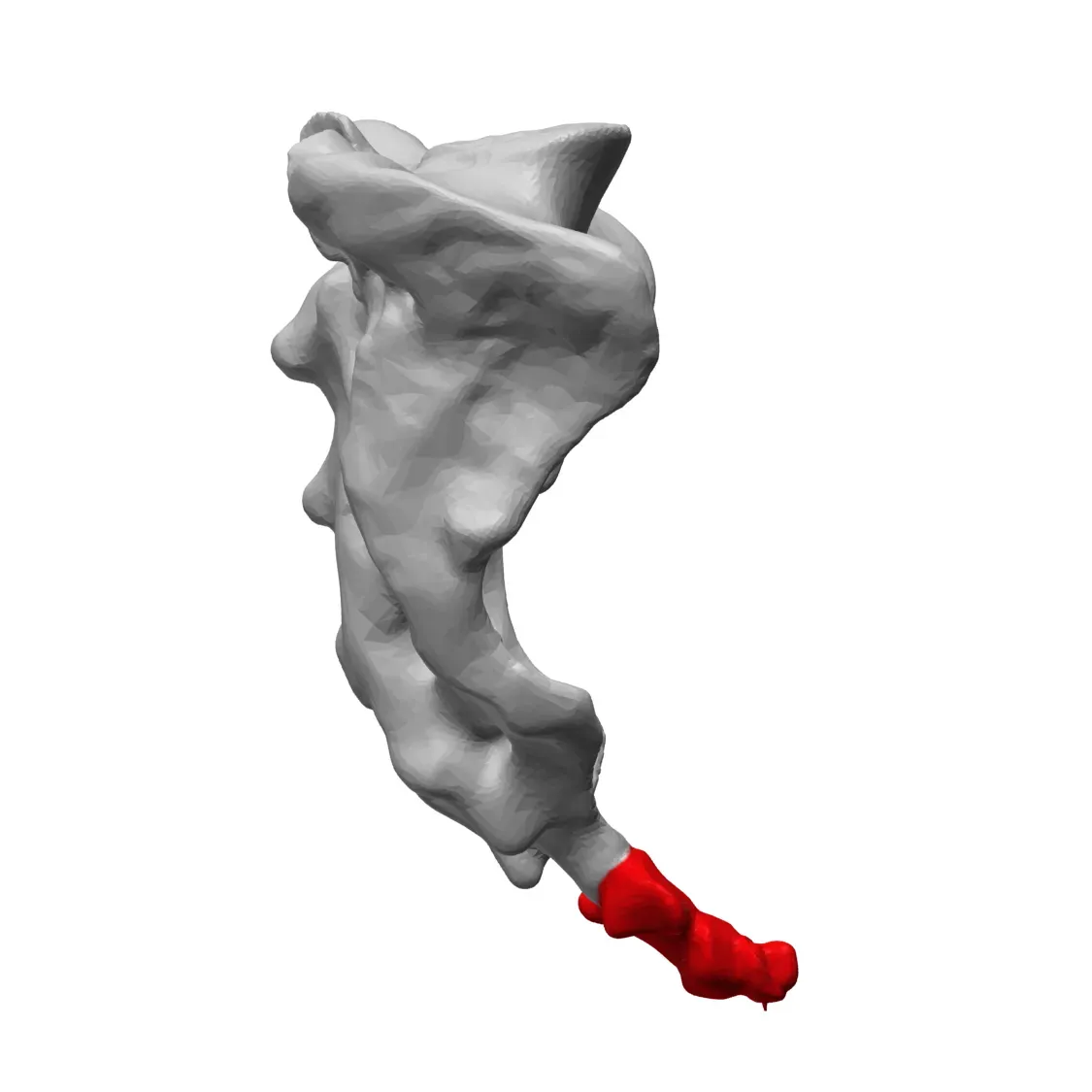
The human tailbone, or coccyx, is made of a few small fused vertebrae tucked right at the base of the spine. At first glance, it looks useless – more like an anatomical typo than something carefully shaped by evolution. But when you zoom out across millions of years and dozens of species, it starts to make sense as the ghost of a once-functional tail.
In many other mammals, this same region of the spine stretches out into a fully formed tail used for balance, signaling, and movement. In us, that extension has been trimmed back and fused, like a foundation left standing long after the building on top was demolished. The coccyx is not some random chunk of bone; it is the quiet fossil built into our living bodies that tells us we once played by very different rules.
How We Know Our Ancestors Really Had Tails
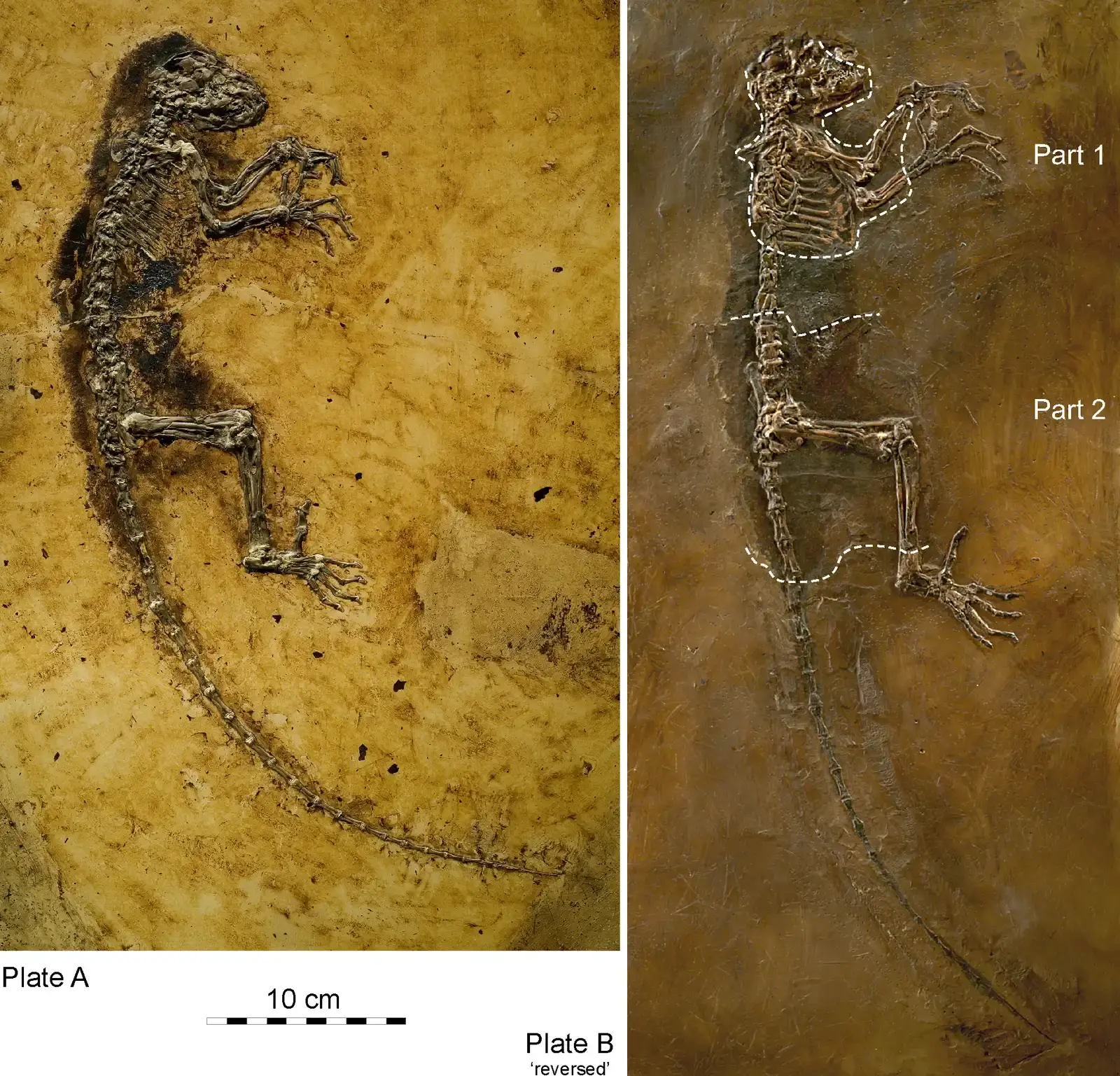
It is one thing to say the tailbone looks like the remnant of a tail; it is another to prove that our distant ancestors actually had one they used. Fossil evidence from early primates and mammal-like ancestors shows long, flexible tails made of many separate vertebrae extending well beyond the pelvis. These animals did not just have decorative tails – they relied on them for balance, grasping branches, and communication.
Comparing spines across species paints an almost cinematic time-lapse of change. Many monkeys still have prominent, functional tails. Apes like chimpanzees and gorillas have lost the external tail but retain a more robust coccyx and sacrum, and humans take this reduction even further. Line those skeletons up, and you can almost watch the tail shrinking, vertebra by vertebra, until only the coccyx remains as a vestige of a structure that once reached far beyond the body.
Why Evolution Would Take Away Something So Handy
Tails are incredibly useful, so it is fair to ask: why on earth would evolution get rid of them in us? The key idea is that evolution does not care about what seems cool or convenient in isolation; it only preserves traits that improve survival and reproduction in a specific environment. Once our hominid ancestors started walking upright regularly, the balance equation changed dramatically.
In a tree-dwelling animal that runs along narrow branches, a tail can act like a counterweight, stabilizing rapid movements. But in a bipedal primate trying to keep its center of gravity over two feet, that same tail can become extra mass, more surface for injury, and one more thing the body has to build and maintain. Over deep time, individuals with slightly shorter, less prominent tails were not at a disadvantage – and perhaps had a slight edge – so the trait faded as walking on two legs became the norm instead of the exception.
The Coccyx Still Does More Than You Think
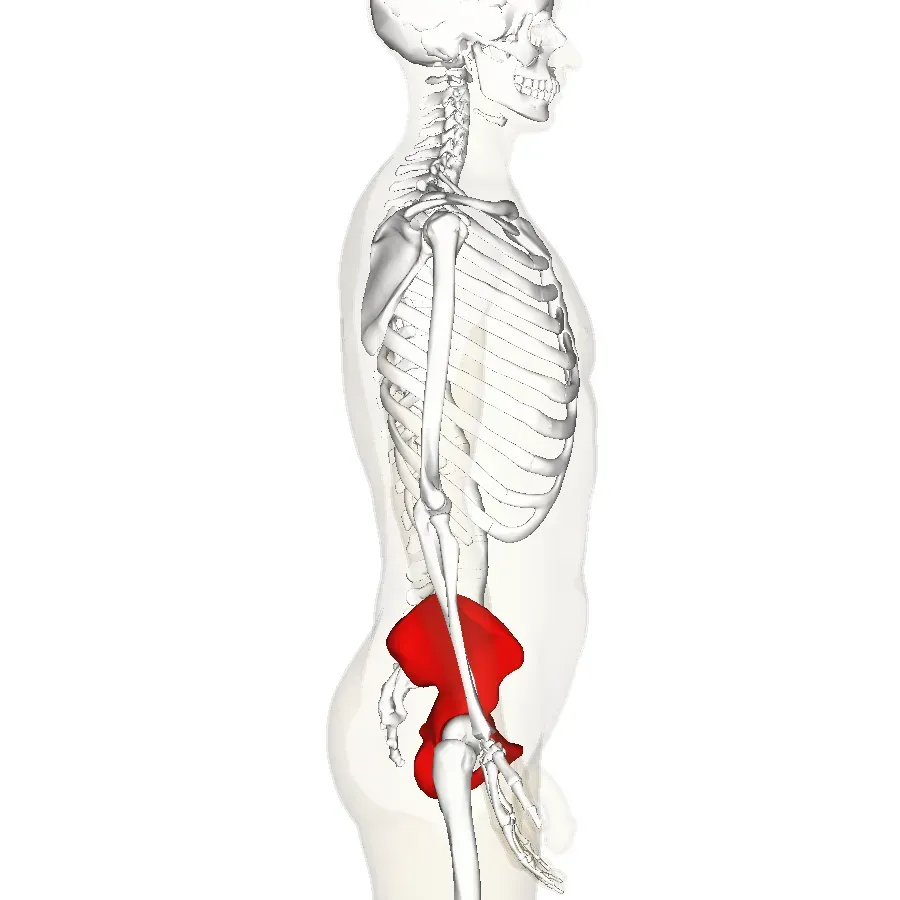
Even though we have lost the waving, expressive, external tail, the coccyx is not completely useless. Several important muscles, ligaments, and tendons attach to it, helping support the pelvic floor and stabilize the region when we sit, stand, or shift our weight. If you have ever injured your tailbone and suddenly found sitting painful or awkward, you have felt just how involved that little structure really is.
In that sense, evolution did not simply abandon the entire tail and walk away. Instead, it repurposed the base of it into a structural anchor point. The tip of the tail was sacrificed, but the root was kept and woven into a new function – less about balance in the trees and more about the complex demands of upright posture, childbirth, and the way we now move through the world.
Embryos Briefly Reveal Our Hidden Tail
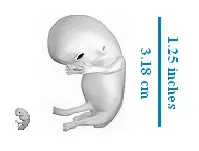
One of the most striking pieces of evidence for our tailed past appears not in fossils, but in the womb. During early human development, embryos actually form a small tail-like structure made of several vertebrae extending beyond what will become the pelvis. For a brief moment, we look more like the generalized blueprint of a vertebrate with a visible tail.
As development continues, that tail is gradually reabsorbed, and the extra vertebrae fuse into the coccyx we are born with. It is as if our bodies run the old tail-building program, then cancel most of it before launch. Developmental biology often preserves deep evolutionary history in these early stages, and our disappearing embryonic tail is a living reminder that we come from a long line of tailed ancestors, even if we no longer show it on the outside.
When Humans Are Born With “Tails” Today

Every so often, a baby is born with a small tail-like appendage. These rare cases make headlines because they seem almost mythical, but they actually highlight how our genetic blueprint still carries the potential for tail-like growth. In many instances, these structures are made of soft tissue and skin, and they can be surgically removed without long-term issues.
There are also more complex, true bony extensions that involve additional vertebrae, though those are even rarer and often tied to developmental quirks. While sensational stories sometimes blow these cases out of proportion, they are real and medically documented. Rather than suggesting some magical throwback, they underline a more grounded truth: evolution does not rewrite our design from scratch; it edits existing code, and once in a while that older code briefly resurfaces.
Our Tail-Loss in the Bigger Story of Primates
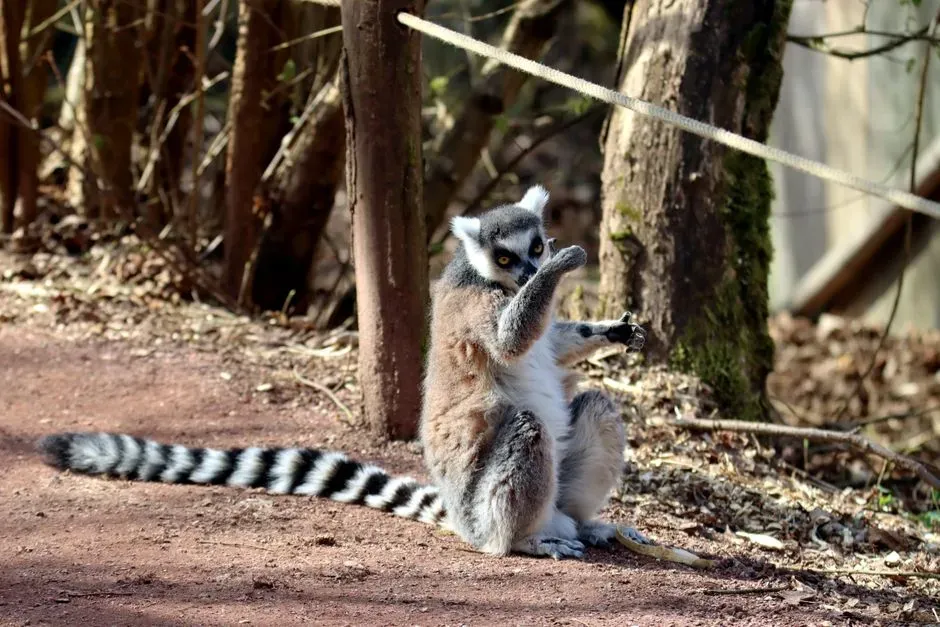
Humans did not lose their tails in isolation; we share this trait with the other apes. Gibbons, orangutans, gorillas, bonobos, and chimpanzees all have tailbones but no external tails. In contrast, most monkeys keep their tails, and some, like spider monkeys, have highly specialized prehensile tails that function almost like extra hands in the trees.
This divide between tailed monkeys and tail-less apes is not just a random difference; it reflects distinct evolutionary paths. As the ape lineage shifted toward different locomotion styles – like brachiation in gibbons, knuckle-walking in gorillas and chimpanzees, and eventually full-time bipedal walking in humans – the external tail became less central. We are not uniquely strange; we are simply one branch on a broader primate trend where losing the tail opened the door to new ways of moving and living.
What the Tailbone Tells Us About Who We Are
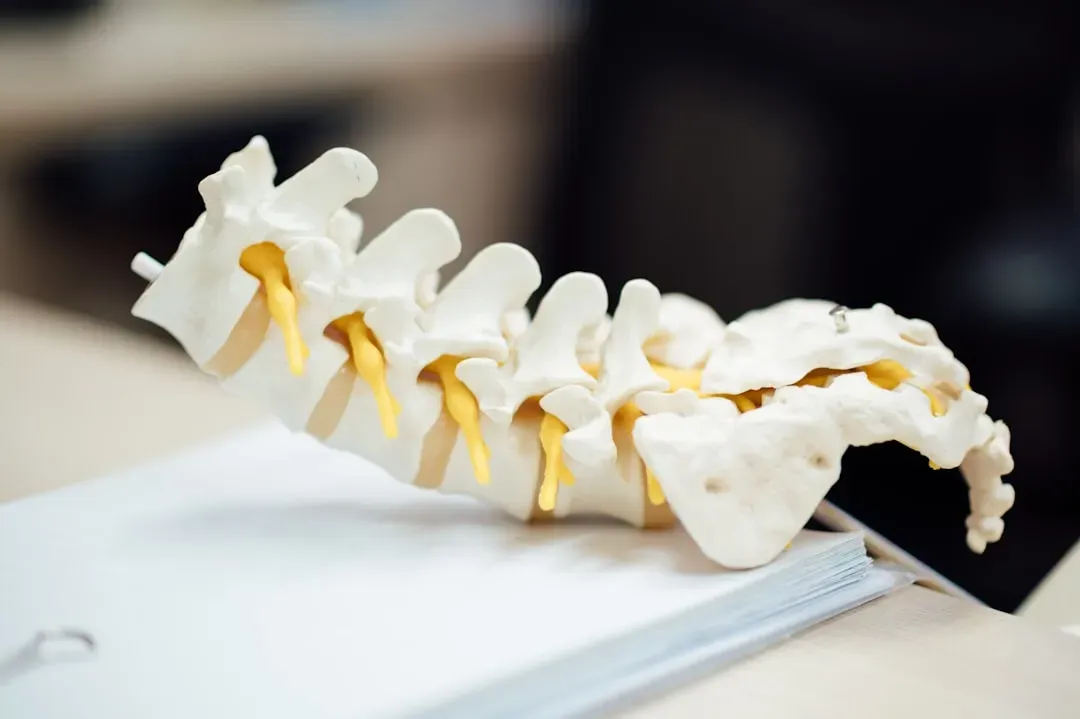
The coccyx may be small, but it is a powerful antidote to the idea that humans sit outside of nature. That little cluster of fused vertebrae says, very plainly, that we are built on the same template as other mammals and that our bodies bear the marks of long, messy, trial-and-error history. It reminds us that we did not suddenly appear in our current form; we were sculpted over time, tail and all.
Personally, I find that comforting rather than unsettling. Knowing that every awkward bump and leftover structure has a story makes my own body feel less like a machine and more like a layered biography. The tailbone, in this view, is a footnote to chapters we will never fully read but can still piece together: forests, branches, balancing acts, and lives lived with tails we no longer carry.
Conclusion: A Vanished Tail With a Lasting Message
When you strip away the drama and myths, the evidence points clearly in one direction: . Fossils, embryo development, modern anatomy, and those rare tail-like births all circle back to the same story. Evolution did not remove our tails out of some grand plan; it trimmed them back because, for upright apes like us, they stopped being worth the biological cost.
My own opinion is that we underestimate how radical that realization is. Every time you sit down, your coccyx quietly reminds you that your body is a compromise between where you came from and what you became. We may have lost our tails, but we kept the evidence, quite literally, at our backs. Next time you feel that little bone when you sit awkwardly on a hard chair, will you see an annoying bump – or a tiny, stubborn monument to your evolutionary past?