
It is easy to assume people in the past were always seeking the same comforts we are: mild weather, flat land, easy water, good soil. Then you stumble across a city clinging to a vertical cliff, a fortress carved into desert rock, or homes perched on a smoking volcano’s flank, and that idea collapses pretty fast. Ancient people repeatedly chose places that, to a modern planner, would look like a health and safety nightmare.
What looks extreme to us, though, was often strategic, sacred, or simply the best option in a harsh world. These seven settlements push that contrast into sharp focus: mountain eyries, desert fortresses, wind-blasted islands, and jungle-topped pyramids. As you read, it is hard not to ask yourself a slightly uncomfortable question: are we actually tougher than people in the past, or just far less willing to live with risk?
Machu Picchu: A City Balanced on the Spine of the Andes
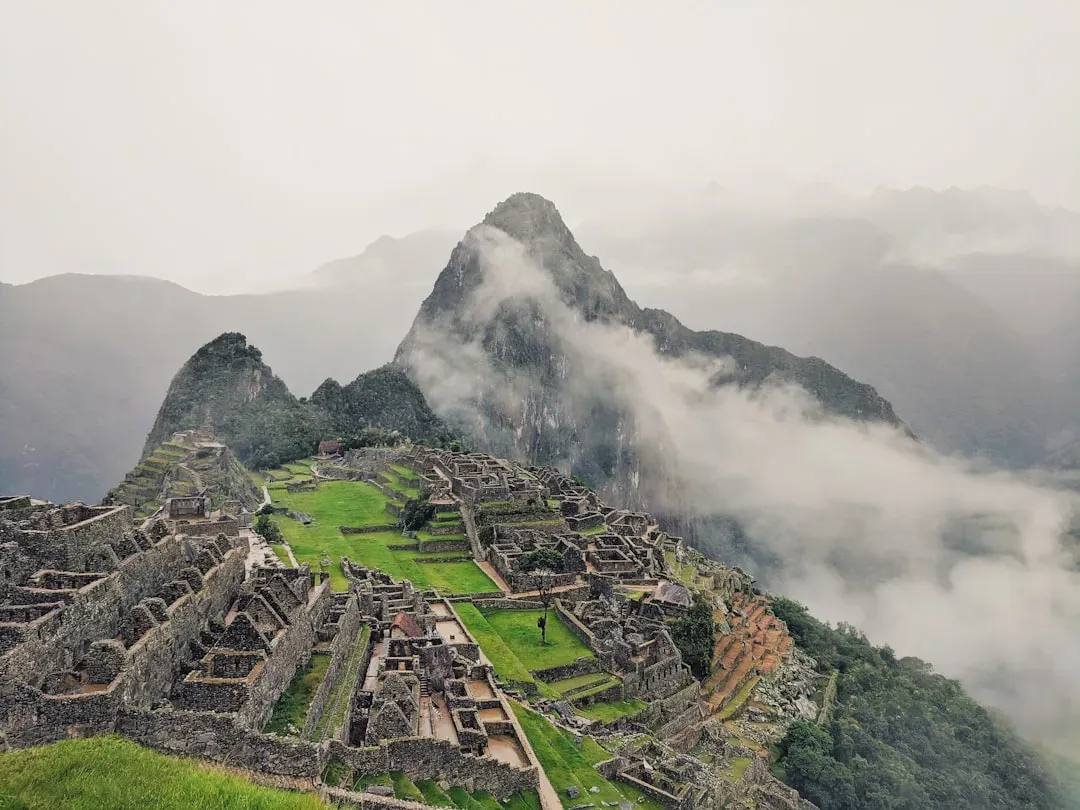
Machu Picchu sits so high above the Urubamba River in Peru that the clouds often pour through its stone doorways like fog from a machine. Perched on a narrow ridge more than two thousand meters above sea level, it is surrounded on all sides by steep drops and knife-edged peaks. From a modern perspective, it feels like building a town halfway up the side of a skyscraper during an earthquake drill, then calling it home.
Yet that extremity was part of its genius. The Inca engineers carved terraces into the mountainside to stabilize slopes and grow food, and they laced the site with sophisticated drainage so that torrential Andean rains did not wash it away. For them, this was not just real estate; it was a fusion of sacred landscape, military defensibility, and political symbolism. We look at Machu Picchu and see danger. They saw an axis between heaven and earth, and then calmly laid out streets and plazas on top of it.
Masada: Fortress Life on a Desert Cliff Edge
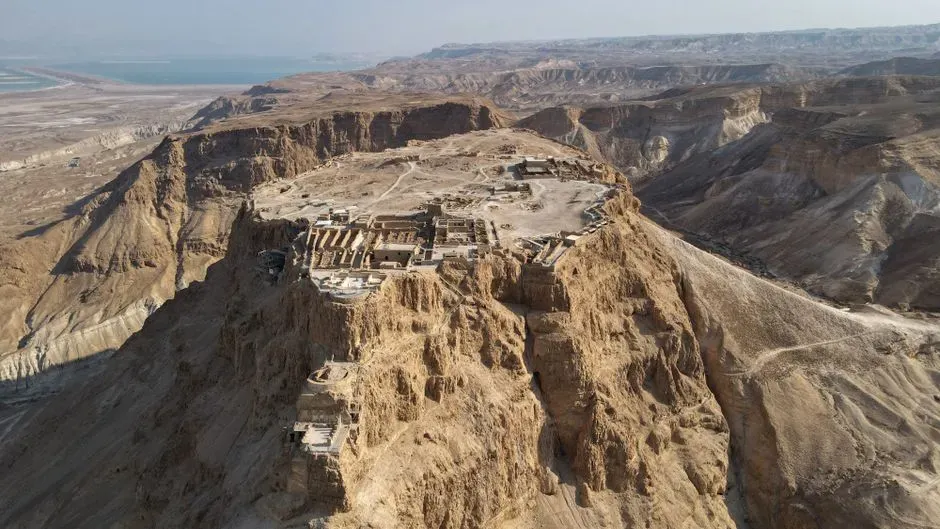
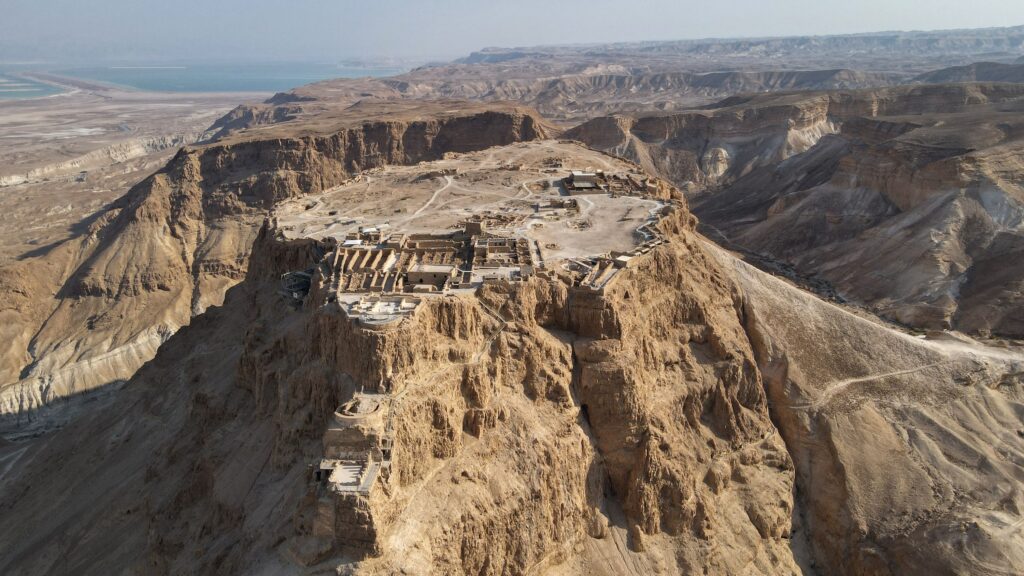
Masada rises out of the Judean Desert like a capsized ship, a flat-topped rock isolated by near-vertical cliffs on every side. If a modern developer suggested putting a community up there, in blistering heat with almost no natural water and nothing resembling a normal access road, they would be laughed out of the room. For the people who chose it, that very isolation made it perfect.
King Herod’s builders carved cisterns deep into the rock to trap rare desert rain, created storage rooms that could hold food for years, and wrapped the summit with thick walls. Later, Jewish rebels used that height and remoteness as a last refuge against Roman forces. To live there meant embracing extremes: scorching days, cold nights, fierce winds, and the constant awareness that down was a very long way. But it also meant a feeling few modern apartment complexes can offer: knowing that almost no one could reach you without a monumental effort.
Cliff Palace and the Mesa Verde Cliff Dwellings: Homes in the Overhang
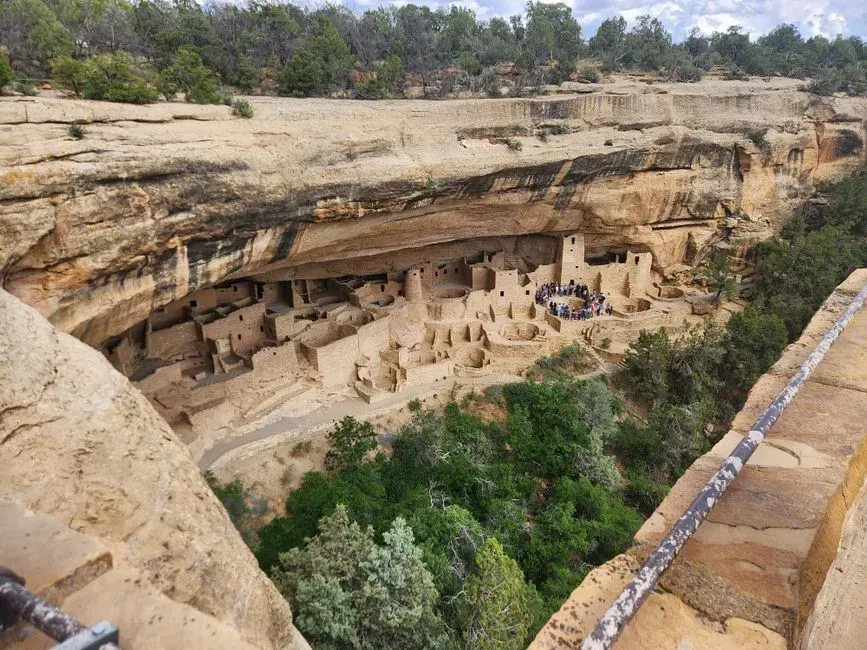
In what is now Colorado, the Ancestral Puebloans built entire villages tucked into natural alcoves beneath sandstone cliffs. When you stand in front of Cliff Palace or Spruce Tree House, the first thought is usually some variation of “people actually lived there?” The dwellings sit high above canyon floors, crammed into rock overhangs that you reach by ladders, narrow ledges, or hand-and-foot holds chipped into the cliff.
Modern readers might see only danger: children near sheer drops, hauling water up from the canyon, no quick way out if something goes wrong. But those same ledges provided shade from brutal summer sun, shelter from winter winds, and defensible positions in a landscape where social tensions and resource stress were real concerns. By nesting their communities in stone, the builders turned the cliff itself into both roof and rampart, accepting awkward daily logistics in exchange for security and microclimate that made survival more likely.
Skellig Michael: Monks on a Storm-Whipped Rock in the Atlantic
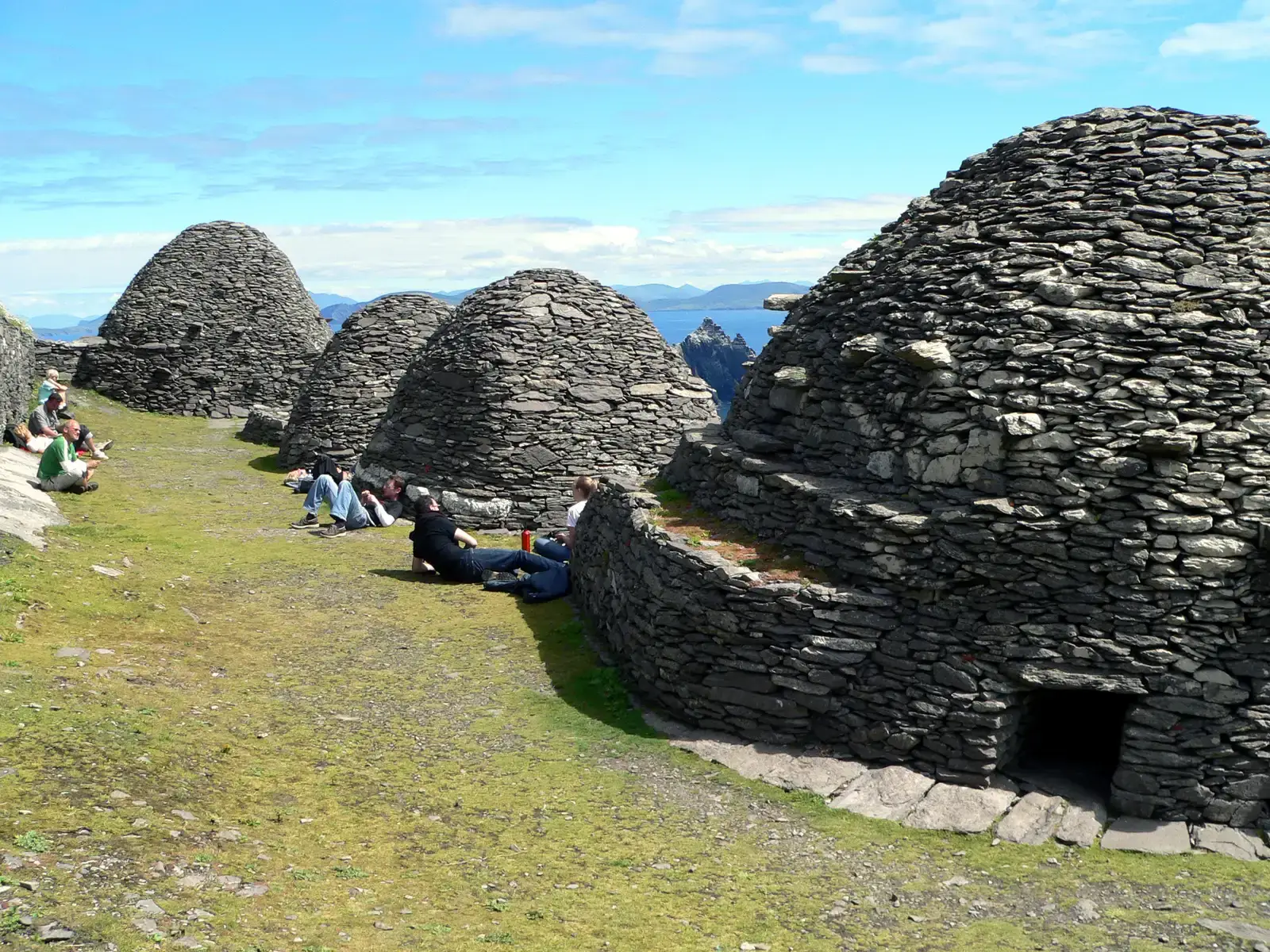
Skellig Michael is one of those places that makes you question human decision-making on a deep level. It is a steep rock island off Ireland’s southwest coast, hammered by North Atlantic storms, with little soil, almost no flat ground, and cliffs that plunge straight into violent seas. And yet, early medieval monks chose this as the place to seek spiritual perfection, constructing beehive-shaped stone huts near the island’s summit.
Reaching those huts meant climbing hundreds of uneven stone steps with the ocean roaring below, in weather that could turn vicious in minutes. Food, fresh water, and fuel were all chronic challenges, and isolation was absolute for long stretches of the year. From a twenty-first-century point of view, this is the opposite of an ideal settlement. But if your goal is to be as far from worldly distraction as possible, a rock on the edge of the known world, where the horizon is nothing but empty water, starts to look less like madness and more like deliberate, fierce commitment.
Chan Chan and the Coastal Deserts of Northern Peru
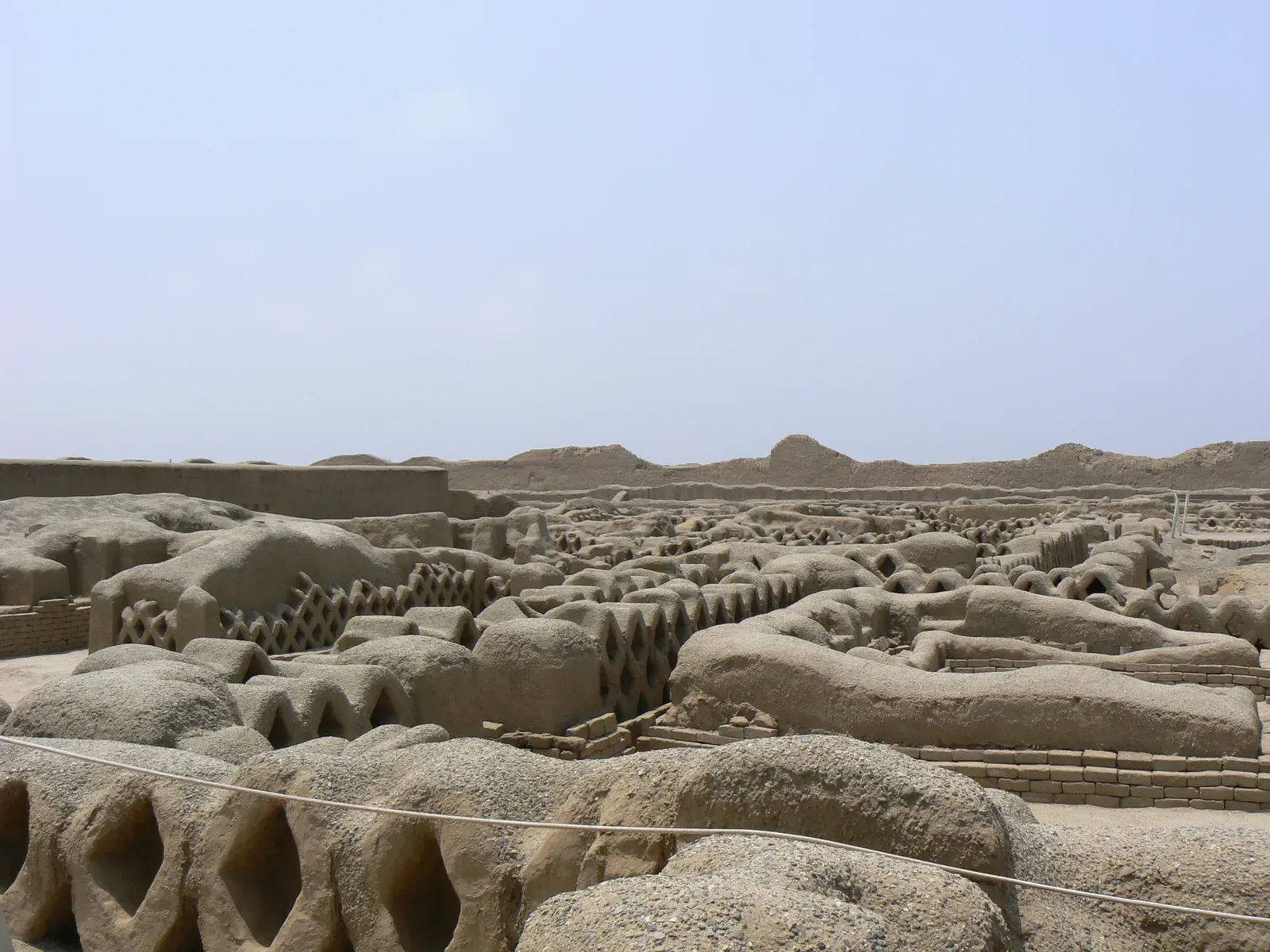
Chan Chan, heart of the Chimú civilization, rose in what looks to most outsiders like an utterly unforgiving strip of coastal desert in northern Peru. Rain is rare, the landscape is bone-dry, and to modern eyes it resembles a setting where you might test a Mars rover rather than build the largest adobe city in pre-Columbian South America. Choosing this environment was like opting to construct a metropolis on a dusty, wind-scoured parking lot and then insisting it would thrive.
The Chimú pulled off that gamble by mastering water. They built long irrigation canals that channeled rivers from the Andean foothills into engineered fields, turning desert into productive farmland. Within Chan Chan, high walls and intricate layouts helped manage wind, sand, and sun, creating more comfortable micro-spaces in a hostile region. The settlement’s very existence is a quiet rebuke to our idea that you need gentle weather and lush landscapes to support complex urban life; sometimes, ruthlessly dry is exactly where ambitious people decide to prove a point.
Phra Nakhon Si Ayutthaya: A Capital in a Floodplain Labyrinth
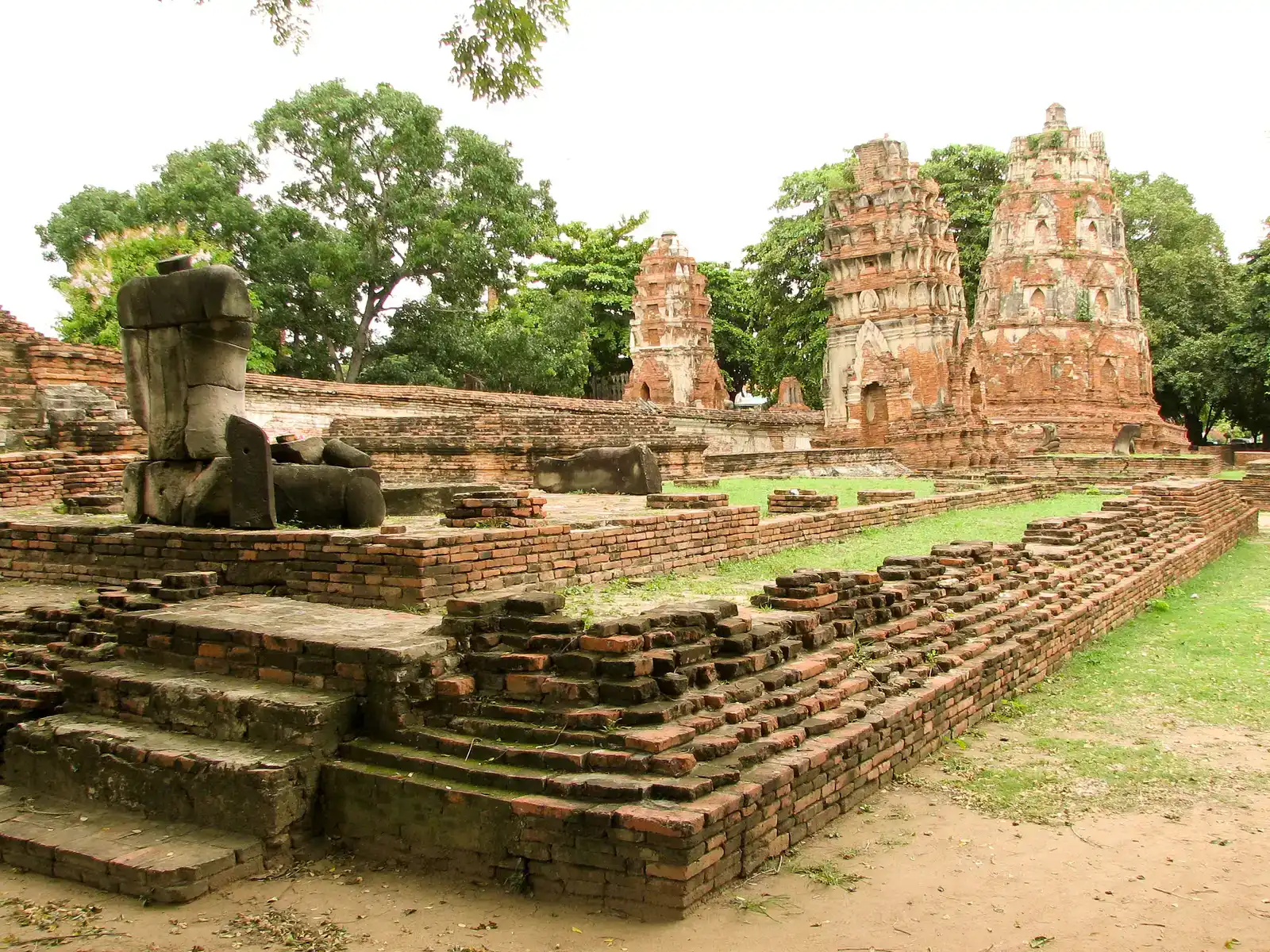
From the air, the ruins of Ayutthaya in Thailand look like someone dropped a city into a maze of rivers and canals and then walked away. The old capital sat on an island formed by river branches in a low-lying floodplain, a landscape modern urban planners would treat with extreme caution in an era of rising waters. Seasonal floods, shifting channels, and muddy ground all came with the territory.
The people who built Ayutthaya did not just accept this; they weaponized it. Surrounded by water, the city became harder to attack, and canals doubled as transport routes and defensive barriers. Yes, they lived with floods, but they also adapted building styles, raised structures, and made boats as central to daily life as streets are to ours. Today, when we see footage of cities suffering from extreme weather and water, Ayutthaya feels strangely contemporary: a reminder that living in precarious landscapes is not new, just something we are less honest about choosing.
Tikal: A Jungle City Rising Above the Canopy
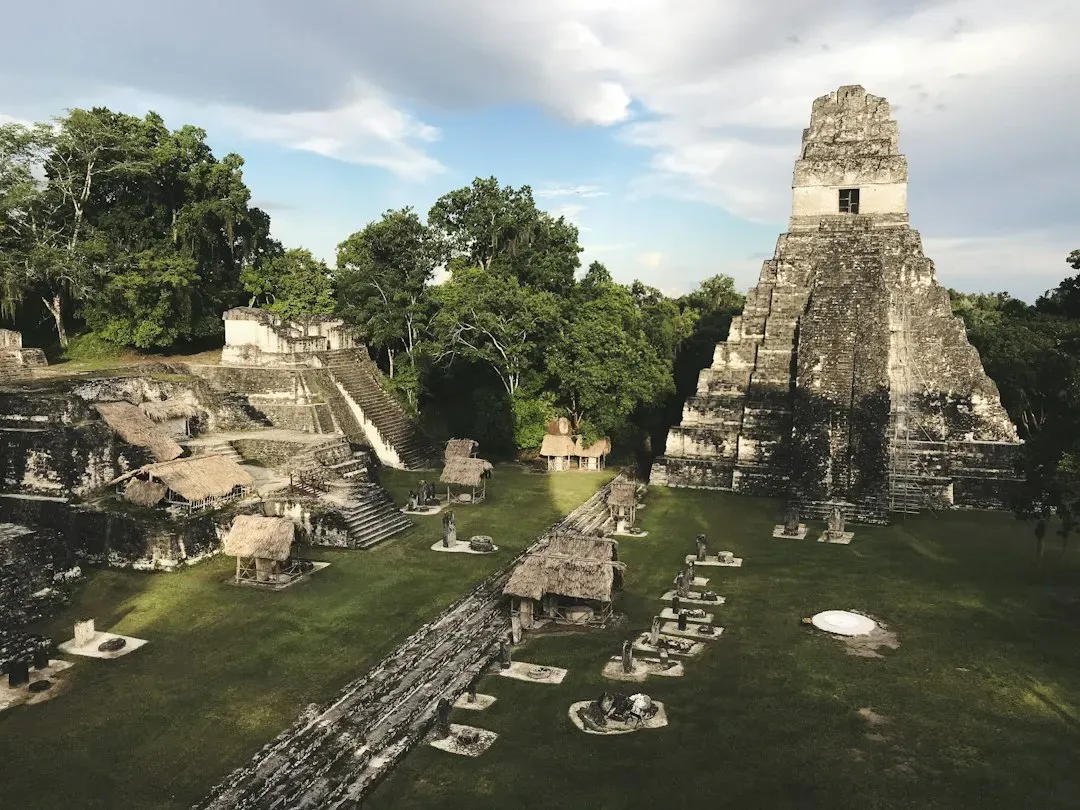
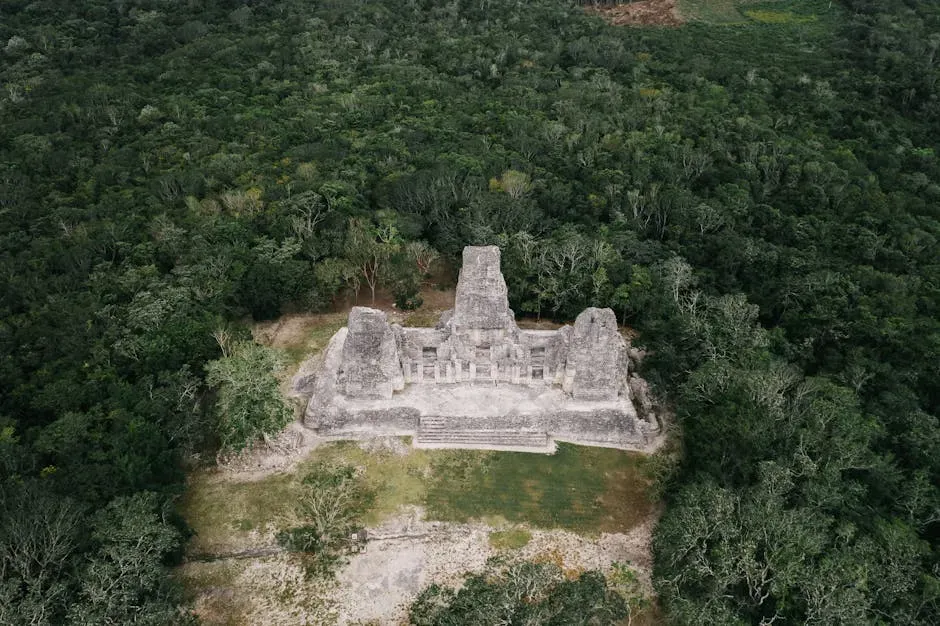
Tikal sits in the tropical lowlands of what is now Guatemala, in a region that can feel like the inside of a greenhouse turned up too high. Dense rainforest, intense humidity, seasonal extremes in rainfall, and thin tropical soils make this an environment many modern people would happily avoid, or at least visit only with bug spray, bottled water, and an air-conditioned bus. Instead, the ancient Maya built towering pyramids and a sprawling city there, turning jungle into an urban landscape of stone.
The extremity is not just the climate; it is the precarious balance of water and soil. The Maya of Tikal relied on carefully managed reservoirs, causeways, and agricultural systems to support a large population in a place that could swing between heavy downpours and threatening drought. From our perspective, it looks like building a metropolis inside a sauna, then juggling a complicated water budget on top. Yet those soaring temples rising above the canopy show that for centuries, they made it work, even as they walked a narrow line between abundance and ecological strain.
Conclusion: Extreme Places, Extreme Choices
Looking across these seven settlements, a pattern jumps out: what seems extreme to us was often calculated, even logical, to the people who built there. High mountains meant safety and sacred views, desert plateaus meant control and endurance, wave-lashed islands promised isolation, and tangled jungles offered resources and spiritual meaning alongside risk. Comfort was rarely the main priority. Survival, power, faith, and identity weighed more heavily than the fear of falling off a cliff or facing another season of brutal heat.
My own bias is that we have grown softer about where we are willing to live, while convincing ourselves we are more advanced. We lean on air conditioning, asphalt, and insurance policies to tame our environments, then label anything beyond that bubble as unthinkable. The truth is that ancient people accepted a level of daily danger and inconvenience that most of us would reject outright, and they turned those harsh settings into world-class feats of engineering and imagination. When you picture a monk on Skellig Michael or a family in a Mesa Verde alcove, it is hard not to wonder: is our definition of a “liveable” place actually narrow, or have we just forgotten how extreme human beings are capable of being?