
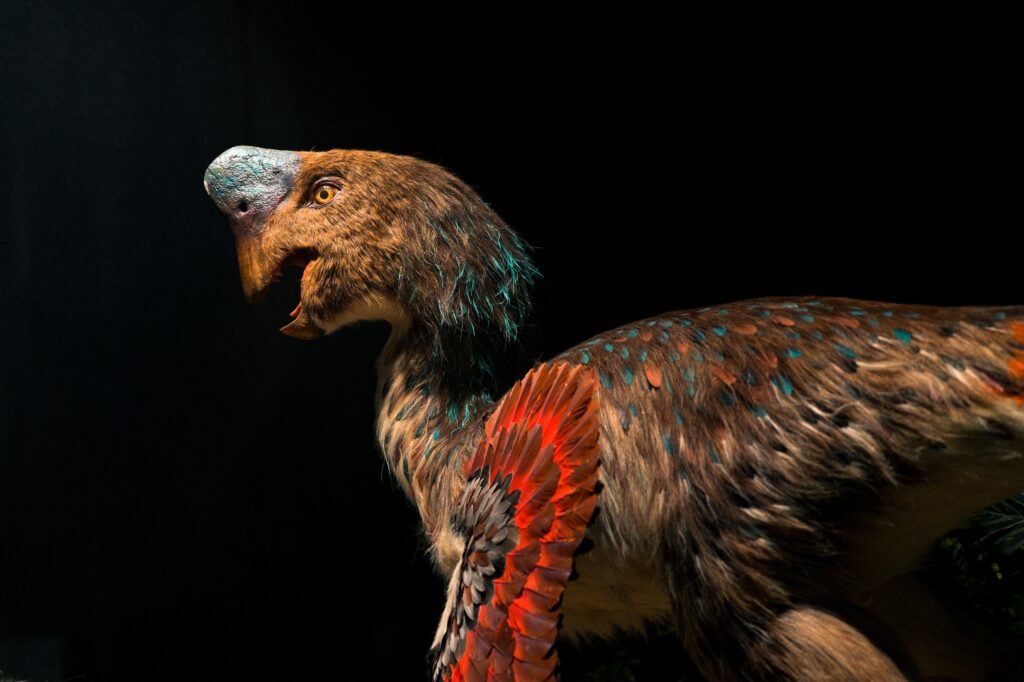
Most people still picture dinosaurs the way Hollywood taught them to: leathery skin, cold reptile eyes, scales like armor plating. For nearly a century, nobody in science seriously argued otherwise. Then one unglamorous fossil, pulled out of a Chinese quarry by a farmer, quietly detonated that entire image.
It wasn’t a giant. It wasn’t even famous before someone cracked open the rock. But it forced paleontologists to admit something that felt almost absurd at the time: real, meat-eating predators were covered in feathers. Here’s what actually happened, why half the scientific community refused to believe it at first, and why the fallout is still messing with movies and museums today.
#1 – The Year Everything Changed: 1996
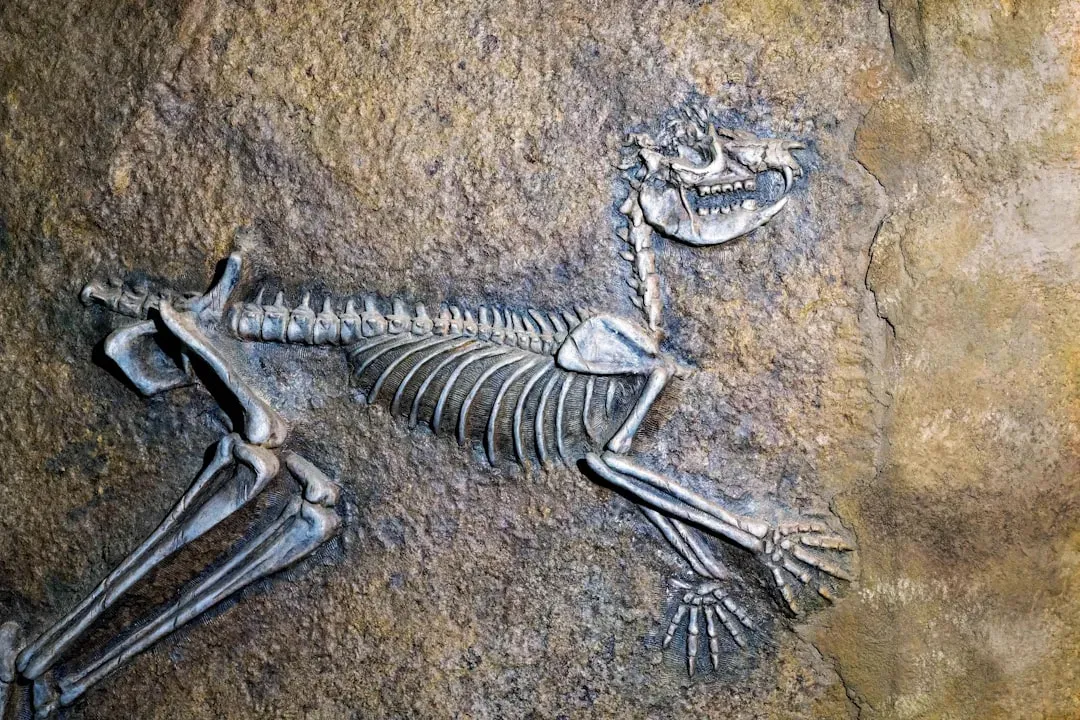
In 1996, a single fossil found near a small village in northeastern China quietly rewrote the rulebook on dinosaurs. A local fossil hunter named Li Yumin dug up the first remains and sold them to two Chinese science museums, never fully grasping what he’d just handed over to science.
The creature was named Sinosauropteryx, and its significance landed almost instantly. It became the first dinosaur outside the bird lineage ever found with direct evidence of feathers. One paleontologist later described the exact moment the news broke – at a packed Society of Vertebrate Paleontology meeting at the American Museum of Natural History, when a colleague from the Nanjing Institute of Geology and Palaeontology quietly delivered the news that changed everything. But that’s nothing compared to what we found about #2.
#2 – Meet Sinosauropteryx, the Fossil That Broke the Rules
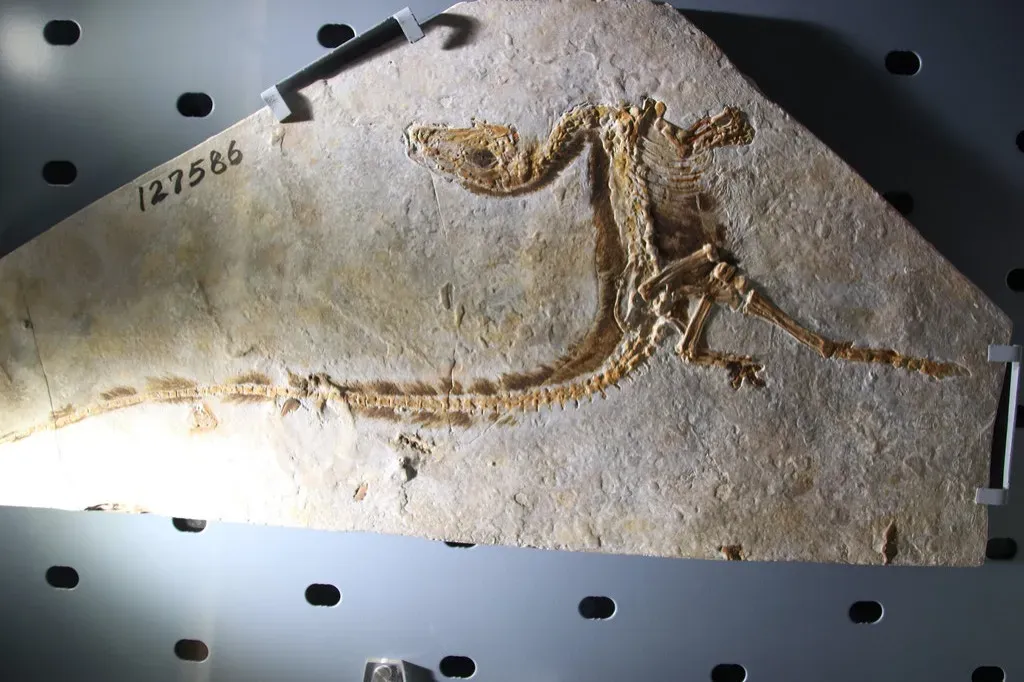
This wasn’t a gentle plant-eater grazing in the background of some prehistoric diorama. Sinosauropteryx was a genuine hunter, roughly the size of a greyhound, built to run down small prey on two powerful hind legs. And that’s exactly what made the discovery so hard to swallow.
Running from head to tail along its body was something no one had ever seen preserved on a non-bird dinosaur: short, downy filaments up to three centimeters long. This wasn’t decoration. Scientists believe the fuzz likely trapped body heat, while a long tail helped with balance as the animal chased lizards, insects, and small mammals. The most jarring detail? This feathered predator almost certainly couldn’t fly – the structures were far too short and simple for flight. But that’s nothing compared to what we found about #3.
Fast Facts
- Size: roughly the size of a greyhound, built for speed on two legs
- Feather length: downy filaments up to three centimeters long
- Diet: small lizards, insects, and mammals
- Flight: impossible – the filaments were too short and simple for flight
- Discovered: 1996, Liaoning Province, China
#3 – The Skeptics Who Refused to Believe It
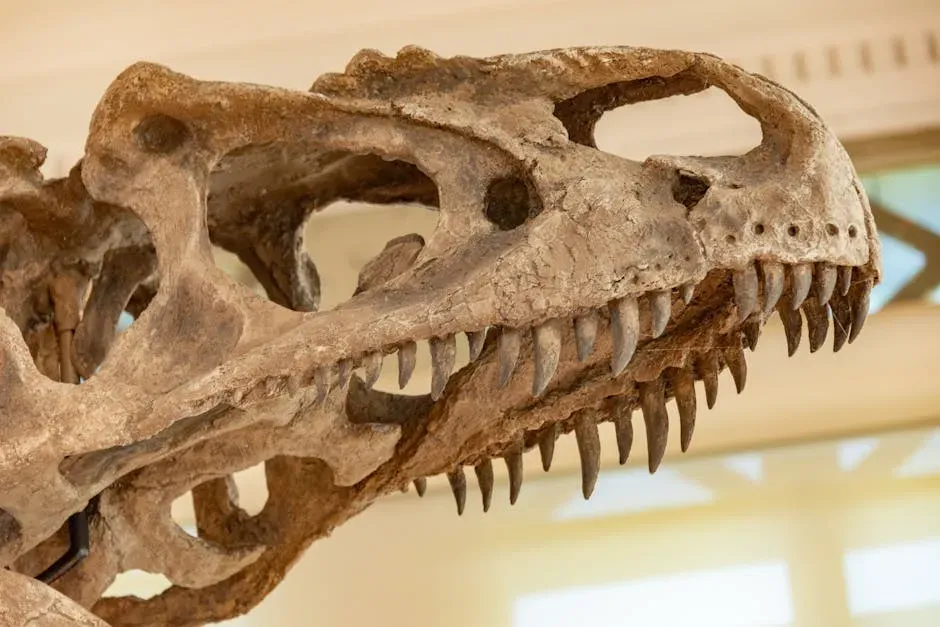
Not everyone celebrated. Some of the loudest voices in ornithology flatly rejected the idea that a meat-eating dinosaur could be wearing feathers, and the backlash started almost the moment the fossil reached Western scientists.
Paleontologist Alan Feduccia, without having examined the specimen himself, argued the structures were nothing more than stiffened frill fibers running along the animal’s back, and accused dinosaur researchers of wishful thinking. Even an official press conference failed to settle it – the assembled team agreed only that the structures weren’t modern feathers, and that more research was needed to figure out what they actually were. The scientific community stayed split for years. This was never the instant, unanimous celebration people assume it was. But that’s nothing compared to what we found about #4.
#4 – Collagen or Feathers? The Fight That Split Paleontology
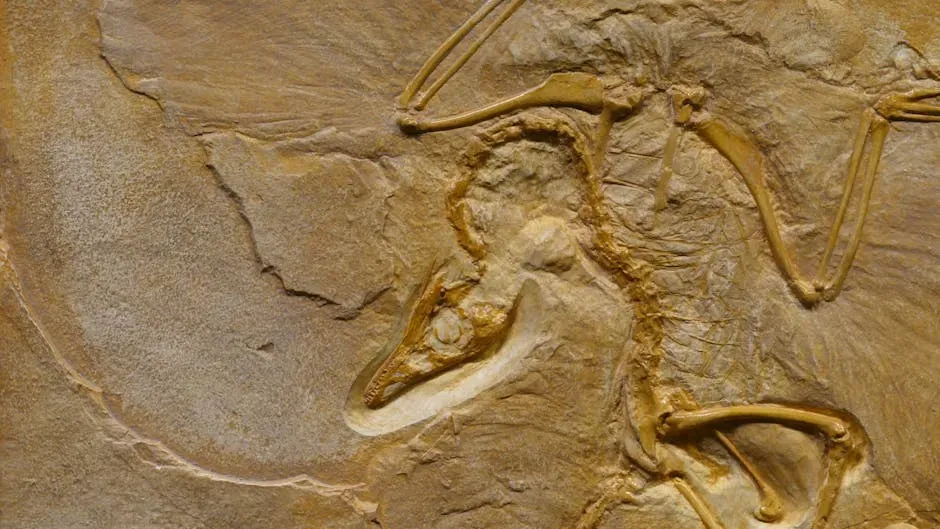
The disagreement was surprisingly simple, and surprisingly bitter. Was this fuzzy coating actually feathers, or just collagen fibers – the same tough protein that holds together muscle and tendon under the skin? Plenty of respected researchers leaned toward collagen, insisting the fossilized marks didn’t prove anything more exotic.
The debate dragged on for over a decade until microscopic biology finally settled it. When paleontologists identified melanosomes – pigment-carrying structures found only in feathers, never in collagen – tucked inside the fuzz of Sinosauropteryx, the case closed for good. One lead researcher, Michael Benton, put it bluntly to reporters, dismissing the lingering theory that the material was simply fossilized bacteria. But that’s nothing compared to what we found about #5.
#5 – Why China’s Liaoning Province Became Ground Zero
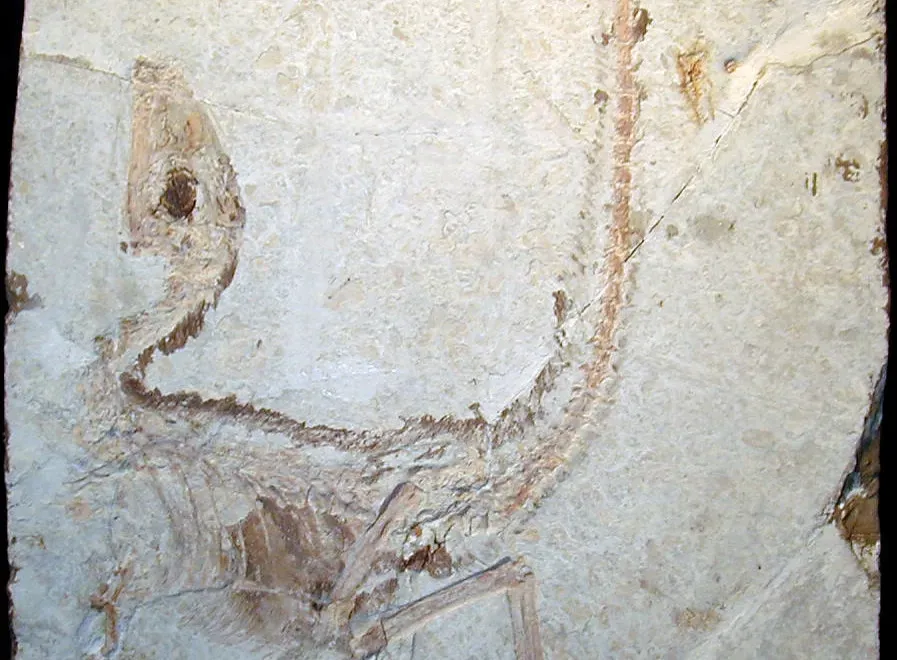
Almost every major feathered-dinosaur discovery since 1996 traces back to one region: Liaoning Province in northeastern China. That’s not a coincidence. It comes down to a geological accident so rare it barely happens anywhere else on Earth.
Sinosauropteryx emerged from the Early Cretaceous Yixian Formation, a fossil bed known for astonishing preservation. Fine volcanic ash repeatedly buried animals almost instantly, locking in soft tissue that normally rots away in days. Most fossil beds destroy skin, feathers, and stomach contents entirely – Liaoning did the opposite, freezing entire creatures mid-life. But that’s nothing compared to what we found about #6.
#6 – The Domino Effect: More Feathered Predators Emerge
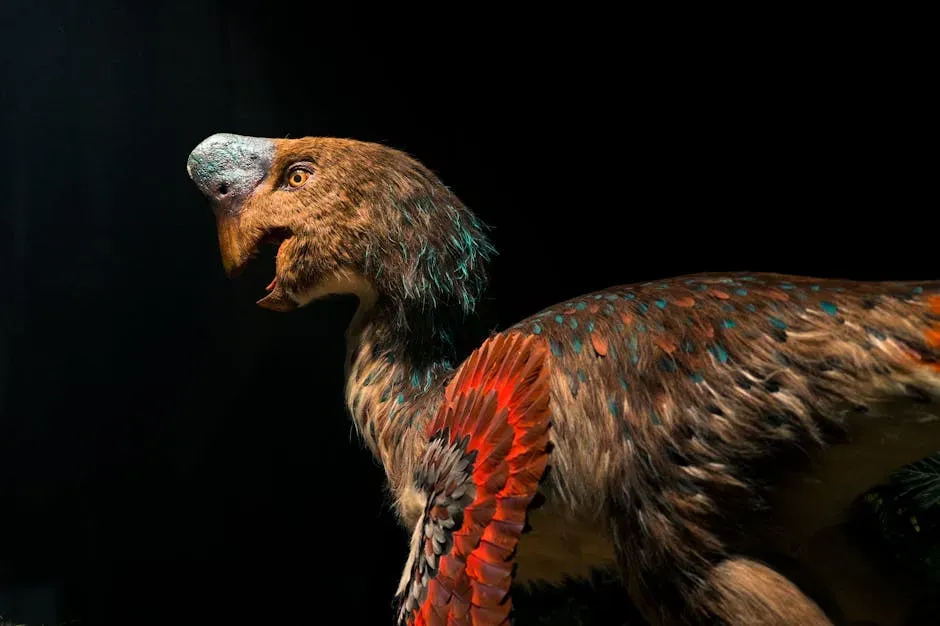
Once scientists knew where to dig, the floodgates opened. What began as one controversial fossil turned into an avalanche of confirming evidence within just a few years.
By some counts, scores of feathered dinosaur specimens surfaced in the 16 years following Sinosauropteryx’s discovery, and the pace stunned even veteran paleontologists who had spent careers assuming feathers belonged only to birds. Sinosauropteryx wasn’t hunting alone in that ancient forest, either – it shared its world with other feathered hunters like Microraptor and Sinornithosaurus, along with early birds and small mammals. But that’s nothing compared to what we found about #7.
Worth Knowing
- Feathered fossils came from the Yixian Formation, an Early Cretaceous fossil bed in Liaoning Province
- Fine volcanic ash preserved soft tissue that normally decays within days
- Dozens of feathered dinosaur specimens surfaced within 16 years of Sinosauropteryx’s discovery
- Sinosauropteryx shared its ecosystem with other feathered hunters like Microraptor and Sinornithosaurus
#7 – Beipiaosaurus and the Bigger-Bodied Surprise
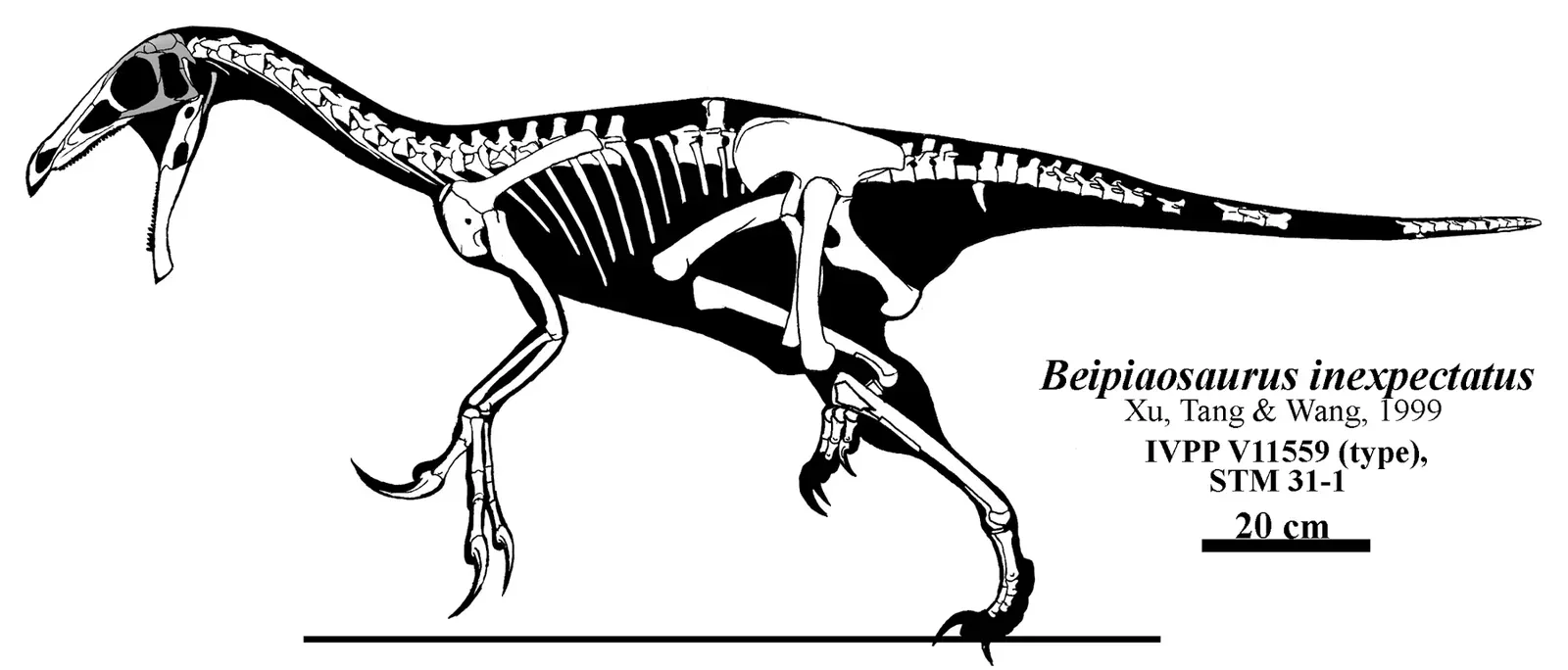
Skeptics had one last card to play: maybe feathers were just a small-dinosaur trick, limited to lightweight, bird-adjacent species. Beipiaosaurus, discovered the very same year as Sinosauropteryx but formally described in 1999, quietly demolished that theory.
This was not a tiny animal. Before the later discovery of Yutyrannus, Beipiaosaurus stood among the heaviest dinosaurs ever confirmed to carry feathers. Its preserved plumage did something no earlier fossil had managed – it revealed actual pigment, showing a brownish hue across the body. Feathers, it turned out, scaled up in body size far faster than anyone had predicted. But that’s nothing compared to what we found about #8.
#8 – Dilong and the First Hint of a Feathered Tyrant Family
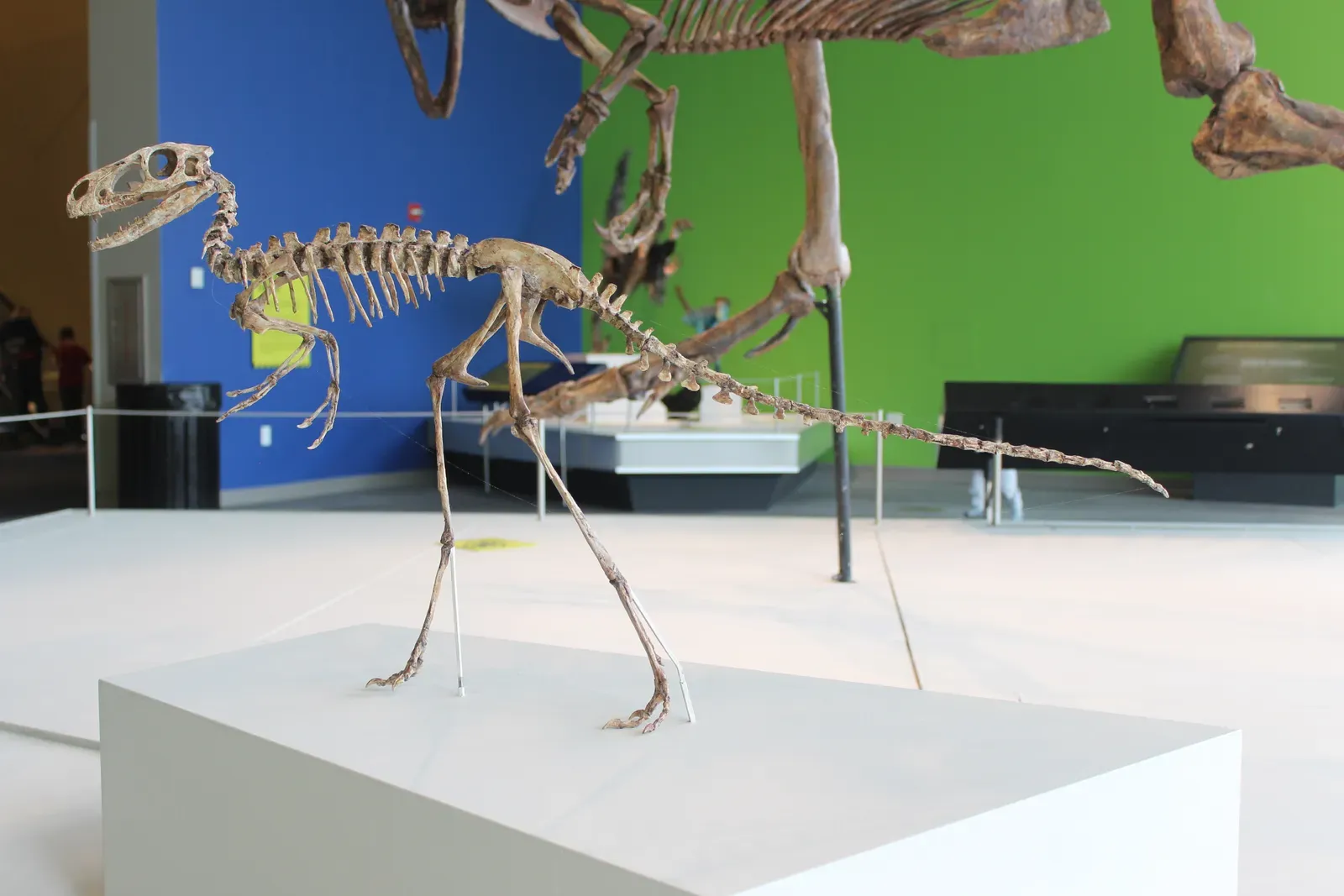
If feathers on a greyhound-sized hunter felt shocking, the idea of feathers anywhere near Tyrannosaurus rex’s family tree seemed almost laughable. Then, in 2004, Dilong paradoxus arrived and quietly cracked that assumption open.
This small coelurosaur, a distant relative of the tyrant lineage, was found wearing a coat of simple fuzz that reshaped how scientists viewed the entire group. Researcher Xu Xing and his team described it formally as a basal tyrannosauroid, presenting solid evidence for protofeathers deep inside the tyrannosaur family tree. It was the first real crack in the myth that tyrannosaurs were purely scaly killers. But that’s nothing compared to what we found about #9.
#9 – Yutyrannus: When a Feathered Tyrant Rewrote the Rules
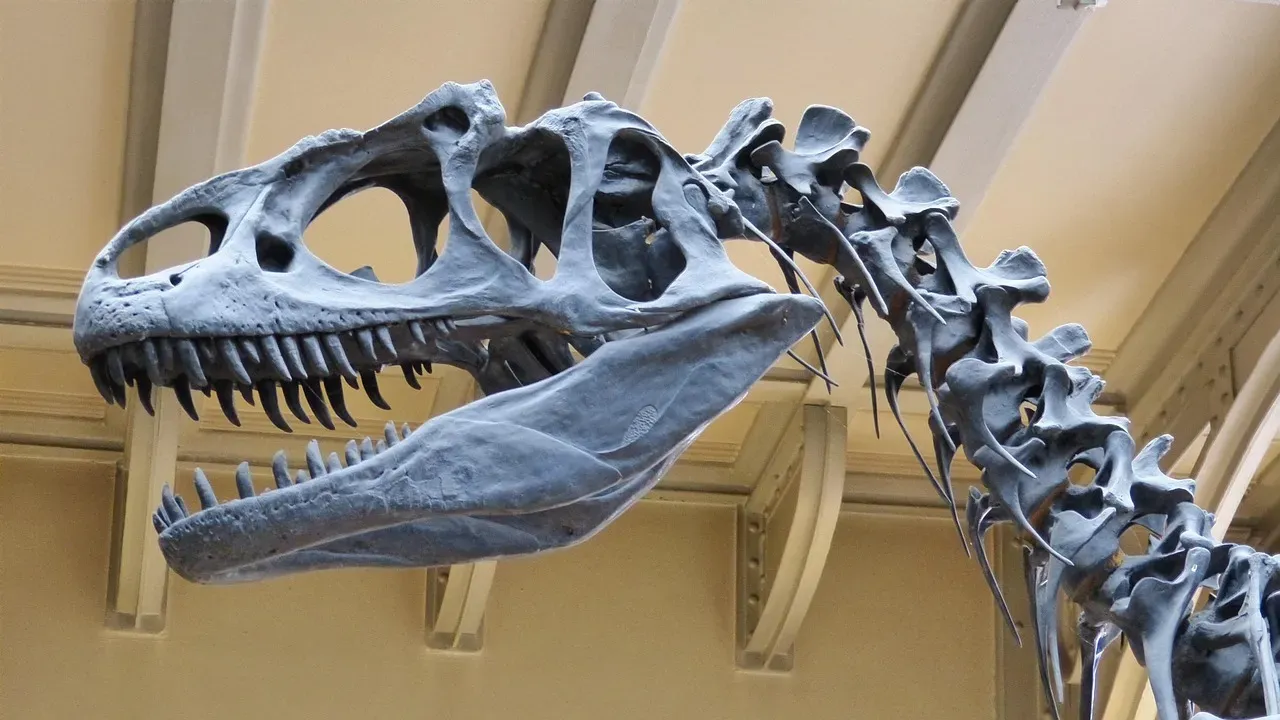
Then, in 2012, paleontology delivered its biggest gut-punch yet. A predator nearly as long as a school bus turned out to be covered in feathers from head to tail.
Named Yutyrannus huali by Xu Xing and his co-authors, the animal stretched roughly 30 feet as an adult and weighed an estimated 3,000 pounds. This wasn’t a lucky partial impression, either – three separate skeletons confirmed the fine, wispy dino-fuzz covering its body, making it the largest feathered creature ever documented. A three-thousand-pound apex predator, fluffy like an oversized chicken, should have ended the “dinosaurs are just lizards” myth on its own. But that’s nothing compared to what we found about #10.
At a Glance
- Name: Yutyrannus huali (“beautiful feathered tyrant”)
- Length: roughly 30 feet as an adult
- Weight: an estimated 3,000 pounds
- Evidence: three separate skeletons showing fine, wispy feather coverage
- Described: 2012, by Xu Xing and co-authors
#10 – Velociraptor’s Quill Knobs Seal the Deal
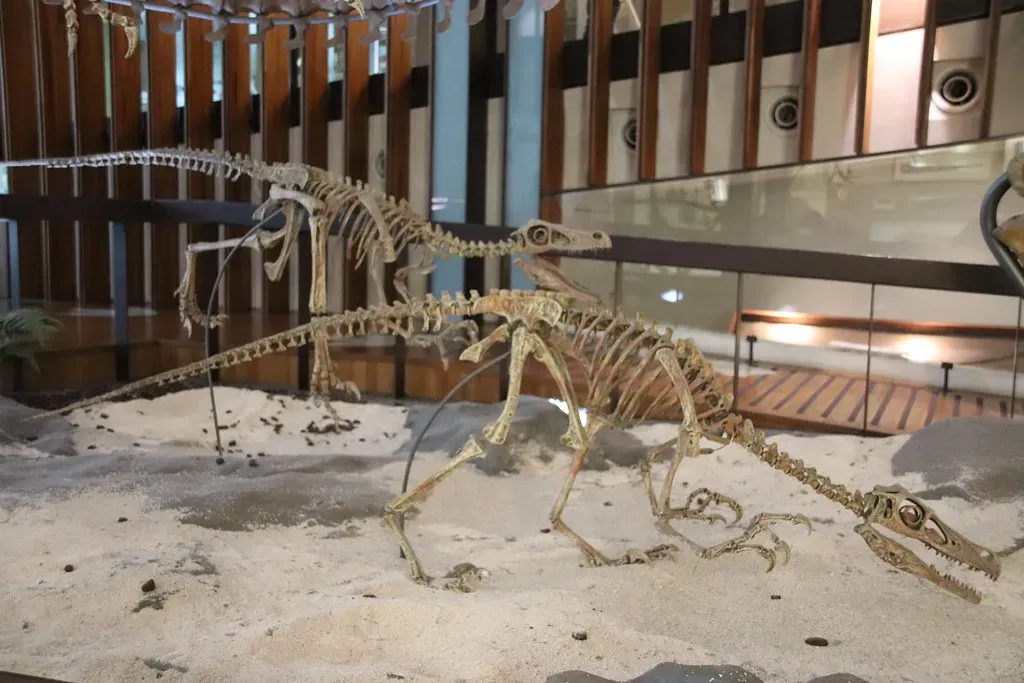
By 2007, the debate over whether the most famous movie-villain dinosaur of all had feathers was finally settled – not through skin impressions, but bone structure. Scientists found tiny bumps on a forearm bone that told the whole story on their own.
Researchers identified six quill knobs – the exact spots where feathers anchor to bone – on the forearm of a Velociraptor fossil unearthed in Mongolia back in 1998. Despite the discovery, Velociraptor never left the ground; its arms simply weren’t built for flight at that body size.
Finding quill knobs on Velociraptor means that it definitely had feathers. This is something we’d long suspected, but no one had been able to prove.
Alan Turner, paleontologist
But that’s nothing compared to what we found about #11.
#11 – The Color Revolution: Painting Dinosaurs in Real Hues
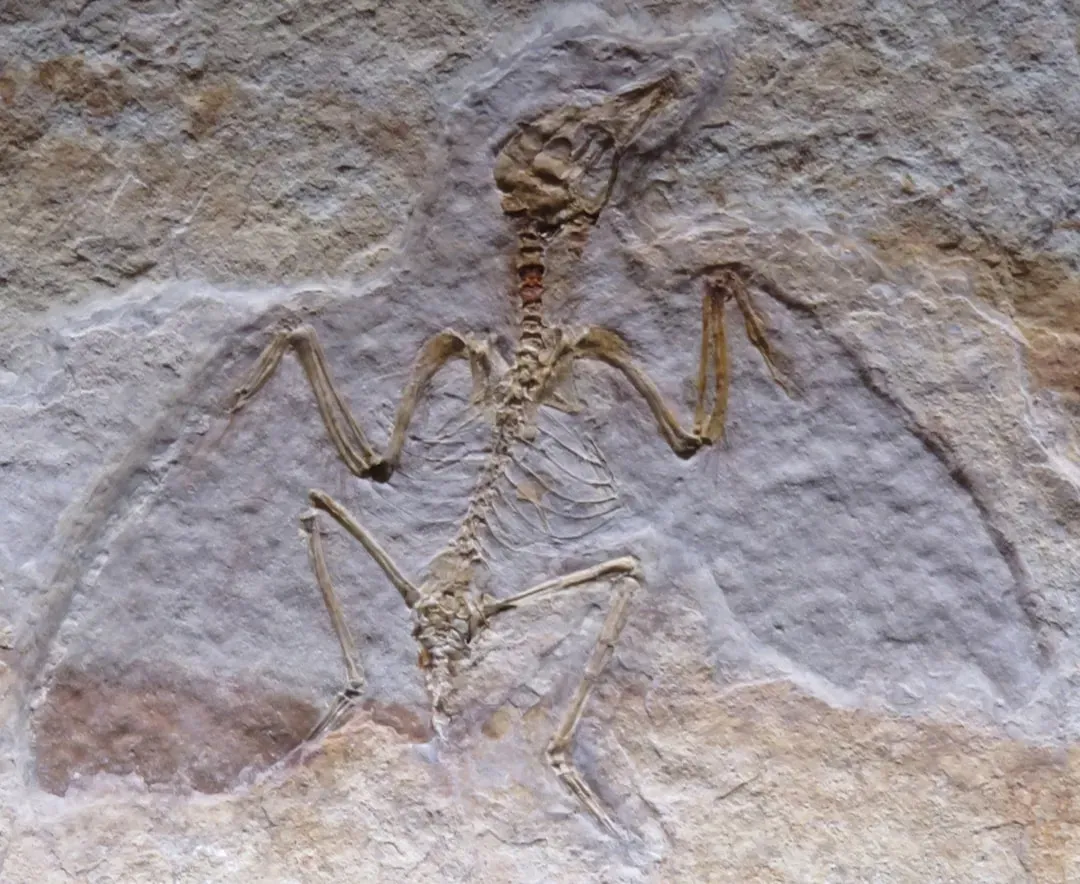
For over a century, every dinosaur color in every book and movie was pure guesswork – artists just picked whatever looked dramatic. Then, in 2010, scientists figured out how to reconstruct actual dinosaur coloring, and fittingly, it started with Sinosauropteryx again.
By studying melanosomes – microscopic structures in feathers that determine color and sheen – researchers found the fossilized tail feathers still carried faint russet-colored rings. Further analysis revealed a reddish-brown body with alternating dark and light tail bands, and likely a lighter underside, a classic countershading pattern seen in modern animals for camouflage. Most people don’t realize dinosaur “true colors” have only been scientifically known for about fifteen years. But that’s nothing compared to what we found about #12.
Quick Compare
- Skin impressions – direct fossilized filaments, first found on Sinosauropteryx in 1996
- Quill knobs – bone attachment points, confirmed on Velociraptor in 2007
- Melanosomes – microscopic pigment structures, used to reconstruct true dinosaur color starting in 2010
#12 – How This Rewrote Museums, Movies, and Public Imagination Forever
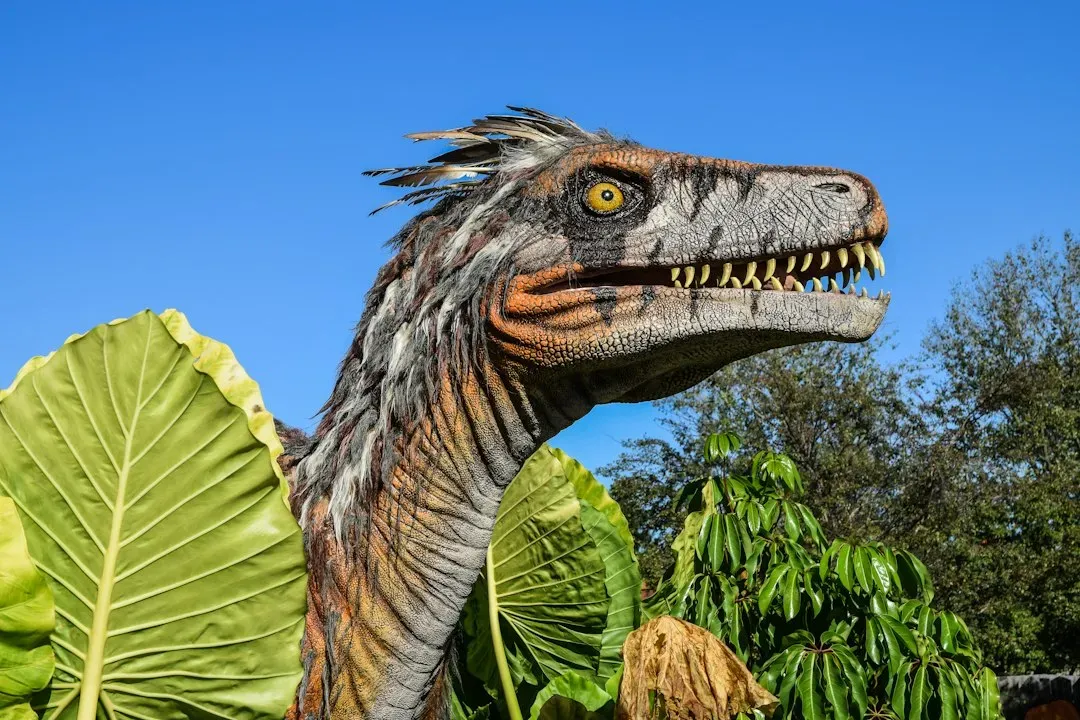
Here’s the uncomfortable part: almost every dinosaur predator you’ve seen in a mainstream blockbuster is scientifically outdated. The scaly, reptilian raptor image that still dominates pop culture is, frankly, a myth science abandoned decades ago.
The Sinosauropteryx discovery reshaped how dinosaurs get portrayed in serious museum exhibits, documentaries, and even some video games. Yet plenty of blockbuster franchises still cling to the scaly look purely for shock value and brand recognition, a choice many paleontologists now openly call scientifically dishonest. The biggest obstacle to public understanding was never a shortage of fossils – it’s Hollywood’s refusal to update the costume.
The Bottom Line
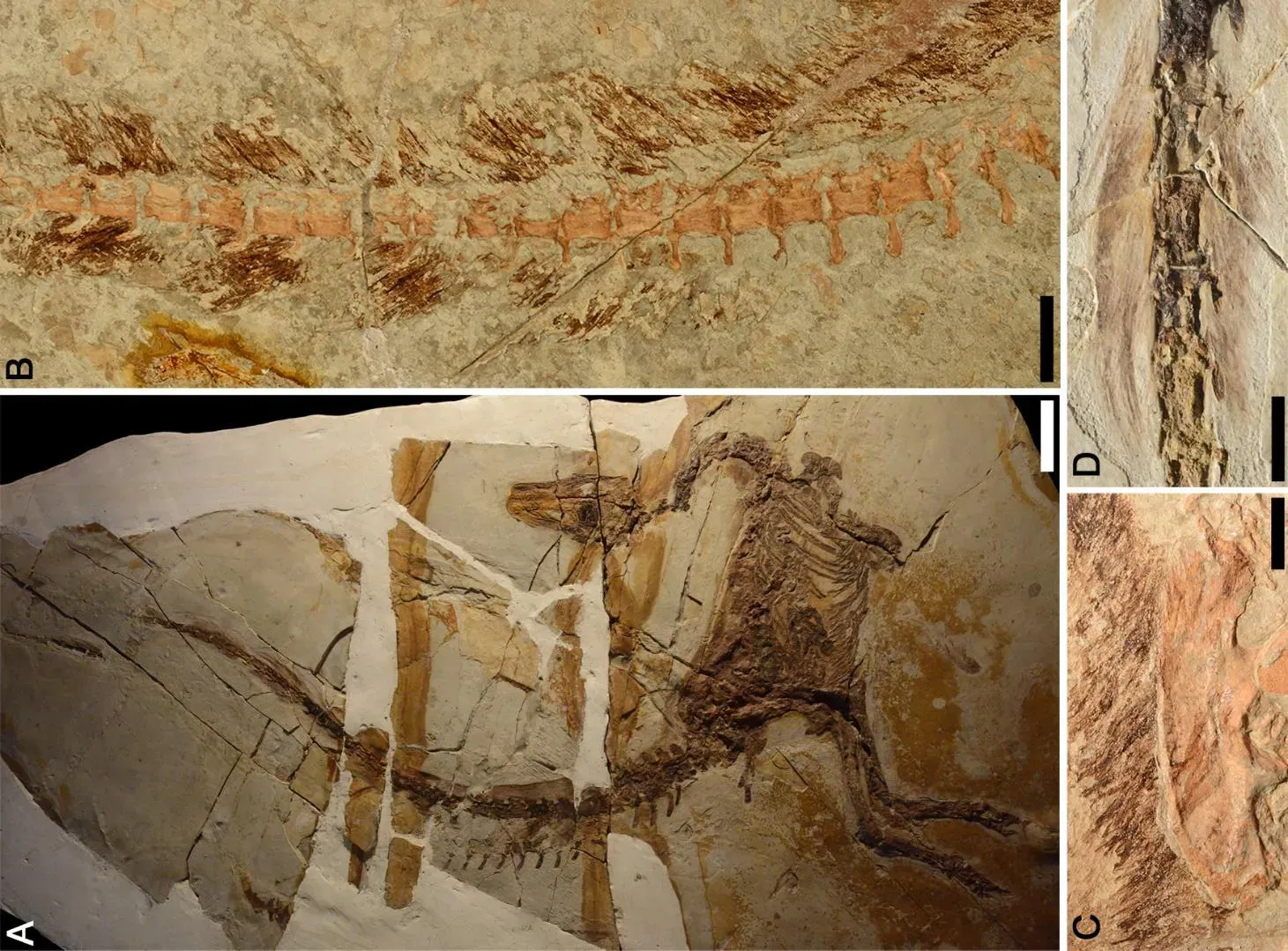
The single biggest shift in modern paleontology didn’t come from a T. rex skeleton or a summer blockbuster – it came from a small, feathered predator dug out of Chinese rock in 1996. Sinosauropteryx forced scientists to admit predators wore feathers, and that admission triggered a chain reaction: feathered tyrannosaurs, confirmed quill knobs on Velociraptor, even actual dinosaur colors pulled straight from fossilized pigment.
Here’s my honest take: the science moved fast, and pop culture just refused to keep up. Nearly three decades later, toy aisles and movie posters are still selling a scaly myth that researchers buried a long time ago. Dinosaurs were stranger, fluffier, and frankly more interesting than the monsters we grew up with – and it’s long past time the image caught up with the evidence.