
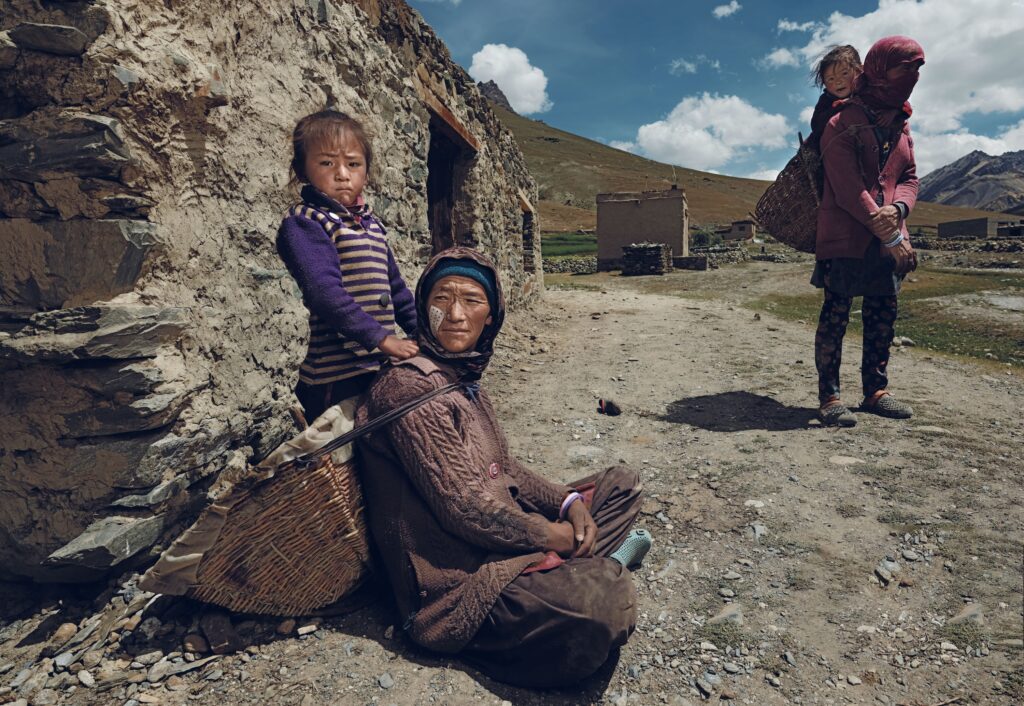
Imagine two people standing side by side on a mountain ridge, both breathing thin air at over four thousand meters, both perfectly fine, yet their bodies are using completely different biological tricks to survive. That is the story evolution has written in our DNA: the same challenge, solved in multiple ways. It is a bit like discovering that two phones with identical battery life are running totally different operating systems under the hood.
This idea – that – is not just a fun scientific twist. It reshapes how we think about human evolution, health, and even our future in extreme environments. Once you see how diverse our biological responses really are, it becomes hard not to ask what else our species might be quietly adapting to right now, hidden in our genes, waiting to be discovered.
Why High Altitude Is Such a Brutal Test for the Human Body
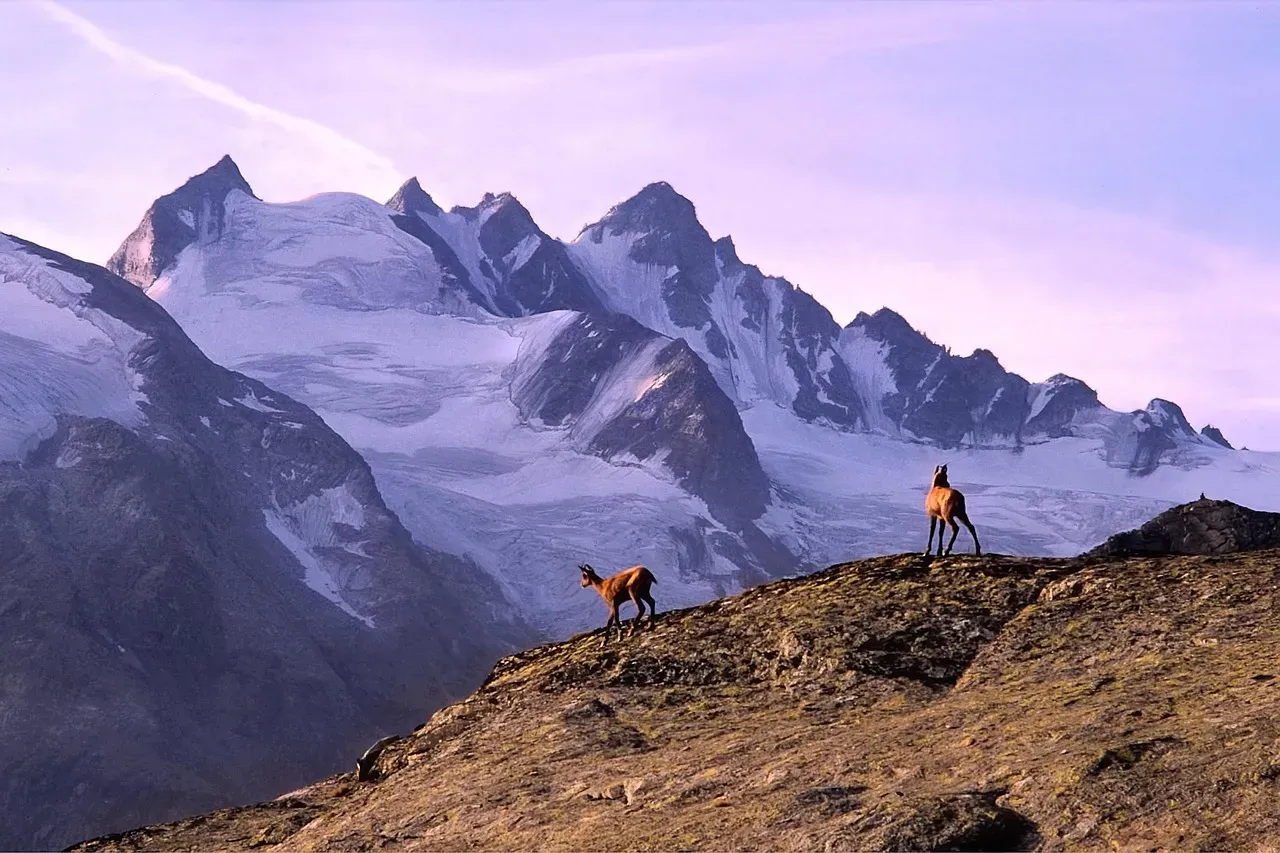
High mountains look peaceful from a distance, but biologically they are hostile territory. As you go up, the air pressure drops, which means every breath delivers less oxygen to your lungs, your blood, and finally your organs. At heights that many people visit for trekking or skiing, your heart races, your breathing quickens, and your body scrambles to keep your brain supplied with enough oxygen to function.
Stay up there long enough without the right adaptations and the consequences can be serious: headaches, nausea, fatigue, fluid build-up in the lungs or brain, and in severe cases, life‑threatening conditions. The body can make short‑term adjustments like increasing breathing rate and producing more red blood cells, but those fixes come with trade‑offs. Living your entire life in thin air is a completely different challenge from spending a week at a mountain resort, and that is where evolution steps in.
Convergent Evolution: Same Problem, Different Genetic Solutions
What is so striking about high‑altitude adaptation is that it shows convergent evolution in action. Different human groups in places like Tibet, the Andes, and the Ethiopian highlands all faced the same environmental stress: chronic low oxygen. Yet natural selection did not copy the same genetic answer three times; instead, it tuned different genes and pathways in each population.
That is a bit like three engineers asked to design a car that can handle icy roads: one focuses on special tires, another on advanced traction control, and the third on a radically different engine layout. The cars all grip the road, but the underlying technology is not identical. In humans, the shared outcome is better performance at altitude, but the DNA changes that got there follow distinct routes, showing that evolution is opportunistic, not tidy.
Tibetan Highlanders: Low Hemoglobin and a Paradoxical Advantage
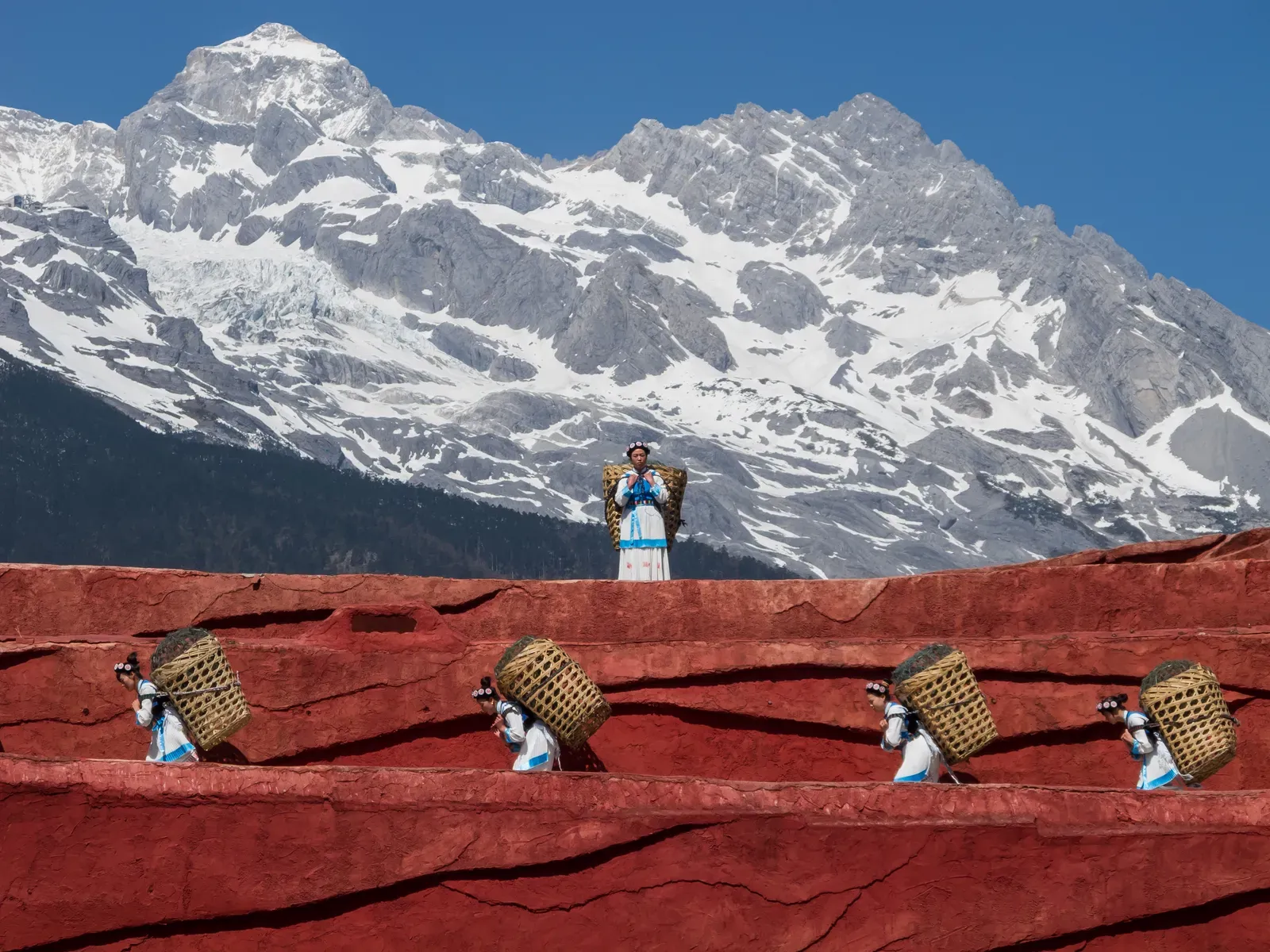
One of the best‑studied examples comes from Tibetan highlanders, who live at elevations where many visitors struggle just to walk uphill without gasping. Surprisingly, many Tibetans do not rely on pushing their hemoglobin levels sky‑high, even though that might seem like the obvious way to carry more oxygen in the blood. Instead, they often maintain moderate hemoglobin levels and still cope extraordinarily well with thin air.
Key genetic changes in Tibetans affect how the body senses and responds to low oxygen, especially through signaling pathways that regulate red blood cell production and blood vessel behavior. This strategy appears to avoid the risks of extra‑thick blood, such as clots and strain on the heart, while still delivering enough oxygen to tissues. It is an elegant example of evolution finding a balanced solution instead of simply turning the volume all the way up on one trait.
Andean Highlanders: High Hemoglobin and a Heavier Trade‑Off
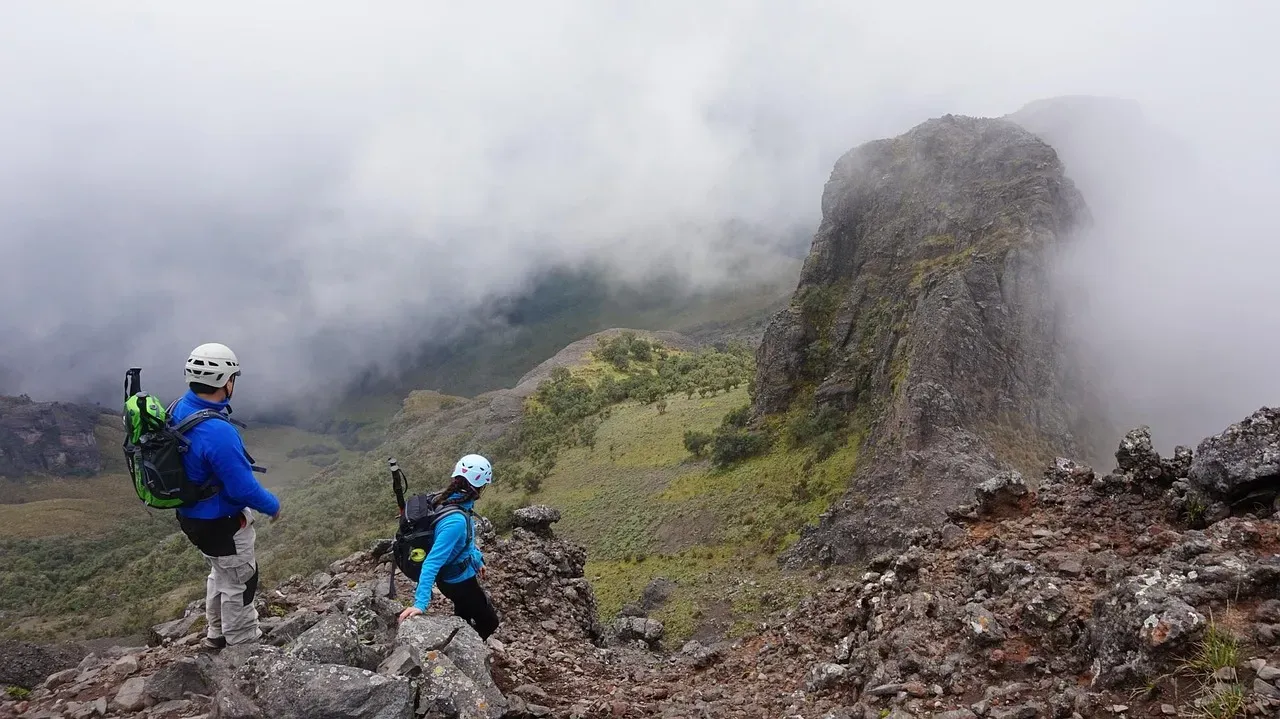
In contrast, many Andean highlanders follow a very different physiological path. They often have elevated hemoglobin levels, which increases the oxygen‑carrying capacity of their blood. At first glance this seems like the straightforward, almost brute‑force way to handle altitude: if there is less oxygen in each breath, pack more of it onto each unit of blood circulating through the body.
But that fix comes at a cost, because thicker blood can be harder to pump and may put additional stress on the heart and circulatory system. Some individuals in these regions can develop chronic high‑altitude conditions tied to this response. Evolution here seems to have tolerated a more trade‑off‑heavy solution, suggesting that the mix of local history, environment, and genetic background channeled Andean populations down a different adaptive road than their Tibetan counterparts.
Ethiopian Highlanders: Adapted Without the Usual Physiological Markers
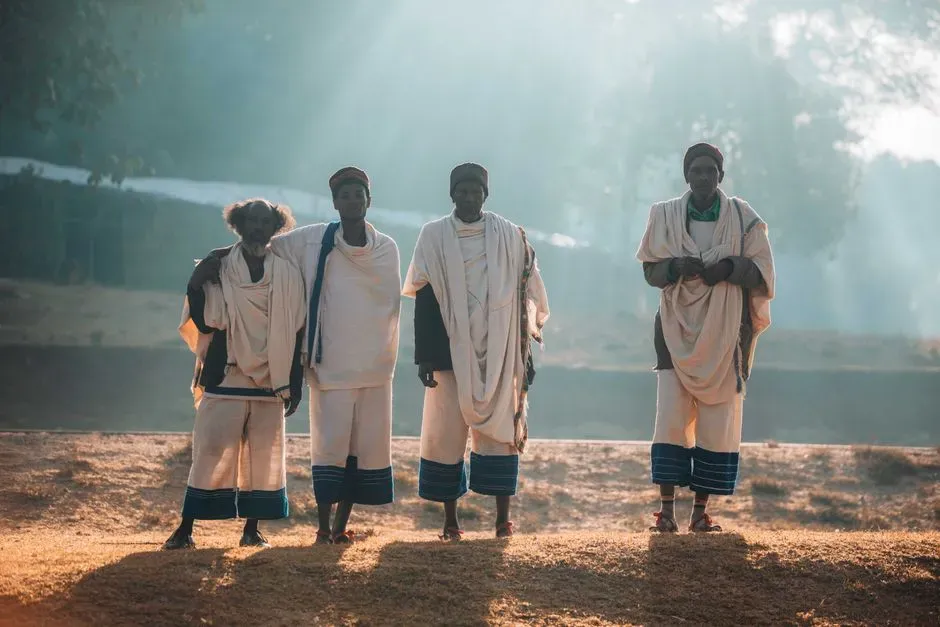
Ethiopian highlanders present yet another twist in the story. Many of them live at elevations comparable to those in Tibet or the Andes, but they often do not show dramatically high hemoglobin levels or the same patterns seen in other mountain populations. On standard medical tests, their blood can look surprisingly ordinary for people living so high above sea level.
Despite this, they function well in their low‑oxygen environment, which means their advantage is likely encoded in subtler genetic and physiological tweaks. Studies suggest that different genes and regulatory regions may be under selection in these populations, influencing how oxygen is used, how blood vessels behave, or how cells manage energy under stress. It is a reminder that adaptation does not always scream its presence in obvious lab measurements; sometimes it whispers through small shifts spread across many systems.
The Hypoxia Pathway: A Shared Theme with Local Variations

Across all these high‑altitude stories, one recurring theme is the hypoxia response pathway, the network of sensors and switches that tell our bodies when oxygen is scarce and how to adjust. This system affects how many red blood cells we make, how our blood vessels widen or narrow, and how different tissues prioritize fuel and oxygen use. Evolution repeatedly tinkled with components of this pathway in different populations, like a mechanic adjusting various parts of the same engine model in different garages.
However, the exact genetic variants and targets under selection are not identical everywhere. Some groups show strong signals around certain genes involved in oxygen sensing or blood production, while others point to different regions with more subtle regulatory roles. The pattern is like hearing the same melody played on different instruments: recognizable yet distinct, familiar but clearly shaped by local context and random genetic history.
What High-Altitude Adaptation Teaches Us About Health and Medicine
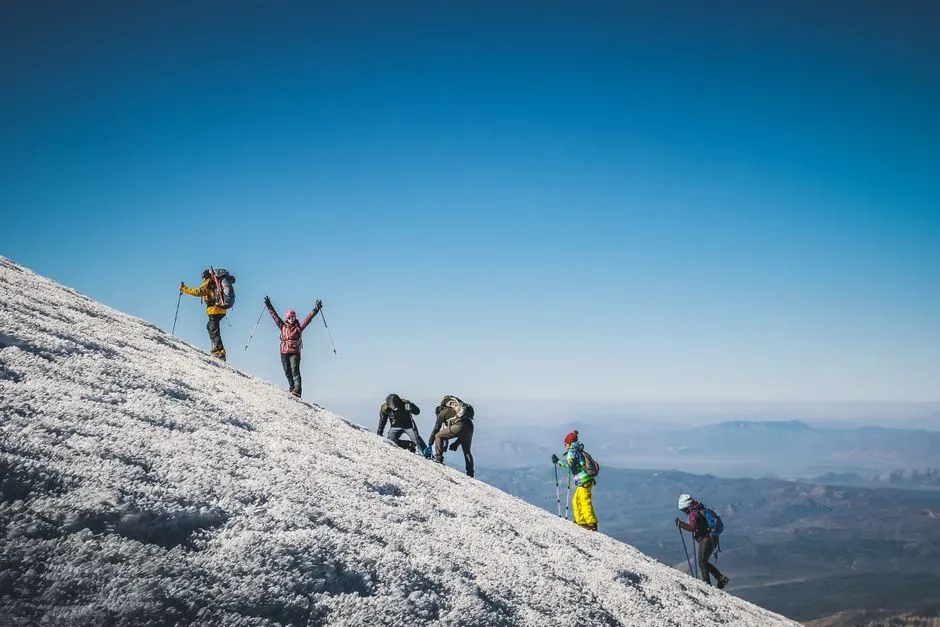
These natural experiments in high‑altitude living are not just evolutionary curiosities; they are practical clues for medicine. Understanding how some populations avoid issues like thickened blood, high lung pressure, or chronic mountain sickness could inform better treatments for conditions involving low oxygen, such as heart failure, lung disease, or complications in intensive care. The same biological switches that help Tibetans or Ethiopians cope with thin air might one day help patients survive critical illness at sea level.
There is also a humbling lesson here for what we consider “normal” physiology. Medical reference ranges are often based on lowland populations of limited ancestry, yet millions of people live and thrive under conditions those references would label as abnormal. Instead of forcing everyone into a single template, we should probably embrace the idea that there are multiple healthy ways for a human body to be tuned, especially when evolution had strong reasons to explore more than one solution.
Beyond the Mountains: A Glimpse into Our Future Adaptations
The story of high‑altitude adaptation hints at how humans might cope with new environmental pressures in the future. As climate shifts, cities grow more extreme, and some people even dream about off‑world living, our species will face fresh versions of the same basic problem: how to keep our cells alive when the surroundings are pushing them toward the edge. If evolution could find several genetic paths to handle thin air on Earth, it is not crazy to imagine it could craft equally diverse responses to other stressors.
Of course, evolution works on the timescale of many generations, not election cycles or tech product launches. But even just recognizing that humans are capable of such fine‑tuned, population‑specific adaptations challenges the idea that we are biologically static. We are not finished products; we are ongoing negotiations between our genomes and our environments, and the mountains merely make that visible in a dramatic way.
Conclusion: One Species, Many Solutions – And That Is a Good Thing
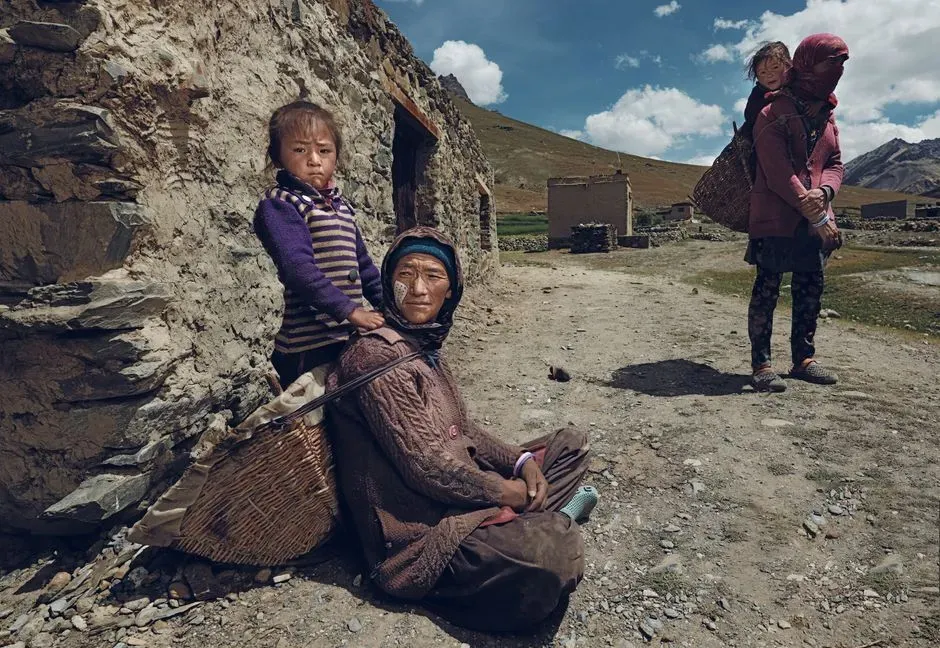
To me, the most powerful takeaway from all this is that there is no single “correct” way to be adapted to the same environment. Tibetan, Andean, and Ethiopian highlanders all solved the high‑altitude puzzle, but their solutions are not interchangeable. That diversity is not a flaw or a curiosity; it is the core strength of our species. When the world throws a hard problem at humans, our collective response is not one neat answer, but a messy, brilliant spread of possibilities.
In a time when there is a lot of pressure to define what is normal, standard, or ideal for human bodies, high‑altitude genetics quietly argues for the opposite: that variation is not just acceptable, it is essential. Evolution did not pick one route up the mountain; it carved several. Maybe the smarter question to ask, in science and in society, is not which path is best, but how many different paths can still get us safely to the summit. Did you expect the same thin air to inspire so many different ways to breathe?