
Look up at the sky for a minute. A dragonfly zips past like a tiny helicopter, a swallow arcs overhead in a tight curve, and maybe later a bat will sweep across the dusk like a silent shadow. All of them are flying, but under the hood, their bodies are doing that job in totally different ways. That is the wild part: evolution did not just stumble onto flight once. It cracked that code several times, from scratch, in completely separate animal lineages.
That idea sounds almost unbelievable at first. Flight is one of the most complex abilities in the animal world, involving physics, muscles, brain control, and body redesign all at once. Yet insects, pterosaurs, birds, and bats each solved it on their own, with no shared “flight ancestor” to copy from. If anything shows how powerful evolution and natural selection can be over deep time, it is the fact that the sky is full of these very different flying experiments – some successful, some long gone, all leaving clues in fossils and living bodies.
The Shocking Claim: Flight Was Invented Four Times
The bold claim behind this topic is simple but kind of mind-bending: true powered flight did not evolve once and spread. It emerged . These groups are separated by huge evolutionary distances. Insects are arthropods, pterosaurs and birds are reptiles in the broader sense, and bats are mammals. Their last common ancestors did not fly and did not even have the anatomical frameworks that later became wings.
What ties them together is not shared flight-specific genes or some ancient flying ancestor, but the logic of evolution by natural selection. Whenever certain environmental pressures repeat – like the need to escape predators, reach new habitats, or exploit airborne insects – similar solutions can evolve in parallel. Biologists call this convergent evolution: different lineages sculpted by similar selective forces end up with comparable functions, like flight, even though the structures and pathways look radically different once you zoom in.
Why Independent Origins Are Not Just a Cool Story
It is easy to hear “independent evolution of flight” and treat it like a fun science trivia fact. But it carries serious weight for how we think about evolution in general. If complex abilities like flight can evolve repeatedly, that suggests some traits are not one-in-a-billion flukes. Instead, they might be outcomes that become likely whenever certain ecological and anatomical preconditions line up over millions of years.
This matters way beyond birds and bats. It shapes how we talk about whether eyes, intelligence, social behavior, or even tool use might reappear on other branches of life, on Earth or elsewhere. Flight being “invented” four times tells us that evolution is not pure chaos. It has patterns, tendencies, and favorite tricks, even though it never follows a prewritten script or destiny.
Insects: The First Masters of the Air
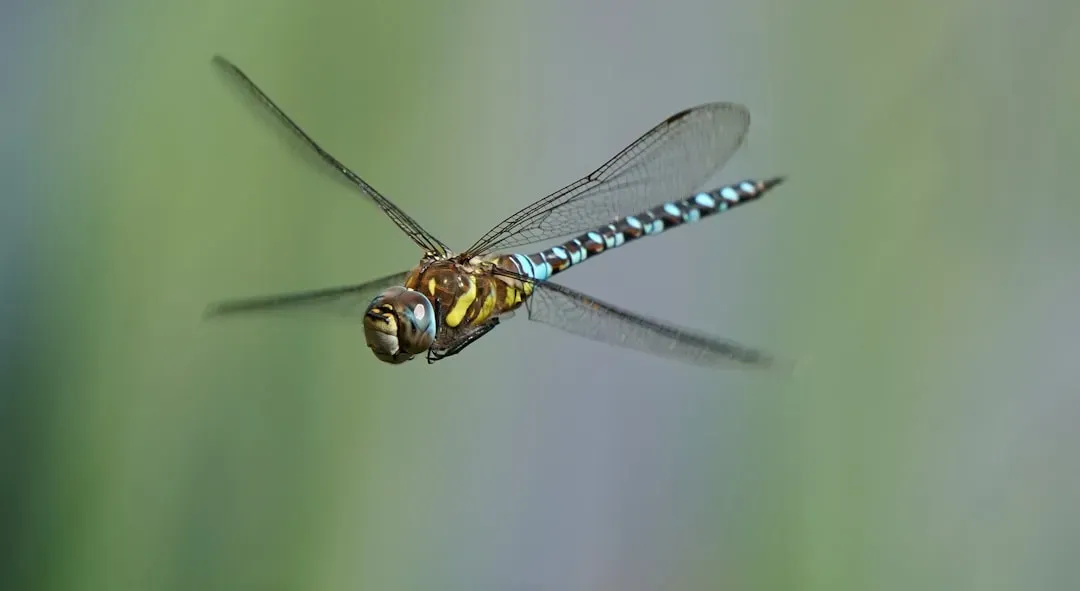
Insects were the original aviators. They took to the skies more than three hundred million years ago, long before dinosaurs, birds, or bats ever flapped a wing. Their wings are unlike those of any vertebrate: they are not modified legs or arms but extensions of the exoskeleton, likely evolving from hardened plates on the thorax that gradually became movable surfaces for gliding and then powered flight. Once insects cracked flight, they exploded in diversity, which is one reason they dominate most terrestrial ecosystems today.
If you watch a dragonfly hover, a fly do those impossible midair pivots, or a bee weave through flowers, you are seeing their unique flight machinery in action. Their tiny muscles beat the wings directly or indirectly, sometimes at insane speeds, and their nervous systems handle flight controls faster than your eyes can track. They did not borrow their basic design from birds; the logic is completely different, from wing origins to control mechanisms. Yet the end result – sustained flight – is strikingly similar in function.
Pterosaurs: The Forgotten Reptile Aviators
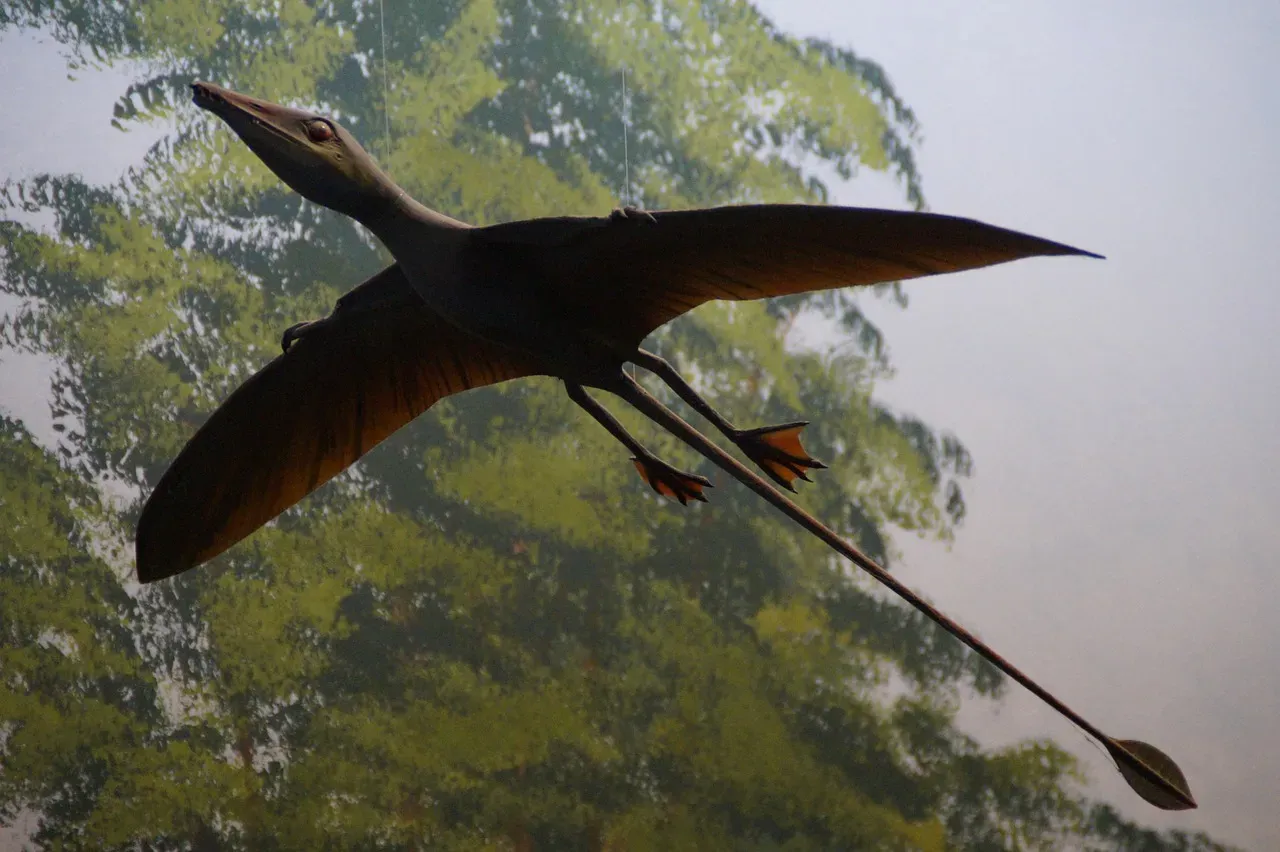
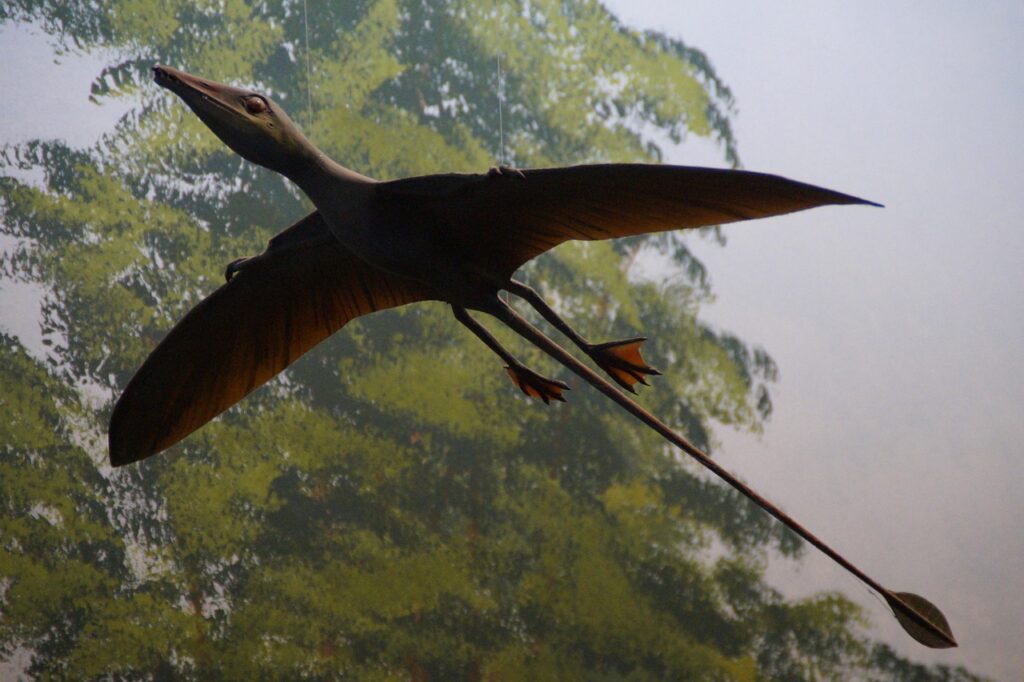
Pterosaurs were the first vertebrates to master powered flight, rising into the skies of the Mesozoic long before birds and bats. They were not dinosaurs, but close reptilian cousins, with a unique wing design built around a single massively elongated fourth finger. A thin, tough membrane of skin and muscle stretched from that finger across the body, creating a wing that could be surprisingly sophisticated, with internal fibers giving it shape and control.
They ranged from small, crow-sized forms to giants with wingspans rivaling small airplanes, yet all played with variations on the same basic formula: a membrane wing, a lightweight skeleton, and strong flight muscles anchored to a keeled breastbone. None of this machinery was inherited from insects, and it does not match birds or bats either. Pterosaurs carved out their own path to the skies, then vanished in the mass extinction at the end of the Cretaceous, leaving birds to dominate the airborne vertebrate niche.
Birds: Dinosaurs That Rewired Their Bodies for the Sky
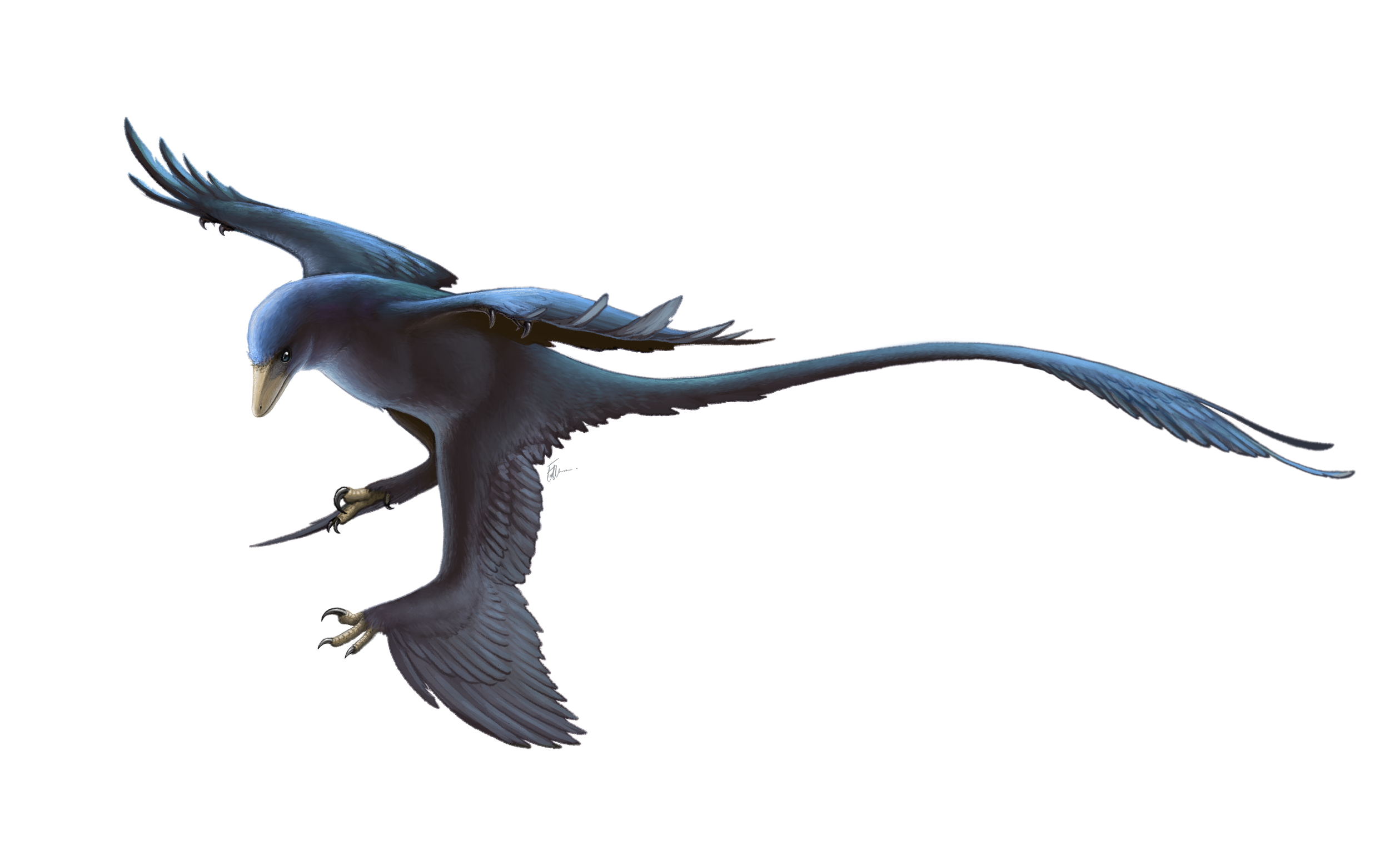
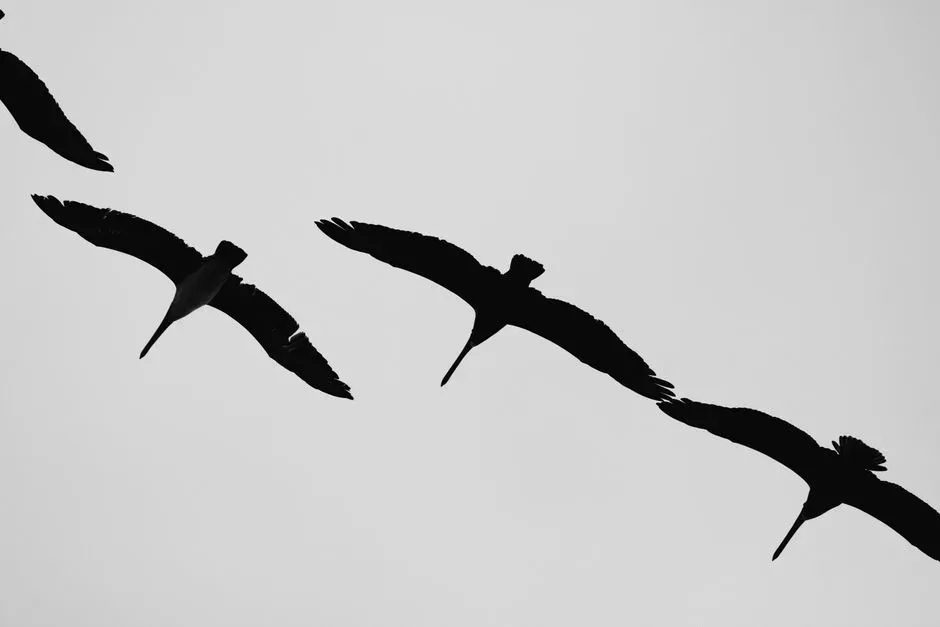
Birds are living dinosaurs, which is still a sentence that feels slightly surreal every time you say it. Their wings evolved from the front limbs of small, feathered theropod dinosaurs. Feathers likely began as insulation or display structures and only later were co-opted and refined for aerodynamics. Over time, the entire skeleton changed: the tail shortened and fused, the bones became hollow and air-filled, and the shoulder and breastbone reorganized to anchor massive flight muscles.
The bird wing is a masterpiece of evolutionary tinkering rather than any kind of clean-sheet design. The hand bones are reduced and fused, the feathers are asymmetrical to generate lift and reduce drag, and the body has been reshaped around flight, from beak to tail. What makes birds fascinating in this story is not just that they evolved flight, but that they did it by gradually reshaping a running, ground-based dinosaur into an animal that can soar, hover, or perform insane aerial acrobatics. Their solution is independently derived, but it echoes the same aerodynamic principles insects and pterosaurs discovered in their own ways.
Bats: Mammals That Turned Hands into Wings
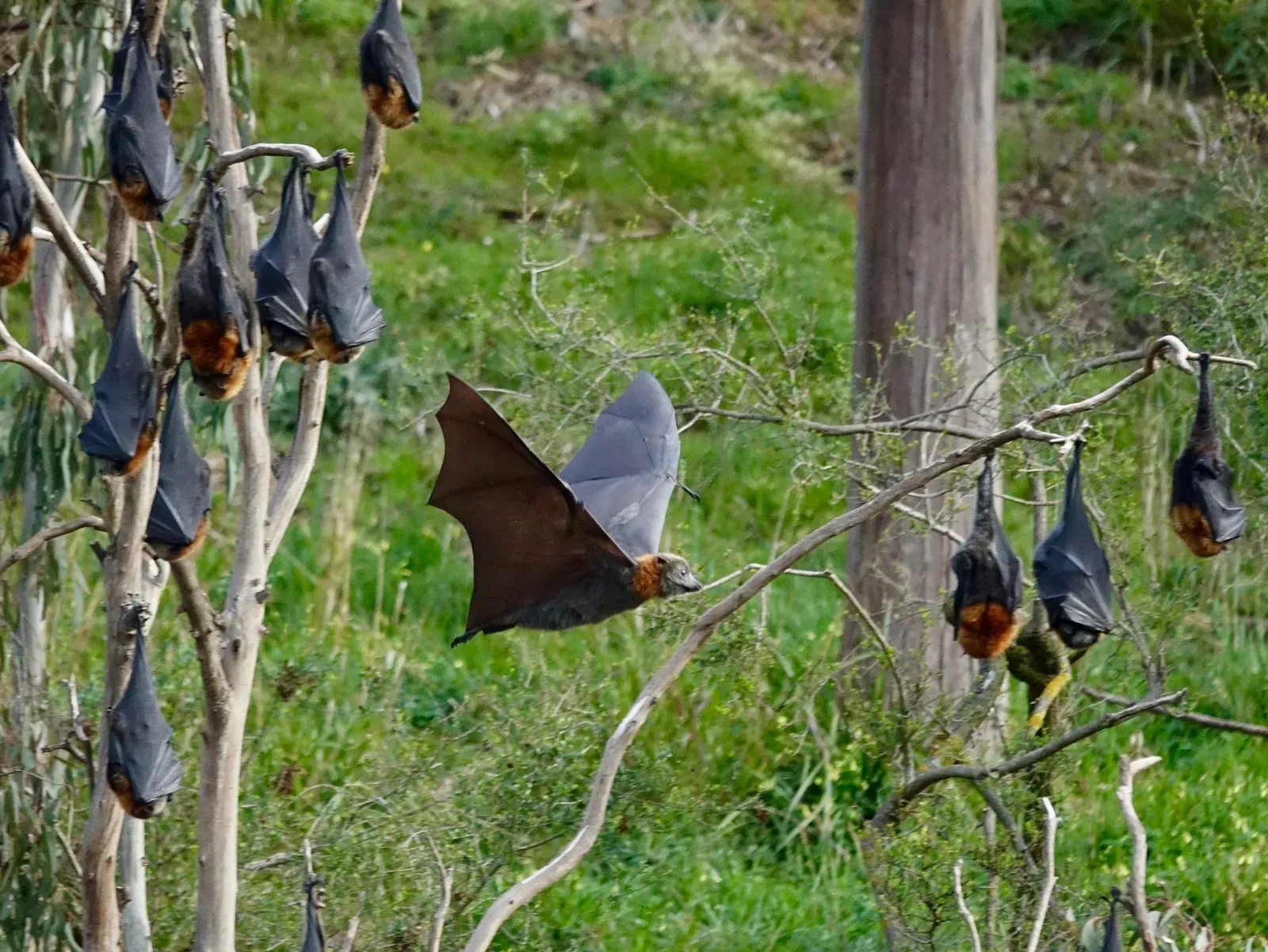
Bats did something no other mammals ever managed: they transformed their hands into full-blown wings. Their wing anatomy is like a surreal version of your own hand, with extremely elongated fingers supporting a thin skin membrane that stretches to the body and sometimes the legs. Bats appeared much later than the other flying lineages, but once they took off – literally – they diversified into hundreds of species, from nectar feeders to insect hunters and even fruit specialists.
Unlike birds, bats did not grow feathers or piston-like wings; their flight is more like a flexible, constantly morphing kite driven by a network of tiny muscles. Their fingers individually shape the wing surface, giving them a remarkable degree of control and maneuverability, especially at low speeds and in cluttered environments like forests or caves. Again, none of this traces back to birds or pterosaurs; it is a separate mammalian attempt at mastering the air, constrained by a very different starting body plan.
Why Convergent Evolution Points to Deep Patterns
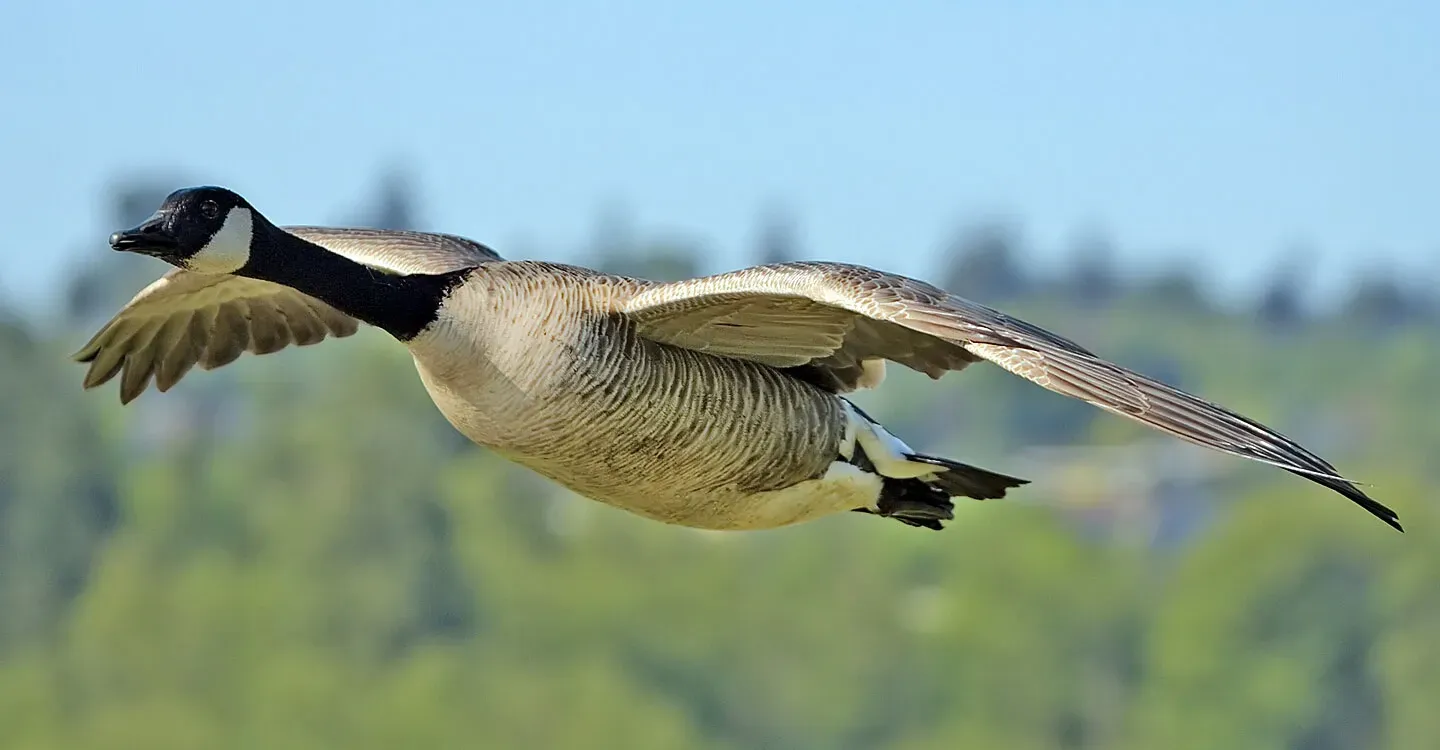
When four unrelated lineages evolve powered flight independently, it starts to look less like a coincidence and more like a pattern. Natural selection tends to favor certain solutions because the physics of the world are not negotiable. Lift requires specific interactions between moving surfaces and air; stability and control demand some combination of tail-like structures, movable surfaces, or rapid feedback. The details differ, but the big picture keeps rhyming across insects, pterosaurs, birds, and bats.
In practice, that means each group stumbled its way through evolutionary time, experimenting with gliding, leaping, or aerodynamic surfaces until a workable configuration emerged. There is no cosmic law that says “every planet must have flying animals,” but once you have complex life, air, gravity, and structural materials like chitin or bone, flight becomes an enticing possibility that evolution may eventually explore. The repeated rise of flight on Earth hints that some evolutionary routes might be more common than we used to think, especially for highly mobile, energy-intensive lifestyles.
From Gliders to Fliers: The Debate over Flight Pathways
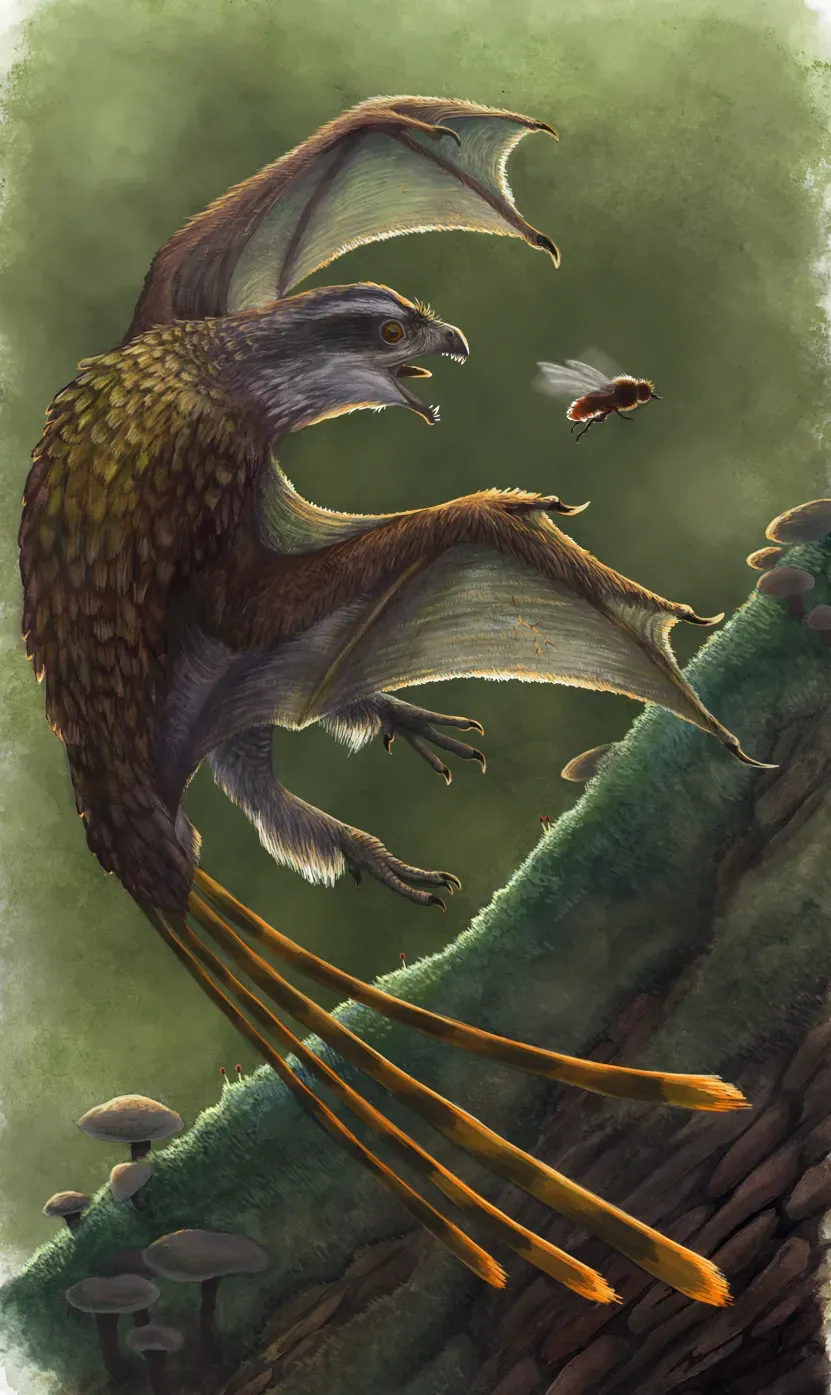
One big debate in the evolution of flight is how it actually started in each lineage. Did animals begin as tree-dwellers that glided down and then powered up their wings, or as ground-running creatures that leaped and flapped to gain lift? Evidence suggests there was no single universal pathway. Some feathered dinosaurs show traits consistent with tree climbing and possible gliding, while others look more like sprinting predators that used flapping for stability or short bursts of lift before true flight fully evolved.
In insects, early wing-like structures may have helped stabilize bodies during jumps, control glides, or regulate temperature before they were co-opted for powered flight. Bats may have had gliding or climbing ancestors that gradually expanded and strengthened skin membranes between limbs. These mixed pathways remind us that evolution does not suddenly “decide” to build a plane; it gets there through a series of small advantages that only later add up to full-blown flight. That messy, stepwise process makes the multiple origins of flight even more impressive, because each lineage had to solve a slightly different set of problems from a different starting point.
What Multiple Origins of Flight Tell Us About Life’s Possibilities
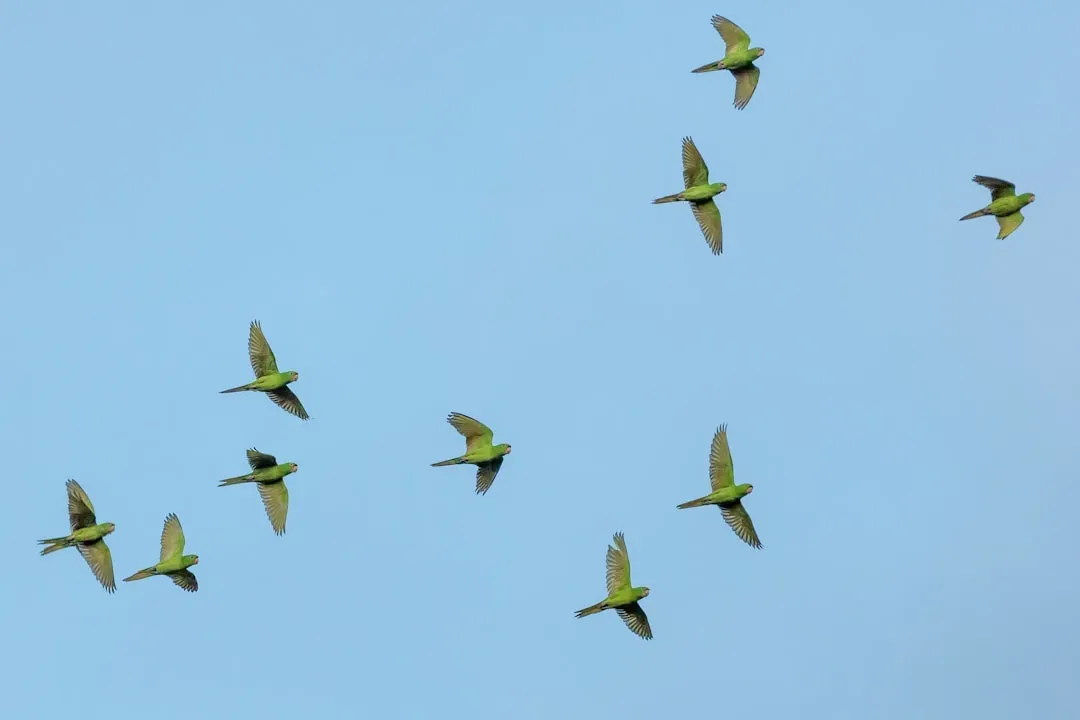
Stepping back, four independent origins of flight say something hopeful and a little humbling about life’s creativity. It suggests that complex, high-performance traits can reappear in different guises as long as the right ecological opportunities and anatomical building blocks are around. The sky was not reserved for one lucky winner; it was open to whoever could gradually puzzle out a way to ride the air more efficiently than everyone else.
Personally, I find this comforting in a strange way. It hints that if you reset the clock of life and let evolution run again, you might still get things that soar, glide, and hover, even if the specific creatures look wildly different. The fact that insects, pterosaurs, birds, and bats each became pilots in their own style feels like a reminder that nature does not run out of ideas. It keeps remixing old parts into new possibilities, especially when there is a whole empty dimension – the air – waiting to be claimed.
Conclusion: Flight Is Not a Miracle, It Is a Repeatable Triumph
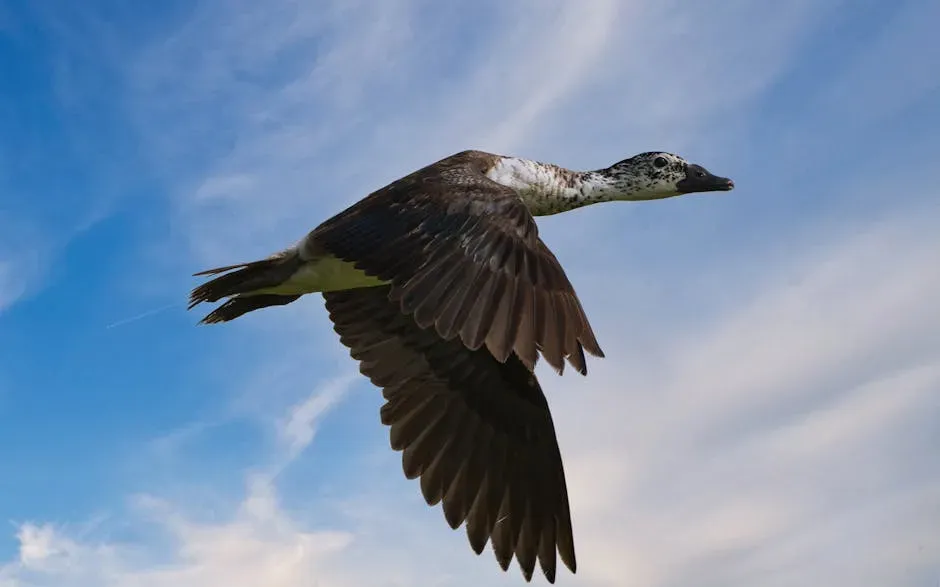
When you put all the pieces together, the story is not that flight is some impossible miracle that happened once and never again. The story is that, under the right pressures and with the right raw materials, evolution can climb the mountain of flight repeatedly, taking different routes every time. Insects did it with exoskeleton plates and tiny, ultra-fast muscles; pterosaurs did it with a single stretched finger and skin membranes; birds did it with feathers and reworked dinosaur arms; bats did it with mammalian hands turned into living parachutes.
My opinion is that this makes flight both less mystical and more awe-inspiring. It is not a one-off cosmic lottery win; it is a hard but achievable summit that life can reach from multiple directions given enough time and enough tiny steps. That does not cheapen the wonder of a swallow’s dive or a bat’s night hunt – it deepens it, because you are watching a triumph that evolution has pulled off over and over again. Next time something flies past you, it is worth asking yourself: which of nature’s four flight experiments am I looking at, and what does that say about what life might still become?