

Science has a dark little secret almost no one talks about: sometimes the person who first has the big idea never lives to see the world agree that they were right. Discoveries get mocked, buried, or just quietly ignored for decades. Then, long after the original researcher is in the ground, the same idea suddenly becomes “obvious,” “revolutionary,” or even worthy of a Nobel Prize.
There’s something haunting and strangely inspiring about that. It reminds us that truth does not care about timing, reputation, or whether the crowd approves. It also exposes how slow, political, and deeply human science can be.
Below are 13 powerful examples where the real verdict only arrived after the original mind behind the work was gone. Some were vindicated with prizes and fame; others just had their names quietly written back into the story. All of them show how discovery is rarely a straight, clean road.
#1 Gregor Mendel and the “Lost” Laws of Heredity
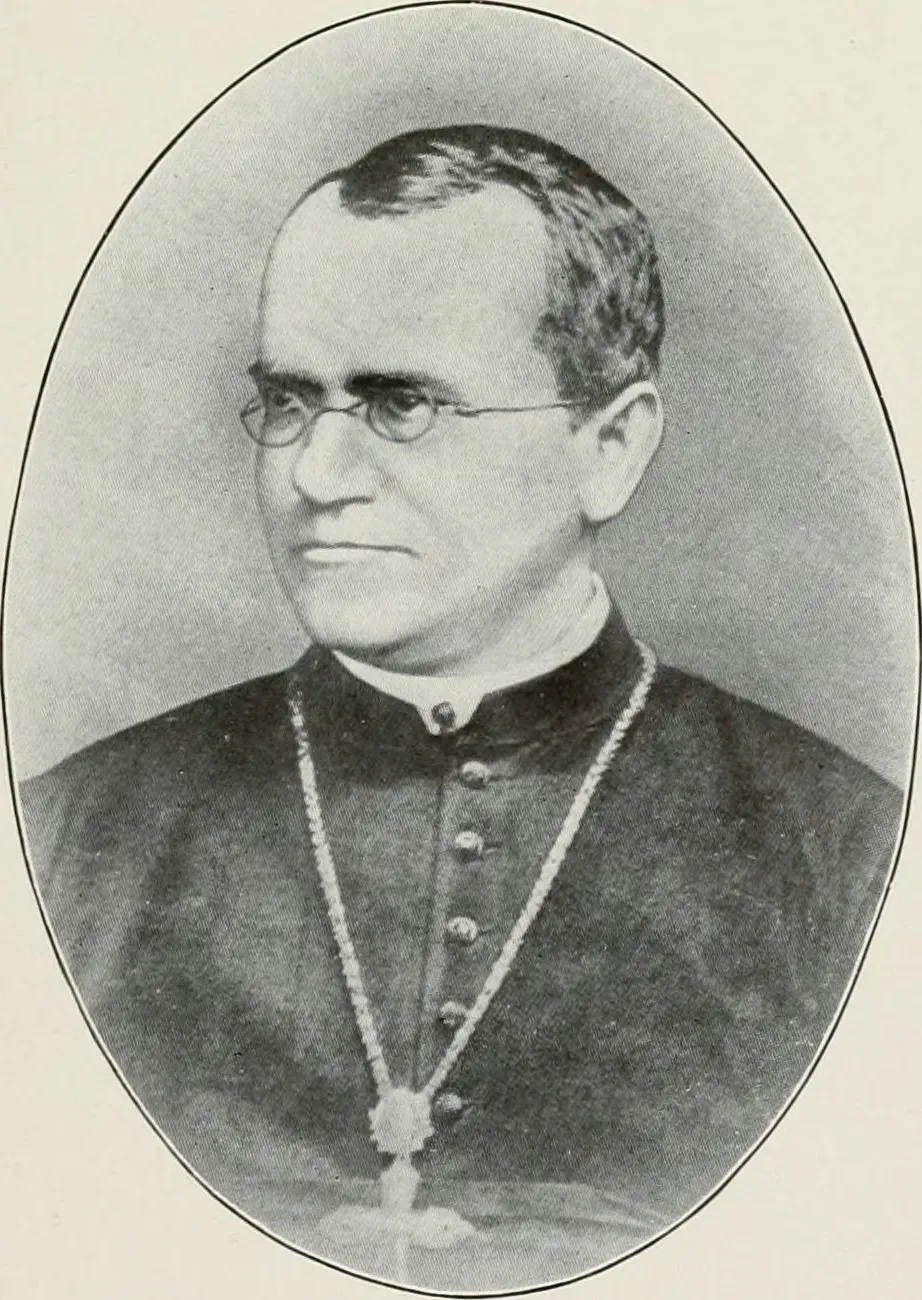
Imagine spending years cross‑breeding thousands of pea plants, carefully tracking every trait, and realizing you’ve just cracked the basic rules of inheritance – only for virtually no one to care. That was Gregor Mendel, an Augustinian monk in what is now the Czech Republic, who in the 1860s discovered the laws that would later form the foundation of genetics.
Mendel published his results in a small local journal, but the scientific establishment barely blinked. Darwin was alive at the time, searching for a mechanism of heredity, but Mendel’s work never reached him in any meaningful way. Mendel died in 1884, not as the “father of genetics,” but as an obscure monk who had annoyed his superiors by arguing over taxes.
It was only around 1900 – roughly about one and a half decades after his death – that three botanists, working independently, rediscovered the same patterns and then realized Mendel had done it all first. His ideas became central to biology almost overnight, but only once he was no longer around to see it.
- Mendel’s paper was largely ignored for decades.
- His work directly solved a problem Darwin struggled with.
- Recognition only came after others “rediscovered” the same laws.
#2 Ignaz Semmelweis and the Fight for Handwashing

Few stories are as heartbreaking as that of Ignaz Semmelweis. Working in Vienna in the 1840s, he noticed something horrifying: women giving birth in doctors’ wards were dying of childbed fever at far higher rates than those in midwives’ wards. His radical conclusion? Doctors, fresh from autopsies, were carrying deadly “particles” on their hands.
Semmelweis introduced a simple chlorine handwashing protocol, and mortality rates in his clinic dropped dramatically, from shockingly high numbers to almost negligible levels. Yet instead of being celebrated, he was attacked. Many doctors took his suggestions as a personal insult – as if he were accusing them of killing their patients.
Without a clear theory of germs to back him up, Semmelweis struggled to convince his peers. He died in 1865, in a mental asylum, long before germ theory became widely accepted through the work of Pasteur, Lister, and others. Only after his death did hand hygiene become a cornerstone of modern medicine, turning him posthumously into a tragic hero of patient safety.
- He showed that washing hands with chlorinated solutions saved mothers’ lives.
- The medical community rejected him largely for social and psychological reasons.
- Germ theory later vindicated him completely – but he never saw that day.
#3 Alfred Wegener and the Ridiculed Idea of Continental Drift
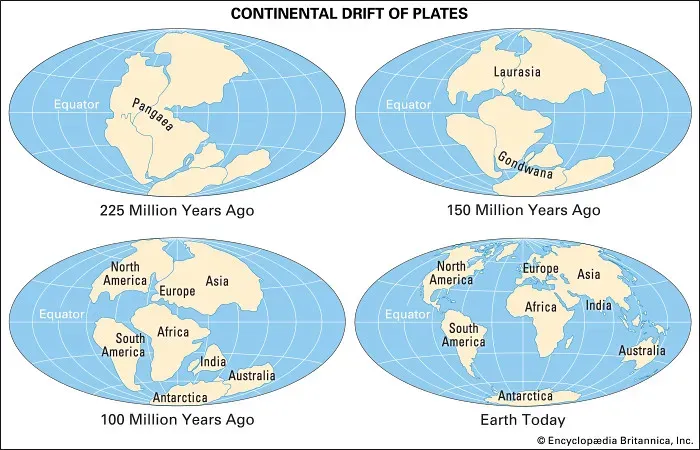
When Alfred Wegener proposed in 1912 that continents move over time, many geologists reacted as if he had suggested the Earth was made of rubber. To them, the idea that Africa and South America were once joined was laughable, even though their coastlines clearly seemed to match.
Wegener collected evidence from fossils, rock formations, and ancient climates that crossed oceans and only made sense if the land masses had once been connected. What he lacked, however, was a solid mechanism; he could not explain how massive continents could “drift” across the planet’s surface without tearing everything apart.
He died in 1930 on an expedition in Greenland, still convinced he was right but far from respected by mainstream geologists. It was only in the 1950s and 1960s, with the discovery of seafloor spreading and plate tectonics, that his basic concept was vindicated. Today, the idea of moving plates is so accepted that schoolchildren learn it in grade school, while Wegener’s early critics are mostly forgotten.
#4 Rosalind Franklin and the Structure of DNA
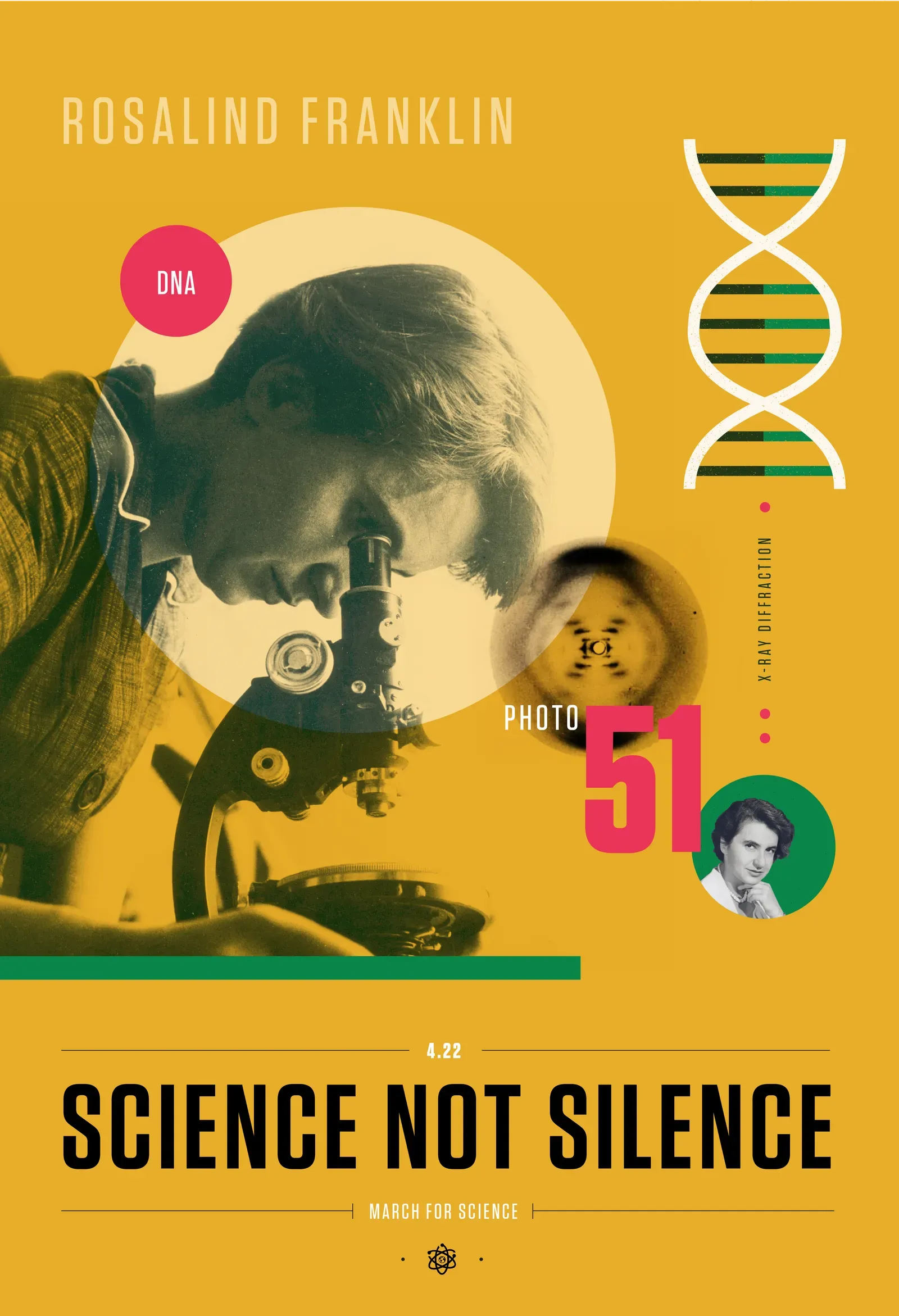
Rosalind Franklin did not live to see DNA become the celebrity molecule it is today, and she certainly did not live to see the scale of the debate over her role in its discovery. In the early 1950s, she produced some of the clearest X‑ray diffraction images of DNA, notably a famous image often referred to as “Photo 51,” that strongly hinted at a helical structure.
Franklin’s data and analysis helped confirm the double helix model proposed by James Watson and Francis Crick. But she died in 1958 from ovarian cancer at just 37 years old. When the Nobel Prize for the discovery of the DNA structure was awarded in 1962, she was not included – Nobels are not given posthumously, and the narrative at the time centered predominantly on Watson, Crick, and Maurice Wilkins.
Only in the decades that followed did historians and scientists start to fully appreciate how central her experimental work had been. Today, Franklin is widely cited as a crucial figure in the story of DNA, and her name is frequently held up as a symbol of how women’s contributions to science have been minimized – or, at the very least, badly under‑credited – during their lifetimes.
- Her X‑ray images were essential to confirming the double helix.
- She died before the Nobel was awarded for the discovery.
- Modern accounts place her much closer to the center of the story.
#5 Ludwig Boltzmann and the Reality of Atoms
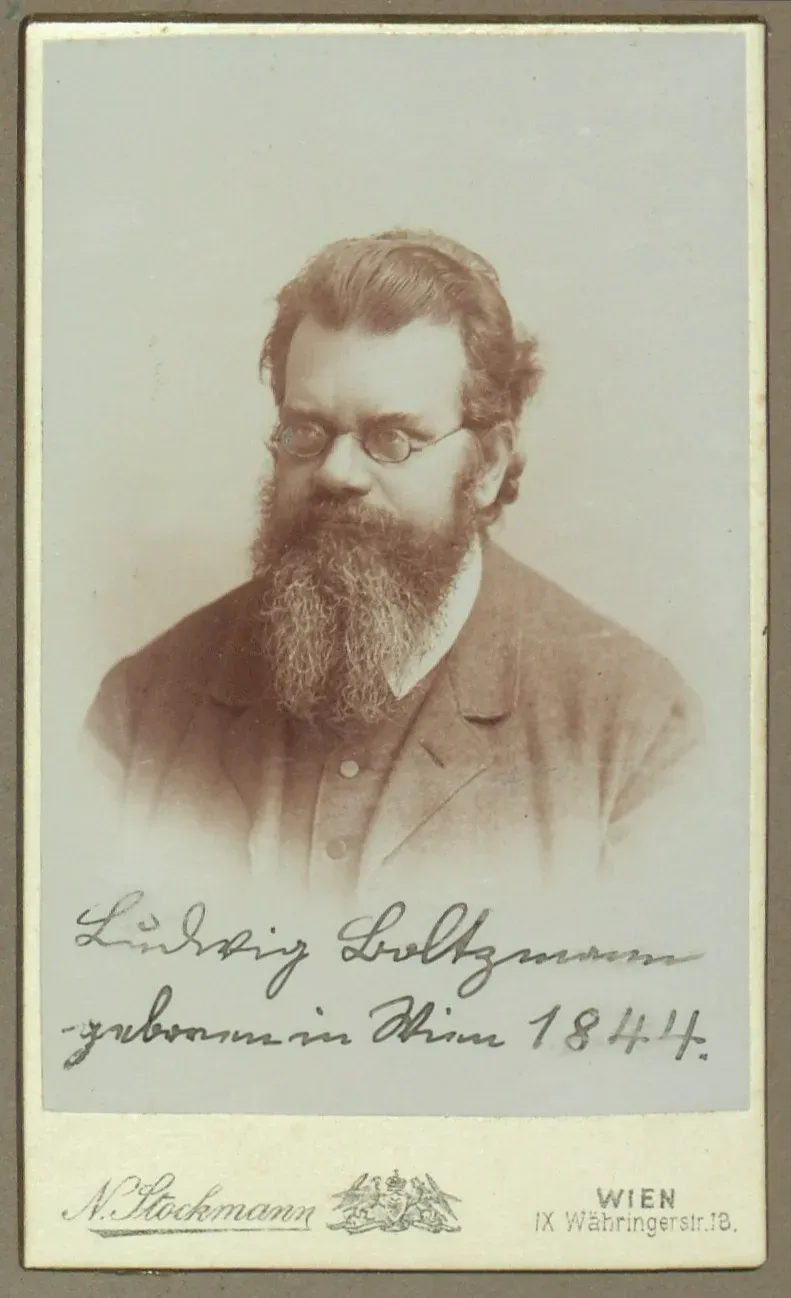
Today, it feels obvious that matter is made of atoms. But in the late nineteenth century, that idea was still controversial, and one of its fiercest defenders, Ludwig Boltzmann, paid a terrible personal price for being ahead of his time. He used statistical mechanics to explain how the random motion of countless tiny particles gives rise to things like temperature and entropy.
Many leading physicists of his day remained skeptical. They did not believe in atoms as real physical entities; to them, they were just convenient mathematical fictions. Boltzmann found himself constantly under attack, his ideas dismissed as speculative and metaphysical, and the hostility took a toll on his mental health.
He died by suicide in 1906. Only a few years later, work by scientists such as Jean Perrin provided decisive evidence for the physical reality of atoms, effectively confirming the framework Boltzmann had built. His equation relating entropy to the number of microscopic configurations is now so fundamental that it is engraved on his tombstone, a chillingly literal symbol of recognition arriving too late.
#6 Dmitri Mendeleev and the Fully Confirmed Periodic Table
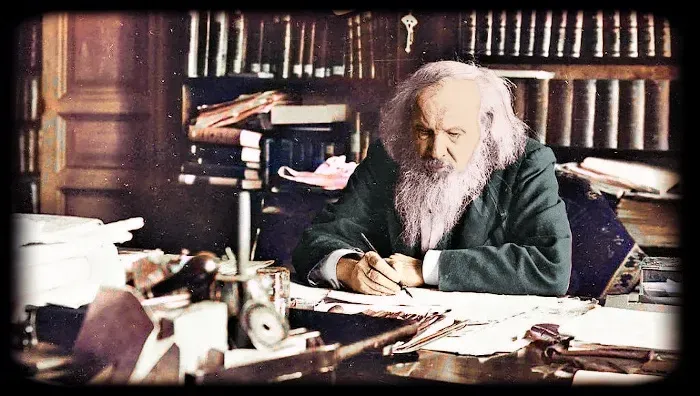
Dmitri Mendeleev did have some recognition in his lifetime – after all, he famously arranged the elements into a periodic table in 1869. But what most people do not realize is that he went one step further: he predicted new elements that had not yet been discovered, leaving deliberate gaps and forecasting their properties in surprising detail.
At the time, this was a bold and risky move. Some scientists thought he was overreaching, building a neat chart that might crumble as new data arrived. While a few of his predictions were validated before his death in 1907, a full confirmation of the periodic system – including many synthetic elements – came only much later in the twentieth century.
In a sense, Mendeleev did not just need other scientists to come around; he needed the future. Only with the discovery of additional natural elements and later synthetic ones, plus the deeper understanding of atomic number and quantum mechanics, did the periodic table become the nearly complete, rock‑solid structure we know today. He set the pattern; later generations proved just how right he had been.
- Mendeleev left intentional gaps for yet‑undiscovered elements.
- Several predicted elements were found after his death.
- Modern atomic theory later explained why his pattern worked so well.
#7 Alfred Russel Wallace and the Long Shadow of Evolution
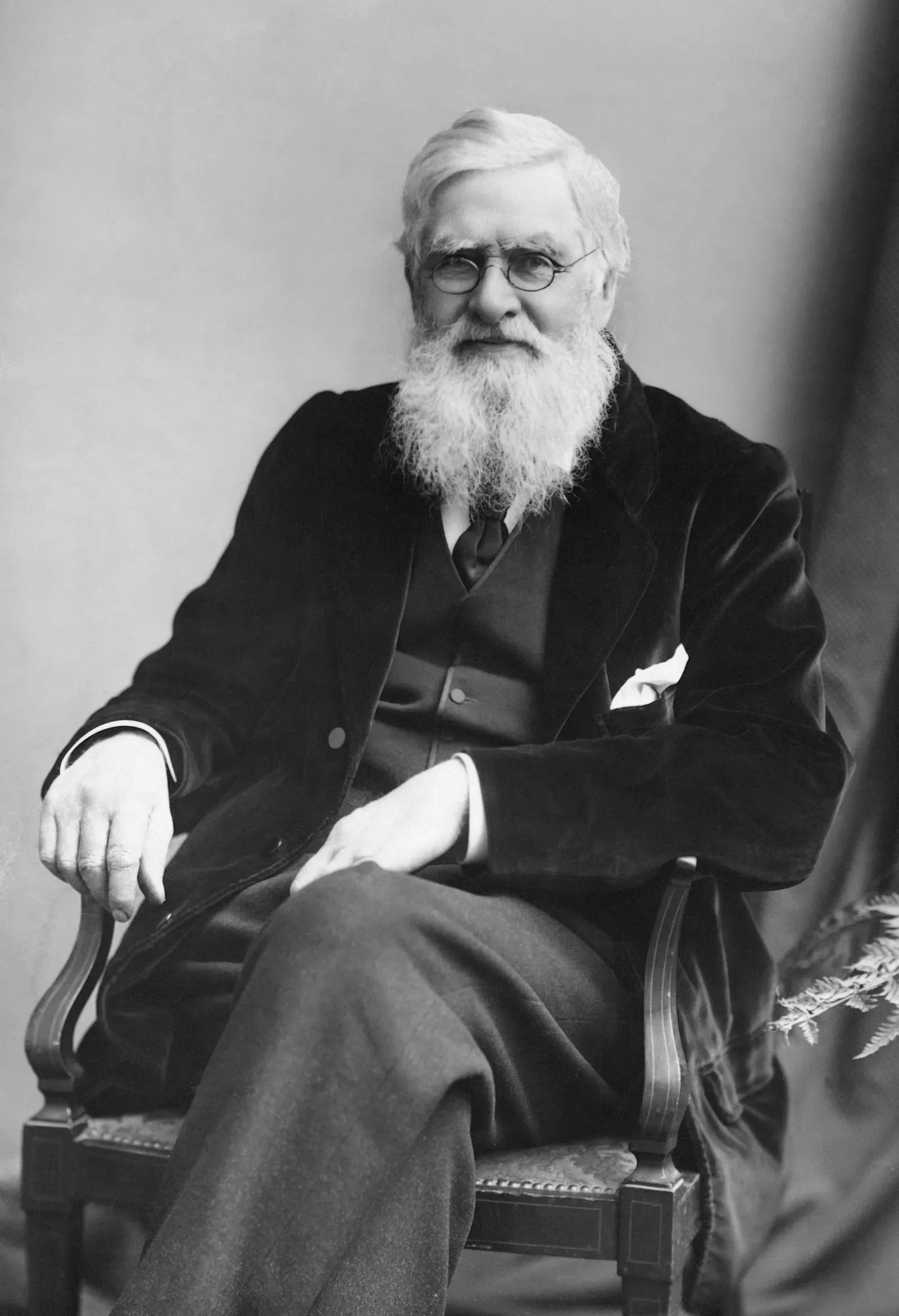
Alfred Russel Wallace is one of those names you either know very well or barely at all – and that split tells you a lot about how credit works in science. Independently of Charles Darwin, Wallace arrived at the idea of evolution by natural selection while working in Southeast Asia in the mid‑nineteenth century.
He even sent Darwin a manuscript that closely matched Darwin’s own, then‑unpublished theory. The two ideas were presented together in 1858, and Darwin rushed to publish his book the following year. Over time, however, the public narrative simplified, and Darwin became the singular face of evolution in schoolbooks, museums, and culture.
Wallace remained respected during his life but nowhere near to the iconic level Darwin eventually reached. His fuller recognition has been a slow, ongoing project, especially in the late twentieth and early twenty‑first centuries, as historians emphasize just how central and original his contributions were. In a way, Wallace’s legacy is still being rewritten long after his death in 1913, showing that “settled” history often isn’t as settled as it looks.
#8 Ada Lovelace and the First Computer Program

In the 1840s, long before anyone had built an electronic computer, Ada Lovelace worked with Charles Babbage on his proposed Analytical Engine – a mechanical general‑purpose computing machine that was never completed. In her notes on the Engine, she wrote out what many now consider the first published algorithm intended for implementation on a machine.
During her life, Lovelace’s work did not turn her into any kind of star. The Engine itself remained a visionary idea more than a practical tool, and she died in 1852 at just 36 years old. For decades afterward, her notes were largely a historical curiosity, not a major influence on the development of computing.
In the mid‑twentieth century, as digital computers became real, historians and computer scientists began re‑examining those early documents. Only then did Lovelace’s status as an early conceptualizer of programming truly take hold. Now, she is widely celebrated as a pioneer, but that recognition is very much a product of a world she never lived to see.
- She described an algorithm for Babbage’s unbuilt machine.
- Her ideas were not influential during the nineteenth century.
- Modern computing culture elevated her to pioneer status long after her death.
#9 Gregor Johann Bessel and the Aberration of Starlight

Gregor Johann Bessel is not a household name, but he helped do something profound: make the motion of Earth through space undeniably real. Early in the nineteenth century, astronomers suspected the planet orbited the sun, but getting hard, measurable proof was a major challenge. Bessel eventually made the first reliable measurement of a star’s parallax, showing how its apparent position shifted as Earth moved.
His work also connected with an earlier, tricky phenomenon called the aberration of starlight, where stars appeared slightly shifted due to Earth’s motion and the finite speed of light. This effect had been observed before, but Bessel’s rigorous, mathematical treatment helped tie it all together and refine our understanding of Earth’s journey around the sun.
Even so, the full picture of stellar distances and Earth’s place in a vast galaxy only emerged long after his death in 1846, with better instruments and more precise techniques. Bessel laid the groundwork for a cosmic map he would never see completed, and his contribution only fully shined once astronomy leaped into the modern era.
#10 George Green and the Mathematics of Fields
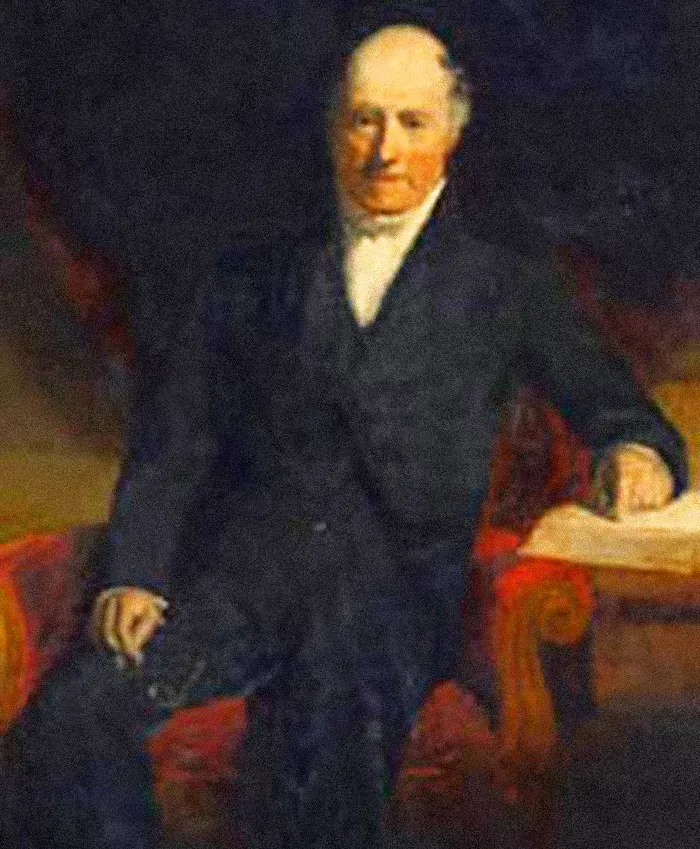
George Green was a largely self‑taught miller from England who, in 1828, published a paper that quietly contained mathematical tools that would later become essential in physics. His work introduced what are now called Green’s functions and key ideas in potential theory – concepts that underpin large parts of electromagnetism, quantum mechanics, and more.
The problem was that almost no one read his paper at the time. It was privately printed and circulated in a very small circle. Green went back to his life outside the mainstream scientific world and died in 1841 without wide recognition or even much sense that his work had landed anywhere.
Years later, the mathematician William Thomson (later Lord Kelvin) discovered Green’s paper and realized how powerful it was. From there, Green’s ideas spread into the heart of nineteenth and twentieth century physics. Today, advanced students routinely use tools named after him, yet the man himself never lived to see his methods become standard language in theoretical science.
- Green developed methods still central to modern physics and engineering.
- His original paper was obscure and little read.
- Later giants in physics revived and popularized his work posthumously.
#11 Oswald T. Avery and DNA as the Genetic Material
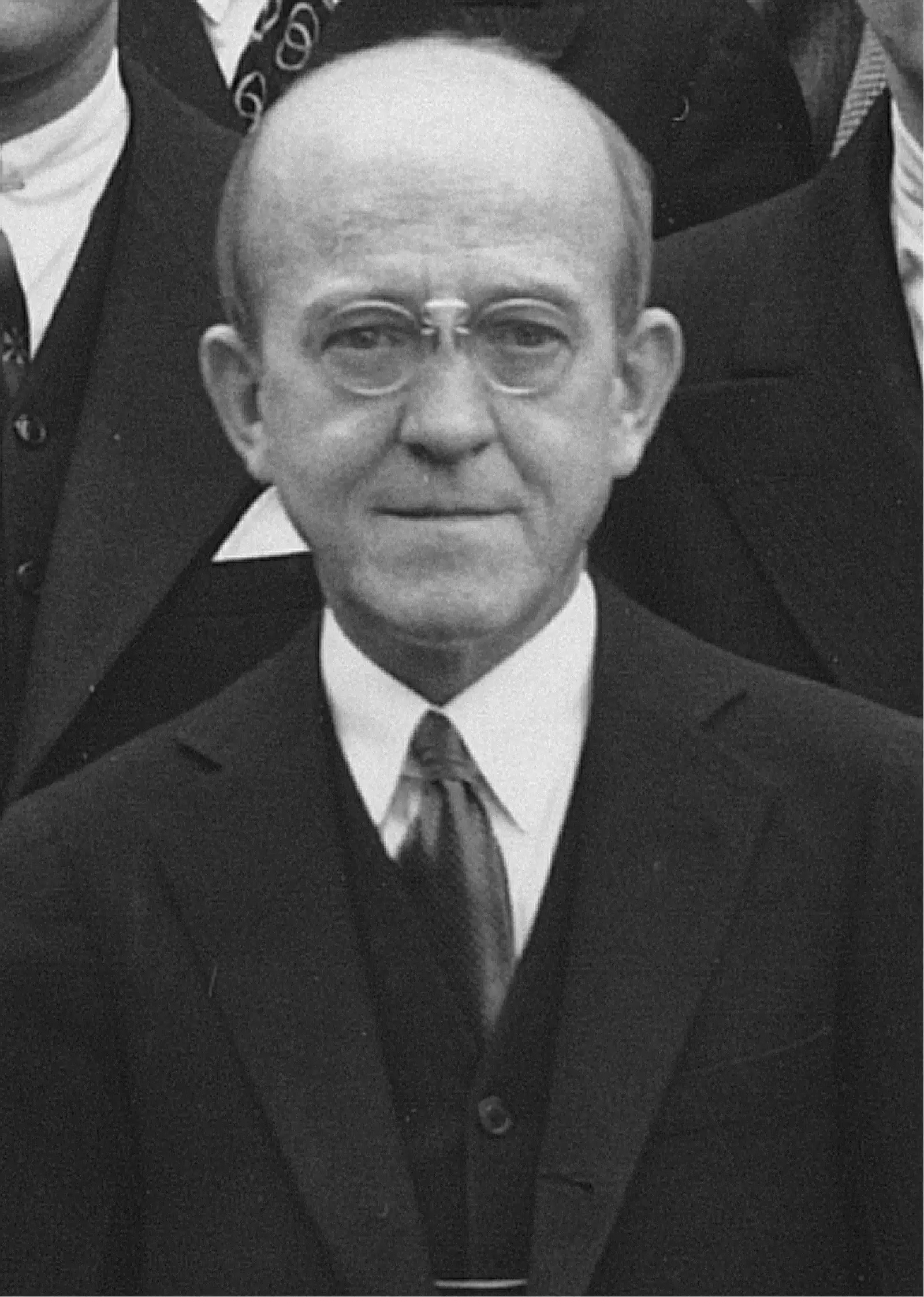
Before the mid‑twentieth century, most scientists assumed that genes were made of proteins. Proteins seemed complex and flexible enough to store biological information, whereas DNA looked too simple. That is why Oswald T. Avery’s work in the 1940s was so disruptive: he and his colleagues showed that DNA from one strain of bacteria could transform another, strongly indicating that DNA was indeed the hereditary substance.
Despite the elegance and power of these experiments, the broader scientific community was hesitant to embrace the conclusion fully. Some argued that tiny amounts of protein might still be responsible; others were simply not ready to rewrite the central assumption of biology. Avery never received a Nobel Prize and retired without seeing consensus form around his view.
Only later, once the structure of DNA was solved in the 1950s and genetics began to merge with molecular biology, did his work finally receive the recognition it deserved. Many historians now argue that Avery’s experiments were among the most important in the history of biology, yet he died in 1955, just as the field was about to move firmly into his direction.
#12 Barbara McClintock and the “Jumping Genes”
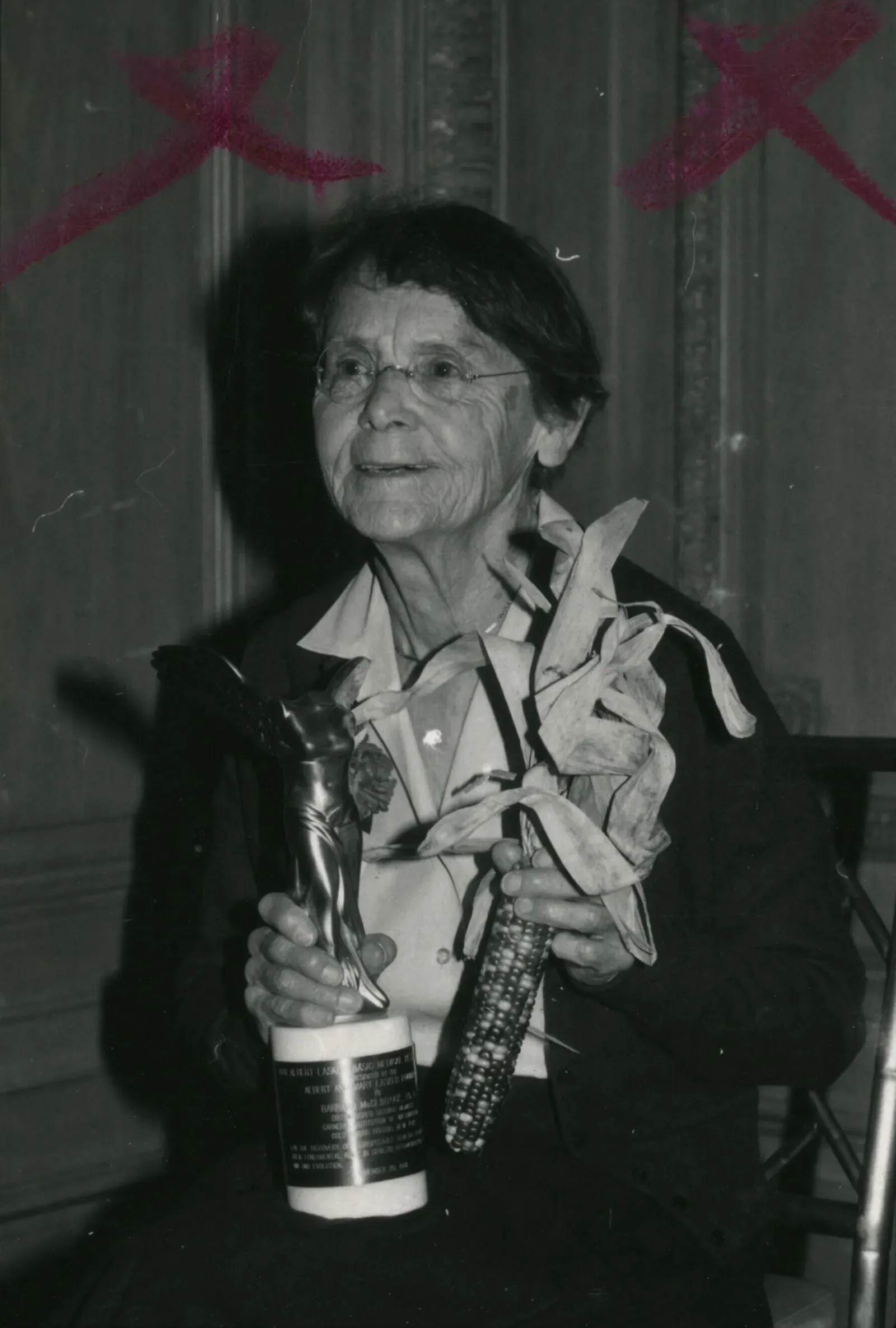
Barbara McClintock spent years studying corn chromosomes and stumbled on something that sounded impossible at the time: pieces of DNA that could move around within the genome. She noticed patterns that only made sense if certain genetic elements were “jumping” from one location to another, changing how other genes were expressed.
When she first presented these ideas in the 1950s, the reaction was cool at best and dismissive at worst. The dominant view of the genome was that it was relatively stable and fixed; the notion of mobile genetic elements seemed chaotic and outlandish. McClintock quietly stopped publishing on the topic for a while, sensing that people were not ready to hear it.
Decades later, research in bacteria, yeast, and other organisms began to reveal exactly the kinds of mobile elements she had described. By the early 1980s, the importance of transposable elements was undeniable, and McClintock finally received the Nobel Prize in Physiology or Medicine in 1983. She was at least alive to see her ideas vindicated, but most of the field only caught up with her long after the original work.
- She discovered that genes can move within the genome.
- Her contemporaries largely dismissed the idea as too radical.
- Later molecular biology confirmed and expanded her findings.
#13 Benoit Mandelbrot and the True Reach of Fractals
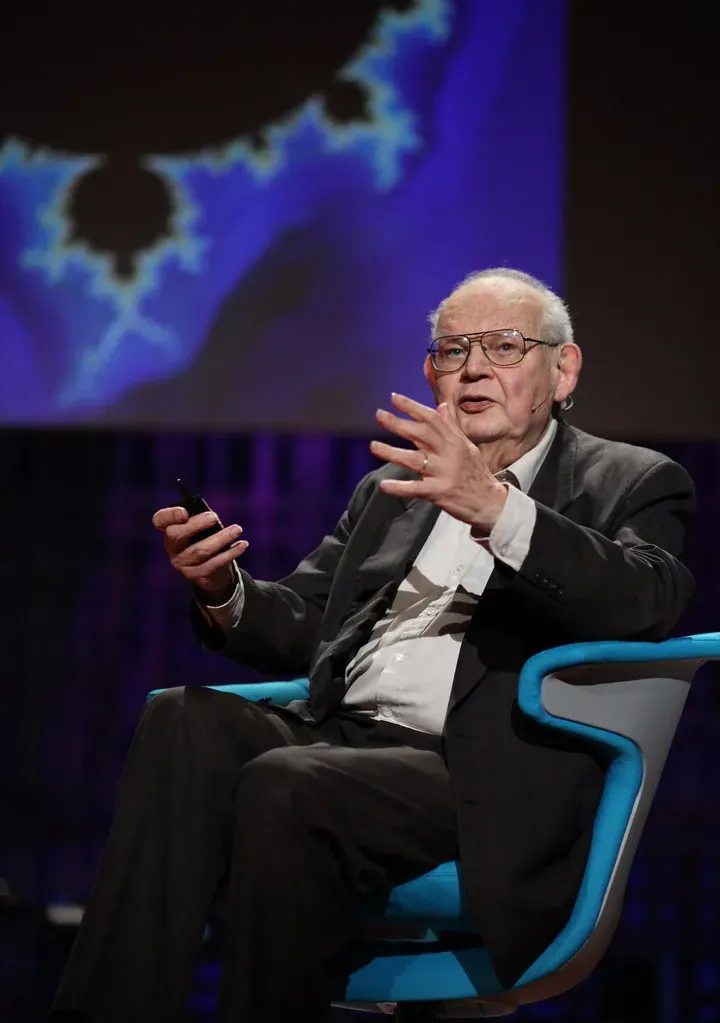
Benoit Mandelbrot popularized the idea of fractals – shapes that show self‑similarity at different scales – in the late twentieth century. He used them to describe everything from coastlines and mountains to financial markets and turbulence. During his life, he certainly received recognition and praise, but it is increasingly clear that the full reach of fractal thinking only began to unfold after his death in 2010.
As computing power exploded, researchers applied fractal concepts to new fields: medical imaging, network traffic, brain structure, even patterns in social behavior. Many of these applications were only possible with modern data and algorithms that did not exist when Mandelbrot first sketched out his ideas while working at IBM.
In that sense, Mandelbrot planted conceptual seeds that the next generation’s technology could finally water. It is one thing to draw the famous Mandelbrot set on graph paper and marvel at its infinite complexity; it is another to see related mathematics shaping how we compress images, detect disease, or analyze global systems decades later. The verdict on his influence is still forming, but it has already grown much larger than what he personally lived to see.
Conclusion: Science Moves Slowly – But Relentlessly
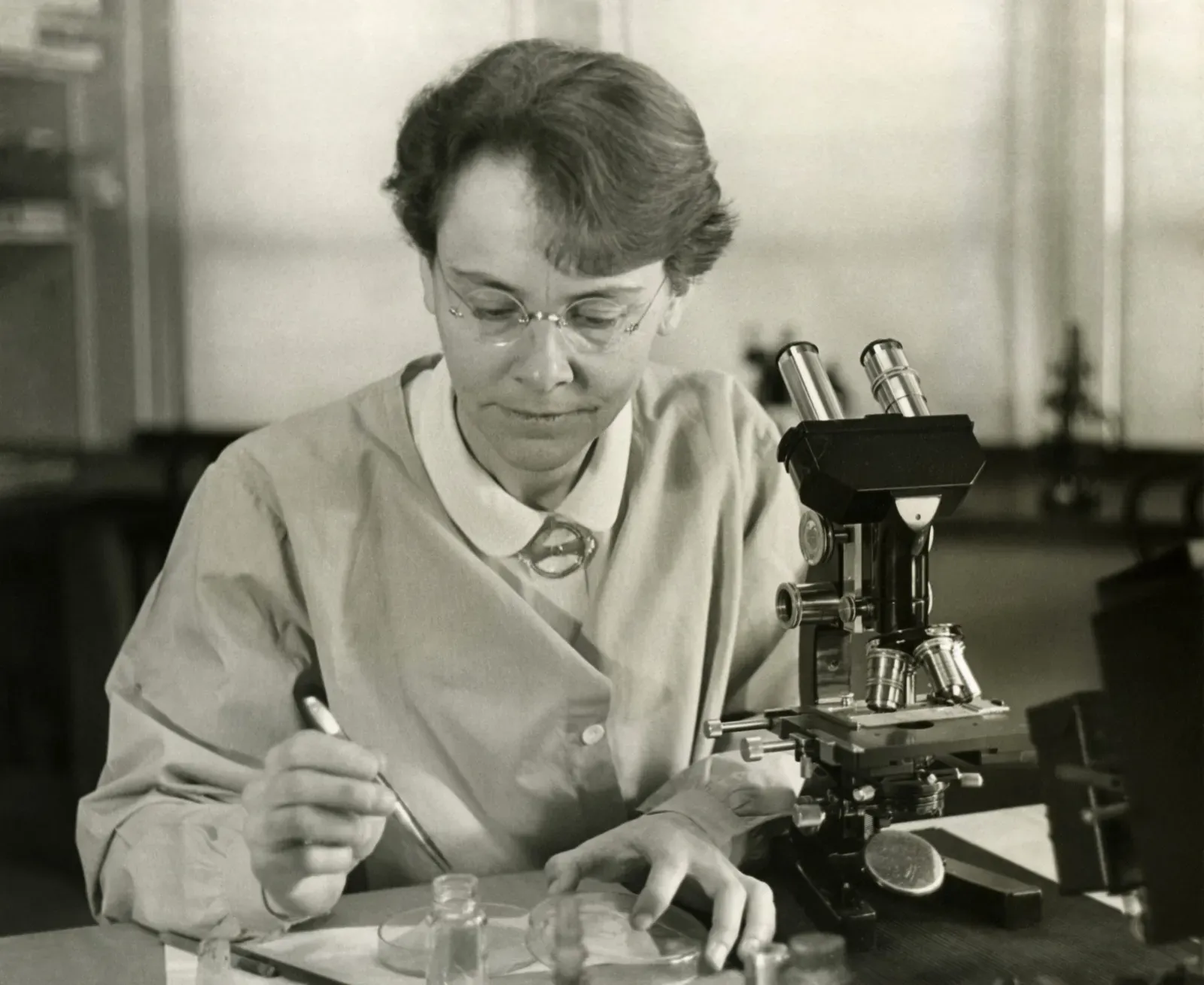
Looking at these stories side by side, a pattern jumps out: science is not a neat parade of geniuses being quickly rewarded for brilliant ideas. It is messy, emotional, and often downright unfair. People are ignored because they are outsiders, because their ideas feel threatening, or simply because the tools of their time cannot yet fully support what they are seeing.
Personally, I find that both sobering and strangely hopeful. It is sobering because it shows how easily we can dismiss the truth when it is inconvenient, or when it comes from the “wrong” person. But it is hopeful because, over and over again, reality has the last word. The data pile up, the instruments improve, and eventually the fog clears – whether or not the original researcher is still around to say “I told you so.”
Maybe the real takeaway is this: our job is not to be perfectly right in the moment, but to be honest, careful, and brave enough to follow the evidence even when it is unpopular. Recognition might arrive late or never, but the work itself still matters. If you had a strange, unpopular idea that you truly believed the evidence supported, how long would you be willing to wait for the world to catch up?