
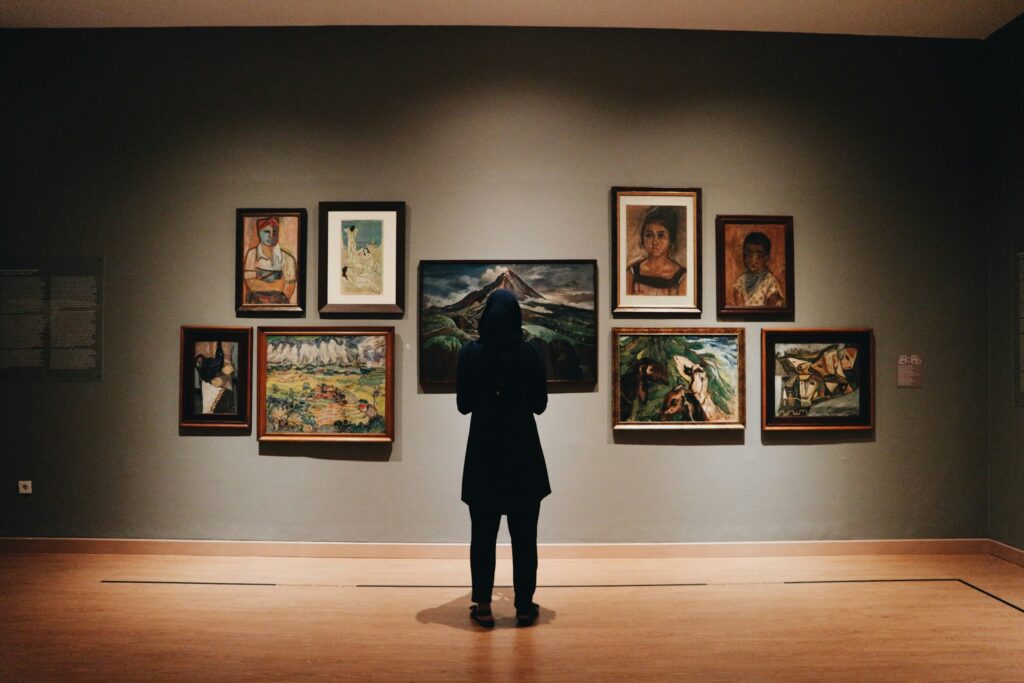
Walk into a museum and you expect one thing above all else: that what you are seeing is true. The dates, the labels, the stories about who made what and when – they all feel carved in stone. But here’s the uncomfortable secret: museums get things wrong more often than most visitors realize. And when they do, the fix is rarely dramatic or public. It is quiet, methodical, and sometimes a little awkward.
Behind that calm facade of glass cases and wall text, there is a constant churn of doubt, correction, and debate. A single new study or a fresh scientific test can flip a whole story on its head in a single afternoon. Yet the label next to the object might not change for months. So what actually happens in that gap – in the time between “we think this is true” and “we now know this is wrong”?
This is the world museums do not advertise in their glossy brochures: curators arguing over evidence, conservators whispering about pigments, lawyers combing through export papers, and communications teams deciding how much to admit and when. It is messy, human, and far more interesting than the polished displays suggest. Once you see how the correction machine really works, you will never look at a neat little wall label the same way again.
#1 The Shocking Moment Someone Realizes: “This Label Is Wrong”
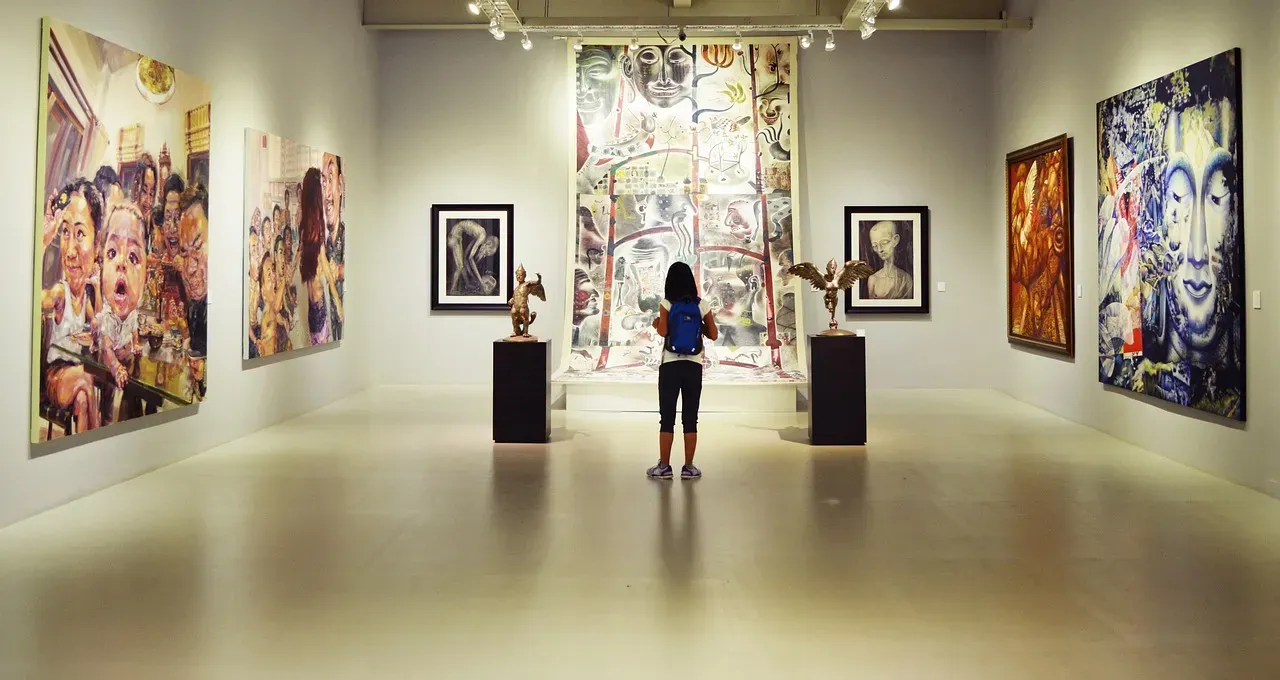
The story almost never starts with a press conference. It usually starts with a feeling: a curator squinting at a label that suddenly sounds off, or a visiting researcher quietly pointing out that a date or attribution no longer matches current scholarship. Sometimes a student notice something odd during a tour and asks the kind of blunt question adults are too polite to voice.
In other cases, the alarm bell rings from the outside. A new academic article appears, a provenance scandal hits the news, or another museum reattributes a similar object, and suddenly the piece on display looks suspicious. It can be as small as a minor date adjustment, or as big as realizing a cherished masterpiece might actually be a workshop copy or even a forgery.
Inside the museum, this moment feels a bit like realizing you have been telling your friends the wrong story for years. There is a quiet mix of embarrassment, curiosity, and professional adrenaline. Nobody wants to admit a mistake, but almost everyone is fascinated by the possibility that the object has a different, more accurate story to tell.
- Errors are often spotted by staff, visiting scholars, or sharp-eyed visitors.
- The trigger can be new research, new technology, or media coverage of similar works.
- The first reaction is rarely public; it is a private “we need to look into this.”
#2 The Backroom Huddle: Curators, Conservators, and Data Collide
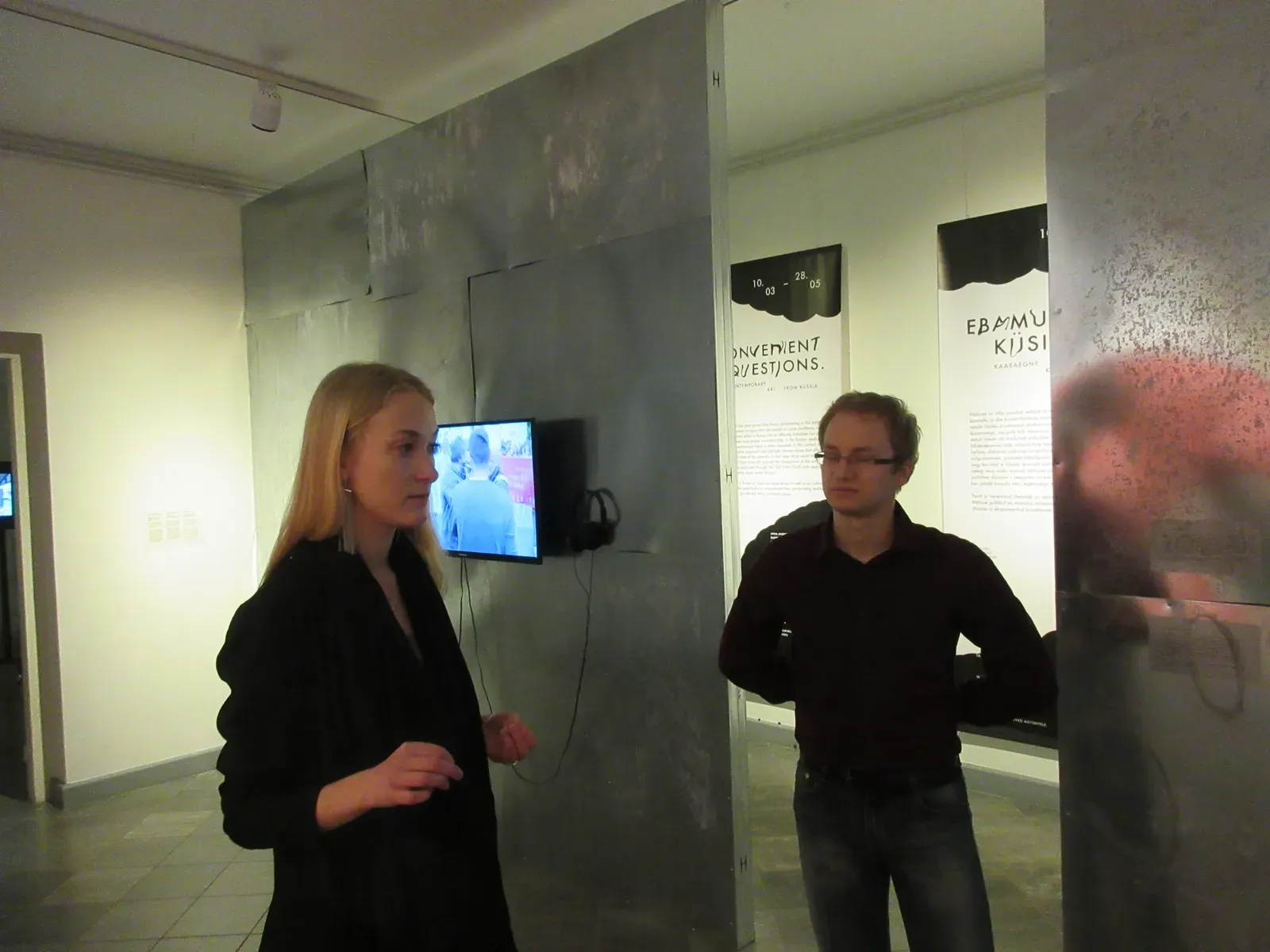
Once a potential error is spotted, the museum does not rush to rip labels off the wall. Instead, the issue is quietly escalated to an internal huddle. Curators, conservators, registrars, archives staff, and sometimes even the director get pulled into a string of meetings and email threads with subject lines that sound dry but hide a minor crisis.
In those rooms, the object stops being a polished display and becomes a case file. The team pulls every record they have: acquisition papers, donor correspondence, old photographs, previous conservation reports, catalog entries, and past research notes. They are looking for one thing: evidence. Who said this object was what the label claims, and what did they base that on?
These internal reviews are often calm on the surface but tense underneath. Curators are attached to attributions they may have defended for years. Conservators bring in physical evidence that might contradict traditional art-historical opinions. Registrars worry about what a changed label means for inventories, loans, and insurance. It is a collision of viewpoints, but also a sign of a healthy museum: one that is willing to challenge itself.
#3 Science Steps In: Testing What the Eye Can’t See
When a museum display turns out to be wrong, it is often because science has caught up with the object. A painting that looked convincingly “old” to generations of experts can crumble under a single test that shows the pigment was not invented until decades later. A supposedly ancient artifact might reveal machine tool marks visible only under magnification.
Behind the scenes, conservators and scientists deploy an arsenal of techniques that never appear on the gallery walls: X‑rays, infrared reflectography, ultraviolet fluorescence, microscopic analysis, and advanced chemical testing of pigments, fibers, or metals. Some of these methods are non-invasive; others require taking a tiny sample – a nerve‑wracking decision when the object is rare or fragile.
Those tests do not just answer the yes‑or‑no question of “fake or real.” They might show that the work was heavily retouched in the nineteenth century, that the signature was added later, or that the object belongs to a different region or period than previously thought. The result is often not scandal, but nuance: the story shifts from clean and simple to complicated and more accurate.
- Scientific testing can reveal anachronistic materials or modern restoration.
- New tech frequently overturns older expertise based on visual style alone.
- Results may lead to re-dating, reattribution, or reclassification, not only to “forgery” labels.
#4 The Paper Trail: Provenance, Ownership, and Awkward Questions

Sometimes the problem is not the object itself, but its story. Museums have spent the last few decades digging into provenance – the history of who owned an object, when, and under what circumstances. That research can be deeply uncomfortable, especially with works that changed hands during wars, colonial occupations, or under political pressure.
, it may be because the museum realizes it never truly knew how the piece left its country of origin, or that ownership changed during a period of persecution or looting. The “donated in 1952” label that once felt sufficient suddenly looks like the end point of a much darker chain.
Correcting that story is slow and legalistic. Lawyers, provenance researchers, and sometimes external commissions may be brought in to evaluate whether the museum even has the right to keep the object. While all that unfolds in conference rooms and archives, the gallery label might change in small, careful ways: vague wording gets replaced by more precise dates, or a simple credit line is updated to acknowledge a restitution claim or complicated history.
#5 The Quiet Fix: How Labels Get Rewritten Without Fanfare
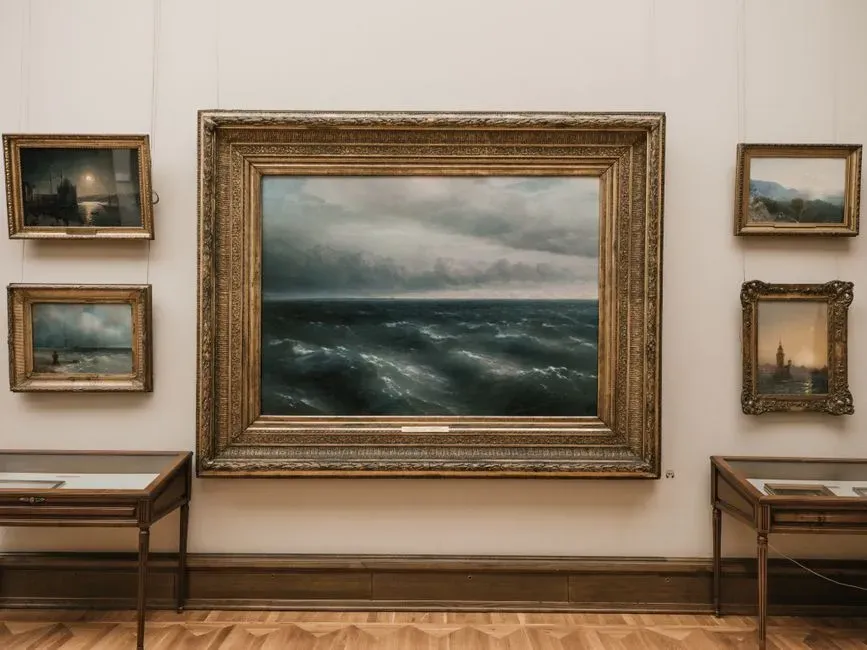
Most of the time, when a museum discovers a mistake, the fix looks almost insultingly simple from the visitor’s side: one day the label just… changes. The object does not move. There is no dramatic announcement. The text is updated, the date is adjusted, maybe the title shifts slightly, and that is it. For a casual visitor, it might go completely unnoticed.
Behind that small rectangle of text, though, are weeks or months of drafts, approvals, and compromises. Curators want to be precise; educators want the language to be understandable. Leadership wants to avoid sounding like they were careless in the past. The result is often a short text trying to handle a long, messy research process without overwhelming people.
This is where museums walk a tightrope between transparency and overload. They want to admit that the story has changed without turning every label into a mini research paper. Some choose a subtle phrase like “currently attributed to” or “now understood to be from” instead of flat claims. It is a small linguistic shift but a huge philosophical one: the object is no longer presented as an absolute, but as part of an evolving conversation.
- Label changes usually happen quietly, without big public announcements.
- Text goes through multiple rounds of edits to balance accuracy and clarity.
- Language choices signal how confident or cautious the museum is about the new interpretation.
#6 When Things Get Big: Public Statements, Press, and Damage Control
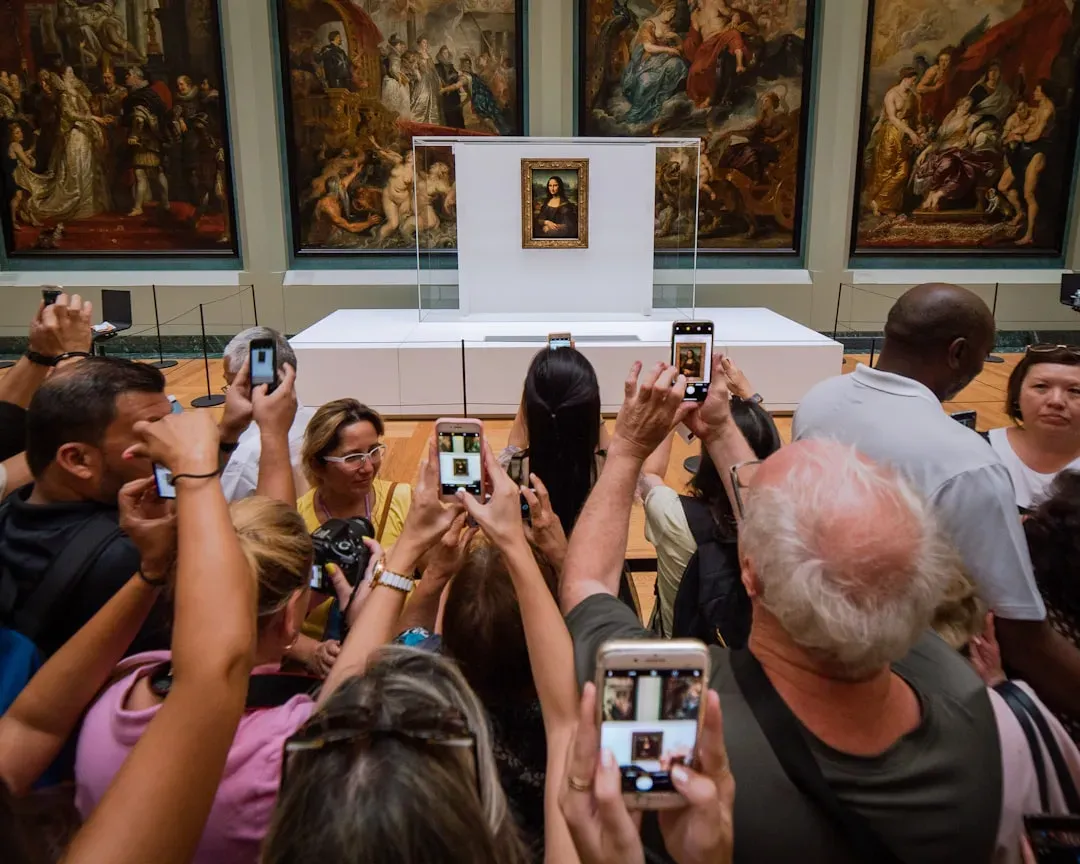
Not every correction stays quiet. When the error involves a famous artwork, a controversial acquisition, or a politically sensitive history, the museum suddenly moves from “quietly updating labels” to “crisis communications mode.” At that point, the question is no longer just what the truth is, but how to tell it to a watching public.
Communications teams draft statements, anticipate tough questions, and try to decide whether the narrative will be framed as embarrassment or as honest self-correction. Directors might choose to lean hard into transparency, presenting the new information as a sign of integrity. Others may emphasize that knowledge evolves, that earlier staff acted in good faith with limited tools, and that correction is part of responsible stewardship.
These moments are uncomfortable, but they can also force museums to confront broader issues: how they collected in the first place, whose voices were ignored, and why certain assumptions were never questioned. In the long run, a public correction can actually strengthen trust, as long as it is handled with clarity and humility rather than defensive spin.
#7 The Digital Shadow: Updating Websites, Catalogs, and Old Mistakes

Correcting a wrong display is no longer just about swapping paper labels. Every exhibit has a digital shadow now: websites, online catalogs, social media posts, virtual tours, and archived press releases. When the story changes, all those places become little landmines of outdated information that can live on for years if nobody touches them.
That means part of the quiet correction process is now digital housekeeping. Web editors and database managers have to revise object records, adjust search tags, and sometimes completely rewrite online essays. Old PDF catalogues might be impossible to fix, so notices or updated notes are added elsewhere to flag the new understanding.
For visitors who first met an object online, the correction might show up as a changed caption months after they shared it. For researchers, updated online catalogs can be the only sign that a major reattribution has taken place. The irony is that the digital world, which feels fast and flexible, can actually lock old stories in place unless someone systematically hunts them down and updates them.
- Displays now extend beyond the gallery, into websites, apps, and social media.
- Digital corrections require coordination between curators, tech staff, and editors.
- Old information can linger online, causing confusion if not clearly flagged as outdated.
#8 The Ethics Question: When “Wrong” Is About Perspective, Not Facts
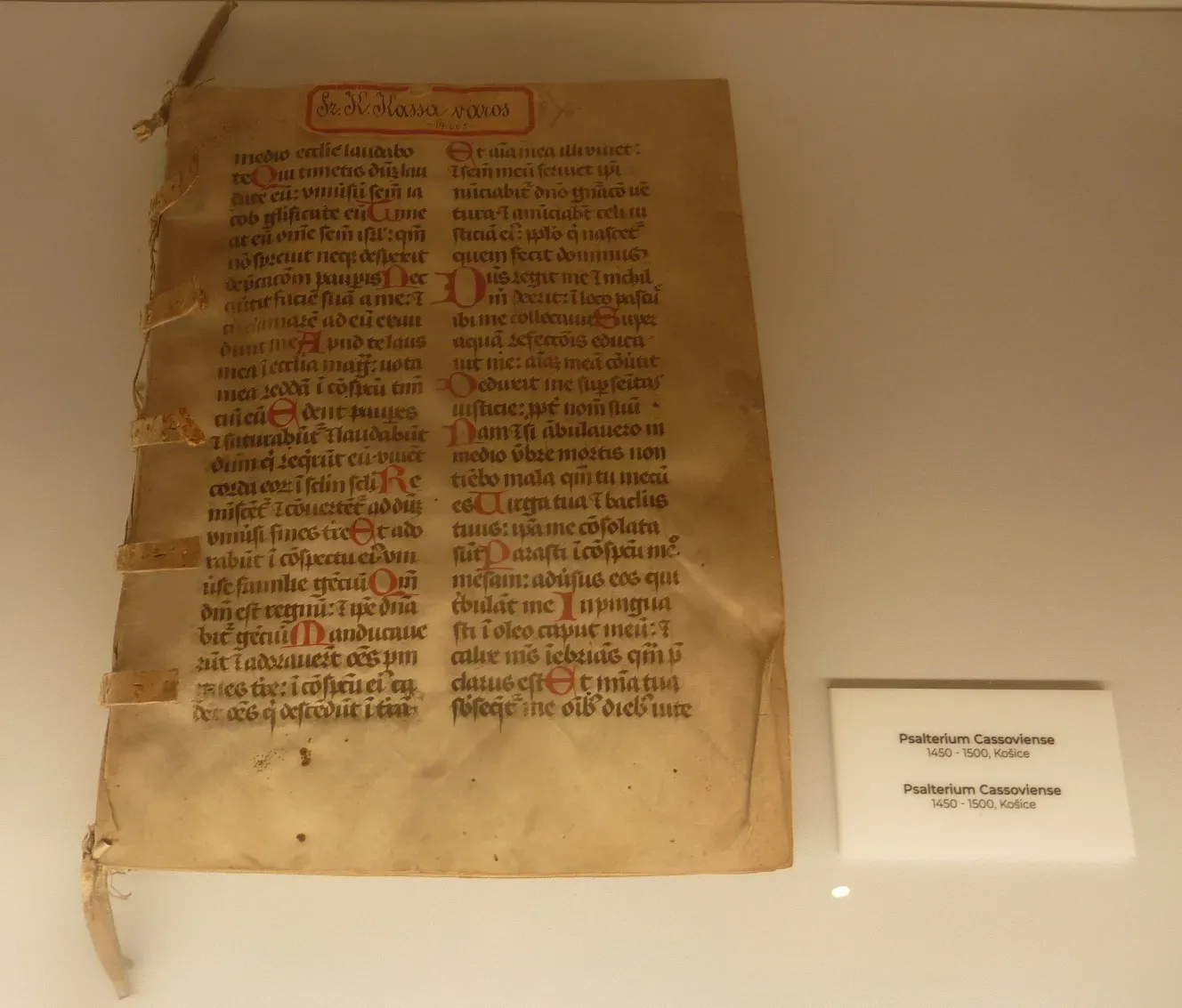
Not every wrong display is about a false date or a misidentified artist. Sometimes the error is ethical or cultural rather than strictly factual. An object might be correctly dated and attributed, but framed in a way that sidelines the people it came from, sanitizes violent histories, or treats sacred items like mere curiosities.
As museums rethink their role, they are slowly recognizing that “wrong” can mean the whole interpretive framework, not just a mislabeled century. That is why some institutions are rewriting labels to name colonial violence, acknowledge Indigenous knowledge, or clarify that certain items were taken without consent. In those cases, the correction is less about “this was made in 1830, not 1820” and more about “we were not honest about how this got here or what it means.”
These changes can feel jarring if you grew up with museums that pretended to be neutral. But they are also a form of truth-telling, a way of admitting that earlier displays reflected the biases of their time. When handled well, they open space for multiple perspectives instead of a single, authoritative voice that claims to speak for everyone.
#9 Learning in Public: Temporary Labels, Experimental Displays, and Visitor Input
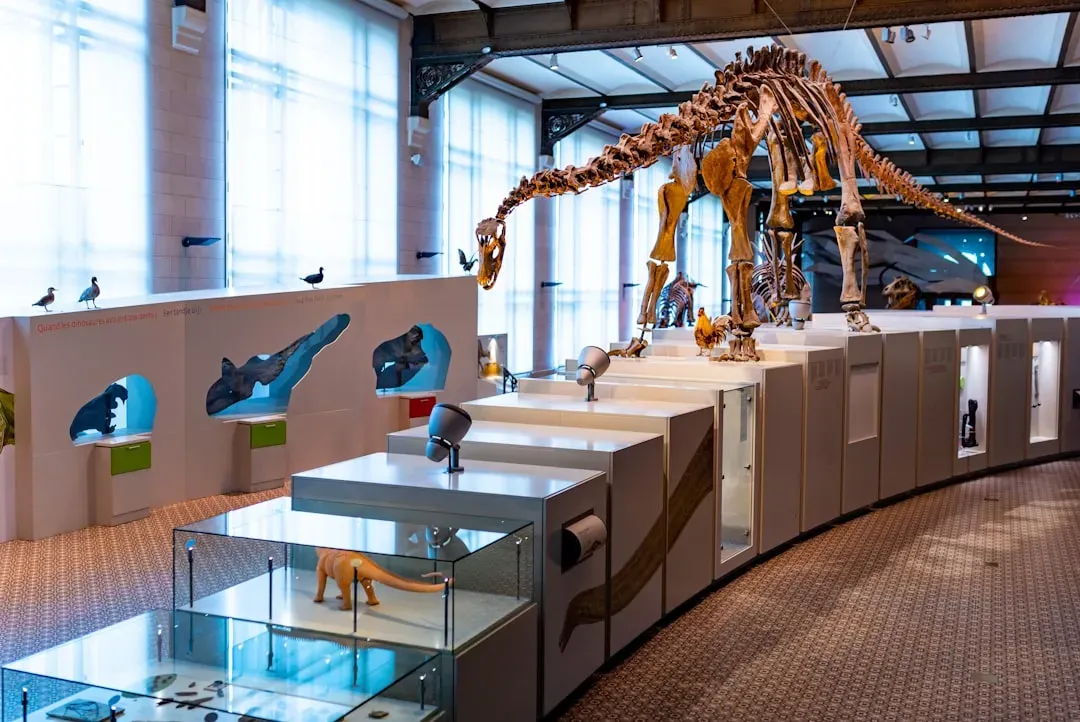
There is a subtle shift happening in how some museums handle uncertainty. Instead of waiting until everything is settled before changing a display, they are starting to show the process itself. You might see a temporary label explaining that research is ongoing, or a note that the attribution is under review, or even a small text panel describing competing scholarly opinions.
This “learning in public” approach pulls visitors into the detective work rather than hiding it. It treats the gallery less like a courtroom delivering final verdicts and more like a lab where evidence is always being reassessed. That can be unsettling if you want clean, definitive answers, but it is closer to how knowledge actually works behind the scenes.
Some museums even ask visitors what they think: through comment cards, interactive stations, or online feedback. Of course, they are not crowdsourcing scientific tests, but they are acknowledging that the way things are framed – the stories chosen, the voices highlighted – is open to challenge. When the display changes later, there is a sense that the public was part of that journey, not just a passive audience.
- Temporary labels can signal that the museum is still investigating.
- Sharing uncertainty helps demystify the curatorial process.
- Inviting visitor input challenges the old one-way model of authority.
#10 My Take: Why I Trust Museums More When They Admit They Were Wrong
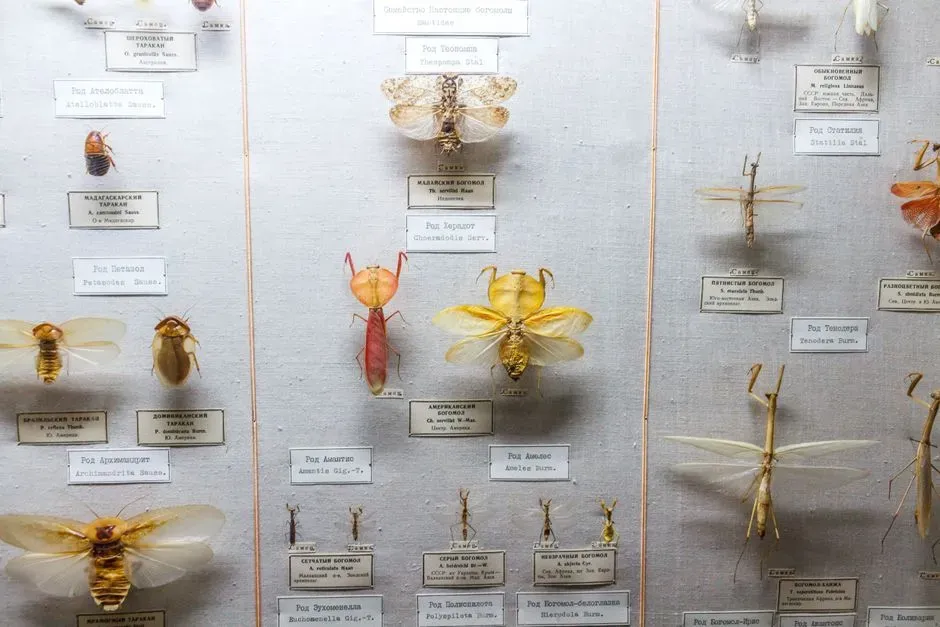
I still remember standing in front of a familiar painting and noticing that the label had quietly changed. The new text admitted that earlier research had been mistaken and that the work was now thought to be by a different hand, from a slightly later period. Nobody around me seemed to care, but it felt strangely powerful. The museum was basically saying, “We thought we knew; now we know better.”
For me, that kind of correction does not destroy trust – it builds it. I am far more suspicious of institutions that never admit they were wrong than of ones that openly revise their stories. Museums deal with incomplete evidence, shifting context, and limited tools; of course they will make mistakes. The real test is not whether errors exist, but how they respond once those errors are exposed.
That is why I think the quiet, methodical work of getting things right matters more than the polished illusion of certainty. A museum that says, “We are updating this display because new research changed what we know,” is telling you something honest about how knowledge is made. It is messy, yes. It is imperfect. But it is human – and that makes it easier to trust than a neat label pretending to be final.
#11 Conclusion: The Museum as a Place Where Truth Keeps Changing
, a museum does not suddenly become untrustworthy. In a way, that is the moment it shows its real face. The institution shifts from being a warehouse of fixed facts to a living organism constantly updating its understanding of the world. The corrections might be quiet and slow, but they are the heartbeat of serious work: evidence weighed, stories revised, responsibilities faced.
From the first uneasy realization to the revised label, the process is full of human tension: pride, fear, curiosity, and a desire to get it right without losing face. There are scientific tests that upend long-held beliefs, provenance digs that reopen painful histories, and ethical debates about how to name harm and power directly on the wall. None of this looks dramatic from the visitor side, but it shapes everything you see.
My opinion is simple: a museum that never changes its displays is not a sign of authority; it is a sign of stagnation. I would rather walk through galleries where some labels are crossed out and rewritten than stroll undisturbed through a perfectly consistent but outdated fantasy. The quiet corrections, the hesitant “we were wrong” moments, are where museums are most honest – and most alive. Next time you spot a label that seems freshly edited, will you see it as a flaw, or as proof that the story is still being told?