
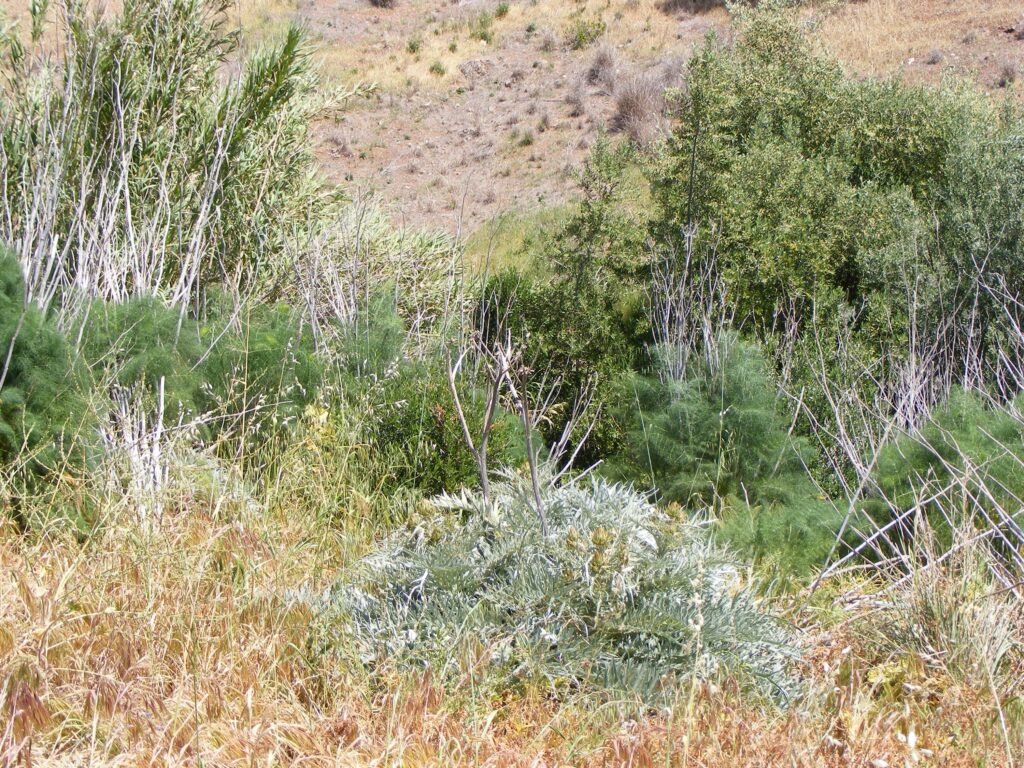
Bare soil never stays empty for long. Leave a patch of earth alone for just a few months and it turns into a living experiment in who can move in fastest, toughest and smartest. To some people that looks like a mess of weeds. To an ecologist, it’s a high‑speed drama of survival, strategy and quiet cooperation beneath your feet. I still remember clearing a small corner of my yard, planning a neat vegetable bed “later”. I blinked, got busy for a season, and by autumn it was a buzzing micro‑jungle of plants I definitely hadn’t planted. That patch taught me more about how nature works than any gardening book: nothing in nature tolerates a vacuum, and the first arrivals set the stage for everything that comes after. In this article we’ll look at thirteen of the most common and important pioneers that colonise bare ground in that crucial first year. Some are famous troublemakers, some are quiet heroes fixing your soil for free, and some are both, depending on how you look at them. By the end, you might never look at a “weedy” patch the same way again.
#1 Annual Grasses: Nature’s Quick Green Carpet
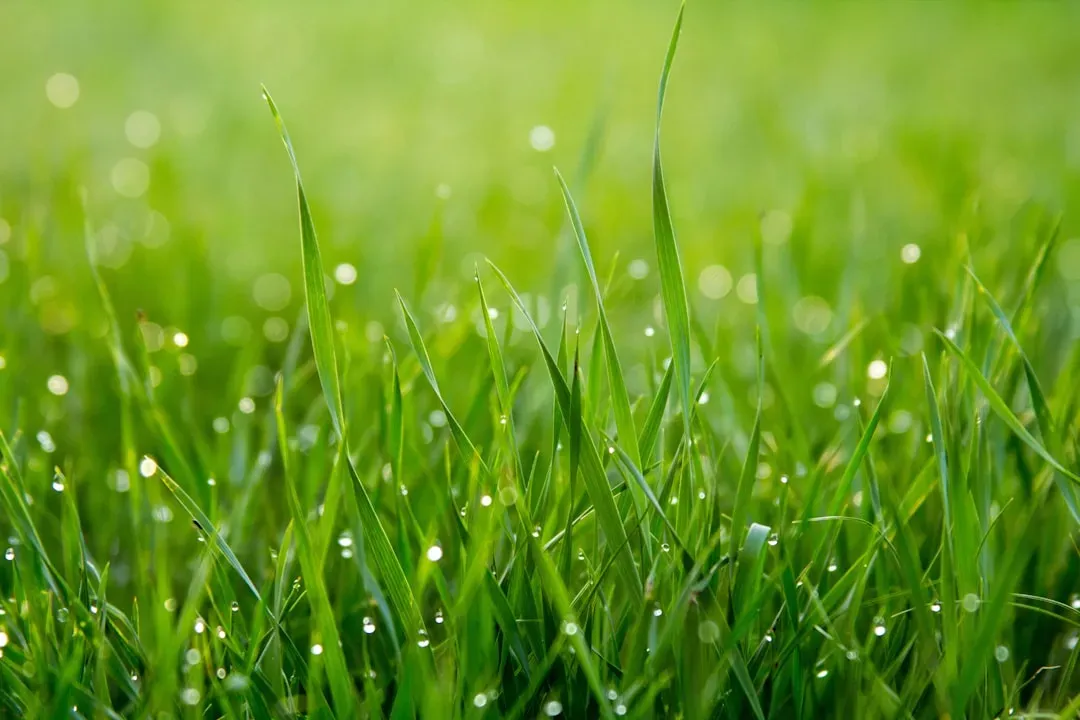
One of the first things you’ll usually see on bare soil is a fuzz of fine green blades: annual grasses. Think of them as nature’s emergency bandage. Their seeds are everywhere already, scattered by wind, birds, shoes, tyres and last year’s plants, just waiting for light and disturbed soil to wake them up.
Annual grasses germinate fast, grow shallow but dense root systems, and quickly throw up stems and seed heads in a single season. Species vary by region, but many share the same strategy: grow before anything else has a chance, grab the sunlight, and drop thousands of seeds before conditions get tough again. They are like first responders at the scene of a disturbance.
Ecologically, they do something surprisingly helpful. Those roots hold loose soil in place, cutting down on erosion from rain and wind. Their leaves shade the ground, lowering surface temperatures and helping retain a bit of moisture. When they die back, their dead material starts the slow process of building organic matter on formerly lifeless dirt.
Here’s the trade‑off: annual grasses can also become a nuisance if you want something else to grow. They can form thick mats, hogging water and nutrients, and some produce a seed bank that lasts years. Gardeners and farmers often love and hate them at the same time – appreciating their role in stabilising soil, but battling to keep them from overwhelming crops or wildflower plantings.
#2 Dandelions: Deep‑Rooted Soil Plumbers
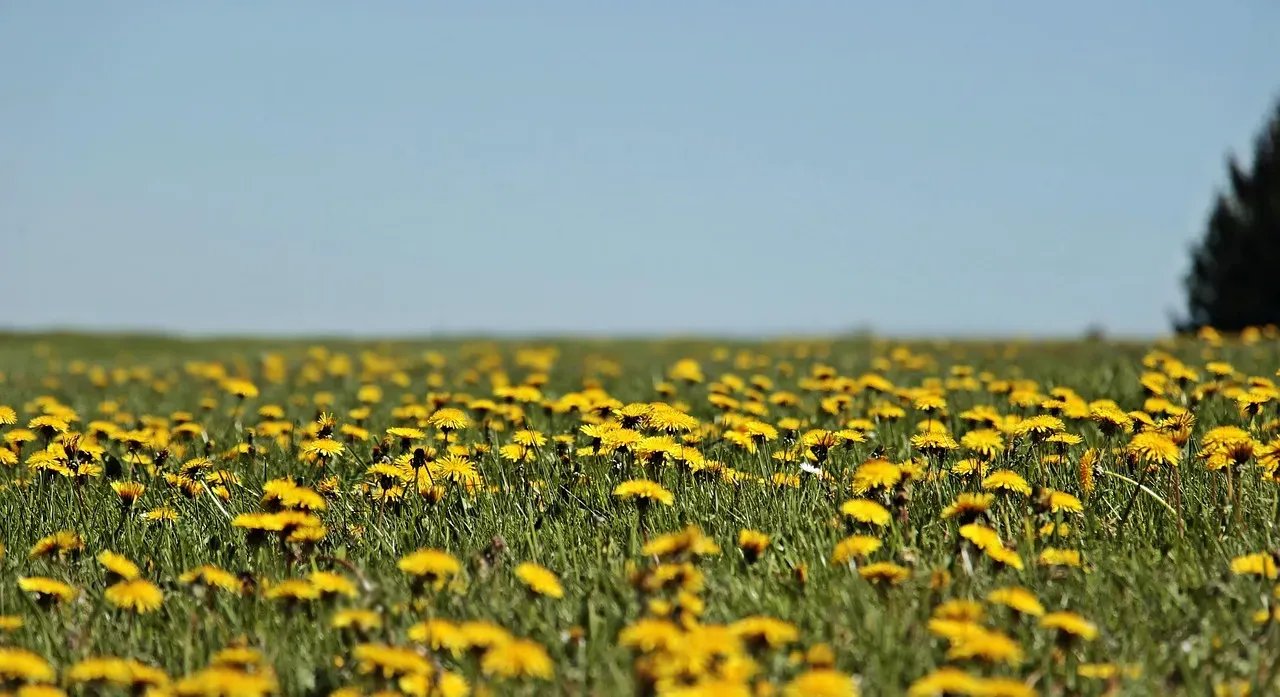
Those bright yellow dots that seem to appear out of nowhere? Dandelions are almost always among the early colonisers of bare earth, especially in urban and suburban areas. Their seeds travel astonishing distances on the wind, each carried by its own tiny parachute, ready to drop into any crack, verge or exposed patch of soil.
What makes dandelions such powerful pioneers is their taproot. Even in their first year, that central root can punch down far deeper than many shallow‑rooted neighbors. It acts like a biological drill, pushing into compacted layers, breaking them apart slightly, and opening tiny channels that water and air can follow.
That deep root also lets dandelions pull up minerals from down below and store them in their leaves. When those leaves die back and decompose at the surface, some of those nutrients get left behind closer to the topsoil. It’s a quiet kind of redistribution, like a plant‑powered elevator moving resources upward where other species can eventually access them.
Of course, from a lawn‑care perspective, dandelions are often branded public enemy number one. But if you look through an ecological lens instead of a turf perfection lens, they’re doing useful pioneer work: cracking tight soils, covering bare spots quickly, feeding pollinators early in the season, and nudging a damaged patch of ground a little closer to something resembling a functioning ecosystem.
#3 Plantains (Plantago): Ground‑Hugging Survivors of Abuse
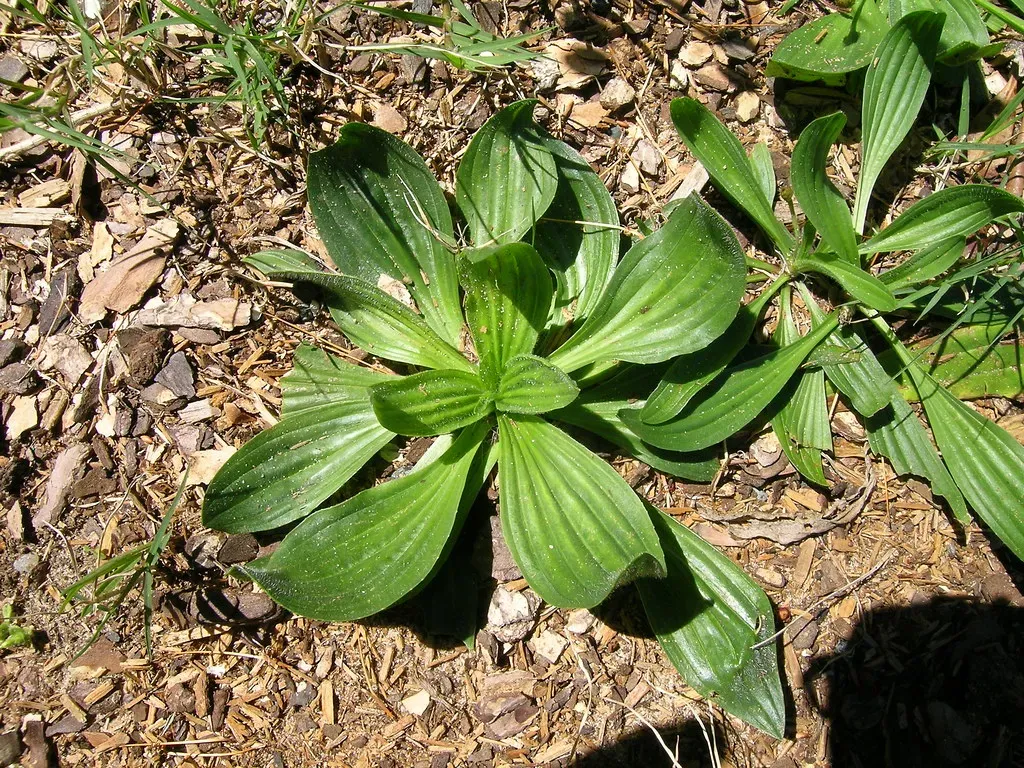
If you see tough, low rosettes of leaves hugging the ground in a trampled or compacted area, you’re probably looking at plantains (Plantago species, not the banana). They’re experts at colonising harsh, heavily used soils, from paths and playground edges to compacted building sites.
Plantains excel where other plants give up. Their seeds tolerate serious disturbance and can germinate in thin, poor soil. The low rosette form protects the growing point from mower blades, feet and even tyre tracks. Their fibrous roots slowly weave through the top layer of soil, helping it resist erosion and beginning to loosen it, millimeter by millimeter.
These plants are also remarkably tolerant of nutrient imbalance and soil pollution. They show up in places where vehicles leak oil, where dogs compact and enrich soil patches, and where salt or other contaminants might stress more delicate species. In that sense, plantains are like the hardy volunteers that show up to clean a damaged neighborhood before anyone else arrives.
Over time, plantains’ fallen leaves add tiny bits of organic matter, and their shade cools the soil surface. They’re not glamorous, and they won’t turn a bare site into a lush meadow by themselves, but they are workhorses in the early stages of colonisation, buying time and stability while conditions slowly improve for fussier plants.
#4 Clovers and Other Nitrogen‑Fixing Legumes: Free Fertiliser Engineers
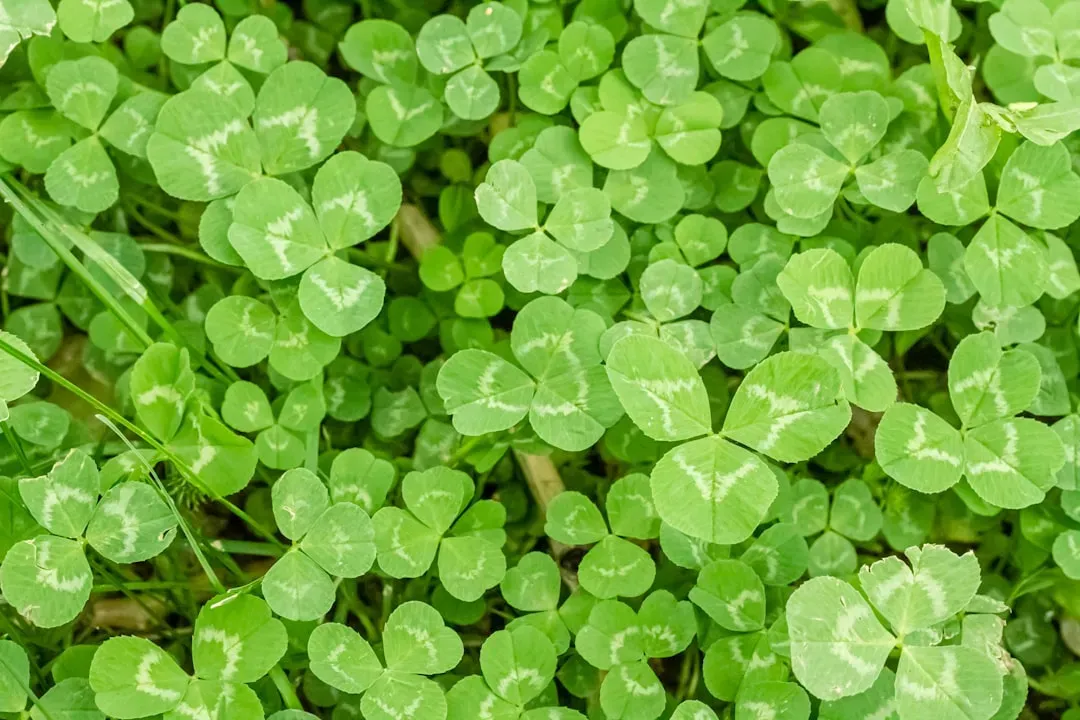
Once bare soil starts to host a few early colonisers, clovers and other small legumes are often close behind. White clover and similar species are classic pioneers in lawns, pastures and disturbed edges. Their secret weapon is not what you see above ground, but the microscopic partnership on their roots.
Legumes work with bacteria that live in nodules along their roots. These bacteria take nitrogen from the air (which plants normally cannot use directly) and convert it into forms plants can absorb. In simple terms, clovers are tapping into the sky for fertiliser and slowly leaking some of that benefit into the surrounding soil.
What this means for a bare patch is huge. Most disturbed soils are not just physically battered, they are chemically unbalanced and often short on available nitrogen. When clover colonises that ground, it starts to shift the nutrient story. Over time, as clover leaves and roots die and decompose, nitrogen is released and other plants suddenly have a bit more fuel to grow.
In the first year, clover may form low mats or patches, especially where there is enough moisture and moderate disturbance (like an area that gets walked on, but not constantly churned up). It competes with grasses but also mixes well with them, creating a richer, more diverse early plant community than grass alone.
A few key points about early clover colonisation:
- It improves nitrogen availability in poor soil over time.
- It provides nectar and pollen for insects even on rough ground.
- It can outcompete some problem weeds, but may also spread into places you did not plan.
#5 Chickweed and Other Tiny Annual Forbs: The Sneaky Green Film
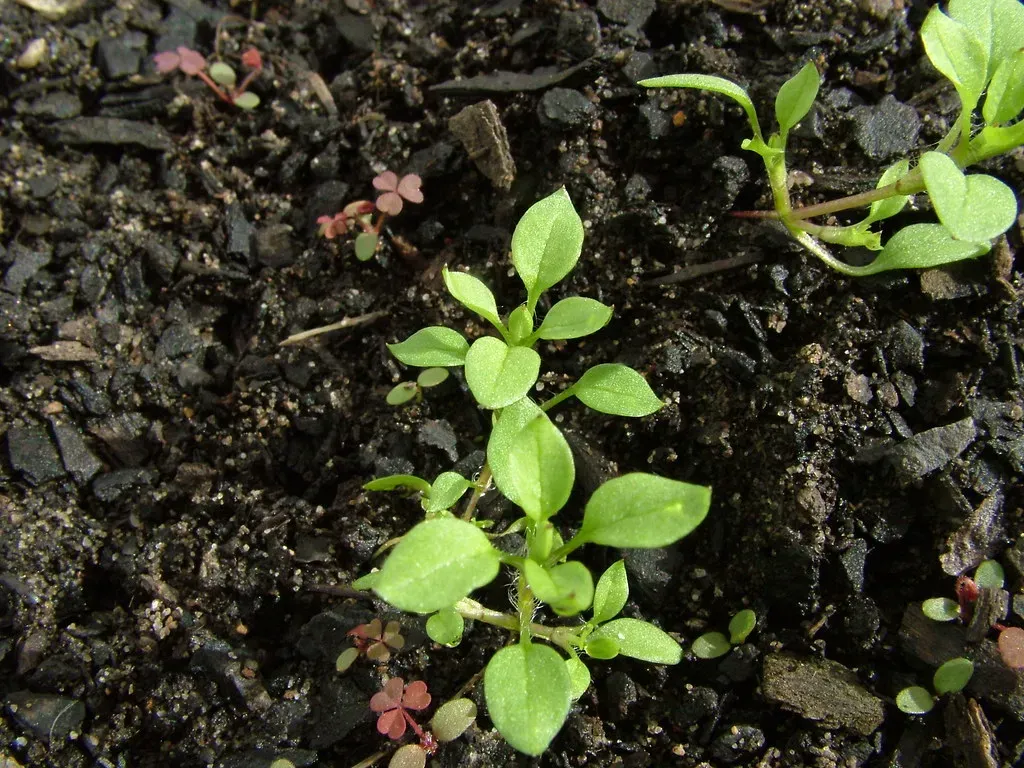
Before you even notice “plants,” there’s often a stage where the soil just looks a bit greener and softer on top. Tiny annual forbs like chickweed are often responsible. They germinate rapidly in cool, moist conditions and can create a thin, living film over disturbed ground in just a few weeks.
Chickweed and similar species have very short life cycles. They germinate, grow, flower and set seed in what feels like no time at all. Because they are small and low, they don’t cast heavy shade, but they do protect the soil surface from the harshness of sun, wind and raindrop impact. That mild protection is enough to reduce crusting and encourage soil microbes to rebound.
Their dense mats also help keep soil particles from being washed or blown away. In heavily disturbed sites, you might see chickweed colonise first in micro‑pockets where a bit of moisture lingers: near stones, depressions, or on the shady side of debris. From there, it can spread outward if conditions suit, then die back when it gets too hot or dry.
The seed strategy is simple but effective. A single plant can produce a surprisingly high number of seeds that fall close by, building a local seed bank that will stay ready for the next disturbance. So even if your chickweed seems to vanish in summer, it is rarely truly gone; it is just resting, waiting to be the first on the scene when bare soil appears again.
#6 Mosses and Algae Crusts: The Quiet Micro‑Pioneers
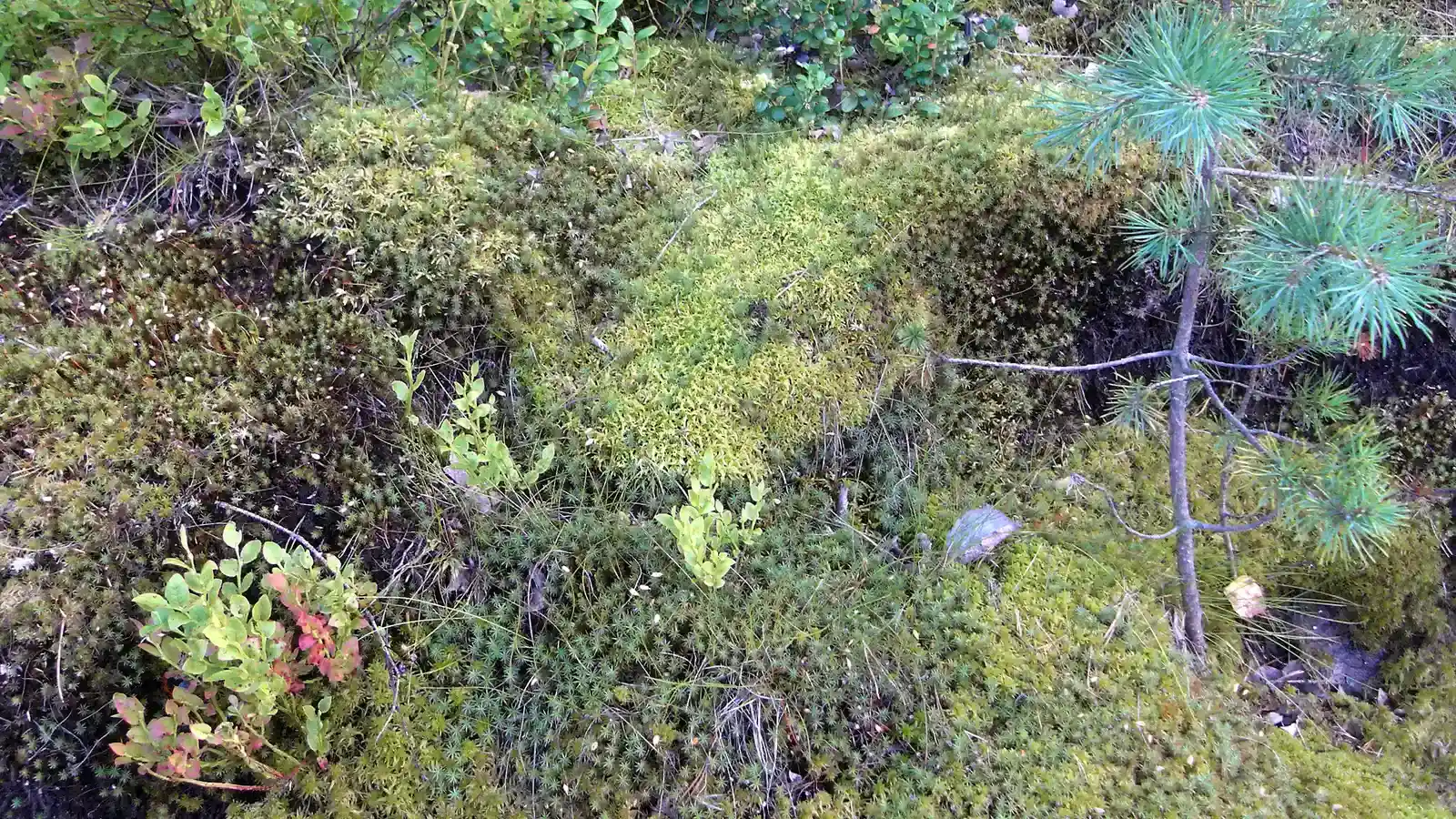
Not all colonisers in the first year are rooted plants. On very bare, harsh or compacted surfaces, you might first see a faint green, brown or dark film that looks more like a stain than vegetation. These are often algae, cyanobacteria, and microscopic pioneers that begin forming what’s sometimes called a biological soil crust.
Where moisture lingers just a bit – on the shady side of stones, in tiny pits on compacted soil – moss spores can also germinate. Mosses do not have true roots like higher plants, but they anchor lightly to the surface and hold onto water, turning a bone‑dry patch into a tiny sponge whenever it rains or dew forms. This extra moisture makes it easier for seeds of other species to germinate later.
Biological crusts can be subtle but extremely important. They bind soil particles together, drastically reducing erosion, and start adding organic matter at a microscopic scale. They also help regulate how water infiltrates, sometimes slowing runoff and increasing the chance that rainfall soaks in rather than just washing away.
This stage is easy to overlook because it does not scream “plant life” in the way that grasses or flowers do. But if you watch a severely disturbed spot over time, you’ll often see a sequence: first the obscure film of microbes, then faint moss patches, and only after that do the more obvious plants really move in and thrive.
#7 Thistles and Other Spiny Pioneers: Defense Specialists on Damaged Ground
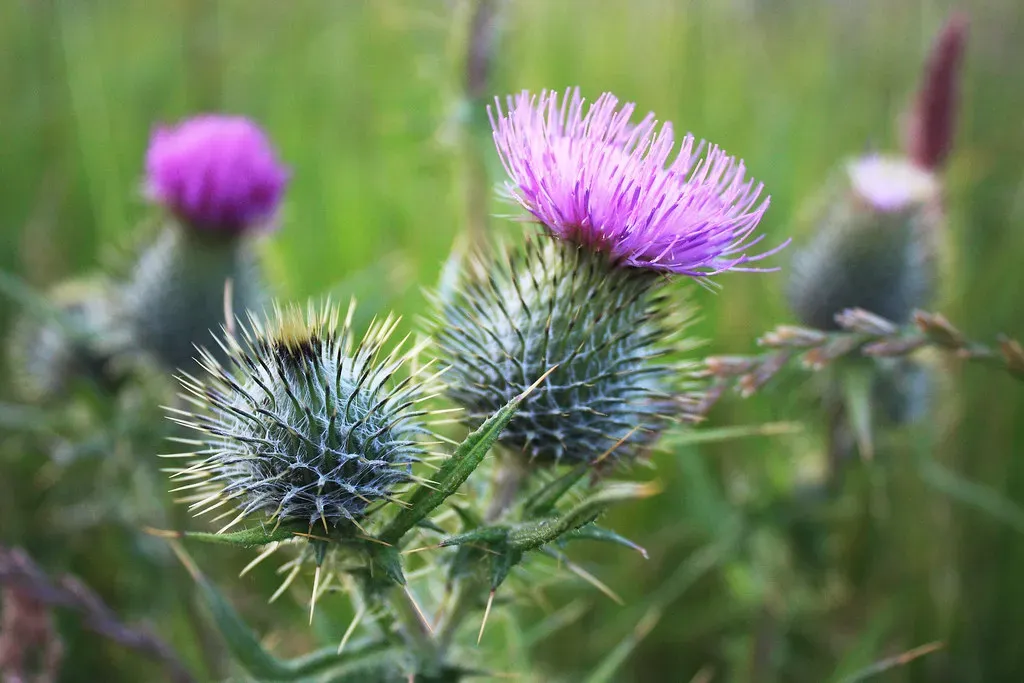
Walk past a recently disturbed field or construction site, and the tall, spiny silhouettes of thistles are often some of the first obvious colonisers. They thrive on rough, open ground where competition is low but sun is abundant. Many species have seeds adapted for wind dispersal, so if there is bare soil in the area, it is basically a standing invitation.
Thistles invest heavily in protective structures: prickles on leaves and stems that discourage grazing animals from eating them. In the early stages of colonisation, this gives them a huge advantage. Where other early plants might be nibbled down by deer, rabbits or livestock, a stand of thistles can grow relatively undisturbed, quickly building height and biomass.
Below ground, many thistles develop strong taproots or deep root systems that probe into compacted or nutrient‑poor layers. Like dandelions, they help break through hard soil and bring up minerals that were previously out of reach. Over time, as they shed leaves and eventually die, they contribute organic matter and create channels for air and water.
There’s no sugar‑coating the fact that thistles can be a serious management headache. Their seed production is impressive, and some species also spread by creeping roots, making them hard to eradicate once established. Still, in a strictly ecological sense, they’re playing a role: staking out damaged ground, defending it from heavy grazing, and starting the long process of turning rubble and dust into a living, layered plant community.
#8 Pioneer Trees and Shrubs from Seed Banks: The Long‑Game Arrivals
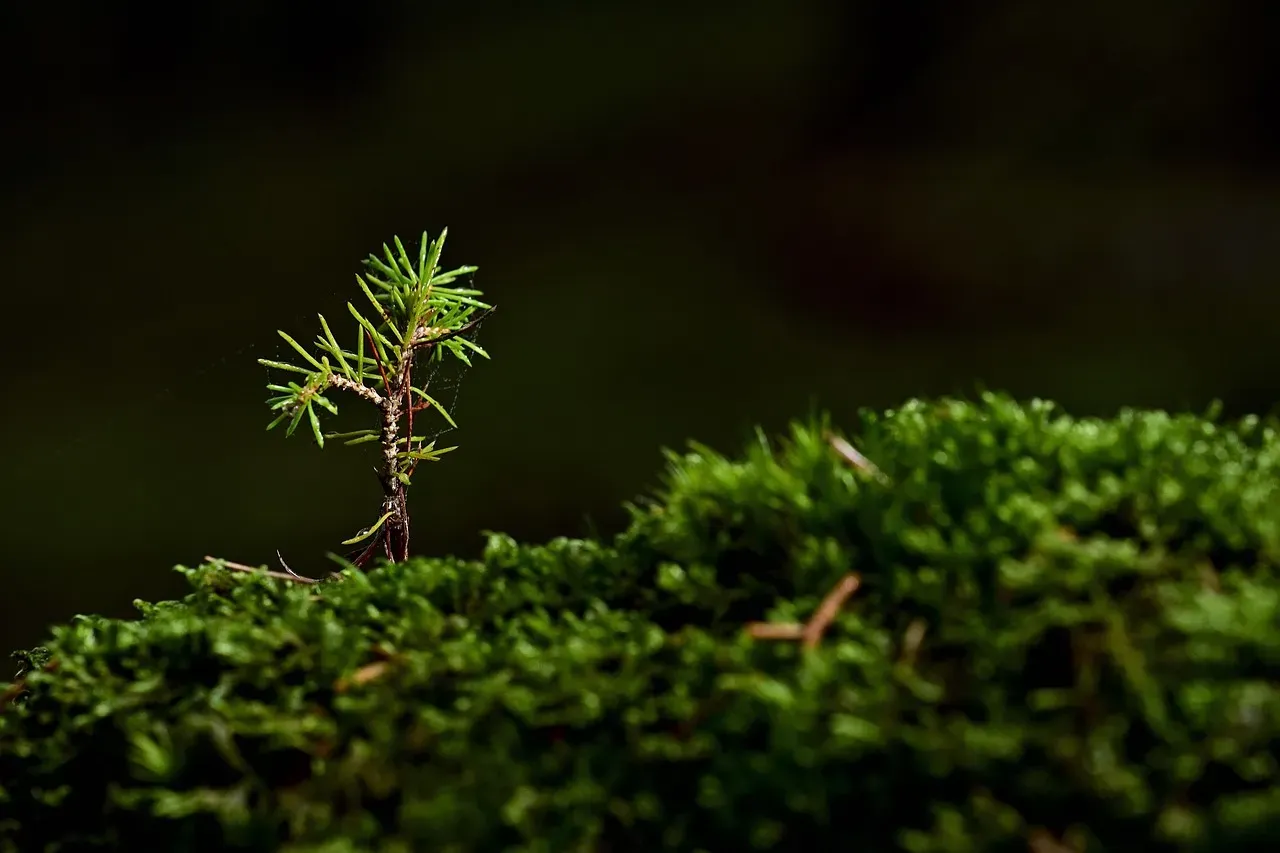
In that first year, it’s easy to focus only on low herbs and grasses, but shrub and tree seedlings are often quietly getting started too. Many soils hold a “seed bank” from past vegetation: acorns, cherry pits, maple samaras, or seeds of pioneering shrubs like brambles or willows, all waiting for a gap in the canopy and exposed mineral soil.
Wind‑dispersed trees, such as many maples or poplars, can colonise bare ground rapidly when their seeds are blowing at the right moment. Bird‑dispersed species, especially fruiting shrubs and trees, often show up beneath fence lines, around posts, or where birds perch and drop seeds. The first year might just show a few tiny leaves you could easily step on without noticing, but the long‑term trajectory is already being set.
These woody pioneers typically prioritise rapid early growth and tolerance of harsh light and temperature swings. They can handle baking sun, frost, and nutrient‑poor soil better than many mature forest species. In ecological succession, they are the “bridge builders” that, over many years, will create shade and a more humid microclimate that later, shade‑loving species can take advantage of.
From a human perspective, early tree and shrub colonisers can be welcome or unwelcome. On a degraded site, they are essential for long‑term recovery. On farmland or gardens, they might be viewed as woody weeds that must be cut or pulled. Either way, their first‑year appearance is a signal: the system is already thinking decades ahead, preparing to shift from open field to something more like woodland.
#9 Opportunistic Vines: Fast Climbers on Any Support
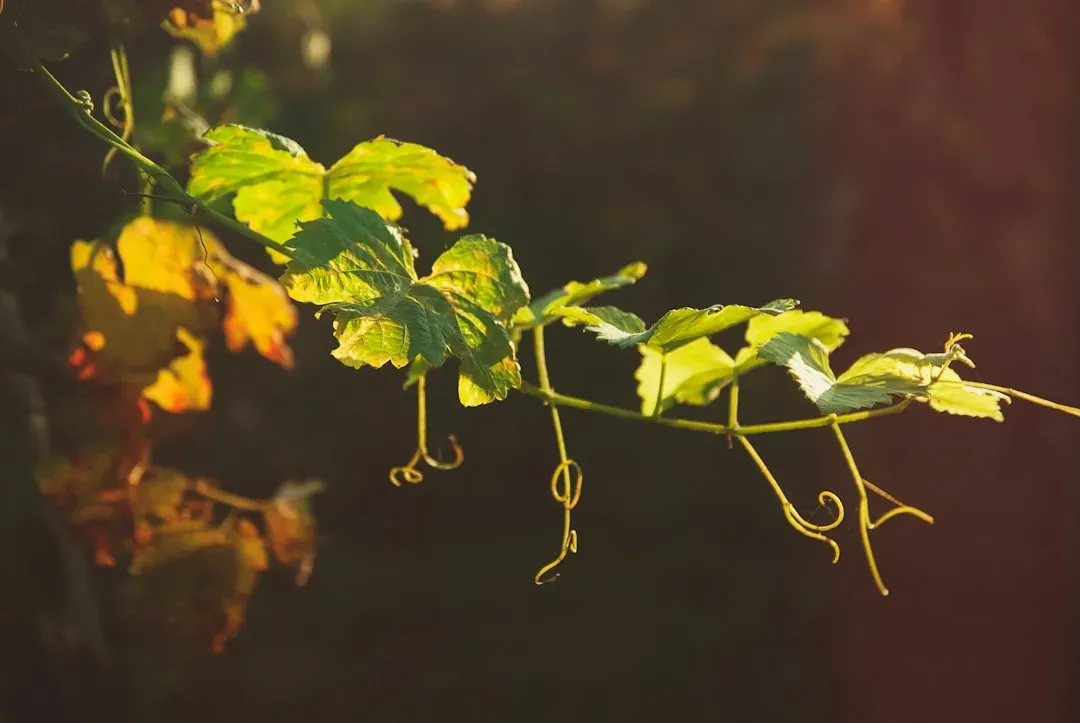
Where there is something to climb – fence, rubble, shrubs – opportunistic vines are often quick to take advantage of bare ground nearby. Their seeds may arrive by wind, water, animals or contaminated soil. Once they germinate, many vine seedlings race upward rather than investing heavily in thick stems of their own.
In the first year on bare ground, vines will often appear near the base of early shrubs, piles of debris, stumps or man‑made structures. Species differ by region, but the general pattern is similar: they spread quickly, use other plants or objects as scaffolding, and create sideways shade that changes light patterns on the ground below.
This can have mixed effects on other colonisers. Some vines smother young plants and make it hard for slower species to establish, especially if the vine layer becomes a dense tangle. Others simply weave among grasses and forbs, adding structural diversity and more vertical layers that insects, birds and small animals can use as habitat.
In ecological succession, vines are often described as “exploiters.” They do not build the main woody framework like trees and shrubs, but they take full advantage of whatever that framework offers. Their presence in year one indicates that climbing niches are already available and that the colonisation process is not just flat and two‑dimensional, but three‑dimensional and dynamic.
#10 Pioneer Sedges and Rushes in Wet Spots: First Responders to Waterlogged Soil
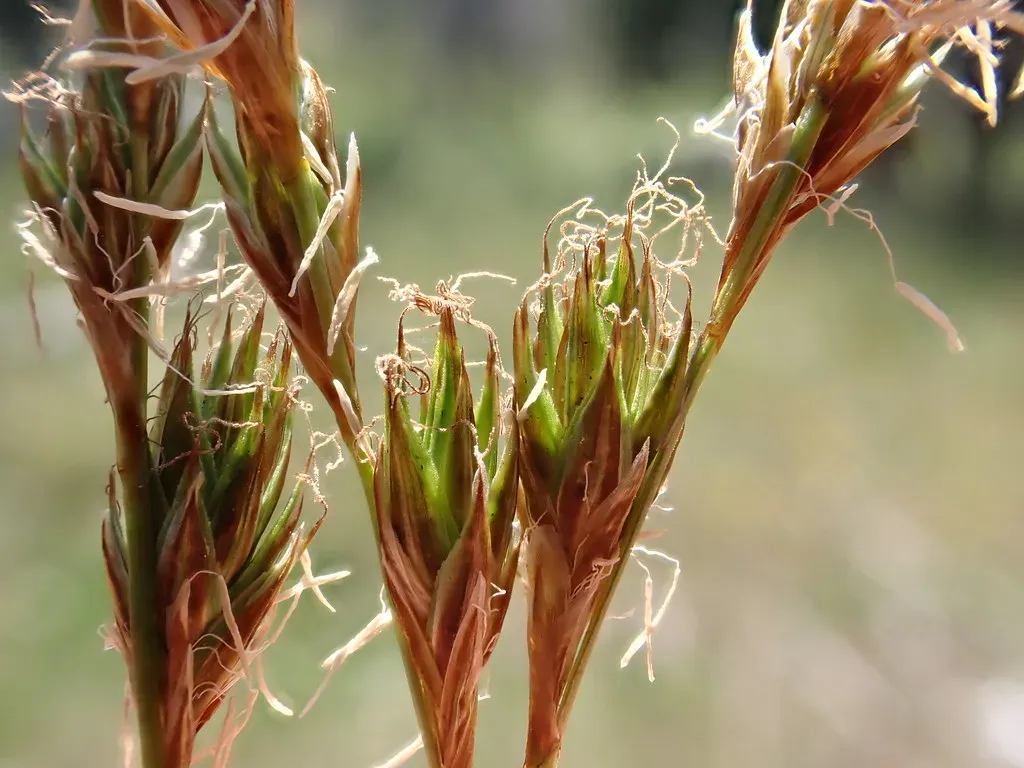
Not all bare ground is dry. In ruts, depressions, drainage lines or compacted edges where water collects, pioneer sedges and rushes are often among the first colonisers. They are specially adapted to cope with waterlogged or periodically flooded soil where typical grasses might struggle.
These plants usually have dense, fibrous root systems that knit wet soil together, making it less likely to slump or erode when water levels rise and fall. They can also tolerate low oxygen conditions around their roots, which is common in saturated ground. This allows them to occupy a niche that many other early colonisers cannot handle.
In the first year, you might see small clumps start in the wettest microsites, gradually expanding outward as they trap sediment and organic debris. Over time, this can literally raise the soil surface a little, making conditions less extreme and opening the door for other species to join in. That is how ditch edges, pond margins and mud holes slowly gain a fringe of vegetation.
A few summarised roles of pioneer sedges and rushes:
- They stabilise soggy or periodically flooded soil.
- They provide cover and structure for amphibians and invertebrates early on.
- They start building up organic matter in what would otherwise be bare mud.
#11 Early Flowering Annuals: First Splashes of Colour and Pollinator Fuel
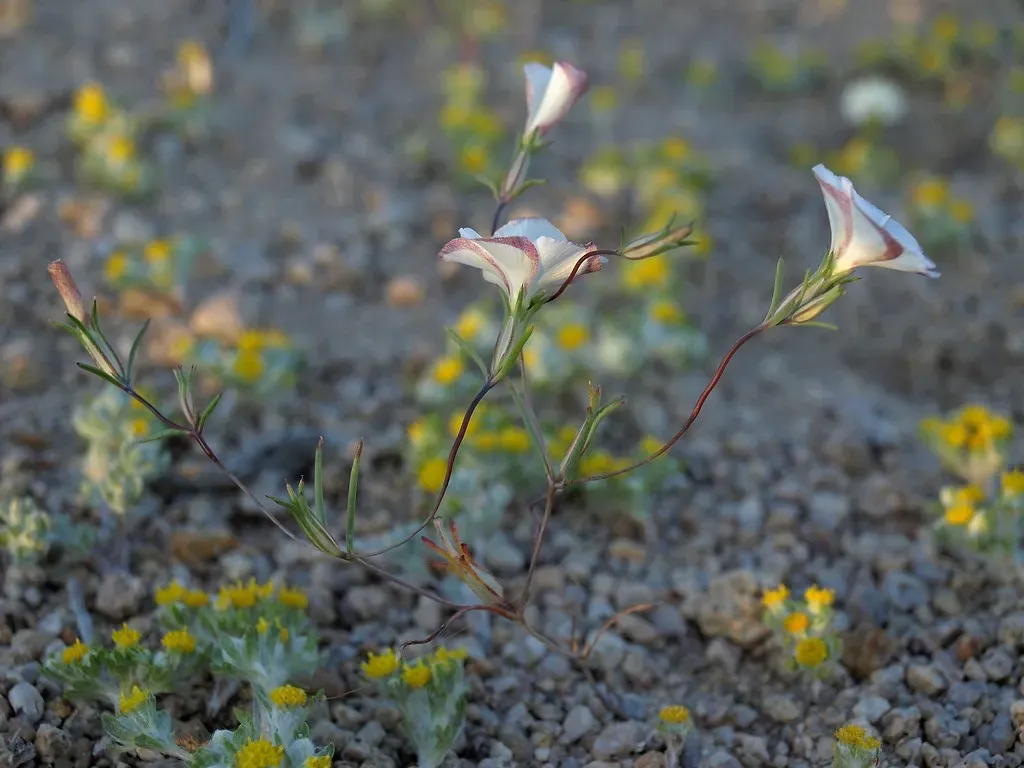
After the raw look of freshly disturbed soil begins to fade, early flowering annuals often provide the first real sense of “beauty” on the site. These can be native wildflowers or non‑native escapees, depending on your location and seed sources in the surrounding landscape. In either case, they add flowers quickly, sometimes within a couple of months of germination.
These species typically have short life cycles and invest heavily in seed production. Bright petals and nectar rewards attract pollinators, which is especially important in landscapes dominated by monocultures or hard surfaces. A bare patch colonised by early annuals essentially becomes a pop‑up café for bees, butterflies and other insects that might struggle to find diverse food sources nearby.
From a soil perspective, their role is similar to other annual forbs: shading the ground, adding organic matter when they die, and helping prevent erosion. But because they are visually striking, they also change how humans respond to the site. A bare lot with thistles and ragged grasses might be dismissed as waste ground; the same lot sprinkled with flowers is more likely to be valued or protected.
This interaction with human perception matters. In some cities, councils and communities now seed disturbed areas deliberately with fast‑growing annual mixes to speed up both ecological function and public acceptance. That blurs the line between “spontaneous” colonisation and guided restoration, but it still rests on the same underlying reality: early flowering annuals are exceptionally good at turning raw soil into a living, colourful surface in a short time.
#12 Invasive Early‑Succession Specialists: The Double‑Edged Sword
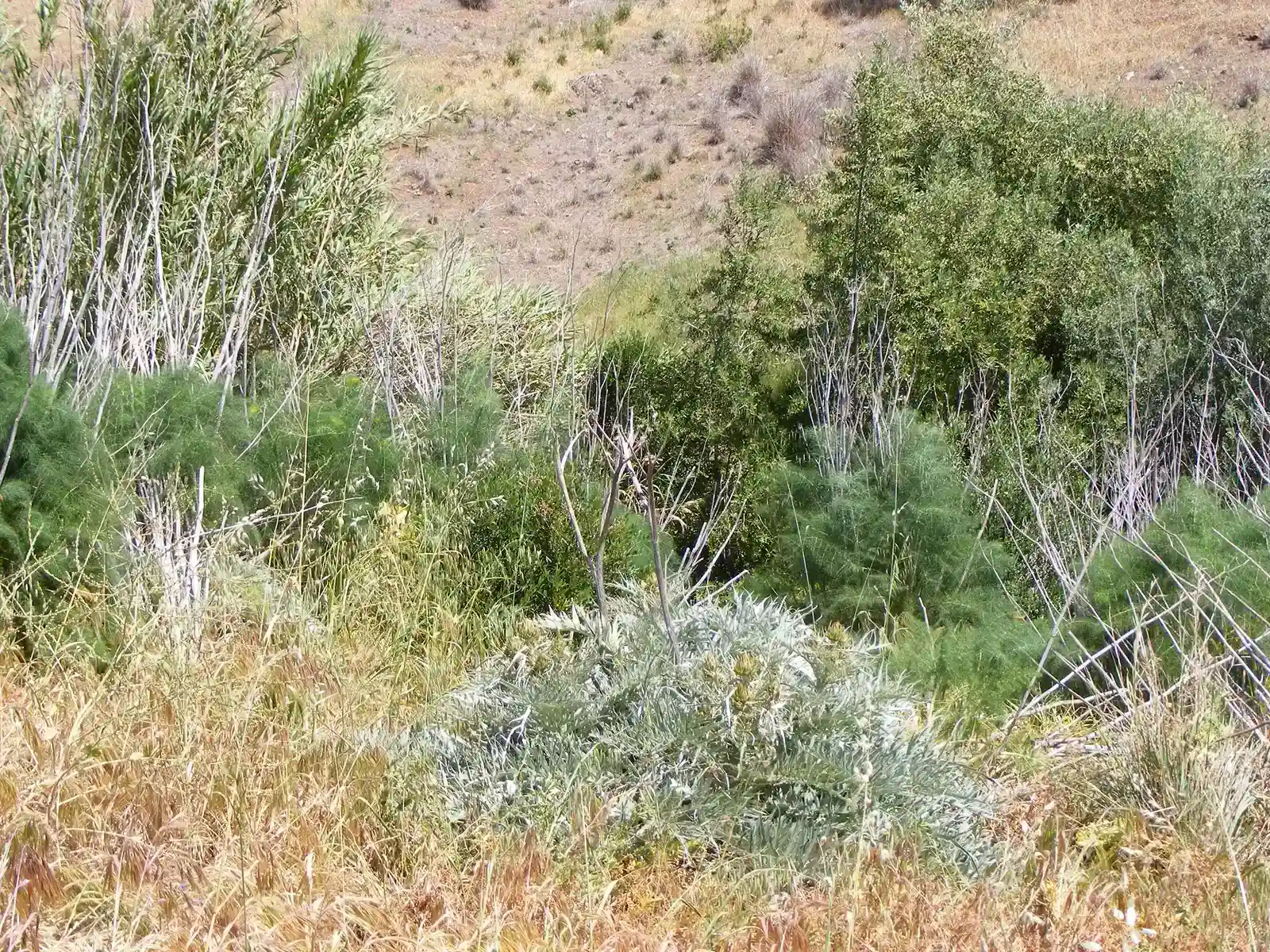
Not all first‑year colonisers are benign or welcome. Many of the world’s most troublesome invasive plants are early‑succession specialists that excel at grabbing bare ground. They share a familiar set of traits: rapid growth, copious seed production, broad tolerance for different soils, and the ability to outcompete local species for light, water and nutrients.
When such an invasive species arrives on newly bare soil, it can dominate the first wave of colonisation, forming near‑monocultures instead of the more diverse mix that might appear otherwise. This can slow or distort natural succession, reducing habitat quality for local wildlife and making it harder for native shrubs and trees to get established.
However, the picture is not always black‑and‑white. In severely degraded landscapes – think abandoned industrial sites, heavily eroded slopes or polluted ground – some non‑native pioneers may be among the few species capable of surviving at all in the early years. They stabilise soil, accumulate organic matter, and sometimes even improve nutrient conditions, unintentionally paving the way for other plants later.
The challenge is distinguishing between helpful temporary cover and species that will continue to dominate and cause long‑term harm. In practice, that often depends on local context, management goals and which particular species are involved. But as a rule of thumb, if you see a single aggressive plant taking over nearly all of a new site in the first year, you are probably looking at an invasive early‑succession specialist flexing its muscles.
#13 Human‑Planted Cover Crops and Seed Mixes: Intentionally Speeding Up Nature
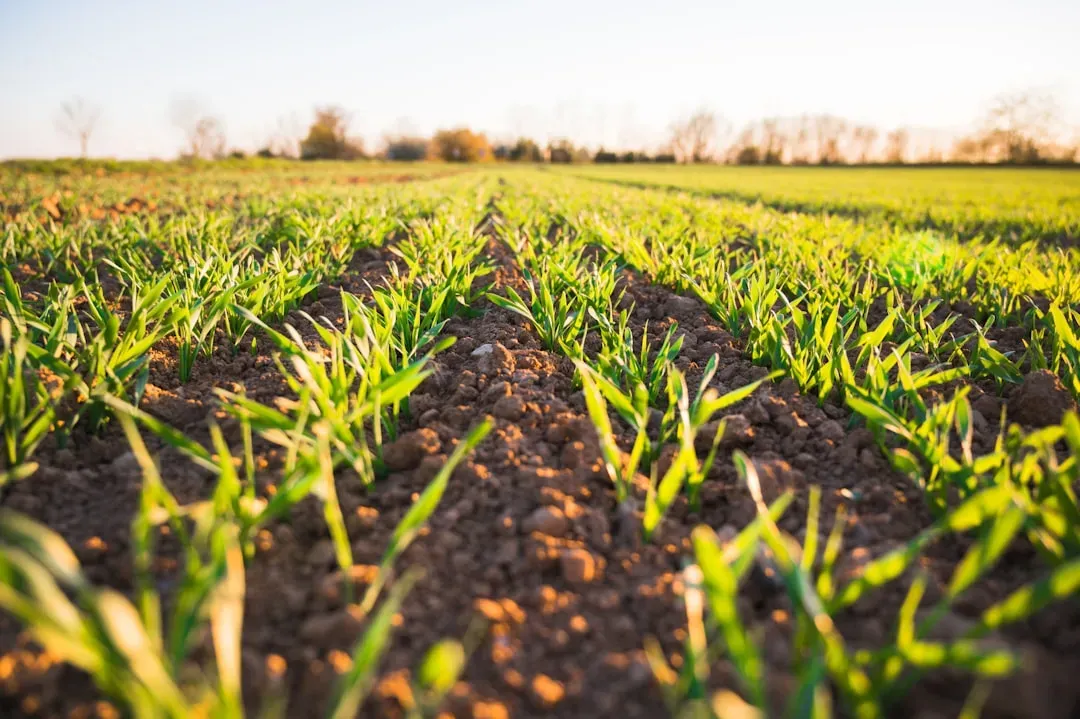
Not every colonisation story is purely wild. On farms, gardens, construction sites and restoration projects, humans increasingly step in to plant the first wave of colonisers deliberately. These are often cover crops or tailored seed mixes designed to do what natural pioneers do – stabilise soil, build organic matter, support pollinators – but in a more controlled and predictable way.
Common cover crop choices for include fast‑growing grasses, legumes that fix nitrogen, and sometimes brassicas or other species that help break up compacted soil with strong roots. In urban greening projects, designers might pick annual and short‑lived perennial flowers that offer quick colour along with ecological benefits.
Compared to spontaneous colonisers, planted mixes can be fine‑tuned. Managers can choose species that are less likely to become invasive, that match the specific soil conditions, and that set up the site for whatever comes next, whether that’s crops, native meadow, or tree planting. In a sense, they are steering succession rather than leaving it entirely to chance.
Some key advantages of intentionally planted first‑year colonisers:
- They reduce erosion and dust almost immediately after disturbance.
- They can be selected to support specific insects, birds or soil improvements.
- They give people a sense that the site is cared for, which can reduce vandalism or neglect.
Of course, once you seed a site, you are entering into a kind of partnership with nature. Wild colonisers will still arrive, mix with your choices, and sometimes outcompete them. The first year becomes a negotiation between what you planned and what the ecosystem wants to do on its own.
Conclusion: Bare Ground Is Never Really Empty
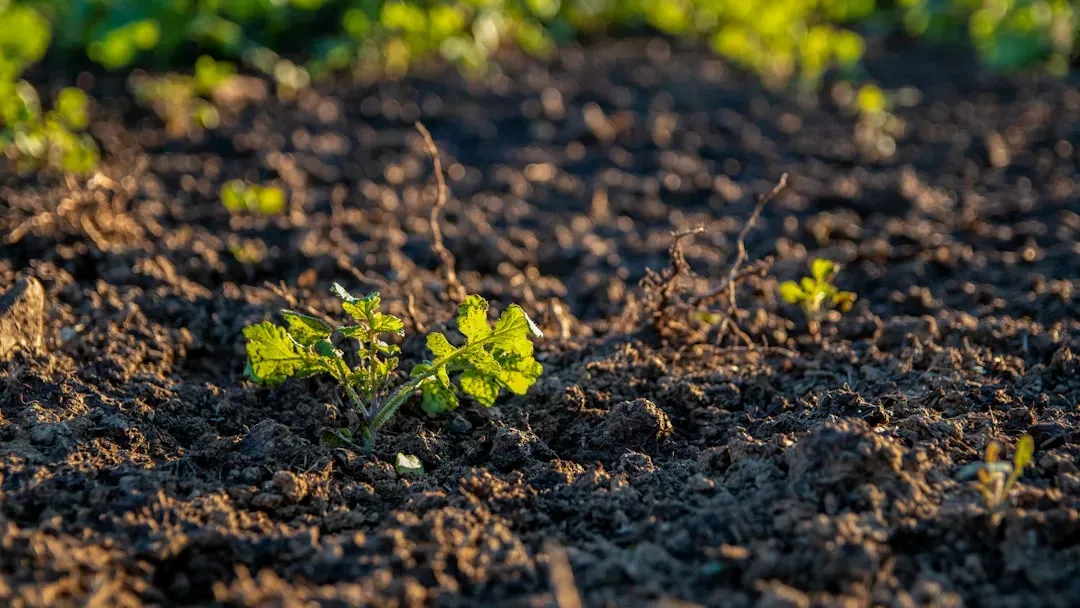
Watching a patch of bare soil over a single year is like watching a time‑lapse of ecological ambition. From algae films and mossy hints to grasses, clovers, thistles, seedlings and vines, every newcomer is following its own script, but together they write the first chapter of a new ecosystem. The lesson is simple and profound: emptiness is temporary, and life rushes in as soon as we give it even the slightest opening.
Personally, I’ve come to see “weeds” on disturbed ground less as enemies and more as the first draft of something better. Some of those drafts absolutely need editing – especially aggressive invasives that bulldoze diversity – but many early colonisers are doing quiet repair work for free: holding soil, feeding insects, loosening compaction, and preparing the stage for shrubs and trees. If we pay attention, we can work with that energy instead of constantly fighting it.
In the end, those thirteen groups of colonisers are not just botanical trivia; they are clues about where a landscape has been and where it is likely to go next. Next time you see a scruffy, “wasted” patch of ground at the edge of a car park or an old field, you might pause and read it like a story in progress rather than a failure. After all, if bare ground never stays bare, the real question is: are we brave enough to let some of that wild first year unfold before we rush to cover it with concrete or neat, sterile lawn?
When you look at the next scruffy patch of earth you pass, will you still just see weeds – or the opening scene of a much longer story?