
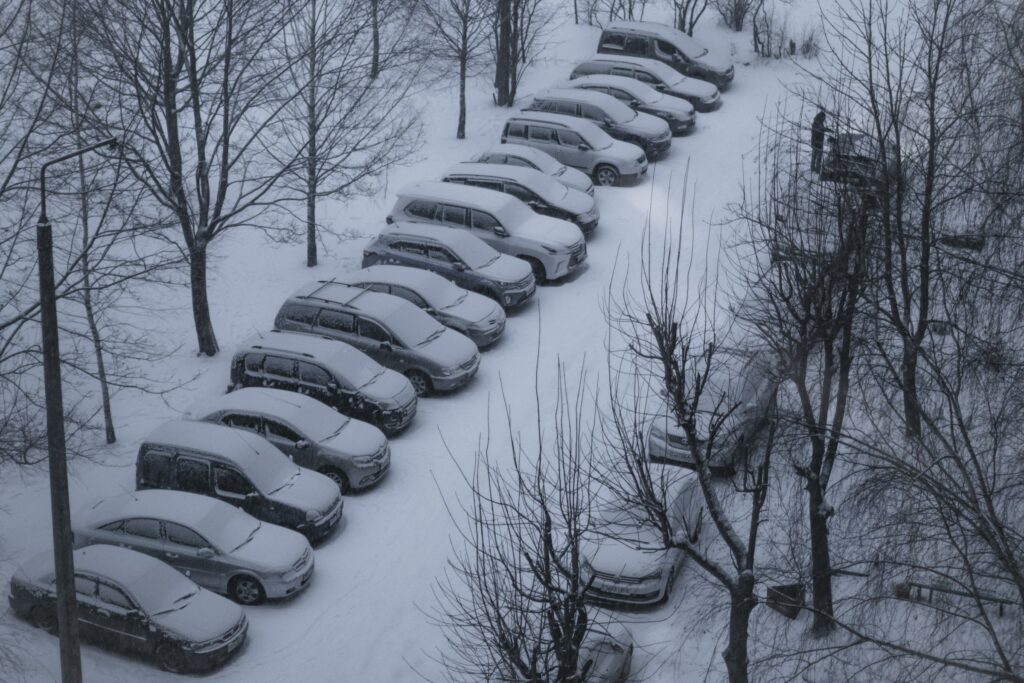
You walk outside on a cold, clear morning and there it is again: your car windshield is white, the neighbor’s roof is glittering, but the sidewalk looks totally fine. Or maybe one corner of your lawn is covered in sparkling frost while the rest is just damp. It almost feels personal, like the frost has favorite places it always goes back to.
This isn’t random. Frost has “habits,” and once you start noticing them, you’ll see the same spots freezing first over and over again. There are real, surprisingly simple physics and micro‑climate reasons behind this pattern, and they explain why your car, your grass, or that one shady corner always seems to get hit first.
In this article we’ll dig into 14 of the most common places where frost forms first, and why those exact locations keep winning the icy lottery every chilly morning. Along the way, we’ll also uncover some sneaky details about how heat escapes, how air flows, and how tiny differences in surfaces can make a huge difference in whether frost appears or not.
#1 Open Grass Lawns in Low Spots
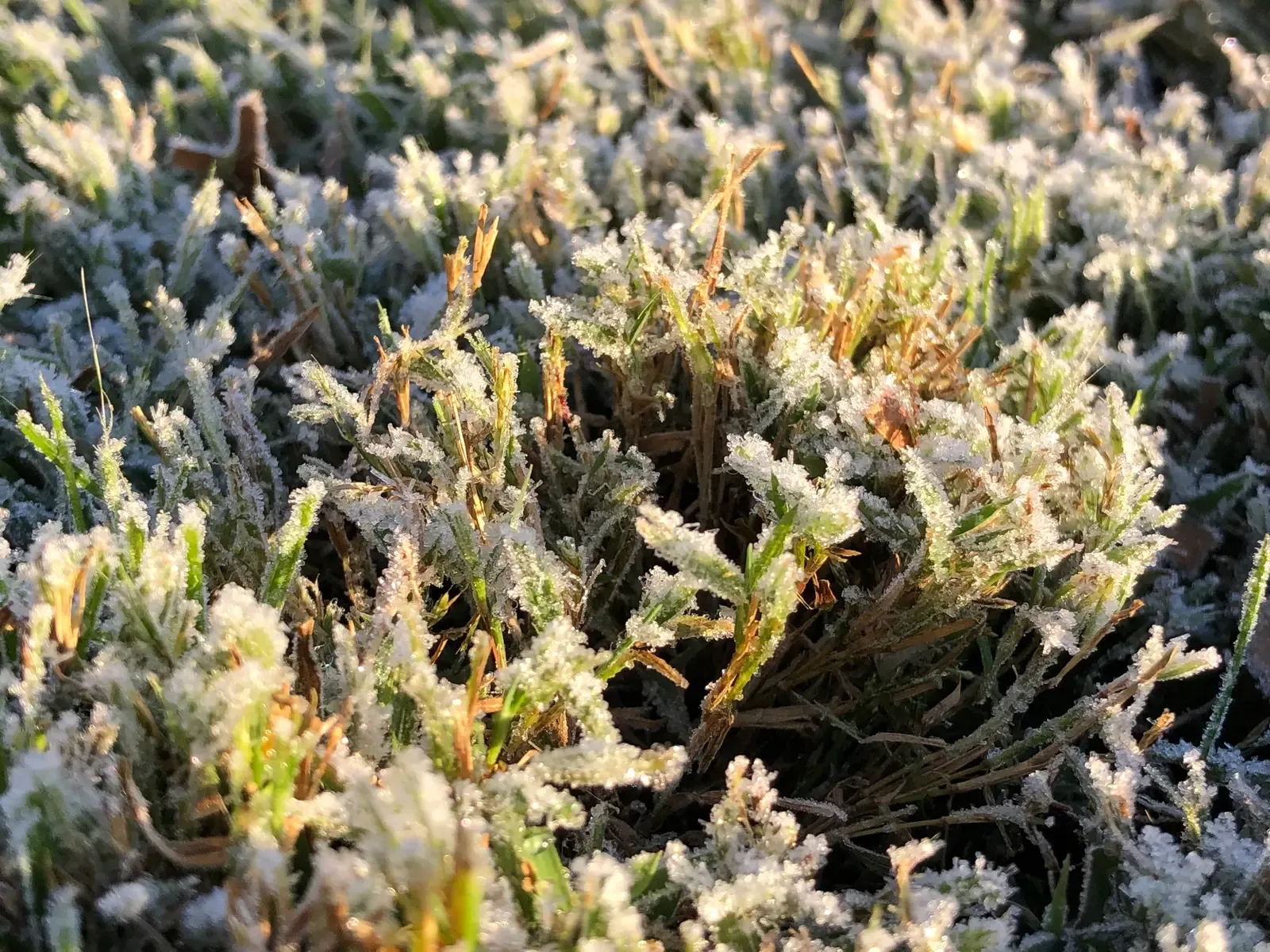
Ever noticed how a grassy lawn can be white with frost while nearby pavement is just wet? That’s not your imagination. Grass cools faster than many other surfaces because it is thin, porous, and full of air pockets. Those tiny blades and gaps radiate heat away quickly into the clear night sky, allowing the surface temperature right at the tips of the grass to slip below freezing even when the air a meter above is still slightly warmer.
The effect is especially strong in low-lying parts of your yard. Cold air is heavier than warm air, so it tends to flow downhill like a slow, invisible liquid. It settles in dips and hollows, creating what’s often called a cold-air pool. That shallow pool of colder air sits right on the grass, helping it to cool even further and making frost more likely there than on higher ground just a few meters away.
- Grass blades lose heat quickly to the clear night sky.
- Cold air drains into low areas and collects there.
- Surface temperature on the grass can drop below air temperature.
That’s why the same patch of lawn in the lowest part of your garden always seems to turn white first. It isn’t cursed; it’s just sitting in the optimum position for rapid cooling and cold-air buildup. Once you know this, those frosty patterns start to look less mysterious and more like a simple map of where heat flows – and where it doesn’t.
#2 Car Roofs and Windscreens Left in the Open
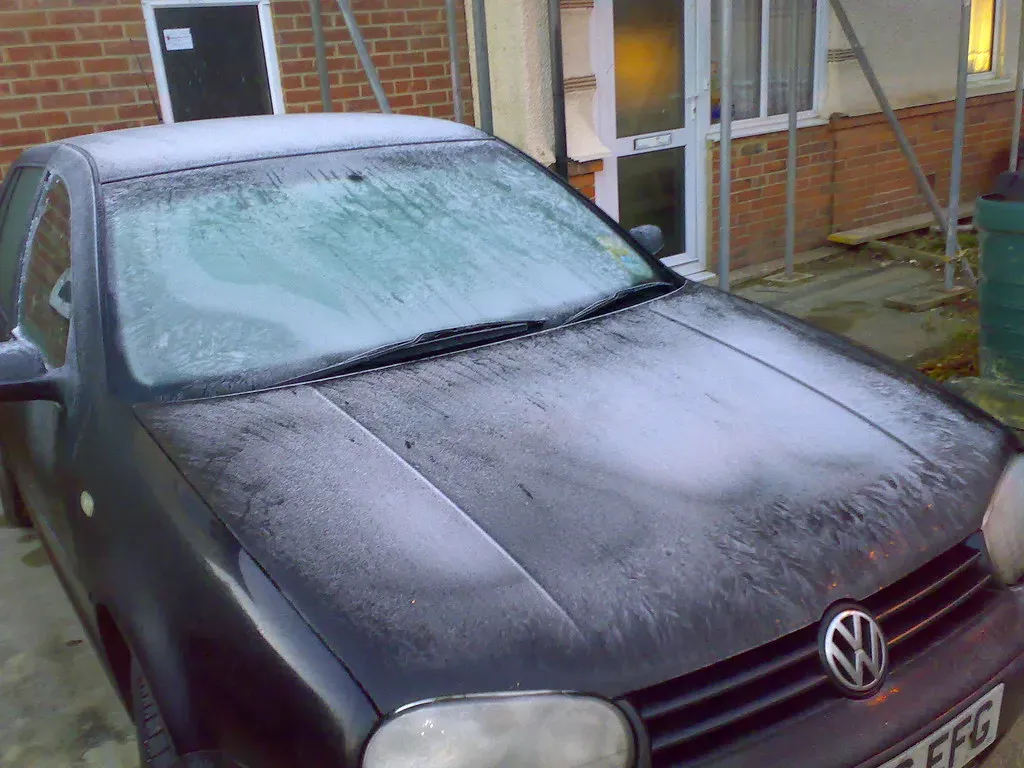
If there were an award for “most complained about frost location,” the car windshield would win easily. Cars parked out in the open, especially under clear skies, frost up much faster than you might expect from just looking at the forecast temperature. The main reason is radiative cooling: the metal and glass surfaces of the car efficiently radiate heat away into the cold sky, dropping below the surrounding air temperature before dawn.
Glass is particularly good at this nighttime cooling effect. When the glass surface falls below freezing and there is enough moisture in the air, water vapor condenses and then freezes on contact. That is why you might see a thick white coating on your windshield while a nearby wall or fence is only damp. The windshield has effectively become a little heat sink for the night.
Another quirky detail is airflow. Car roofs and windscreens are often exposed to open air on all sides, so the cold air that forms near them is not blocked or mixed away. If you park under open sky, you give the car a direct line of sight to space, which is extremely cold. No clouds above means nothing to reflect radiant heat back down, so the car sheds energy even more quickly. Park the same car under a carport or tree canopy and you’ll often see less frost, or none at all, on equally cold mornings.
#3 Rooftops and Shed Roofs Facing the Open Sky
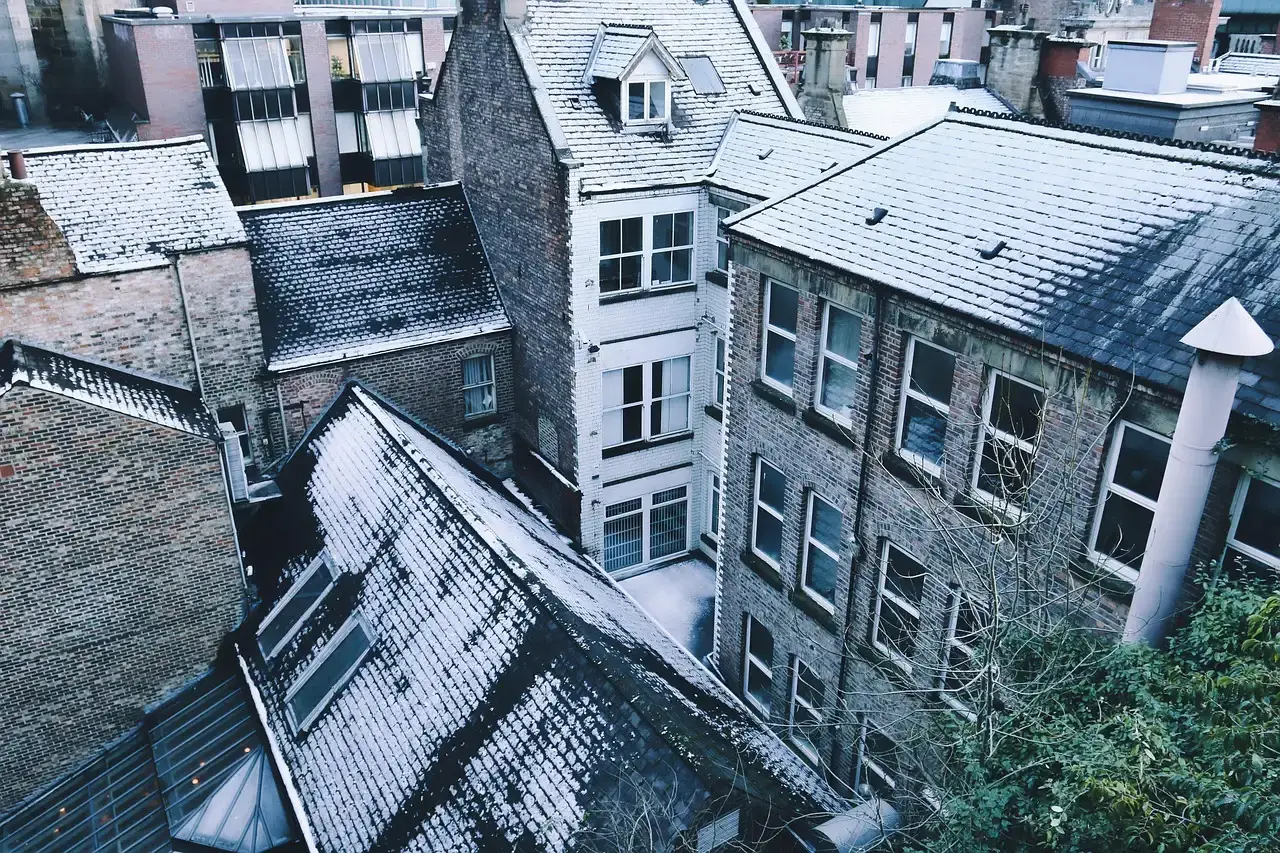
Look down a frost-covered street from an upstairs window and you’ll often see a striking pattern: roof after roof dusted white, while sections of the ground are bare. Roofs that face the open sky cool dramatically at night through radiation, especially when they are made of materials with low heat capacity like metal or thin tiles. With less material to store warmth and not much contact with warm air rising from the ground, they lose heat very efficiently.
Shed roofs or garage roofs can frost up even faster than main house roofs because they are often less insulated and sit away from the heat leaking out of the main living spaces. The thin roof skin cools quickly, the outer surface drops below freezing, and any moisture in the air condenses and freezes on top. That’s why a detached shed can look like it belongs in a winter postcard while the nearby brick walls and windows are clear.
- Roofs “see” a lot of sky, increasing radiative heat loss.
- Thin materials cool faster and reach freezing sooner.
- Detached and unheated structures frost before well-insulated homes.
Because the angle of the roof matters too, you’ll sometimes notice one side of a roof frosting more than the other. The side that’s more exposed to the open sky, with fewer trees or walls blocking its view, can radiate slightly more heat and cool just a bit more. Over dozens of nights each winter, that small difference adds up to the same roof panels being the first to whiten again and again.
#4 Bridges, Overpasses, and Elevated Roadways
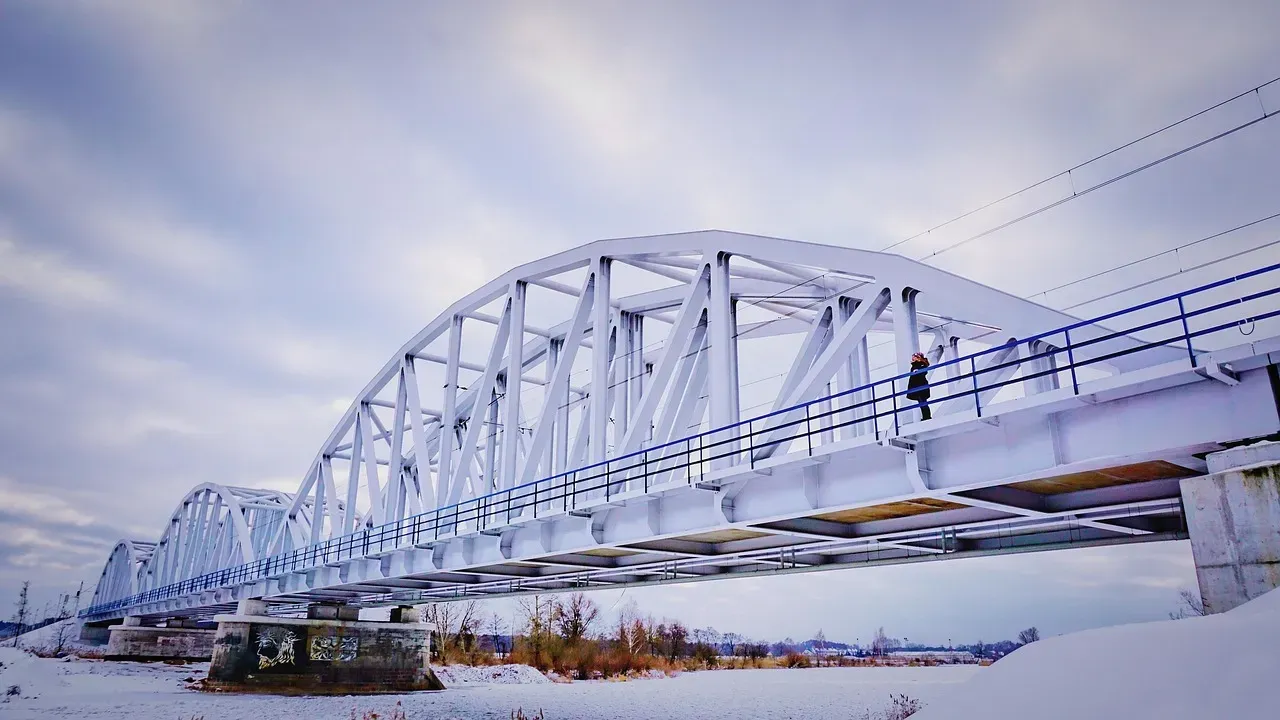
There’s a good reason road signs warn that bridge decks can freeze before the rest of the road. A normal stretch of pavement sits on solid ground that holds a lot of heat, slowly feeding warmth back into the surface overnight. A bridge deck, by contrast, is exposed to cold air both above and below, which means it can shed heat in two directions at once. With nothing warm underneath, it cools faster and can drop below freezing even when nearby ground-level roads remain above it.
As the surface cools, moisture from the air or from passing vehicles can condense and freeze on the bridge, forming frost or black ice. Drivers are often caught off guard because their neighborhood streets seem fine, yet the bridge a few minutes away is slippery and treacherous. The same physical principle that makes your car roof frost before the driveway applies here, just on a larger scale.
In many regions, highway departments track specific locations that almost always develop frost or ice first in a cold snap. Those are usually elevated structures, shaded cuts, or stretches of road in low valleys where cold air collects. Once a bridge or overpass earns a reputation for freezing first, it tends to keep it, because the structure and local airflow patterns don’t really change from year to year.
#5 Shaded Corners of Yards and Gardens
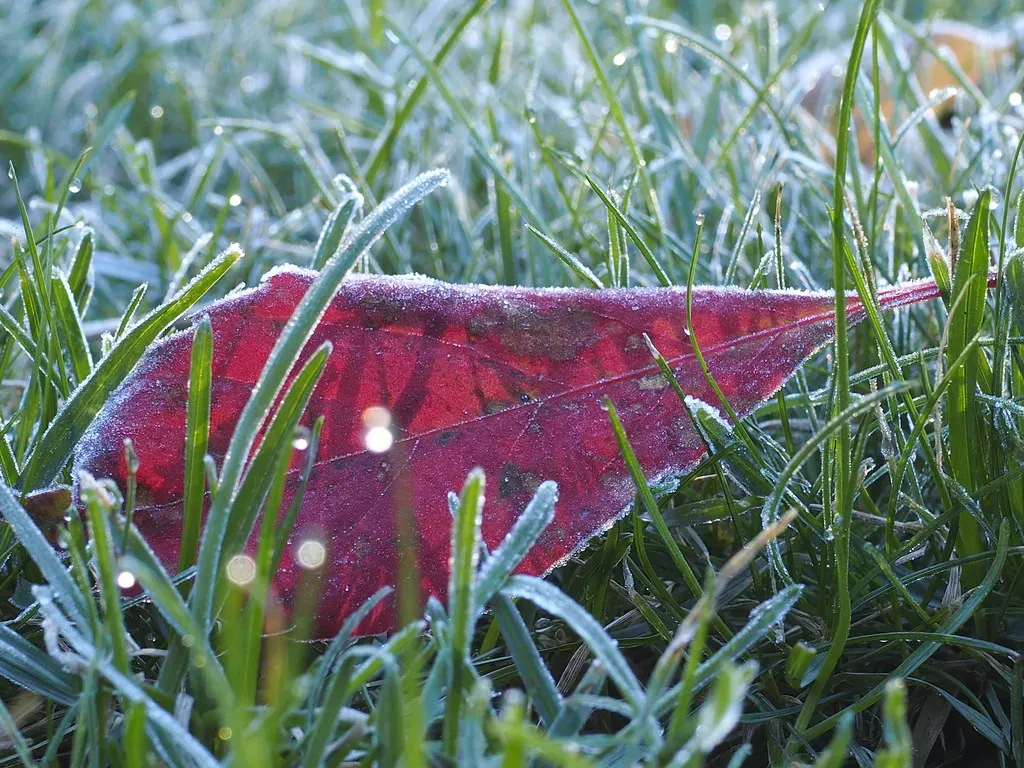
Every garden seems to have that one patch where frost lingers longer and appears earlier, even when the rest of the lawn looks fine. Shaded corners, especially those blocked from the morning sun by fences, walls, or trees, are classic frost magnets. At night, these areas may cool a bit more due to reduced shelter from wind or extra exposure to clear sky, but the real trick is what happens after sunrise.
Even when the air warms and the sun comes up, the shaded corner stays in the cold. The frosty surface there struggles to absorb warmth, so melting starts later and proceeds more slowly. That means frost you see at eight in the morning is often simply the frost that formed everywhere, but has already melted in sunnier spots. Over time, though, those lingering cold mornings can stress plants in that one spot more than elsewhere in the garden.
- Shade delays warming in the morning, so frost lingers.
- Surfaces in corners may have less air movement, trapping cold air.
- Walls and fences can block low-angle sun in winter.
From a gardener’s point of view, this is why planting tender plants in those shady, enclosed areas can be risky. Year after year, that corner earns a reputation as the first place to frost and the last place to thaw, simply because geometry and sunlight angles keep working the same way every winter.
#6 Concrete Patios, Pavers, and Stone Paths in the Open
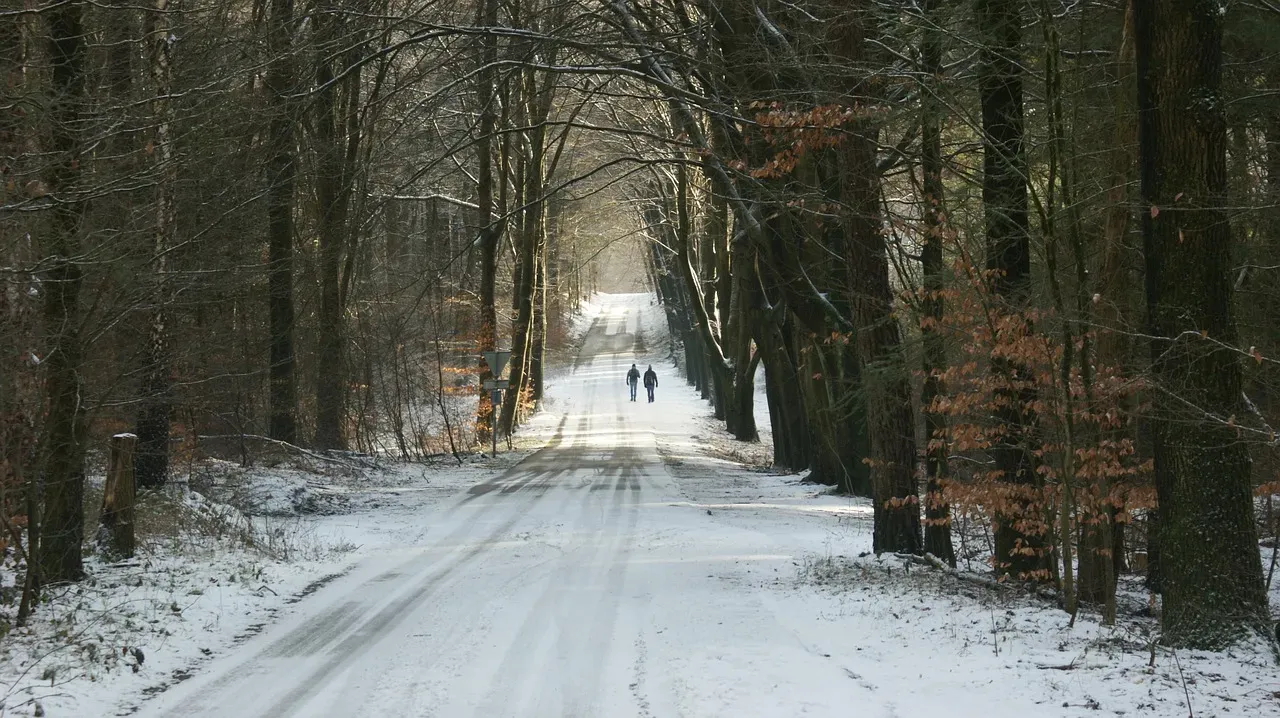
It might sound counterintuitive, but some hard surfaces, like exposed patios and stone paths, can also be among the first places to show a thin, slippery layer of frost. The key detail is exposure. A bare stone path that sees the open sky cools down by radiation very effectively. If the stone is thin, or not backed by much insulating soil, its surface can drop below freezing faster than the bulk of the ground.
These surfaces also tend to collect dew because they cool faster than the air just above them. Once that thin film of moisture forms, it can freeze into an almost invisible layer of hoarfrost or ice. That is why you can walk on the grass without slipping but nearly fall on your back when you step onto the stone step. From your point of view the air feels about the same, but the surface temperature is what really matters.
Another factor is material color and texture. Light-colored stone can radiate heat efficiently and often cool faster than darker surfaces that absorb what little long-wave radiation is bouncing around. Smooth pavers and concrete pads also form more uniform frost coatings, because there are fewer rough micro-surfaces to interrupt the spread. Once you know which step or slab always frosts first, you learn to treat it with caution on cold mornings.
#7 Low-Lying Fields, Valleys, and Depressions
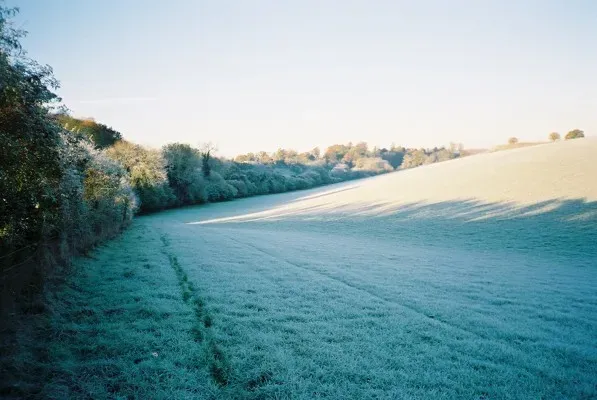
On a regional scale, the same cold-air pooling you see in a backyard hollow plays out in valleys and fields. Farmers know this intuitively: frost pockets often form in low fields or basins, while crops or orchards planted slightly higher up remain untouched on marginal frost nights. Cold air drains off hillsides after sunset and collects in the lowest terrain, sometimes forming a layer just a few meters thick.
This means that a vineyard or orchard on a gentle slope can sometimes escape frost damage that devastates plants just a short distance downhill. The temperature difference between the valley floor and a mid‑slope location can be several degrees on calm, clear nights. That is enough to decide whether plant tissues freeze or not, and it explains why farmers put so much thought into topography when choosing where to plant sensitive crops.
- Cold air behaves like a heavy fluid, flowing downhill at night.
- Valley bottoms can be a few degrees colder than nearby slopes.
- Frost risk maps often highlight the same low spots year after year.
Once a particular field or hollow earns a reputation as a frost hollow, that reputation usually sticks. The hills, trees, and prevailing wind patterns that create that cold-air catchment don’t move much over human lifetimes. As a result, those same places will almost always be the first to see a glint of white when a marginal frost event hits the region.
#8 Metal Railings, Fences, and Mailboxes
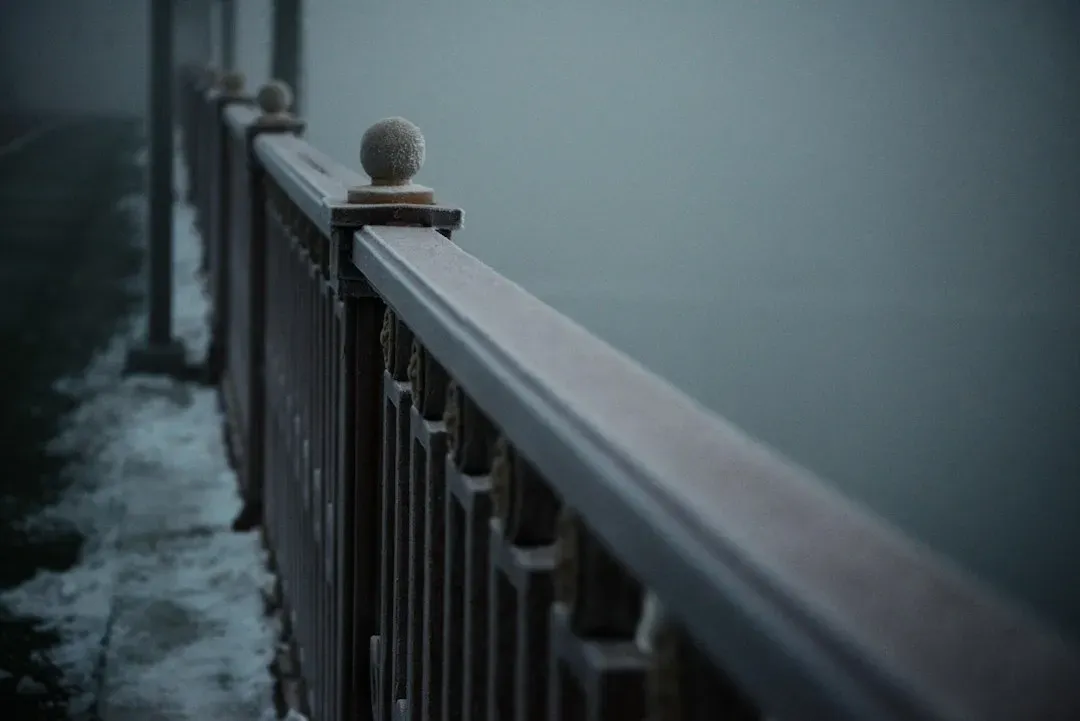
Metal objects out in the open are like little frost magnets. They conduct heat extremely well, which means the heat stored inside them moves quickly to the surface and then radiates away into the sky. A metal railing or mailbox will often feel colder to the touch than the surrounding air, because its surface has dropped below the ambient temperature during the night.
When moist air brushes past, water vapor condenses and freezes on the cold metal, forming tiny ice crystals that sparkle in the morning light. Because these objects are exposed on all sides and often stand alone, they efficiently lose heat to both the air and the night sky. In some cases, you can see a fine line of frost along the top bar of a fence even when nearby wood or plastic surfaces are clear.
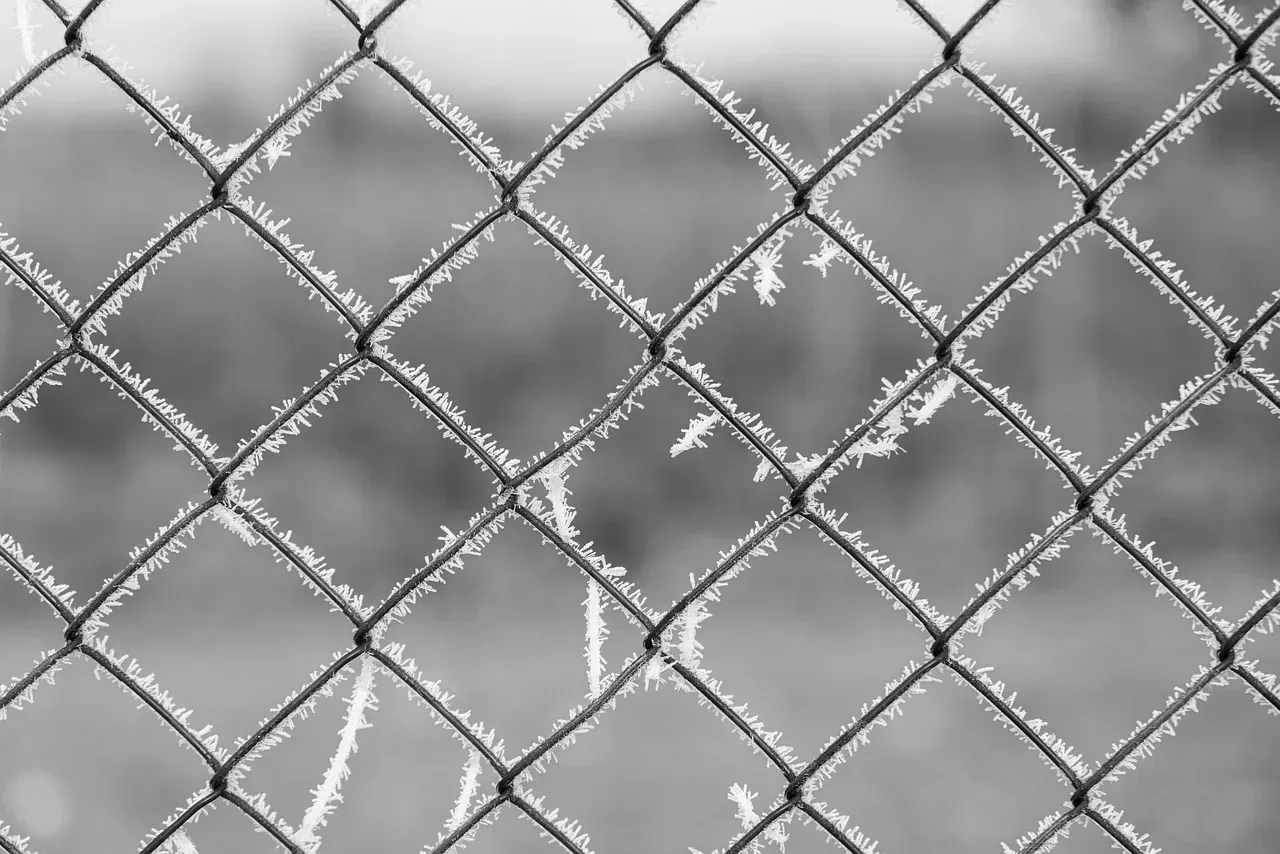
Another quirky piece is shape. Thin rods, wires, and edges cool especially fast because they have a high surface area compared to their volume. There just isn’t much thermal mass to keep them warm. That’s why a chain-link fence might frost over more dramatically than a thick metal gatepost, even though both are made from similar material and sit in the same air.
#9 Car Roofs Parked Under Clear Sky vs. Under Trees
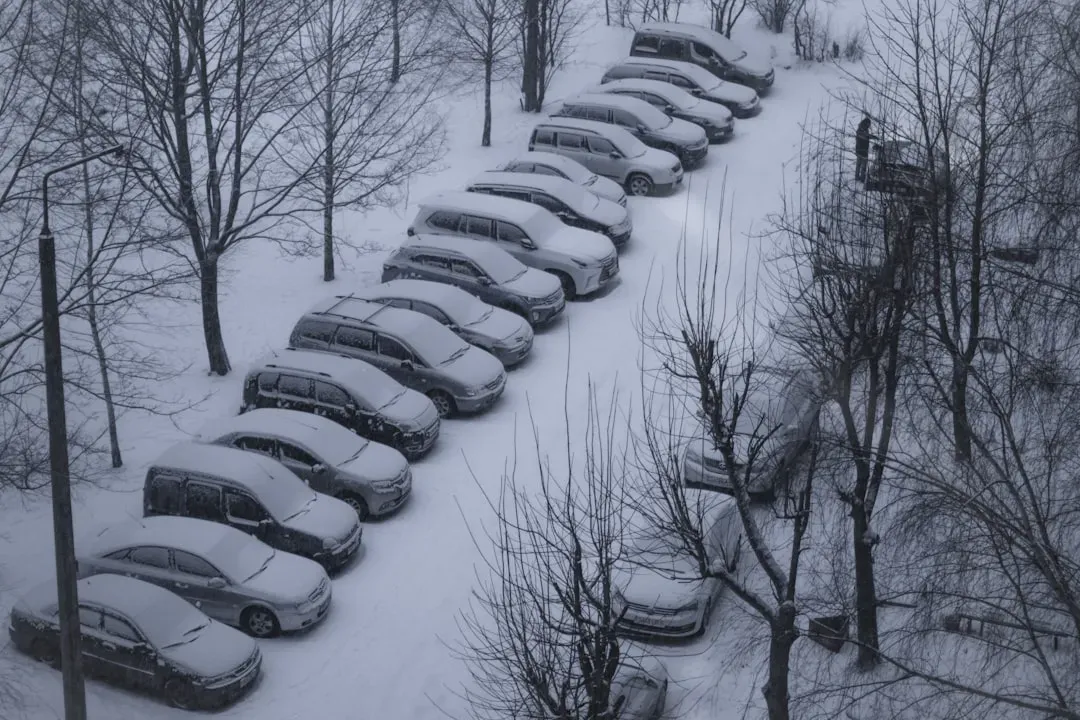
It seems strange until you think about it: park your car under a tree and you often get less frost, even if there are no leaves to shield it from wind. The tree or overhead structure acts like a partial roof, blocking a clear view of the night sky and reflecting some of the car’s radiated heat back down. This slows the rate at which the car surface cools, so it may hover just above freezing while the car out in the open parking spot goes below it and frosts up.
This is a good real-world example of how radiative cooling works. At night, anything under open sky is effectively “looking at” outer space, which is extremely cold. A solid object overhead changes that view into something much warmer and more complex. Even cold tree branches, clouds, or a balcony can limit how quickly your car loses heat, just enough to alter whether frost appears or not.
- Open-sky parking encourages rapid radiative heat loss.
- Overhead cover reflects and absorbs some outgoing radiation.
- Small temperature differences decide if frost forms or not.
Because this setup tends to be consistent – your driveway versus the curb, the open parking lot versus the spot under a tree – the same cars in the same places show the same frost pattern morning after morning. It is not superstition; it is the geometry of radiation and shade playing out in a very visible way.
#10 Inside Corners of Fences and Walls
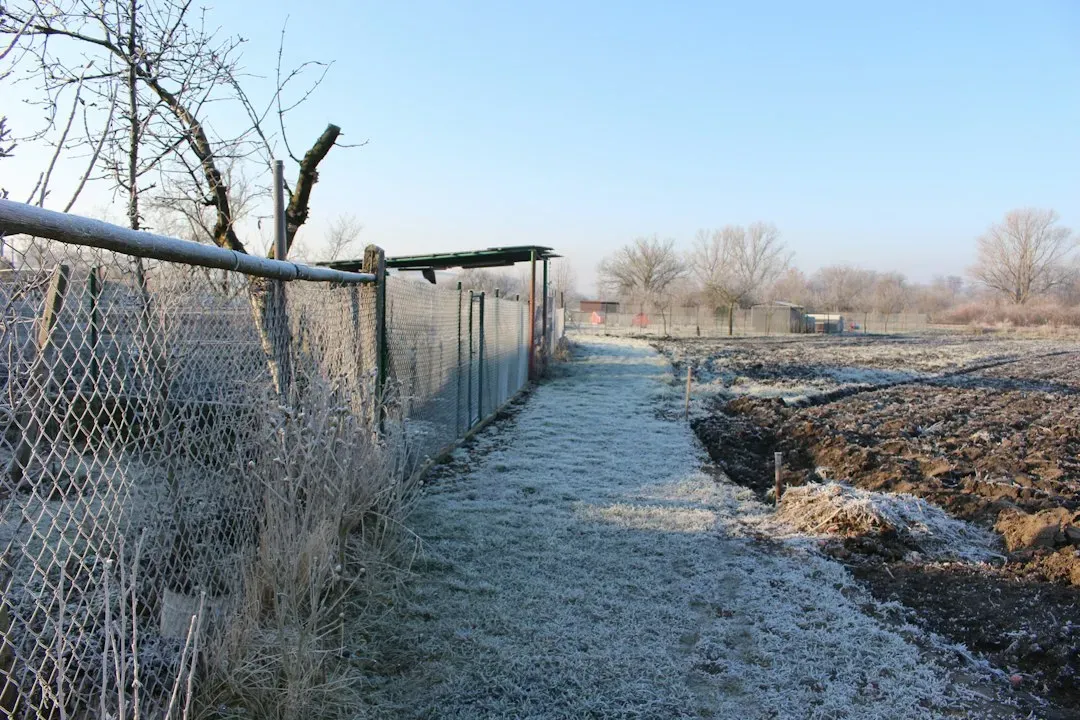
The inside corner where two fences or walls meet is another sneaky frost trap. These corners can limit air movement, allowing colder, heavier air to pool right against the ground and surfaces. With less mixing from breezes, the air right in the corner can become a degree or two colder than the air just a few steps away, helping surfaces there reach freezing first.
The walls themselves can also radiate heat to the sky and to each other, forming a kind of heat sink. If the materials are poor insulators and not backed by warm indoor spaces – think thin wooden fences or unheated outbuildings – they cool relatively quickly. Any moisture in the trapped air condenses and freezes on those cold surfaces, and because nothing disturbs the air much, that frost can build thicker and last longer.
People sometimes notice frost crystals growing more intricate and feathery in these quiet corners. That is partly because the frost is not being scraped by wind, footsteps, or sun, and partly because the micro-climate is stable enough for delicate ice structures to form over time. It is the same science behind hoarfrost on sheltered branches, just in a backyard geometry.
#11 Uninsulated Roof Edges, Gutters, and Eaves
Even on a single roof, the frost is rarely uniform. You might see white along the eaves and gutters while the upper roof stays dark, or the opposite effect depending on insulation and indoor heating patterns. Uninsulated or poorly insulated roof edges lose heat from the building interior more quickly, changing how and where frost appears. In some cases those edges stay slightly warmer and frost-free; in others, especially above unheated spaces, they become colder and frost-prone.
Gutters themselves are usually thin metal, mounted out on the edge where they are exposed to cold air above and below. That makes them strong candidates to freeze first, especially if there is a bit of residual moisture inside. Overnight, that moisture can become a thin layer of ice while nearby roof tiles only carry a dusting of frost. From the ground, the line of frosty gutter can look like someone carefully traced the edge of your house in white.
- Insulation differences create temperature variations across a roof.
- Thin metal gutters cool faster than thick roofing materials.
- Unheated spaces below eaves allow more aggressive cooling.
Because the structure of your roof and insulation rarely change, the pattern of where frost appears first tends to repeat from year to year. If an area always frosts heavily, that can actually be a subtle clue about heat loss, ventilation, or moisture issues worth paying attention to, not just a pretty winter pattern.
#12 Bare Soil vs. Mulched or Vegetated Ground
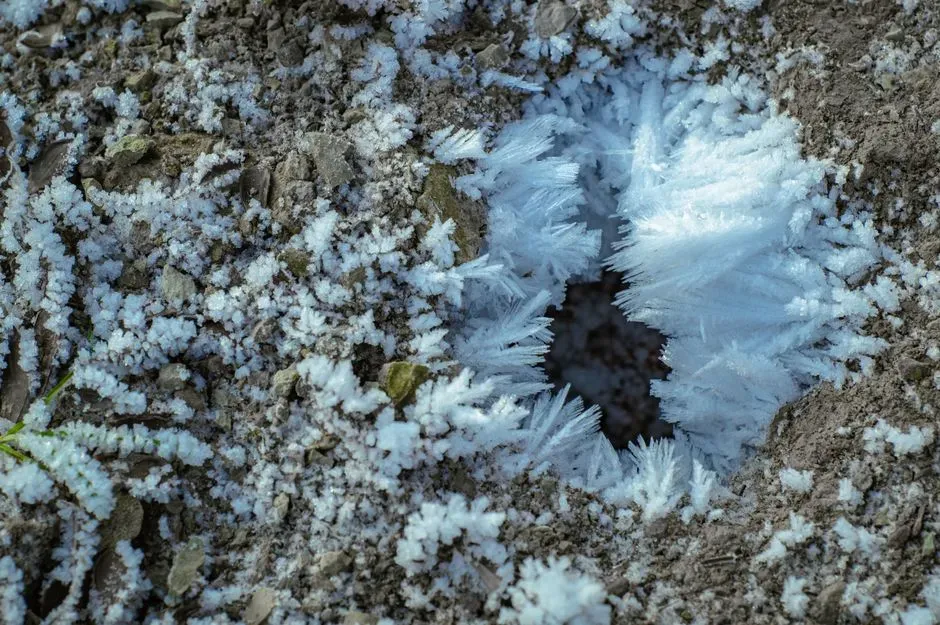
Walk across a garden on a frosty morning and you can often see where the bare soil is white while mulched beds or ground covered with low plants are not, or vice versa depending on the exact conditions. Bare soil radiates heat away quite efficiently, but it also has decent thermal mass that can buffer temperature drops. The top few millimeters may freeze while just below stays above freezing, creating a thin, crunchy frost crust.
Mulch layers, fallen leaves, or dense low vegetation change this balance. They act like a loose blanket, decoupling the surface from deeper soil temperatures. Sometimes this keeps the surface a little warmer and frost-free; other times, especially on very clear, still nights, the mulch surface itself can cool dramatically, becoming the first place where frost and delicate ice crystals form. The difference often comes down to moisture content, color, and how compact the covering is.
These ground-cover differences can be surprisingly sharp. A straight line between mulched and bare ground may show frost on one side and not the other, even though both are only a step apart. Because gardeners tend to keep their beds and paths in the same places, they’ll notice the same edges and patches being first to frost, year after year.
#13 Water Surfaces and Nearby Objects at the Water’s Edge
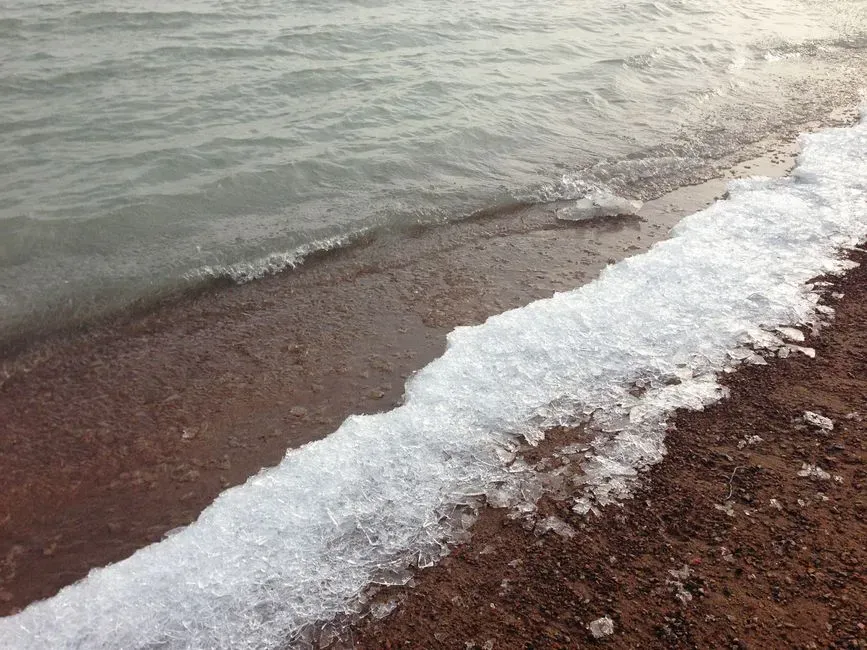
At first glance you might think water would resist freezing better than land because it stores more heat, and that is often true in large lakes or seas. But small ponds, birdbaths, or shallow puddles can actually develop frost and ice very quickly. They lose heat rapidly to the night sky and to the air above, and because the water is shallow, there is not much warm volume to buffer that loss.
Even when the water itself does not fully freeze, objects at the water’s edge – rocks, posts, reeds, and railings – can be some of the first places to show frost. The air just above a calm water surface tends to be humid, and as nearby surfaces cool below freezing, that moist air easily deposits ice. That is why you often see a heavier rim of frost or rime around ponds or along riverbanks compared with drier ground further inland.
- Shallow water loses heat quickly on clear, calm nights.
- Humid air over water feeds frost formation on nearby objects.
- Edges and posts at the shoreline act as cold, exposed targets.
Because the pond, birdbath, or ditch in your yard is usually in the same place, the nearby rail, stone, or bank becomes a dependable early-warning sign. If you glance outside and that spot is already frosty, it is a good clue that the rest of the area is not far behind.
#14 Thin Objects Facing the Sky: Clotheslines, Wires, and Twigs

Some of the most beautiful frost you’ll ever see forms on the thinnest objects: a clothesline, a wire fence, a twig, or a TV aerial. These slender structures have very little mass but a lot of surface area. They radiate heat away quickly and have almost no “thermal reserve” to stay warm, so their surface temperature can plunge below freezing in short order when the sky is clear and the air is calm.
Because they are often suspended above the ground, they are fully exposed to the coldest overnight air and to the sky’s radiative sink. Moisture from the surrounding air can condense and freeze onto them in delicate spikes and feathers of hoarfrost. This type of frost not only looks dramatic but also tends to appear even when broader surfaces have only light or patchy coverage.
The pattern is incredibly consistent. The same clothesline, the same antenna, the same wires will be among the first to show icy buildup whenever conditions are right. Unless you move or remove them, they remain fixed reference points for how far the temperature has dipped. In that sense, they work almost like natural thermometers, silently sketching the night’s cooling history in the language of crystals.
Conclusion: Frost Is a Map of Invisible Nighttime Physics
I used to think frost was just a random winter decoration, until I started noticing how predictably it chose the same targets: the low patch of lawn, the metal gate, the car parked in the wrong spot. Once you see the pattern, it is hard to unsee it. Frost always forming first in the same spots is not a coincidence; it is a visible fingerprint of the way heat moves, air flows, and surfaces trade energy with the sky.
If there is a big takeaway here, it is that tiny differences matter. A few inches of height, a thin metal edge, a bit of overhead cover, or a subtle dip in the ground can flip a surface from frost-free to frost-prone. Those differences stay the same from one year to the next, so the same bridge, field, corner, or car roof keeps winning the frosty lottery. In my view, that is part of what makes watching the seasons so satisfying: you start to feel how your everyday surroundings are quietly shaped by physics, not just by weather reports.
So next time you step out on a cold, clear morning, look closely at where the frost shows up first. It is more than just a nuisance on your windshield – it is a living, sparkling map of your local microclimate. And now that you know what you are seeing, which spot will you check first?