
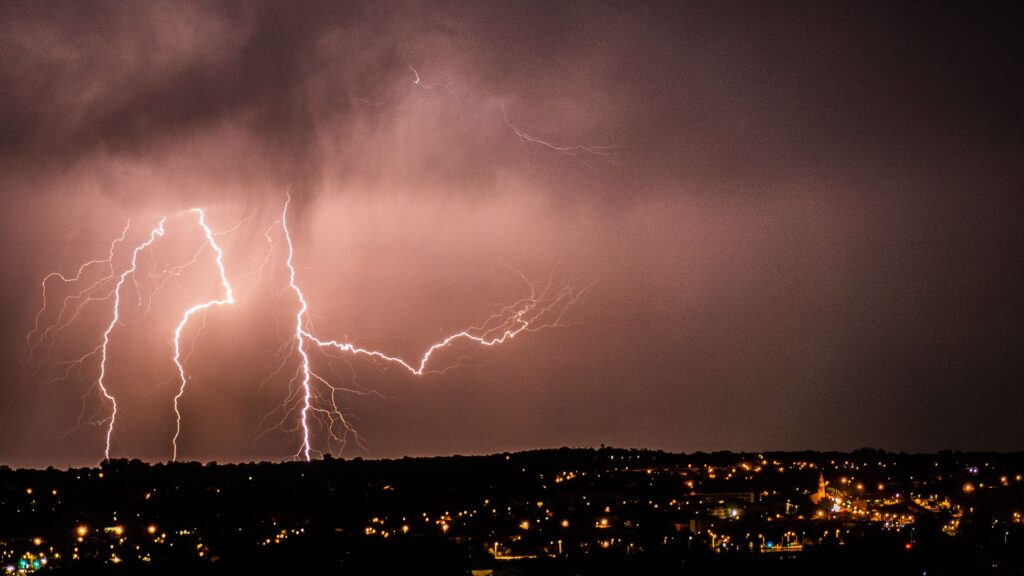
Lightning feels like pure disappearance. One blinding white flash, a crack that you feel in your bones, and then… it’s gone. We’re left staring at the sky, counting seconds, checking our phones for storm alerts, but almost nobody walks around afterward asking the more interesting question: what did that strike actually leave behind?
It turns out that every lightning bolt is like a chaotic little chemistry lab and a high‑energy sculptor rolled into one. It changes soil, air, trees, rocks, and even the microscopic life we never think about. Most of those changes are invisible to casual observers, but they’re absolutely there, hiding in plain sight after every storm.
Once you start looking, lightning stops being just a scary weather event and becomes a kind of mysterious, slightly dangerous artist. It burns, fuses, fractures, magnetizes and rearranges the world at a scale that’s easy to miss unless you know what to look for. Let’s dig into the strange leftovers a bolt of lightning quietly scatters across the landscape.
#1: Invisible Chemistry Experiments in the Air
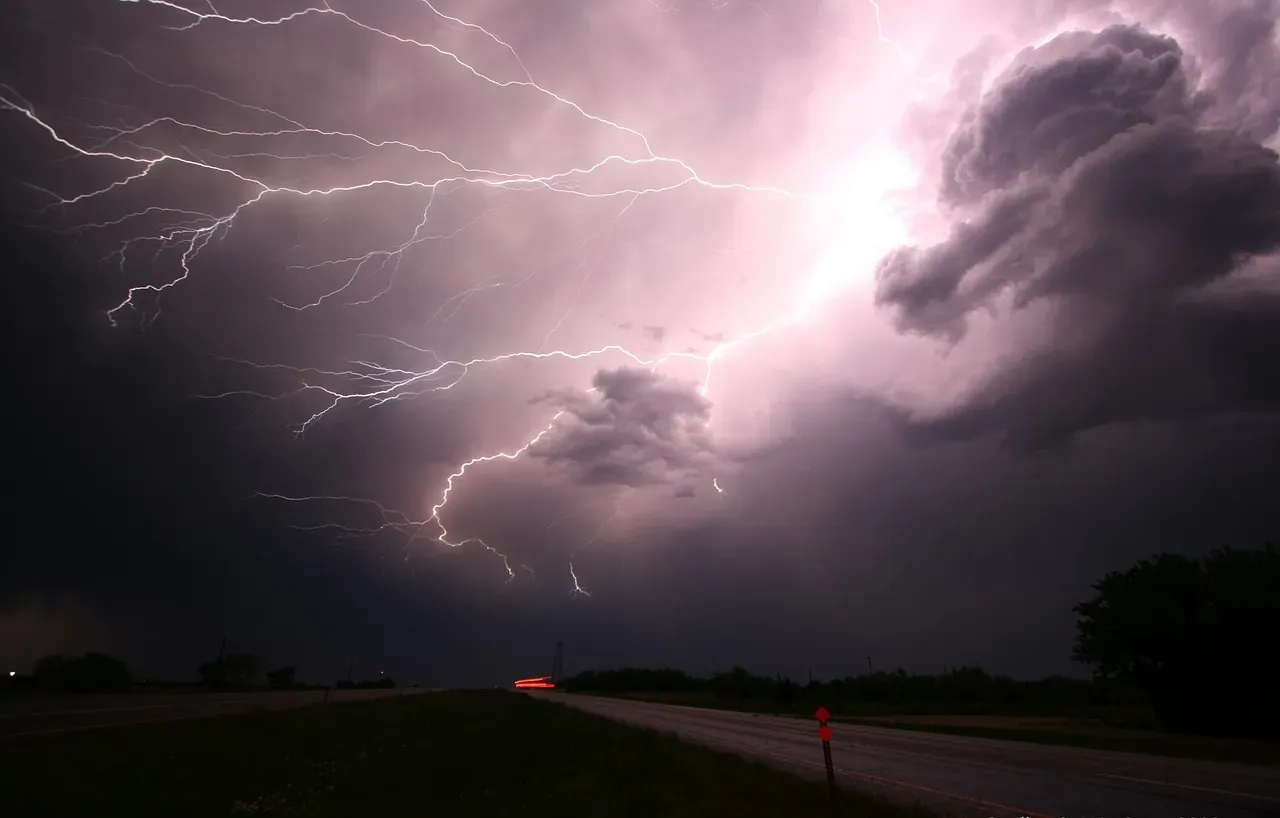
Here’s the surprising part almost no one talks about: long after the thunder fades, the air itself is chemically different where lightning has passed. A bolt of lightning heats the air to temperatures hotter than the surface of the sun for a fraction of a second, and that insane heat rips nitrogen and oxygen molecules apart. When they snap back together, they form new compounds that weren’t there before in the same amounts.
One of the biggest byproducts is nitrogen oxides, which can later help form nitrates that fall back to Earth with rain. In a strange twist, a violent storm can end up feeding ecosystems with a light sprinkle of usable nitrogen, the same element that farmers add to fields through fertilizer. You don’t feel that change when you walk outside after a storm, but on a planetary scale, these countless tiny chemical edits matter over time.
There’s also ozone, formed when lightning breaks apart oxygen molecules and helps stitch some of them back together as three‑atom oxygen. That sharp, “fresh after a storm” smell people notice sometimes is partly related to ozone and other reactive compounds in the air. You can’t see this chemistry, you can’t hold it in your hand, but it’s one of the most consistent fingerprints lightning leaves behind, all over the world, almost every day.
- Lightning breaks apart nitrogen and oxygen in the air.
- It creates nitrogen oxides that later become plant‑friendly nitrates.
- It boosts ozone and other reactive gases right around the strike channel.
#2: Fulgurites – Nature’s Glass Lightning Scars
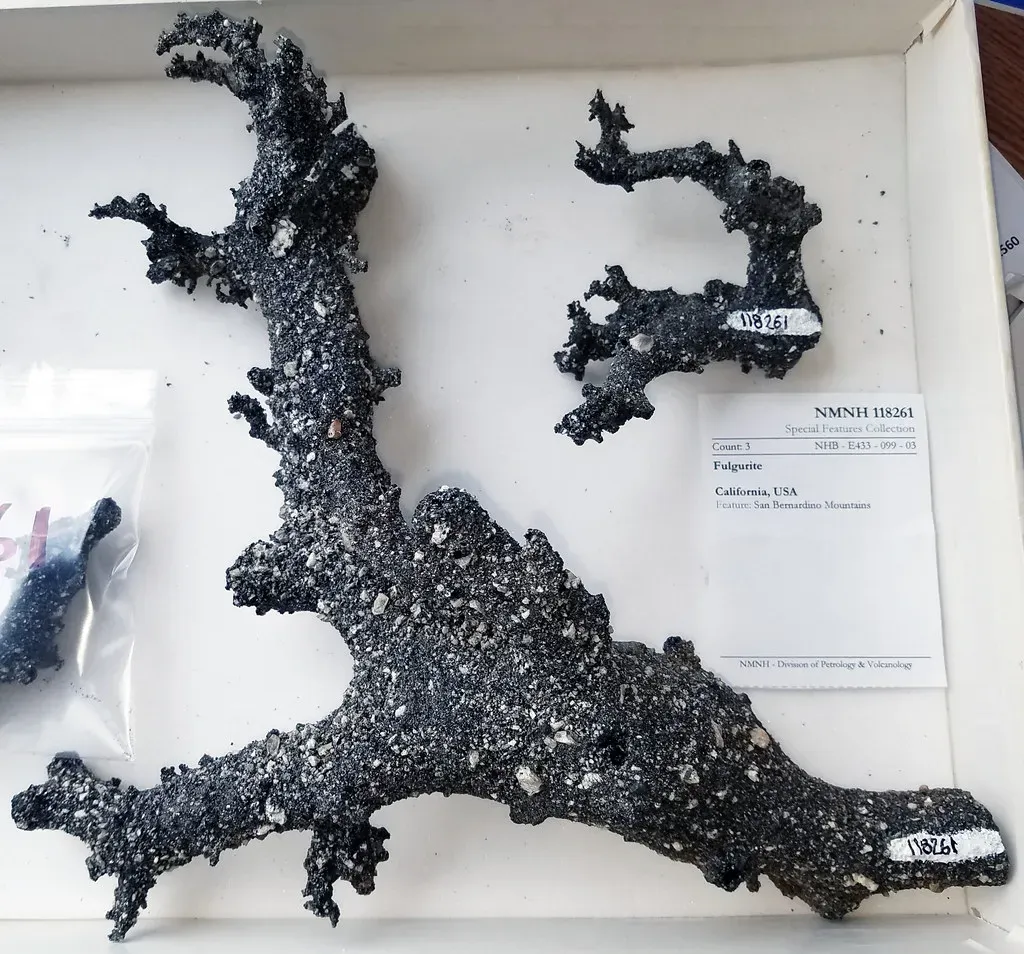
If lightning had a signature artwork, it would be the fulgurite. These are natural glassy tubes created when a lightning bolt hits sandy or silicate‑rich soil and melts it in an instant. The molten material cools so fast it solidifies into twisted, branchlike glass structures buried just below the surface, like a fossil of the lightning path that dove into the ground.
Fulgurites are usually hollow inside, with a rough, sandy exterior and a smooth, glassy interior. They can be as thin as a pencil or thick as a wrist, sometimes extending several feet or more underground, following the path of least resistance the lightning took. Most people walk over them without ever realizing what’s beneath their feet, because they can be completely hidden unless erosion or digging reveals them.
For scientists, these strange glass tubes are more than curiosities. The way they’re formed can trap tiny bubbles of air and preserve clues about past atmospheres and soil conditions. In a way, each fulgurite is a time capsule formed in a fraction of a second, preserving a snapshot of the exact moment a storm unleashed a bolt into the ground. They’re rare, fragile, and absolutely overlooked by almost everyone after a storm.
#3: Magnetic and Electrical Ghosts in the Soil
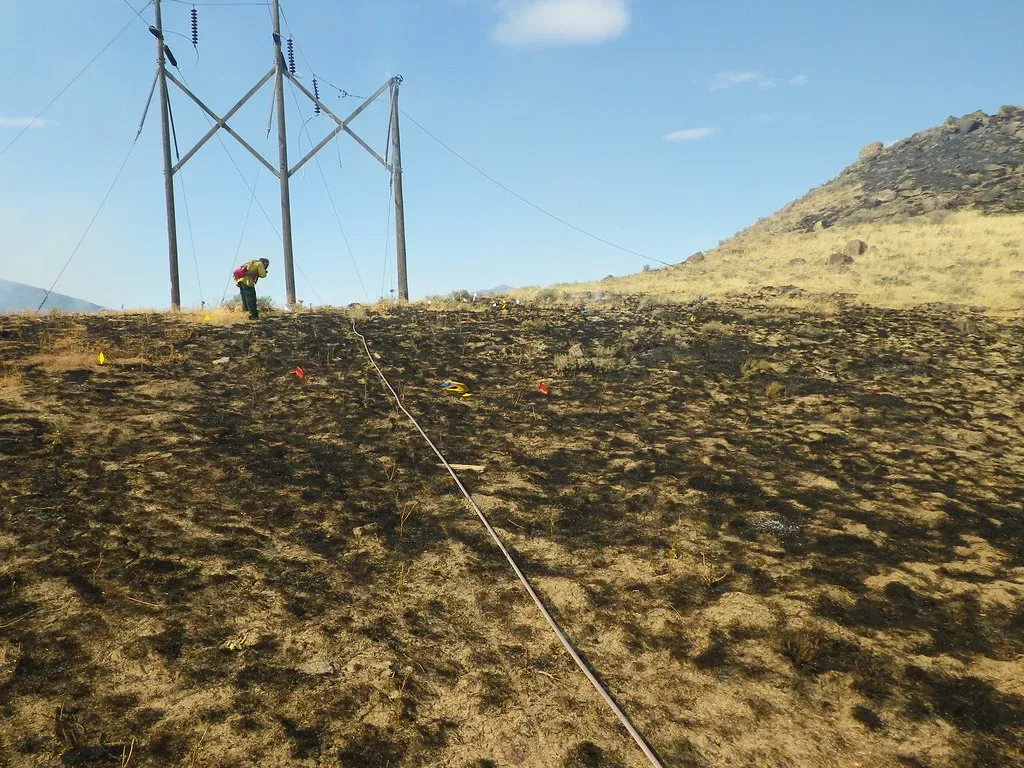
When a lightning bolt drives into the ground, it doesn’t just deliver heat; it also dumps an enormous pulse of electric current and magnetic energy into the soil. That pulse can temporarily disturb the local magnetic field and, in some cases, leave subtle, longer‑lasting changes in the way mineral grains are oriented. Think of it like a microscopic compass realignment that no one ever thinks to check for.
In soils or rocks that contain iron‑bearing minerals, that intense surge can tweak the magnetic domains inside those minerals, slightly reorienting them. If you had sensitive enough instruments, you could walk across an area struck by lightning and detect small anomalies in the magnetic field or in the remanent magnetization of the soil. To the naked eye, nothing looks different, but at the level of electrons, things have shifted.
An even stranger leftover is the redistribution of electrical charge in the ground. Right after a strike, the soil briefly holds a complex pattern of charges that gradually fades, a bit like the way an echo slowly dies in a canyon. Most of us never imagine that the earth beneath our feet carried that echo of the bolt, even though it can affect underground wiring, pipes, and sometimes even sensitive equipment nearby.
- Iron‑rich minerals can have their tiny magnetic domains rearranged.
- Lightning can create detectable magnetic anomalies in soils and rocks.
- Short‑lived charge patterns spread through the ground right after a strike.
#4: Sudden Soil Fertility Hotspots
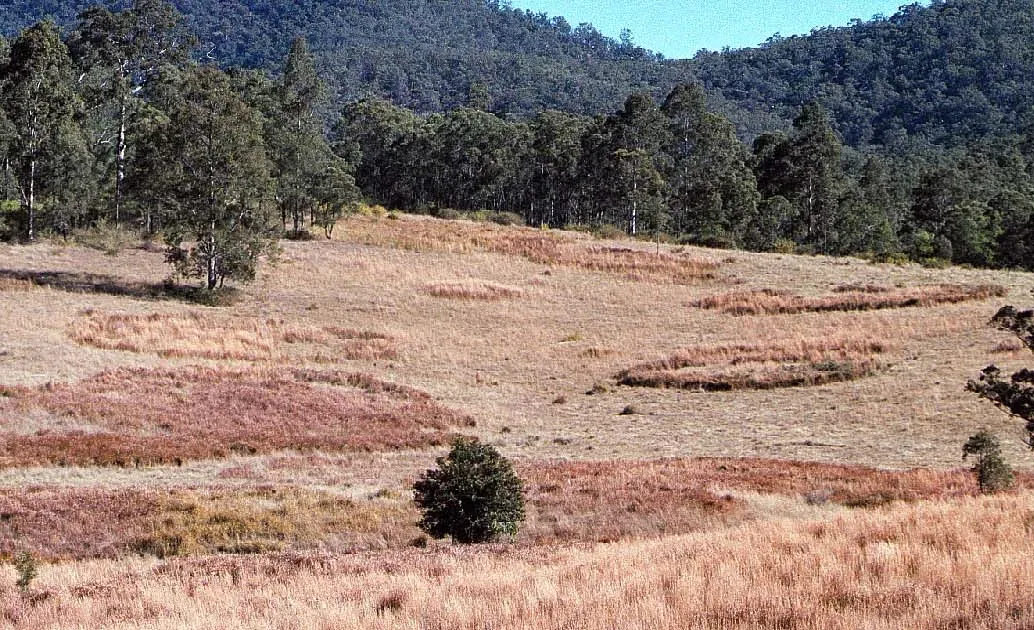
One of the quietest and most underrated gifts of lightning is the way it can change the soil’s chemistry. Beyond the nitrogen compounds formed in the air, some of that reactive nitrogen ends up in the soil, where microbes and plants can actually use it. In certain conditions, the soil where a strike occurred can become a temporary hotspot of fertility, even as the tree or surface nearby shows burn scars.
The intense heat can also break down organic material in quirky ways, creating charred residues that interact differently with soil microbes. Think of it as a tiny, uncontrolled biochar experiment: organic matter is partially burned and transformed, and that can influence how nutrients are stored, released, or bound up. Some microorganisms are surprisingly good at exploiting these new niches, flourishing in the wake of a strike.
If you zoom in far enough, a bolt of lightning is like a reset button on a tiny patch of soil. Some microbes die from the shock and heat, others move in, and the chemical balance of nutrients shifts. Over months and years, those microscopic winners and losers help shape what kind of plants can thrive in that spot. Unless someone samples and analyzes the soil, that entire hidden drama passes completely unnoticed.
#5: Microbial Winners, Losers, and New Communities
We tend to picture lightning damaging big, visible things – trees, roofs, power lines – but microbes arguably feel it first. When current rushes through the ground, it delivers a sudden, brutal shock to bacteria, fungi, and other microscopic life. Some are wiped out almost instantly in the direct path, while others survive at the edges and find themselves living in a changed neighborhood.
Heat, new chemical compounds, and shifts in pH can all favor certain microbes over others. Over time, this reshuffling can create a subtly different microbial community right where the strike happened compared with nearby undisturbed soil. It’s like a forest fire at the microscopic scale, clearing out some residents and allowing others to take over, but without any obvious above‑ground clue.
This matters more than it sounds. Microbes drive nutrient cycling, influence plant health, and even affect how carbon is stored or released from soils. When lightning quietly rearranges these underground communities, it’s tinkering with processes that ripple up through the entire ecosystem. Almost nobody is out there after a storm, sampling soil microbes and mapping that impact, but the changes are real and surprisingly complex.
- Direct current and heat kill some microbes outright.
- New chemical conditions allow different microbial groups to thrive.
- These shifts can influence plant growth and nutrient cycles above ground.
#6: Hidden Damage and Scars Inside Trees
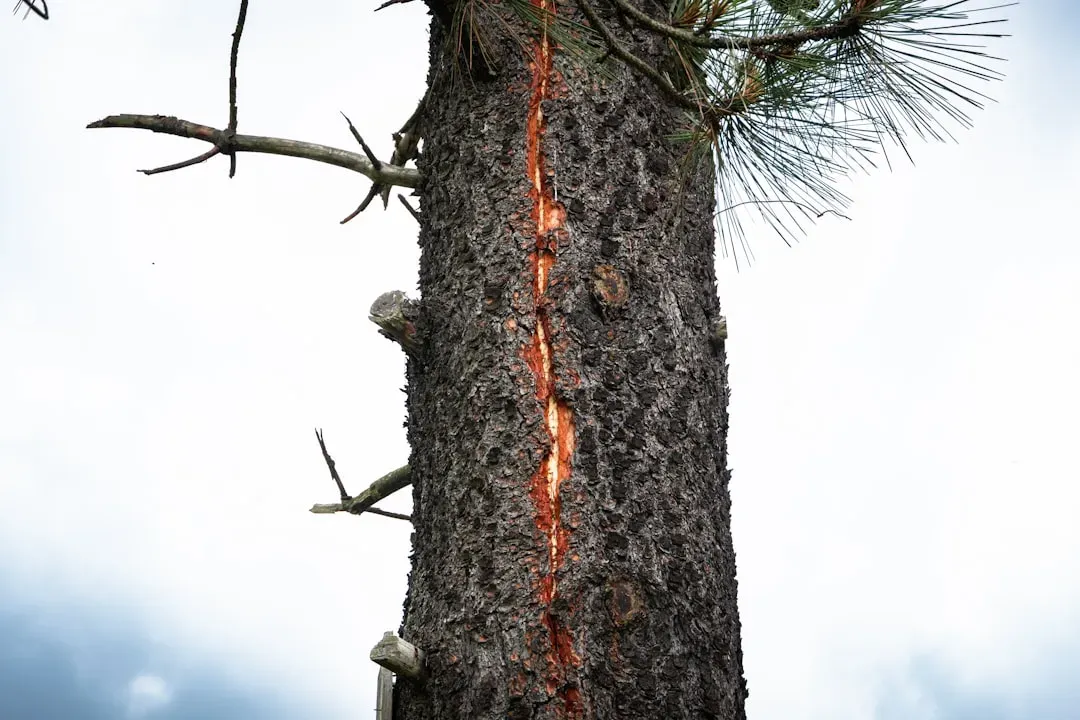
We’ve all seen the dramatic photos of a tree split open by lightning, but most lightning‑damaged trees don’t look that theatrical. A lot of the real injury happens inside the trunk and roots, where the sap superheats into steam and the tissue gets cooked or shredded. From the outside, you might only see a narrow scar, a strip of missing bark, or nothing obvious at all.
Inside, though, conductive pathways in the wood can be carbonized, turning into dark, brittle tracks where living tissue used to be. Those damaged channels can compromise how water and nutrients move through the tree, making it more vulnerable to drought, disease, or wind damage months or even years later. So the true cost of a strike may not be immediate death but a slow decline that looks mysterious unless you know its history.
Roots can also take a serious hit as the current travels through the soil. A tree may seem fine in the days right after a storm only to start dropping leaves or branches long afterward, which homeowners often blame on pests or random bad luck. In reality, the tree is slowly paying the price for a lightning strike that left more injury on the inside than anyone ever sees.
#7: Shockwaves, Cracks, and Altered Rocks
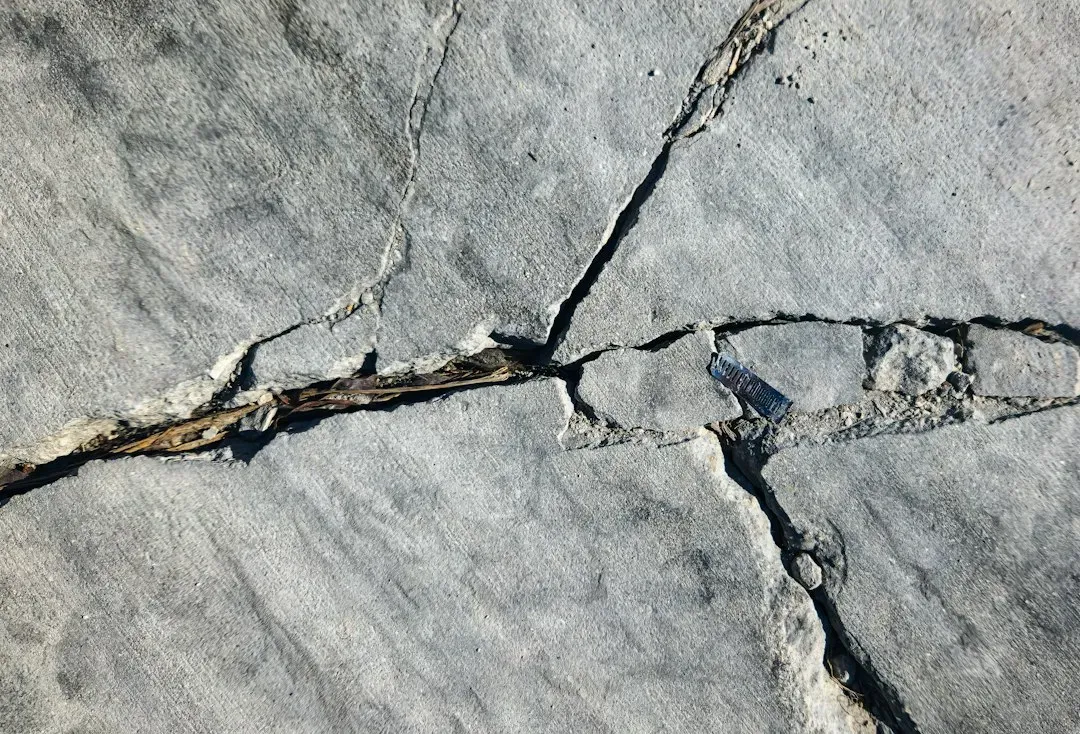
Lightning is not just bright and hot; it is also loud because of the brutal shockwave created as superheated air explosively expands. That same violent expansion and contraction can affect solid materials nearby. In rocky areas, a strike can create fractures, spalls, or tiny surface pits, especially in brittle or already stressed stone.
Sometimes lightning leaves behind peculiar, branching surface marks on rocks, called lightning figures or Lichtenberg patterns, where intense current has traveled across or into the stone. Much more often, though, its impact is hidden: microcracks, thermal stress, and changes in mineral boundaries that weaken the rock slightly. Over years of freeze‑thaw cycles and weathering, those initially invisible changes can help drive pieces of rock to break off or crumble faster than they otherwise would.
In certain cases, especially where the rock contains quartz or iron‑rich minerals, rapid heating and cooling can lead to partial melting or alteration of mineral structure. These changes are usually tiny and require lab analysis to fully understand, but they are another clue that lightning is constantly editing the physical landscape in ways we barely notice. The world looks solid and stable, yet every bolt is quietly chiseling away at it.
- Shockwaves from lightning can fracture or weaken rocks.
- Surface patterns sometimes trace the current path across stone.
- Invisible microcracks can speed up later weathering and erosion.
#8: Strange Electrical Paths Under Pavement and Buildings

When lightning hits a building, pole, or tree in a developed area, the story doesn’t end at the visible strike point. Electricity is lazy and clever at the same time: it hunts for every possible conductive path, such as rebar in concrete, buried pipes, damp soil layers, or utility lines. That means the real footprint of a single bolt can extend far under parking lots, foundations, and streets – completely hidden from sight.
The aftermath can be subtle but expensive. Lightning may cause tiny insulation failures in underground cables that do not show up right away, or it may leave metal pipes slightly pitted or weakened at certain joints. Weeks or months later, when a pipe leaks or a cable fails, nobody points back to the thunderstorm as the original culprit, even though that is exactly where the trouble started.
This sprawling, underground current path can also create brief voltage differences between nearby spots in the soil, which can stress tree roots, pets, livestock, or even people who happen to be in the wrong place at the wrong time. After the strike, those voltages vanish almost instantly, leaving behind no obvious trace. It is one of the reasons safety experts obsess over proper grounding and bonding, while the rest of us just watch the lightning from our windows and never think about what is racing below our feet.
#9: Brief Radio Noise and Atmospheric Ripples
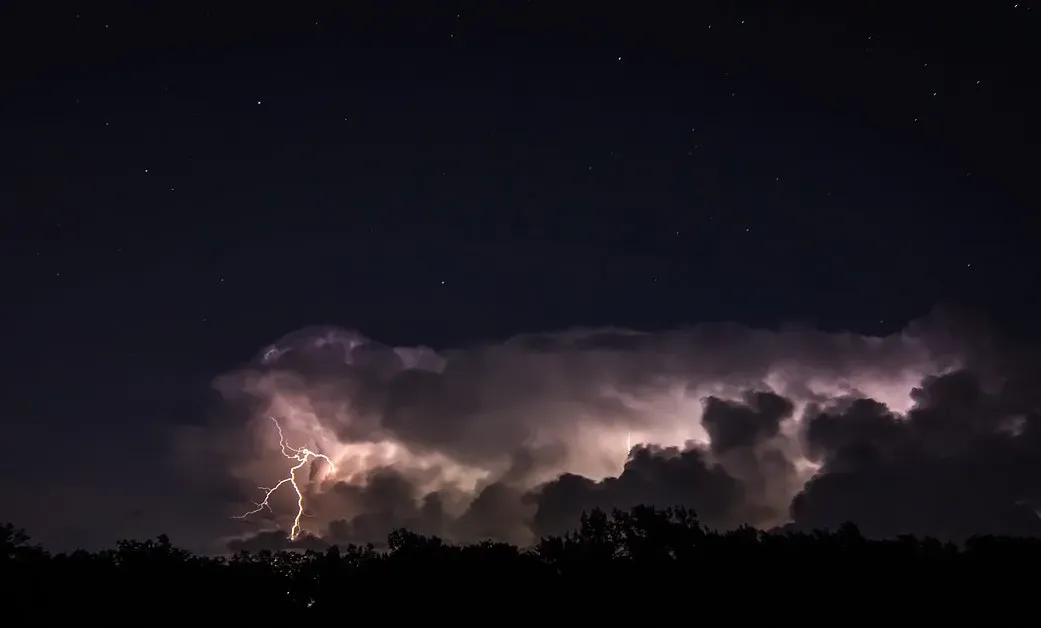
Long after the flash is gone from your eyes, the signal of that same lightning bolt can linger in our tools and the upper atmosphere. Lightning creates very low frequency radio waves that can travel huge distances around the planet, bouncing between the ground and the lower ionosphere. Sensitive receivers can detect these signals, which carry information about the strike location, intensity, and timing.
Most people will never hear or see this radio noise, but it is constantly zipping around, and researchers use it to monitor storms even thousands of miles away. Each bolt also slightly perturbs the charged layers of the upper atmosphere as its electromagnetic pulse ripples upward. One strike makes only a tiny dent, but across millions of flashes, lightning is part of the ongoing dance between the Earth’s surface and the charged air high above it.
On the human technology side, lightning can inject brief interference into power lines, communication systems, and navigation signals. Sometimes that just means a crackle on a radio or a glitch on a sensor reading, and then it is gone. No one decides to check the atmosphere for the wake of that one bolt – unless they are part of the small community of scientists and engineers who track those ghostly signatures for a living.
- Lightning generates low‑frequency radio waves that travel far.
- It briefly disturbs the charged layers of the upper atmosphere.
- Its electromagnetic pulse can cause subtle glitches in electronics.
#10: Ozone, Smells, and Subtle Changes in Air Quality
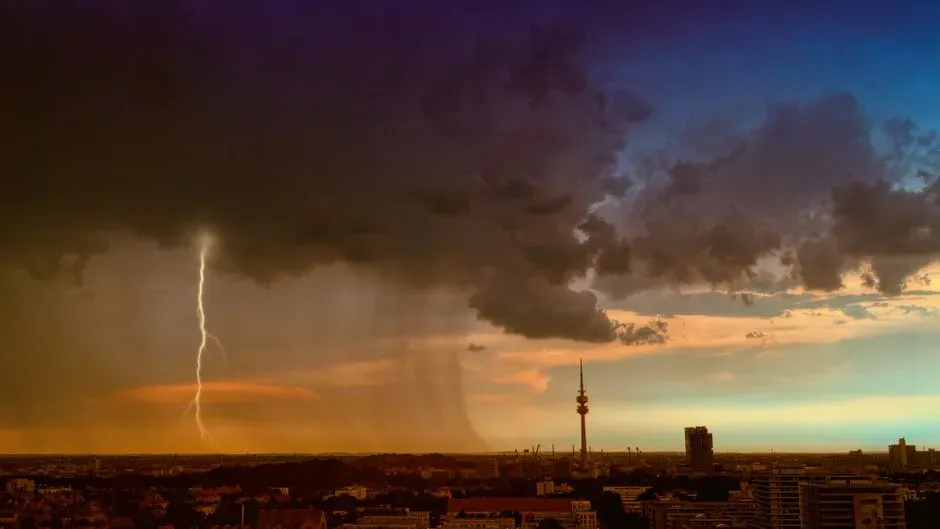
People often say the air smells different after a thunderstorm, and that is not just poetic imagination. Lightning helps create ozone and other reactive molecules in the air right around the strike path. These compounds, along with fresh rain washing particles out of the lower atmosphere, combine to create that sharp, clean smell that so many of us find oddly comforting.
Short term, this can mean a small local boost in ozone levels, especially near intense storm activity. In the open atmosphere higher up, that is part of the natural balance; near ground level, it is more complicated because ozone can be both a protective and a harmful gas depending on context and concentration. Still, what lightning leaves behind in the air is generally modest compared with the steady background influence of traffic, industry, and everyday pollution.
What fascinates me personally is how our noses can act as crude sensors for these tiny chemical shifts. You step outside, inhale, and without knowing any of the chemistry, you can tell the atmosphere has been electrically and chemically scrubbed in some way. We rarely connect that sensation to the invisible molecules produced by lightning, but our bodies quietly register the difference every time.
#11: Altered Pathways for Future Storms
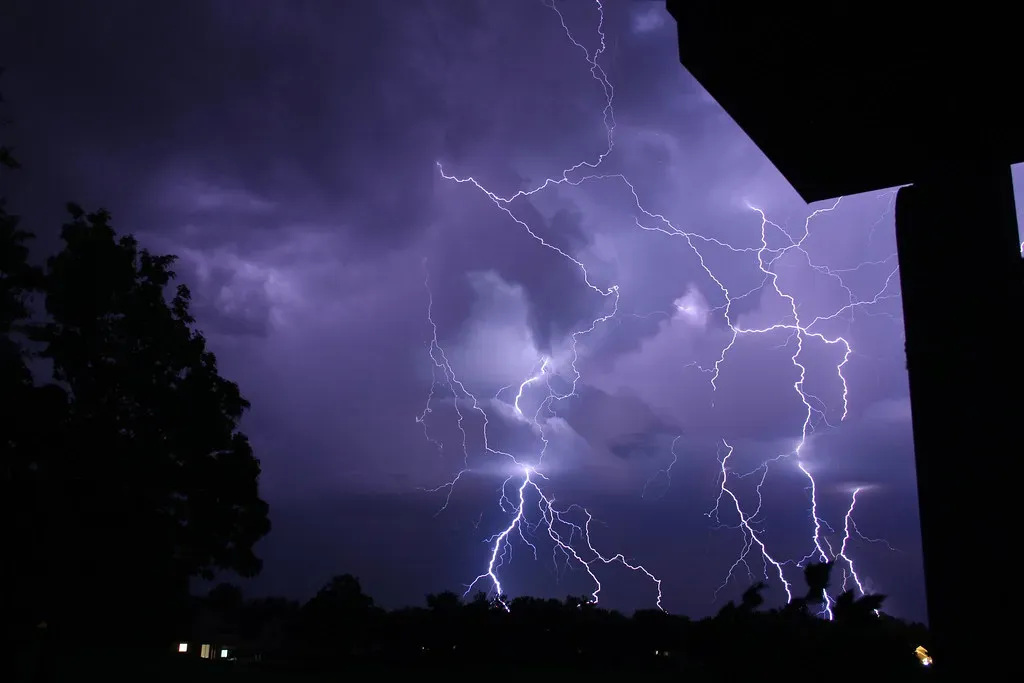
This one feels almost poetic: a single lightning bolt can influence where future lightning might strike. When a bolt hits a tree, building, or tall object and damages or modifies it, the electrical properties of that spot can change. Carbonized pathways, new cracks filled with moisture, or altered metal components can make it slightly more or less likely to be hit again.
In some places, tall objects become repeat targets because every strike subtly reinforces their role as the easiest path for future discharges. A tree that has been hit and survived may carry internal scars and conductive routes that guide later lightning more efficiently. We tend to blame “bad luck” when a particular spot is hit more than once, but often the physics has quietly stacked the deck over time.
On a larger scale, lightning can influence how charge is distributed in a storm cloud and in the ground below, slightly nudging where subsequent flashes propagate. One bolt does not rewrite the entire storm, but it is part of a complex feedback loop where each discharge changes the conditions for the next. Almost nobody thinks of lightning as leaving behind a kind of electrical memory, but in a limited sense, that is exactly what it does.
- Struck objects can develop more conductive paths inside.
- These changes can make repeat strikes more likely.
- Each bolt subtly alters charge distributions for later discharges.
#12: Stories, Superstitions, and Quiet Psychological Imprints
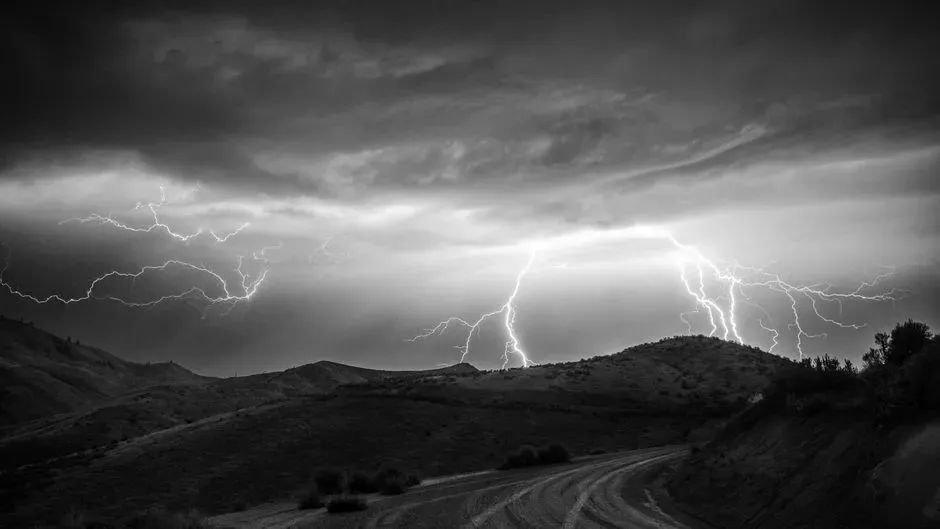
Not everything lightning leaves behind is physical. There is also the emotional wake that lingers in people and communities long after a storm has passed. A close strike that shatters a tree, hits a house, or injures someone often becomes a reference point in local memory, retold and embellished over years. Even if no one was hurt, the feeling of raw power so close to you is hard to forget.
That imprint can change behavior in small ways. Someone might suddenly take surge protection seriously after watching electronics get fried, or they might avoid open fields, tall trees, or certain outdoor activities whenever clouds start to build. These personal adjustments are invisible if you are just walking through the neighborhood, but they are very real consequences of lightning’s visit.
Across cultures, lightning has also fueled myths, religions, and superstitions for as long as humans have looked up and flinched at the sky. Even in a world full of weather radar and physics textbooks, there is still something ancient and unsettling about a bolt splitting the sky open. That emotional residue shapes how willing we are to fund research, design safer buildings, or follow safety warnings. In a way, lightning keeps rewriting our collective story, one storm at a time.
Conclusion: Lightning’s Hidden Legacy Is Bigger Than the Flash
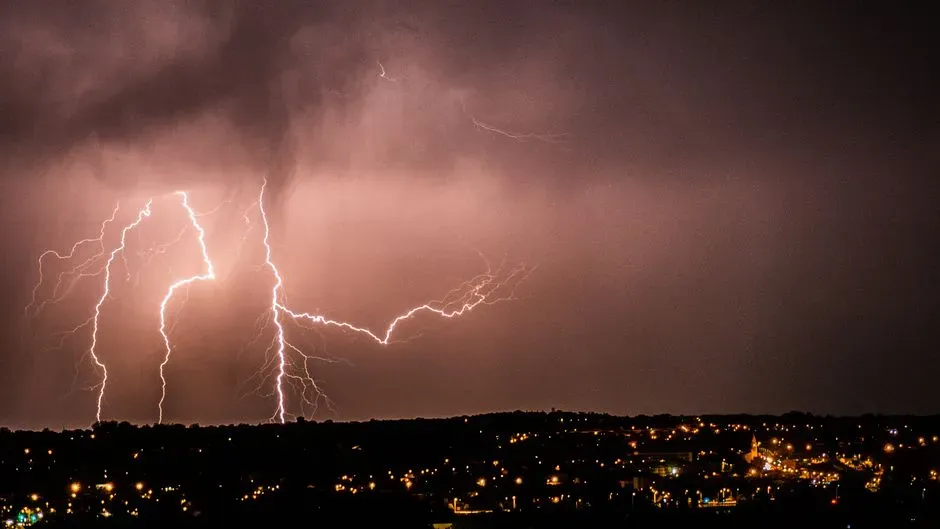
When we think about lightning, we tend to fixate on the dramatic moment: the blinding flash, the rattling windows, the adrenaline jolt. But once you start paying attention to what is left behind, the picture gets a lot richer. You realize each bolt is a hyper‑fast sculptor and chemist, leaving behind glass tubes in the sand, altered microbes in the soil, tiny cracks in rocks, new chemicals in the air, scarred trees, and subtle changes in how future storms will behave. The real story is not just in the sky; it is in the ground under your feet and the quiet ecosystems that absorb the shock.
Personally, I think we underestimate lightning because it feels fleeting. We tell ourselves that if something only lasts a second, its effects must be temporary too. That attitude blinds us to the long tail of consequences carried by every strike – from changed soil fertility and magnetic quirks to human decisions about where to build, what to protect, and how seriously to take storm warnings. For a force that appears and vanishes almost instantly, lightning leaves a surprisingly stubborn legacy woven into both our environment and our behavior.
So the next time thunder rolls and a bolt splits the sky, it might be worth asking a different question than “how close was that?” Instead, wonder what new glass, chemistry, fractures, scars, radio whispers, and quiet memories are being stitched into the world in that moment. Knowing all this, will you ever really see a lightning strike as “over” once the flash is gone?