
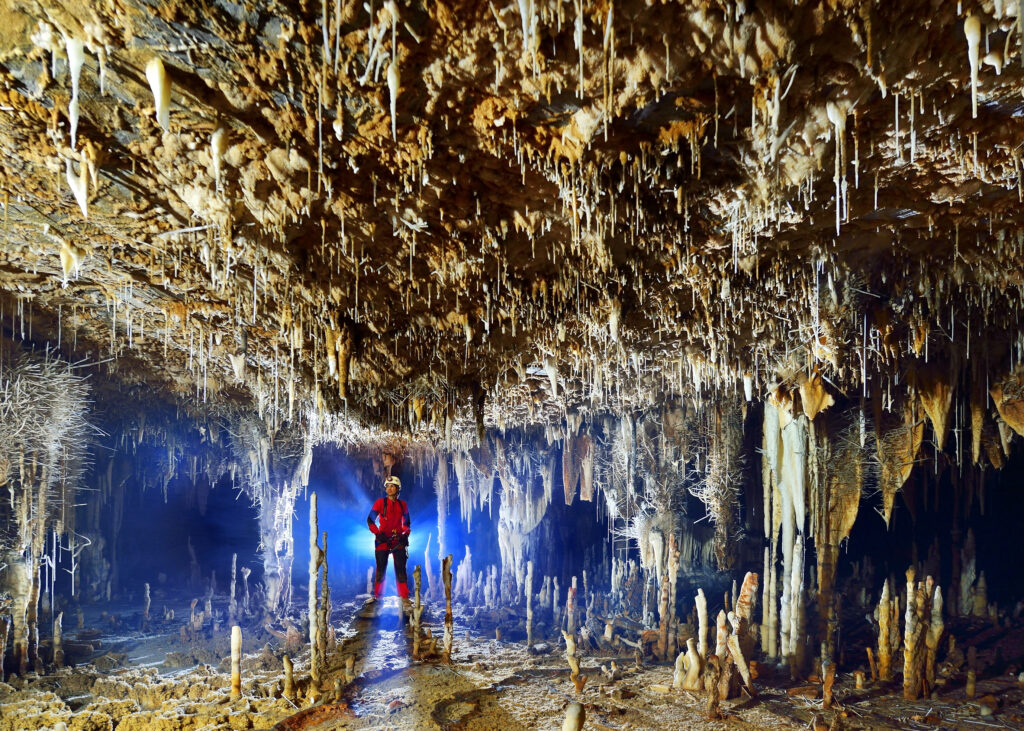
Crawl just a few meters into the mouth of a cave, and you step into a different kind of time machine. The air cools, the light fades, and suddenly the outside world with its wind, rain, and blazing sun feels very far away. In that still, sheltered atmosphere, fragile traces of past lives and past climates can survive for thousands, sometimes tens of thousands, of years. Out in the open, those same traces would be erased in a season, a storm, or a single hot summer. What makes cave air so protective is not magic, it is physics and chemistry: stable temperature, high humidity, low ultraviolet radiation, reduced oxygen movement, and surprisingly gentle airflow. Together, these conditions slow decay that ordinary open ground accelerates. In a sense, caves are like nature’s deep-freezers, but instead of ice, it is calm, nearly unchanging air that does the preserving. We often hear about spectacular cave finds – perfectly preserved footprints, ancient charcoal, even pollen grains that still carry a ghost of long-lost landscapes. What is less obvious is how many different things are protected by cave air, and how quickly they would disappear on the surface. Once you see the pattern, it changes the way you think about archaeology, climate science, and even our own future on a warming planet. Let’s dive into 14 of the most surprising and important things that cave air can preserve – things that open ground, with all its chaos and weather, almost always destroys.
#1 Delicate Human Footprints and Tracks
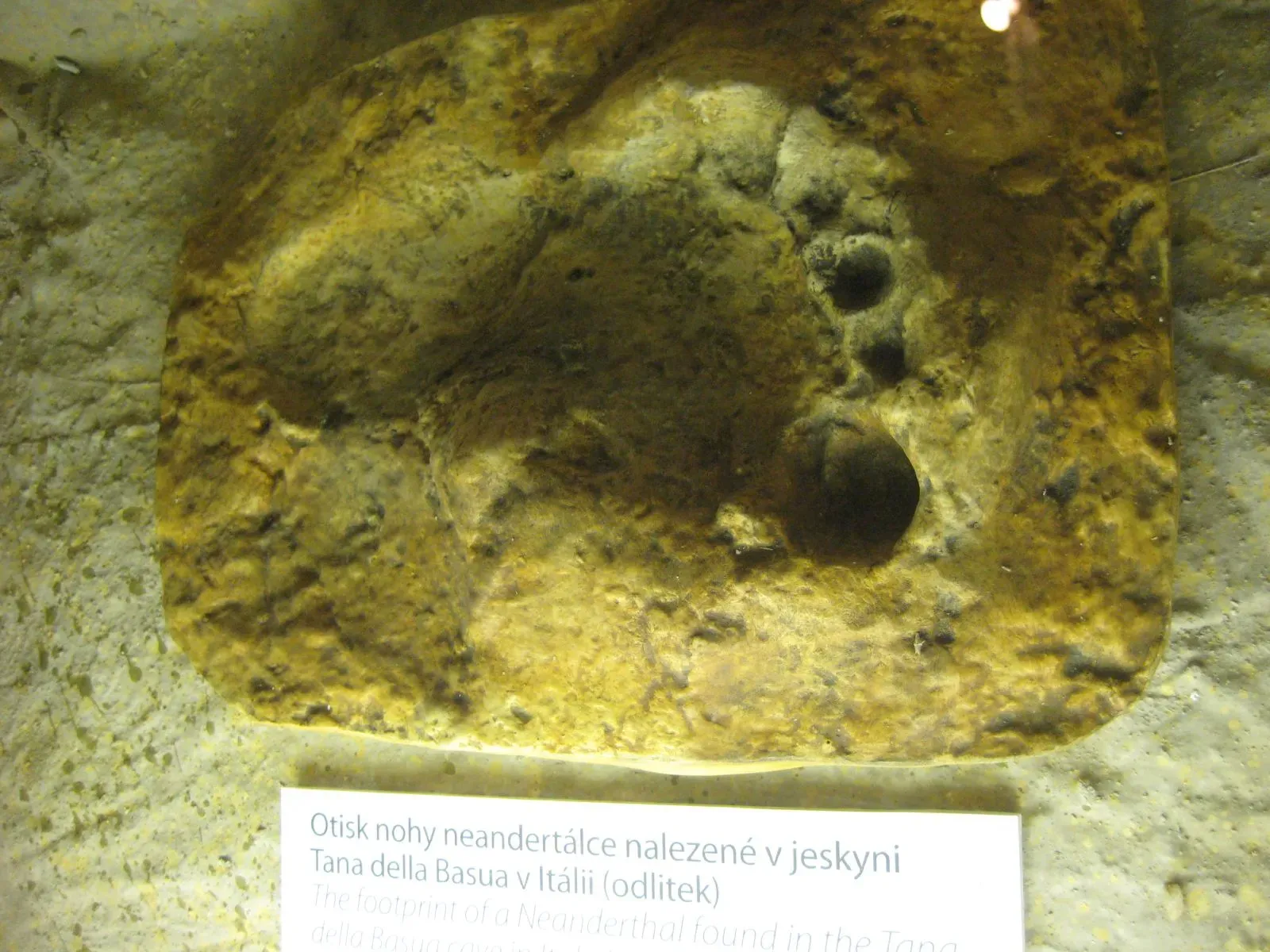
The idea that a bare footprint pressed into soft mud could survive for thousands of years sounds almost ridiculous. On open ground, rain would wash it out, sun would bake and crack the surface, animals would trample it, and plants would root through it. In a cave, though, once the muddy floor dries under stable temperature and humidity, those prints can harden like pottery and remain essentially untouched.
Cave air helps in two key ways: it is generally protected from rainfall and direct wind, and its temperature swings are much smaller than at the surface. That means the mud layers that hold footprints dry slowly and evenly, without repeated wet–dry cycles that cause cracking and crumbling. With no heavy frost, no scorching sunlight, and fewer burrowing animals, the subtle ridges of a heel or toe can stay sharp for a staggeringly long time.
Researchers have documented human and animal tracks deep in caves where the original outlines, toe splay, and even slipping patterns are still clear enough to analyze gait and speed. On open ground, anything that detailed would likely be erased in a few weeks or months. Cave air essentially presses pause on the erosion of these fragile impressions, turning a fleeting moment – someone walking across soft sediment – into a permanent record.
Think about the last time you saw footprints in wet sand on a beach. Within hours, the tide or wind had taken them. In caves, the tide never comes, the winds barely whisper, and those same forces of destruction are held at bay by the most ordinary thing of all: relatively still, sheltered air.
#2 Charcoal Dust and Ancient Hearths
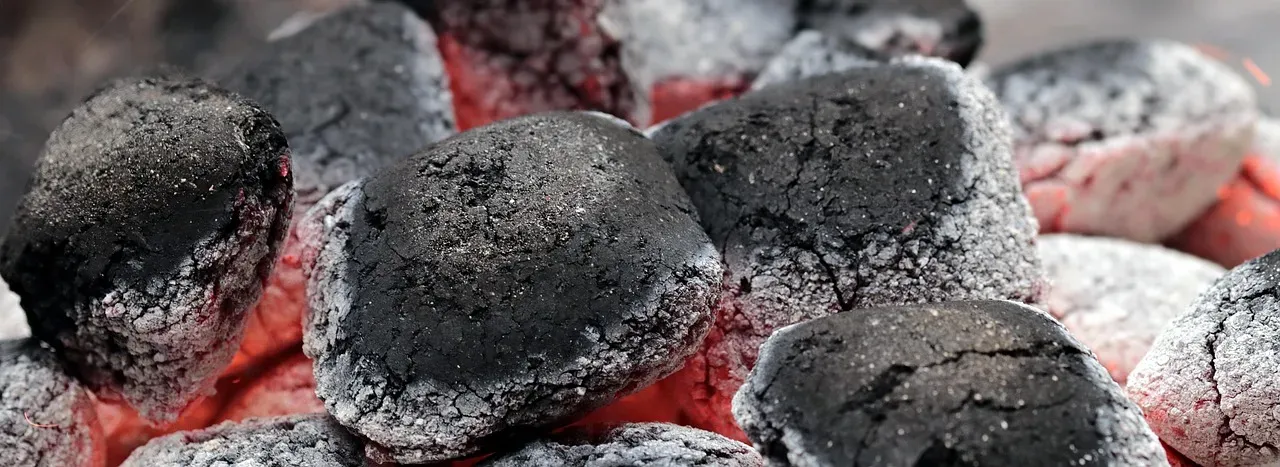
On an exposed campsite, the faint black smudge of an old fire disappears fast. Wind scatters ash, rain leaches it into the soil, plants grow through it, and curious animals root and dig. Cave air changes that story. In many caves, the tiny charcoal fragments from ancient hearths and torches are still nestled exactly where they fell, protected from the constant churning that defines open landscapes.
The low airflow typical of deep cave chambers means light charcoal dust is not blown away. Combined with the absence of direct rain, the carbon-rich fragments are not repeatedly soaked, dissolved, and transported. Instead, they gradually get buried under thin layers of sediment or calcite, locking them in place. The air’s stable temperature also limits the breakdown of organic molecules, helping charcoal remain identifiable under a microscope.
For archaeologists, this preservation is gold. Charcoal can be radiocarbon dated, revealing when people were using the cave, what they were burning, and, indirectly, what local vegetation looked like at the time. Outside on open ground, campfire residues are quickly smeared out or lost in soil mixing. In caves, where the air is calm and sheltered, the shape and distribution of charcoal patches can still outline hearths, torch routes, and activity areas.
In practice, that means cave charcoal can preserve a kind of social map: where people sat, where they cooked, how they moved through dark chambers. Open ground may remember that a fire once burned there, in a blurred, chemical way; cave air keeps the story much sharper.
#3 Ancient Pollen and Microscopic Plant Traces
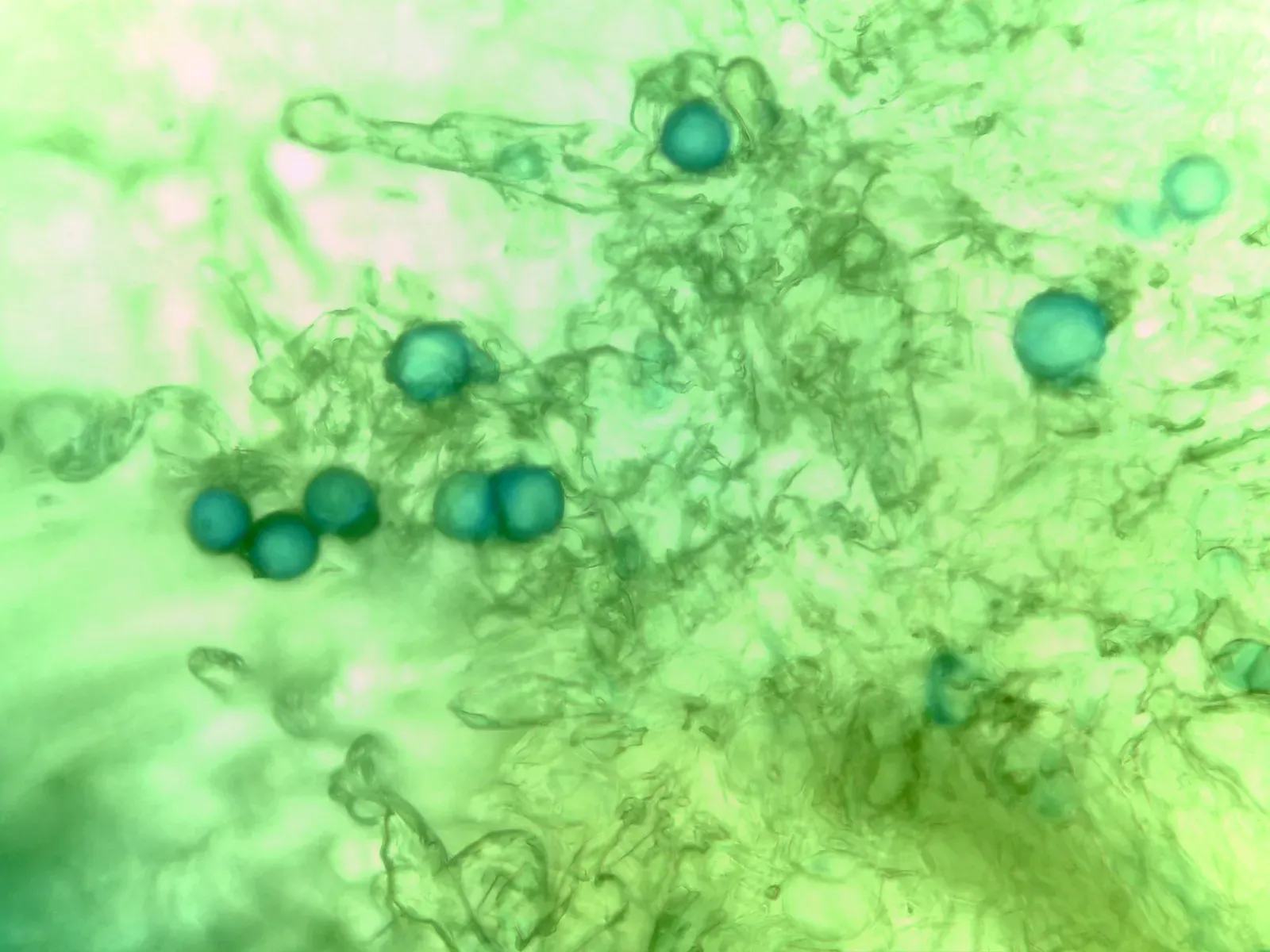
Pollen grains are tiny, but they are tough – built to survive travel through air and water. Even so, on the open ground they are battered by ultraviolet radiation, oxidized as oxygen-rich air comes and goes, and broken down by microbes and chemical weathering. Cave air moderates many of those stresses, turning fragile pollen into long-term climate witnesses.
Inside caves, air circulation is often limited and sunlight is almost entirely absent beyond the entrance zone. That means less ultraviolet damage and narrower temperature and moisture swings. Pollen that settles onto cave floors, pools, or speleothem surfaces (like stalagmites) can become embedded in fine sediments or mineral layers. The result is a relatively undisturbed archive that reflects the plants growing outside over long spans of time.
By contrast, on open ground the same pollen is quickly mixed deep into soils, consumed by organisms, or washed away by runoff. Root growth and burrowing animals stir everything relentlessly, blurring seasonal and yearly signals. In caves, the calm, low-energy environment and sheltering air allow clear layers or micro-layers to build up. Scientists can then extract those layers and reconstruct what kinds of trees, grasses, or shrubs dominated in different periods.
In other words, cave air is not just preserving dead pollen, it is preserving a time-sequenced record of entire landscapes. Without such sheltered environments, much of the fine-grained story of past ecosystems would be smoothed out into a vague average.
#4 Pigments and Cave Paintings on Fragile Rock
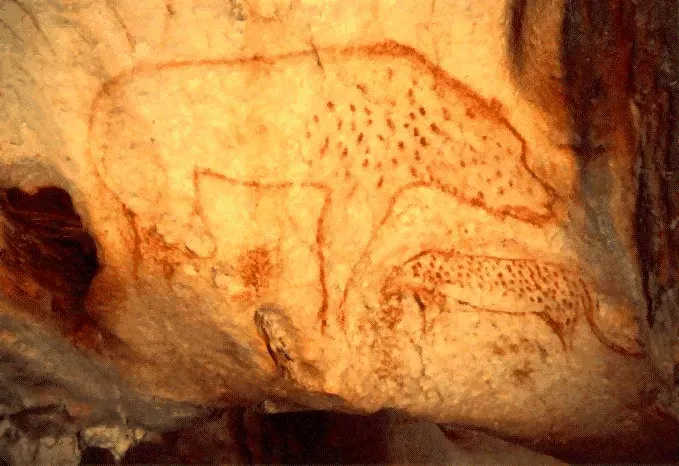
Cave art is one of the most dramatic examples of what cave air can do. On open cliffs and rock shelters, pigments fade rapidly under the assault of sunlight, rain, and temperature extremes. Lichens grow over them, salt crystals expand in tiny cracks, and the paintings slowly flake away. Deep inside caves, by contrast, many pigments and engravings survive in almost shocking detail.
The key is stability. Cave air is typically cooler, with higher and more constant humidity, and receives virtually no direct sunlight once you get beyond the entrance. That absence of ultraviolet radiation matters; many pigments, especially organic ones, degrade rapidly in bright light. The rock surfaces in caves are also less likely to undergo large thermal expansion and contraction, which on open rock leads to peeling and spalling.
Cave air also tends to be dust-poor and sheltered from wind-driven abrasion. On a cliff face, every dust-laden gust acts like a microscopic sandblaster, rubbing away pigment grain by grain. In the depth of a cave, the gentler airflow allows thin layers of pigment to cling where they were first applied. Even subtle finger tracings and engravings can remain sharp if the surrounding rock is not crumbling.
Because of this, cave walls can carry layered histories of artistic activity: charcoal outlines, ochre hand stencils, animal figures, and later engravings all stacked on the same surface. Out on open ground, that kind of multi-layered preservation is almost unheard of. Cave air, patient and undramatic as it is, makes it possible.
#5 Bones, Teeth, and the Fine Details of Skeletons
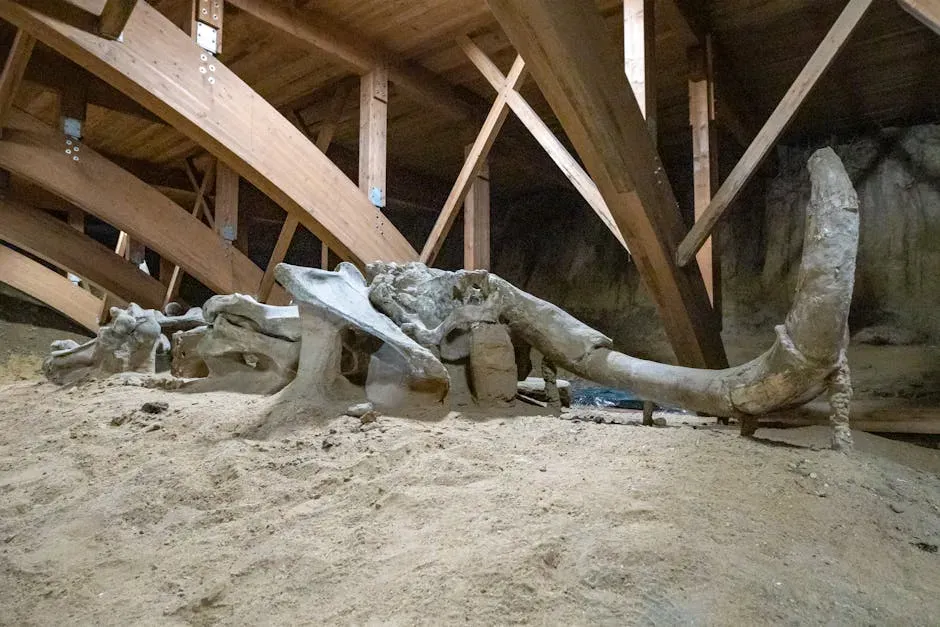
Bones do survive on open ground, but only under relatively lucky conditions. Normally, they are chewed by scavengers, weathered by sun and rain, broken by trampling, and dissolved by soil chemistry over time. Cave air, with its sheltered, buffered environment, slows nearly all of those destructive pathways, especially for smaller and more fragile remains like tiny mammal bones, bird bones, or baby teeth.
In many caves, bones accumulate when animals fall into pits, use caves as dens, or when water occasionally washes carcasses inside. Once they are there, the lack of intense sunlight and the damp but stable air significantly reduce cracking and bleaching. Bones on the surface often show characteristic weathering patterns – peeling, flaking, and splitting – that progress over a few years or decades. In caves, similar bones can remain relatively fresh-looking for far longer.
The reduced presence of large scavengers is important too. Hyenas, wolves, and other bone-crunchers are less likely to frequent deep, narrow chambers. Small bones that would be destroyed outside may simply lie where they fell, perhaps eventually covered by stalagmite drips or sediment. This is why cave deposits are such rich sources of microfauna – rodents, bats, small birds – that are underrepresented in open-air sites.
That preservation power gives scientists detailed insight into past ecosystems. The mix of species, ages, and bone conditions in cave deposits tells a nuanced story about climate, prey availability, and predator behavior. On open ground, much of that subtlety is stripped away long before anyone can study it.
#6 DNA Traces in Sediments and Calcite

One of the more mind-bending discoveries of the past couple of decades is that you can recover ancient DNA not only from bones and teeth, but also from cave sediments themselves. Tiny bits of genetic material from skin flakes, feces, urine, or decomposed tissue can cling to mineral grains or become trapped in calcite layers. Cave air plays a quiet but crucial role in making that possible.
DNA is a fragile molecule. On the surface, it is broken down quickly by sunlight, high temperatures, and chemical reactions driven by oxygen and microbes. Caves generally offer cooler, more stable temperatures, very little ultraviolet radiation, and slower microbial activity, especially in dry or mineral-rich niches. The stable air conditions help maintain relatively constant moisture levels, which reduces cycles of DNA swelling and shrinking that can accelerate damage.
That means cave sediments can hold onto traces of species that passed through long ago – even when no bones are left. Researchers have detected DNA from humans, extinct hominins, large mammals, and small animals in cave layers spanning tens of thousands of years. Trying the same trick in a random patch of open ground is far less likely to succeed, because the surface environment is so much harsher on genetic material.
Of course, cave DNA still degrades over time, and not all caves are equal. But as a rule, the calm, shielded air inside caves gives these microscopic genetic puzzles a much better shot at surviving long enough for us to find and decode them.
#7 Speleothems as Climate Time Capsules
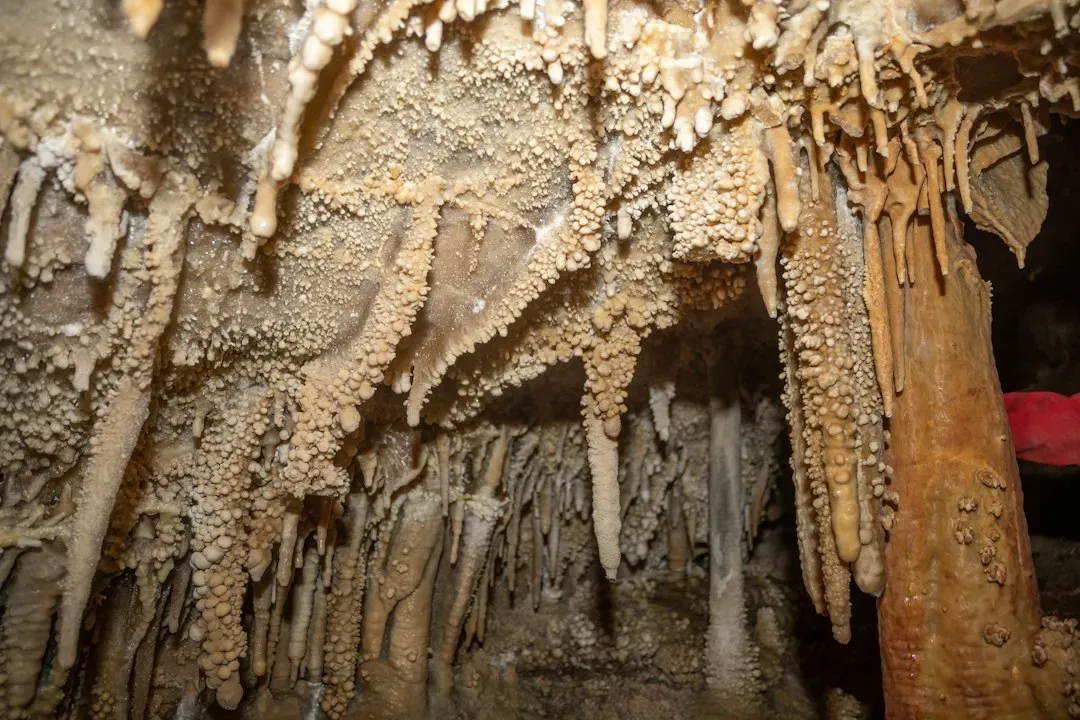
Stalagmites and stalactites – together called speleothems – might look like simple rock decorations, but they are among the best climate archives on Earth. Their ability to record slow shifts in rainfall, temperature, and vegetation depends directly on the stable cave air around them. On open ground, mineral deposits are more exposed to erosion, weathering, and breakage, which shreds their climate story.
In a cave, drops of water seep through overlying rock and soil, dissolve a bit of carbonate, and deposit it layer by layer as they fall and evaporate. The chemical composition of each microscopic layer reflects conditions at the surface at that time. Cave air’s relatively constant temperature and humidity allow growth to be steady and layered, rather than interrupted or heavily re-dissolved by extreme swings.
On exposed surfaces, similar mineral crusts form, but they are battered by freezing and thawing, rainfall, physical abrasion, and biological growth. Their layers are easily broken apart or re-dissolved. Inside caves, the gentle, protective air allows stacks of layers to accumulate undisturbed for tens of thousands of years. These layers can be read a bit like tree rings, only with added chemical clues to things like monsoon intensity or drought frequency.
Because cave air keeps speleothems intact, scientists can reconstruct long climate histories even in regions where open ground evidence has been erased by erosion. That makes caves crucial not just for understanding the distant past, but for grounding our expectations about future climate shifts.
#8 Plant Remains, Seeds, and Fragile Fibers
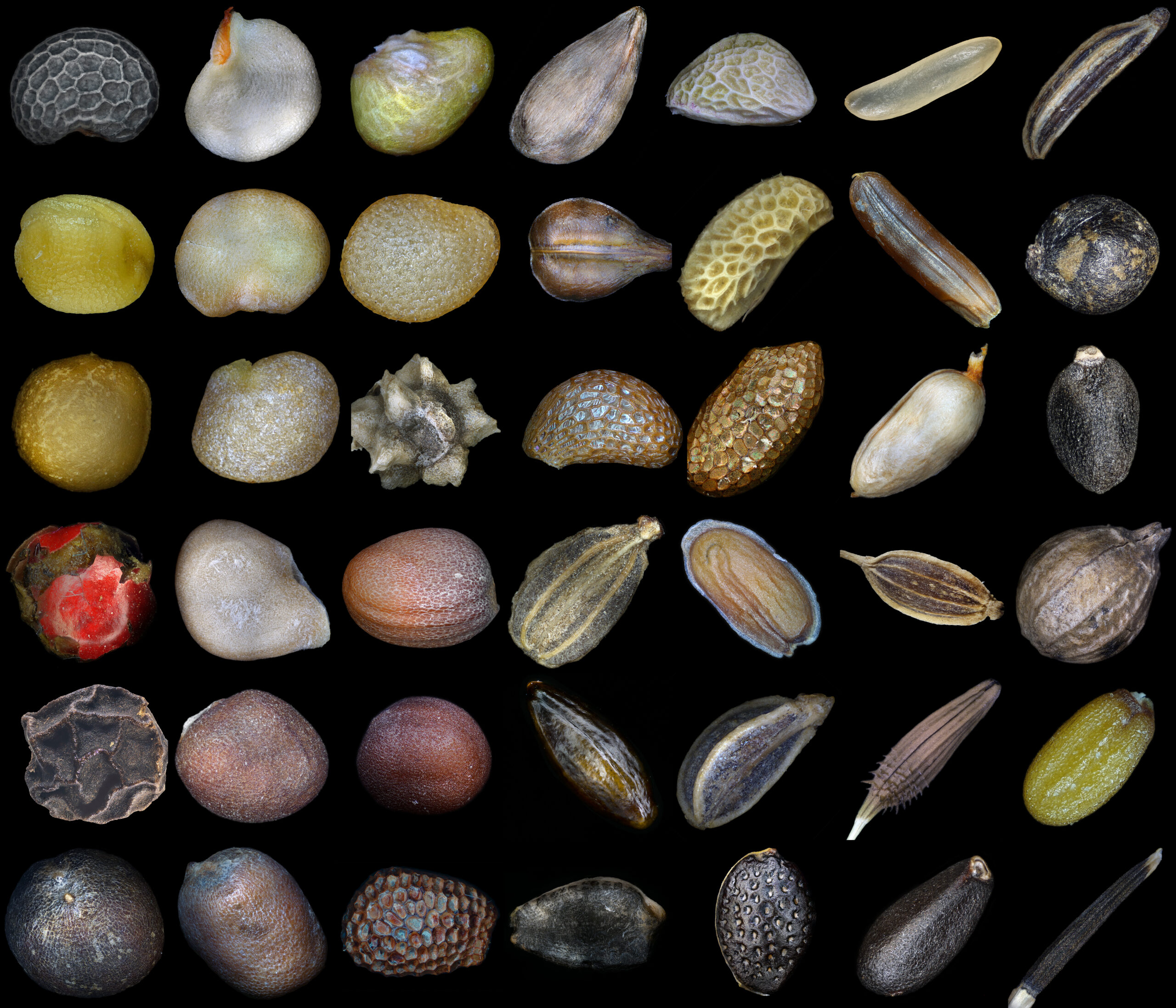
Plant remains are some of the most vulnerable materials in archaeology. On open ground, seeds and fibers are quickly eaten by insects, fungi, and bacteria, burned by sunlight, and broken down by fluctuating moisture. Cave air, particularly in dry sections or in spots with gentle, persistent humidity, can slow this process enough that seeds, wood fragments, and even plant fibers survive in recognizable form.
In some caves, seeds become embedded in dry sediments or trapped in mineral crusts and are then shielded from further disturbance. The relatively steady temperature and moderated airflow hinder the explosive growth of microbes that you see in warm, wet surface soils. In other cave contexts, plant fibers can be carbonized (for example, when used in torches or as fuel), and the protected air slows the further physical and chemical breakdown of that charcoal-like material.
Cave air also prevents one of the biggest surface threats: repeated wetting and drying. On open ground, a rainstorm wets plant remains, then sun bakes them, then dew re-wets them, and so on. Each cycle stresses the material and opens more pathways for decay. In caves, moisture conditions tend to be more stable within a given zone – either consistently moist or consistently dry – which ironically can be kinder to delicate plant matter.
Because of this, caves sometimes yield evidence of ancient food use and technology that would be invisible outside: traces of wild grains, basketry fibers, or wooden tools. The calm air does not preserve everything, but it gives fragile plants and fibers a fighting chance to outlive the civilizations that used them.
#9 Coprolites and Traces of Diet and Disease
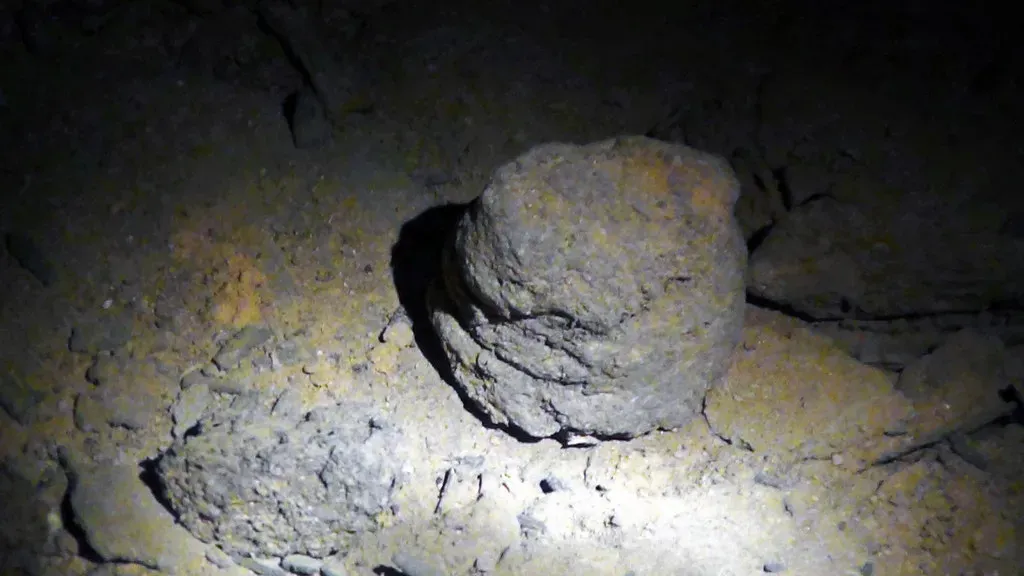
Coprolites – fossilized or preserved droppings – are not glamorous, but they are incredibly informative. They can reveal what animals and humans were eating, what parasites they carried, and what plants grew nearby. On open ground, fecal material is among the first things destroyed: it is dissolved by rain, consumed by insects and microbes, and smeared out by trampling or burrowing. Cave air changes that fate.
In many cave settings, droppings dry out quickly or are protected in crevices and sheltered ledges. Stable temperature and airflow limit the explosive microbial bloom you see on the surface, where warmth, oxygen, and sunlight combine to break down organic matter fast. Once sufficiently dried or mineralized, coprolites can remain intact for thousands of years, sometimes even preserving microscopic plant fragments, parasite eggs, and biochemical markers.
Some of the best-preserved coprolites come from dry, cool cave niches where air movement is low but not completely absent. This allows gentle drying without repeated rehydration. On open ground, by contrast, a single heavy rain can wash away or deeply alter fecal remains, making them unrecognizable in days. Soil organisms also work overtime at the surface, quickly mixing and digesting anything so nutrient rich.
Because cave air shields and stabilizes these unappealing but priceless objects, scientists can piece together detailed dietary records, seasonal behavior, and even health conditions. It is an odd twist: what most animals want to leave behind as quickly as possible is exactly what researchers want to find, and caves quietly oblige.
#10 Insect Remains, Shells, and Tiny Exoskeletons
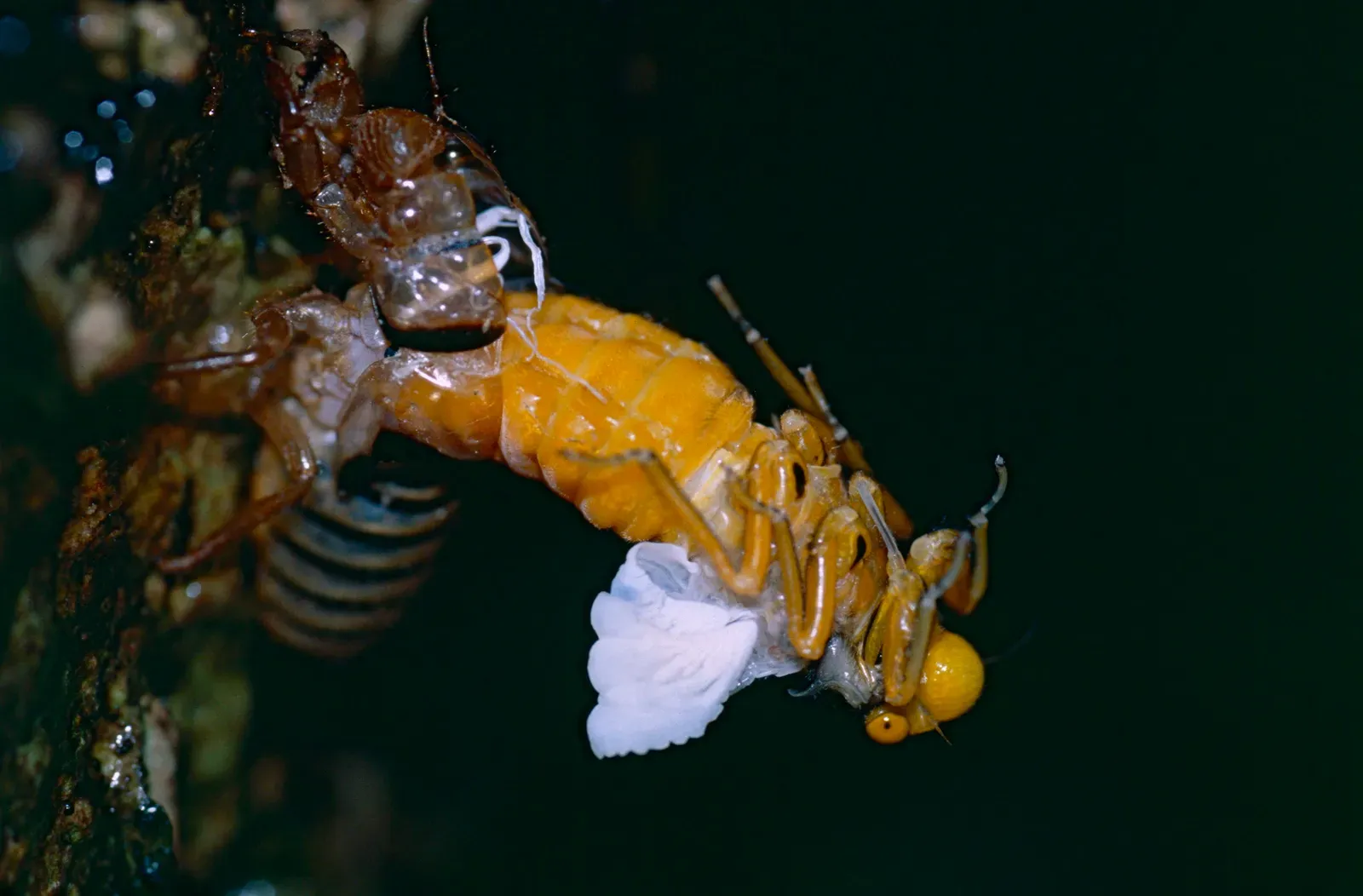
On the surface, insect exoskeletons and delicate shells are shredded by mechanical wear, dissolved by acidic soils, and scavenged by other organisms. Wind moves them, water carries them away, and plant roots displace or crush them. Inside caves, the situation is much calmer. In sheltered pockets, the air allows these tiny, fragile remains to settle and stay put.
Dead insects in caves may become trapped in fine clay, pool sediments, or small cracks. Without intense sunlight, their pigments and chitin structures degrade more slowly. Lower temperature swings mean fewer cycles of expansion and contraction that can physically break them apart. In some cave deposits, layers of insect parts build up, providing a surprisingly rich record of local biodiversity over time.
Researchers can use these remains to infer past temperatures, humidity levels, and habitat types. Certain insects are strongly tied to specific vegetation or moisture regimes. On open ground, such signals are often lost because insect remains are rapidly spread thinly across large areas or completely destroyed. Cave air keeps them concentrated and intact enough to study.
In a way, caves act like giant, passive insect traps, quietly collecting what drifts or crawls inside. The preserved exoskeletons and shells then become another set of witnesses, testifying to environmental conditions that surface soils have long since forgotten.
#11 Fine Sediment Layers and Footstep Microstratigraphy
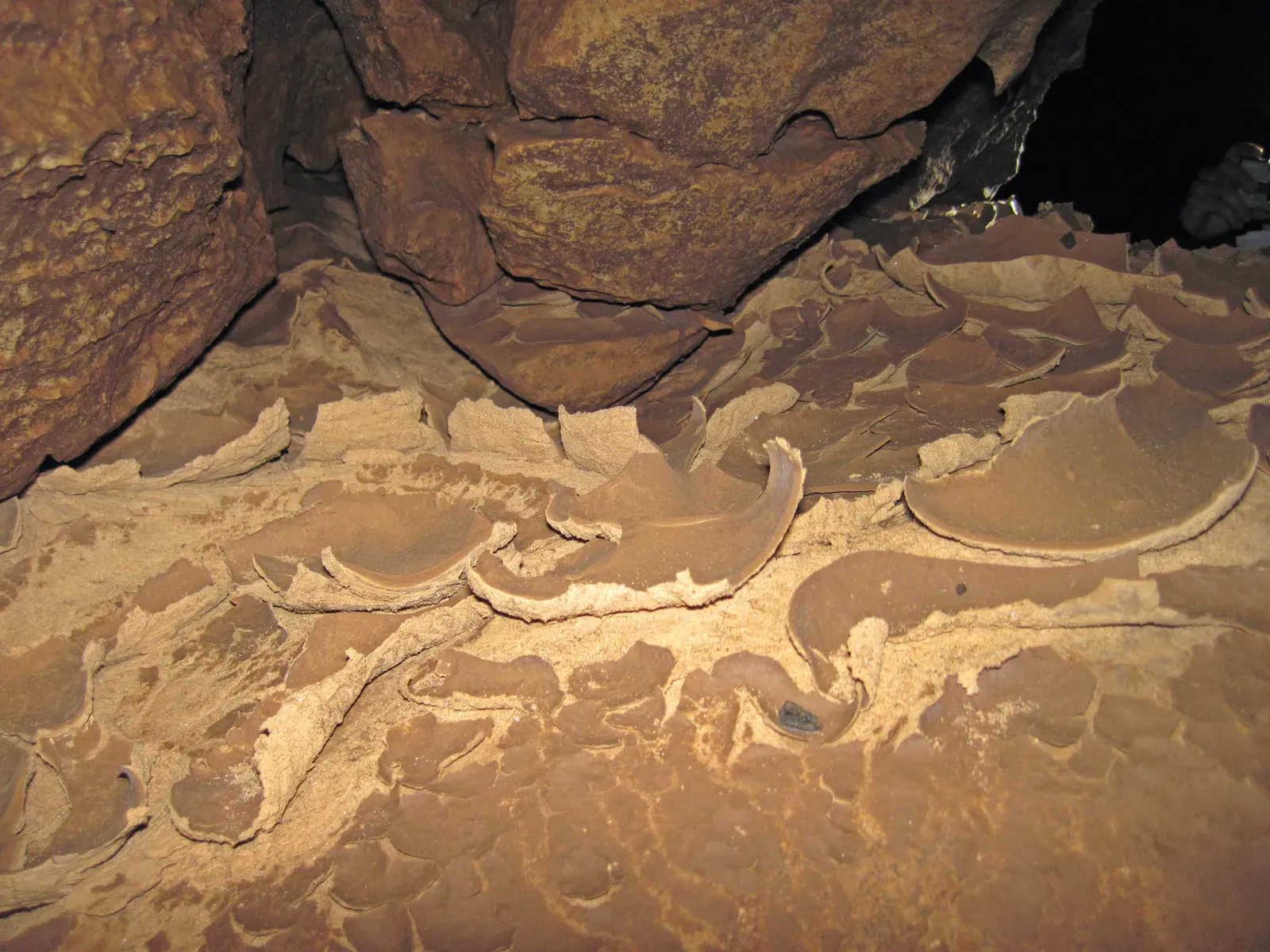
On open ground, the topsoil is in constant motion – stirred by roots, burrowing animals, plowing, construction, and erosion. Thin sediment layers that record specific events (a flood, a dust storm, a trampling episode) are quickly mixed together. In caves, the air’s relative stillness allows very fine layers of dust, silt, and calcite to settle gently and remain sharply separated.
This is why archaeologists sometimes talk about cave sediments as micro-layered time slices. You might have a thin film of soot from torch smoke, overlain by a bit of windblown dust, followed by a sprinkling of calcite crystals from dripping water. Each of these reflects a different process, and they can remain distinct because there is so little disturbance from wind, rain, or surface biota. Cave air acts as a buffer, preventing sudden, violent inputs that would churn everything.
On open ground, a heavy storm or strong wind can completely rearrange the top few centimeters of soil in one event, mixing years of deposits. In caves, such events are rare and often muted. Even human activity, like walking, may only disturb specific paths while nearby undisturbed patches retain their microstratigraphy. These intact layers store subtle clues: changes in dust composition linked to climate, tiny shifts in soot chemistry from different fuels, or micro-erosion from repeated foot traffic.
This fine-scale preservation allows researchers to reconstruct events in almost cinematic detail. They can sometimes tell when people entered a cave, how frequently they came, and what they did, in ways that would be nearly impossible to read from the churned, chaotic layering of surface soils.
#12 Limestone Surfaces with Microscopic Tool Marks
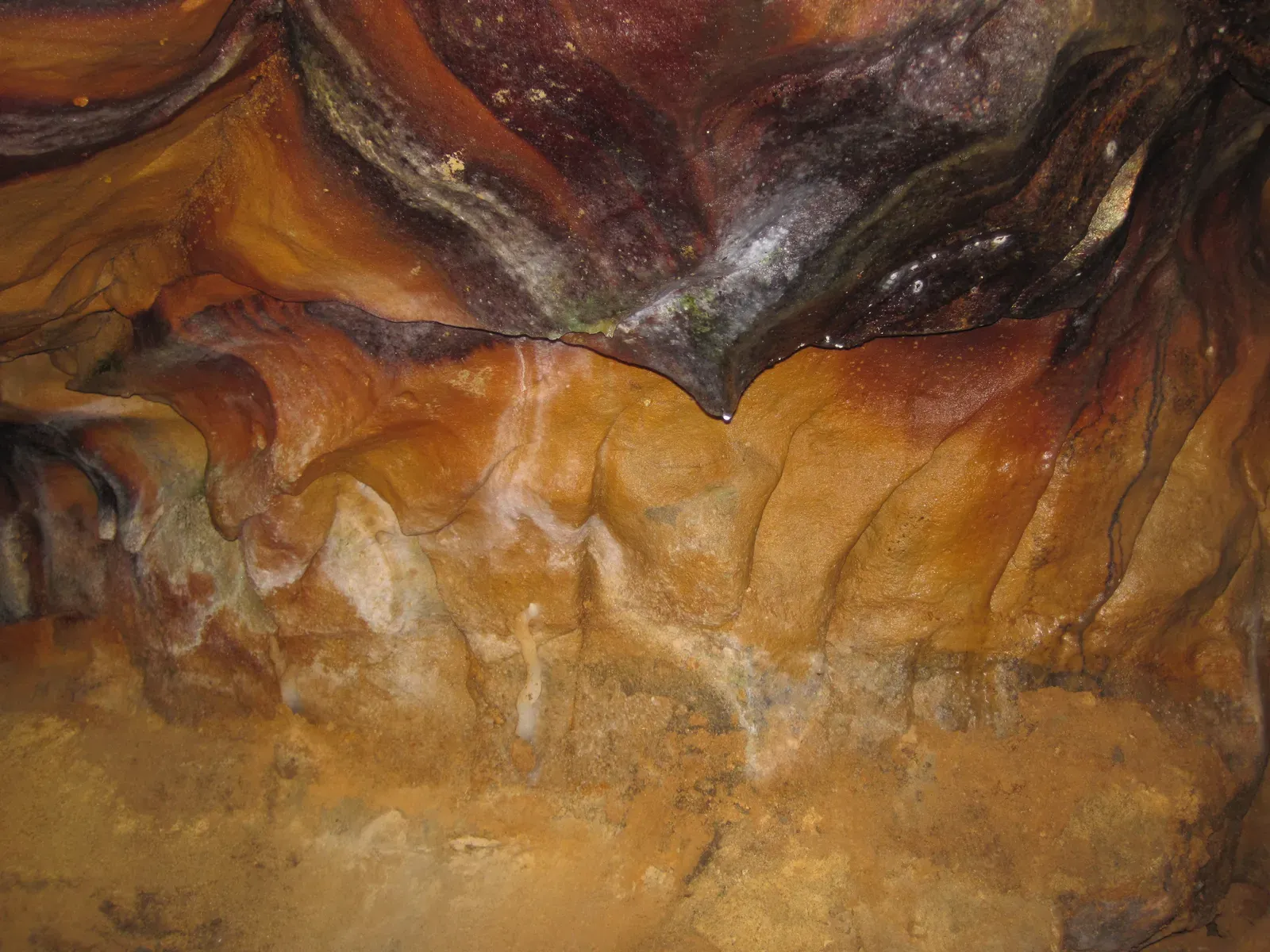
On exposed rock surfaces, microscopic marks from tools, dragging objects, or even finger tracings are quickly smoothed by weathering. Wind-blown sand abrades them, rain dissolves sharp edges, and temperature cycles loosen crystals. Cave air, particularly in drier and less actively dripping sections, can preserve these tiny scars far more faithfully.
When stone tools scrape or engrave cave walls and floors, they leave characteristic signatures: fine striations, tiny fracture patterns, and overlaps that can reveal the sequence of strokes. In the stable, low-UV, sheltered atmosphere of a cave, these features may remain unaltered except for gradual dust accumulation or thin calcite veils. Open surfaces, in contrast, tend to lose such detail within years or decades.
There is a second layer of preservation here. Sometimes, thin films of calcite precipitate over tool marks while the cave air remains stable. These mineral skins act like transparent shields, locking in the original surface underneath. Researchers can then remove or scan those layers to read both the tool marks and the time of mineral growth. On open ground, similar coatings are frequently cracked, flaked, or dissolved by frost and acid rain.
This means caves allow an unusually precise reading of past human behavior: how tools were used, what motions were involved, and in some cases even how skilled the user was. It is a level of forensic detail that open landscapes rarely grant us, because their rocks are constantly being reworked by the elements.
#13 Organic Films, Soot Layers, and Invisible Residues
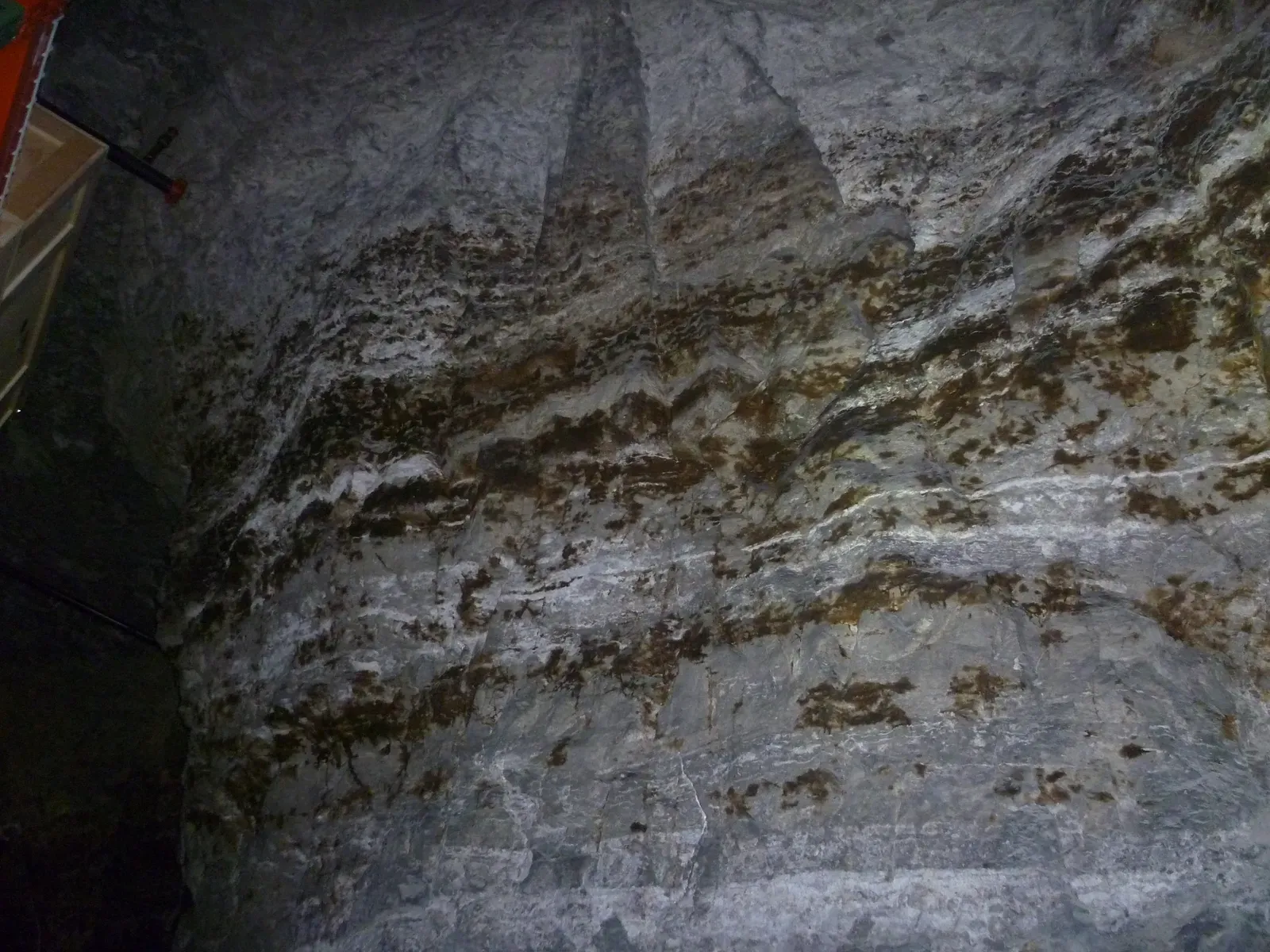
Beyond the obvious things like bones and tools, there are subtler traces that tell us how people used cave spaces: thin films of organic residue on walls, microscopic soot layers from torches, and tiny patches of fat or resin on the floor. On open ground, these kinds of films are rapidly oxidized, bleached, or washed away. Cave air slows those processes enough that the residues can stick around long after the people are gone.
The lack of direct sunlight in deeper cave zones means no ultraviolet bleaching of soot or organic stains. Moderate, steady temperatures and relatively high humidity prevent the extreme drying and cracking that would cause such films to flake off. In some caves, these layers build up almost invisibly, detectable only through careful chemical and microscopic analysis. Yet they can reveal what fuels people burned, what foods they processed, or whether they used resins, tars, or plant oils.
On the surface, similar residues would be vulnerable to every rainfall and every gust of wind, not to mention the scratching of animals and people moving across them. Even when residues do survive, they are usually mixed and smeared by soil formation processes. In caves, the protecting air allows them to remain more localized and coherent – an invisible but decipherable fingerprint of past activity.
For scientists, this opens up a richer understanding of technology and daily life. Instead of just knowing that people were present, they can infer what materials people favored and how they organized living and working areas in the dark.
#14 Whole Microclimates That Freeze Time
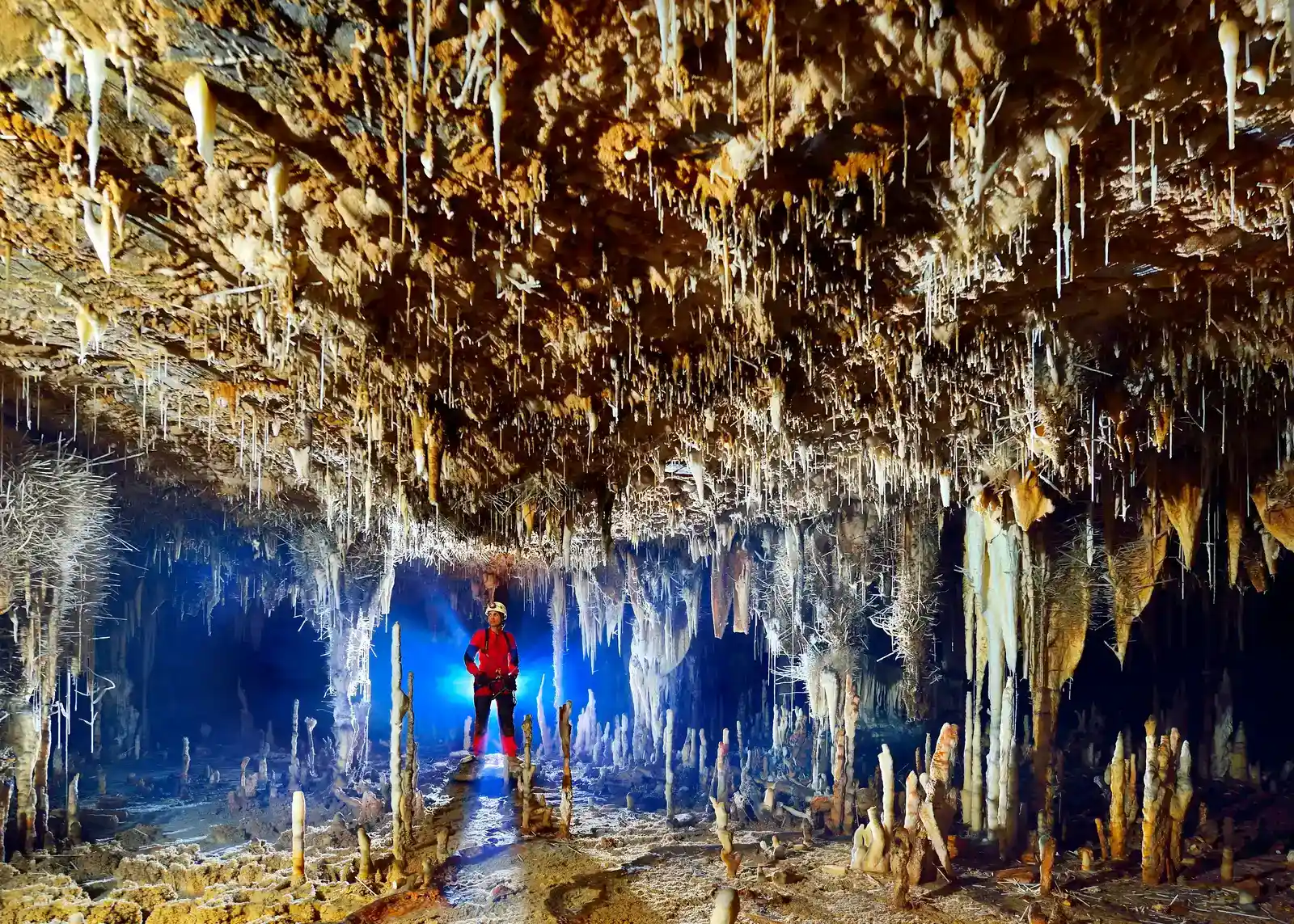
Finally, cave air does not just preserve specific objects; it preserves entire microclimates. Within a single cave, you can have zones that are cool and damp, others that are almost bone-dry, and still others close to freezing year-round. Each microclimate is a kind of tailored preservation chamber, protecting different materials that would rapidly decay on open ground.
For example, high-humidity, stable-temperature sections are ideal for preserving delicate sediments, footprints, and certain organic residues, because they prevent cracking and mechanical disturbance. Drier pockets, by contrast, can mummify organic matter, including skin, soft tissues, and textiles, by dehydrating them gently in air that barely changes through the seasons. Near-constant cool chambers can slow bacterial activity so much that even very fragile items, from plant fibers to leather, might survive for millennia.
On the surface, microclimates exist too, but they are far more exposed to external shocks: heat waves, storms, shifting vegetation, and human activity. A single drought year, wildfire, or flood can reset the preservation clock to zero. Caves, shielded by meters of rock and regulated by narrow entrances, filter these extremes. Their air acts like a giant thermal and chemical buffer, taking the edge off nearly all the forces that wreck delicate evidence.
In this sense, caves operate like natural archives. Instead of shelves and boxes, they use subtle airflow patterns, temperature gradients, and humidity pockets to sort and preserve the physical traces of life. Open ground is more like a busy city street – lively, dynamic, and constantly changing, but terrible at keeping things intact.
Conclusion: Cave Air as Nature’s Quiet Archivist
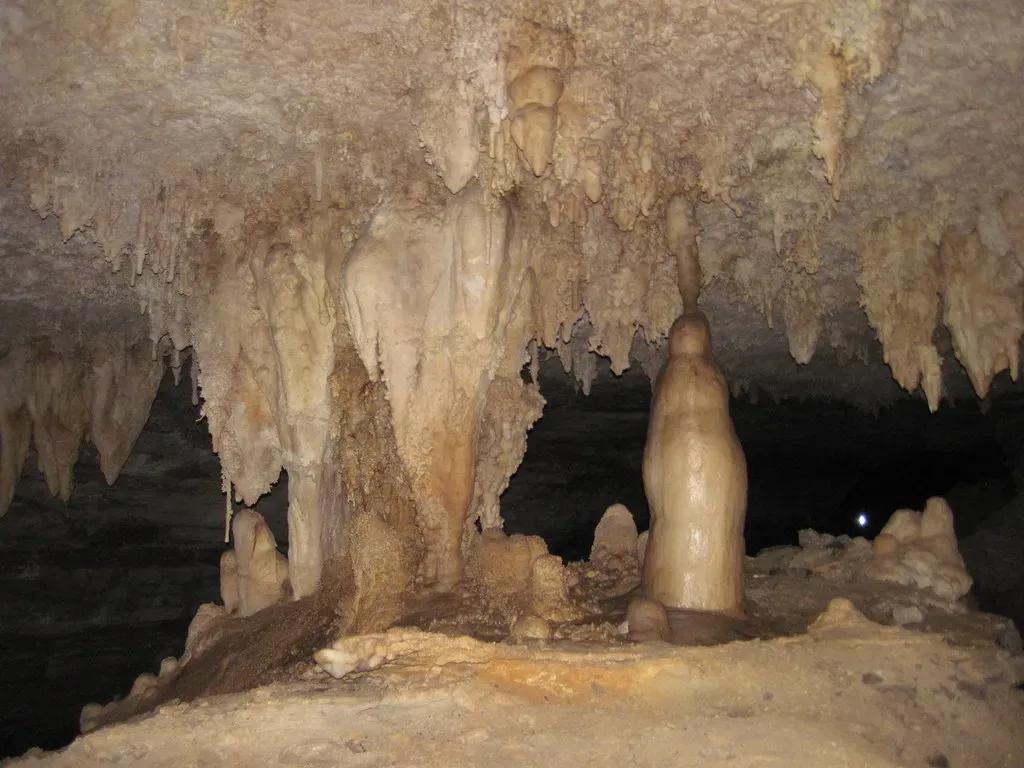
When you step back and look at all of this – footprints, charcoal, pollen, bones, DNA, speleothems, microscopic residues – it becomes clear that cave air is not just a background condition. It is an active, shaping force in what survives of the past. Open ground is ruthless; it grinds, mixes, and erases. Cave air is patient; it cushions, slows, and protects. That difference is why so many of our most vivid windows into prehistory come from underground spaces rather than from sunlit hillsides or riverbanks.
Personally, I find it oddly humbling. We tend to imagine that what matters most are big, dramatic processes – volcanoes, glaciers, great floods. Yet here, it is the nearly motionless air inside a dark hole in the rock that determines which parts of our story make it across tens of thousands of years. That quiet stability decides whether a child’s footprint, a smear of soot, or a scrap of ancient DNA survives long enough for someone in a lab coat to notice it.
It is also a reminder of how fragile the record is. Change the airflow in a cave with artificial lighting and tourism, alter the humidity with large-scale pumping or quarrying nearby, and the preservation balance can flip. Condensation starts to form, salts migrate, microclimates collapse – and the time capsule begins to leak. Treating caves as living archives rather than static attractions is not just romanticism; it is basic common sense if we care about the evidence they hold.
In a world where surface environments are shifting faster than ever, caves quietly keep holding onto their secrets – for now. The question is not just what they are preserving for us, but whether we will be careful enough to keep that preservation going. When you think about the footprints, pigments, and invisible DNA drifting in that cool, still air, you have to wonder: which tiny trace of today’s world, if any, will still be there waiting to be found in some distant tomorrow?