
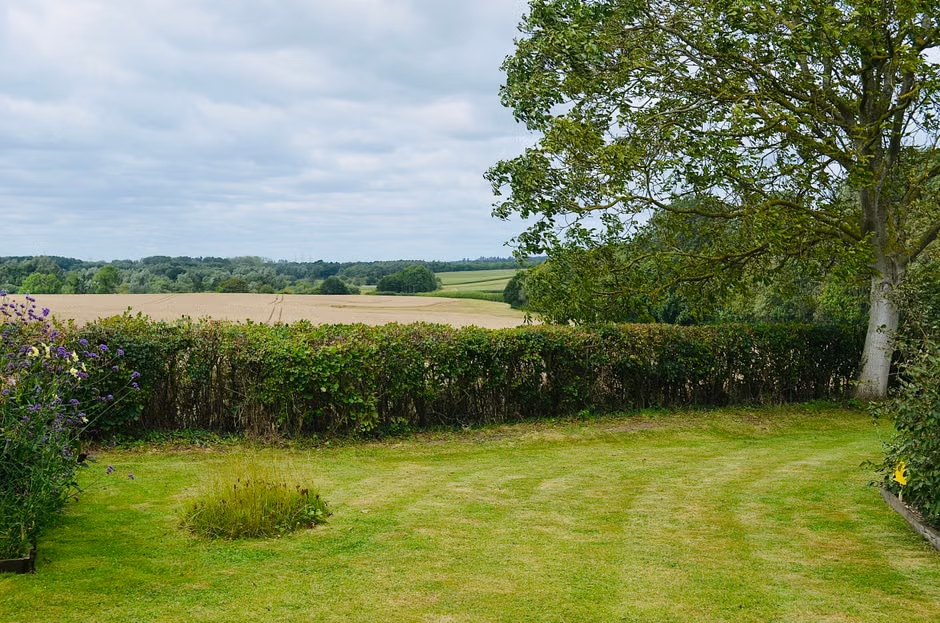
Most people walk past a hedgerow the way they walk past a fence post – with zero curiosity. Field guides don’t help much either. They’ll tell you the leaf shape is hawthorn, the red berries are hips, the thorny stems belong to blackthorn. What they won’t tell you is that the same hedge is quietly functioning as a legal document, a bat highway, a bee factory, and a carbon vault that’s been running, uninterrupted, for centuries.
Ecologists who’ve spent careers crawling through hedges with clipboards and bat detectors describe something closer to an ecosystem in disguise – one that most of us drive past a hundred times a year without ever slowing down. Here’s what’s actually hiding in there, and why the scruffiest hedge on your street might be older, busier, and more important than the field guide ever let on.
#1 – A Hidden Growth-Ring Calendar
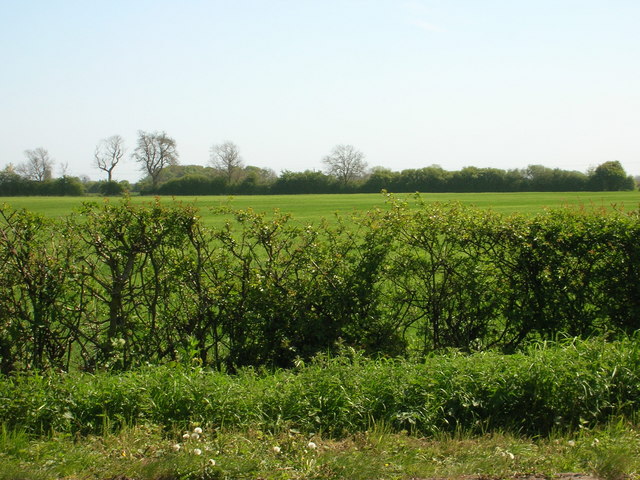
A hedgerow can literally tell you what century you’re standing in, if you know how to read it. In the 1960s, ecologist Max Hooper noticed something strange while tracking how fast Britain’s hedges were vanishing under intensive farming: the age of a hedge could be roughly estimated just by counting the number of woody plant species growing in a 30-yard stretch, then multiplying by 100.
The logic is almost embarrassingly simple once you hear it. Farmers historically planted a single species – usually thorny, stock-proof hawthorn – as a boundary. Over the decades and centuries that followed, birds dropped seeds, wind carried others, and new species quietly moved in uninvited. Count the species today, and you’re essentially counting how many generations of accidental hitchhikers have joined the party.
Fast Facts
- The formula: species count x 100 = rough hedge age in years
- Sample length used: a 30-yard stretch of hedge
- Developed in the 1960s by ecologist Max Hooper
- Breaks down in Cornwall’s earth-and-stone banks and parts of Scotland
It’s not foolproof. The rule gets shaky in genuinely ancient hedges, where so many species have piled in that the count stops climbing in any predictable way. It also doesn’t travel well – it falls apart in Cornwall, where many “hedges” are really earth-and-stone banks with plants on top, and it’s unreliable in parts of Scotland where the flora is naturally less diverse to begin with.
Applied carefully, though, this ridiculously low-tech trick can turn a scruffy hedge behind a housing estate into something older than the nearest cathedral. That’s not a metaphor – it’s a dating method that has genuinely reshaped how historians think about the British countryside.
#2 – A Property Law Time Capsule
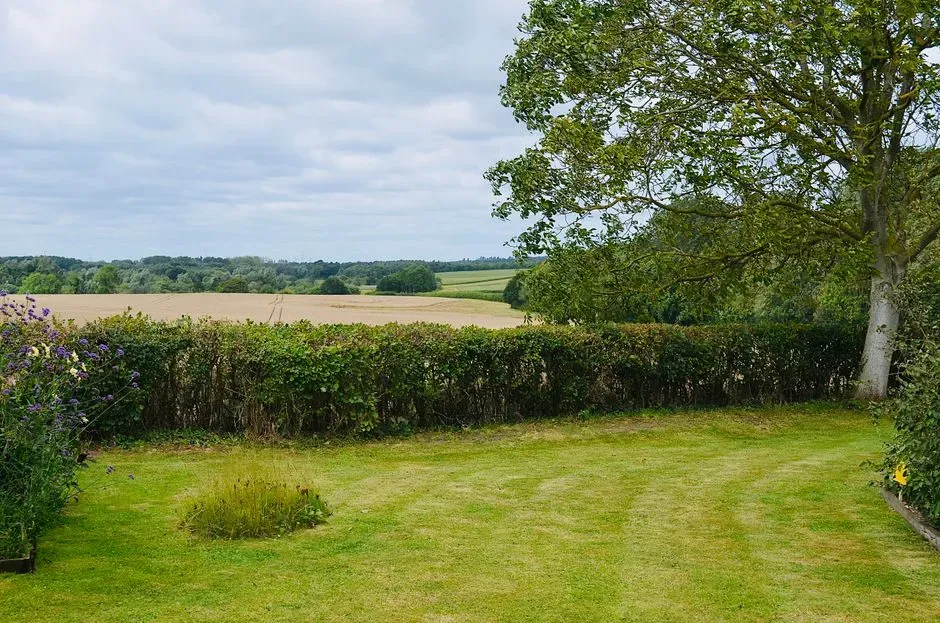
Long before land registries and satellite surveys existed, hedgerows were the legal system. Every odd kink, bulge, or right-angle jog in an old hedge line often marks a boundary dispute, a land grant, or a manorial court ruling that died out five centuries ago and was never written down anywhere else.
Hedges were originally planted for a brutally practical reason: to mark ownership and physically stop sheep and cattle from wandering into the neighbor’s crop. That means the tangled line running along a footpath near your house might be the last surviving physical trace of a Tudor-era land argument that nobody alive remembers or ever will.
The documentary evidence backs this up in ways that are almost eerie. Some hedgerows still standing today trace back to the Enclosure Acts of 1760–1820 – and others are considerably older than that. More than 600 plant species, 1,500 insect species, 65 bird species, and 20 mammal species are known to live or feed inside these living boundary lines.
A field guide will happily identify the hazel branch in front of you. It will never mention that the hazel is marking a property line that predates the printing press.
#3 – A Genetic Superhighway Hiding in Plain Sight
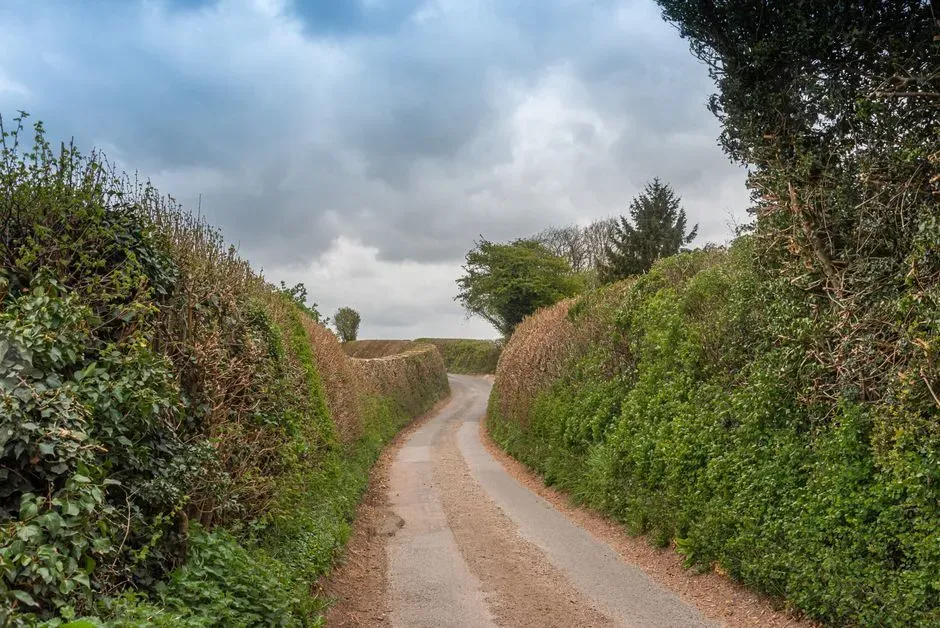
Hedgerows aren’t just habitat – they’re infrastructure, in the most literal engineering sense of the word. For insects, small mammals, and birds trapped in patches of increasingly fragmented farmland, a hedge is often the only safe corridor between two isolated worlds.
Without that connective green strip, populations get cut off from one another. Cut off long enough, and they become genetically isolated – inbred, fragile, and one bad winter away from quietly disappearing from a whole region without anyone noticing until it’s too late.
Researchers have started treating hedgerows as a deliberate climate-adaptation tool rather than a rural nicety. A 2018 report from European researchers suggested that planting new hedgerows could be one of the most efficient ways to reconnect isolated habitats and let struggling species migrate as conditions shift.
That’s not a footnote buried in an appendix – that’s a serious policy recommendation, built entirely around a landscape feature most people still assume is purely decorative.
#4 – A Basement Ecosystem Nobody Bothers to Look At
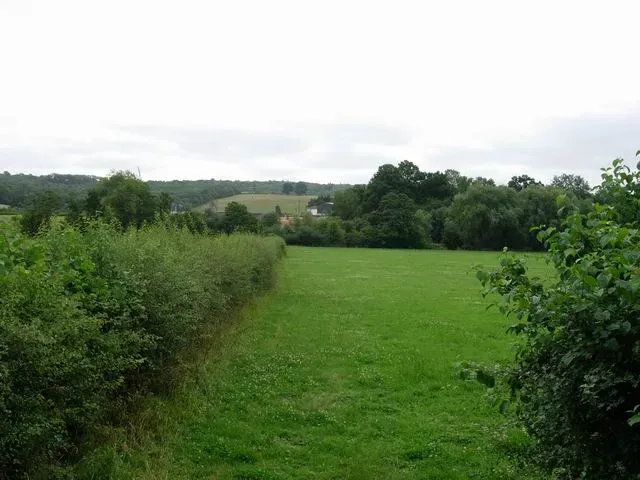
Everyone looks up at hedgerow branches, hoping to spot a bird. Almost nobody crouches down to look at the base – which, according to the people who actually study this stuff, is where a disproportionate amount of the real action happens.
The hedge base matters enormously for ground-nesting species like the grey partridge, but it’s far from just a bird story. Researchers tracking which species use which part of a hedge found real differences in how wildlife divides up the structure from top to bottom.
At a Glance: Who Uses Which Layer
- Trees: used by over half of studied species
- Shrub layer: used by 42% of species
- Base: used by 41% of species
- Margin: used by 34% of species
- Many species use more than one zone at once
That pile of leaf litter at the bottom isn’t debris waiting to be tidied away. It’s a working compost engine, feeding earthworms, ground beetles, and fungi networks that never once make it into a wildflower identification app, quietly recycling nutrients back into the soil the entire time.
#5 – A Private Security System for the Farm Next Door
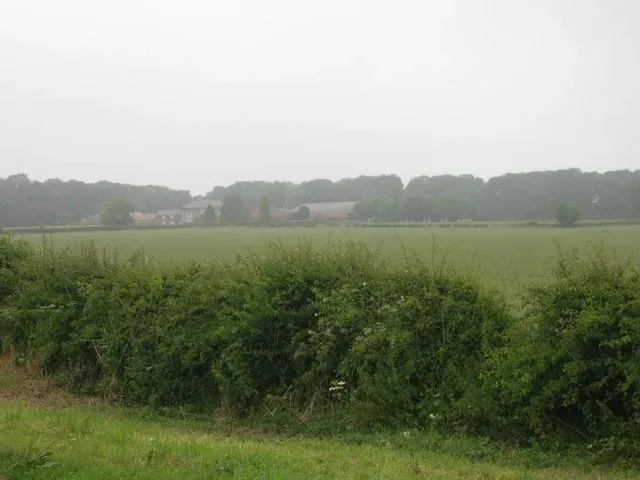
Farmers who rip out hedgerows to squeeze in a few extra crop rows are, in a very literal sense, firing their own pest control team. A healthy hedge comes stocked with predators that work around the clock for free.
Spiders, ground beetles, hoverflies, and predatory wasps all shelter inside hedge structure by day and then commute straight into the adjacent field to hunt aphids and grubs. Hedgerows are increasingly recognized as key components of ecological networks precisely because of this built-in pest regulation.
Bats join the payroll too. Many species forage more intensively along hedgerows, where insect prey is typically far more abundant than out in the open crop field, functioning as unpaid, insectivorous pest control agents.
Rip out the hedge, and a farmer doesn’t just lose a strip of scenery – they lose a pest management contract that’s been quietly running, at no cost, for decades.
#6 – A Bat’s Personal GPS Route
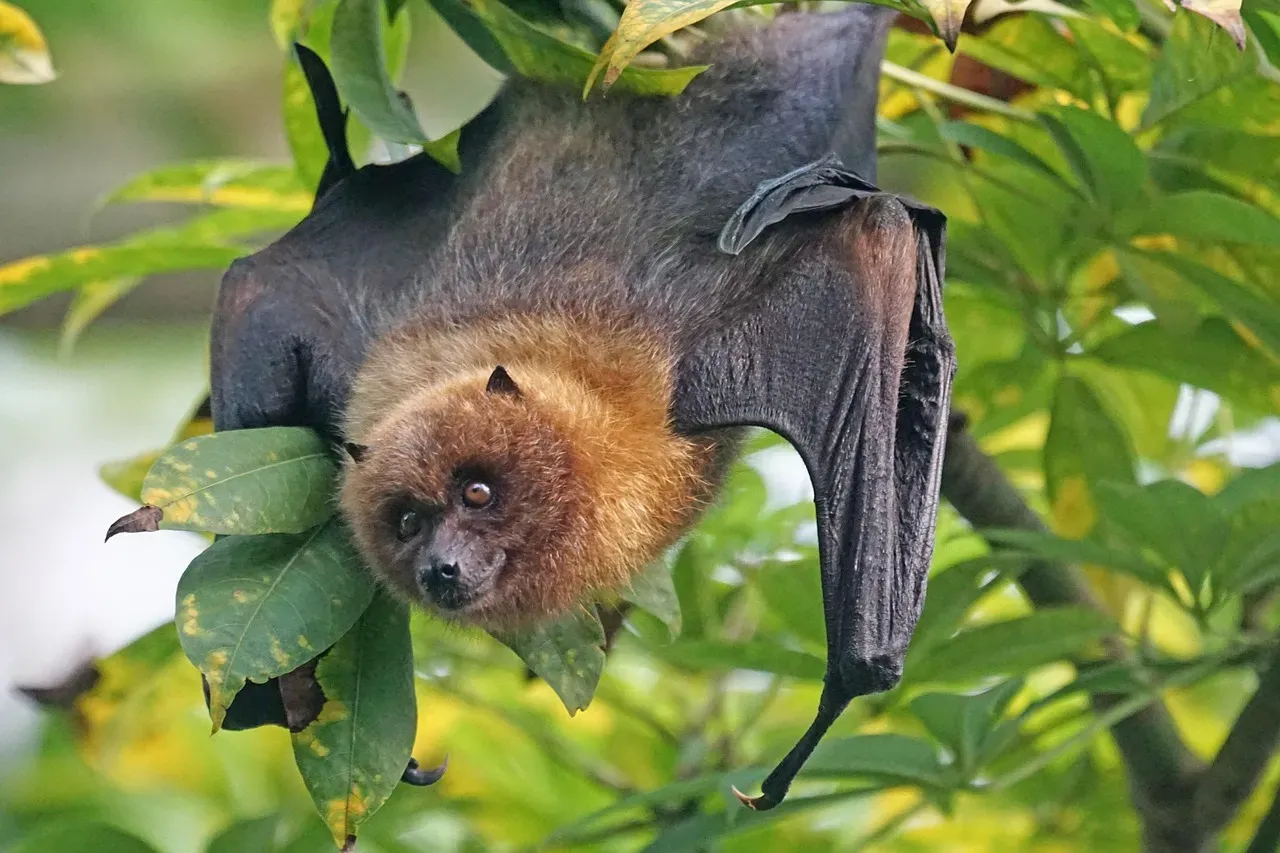
Bats don’t wander randomly across open farmland. They follow hedgerows the way a driver follows a highway, using them as both a navigation map and a hunting ground simultaneously. Strip a landscape of its hedges, and you haven’t just removed some trees – you’ve deleted the bat’s entire navigation system overnight.
This isn’t a minor preference; it’s structural dependency. One large-scale acoustic monitoring study tracked bat activity across 448 separate hedgerows, testing whether trimming method, height, width, foliage density, connectivity, or plant diversity mattered most.
Worth Knowing
- Study scope: 448 separate hedgerows monitored acoustically
- Factors tested: trimming, height, width, density, connectivity, diversity
- Biggest predictor of bat activity: tall, tree-filled structure
- Least important factor: hedge width or trimming style
A neatly clipped, low, tidy hedge – the exact style most homeowners aspire to – is often the least useful version for bats. Messy and tall beats neat and short, every single time.
#7 – A Winter Hibernation Hotel
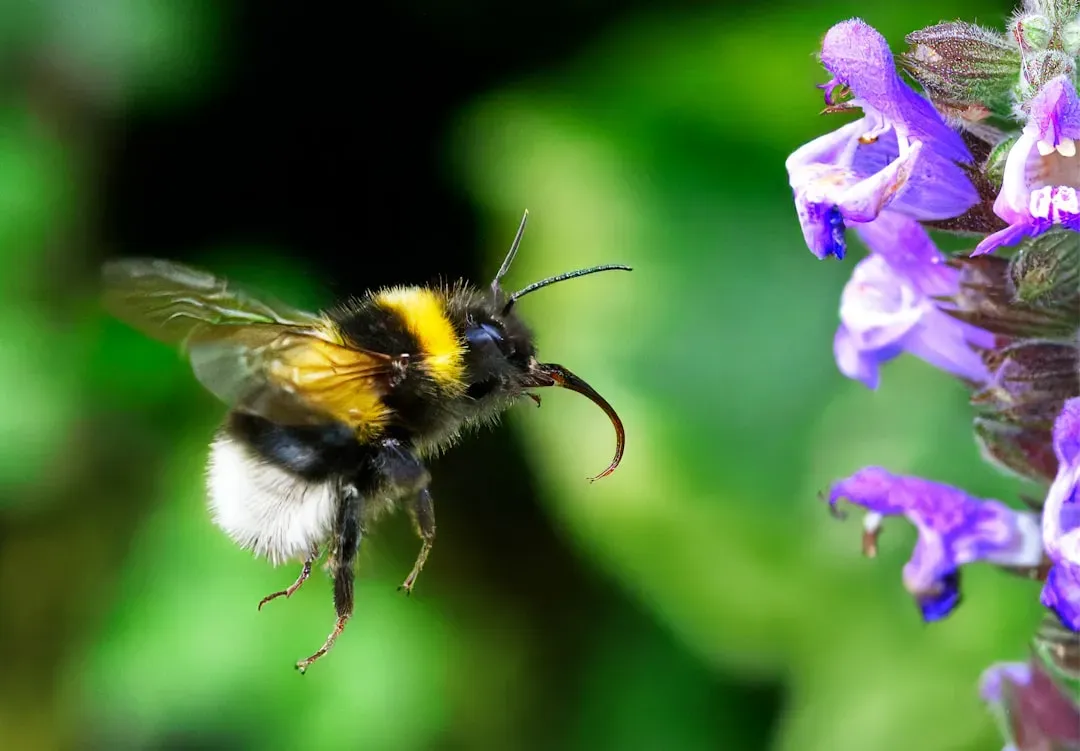
While most people assume hedgerows go dormant and empty in winter, they’re actually running near full capacity as an emergency shelter network. Bumblebee queens, hedgehogs, and countless invertebrates check in for the season and don’t leave again until spring.
Bumblebee queens shelter within the grass and base of hedgerows through the coldest months, and their emergence timing is tightly linked to the hedge itself. They surface in spring, spend time in the trees and scrub, and then begin feeding on the two most reliable hedgerow bloomers – blackthorn and hawthorn – starting around April.
This isn’t a side benefit of hedges; it’s a lifecycle dependency with no backup plan. A queen bee hibernating in a hedge that gets bulldozed in November doesn’t simply relocate somewhere else. She dies, and an entire colony that would have existed the following spring never gets started.
The “untidy” hedge your neighbor complains about every autumn isn’t neglect. It’s functioning as a wildlife hospice, quietly keeping next spring’s pollinators alive through the worst months of the year.
#8 – A Pollinator Nursery Disguised as a Weed Strip
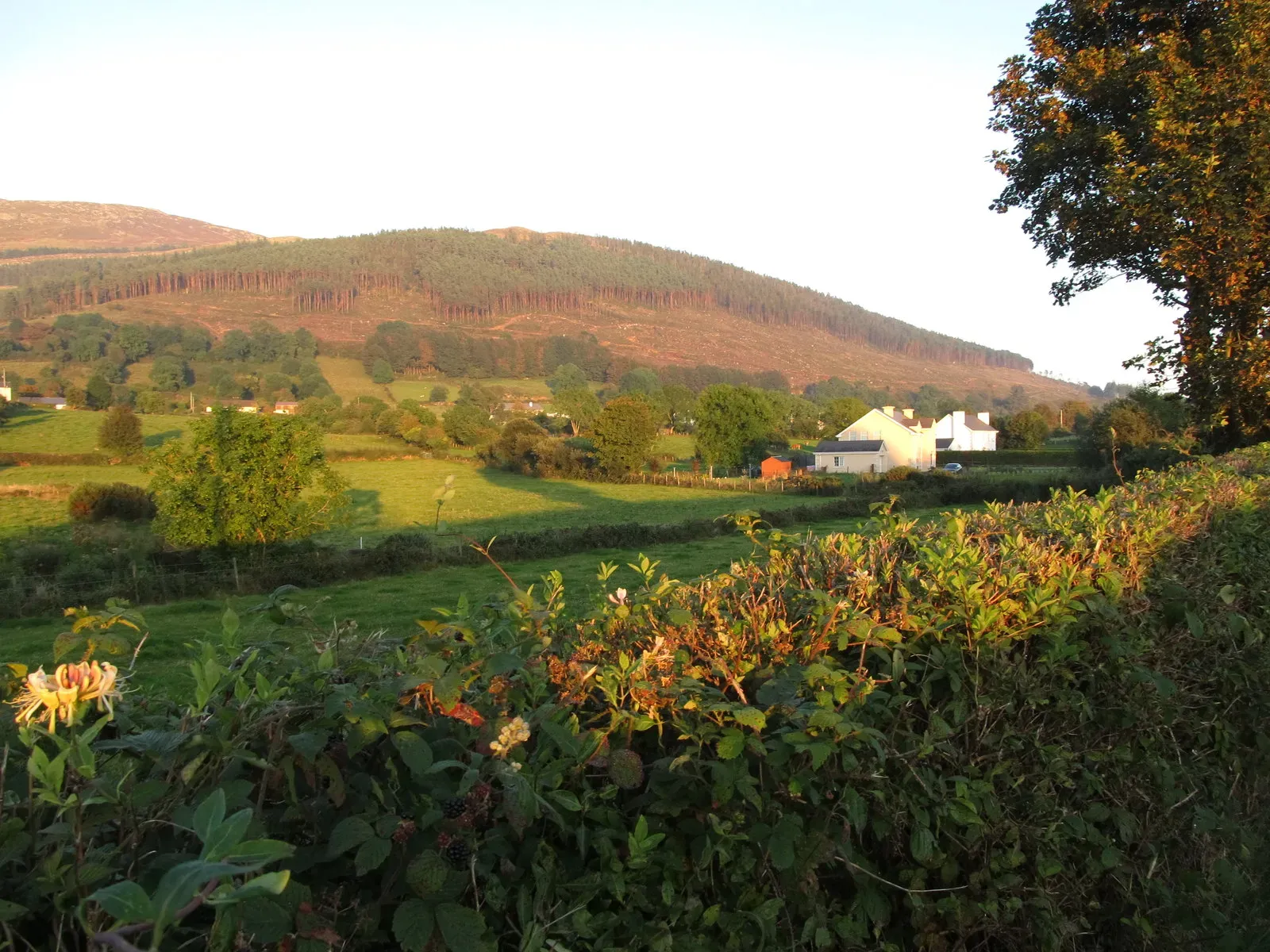
Hedgerows don’t just shelter pollinators passing through – they actively manufacture more of them, exporting bees into surrounding farmland like a factory shipping product out the back door. A hedge left alone to flower and scruff up a little is doing more agricultural work than most farmers realize.
Research on restored hedgerows found measurable spillover effects: the native bees raised inside a hedge don’t stay put once they mature. They move outward into adjacent fields, and hedgerow restoration has been shown to directly boost pollinator populations well beyond the hedge’s own footprint.
Hedgerows are a hidden powerhouse, providing multiple services to working lands while harbouring tremendous biodiversity.
Natural England biodiversity research summary
Here’s the slightly controversial part worth saying plainly: manicured farm borders that get sprayed and mowed to look “clean” are quietly sabotaging their own crop yields, not protecting them. A scruffy, flowering hedge margin left alone for a single season produces more free pollination than most farmers ever realize they’re throwing away.
#9 – A Carbon Vault Buried in Plain Sight
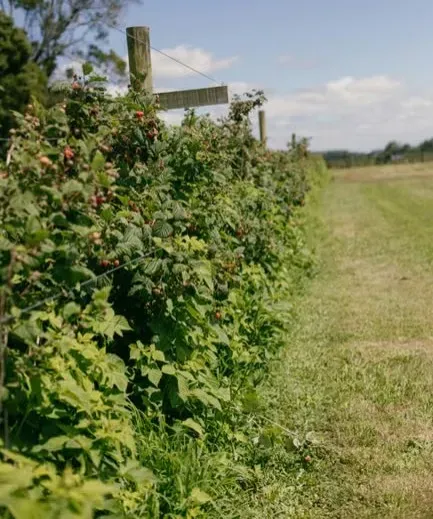
Underneath every hedge runs a slow, invisible process most landowners never think about: carbon being pulled straight out of the atmosphere and locked into wood, roots, and soil for decades at a stretch, with zero maintenance required.
Hedge plants sequester carbon steadily over time, helping offset emissions from nearby livestock. The scale being proposed around this isn’t a niche gardening tip – it’s national climate policy.
Fast Facts
- Carbon locks into wood, roots, and soil for decades
- No machinery or ongoing maintenance required
- Natural England is pushing to expand the UK hedgerow network by 40%
- Goal: simultaneous climate and biodiversity gains
That’s a striking number for a feature most people still file under “agricultural clutter.” A single overgrown hedge functions as a small, permanent carbon-capture unit – no machinery, no maintenance contract, just centuries of slow, patient growth doing a job engineers spend billions trying to replicate with technology.
#10 – A Microclimate Machine
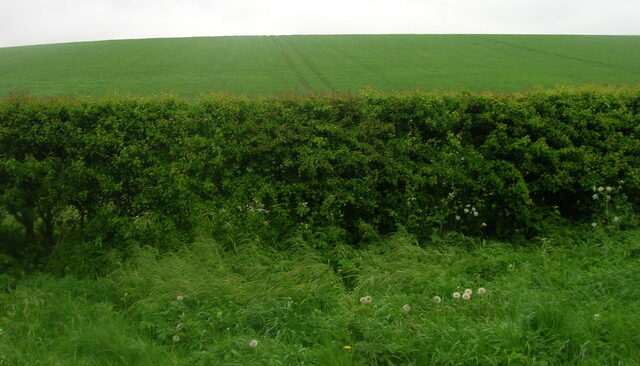
A hedgerow doesn’t just sit passively in a field – it actively reshapes the physics of the land around it, cutting wind speed, trapping moisture, and buffering the temperature swings that would otherwise damage crops and strip away topsoil.
Studies from farming regions abroad highlight protection against soil-eroding winds and flash flooding, and hedgerows have even been shown to help curb the spread of infectious disease among cattle herds. That last point tends to get overlooked entirely – a hedge acting as an accidental biosecurity barrier between two herds isn’t something any wildflower app is ever going to flag for you.
The structural details matter more than most farmers assume. Layering, woody biomass, and overall density were strongly linked to animal species diversity, while a hedge’s length, width, or raw age turned out to matter far less. It’s not how long or old your hedge is that counts most – it’s how densely layered it is, a detail almost no casual hedge-admirer would ever guess mattered at all.
#11 – A Living Census of Britain’s Most Endangered Species
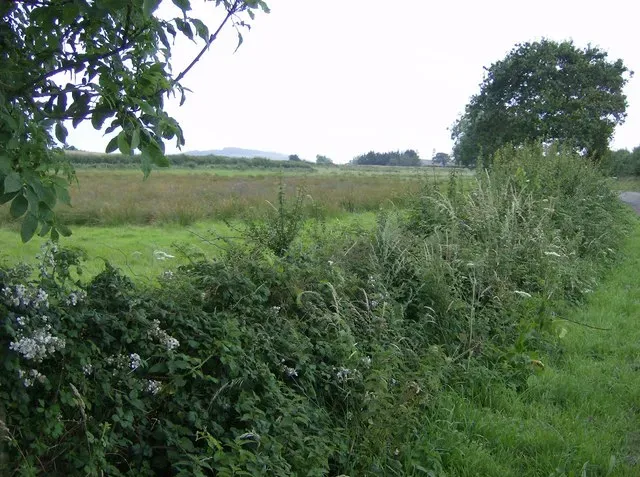
The final, and arguably most important, thing hiding inside a hedgerow is a running tally of species conservationists are actively fighting to save from extinction – many of which barely exist anywhere else left in the modern countryside.
The value of mature hedgerow trees is especially urgent right now, given that their numbers are currently falling fast across the country. This decline is precisely why hedgerows were elevated to protected habitat status decades ago. In the very first Biodiversity Action Plan back in 1994, hedgerows were named a priority habitat, triggering agri-environmental schemes that pay farmers to actively manage and restore them.
Why It Stands Out
- Named a priority habitat in the UK’s first Biodiversity Action Plan, 1994
- Triggered agri-environmental schemes paying farmers to restore hedges
- Mature hedgerow trees are declining fast nationwide
- Hedge-pond links help protect great crested newts, a strictly protected species
Even amphibians lean on this network more than most people assume. Hedgerows that connect to nearby ponds help great crested newts – one of Britain’s most strictly protected species – move safely through the countryside between breeding sites.
Every one of these species is sitting quietly inside hedges that most people drive past without a second glance: a rolling, unglamorous, government-monitored extinction watchlist hiding in plain sight along a farm boundary.
The Bottom Line
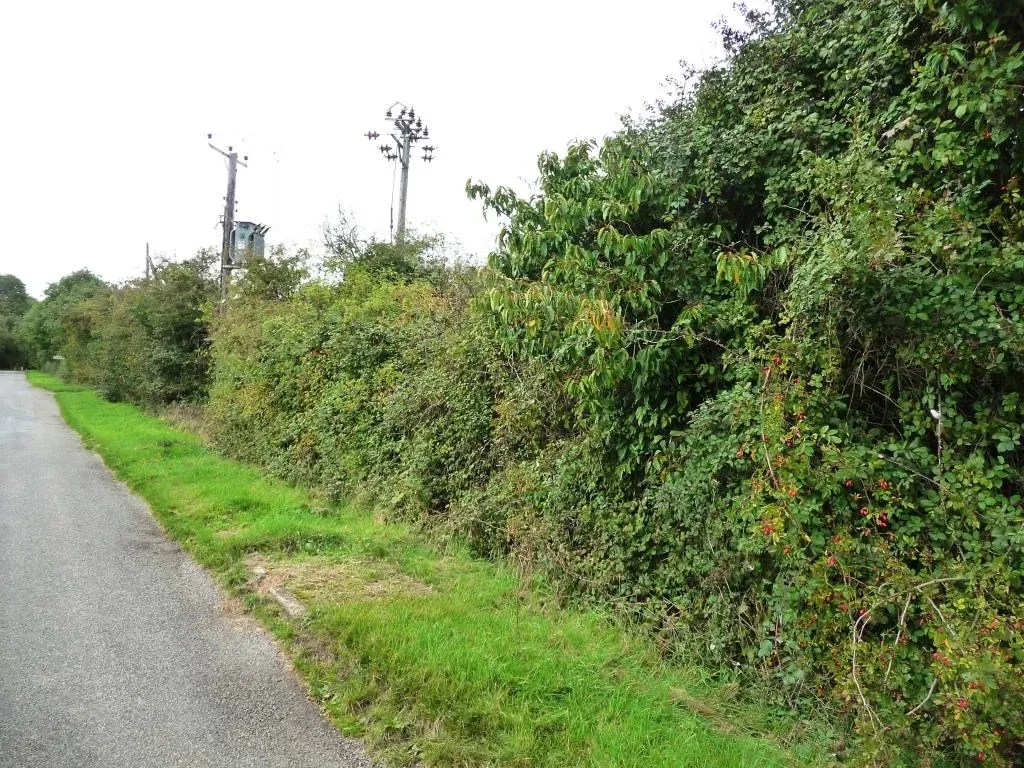
A hedgerow isn’t scenery, and it definitely isn’t just a fence. It’s a legal record, a genetic corridor, a climate tool, and an endangered-species shelter, all stacked into one tangled strip of green that field guides flatten down into a plant list.
The most controversial truth in all this is the one nobody wants to hear at the garden center: the “messy,” untrimmed hedges everyone complains about are doing far more ecological work than the tidy, manicured ones people actually prefer to look at. Neat isn’t better. Neat is often the version doing the least.
Strip away the hedge, and you’re not cleaning up a field – you’re deleting a piece of infrastructure that took centuries to build and can’t be replaced with a season of good weather. What’s the oldest or wildest hedgerow you’ve ever walked past without realizing it? Drop it in the comments.