
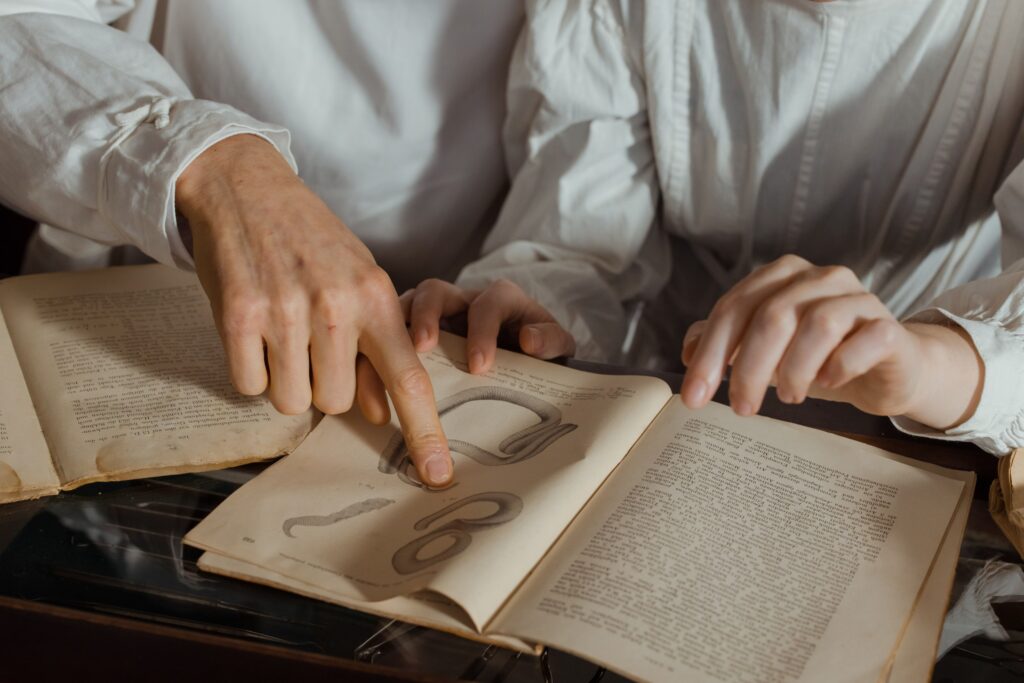
I still remember the first time I realized the picture in my head wasn’t really mine. I was in a museum, staring at a famous nineteenth‑century engraving, when it hit me: this was the image I’d been carrying around for years, as if I had seen the real thing. I hadn’t. I had only ever seen this picture, copied and recycled a thousand times. And yet, when I thought about the event, the creature, or the place, this old illustration was what appeared in my mind, instantly and automatically.
That quiet shock is more common than we admit. Whether it is dinosaurs standing upright like giant lizards, atoms looking like tiny solar systems, or certain historical events frozen in a single dramatic scene, very old images still shape how millions of people visualize complex reality. Even when we know better, those original drawings stubbornly hang on in our imagination like old software that never quite uninstalls.
Why do they stick so powerfully? Why does an outdated sketch from a dusty textbook still win against modern photos, 3D simulations, and endless video? To understand that, we have to walk through the strange, fascinating territory where art, memory, science, and culture collide.
#1 The Hidden Power of the First Picture You Ever Saw

Here is the unsettling truth: the first clear picture you see of something unfamiliar tends to become your default mental template. Psychologists sometimes call this kind of thing a primacy effect – the first version you encounter anchors what feels “normal” afterward. Once your brain has a visual pattern to latch onto, it happily reuses it, even when you later learn that the original was simplified, biased, or just plain wrong.
Think about how many people still imagine dinosaurs as tail‑dragging, cold‑blooded reptiles, even though for decades scientists have emphasized active, birdlike animals. Or how many schoolchildren still picture the atom as a tiny solar system, with electrons orbiting the nucleus in neat circles, even though modern quantum physics tells a much messier story. Those first iconic diagrams were not just explanations; they were brain imprints.
Because the brain is lazy in a very efficient way, it resists constantly rebuilding pictures from scratch. It would rather take the first good enough illustration it stored years ago and reuse it. That is especially true for things we never directly experience: black holes, viruses, the interior of Earth, the ancient world. If we never meet these things in everyday life, why bother upgrading the image?
- The first clear image of something becomes a mental anchor.
- Old illustrations feel “right” even after new evidence appears.
- The effect is strongest for things we never see firsthand.
#2 How Old Illustrations Were Designed to Stick in Your Brain
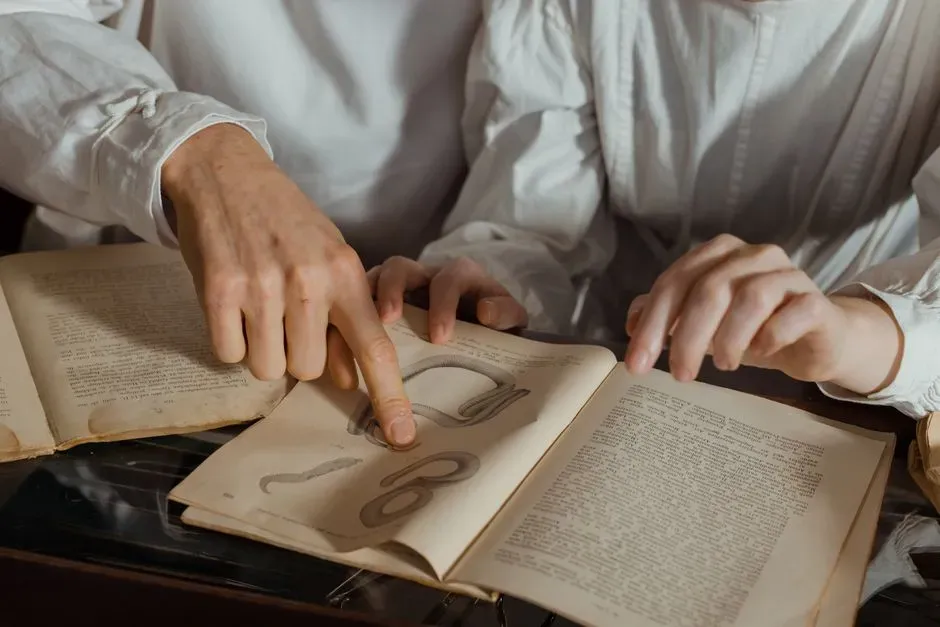
Those classic diagrams and engravings weren’t just random drawings; they were carefully crafted to be memorable. Early scientific illustrators, medical artists, and textbook designers simplified shapes, boosted contrast, and exaggerated key features so that even someone skimming a page would grasp the main idea. In doing so, they accidentally made images that were optimized for long‑term mental storage.
The human brain loves clear edges, strong silhouettes, and simple stories. Old illustrations often strip away messy details, backgrounds, and ambiguity. They show only the bones, only the cross‑section, only the critical step in a process. That kind of ruthless simplification trades accuracy for clarity, but it also makes the picture feel cleaner and easier to remember than the real thing.
By contrast, modern high‑resolution photographs and simulations can be too rich. A color photo of a complex cell or a chaotic battlefield is full of visual noise. It might be truer, but it is harder to compress into a quick mental thumbnail. Ironically, this makes the older, less accurate picture more “sticky” for everyday thinking.
- Old images emphasized clarity over realism.
- Simplified drawings create strong, easy‑to‑remember mental shapes.
- Highly detailed modern media can feel visually overwhelming.
#3 The Comfort of Familiar Images in a Confusing World
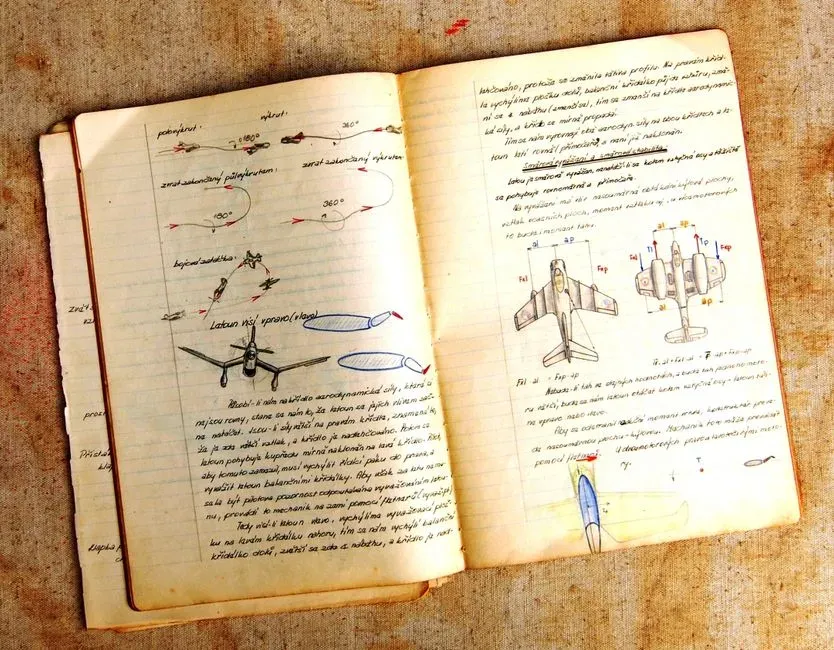
There is also an emotional side to this. Old illustrations often become part of childhood learning: the posters on classroom walls, the diagrams in schoolbooks, the pictures that sat beside homework questions. Those images get tangled up with a sense of safety, certainty, and the feeling of finally “getting it.” No wonder they are hard to let go of later.
When you are young and the world is confusing, a neat labeled diagram feels like a life raft. It tells you: this is how the heart works, this is how a volcano erupts, this is what the solar system looks like. Even if the model is simplified or outdated, the emotional memory is positive – a moment when chaos temporarily snapped into order.
As adults, we are often too busy or tired to constantly update those old internal pictures. If a trusted childhood image still basically works, we keep it around. And when modern explanations become more complex or uncertain, the older illustration can seem almost comforting, like an old map with clean lines, compared to a modern GPS screen full of noisy detail.
- Many iconic illustrations are tied to early school memories.
- They represent moments of understanding in a confusing world.
- Later, we may cling to them because they feel emotionally safe.
#4 When Bad Pictures Warp What We Think Is True
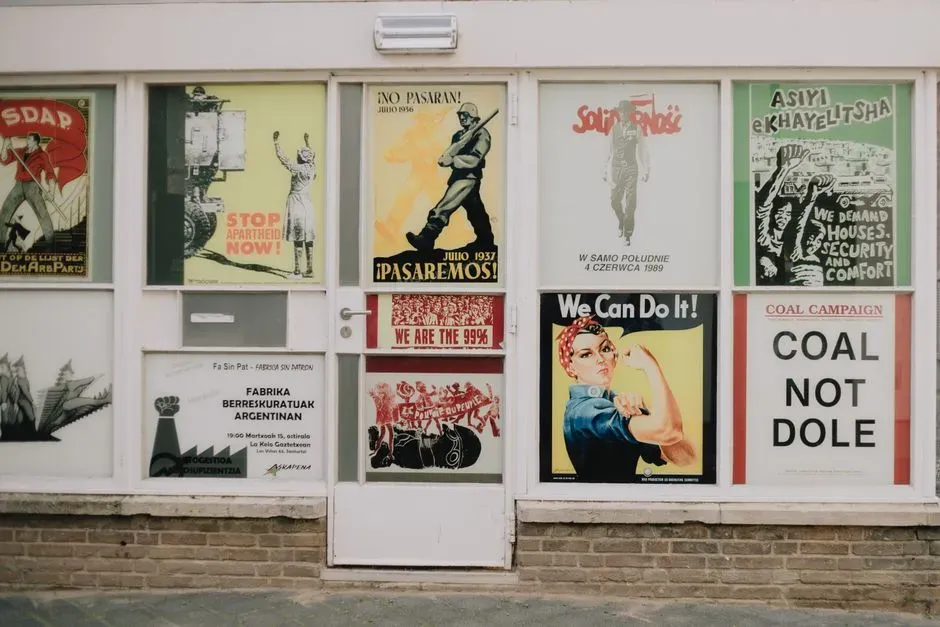
The downside is that some old images do more than simplify; they distort. Historical illustrations of people from other cultures, for example, often reflect the biases, fears, or fantasies of the time more than reality. Yet those drawings can linger for generations and quietly shape how outsiders imagine entire regions or groups.
Similarly, outdated medical diagrams can perpetuate myths about the body, such as overly simplified “male” and “female” blueprints that erase real biological variation. Old crime scene sketches, propaganda posters, and war photographs can also freeze complex events into a single unofficial “memory” for people who never lived through them. The illustration becomes the story.
Once an image has sunk into public imagination, correcting it is painfully slow. Modern historians, scientists, and educators may publish better visual information, but the old picture has a huge head start. It has already colonized textbooks, posters, memes, and casual conversation. Even if we intellectually accept the update, that old drawing is often still the first thing that flashes across our mind’s eye.
- Some old illustrations reflect bias or propaganda more than truth.
- They can create distorted mental images of people, places, or events.
- New, more accurate visuals struggle to dislodge the originals.
#5 Why Repetition Beats Accuracy in the Battle for Your Imagination
One harsh reality of visual culture is that what you see most often tends to win over what is most correct. Old illustrations are sometimes cheap, out of copyright, and easy to reproduce. That means they have been used, reused, and remixed for decades in posters, children’s books, documentaries, and even internet memes. Over time, sheer repetition turns them into visual clichés – and clichés are very hard to forget.
Imagine two images competing in your head: a modern, nuanced visualization of a galaxy, and an old, romantic painting of a spiral of stars. If that painting has appeared on book covers, T‑shirts, laptop stickers, and inspirational quotes your whole life, it will probably feel more “right” than the simulation you saw once in a science video. Accuracy is important, but repetition quietly shapes what feels familiar.
There is also a design economy at work. Editors, teachers, and content creators under time pressure often grab whatever image is easiest to find, especially if it is already in the public domain. That usually means older illustrations. With every reuse, those images dig their roots deeper into how a generation imagines the topic, long after the science or understanding has moved on.
- Old illustrations are often widely available and cheap to use.
- Frequent reuse turns them into “default” mental images.
- Familiarity can feel truer than accuracy in day‑to‑day thinking.
#6 The Seductive Storytelling of Vintage Visuals
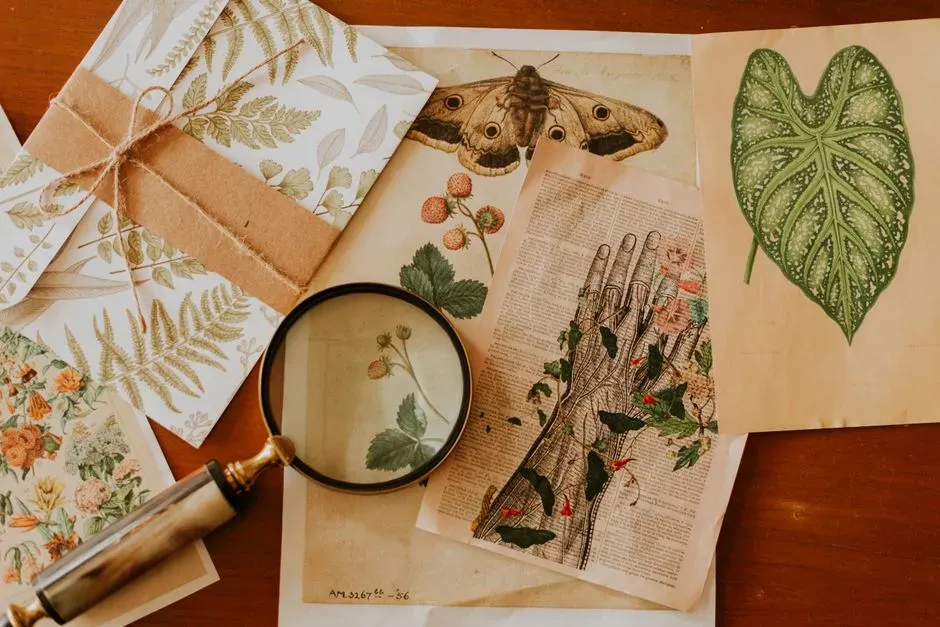
Another reason old illustrations refuse to die is that they are often more dramatic than modern visuals. Engravings of storms at sea, medical cutaways, or explorers in strange lands were designed to thrill as much as to inform. They have a theatrical quality that makes them satisfying to look at, even if you know they exaggerate. They tell a story in a single frame.
Modern scientific visuals, by contrast, sometimes try so hard to be neutral and precise that they end up emotionally flat. A perfectly accurate color‑coded data visualization might be much closer to reality, but it does not necessarily stir the imagination the way an expressive drawing does. The old image acts like a movie poster; the new one sometimes feels like a spreadsheet.
I have caught myself preferring a dramatic, slightly wrong illustration of an ancient city over a careful archaeological reconstruction, simply because the older image felt more alive. That is not rational, but it is very human. Our minds are drawn to images that tell a story, even at the cost of fidelity, and the classics often lean hard into that storytelling instinct.
- Vintage illustrations were crafted to be dramatic and emotionally engaging.
- They often feel more like stories than like raw data.
- People may prefer a vivid slight inaccuracy over a dull precision.
#7 How Textbooks, Museums, and Media Keep Old Images on Life Support
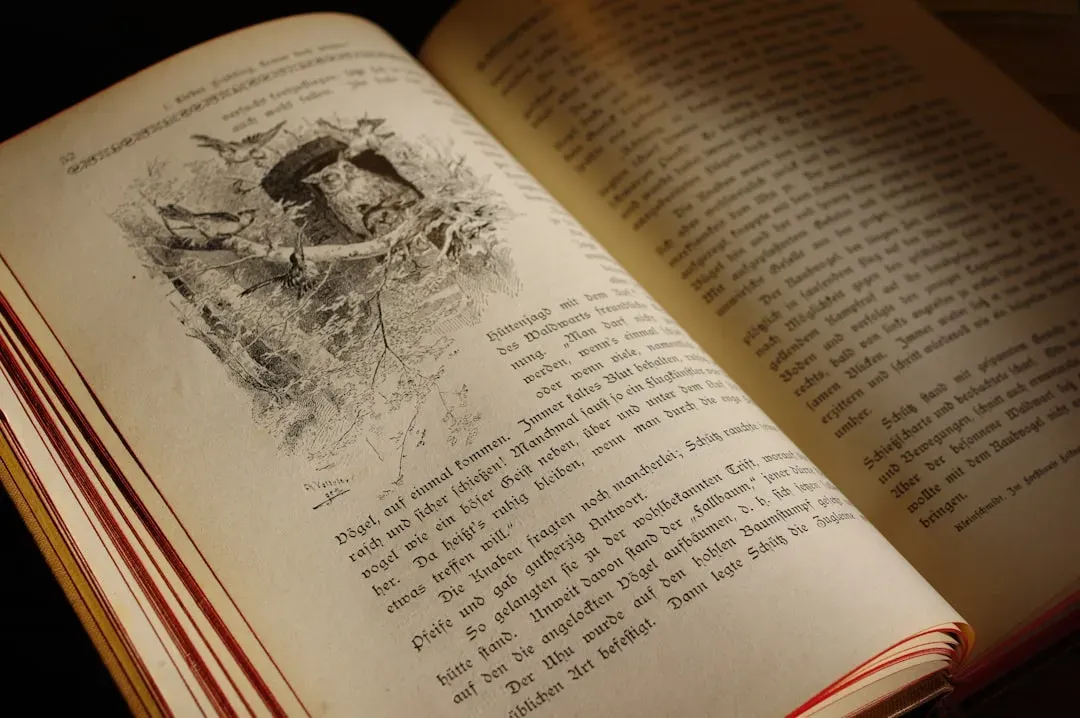
Institutions that we trust – schools, museums, publishers, film studios – can unintentionally keep outdated images alive. Updating visuals takes time, money, and coordination. A museum might keep an old mural or diorama on display for decades because replacing it is expensive or politically sensitive. A textbook series may reuse the same diagrams across many editions because redesigning them is a huge project.
Media creators also lean heavily on recognized imagery because it is quickly legible. A documentary director knows that an audience will instantly grasp a familiar picture of the solar system or evolution, even if experts have moved on to more precise models. Familiar images act like visual shorthand: they let the story move forward without pausing to teach an entirely new visual language.
So, even when experts groan at the sight of a stubbornly wrong diagram, it keeps showing up on screens and pages. Over years, that repetition signals to regular people that this is still the “official” way to picture things. The cycle continues: institutions reuse what people recognize, and people recognize what institutions reuse.
- Updating visual material is expensive and slow.
- Familiar images serve as convenient shorthand for complex ideas.
- Institutional reuse reinforces outdated mental pictures in the public.
#8 When We Learn Something New but Still Picture the Old

One of the strangest psychological experiences is learning updated information without updating the underlying picture in your head. You might read that a classic diagram is oversimplified or even wrong, nod in agreement, and then, days later, still imagine the old version whenever the topic comes up. Knowing and picturing do not always change together.
This split happens because verbal knowledge and visual memory are stored and updated differently. You can attach a note to your beliefs – “this old sketch is not really accurate” – without actually erasing the sketch itself. The brain keeps it in storage, because deleting deeply familiar images is not something it does easily. Instead, it sort of layers new comments on top of old pictures, like sticky notes on a faded poster.
If you actively practice visualizing the new, more accurate version – for example, by looking at updated diagrams repeatedly and trying to draw them from memory – you can gradually shift your mental image. But that takes effort, and most of us do not consciously rehearse new mental pictures unless we are studying for an exam or deeply obsessed with a topic. For everyday life, the old illustration keeps popping up because it has seniority.
- People can update facts without updating mental images.
- Old visual memories are resistant to “deletion.”
- Changing your inner picture usually requires deliberate practice.
#9 Can We Design Better Images That Actually Replace the Old Ones?

Knowing all this, a natural question follows: can we deliberately design modern illustrations that are so clear and memorable they finally dethrone the old ones? Educators and designers are increasingly trying to do just that. They aim for visuals that are both scientifically accurate and cognitively friendly, blending storytelling with precision instead of choosing one over the other.
That means accepting some hard design rules: keep shapes simple enough to remember, emphasize key relationships, and avoid drowning viewers in decorative detail that doesn’t help understanding. It also means telling an honest story, not just dropping a diagram on the page. A thoughtfully designed visual might unfold across several panels or animations, showing how a system behaves over time instead of freezing it in an unreal static pose.
But there is a catch. To truly replace entrenched old images, new ones have to spread far and wide. They need to show up in school curricula, popular media, museum exhibits, and even social platforms where people casually encounter them again and again. In other words, we do not just need better images; we need a better pipeline for delivering them into culture at scale.
- Modern visuals must balance clarity, accuracy, and emotional pull.
- Simple, story‑driven designs are more likely to stick.
- New images only win if they are widely distributed and reused.
#10 Why It Matters to Question the Picture in Your Head
All of this raises a deeper, slightly uncomfortable point: many of the pictures guiding our beliefs are inherited, not chosen. An old illustration, drawn by someone with their own limits, assumptions, and cultural blind spots, may still be steering how we imagine reality today. That alone is a good reason to occasionally pause and ask yourself where your inner images came from, and whether they deserve the authority you give them.
This is not about sneering at vintage art or pretending we can live without simplifications. We need diagrams and models; they are how human beings compress the vastness of reality into teachable chunks. The problem comes when we forget they are models and start treating them as actual snapshots of truth. When a charming but outdated picture blocks us from seeing new evidence or hearing new stories, it stops being a helpful tool and becomes a quiet obstacle.
Personally, I find it weirdly liberating to notice these ghosts in my own imagination. Realizing that the way I picture a cell, a continent, or a moment in history is partly the legacy of some long‑dead illustrator breaks the spell. It turns my mental images from invisible authorities into objects I can examine, update, or even discard.
In the end, the old illustration in your mind is not your enemy, but it is not your boss either. It is a starting point. You can keep what still helps you understand and gently let go of what no longer fits. The real question is this: the next time you close your eyes and visualize something you have never seen, whose drawing are you really looking at – and are you ready to redraw it?