

Everyday life is full of tiny lies we all agree to live with, and brand names are one of the biggest. We swear we remember a certain spelling, a dash, a dot, or even an entire word that suddenly seems to have vanished. Then someone tells us, very calmly, that it has “always” been this way. It feels like waking up in a slightly edited version of reality.
Behind the scenes, companies quietly tweak their names, governments rebrand ministries, and even countries shift how they present themselves in English. Sometimes it is done for legal reasons, sometimes for marketing, sometimes just to sound less old-fashioned. But in many of these cases, nobody really sits the public down and says, “Hey, we changed this.” The label just mutates, and we are expected to move on.
What follows is a walk through thirteen names that changed in ways most people either never noticed, half-remember incorrectly, or only discovered when they looked more closely. Some of these are subtle brand makeovers, some are big geopolitical shifts, and some feel almost like a collective memory glitch. As you read, you might feel that slightly eerie sensation of realizing the world you thought you knew was quietly updated while you were busy doing something else.
#1 Kentucky Fried Chicken quietly became KFC
For a lot of people, Kentucky Fried Chicken simply morphed into KFC without any clear moment when it “happened.” One day the buckets said “Kentucky Fried Chicken,” and a few years later, they just said “KFC” in big block letters. Many people still casually call it Kentucky Fried Chicken, but the brand itself largely leans into the three-letter abbreviation.
The shift was part marketing, part image management. The word “fried” started to sound heavier as health consciousness grew, and the company wanted to emphasize a broader menu beyond only fried chicken. Shortening to KFC made the name snappier, easier to print on packaging and signage, and less tied to a single type of product. The original name is still the legal corporate name in some contexts, but the public-facing brand lives as KFC.
Most customers never saw a press release or a clear announcement; they just gradually accepted that the brand seemed to prefer the initials. Now entire generations have grown up mostly knowing it as KFC first, with “Kentucky Fried Chicken” feeling almost like an old-fashioned, extra-formal version you might see in a documentary rather than on a storefront.
#2 Dunkin’ dropped the Donuts (but not really)
For decades, everyone called it Dunkin’ Donuts, and that name perfectly summed up what most of us bought there: donuts and coffee. Then the brand started reappearing in fresh orange-and-pink signage with a shorter name: just “Dunkin’.” To a lot of customers, it felt like the “Donuts” simply evaporated overnight, especially in newer stores and marketing campaigns.
The company framed the change as a reflection of what customers were already doing. Many people already said they were “going to Dunkin’,” and the brand had long been expanding its menu beyond donuts to sandwiches, espresso drinks, and more. So the shortened name was presented as catching up with reality, not rewriting it. Still, it dramatically shifted how the brand was visually anchored in public spaces.
Interesting twist: the full legal entity name still uses “Dunkin’ Donuts” in many formal places, and the chain still very much sells donuts. The public brand, though, is now “Dunkin’,” a mascot of the broader trend where companies shave down their names to one short, almost nickname-like element. A lot of longtime customers never got an explicit explanation; they just looked up one day and realized the donuts had vanished from the sign even though they were still in the display case.
- Shorter names are easier for app icons and social media.
- Removing “Donuts” lets the brand spotlight drinks and food beyond pastries.
- The old name lives on mostly in memory and legal paperwork.
#3 Google’s parent quietly became Alphabet Inc.
Most people think of Google as both a company and a search engine, but technically, the company behind Google Search, YouTube, and Android is now Alphabet Inc. This change came when Google reorganized itself and created a new parent company called Alphabet, turning “Google” into a subsidiary. On paper and in investor circles, Alphabet is the true corporate name at the top of the structure.
For everyday users, almost nothing visibly changed. The search page still just says “Google,” your Gmail still comes from Google, your maps still say Google Maps. Unless you follow business news or read financial filings, you might barely encounter the name Alphabet at all. It is one of the strangest examples of a huge corporate name change that barely touches the general consciousness.
The motivation was to separate the core money-making businesses (search, ads, YouTube) from more experimental or long-term projects like self-driving cars and life sciences research. Alphabet became a kind of umbrella label, but one that feels distant and abstract if you are just typing queries into a browser. In practice, the world still acts as if “Google” is the company, and very few people casually say, “Alphabet owns this.”
#4 Weight Watchers slimmed down to WW
Weight Watchers used to be one of the most recognizable names in the diet industry. Then, in a rebranding move, the company shortened its public-facing name to “WW.” Official messaging framed it as a shift from pure “weight loss” to a broader focus on wellness and health. On storefronts, websites, and apps, the letters WW started to dominate, and the full phrase often faded into the background.
This kind of move fits a pattern: as culture becomes more sensitive to the emotional weight of certain words, brands shift toward softer or more neutral language. “Weight Watchers” sounds very direct and a bit old-school. “WW” is ambiguous, almost like a tech platform, and can be defined by the company however it wishes. That kind of vagueness can be commercially useful.
In day-to-day conversation, though, many people still say Weight Watchers. Others feel confused by seeing “WW” without context, especially if they have not followed the brand in a while. There was no moment where every consumer was personally notified. Instead, the old name just slowly stopped showing up, and the lean two-letter version took its place, leaving people to mentally fill in the history if they happened to notice.
- Rebranding to initials can soften or obscure the original meaning.
- Short names adapt better to app icons, logos, and global markets.
- Older customers often keep using the original, longer name in speech.
#5 Philip Morris turned into Altria (and hoped you wouldn’t notice)

For years, Philip Morris was practically synonymous with tobacco. Then the company changed its corporate name to Altria Group. To the average person buying cigarettes, this shift was almost invisible because the brand names on the packs did not change. The name Altria mostly exists in corporate communications, investor materials, and regulatory documents, far away from the cashier counter.
The new name carried a very deliberate shift in tone. “Philip Morris” is heavily tied to the public history of smoking and litigation. “Altria” sounds abstract, even slightly aspirational, and much less emotionally loaded. By changing the umbrella corporate name, the company added an extra layer between itself and the baggage that came with decades of public debate over tobacco harms.
Unless you specifically look up who owns certain cigarette brands or study business, you can easily move through daily life never realizing Philip Morris became Altria. The brands you see in stores still carry the same logos as before, and that familiar packaging masks the fact that the entity behind them now presents itself under a very different, much more sanitized name.
#6 Esso and Standard Oil faded into Exxon and ExxonMobil
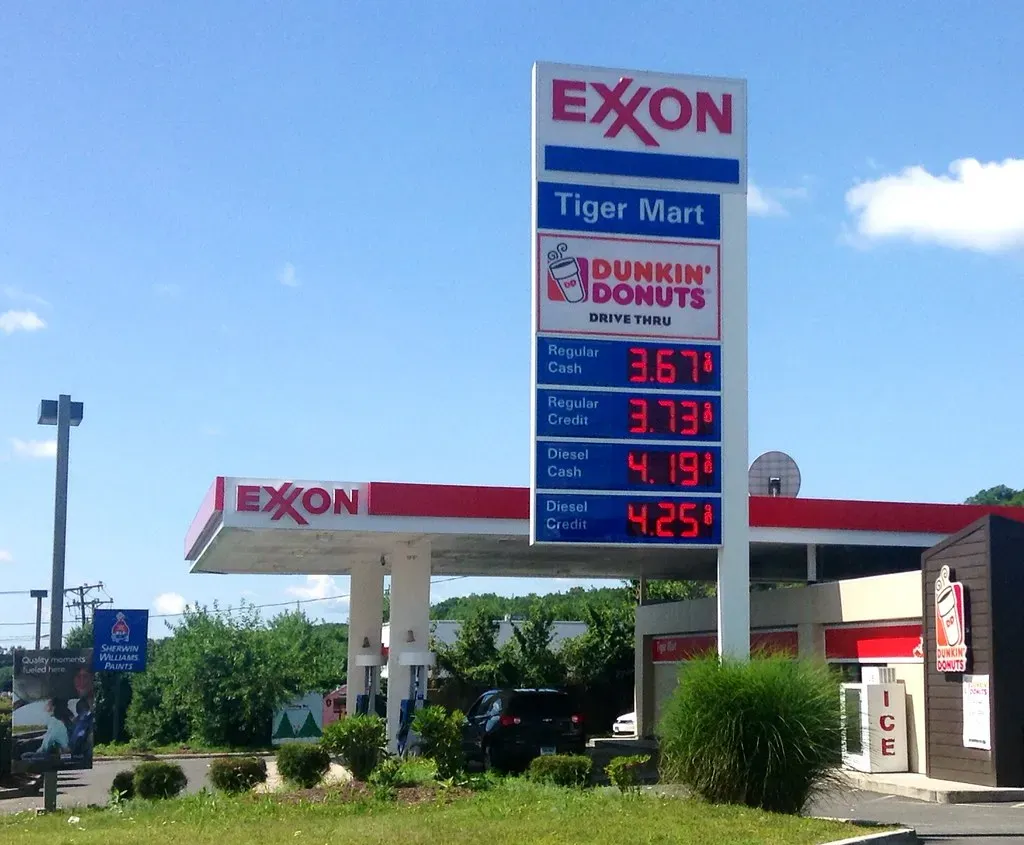
In the early days of U.S. oil history, the name “Standard Oil” was everywhere. Over time, antitrust actions broke up the original company into separate entities. Many of them carried variations of the “Standard” identity for decades, sometimes using the “Esso” brand, which itself came from the initials “S” and “O” spoken aloud. Eventually, one giant successor rebranded under yet another name: Exxon.
For drivers, the shift from Esso or Standard to Exxon often felt subtle and localized. Older gas stations were repainted, signs swapped out, brand names updated. The logo changed, but the location stayed, so it felt less like a new entity arriving and more like a familiar fixture simply getting a fresh coat of corporate paint. People adapted without necessarily tracking the full history of how these names morphed.
Later, the merger of Exxon and Mobil created ExxonMobil, yet most gas stations still just show “Exxon” or “Mobil” on their signs. So you end up with a situation where the legal and corporate story is quite different from the consumer-facing story. To many people, Esso is a retro brand they might vaguely remember from an old sign or a toy car, not a step in a long chain of name changes tied to one of the most powerful energy companies on the planet.
- Standard Oil splintered into multiple regional entities after antitrust action.
- Esso evolved into Exxon as part of a phased branding change.
- Exxon later merged with Mobil, but the combined name rarely appears at the pump.
#7 Federal Express shrank into FedEx
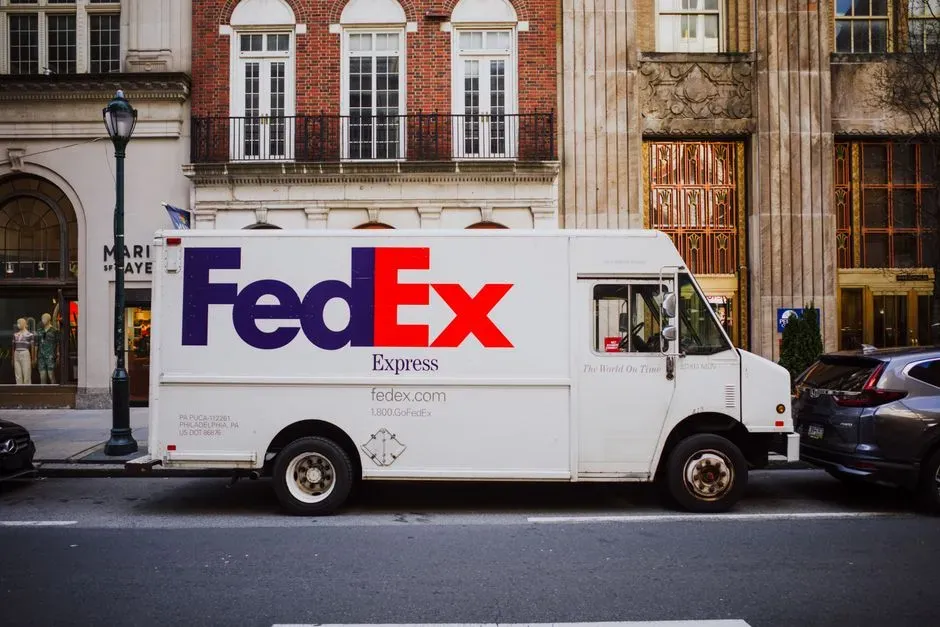
There was a time when overnight shipping almost always went by one spoken phrase: Federal Express. The name sounded official, almost government-like, emphasizing speed and seriousness. Over time, though, the company leaned into the shorter, snappier version people were already using casually: FedEx. Today, it is hard to even imagine someone saying they will “Federal Express” a package; everyone “FedExes” it instead.
The formal name change aligned with how language was already evolving in the culture. Abbreviations and contractions feel more modern, especially in the logistics world where time and simplicity matter. The switch also made the brand more flexible, allowing it to attach “Office,” “Ground,” or “Freight” to a base name without sounding clumsy. Visual branding followed suit, with the iconic purple-and-orange FedEx logo becoming instantly recognizable worldwide.
The public was never, in any grand way, asked for permission. The company simply began branding itself with the shorter name more consistently, and people went along. Because FedEx already existed as a nickname, the transition was barely noticed. The result is a rare instance where a brand essentially formalized what the public had already decided to call it, making the old full name feel like an artifact from a different era.
#8 The British royal house morphed into the House of Windsor
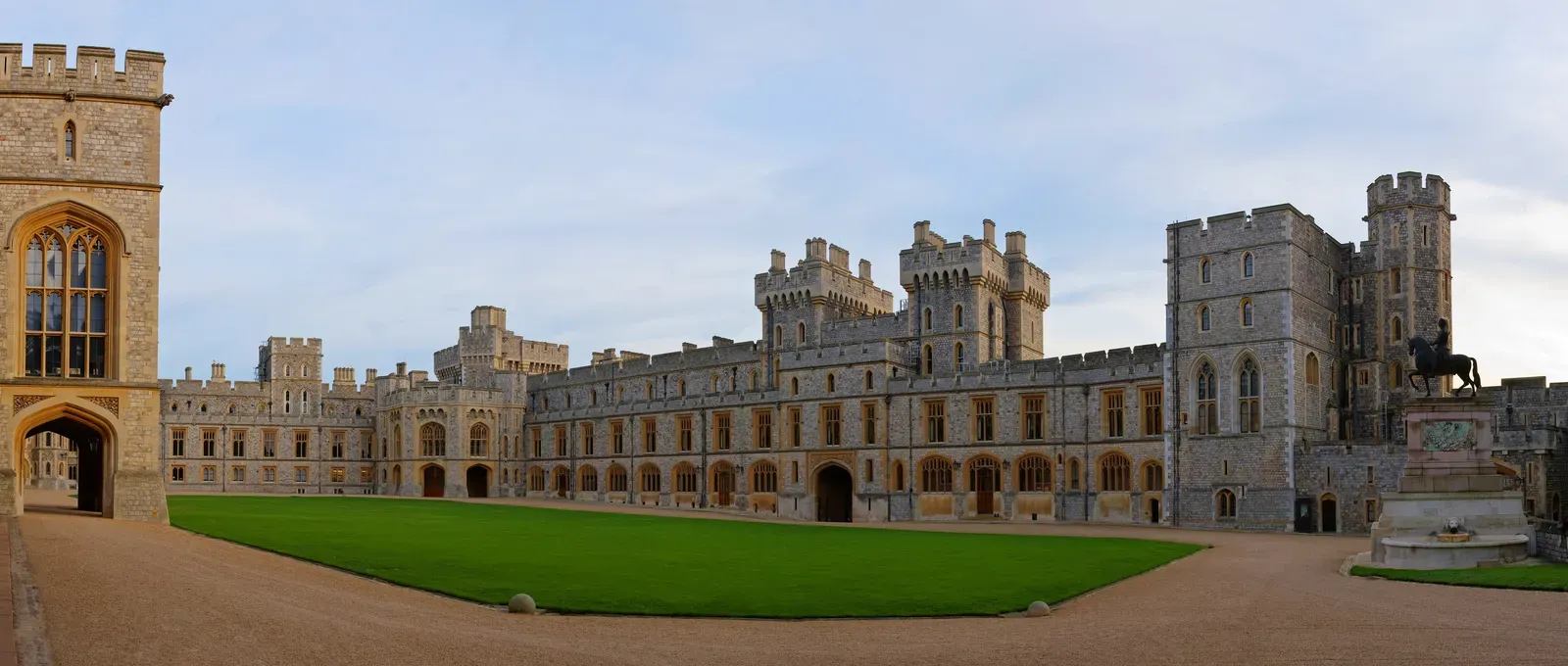
Most people today know the British royal family as the House of Windsor. Yet that name has not always existed; it was adopted during a period of intense political pressure. Before the twentieth century, the family used the German-derived name Saxe-Coburg and Gotha. As anti-German sentiment surged around the time of the First World War, that foreign-sounding royal surname became politically uncomfortable.
The solution was a rebranding on a national scale: the royal house adopted the name Windsor, inspired by Windsor Castle. The new name sounded unmistakably British, with none of the German associations that were causing public unease. It was a carefully chosen label, simple and sturdy, that helped recast the monarchy’s identity at a time when names and symbols mattered deeply.
Today, unless you are a history enthusiast, you might not even realize that the “House of Windsor” is relatively new in historical terms. Schoolbooks and documentaries present it as the default, almost timeless name of the modern British royalty. The earlier name has largely retreated to history texts and genealogy charts, even though it was once the official identity of the same family now widely known under a new banner.
#9 Mumbai, Bengaluru, and the quiet reshaping of city names
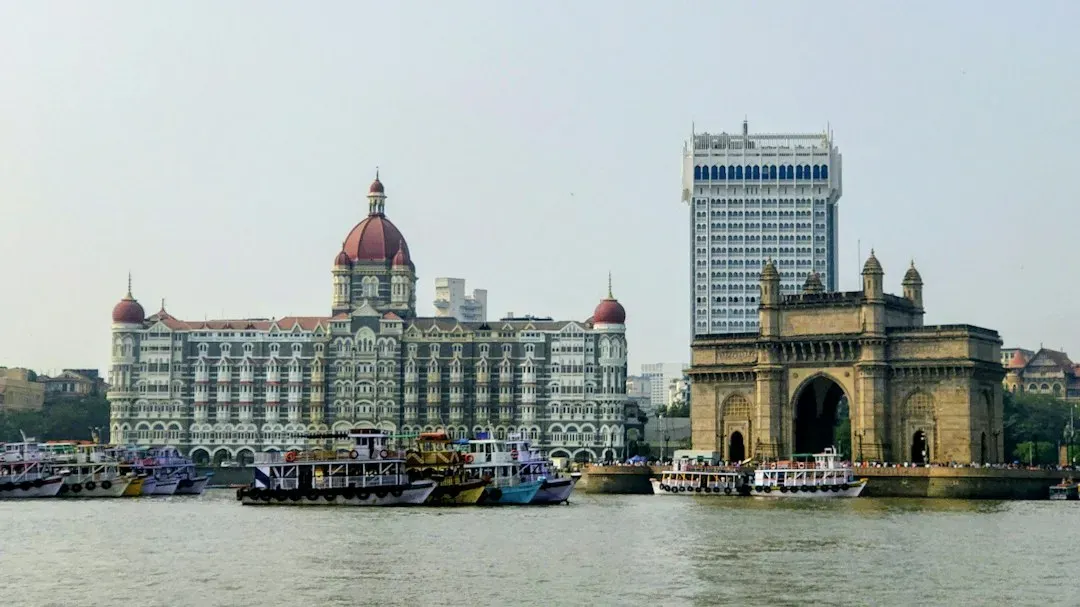
If you look at older maps or school atlases, you will see Indian cities like Bombay, Calcutta, and Bangalore. Over recent decades, many of these cities officially changed their English names to versions closer to local languages: Bombay to Mumbai, Calcutta to Kolkata, Bangalore to Bengaluru, and so on. These shifts were about more than just spelling; they were part of post-colonial efforts to reclaim local identity and pronunciation.
For people living in those cities, the change could feel both political and practical. Government documents, airport signs, railway boards, and official letterheads gradually replaced the older English colonial-era names. However, habits die hard, and many people around the world still say “Bombay” or “Bangalore” out of familiarity. International media slowly adapted, often using the new names but slipping occasionally back into the old ones, especially in cultural references.
Outside the country, a huge number of people never saw a direct explanation; they just suddenly noticed that a cricket match was listed in “Mumbai” instead of “Bombay,” or a tech office was based in “Bengaluru” instead of “Bangalore.” The sensation was almost like watching a film where the location label quietly changes between scenes. The cities did not move, but their names on the global stage absolutely did.
- Renaming often aligns place names with local languages and pronunciations.
- Maps, road signs, and official forms tend to adopt changes faster than casual speech.
- Old names can linger in culture, especially in older songs, films, and business names.
#10 Czechia stepped in for the Czech Republic
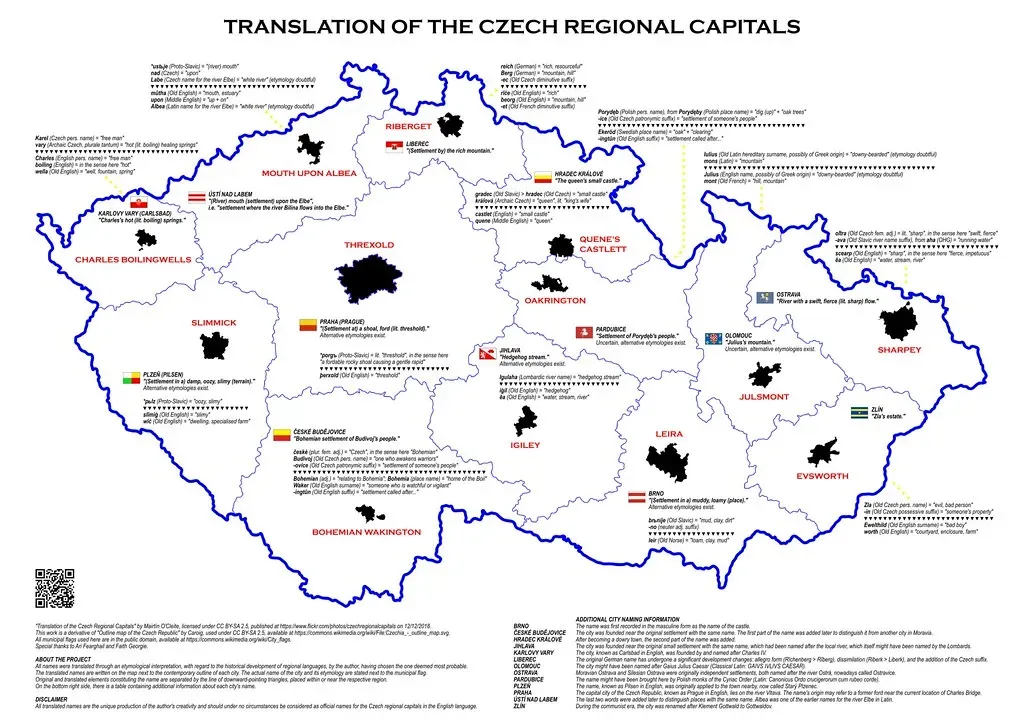
For many years after the breakup of Czechoslovakia, the English name “Czech Republic” dominated news reports, sports coverage, and travel guides. Then, quietly, a shorter official name began to appear more frequently: Czechia. The idea was similar to using “France” instead of “French Republic” or “Austria” instead of “Republic of Austria.” The country’s leaders promoted “Czechia” as a simpler, more brandable name for international use.
Yet adoption has been uneven. Some institutions quickly embraced Czechia, while many others stuck with Czech Republic out of habit or a sense that the older name sounded clearer. Travelers may search flights to “Czech Republic” and end up reading tourism materials that talk about “Czechia” in the same breath. Maps, sports jerseys, and global databases vary in how consistently they use the shorter name.
As a result, a lot of people around the world remain only vaguely aware that Czechia is the same country they once learned to call the Czech Republic in school. No one held a global town hall to announce the shift. Instead, the shorter name simply began appearing in official lists and international registrations, leaving many casual observers to piece together the puzzle on their own the first time they saw Czechia mentioned in a headline or statistics report.
#11 Facebook the company turned into Meta Platforms
When you open the Facebook app, it still proudly calls itself Facebook. But the company that owns Facebook, Instagram, WhatsApp, and more went through a major rebrand, changing its corporate name to Meta Platforms. The move was framed as a signal that the company’s ambitions extended beyond social networking into a broader “metaverse” vision involving virtual and augmented reality.
From a user perspective, almost nothing obvious changed day-to-day. Your profile, posts, and messages stayed where they were. The biggest visible difference in many people’s lives was a small “from Meta” label appearing on the splash screens of apps the company owns. Unless you followed tech or business news, the idea that “Facebook” the company no longer technically exists under that name might have barely registered.
Still, the renaming matters behind the scenes. Legal documents, earnings reports, corporate hiring pages, and investor presentations now carry the Meta name. In conversations about regulation or antitrust, you will sometimes see “Meta” used where older debates would have said “Facebook.” Yet in everyday speech, friends still say they are “quitting Facebook,” not “quitting Meta,” a reminder that public language often lags well behind corporate brand engineering.
- Product names (Facebook, Instagram, WhatsApp) stayed the same.
- The change mainly affects corporate identity, legal, and investor contexts.
- Public speech usually keeps using the older, more familiar label.
#12 Anderson Consulting became Accenture

In the world of big business consulting, one of the most dramatic rebrands came when Andersen Consulting changed its name to Accenture. The shift happened after legal disputes and the need to separate from Arthur Andersen, the accounting firm whose reputation was later badly damaged by the Enron scandal. Accenture emerged with a completely new invented word as its banner, free of historical baggage but also, at first, free of meaning.
For the average person on the street, this name change barely registered at all. Most people interact with big consultancies only through news stories or the occasional logo at a sports sponsorship. Within the corporate world, though, Accenture had to reintroduce itself to clients, employees, and markets under that new label. Over time, the company built up enough presence that the name now feels established, even though it started as a blank slate.
Because consulting firms live mostly in boardrooms and behind-the-scenes corporate strategies, a massive global name change like this can happen with little public discussion. You might have seen Andersen Consulting in an old business case study and Accenture in a modern one, without realizing they are chapters of the same story. The new name deliberately hides its roots, which is exactly the point.
#13 Google Play swallowed Android Market
Early Android users might still remember downloading apps from a store called the Android Market. Its green shopping-bag icon was a familiar sight on early smartphones. As the platform expanded beyond just apps to include movies, books, and other digital content, the brand transitioned to “Google Play.” The new name aimed to unify multiple digital products under one playful, easily marketable label.
The change rolled out through software updates: overnight, the icon shifted, and the label changed from “Market” to “Play.” For many users, there was no explicit explanation beyond a short notice in a changelog or a quick banner in the app. You simply tapped the same general spot on your phone and ended up in a differently named but functionally similar digital storefront.
Over time, Google further reorganized its branding, spinning music and other services in and out of the Play umbrella. Yet for app downloads, “Google Play” stuck, and the phrase “Android Market” gradually faded from mainstream conversation. When someone today complains about an app, they will talk about the Google Play Store, barely aware that the ecosystem once wore a totally different name on its front door.
- Android Market originally focused mainly on apps.
- Google Play bundled apps, media, and other content under one brand.
- Users experienced the name change mostly as an automatic update, not a conscious choice.
Conclusion: When names shift, reality feels negotiable

Watching these name changes side by side, a strange pattern emerges: reality, at least the branded version of it, is far more flexible than we like to admit. A company can move from Philip Morris to Altria or from Facebook to Meta, and daily life barely skips a beat. Cities like Bombay become Mumbai, the Czech Republic leans into Czechia, and a royal family swaps a Germanic surname for Windsor. We adjust, often without explicitly agreeing to anything, simply because the new labels keep appearing until they feel normal.
What strikes me is how rarely the public is treated as an actual participant in these shifts. Most of the time, there is no real conversation, only rollout. Signs get repainted, app icons update, legal documents change headers. Our memories, meanwhile, keep running older versions of the story, like we are all using slightly out-of-date software in our heads. That friction between what we remember and what we see in front of us is exactly why people get so intrigued by “name changes nobody told us about.” It pokes at that unsettling feeling that the ground can move a little without warning.
In the end, names are agreements, not laws of nature. They can be reworked, shortened, softened, or completely reinvented whenever the people in charge decide it is strategically useful. The real question is how much control we have over the labels that shape our mental maps of the world. Next time you see a familiar brand or place with a slightly different name, it is worth asking yourself: did reality just change, or did someone simply redraw the caption under the same picture? And if nobody announces the update, how many of these invisible edits are already living quietly in your memory?