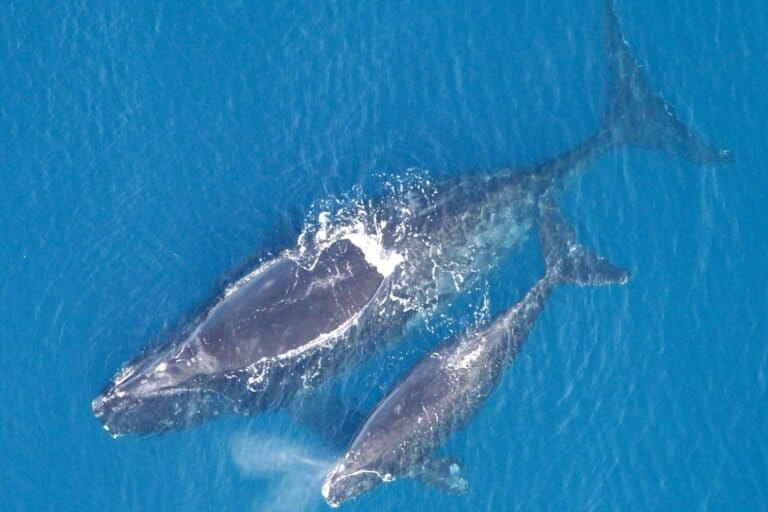
Off the southeastern U.S. coast, researchers have spotted a heartening rise in North Atlantic right whale calves this winter, signaling potential stability for one of the ocean’s most imperiled species.
Record-Breaking Calving Signals Hope
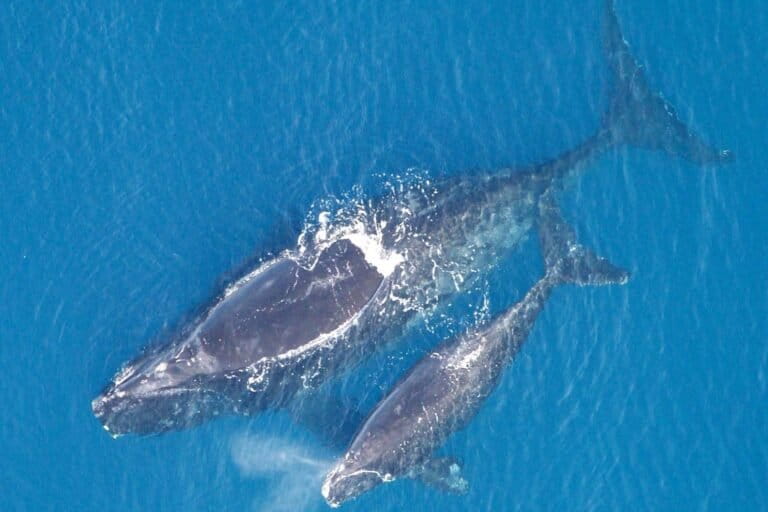
Record-Breaking Calving Signals Hope (Image Credits: Imgs.mongabay.com)
Biologists tracking the endangered North Atlantic right whales confirmed 15 new calves in the early weeks of the 2025-2026 season, surpassing initial expectations and outpacing the previous year’s tally. This development stands out sharply against the backdrop of recent years, when low birth rates threatened the species’ survival. Experts from organizations like the New England Aquarium noted that several of these mothers are giving birth for the first time, a vital sign of reproductive health returning to the population.
The sightings, concentrated in the warm waters from Florida to North Carolina, offer a rare burst of optimism. Each calf represents not just an addition to the family but a buffer against ongoing declines. Scientists emphasized that while the total remains critically low, this uptick could influence long-term projections if sustained. Monitoring teams continue aerial and boat surveys to document more births, underscoring the season’s importance.
Population Snapshot Reveals Steady Gains
The North Atlantic right whale population reached an estimated 384 individuals by the end of 2024, marking a modest 2.1% increase from the prior year and a 7% rise since 2020. This slow but consistent growth follows a decade of alarming drops, driven by high mortality from human activities. For the first time in years, births have exceeded deaths in the latest annual assessment, fueling cautious enthusiasm among conservationists.
Researchers attribute part of this progress to improved survival rates among juveniles and adults. However, the overall number hovers dangerously close to the threshold for viability, with genetic diversity a growing concern. Data from the North Atlantic Right Whale Consortium highlights how every documented calf contributes to this fragile balance. The trend, while positive, demands vigilant protection to prevent reversals.
Threats Loom Large Despite the Progress
Even as calf numbers climb, the species faces relentless pressures from entanglement in fishing gear and collisions with vessels, which have claimed dozens of lives in recent years. Climate change exacerbates these issues by shifting prey distributions, forcing whales into riskier habitats. Shorter calving intervals observed this season suggest females may be responding to better foraging conditions, but experts warn that environmental shifts could undo these gains quickly.
Conservation measures, including speed restrictions for ships and modified fishing practices, have shown promise in reducing fatalities. Organizations like Oceana advocate for stronger regulations to safeguard migration routes. A list of primary threats illustrates the multifaceted challenges:
- Entanglement in ropes from lobster and crab pots, leading to injury or drowning.
- Ship strikes in busy coastal shipping lanes.
- Declining food sources due to warming oceans and overfishing.
- Noise pollution disrupting communication and navigation.
- Habitat disruption from offshore development.
Addressing these requires coordinated international efforts, as the whales range across U.S. and Canadian waters.
Conservation Momentum Builds Forward
Recent policy advancements, such as enhanced monitoring technologies and gear innovations, play a key role in this season’s successes. First-time mothers entering the breeding pool indicate that past protections are taking hold, allowing more females to reach reproductive age. Biologists stress the need for ongoing funding to expand survey efforts and public awareness campaigns.
Collaborations between governments, NGOs, and industry groups have accelerated, with real-time tracking systems alerting mariners to whale positions. These tools have already prevented several potential incidents. Still, experts call for broader adoption of ropeless fishing gear to minimize entanglements further. The uptick in births serves as a reminder that targeted interventions can yield results, even for species on the brink.
Key Takeaways
- The 15 confirmed calves this season exceed last year’s early count, boosting the population to around 384.
- Growth of 7% since 2020 highlights the impact of anti-entanglement and speed rule measures.
- Sustained conservation is essential to counter threats like ship strikes and climate impacts.
This calving surge underscores the resilience of North Atlantic right whales amid adversity, yet their future hinges on human commitment to safer seas. As researchers celebrate these new lives, the call to action grows louder – what steps will ensure their legacy endures? Share your thoughts in the comments below.