Aalborg, Denmark – Officials at the city’s zoo have launched a public call for donations of healthy, unwanted small animals to support the dietary needs of their captive carnivores.
A Drive for Natural Feeding Practices
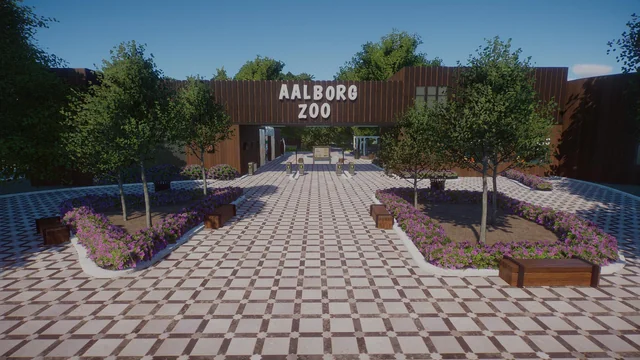
A Drive for Natural Feeding Practices (Image Credits: Reddit)
The Aalborg Zoo initiative aims to replicate wild food chains within the confines of captivity. Predators such as Asiatic lions, Sumatran tigers, and European lynx require whole prey, complete with fur, bones, and organs, to thrive.
Deputy director Pia Nielsen explained that the zoo has followed this approach for years. Carnivores need meat with natural elements to maintain proper health and behavior, she noted in a statement.
This method underscores a commitment to animal welfare and professional standards in zoological care. The zoo emphasized that donated animals provide essential nutrition while preventing waste.
Animals Sought and Predators Served
The program targets specific livestock commonly kept as pets or on small farms. Chickens, rabbits, guinea pigs, and small horses top the list of accepted donations.
Horses must stand no taller than 147 cm at the withers and carry a valid passport. They cannot have received medical treatment in the prior 30 days. Smaller animals arrive in disposable boxes.
- Chickens, rabbits, guinea pigs: Key for lynx diets, mimicking wild hunts.
- Horses: Accepted seasonally, with potential tax deductions for donors.
- No predators like dogs or cats; poultry paused due to avian influenza.
Streamlined Donation Guidelines
Trained staff handle all euthanasias gently upon arrival. Donors may witness the process for horses if they choose. This ensures humane treatment before the animals serve as whole-prey meals.
Drop-offs for small animals occur weekdays from 10 a.m. to 1 p.m., limited to four per visit without prior arrangement. Larger quantities or horses require coordination via email.
The zoo’s website details these steps, stressing integration into the food chain for ecological purpose. “That way, nothing goes to waste – and we ensure natural behavior, nutrition and well-being of our predators,” the facility stated.
Debate and Danish Zoo Traditions
The Facebook announcement drew mixed responses online. Critics questioned the ethics of repurposing pets, while supporters hailed the resourcefulness.
Nielsen highlighted the practice’s prevalence in Denmark, where guests and partners often contribute. It aligns with broader efforts to sustain predator health in captivity.
Denmark’s zoos have faced similar scrutiny before. In 2014, Copenhagen Zoo euthanized a giraffe to prevent inbreeding, feeding its remains to lions and tigers amid public outcry.
| Donation Type | Requirements | Benefits for Donors |
|---|---|---|
| Small Animals (up to 4) | Weekdays 10-13, disposable box | Tax deduction (100 kr/animal) |
| Horses | Passport, no recent meds, <147cm | Tax deduction (5 kr/kg) |
Key Takeaways
- Whole-prey feeding enhances predator welfare and mimics nature.
- Donations must involve healthy animals; strict health protocols apply.
- Practice is longstanding and widely accepted in Denmark.
This program reflects a pragmatic balance in zoo management, prioritizing carnivore vitality while offering a purposeful option for pet owners. As debates continue, Aalborg Zoo stands by its methods for fostering healthier captive wildlife. What are your thoughts on such initiatives? Share in the comments.